
New to neurogenomics @UKDRI @ImperialBrains @ImperialBRC
Joined August 2014
- Tweets 449
- Following 757
- Followers 381
- Likes 3,381
4 Photos and videos
Pinned Tweet

26 Aug 2020
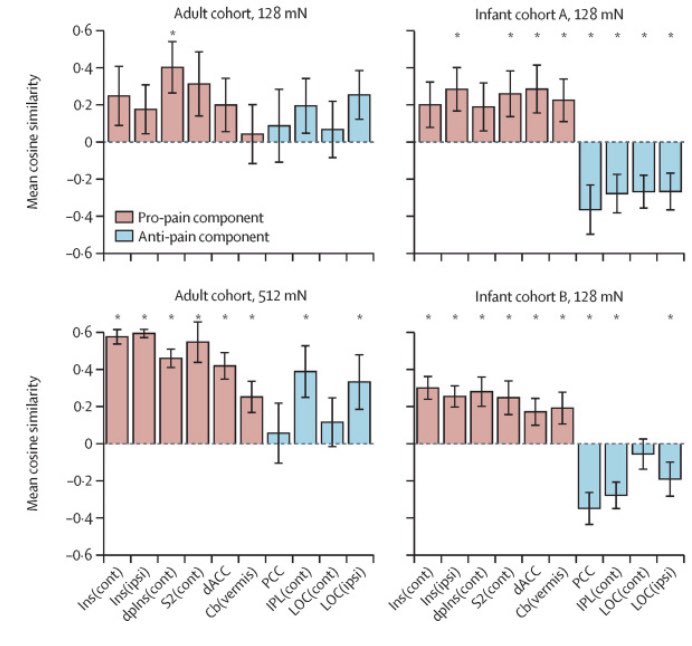
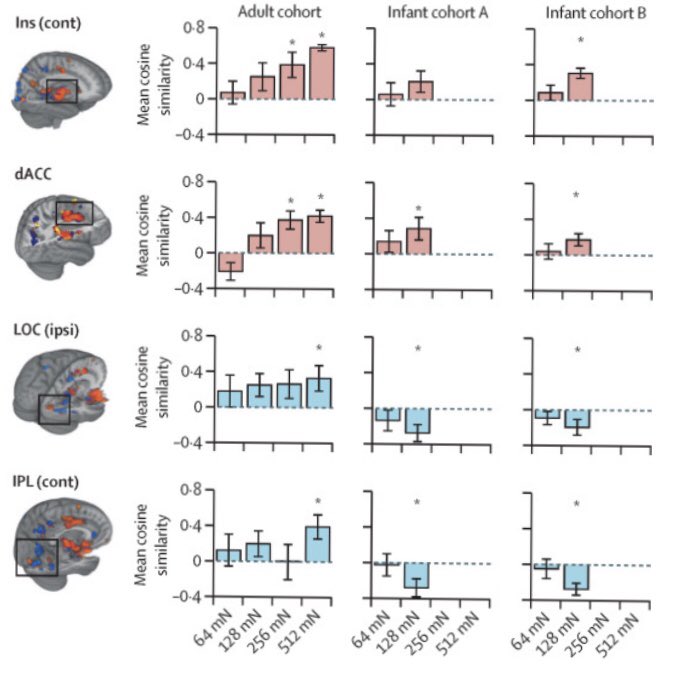
New w/ Rebeccah Slater et al in @LancetDigitalH! Characterising clinically important subjective experiences in infants is challenging. We project fMRI signatures of the adult pain experience onto infant responses to mild stimuli to facilitate inferences about their experience.
25 Aug 2020

Advancing our understanding of pain in infants using fMRI-based signatures of evoked brain activity! Delighted to see our work in print in @LancetDigitalH. Well done team! @EugenePDuff @alexx_abos @spfitzgibbon @torwager @UniofOxford authors.elsevier.com/sd/arti…
1
9
Feb 25
something satisfying about the fact that LLMs have as much trouble setting up a docker machine as I do.
2
36
Eugene Duff retweeted

18 Jun 2025
My lab is working on using AI to predict effects of SNPs on the epigenome, see e.g. nature.com/articles/s41467-0…
Would be particularly interested in speaking to anyone interested in this sort of research area.
1
1
1
135
Eugene Duff retweeted

30 Jan 2025
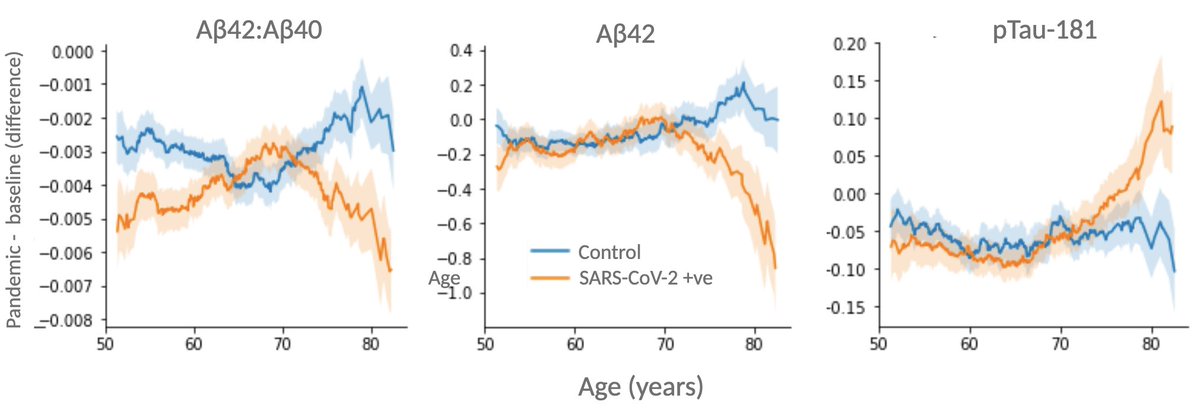
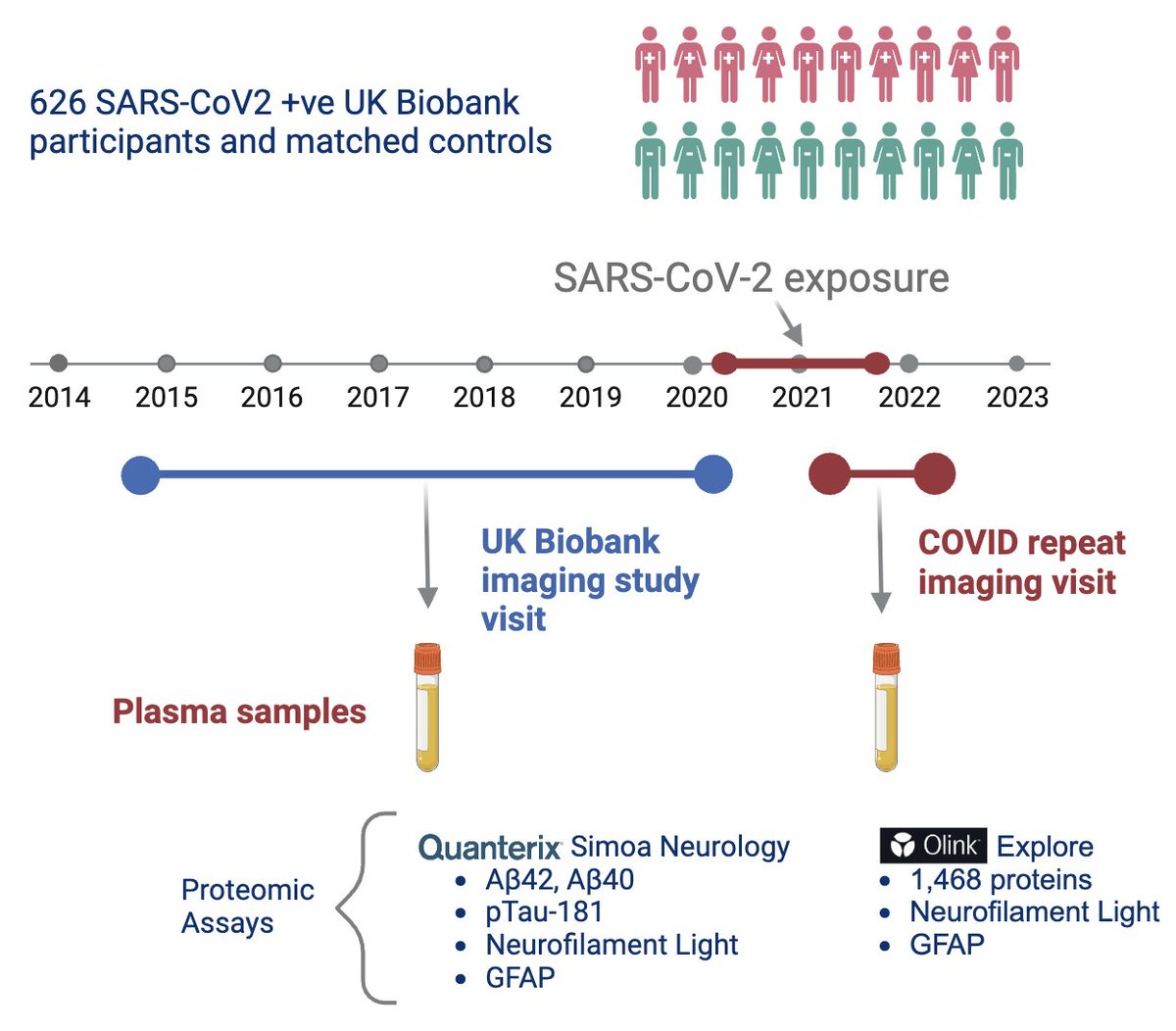
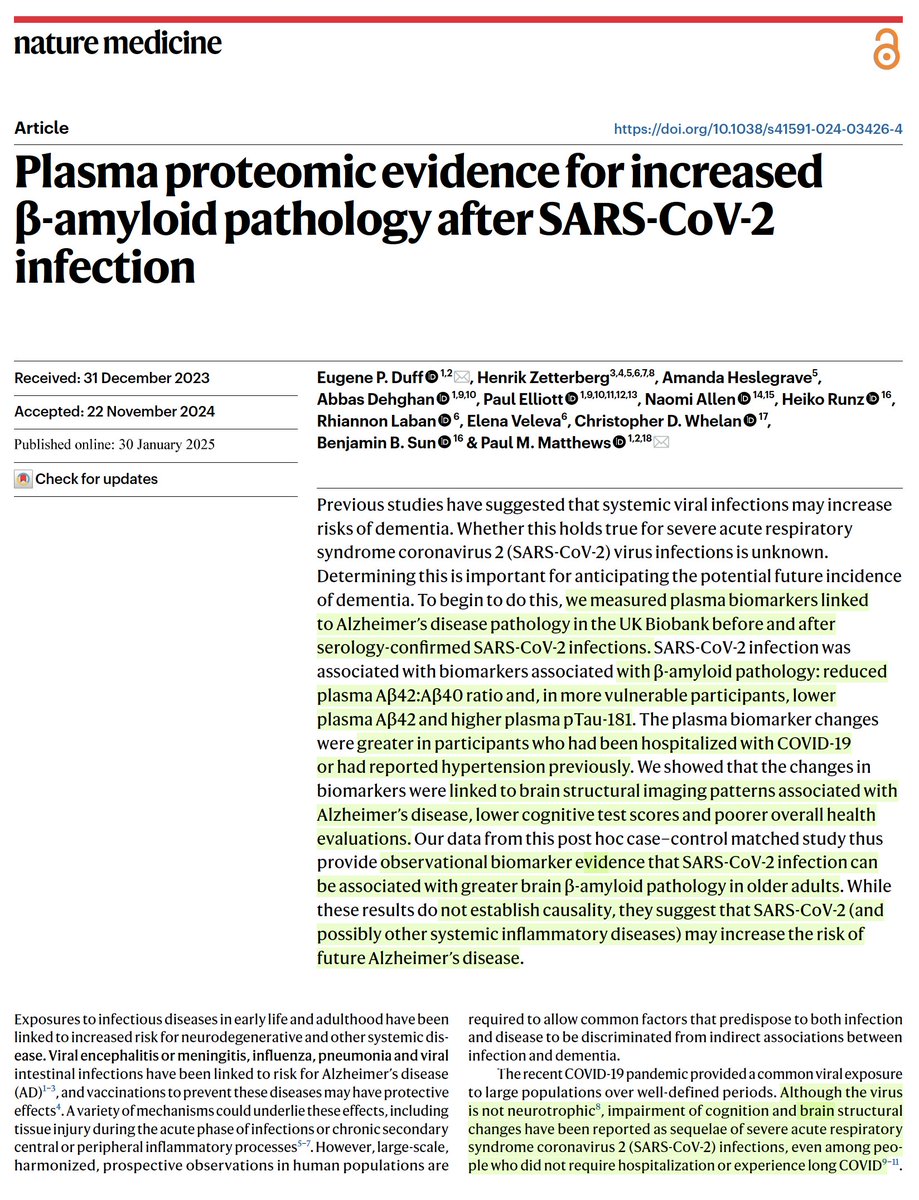
Plasma protein and brain structural imaging evidence that #SARSCoV2 is associated with greater brain β-amyloid pathology in older adults, particularly those hospitalized or with hypertension.
nature.com/articles/s41591-0…
@NatureMedicine a matched @uk_biobank case-control study @EugenePDuff open-access
18
132
375
36,721
Eugene Duff retweeted

10 Jan 2025
I'm delighted to announce that the Pharma Proteomics Project will commence full-scale proteomic profiling of UK Biobank in 2025. We've selected the Olink Proteomics Explore HT platform and Ultima Genomics UG 100 sequencers for this unprecedented study.
ukbiobank.ac.uk/learn-more-a…
2
14
47
3,705
Eugene Duff retweeted

20 Nov 2024
Early days, but it looks like our authors don't think we need an impact factor either! Submissions are strong in numbers and high quality since the Clarivate announcement. We should not let a multibillion dollar company dictate how science is evaluated!
20 Nov 2024

Following the news that eLife will not receive an Impact Factor in 2025, we’ve shared an update on how our model is doing since we were first placed “on hold” by Web of Science, and what we’re up to now. Find out more.
elifesciences.org/inside-eli…
2
26
101
15,725
Eugene Duff retweeted

15 Jul 2024
I know we are only in July, but I’ve just finished “A Brief History of Intelligence” by @maxsbennett and I’m calling it my “book of the year”.
What an amazing, step-by-step, story of how human intelligence developed over the last 600 million years.
Some of the ideas that blew my mind:
- The human brain is remarkably similar to those of other animals. A chimpanzee's brain is basically a scaled down version of our brain. The difference with a rat’s brain is only a handful of brain modifications. Even fish have almost all the same brain structures as we do.
- We match our inner hallucination of reality to the sensory data we are seeing. We don’t really “see” reality. We hallucinate it.
- Remembering episodic events is also an hallucination. We remember by simulating an approximate re-creation of the past. When imagining future events, you are simulating a future reality; when remembering past events, you are simulating a past reality.
- In fact, perception and imagination are not two different systems but two sides of the same coin. Both happen in the same region of the neocortex and use similar if not the same neural circuitry.
In a time where it seems humanity is working on the next breakthrough –the creation of an artificial superintelligence– this is a great read to understand how our intelligence came to be.
In Max’s words:
“The physicist Richard Feynman left the following on a blackboard shortly before his death: 'What I cannot create, I do not understand.' The brain is our guiding inspiration for how to build AI, and AI is our litmus test for how well we understand the brain.”
5
45
3,993
Eugene Duff retweeted

25 Sep 2024
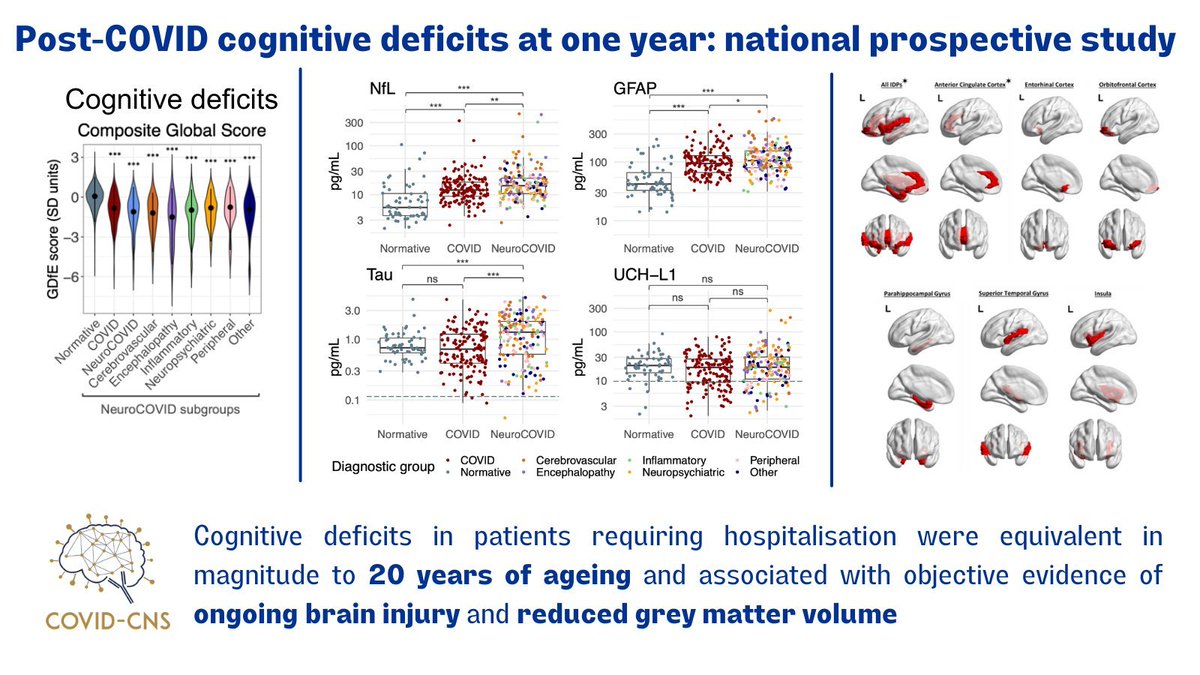
2 minute summary of our work published in @NatureMedicine this week:
1 year after hospitalisation with COVID-19 we found cognitive deficits equivalent to 20 years of ageing associated with raised brain injury proteins and reduced grey matter volume
nature.com/articles/s41591-0…
12
321
662
49,195

Congratulations to the @covidcns team on the latest research out in @NatureMedicine today! Showing that post-COVID cognitive deficits were equivalent to 20 years of normal ageing. 👉nature.com/articles/s41591-0…
1
13
27
2,098
Eugene Duff retweeted

20 Jul 2024
Ever noticed how neuroimaging papers love flaunting t, Z, or p values with color bars and tables but rarely show actual effect magnitudes? It’s like physicists talking about the speed of light and just giving a p-value—great for keeping things mysterious! ln.run/snpmf
20 Jul 2024

All neuroscientists either laughing or crying...
I'm not aware of a single effect in neuroscience for which we have the slightest idea of what "too small to matter" means... Would be delighted to be corrected on this.
2
11
42
10,681
Eugene Duff retweeted

10 Jul 2024
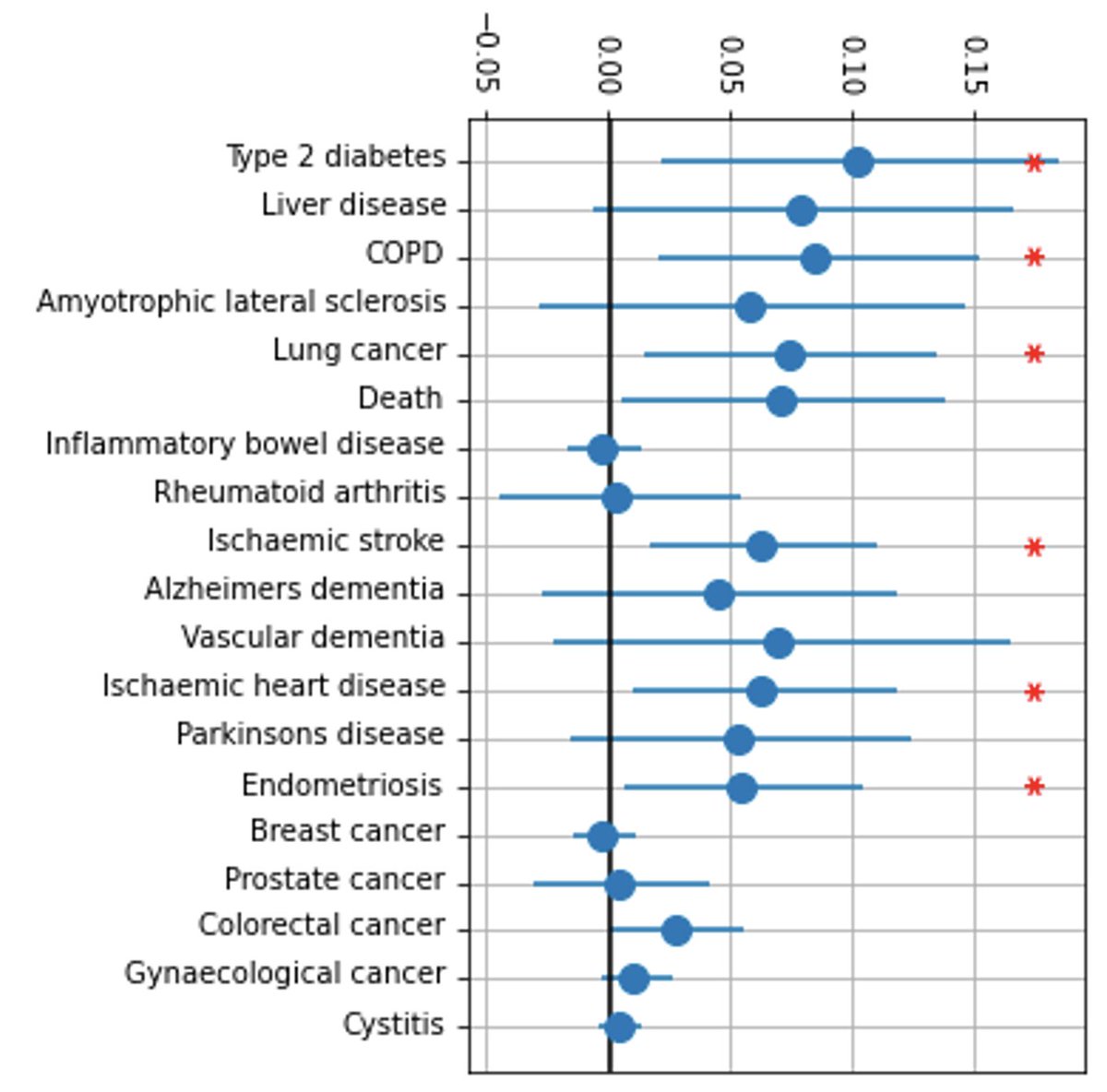
Excited to share our work now in @NatureAging. Multiplex blood #proteomics #MachineLearning in @uk_biobank improve multiple #disease incidence #prediction beyond traditional risk factors.
nature.com/articles/s43587-0…
Shout out to my colleagues and old team at Biogen
2
23
71
9,706
Eugene Duff retweeted

14 May 2024
Hi everyone, our group run tutorials alternate Fridays on cortical surface processing, MRI pre-processing, neuroscience and AI methods (soon to be expanded to other organs) - I've started to upload our talks to YouTube. I hope they are useful youtube.com/playlist?list=PL…
2
33
81
9,470
Eugene Duff retweeted

5 May 2024
From someone who has studied this field for over 2 decades, I can comfortably say that virtually everything said here is inaccurate. It is incredibly disturbing to me that someone claiming to be a scientist can talk with such authority on something they clearly know nothing about

436
1,615
18,881
8,968,601
Eugene Duff retweeted

11 Apr 2024
This is fantastic news from @uk_biobank - "a new Global Researcher Access Fund that covers application costs of approved researchers at institutes from less wealthy countries, and aims to further democratise worldwide access to this biomedical database."
10 Apr 2024

📣 Exciting news! We are taking another stride towards democratising worldwide access! Registered researchers in developing countries may save on data application costs through our newly launched Global Researcher Access Fund 🌍. More details here: ow.ly/JNjU50RbowA
1
15
45
3,934
Eugene Duff retweeted

30 Mar 2024
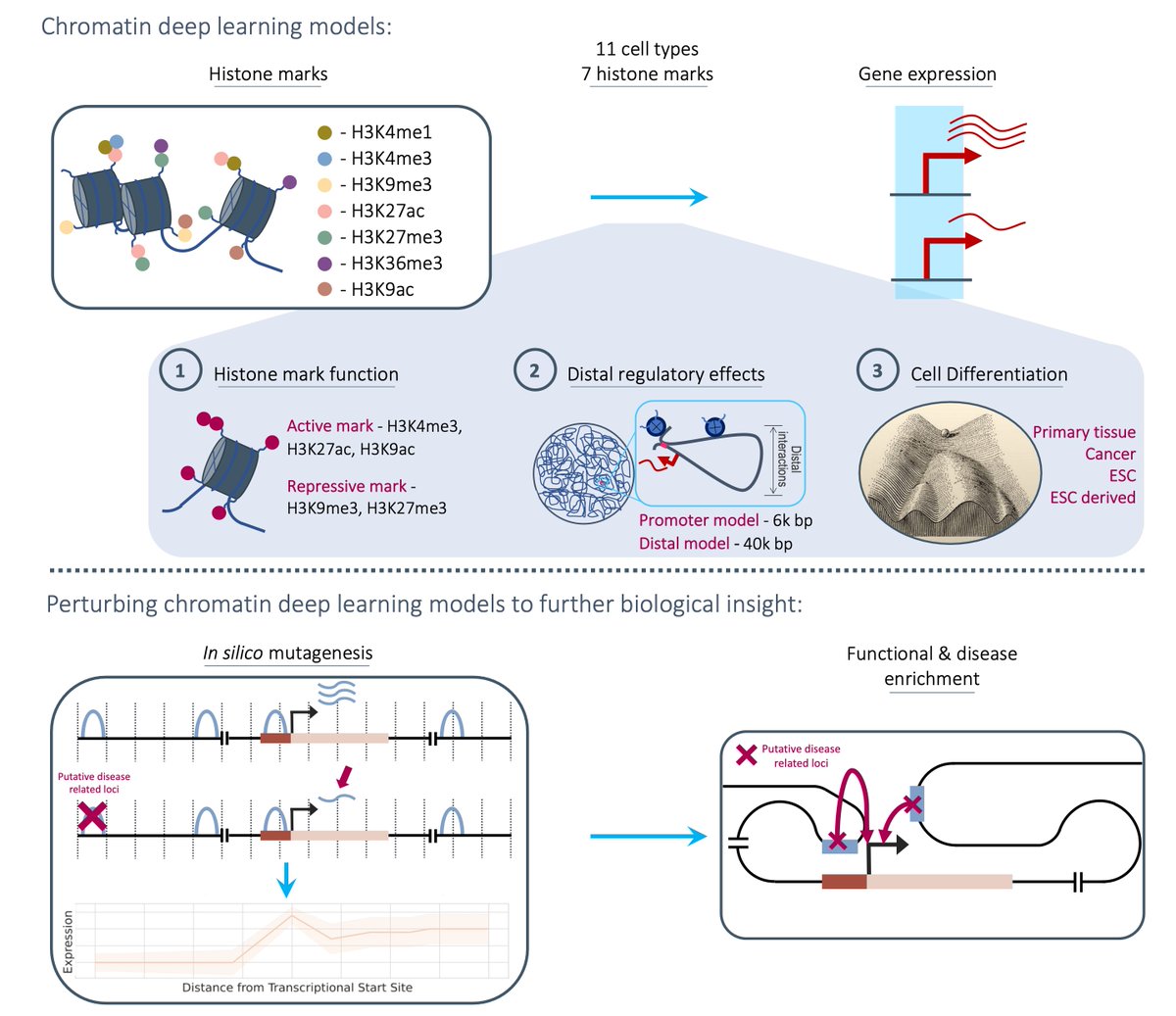
Our new preprint details the most comprehensive study of the relationship between histone mark signal and expression using deep learning models. We found histone mark function, genomic distance and cellular state collectively influence this relationship 1/ rb.gy/zam3s4
2
34
136
17,425
Eugene Duff retweeted
20 Feb 2024
Delighted to present our work predicting cell type-specific epigenomic profiles whilst accounting for distal genetic effects. See below for a 🧵 with the details 1/15
biorxiv.org/content/10.1101/…
1
18
71
27,920
7 Feb 2024
Preprint: doi.org/10.1101/2024.02.02.2…. Viral infections have been linked to an increased risk for dementia - might SARS-CoV-2 infection also confer an increased risk of dementia in segments of the population?
1
7
8
2,243
7 Feb 2024
The pandemic may present a countervailing trend to positive developments in AD incidence in many regions. Sensitive plasma biomarkers have great potential to improve our ability to predict patterns of future disease.
1
72
7 Feb 2024
This work is under review, so results are not final. Thanks to PI Prof. Paul Matthews and co-authors, collaborators, and supporters including, @ben_b_sun @chrisdwhelan @Abbasdehghan @UKDRI @UkdriL @uk_biobank @ImperialBRC @ImperialBrains.
2
111