
Love the countryside,love cows,love fly fishing! also a bit of a ww2 nerd.🚜🚜🚜
Joined December 2019
- Tweets 28,633
- Following 4,780
- Followers 4,318
- Likes 139,683
2,114 Photos and videos








Steve Evans retweeted

Jun 9
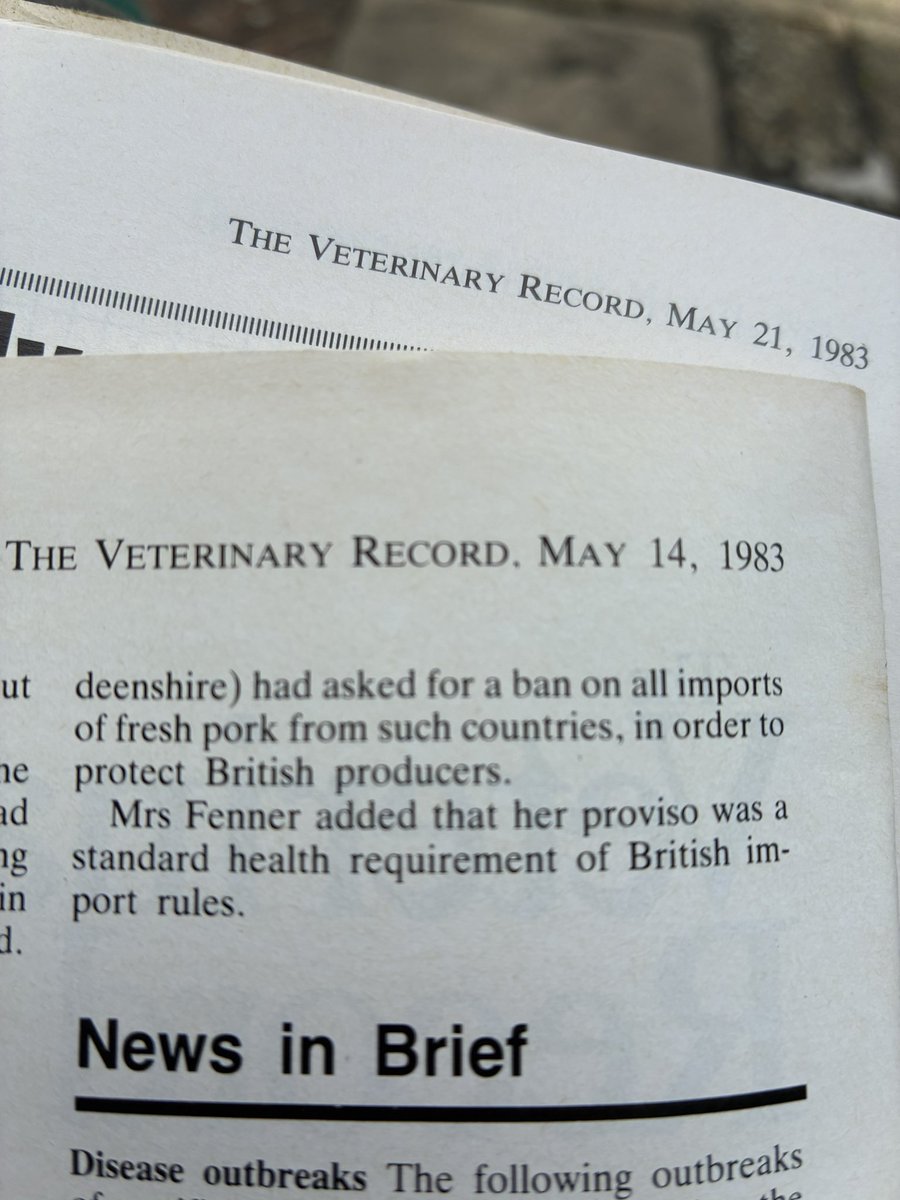
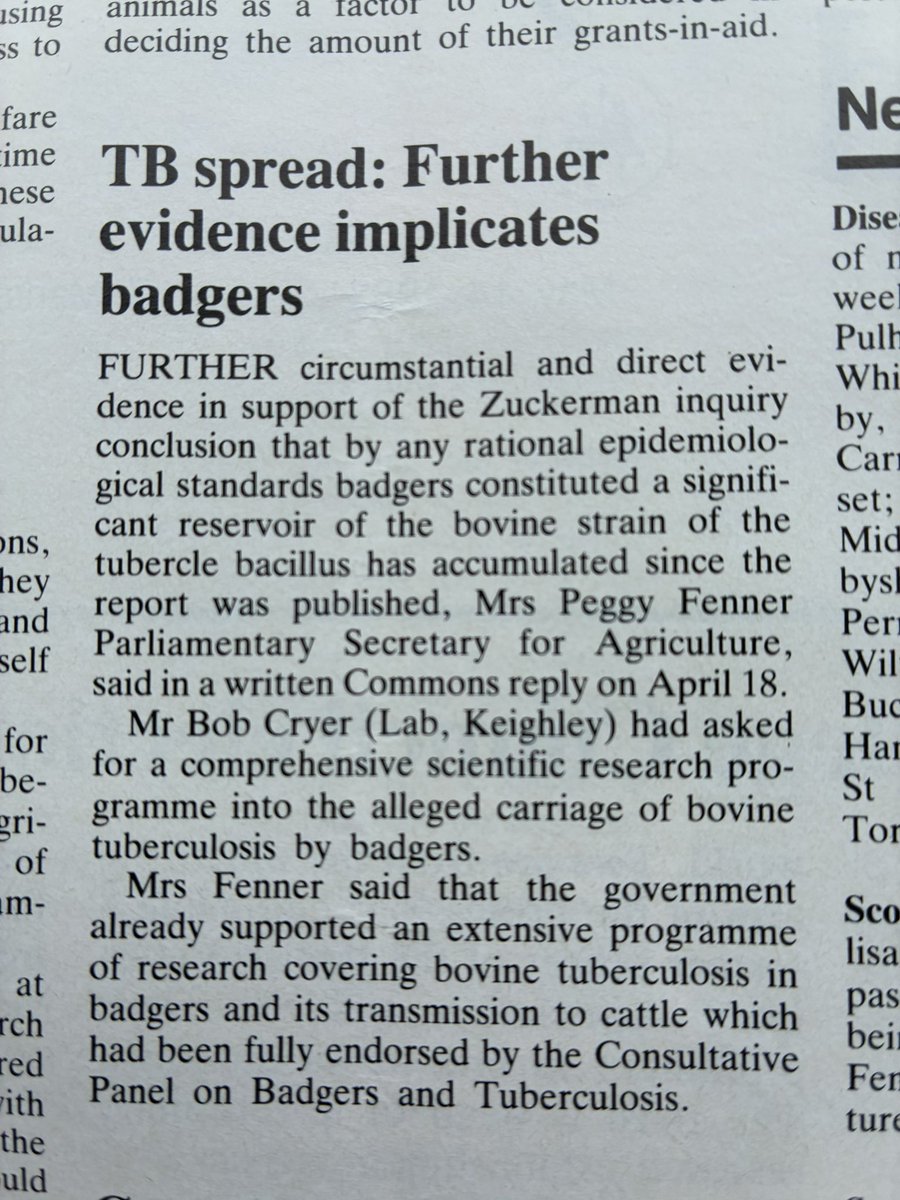
Looking at an old Veterinary Record.
“By any rational epidemiological standards badgers contribute a significant TB reservoir”
Amazing that over 40 years later some still dispute.
1
3
10
383
Steve Evans retweeted

Jun 7
The benefits of eating the whole animal
theepochtimes.com/health/why…
8
22
1,476
Steve Evans retweeted

North Wales Wildlife Trust to get funding from National Lottery to bring illegal immigrants into Wales.

13
34
65
2,304
Steve Evans retweeted

Jun 3
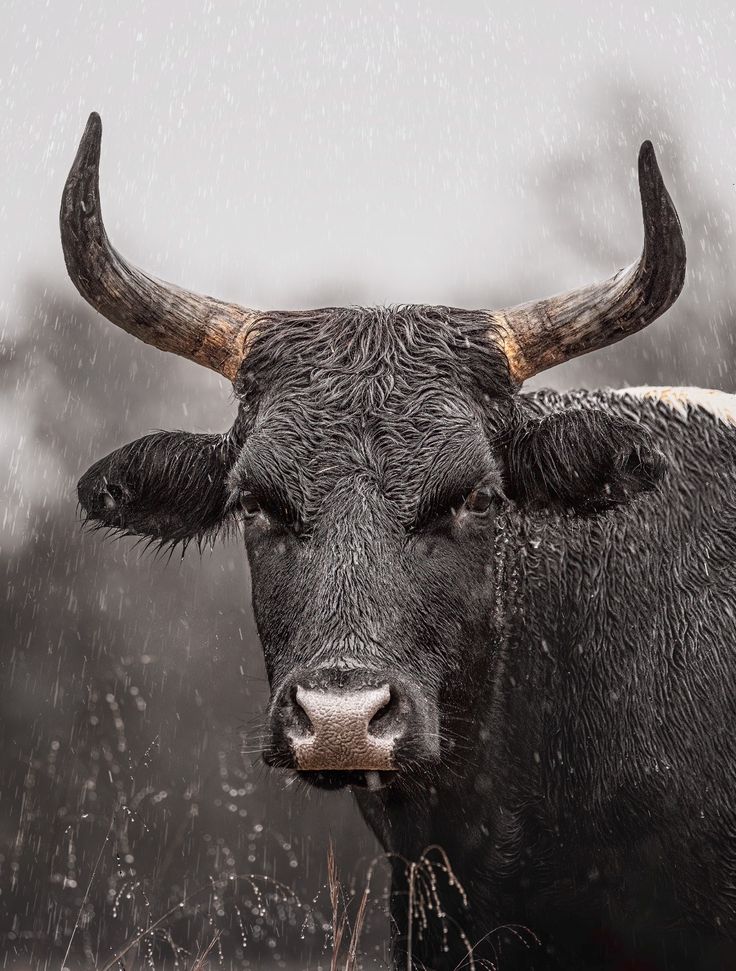
The cow stands accused of drinking the planet dry. The headline number is 15,000 litres of water for a single kilo of beef. A monster, apparently. Let us settle her bill, line by line, and see what the planet is actually owed.
Line one, the big one: rainfall. That 15,000-litre figure is what hydrologists call a water footprint, and for beef more than 90 percent of it is green water, meaning rain that fell on the grass the animal ate. Rain that was going to land on that hillside whether a cow stood on it, a sheep stood on it, or nothing did. We are billing the animal for the weather. Strike it out.
Line two: the blue water, the stuff that actually comes from taps, rivers, and aquifers, the water humans genuinely compete over. For beef this runs to roughly 50 litres per kilo as a global average, and in rain-soaked Britain, where cattle drink the sky and graze unirrigated grass, the figure for a kilo of beef carcass is around 67 litres. A bucket, give or take. The honest consumptive figure for beef lands somewhere between about 300 and 1,300 litres a kilo, not fifteen thousand.
Line three: what she did with the bucket. She drank it, ran it through, and returned almost all of it to the field as urine, dung, and breath, where it rejoins the same cycle it was always in. Water is not consumed the way petrol is; it is borrowed and handed straight back, very slightly warmer.
For perspective, a single glass of dairy milk carries a water footprint of about 126 litres, and a glass of the almond milk sold as its virtuous replacement about 74. Both, like the beef, are overwhelmingly green water. Rain. The same rain.
So the final, honest invoice for the planet-draining beast reads: a bucket of borrowed water, returned to sender, plus a very large charge for rain that fell on a Welsh hill of its own accord.
The 15,000-litre number is, in the main, a bill for the sky. Send it to the sky.
24
336
1,101
12,521
Steve Evans retweeted

What a weekend at @FarmFest_UK! 🚜 The team had a blast enjoying the sunshine, tunes, and that brilliant community spirit. ☀️🎶
#FarmFest #GreatBritishFarmers #BackBritish #Farmers

1
8
265

May 25
So….my take on Farm Fest.
It was a massive opportunity to promote and bring in the wider public to British agriculture and in my opinion the team behind it got it 99% right.
As a first hit out at I must commend them all as it cannot have been easy to get this off the ground etc.
yes there have been complaints from stall holders and I totally get it (not being funny but who got it right when they lost their virginity!)but this event must be held every year for economic,promotional,exposure and social reasons.
Pricing….yes it wasn’t the cheapest day out but what is these days!
A local water park here is £100 an hour for four people!
I for one sincerely hope that it becomes a date on the calendar every year.
Hats off to you all @JeremyClarkson @loosecollie
2
1
20
1,566
Steve Evans retweeted

May 24
The resident of Pompeii who was consuming it at the time.

Whats missing from this breakfast? 🍳
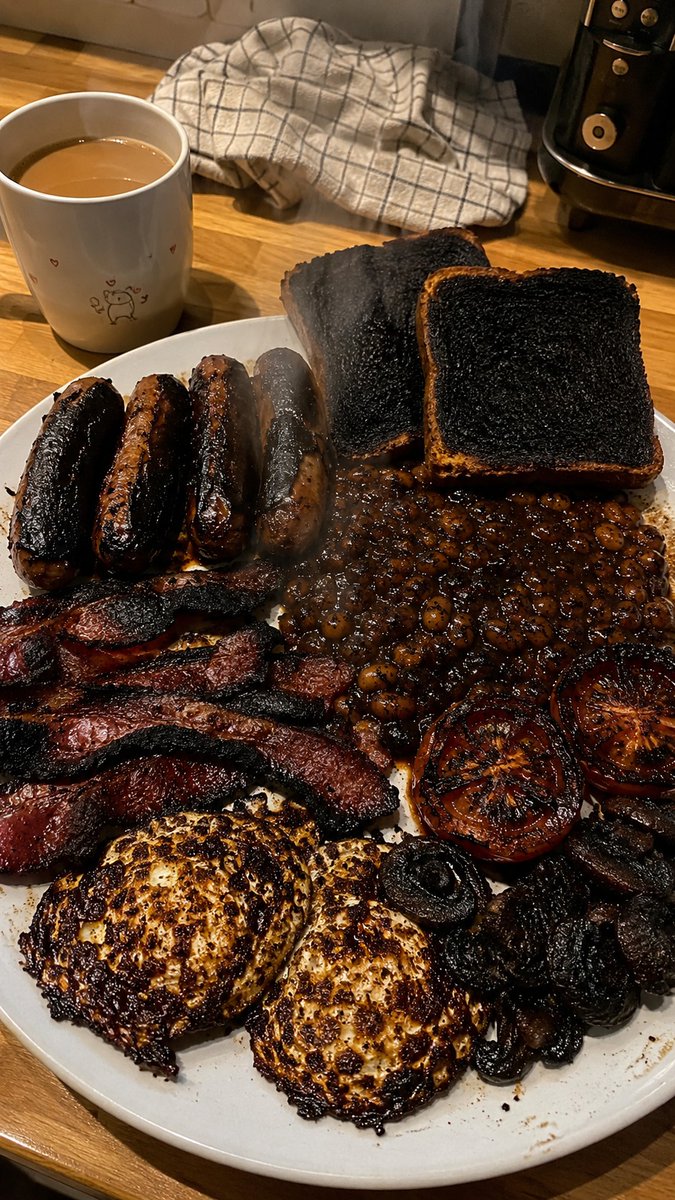
Community note
Undisclosed AI generated image used for engagement bait.
x.com/hive_ai/status…
meaningless engagement bait ai generated image, which breaks Twitter TOS around authenticity
x.com/elonmusk/statu…
277
5,024
81,081
2,123,501
Steve Evans retweeted
May 24
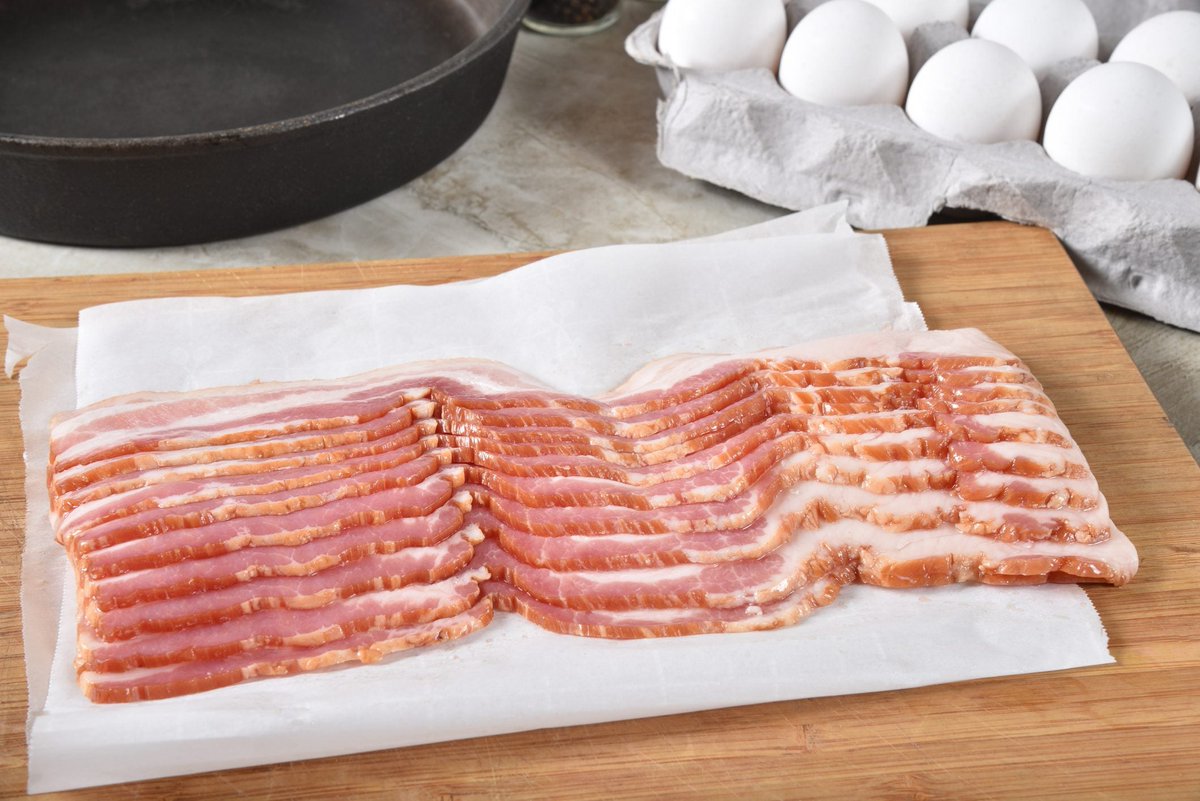
"Bacon contains nitrites and nitrites cause cancer."
A 100g portion of bacon contains roughly 5.5 mg of nitrate.
A 100g portion of spinach contains roughly 741 mg.
Spinach has approximately 130 times more of the substance bacon is being prosecuted for. Around 80 percent of dietary nitrate in the human diet comes from vegetables. The leafy salad your dietitian recommends is, by mass, a nitrate delivery system that makes a rasher look like a rounding error.
The standard rebuttal is that vegetable nitrates are different. They are not. The exact same molecule, absorbed in the exact same gut, recirculates through the exact same salivary glands, gets reduced to nitrite by the exact same bacteria on the back of the tongue, and ends up in the exact same stomach. The pathway is called the enterosalivary circulation. It is how your body makes nitric oxide. It is the basis of every beetroot pre-workout product on the shelf.
The absolute increase in colorectal cancer risk from 50g of processed meat per day is roughly 0.7 percentage points over a lifetime. One in twenty-five becomes one in twenty-one. Only if you eat that much, every day, for the rest of your life.
The molecule isn't the problem. The framing is.
Eat the bacon.
Community note
The post conflates nitrites and nitrates. Bacon is cured with nitrites, which react with meat proteins when cooked to form carcinogenic nitrosamines. Vegetables contain nitrates alongside vitamin C and polyphenols that inhibit nitrosamine formation. food.gov.uk/safety-hygiene… pmc.ncbi.nlm.nih.gov/articles/PMC74…
664
2,865
11,670
378,419
Steve Evans retweeted
May 24
Look at who funds the activists.
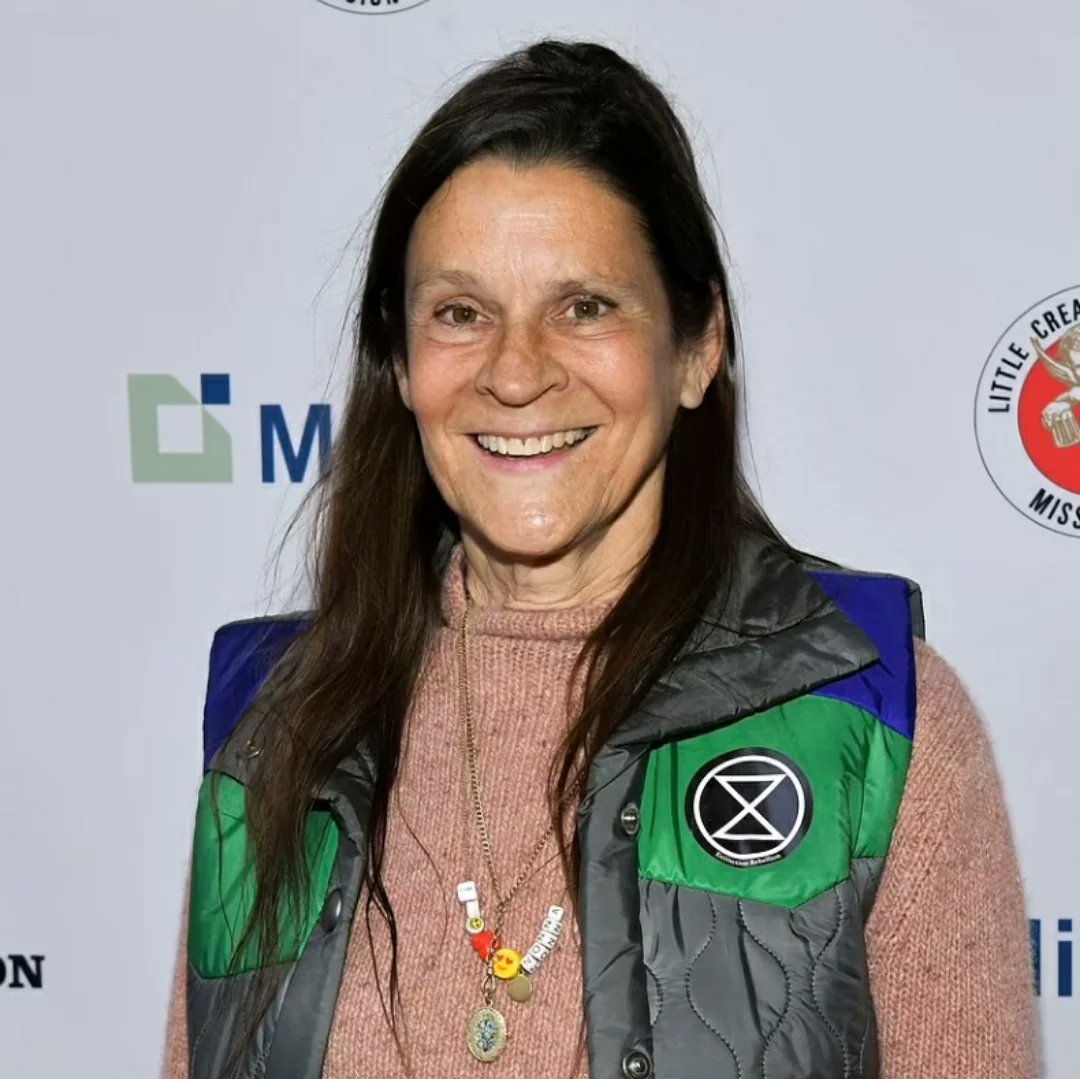
Just Stop Oil drew its operating budget primarily from grants by the Climate Emergency Fund, a US-registered non-profit. CEF was co-founded in 2019 by Aileen Getty.
Aileen Getty is the granddaughter of J. Paul Getty, founder of Getty Oil.
She has personally donated $1 million to CEF. The fund has distributed over $4 million in grants to climate protest groups worldwide. In 2022 alone, Just Stop Oil received $1.1 million from CEF, the largest single recipient that year. Director Adam McKay then pledged another $4 million on joining the CEF board.
Getty Oil was sold to Texaco in 1984 for $10.1 billion. The Getty family today is the 56th wealthiest in America, with a net worth around $5.4 billion. The capital has compounded for forty years through stocks, real estate, and private equity.
The activist who threw soup at the Van Gogh was funded, indirectly, by the proceeds of the largest oil discovery in California history.
The Lincolnshire farmer, who has never glued himself to anything, sells the herd in April 2026 because the inheritance tax is justified by the climate emergency that was publicised by the protest that was funded by the oil money.
Just Stop Oil disbanded in April 2025. They claimed victory: no new UK oil and gas licences.
The funding architecture remains in place.
A new banner. A new high-vis. A new farmer.
This is what capture looks like.
The people who created the problem are now funding the protests that demand the solutions that consolidate the land into their own asset class.
A reasonable person might notice this. A reasonable person might be called a conspiracy theorist for noticing.
The Climate Emergency Fund publishes its donors on its own website.
The cow has been less subtle.
56
599
1,470
26,721
Steve Evans retweeted
May 22
Badger culling in Cumbria reduced TB in badgers from 20% infected to zero. The fact that badgers suffer terribly with TB is always ignored by wildlife groups.
May 22

Badger cull ends as licence 'will not be renewed' bbc.in/4v4wKKp
5
22
72
4,162
Steve Evans retweeted
May 21
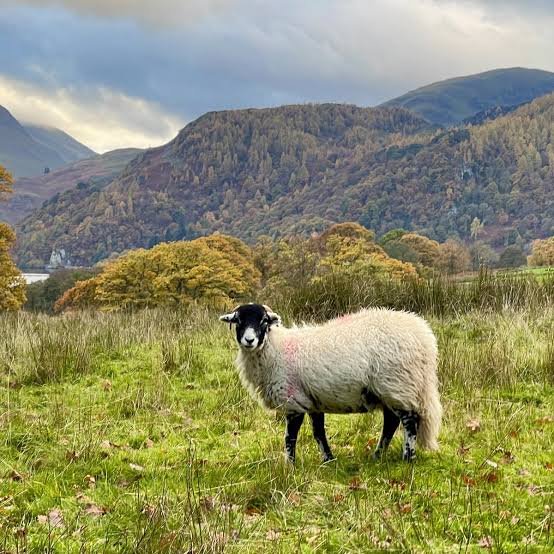
What a sheep produces in twelve months:
- Two to four kilos of wool
- One lamb, on average
- Roughly 1,000 litres of methane that breaks down in the atmosphere within twelve years
- Lanolin used in everything from skincare to industrial lubricant
- Fertiliser for the field it lives in
- Maintenance of the upland landscape that supports orchids, ground-nesting birds, and dry-stone wall ecosystems
- A small amount of milk if you want it
What a return business-class flight from London to New York produces in nine hours:
- Roughly 1,000 kilos of CO2 per passenger
- No wool
- No lamb
- No lanolin
- No landscape maintenance
- No orchids
- Some duty-free Toblerone
The sheep is doing more for the planet on a wet Welsh hillside than the climate conference attendee did getting to the venue.
Nobody is taking notes.
39
631
2,156
35,574
Steve Evans retweeted

May 21
I remember when this happened, there was an immediate pile on the tractor driver who was “obviously to blame” “should be lock up” etc etc etc…. Lone behold he was not at fault at all, and could have quite easily been killed when an 80mph train hit his tractor and trailer!!

1
4
27
1,334
Steve Evans retweeted

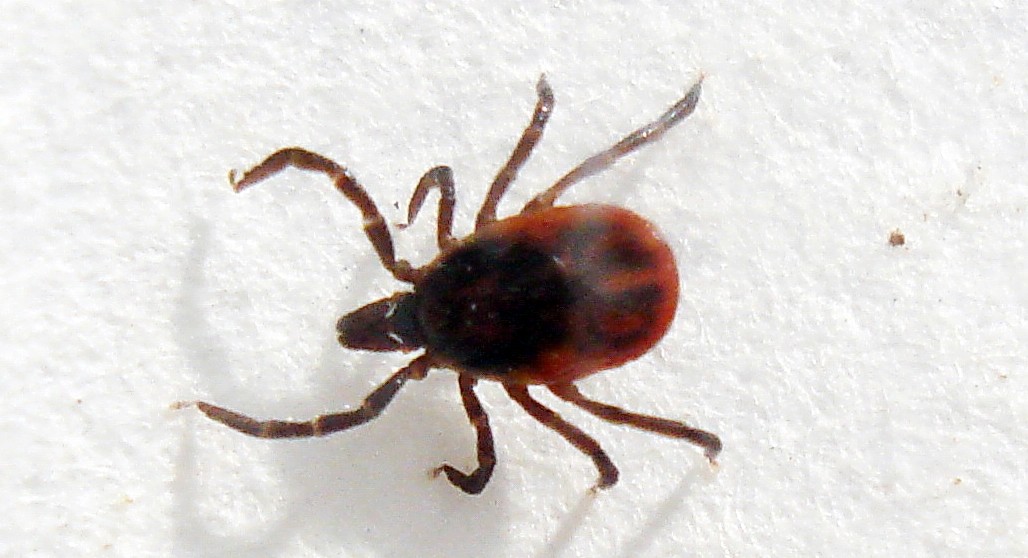
🕷️ 20 years ago, the UK recorded around 250 Lyme disease cases a year.
Today, public health guidance estimates 3,000–4,000 new cases annually. GP-record studies put the figure closer to 10,000. Some estimates go as high as 45,000.
Gamekeepers, farmers and moorland managers are reporting a massive, visible increase in tick numbers across northern Britain. In some spots, visitors and their dogs are stepping out of cars and finding themselves covered.
Lyme is often misdiagnosed as ME, lupus, arthritis or even COVID. Untreated, it can cause neurological problems and chronic fatigue lasting decades. Red grouse exposed to tick-borne louping-ill virus can suffer mortality rates of up to 80%, and the protective vaccine is currently unavailable.
Active land management - targeted grazing, bracken control, vegetation cutting and managed burning - keeps tick habitat in check. Personal vigilance does the rest.
Read more - link in replies 👇
5
23
52
1,721
Steve Evans retweeted
May 16
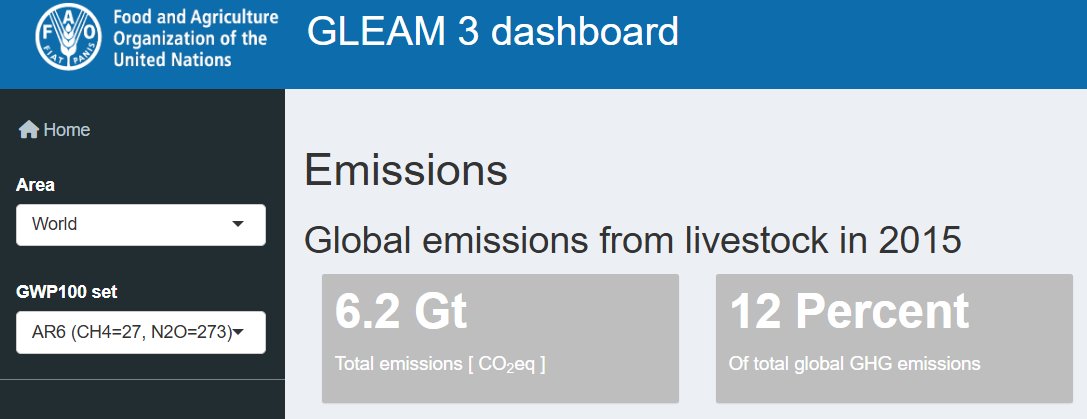
LIVESTOCK'S GLOBAL EMISSIONS
✅Avoid exaggerations
Activists sometimes claim this to be >50% of man-made greenhouse gases. Reality? More like 12% for all meat, dairy, eggs & poultry combined.
4
15
53
3,023
Steve Evans retweeted
May 15
Consumers reject "lab-grown meat" and that industry is clearly going nowhere as the "alt protein" investment bubble is deflating, so it's now going to the dogs.
May 15

Czech startup Bene Meat partners with Italian company Forza10 to debut cultivated pet food in Europe
The product contains 26% cultivated cells, and will be sold initially in Portugal and Spain
greenqueen.com.hk/bene-meat-…
3
7
39
2,625
Steve Evans retweeted

May 13
Yet only yesterday on Radio 4 Dr Sagen Zac-Varghese, a consultant in Diabetes, Endocrinology and General Internal Medicine, specialising in diabetic kidney disease and metabolic bone disease spoke about the essential health nutrients contained in meat & milk.
1
13
54
869
Steve Evans retweeted
May 11
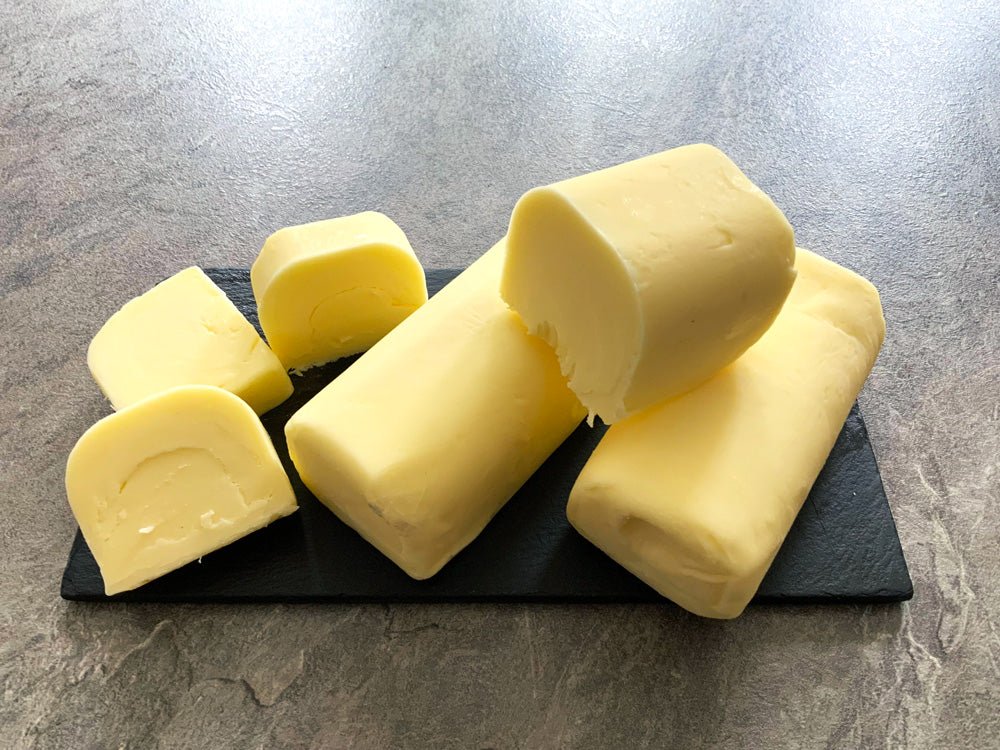
Butter improves everything it touches.
Swap the seed oil in your frying pan for butter and the eggs become a different food. Swap the margarine on your toast for butter and the toast becomes a meal. Swap the vegetable oil in your roasting tin for butter and the potatoes acquire a crust that has previously only been described in religious texts.
Swap the spread on your sandwich for butter and the sandwich stops being sad.
Swap the oil in your pasta water for a knob of butter at the end and the pasta tastes of something for the first time in your adult life. Swap the cream in your scrambled eggs for butter and the eggs go silken. Swap the mayonnaise on your steak sandwich for butter and the steak sandwich becomes the only sandwich that matters.
Swap the olive oil on your roasted vegetables for butter and discover that vegetables were waiting for this their whole lives.
Swap the lubricant on your bicycle chain for butter and the bicycle still works, briefly, and smells faintly of breakfast.
Swap the moisturiser on your hands for butter and your hands are softer, although your colleagues will have questions.
Swap the petroleum jelly on a stuck zip for butter and the zip moves. Swap the WD-40 on a squeaky hinge for butter and the hinge goes quiet for approximately a fortnight.
Swap the polish on your leather boots for butter and the boots are conditioned, fed, and faintly delicious.
Swap the wax on your surfboard for butter and you will fall off, but you will fall off into a sea that briefly tastes of a French bistro.
Swap the candle in your candelabra for a stick of butter with a wick pushed through it, which is, incidentally, what the Tibetan monasteries have been doing for a thousand years, and discover that yak butter lamps are not a metaphor, they are an HVAC solution.
Swap the diplomatic gift you were planning to bring to a foreign head of state for a wheel of properly aged farmhouse butter and watch the negotiations soften considerably.
Swap your morning coffee creamer for a tablespoon of butter blended into black coffee and notice that you do not become hungry until 2pm.
Swap your protein shake post-workout for a ribeye cooked in butter and notice that your recovery improves and your kitchen smells better.
Swap your evening glass of wine for a small dish of cultured butter and a spoon, and accept that you have crossed a threshold most people will not cross, but the people on the other side of it look extremely well.
Butter has long since stopped being a fat. It is now a strategy.
58
217
1,098
16,742
Steve Evans retweeted

A strange exchange this morning with one of Labour's nine remaining members of the Senedd.
Mike Hedges refused to stop to talk to @itvnews and instead appeared to blame the media for last week's election result.
182
253
1,113
245,017
Steve Evans retweeted

Apr 30
Todo el mundo debería de ver al menos una vez en la vida Band Of Brothers (2001)
317
625
8,181
286,876