219 Photos and videos

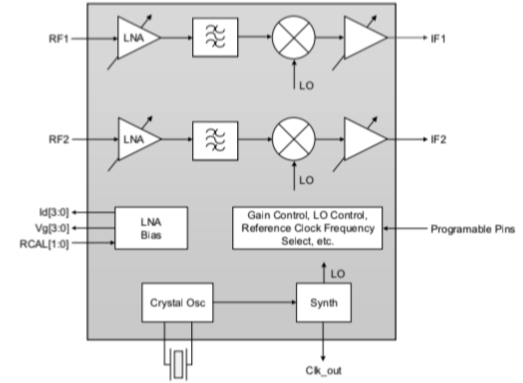
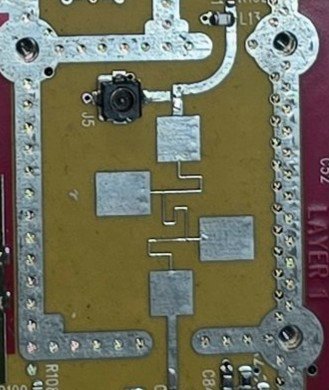


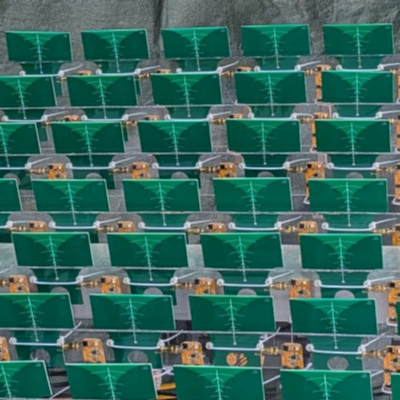
Software-defined phased array imaging the geostationary arc at 10489.999600 MHz. Twinkle, twinkle, little QO-100 CW beacon. #amateurradio
9
47
270
LimeSDR Micro is still not funded. Hopefully some European state actor will swoop in and make it happen. Bargain price for this form factor and intriguing 80 GFLOPS DSP.
crowdsupply.com/lime-micro/l…
5
9
83
6,444
One year later, it looks like NXP LA9310 DSP documentation is now available without NDA (?) This would make RFNM from @rfnotmagic and limesdr-micro from @LimeMicro significantly more appealing.

Indeed, the LA9310 80 GFLOP "VSPA" DSP could turn out to be a better use of silicon than reimplementing the same old downconverters, filters and FFTs on bare FPGA (even expensive FPGA with DSP slices). ADC DAC VSPA M4 fits in 8 mm x 8 mm and draws 1.5 W. Any demos ?
1
1
10
818
Any chance that someone said "our pilot was located thanks to periodic heartbeat signals from his emergency beacon" and this became "we have secret technology that can detect the magnetic field of a beating heart 40 miles away" ?

“Ghost Murmur” is wild. The CIA seems to imply they can detect magnetic signals from a beating heart at 40 miles range.
All I can do is imagine all the other applications… many things that thought they were hiding may no longer be!
So what I can glean from the article: they imply they are able to detect the magnetic signals (H-field) of a heart beat from 40 miles away. That’s something normal only doable across a few meters before the signal falls below the noise floor. Reading between the lines, it seems like they are probably using a distributed array of sensors, sensor fusion (h-field, e-field, motion, thermal, etc), and then add AI to infer the below-floor signal.
H-field typically drops off very rapidly as it travels from the source, where E-field (typical RF energy) is what propagates very far. It’s a bit hard to imagine that even an array of sensors, sensor fusion, and signal inference is enough to pick up H-field at 40 miles without there also being some sort of physics breakthrough as well. Even in a barren desert that has the lowest noise floor you can find. But either way, the implications seem fun to consider.
SCIFs rarely shield H-field emissions. Can their emissions now be picked up at significant range?
Same for air-gapped systems. Did data exfil just get a lot easier?
H-field propagates through all kinds of material, including dense earth. Do previously unknown underground facilities suddenly glow?
All kinds of electronics that are viewed as passive because they do not transmit RF might be much easier to detect by simply being powered on.
Maybe even passive detection of drones and aircraft?
I have so many questions and so many ideas.
3
405
LLMs were invented for SEO content farms. AGI, for CAPTCHAs. Stable Diffusion, for deepfakes.
Quantum computing is for selling fridges. Proof-of-work is for teleporting electricity.
Humanoid robots will be for pit fighting. Megaconstellations, for surveillance.
Change my mind.
1
213
Great intro to the connection between FT8 and radio science. I would say CDMA (e.g. GPS) is even more impressive; too bad it's not allowed in #amateurradio (AFAIK) because of the old rule "occupy as little bandwidth as possible".
2 Dec 2025

Taylor, binary pulsars, and the Shannon DNA of FT8 - Once you recall where Joe Taylor comes from, the architecture of FT8 and the broader WSJT family becomes almost inevitable. Before he was a Nobel laureate moonlighting among radio amateurs, he was at Arecibo and Green Bank, pulling structure out of relativistic binary pulsars buried tens of decibels below the noise. Extracting orbital elements, period derivatives, Shapiro delay, periastron advance — all from signals so weak they flirt with the thermal floor.
That world leaves a deep imprint. You quickly learn that there is no magic — only well-chosen priors, carefully sculpted signal models, and an obsession with driving the message toward minimum entropy. The entire pulsar pipeline — periodicity searches, coherent folding over thousands of rotations, matched filtering through period/Ṗ/DM space — rests on a foundational idea: if you know what the signal “should” look like, you can recover astonishing amounts of information at negative SNR.
WSJT/FT8 is that same philosophy, translated for amateur radio:
• entropy minimisation (compressed callsigns, rigid message grammar),
• energy concentration via long symbol durations,
• narrow effective bandwidth to suppress integrated noise,
• external time synchronisation to collapse the search space,
• and FEC using soft metrics — squeezing every fraction of a decibel, just like a pulsar likelihood engine squeezes meaning from a noisy folded profile.
If you’ve spent your scientific life confirming general relativity by extracting a few dozen usable bits from hours of sub-milliJansky pulses, designing a mode that retrieves 77 bits cleanly at –20 dB is almost second nature.
And that’s what delights me: FT8 isn’t a digital gimmick. It’s the direct importation of “binary pulsars Shannon theory” into the amateur bands. Every decode is a miniature pulsar experiment: the decoder explores a model space, computes likelihoods, and selects the minimum-entropy solution compatible with the noise.
It’s the same intellectual gesture as searching for millisecond pulsars by folding tens of thousands of trial DMs and periods.
Seeing techniques born to measure Shapiro delay at –30 dB reborn as a 15-second mode on 20 meters is, frankly, a scientific inside joke.
FT8 is one watt of Arecibo-grade information theory, packed into 77 bits — and it makes the Shannon boundary feel like a playground.
3
1
14
1,438
SARLink: Free, worldwide IoT satellite uplink through Sentinel-1A. Based on modulating a 1.7 m retroreflector, aiming for 60 bits per pass with suitable FEC. Cool idea ! #amateurradio should experiment with these long-range RFID tricks.
arxiv.org/abs/2402.09682v4
2
3
13
759
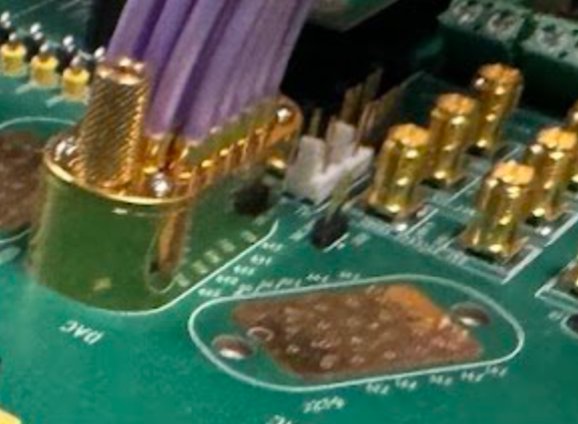
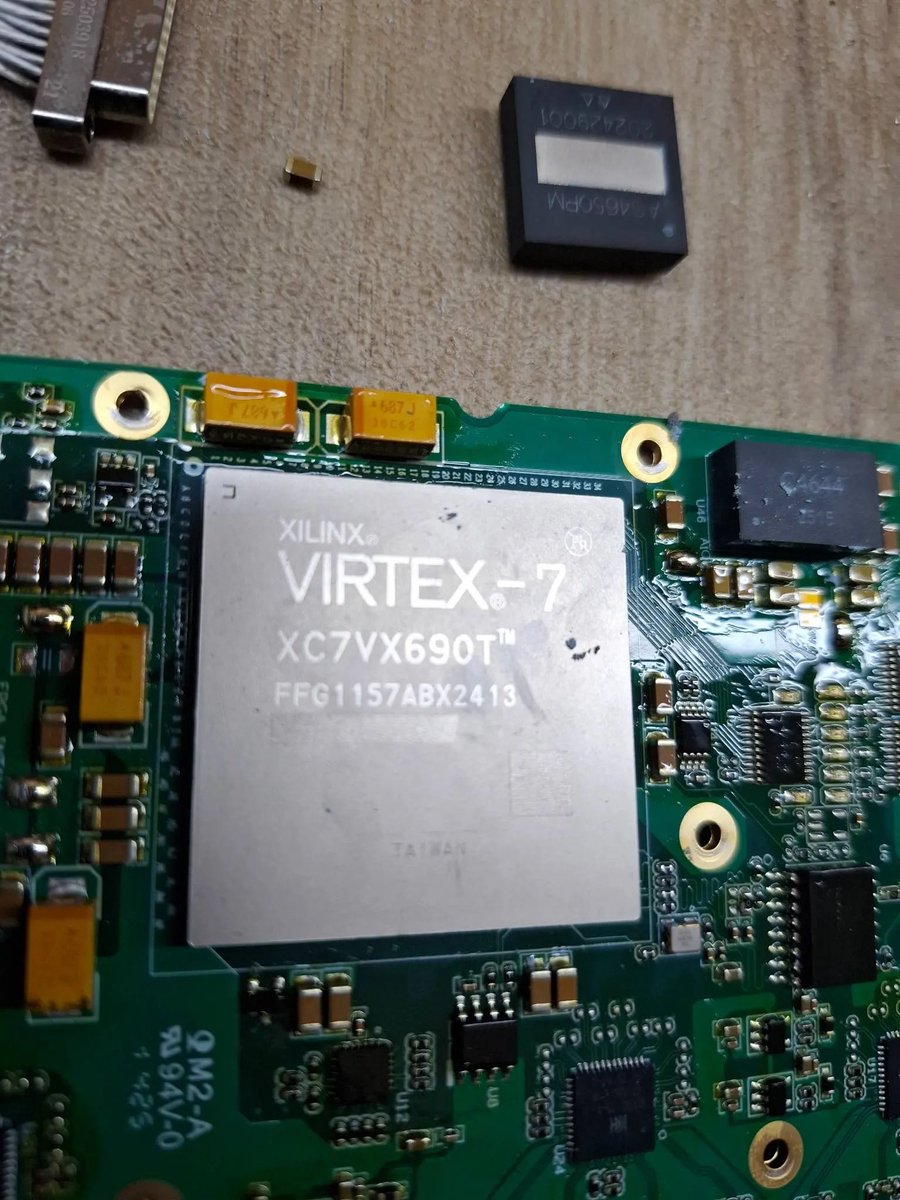
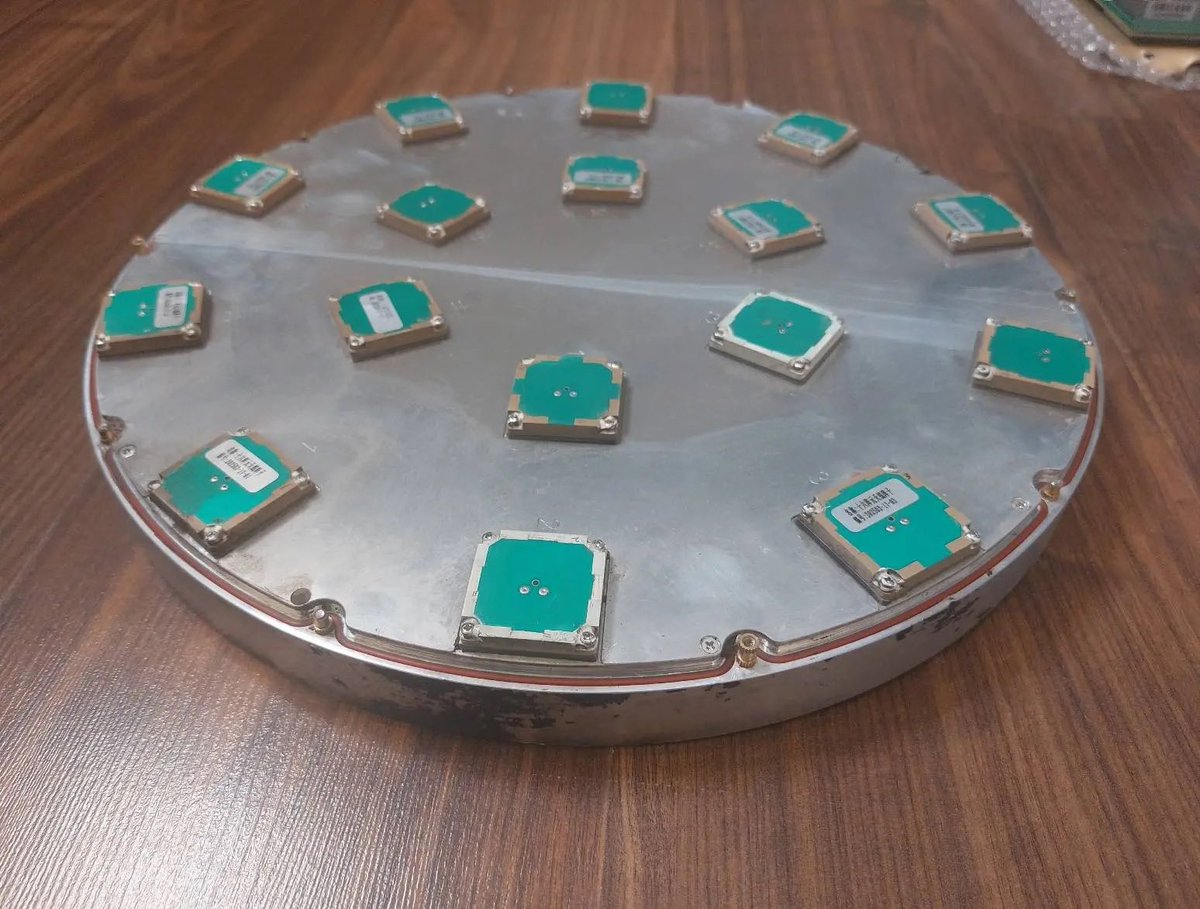
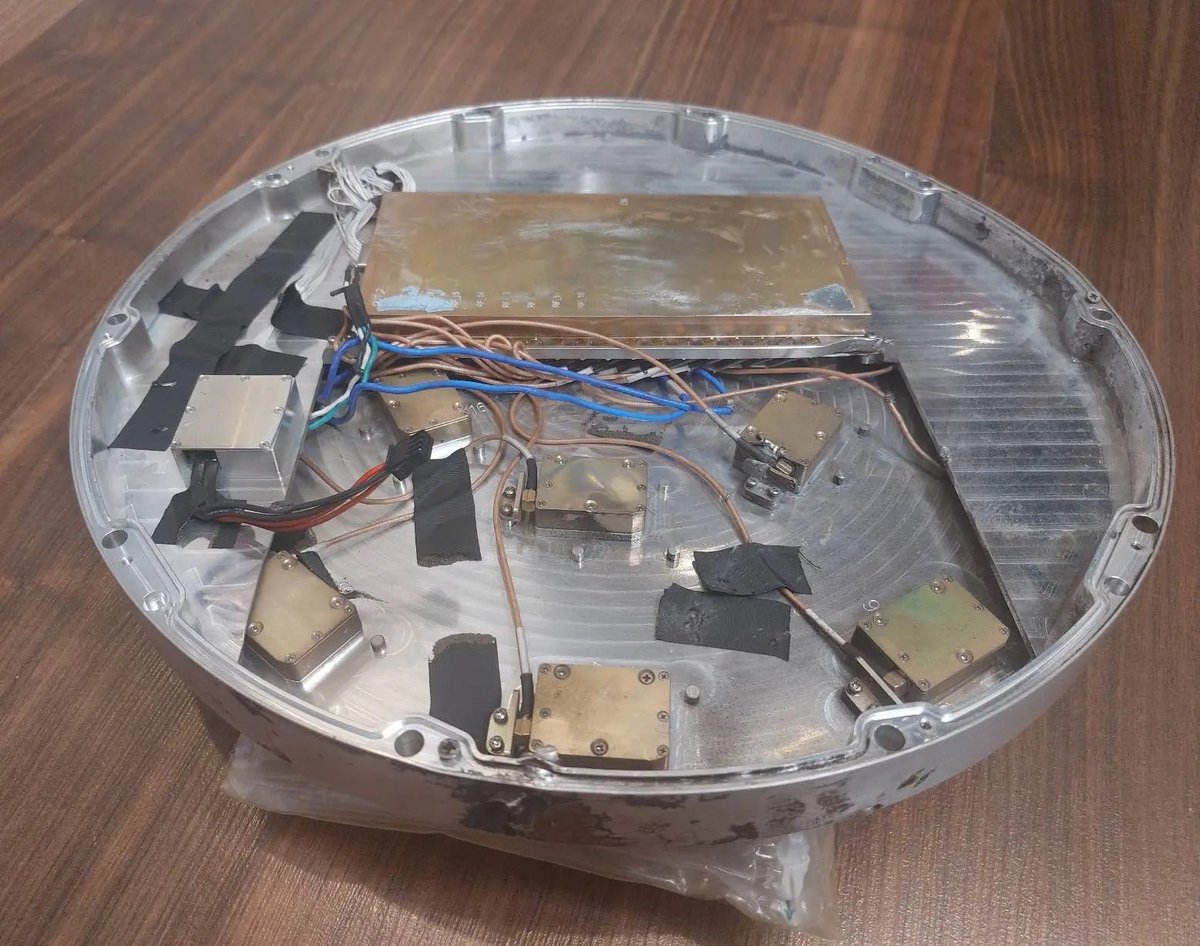
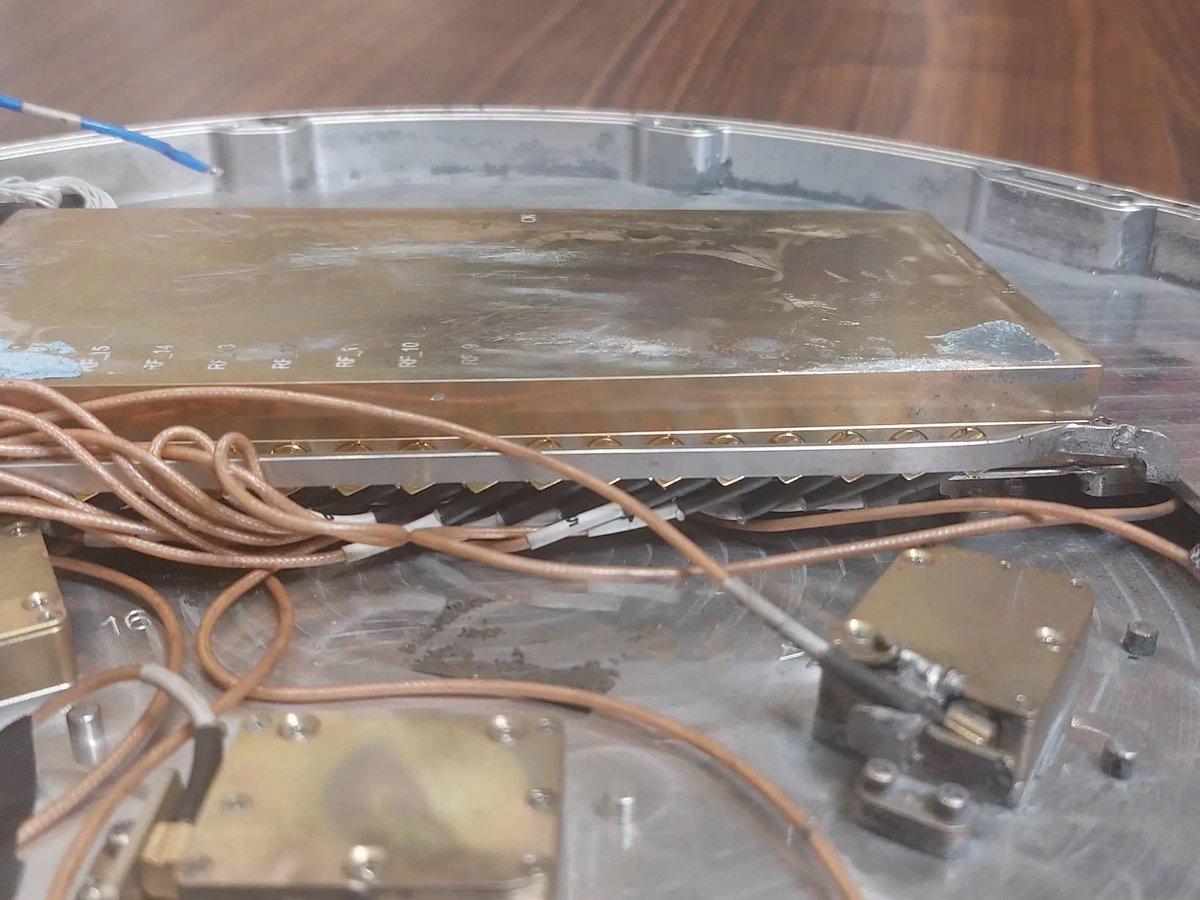
Is this only CRPA, or does it also serve as a spoofing detector and attitude sensor ? Carrier-phase GNSS processing could measure the relative positions of the antenna elements and check that signals come from where the satellites are supposed to be.
27 Aug 2025

16 Ceramic Satellite Antenna Satellite Guidance Anti-interference Module CRPA Detailed Disassembly
7
561
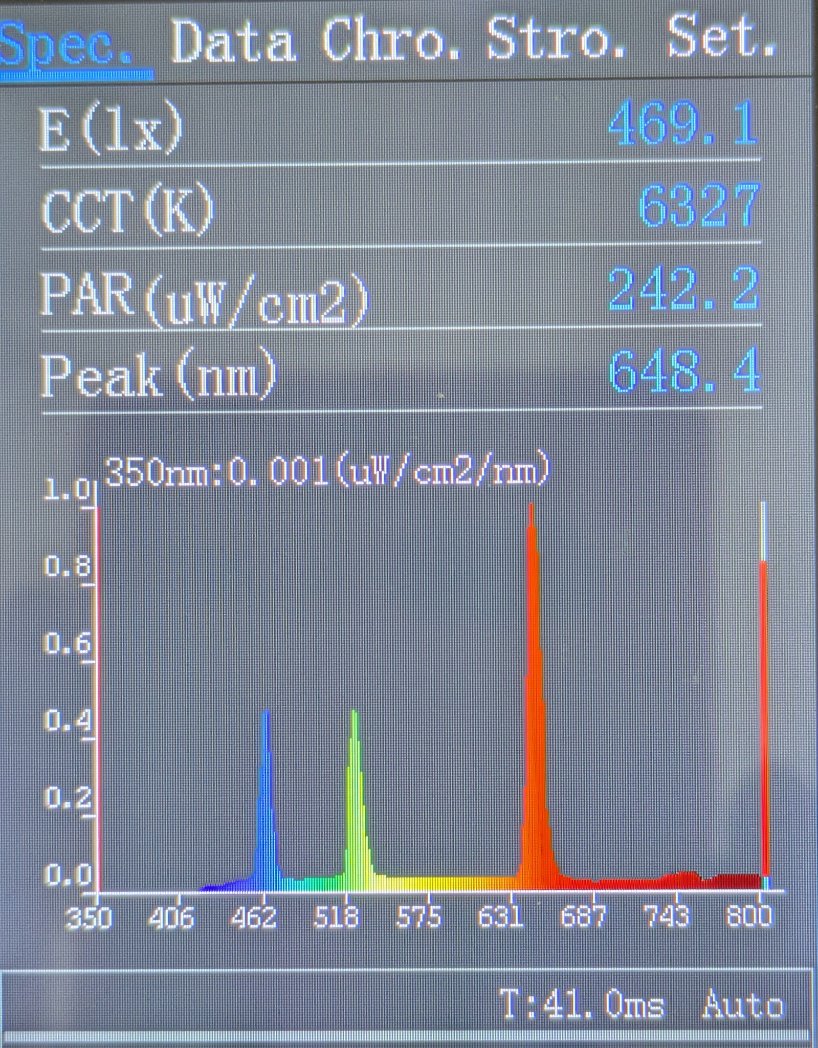
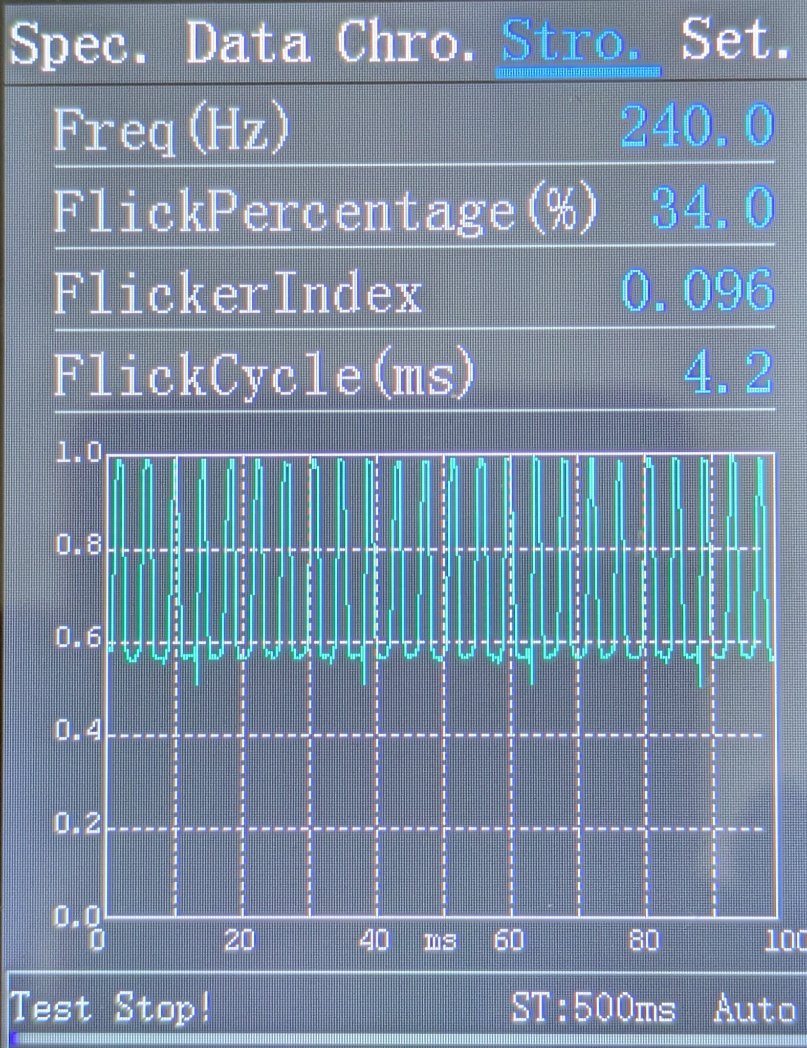
Answer: This light source was a triple-laser DMD video projector, as hinted by the narrow spectral lines and precise temporal modulation. Amazing technology in a consumer product.
I hoped this would be as fun as identifying RF modulations from waterfalls, but no luck :-)
New game for amateur physicists: Guess where my light comes from.
(#amateurradio: This is the closest thing we'll have to a spectrum waterfall for light until we bridge the terahertz gap)
1
7
629
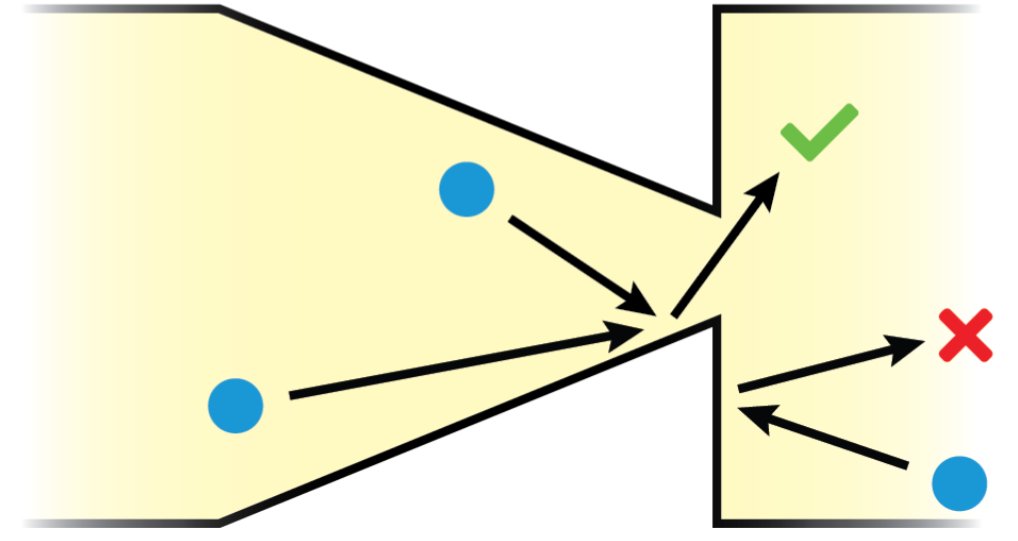
Lobster trap but for electrons: zero voltage drop, zero capacitance. Is this how we'll bridge the terahertz gap ? Are geometric diodes already used in high-end spectrum analyzers, radioastronomy, quantum physics, etc ?
en.wikipedia.org/wiki/Geomet…
2
1
14
902
New game for amateur physicists: Guess where my light comes from.
(#amateurradio: This is the closest thing we'll have to a spectrum waterfall for light until we bridge the terahertz gap)
3
1
8
1,921
How a 35-meter, 256-element VHF interferometer sees satellites and aircraft. From arxiv.org/abs/2506.02831 via @cosmos4u.
youtube.com/watch?v=4Fi9AAEz…
1
8
816
Excellent handbook by @RohdeSchwarz on RF, antennas, propagation, electronic warfare concepts, and radar basics.
18 May 2025

Radar and Electronic Warfare : allaboutcircuits.com/uploads…
1
3
18
1,135
Someone figured that the ESP32 can report phase information of received frames. There are limitations (802.11n only ? Must be connected to AP ?) but this reveals the kind of RF imaging that can be done with inexpensive phased arrays.
espargos.net/
2
1
20
1,593
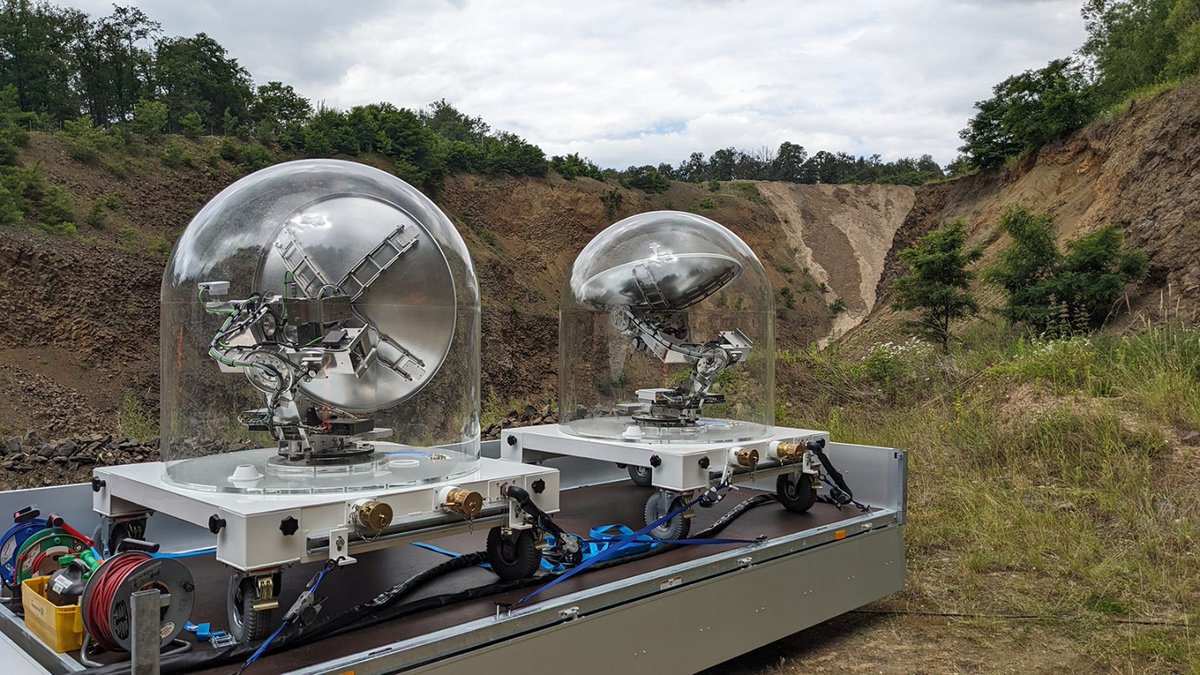
Transparent radomes, when you really want to show off your high-end dish rotators :-) Also, great application of opportunistic SAR / passive radar using signals from Starlink and OneWeb.
8 Jan 2025

Im Winter sind Lawinen eine große Gefahr. Forschende des Fraunhofer FHR nutzen Passivradar, um mit Signalen von Satelliten-Megakonstellationen wie Starlink und OneWeb Lawinen in abgelegenen Gebieten zu überwachen. Machbarkeitsstudie zeigt: Es funktioniert!
fhr.fraunhofer.de/de/presse-…
8
31
240
11,474
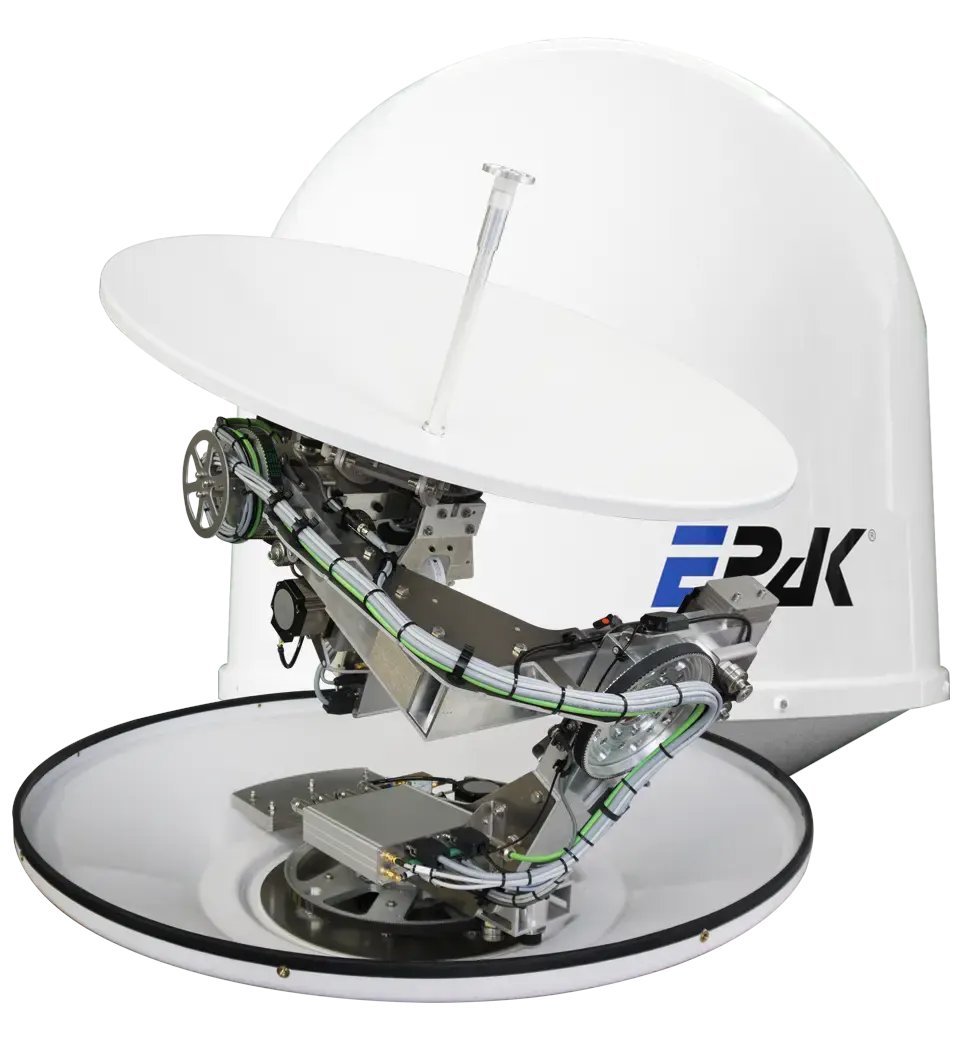

24 GHz phased array delivering enough power to fly a quadcopter at 10 m. As the video says, "imagine the possibilities"...
m.youtube.com/watch?v=RKSi41…
6
23
151
14,042
Presumably the booster had RF links to multiple @SpaceX satellites during splashdown. 250 MHz two-way channels at 10-14 GHz could provide much better ranging accuracy than GPS. So maybe this is a statement about the capabilities of Starlink as a satnav system.
12 Oct 2024

As it is being quoted all over the place, Bill Gerstenmaier, whom I HIGHLY regard, said that the flight 4 super heavy booster landed with half a centimeter of accuracy, I'm curious about that number, half a meter sure, but a half a centimeter (0.2 inch) ?
spacenews.com/nasa-really-lo…
3
1
13
1,577
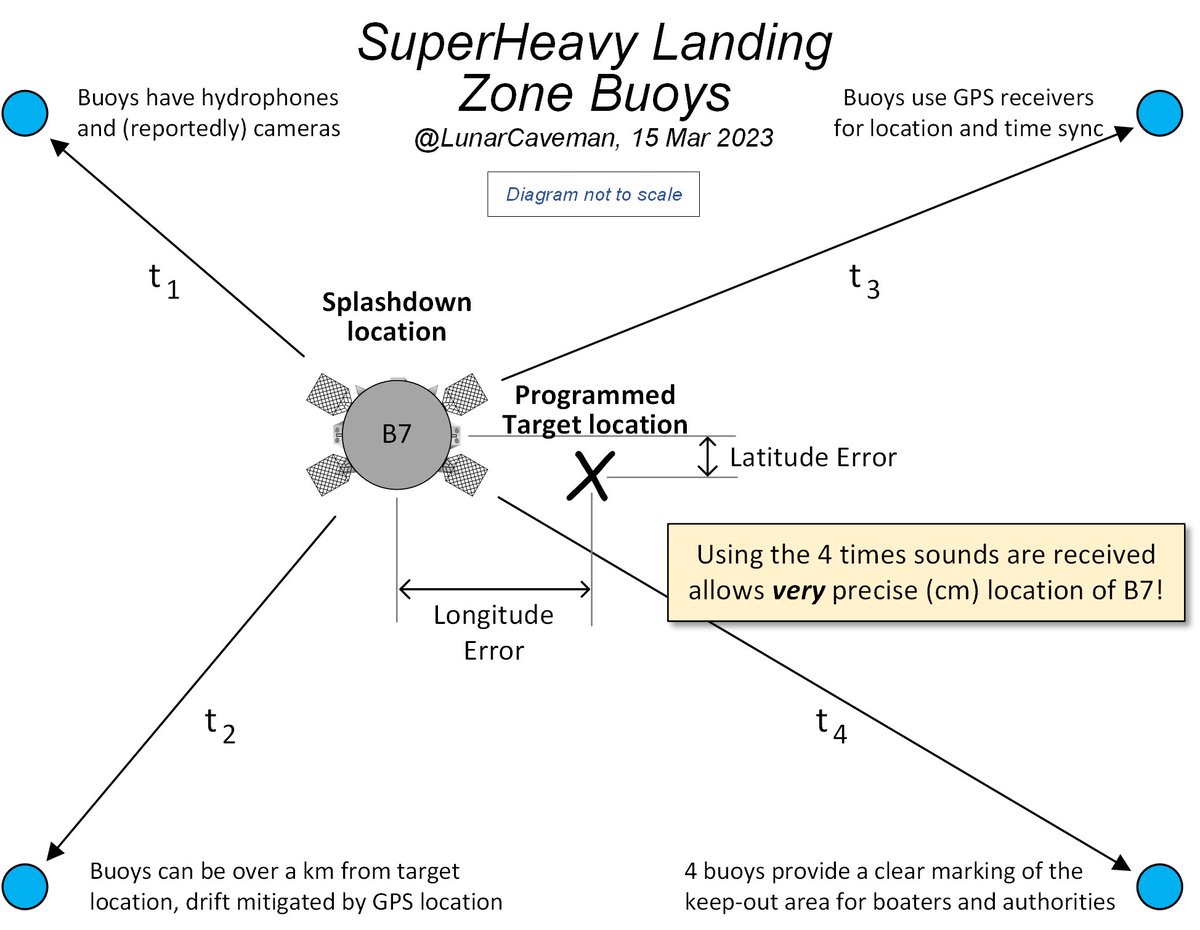
The IFT 1 splashdown location in april 2023 was allegedly already measured with centimeter accuracy by acoustic buoys. 5 mm aerodynamic control is hard to believe though. Imagine wind pushing on an empty aluminium can.
x.com/LunarCaveman/status/16…
15 Mar 2023

Great episode Felix! The buoys SpaceX are deploying provide much more than safety marking. They are precision instruments for measuring the landing, probably down to the centimeter. Just add Starlink for livestream!
1
5
642