Social justice NGO organising for a free Palestine.
Joined February 2021
- Tweets 4,159
- Following 614
- Followers 3,318
- Likes 7,985
297 Photos and videos
Free Palestine Melbourne retweeted

Jun 2
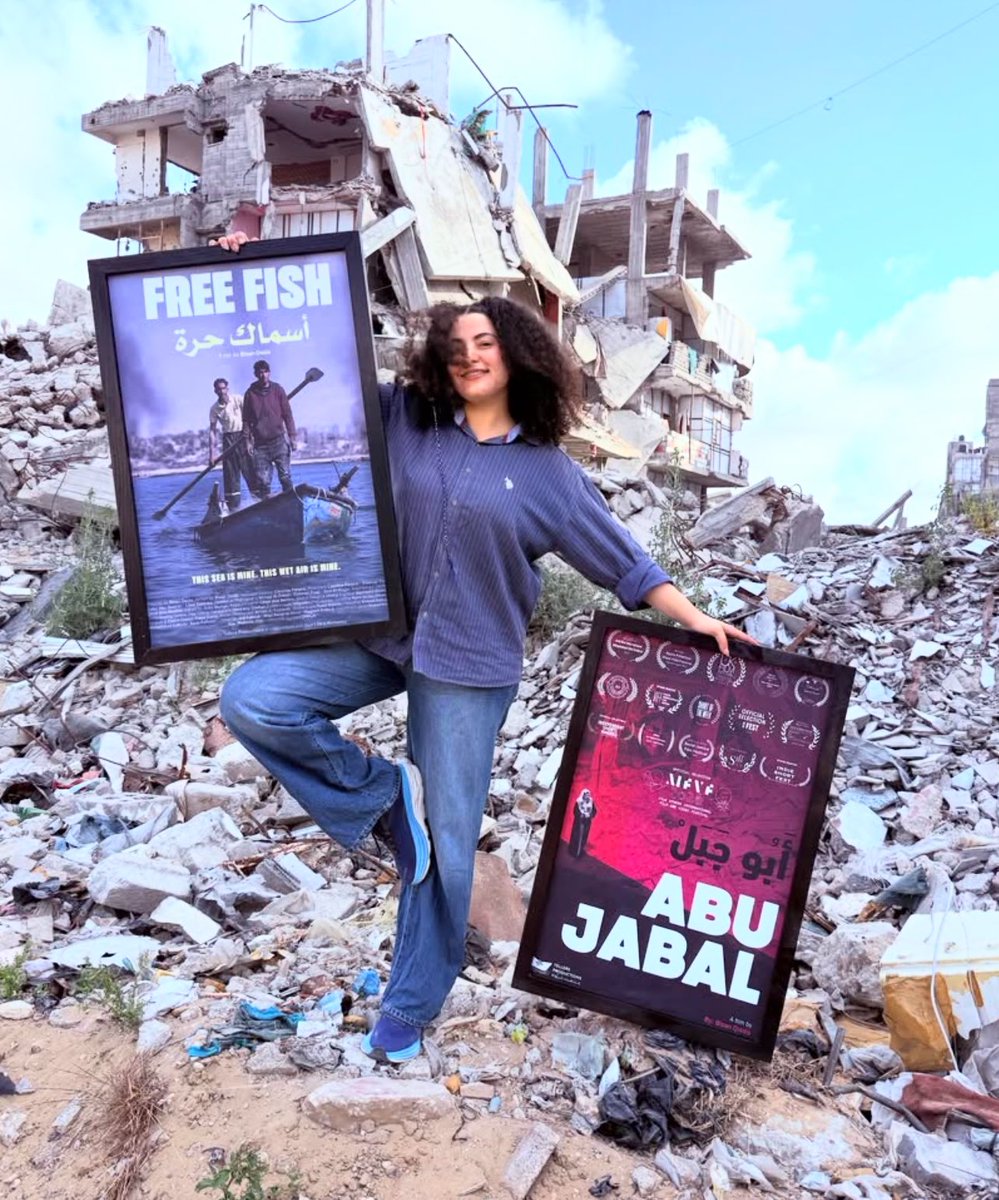
From the great heart of Gaza... we present to the world two unique short films on which I had the honor of working on!
65
7,534
28,193
229,542
Free Palestine Melbourne retweeted

Jun 3
YouTube is suppressing any content with Lebanon on it.
Break the hold and boost this incredible interview with @TVFreePalestine host Laith Marouf by watching the video, liking, commenting and sharing 👇
youtube.com/watch?v=hTB1EpnH…
2
49
82
4,886
Free Palestine Melbourne retweeted

Jun 3
I've sent questions to the ABC asking if they intend to counsel or discipline Charlie Pickering for giving an interview to someone who:
- pled guilty to unlawful assault in 2019
- describes Islam as a “barbaric ideology”
- was banned from Facebook for doxxing an ABC employee.
338
601
2,936
65,856
Free Palestine Melbourne retweeted

Jun 2
🚨REVEALED🚨 Secret night-time shipments are happening of High Explosives manufactured by a foreign arms company in an Australian government-owned facility — approved for export and headed ultimately to Israel to kill Palestinians.
Excellent reporting from @DaveMilbo for @shot_au:
“Australia is manufacturing the raw explosive that ends up inside the bombs falling on Gaza, on Lebanon, and on Iran.
“Not the entirety of the bombs. Just the explosive bits. And even Penny Wong wouldn’t have the gall to argue that nitroglycerin, nitrocellulose, and RDX (known as cyclonite) are the “non-lethal parts” of a bomb.
“Two factories, one in NSW, at Mulwala, and one in Victoria, in Benalla, manufacture the munitions that end up inside the shells, bullets, missiles and bombs used by the US-Israeli death machine in its expansionist, genocidal campaigns.”
theshot.net.au/uncategorized…
86
1,171
1,629
59,547
Free Palestine Melbourne retweeted

The bombardment on Gaza increases every day, becoming more violent and intense, and the number of martyrs is rising. The tanks are moving toward us from the east, narrowing the space we can move in, while destroying everything in their path. Food has begun to noticeably deplete, life has become harsher than ever before, and I inhale the scent of blood more than the air itself. Rats and mice live with us as if they are part of the family, and our children suffer every form of torment that could never cross a human mind.
The life of lab rats is better than ours.
Fuck every human being who watches our annihilation and does not move or speak out for us. Fuck Israel every time the sun rises and every time it sets.
12
241
475
10,116
Free Palestine Melbourne retweeted

May 30
Let us be clear. The report “Laundering Propaganda” is not a bonafide assessment of humanitarian reporting in Gaza. It is an Israeli State-authored "counter-narrative," produced in the midst of ongoing proceedings before the International Court of Justice @CIJ_ICJ, mounting international scrutiny of Israel’s conduct in the occupied Palestinian territory, and unrefuted evidence of catastrophic humanitarian harm in Gaza.
Its central argument is that @UN agencies, humanitarian actors, and independent experts systematically manipulated information in service of Hamas. Yet the report fails to demonstrate the one thing required to sustain so grave an allegation: evidence of coordinated bad faith. Instead, it proceeds by insinuation, conflating the inevitable imperfections of data collection during hostilities with deliberate institutional deceit. Humanitarian agencies operating in a besieged and devastated territory will necessarily rely, at least in part, on local sources, including health authorities. That is not “laundering propaganda.” It is how humanitarian operations function in modern armed conflict. The relevant question is whether information is transparently sourced, caveated, and revised when necessary, not whether it originates from actors Israel distrusts.
More troubling is the report’s profoundly distorted understanding of neutrality in international humanitarian law. It repeatedly suggests that humanitarian actors lose neutrality when they report civilian deaths, starvation risks, attacks on civilian objects including hospitals, forcible transfer of protected persons, or restrictions on humanitarian access without simultaneously foregrounding Hamas conduct. That proposition has no basis in the law governing humanitarian action. Neutrality does not require silence in the face of human suffering, nor does impartiality require the artificial balancing of every factual statement concerning civilian harm.
The report also proceeds from an apparent assumption that Hamas violations materially dilute Israel’s own legal obligations. They do not. Even where Hamas unlawfully embeds itself among civilians or violates the customary rules of war, Israel remains fully bound by the principles of military necessity, distinction, proportionality, precautions in attack, and by its obligations as occupying Power under the Fourth Geneva Convention, including the duty to facilitate humanitarian relief.
International humanitarian law is not reciprocal. One party’s violations do not license the other’s.
The report is perhaps most revealing for what it omits. There is scarcely meaningful engagement with the International Court of Justice’s Advisory Opinions of 2024 and 2025, the Court’s provisional measures in South Africa v. Israel, the law of occupation, or the extensive ICRC commentary governing humanitarian access and relief operations. Nor does it seriously confront the preventive nature of famine warnings and IPC assessments, which are designed precisely to warn before mass mortality occurs. Instead, the document seeks to reframe humanitarian alarm itself as evidence of political hostility.
In that respect, the report does not read as a forensic examination of evidentiary standards. It reads as an attempt to delegitimize the institutions, legal frameworks, and humanitarian actors documenting the consequences of Israel’s conduct in Gaza, at the very moment those consequences have become impossible for much of the world to ignore.

The mask is off.
While Hamas raped and murdered innocent civilians, UN officials manipulated minds by unleashing an information war that echoed Hamas propaganda.
See the truth for yourself:
govextra.gov.il/mda/un-agenc…
12
79
153
12,512
Free Palestine Melbourne retweeted

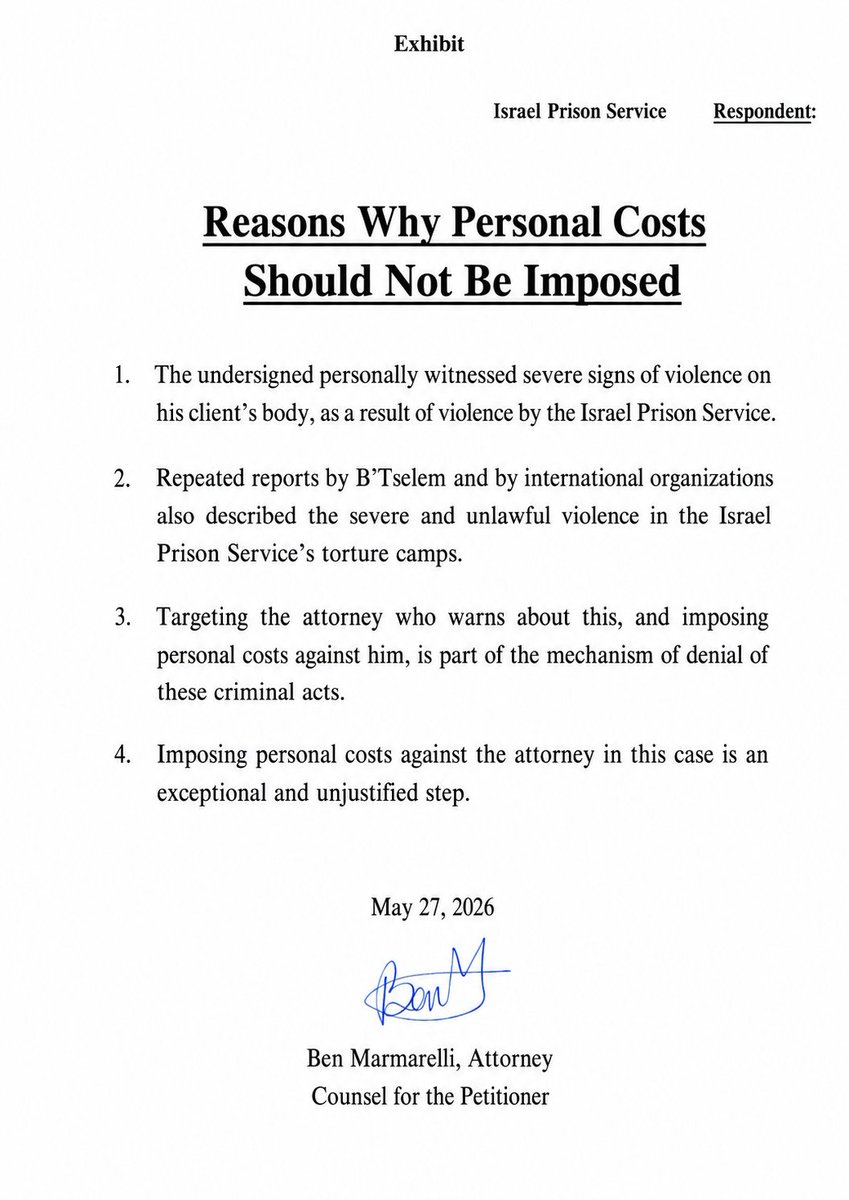
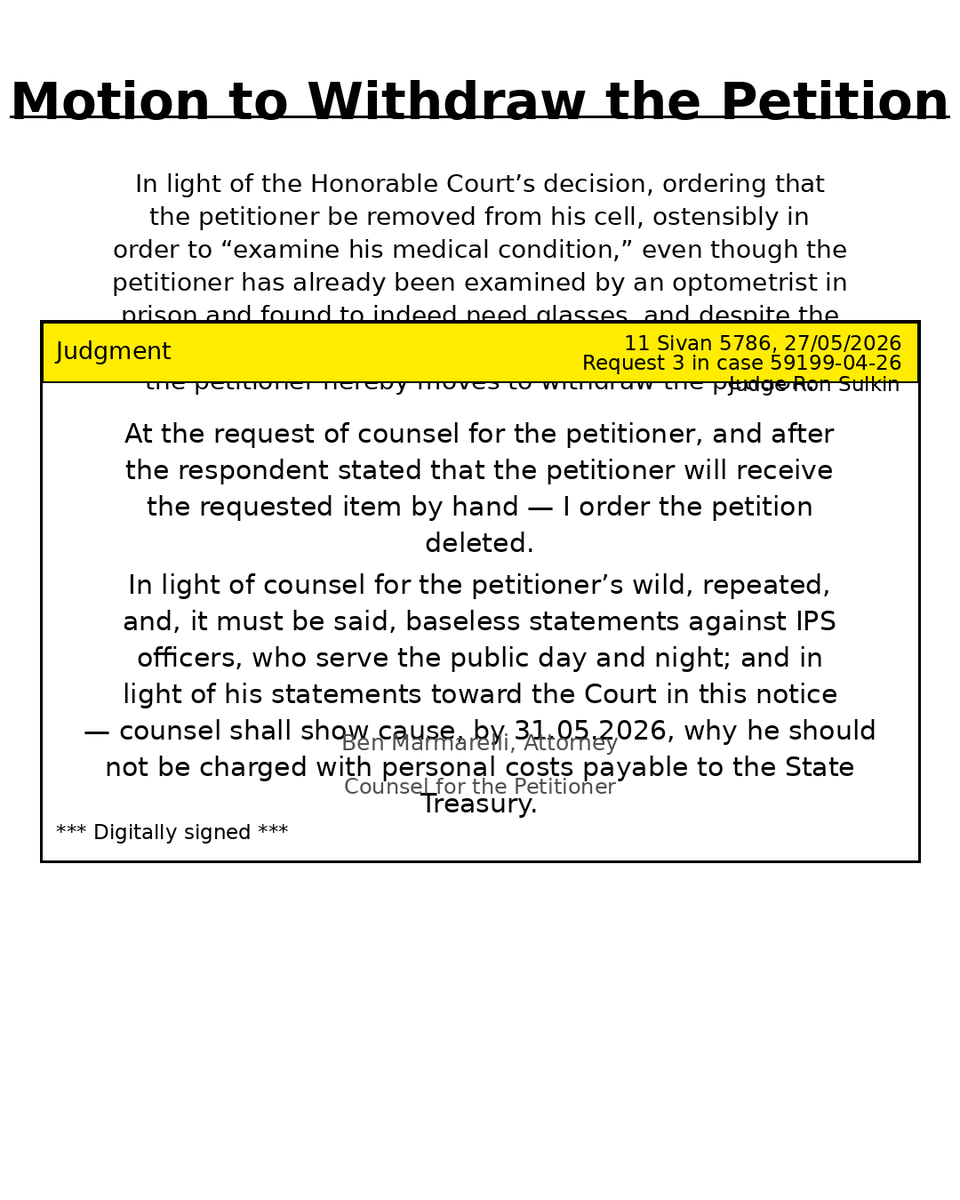
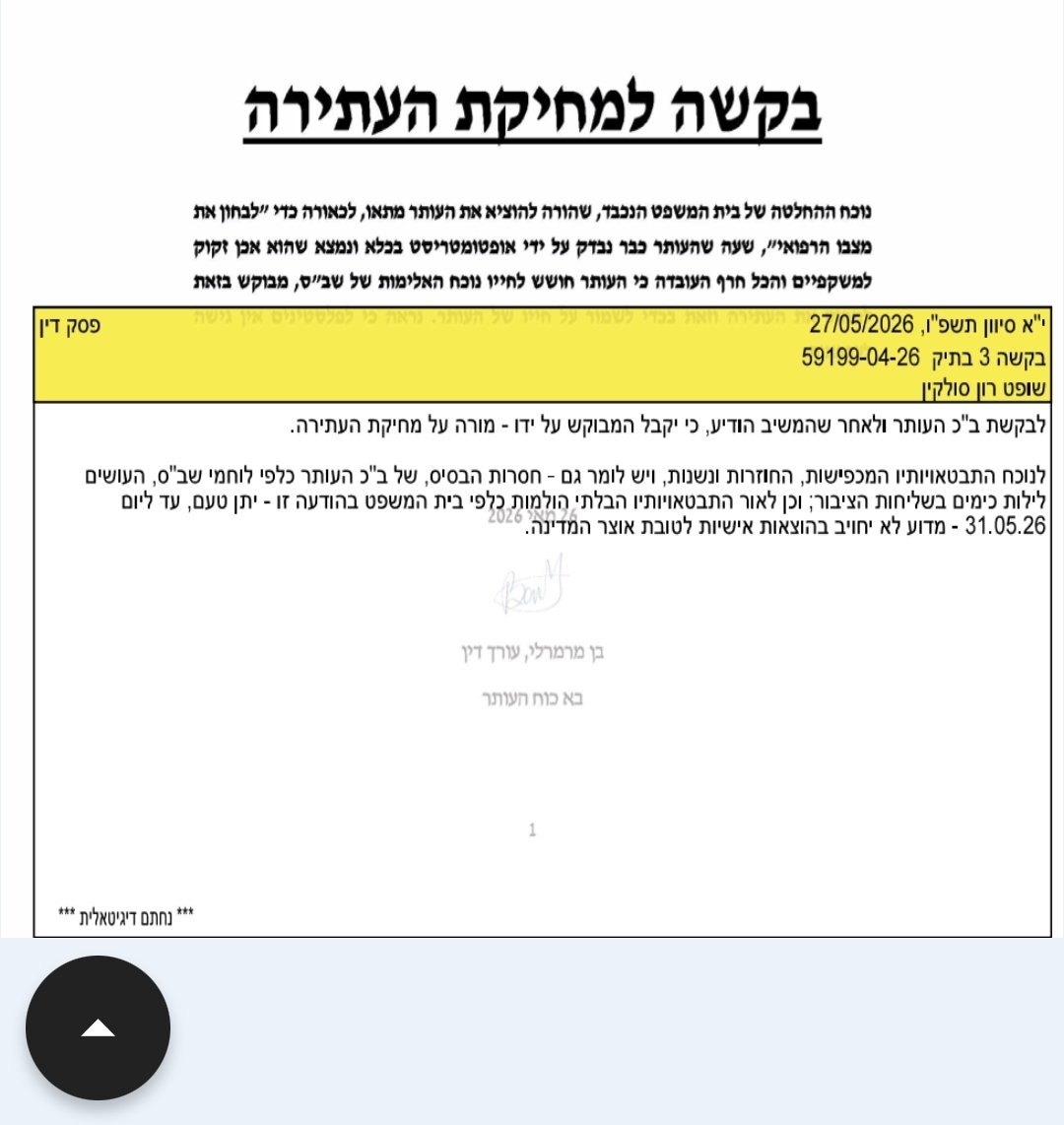
The honorable judge has now decided that I should pay costs to the state after I withdrew a petition seeking eyeglasses for a prisoner who is being tortured and raped by the criminal guards of the Israel Prison Service, and who does not want to come to the hearing because he fears he may be beaten to death during the transfers from prison to court.
The Nachshon Unit beats prisoners throughout the transfers, and all the prisoners are asking for hearings to be held by video conference because they fear for their lives.
The judge apparently thinks that by telling the truth, I defamed the “good name” of the sadists in the Israel Prison Service.
I withdrew the eyeglasses petition in order to protect the life of my client, who is also my friend, and who has been tortured in the Zionist prison system for 24 years.
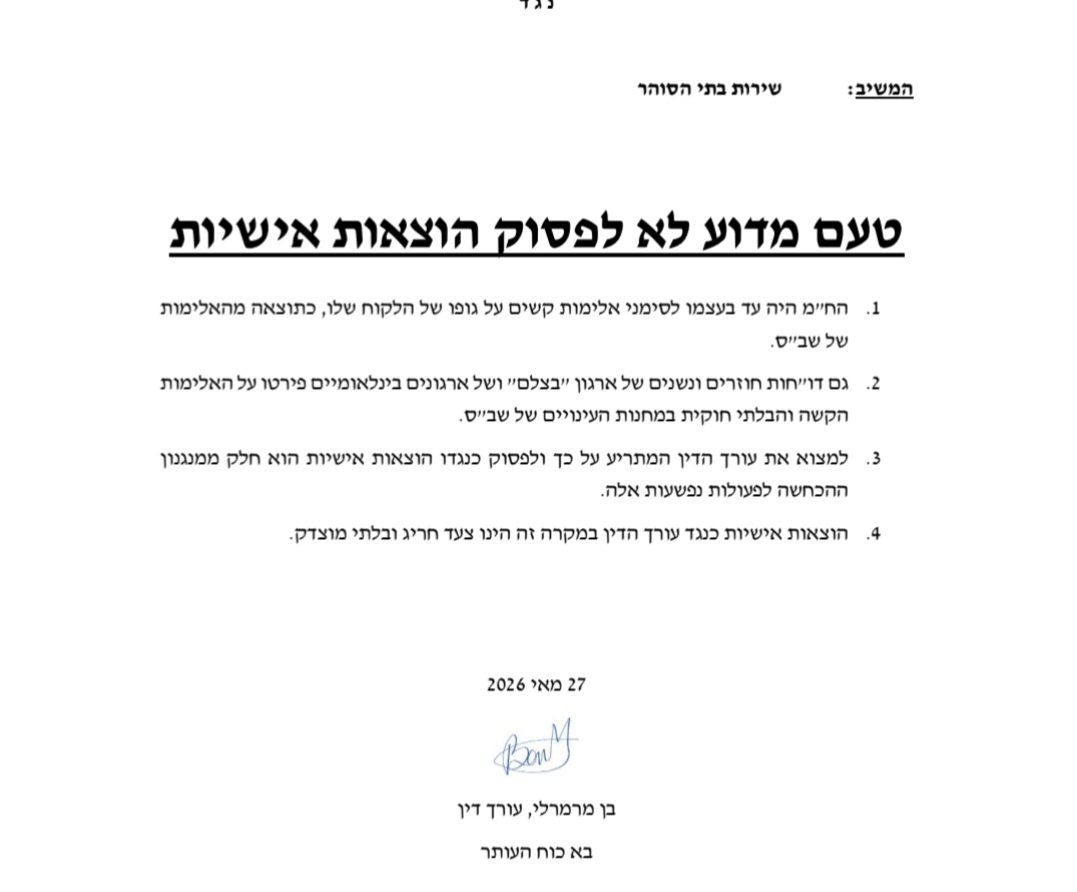
אז השופט המכובד החליט שאני צריך לשלם הוצאות למדינה אחרי שמחקתי עתירה להשיג משקפיים לאסיר שעובר עינויים ואונס על ידי סוהרי שב''ס הפושעים ולא רוצה להגיע לדיון כי הוא מפחד למות ממכות בזמן המעברים מהכלא לבית המשפט. יחידת נחשון מכה את האסירים בכל ההעברה והאסירים כולם מבקשים שהדיונים יתקיימו בוידאו מחשש לחייהם. השופט חושב שבכך שאמרתי את האמת הכפשתי את השם הטוב שכידוע יש לשב''ס הסאדיסטים. מחקתי את עתירה המשקפיים כדי לשמור על חייו של הלקוח שלי שהוא גם חבר שמעונה במערכות הכליאה הציוניות כבר 24 שנה.
20
659
1,059
87,291

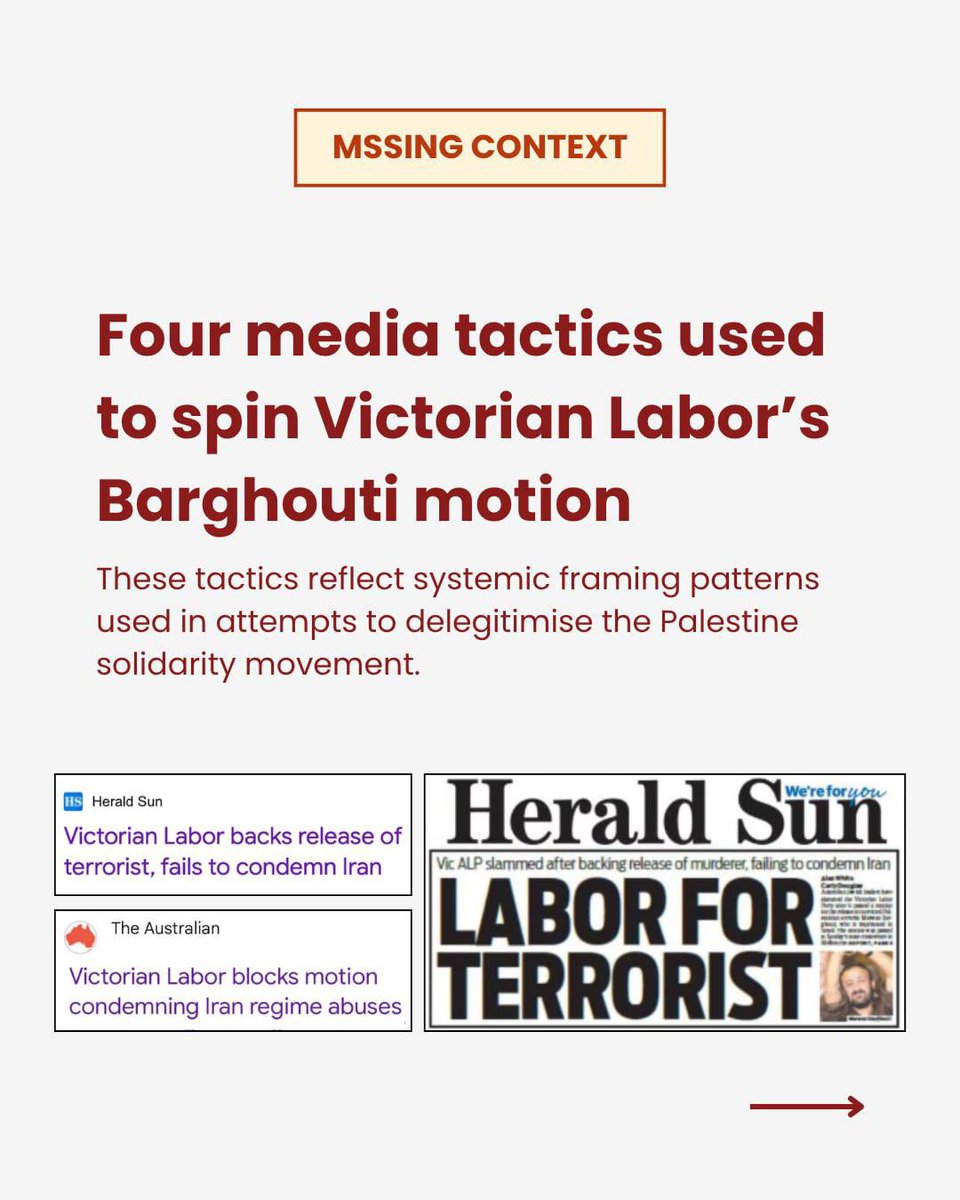
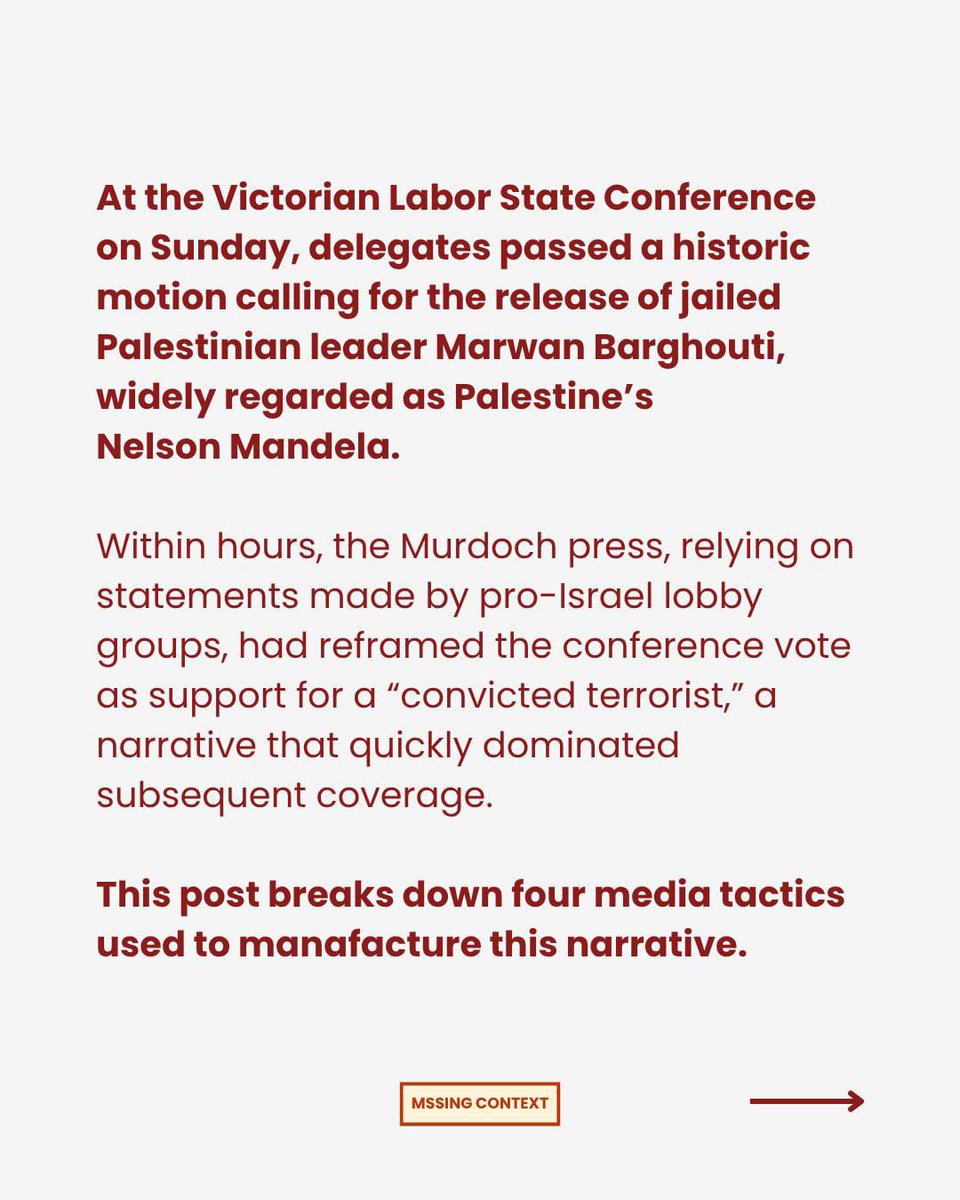
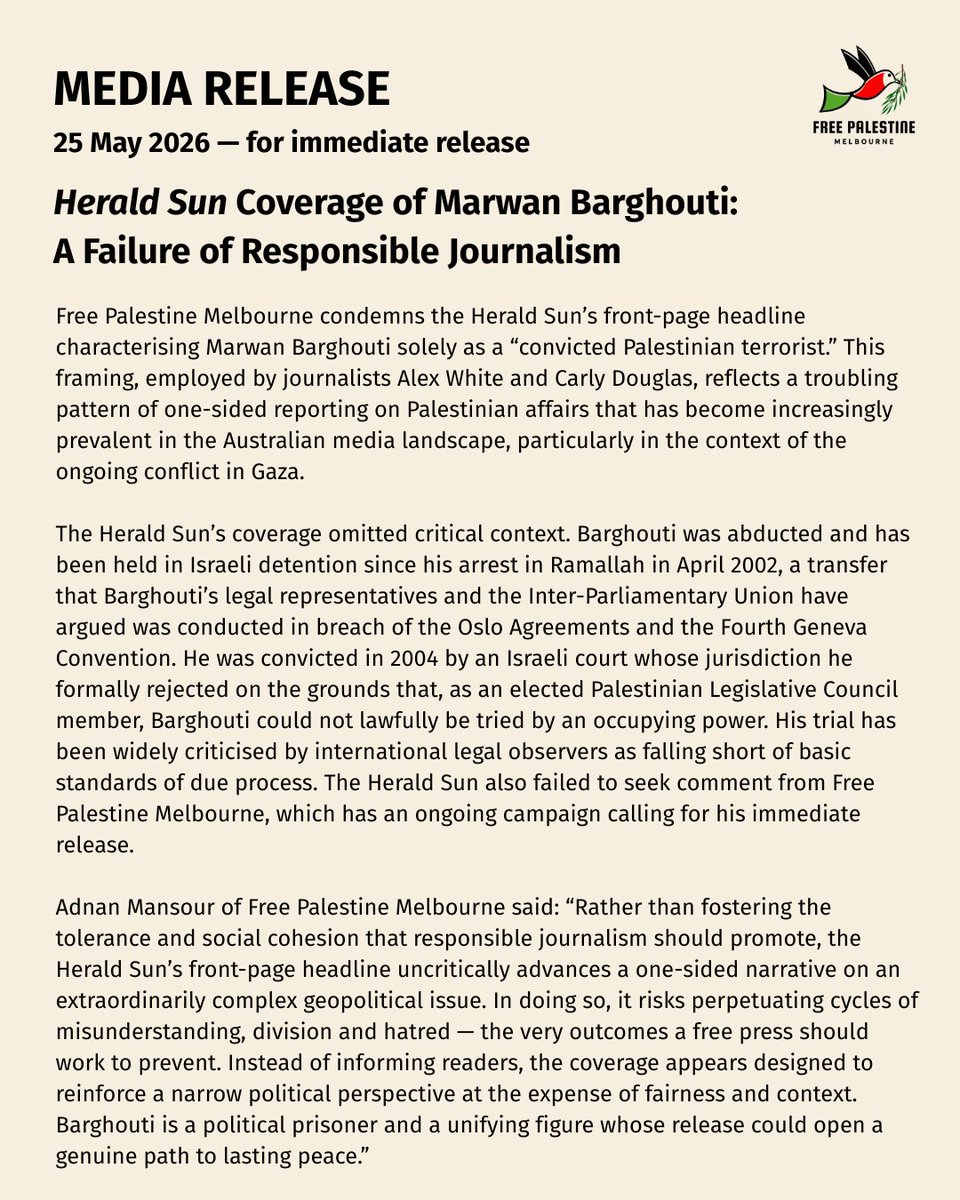
Valuable analysis from Mssing Context on the Murdoch press’s reframing of the weekend’s State Labor Conference motions in support of Marwan Barghouti.
Follow [@]MssingContext on instagram for clear, contextual breakdowns of misleading narratives in the Australian media.

Free Palestine Melbourne calls on the Herald Sun to provide a full correction and to report on this matter with the accuracy, balance and contextual rigour its readers deserve. We further call on the Australian Government to demand Barghouti’s immediate and unconditional release.
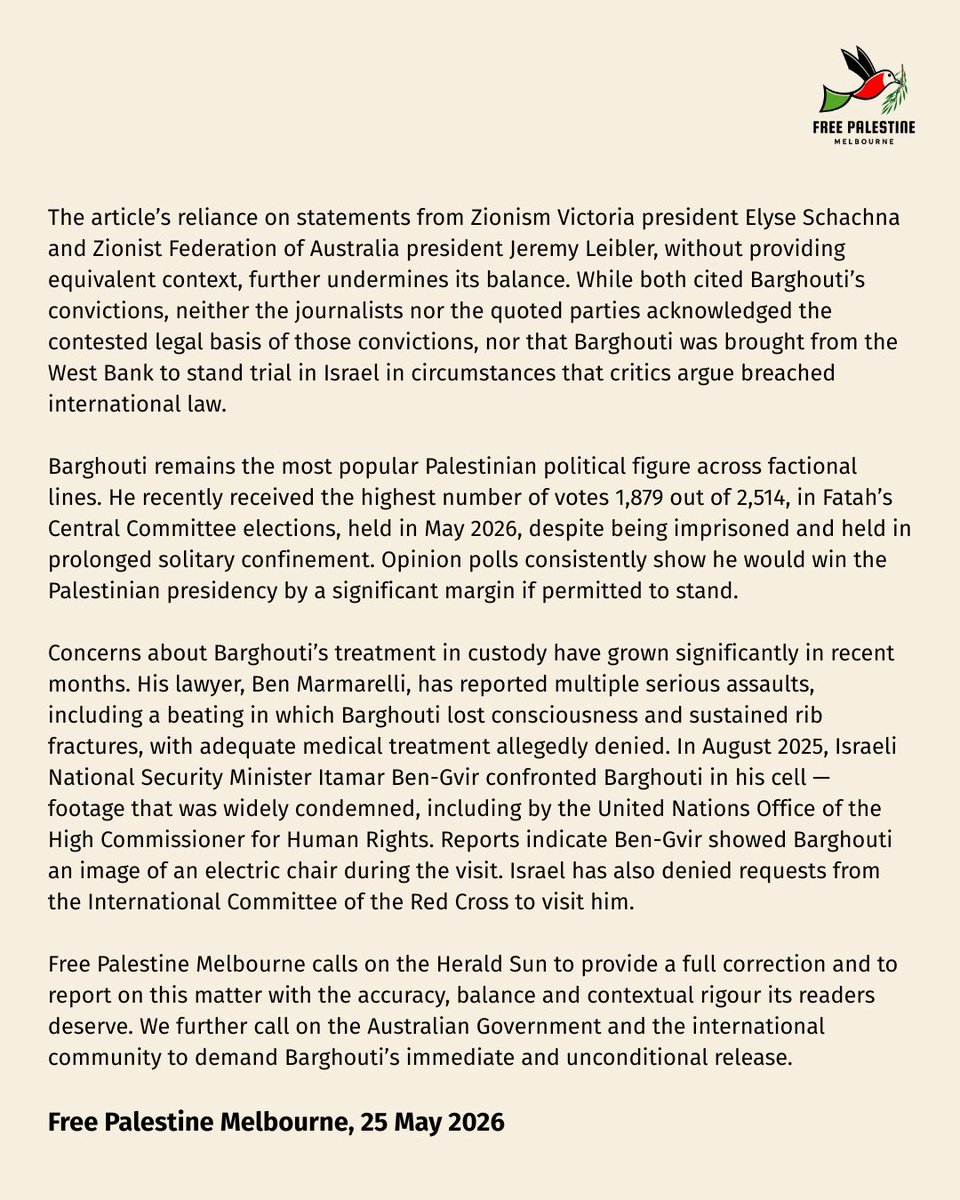
1
7
12
651
Of all the global MSM's tactics in support of Israel, the most consistent and insidious is the semantic laundering of human rights violations: x.com/AssalRad/status/205974…

Words that describe what Israel is doing in Lebanon:
-Ethnic cleansing
-Occupying
-Indiscriminate bombing
-Killing civilians
-Targeting medics
-Deliberately destroying
-Illegal
Words media uses:
-Orders evacuation
-Asks to leave
-Warns
-Declares
-Against Hezbollah
-Combat zone
1
1
5
126
A damning summary in this article too: x.com/PalestineProjct/status…

Mainstream media consistently muddy Israeli expansionism in Gaza, Syria and Lebanon through a combination of abstruse language and linguistic balms like “buffer zone” and “security zone.” That doesn’t ensure that the western populace will continue to allow their government to go on underwriting such crimes, but obscuring occupation with euphemisms makes it harder for readers to see that that’s what’s happening.
portside.org/2026-05-25/buff…
1
4
81
“Senator Sarah Henderson, for about ten minutes, repeatedly claimed Australia had ranked Israel ‘25th out of 25’ and questioned whether SBS had coordinated the vote to express bias.”
Zionism makes fools of us all. 🙃
May 28

🇦🇺 Australian senator grills public broadcaster over Israel’s low Eurovision score
A Liberal senator spent a notable portion of an Australian Senate hearing this week questioning public broadcaster SBS over why Australia awarded zero points to Israel at the 2026 Eurovision Song Contest.
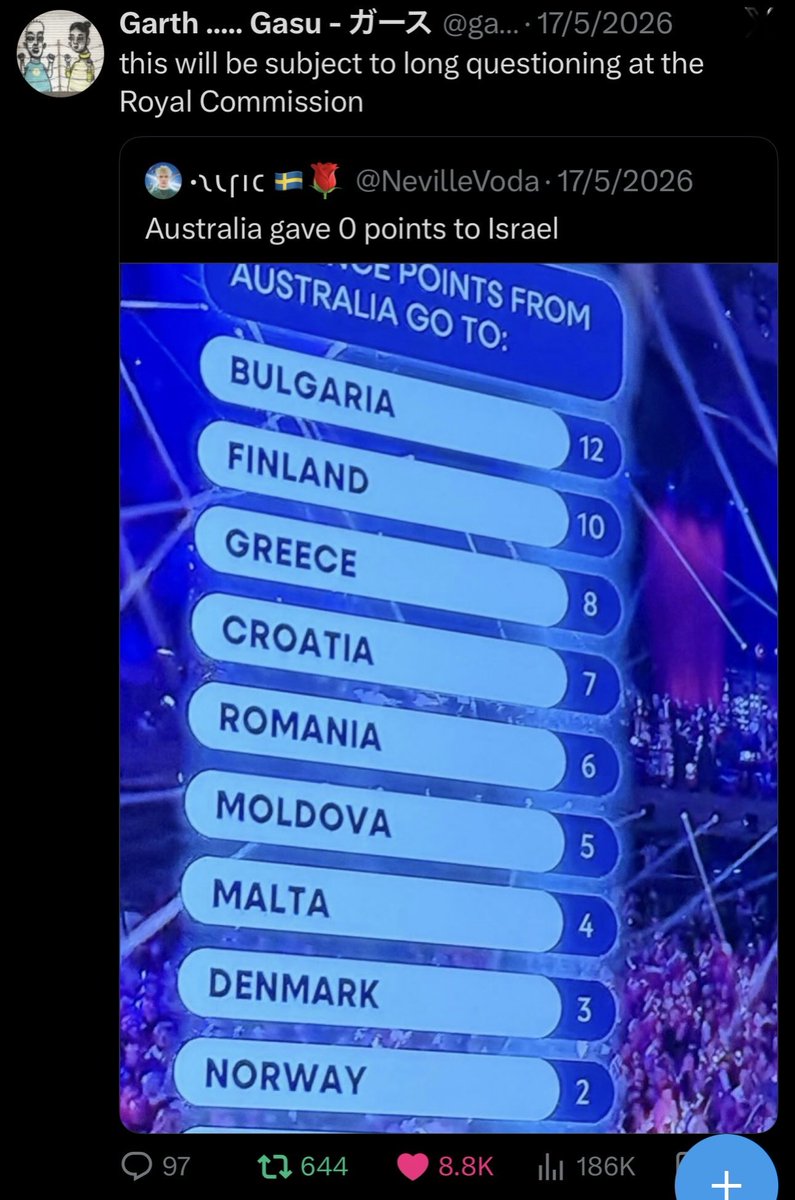
Eurovision rules require each country to award points only to its top 10 favorite acts. Any country finishing 11th or lower automatically receives zero points from that nation. Israel finished 22nd in Australia’s professional jury ranking and 20th in the public televote. No single Australian juror ranked Israel last.
Senator Sarah Henderson, for about ten minutes, repeatedly claimed Australia had ranked Israel “25th out of 25” and questioned whether SBS had coordinated the vote to express bias.
SBS Managing Director Jane Palfreyman and executive Kathryn Fink corrected the record, clarifying that the broadcaster has no involvement in the public televote, which is managed entirely by the European Broadcasting Union and represents the voting preferences of the Australian public.
1
11
381
Free Palestine Melbourne retweeted

May 28
This whole thing is an interesting case study in how a fact hits mainstream legitimacy. The NYT running it obviously. But what led them to finally do it? Or Kristof to pursue it? Why now and not when B'Tselem published dozens of prisoner testimonies 2 years ago?
May 28

First the NYT and now The Economist acknowledges that torture is common in Israeli prisons economist.com/middle-east-an…
4
76
308
22,689
Free Palestine Melbourne retweeted
While media and parliament (here and globally) are focused on returned IDF soldiers, emphasising once again that there’s been no apparent AFP investigation into IDF recruitment within Aus, an unambiguous (for good reason!) Criminal Code breach:
x.com/yaakov_aharon/status/1…

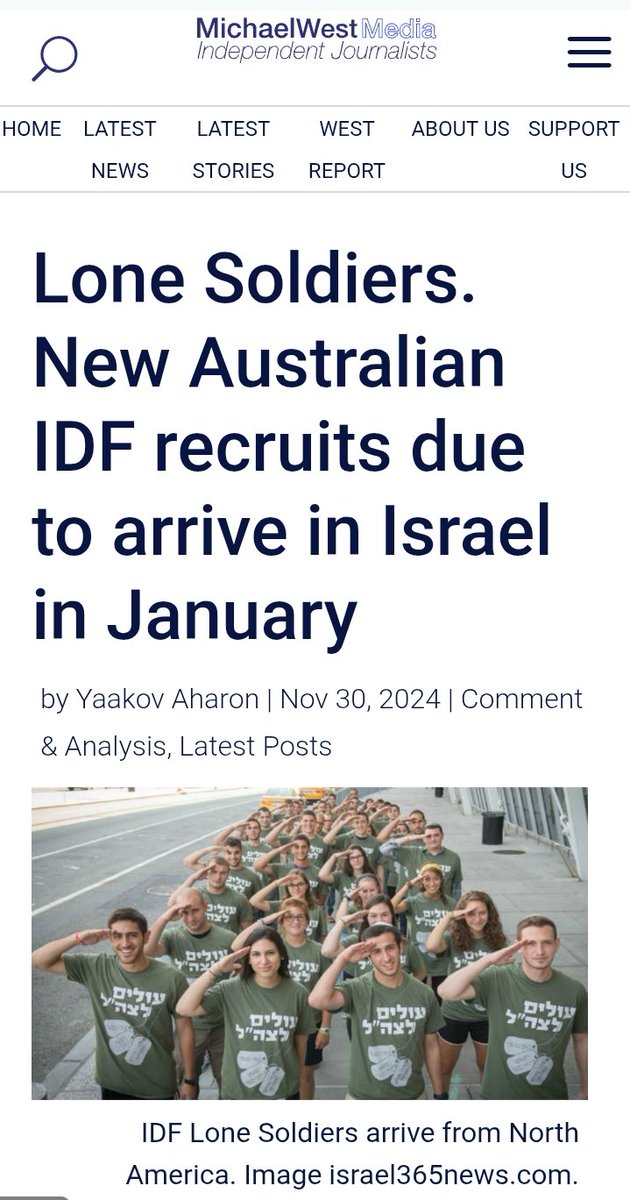
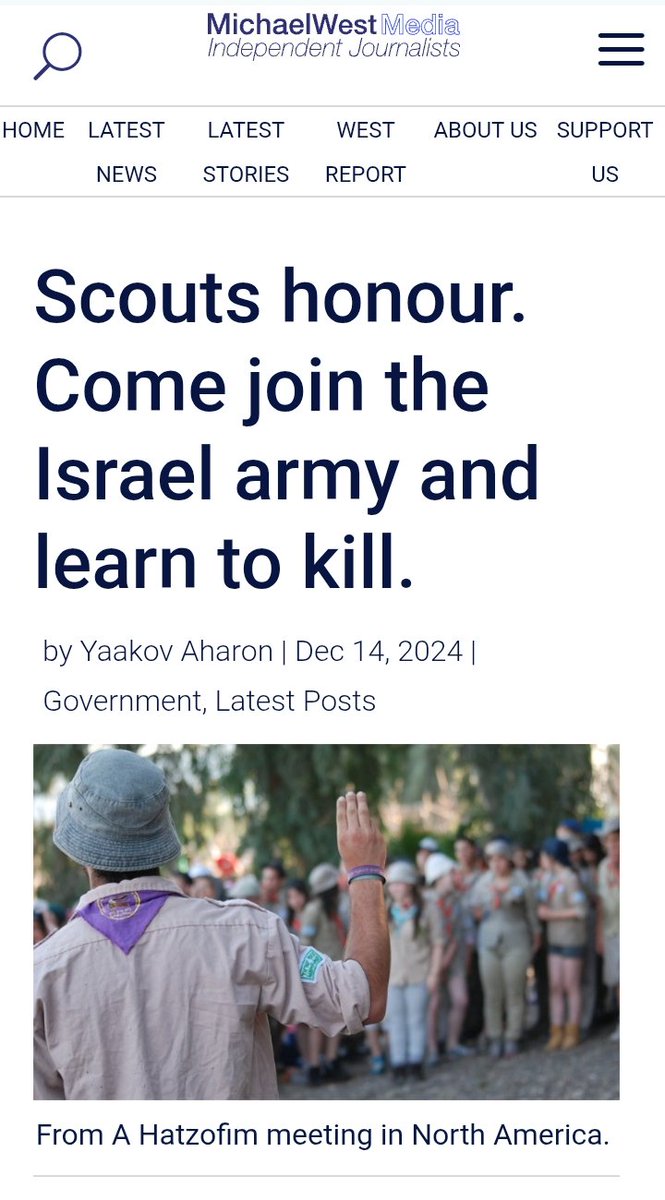
3
9
1,080
Free Palestine Melbourne retweeted
Free Marwan. Free all political prisoners from Israel’s torture camps. Free Palestine. ✌🏽🇵🇸
May 26

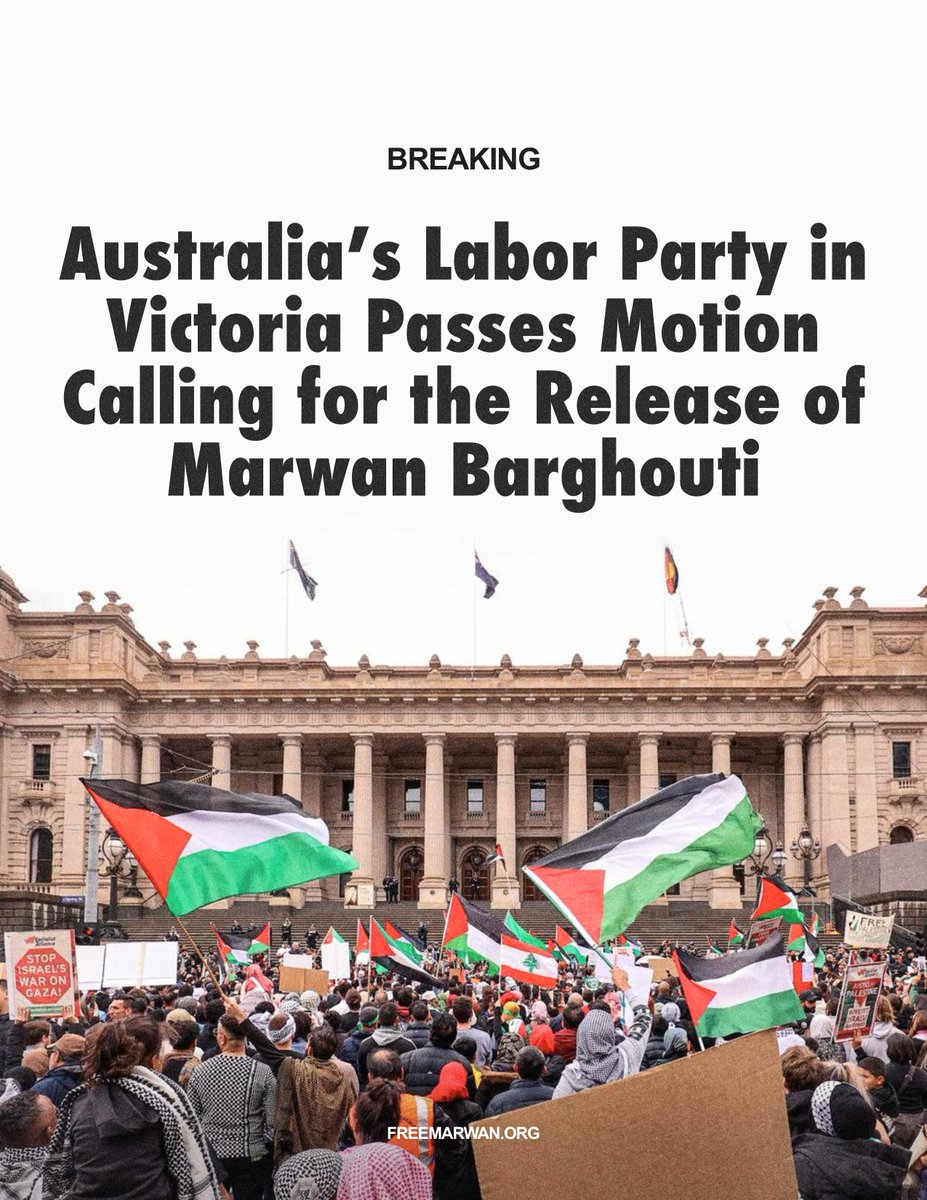
BREAKING: Australia’s Labor Party in Victoria Passes Motion Calling for the Release of Marwan Barghouti ✌️
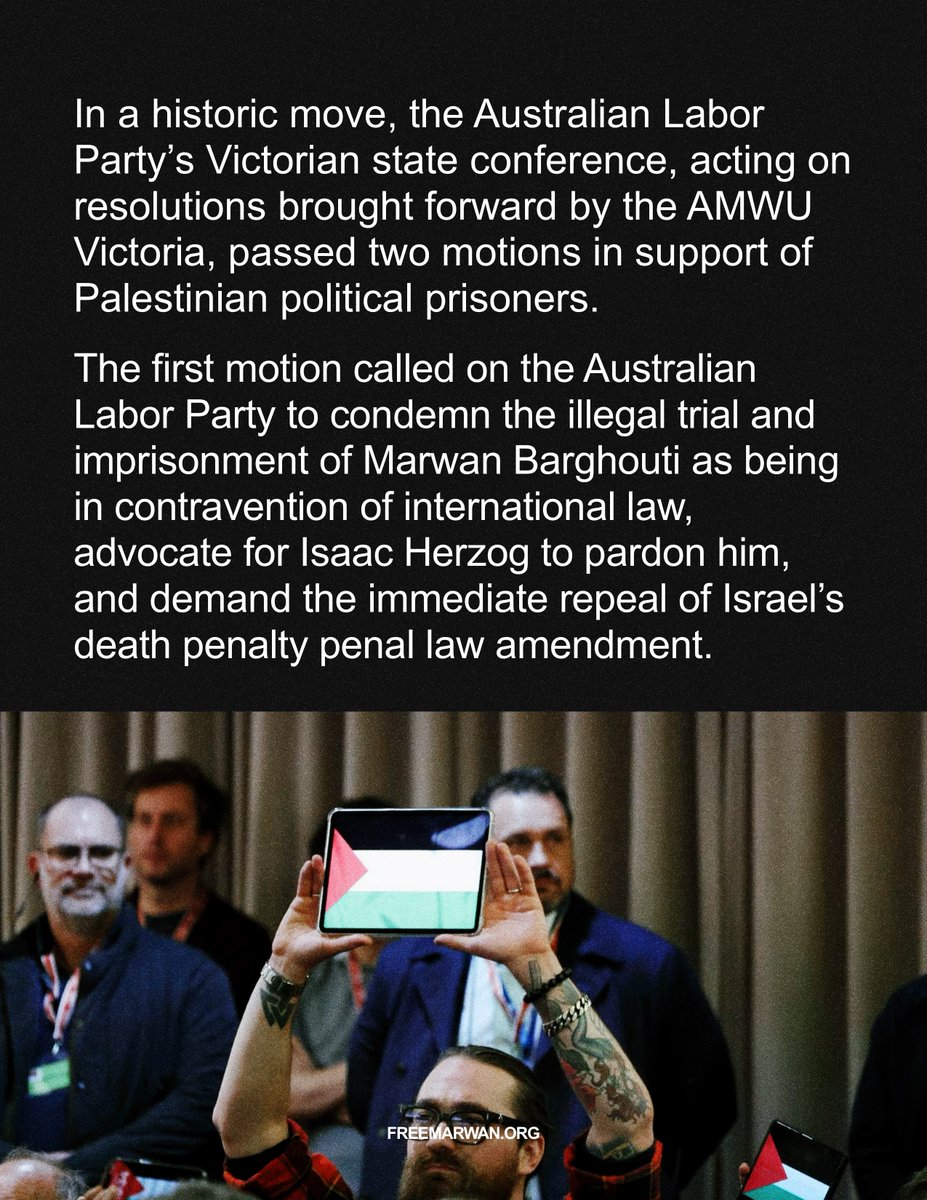
In a historic move, the Australian Labor Party’s Victorian state conference, acting on resolutions brought forward by the AMWU Victoria, passed two motions in support of Palestinian political prisoners.
The first motion called on the Australian Labor Party to condemn the illegal trial and imprisonment of Marwan Barghouti as being in contravention of international law, advocate for Isaac Herzog to pardon him, and demand the immediate repeal of Israel’s death penalty penal law amendment.
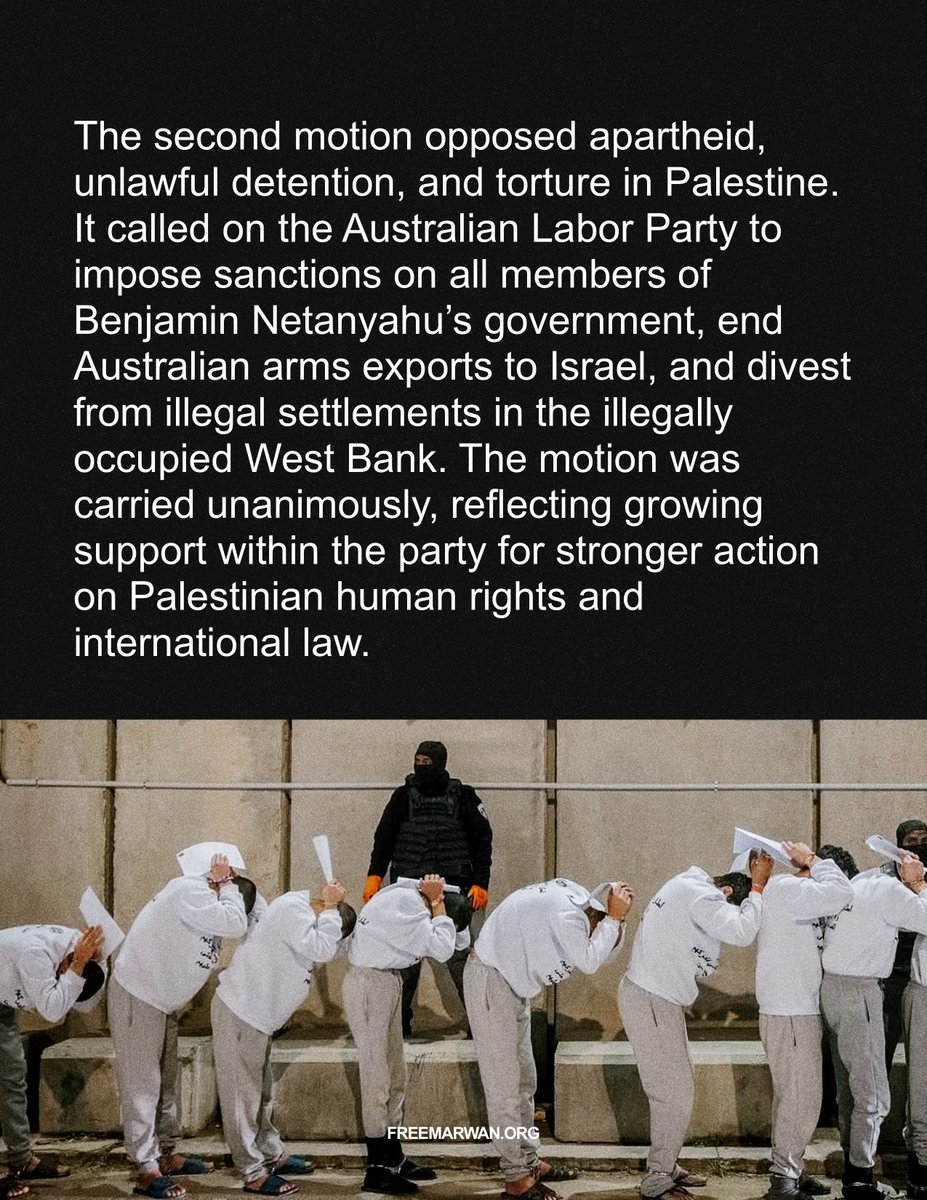
The second motion opposed apartheid, unlawful detention, and torture in Palestine. It called on the Australian Labor Party to impose sanctions on all members of Benjamin Netanyahu’s government, end Australian arms exports to Israel, and divest from illegal settlements in the illegally occupied West Bank. The motion was carried unanimously, reflecting growing support within the party for stronger action on Palestinian human rights and international law.
The International Campaign to Free Marwan Barghouti and all Palestinian political prisoners welcomes the passing of these motions. It calls on states to join the demand for Marwan’s release and to end Israel’s unlawful practice of mass incarceration of Palestinians, used to uphold its system of apartheid in Palestine.
Free Marwan. Free Palestine.

1
7
13
941
Free Palestine Melbourne retweeted

May 28
People joked about exactly this kind of nonsense in real time lol
May 28

Israel getting 0 votes from Australia at Eurovision was brought up in senate estimates today 🫠
31
2,400
31,376
1,275,774
Free Palestine Melbourne retweeted

May 28
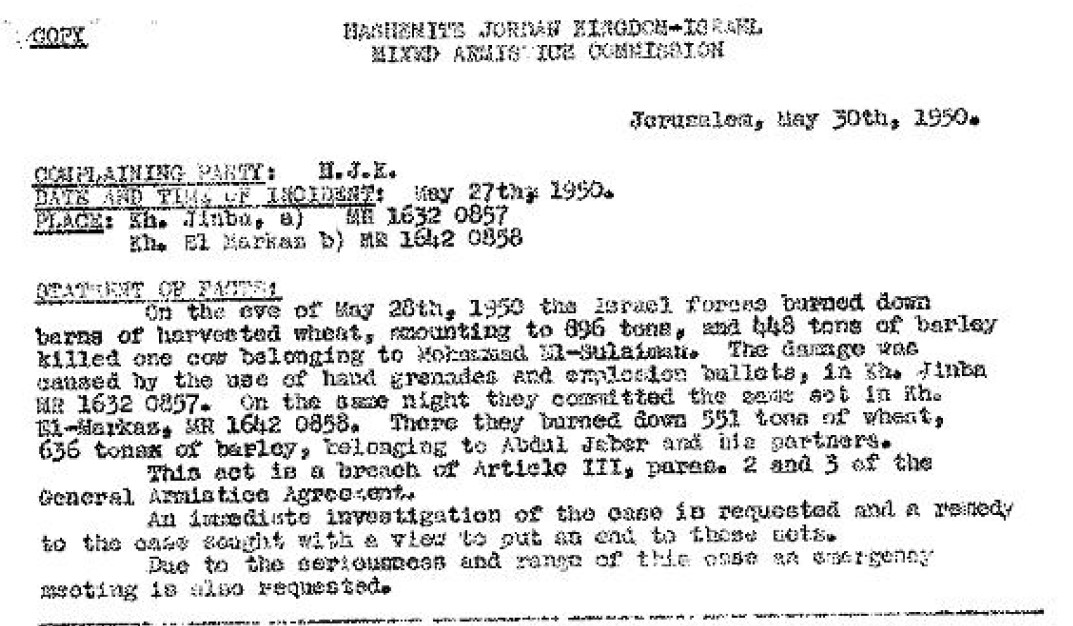
Khirbat al-Markaz, May 27, 2026: Israeli settler terrorists attack a woman and her baby in the humble cave they live in.
Khirbat al-Markaz, May 28, 1950: Israeli army forces invade the village, burn large amounts of grain, and kill a cow.
It did not start on October 7.

Zionist settlers invaded a home in Khirbet al Markaz, Masafer Yatta, assaulting Widad Makhamra and her young child in the process. This is another in a long series of attacks on the residents of Masafer Yatta in an attempt to forcibly displace the larger community.
14
173
293
9,999
Free Palestine Melbourne retweeted
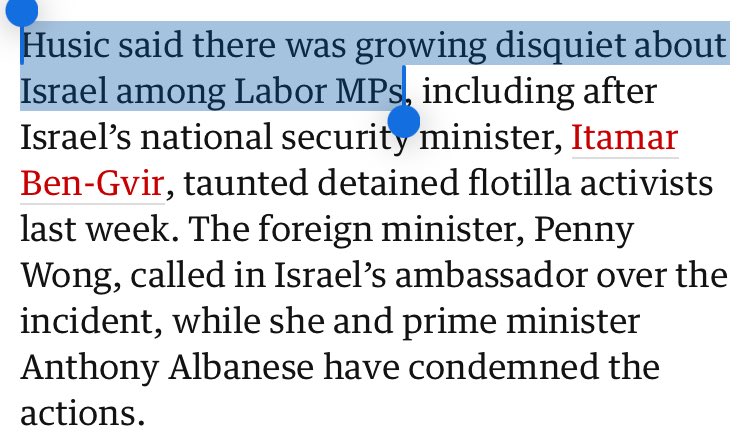
As long as they stay quiet this is meaningless.
theguardian.com/australia-ne…
2
10
13
310
Antoinette Lattouf interrogating the contradictions, parallels and hierarchies the Aus MSM studiously ignores:

Australians who fight for IDF are free to enter the country with almost no scrutiny after possibly committing war crimes, but some women who married ISIS members and travelled to Syria were arrested once the plane touches down. We asked experts why. share.google/htS0kMZqcJgvJaJ…
2
7
24
1,132
Declassified and the ICJP recently launched a major campaign investigating British nationals who fought for Israel in Gaza.
Will there be any ramifications for the returned IDF soldiers currently enjoying impunity in Australia?
declassifieduk.org/nobody-wa…
1
6
148
While media and parliament (here and globally) are focused on returned IDF soldiers, emphasising once again that there’s been no apparent AFP investigation into IDF recruitment within Aus, an unambiguous (for good reason!) Criminal Code breach:
x.com/yaakov_aharon/status/1…
3
9
1,080
Australia has obligations under the Genocide Convention to prevent and punish these atrocities (and not by occasionally releasing statements, which achieves neither).
As long as we keep arming, funding and trading with Israel, our leaders have blood on their hands.
May 27

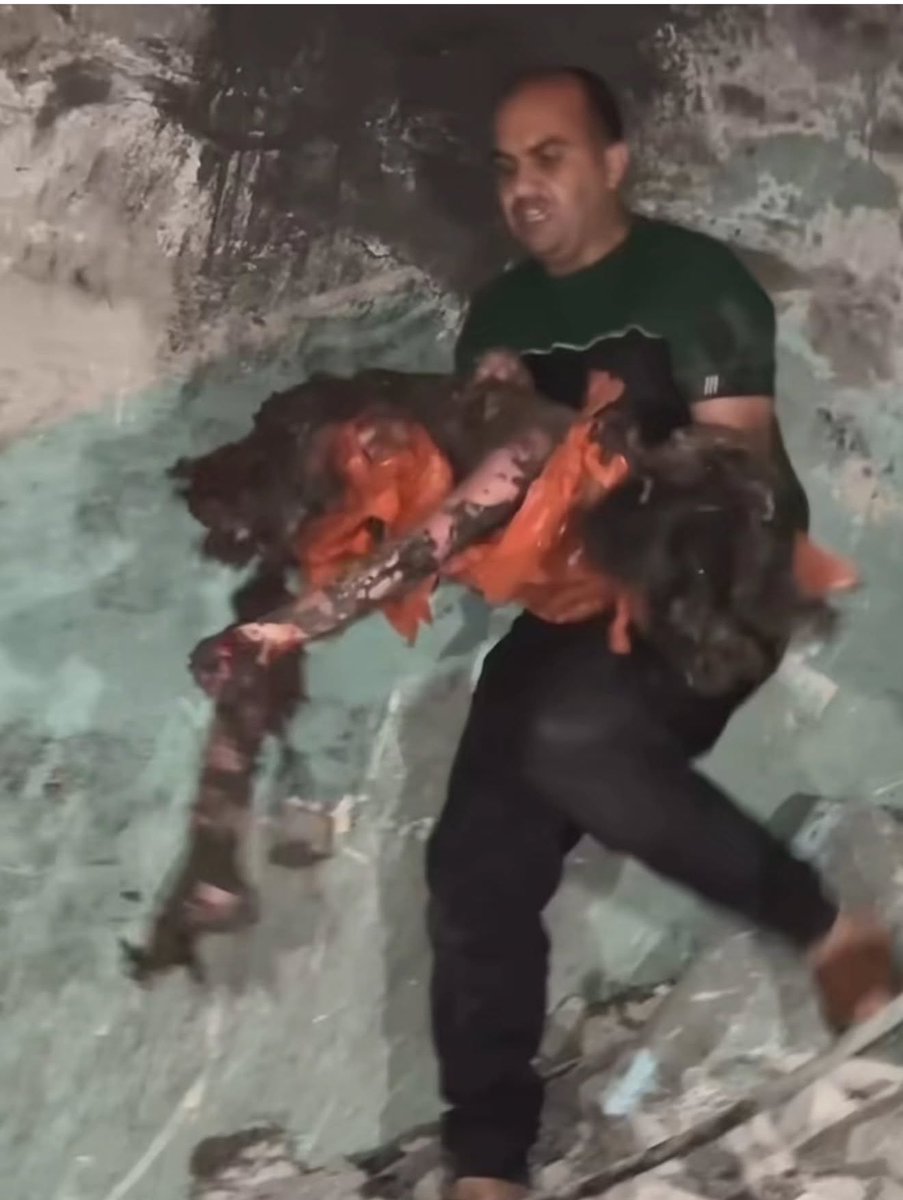
🚨BREAKING: A Palestinian girl in Gaza wore her orange Eid dress, waiting to celebrate Eid al-Adha with her family. Minutes later, an Israeli missile struck their building, killing them all.
10 Palestinians were killed and dozens of neighbors injured in the massacre.
1
14
25
332
(Parenthetically, in the context of Israeli atrocities, the implication that Ben Gvir’s “taunting” of foreign activists is even of note is grotesquely cynical and manipulative, to the point that it’s a stretch to take seriously the allyship of anyone who emphasises it.)
3
51