1,237 Photos and videos







F Self retweeted

Jun 14
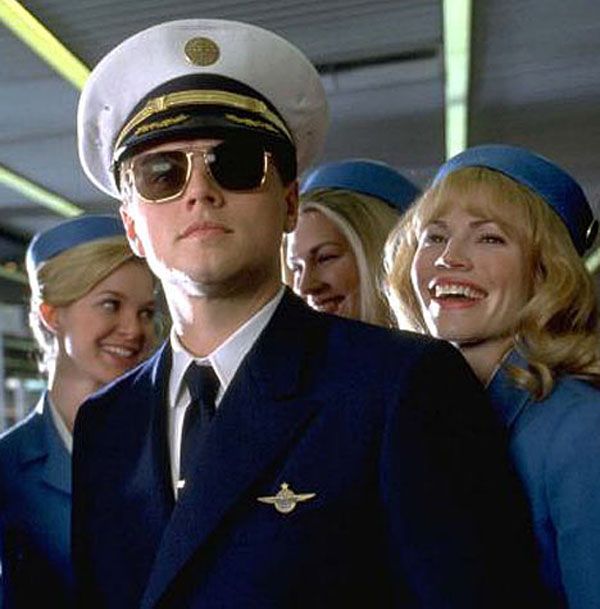
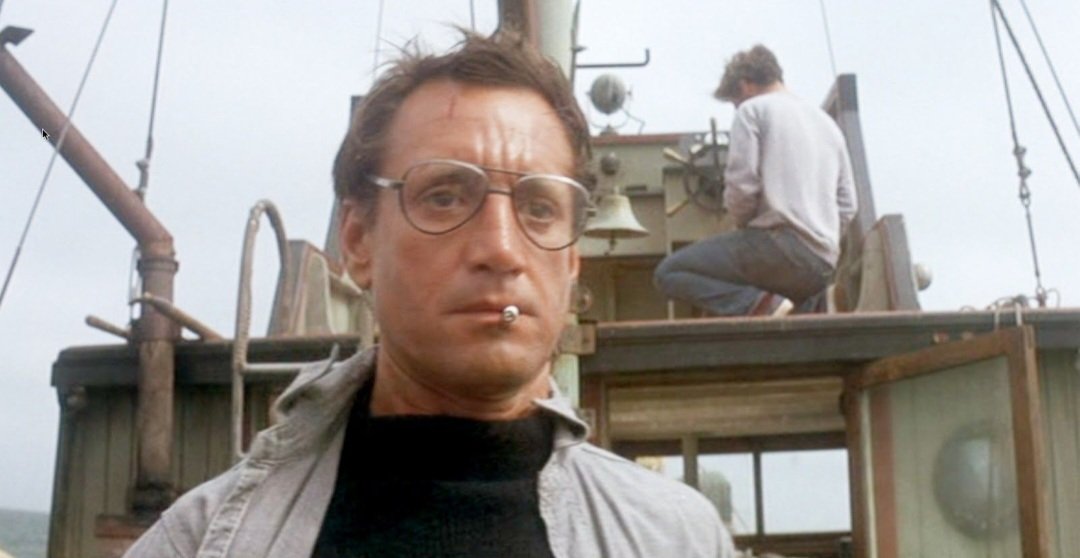
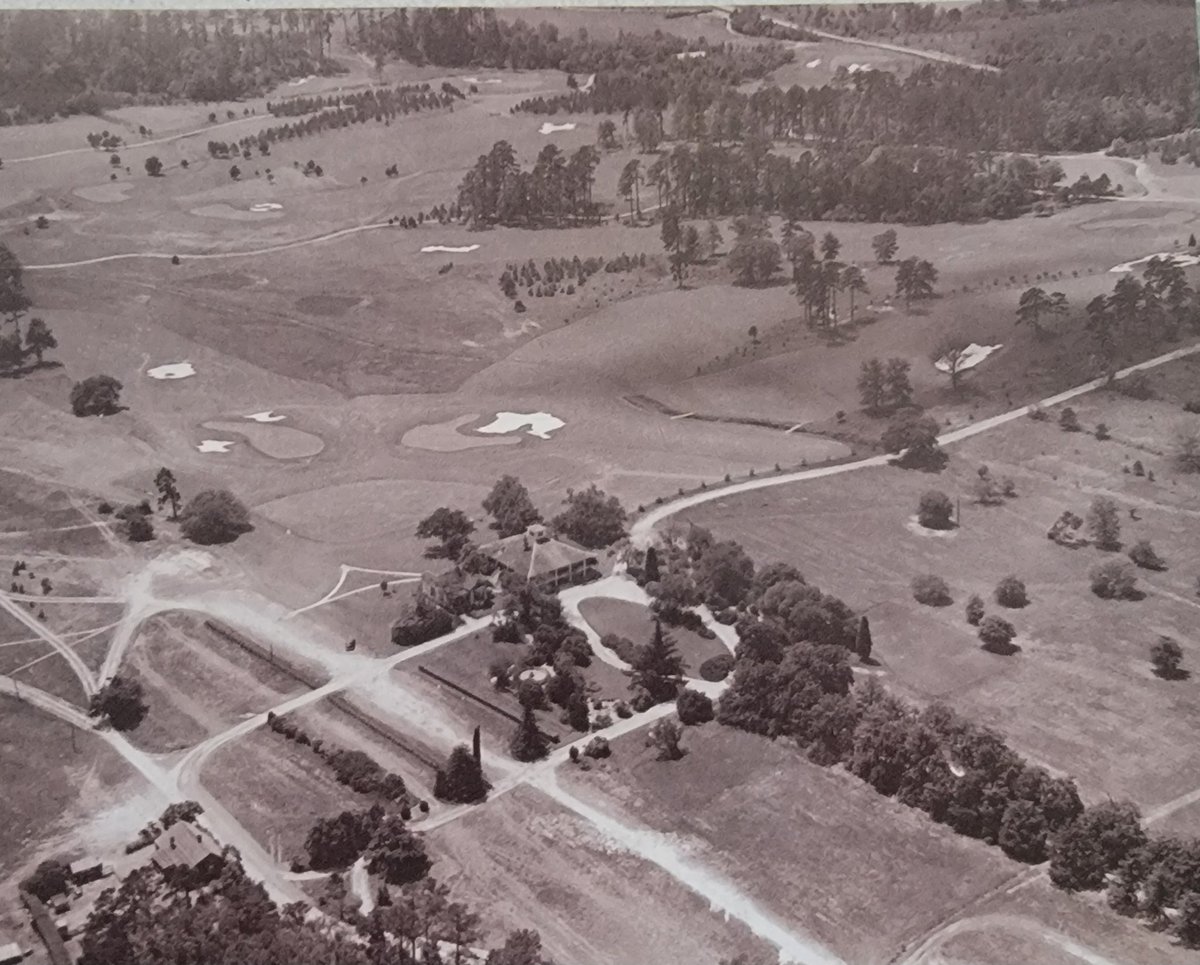
The SNL sketch that got Damon Wayans fired mid-season was this "Mr. Monopoly" sketch where Wayans decided before the show went live to play his cop character as flamboyantly gay.
Wayans later said that Eddie Murphy previously warned him he better come up with his own sketch ideas or the other writers were going to write him as stereotypical black characters. "Everything Eddie said came true." As for why Wayans chose this particular moment to rebel, he said, "I snapped. I just did not care. I purposefully did that because I wanted [Lorne Michaels] to fire me," which host Griffin Dunne said he saw occur literally right after they all walked off stage.
266
1,054
17,792
3,026,689
F Self retweeted

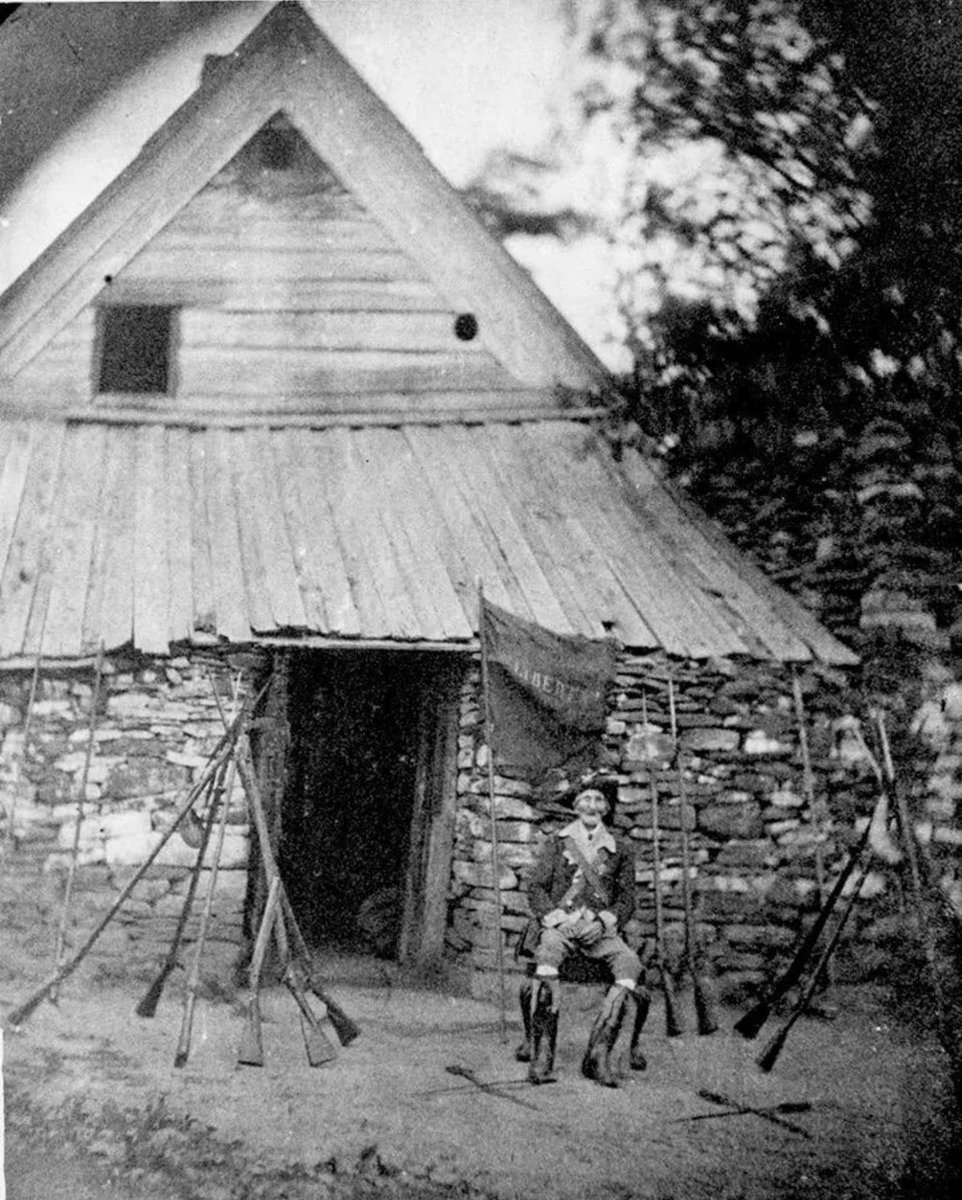
A 100-year-old veteran of the Revolutionary War named Nicholas Veeder poses in his uniform, 1860.
113
1,044
9,313
237,989
F Self retweeted

Jun 14
Just a reminder that our Native Senator who hates the oligarchs flies private.
1,068
8,873
53,031
1,393,355
F Self retweeted

Jun 12
Florida's @SenRickScott brilliantly explains the real cause of exploding costs in America. Hint: it's not "corporate greed."
"I just wish people would make this connection!" – @dbongino
14
91
406
12,746
F Self retweeted

Jun 11
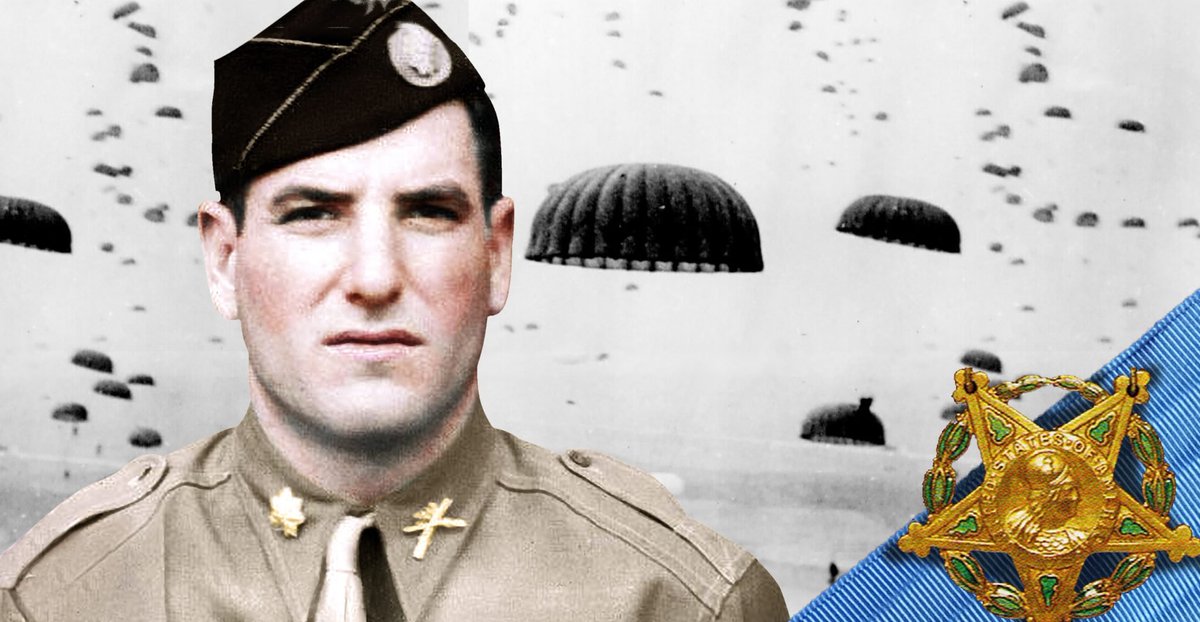
June 11, 1944. D-Day plus 5.
A 29-year-old lieutenant colonel stood up on an exposed causeway in Normandy, drew his pistol, picked up a rifle with a bayonet attached, and screamed at his men to follow him.
Then he ran straight at the German machine guns.
This is the story of Robert Cole, the Carentan causeway, and one of the most remarkable acts of leadership in American military history.
And why he never lived to hold the medal they gave him for it.
---
Five days after D-Day, the invasion was in trouble in a way that doesn't get talked about much.
Utah Beach and Omaha Beach were separated by a seven-mile gap. Between them lay the town of Carentan, a crossroads city connecting the two landing zones through the low, flooded marshlands of the Cotentin Peninsula. Until Carentan was taken, the Utah beachhead was effectively isolated. If the Germans could concentrate their forces and push through that gap, they could cut the Americans in half, drive to the sea, and potentially roll up Utah Beach from the south.
General Eisenhower knew this. General Bradley knew this. The men trying to take Carentan knew this.
Defending Carentan was one of the most dangerous officers in the German army: Oberst Friedrich von der Heydte, commander of the 6th Fallschirmjäger Regiment. Rommel himself had issued the order: hold Carentan to the last man. Von der Heydte's paratroopers, most of them seventeen-year-old volunteers, had already been fighting the 101st Airborne for five days and were not done.
---
To reach Carentan from Utah Beach, you had to cross the causeway.
It was a narrow elevated road surrounded on both sides by flooded marshes. No cover. No flanking routes. No way to bring armor forward until the road itself was clear. Any force trying to move down it was completely exposed to anyone shooting from the other end.
The Germans had lined the far end with machine guns, mortars, and artillery. They had dug into hedgerows within 150 yards of the causeway's exit. Every man who moved forward was visible against the sky.
By June 11, Lt. Col. Robert Cole had been moving his 3rd Battalion, 502nd Parachute Infantry Regiment down this causeway for two days. He had started with roughly 400 men. After nights of continuous fire in fixed positions, he had about 265 left in fighting condition.
On the morning of June 11, those 265 men were completely pinned down.
For over one hour, they lay flat on the causeway while German machine guns, mortars, and artillery fire swept across them. Men were dying beside Cole and he could not move. The German positions were 150 yards away. They might as well have been 150 miles.
---
Cole ordered smoke grenades thrown toward the German lines.
Then, with utter disregard for his own safety, he stood up.
He had a pistol in one hand. He had grabbed a rifle with a fixed bayonet from a fallen soldier with the other. He turned to what remained of his battalion and shouted for them to follow him.
Then he charged.
Not many men followed immediately. Most were flat on the ground under fire and a human brain does not simply stand up into a machine gun because someone tells it to. But they saw Cole running. They saw him not getting shot. And then something happened that officers spend entire careers trying to understand: the battalion got up and charged with him.
What followed was hand-to-hand combat in the hedgerows. Rifles used as clubs. Bayonets used as bayonets. Americans and Germans fighting at arm's length in the mud and smoke.
The charge worked. The German line broke.
Of the roughly 265 men who charged, approximately 130 became casualties.
Cole was not among them. He walked back from the hedgerows, bleeding from minor wounds, his clothes torn. He had not been seriously hit.
The road to Carentan was open.
---
Carentan fell the next day.
For the first time since June 6, the Utah and Omaha beachheads were connected. The gap was closed. The invasion had a continuous front.
Cole was immediately recommended for the Medal of Honor. His commanders described what he had done with language that rarely appears in formal military reports: they said it was extraordinary. That without it, the causeway might not have been taken that day. That he had personally turned a pinned battalion into an attacking force through nothing but the force of his own example.
Cole was 29 years old.
---
He never stopped leading from the front.
After Normandy, the 101st returned to England to rest and refit. Cole wrote letters home, trained replacements, and waited for the next jump. In September 1944, that jump was Operation Market Garden, the massive airborne assault into the Netherlands designed to cross the Rhine and end the war before Christmas.
It did not end the war before Christmas.
On September 18, 1944, Cole's battalion was pinned down again, this time near the Wilhelmina Canal in Best, Netherlands. American aircraft were firing on his men by mistake. Cole ordered recognition panels placed in front of the lines to redirect the planes.
When it wasn't happening fast enough, he ran out himself in front of his men to place the panels.
He was looking up at the planes when a German sniper's bullet hit him in the head.
He was killed instantly.
Robert Cole was 29 years old. He had been in almost continuous combat since the night of June 5.
---
Two weeks later, on October 30, 1944, the Medal of Honor was presented at Fort Sam Houston in San Antonio, Texas.
Present at the ceremony: Cole's widow, Allie. And his son, also named Robert, who was two years old.
The little boy had been born after Cole shipped out. There are photographs of them together from one leave. Cole had never seen his son walk. He had never heard him talk.
The citation read by the general that day described the causeway charge in precise, formal language. It described how Cole had risen under fire. How he had led the assault with a pistol and a bayonet. How the charge had broken the German position.
It did not describe what his son looked like when they pinned the medal to his mother's dress.
---
Cole is buried at Netherlands American Cemetery in Margraten.
The causeway he charged down still exists outside Carentan. It looks much the same as it did in 1944. Flat. Exposed. A narrow road above the marsh with nowhere to hide.
Every year, the town of Carentan holds a ceremony for the men who took it. Among the names always spoken is Robert Cole's.
He ran into the machine guns so the invasion could continue.
He was 29 years old.
His son was two.
20
168
984
29,368
F Self retweeted

Chef’s living the best life.. 😊
🎥 IG: chef_the_yellow_lab
23
135
2,365
82,895
F Self retweeted

Jun 9
⚡🇪🇺🇺🇸 Elon Musk: “Mass immigration is insane and will lead to the destruction of any country that allows unfettered mass immigration.”
504
4,985
19,709
172,475

A WWII #USMC veteran told me a great story before the battle of Okinawa. Merchant Marines had warm beer, if permitted. Someone dug a fox hole on the volcanic shore, recessed a steel ring. Then placed the beer in hole and covered up with sand.
Jun 10

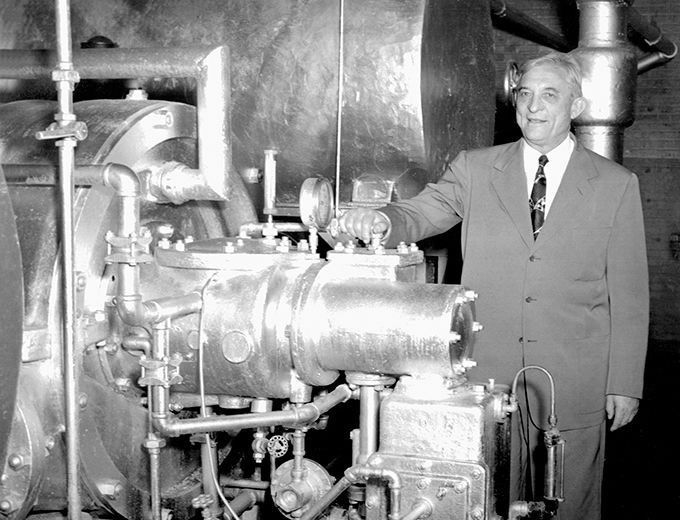
Air Conditioning (1902) was invented by Willis Carrier to control temperature and humidity. It reshaped architecture, industry, and daily life, especially in warmer climates.
2
1
1
122
F Self retweeted

Jun 10
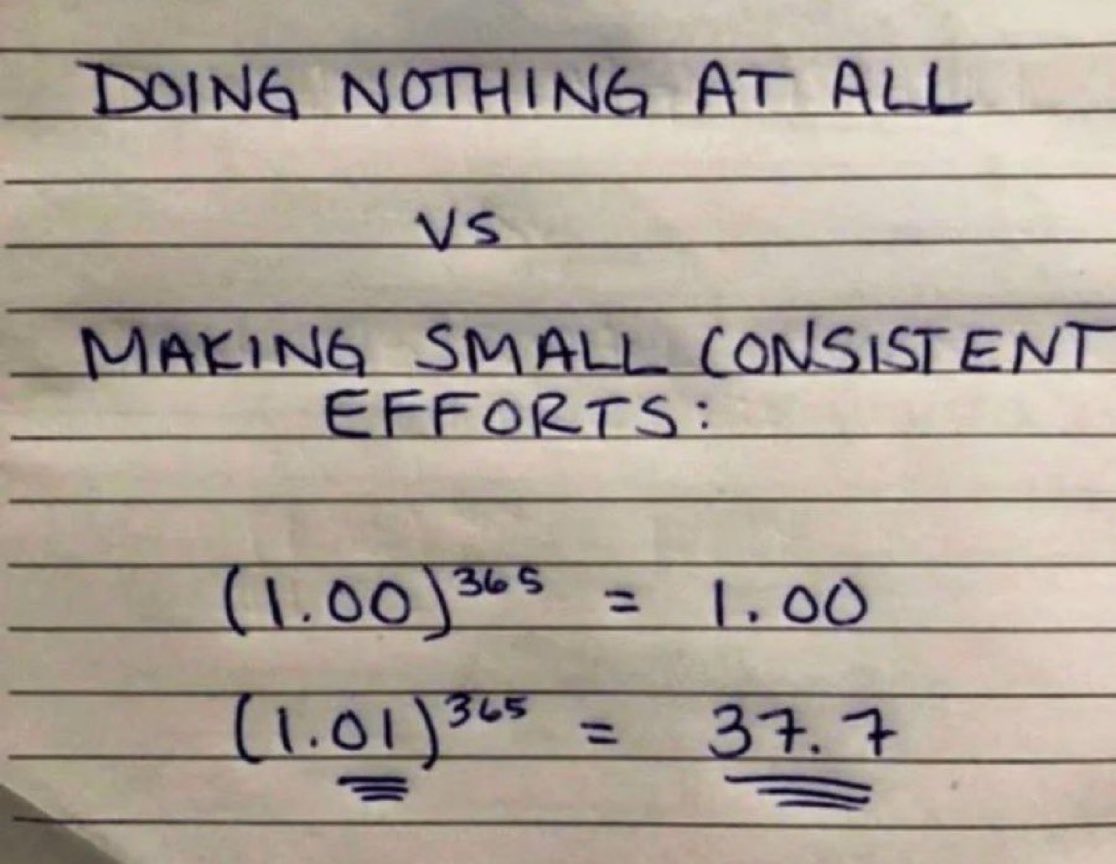
Useful career advice:
1 you are not your job
2 I can > IQ
3 do not speak poorly about others
4 there is no career ladder
5 lift others and you become the ladder
6 you do not need a title to lead
7 always meet deadlines
8 deliver outside of your job description
9 stay teachable - less ego, more interest
10 share the credit - win as a team
11 value high rate of learning and good judgment
12 a sponsor is more important than a mentor (find them in the office)
13 the first to follow is starting to lead
14 show up on time and taken notes
15 in a celebration be in the back, in a crisis be in the front
16 feedback is a gift - seek it and give it gracefully
17 a good coach gives feedback without causing resentment
18 we all have blind spots; challenge assumptions starting with your own
19 when smart people are stuck, they ask for help
20 most important: leave everyone and everything better than you found them
2
36
140
9,212
F Self retweeted

Jun 10
🚨 HOLY SMOKES. ActBlue just PLED THE 5TH and REFUSED to answer about getting foreign donations infiltrating US politics on behalf of Democrats
She wouldn't even refute getting RUSSIAN money! 🤯
ActBlue is a FRAUD group. Shut it down!
REP. JIM JORDAN: Your board chairman said ActBlue accepted up to 38 million contributions in 2024 that had the signs of foreign origin. How much fraud is too much fraud?
ACTBLUE: On the advice of counsel, I respectfully declined to answer the question pursuant to my Fifth Amendment rights under the Constitution.
JORDAN: How many foreign contributions did ActBlue accept?
ACTBLUE: On the advice of counsel, I respectfully declined to answer the question pursuant to my Fifth Amendment rights under the Constitution.
JORDAN: How much money did ActBlue accept from Russia?
ACTBLUE: On the advice of counsel, I respectfully declined to answer the question pursuant to my Fifth Amendment rights under the Constitution.
JORDAN: Why did your entire legal team quit? Your in-house legal team?
ACTBLUE: On the advice of counsel, I respectfully declined to answer the question pursuant to my Fifth Amendment rights under the Constitution.
JORDAN: Did your legal team quit because of reduced fraud standards?
ACTBLUE: On the advice of counsel, I respectfully declined to answer the question pursuant to my Fifth Amendment rights under the Constitution.
JORDAN: We won't keep you here all day, but let me just do one more. Did you weaken your fraud standards to help Democrats?
ACTBLUE: On the advice of counsel, I respectfully declined to answer the question pursuant to my Fifth Amendment rights under the Constitution.
Absolutely insane.
3,852
20,754
47,503
1,129,298

Stay ready so you don’t have to get ready 😌
A fan quickly filled in for C.T. Pan after his caddie Mike “Fluff” Cowan was injured at the 2024 @RBCCanadianOpen.
#TOURVault
15
38
1,053
516,090
F Self retweeted

Jun 10
The Dealey family bought the Dallas Morning News in 1926 and Dealey Plaza is named for Commander Dealey's uncle.
1
6
345
F Self retweeted

Jun 10
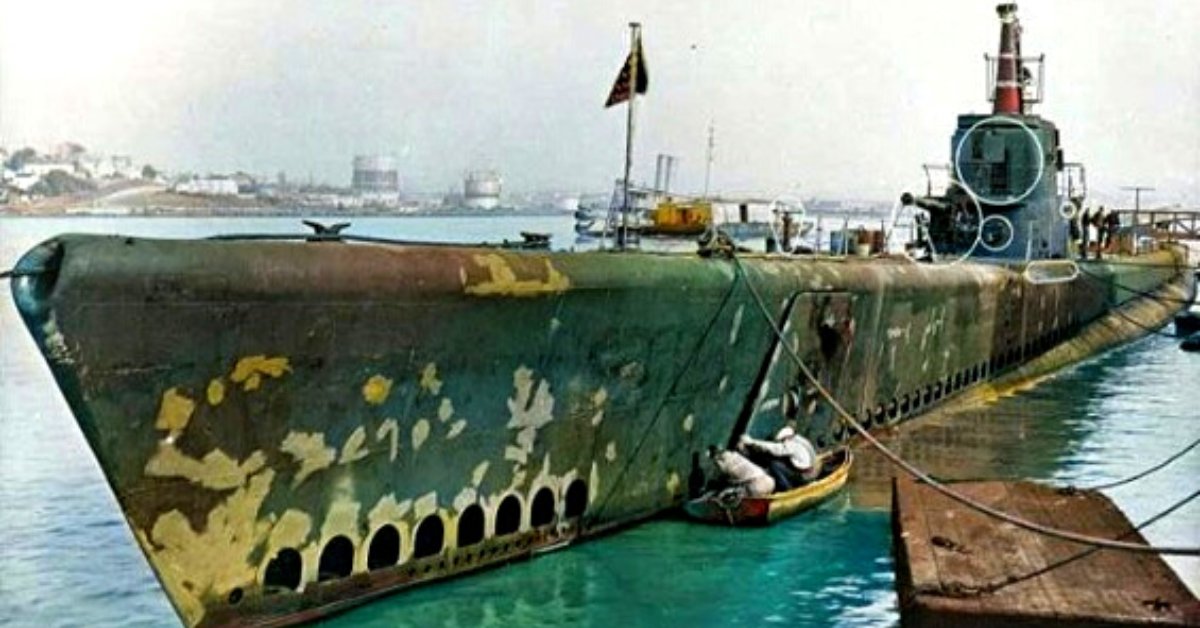
On this day in 1944, USS Harder completed one of the most audacious submarine patrols in the history of naval warfare.
Here's what Commander Sam Dealey actually did.
He took Harder to within 6 miles of the main Japanese fleet anchorage at Tawi Tawi in the Philippines. Not 60 miles. Not 16. Six. Close enough to see the fleet. Then he started killing destroyers.
June 6: Minazuki, sunk. June 7: Hayanami, sunk. June 9: Tanikaze, sunk. Two more damaged or sunk in ensuing days.
Five destroyers in a single patrol. Each attack was close-range. Each one put Harder inside the kill radius of the explosion.
But the real damage wasn't just the ships.
Dealey's attacks were so relentless and so precise that Japanese Admiral Toyoda became convinced the entire area surrounding Tawi Tawi was crawling with American submarines. It wasn't. It was mostly just Harder.
Spooked by what he believed was a massive wolfpack, Admiral Ozawa pulled the Mobile Fleet out of Tawi Tawi a full day ahead of schedule. The premature departure wrecked Japanese battle timing and coordination. Days later, they sailed into the Battle of the Philippine Sea, totally disorganized.
The Japanese lost three carriers and over 600 aircraft in what Americans called "The Great Marianas Turkey Shoot."
One submarine, one commander, changed the course of the entire Pacific campaign.
Dealey received the Medal of Honor.
On August 24, 1944, just over two months after this patrol, USS Harder was attacked by Japanese depth charges in Dasol Bay. She went down with all hands. No survivors. The crew was never recovered.
Sam Dealey's Medal of Honor was awarded posthumously.
There are men who changed history without anyone ever knowing their name. Sam Dealey is one of them.
12
236
1,332
35,388
F Self retweeted

Jun 9
California just casually dropping 80k votes a week after polls close.
And they act surprised when people lack confidence in the CA electoral system.

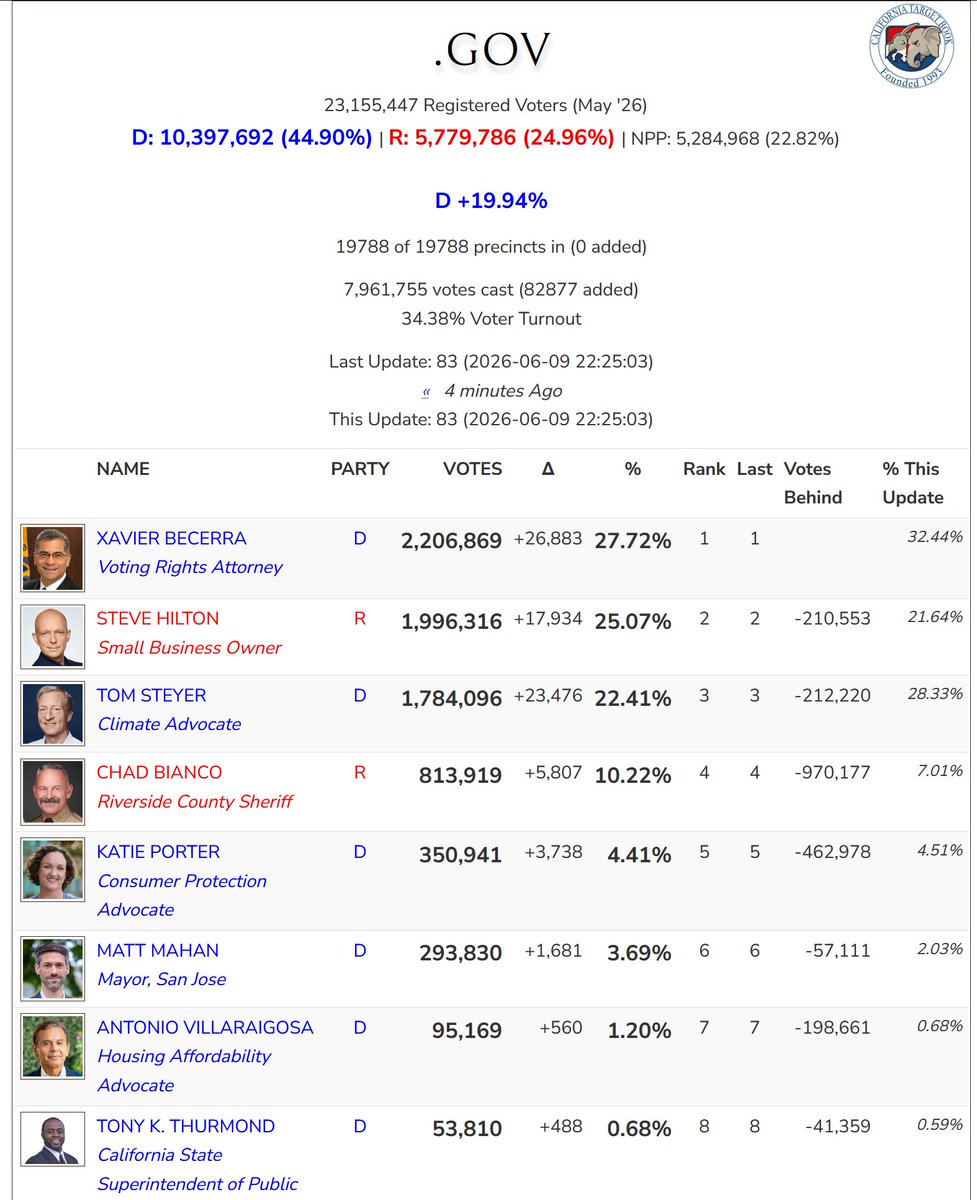
Afternoon update in the CA Governor's race with 82,877 votes added from Sonoma, Ventura, Nevada, Sierra, and Siskiyou Counties w/a batch that breaks 32.4% Becerra, 28.3% Steyer, and 21.6% Hilton.
(Steyer would need to run 14-15% ahead of Hilton in what's left to close the gap)
473
3,151
15,532
276,447
F Self retweeted

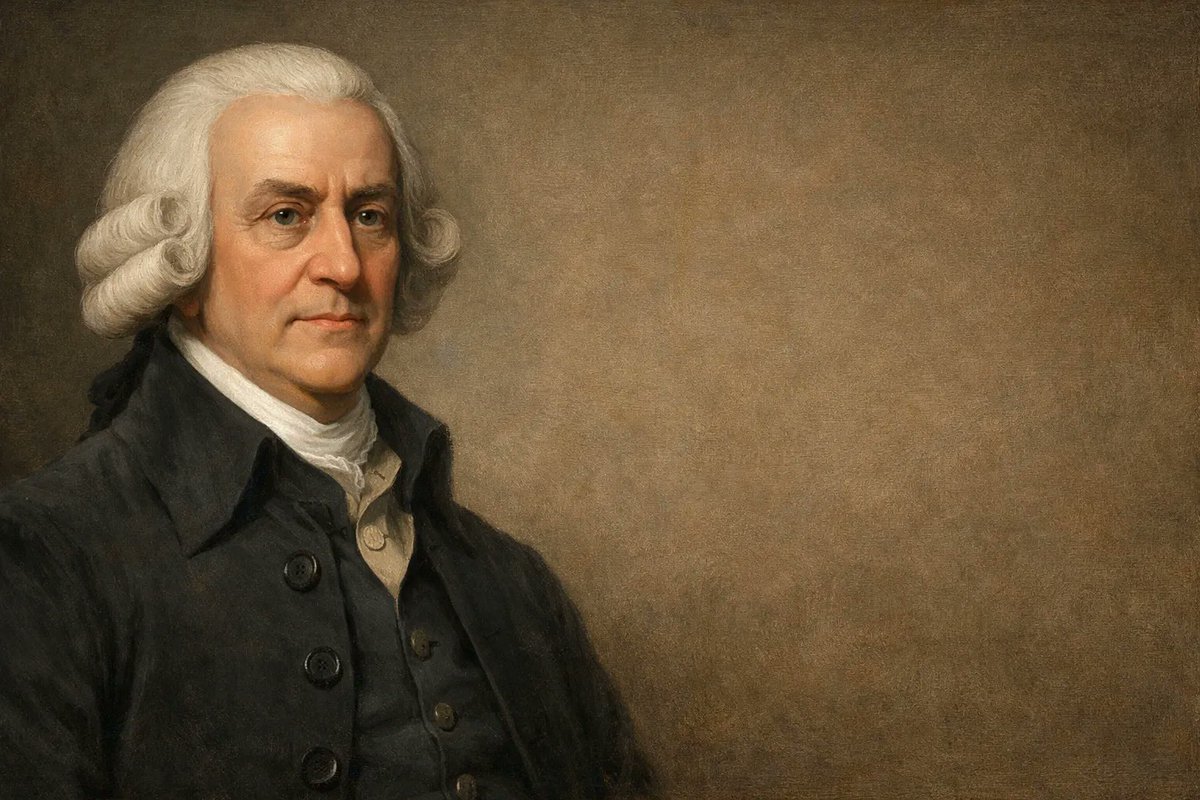
ADAM SMITH: "Mercy to the guilty is cruelty to the innocent."
23
1,008
4,128
31,101
F Self retweeted

Jun 10
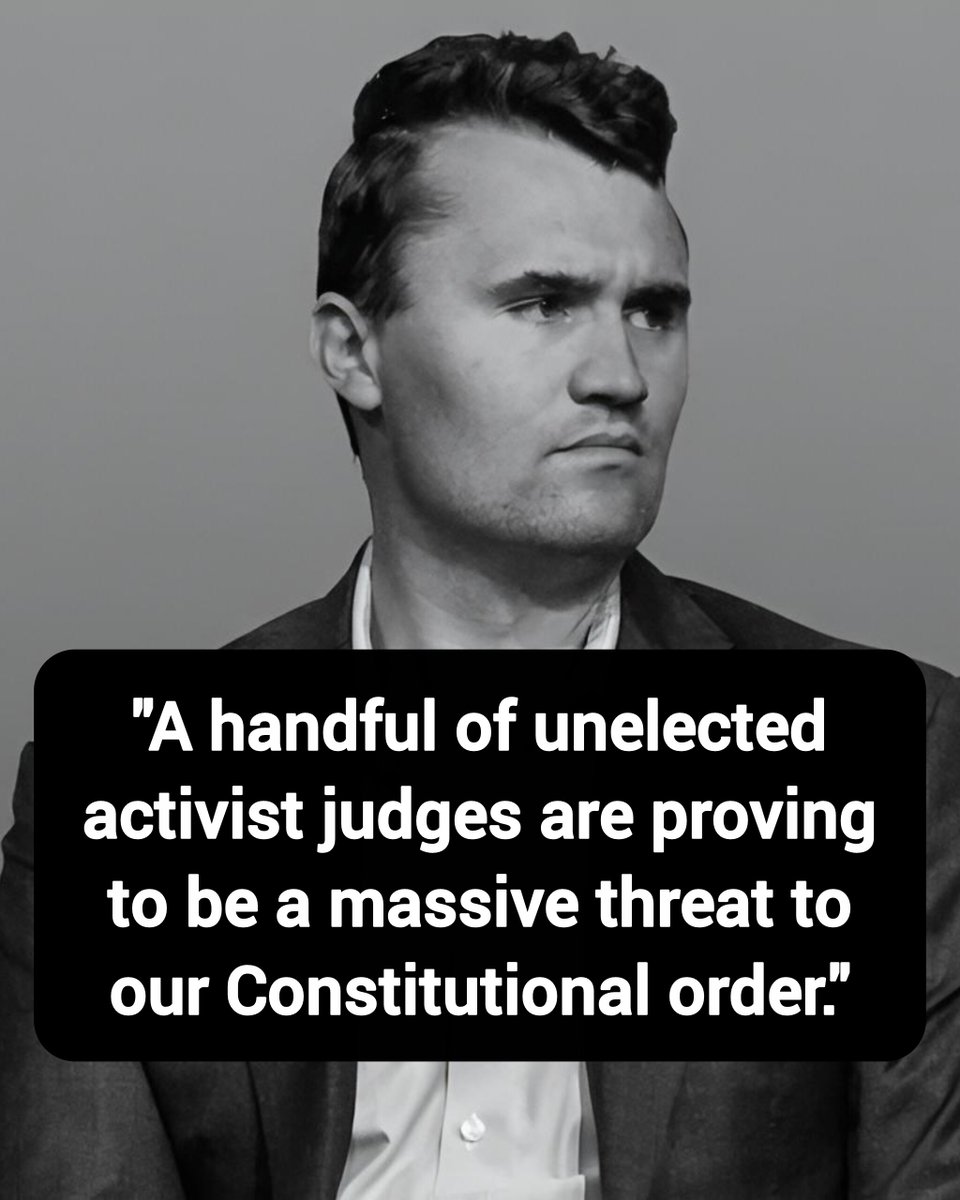
Charlie Kirk: "A handful of unelected activist judges are proving to be a massive threat to our Constitutional order."
Thoughts?
10
133
511
5,495
F Self retweeted

Jun 9
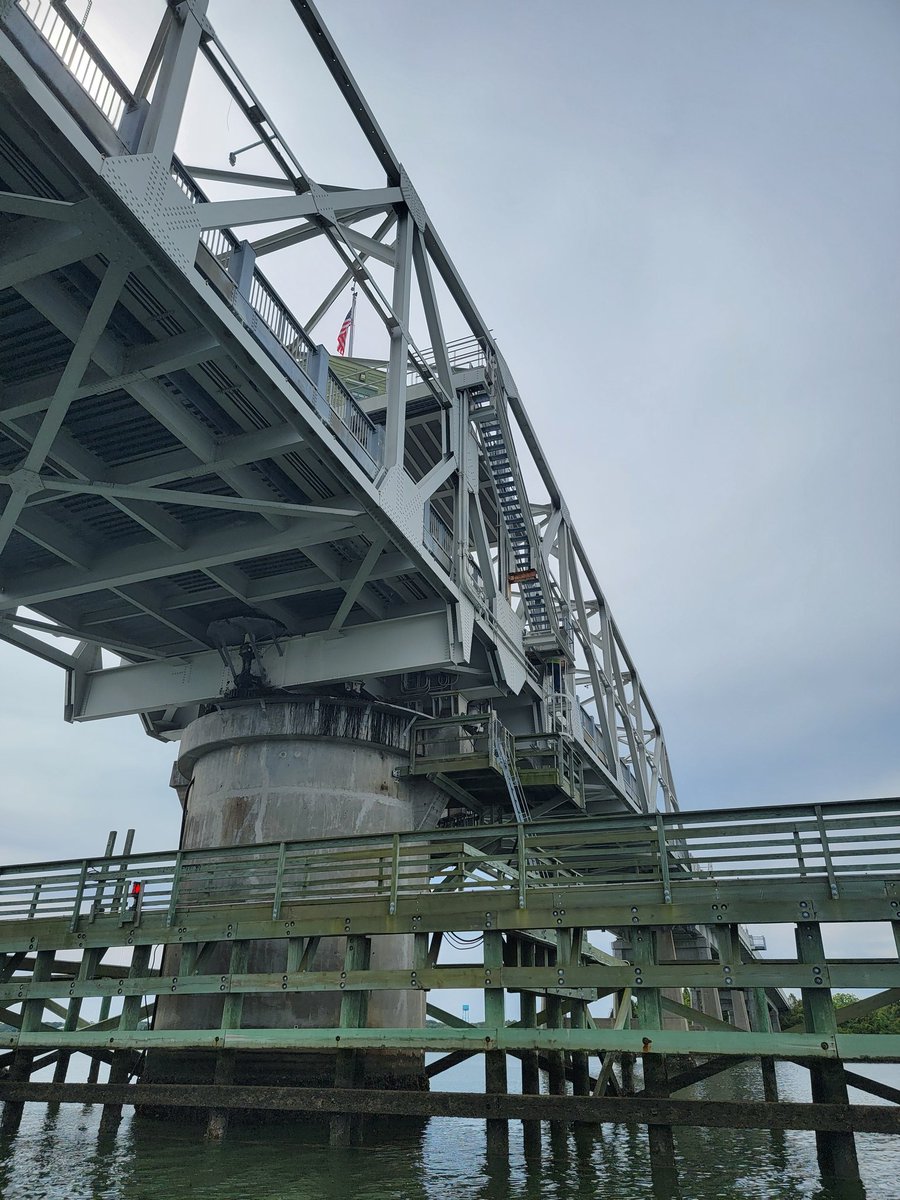
This engineering masterpiece was designed without computers in the 1950s by men with pencils and slide rules.
📹: cameraguyglenn
148
682
5,843
129,140
F Self retweeted
Jun 9
The saddest aspect of life now is that science gathers knowledge faster than society gathers wisdom. —Isaac Asimov

3
21
63
4,209
F Self retweeted

Jun 8
Despite having hundreds of mosques in New York, mass street “prayers” are becoming a staple of life in the Big Apple.
And it’s not prayers, my friends, but assertion. They are claiming turf, like hyenas pissing to mark territory.
8,596
37,387
125,025
1,379,346