
Joined April 2022
- Tweets 9,465
- Following 468
- Followers 133
- Likes 127,466
148 Photos and videos








Jonas Kryspin🇨🇿 retweeted

Jun 14
We have reached full idiocracy



117
1,426
14,483
486,663
Jonas Kryspin🇨🇿 retweeted
Jun 13
“When a clown moves into a palace, he doesn't become a king.
The palace becomes a circus.“

240
1,522
10,123
124,496
Jonas Kryspin🇨🇿 retweeted

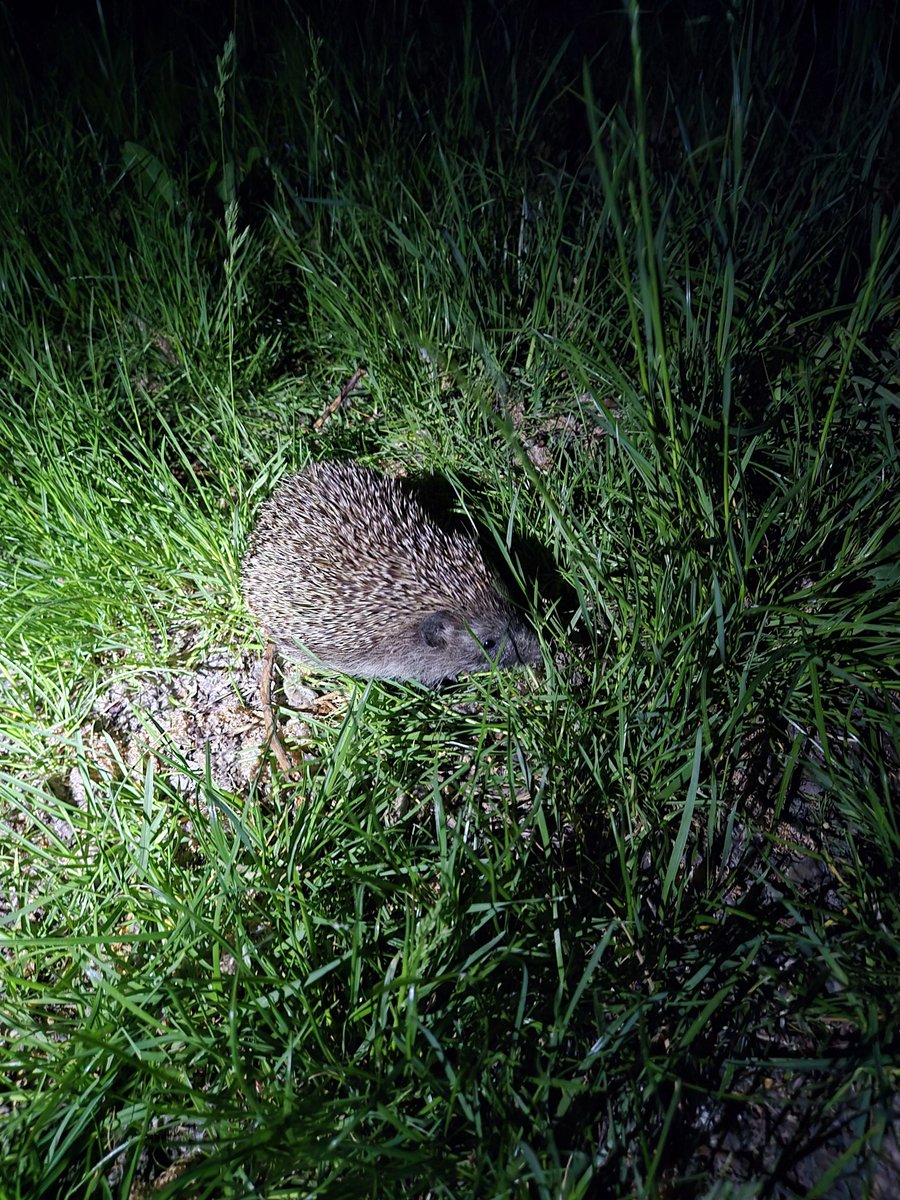
Výr velký. To je ta sova. "Drobeček" je letošní mládě a seděl hodiny na lesní cestě. Důvodem nebyla zmatenost, jak by se z fotky zdálo, ale infekce očí.
🦉 Pták závislý na perfektním nočním vidění téměř nevidí. O jedno jeho oko teď budou bojovat v záchranné stanici Pasíčka.

12
27
522
9,124
Jonas Kryspin🇨🇿 retweeted

Jun 3
Exactly like this, with his helmet off. 📷
Jun 3

I’d like to see our President stand on the moon and have this picture taken.
🇺🇸

836
19,291
298,761
4,388,723
Jonas Kryspin🇨🇿 retweeted

May 29
Tak si uděláme veselý pátek přátelé. Ideálně nějakým nevinným dětským vtípkem. Vykopávám:

1
6
90
3,451
Jonas Kryspin🇨🇿 retweeted

May 28
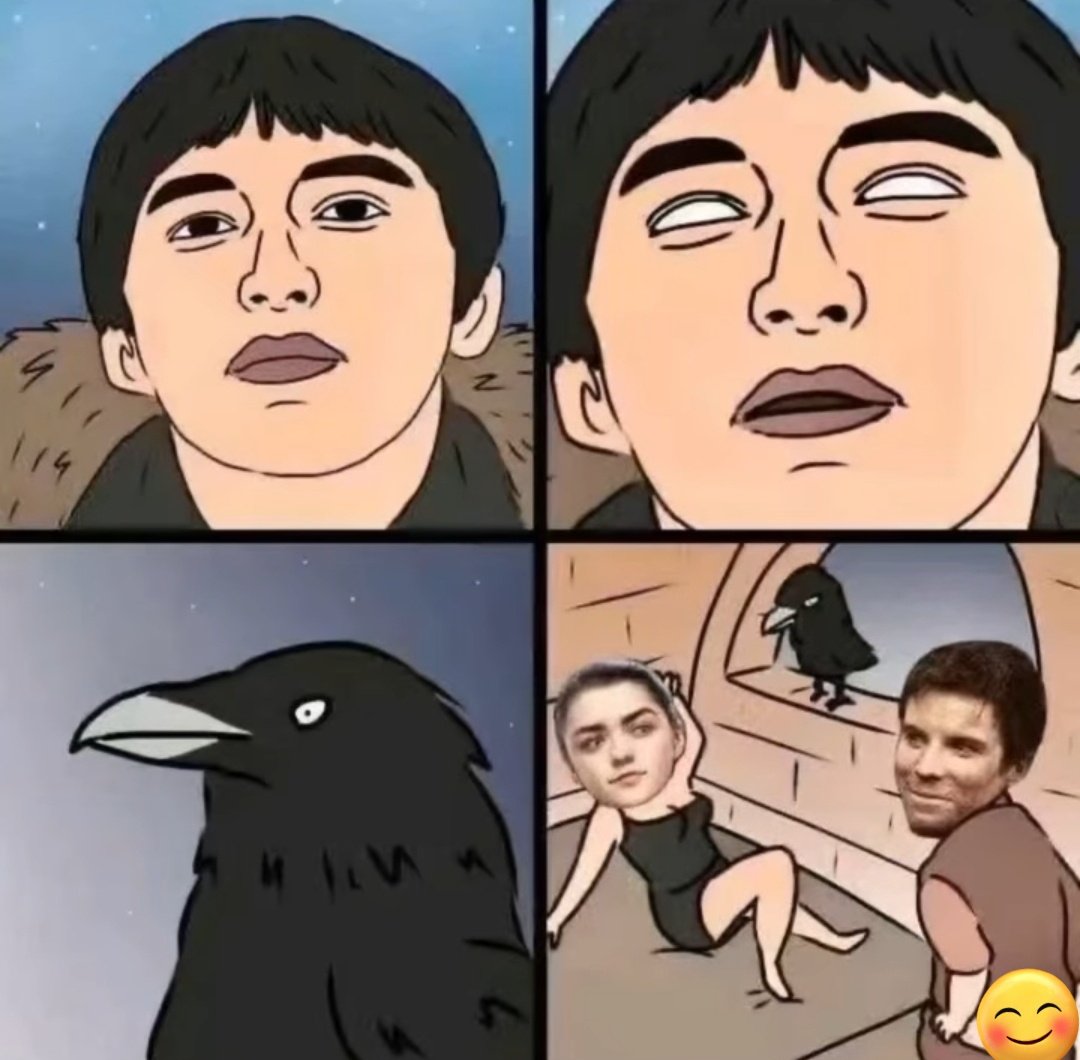
The most unnecessary sex scene ever.... Poor Bran😭
5
26
1,429
31,737
Jonas Kryspin🇨🇿 retweeted

May 28
Nejvíc vždy bolí, když vám někdo šáhne na něco, o čem dlouho tvrdíte, že to ani není vaše a vůbec vám na tom nezáleží. 😇😎

6
32
288
3,385

Jonas Kryspin🇨🇿 retweeted

May 27
Snad přijde to DLC na Witchera 3 dřív než russácký drony do Pobaltí… 👀 😬
2
16
735
Jonas Kryspin🇨🇿 retweeted

May 25
What’s new? He lies about everything! If his lips are moving, he’s lying! 😡

1,220
7,872
20,152
226,411


May 22
Planeta opic
May 20

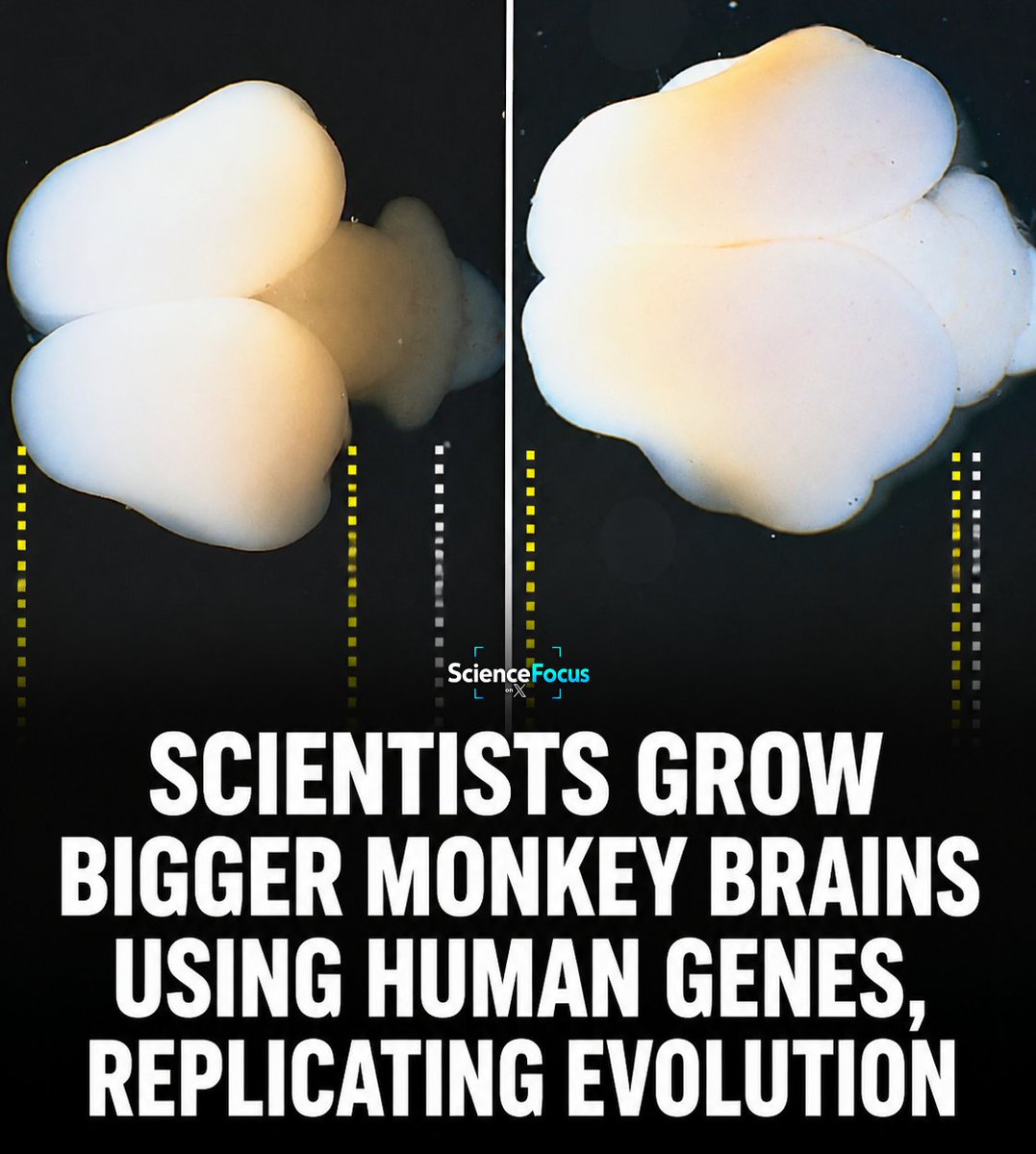
Scientists slipped a single human gene into monkey fetuses… and the monkeys grew bigger, more human-like brains.
Not a metaphor. Not a simulation. Actual enlarged brains with the wrinkled folds that separate us from every other primate on Earth.
The gene is called ARHGAP11B. It exists only in humans. And researchers at Germany's Max Planck Institute teamed up with Japan's Central Institute for Experimental Animals and Keio University to inject it into common marmoset fetuses.
The result? A bigger neocortex. More neurons. A folded surface that mimics the human brain.
Here's the wild part. That gene didn't appear by design. It showed up around 5 million years ago through a copy-paste error in our DNA. One nucleotide swapped places. 55 nucleotides got dropped. Suddenly our ancestors had a gene that told brain stem cells to keep multiplying way longer than usual.
That single glitch may be the reason you can read this sentence.
The team pulled the fetuses out by C-section at 101 days, roughly 50 days before birth. Letting them be born was off the table. Lead researcher Wieland Huttner called it ethically mandatory to stop there, because nobody knows what kind of behavioural change a marmoset with a human-sized brain would actually display.
Think about that line for a second.
The neocortex handles reasoning, language, abstract thought, everything that makes humans, well, human. It's three times larger in us than in chimpanzees. And we just proved that one human gene is enough to push another primate's brain in our direction.
We are now editing the cognitive boundary between species.
Source: Heide et al., published in Science, Max Planck Institute of Molecular Cell Biology and Genetics
1
31


Jonas Kryspin🇨🇿 retweeted

May 20
One of my favorite pictures
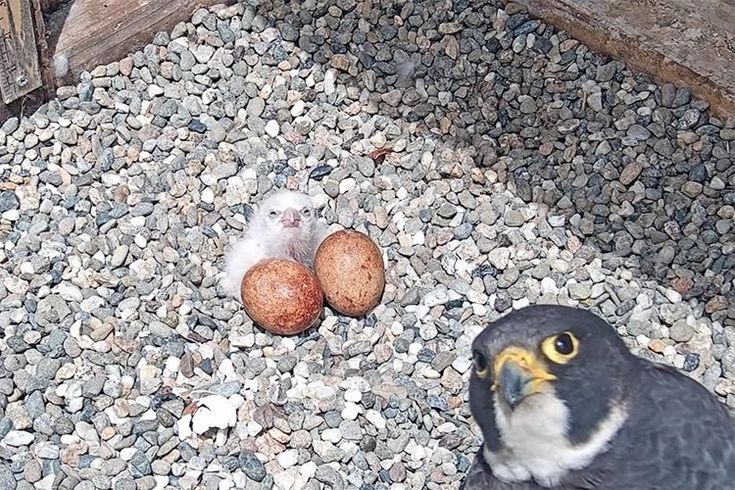
83
6,270
64,297
3,791,526
Jonas Kryspin🇨🇿 retweeted

May 20
Cuando tienes que conquistar Mongolia pero no tienes con quién dejar al gato

240
12,309
110,627
2,682,867


Jonas Kryspin🇨🇿 retweeted

May 15
Henry cavill esta en polonia, grabando la película de Highlander
Y un loco de un local de warhammer 40k se acercó y le regalo unas cajas de adeptus custodes
(El ejercito que el juega)
El loco claramente las agarro y despues le autógrafio un set de ultramarines


543
4,715
90,024
3,462,430
Jonas Kryspin🇨🇿 retweeted

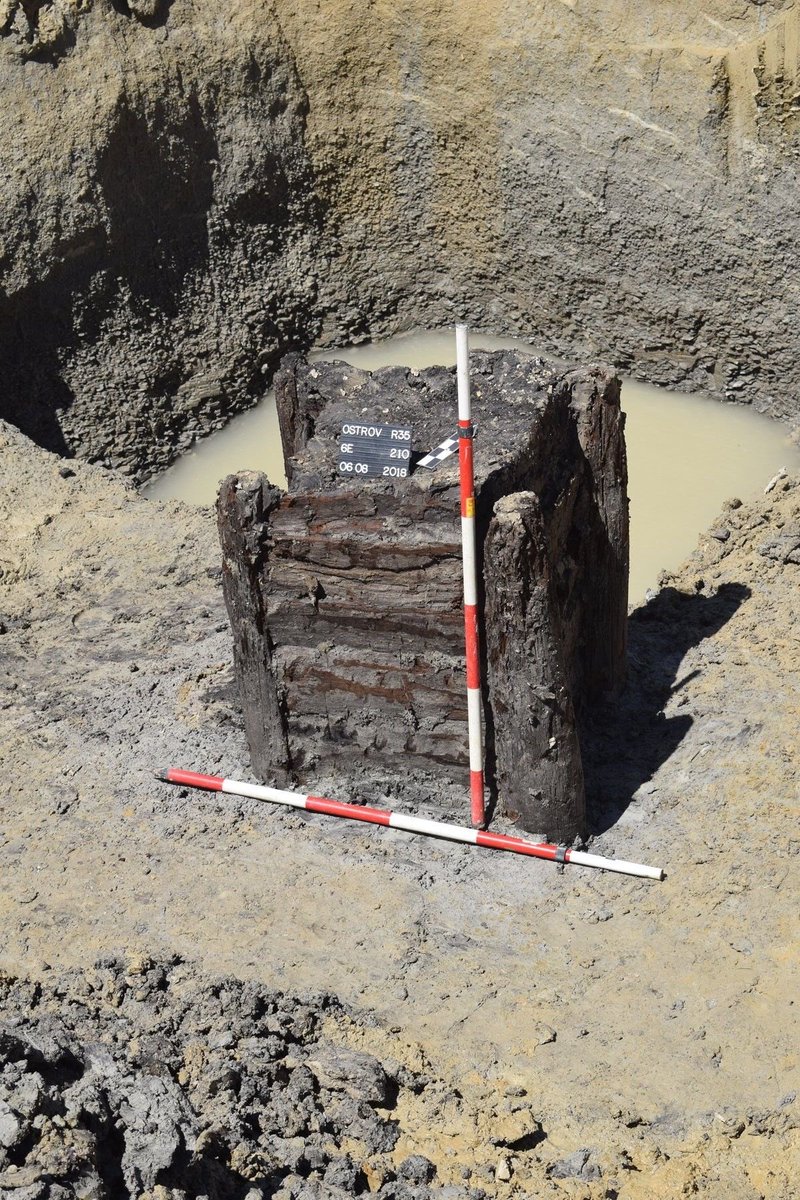
A 7000 year-old well found in Czechia’s Pardubice region 🇨🇿 in 2018, now display as part of an archaeological exhibition at the Museum of East Bohemia. The wooden well, which has been in the care of restorers for the last few years, is, according to analyses, the oldest wooden man-made object in the world....
The discovery of the Neolithic well on the site of a planned motorway in 2018 caused much excitement, with experts already suggesting then that it may be the oldest wooden structure ever found in Europe. This was confirmed a couple of years later by dendrochronological and radiocarbon dating analyses, which showed that the prehistoric wooden structure was not only the oldest known such object found in Europe, but indeed anywhere in the world, dating back to 5256 or 5255 BC.
The well uses building techniques that archaeologists had previously assumed had only appeared later, during the Bronze Age, and the level of technical skill is impressive, says restorer Karol Bayer.
“What we found interesting was that they only had very simple stone tools to work with, which they nevertheless managed to use very effectively to create precise shapes. And if we look closer at the surface of the wood, we can see the marks of later additions made by sharp stone objects. It’s fascinating to be able to see the traces of handiwork done by a person who lived 7,000 years ago.”
As well as showing that Neolithic people were capable of more sophisticated construction techniques than previously assumed, the well can also provide evidence of what they ate, says archaeologist Tomáš Zavoral.
“We were able to identify various micro-traces of plants and grains. One of the important findings was that we discovered possibly the earliest traces of poppy seed and flax in the Czech Republic.”
The excavation of the oak well was itself logistically and technically demanding, and the subsequent restoration and conservation took years of work by five restorers, one of whom was Karol Bayer, vice-dean of Pardubice University’s Faculty of Restoration, who says they were helped by the fact that the well was found in a relatively good condition.
“It was found in an environment where there was very little oxygen and it was protected from water. So the types of bacteria that feed on organic material didn’t have the right conditions to thrive, which allowed it to be preserved for such a long time.”
After the careful removal of soil residues and treatment with a biocidal agent, the wood was impregnated for 16 months in a sucrose solution, intended to strengthen it and prevent it from shrinking. It was then left to dry for a year.
After this long and careful process, the well was finally moved recently to the depository of the Museum of East Bohemia in Pardubice, where it is now being prepared for an exhibition which should open to the public in early May. Tomáš Libánek, the museum’s director, says the well will be one of several interesting finds on display.
“We discovered a lot of interesting objects and found out lots of fascinating things about this region that we want to showcase. One of the themes of the exhibition will be water, wells, and wooden structures, so this well will obviously be the highlight there.”
#archaeohistories
9
106
567
25,880