
Joined June 2013
- Tweets 2,016
- Following 1,044
- Followers 978
- Likes 1,891
223 Photos and videos




Pinned Tweet

4 Dec 2025
NIGERIA🇳🇬: Tolerance or a Call for Separation: Which Is Better for Nigeria?
By Adebayo Julius O. | December 3, 2025.
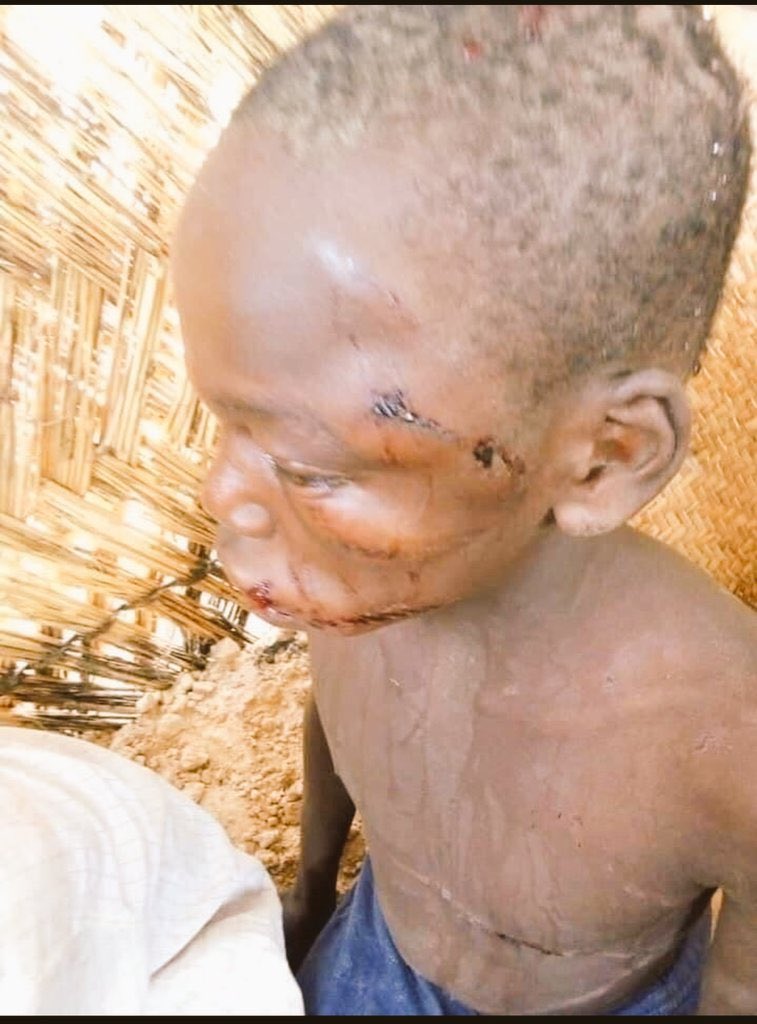
Let us go straight to the root of this discussion. Since the Boko Haram insurgency erupted in Nigeria in 2009, we have witnessed a chain of horrifying events: open recruitment rallies (including the ISWAP meetings reported by Sahara Reporters in 2024), the 2014 kidnapping of the Chibok girls, and, more recently in 2025, the near-total paralysis of parts of the country as these groups establish strongholds and kill or intimidate any citizen who refuses to submit to their ideology.
Before we proceed, it is important to remember why this conversation matters. Every major agitation in Nigeria has had a stated grievance, however wrongly expressed:
The Niger Delta militants, from 2006 onwards, kidnapped foreigners and oil workers, killed security personnel, and vandalised pipelines. Their actions were criminal, but their demands were clear: resource control, a fair share of oil revenue, development of their region, and an end to environmental degradation caused by oil spillage.
The Indigenous People of Biafra (IPOB) and its armed wing have also committed serious atrocities — attacking security forces, enforcing deadly sit-at-home orders, and sometimes harming fellow Igbo people. Yet their ultimate demand is equally clear: the sovereign independence of Biafra, born out of a deep sense of political and economic marginalisation.
Coming to the nondescript Yoruba, often criticised for disunity and a love of “party and fun,” they have their own agitators. Sunday Igboho rose to prominence, and the Oodua Peoples Congress (OPC, believed to feel less concern about the ill-happening in their region now) once posed a real threat, but today both are either in hiding or reduced to issuing strong statements online.
In all these cases — Niger Delta, IPOB, Yoruba agitation — the grievances, however violently expressed, are political and economic in nature: resource control, equity, or outright independence.
But what exactly do Boko Haram, ISWAP, and the various Fulani herdsmen militias want? Is it resource control? Development? Independence for a particular ethnic group? Or is it the imposition of one religious ideology and Sharia law across the entire country — by force if necessary? This is the fundamental difference: every other agitation in Nigeria has a negotiable political demand. The demand of the jihadist groups is non-negotiable and existential: submit or die.
That is why their cause feels unjustifiable to many, even if it costs us our lives to say so.
A Plea for Tolerance Among All Children of God
This piece is not written to insult Islam or peaceful Muslims. On the contrary, it is a respectful appeal to the millions of good, honourable Nigerian Muslims — the ones who live peacefully side by side with Christians and traditional worshippers — to intensify their efforts in teaching the young and the extremist-minded the true meaning of tolerance.
Our lives are inexplicable linked. One person’s reckless action in a forest in Cameroon may have unleashed HIV/AIDS on the world. One laboratory incident (or worse) in Wuhan brought the entire planet to its knees with COVID-19 in 2020. China has still not apologised. These examples show that no one has the right to behave as though their actions affect only themselves.
@NigeriaStories @instablog9ja @AfricaFactsZone @DanielRegha @EmmyJ100 @HouseAppropsGOP @POTUS @SaharaReporters @SecRubio @sowore @theboyisgreat @TrendingEx @NigeriaGov @nassnigeria @Biafra_Govt @Yorubaness @Arewa_Source @ArewaTwiter @AreaFada1 @UN @RoyalFamily @renoomokri
5
10
21
2,344
Jun 15
Thank fot this post; God bless the great ladies, women,etc., that have proven that women are doing great as well educationally.
Jun 12

Hi women, can you post pictures or talk about your academic achievements? I need some motivation this month.
If you see this tweet, share it so women can see it.
7
Jun 12
Nnamdi Kanu dey prison; national killers (old, young, teacher, children), are getting pardon... What a sad time.
Jun 12

Borno Government reintegrates 720 repentant terr%rists into society after rehabilitation
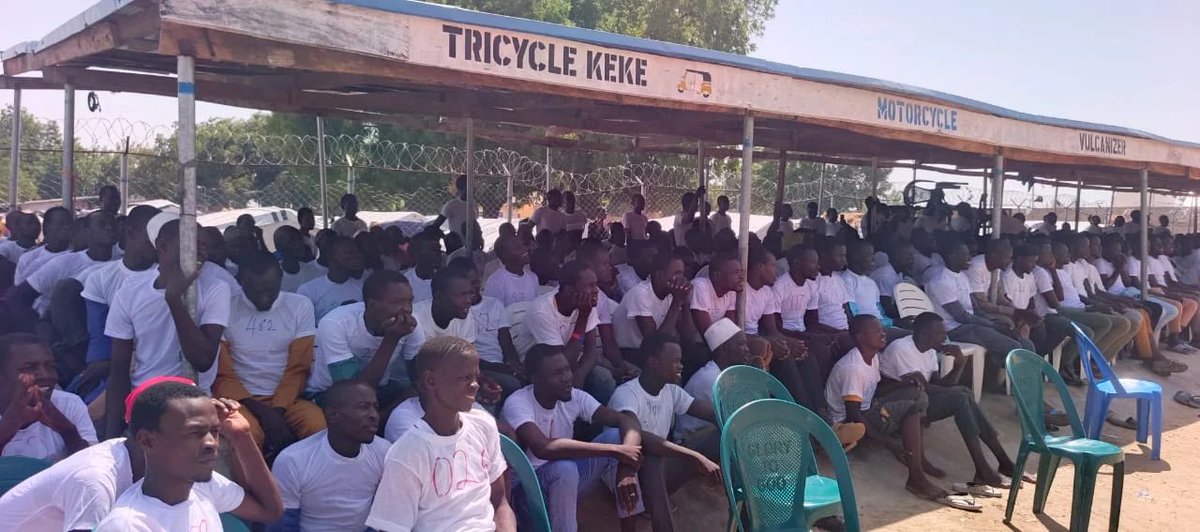
21
Jun 11
God is the greatest!!! Always!!!!

🚨BREAKING: Atheist Artemis II astronaut Reid Wiseman says he has CONVERTED to Christianity after his trip to moon:
"There is no other explanation for what I saw and experienced. When we landed back on earth, I saw the cross and just wept."

Community note
Reid Wiseman did not announce converting to Christianity after Artemis II or claim to be an atheist; he said he is "not really a religious person" and his emotional reaction to seeing a cross does not indicate conversion, contrary to the post's fabricated quote. snopes.com/fact-check/rei… yahoo.com/news/articles/…
22
Jun 9
It hurts ehn, when people who really put so much effort and dedication into education and serious act ain’t making money, but luck go just pick ‘these jokers’ , all on God shaa, the greatest, the Doer as He Wishes.

“I’m not happy. Everywhere isn’t good for me. Me and Carter Efe have part ways. Carter don’t take me to shows again. It’s only Carter Efe making money. If I ask Carter Efe for money he won’t give me. I won’t go to Carter Efe livestream again.”
— Kolu cries out.
1
50
Jun 8
Jesus is the son of Most High.
Jun 8

Let’s get Jesus trending!
Can we get 1K people to unashamedly say Jesus is Lord!
1
12
Jun 5
If this was true!
I feel so sad; after long day job, I said let me come on X to see what's going in the earth's group-
You could have be my daughter.
I could have been waiting for you to come home the other they took you.
The president and us all failed you, we are sorry🙏
Jun 5

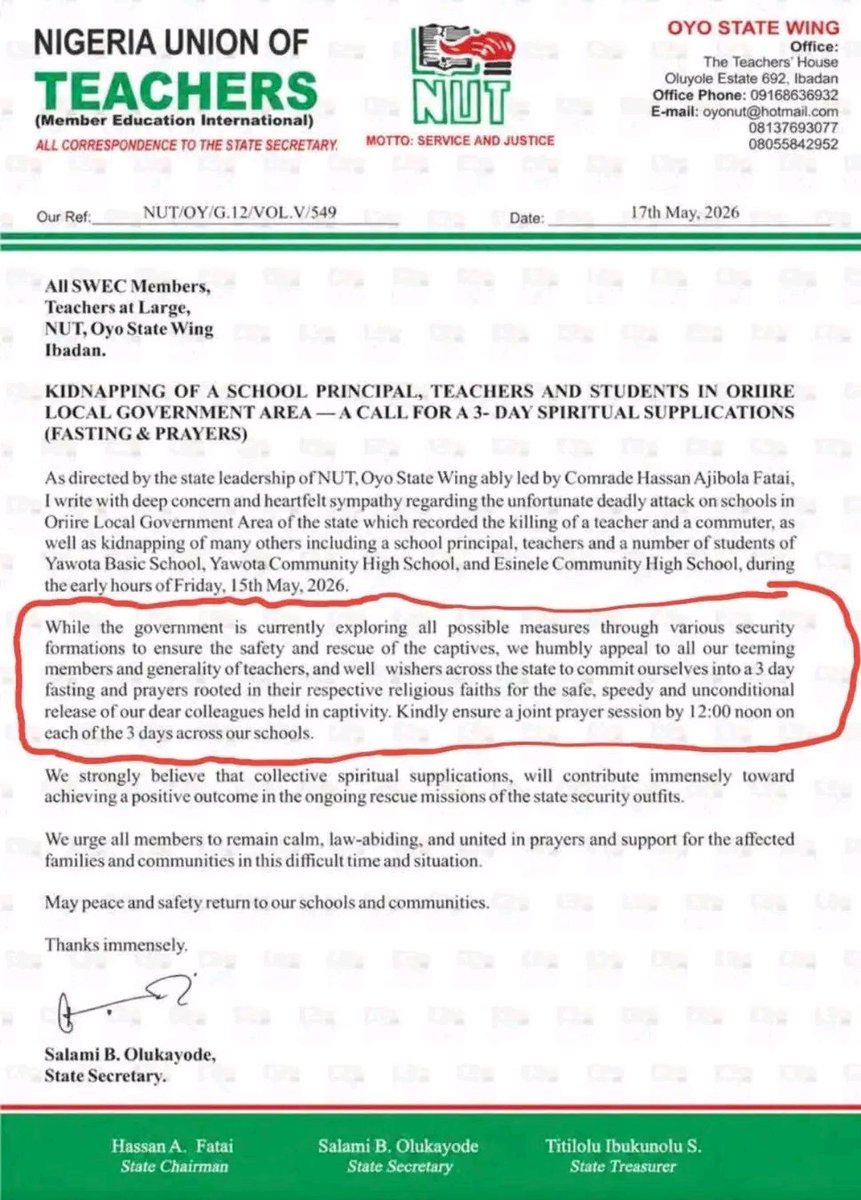
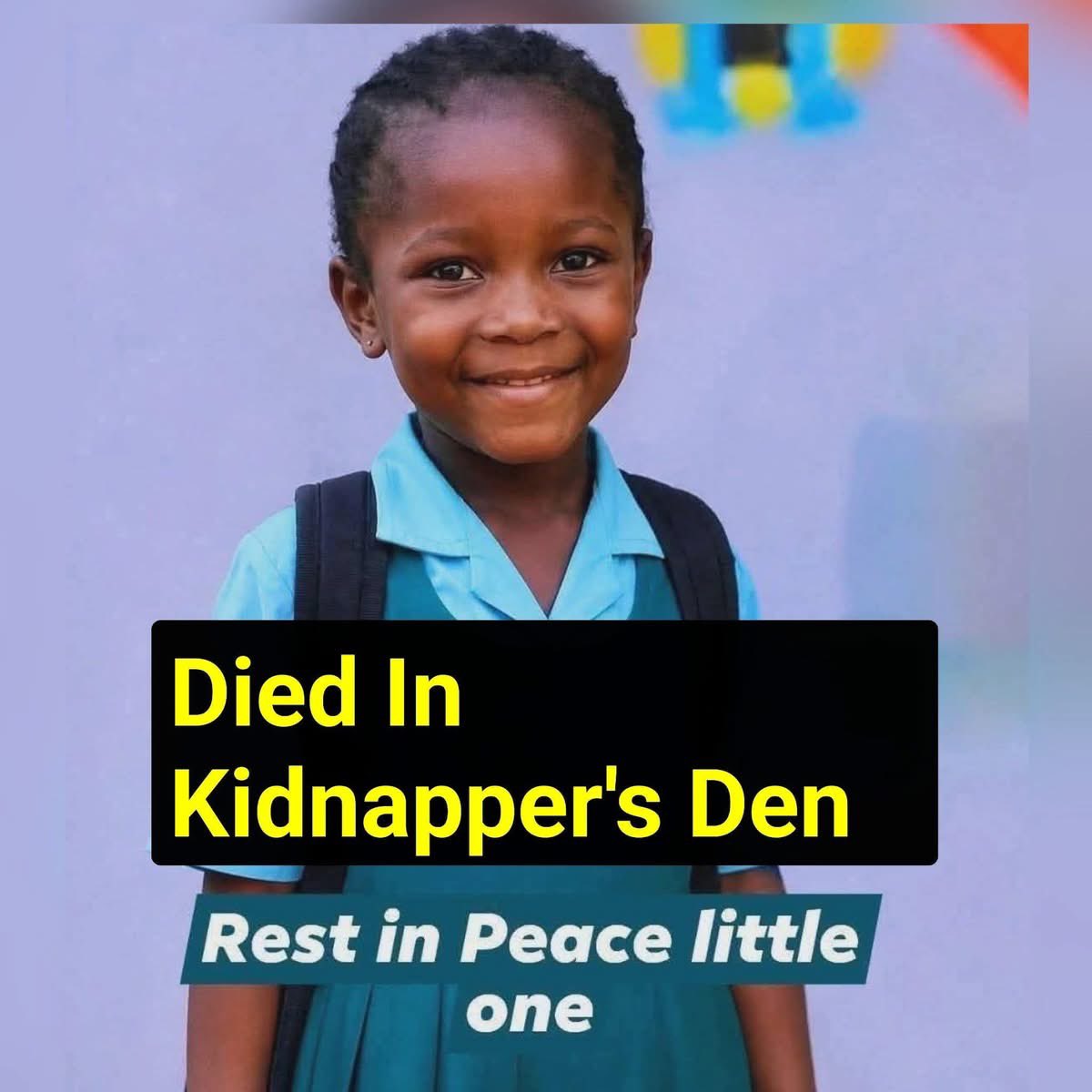
JUST IN..ONE OF THE ABDUCTED SCHOOL CHILDREN GONE..
Sadly, one of the abducted schoolchildren kidnapped in Oyo State, Ahoro Esinele, has reportedly died.
Days ago, photos of her in captivity showed she was already seriously ill. Last night, the kidnappers reportedly appeared on a TikTok live stream and announced her death, telling her mother they no longer had her child.
They may not have used a weapon, but captivity killed her. The hunger, beatings, cold nights, fear, and terrible conditions were too much for her young body to survive.
Her heartbroken mother said through tears: “I knew it. She was not very strong. On the day they were abducted, she only managed to go to school. Unfortunately, she never returned home.”
No parent should ever experience the pain of a child leaving for school and never coming back alive.
Another innocent life has been lost. Another family has been shattered.
16
Jun 4
Great question!
Jun 4

Why does God stay silent sometimes? Even when we scream his name the most.
12
Jun 4
OPC, cultist, Aare onakankanfo… Bandit enter southwest, killing teachers, children, old and young, none of una w f enjoy em braveness, at the moment?
9
Jun 1
In everything you do, kindly adjust your criticism; if you have never tasted poverty and knows that few children are home waiting for what these women would bring home to beat hunger... irrespective, these things did not stop any govt from during their job.
This is for survival!

Useless elders. If your mama dey here, your life don spoil be that.
12
May 31
When I first read ur post on finances/breakdowns, I admire your intellect;
But your understanding is far from politics and how government should work; in situation like this, you can remain quiet if you are a core fan or follower that have conscience of the slaughtered ones.
May 31

You said the Presidency was silent about the abduction & hadn't visited the scene.
Today, a delegation went there. Now you say it's just for optics. Why are you this insensitive?
This isn't the time for this. Lives are at stake. If you make careless comments, I'll block you.
8
May 31
After how many days?
When kidnapping like this- of this national threats occur, it is not visit that matters, but actions within that 24 hours and afterwards so it doesn't occur.... Condolences visit is mostly good for severe issue of death and others
May 31

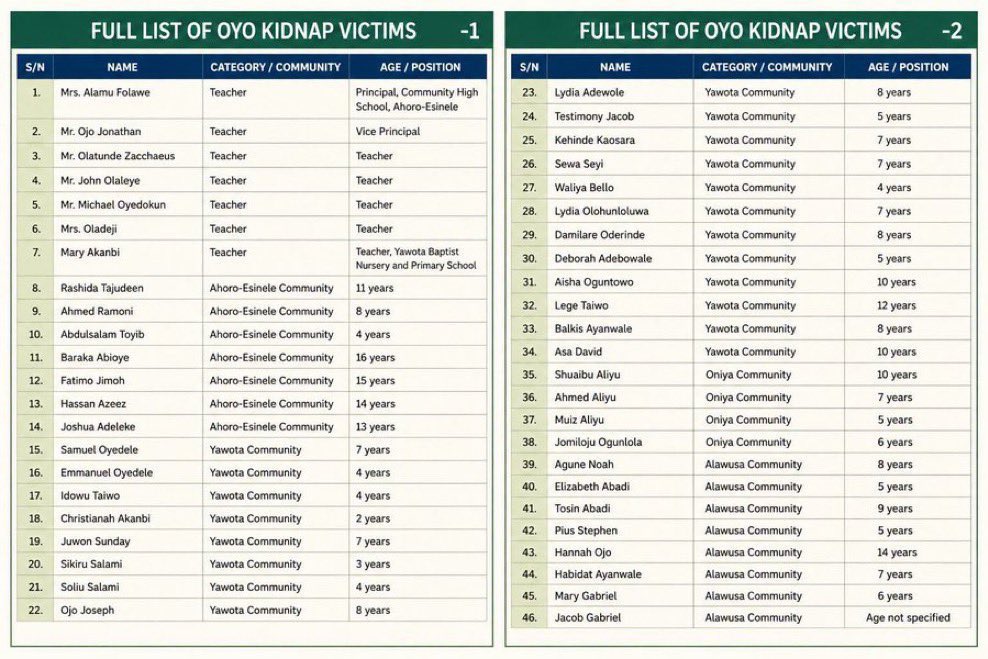
A powerful Presidential Delegation just arrived Ogbomoso enroute to the villages of Esiele and Yawota where armed men simultaneously raided Baptist Nursery and Primary schools seizing about 46 pupils and teachers. The area falls within the Orire local government, Ogbomosho axis of Oyo State
The delegation is led by Rt. Hon. Femi Gbajabiamila, Chief of Staff to the President, National Security Adviser, Mallam Nuhu Ribadu, IGP Tunde Disu - Inspector General of Police, Rt. General, Christopher Musa - Minister of Defence, Joseph Tegbe - Minister of Power and Sunday Dare - Special Adviser on Public Communications.
President Tinubu since set in motion series of coordinated efforts to free the victims and arrest the kidnappers.
1
1
18
May 27
Thank you (the true) men in uniform.

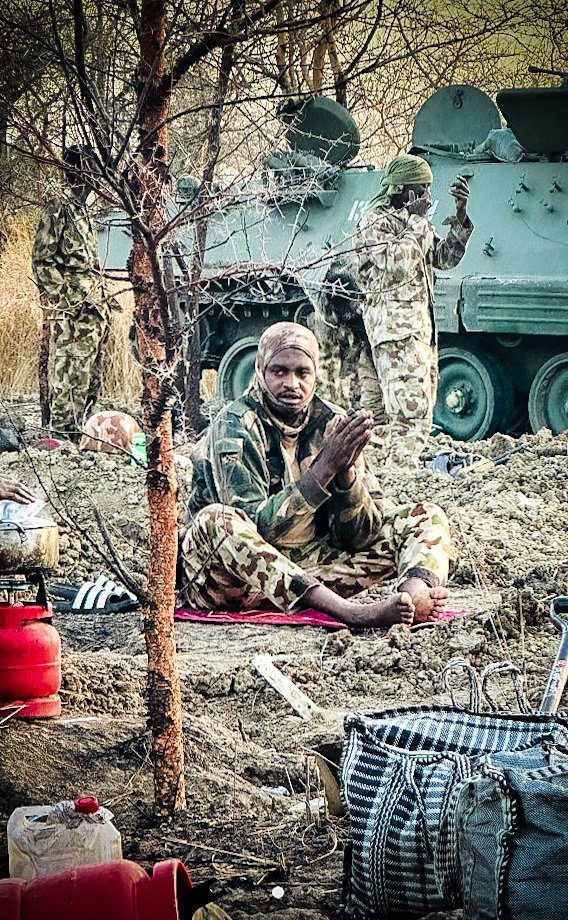
1
2
17
May 27
No matter beautiful you look, I sometimes imagined how bad you gonna look in the soil-😪
1
8
May 27
Nigerians politician has nearly the same features; for the fact they place politics above citizens safety is very worrisome.
No speech about these children and heave of recovery and future prevention of such happenings again, and they are celebrating children’s day
8
May 27
The presidency is very very cruel to humanity, @NGRPresident we are celebrating children’s day with no word or action of concerns- freeing and stopping the children in captivity less of the adult.
8
May 26
Let's be clear; if we are doing politics together, that's business.
You can decided to bank away or rebank with me one day; and vice versa.
Is different from when we are friends.
9
Ademibayo 🗽 retweeted

May 26
The Historic Speech after the presidential nomination at the @AACparty primaries in Abuja.
A bold declaration for revolution, resistance, justice, and the total liberation of Nigeria from corruption, oppression, exploitation, and failed leadership.
#AACOurParty #TakeItBack #RevolutionNow #Sowore2027
121
253
762
21,966