I’m saying my thoughts out loud
Joined May 2021
- Tweets 611
- Following 89
- Followers 82
- Likes 11
317 Photos and videos

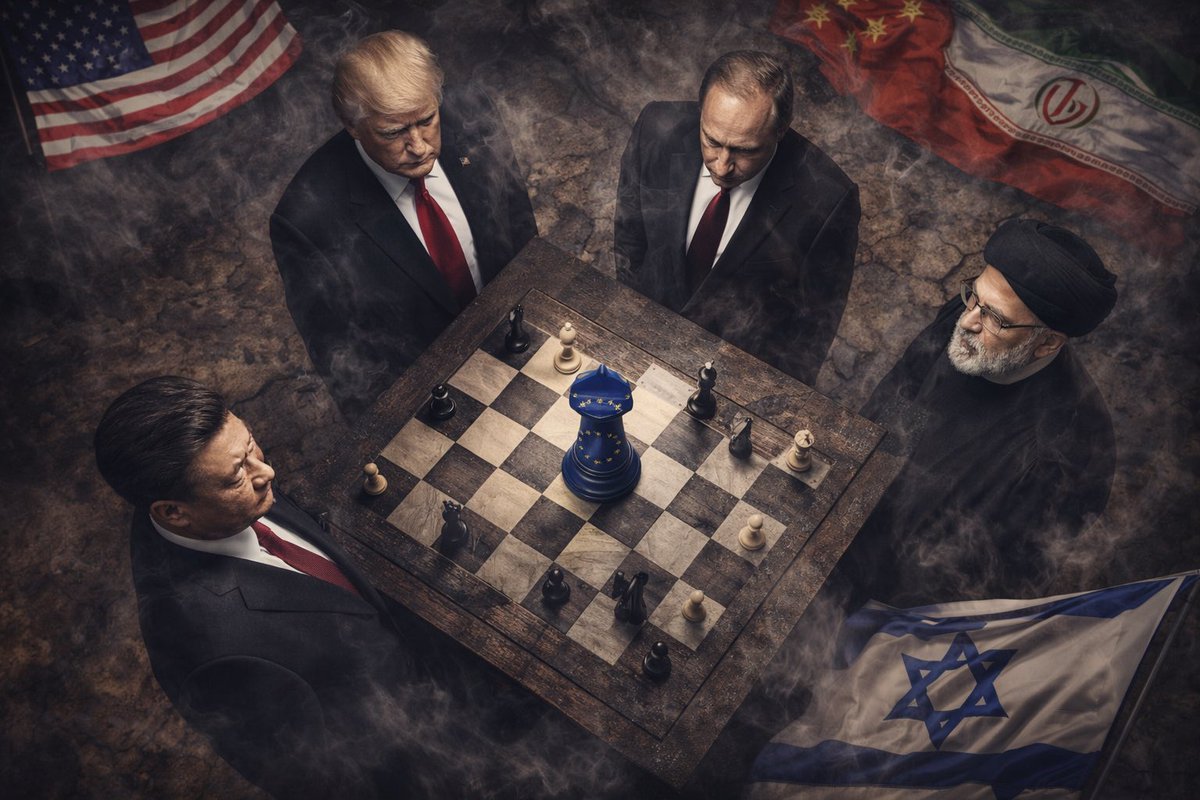
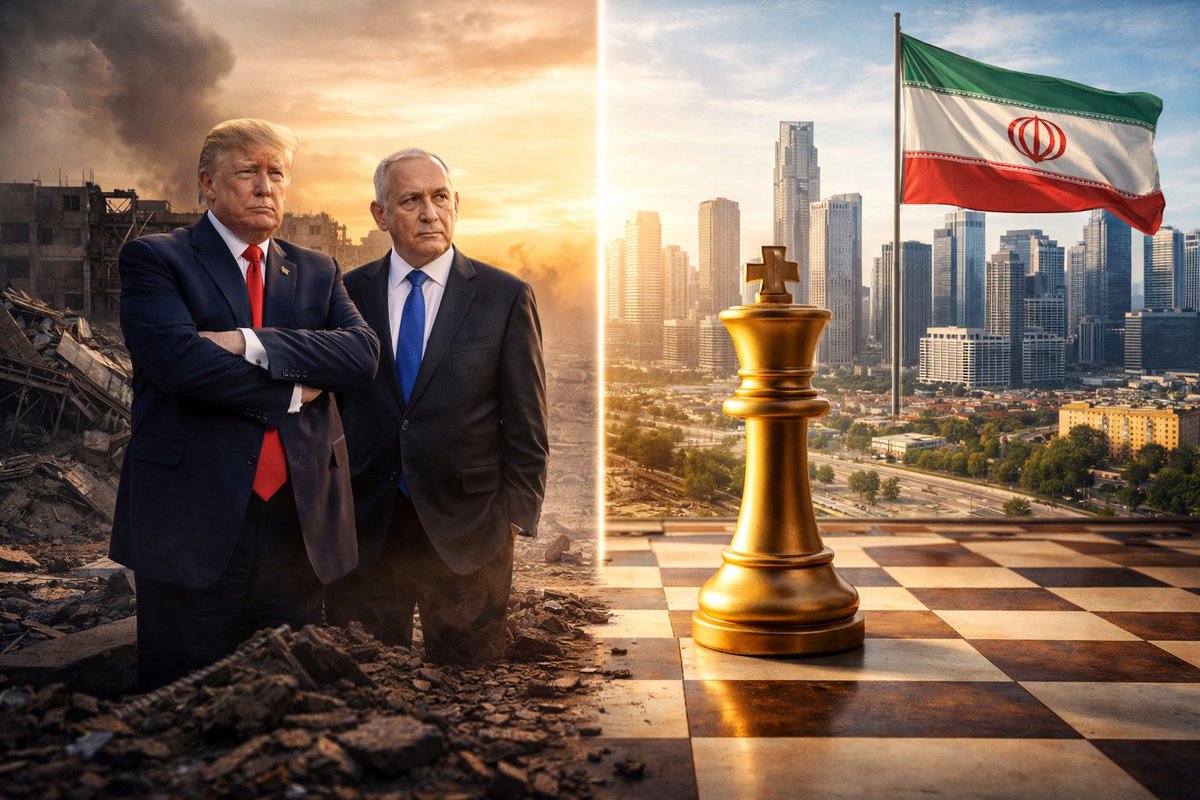
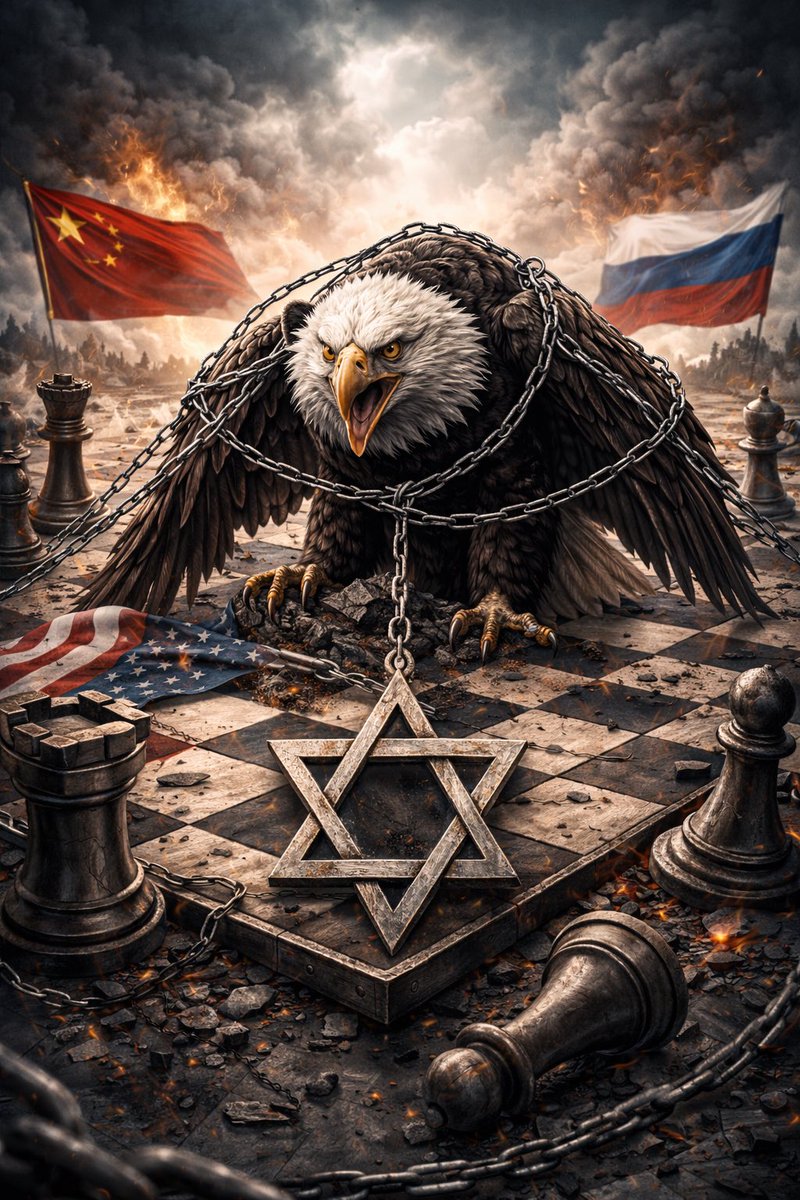
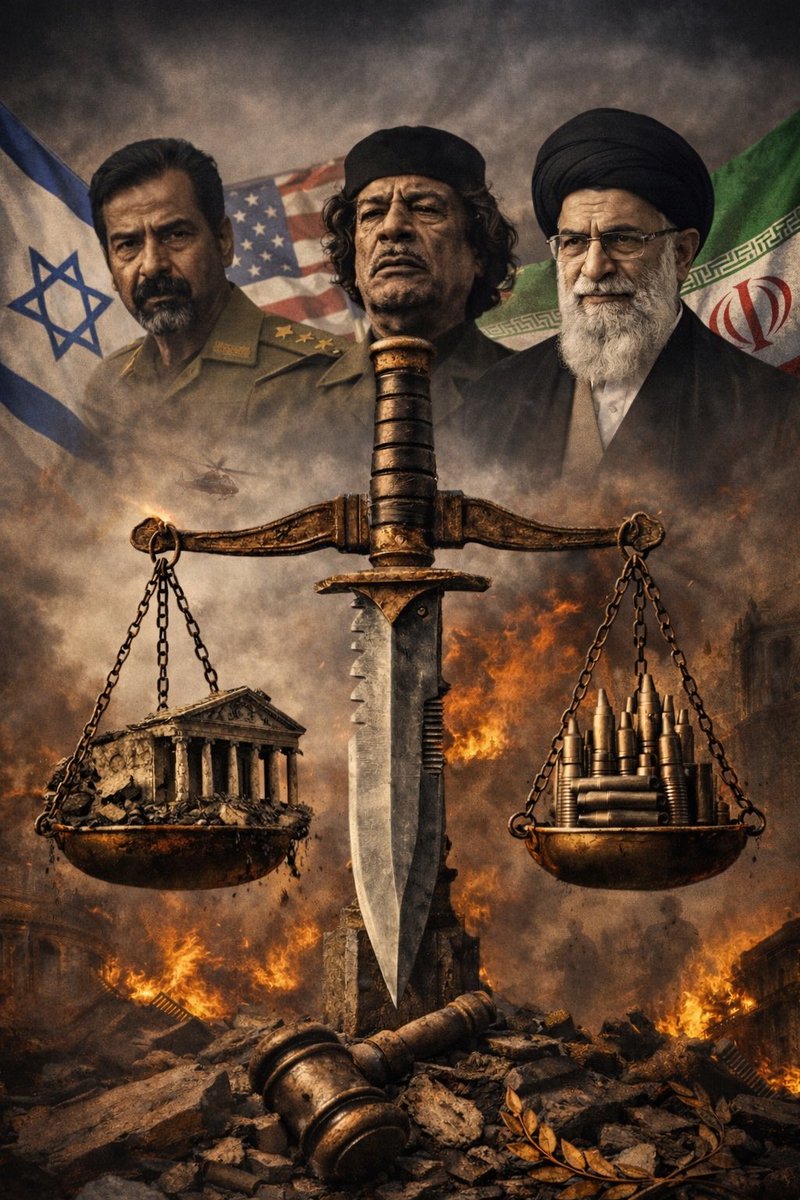

Apr 5
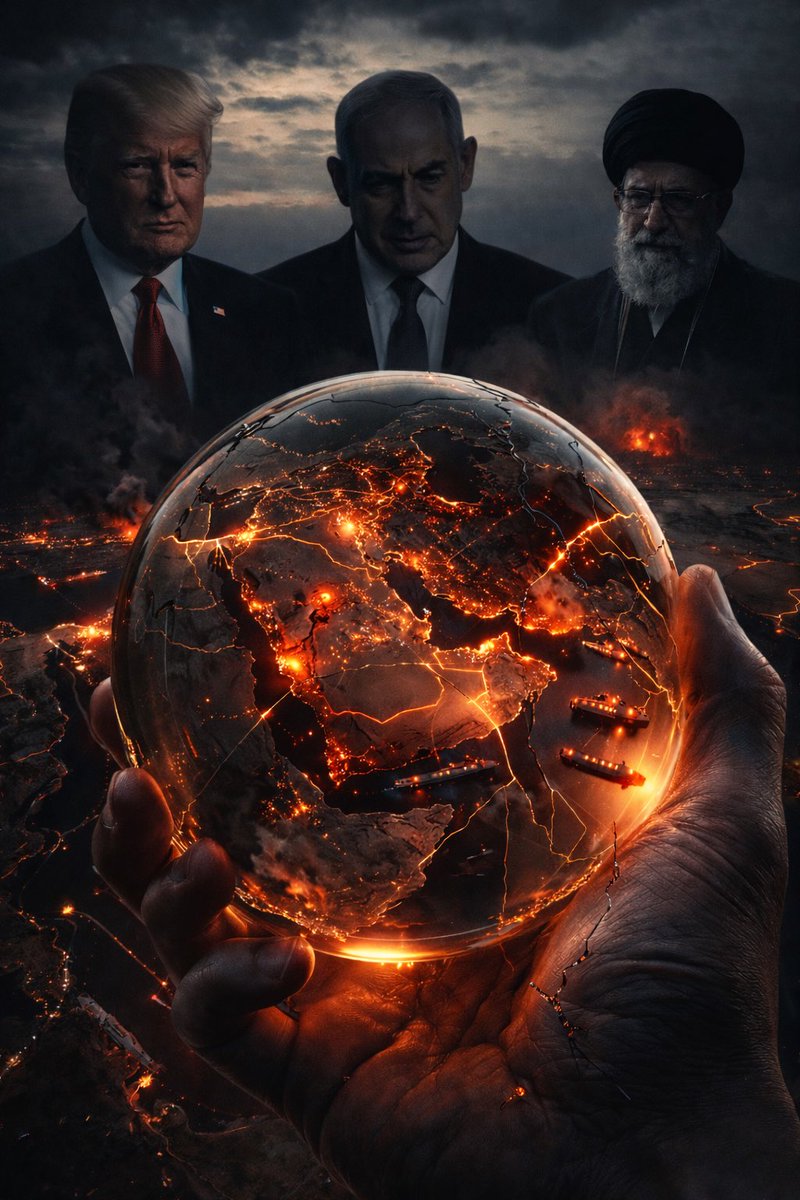
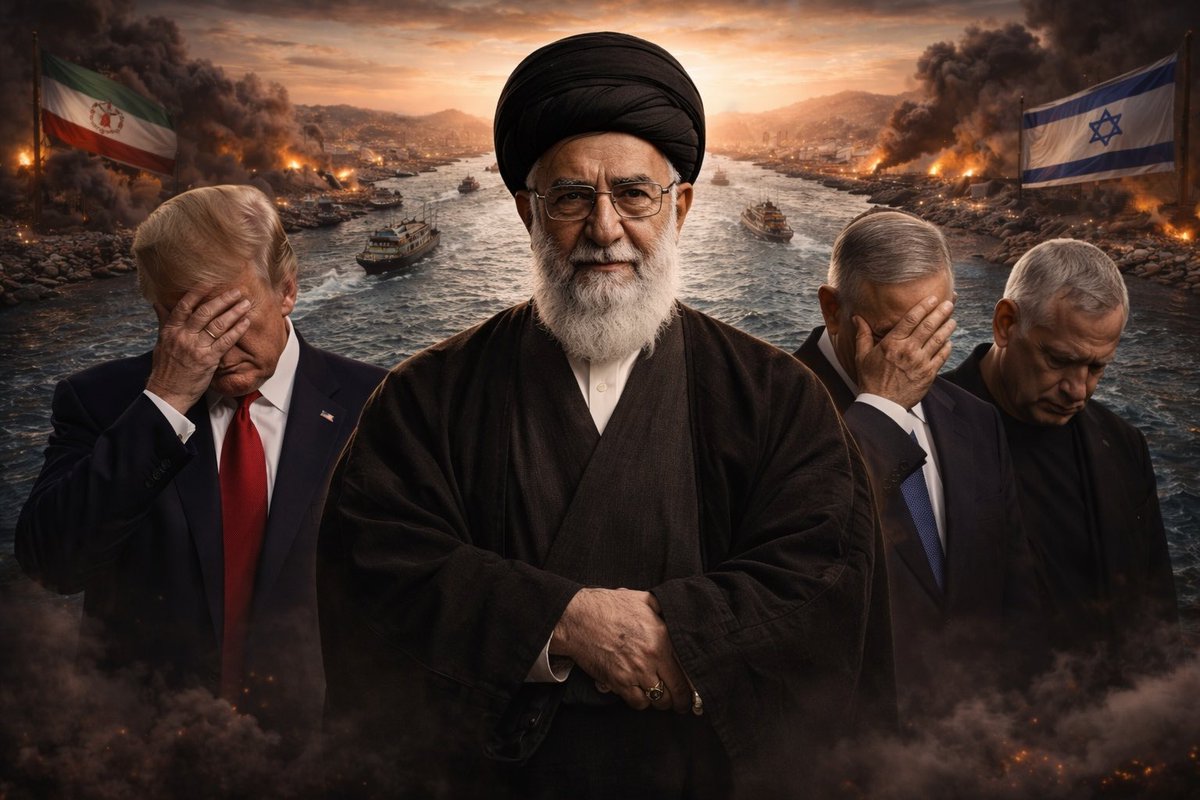
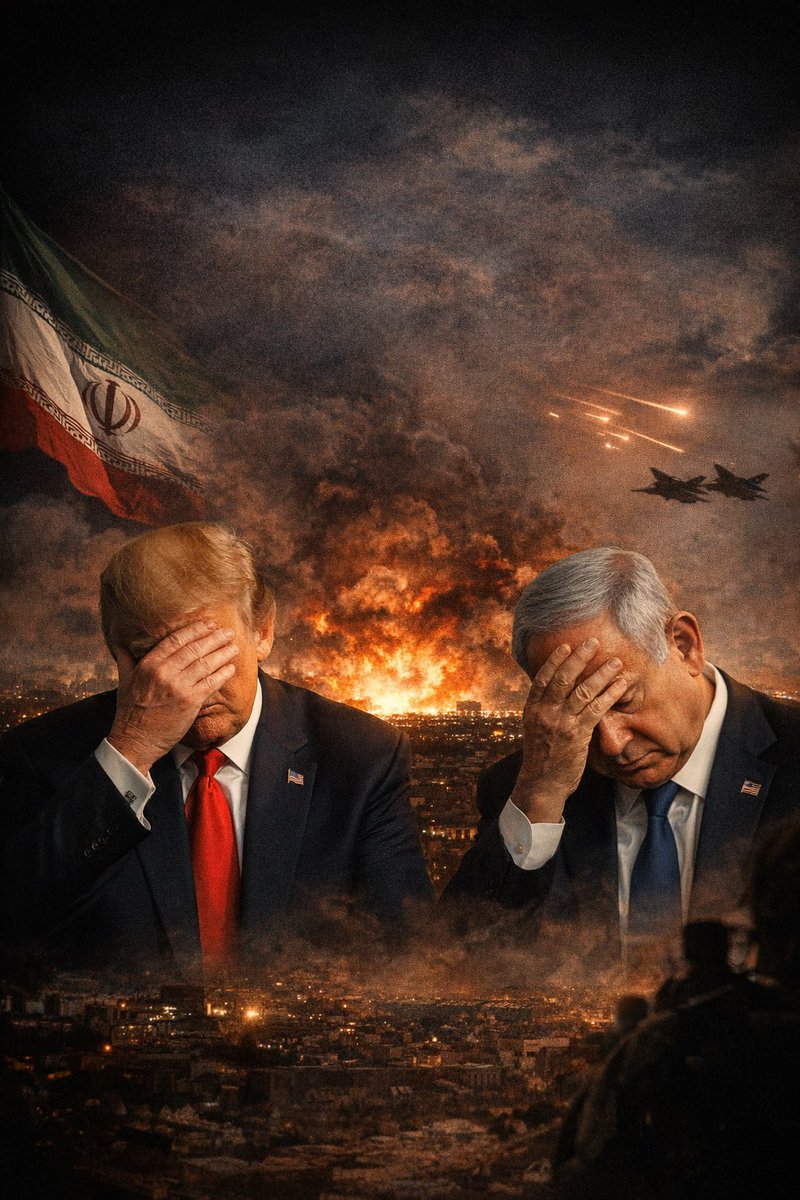
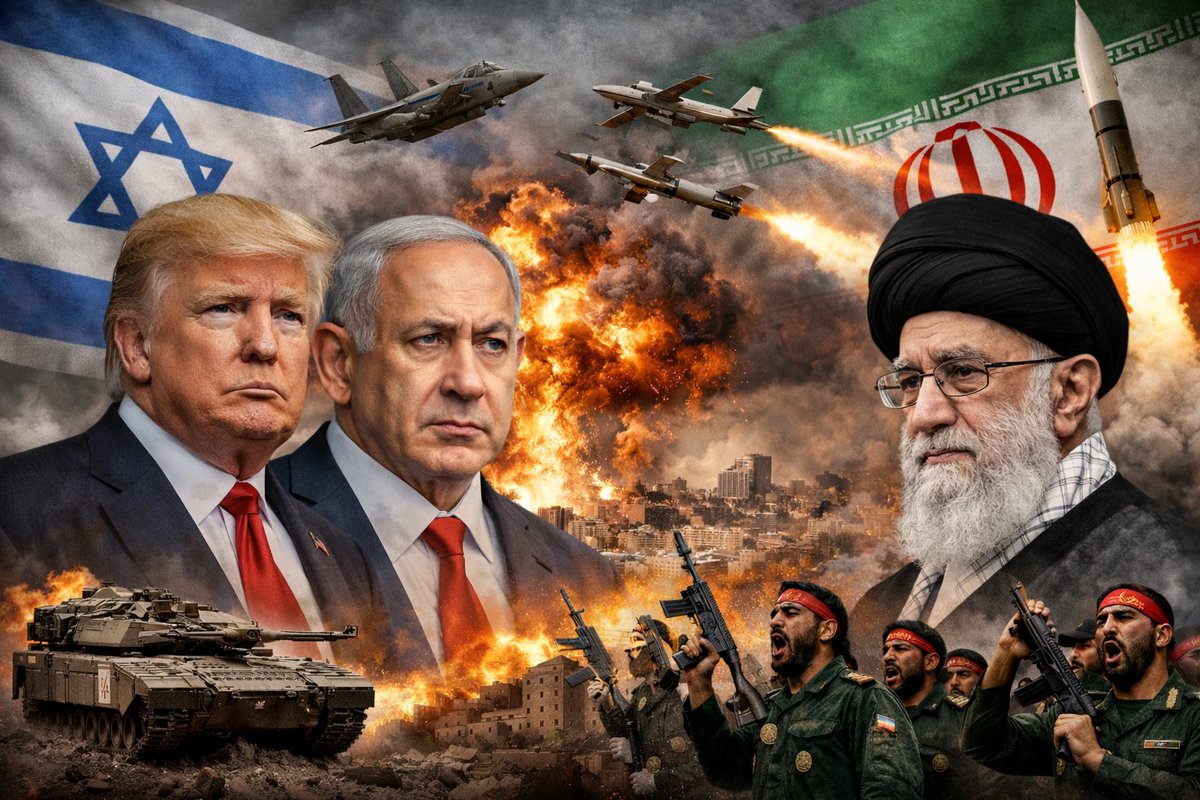
🏛️⚓️ Today, April 5, the Middle East is showing one simple thing:
this situation can no longer be changed surgically.
Any serious attempt to “reshape” it
already carries the risk of breaking the entire structure.
And if that structure starts collapsing,
the world will no longer be facing a local conflict,
but economic chaos.
And that would not be a blow to just one country,
but to everyone who depends on
oil, gas, trade routes, and energy stability.
So the reality is very simple:
there will most likely be no truly devastating strikes.
Because it is in no one’s interest.
And no matter how loud the statements may sound,
this war was, in many ways, already lost
before full-scale hostilities even began.
Because the ending here was always the same:
in the end, they will still have to negotiate.🤔🏛️
#MiddleEast #Iran #Israel #Geopolitics #Oil
3,575
Mar 31
🏛️⚓️March 31. Nothing has changed in the Middle East and that itself says everything.
The US and Israel pushed hard, made threats, escalated… but failed to reshape the reality on the ground. No strategic shift. No decisive outcome.
When power is used without results, perception changes.
And perception is everything.
What we’re seeing now isn’t just economic damage it’s political cost.
The kind that turns strong leaders into “lame ducks.”
The system just showed its limits.
And the region noticed.
So the real question is:
if they can’t enforce outcomes here where can they?🕸️⚓️
#MiddleEast #Geopolitics #WorldNews #BreakingNews #GlobalPolitics
#Iran #Israel #USA
#War #Conflict #Politics
725
Mar 26
🚨🏛️Today is March 27, and the picture in Iran has not changed.
Israel removed the old Iranian leadership the most experienced and cautious ones.
In their place come younger people, angrier and smarter.
So now one simple question:
If regime change never happened,
then why create a version of the same regime
that could become even more dangerous, more aggressive and more cunning?🤔
For what purpose is this being done? 🤔🕸️
#Iran #Israel #IranWar #USA
2
4
2,664
Mar 25
🧠⚓️After 72 hours of noise, this will likely end with a one-sided declaration of victory and everyone keeping their own version of the truth.
But the real picture is simple:
Iran didn’t collapse.
The regime didn’t change.
And it became the only country that created serious problems for two of the most powerful men in the world at the same time.
Whatever they say next we already saw real power.🤔🏛️
#Iran #MiddleEast
2,986
Mar 23
🤔🧠Let’s zoom out for a second.
To understand what’s happening in the Middle East right now, you have to go back to early 2025.
Some of you might remember back on January 25, I wrote:
“this isn’t chaos, it’s managed tension.”
At the time, it sounded abstract.
Now look at where we are.
When Trump was pushing to end the Russia–Ukraine war, Europe didn’t fully align with that direction.
In many ways, it looked like the conflict was expected to continue even at a higher cost.
At the same time, Europe was looking for ways to reduce its dependence on Russian energy.
And this is where things start to get interesting.
Look at what the Middle East is turning into.
This doesn’t feel random anymore.
Not exactly chaos
more like a space where each new step limits the next one.
A sequence,
where good options slowly disappear.
And here’s the thought that keeps coming back:
What if the “trap” was never about destruction?
What if it was about direction?
Not a perfect plan.
Not total control.
But a constrained path
where outcomes begin to narrow over time.
Because right now, something unusual is happening:
No major player is collapsing.
They’re adapting.
The United States.
Israel.
Russia.
Even Iran.
No clear single winner.
But also no real systemic breakdown.
And that raises a harder question:
What if this sequence of events
was always leading here?
Not by simple design
but by the structure itself.
Because the longer this continues,
the more certain outcomes start to look… inevitable.
Europe under pressure.
Energy routes reshaped.
Dependencies shifting.
Not a forced return
but a gradual narrowing of alternatives.
Until the “unacceptable” option
starts to look… unavoidable.
At the same time:
Iran is emerging as a key node in the region.
Israel secures its strategic space.
And the war in Ukraine starts to look less like an endless conflict
and more like something approaching an end phase.
If you step back far enough,
the picture changes.
Maybe the world isn’t fragmenting.
Maybe it’s reorganizing quietly
around a few major centers of power:
Russia.
The United States.
China.
Everything else
might just be movement inside that structure.
And if that’s true
then what we’re witnessing isn’t chaos.
It’s the system revealing its limits.
And once you see the limits,
you start to see the direction.
The most interesting part?
We’re still inside the process.🏛️⚓️
#IranIsraelWar #HormuzCrisis #Geopolitics
1
3,428
Mar 22
🤔The war in the Middle East seems to have caused more damage to those who started it.
Infrastructure can be rebuilt. Cities can rise again.
But reputation, influence, and trust once lost are not so easily restored.
Respect takes decades, sometimes centuries, to build…
and only a moment to destroy.
What’s harder to rebuild: cities or credibility?🏛️🤔
#MiddleEast #Geopolitics #GlobalPolitics #WarAndPeace #InternationalRelations
#WorldNews #Geostrategy #Power #Influence #Reputation
#Conflict #Politics #Analysis #GlobalShift #Trust
#Leadership #Strategy #WorldOrder
409
Mar 13
🤔🏛️On January 15 I wrote:
“The Iran situation looks less like a crisis and more like a trap.”
Since then the trap closed.
Airstrikes.
Assassination of Iran’s leader.
Missiles across the region.
Cyberwar.
Threats to close Hormuz.
This is no longer about winning.
It’s about who can escape the trap first. 🌍🔥
#Geopolitics
#WorldNews
#BreakingNews
#GlobalPolitics
#InternationalRelations
Jan 15

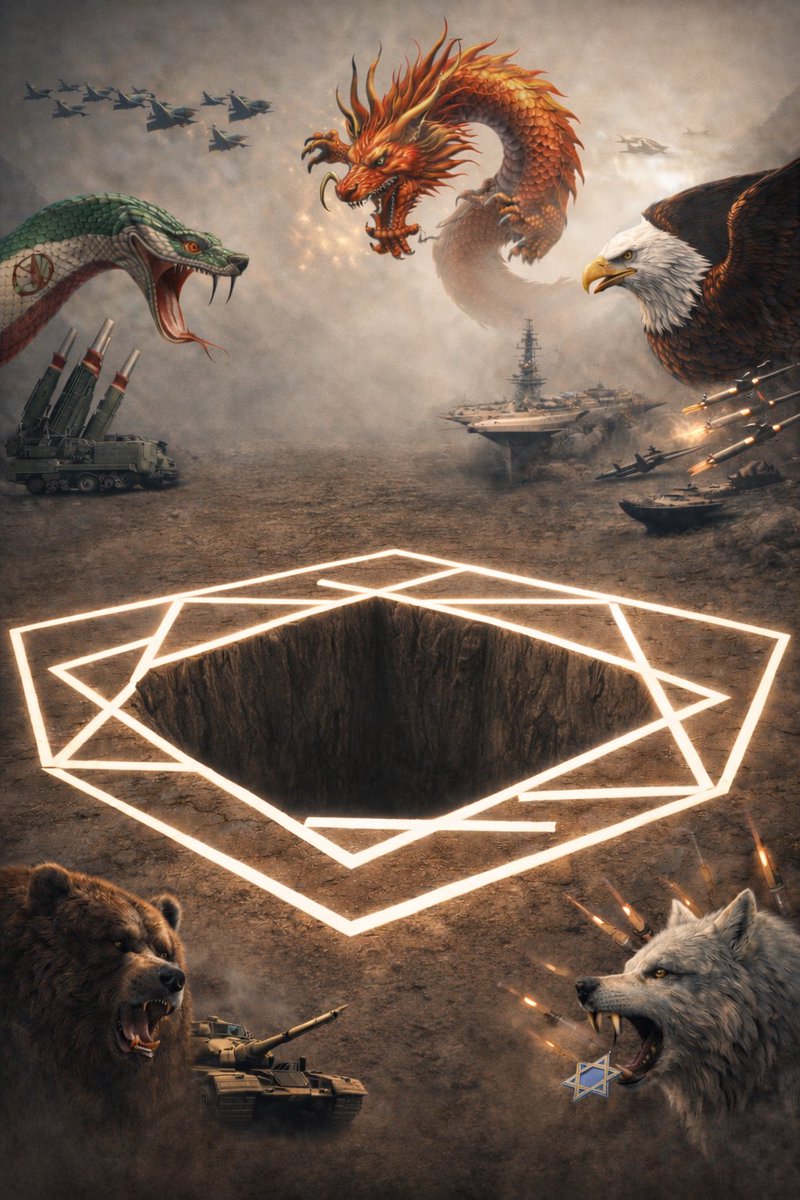
The Iran situation looks less like a crisis
and more like a trap for a big beast.
Not a trap meant to destroy it.
A trap designed so that once you step in, every option gets worse.🌎🔥🤔
#Geopolitics
600
Jan 15
The Iran situation looks less like a crisis
and more like a trap for a big beast.
Not a trap meant to destroy it.
A trap designed so that once you step in, every option gets worse.🌎🔥🤔
#Geopolitics
1
2
6,194
Jan 25
🧠💭Now is the moment to test how predictable the system really is.
Today is January 25.⚓️
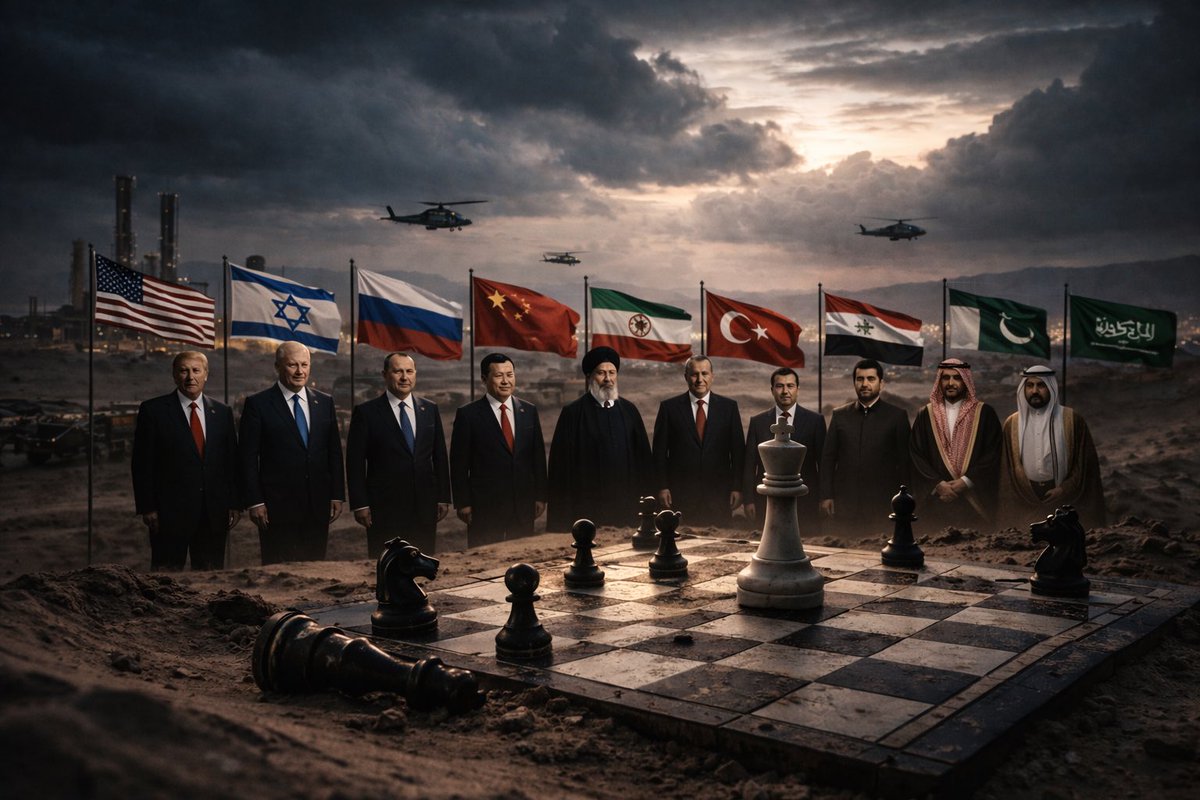
And if you look at what’s happening without emotion, one thing becomes clear:
this isn’t chaos it’s managed tension.
Yes, there’s a heavy concentration of forces in the Middle East.
Yes, the rhetoric is aggressive.
Yes, it feels like something big is about to happen.
But if you look deeper —
there will be no regime change in Iran.
No real breakdown of the system.
There will be noise.
There will be pressure.
Perhaps limited actions to save face.
But the structure will remain.
Iran is a key node in the region.
You don’t remove a pillar without collapsing the entire framework.
And systems don’t destroy what they depend on.
I said this before.
What we’re seeing now only confirms it.
Not everything that looks like chaos is chaos.
Sometimes it’s simply a system following its script.
Systems don’t act impulsively.
They move by inertia until the resource runs out.🏛️💭
#WorldPolitics #GeopoliticalReality
#MiddleEast #GlobalShift
5
2
8
24,804
Mar 4
@grok This was written on January 25. How much does it match the situation unfolding in the Middle East today?
1
224
Mar 3
🏛️⚓️You can call it coincidence.
You can call it escalation.
But look at the sequence.
The spiritual leader doesn’t hide.
He’s killed.
He becomes a symbol overnight.
Iran responds immediately and systematically.
US bases suddenly look vulnerable.
Washington can’t simply walk away but escalation is dangerous.
Meanwhile, other global players are watching.
Sometimes a trap doesn’t look like a trap.
It looks like events unfolding “naturally”.
History will decide the outcome.
But strategically this doesn’t look accidental.🤔🏛️
#MiddleEast #Iran #Israel
#USA #China #Russia
#MultipolarWorld
#BreakingNews
1
1
3
4,389
Mar 2
🏛️⚓️It’s impossible to predict or calculate anything with 100% certainty.
Every religion, every philosophy, and every culture says the same.
The future is closed.
The past is already fading.
That’s why no one knows how the war that was unleashed will end.🧠
#BreakingNews #MiddleEastCrisis #Iran #Israel #USPolitics #IranTensions #GlobalAffairs
2
845
Feb 27
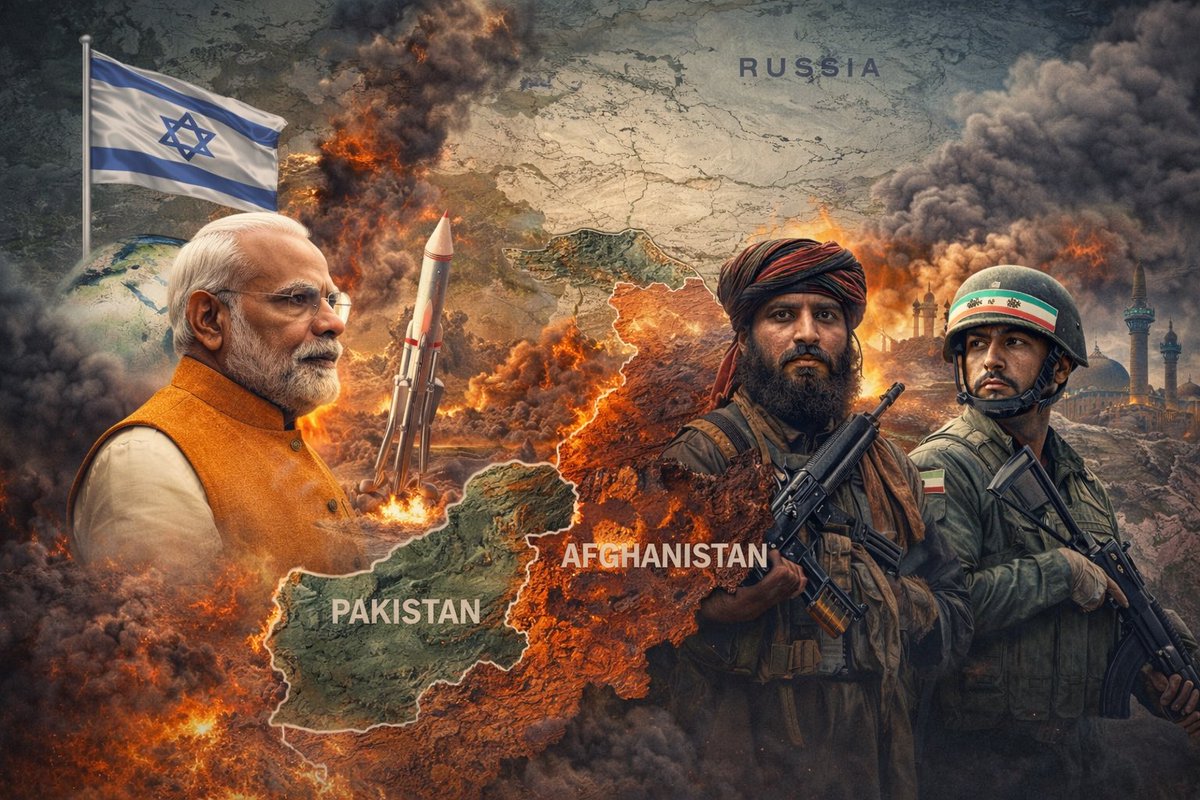
🚨🏛️⚓️I can’t shake the feeling that the Pakistan–Afghanistan conflict did not emerge on its own.
It erupted at the same time as several critical processes:
— Prime Minister Modi’s visit to Israel,
— rising tensions around Iran,
— and a broader realignment of regional alliances.
Too many coincidences to call it chaos.
Not enough proof to call it a conspiracy.
Which suggests something else: pre-emptive regional reaction.
Any potential strike on Iran requires focus, stability, and strategic bandwidth.
And suddenly, at that exact moment,
the Pakistan–Afghanistan front ignites.
Pakistan is not just a country.
It is a nuclear power, India’s rival, China’s partner, and Iran’s neighbor.
Destabilizing Pakistan automatically:
— pressures India,
— alarms Beijing,
— complicates Iran,
— and pulls Afghanistan in.
Afghanistan here is not the goal — it is the corridor.
A gateway to Central Asia.
Close to Russia. Close to China.
Any fire there sends a signal to multiple power centers at once.🧐🧠
In such conditions, a strike on Iran becomes:
— more expensive,
— more dangerous,
— and politically harder to justify.
Multiple crises mean no focus.
No focus means no decisive moves.
The real danger is the domino effect.
If the conflict expands:
— Pakistan drags in allies,
— Afghanistan turns into a proxy battlefield,
— Central Asia stops being a quiet buffer.
That means:
— pressure on Russia’s southern flank,
— threats to China’s corridors and logistics,
— and the risk of a large-scale war without a single control center.
So the real question is not
who fired first.
The real question is:
who benefits from this kind of instability not to win a war, but to block someone else’s move.
Sometimes wars are not started to be won,
but to prevent the next move from happening at all.🏛️⚓️🧐
#PakistanAfghanistanWar #OpenWar #ModiInIsrael #IranTensions #Geopolitics #SouthAsia #CuiBono
1
696
Feb 25
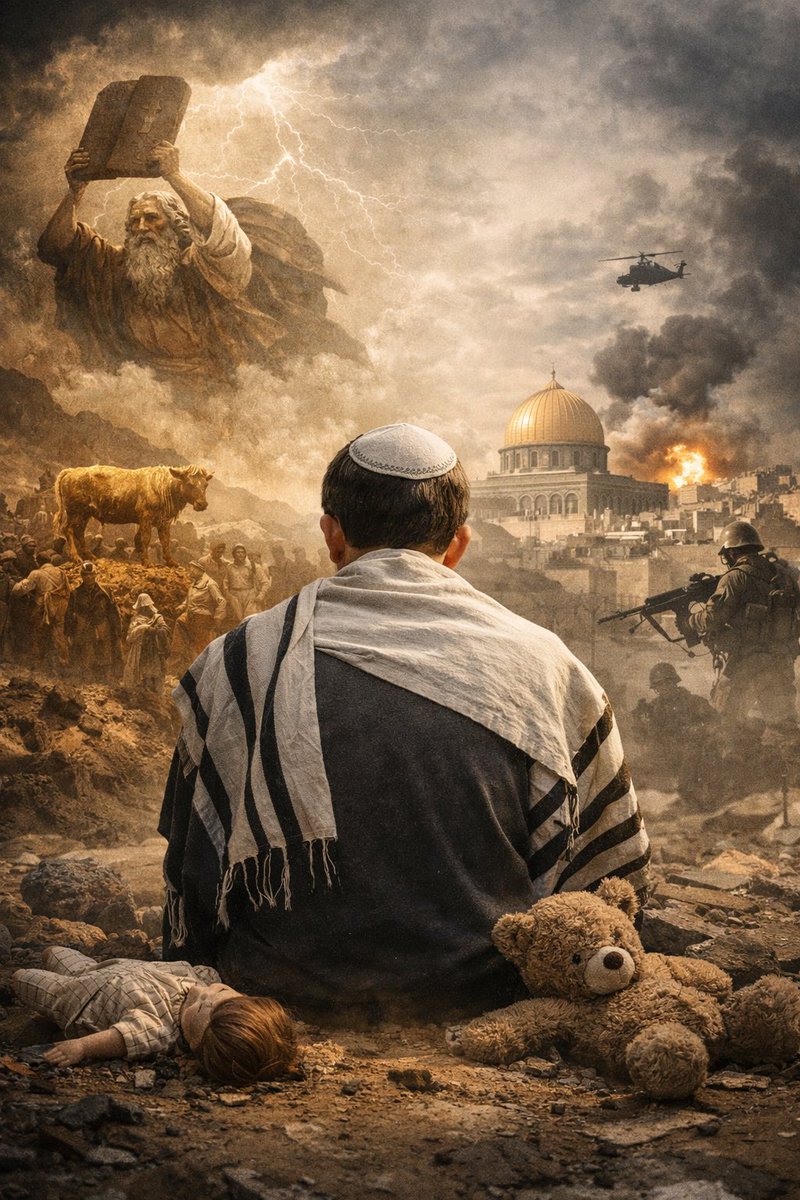
🕍⚓️💭Jews say: “We are the chosen people.”
But in Judaism, this is not about superiority it’s about responsibility.
If God offered the Covenant to all and Israel accepted it,
then it’s not a privilege it’s an obligation
to live by higher standards than everyone else.
So the uncomfortable question is simple:
when injustice happens today,
when violence is justified as security,
when children are killed
is this the Covenant being fulfilled, or betrayed?
Because the Torah is clear:
chosenness is not protection from judgment
it’s the reason judgment comes first.
The prophets condemned Israel more harshly than any enemy
not for weakness, but for hypocrisy.
Not for failure, but for justifying evil in God’s name.
And if religion becomes a shield for politics,
and the Covenant an alibi for power,
then the problem is not criticism of Israel
the problem is that Israel stops being what it claims to be.
True chosenness
is the ability to say we are wrong,
not the skill of proving that everything is allowed.🤔
#Truth #Justice #Humanity
#ReligionAndPolitics
#MoralResponsibility
#Ethics #WarAndPeace
#ChosenOrAccountable
#FaithAndPower #MoralCrisis
#QuestionEverything #SpeakingTruth
1
1
4
2,531
Feb 25
🧐🧠💭Since yesterday, there has been a noticeable rise in anti-religious propaganda online, where different stories are framed in the same narrative.
I don’t want to focus on religion I want to talk about tolerance.
Why is intolerance toward sexual minorities in some societies strongly condemned, with pressure to enforce “tolerance”?
But when the same countries show intolerance toward a particular religion, it suddenly becomes acceptable?
Thoughtful people understand that this is a propaganda tool.
But do you really believe people are still as naive as they once were?
This no longer works.
The “equal rights” being promoted often rest on double standards in practice.
And double standards have proven, time and again, to be ineffective.😏🏛️⚓️
403
Feb 24
🤔🧠If Iran were really that easy and defenseless, Israel would have solved this alone long ago.
The 12-day confrontation showed something else: Israel is far more vulnerable than many want to admit.
That’s exactly why a full-scale war won’t happen.
Because in a real escalation, Israel would be the first to pay the price not Iran.
Everything else is pressure management.
Escalation rhetoric, fear, and noise tools to shape behavior, not a roadmap to war.🏛️⚓️
#Israel #Iran #Netanyahu #Trump
#Khamenei #Tehran #TelAviv
#Escalation #WarNarratives
#PowerPolitics
#StrategicPressure
#MilitaryAnalysis
#ConflictZone
1,626
Feb 21
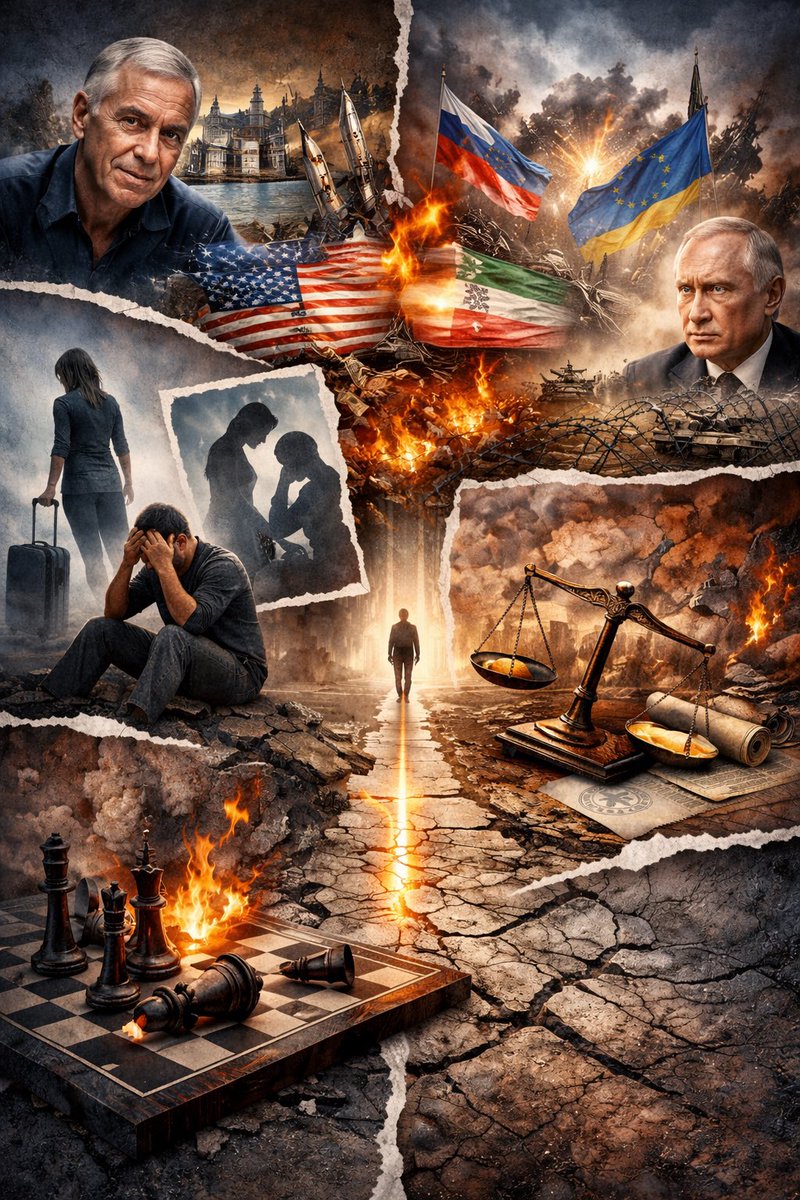
🤔💭After 2020 more precisely after COVID the world didn’t just “change.”
It shifted in a direction that still isn’t fully explained.
The institution of family is being weakened under the banner of “self-realization” and “absolute freedom.”
Financial systems repeatedly generate crises through political leverage.
International law is selectively ignored openly, without consequences.
Many call this chaos.
I don’t.
Chaos is spontaneous.
What we’re witnessing looks intentional.
It feels like we’ve entered a phase of correction of the human system itself.
And whether we like it or not that may be the real reason behind everything happening now.🏛️🧠💭
#GlobalCrisis #Geopolitics
#PowerShift #SystemicCrisis
#PostCovidWorld #CollapseOrReset
#GlobalInstability #WorldOrder
#TruthMatters #EpsteinFiles
#PowerElites #HiddenPower
#WhoControls #EliteNetworks
482
Feb 12
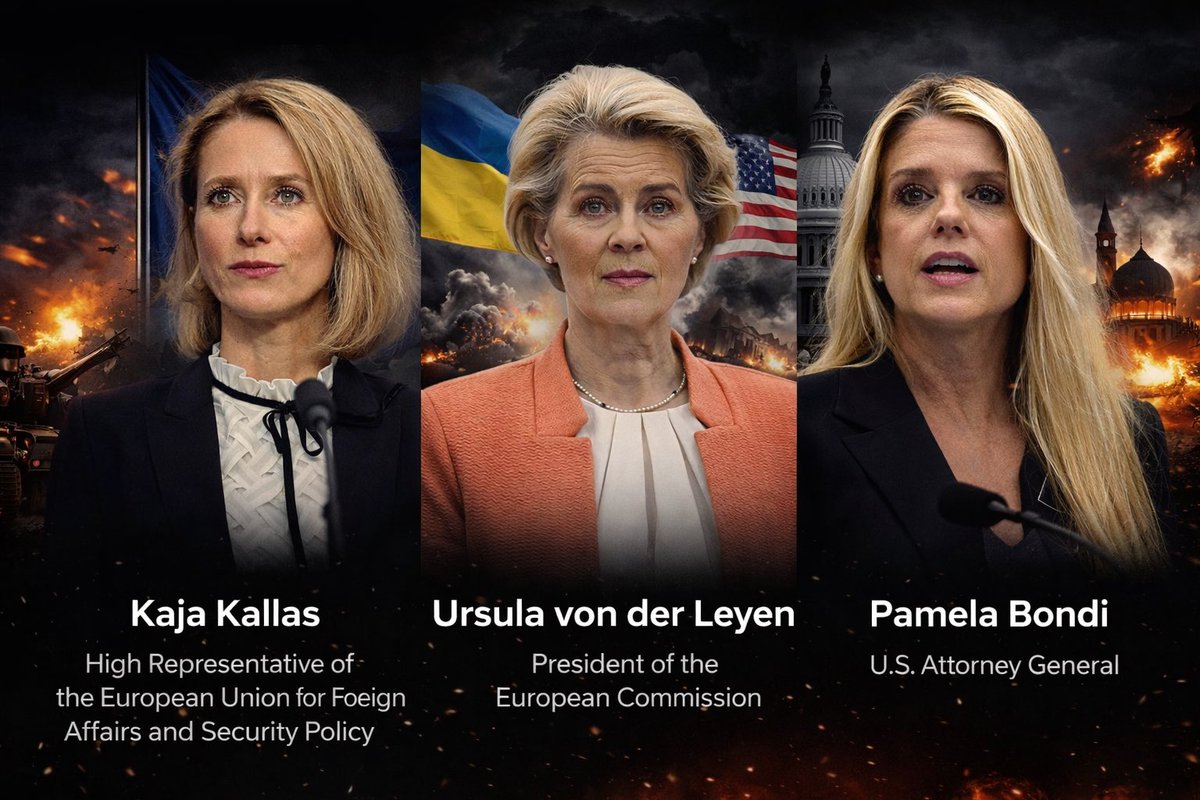
🙈🏛️An interesting observation.
A striking visual similarity.
And remarkably synchronized messaging.
When politicians from different countries and different systems start sounding the same is it just coincidence… or something more structural?🧠💭
What does that say about the time we’re living in? 🤔
#NoCoincidence #BlondeAlliance #SameScript #PamBondi #DeepState #EUUS #Conspiracy
1
1
3
2,598
Feb 7
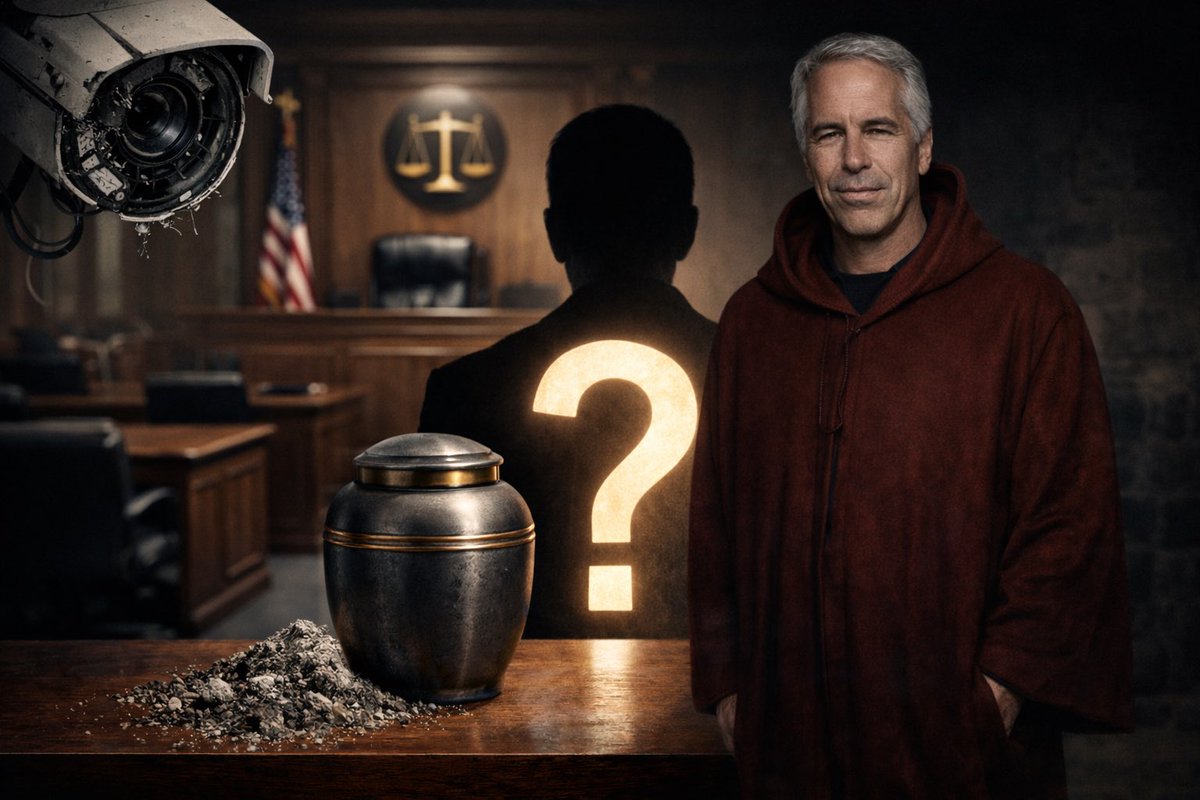
🤔🧠What matters more truth or a convenient story? And what happens when the only evidence is destroyed?
The Epstein case left one fundamental question that has never been honestly answered.
A man connected to the global elite dies in a federal prison a place where everything is supposed to be under strict control. Yet the cameras “accidentally” didn’t work, guards “accidentally” fell asleep, and a man already on suicide watch was “accidentally” left alone.
Then comes the most critical part: his body was cremated almost immediately. That means any independent genetic verification became impossible forever.
No body — no DNA — no final confirmation outside the state system.
And here is the core point:
If everything was clean, why destroy the only physical evidence so quickly?
If justice works, why close the case in a way that makes it unverifiable?
The fact of his death exists only within official documents.
Outside that system the proof is gone.
So the main question remains:
How can society trust the truth if it cannot be independently verified?🧠💭🙄
#EpsteinFiles #Epstein #EpsteinDidntKillHimself #EpsteinClientList #EpsteinExposed #TrumpEpstein
3
3,929
Feb 5
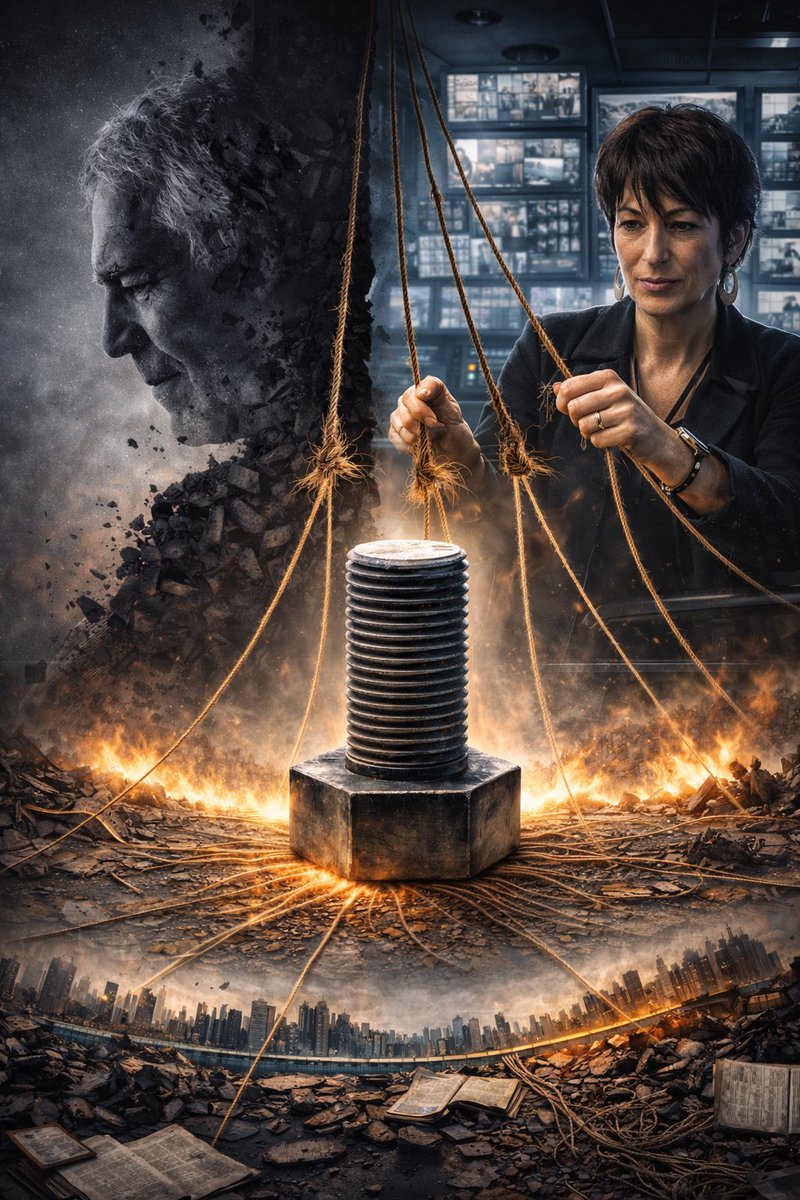
The Unfinished Story of Epstein and Ghislaine Maxwell🏛️⚓️
Ghislaine Maxwell, on the other hand, was kept alive precisely because she can be integrated into a controlled process. She is the perfect lightning rod: guilty but isolated, dangerous but contained, knowing a great deal but unable to speak freely.
Through her, information can be released in doses, files can be leaked in parts, public anger can be directed where the system prefers all while maintaining the appearance of justice: “the guilty have been punished.”
Yet even with this, the system does not get a perfect outcome. Scandals, leaks, courts, journalists, and reality itself break any script. You can try to manage the process but you cannot fully control the result.
Epstein was removed to close a dangerous gap.
Maxwell was kept to manage the fallout.
And this reveals the logic of power:
not omnipotent but very calculated.🙄🧠💭
#Epstein #EpsteinFiles #EpsteinIsland #GhislaineMaxwell #DeepState
#FollowTheMoney #GlobalElite
1
5
17
18,779