
Feminist Approaches to Labour Collectives | Organizing Digitally in South Asia | Project funded by @IDRC_CRDI
Joined April 2020
- Tweets 537
- Following 347
- Followers 1,320
- Likes 157
90 Photos and videos
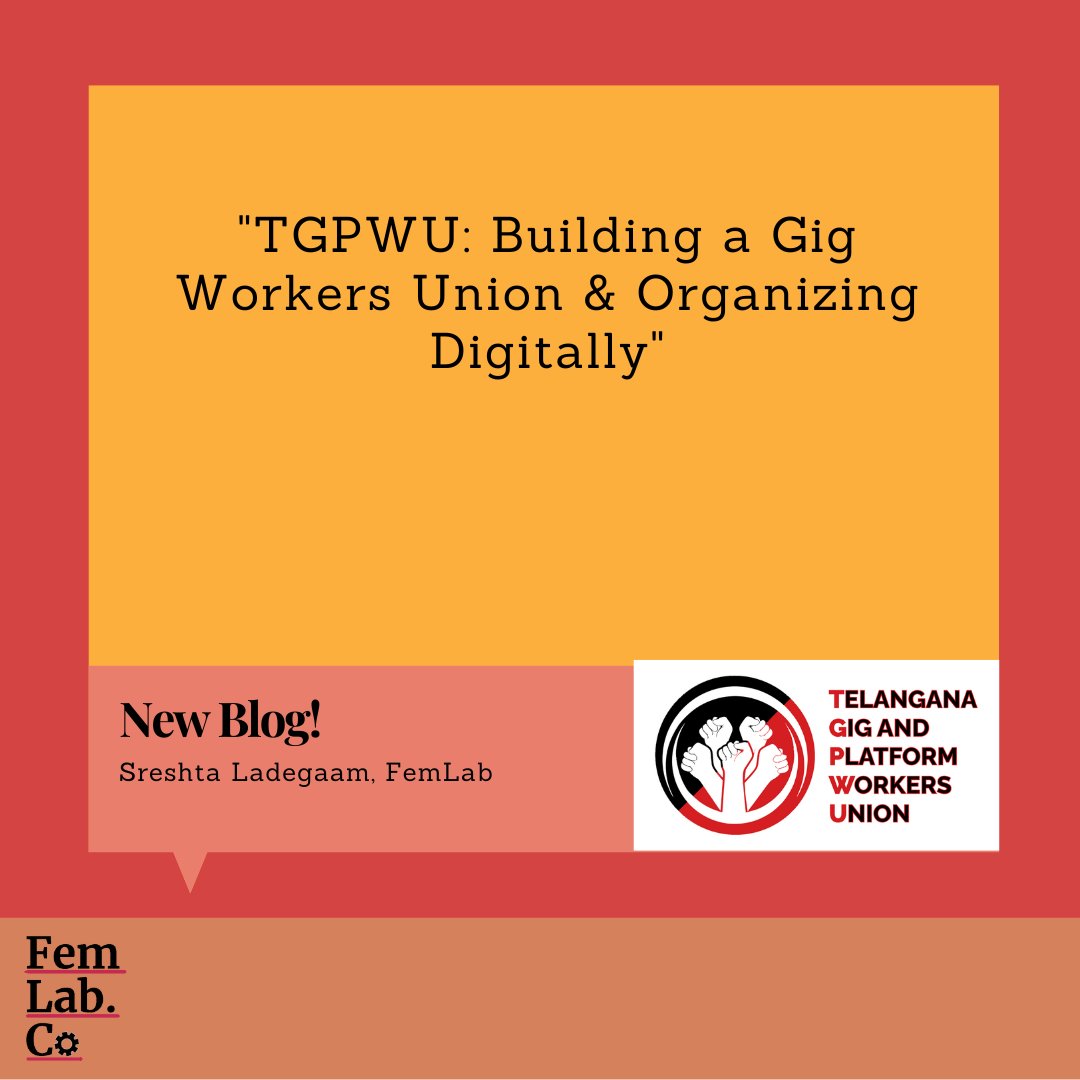
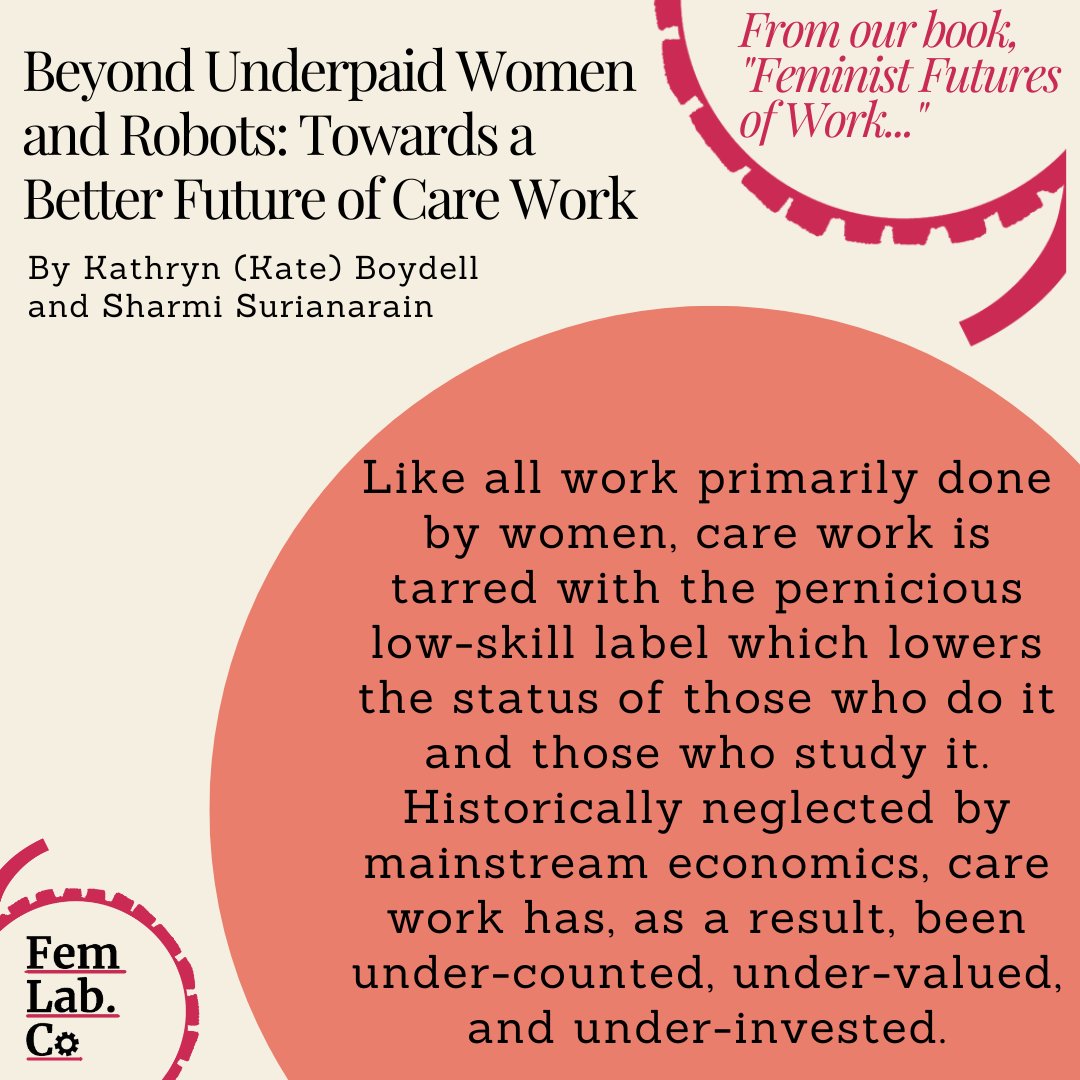
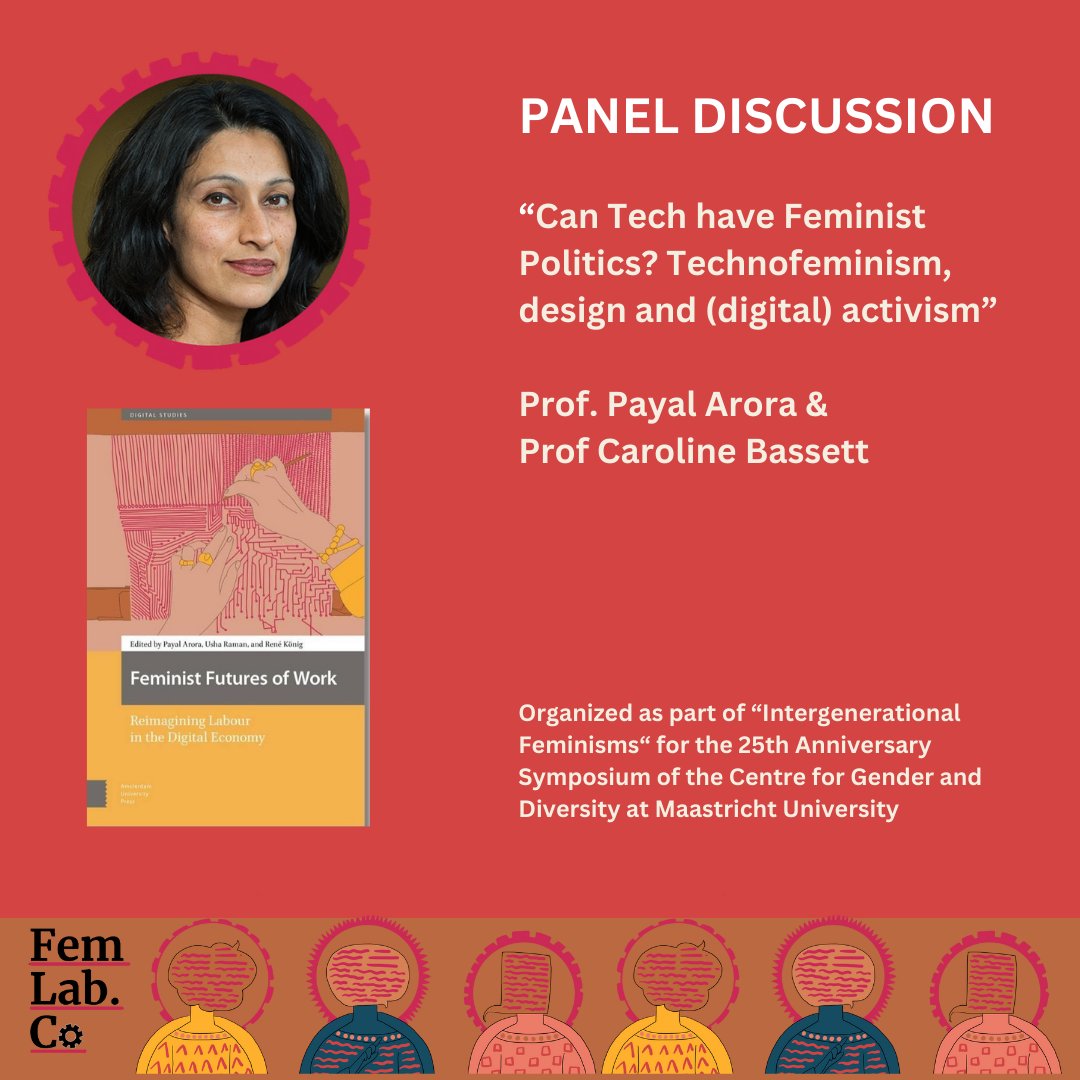
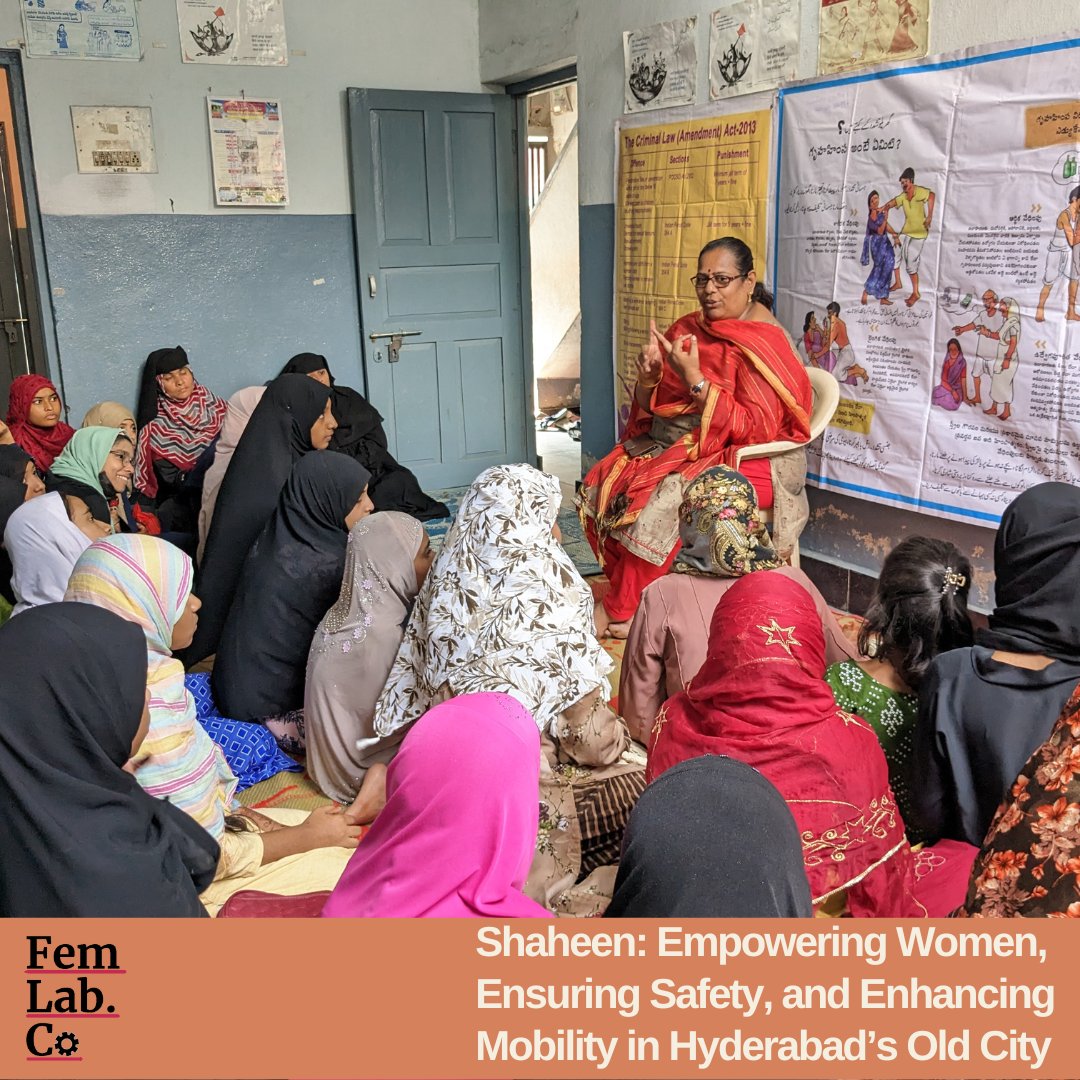
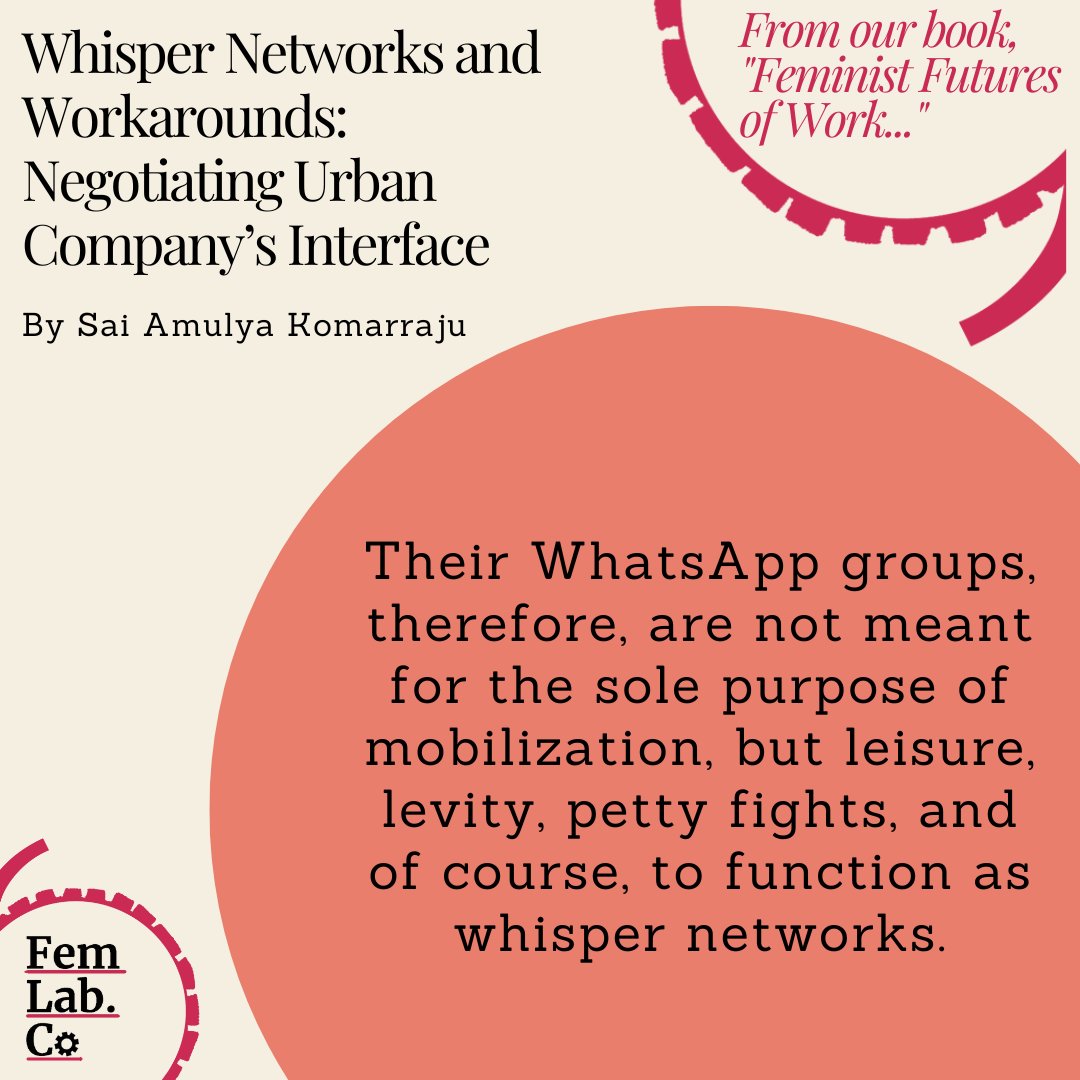
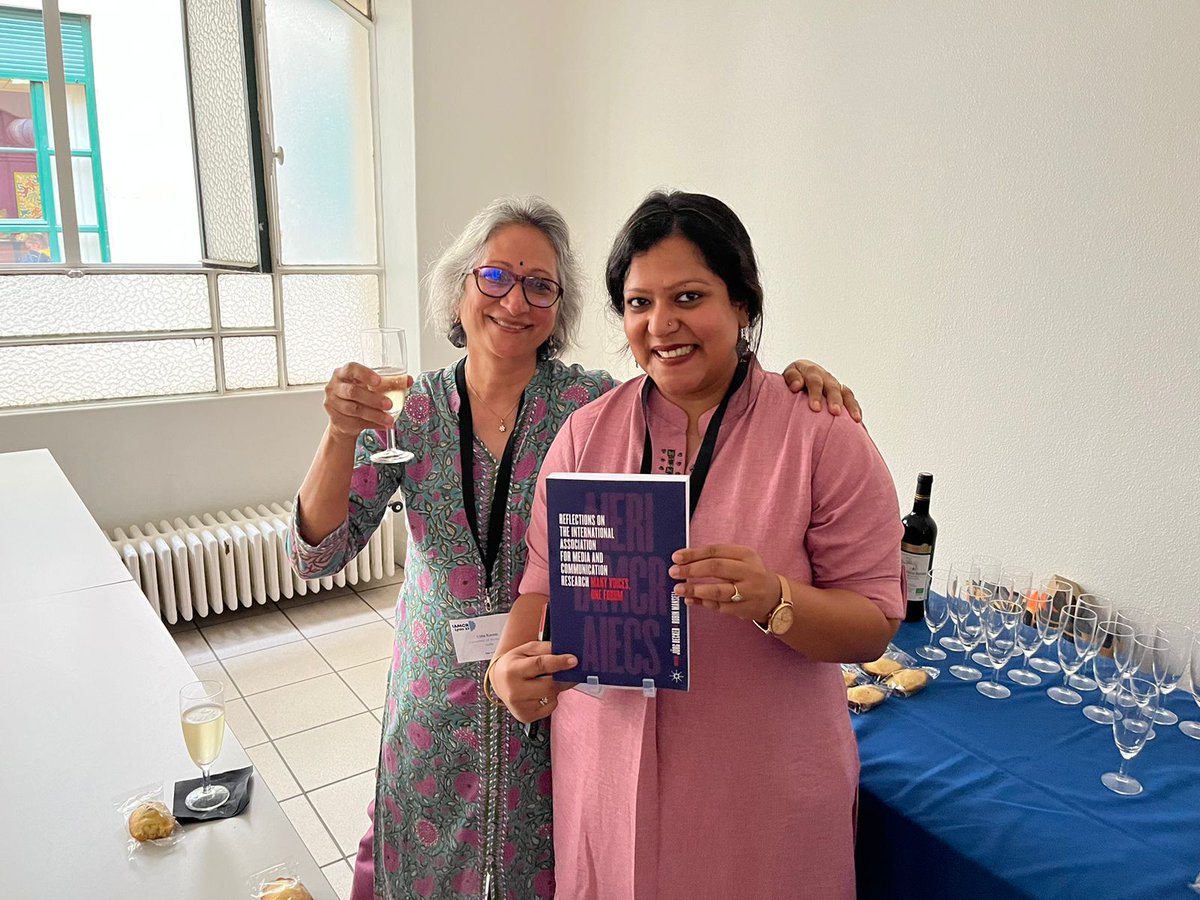
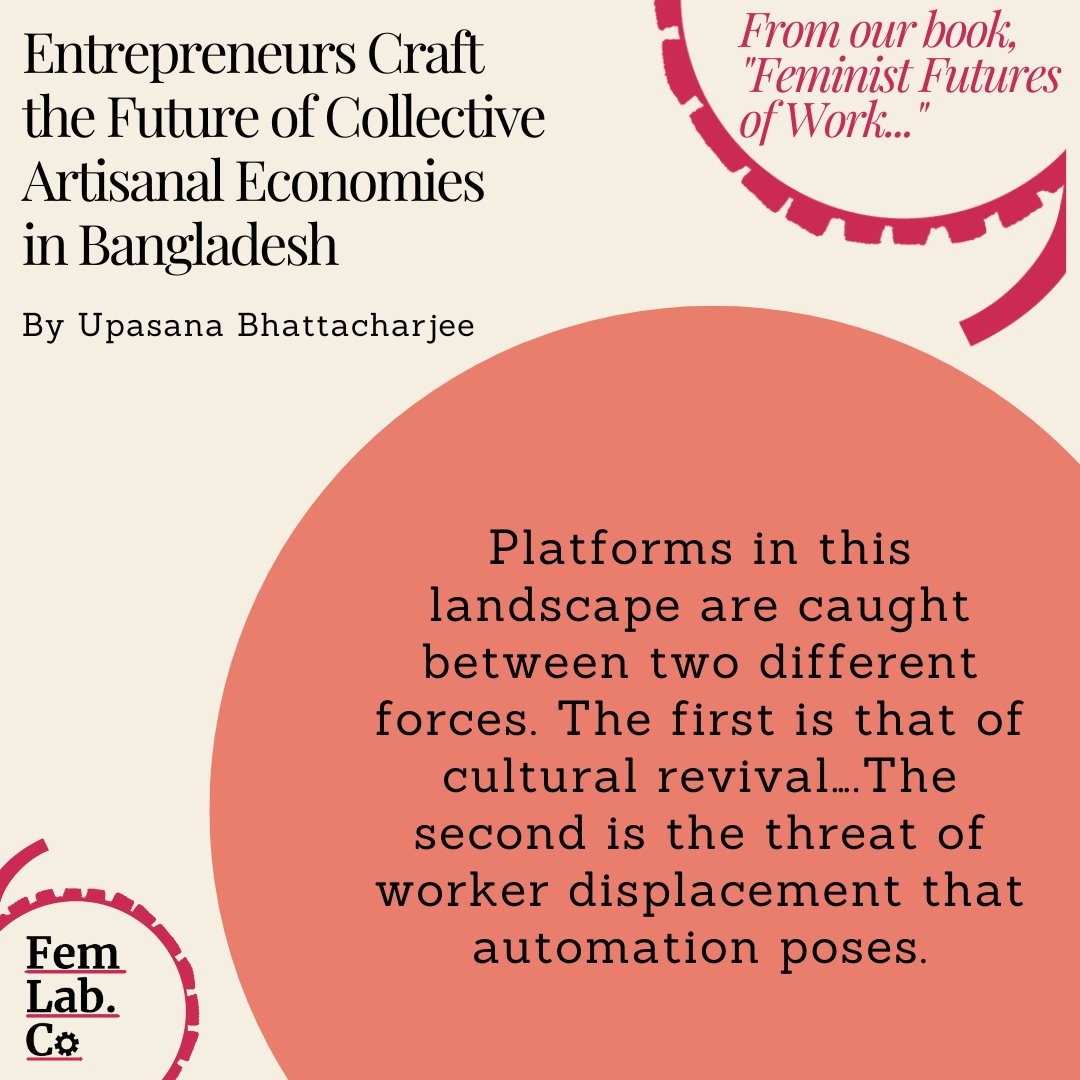
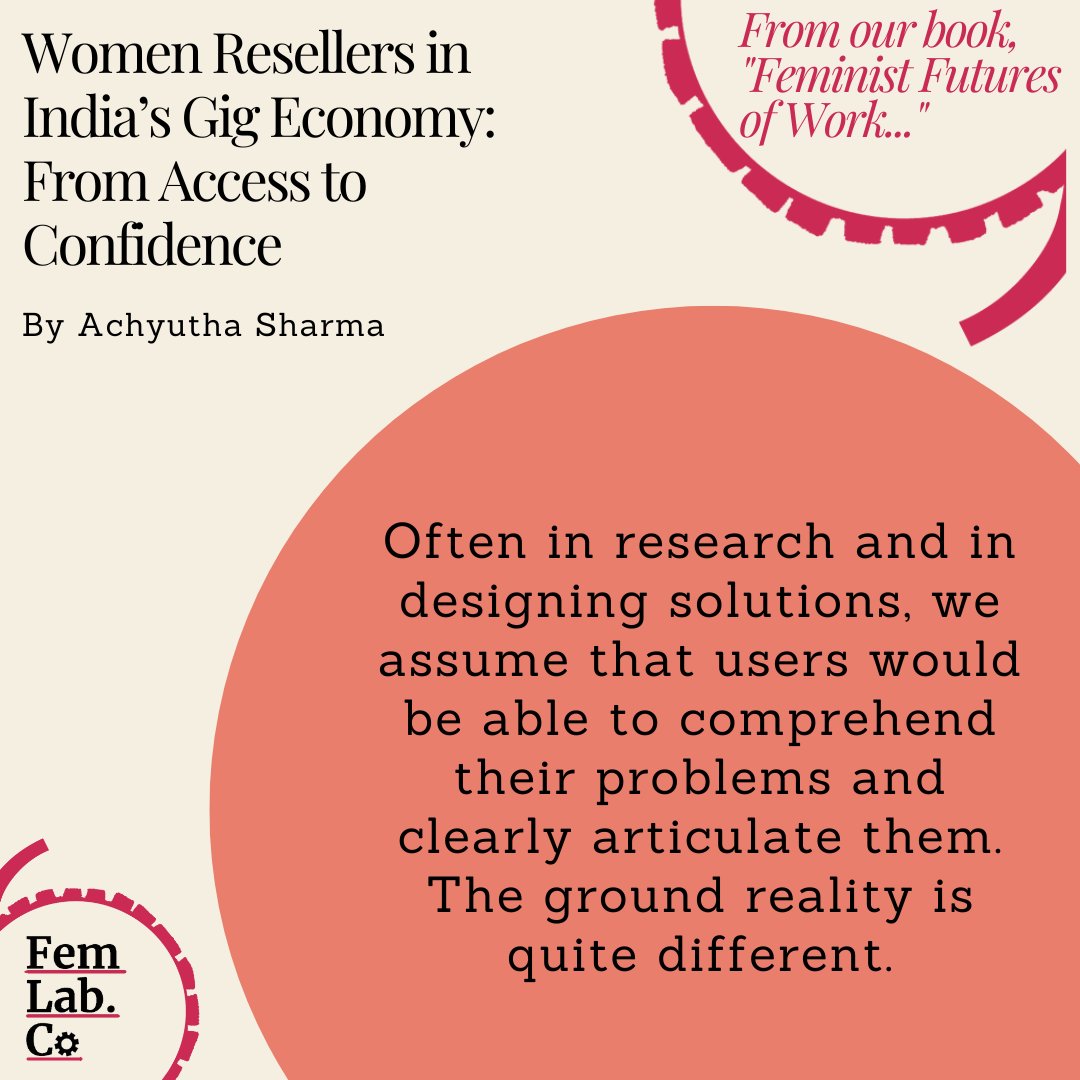

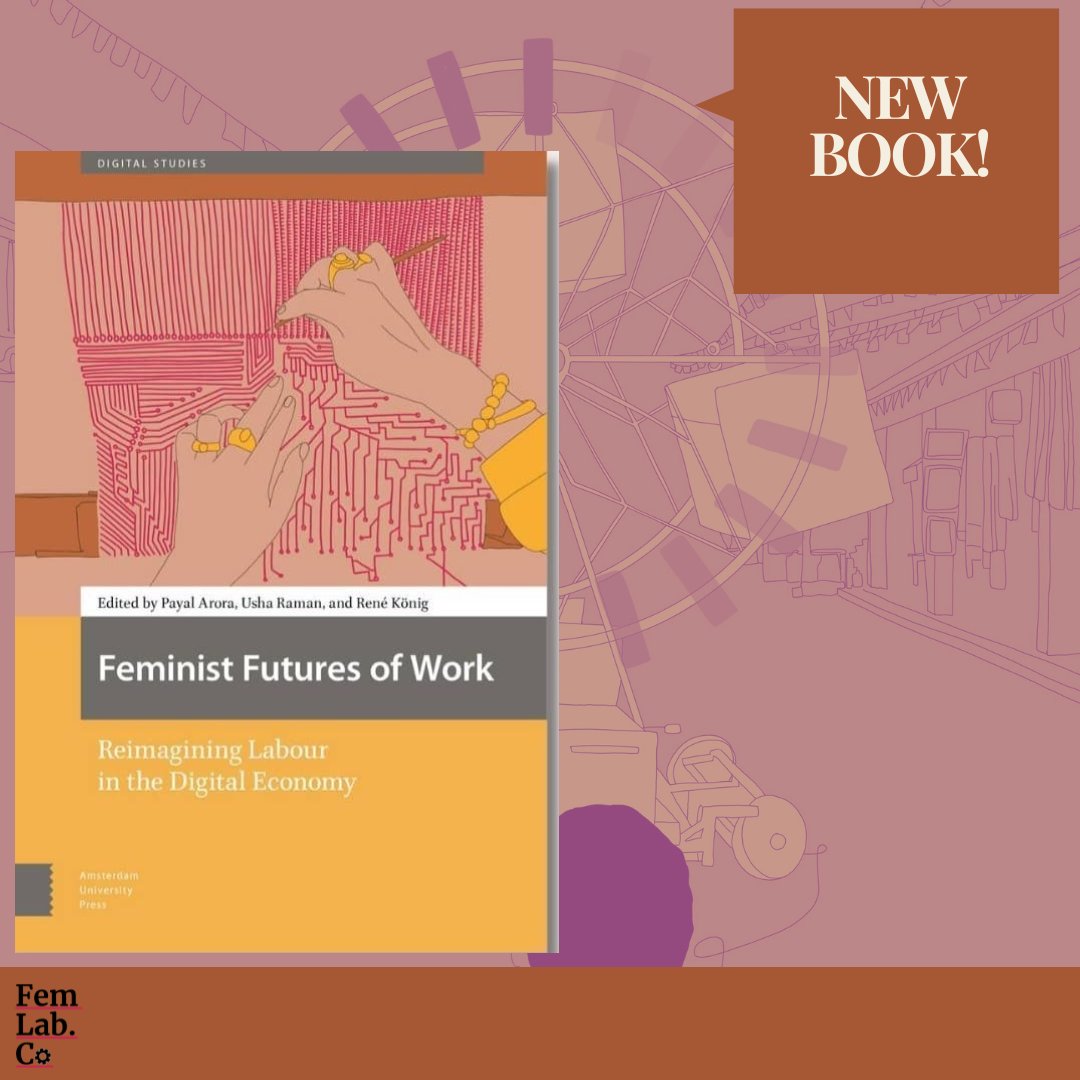
Our open-access book, “Feminist Futures of Work: Reimagining Labour in the Digital Economy” is now live: bit.ly/45BYVVk
Published with @AmsterdamUPress, this work is a culmination of our 3year funding with @IDRC_CRDI @GillianDowie on #FutureOfWork in the #GlobalSouth.
3
38
124
19,386
On October 8th, we’re launching the Inclusive AI Group alongside @3Lmantra insightful book -From Pessimism to Promise.
Join this global conversation on the future of AI. You can join in person or online!
👉 Register now: shorturl.at/w1awj
1
3
500
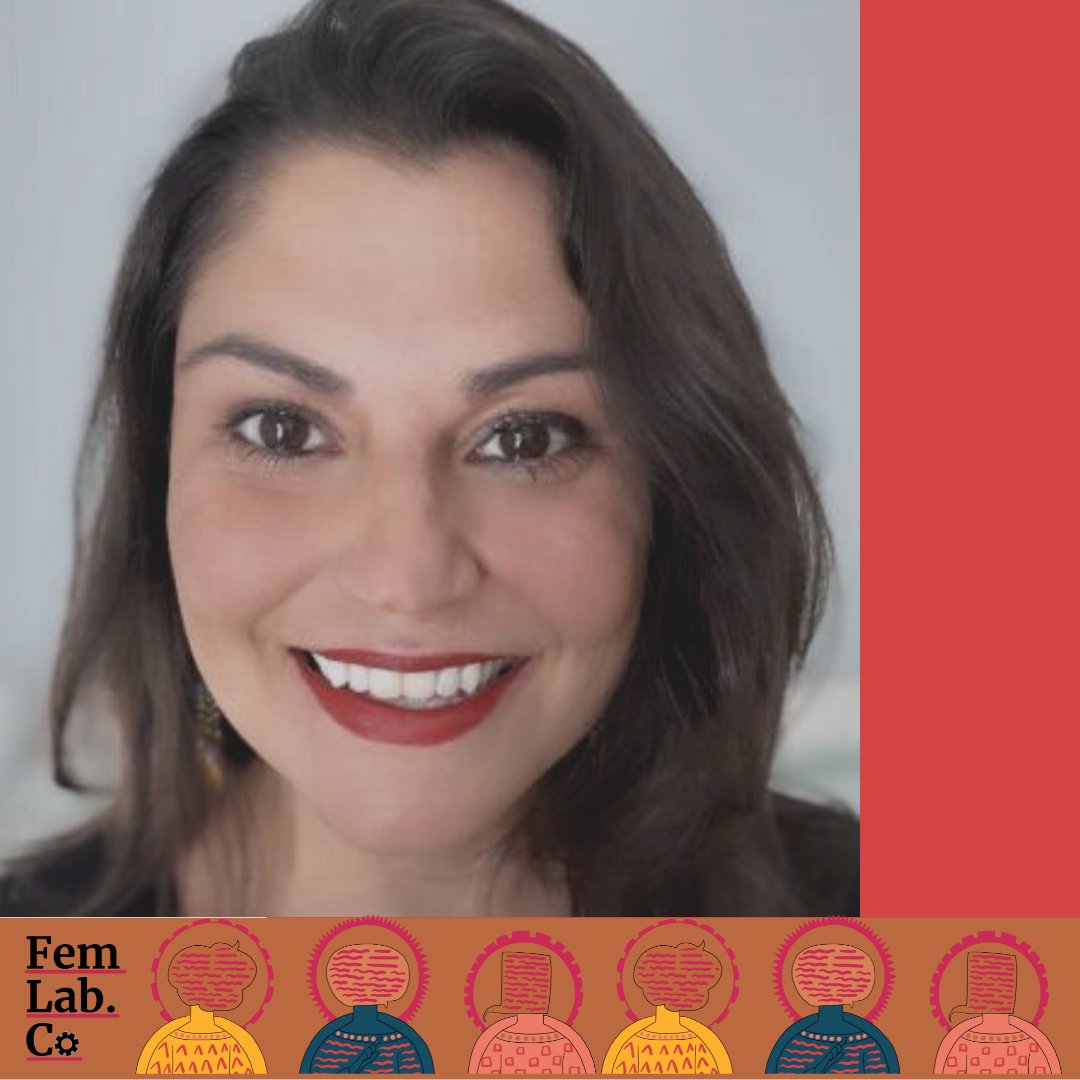
Excited to announce that FEMLAB team member Sai Amulya's paper, "Men in Beauty Care Work and Feminisation of Digital Labour Platforms," has been accepted for presentation at NCA'24! @Wits_SCIS 🎉 It explores how caste and gender shape beauty work in South Asia's platform economy.
2
1
11
580
FemLab.Co retweeted

11 Jul 2024
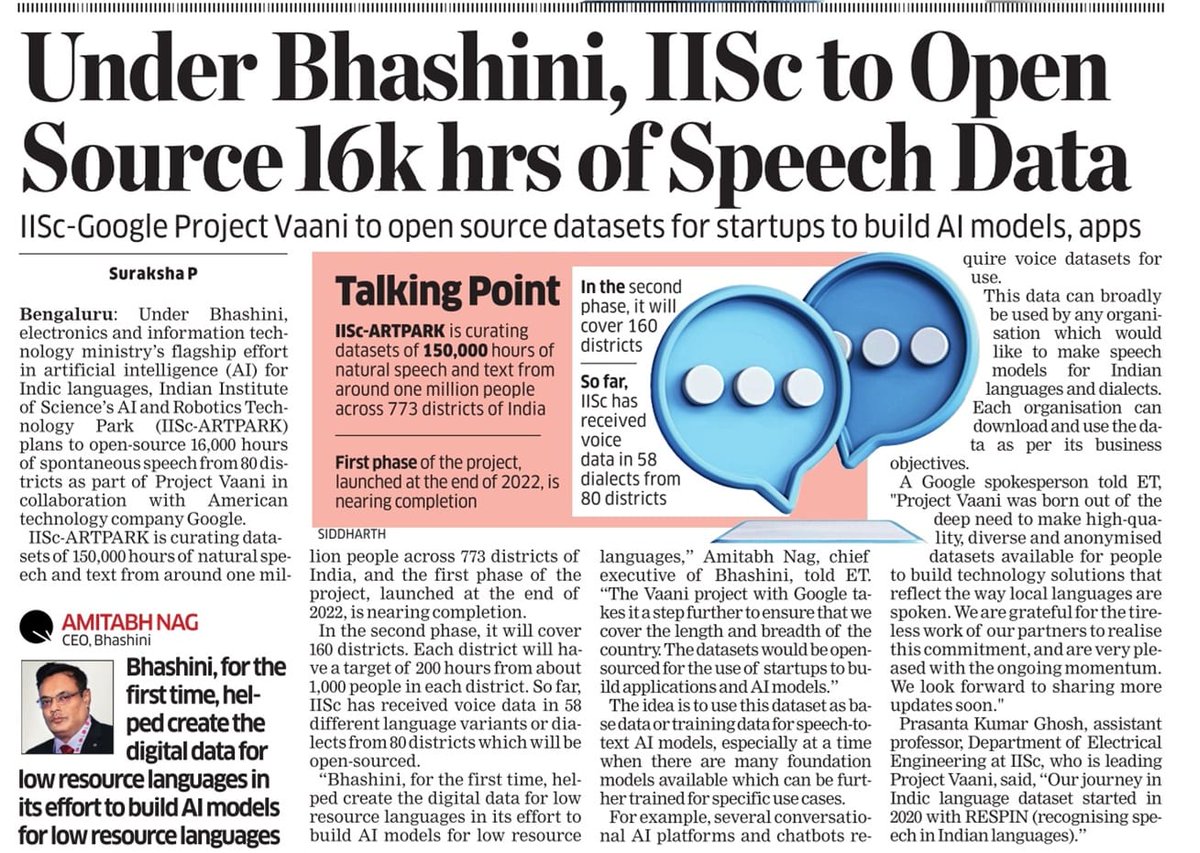
Project Vaani: Under #BHASHINI, IISc to open source 16,000 hours of speech data
Read the full story here: economictimes.indiatimes.com…
@GoI_MeitY @amitabhnag @iiscbangalore
5
10
1,662
FemLab.Co retweeted

16 Jul 2024
The current approach has resulted in many African cities becoming testbeds for new, untested, and sometimes unregulated technologies, as governments strive to constantly "catch up" with current trends edgelands.institute/blog/mov… @EdgelandsInst
6
9
782
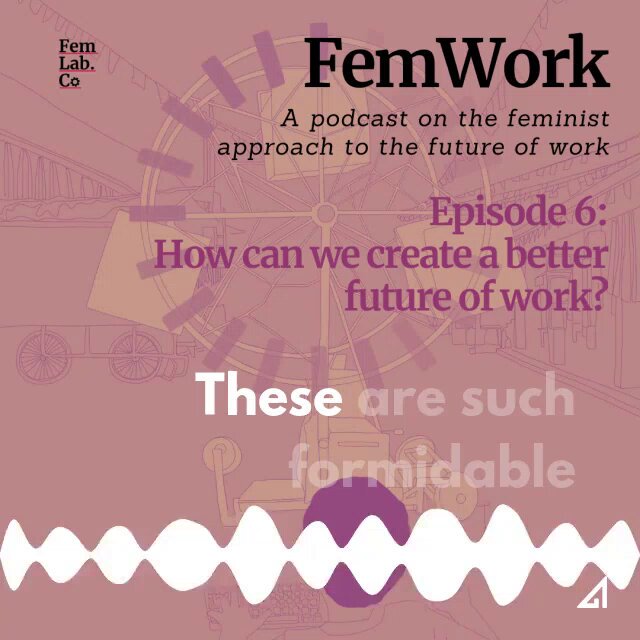
In #FemWork's final episode, we hear from @3Lmantra, @ShaikTgfwda & Jamil Wyne about how we can create a better #FutureOfWork: bit.ly/3UHUhjJ
@IDRC_CRDI @UniUtrecht @TGPWU @JJNglobal @ilo @TowardsFairWork @HydUniv
2
8
1,421
FemLab.Co retweeted

2 May 2024
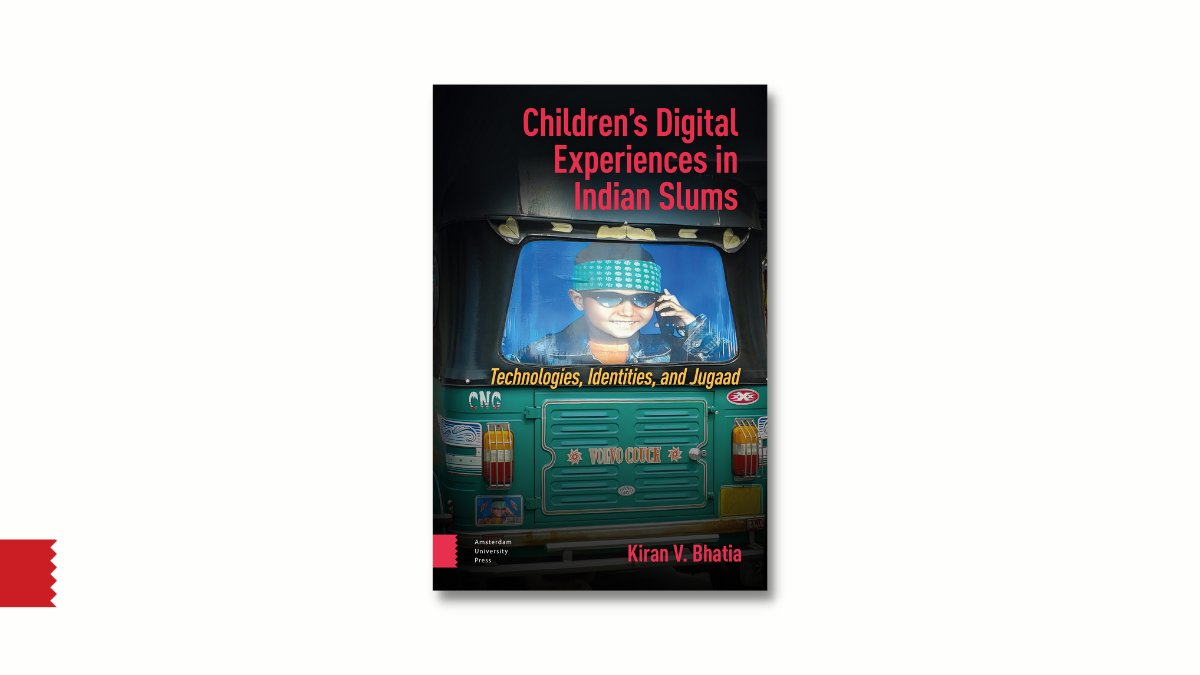
'Children’s Digital Experiences in Indian Slums' by Kiran Vinod Bhatia departs from the rescue narratives of poor children and technologies, offering complex stories on how social identities and cultural norms influence their digital experiences.
aup.nl/en/book/9789048559930…
1
1
371
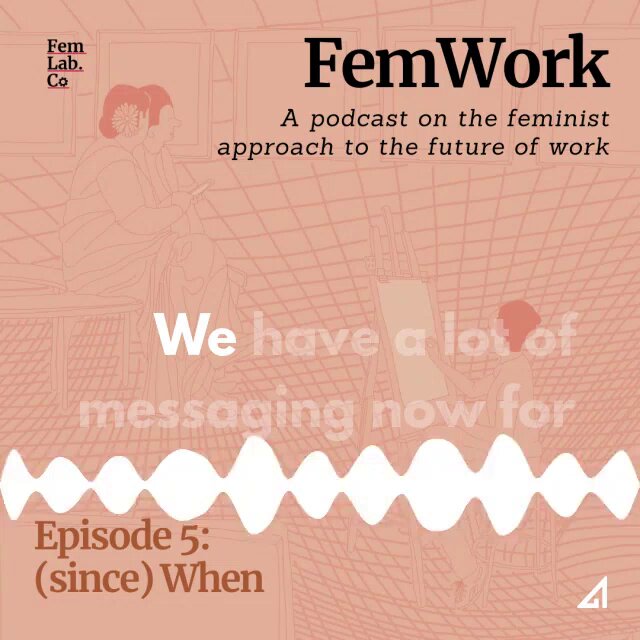
Here's a teaser to episode 5 of our @IDRC_CRDI podcast #FemWork with @isha_bhallamudi & @truthfultrash.
Full episode🔗: spoti.fi/3ykugPR
#LabourRights #DigitalEconomy
2
3
8
4,557
From regulatory complexities to algorithmic exploitation and gender disparities, we discuss how transformations in the digital economy continue to have implications on workers' rights.
@ilo @JJNglobal @TowardsFairWork @HydUniv
1
150
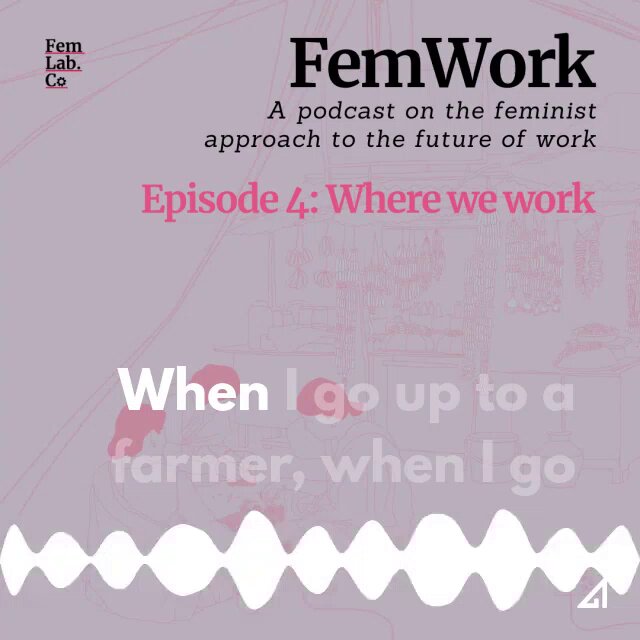
All about workplace considerations—the myriad places where informal workers engage in labour—and how these affect workers’ identities & perceptions with @karishma__m__, @SalonieM, @speakerfit & Nikhil Reddy
🔊 bit.ly/44taC0m
@sewa @IDRC_CRDI @OhioState @GeorgiaStateU
4
10
1,478
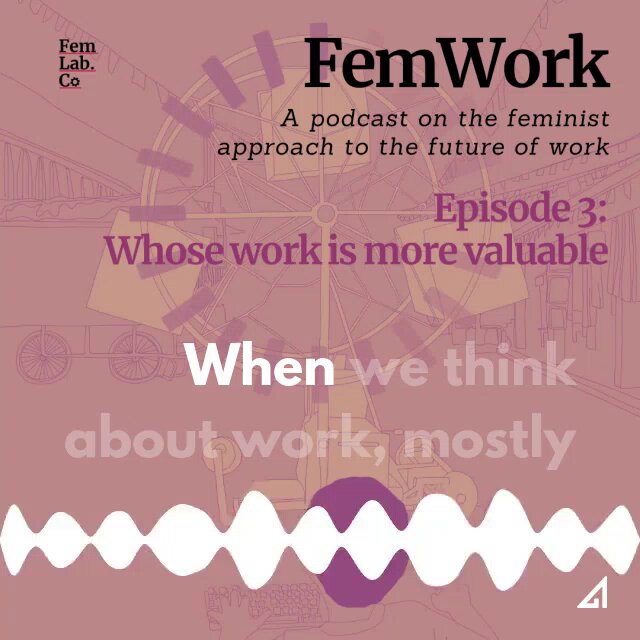
Checked out our #FemWork podcast yet? In episode 3, we feature @usharaman & @AnilaBacker & discuss women’s unpaid domestic labour and the continued devaluation of women workers when they work in formal or even informal jobs.
🔊 spoti.fi/3Ufjx0n
#feminism #RightToWork
1
4
8
846
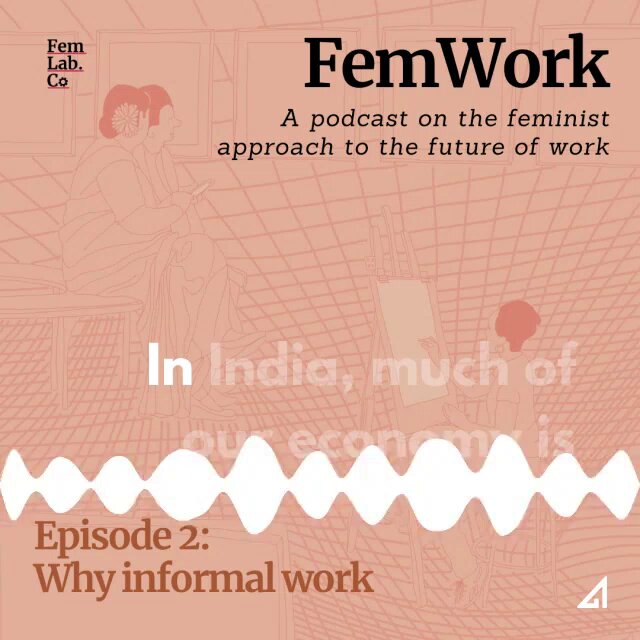
What does it mean to distinguish work and workers into 'formal' and 'informal'? And how does the digital gig/platform economy exacerbate issues of labor #dignity?
Listen to episode 2 of #FemWork with @usharaman & @sabinadewan: bit.ly/3vNwneq
1
13
22
5,883
Missed episode 1? Listen to it here: bit.ly/3Jgzj6l. Follow #FemWork on your favorite podcast app.
@IDRC_CRDI @HydUniv @JJNglobal
1
2
149
FemLab.Co retweeted

11 Apr 2024
In the digital age, does women’s work again remain invisible , are old gender barriers replicated? Check out this @FemlabC podcast

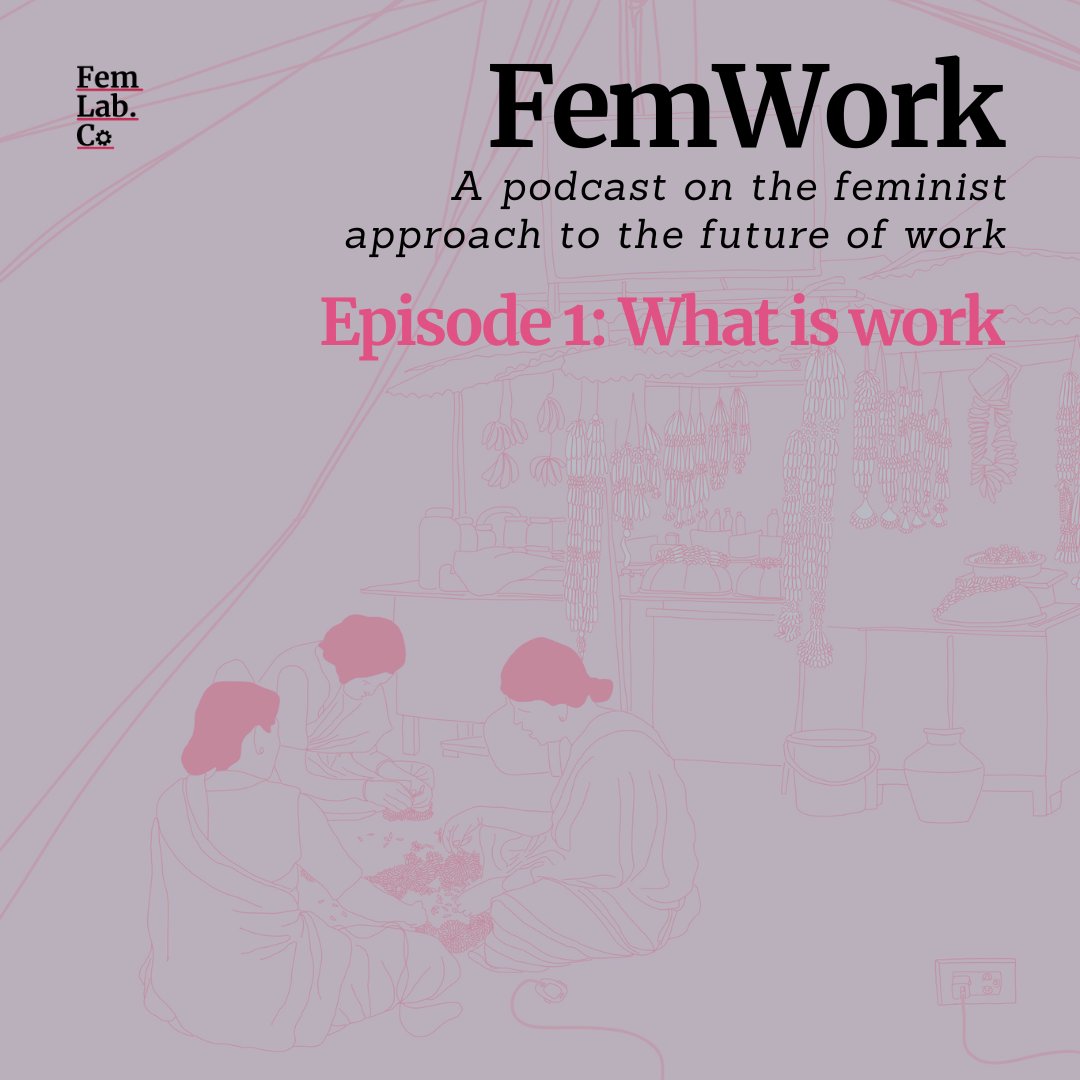
In episode 1 of #FemWork, we're unpacking the question: What is work, especially in the digital age.
🎤 @sosurie of @iihsin & Prof @3Lmantra: bit.ly/3Jgzj6l
#FemWork #Work #WomensWork #DigitalLabour #GigEconomy #DigitalEconomy
@UniUtrecht @IDRC_CRDI
1
6
17
1,748
In episode 1 of #FemWork, we're unpacking the question: What is work, especially in the digital age.
🎤 @sosurie of @iihsin & Prof @3Lmantra: bit.ly/3Jgzj6l
#FemWork #Work #WomensWork #DigitalLabour #GigEconomy #DigitalEconomy
@UniUtrecht @IDRC_CRDI
2
10
46
3,479