Assistant Professor @ZuckermanBrain @ColumbiaBiochem. Lab uses cryo-EM & biophysics to study the cellular, molecular, and structural basis of neurodegeneration.

Joined January 2013
98 Photos and videos
Fitzpatrick Laboratory retweeted
Interactome mapping has been stuck at a few hundred baits over months. HIP-MS changes the regime: ~10,000 pulldowns/week at 500 samples/day, fully automated. A new era for interactomics — and a precursor to high-throughput proteomics writ large. doi.org/10.64898/2026.06.03.…
1
22
89
7,387
Fitzpatrick Laboratory retweeted
Here's an ESMFold2 demo run by AI agents on Modal for designing potential GLP-1 receptor binders. This test focused on the GLP-1R extracellular domain where semaglutide/Ozempic binds. It measured how well each design recovered the residues that semaglutide contacts. Codex made this neat presentation of the demo with autonomous use of ChimeraX and ElevenLabs.
I’m so excited about the launch of ESMFold2, ESMC, and the new ESM Atlas. This was a massive team effort, and I’m grateful to have worked with such an incredible group @biohub. A headline result I’m especially excited about: ESMFold2 can design minibinders and antibodies with nanomolar affinity, target selectivity, and functional activity against therapeutically relevant targets. Today, we’re sharing the full binder design protocol.
3
20
140
18,922
Fitzpatrick Laboratory retweeted
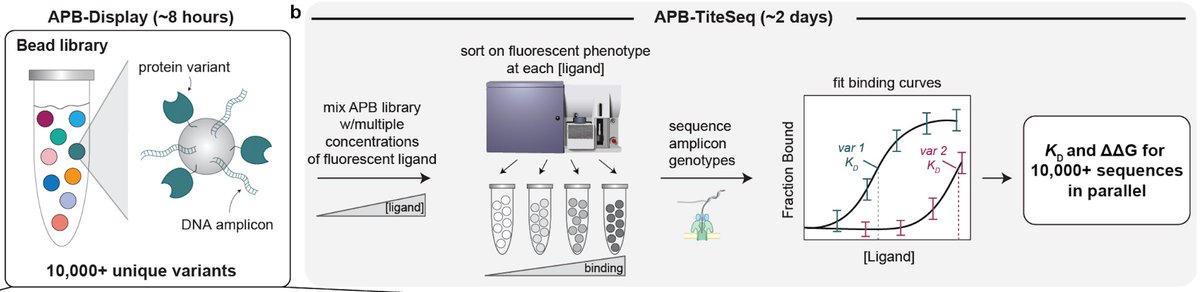
Characterizing AI-designed proteins requires quantitative biochemistry at massive scale. Enter Amplicon/Protein Bead Display (APB-Display), a fully in vitro platform that quantifies Kd's for >100,000 variants in <3 days (preprint link below!) @Stanford_ChEMH @czbiohub (1/n)
3
97
439
62,392
Fitzpatrick Laboratory retweeted
Papers like this are why science remains endlessly exciting. This one made me feel the same wonder I felt at 15 when I first discovered science. || Homing pigeon navigation relies on superparamagnetic macrophages under overcast conditions | Science science.org/doi/10.1126/scie…
1
38
212
15,458
Fitzpatrick Laboratory retweeted
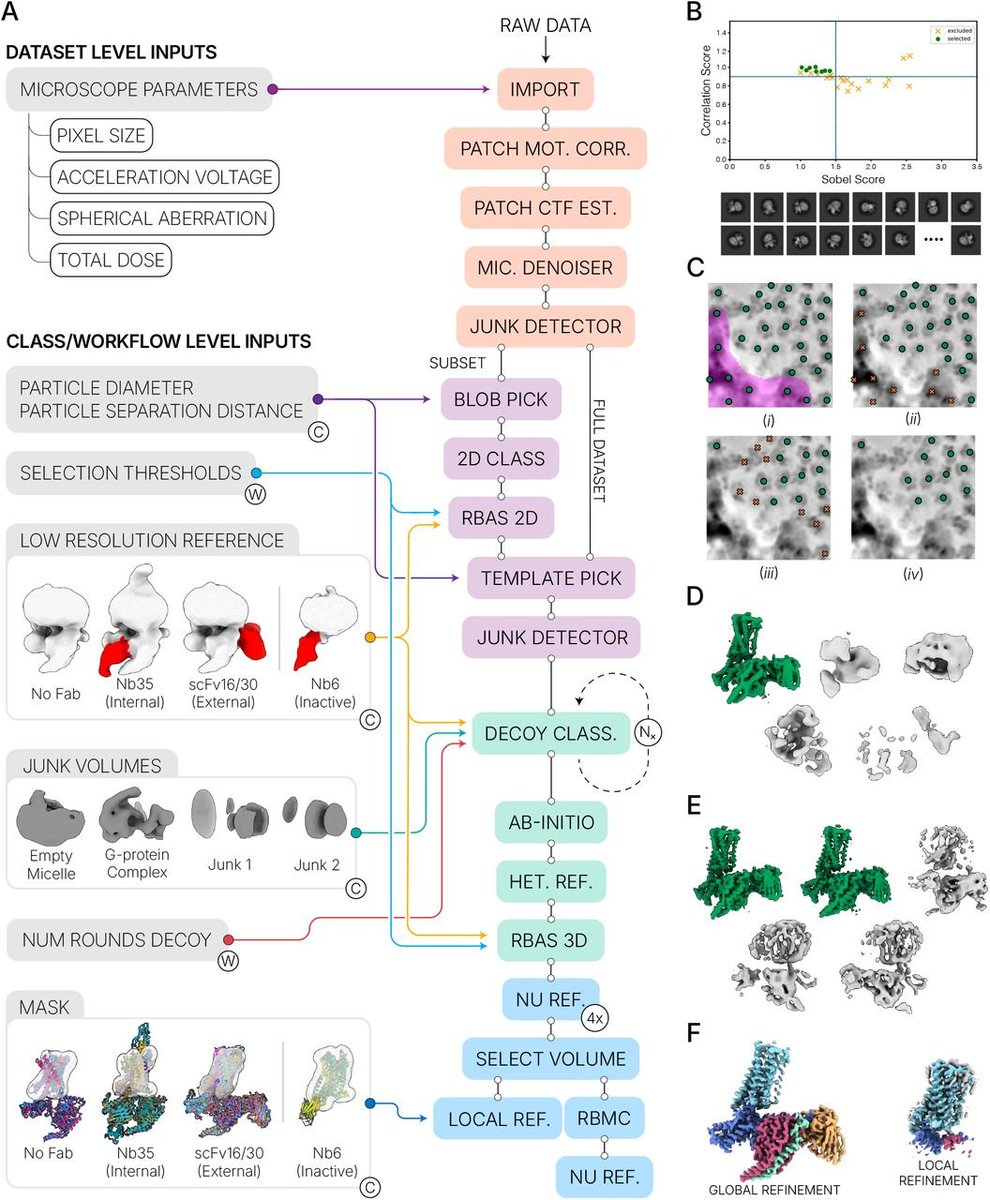
クライオ電顕データセット解析の自動化 CryoSPARC上での生データの撮影像から高分解能の密度マップ生成までの過程を自動化 対象としたGPCRのデータセットのうち8割で分解能が向上 本論文でのパイプラインはダウンロードして利用可能とのこと #BNTNJC biorxiv.org/content/10.1101/…
23
111
6,893
Fitzpatrick Laboratory retweeted
So incredibly excited and grateful to be joining the Burroughs Wellcome Fund PATH family! Thank you @BWFUND and the selection committee members for supporting and believing in our vision, and congrats to the other 2026 PATH Investigators!!! 🥳
May 19
BWF Announces the 2026 Investigators in the Pathogenesis of Infectious Disease bwfund.org/news/bwf-announce… #bwfpath
3
7
31
2,215
Fitzpatrick Laboratory retweeted
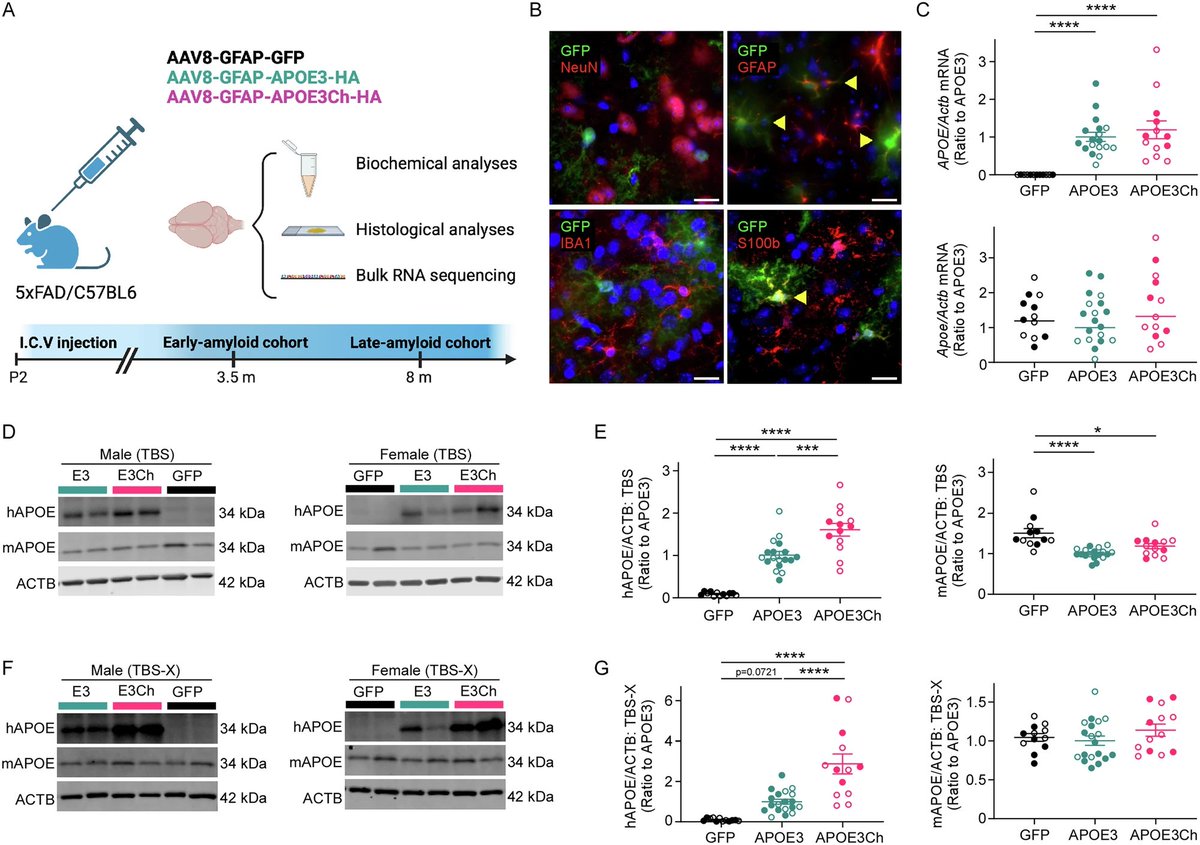
The authors show that a rare APOE3 Christchurch (APOE3Ch) variant (which is linked to protection in familial Alzheimer’s disease) reshapes amyloid pathology when expressed only in astrocytes. Instead of reducing plaques overall, it shifts Aβ toward more compact and less toxic forms, lowers oligomeric Aβ, and reduces neuroinflammatory responses. This highlights APOE3Ch as a potential modifier of disease toxicity rather than just amyloid burden. See full study here: nature.com/articles/s41398-0…
7
32
2,393
Fitzpatrick Laboratory retweeted
New @CellCellPress paper from Bergles lab at Johns Hopkins just built the most comprehensive map of brain myelin ever made — every oligodendrocyte, across the entire mouse brain, across the lifespan. The scale: >10 million cells per brain, terabyte-scale 3D lightsheet volumes, registered to the Allen Brain Atlas across 417 regions from 2 months to 2 years of age. The technical stack: Custom tissue clearing (CUBIC-L SHIELD uRIMS with 40% urea) to preserve endogenous fluorescence. 3D Mask R-CNN for instance segmentation — not just semantic, instance — so it can distinguish individual cells within dense clusters at scale via overlapping sliding windows. Vision Transformer to classify newly-formed vs. mature oligodendrocytes using soma morphology. All cross-referenced against Allen ISH transcriptomics and MICrONS serial EM. What they found: Oligodendrocyte density varies 10,000-fold across brain regions. Left-right hemispheres: r=0.99. Sex: no significant difference. Strain: matters. The brain never stops myelinating. New oligodendrocytes are still being generated in 2-year-old mice. Prefrontal cortex L6 shows the fastest rates of new myelination into old age — the circuits for executive function keep rewiring throughout life. After demyelination, L4 sensory cortex is the most resilient — oligodendrocytes survive at higher rates. The hippocampus loses nearly everything and barely recovers. Degree of injury doesn't predict rate of recovery. These are independent axes. The Alzheimer's result is the most surprising: Dense-core plaques dominate in cortex and hippocampus. Diffuse/small-core plaques dominate in white matter fiber tracts. Old assumption: diffuse plaques are "less toxic." The data says the opposite — small plaques in fiber tracts cause more myelin loss per plaque than dense-core plaques in gray matter. Plaque load and oligodendrocyte loss are essentially uncorrelated (ρ=0.22). The damage is plaque-type and location specific, not load-dependent. For MS and AD research: you can't read off white matter injury from gray matter plaque burden. The pathology in fiber tracts is running on different rules. Data: bossdb.org/project/xu2024 Paper: cell.com/cell/fulltext/S0092…
3
75
260
24,636
Fitzpatrick Laboratory retweeted
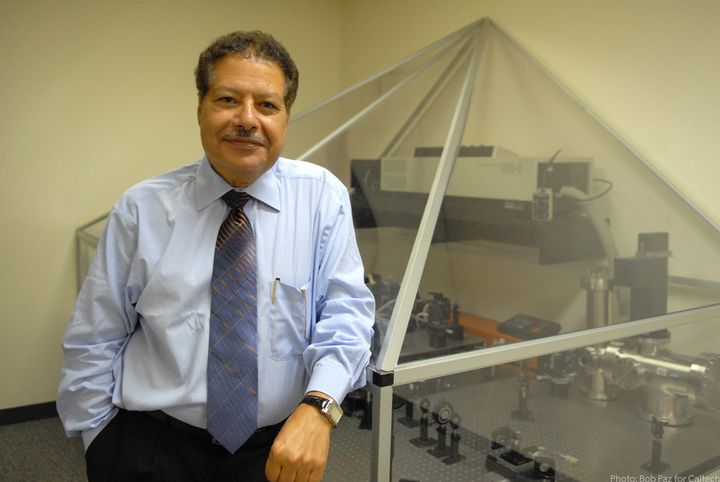
Ahmed Zewail, the founder of femtochemistry, developed methods for studying chemical reactions in detail. He was awarded the 1999 chemistry prize "for his studies of the transition states of chemical reactions using femtosecond spectroscopy." Discover more about his life and research: bit.ly/2RyXPnj
23
228
1,155
47,506
Fitzpatrick Laboratory retweeted
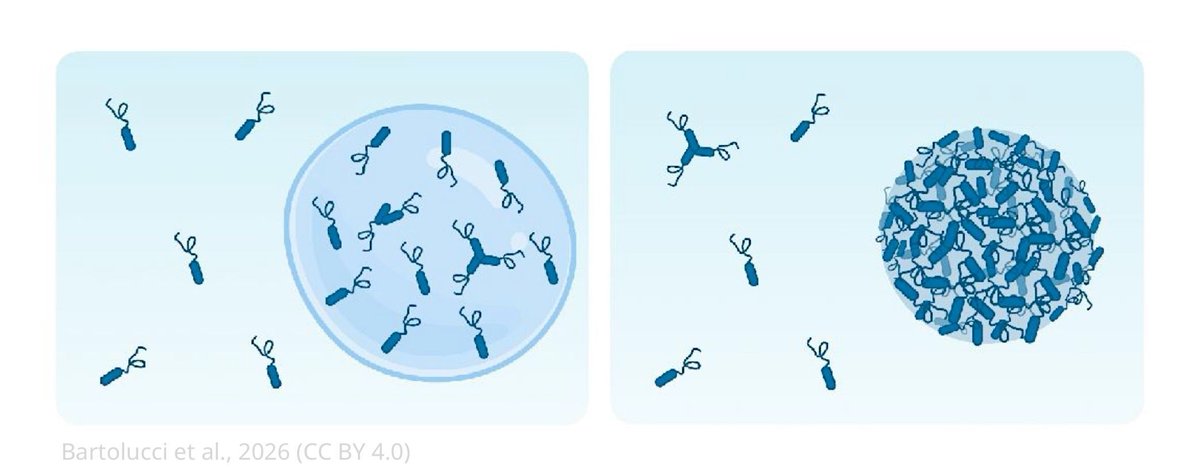
The interplay between biomolecular assembly and phase separation. 🔗 elifesciences.org/articles/9…
7
24
3,077
Fitzpatrick Laboratory retweeted
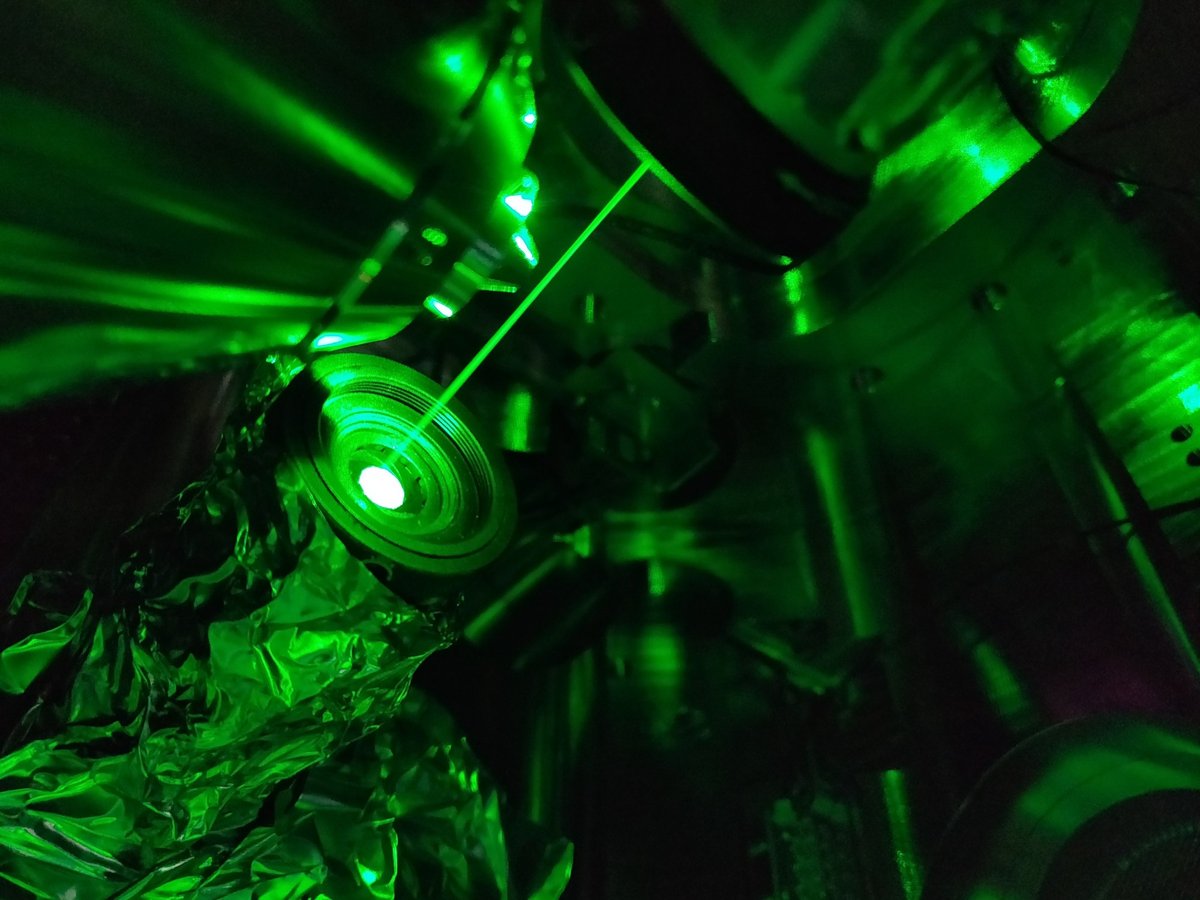
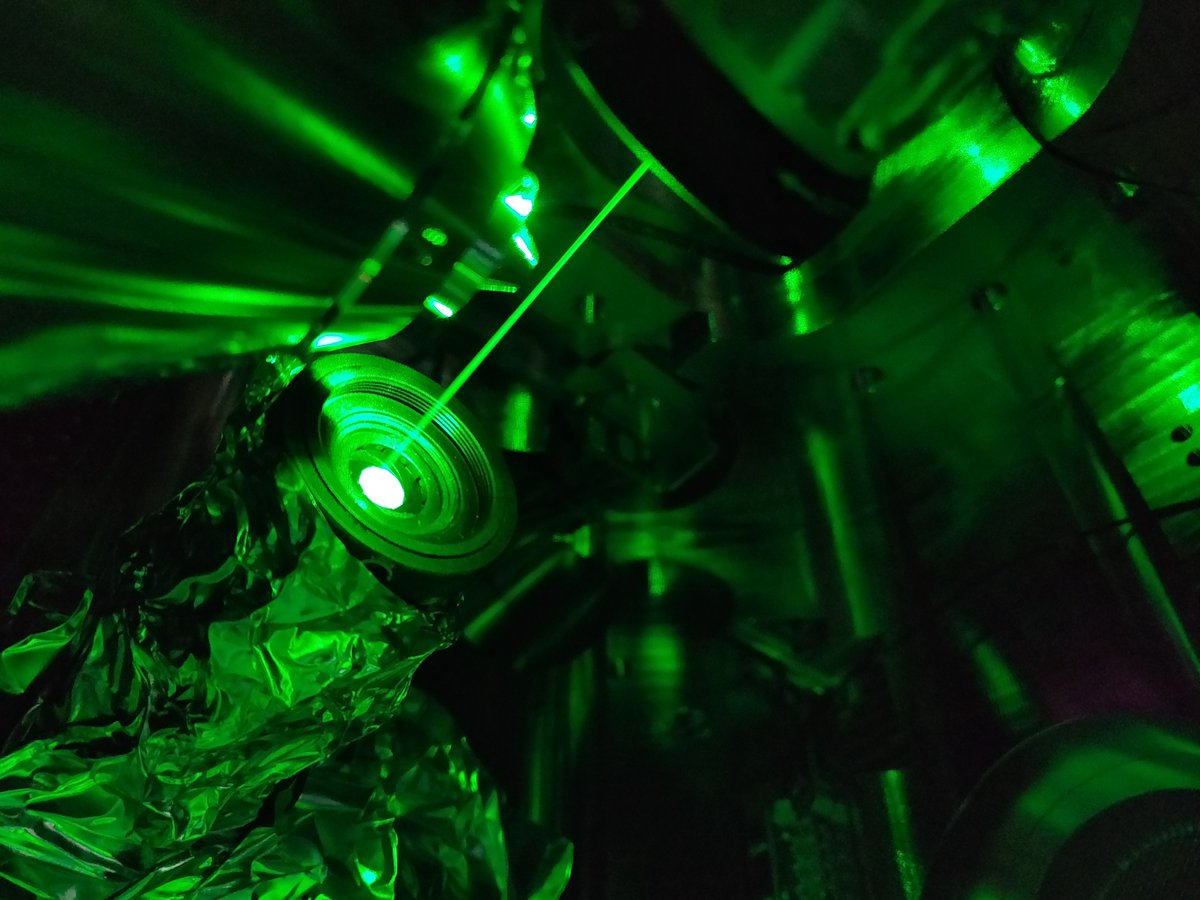
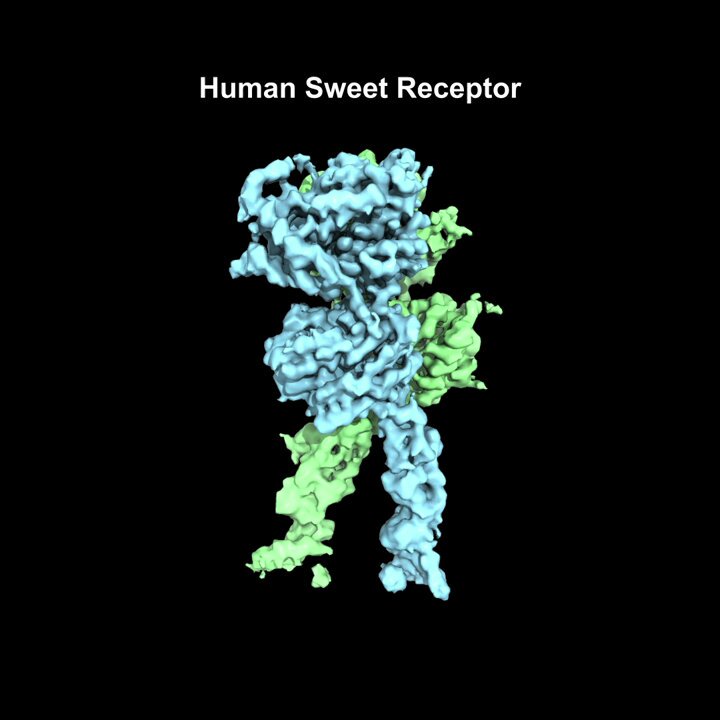
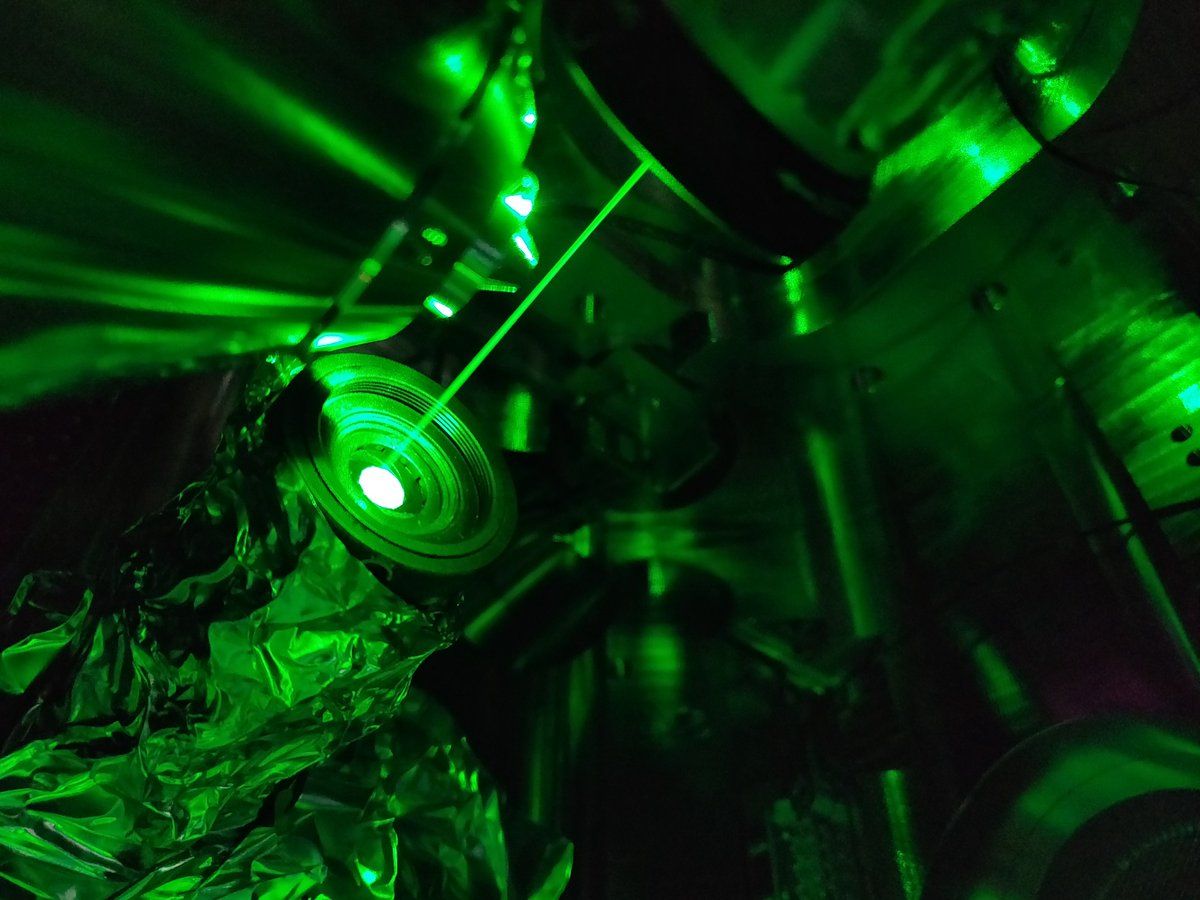
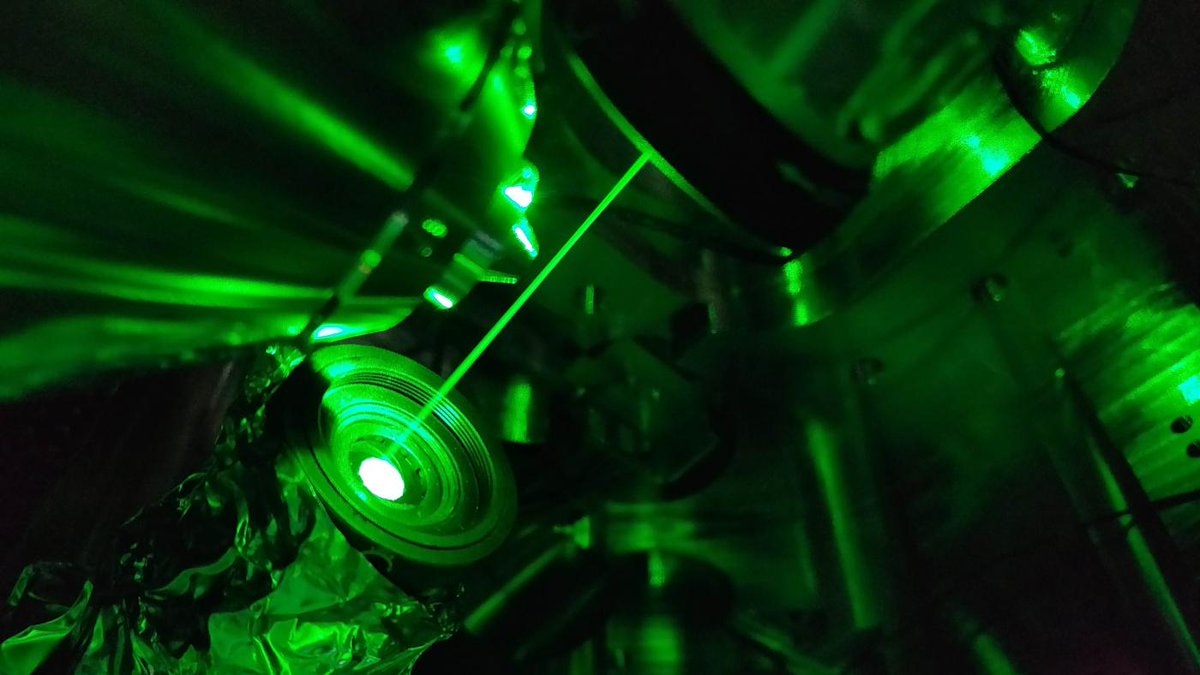
Neuroscientists are always looking for new tools that can bring the brain into sharper focus. For postdoc Daniel Du, that means shooting lasers at state-of-the-art microscopes to take better snapshots of molecules that are the building blocks of the brain: zuckermaninstitute.columbia.… #scilife
6
13
1,069
Fitzpatrick Laboratory retweeted
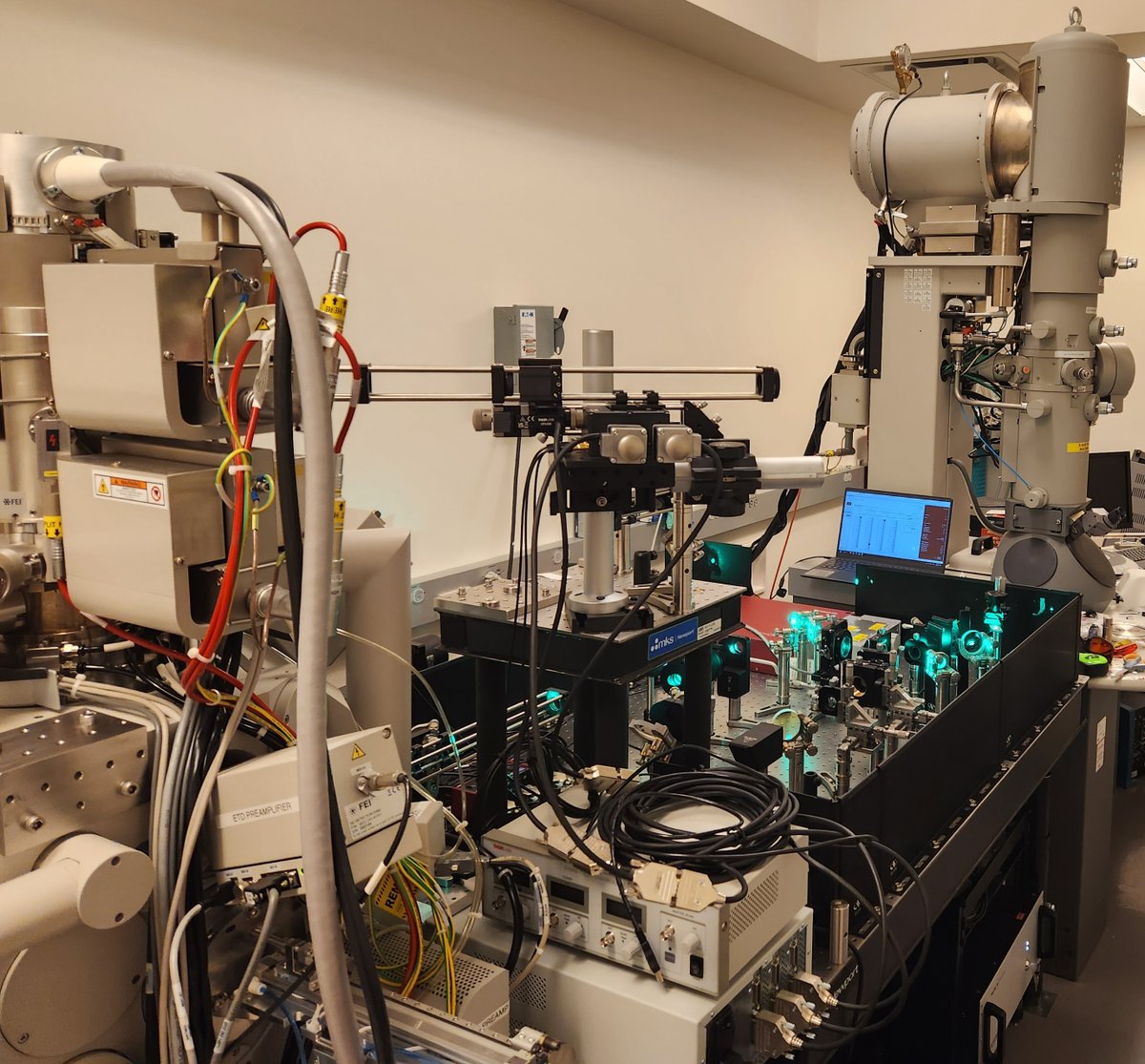
How do you make one of the best microscopes in biology even better? Postdoc Daniel Du of the Fitzpatrick lab zapped electrons with a laser. The new research in @eLife with @Cornell's Maxson lab promises improved close-up snapshots of the brain: zuckermaninstitute.columbia.…
1
3
15
1,032
Fitzpatrick Laboratory retweeted
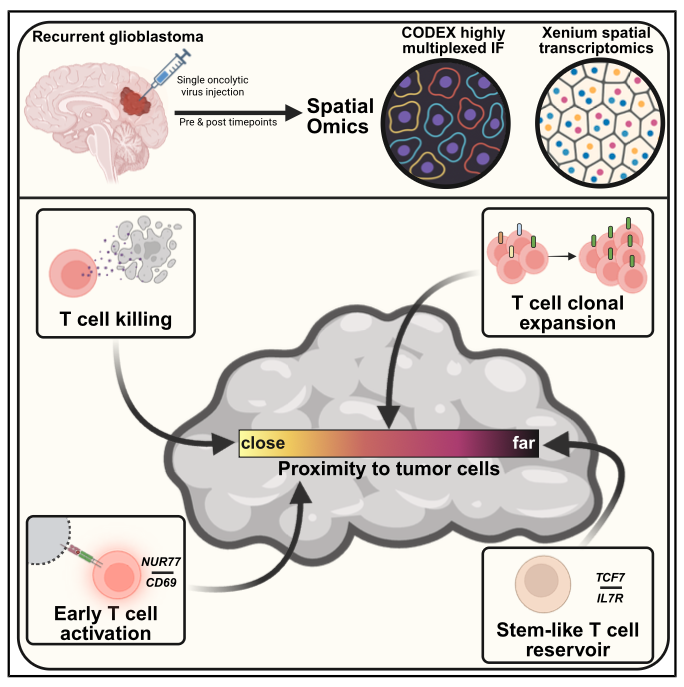
Excited to share our latest study published in @CellCellPress !! We uncovered that a single oncolytic virus injection can ignite deep, persistent T cell immunity in glioblastoma, lasting months to years. sciencedirect.com/science/ar…
4
33
146
9,631
Fitzpatrick Laboratory retweeted
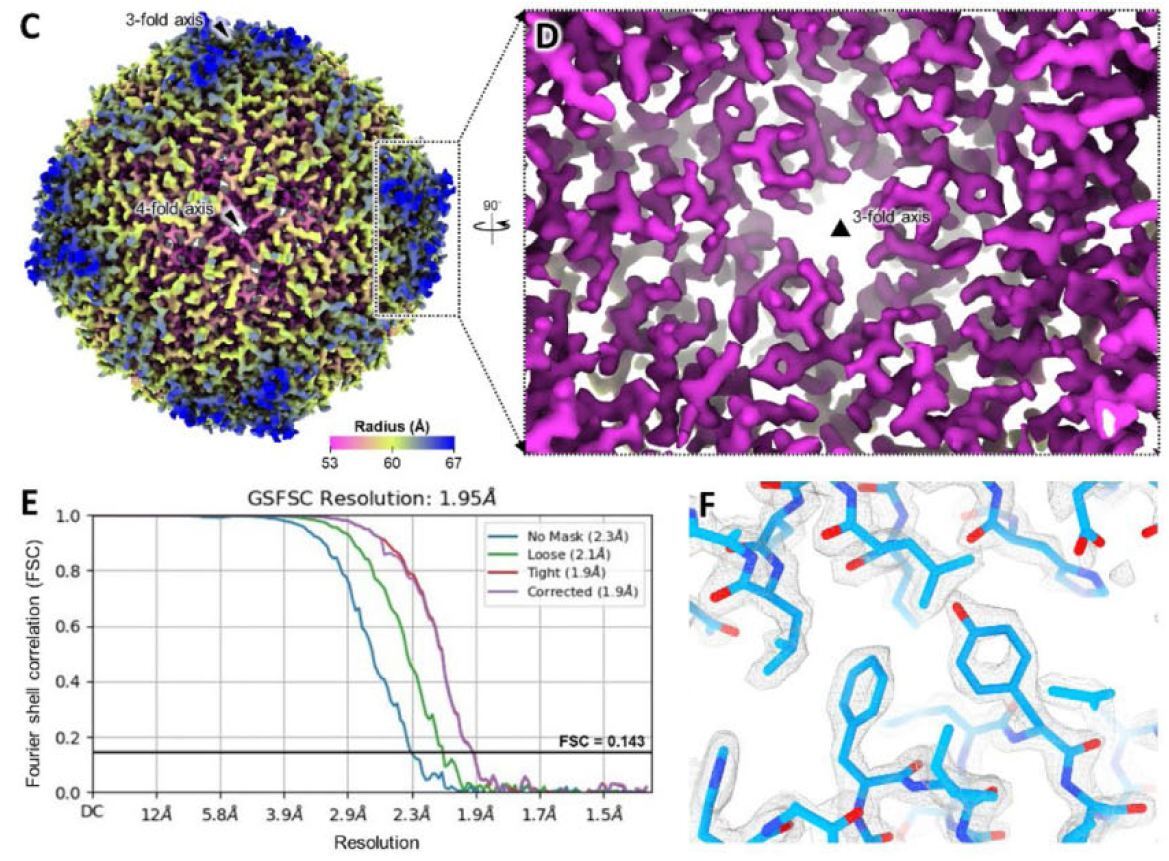
Researchers at UCLA show you don’t need a dedicated cryo-EM to get world-class results. Using an adapted entry-level TEM, they achieved 1.95 Å apoferritin—comparable to top-tier systems—pointing to a more accessible future for cryo-EM. Read more: doi.org/10.1093/mam/ozae044.…
11
47
2,992
Fitzpatrick Laboratory retweeted
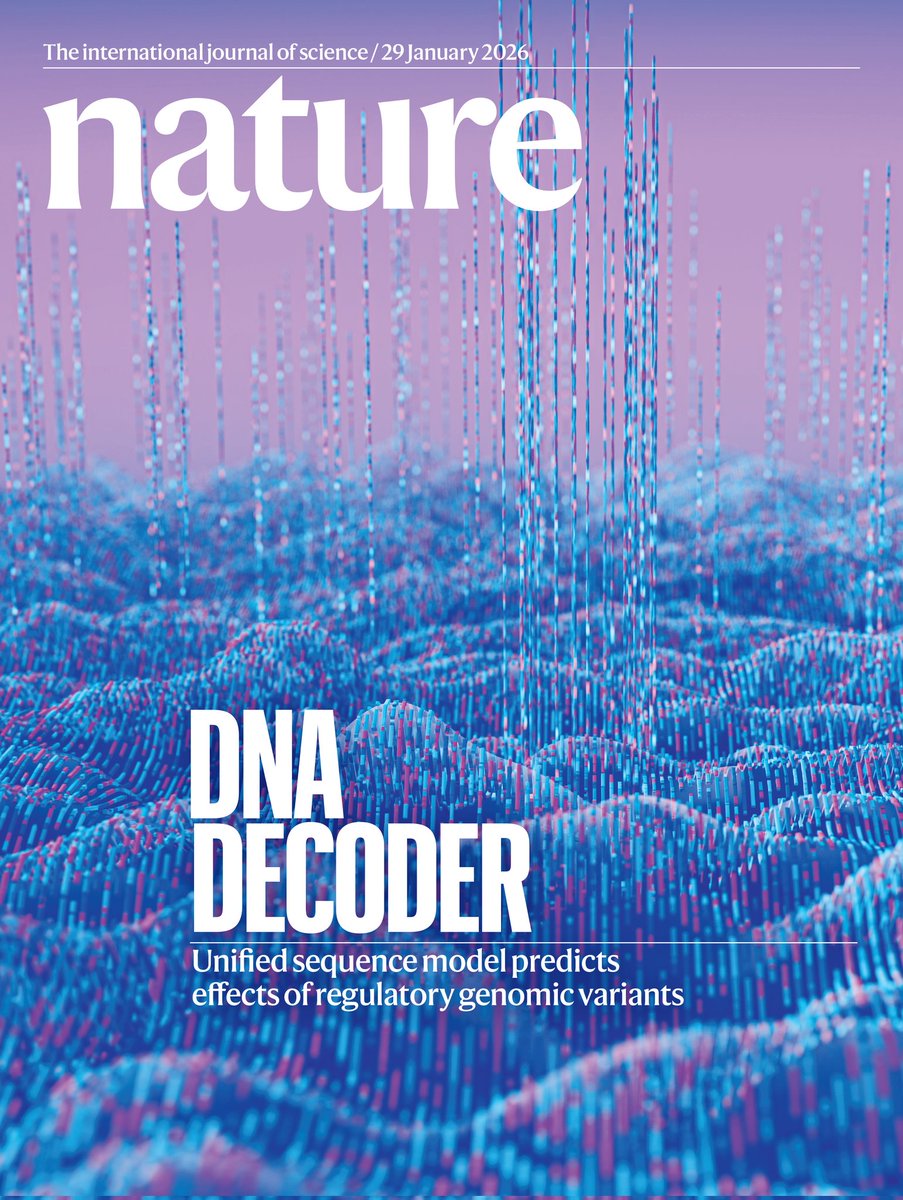
AlphaGenome is out in @nature today along with model weights! 🧬 📄 Paper: nature.com/articles/s41586-0… 💻 Weights: github.com/google-deepmind/a… Getting here wasn’t a straight path. We sat down @googledeepmind to discuss the story behind the model, paper & API: youtu.be/V8lhUqKqzUc
29
477
1,863
225,758