
20 years working w/athletes and unlocking potential | Lifelong learner of human performance | Eph 3:20-21 #maninthemaking | Co-Author of @CBATheBook
Joined June 2011
- Tweets 2,221
- Following 480
- Followers 679
- Likes 5,217
265 Photos and videos







Jared Smith EdD retweeted

You should not be giving your children energy drinks.
15 Apr 2025

🚨Energy drinks and youth athletes🚨
Children, teens, and young athletes avoid energy drinks, citing potential health risks and the lack of performance benefits.
Caffeine Overload
-Many energy drinks contain high levels of caffeine (often 200-300 mg per can)
-Increase heart rate and blood pressure
-Cause jitteriness, anxiety, or poor sleep
-Hurt focus and recovery
**Using an energy drink for fuel is like rearranging furniture on a sinking ship
No Substitution for Nutrition
No energy drink can replace proper fueling, hydration, or sleep. Athletes need real food, hydration, and balanced meals to perform and recover optimally.
Hidden Ingredients
Energy drinks often contain herbal stimulants (like guarana, yohimbine, or ginseng), sugar alcohols, and other ingredients that cause GI distress.
Better Alternatives
-Water electrolytes
-Coconut H20 or cherry juice for fuel
-Chocolate milk post-workout
-Coffee in moderation (for older athletes)
-Carbohydrate-rich snacks for energy
Fuel with food first. Energy drinks are a shortcut with a cost—especially for developing athletes.
nutritionwithwendi.com/blog/…

5
11
40
14,624

May 22
I won't mention names but I know NFL athletes that have terrible diets. It's typically younger guys who think they can load up on Froot Loops and bacon with maple syrup for breakfast and be ok. The older guys in the league tend to figure it out. If they don't, they don't make it long enough to be an older guy in the league.
The @Titans are going to need to do a whole lot more than reduce seed oils to get their players feeling and performing better!
The biggest wins usually come from tightening the system around fueling and recovery rather than focusing on one ingredient.🤷♀️
Reducing seed oils might feel like a “big” step, but the current data doesn’t support it being a major driver of inflammation or performance issues in athletes.
Multiple meta-analyses and RCTs show higher linoleic acid (the main fat in seed oils) is either neutral or even linked to lower inflammation markers…not higher.
The real game-changers for NFL players are still the basics that many pros overlook:
🥔 Carbohydrate timing & periodization: More carbs around high-load practices and games, less on lighter days, with strategic pre/intra/post fueling for glycogen replenishment.
🥩 Protein distribution: Hitting 40g high-quality protein every 3–4 hours, plus pre-sleep protein to support overnight muscle repair.
💦 Hydration electrolytes:
Individualized sweat testing and sodium replacement protocols (a major performance separator in football).
🐛 Gut health & travel nutrition: More fiber and fermented foods when appropriate, but simplified, consistent meals on travel days to avoid GI stress.
🐠 Omega-3 anti-inflammatory foods Fatty fish, berries, leafy greens, and tart cherry to support recovery and reduce soreness.
💤 Sleep-support nutrition: Evening carbs protein, magnesium-rich foods, and smart caffeine cutoff strategies.
🍒 Post-practice recovery window: Quick carbs protein within 30–60 minutes after high-intensity sessions.
✅ Standardized “performance convenience foods” at the facility and on the road for consistent high-quality options.
Many of these guys still drink alcohol and eat fast food regularly. Inconsistent fueling & under-eating on high-volume days, poor hydration/electrolyte strategies, and inadequate recovery nutrition create much larger gaps in energy, soreness, and performance than the type of cooking oil used.
Less about eliminating one thing and more about building a consistent fueling recovery system that matches the brutal demands of an NFL season. That’s where the biggest, evidence-based wins come from. 💪
1
1
3
1,769
May 22
And what they need to know is relevant to their age and abilities. Please don't go training your 12 year QB like he's entering the draft next spring.
May 22

QB Development starts with telling them what they need to know, explaining the WHY behind every detail & making sure they have the knowledge to do both of those things on their own!!!
Too many QBs want to wait for someone else to tell them whether or not they did something wrong & what it was… the greats ones know before anyone has to tell them!!
This is a HUGE difference!!
1
167
Jared Smith EdD retweeted

May 22
If a sport coach runs basketball and volleyball athletes into the ground in practice with random conditioning, don’t be surprised when they can’t gain explosiveness or athleticism from the strength side.
Speed and power are easy to detrain when coaches chase fatigue.
4
14
1,279
May 21
Youth sports have been expensive for decades. I missed out on a lot as a kid because we couldn't afford to travel to tournaments.
Go play in your local parks and recreation leagues. There are great people running those programs and incredible parents coaching those teams.
If you want something more for your child and know you can afford it, go find a club that will give you the opportunities you seek.
1
103
Jared Smith EdD retweeted

May 18
We understand our physical limitations and would never choose to hold on to something that was weighing us down. And yet, this is what we do all the time with our mental baggage.
What mental baggage are you carrying that you need to put down?
1
4
13
1,266
Jared Smith EdD retweeted
May 16
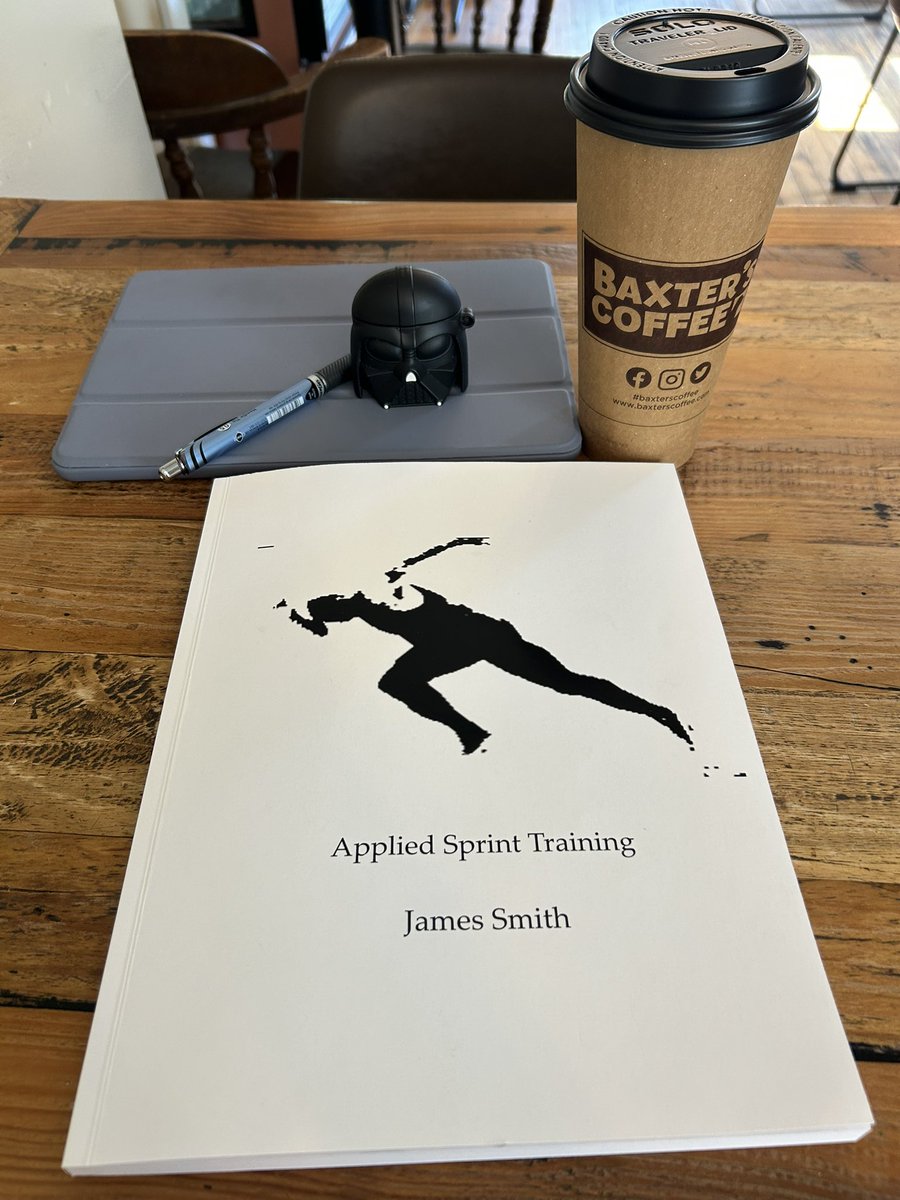
The virtue signaling camp that thinks it’s uncool for coaches to study, read, and keep learning misses the point entirely. Basics are king, but refusing to evolve is usually just a crutch for laziness in your own development
“I am far from an expert and still have a lot to learn after more than 3 decades in this profession.”
- 𝐁𝐮𝐝𝐝𝐲 𝐌𝐨𝐫𝐫𝐢𝐬
7
7
66
7,345

Jared Smith EdD retweeted

Hard work and training for sports aren't sexy, but neither are being unprepared and losing.
2
9
406
May 14
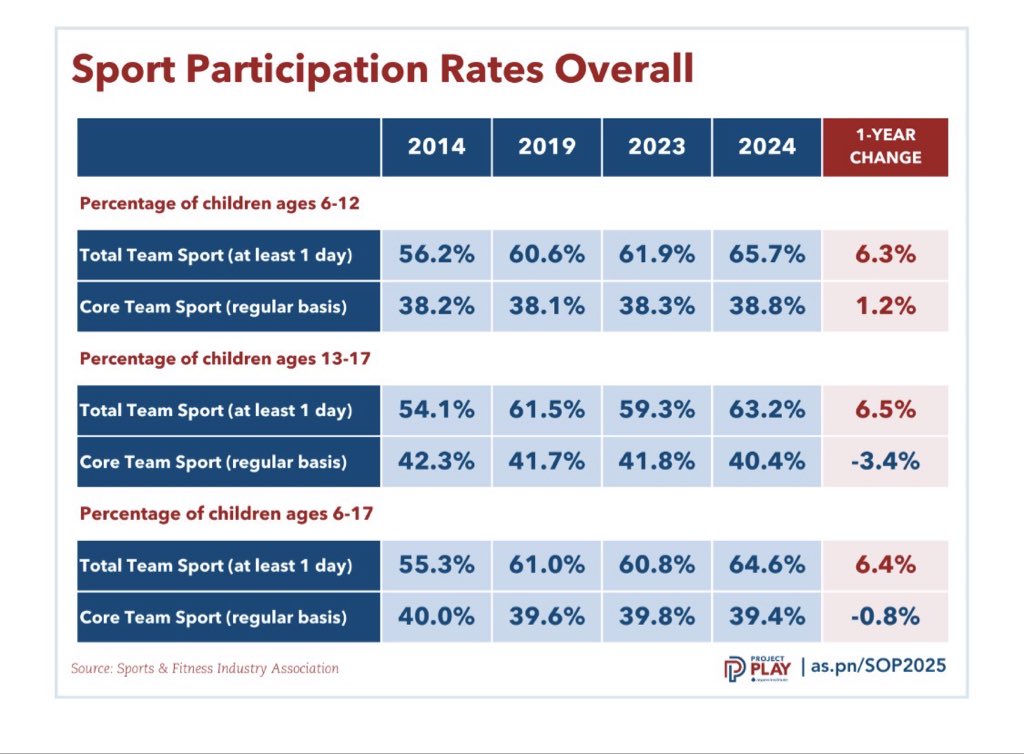
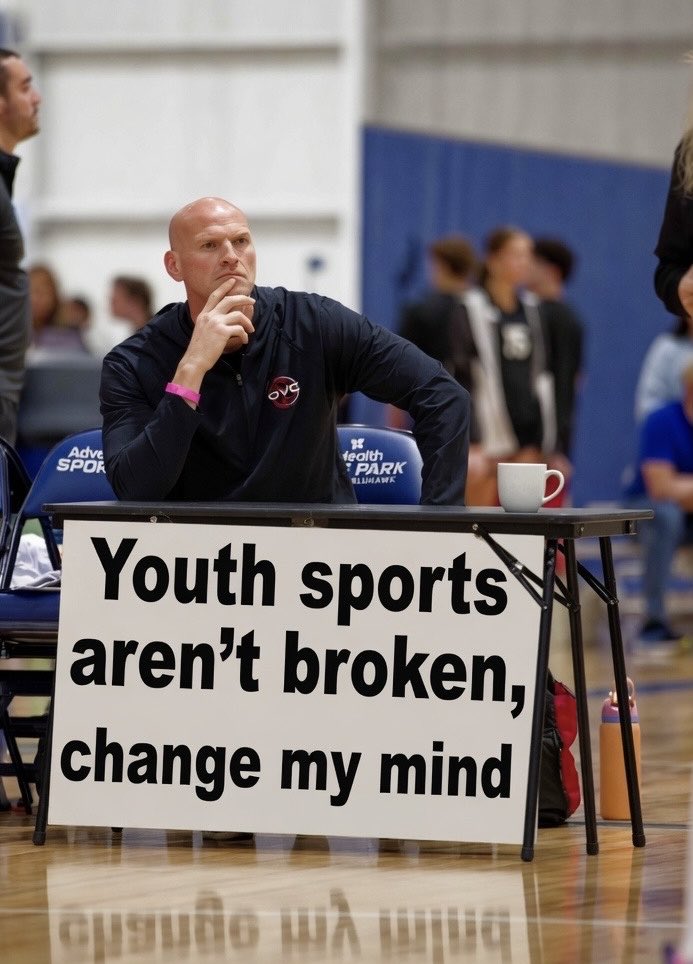
Youth sports in America are thriving! The system, one that gives unimaginable access to today’s youth, is all that it needs to be.
Unfortunately, some parents are taking advantage of all it has to offer. Often to the point that many kids can’t find the joy in their respective sports. But how is that the system’s fault? Do there need to be guardrails up to prevent parents from making the type of mistakes that drive kids away from athletics? Is that the system’s responsibility?
1
107
Jared Smith EdD retweeted

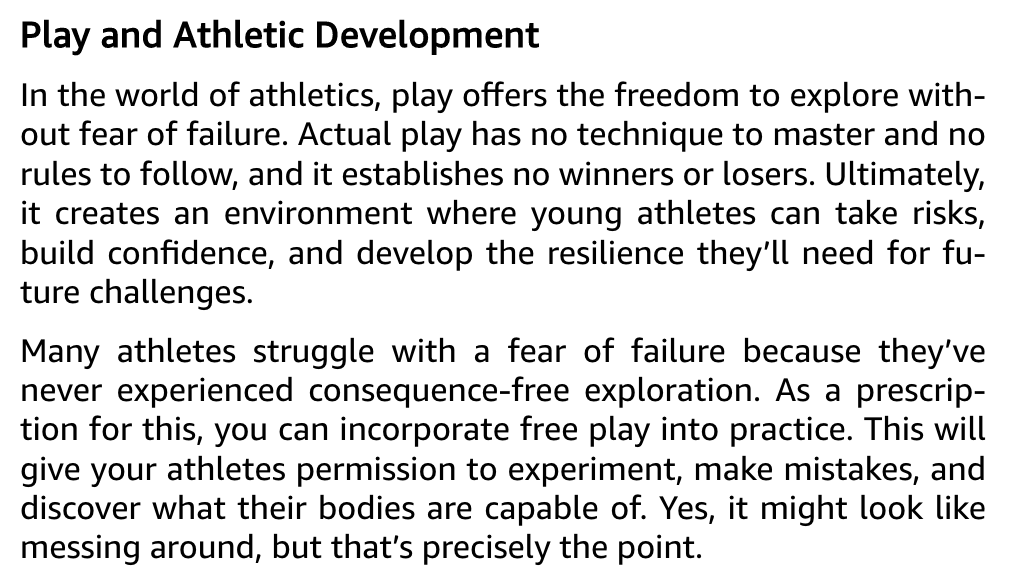
Young athletes don’t spend enough time playing in their local parks and rec leagues. There is a journey that every athlete must take to realize their full potential as a competitor.
#CoachingBetterAthletes #YouthSports #YouthSportsTraining #YouthCoach
#SportsCoach

1
1
83
Jared Smith EdD retweeted

May 13
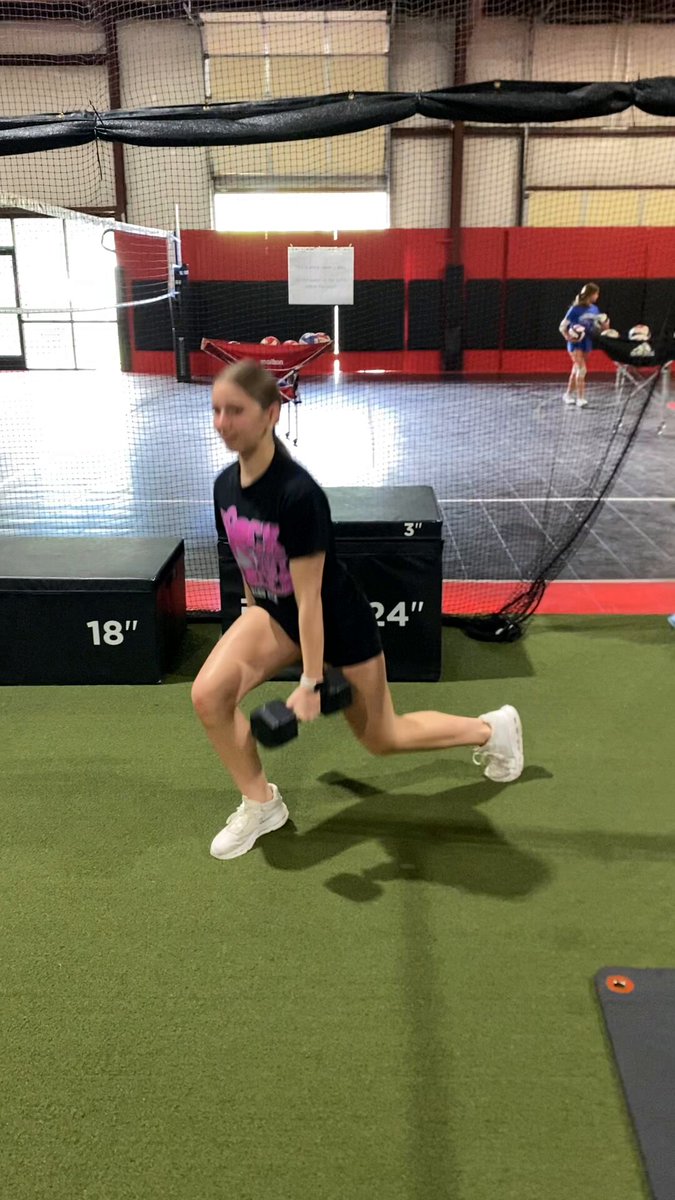
In a hour session, middle school kids do not need more than 30 minutes of strength training.
At these ages, standing in one spot and doing too much (mostly frontal plan) strength movements will yield MUCH LOWER ROI than a comprehensive program that involves movement, play, jumps, throws, skips, etc…
2
42
4,721
May 13
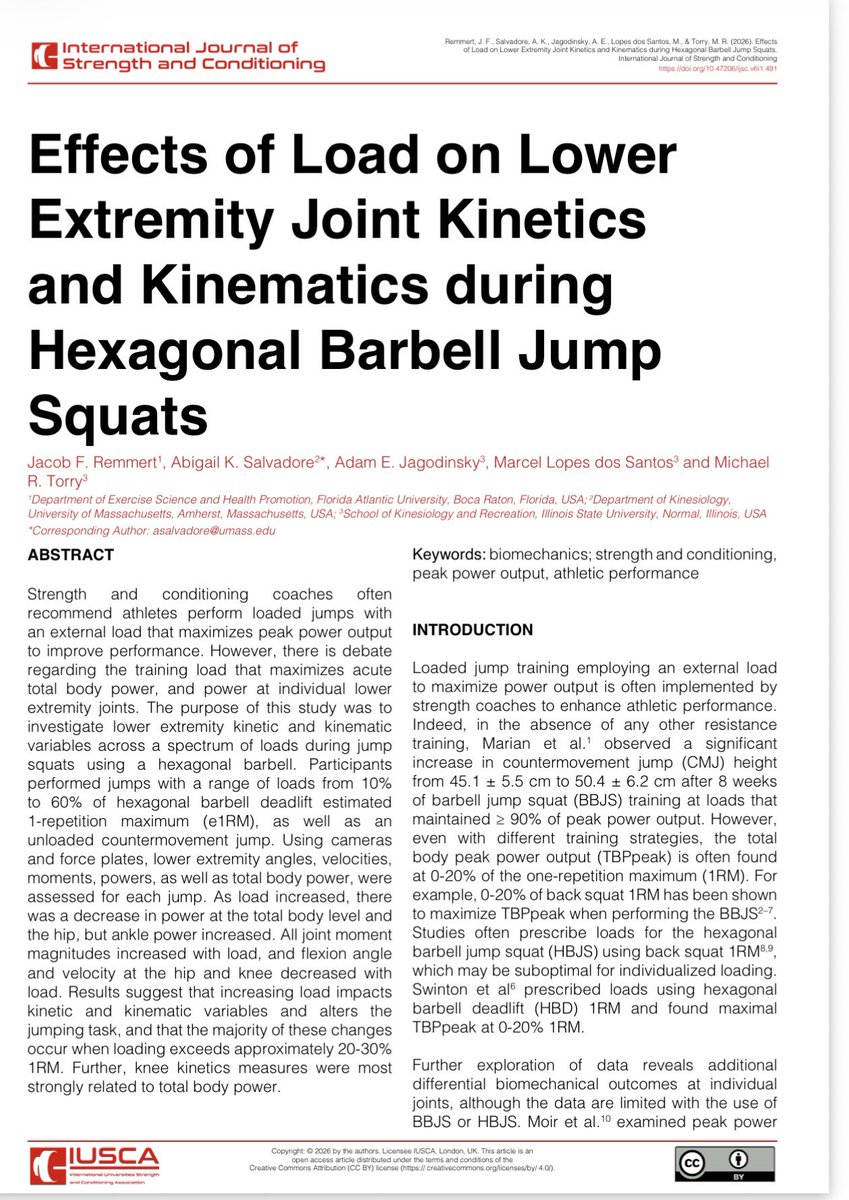
There is a lot more going on with Olympic lifts than the average coach/trainer understands. Hex bar jumps can be performed more like an Olympic lift if they are coached in a manner to do so. On the flip side of that, Olympic lifts can perform more like traditional lifts if they are executed in such a way. It may be why many coaches aren't getting the results they want with their athletes when they program Olympic lifts.
May 13

I am glad this type of work is finally coming out.
For too long, hex bar jump squats have been treated as a simple replacement for Olympic lift derivatives. I do not think that is accurate. I am not saying hex bar jumps are bad. I am saying we should understand what they are.
Remmert et al. showed that, even when the exercise volume is held consistent, changing the load changes the output. Total body peak power was highest around 10 percent of estimated hex bar deadlift 1RM and was not significantly different from unloaded, 20 percent, or 30 percent. Once load increased beyond that range, total body power began to drop. The paper also showed that as load increased, hip and knee power decreased, ankle power increased up to a point, and joint moments increased. In other words, adding load changed the task itself.
That matters because hex bar jumps appear to carry more of a squat jump or loaded jump profile than a true weightlifting derivative profile. Olympic lift derivatives have different mechanics, different technical demands, and often allow high power expression at relatively higher percentages of 1RM. A hex bar jump is not automatically the same stimulus just because it is explosive and loaded.
The takeaway is simple: hex bar jumps are useful, but they are not interchangeable with weightlifting derivatives. They belong in the toolbox, but they need to be programmed for what they actually provide, not what we assume they replace.
1
2
204
May 12
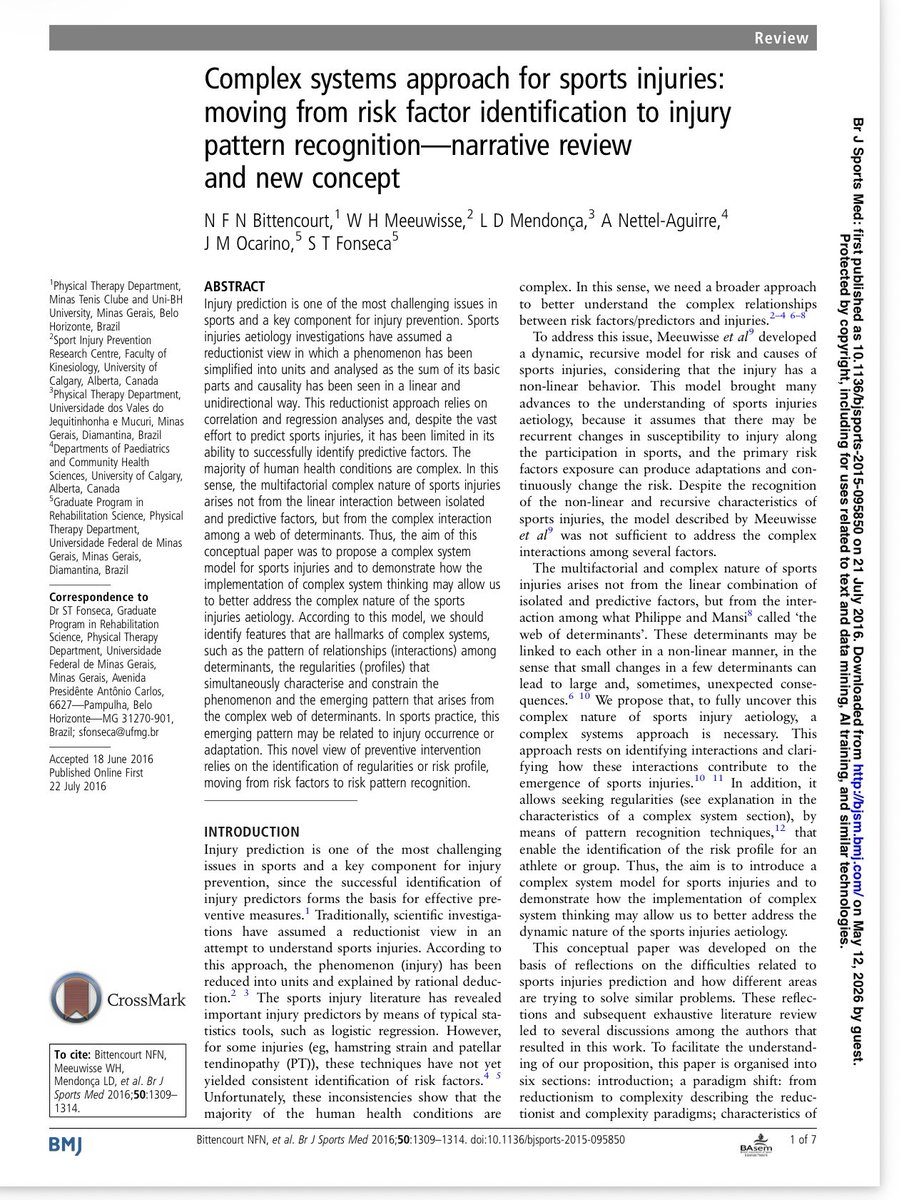
This is so important to understand because while sports performance training is often touted as injury prevention training, the multivariate nature of injuries stretches far beyond our control as trainers/coaches.
In our 20 years of working with athletes, we've had next to no active athletes experience a non-contact injury. I believe that to be due in part to our training because our goal is to disrupt patterns that lead to injury. However, as a trainer, you can only do so much. We don't have control over many factors that increase injury risk. It doesn't mean we stop training to prevent injury, it just means we educate ourselves by gaining knowledge about this type of science and the athletes we train.
May 12
Injury risk is rarely the result of one isolated factor. Bittencourt et al. challenged the traditional approach of reducing injury prediction down to individual risk factors and argued that sports injuries are better understood as complex, emergent phenomena. In their words, the multifactorial nature of sports injuries comes not from “the linear interaction between isolated and predictive factors,” but from the interaction among a “web of determinants.” That web may include biomechanical, physiological, psychological, behavioral, training, technical, and contextual factors.
This is helpful because it changes how we interpret risk. A strength deficit, range of motion limitation, fatigue state, poor tissue capacity, technical fault, psychological hesitation, prior injury history, or spike in workload may not fully explain injury risk by itself. But each can influence the system’s ability to tolerate, dissipate, adapt to, or recover from load. Said another way, these factors often have one thing in common: they can reduce tolerance to load when they interact with the right context, exposure, and timing. That is why the authors argue we need to move from simply identifying risk factors to recognizing risk patterns.
For return to performance, this matters. We are not just clearing a tissue, a test, or a number. We are trying to understand whether the athlete, operator, or crew member can repeatedly express readiness under the actual demands of the environment they are returning to.
2
155
Jared Smith EdD retweeted
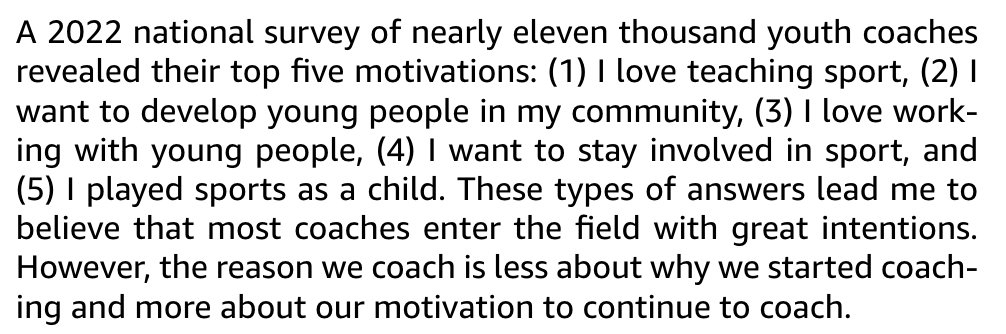
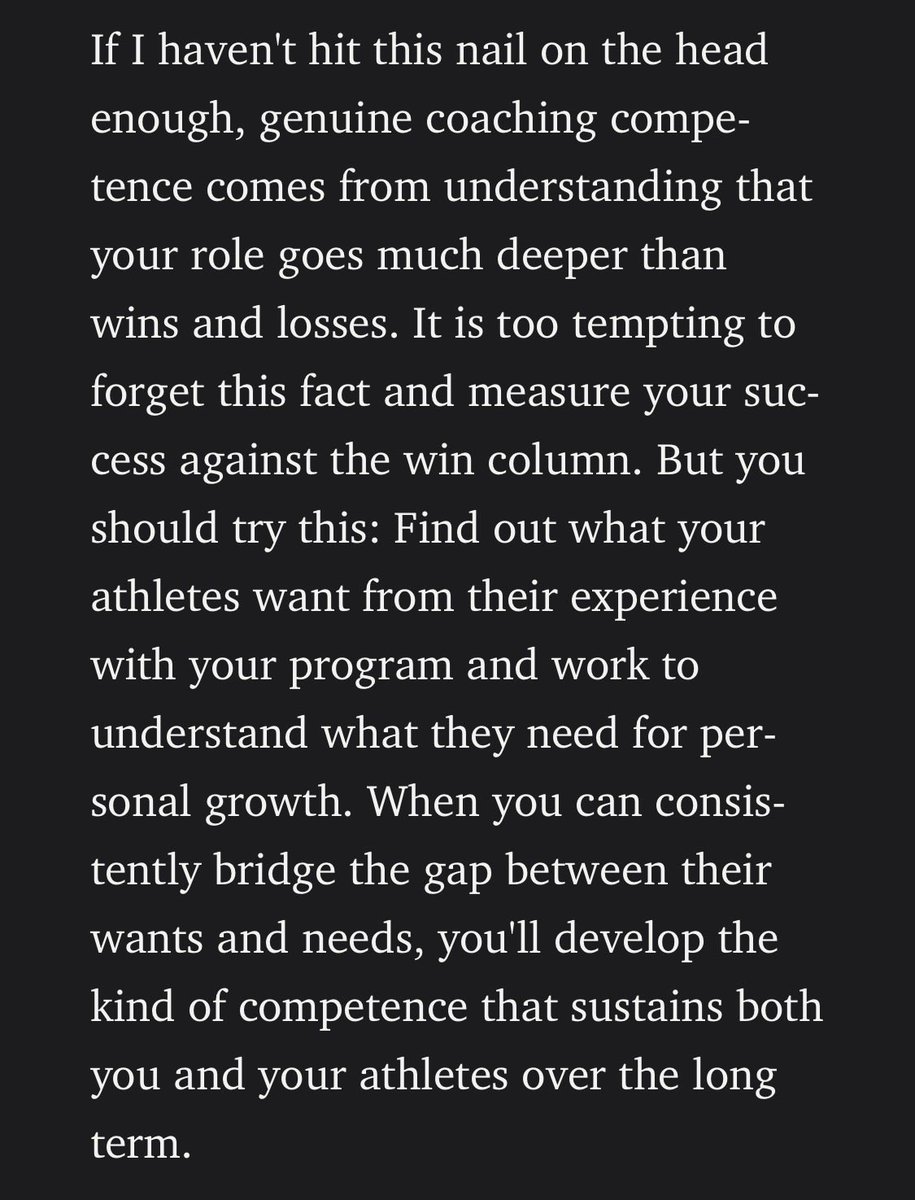
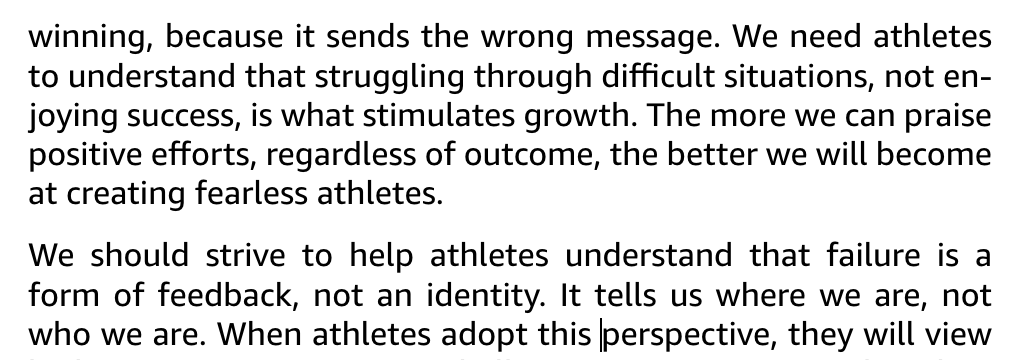
“...the reason we coach is less about why we started coaching and more about our motivation to continue to coach.”
Excerpt From Coaching Better Athletes
#Coach #Coaching #YouthSports #SportsCoach

1
1
61
May 11
My son blew my mind the other day.
“Sports always let you down” is what he said. He was hurting after a tough loss where his team battled back from a 6-0 deficit only to go on and lose 11-10 in extra innings. He had a triple in a big inning where his team took the lead followed by a strikeout in the bottom of the final inning when they needed base runners. That’s a tough game and hard to handle for a 10 year old.
The highs and lows of sport are perfect for teaching our kids about life. That triple he hit had him on cloud 9, but that strikeout had him ready to quit. Not sure I responded to it appropriately but I let him know that he has to take the good with the bad and that this was an opportunity for him to learn just how much the game means to him.
My last piece of advice was a reminder to him of what I said before that extra base hit, “This is not that serious, have fun out there. If it means something more to you, than it’s time we get to work!”
May 11

Life isn’t fair. And teaching children otherwise sets them up to fail.
Some people will always have more.
Some will always have less.
The question is: Do you teach children to chase their potential or their excuses?
1
254
Jared Smith EdD retweeted

May 10
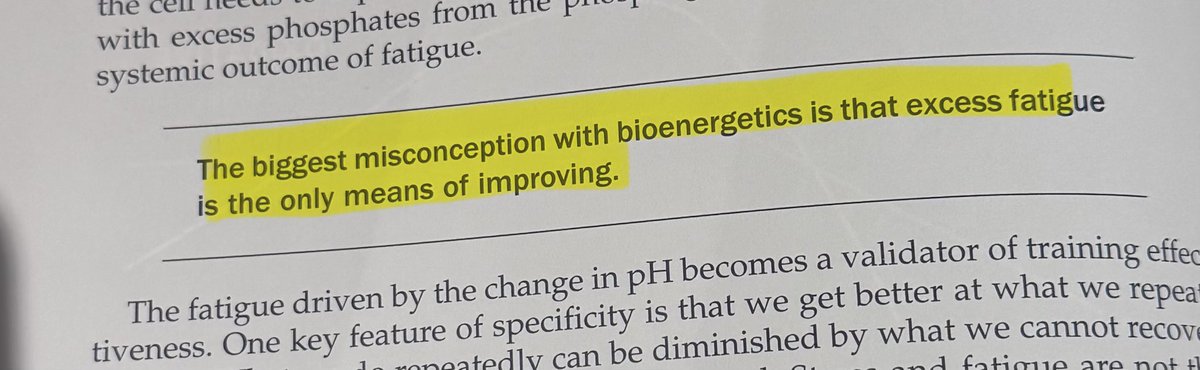
This sums up the large majority of the problem we see in HS Weight Rooms
@pntrack
(Training Sport Teams, Caron 2026)
@coactimcaron
4
14
56
6,378