Assistant Professor at the University of Central Florida College of Medicine studying drug resistant Klebsiella pneumoniae.
Joined July 2016
- Tweets 418
- Following 264
- Followers 314
- Likes 2,517
30 Photos and videos


2 Dec 2025
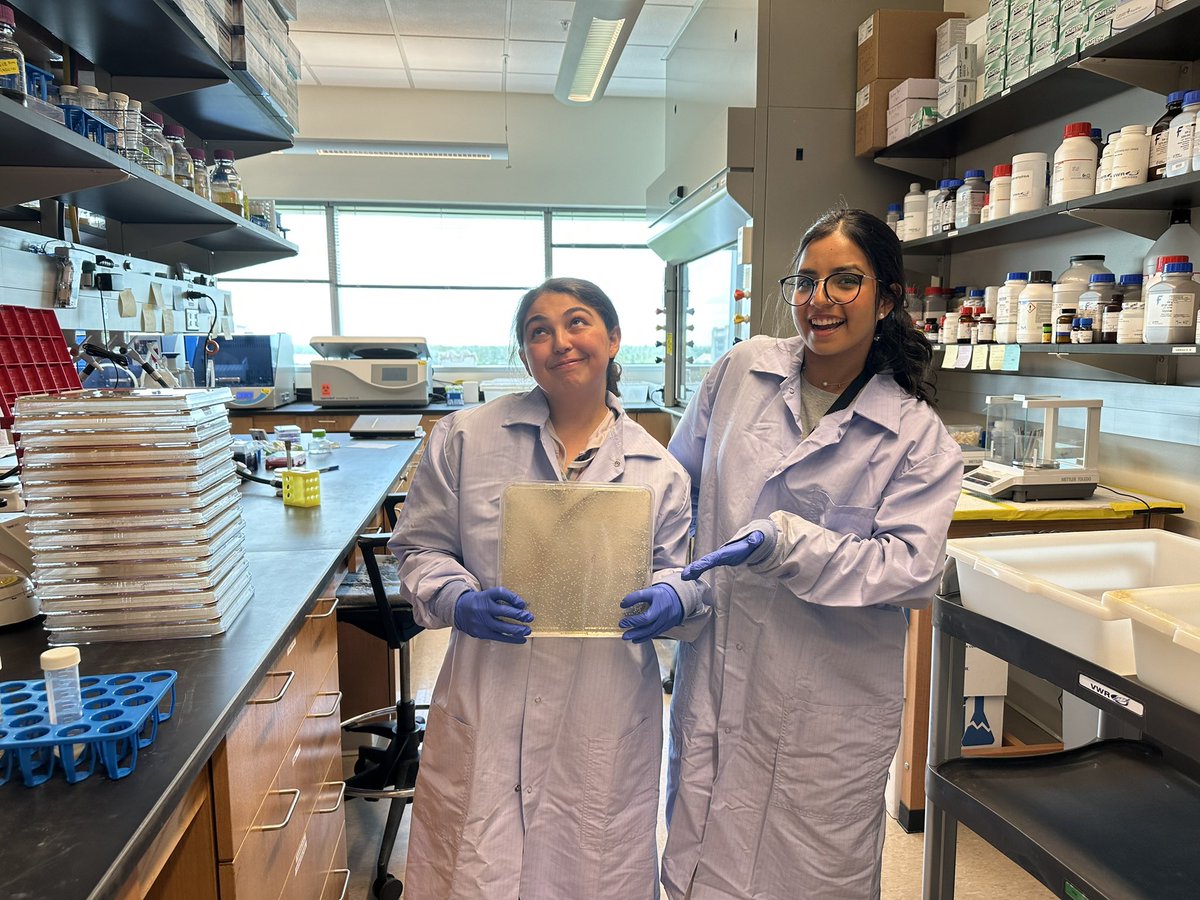
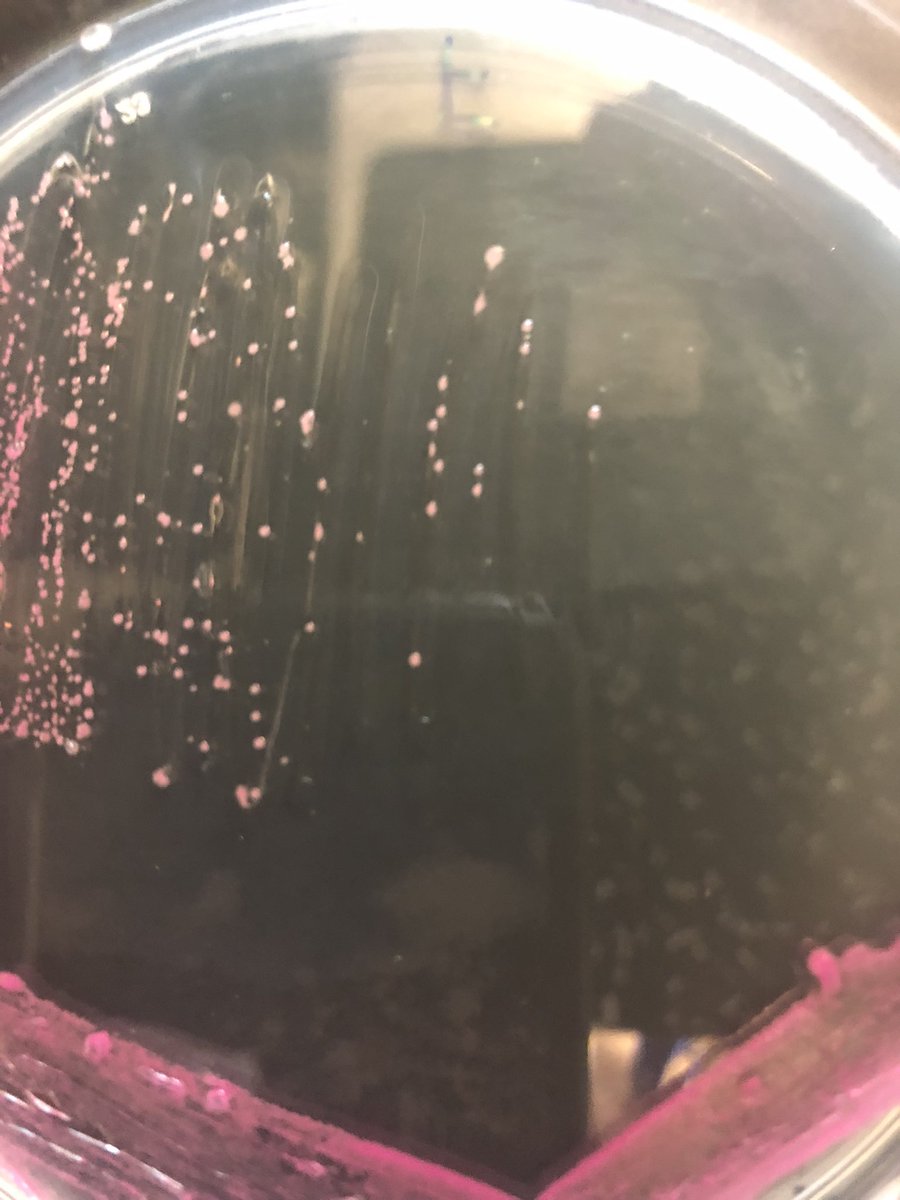
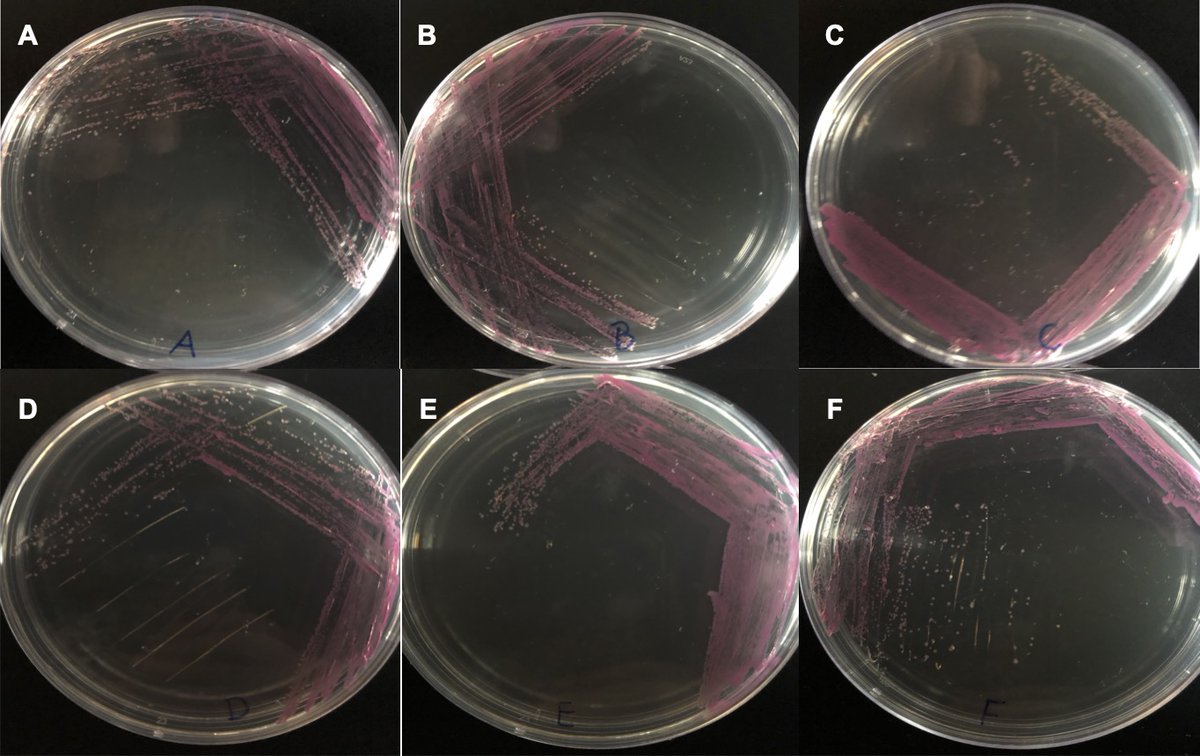
Beyond excited that our manuscript on bac7(1-35) disruption of K. pneumoniae biofilms has been published in @PLOS pathogens!
journals.plos.org/plospathog…
2
99
fleemanlab.bsky.social retweeted

5 Aug 2025
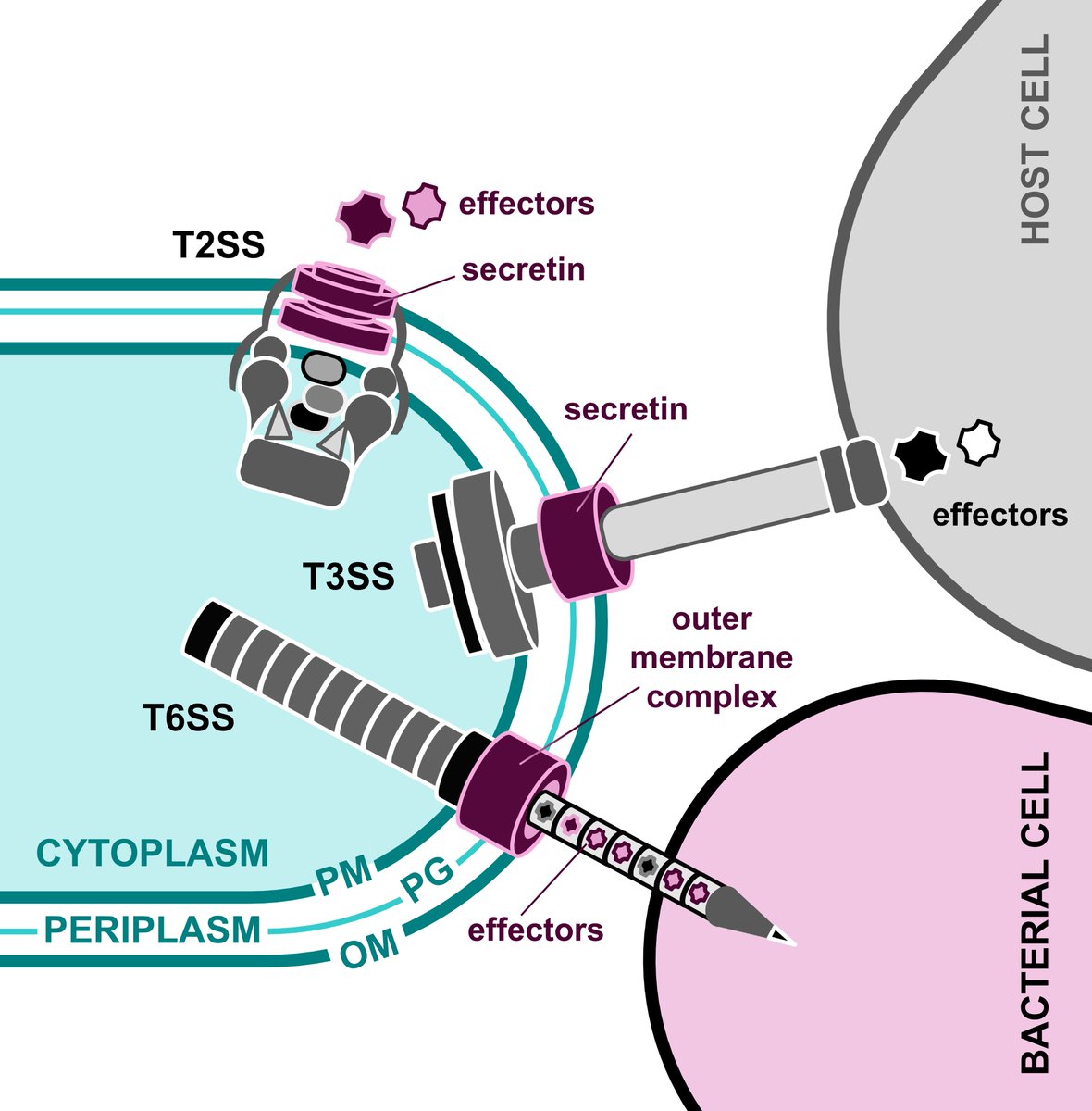
Our review on disulfide formation is out! Since the discovery the DSB system ~35 years ago, we have made great steps in understanding its role in processes like virulence and #AMR. In loving memory of my supervisor Stuart Ferguson. @nikikaderabkova
Link: sciencedirect.com/science/ar…
4
18
624
11 Apr 2025
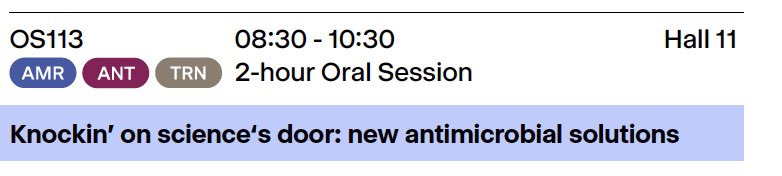
So excited to be in Vienna for #ESCMID2025 where I will be giving a talk on how our peptides can disrupt K. pneumoniae biofilms.
If you are around this Tuesday come check it out!!!
4
152
31 Mar 2025
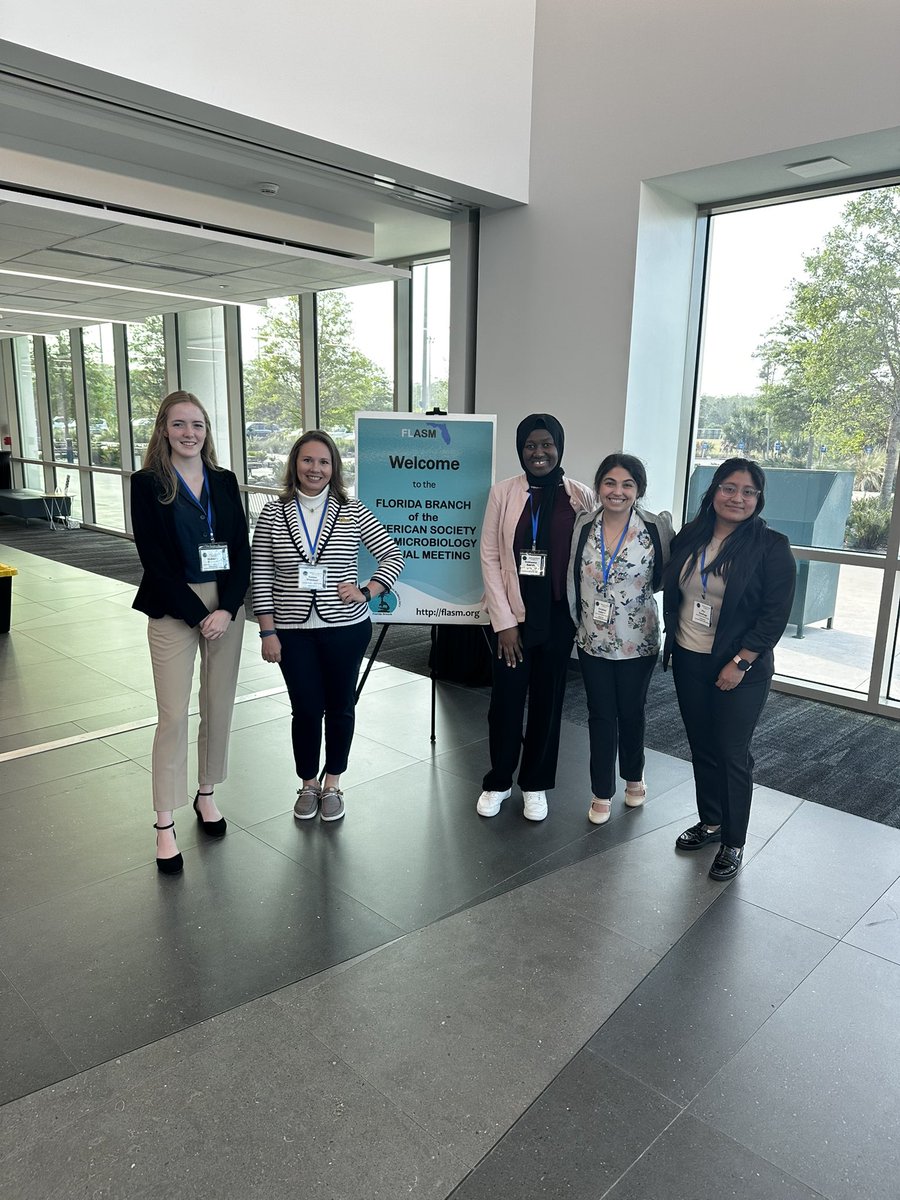
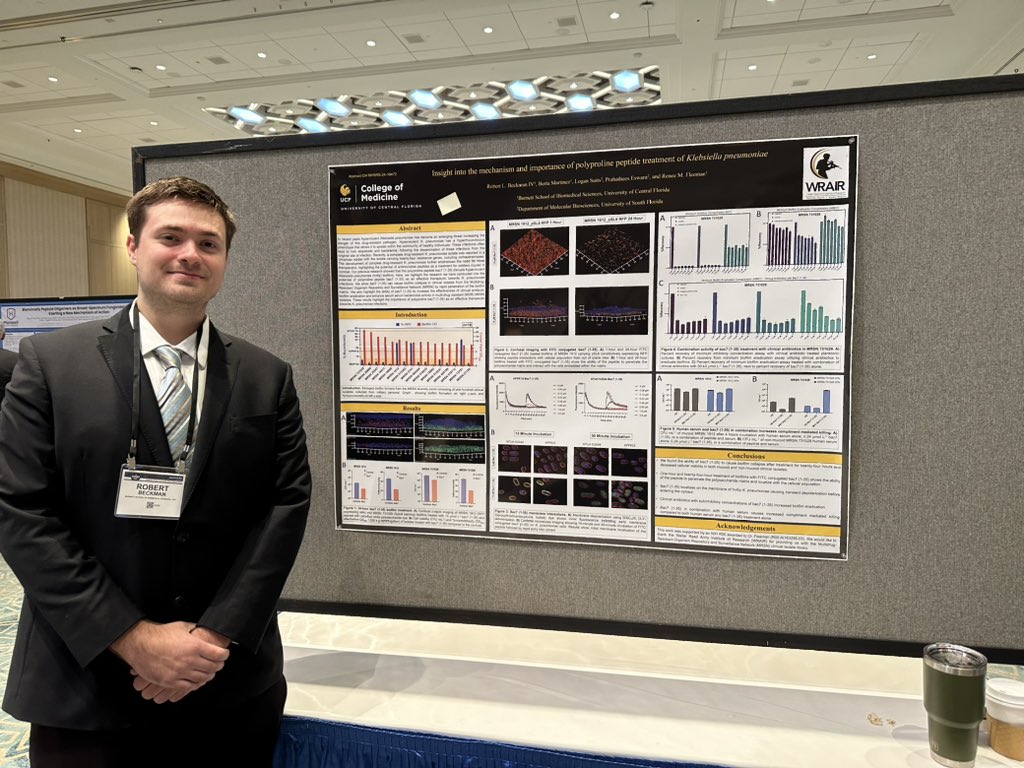
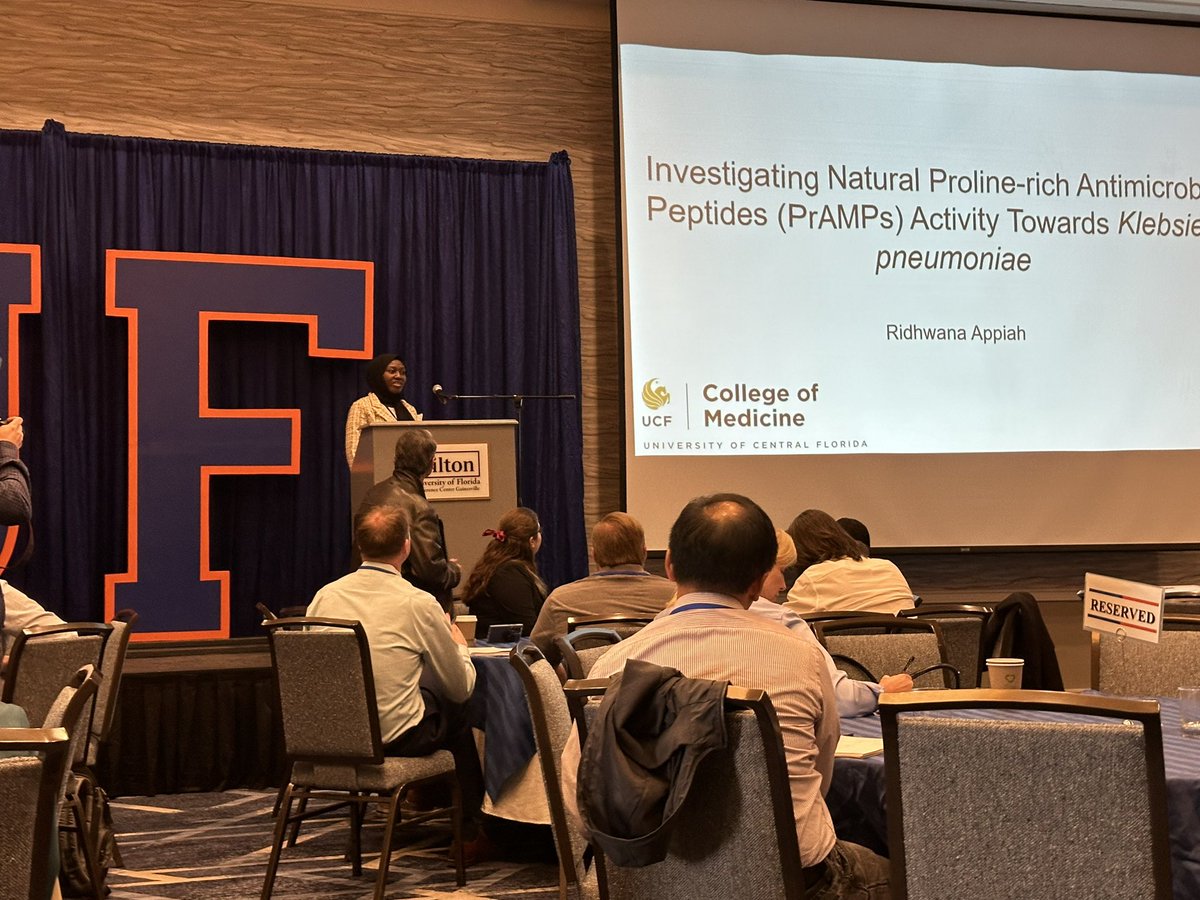
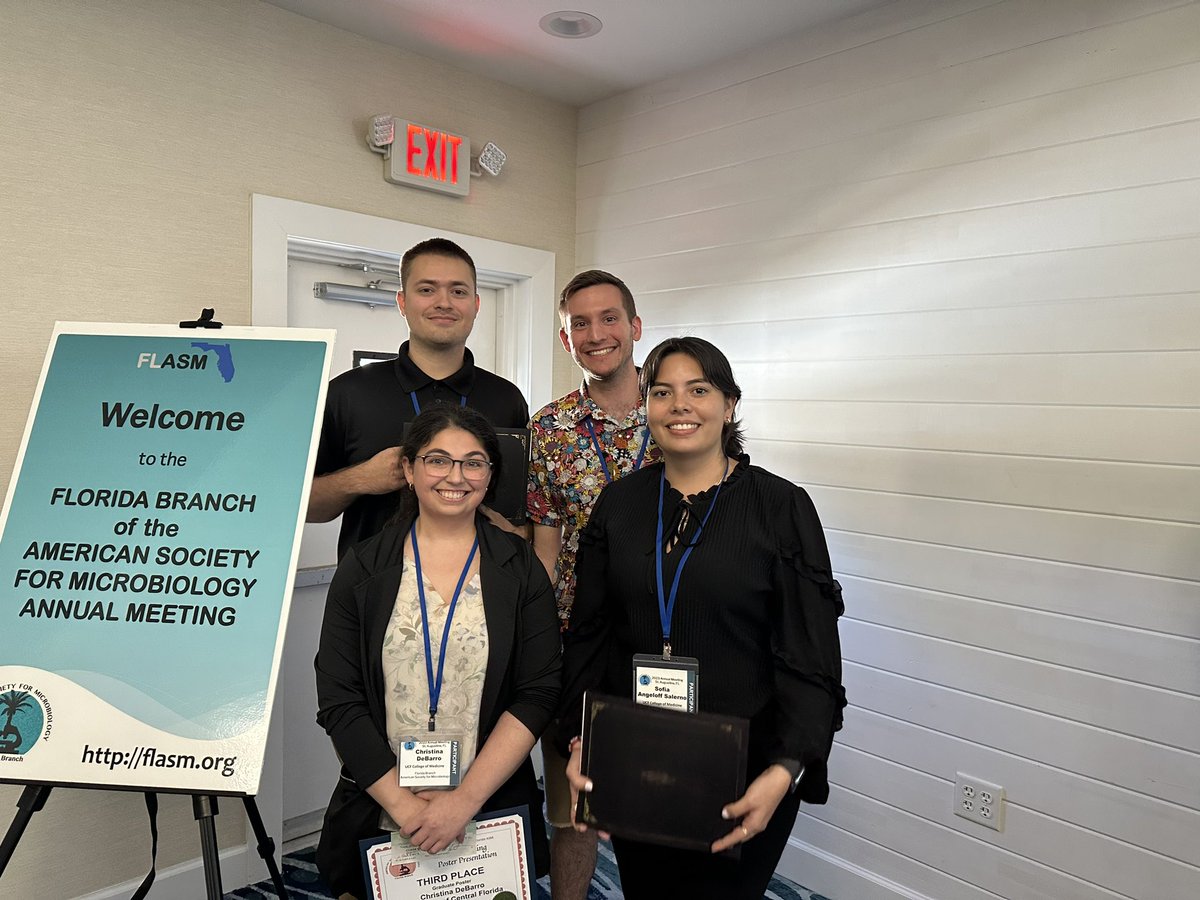
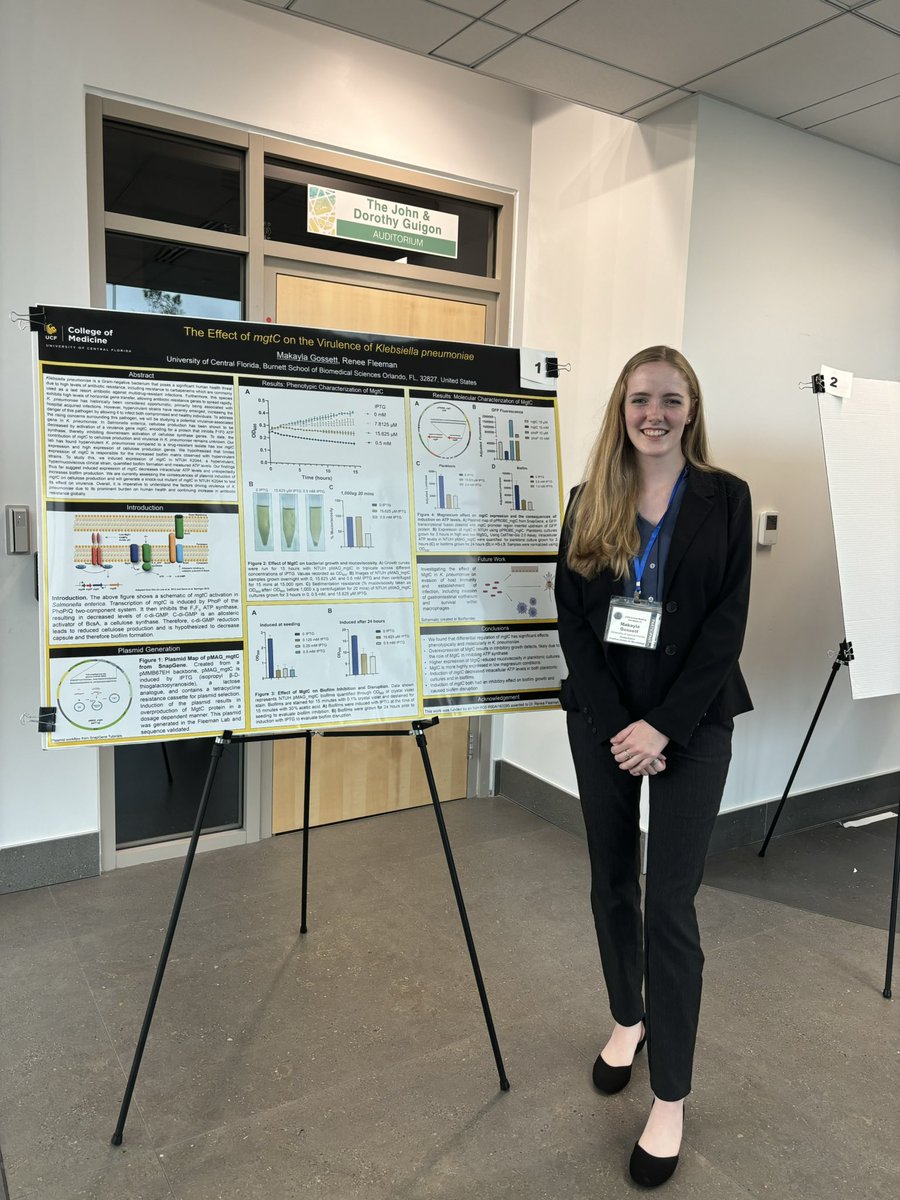
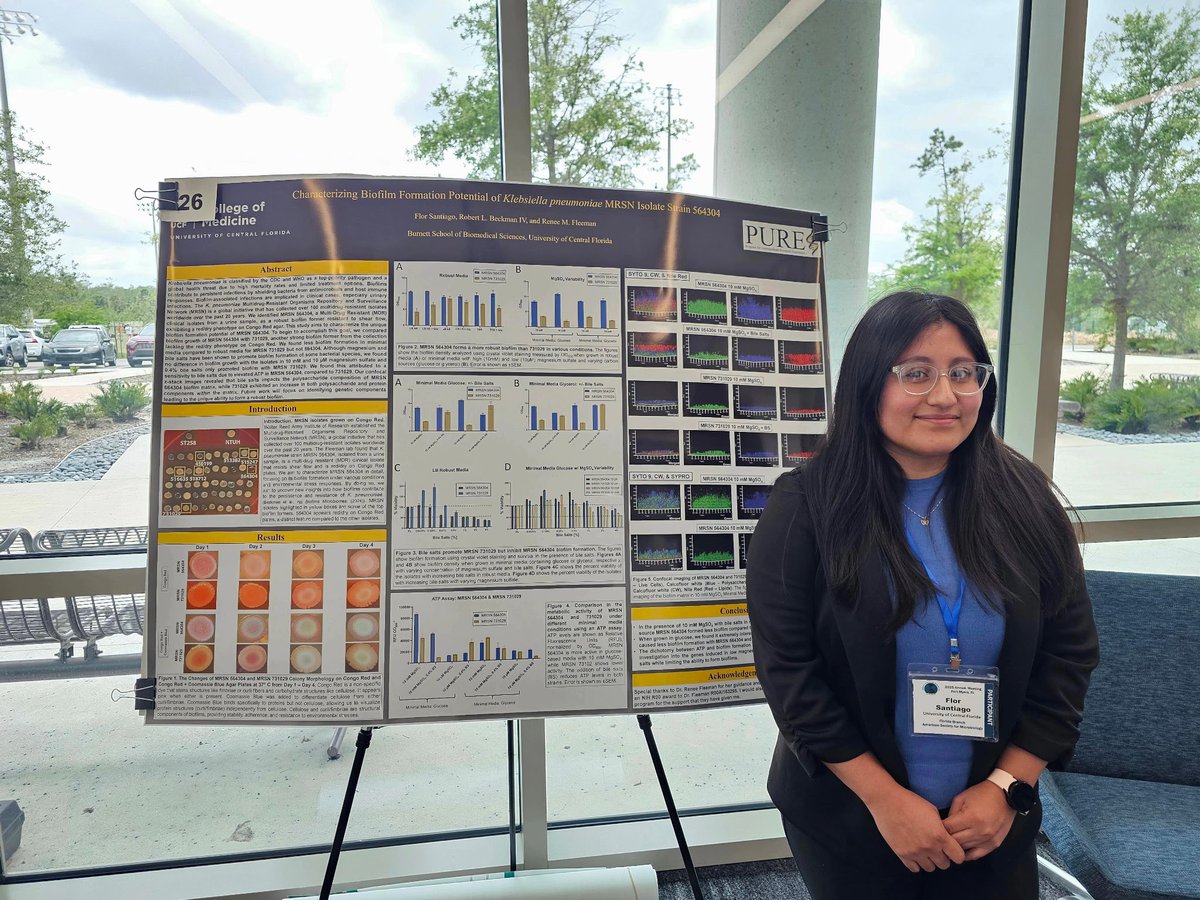
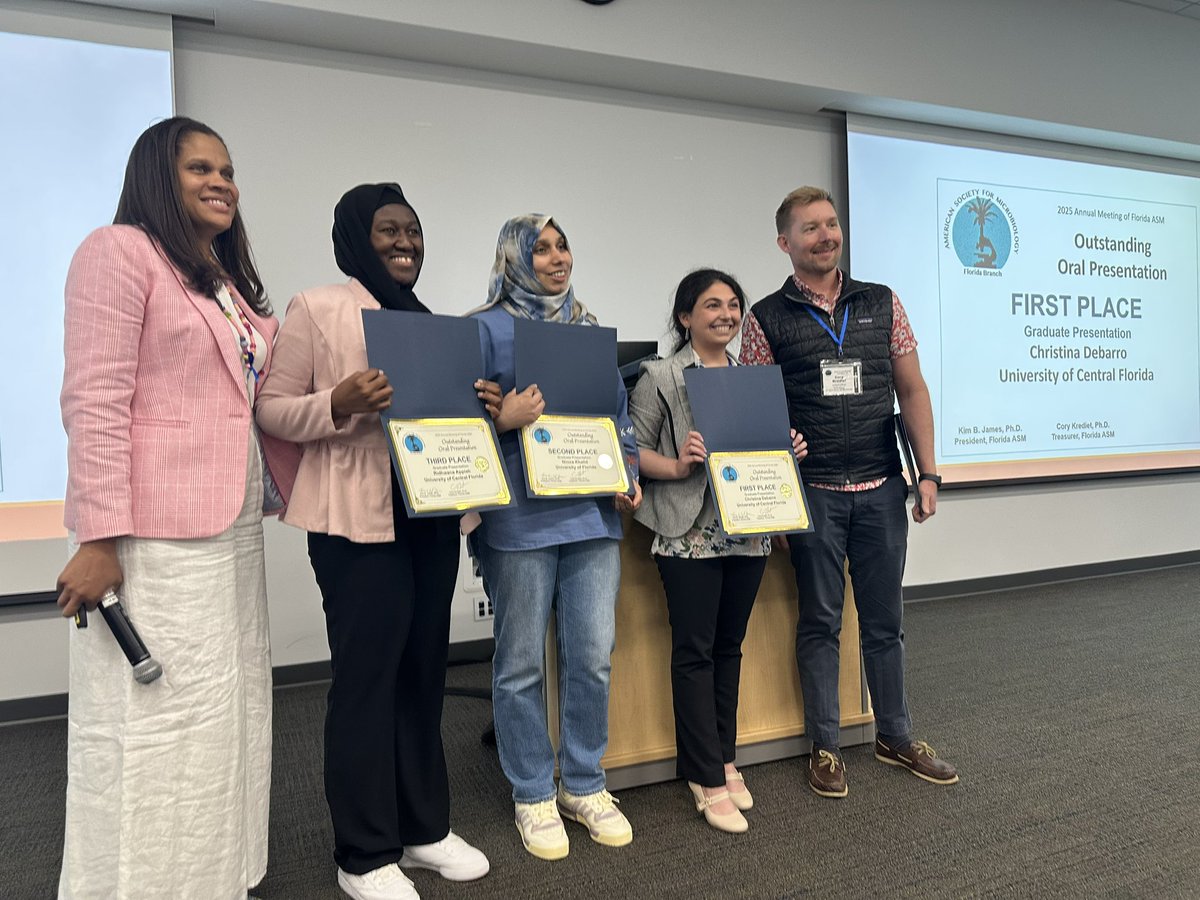
Great weekend at #FLASM2025! I was so pleased to see my students work was well received! They were so excited to present their work!
8
158
fleemanlab.bsky.social retweeted

26 Jan 2025
Our study appearing in @NatureComms showing the importance of the T6SS of Klebsiella pneumoniae in gut colonization. We combined tn-seq with metagenomics and identified new microbiota targets and T6SS regulators.
nature.com/articles/s41467-0…
5
25
95
10,129
fleemanlab.bsky.social retweeted

17 Jan 2025
I'm excited to announce our latest publication! We teamed up with @KHullahalli to barcode Klebsiella and ask basic questions about bacteremia pathogenesis: 1) how are bacteria shared between sites and 2) which host and bacterial factors influence dynamics?
nature.com/articles/s41467-0…
1
16
63
3,390
8 Jan 2025
Bacterial warfare is always so amazing!
8 Jan 2025

OUT NOW - Streptomyces secretes a siderophore that sensitizes competitor bacteria to phage infection
nature.com/articles/s41564-0…
1
124
8 Jan 2025
It’s that time again! If you are interested in Klebsiella pneumoniae this is the seminar series to attend! So excited to see what this year will bring!!
8 Jan 2025

It's that time of year! Registration and abstract submission for the 6th Klebsiella Seminar Series is now open. Participation is free and abstracts are due by February 16th. See the link below for details:
forms.gle/gxbvaC6FjzuSPtjD9
#KlebClub
3
194
fleemanlab.bsky.social retweeted

19 Dec 2024
Interested in a meaningful postdoc evaluating vaccine efficacy in a variety of murine models? Consider applying to join us @WUSTL @WashUMedPedsID @KlebClub
wustl.wd1.myworkdayjobs.com/…
8
14
1,352
19 Dec 2024
Check out our latest publication aligning the MRSN panel biofilm and mucoid phenotypes to the genotypes in @Nature_NPJ Biofilms and Microbiomes!
Special thanks to my collaborators on this work @EpiDemiLogos and @OlayaRendueles !!
nature.com/articles/s41522-0…
3
4
27
2,810
19 Dec 2024
Check out the most recent advances by the de la Fuente group using AI to change the face of antimicrobial discovery!
19 Dec 2024

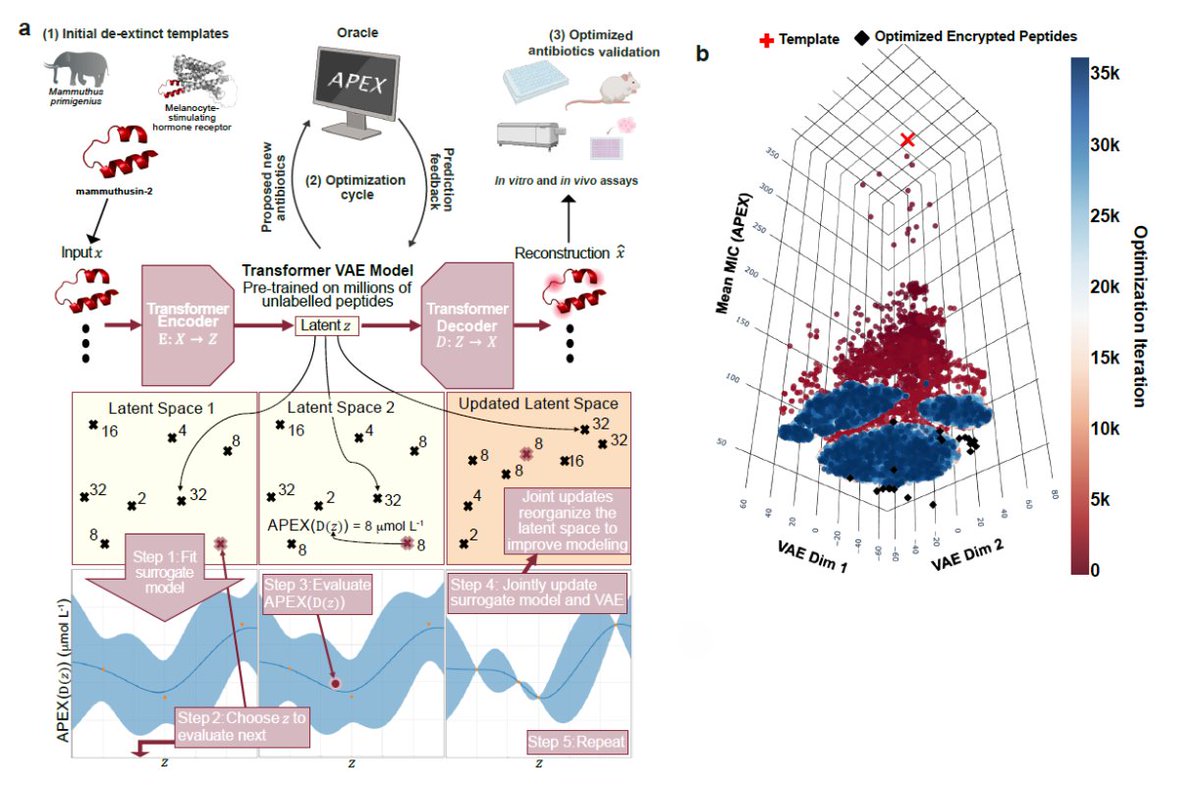
Antibiotic discovery is notoriously hard and slow. What if we could change that by optimizing antibiotics on the computer?
Introducing APEXgo, our latest AI model, which integrates a transformer-based variational autoencoder with Bayesian optimization to design novel antibiotics.
Unlike traditional AI approaches, which rely on fixed databases of known molecules, APEXgo explores uncharted sequence space, proposing entirely novel peptides that have not been seen before.
We put APEXgo to the test with a bold challenge: could it design optimized compounds with antibiotic activity using templates from extinct organisms like woolly mammoths and giant sloths? 🐘🦣
The results? 🤯
· 100 peptides were synthesized and characterized for antimicrobial activity, mechanism of action, secondary structure, and cytotoxicity.
· APEXgo achieved an 85% experimental hit rate.
· 72% success in improving activity against dangerous Gram-negative pathogens —a major challenge.
· The antibiotics designed by APEXgo were effective in mouse models, even outperforming polymyxin B (a last-resort antibiotic).
This work represents the first ground-truth experimental validation of generative Bayesian optimization in any setting, and we are excited that its debut application is in antibiotic discovery.
With APEXgo, we have entered an era where AI accelerates antibiotic discovery and explores molecular diversity at digital speed. #AI #Antibiotics
Huge congratulations to my amazing Team and collaborators on this achievement: @mdt_torres, Yimeng Zeng, Fangping Wan, Natalie Maus, and Jake Gardner @Penn @PennMedicine @PennEngineers
Link to the paper: biorxiv.org/content/10.1101/…
1
1
6
570
fleemanlab.bsky.social retweeted

11 Dec 2024
Our latest publication is out! journals.asm.org/doi/10.1128… Lots of hard work from @AlexaGannon here, and the best bit is we get to celebrate at her PhD graduation this Friday 🥳 If you like Pseudomonas and aggregate biofilms take a look! #pseudomonas #aggregates #CF #proudPI
10
26
1,622
fleemanlab.bsky.social retweeted

6 Dec 2024
🚨We have a "Scientist" position in my lab at @StJude
👉This position is stable and not dependent on external funding.
🗒️Ideally, the candidate holds a PhD in Microbiology or related and 3 years exp. post PhD. See details in ad.
Please kindly retweet!
talent.stjude.org/careers/jo…
57
88
14,727
fleemanlab.bsky.social retweeted

27 Nov 2024
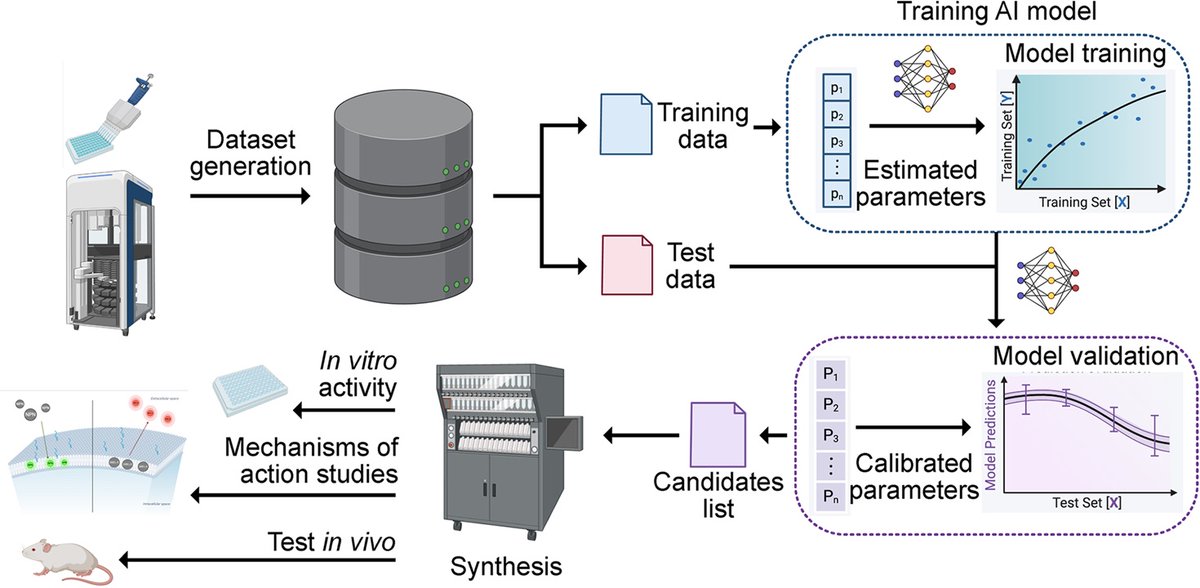
Not long ago, discovering antibiotics meant painstakingly purifying compounds from sources like soil—a process longer than earning a PhD, often with limited success.
Years ago, we envisioned that by treating biology as an information source and mining it with advanced algorithms, we could revolutionize antibiotic discovery.
In my @PLOSBiology article, I summarize our progress over the past 5 years. Today, my lab can discover hundreds of thousands of new antibiotic molecules in just a few hours—on a computer.
27 Nov 2024

The rise of #AntibioticResistance calls for innovative solutions; @delafuentelab outlines how biology can be mined digitally using #ArtificialIntelligence as a new paradigm for antibiotic discovery, offering hope in the fight against superbugs #PLOSBiology plos.io/3B3rWP8
1
19
35
5,338
21 Nov 2024
Looking forward to today’s talk by David Rosen @KlebClub #Klebs2024 !!
21 Nov 2024

Serendipity: Our most recent paper on Klebsiella vaccine durability released online today, the same day I talk at the Klebsiella conference. @KlebClub #Klebs2024
sciencedirect.com/science/ar…
4
308
fleemanlab.bsky.social retweeted

20 Nov 2024
2
4
35
2,095
21 Nov 2024
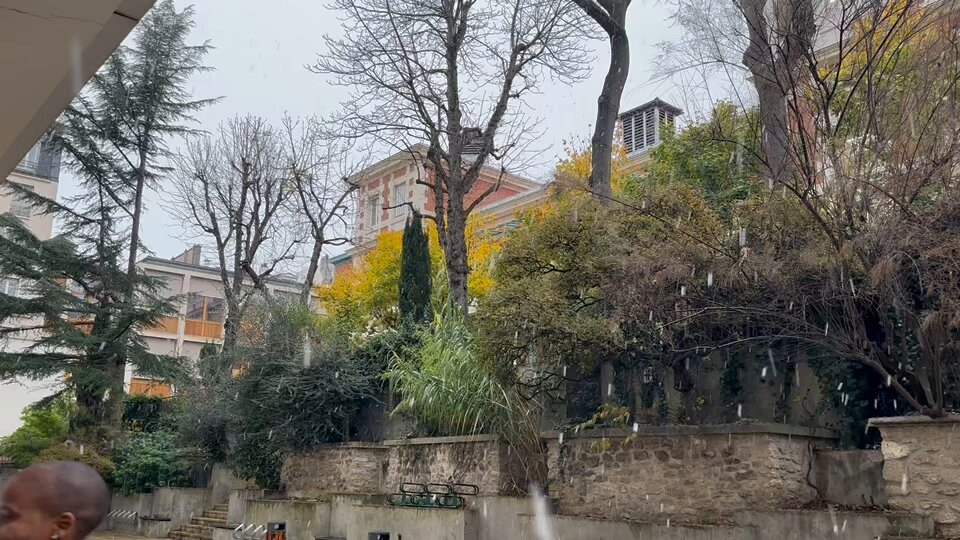
#KLEBS2024 Day 2 excellent line up of amazing talks! I’m looking forward to learning about K pneumoniae today! And watching the beautiful snow in Paris 🥰
1
1
21
1,226
fleemanlab.bsky.social retweeted

17 Nov 2024
For those considering migrating to that better place, @KlebClub can ease your transition & help connect with the community.
Leave us your 🔵🦋 handle and we’ll add you to the #Klebsiella starter pack.
If u r going to #KLEBS2024 in Paris, we’ll have a QR code to join easily.
7
16
1,388
fleemanlab.bsky.social retweeted
13 Nov 2024
We will be recruiting scientists at all levels. Get in touch if interested!
3
5
1,151