
Bacterial geneticist working on host-pathogen interactions (K. pneumoniae; S pneumoniae). Dept. of Micro & Immuno. Assoc. Prof., Emory School of Medicine
Joined August 2017
- Tweets 405
- Following 585
- Followers 884
- Likes 3,053
61 Photos and videos



Pinned Tweet

26 Jan 2025
Our study appearing in @NatureComms showing the importance of the T6SS of Klebsiella pneumoniae in gut colonization. We combined tn-seq with metagenomics and identified new microbiota targets and T6SS regulators.
nature.com/articles/s41467-0…
5
25
95
10,129
6 Feb 2025
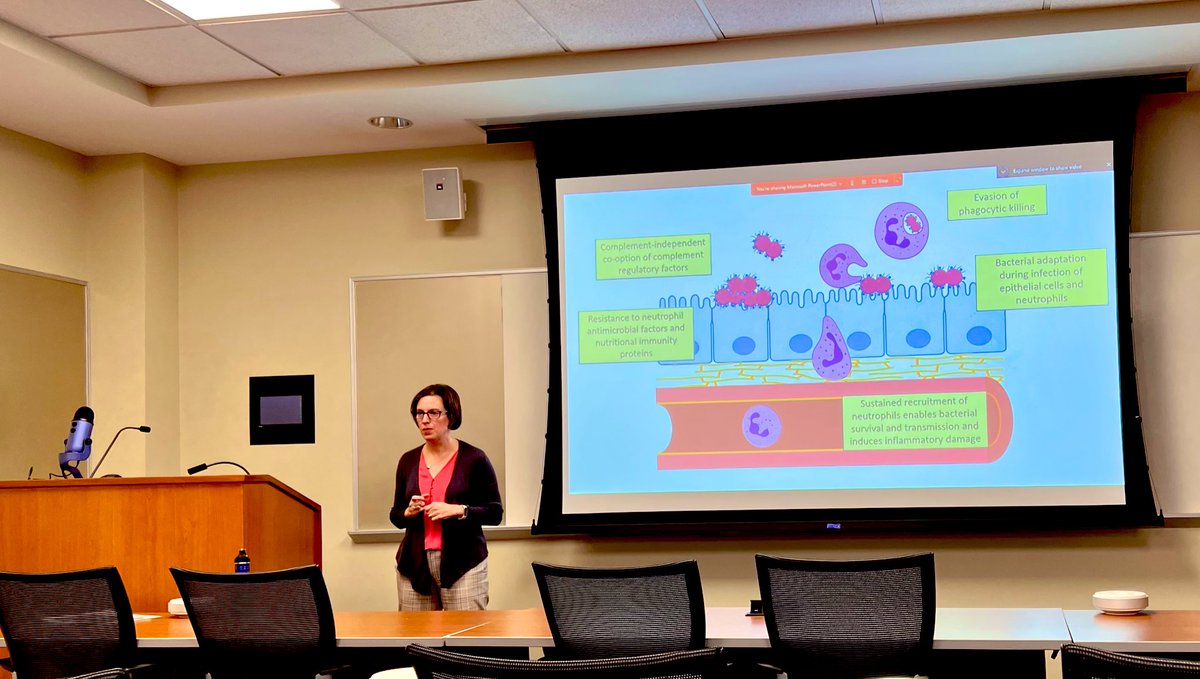
After 6 wonderful years at Wake Forest school of medicine the Zafar lab is officially open now at Emory School of Medicine in the dept. of microbiology and immunology!
4
52
2,712
4 Feb 2025
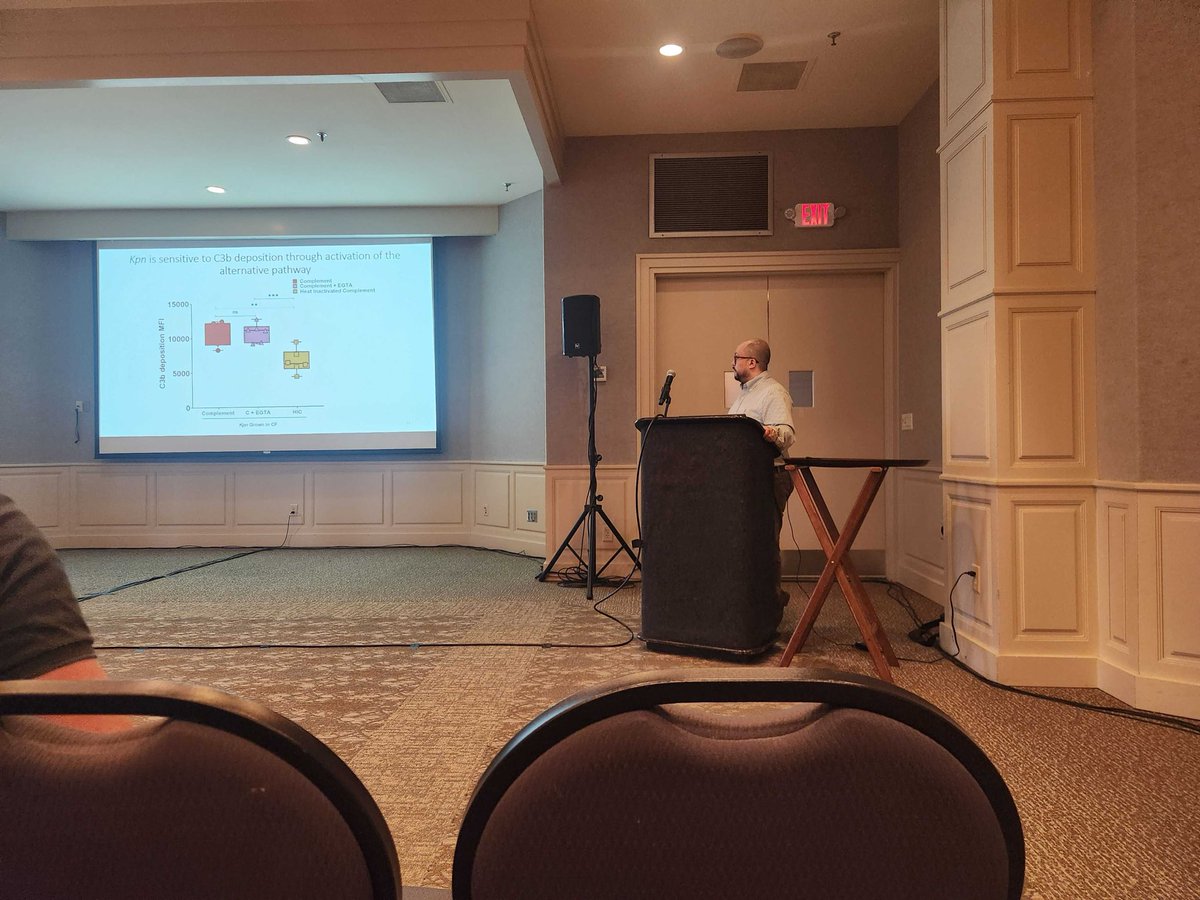
Post Doc Juan Valencia-Bacca representing the Zafar/Haas lab at the mid-Atlantic microbial pathogenesis meeting #mampm describing the role of gut complement in controlling K pneumoniae!
2
14
757
26 Jan 2025
Our study appearing in @NatureComms showing the importance of the T6SS of Klebsiella pneumoniae in gut colonization. We combined tn-seq with metagenomics and identified new microbiota targets and T6SS regulators.
nature.com/articles/s41467-0…
5
25
95
10,129
26 Jan 2025
Initially identified by Virginia Miller’s group in their transposon mutagenesis screen before the classification of the T6SS. With help of @DrWalkerMsBanta we were able to put together this beautiful story decades in the making! Starting the year off on a good note!
1
280
Ammar Zafar retweeted

19 Dec 2024
Interested in a meaningful postdoc evaluating vaccine efficacy in a variety of murine models? Consider applying to join us @WUSTL @WashUMedPedsID @KlebClub
wustl.wd1.myworkdayjobs.com/…
8
14
1,352
Ammar Zafar retweeted

13 Aug 2024
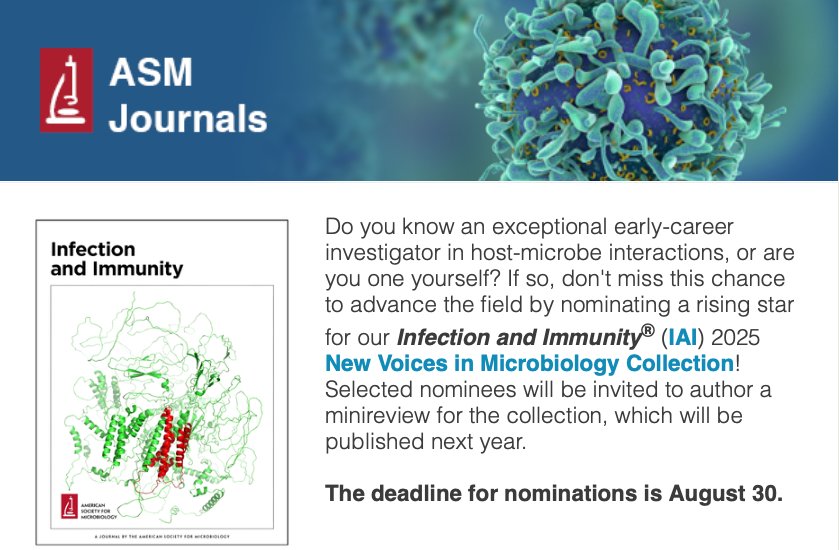
Do you know an exceptional early-career investigator in host-microbe interactions? Don't miss this chance to nominate a rising star for our Infection and Immunity 2025 New Voices in Microbiology Collection by the August 30 deadline.
Nominate now: deal.town/asm.org/recommend-…
1
25
44
6,026
30 Jul 2024
First rugby medal for the USA in over a 100 years! 🥳🥳🎉🎉
30 Jul 2024

THE TRUCK STICK THAT MADE HISTORY. 💥🏉
USA women's rugby sevens win their first-ever Olympic medal in a STUNNING FINISH.
@USARugby | #ParisOlympics
3
435
Ammar Zafar retweeted

2 Jul 2024
An important step towards building a scientific career is to review articles in stablished journals
Often senior Postdocs and new PIs do not get invited as they are not in the Editorial Manager system yet
If you would like to be considered as a reviewer for @PLOSPathogens DM me
20
32
79
21,328
1 Jul 2024
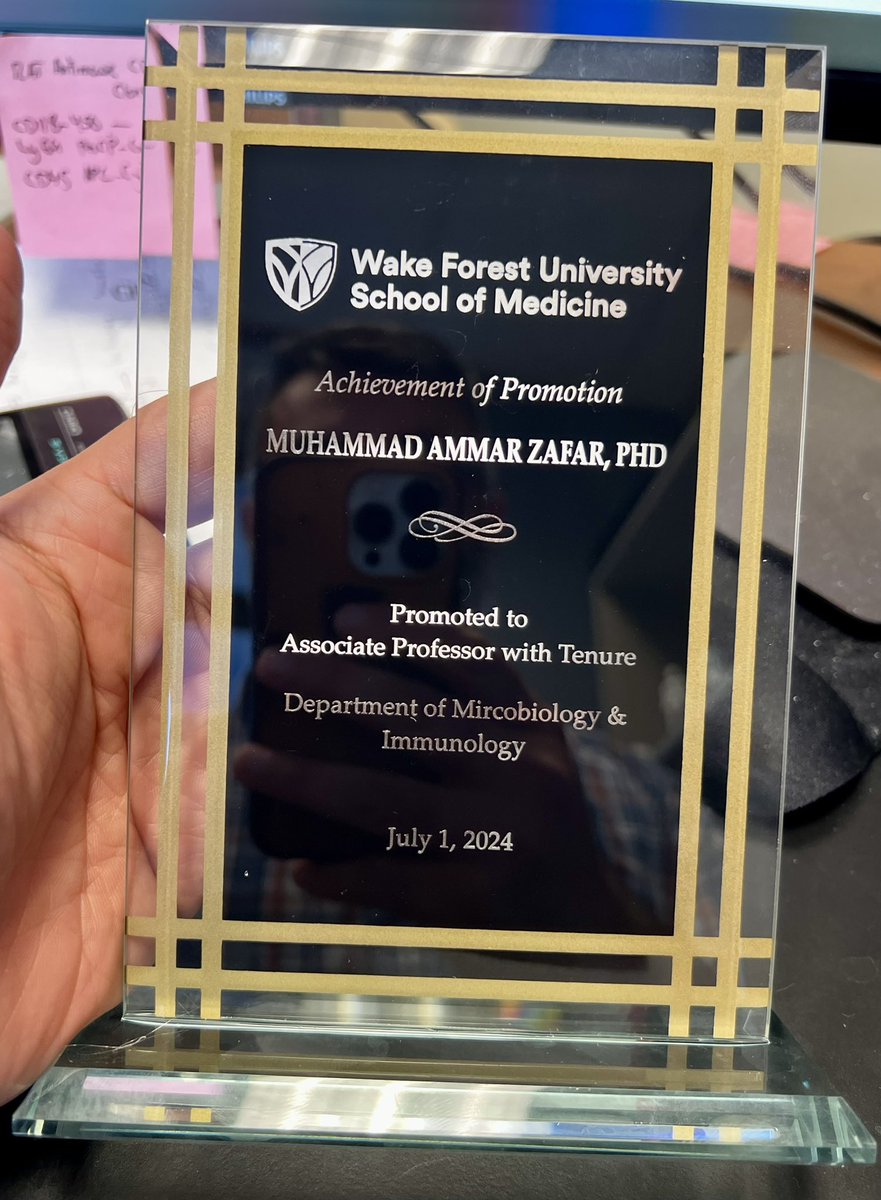
Today is a good day, which is made possible because of the support of my lab members, mentors (Jeff Weiser, Tom Silhavy and Virginia Miller) and colleagues.
18
3
70
3,592
Ammar Zafar retweeted

19 Jun 2024
A message delayed, resulting in an action delayed.
May we reflect on why disparities exist and may we remain poised to address them. Staying the course! @BWFUND #bwfdiversity

7
24
1,594
Ammar Zafar retweeted

17 Jun 2024
#JobAlert
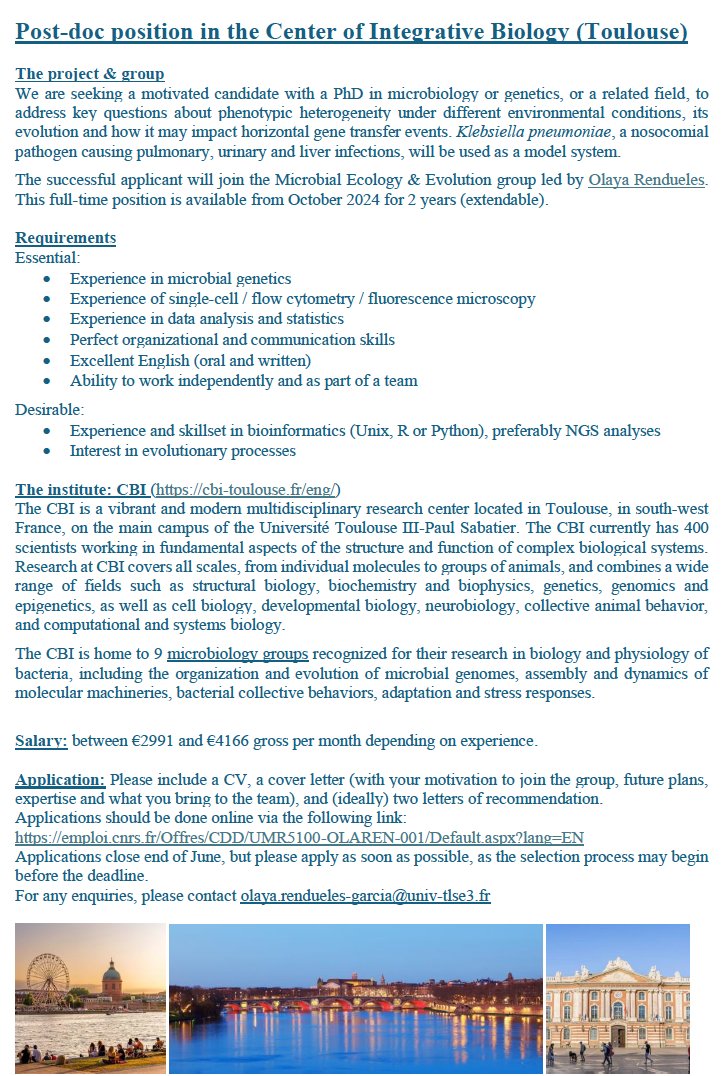
Interested in a #Postdoc in microbial genetics ?
DM for more details
Join me in #Toulouse, a vibrant dynamic city ☀️ offering high quality of life & near 🏔️ &🏖️
Applications until end of month.
** Please RT ! **
@CbiToulouse
#ASMicrobe @KlebClub #Klebsiella
109
124
27,294
Ammar Zafar retweeted

16 Jun 2024
Want to work on polymicrobial infections? Looking for motivated postdocs to join our team! Apply here: osu.wd1.myworkdayjobs.com/OS…
Please RT.
1
28
31
5,671
15 Jun 2024
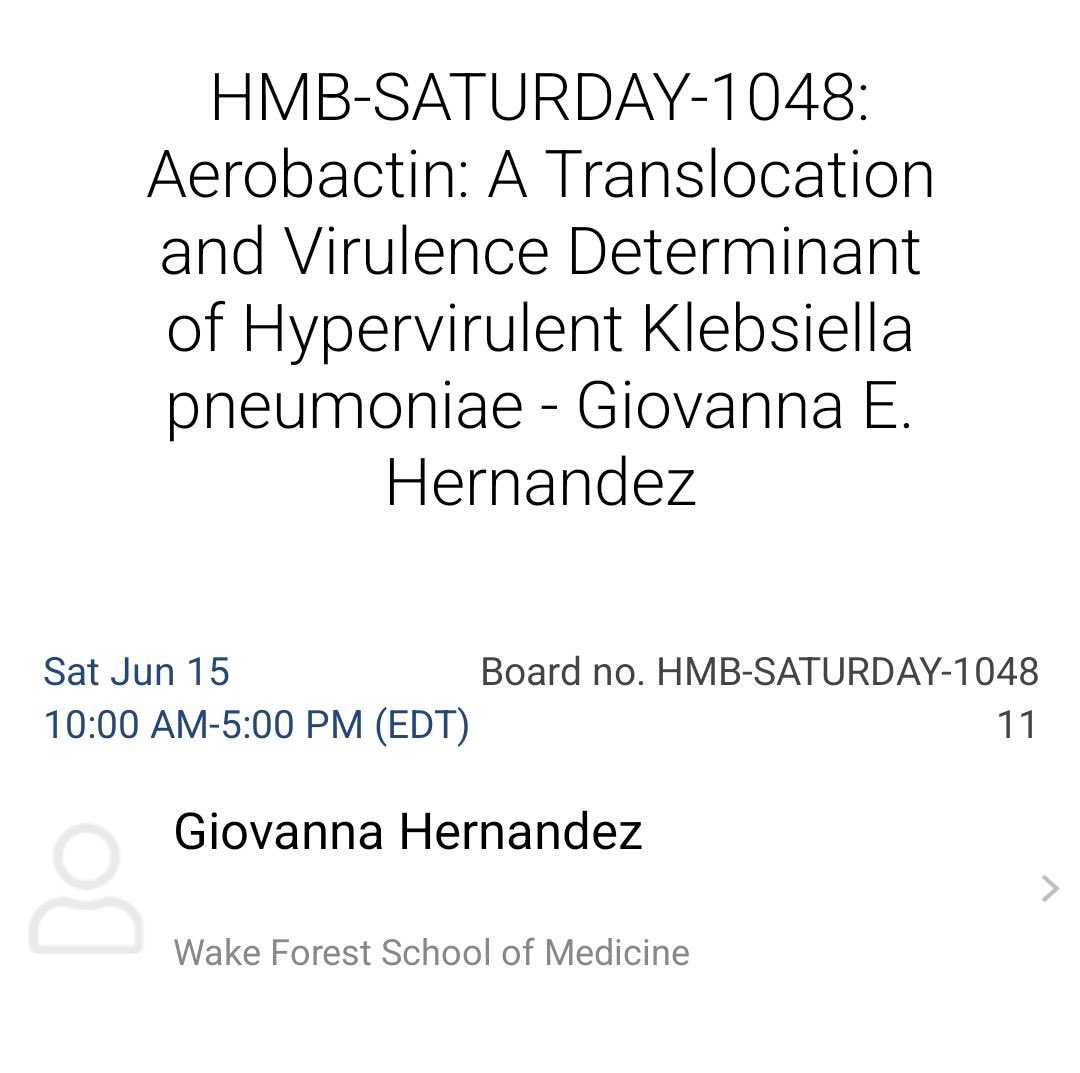
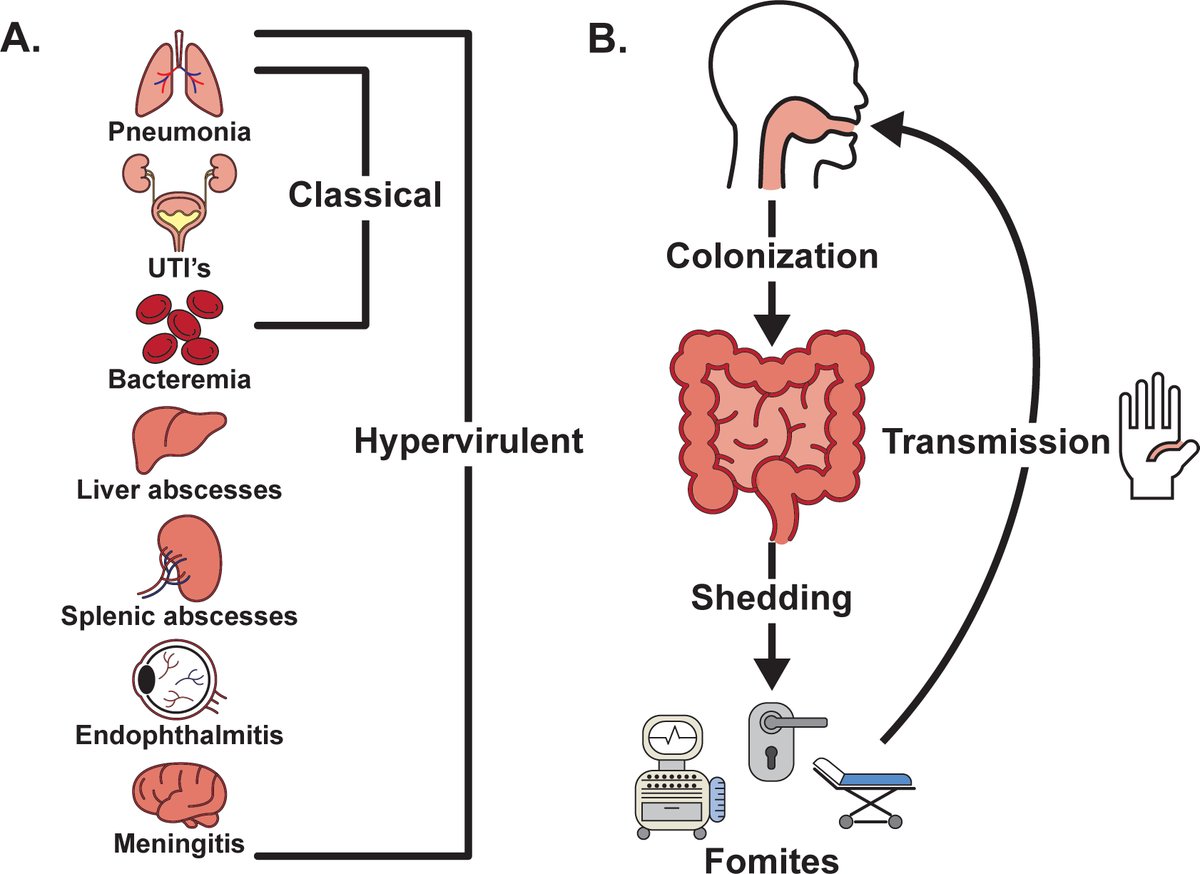
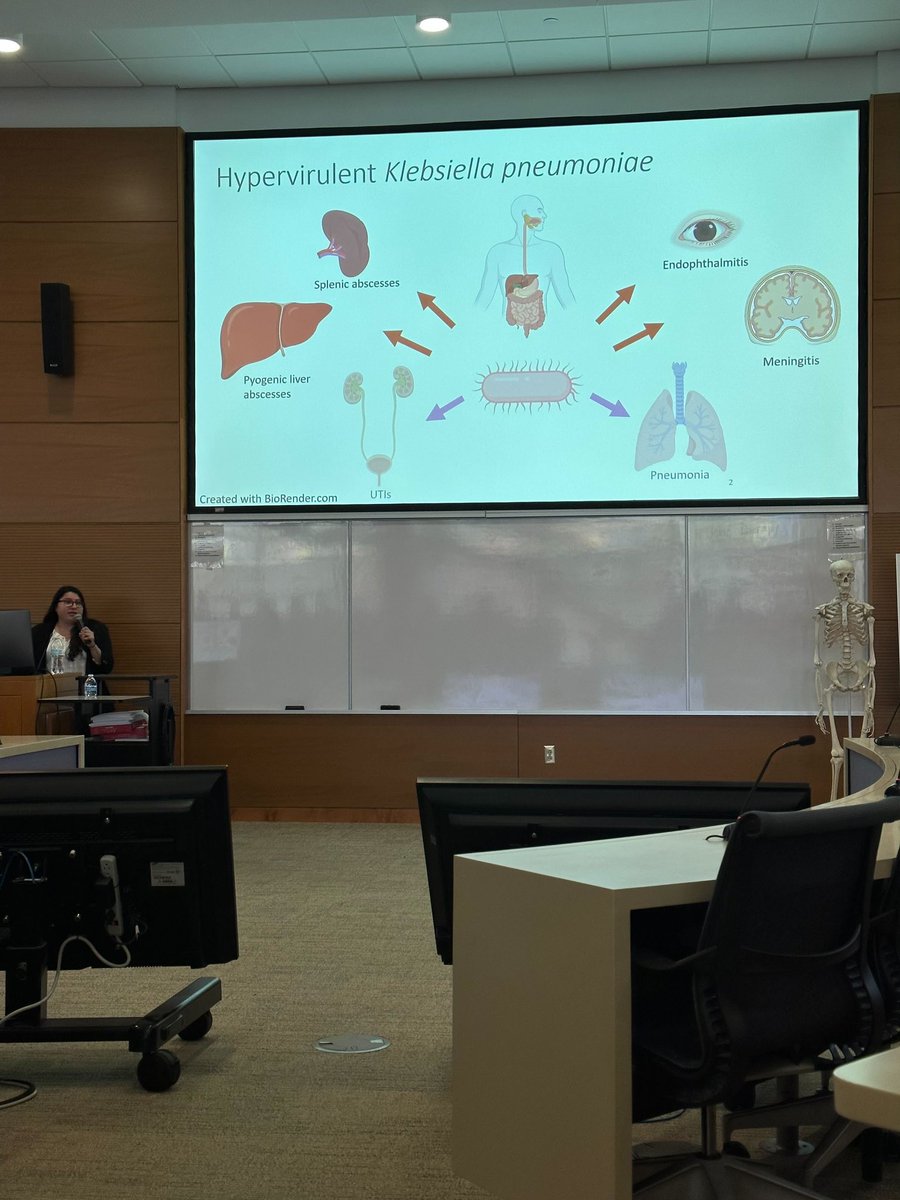
Interested in how pathogens cause invasive disease? Then walkover to my student Giovanna Hernandez poster on hypervirulent Klebsiella ability to translocate from the gut and cause invasive disease.
1
15
1,329
1 Jun 2024
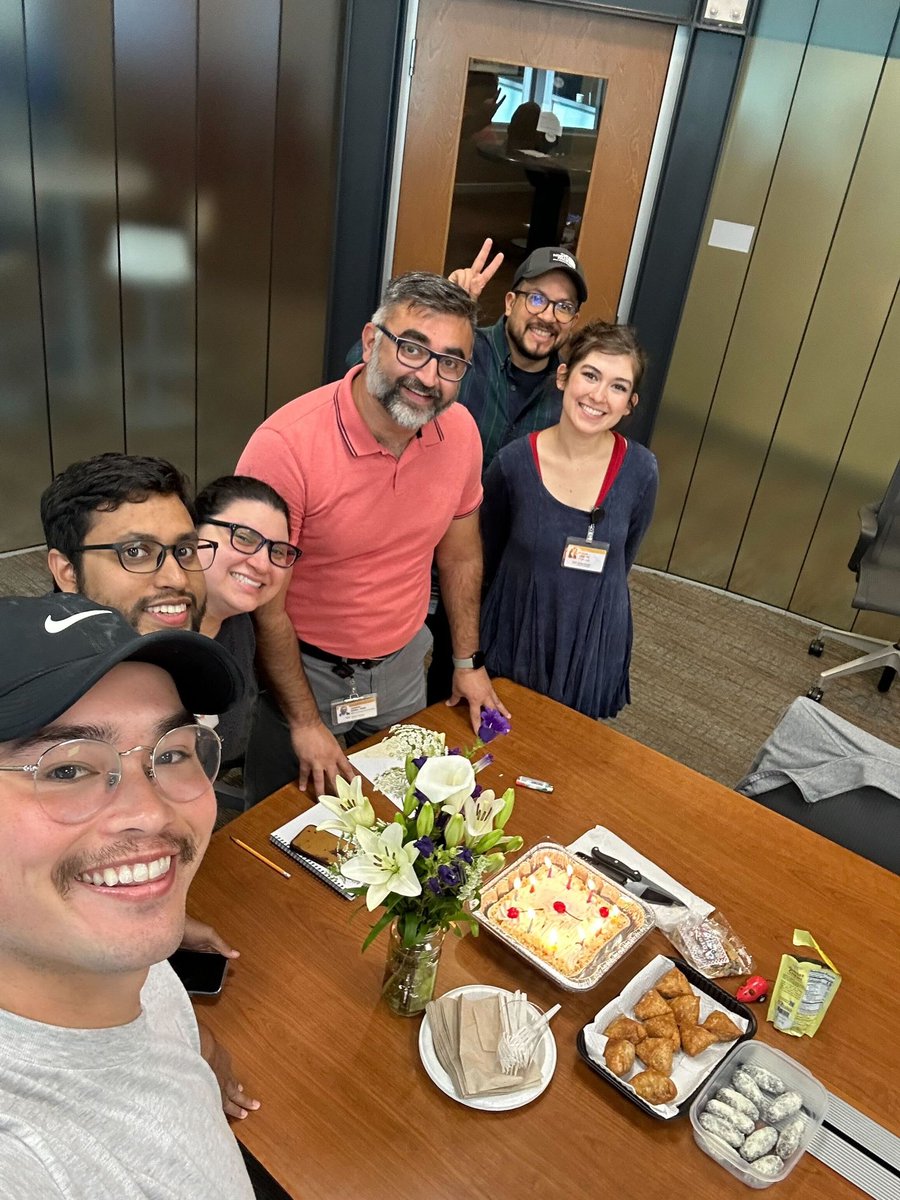
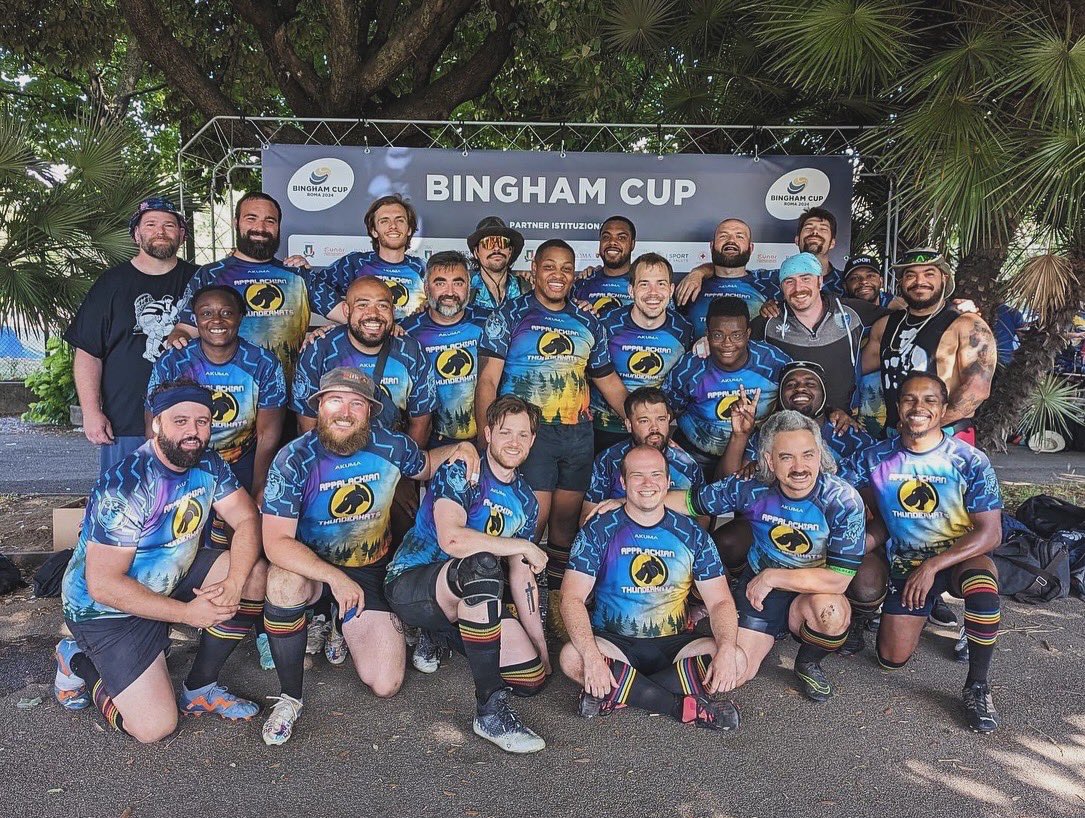
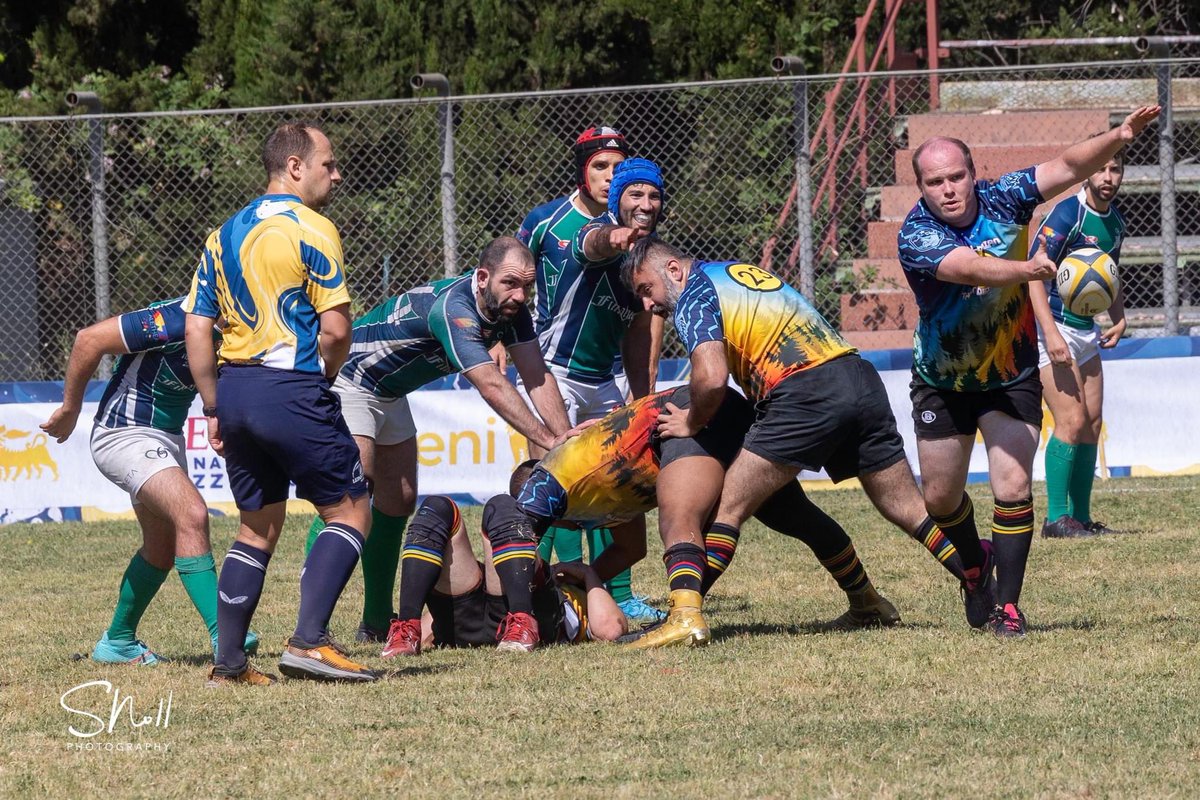
Another year around the sun and I got to celebrate it with my wonderful lab and got to play rugby with my inclusive team in Rome of all places on my birthday.

4
21
1,019
Ammar Zafar retweeted

30 May 2024
If you like history and S. pneumoniae this review by @LuHiller and I might be worth a read. Goes from its discovery, tool to discovery of DNA as genetic element, molecular pathogenesis, to using Spn as a tool to understanding evolutionary concepts.
journals.asm.org/doi/10.1128…
16
40
3,366
Ammar Zafar retweeted

13 May 2024
I'm recruiting for a new post-doc role based in Melbourne and contributing to #klebNET-GSP activities on #klebsiella genomic surveillance. @sylvainbrisse @DrKatHolt @TheCGPS @chcrestani @tomstantonmicro @sophia_david3 @theycallmemaggi
Check out the details ⬇️
13 May 2024

Are you a fan of #klebsiella genomics?
Looking for a post-doc role? ...🥁 ... I'm recruiting!
Join my team @MonashSTM to help us build the first Klebsiella clone risk framework. See details here ⬇️
tinyurl.com/yrka232h
Applications close June 9th.
DM qs
#klebNET @KlebClub
33
51
8,608
10 May 2024
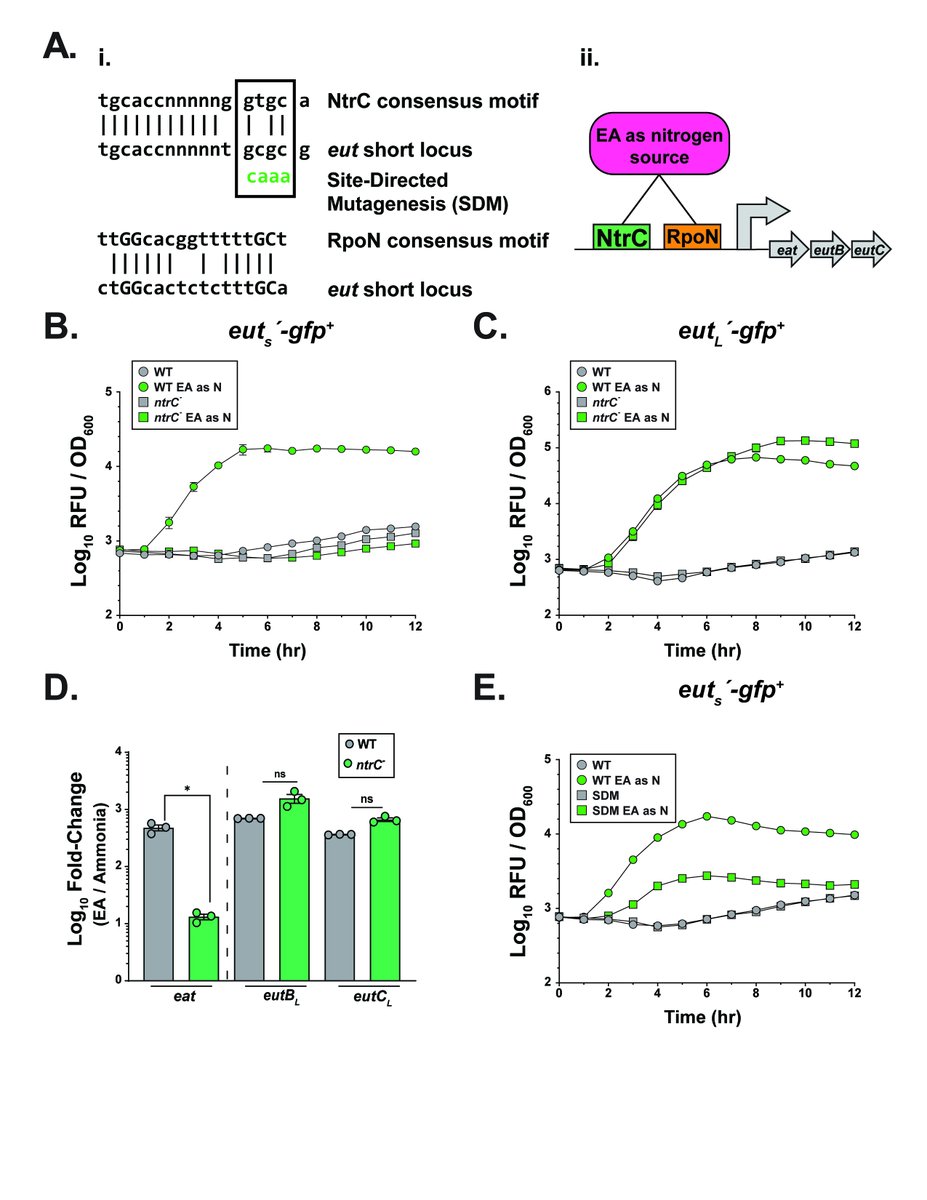
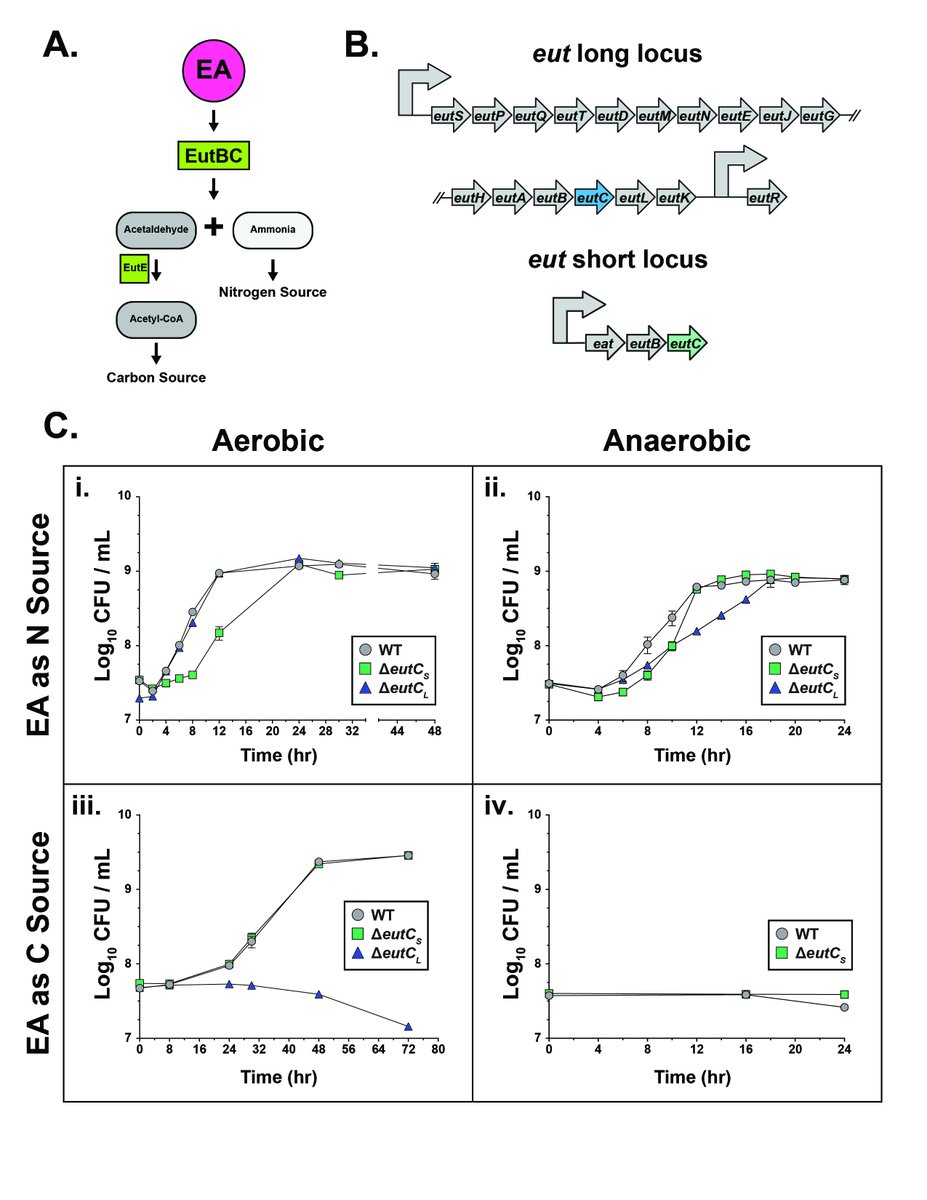
How about the regulation? Expectedly, the long locus is regulated by EutR. Interestingly, the short locus appears to be regulated in an RpoN-NtrC-dependent manner, which goes back to our growth studies, with the short locus important for ethanolamine as an N source.
1
6
280
10 May 2024
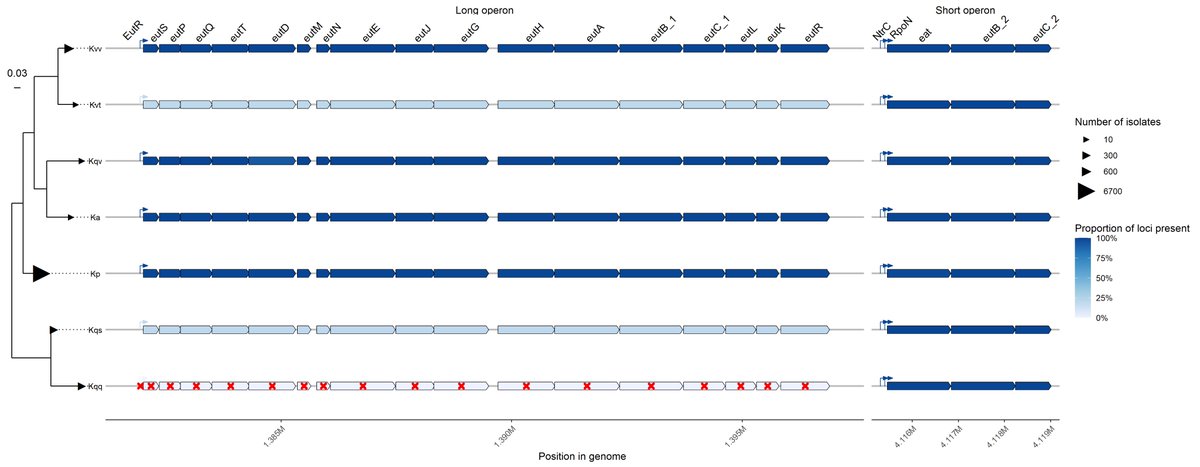
Finally, @KelWyres helped us determine the prevalence of the two loci and the RpoN/NtrC binding sites in the K. pneumoniae species complex (KpSC). Interestingly, these loci are fairly conserved, suggesting that KpSC likes to have both around!
1
4
187
10 May 2024
My MS student Drew Barnes and my wonderful research associate Emma Bennet led this work. A special shoutout to @KelWyres for responding to my initial email and being part of this fun study, and @DrWalkerMsBanta for being on Drew's committee and keeping us focused!
2
6
231
10 May 2024
K. pneumoniae has a highly conserved long locus and also contains a short locus, which is highly unusual. Both loci promote growth when ethanolamine is provided as a nitrogen source, but only the long locus allows for growth as a carbon source.
1
1
157
10 May 2024
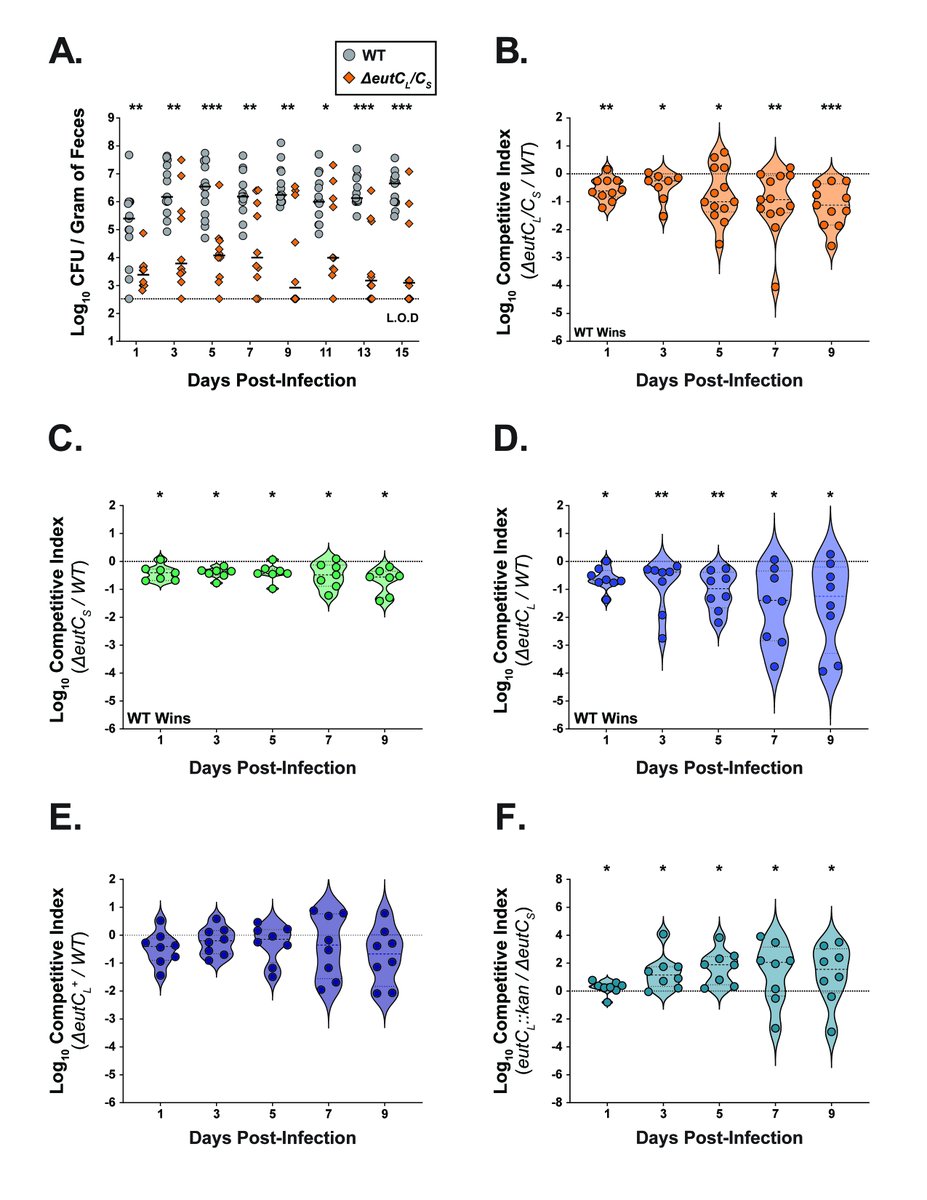
But is ethanolamine metabolism even important for K. pneumoniae in the gut? Our murine model of K. pneumoniae with intact microbiota shows that both loci are critical for robust gut colonization, suggesting that ethanolamine serves as an important nutrient source.
1
3
165
10 May 2024
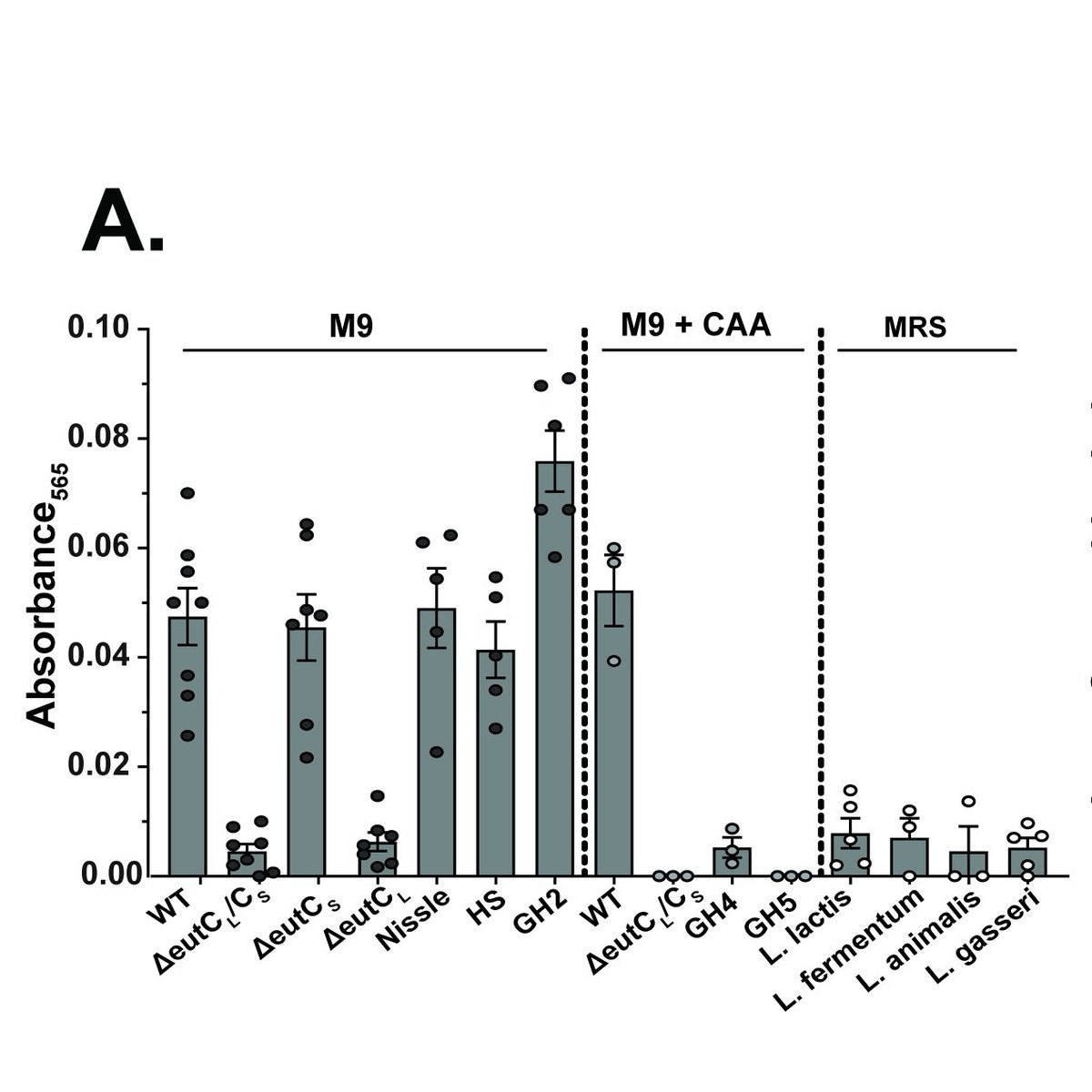
Are gut commensals able to metabolize EA? The answer appears to be mixed, with our in vitro assay suggesting that commensal E. coli isolates can metabolize EA, whereas other commensal isolates cannot.
1
1
131