Canadian political commentator | Pro-Canadian| Environmental advocate | Fact-check enthusiast | Historical feminist | Unapologetically sarcastic | #ViveLeCanada
Joined December 2024
- Tweets 32,048
- Following 2,057
- Followers 4,834
- Likes 108,303
2,329 Photos and videos






Pinned Tweet

Jun 13
🌞Good morning Canada. Weekend thoughts.
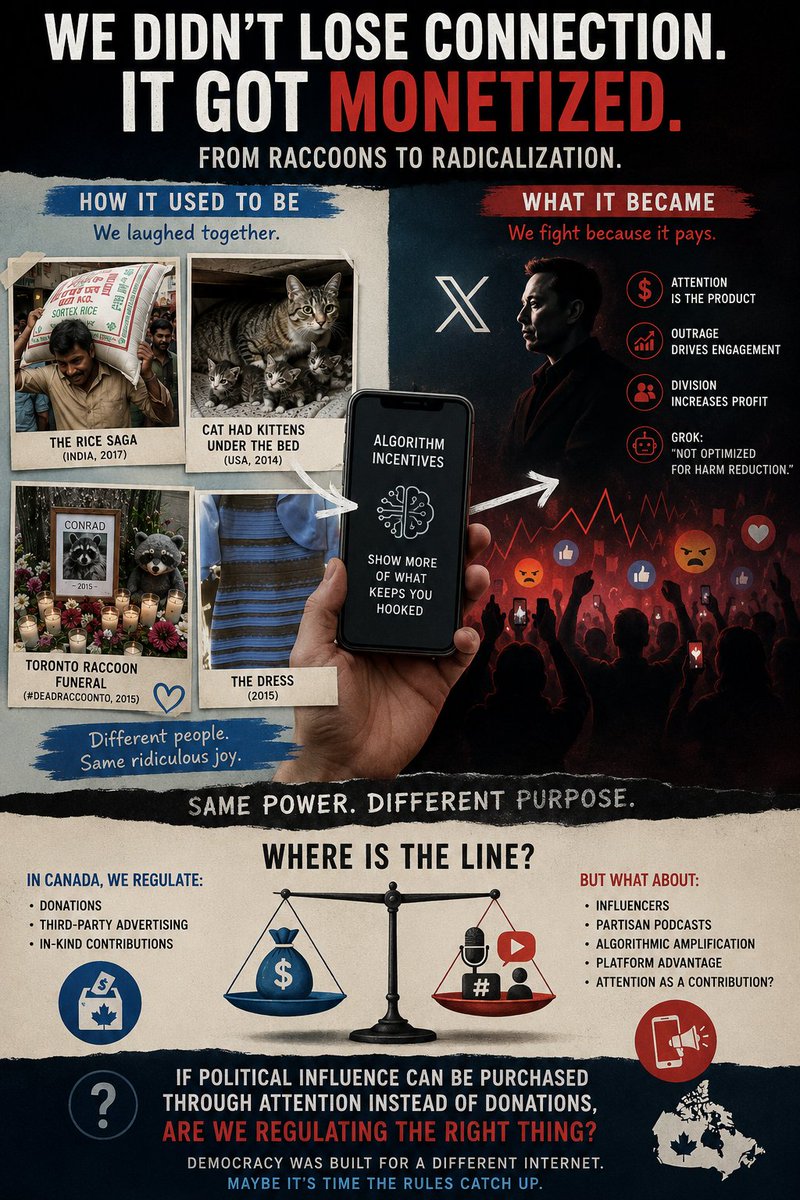
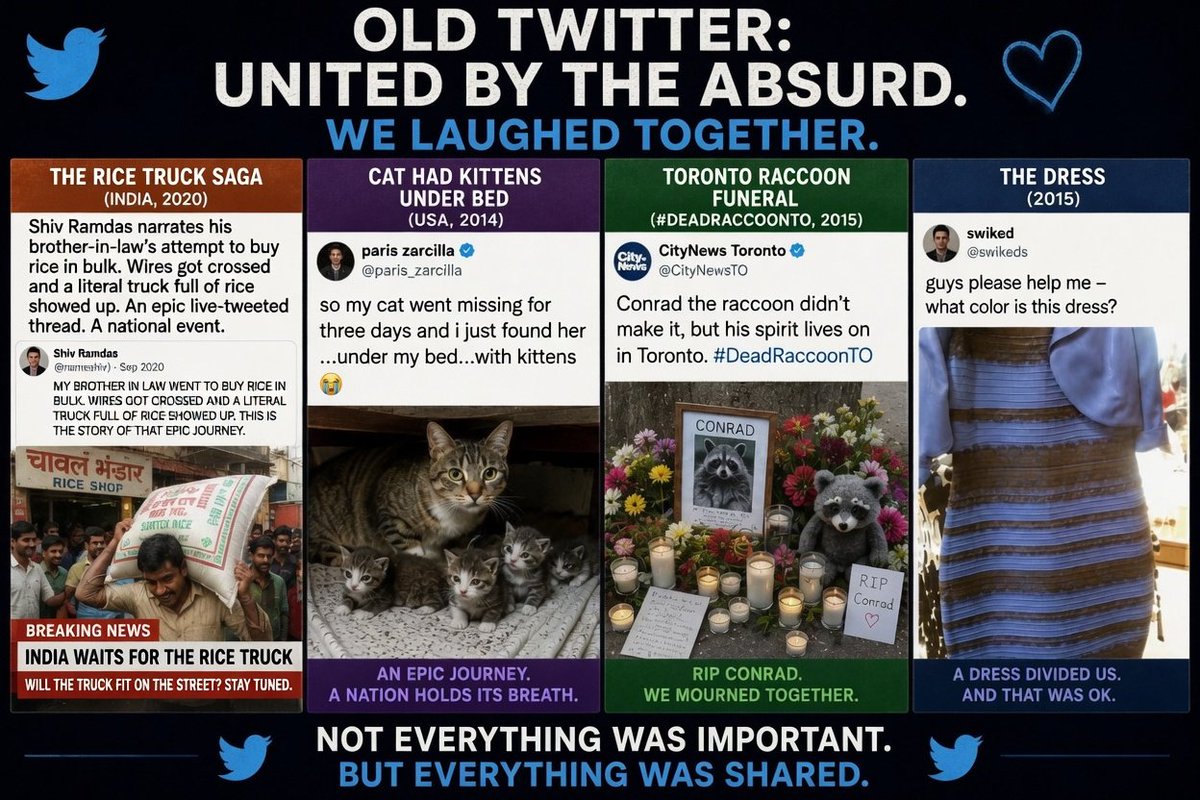
There was a time when the internet felt trivial in the best possible way. We collectively obsessed over the rice saga, a cat giving birth under someone’s bed, the Toronto raccoon funeral, or The Dress. None of it mattered, and that was the point. ✨️Platforms could concentrate the attention of millions on a single, harmless absurdity.
✨️What changed wasn’t our behaviour. It was the business model.
Elon Musk didn’t just buy a social media company; he bought an attention‑allocation machine. And he understood something fundamental: ✨️attention is political power. Outrage is profitable. Engagement is revenue.
The same systems that once amplified silliness now amplify conflict because conflict keeps people scrolling.
That raises a question Canada has barely begun to confront.
✨️When a trillionaire(?) owns a communications platform, controls its incentives, shapes what is amplified, and openly participates in politics, at what point does platform ownership become a political contribution?
Canadian election law regulates donations, third‑party advertisers, and in‑kind contributions. If a corporation handed a political party millions of dollars’ worth of advertising, targeting, or preferential access, regulators would intervene.
So why don’t we apply the same scrutiny to influencer ecosystems, partisan podcasts, recommendation algorithms, and social media platforms that function as de facto political broadcasters?
This isn’t about alleging wrongdoing. ✨️It’s about acknowledging that our laws were written for a world where political influence flowed through money, not metrics.
If influence can now be purchased through attention rather than donations, and delivered through algorithms rather than campaign offices, then we have to ask whether we’re regulating the right thing.
The old internet monetized curiosity.
✨️The new internet monetizes political engagement.
Democracy may need to catch up.
You get your coffee ☕️ or tea 🍵 I'm getting a glass of wine 🍷
#cdnpoli
7
22
392
Pensive Owls Inspect Lanterns In Evening Valleys Ripple Endlessly In Silence Alone Leaves Oscillate Softly Echoing Regrets.
If you get it, you get ut 😊
2
ForMYCanada retweeted

Charlie Angus: It's been amazing since we started the MeidasCanada Network. Nobody ever really noticed anybody from Canada, unless we were Neil Young or Mike Myers.
But I think there's a real searching right now as we are in such uncertain times and people are watching Canada and people are listening to what's happening. So the MeidasCanada viewership has developed a strong hold around the world.
What we're trying to do is build that conversation — a conversation across borders, across the United States, across Europe, across Asia — about democracy.
And Canada, I think right now, plays a role in it in a very significant way.
11
122
464
23,608
ForMYCanada retweeted

Excellent news

Carney: The new world order will be built from Europe. Canada is the most European of non-European countries, and we are transforming our cooperation with the EU ... In a more dangerous and divided world, Canada has chosen to build and work in partnership with Europe.
905
405
2,694
116,199
ForMYCanada retweeted

Jun 12
Mexican fans booed very loudly at the USA flag and cheered for Canadian flag. This is all trump’s doing
3,103
3,737
32,273
430,194
ForMYCanada retweeted
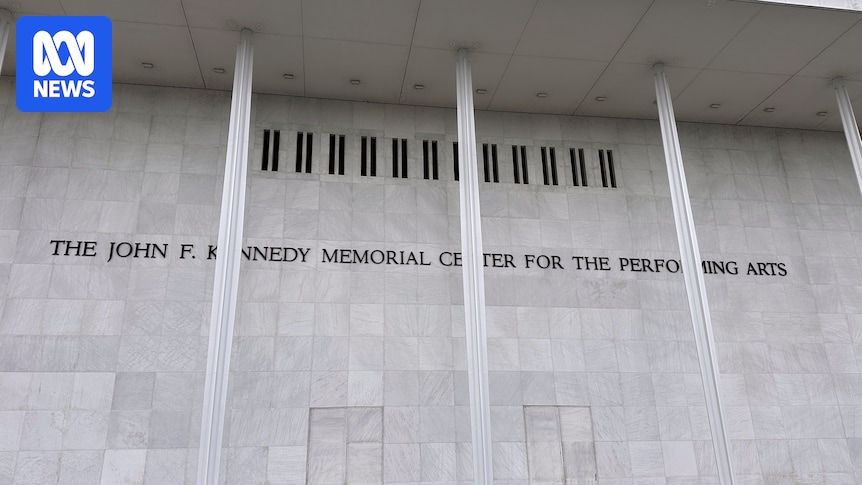
I love that a Black woman is responsible for this. 😂
Shout out to @RepBeatty for filing the lawsuit to get Trump‘s name removed from the Kennedy Center
687
4,716
34,549
327,233
Huh! @PierrePoilievre's favourability around the same.
Hey @chriswarkentin, keep following the rabbit hole.

NEW: Trump’s approval rating hits 28%. The lowest for any president in U.S. history.
2
11
267
🌞Bonjour from France.
Time to grow-up past the imbecilic, juvenile and stupid phase.
That's so 2016. Trump-era us coming to a close.


7
253
It's gone 🎊

10
198
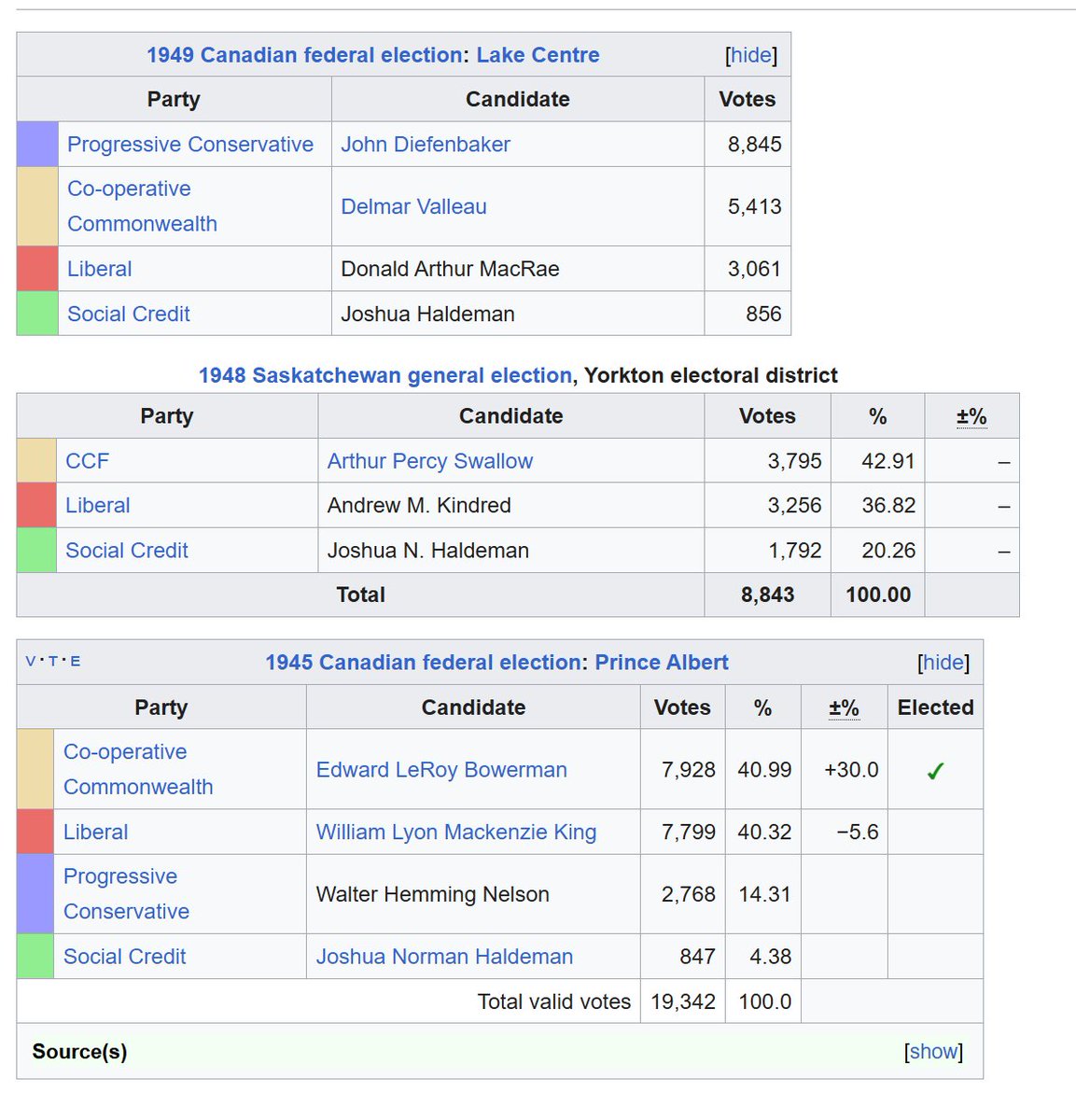
Funfacts 👇🤪

Elon Musk's grandfather ran against 2 Canadian Prime Prime Minister in Saskatchewan and he placed last place every single times
5
5
11
645
ForMYCanada retweeted

I stand with Premier Eby. Voted for him and will again despite being a Federal Liberal.
Premier Eby is a good man who cares deeply about his family and our beautiful province. Not loud and obnoxious like Ford, or devious Smith, Eby wants BC to thrive.

Even BC Conservative MLAs have called out Kerry-Lynne Findlay’s Trump-style politics and said people should think twice about voting for her. We agree. Here’s what BC Conservatives are saying about her: meetkerrylynne.ca
130
33
115
7,560
ForMYCanada retweeted

This is exasperating. I provided a link to the Harvard school of public health. x.com/stphnmaher/status/2065…
Jun 13

There are some who believe this with all their heart. And that’s totally fine but the fact that some journalists, who are supposed to be trading in fact are instead of leading with emotion is quite telling. Prove it or move on to something more helpful.
25
42
213
36,961
Can you explain why @CPC_HQ @PierrePoilievre?

Skilled trades workers often travel long distances to earn a living, and the Labour Mobility Tax Deduction would put-another $6,000 back in their pockets each year. So why would Conservatives spend 25 hours delaying it?
Canadians deserve action, not obstruction.
#Cdnpoli #SkilledTrades #Workers
5
19
41
884
Restaurant inside a butcher shop. First come. First served. No reservations.
aubongroin.com/
82
ForMYCanada retweeted

292
262
780
11,770
ForMYCanada retweeted

Jun 12
Feeling Canadian 🇨🇦 with 41.472 million others 🤭

14
12
117
1,715
ForMYCanada retweeted

You’re an immigrant to Canada who is filled with venomous hate and poison towards black and brown migrants and multiculturalism.
So maybe you don’t belong in multicultural, pro-migrant Canada. (See how this works?)

Look at her venom; her poisonous hatred. This individual, @Ilhan, does not belong in the United States. She makes a mockery of what it means to be an American.
686
1,086
8,242
405,824
ForMYCanada retweeted

Jun 13
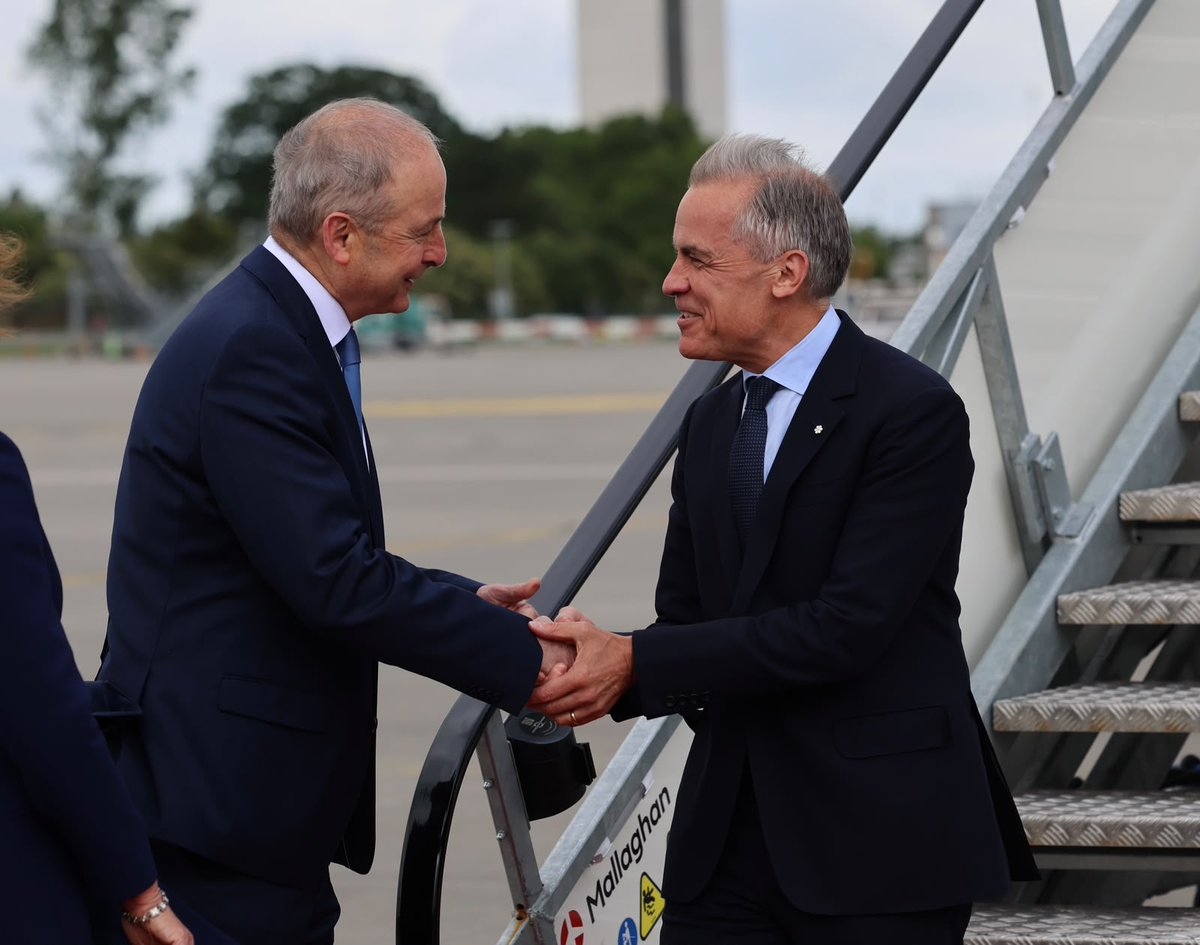
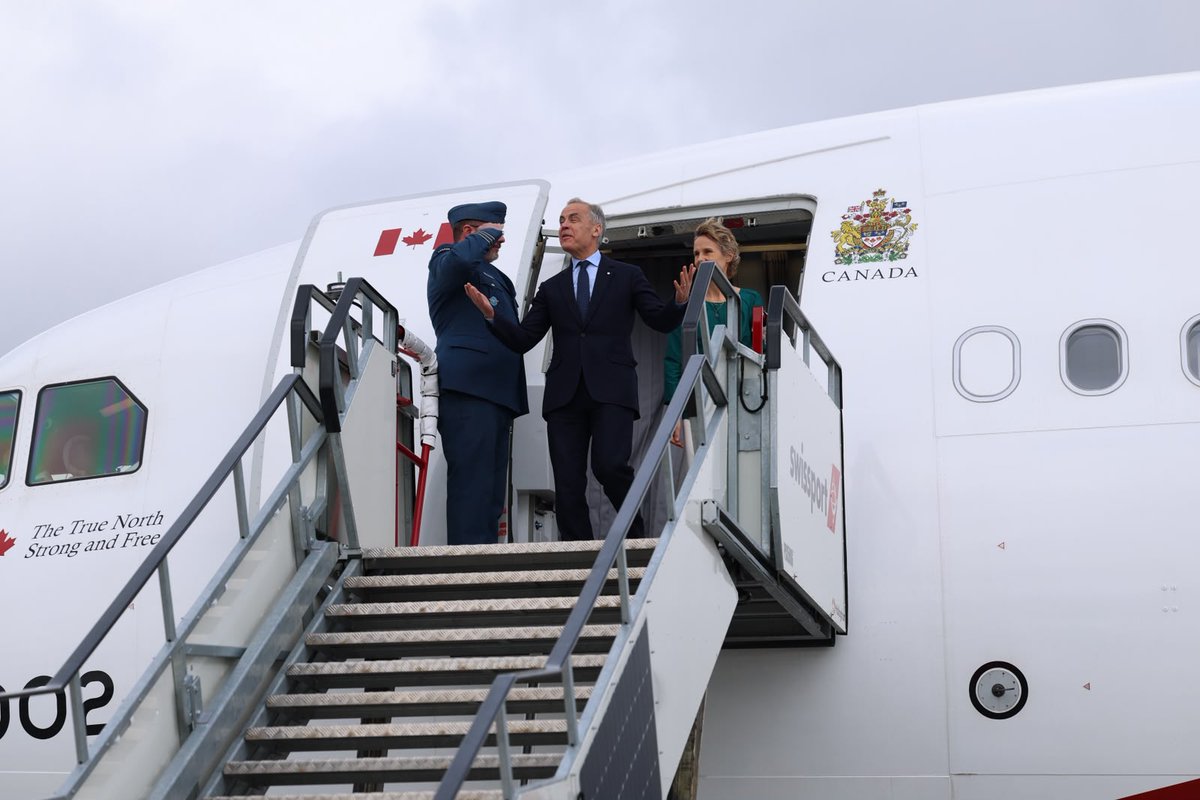
👋 Welcome to Ireland to the Canadian Prime Minister Mark Carney!
A warm welcome to Prime Minister of Canada Mark Carney and the delegation from Canada as they arrive in Dublin Airport. Taoiseach Micheál Martin greeted them on arrival ahead of a full programme of engagements.
62
69
418
7,614

Alanis Morissette and Michael Bublé help kick off World Cup 2026 in Canada, with Ryan Reynolds among the stars in attendance. bit.ly/4gjjxZX
2
20
240
26,290
ForMYCanada retweeted

Jun 12
Ryan Reynolds & Mike Myers are in attendance in Toronto for the FIFA World Cup game between Canada and Bosnia and Herzegovina. 🇨🇦


193
307
5,114
185,557