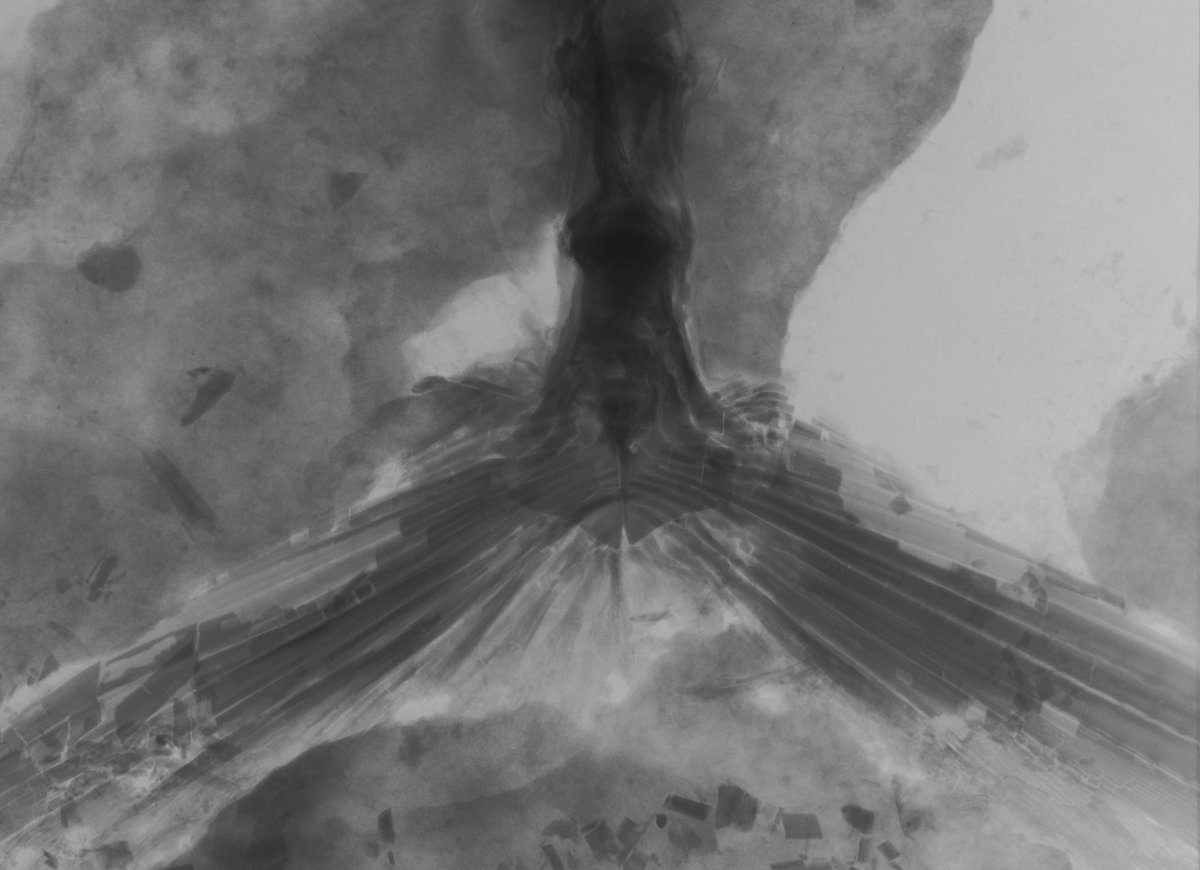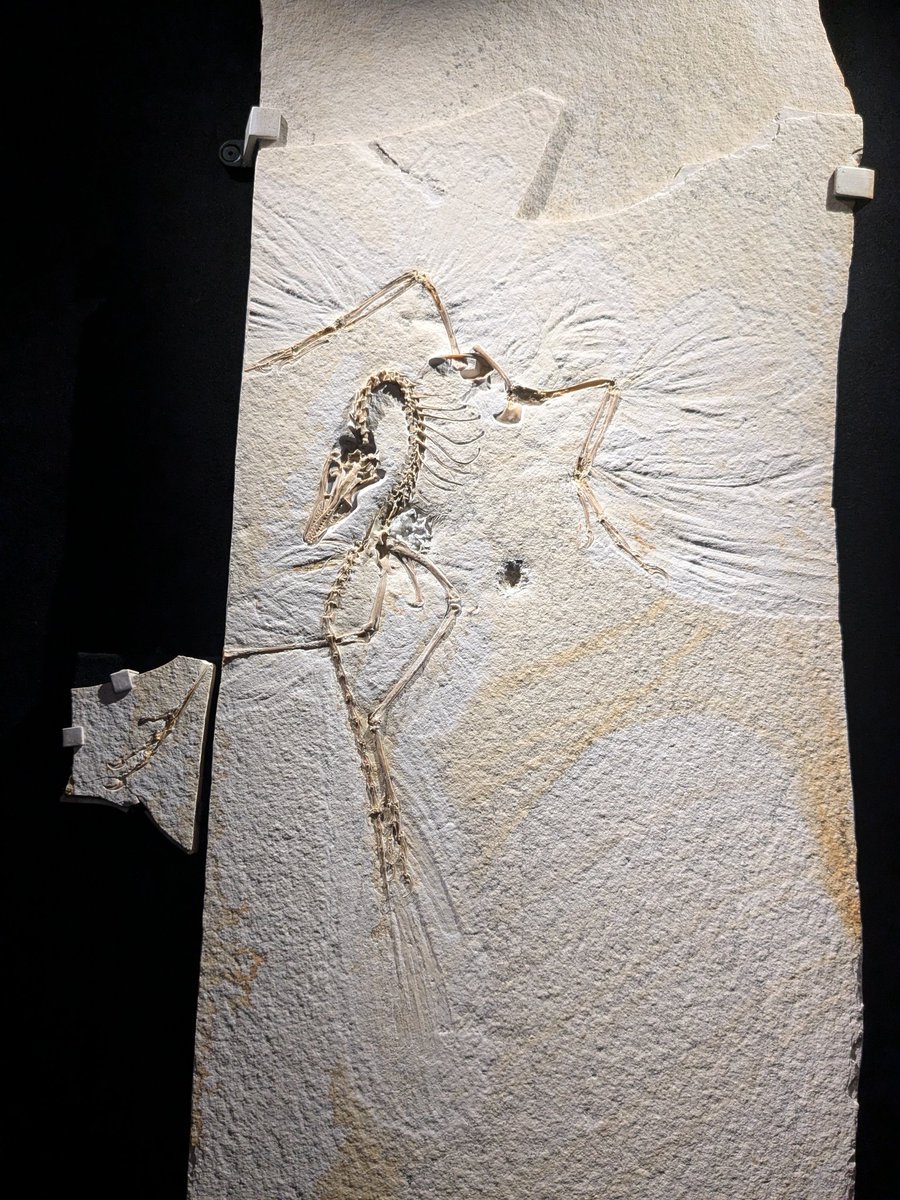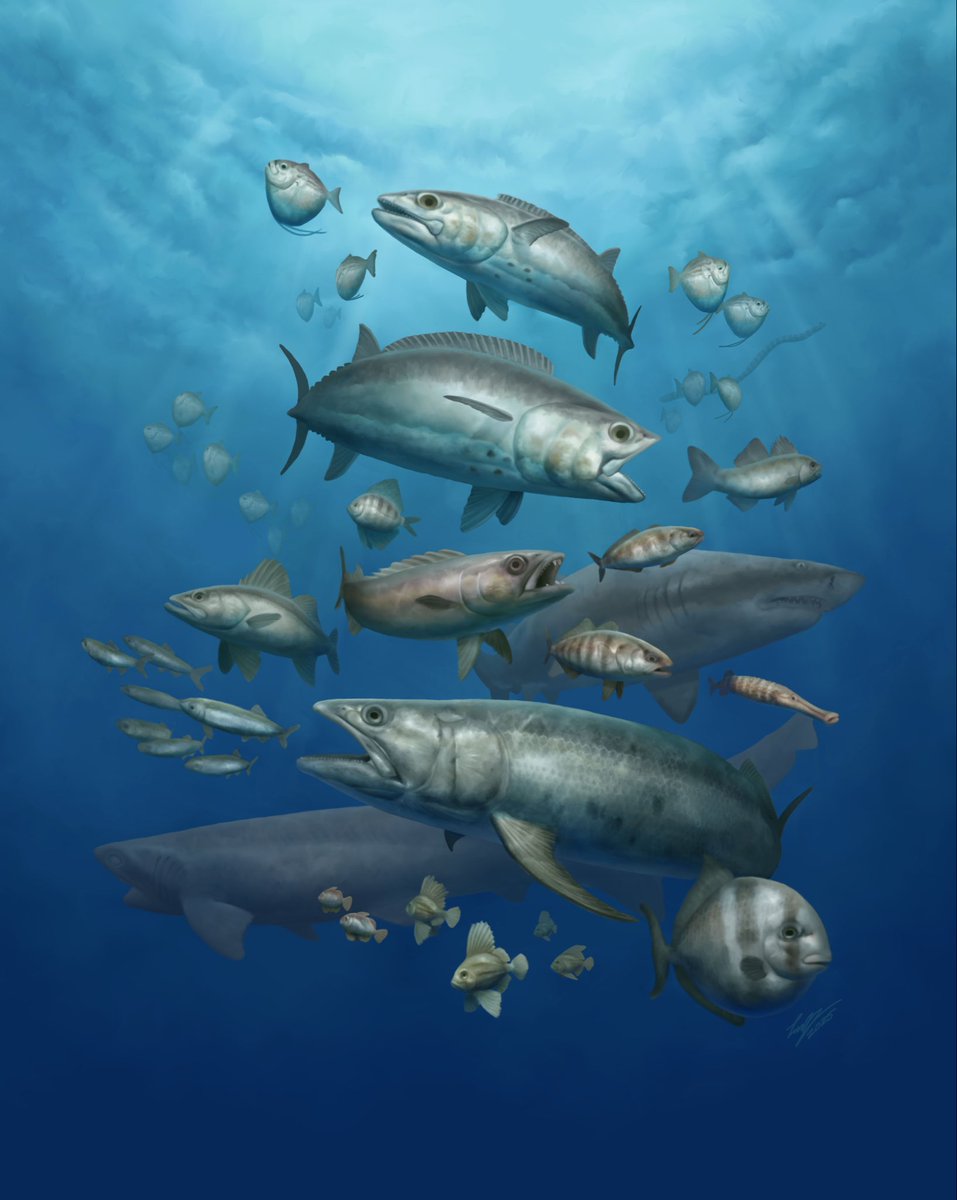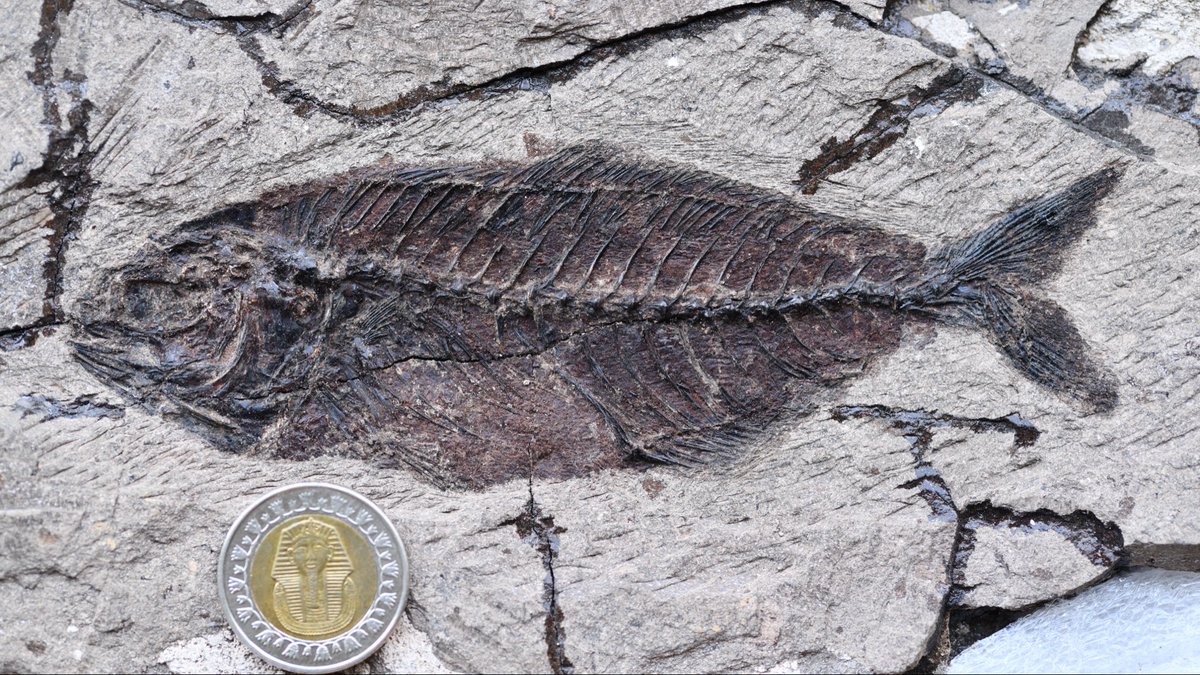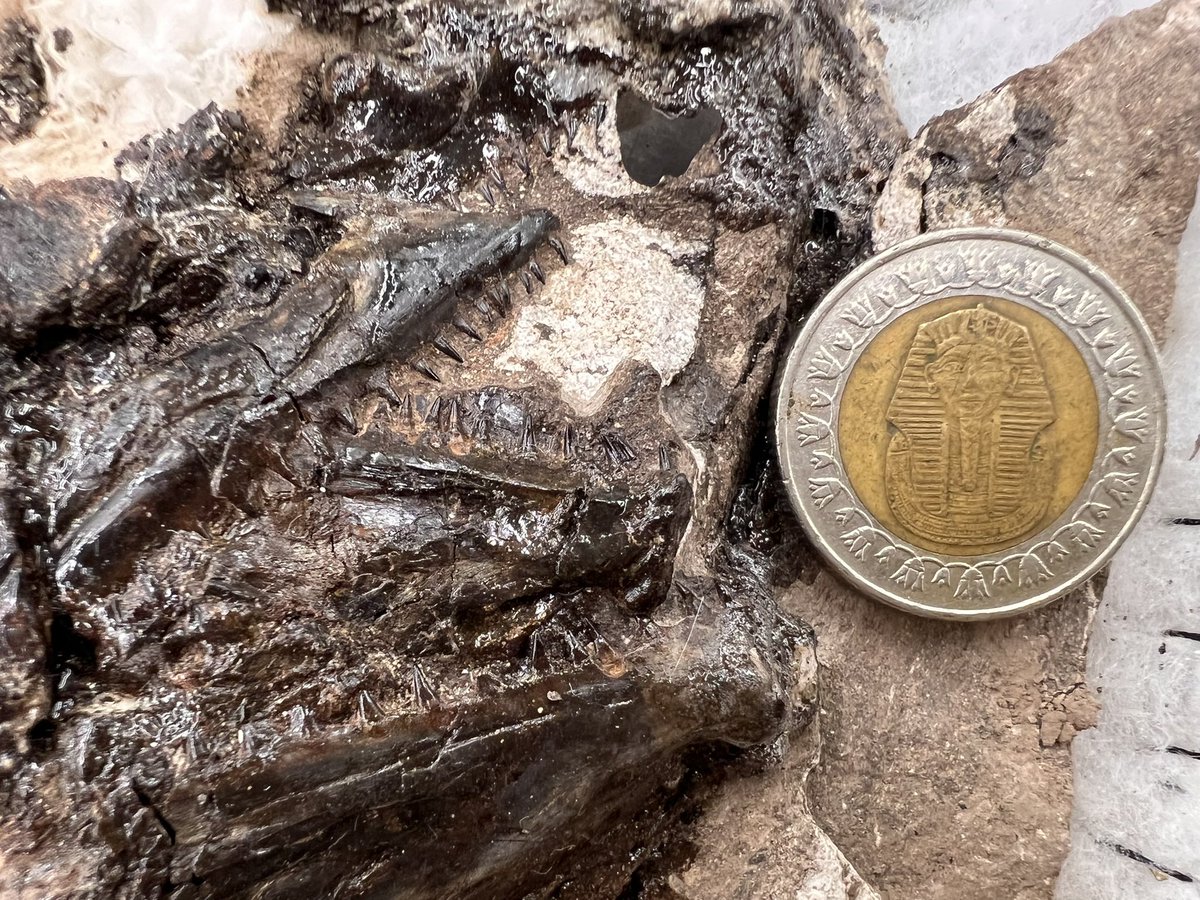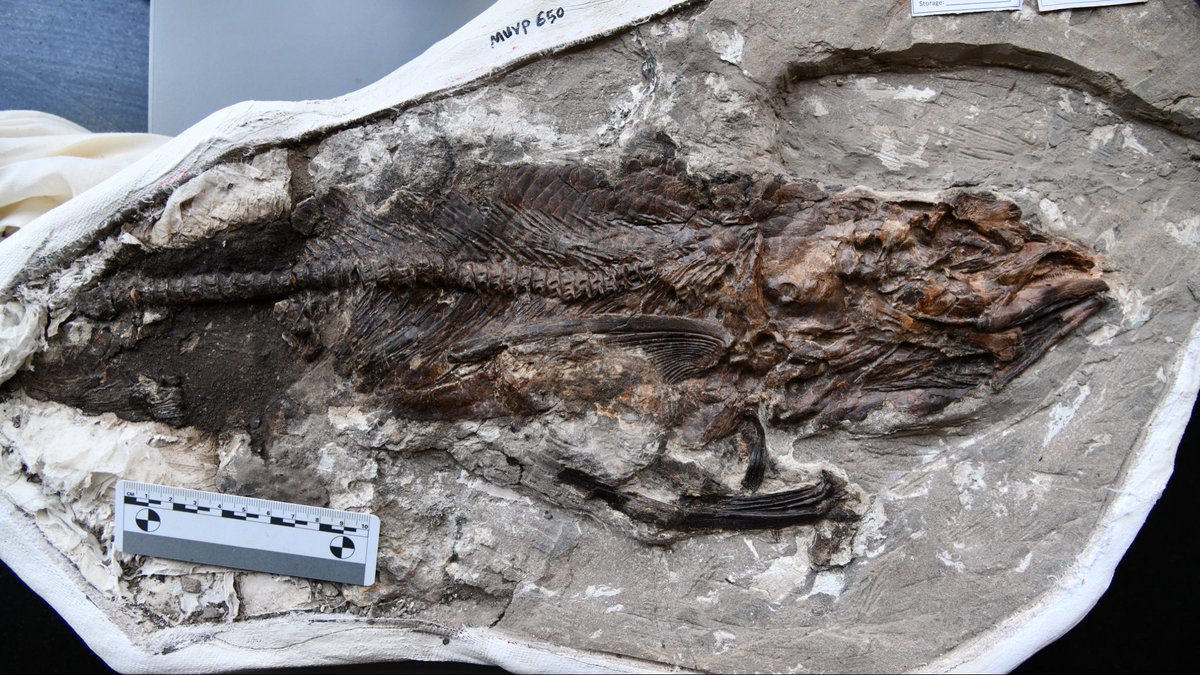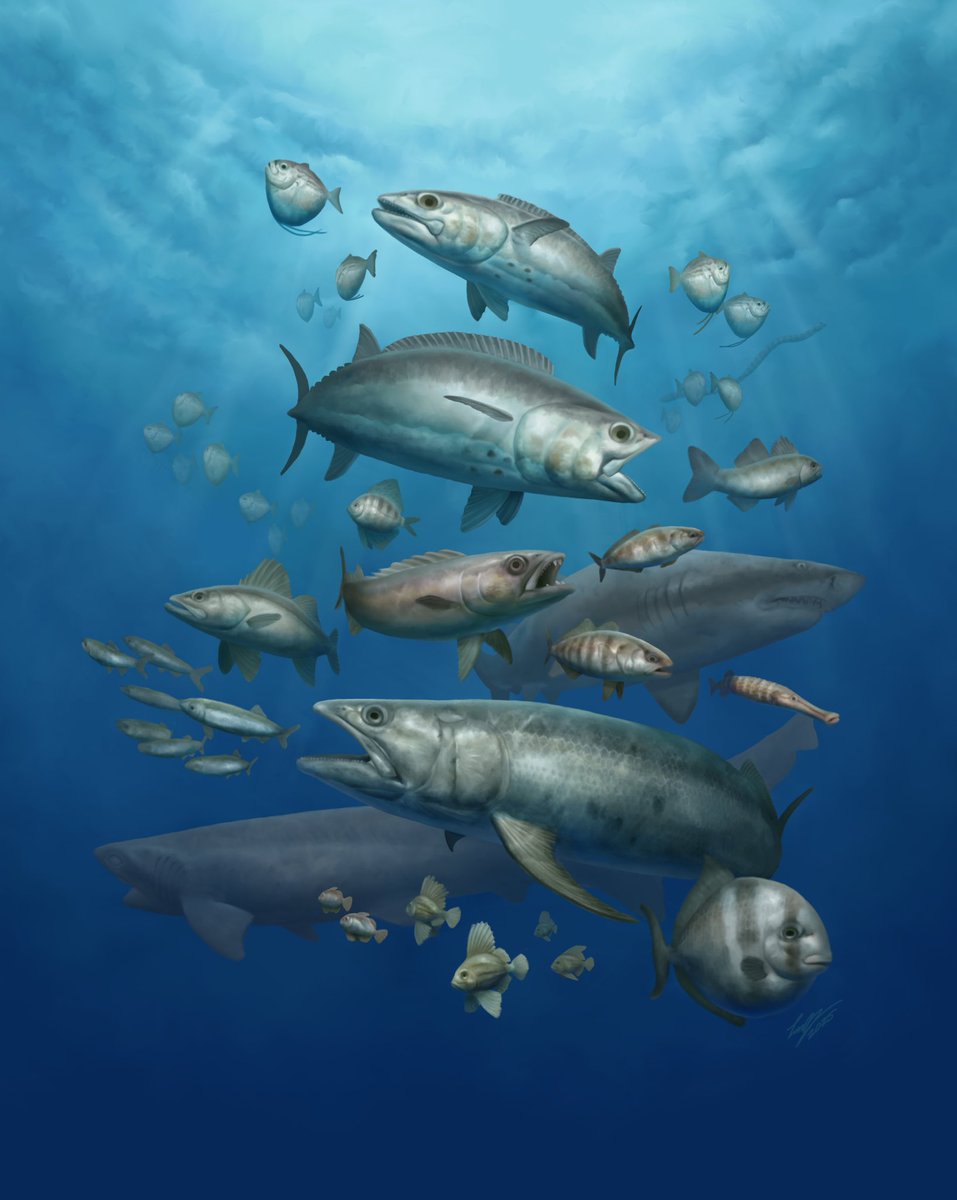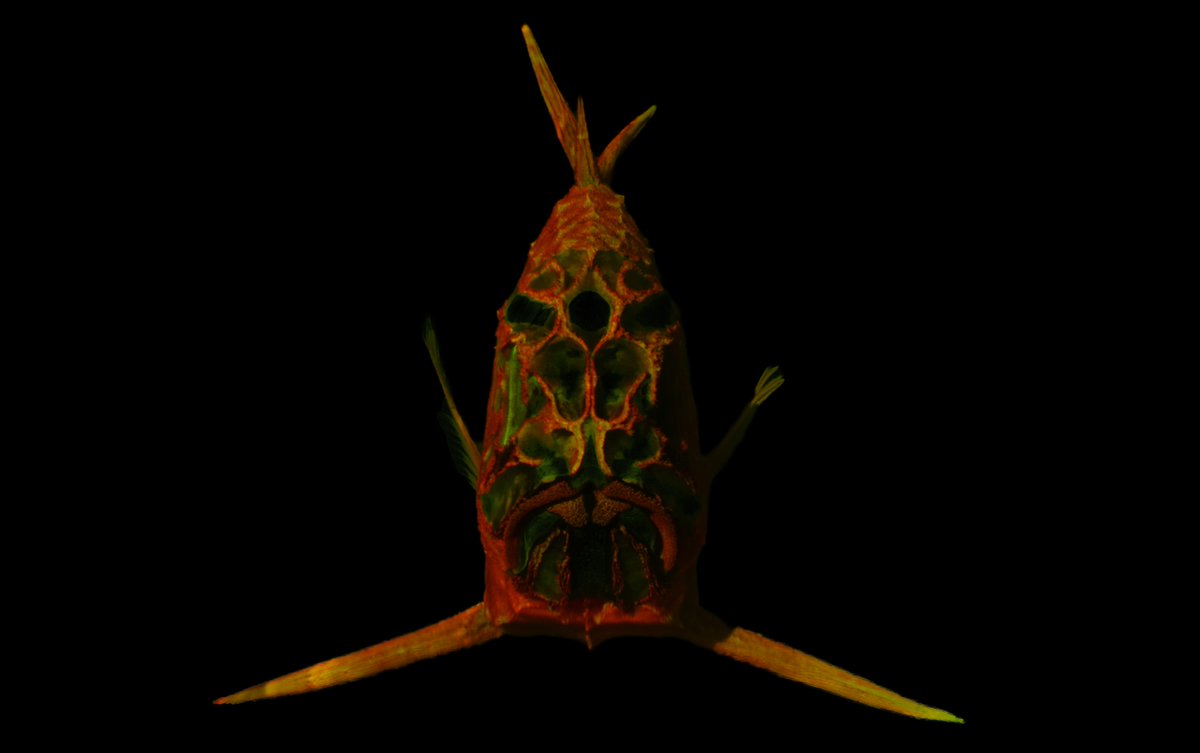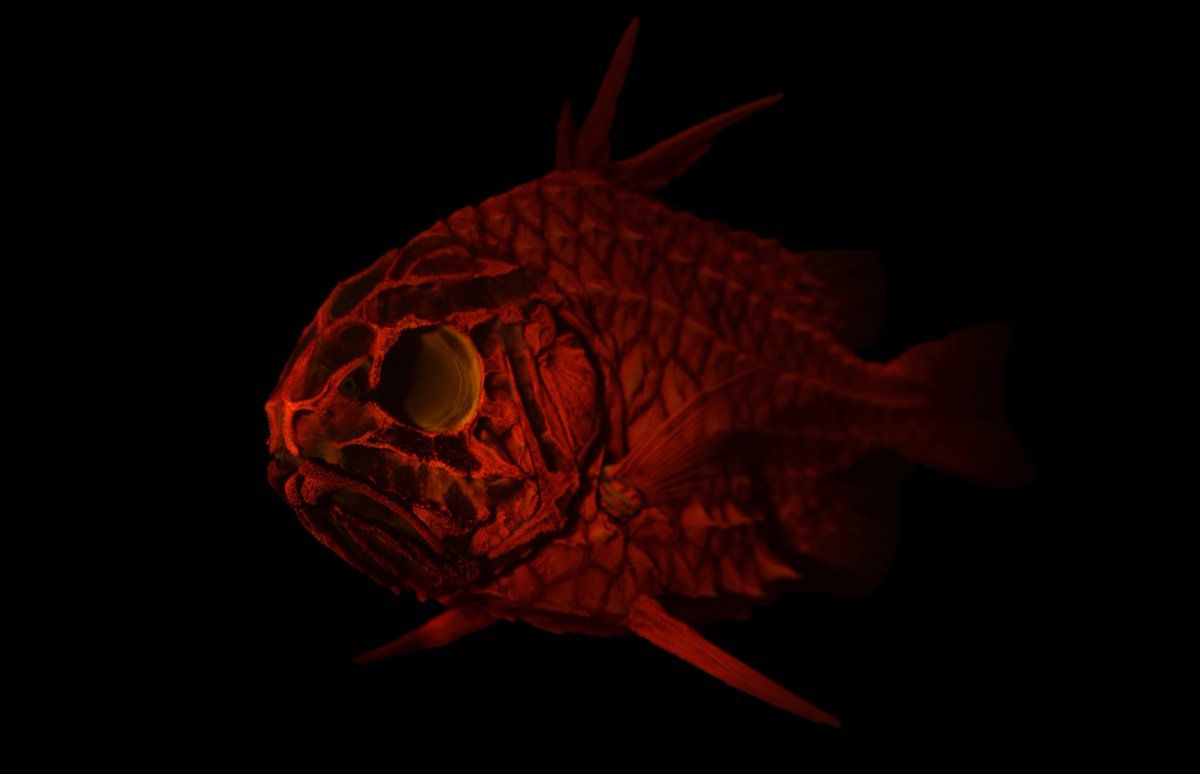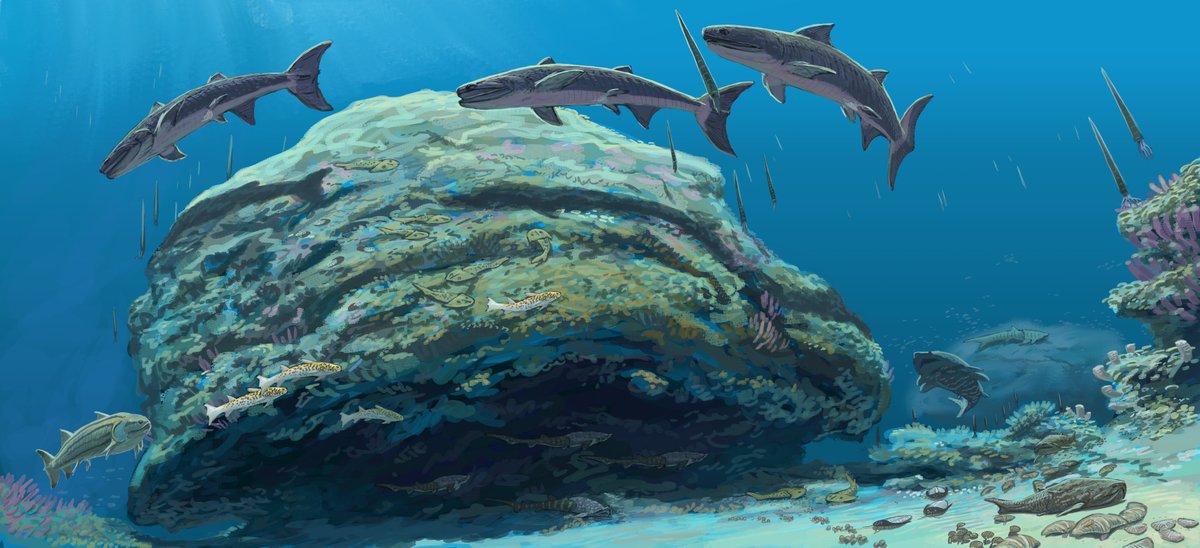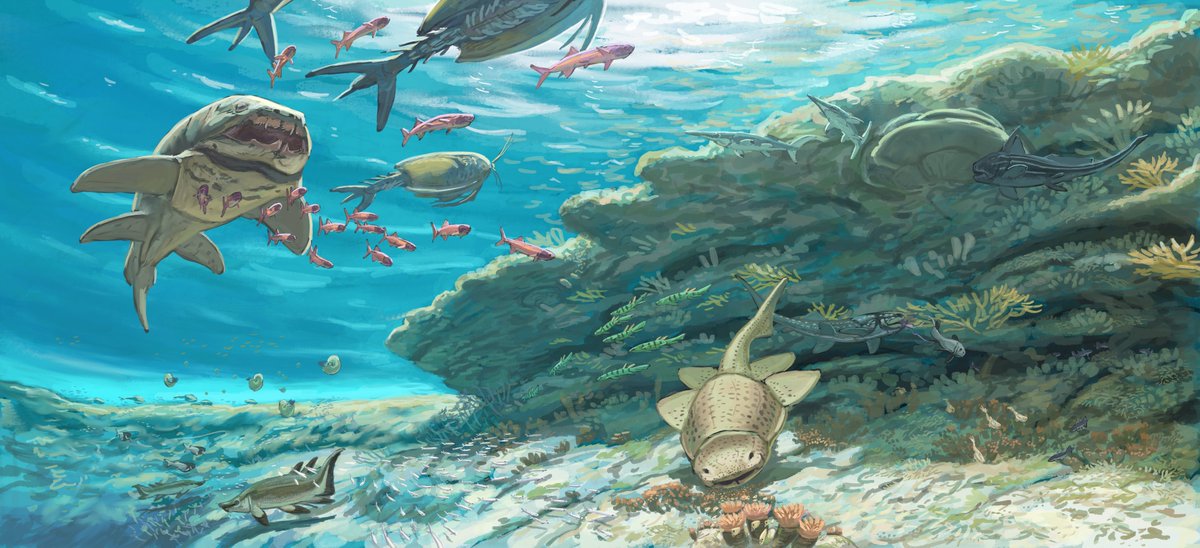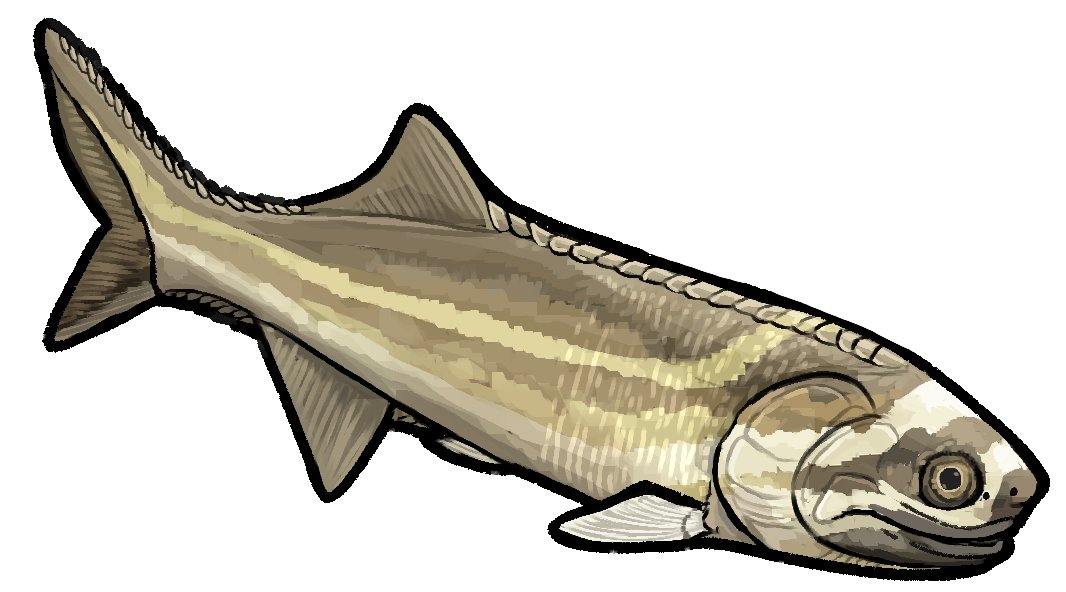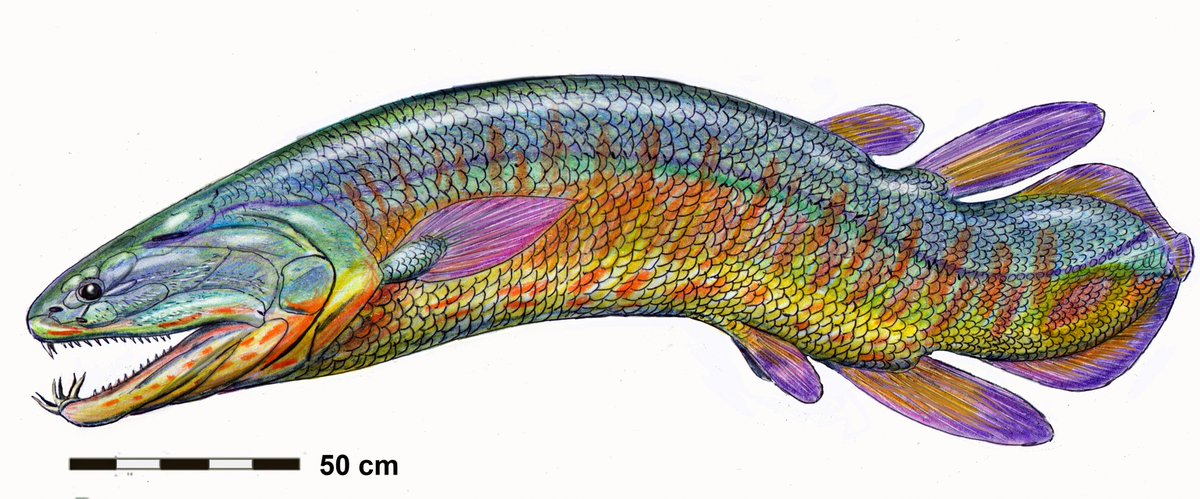
The discovery shows that many major groups of fishes that dominate today's oceans had already begun to appear and diversify less than 4 million years after the mass extinction that ended the age of dinosaurs. Reconstruction @thepeanutpal
It was a great privilege to illustrate the fishes of the Qrieya 3 fossil site. Congratulations to the authors on an amazing study!
science.org/doi/10.1126/scia…
A new study in Science Advances, led by Sanaa El-Sayed, describes an extraordinary fossil fish assemblage from Egypt that is 62.2 million years old.
@SanaaEgypt@Friedman_Lab
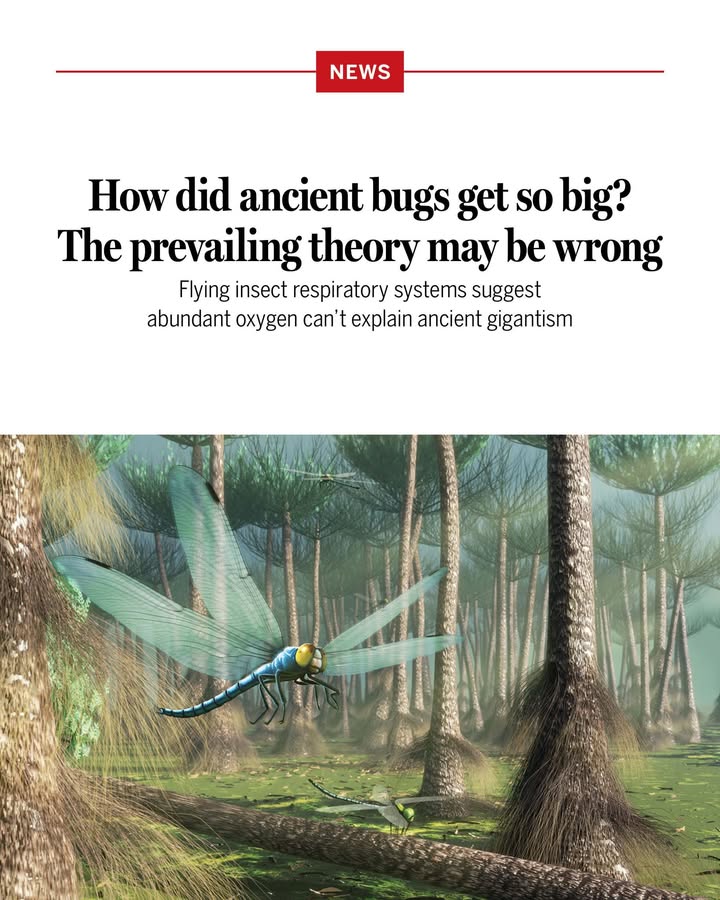
“This study places what may be the final nail in the coffin for the prevailing view that more oxygen made ancient insects bigger.”
Learn more: scim.ag/4v8Z8fd@NewsfromScience
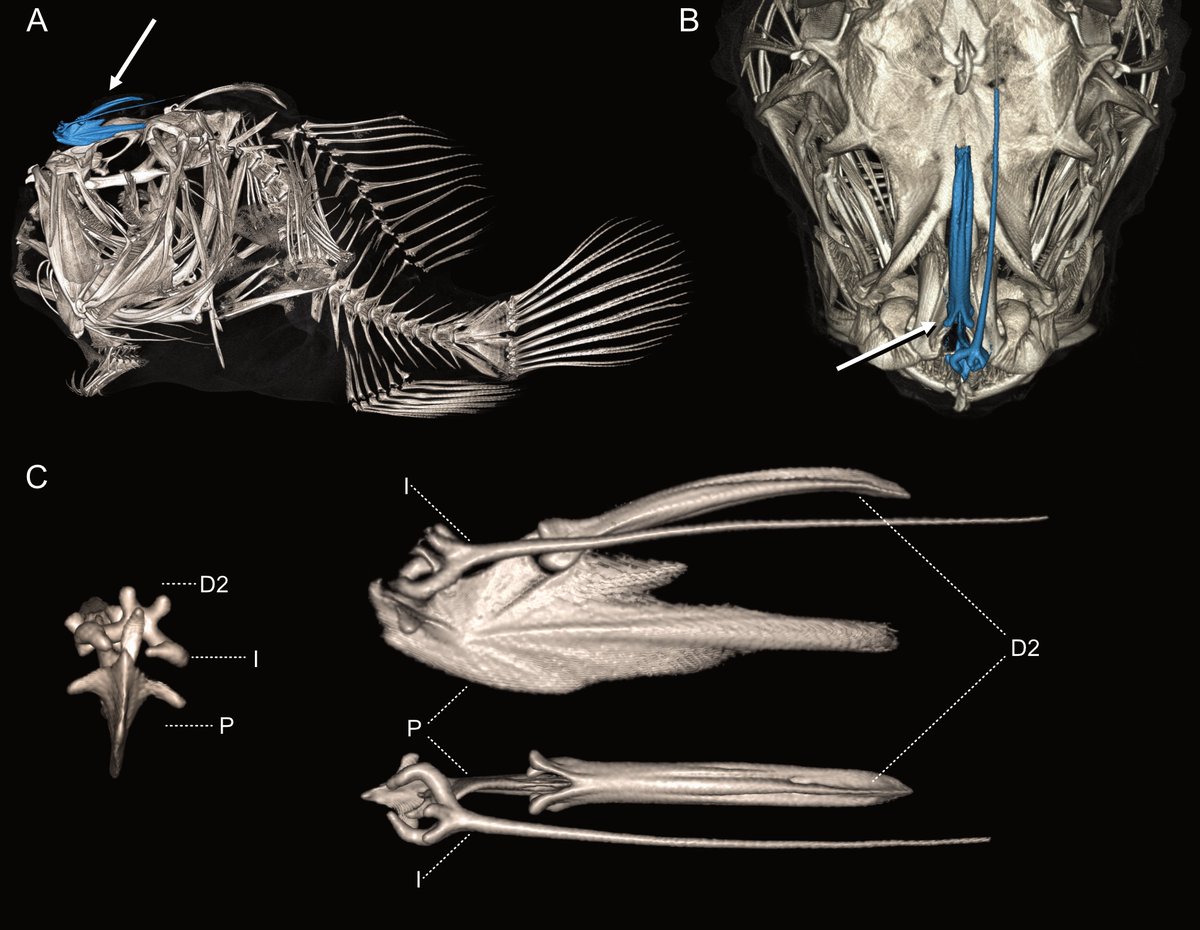
‼️NEW ANGLERFISH PAPER! 🐟🎣
So excited to share the final part of my Master’s research! We explore the bizarre tacklebox of anglerfish lures and show how these fishes evolved different ways to attract prey and maybe even mates in the deep sea. #anglerfishes#biology#evolution
ALT Figure 1 shows several views of a rendered computed tomography scan of the frogfish species Antennarius maculatus (66.5 mm SL, UW 020828) as an example to illustrate the luring apparatus of anglerfishes and allies. The rendered images illustrate several views of a white skeleton of Antennarius maculatus against a black background. There are three panels A–C. Panel (A) is positioned in the upper left of the figure and displays a lateral view (anterior to left) of Antennarius maculatus. Panel (B) is positioned in the upper right of the figure and displays a dorsal view of the skull of Antennarius maculatus. Both panels (A) and (B) have arrows pointing to the luring apparatus. Panel (C) is located on the bottom half of the figure and displays an anterior, lateral, and dorsal view (anterior to left) of the isolated luring apparatus.
@SanaaEgypt delivering her speech at the Geological Society of America Annual Meeting after receiving the DEEP Award 🏆🇪🇬
Such a proud moment for all of us ❤️
@Friedman_Lab@Mansoura_un@muvp_eg
🚨 We’re hiring! Oxford Biology is recruiting 3 new Associate Professors in:
🌱 Plant Sciences
🦉 Animal Behaviour
🔬 Molecular Cell Biology
Join us as we move into our new building with world-class research & teaching facilities.
Vacancies 👉 bit.ly/488CNW3
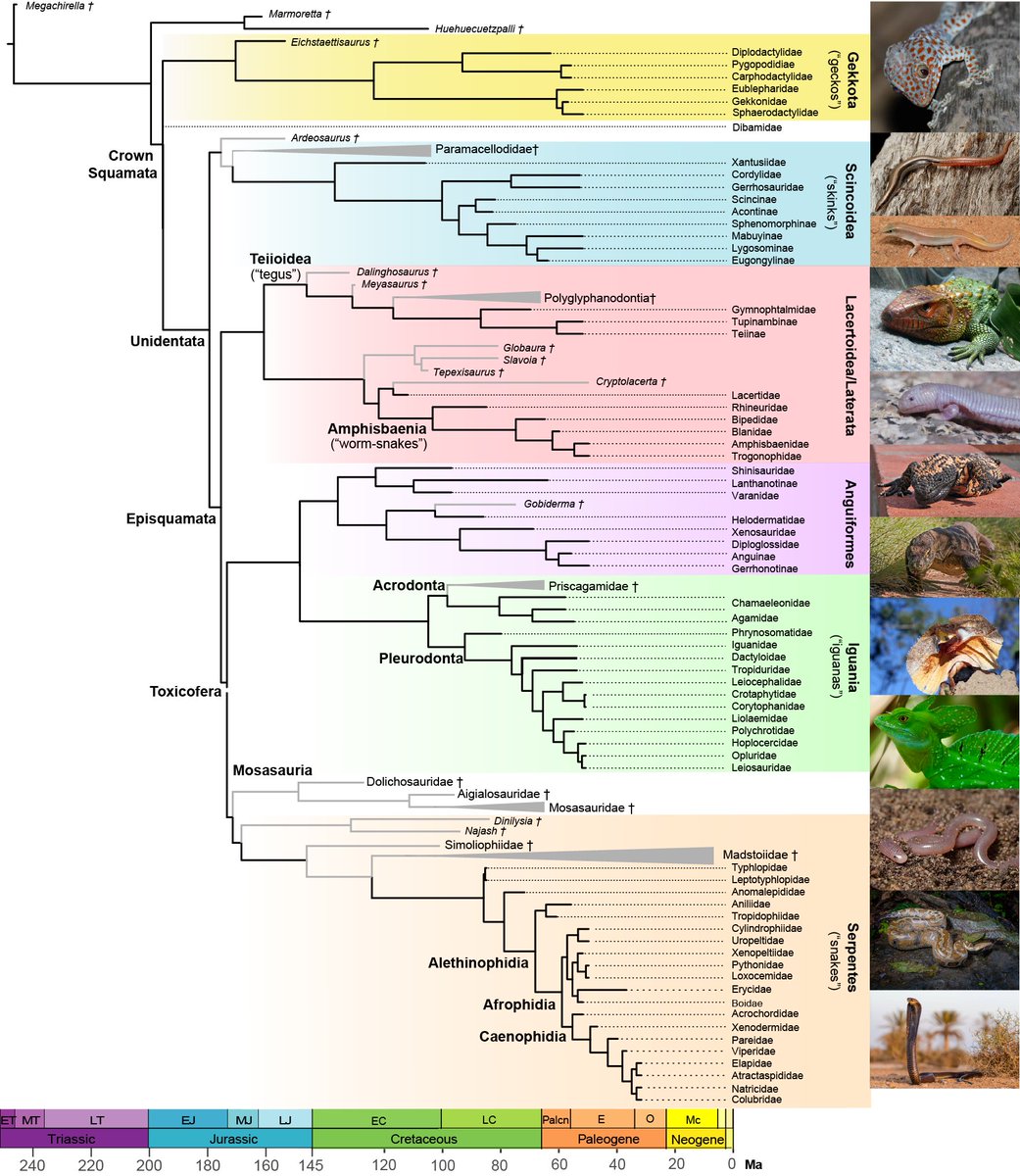
Happy to share the advance version of our big AREES review on squamate origin and early evolution: From Fossils to Genomes with my two amazing colleagues, Frank Burbrink and @evilsmaugannualreviews.org/content/jo…
On yesterdays #paleostream we covered the Gogo formation, a diverse assemblage from the Devonian of Australia. It is an extremely productive formation with high levels of preservation, giving us stull like the oldest preserved heart and placoderms mid birth.
🚨🚨🚨!Post doc opportunity! 🚨🚨🚨
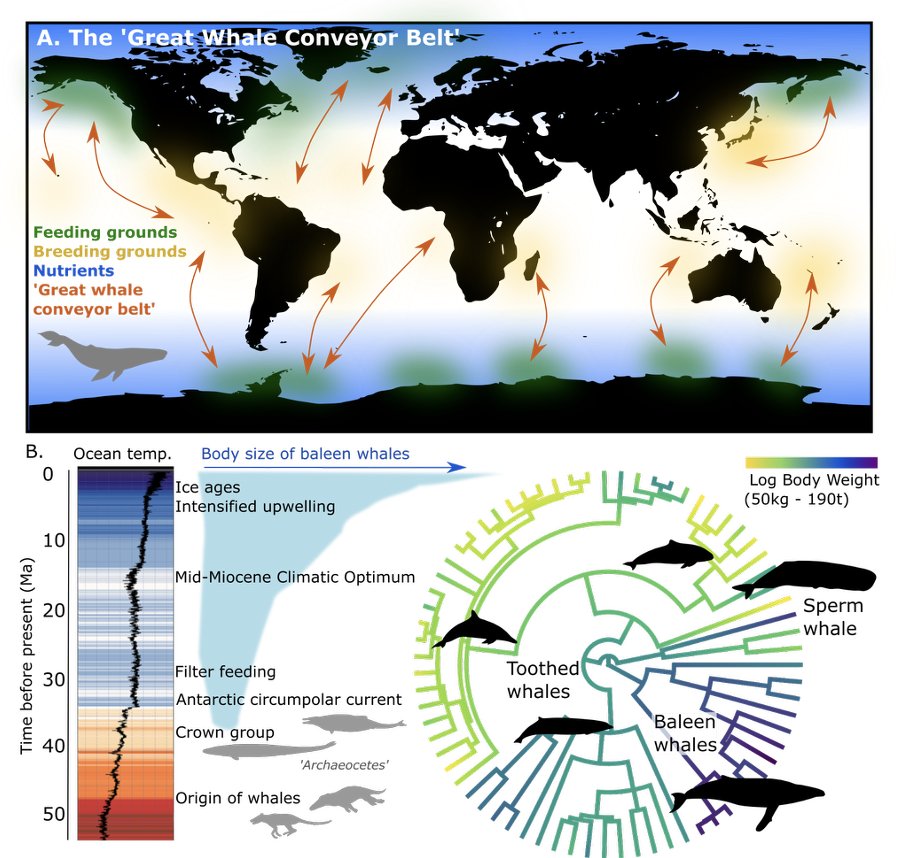
35 month post doc on niche modelling of migratory whales in my lab with @Kjonesthebones. Job advert below:
my.corehr.com/pls/uoxrecruit…
Please get in touch with questions!
!TODAY! Is #GivingBlueDay and we're hoping you might consider a gift to the Museum of Paleontology. You can learn about ways to support what you 💛 about UMMP here ---> givecampus.com/schools/Unive…
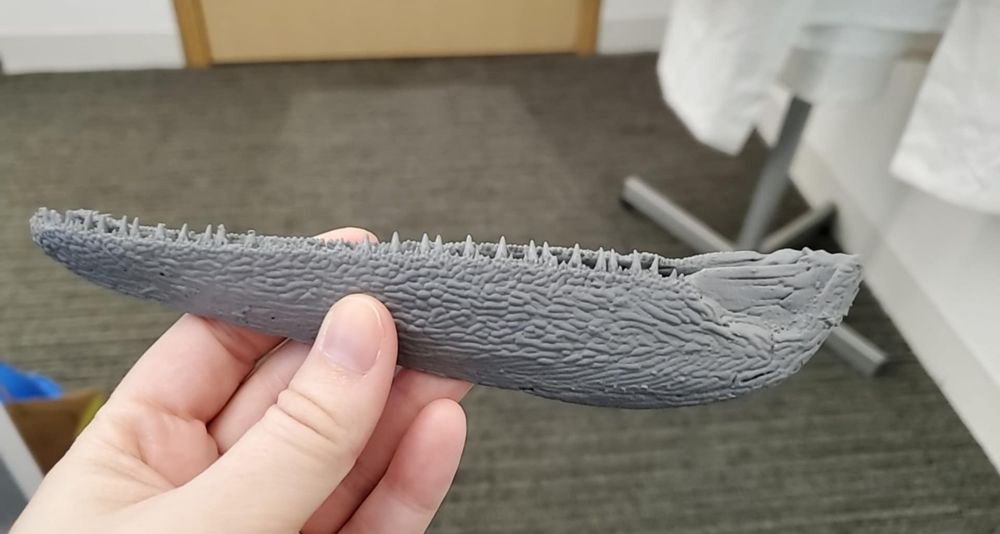
I'll be at my first #SICB2025 next month with some cool 3D printed fossil fish jaws to hype up my talk on Jan 7 at 1:30pm entitled "Patterns of jaw diversification in early bony fishes." Come say hello!!
ALT A 3d printed lower jaw of Gogosardina coatesi. Not to scale.
What would you most like to know about #lungfishes? ... Why they have such ginormous genomes? How they breathe air? How they embarrassed taxonomists?
Check out my Quick Guide, published in Current Biology @CurrentBiology today: cell.com/current-biology/ful…
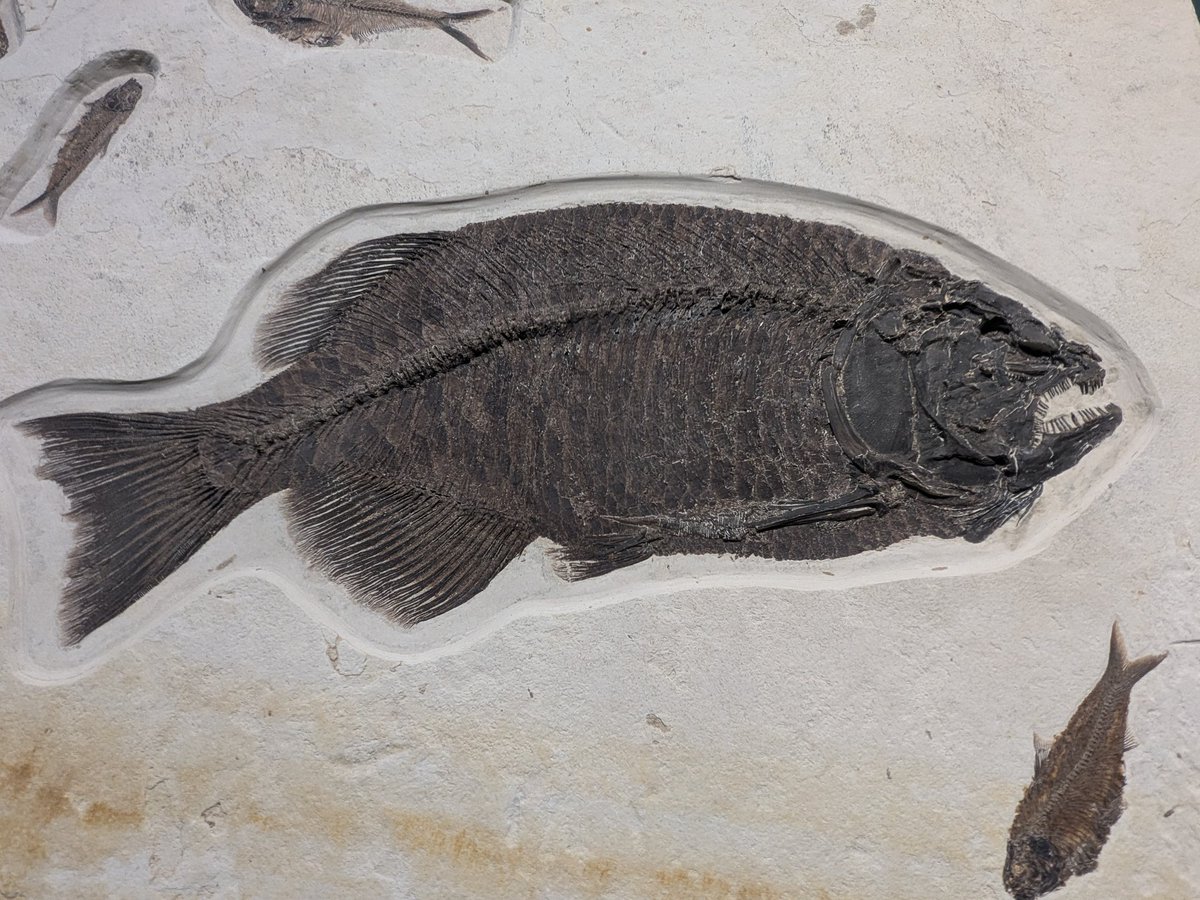
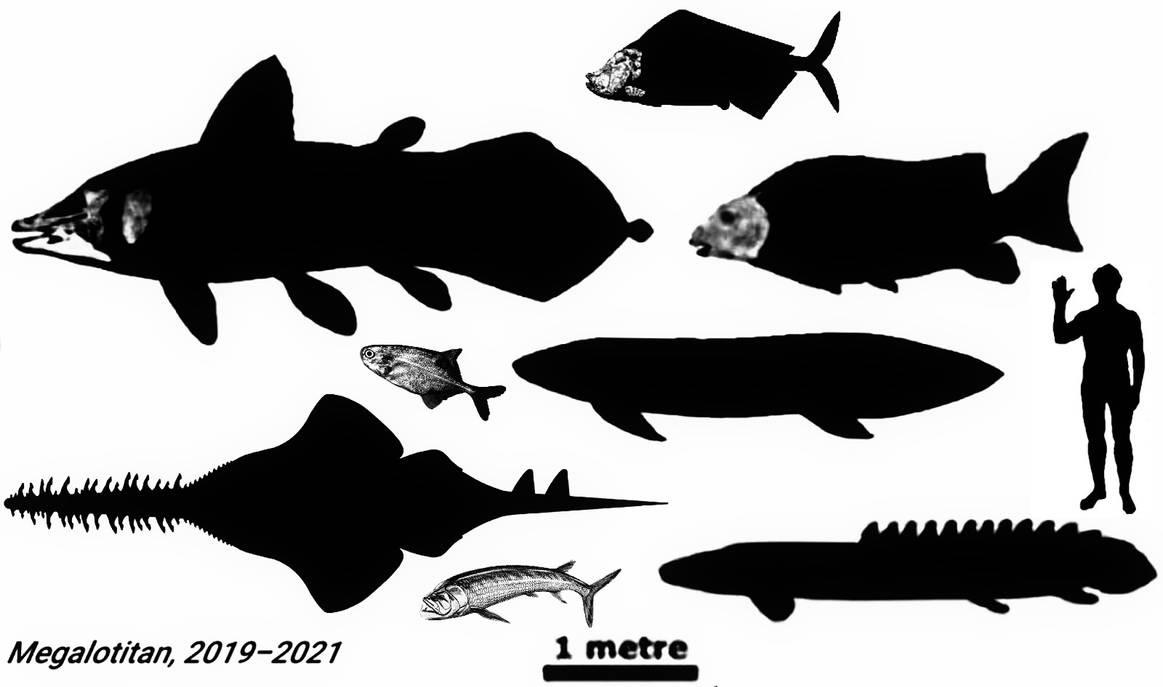
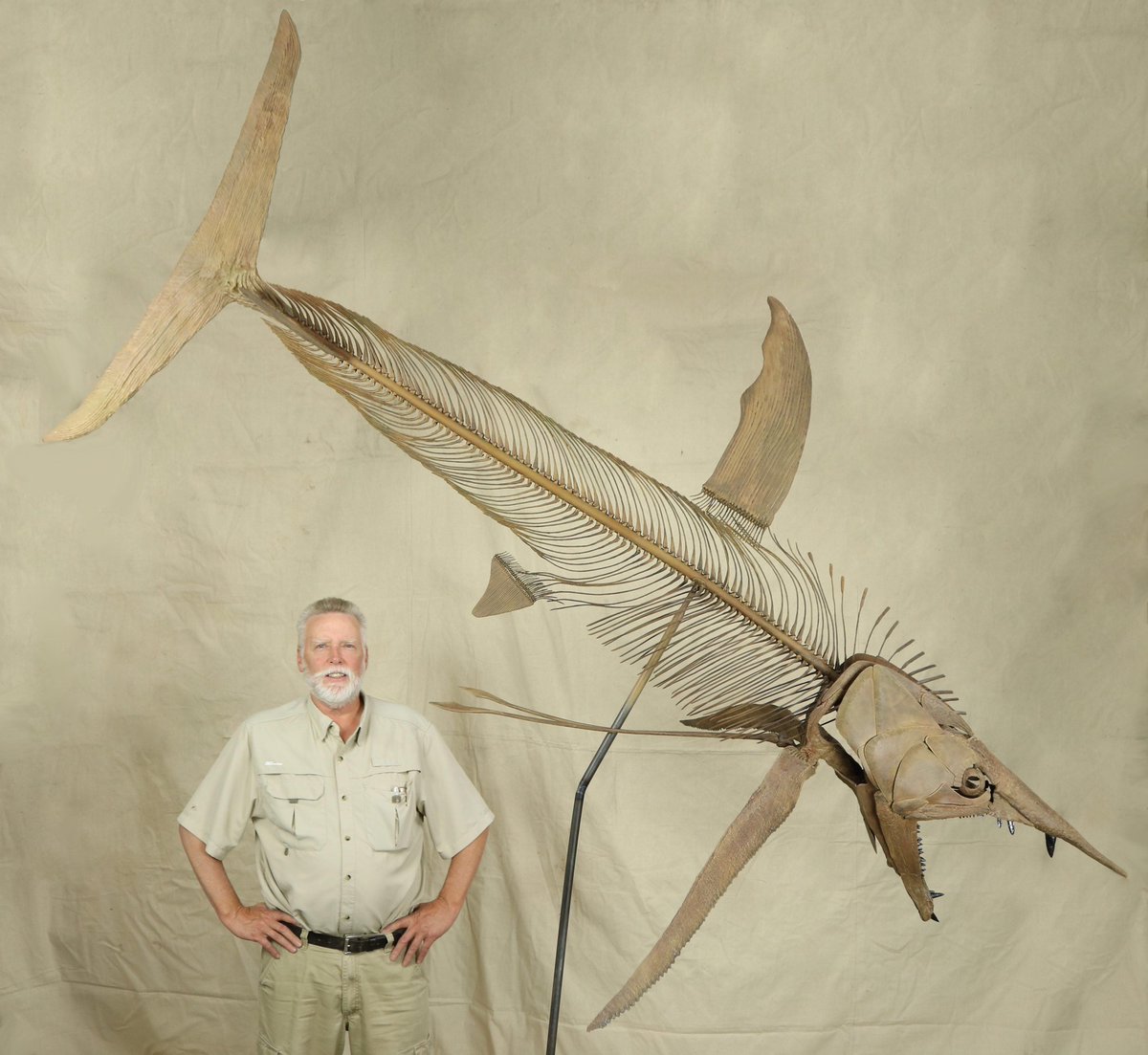
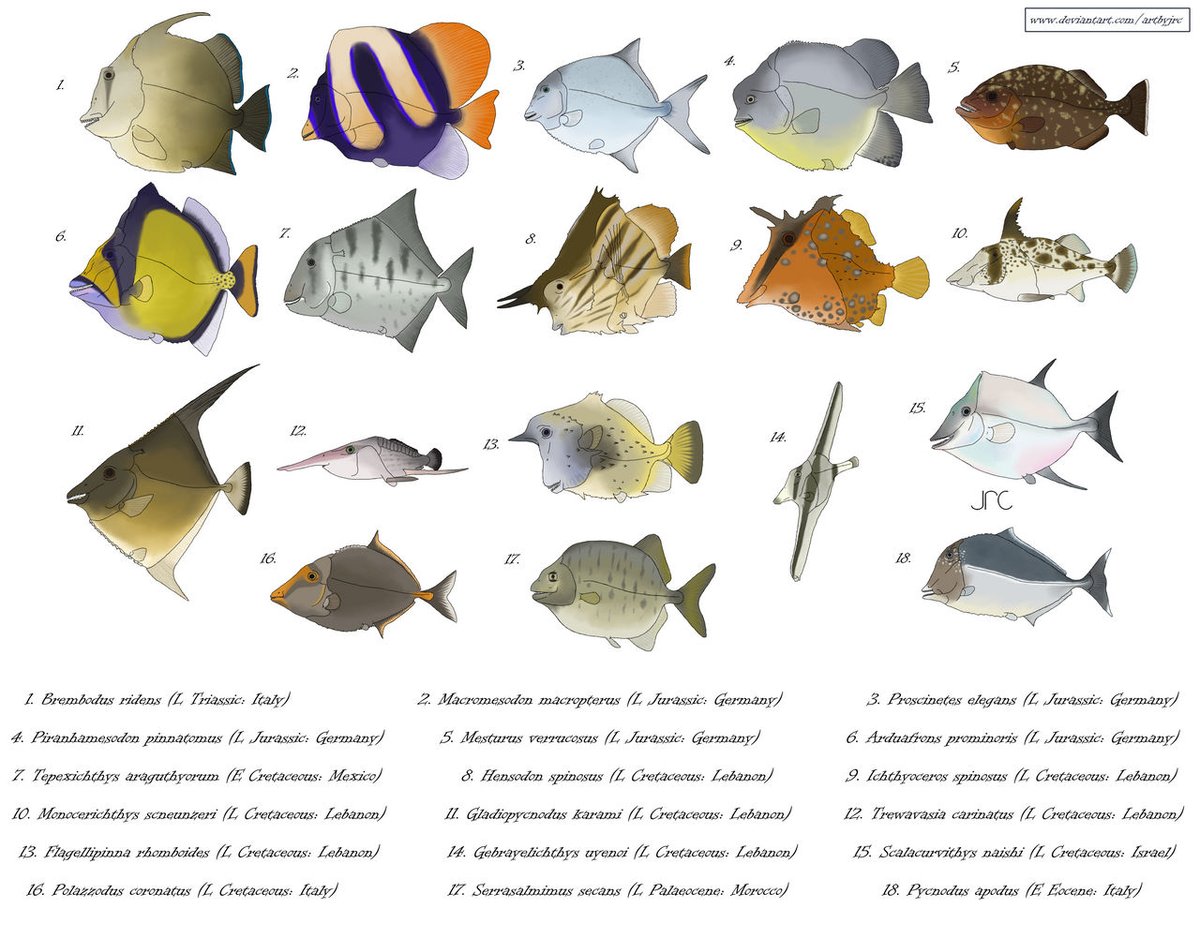
I've been fascinated by prehistoric fish lately, and honestly they're all so cool
The small reef fish in particular are a bizarre blend of familiar and alien