Active astronomer, intrepid interferometrist, doting dad, heuristic homebrewer, lapsed pilot. 25155 van Belle, former Director of Science at Lowell Obs
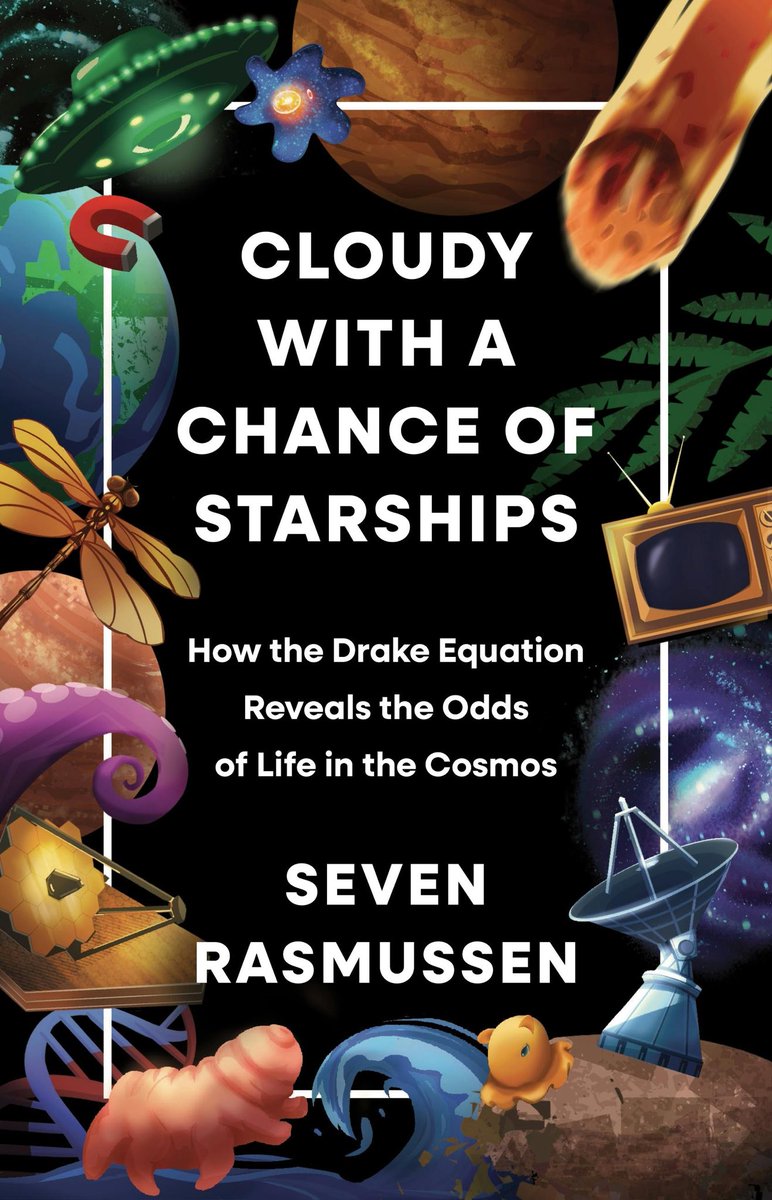
hi friends!! super excited to announce that CLOUDY WITH A CHANCE OF STARSHIPS is getting an audiobook!
you can preorder it here: audible.com/pd/Cloudy-with-a…
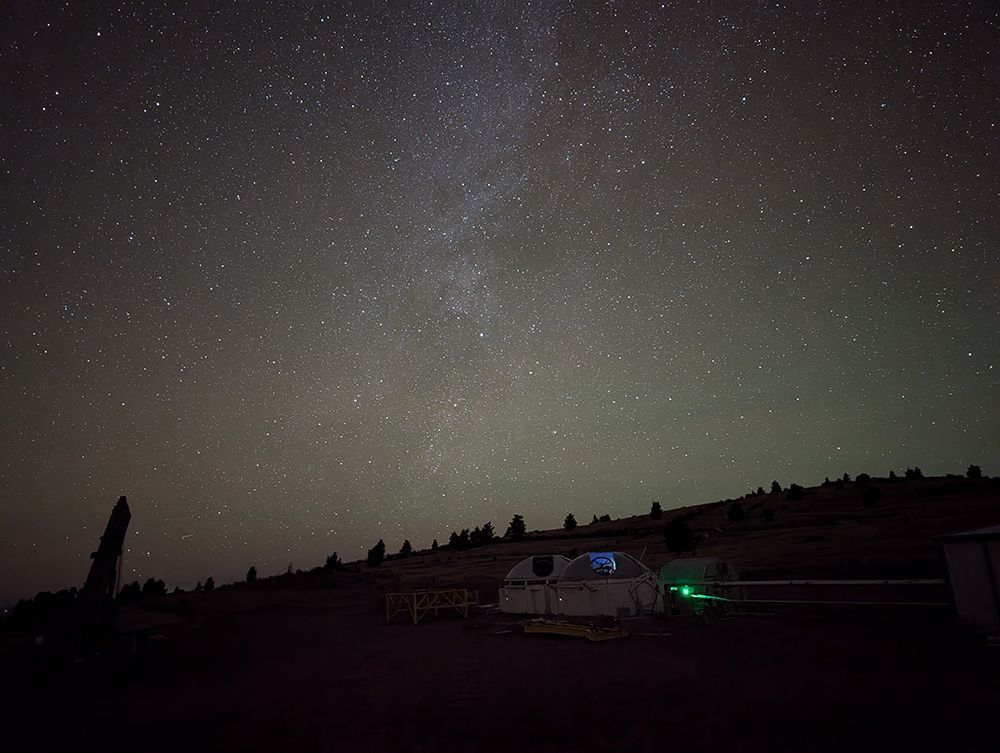
The Magdalena Ridge Observatory Interferometer (MROI) sees first light!📡
By successfully achieving “First Fringes”, the project hits a crucial benchmark for proof of concept and signals the dawn of a new era in high-resolution imaging of the cosmos.
👉 buff.ly/0TZmwm7
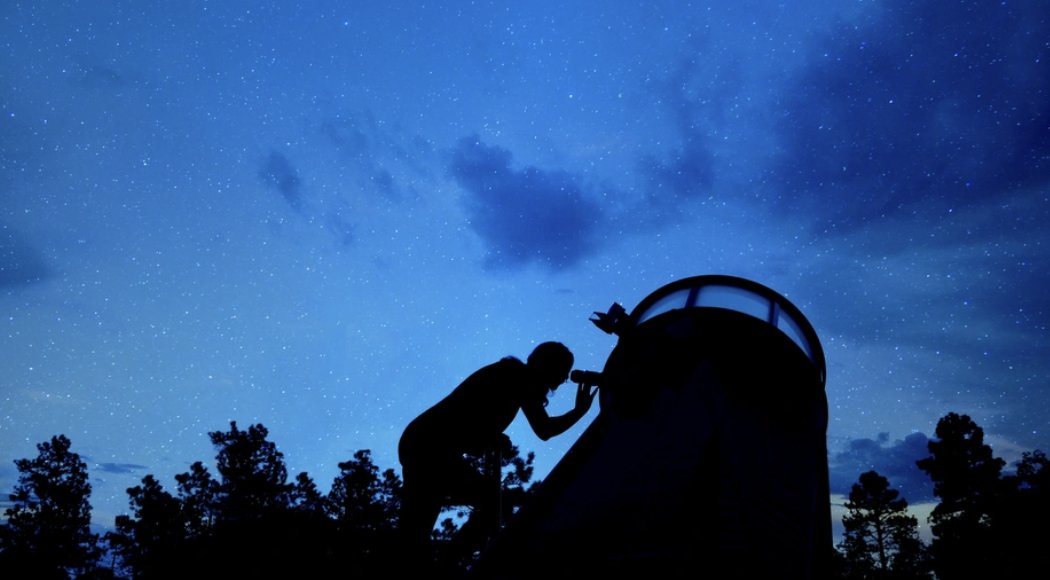
ALT The MROI telescopes and sky at night.
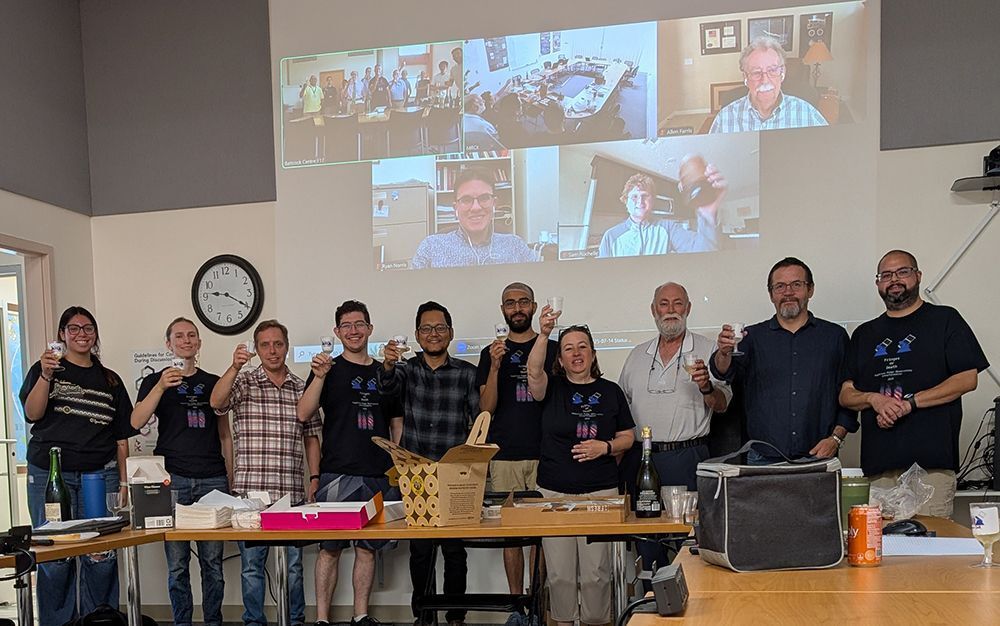
ALT Group of people in the room and on video call, rasing a glass to the camera.
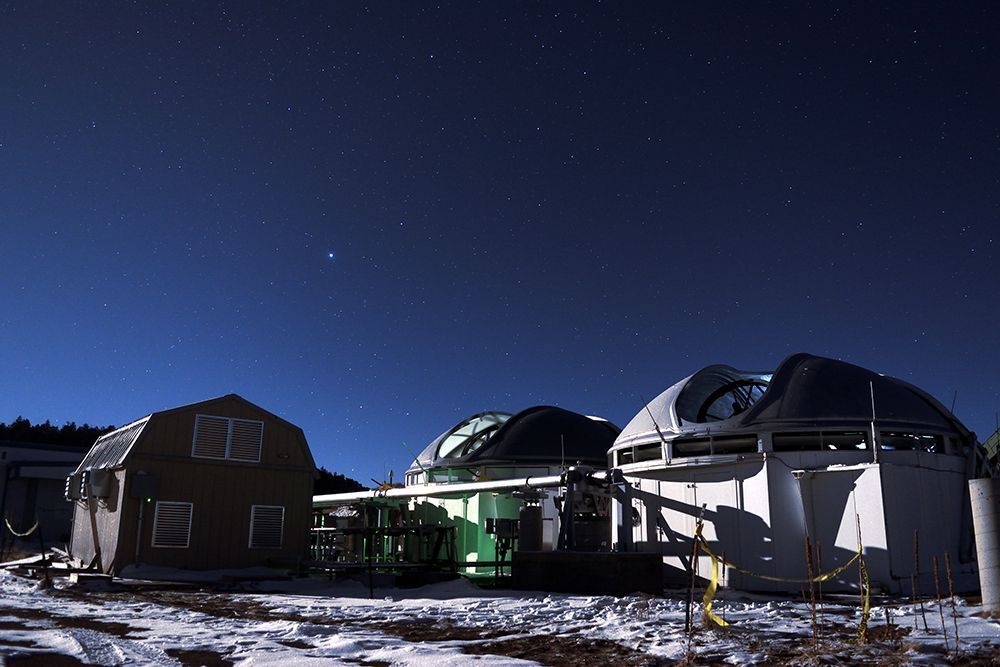
ALT Nighttime close-up of MROI's first two telescopes
I was so hopeful in 1965 when NASA selected its first scientist astronauts that once the scientists began going to the moon we would have a new batch of scientists —- selenologists who would really begin exploring the the moon. But by the time 17 flew I knew that wasn’t going to happen. Its been 50 years now but I still hope I live to see scientists putting boots on the ground on our nearest neighbor.
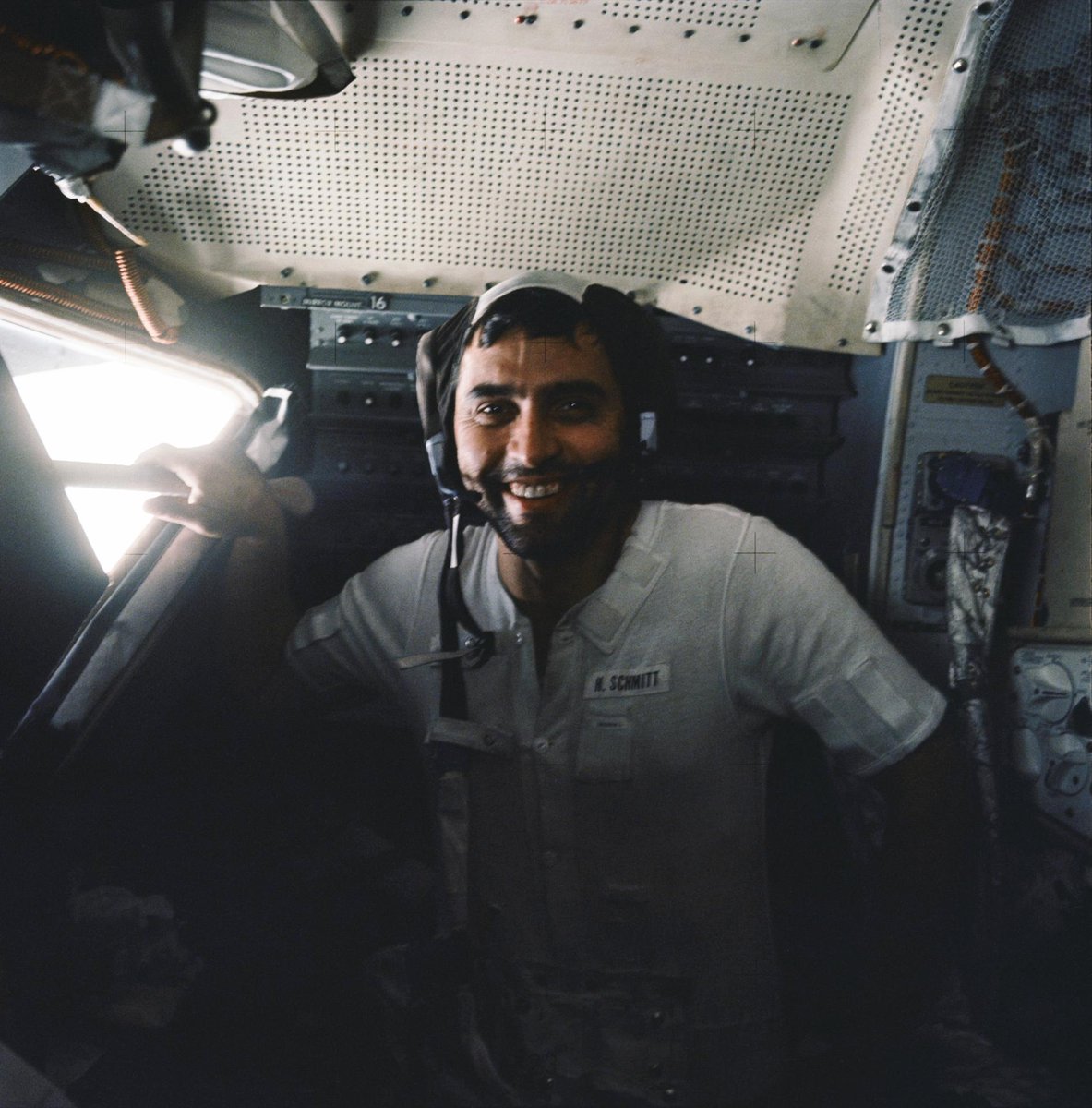
#OTD in 1972, Apollo 17 moonwalker Harrison “Jack” Schmitt became the first geologist to walk on the Moon. He and crewmate Eugene Cernan set records for the amount of time spent on the lunar surface and returned more than 240 pounds of rocks and soil.
ALT Astronaut Harrison H. Schmitt, lunar module pilot, displays several days of beard-growth aboard the Lunar Module (LM) prior to its liftoff from the Moon’s surface on Dec 13, 1972. The photograph was taken by astronaut Eugene A. Cernan, mission commander.
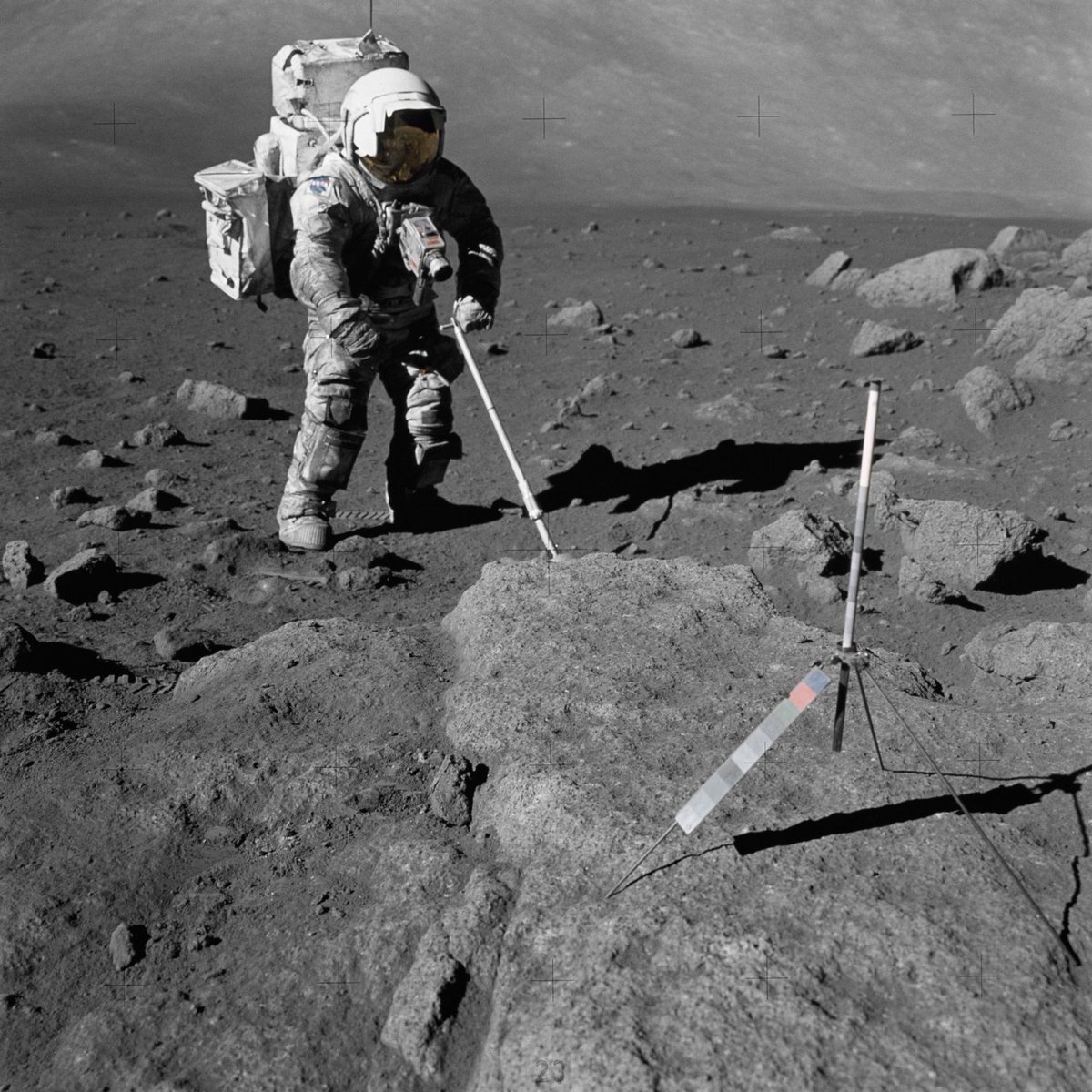
ALT Scientist-astronaut Harrison Schmitt, Apollo 17 lunar module pilot, uses an adjustable sampling scoop to retrieve lunar samples during the second Apollo 17 Extravehicular Activity (EVA 2), at Station 5 at the Taurus-Littrow landing site. In the foreground is a gnomon, a device used to help calibrate color and size for field photographs.
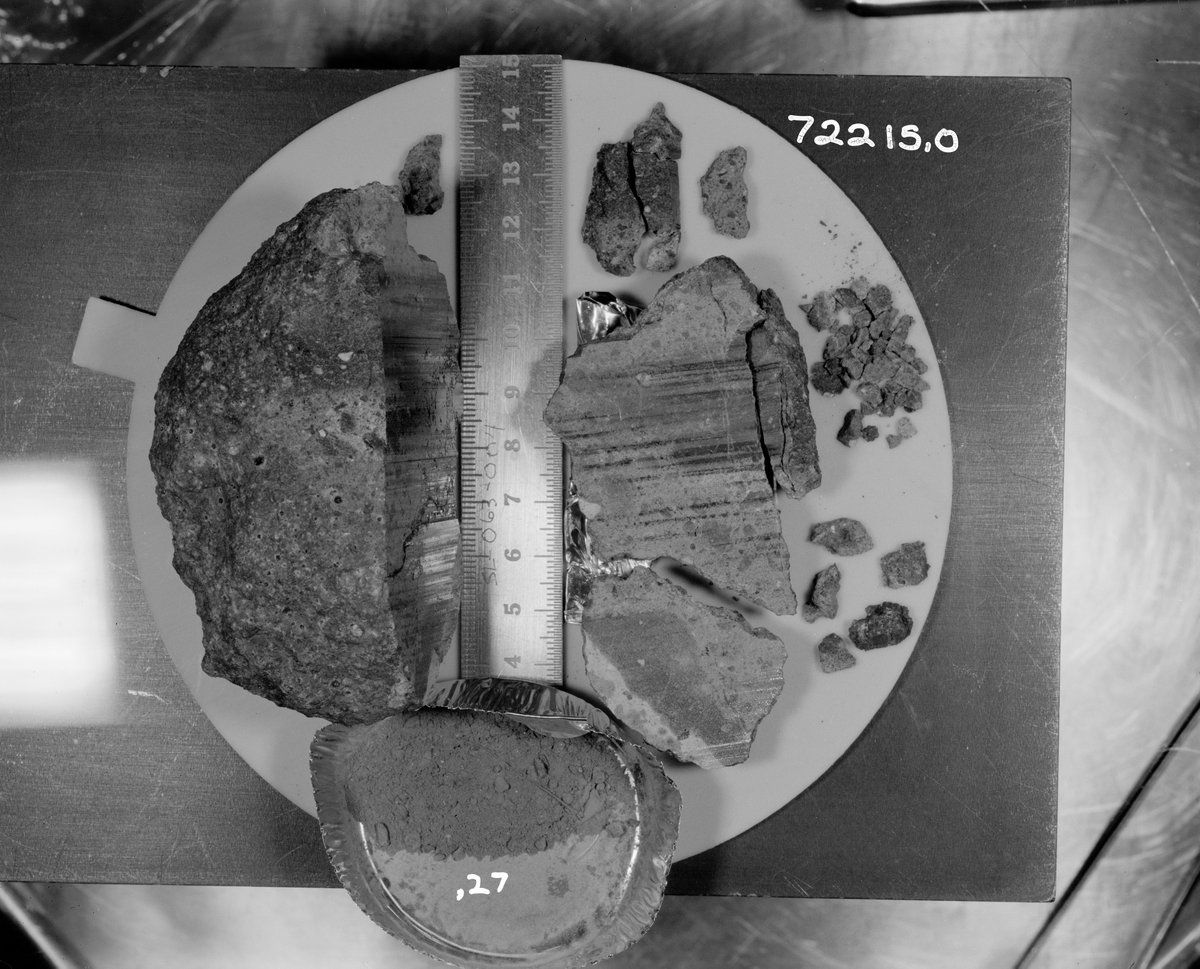
ALT A view of a small fraction of the samples of rock and dust that Apollo 17 astronauts brought back from their mission to the Moon.
Flagstaff’s Lowell Observatory plans to cut nearly all its research funding and reduce the number of paid science staff to just two positions next year.
buff.ly/jGQxUoI
Brief life update: On Monday I resigned from my appointment at Lowell Observatory. I wish my remaining friends and colleagues luck luck in their endeavors in increasing new visitor center visitation, and pursuing world-class research in the face of having ended tenure today.
Jared Isaacman and President Donald Trump have met in recent weeks and discussed reviving the fintech billionaire’s nomination to lead NASA, a source says bloomberg.com/news/articles/…
Six Planets, Including a Second GPI Planet!
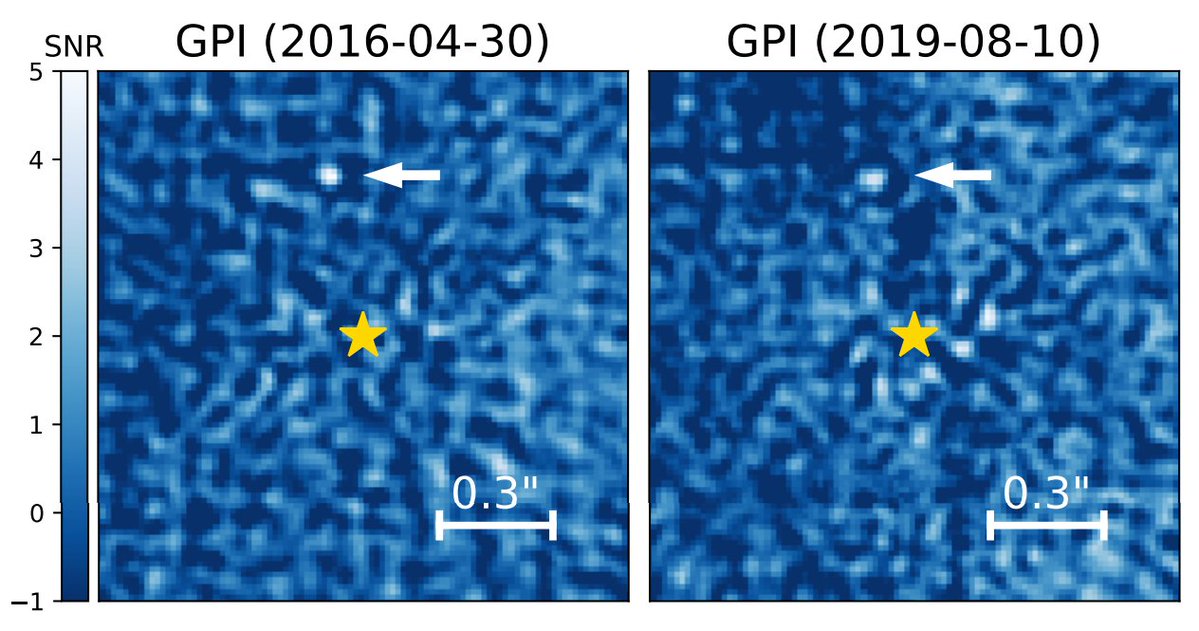
This week's new planets include HD 143811 AB b, a massive Jupiter, directly imaged by @PlanetImager, in a 300 -year orbit around two young (15 Myr) stars. There are also new @nasawebb transmission spectra. exoplanetarchive.ipac.caltec…
ALT These images are taken from Figure 1. of Squicciarini et al. (2025), which show signal-to-noise maps produced from PAtch-COvariance (PACO) algorithm.
Visual description: Two squares sit side by side, the left one labeled GPI (2016-04-30), the right one labeled GPI (2019-08-10), with the text indicating observation dates for the images contained in the squares. The squares contain a mottled blue and black background with a yellow star near the center of each, and directly above the star in an almost 12 o'clock position is a small, white dot with a white arrow pointing to it that indicates the directly imaged exoplanet HD HD 143811 AB b.
Katalyst Space Technologies is in a race against time and gravity to save the gamma-ray burst telescope from falling into the clutches of Earth’s atmosphere.
bit.ly/3IIffNx
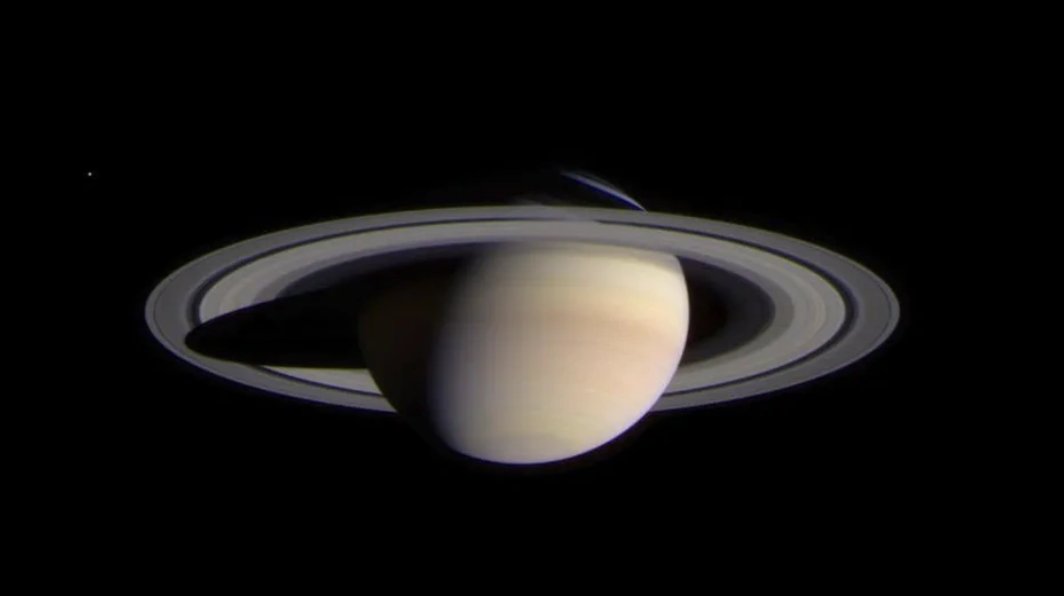
🪐 Saturn season is here!
On Sept 21, Saturn reaches opposition, its closest, brightest view of the year. 🌌
✨ Members: Join our Saturn Soirée private viewing.
✨ Visitors: Enjoy stunning views all month with general admission.
👉 lowell.edu/visit
📸: NASA