
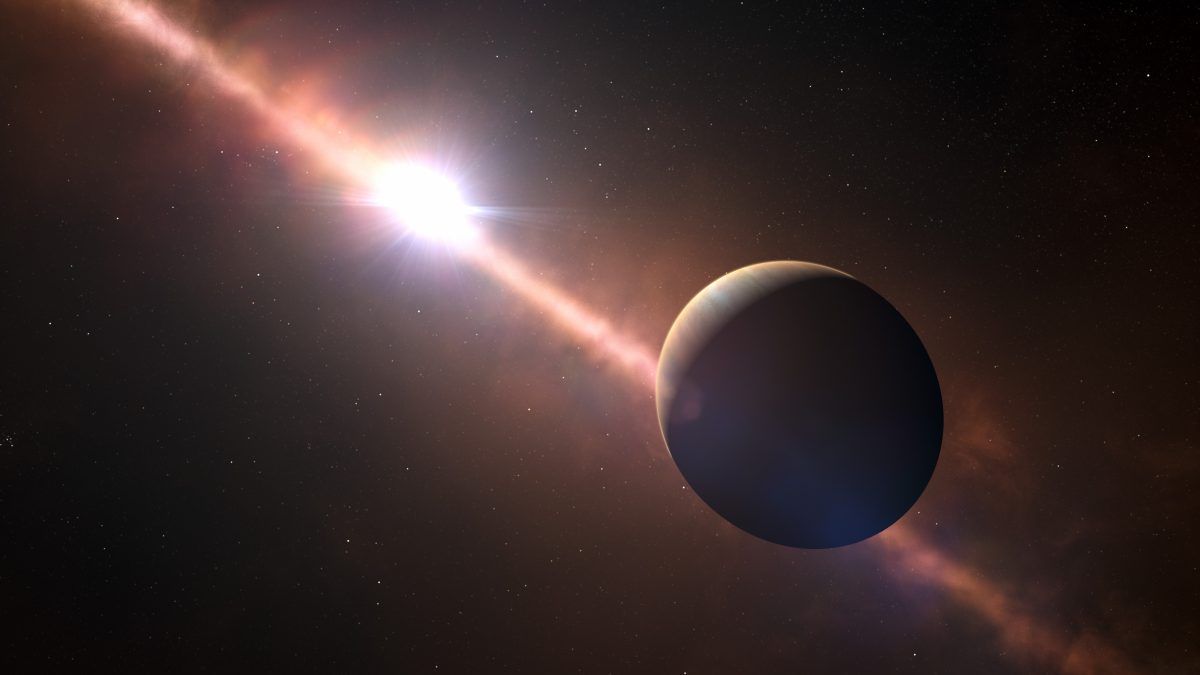
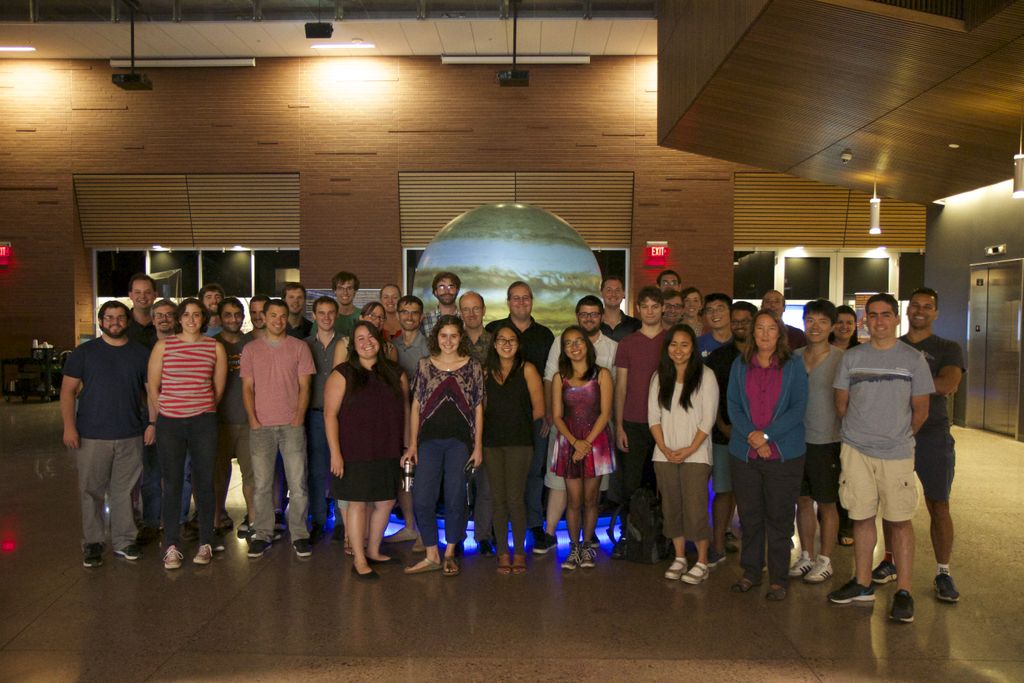
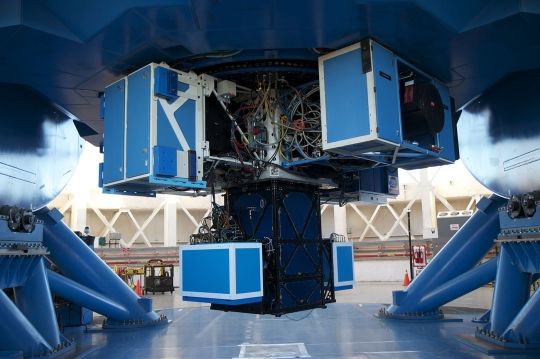
The Gemini Planet Imager (GPI or Gee-pi) is an instrument to search and characterize young Jupiter-like exoplanets.
Joined November 2013
- Tweets 317
- Following 40
- Followers 1,003
- Likes 186
62 Photos and videos


Gemini Planet Imager retweeted

13 May 2023
A parsec is the distance — 3.26 light-years — that a star must lie from the Sun for its parallax angle to be exactly 1 arcsecond (1/3600 of a degree).
astronomy.com/magazine/ask-a…
1
13
36
4,390
Gemini Planet Imager retweeted

23 Oct 2022
From @briles_34: Curious about what polarimetry is, and how it can help us understand the universe? This guide is for you! astrobites.org/2022/10/23/as… feat. science cases & results from @PlanetImager @ehtelescope @almaobs @sofiatelescope and more
8
15

7 Nov 2022
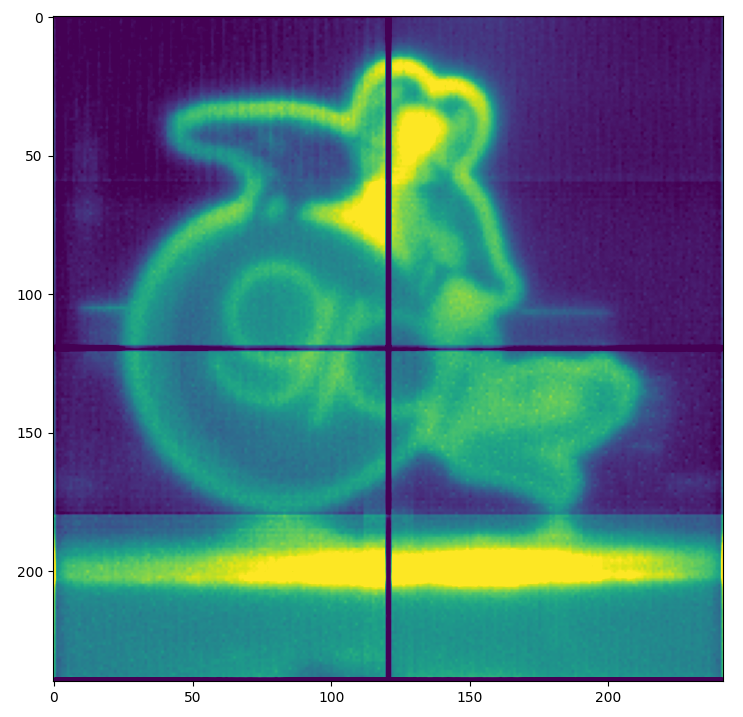
GPI (2) has got a brand new look! Testing out our adaptive optics on GPI's updated logo that features native Hawaiian geese, called nenes, in honor of GPI 2's future home at @GeminiObs North.
2
10 Aug 2022
Why are we looking for life beyond Earth and how will we find it? Hear from astrobiologist K. Lynch, SETI researcher S. Sheikh, artist-in-residence B. Nelson, and planetary astronomer F. Marchis on possible answers. Vote for our SXSW Panel from Aug. 9-21! buff.ly/3vUDPRP
3
12 Jul 2022
The dawn of a new era in astronomy has begun as the world gets its first look at the full capabilities of the NASA/ESA/CSA #JWST. The telescope’s first full-colour images and spectroscopic data were released today and they are spectacular.
buff.ly/3P0kbuY
10 Jun 2022
I have arrived at @NotreDame to be refurbished with a better WFS, new electronics and optics, so I reach a better sensitivity and contrast.
9 Jun 2022

GPI unloading date moved up and it's being moved into its new lab home at Notre Dame!

2
13
Gemini Planet Imager retweeted

6 May 2022
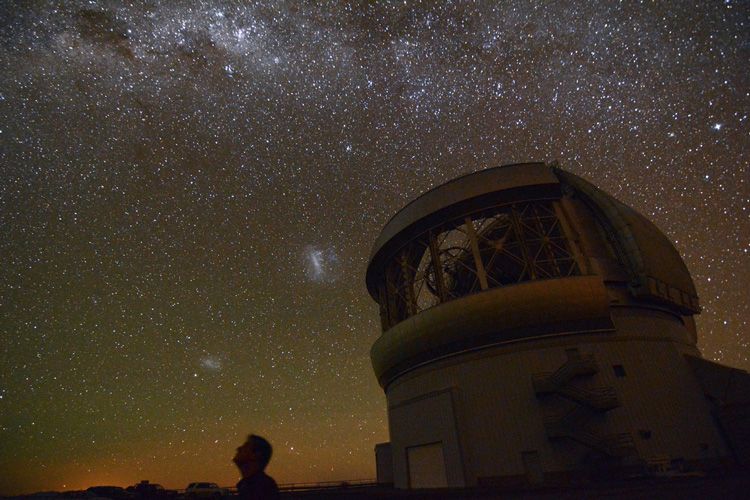
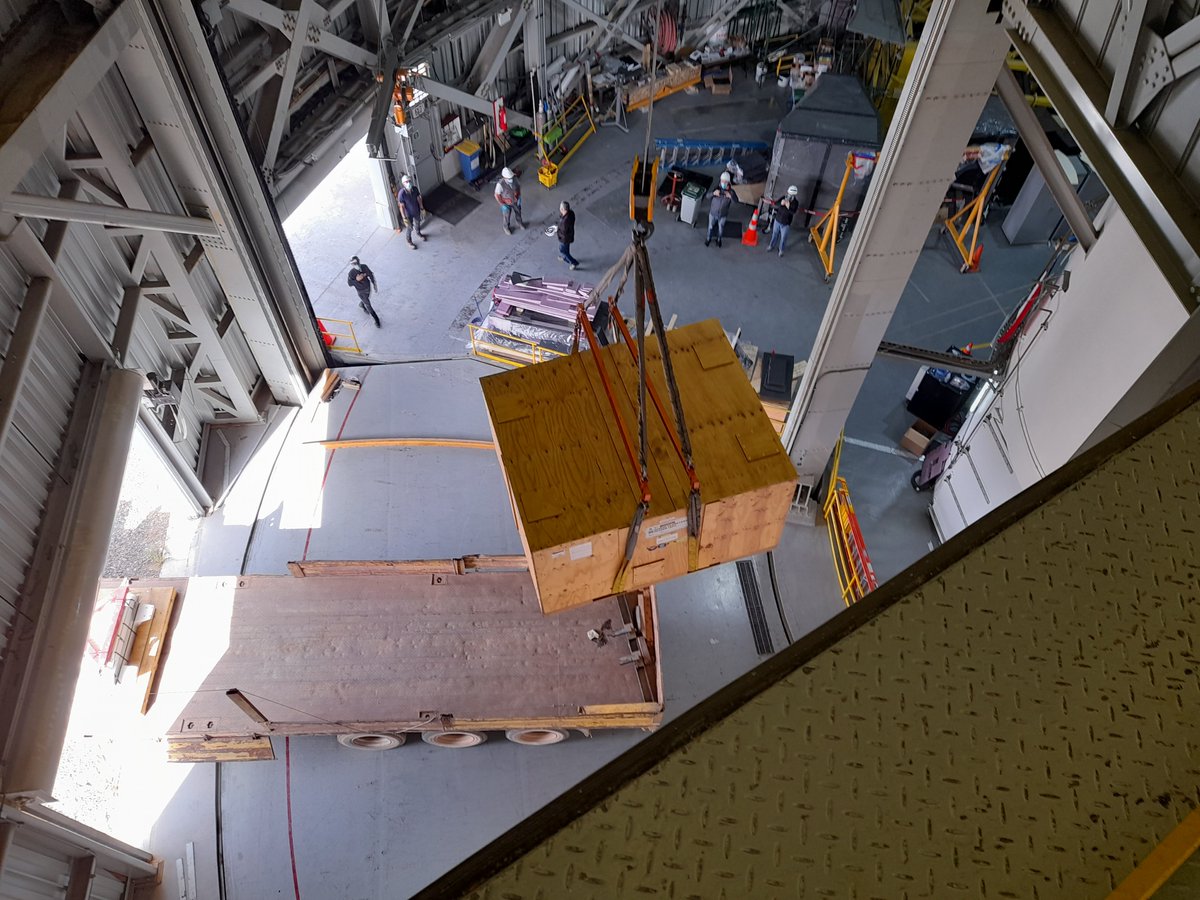
The Gemini Planet Imager @PlanetImager is leaving Cerro Pachon and Gemini South @GeminiObs . (Pictures from Gemini and Fredrik Rantakyro and Alan McConnachie)

1
5
44
Gemini Planet Imager retweeted

8 May 2022
It’s happening… finally! @PlanetImager is going to @NotreDame to be upgraded and then will be shipped to @GeminiObs North to find more planets and image disks around young stars.
6 May 2022
The Gemini Planet Imager @PlanetImager is leaving Cerro Pachon and Gemini South @GeminiObs . (Pictures from Gemini and Fredrik Rantakyro and Alan McConnachie)
1
4
25 Jul 2021
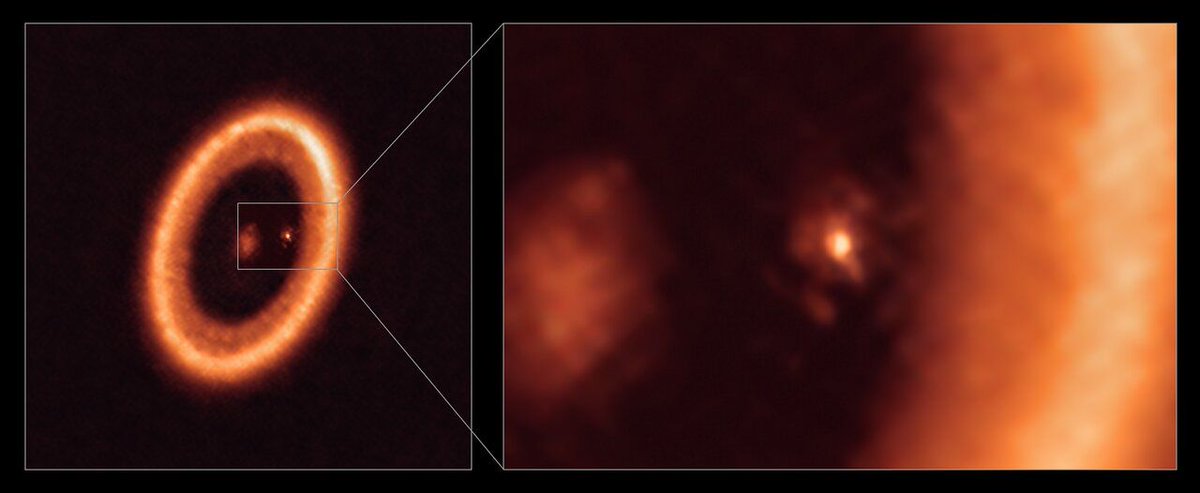
Beautiful observations with ALMA of a planetary cocoon around the planet PDS 70c where baby moons might be forming. It’s remarkable what can be seen with this facility on the top of the world. Congrats' to the team buff.ly/2W11ukb
2
11 Oct 2020
What if there were a museum that contained every type of life form in the Universe? This @musicalscience video describes this fantastic place and gives us the opportunity to dream about them by mixing art and science. Enjoy this beautiful video! #SETI buff.ly/2FkUTsV
18 Sep 2020
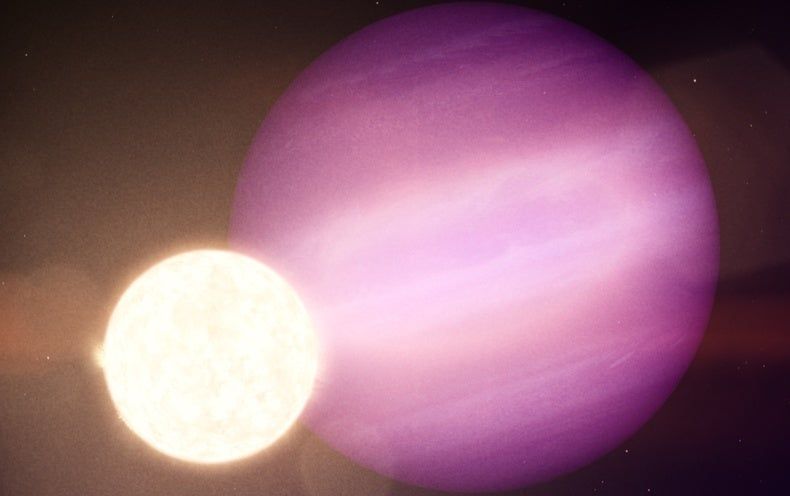
For the first time, astronomers have detected a planet orbiting a white dwarf star named WD 1856 534 (25pc from us). If further confirmed, the discovery shows that some planets could survive the destruction of their sun-like stars. buff.ly/3hHj3Lc
25 Aug 2020
“Cosmic Conversation” Franck Marchis (@AllPlanets) of the @SETIInstitute and @ryanwyatt of the @calacademy to discuss direct imaging of Earth-like exoplanets—perhaps even the exoplanet closest to us, orbiting Proxima Centauri! buff.ly/2EgQ5ED
8
27 Jun 2020
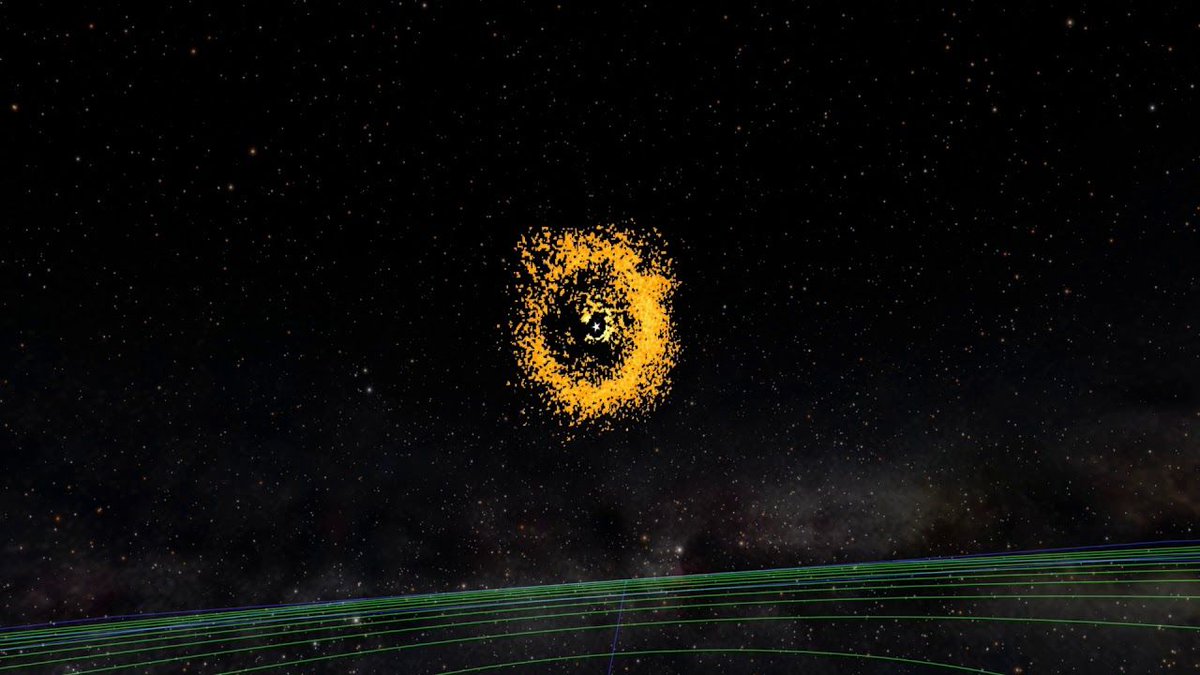
Animation of the solar system and moving outward to indicate stars observed with the Gemini Planet Imager (GPI) mounted on the Gemini South telescope in Chile. Highlighted are the images of the dusty rings encircling some of these young stars. buff.ly/3g1YoB9
24 Jun 2020
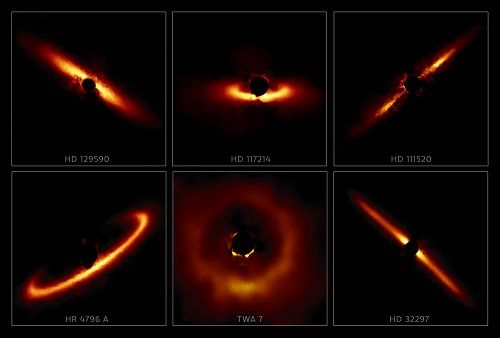
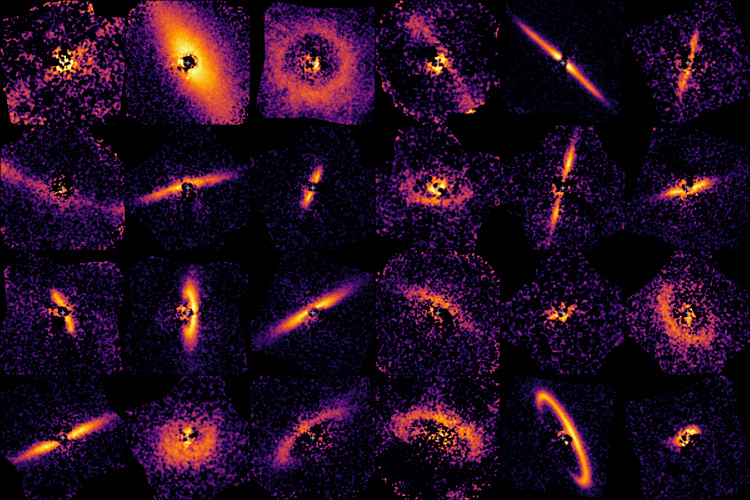
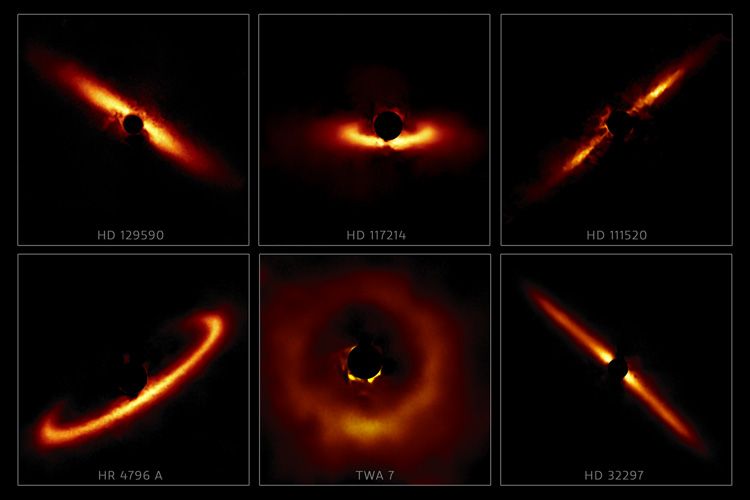
Those are snapshots from the largest collection of sharp, detailed images of dusty debris disks around young stars. The images captured by Gemini @PlanetImager illustrate the variety of shapes and sizes that stellar systems can take during their infancy. buff.ly/37VRsCO
9
24 Jun 2020
Astronomers released the largest collection of sharp, detailed images of debris disks around young stars, showcasing the variety of shapes & sizes of stellar systems during their prime planet-forming yrs. Surprisingly, nearly all showed evidence of planets buff.ly/3eyT48i
1
4
7
18 Jun 2020
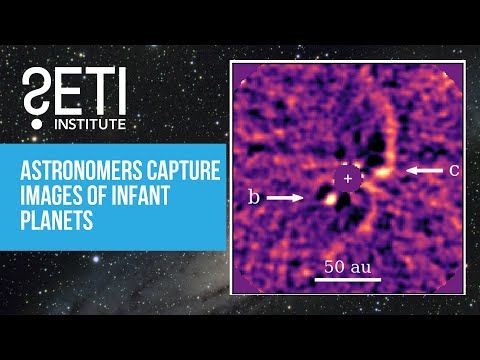
Dr. Jason Wang @semaphore_P of Caltech told us about the recent announcement that astronomers using the Near-Infrared Camera (NIRC2) on the Keck II telescope at W. M. Keck Observatory have directly imaged two infant gas giants: PDS 70b and PDS 70c. buff.ly/2UsBRp5
3
3
28 May 2020
KIPAC Public Lectures Tuesday June 2 (6pm PT) "Pictures of Distant Worlds" by Bruce Macintosh. Find out about the first-ever images of other solar systems — and the technology that has allowed us to see them, such as the Gemini @PlanetImager — and more! buff.ly/2TMG9qF
1
Gemini Planet Imager retweeted

14 Jan 2020
#exoplaneta Beta Pictoris b. ¡Y aún así se mueve! - video muestra combinación de todas las imágenes de @PlanetImager de beta Pic b desde 2013 hasta 2018. Mire aquí: buff.ly/30jB7UP | Artículo completo: buff.ly/2EBOaXu
1
2
5 Dec 2019
The exoplanet Beta Pictoris b. And yet it moves – A blog post by the Gemini @PlanetImager team about our recent article on the study of this exoplanet and the future of GPI. buff.ly/355Qkdu
6
8
Gemini Planet Imager retweeted

27 Nov 2019
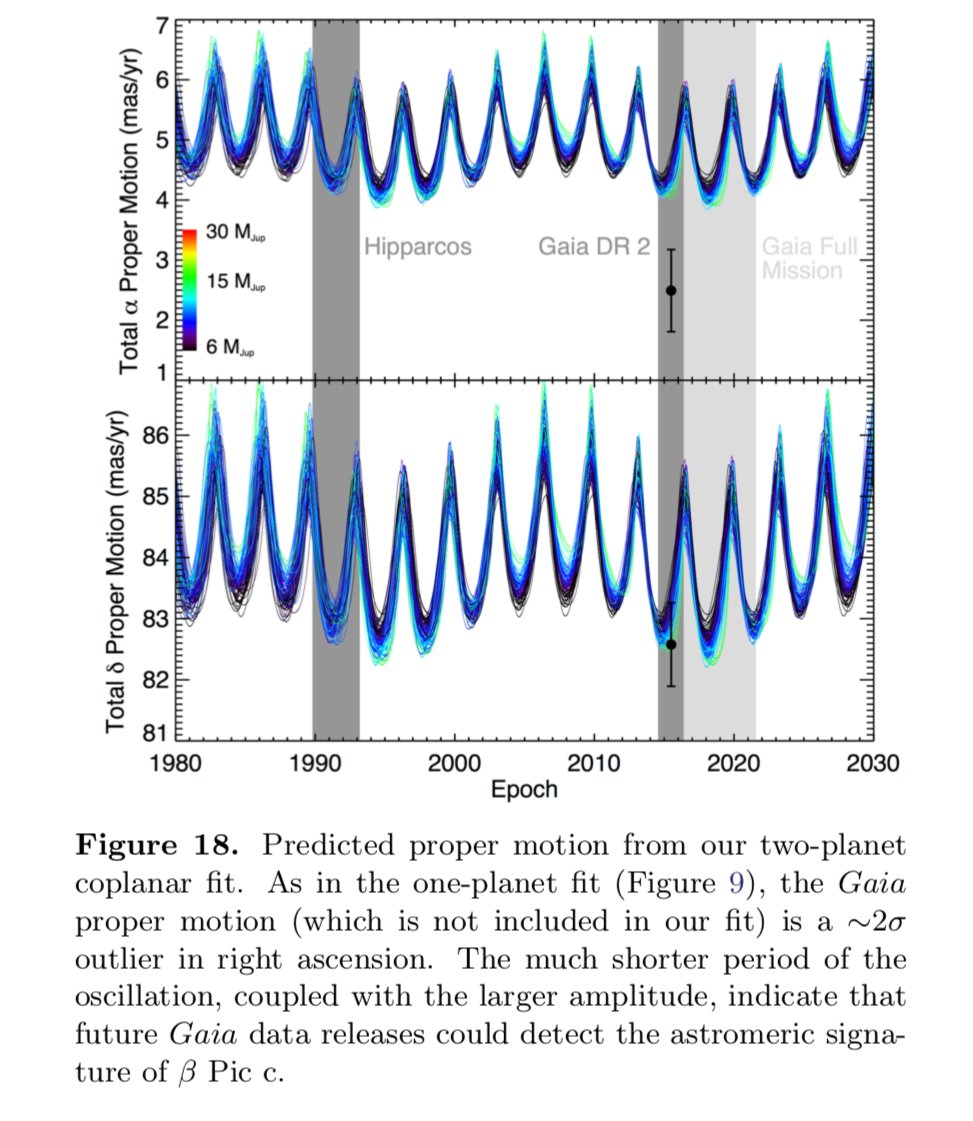
"The @PlanetImager Exoplanet Survey: Dynamical Mass of the Exoplanet beta Pictoris b from Combined Direct Imaging and #Hipparcos #GaiaDR2 Astrometry" arxiv.org/abs/1911.11273 "8.0 /- 2.6 M_Jup" #GaiaMission
3
6