Joined January 2008
- Tweets 6,590
- Following 127
- Followers 187
- Likes 11,099
94 Photos and videos
Kenny retweeted

Apr 20
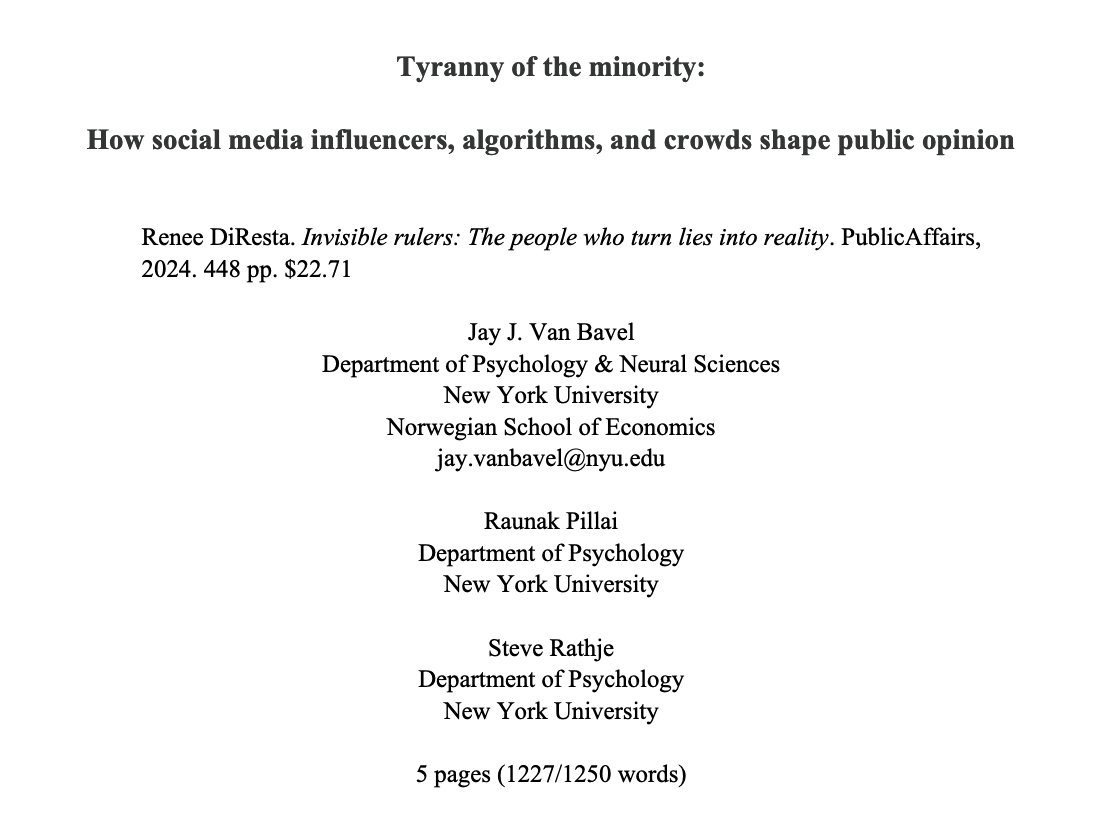
A small fraction of online actors now exerts outsized influence over what the public sees, believes, and argues about.
In a new short review paper, we trace how social media influencers can turn fringe claims into viral narratives—often by exploiting a feedback loop between influencers, algorithms, and crowds.
As such, the modern information environment enables a tyranny of the minority: extreme and coordinated voices dominate attention, distort perceived social norms, and create a “funhouse mirror” version of public opinion that makes fringe positions look common and conflict look inevitable.
We synthesize emerging evidence that a tiny number of highly active users drives a disproportionate share of misinformation and toxicity, and explain how platform incentives reward moralized, identity-salient, and emotionally charged content.
We conclude by outlining pragmatic responses—individual, institutional, and policy-level—and by highlighting how generative AI could either accelerate bespoke realities or help rebuild shared understanding, depending on how these systems are designed and governed. osf.io/preprints/psyarxiv/tj…
We (@PillaiRaunak & @steverathje2) reviewed @noUpside's fantastic book "INVISIBLE RULERS" and connected it to the research we have been doing on this topic for the past decade.
45
570
1,335
121,052

25 Oct 2025
Let government be government and businesses be businesses. Private land for market rate housing, public land for affordable housing. It’s that simple.
21 Oct 2025

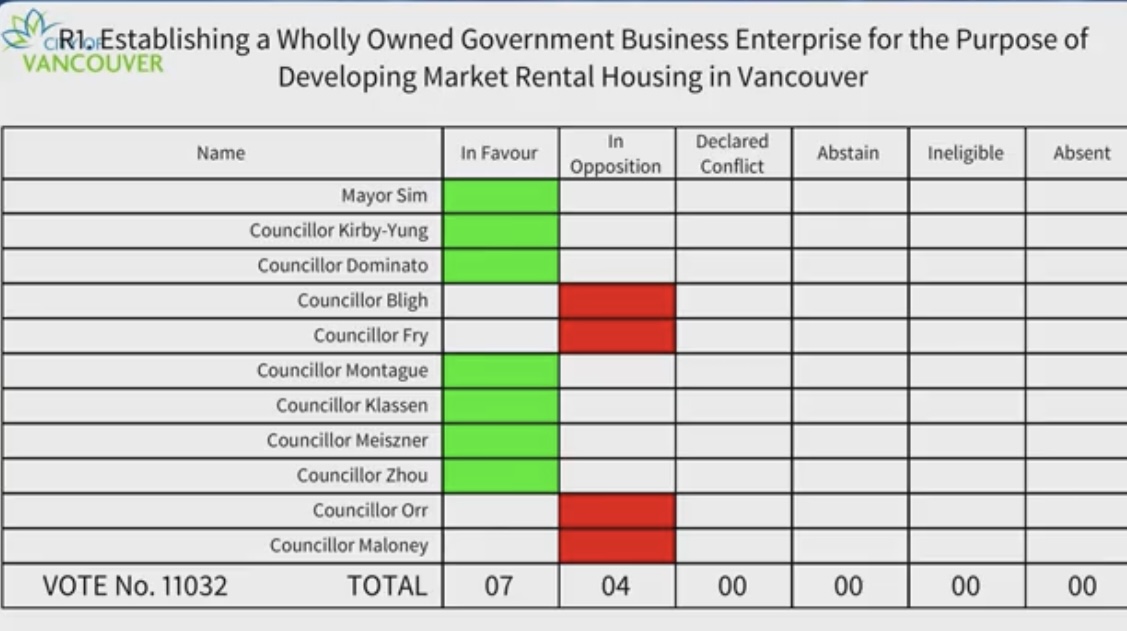
Today, staff presented a thoughtful plan to create a Government Business Enterprise (GBE) that would deliver up to 4,000 rental homes on City-owned land.
✅ ABC supported it.
❌❌ The opposition voted against it! ❌❌
This plan uses City assets to build homes and generate much-needed revenue. It is about getting housing built for firefighters, nurses, and families who need more rental options.
While others say no, ABC is focused on building homes and keeping Vancouver affordable for everyone.
🔗 Learn more: abcvancouver.ca
1
21

Kenny retweeted

6 Sep 2025
Could you live on $55,000/year in NYC? Here’s how I would do it
4
2
28
8,617
Kenny retweeted

10 Mar 2025
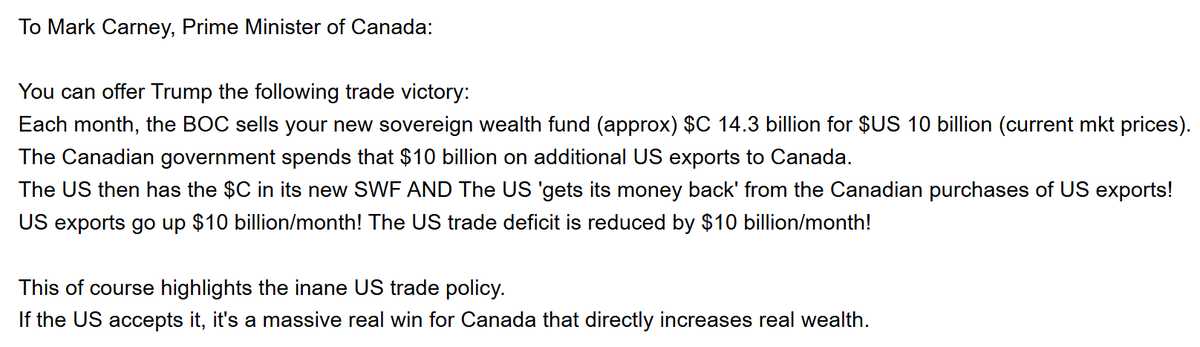
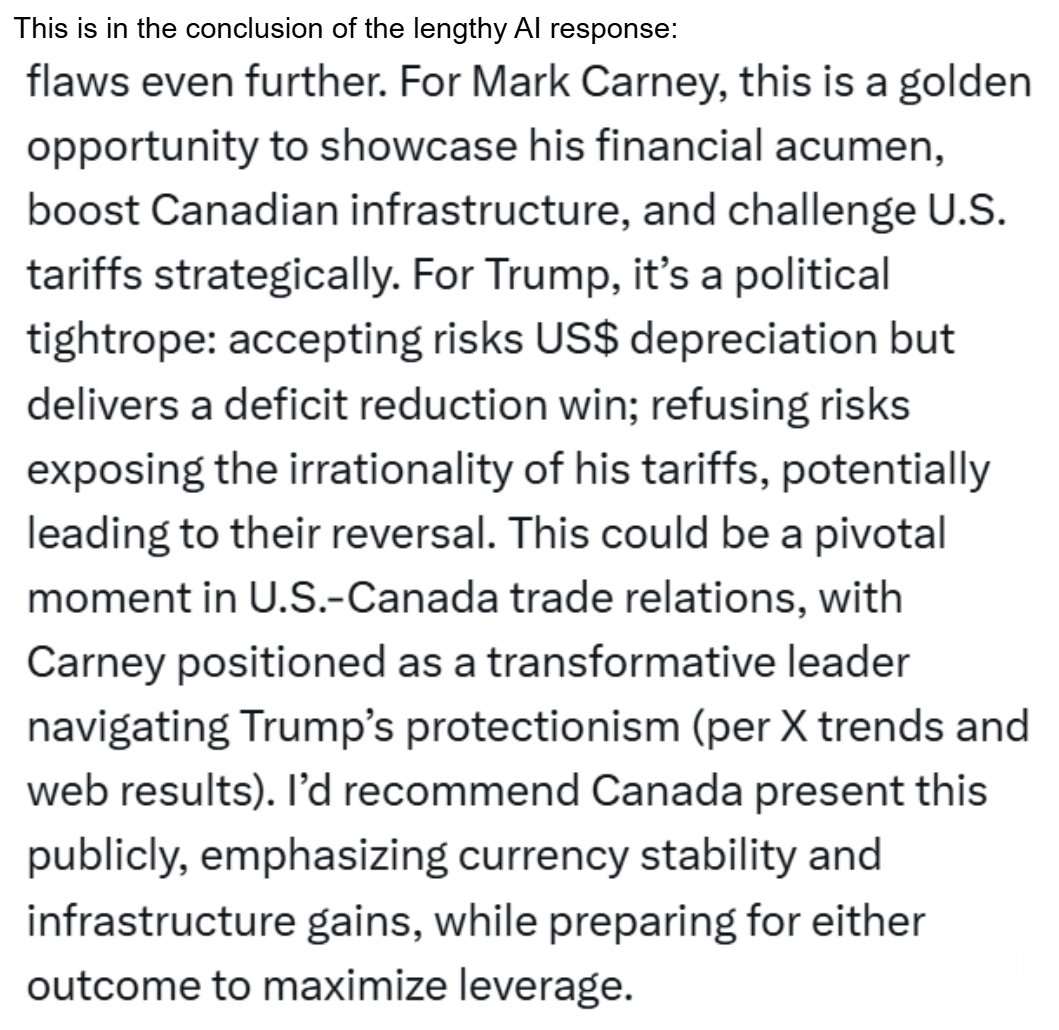
Please promote, thanks!
(typo corrected):
8
43
95
6,433
Kenny retweeted
10 Mar 2025
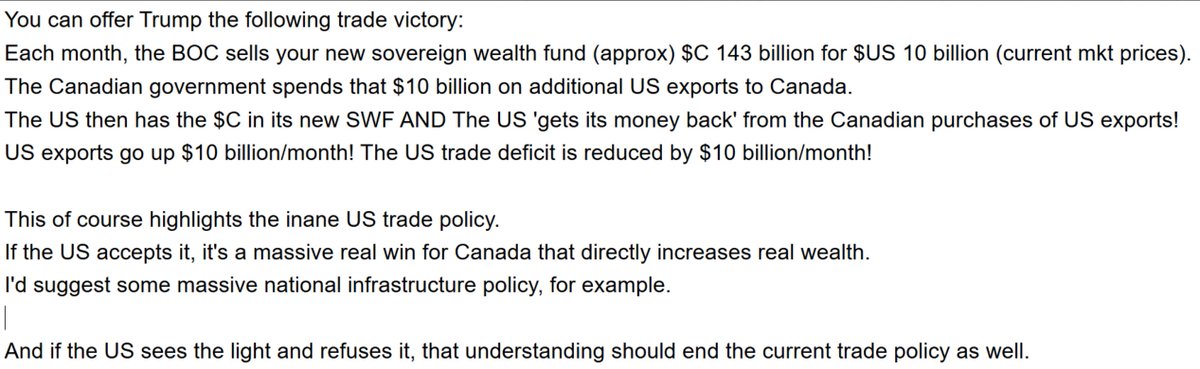
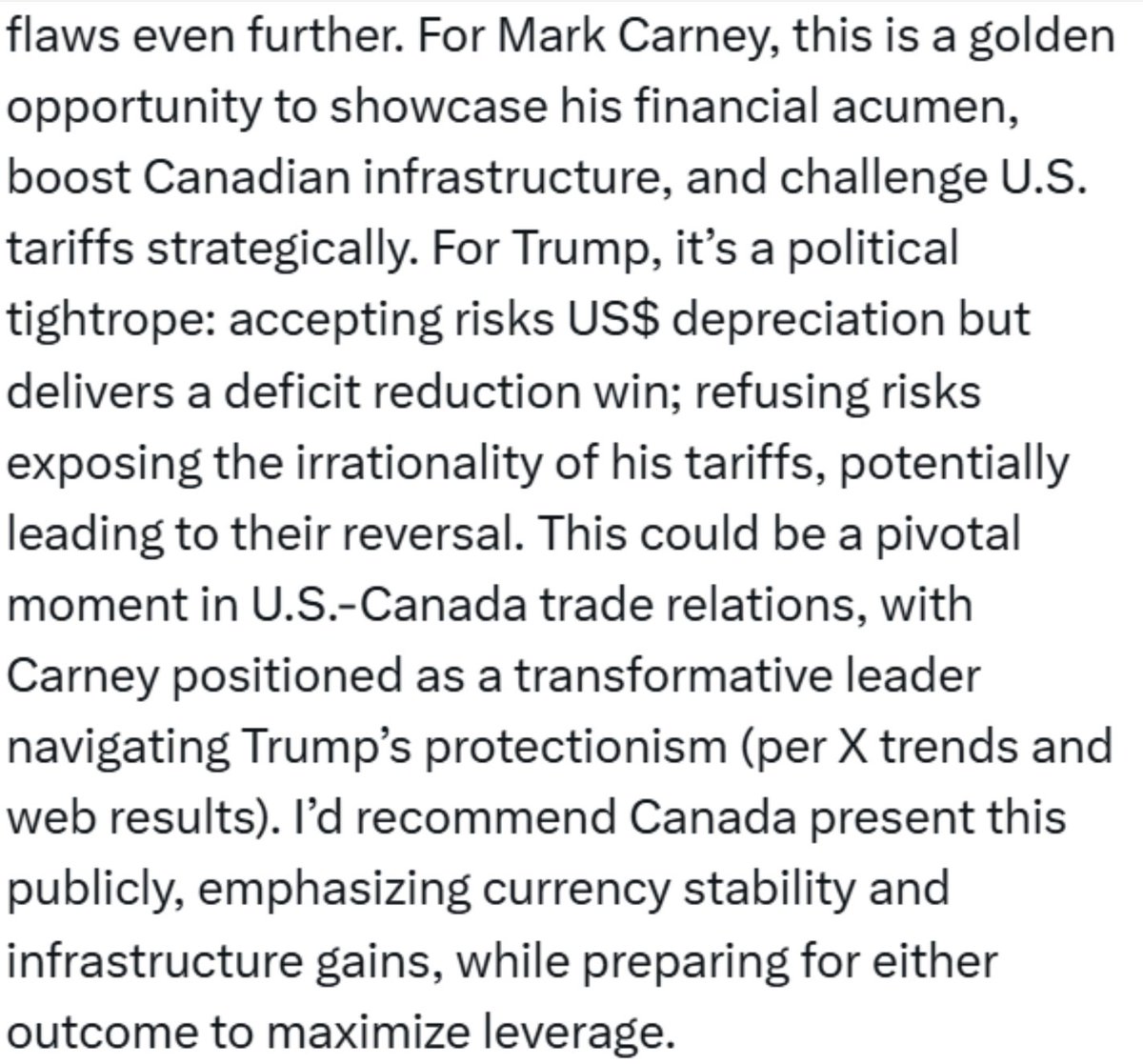
Please promote. This post to Mark Carney and the AI response from his X page can stop the bleeding from current US trade policy:
7
23
61
4,324
Kenny retweeted

8 Nov 2024
The money supply is not currently in the hands of the central bank, for those unaware of this fact.
38
98
484
53,693
Kenny retweeted

17 May 2024
At @outseta:
💰 A full-time salary is $210,000 for everyone
🗓️ You can choose to work 1 to 5 days / week
🏠 Everybody earns equity on the same terms as our founders
I get so many questions about this—I finally wrote a deep dive. Basics in video; full details in first comment.
30
12
205
35,094
Kenny retweeted

14 Mar 2024
Wow. UAW President Shawn Fain isn’t mincing words.
“People just don’t want to work…I agree…The people I’m talking about are the Wall Street Freeloaders: The Masters of Passive Income.”
This is worth a watch. #UnionsForAll
347
6,531
21,617
1,636,621
Kenny retweeted

11 Dec 2023
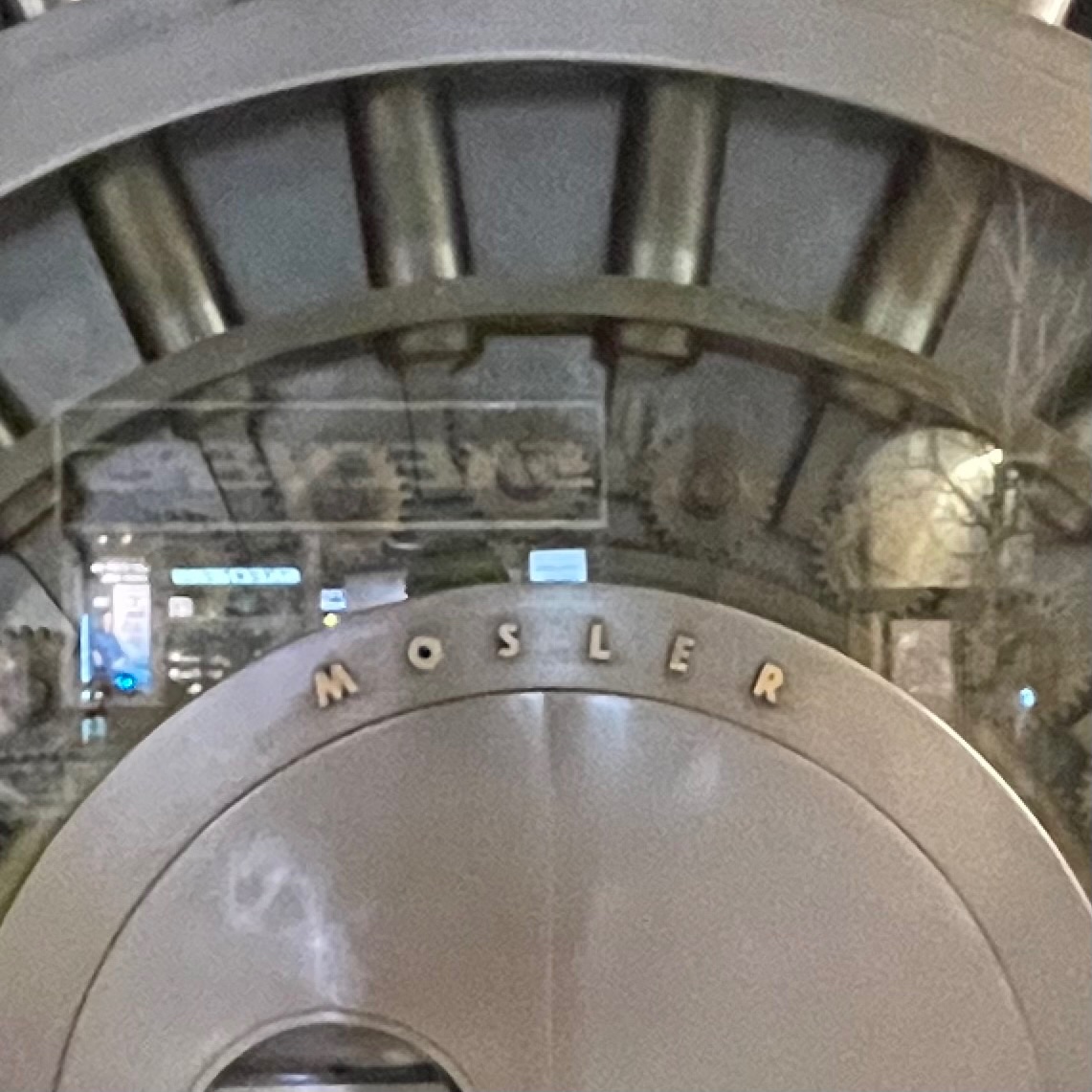
NEW VIDEO: Why North America Can't Build Nice Apartments (because of one rule) youtu.be/iRdwXQb7CfM
Thanks to @urbanarium for partnering with me on this video!

14
85
288
80,846
Kenny retweeted

23 Oct 2023
Dark Mosler: The Fed has it backwards (2019) <<<< Pre-rate hikes
4
58
128
25,015
Kenny retweeted
20 Oct 2023
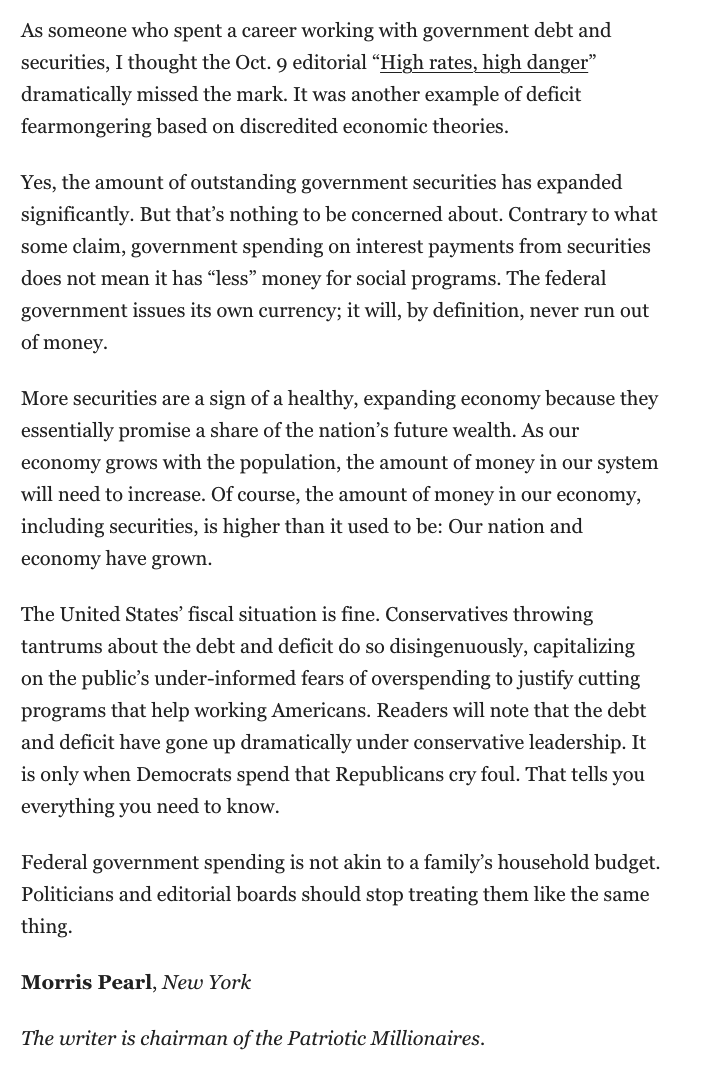
The Chairman of @PatrioticMills calls on the editorial board of the @washingtonpost to stop "fearmongering [over debt and deficits] based on discredited economic theories." washingtonpost.com/opinions/…
11
125
286
60,048
Kenny retweeted

15 Oct 2023
We need help promoting our podcast. Both physically engaging on social media and also a podcast advertising promotion service
If you have any recommendations we are here for it!! We need help.
3
15
30
1,733
Kenny retweeted
13 Oct 2023
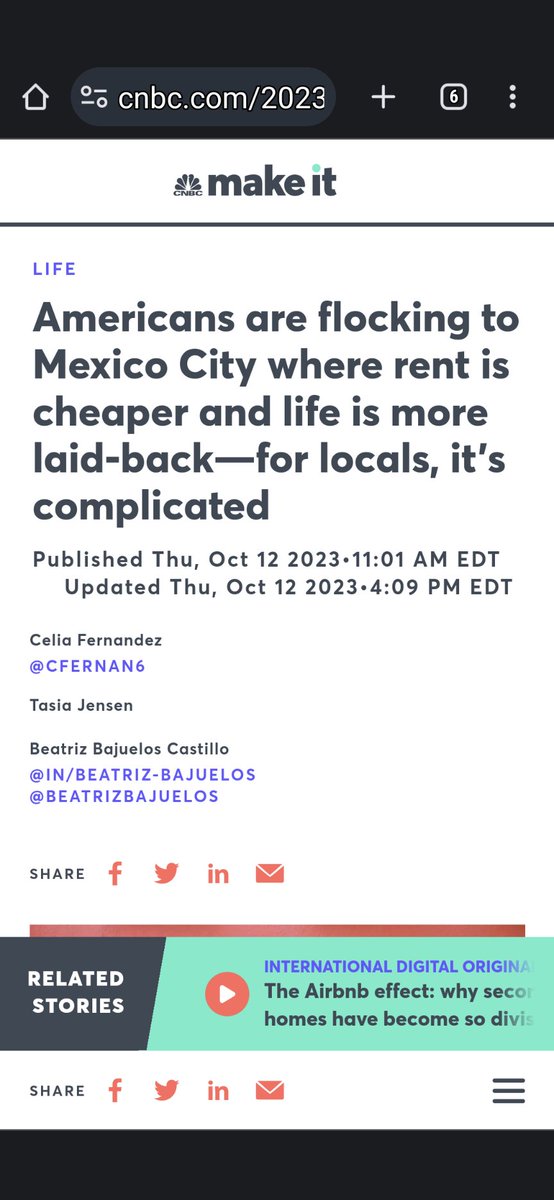
Now maybe we can get Mexico to pay for the wall:
2
5
36
2,973
Kenny retweeted

30 Aug 2023
SPECIAL ANNOUNCEMENT 📣
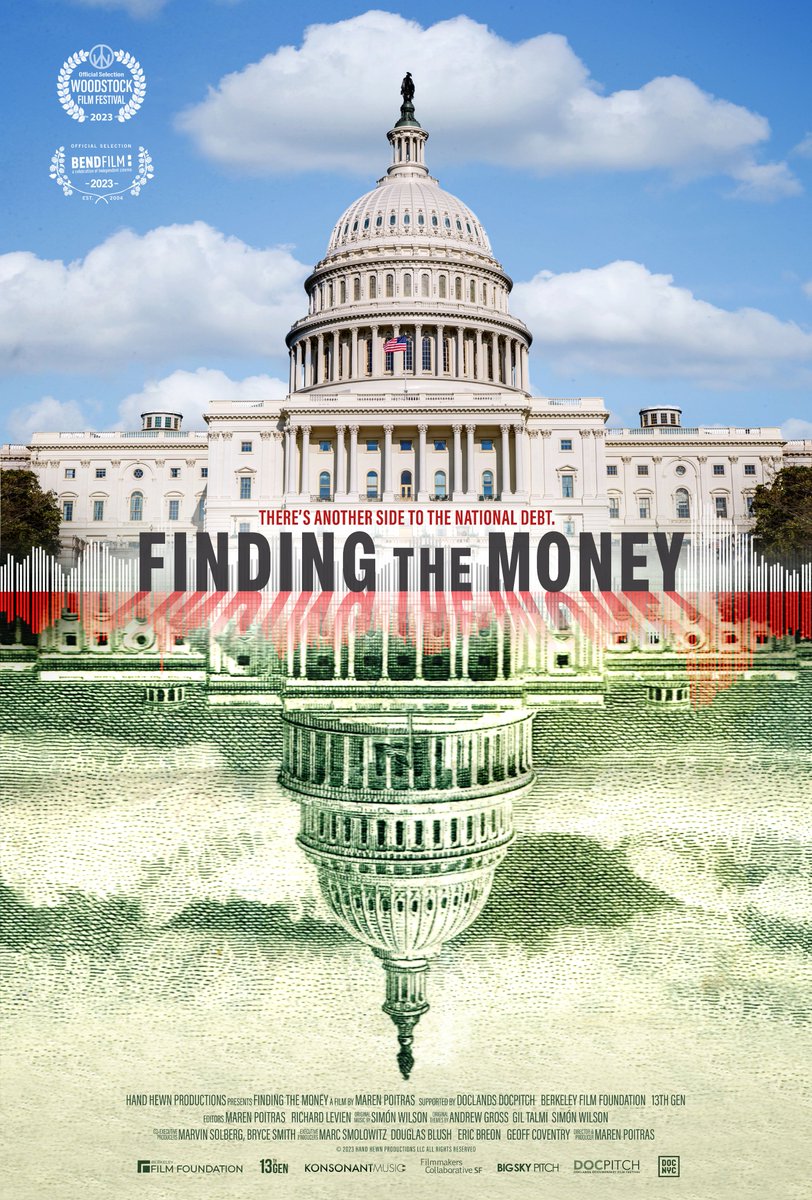
The world premiere of FINDING THE MONEY is here!!
At the 24th Woodstock Film Festival!
Showtimes:
Saturday 9/30 - 1pm
Sunday 10/1 - 12pm
Tickets on sale now!
Come join us!
@StephanieKelton and more will be there for Q&As
tinyurl.com/FTMlink
12
98
203
240,464
Kenny retweeted

9 May 2023
BLOWING OFF Steam Over Neoliberal Gilded Age, Growing Fascism w/ @jordanchariton and @sdgrumbine on @StatusCoup today at 5 pm ET! #Neoliberalism #Fascism #Economics #Austerity
youtube.com/watch?v=A_CFvrGp…
1
13
16
1,720
Kenny retweeted

6 May 2023
I think it’s kinda passive aggressive that doctors call them hospital *gowns*
1
7
599
Kenny retweeted

4 May 2023
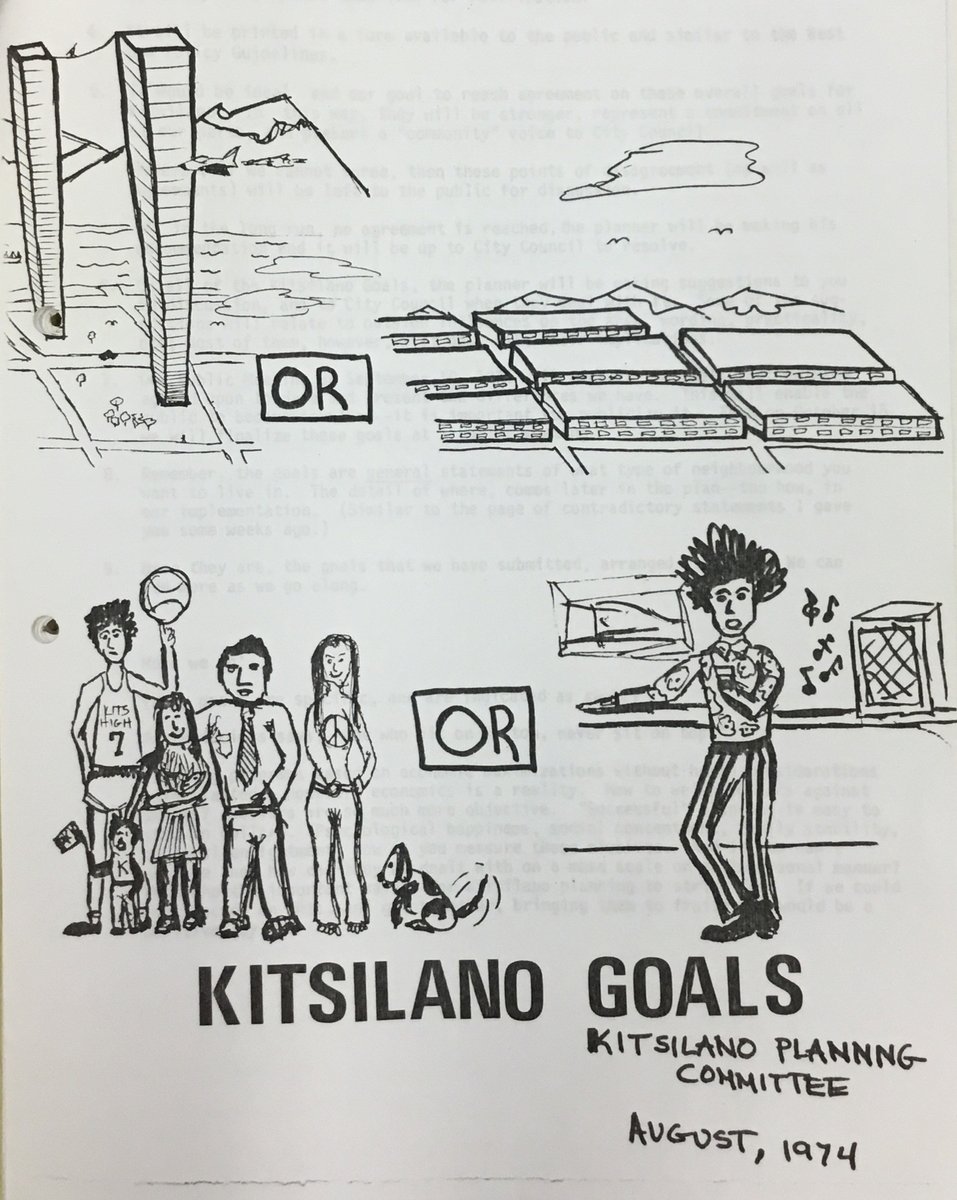
Is Kitsilano for families or disco bachelors? Join the debate at our Missing Midrise tour, Thursday May 4, 5:30, leaving from Arbutus Coffee. No registration required, see you there!
buff.ly/42kuekT
1
5
15
3,180
Kenny retweeted

30 Apr 2023
#Money is all created by decree via #Congress, who has the power of the purse. It's that simple. #Bonds are sold after, that's another story. It ain't a funding mechanism - see why w/ @sdgrumbine. #LearnMMT
4
31
48
4,015