Find Your Future 🌌in One Click! Bridge Skill Gaps by Connecting Candidates to Careers👨‍🎓👩‍🎓 Companies🏭 & Courses💻📚-in our AI -Powered Community Network!

Joined October 2017
247 Photos and videos
FutureCite retweeted
Apr 11
Orion's main parachute has deployed. The spacecraft has a system of 11 chutes that will slow it down from around 300 mph to 20 mph for splashdown. Get more updates on the Artemis II blog: nasa.gov/blogs/artemis/
650
10,323
50,284
3,823,643
FutureCite retweeted
Apr 2
LIVE: Artemis leaders are discussing the successful launch of NASA's Artemis II mission and the next steps for the astronauts headed on their journey around the Moon. x.com/i/broadcasts/1XxygmQYr…

400
1,590
9,096
818,932
FutureCite retweeted
One last message before the launch of Artemis II...
701
2,029
18,069
900,299
FutureCite retweeted
Apr 1
Liftoff. The Artemis II mission launched from @NASAKennedy at 6:35pm ET (2235 UTC), propelling four astronauts on a journey around the Moon. Artemis II will pave the way for future Moon landings, as well as the next giant leap — astronauts on Mars.
3,808
55,158
177,848
14,275,844
FutureCite retweeted
Many people expected Apple to fight back in AI with a frontier LLM. Instead, they may have done it with a box smaller than an iPad: the Mac mini. Which raises a bigger question: what if Apple’s best AI product was never meant to be a chatbot at all? - A 32GB Mac mini can reportedly run a new Qwen 3.5 model requiring about 20GB of memory - Apple’s unified memory architecture lets recent Macs host large models locally that would otherwise be difficult or expensive  - One workflow already uses 5 OpenClaws together, with MiniMax researching 24/7/365 and Qwen coding 24/7/365
73
67
736
135,149
FutureCite retweeted
The person who built Claude Code just mass-leaked the thinking behind it. 45 minutes of design decisions, mistakes, and where it's all going. This is rare. Creators at this level don't usually talk this openly.

82
677
5,669
543,459
FutureCite retweeted
🧠 Scientists May Have Found the Strangest Clue Yet to Human Consciousness What if your awareness—your thoughts, emotions, and sense of being—isn’t just biology… but something far deeper and stranger? New research is reviving a controversial idea that once sounded like science fiction: human consciousness may be rooted in quantum physics. For decades, scientists believed the brain works purely through classical biology—neurons firing, chemicals flowing, signals passing. But in the 1990s, physicist Roger Penrose and anesthesiologist Stuart Hameroff proposed a radical theory. They suggested that tiny structures inside our brain cells, called microtubules, might operate at the quantum level. According to their idea, strange quantum events—where particles exist in multiple states at once—could suddenly collapse, giving rise to conscious experience. They called this theory Orchestrated Objective Reduction, or Orch OR. Most scientists laughed it off. The brain, they said, is too warm and noisy for fragile quantum effects to survive. Case closed… or so it seemed. Now, things are getting interesting. A recent experiment led by researchers in Canada found something unexpected. They discovered that microtubules can trap light and release it after a mysterious delay. Even more surprising—anesthetic drugs dramatically shorten this delay. Since anesthetics are known to “switch off” consciousness, this strange effect has raised eyebrows. Could this delay be linked to awareness itself? No one is claiming victory yet. Even experts warn this connection is a long shot. Some say the effect could still be explained by normal physics. But others admit the findings are… unsettling in the best way. Because if even a small part of consciousness depends on quantum effects, it could completely rewrite what we know about the brain, biology, and reality itself. For now, the mystery remains unsolved. But one thing is clear: the question “What is consciousness?” just became far more intriguing—and far stranger—than we ever imagined. 👁️✨
73
171
680
27,388
FutureCite retweeted
China just launched the world’s fastest broadband. China has rolled out the world's first commercial 10G broadband network in Sunan County, Hebei Province, positioning the country as a leader in next-generation internet infrastructure. Developed through a partnership between Huawei and China Unicom, the service leverages advanced 50G PON technology to deliver impressive performance: download speeds reaching up to 9,834 Mbps, upload speeds of 1,008 Mbps, and latency down to 3 milliseconds. This breakthrough enables practical feats like downloading a 20 GB 4K movie in less than 20 seconds—compared to several minutes on standard 1 Gbps connections. The network's capabilities extend far beyond entertainment, promising to transform industries including cloud computing, 8K streaming, virtual and augmented reality, intelligent home systems, and industrial automation. Its high bandwidth and minimal latency stand to advance applications in telemedicine, distance education, and smart agriculture. With this deployment, China has surpassed nations previously leading in broadband speeds, such as the UAE and Qatar, underscoring a deliberate effort to bolster its digital economy and drive technological innovation in rural areas.
122
491
1,326
73,993
So cool...🙌
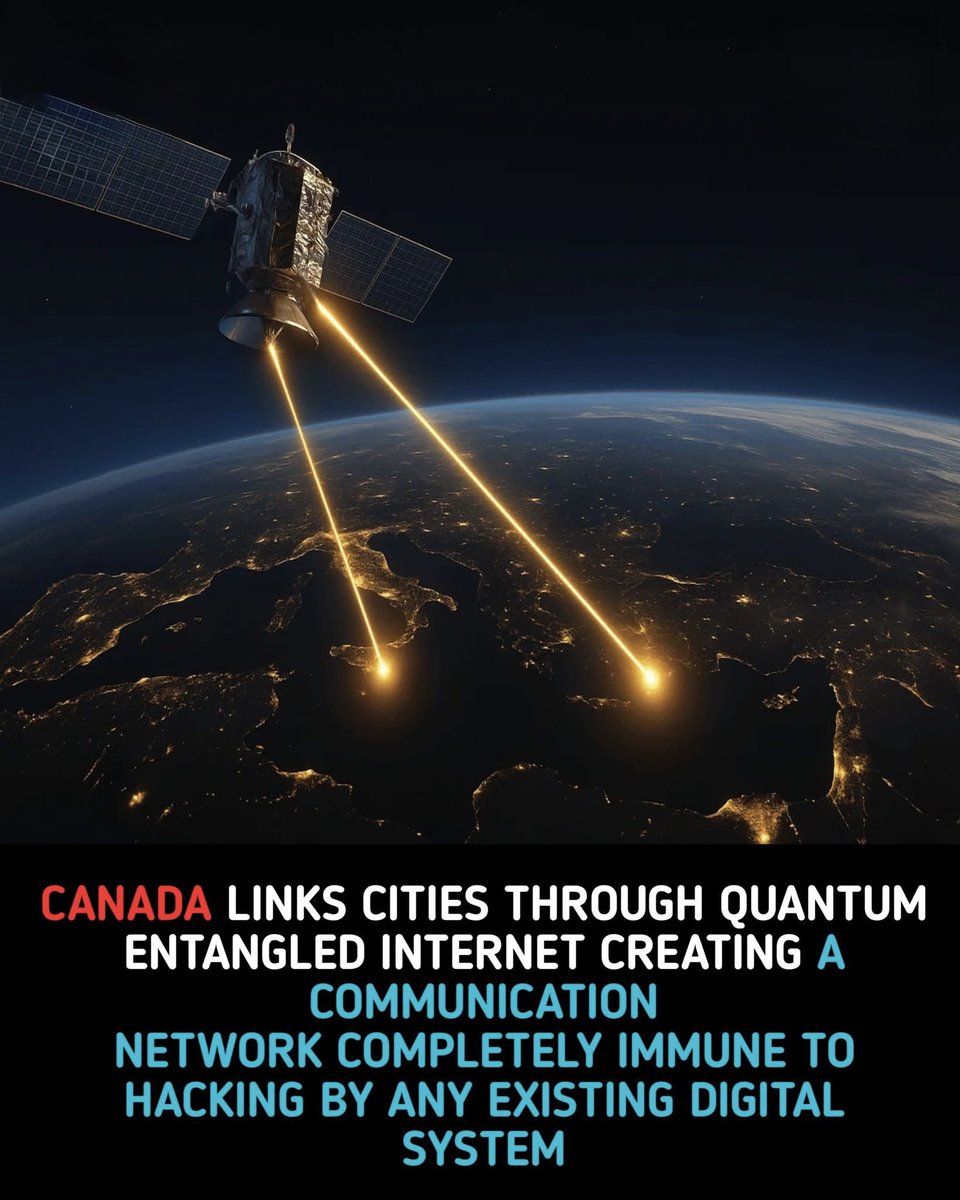
🚨 CANADA IS BUILDING THE FUTURE OF THE INTERNET… YOU WON’T BELIEVE WHAT’S COMING NEXT Right now, in Canada, scientists and tech experts are quietly working on something that could change the internet forever — and most people have no idea. Across the country, researchers are exploring quantum communication — a totally new way to send information that uses the strange power of quantum physics. This isn’t your normal internet — it’s a next-level system that could make digital communication far more secure and powerful than anything today. Teams at the National Research Council of Canada are launching a Quantum Internetworking Challenge to connect quantum tech with real world networks and set the stage for a quantum-enabled future. Universities like Waterloo and Simon Fraser are testing quantum key systems and tiny quantum networks that could become the building blocks of a future quantum internet. In Montreal, a new quantum research hub — in partnership with global tech leaders — is working on algorithms and technologies that may one day transform how data travels around the world. Canadian companies and partners are already testing quantum communication hardware and fibre networks to see how secure and fast they can be. No one has officially flipped the switch yet, but the groundwork is being laid right now — research, experiments, and collaborations that hint at a future where hackers and spies may have no way into our most private data. Imagine an internet where information is protected by physics itself — not just passwords or codes. Sounds like science fiction? In Canada, it’s turning into science fact. 💫
1
9
FutureCite retweeted
Aurora over the Canadian Rockies 🇨🇦
25
231
1,862
25,987
27 Oct 2025
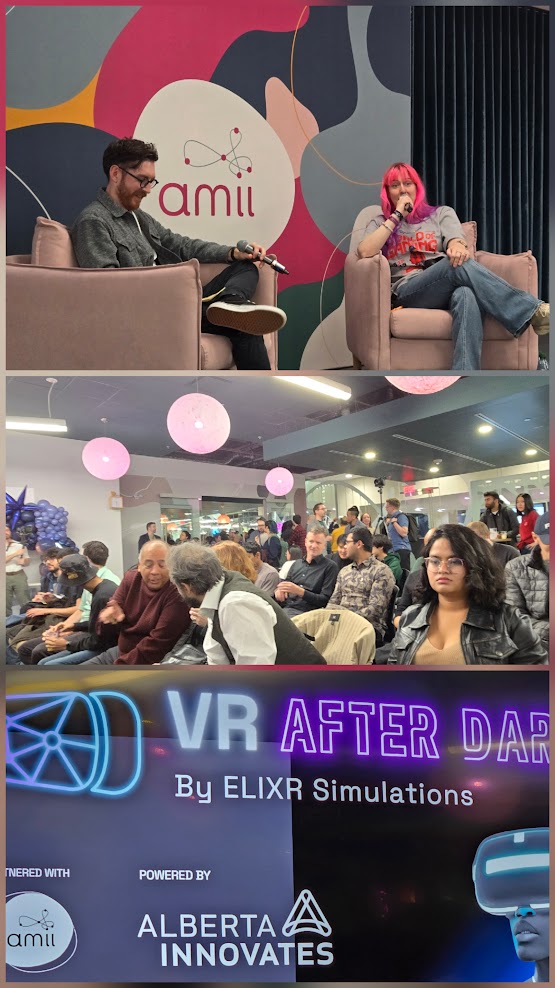
“Moving Minds” w/ XR 🕶️🥽was the main topic @elixrsimulations w/Ashley Blake and Sam Sprigg Asked how @neuralink will shift XR, Ashley said mind to mind tech can move objects-amazing future ahead! @ashleyriott Auganix.org @AmiiThinks @ABInnovates
2
96
27 Oct 2025
💡👌
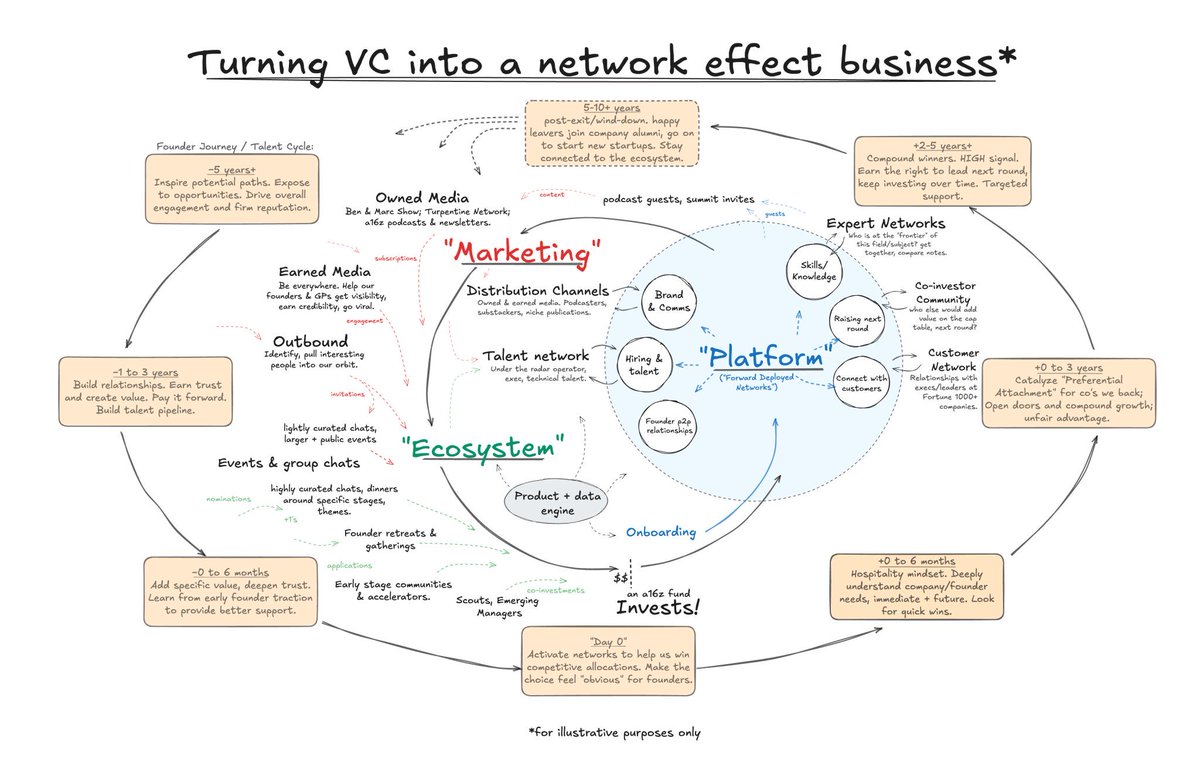
This is @a16z’s plan for domination. It’s the reason they’re the world’s #1 venture capital firm with $56B under management. They didn’t just build a fund ... they built an ecosystem Instead of only offering capital, they built: • Owned media – podcasts, newsletters, and social channels that help founders build visibility and distribution. • Private founder circles – curated chats, communities, and events that offer real support through the lonely founder journey. • Talent communities – pipelines of top operators and executives for founders to hire. • Expert networks – advisors and specialists who help with product, strategy, and diligence. • Investor networks – trusted and valuable co-investors for founders to round out their cap table. You’ll notice the two forces driving all of this: media and networks. Today, capital is abundant ... especially for the top founders. The top venture firms aren’t competing on money anymore. They’re competing on what’s scarce: attention and community.
1
30
FutureCite retweeted
The miracle of your heart

1
7
13
1,027
27 Oct 2025
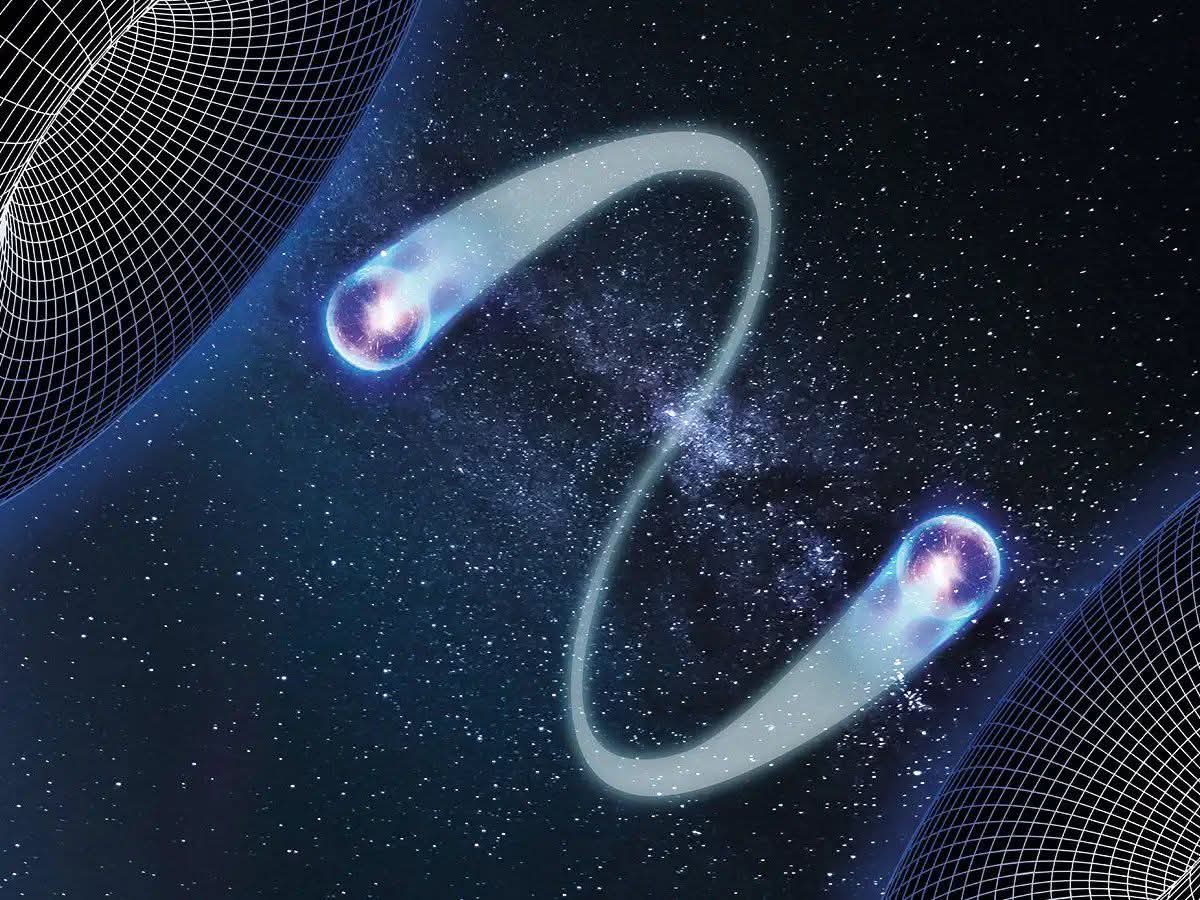
Can folding time onto itself ⏳reshape 👐your past? Impact on present day? Thoughts? #quantum #research @amazing_physics
New quantum research reveals time doesn't move forward but folds onto itself meaning your present actions might already be reshaping your past.
83
FutureCite retweeted
27 Oct 2025
Elon didn't ask how smart AGI is, but went for something way deeper “What’s outside the simulation?”
179
139
1,083
49,237
27 Oct 2025
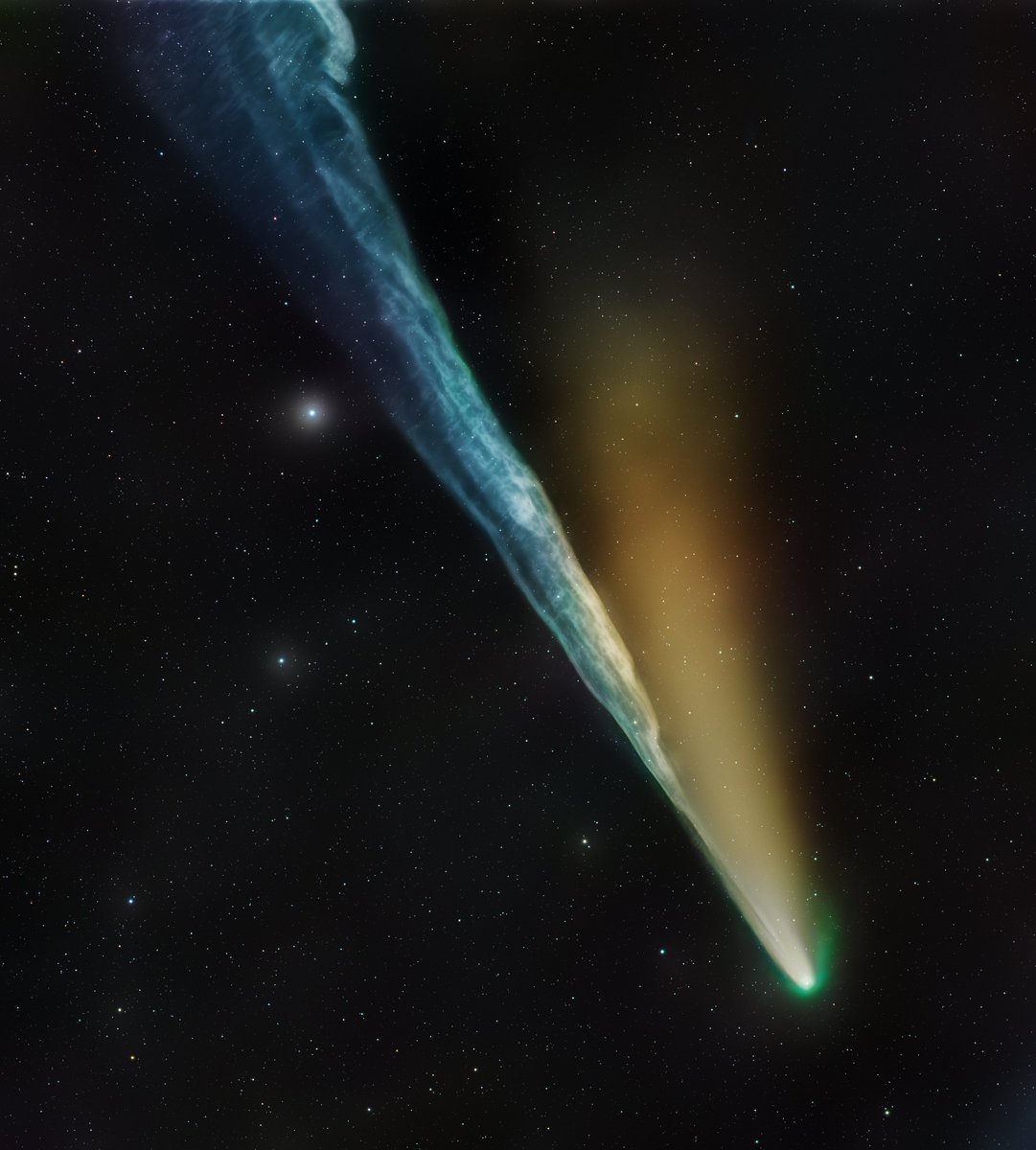
😎👌Cool Comet Shot!🌌🌠
Captured last night- probably the coolest comet shot I've ever gotten. I've never seen such a dynamic tail on a come. Incredible active, and moving quickly, which makes photographing it a challenge. See how it moves in the reply.
17
20 Oct 2025
Do you remember when you joined X? I do! #MyXAnniversary
14
FutureCite retweeted
An important breakthrough from our teams: a new approach to liquid cooling that uses microfluidics, opening the door to more efficient, sustainable, and power-dense datacenters than conventional methods. news.microsoft.com/source/fe…
144
344
2,345
241,878
we're building cluely of angel investing. apply now
51
FutureCite retweeted
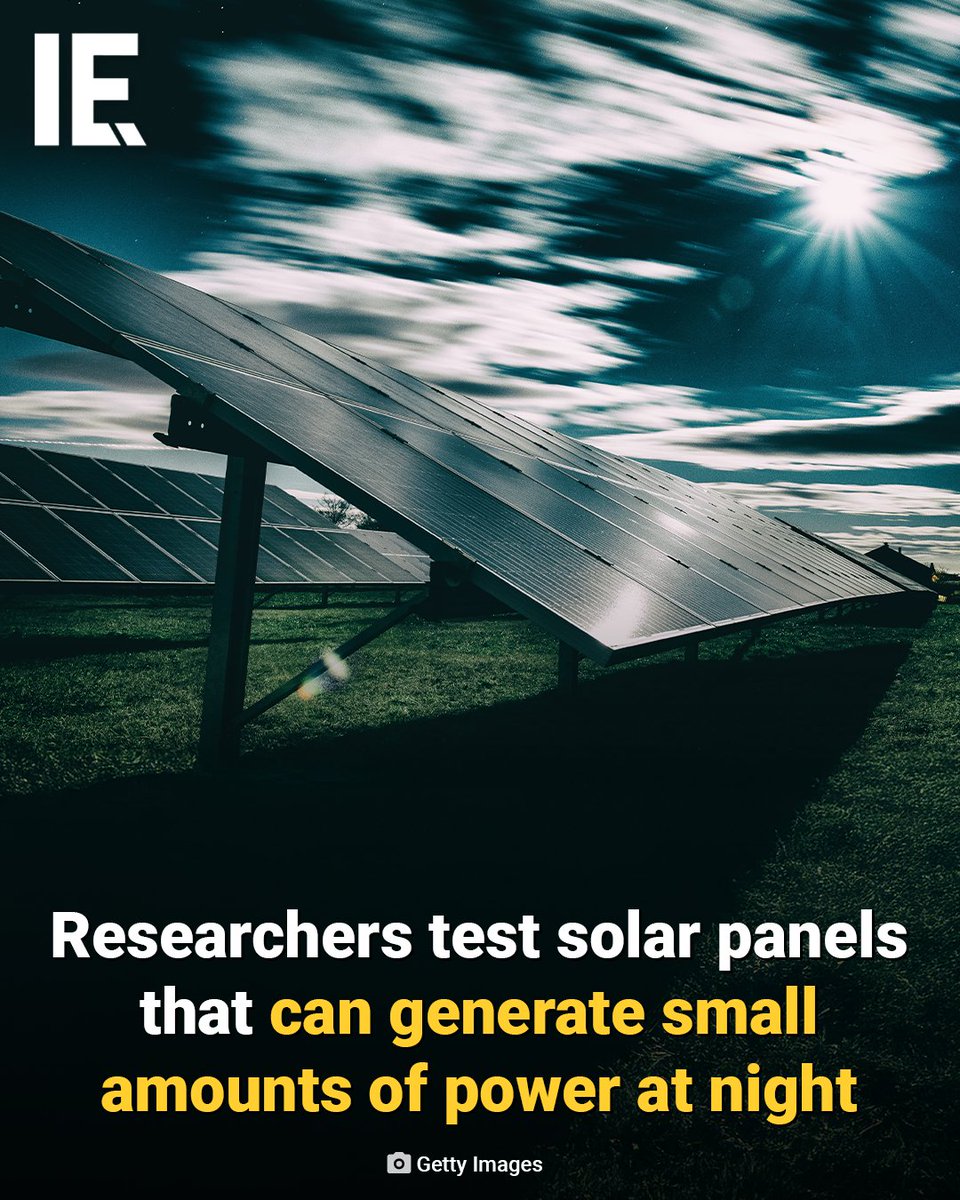
Scientists at Stanford have demonstrated a way to make solar panels work even after sunset by pairing them with thermoelectric generators that exploit radiative cooling. The panels release heat to the night sky, creating a temperature difference that produces a tiny electric current—about 50 milliwatts per square meter, far less than daytime solar but enough to power sensors or LEDs. Could this technology one day make renewable energy truly round the clock? #solarpower #renewableenergy #innovation
2
13
35
4,872