
GLOBE at Night is a @NOIRLabAstro citizen-science campaign that encourages people all over the world to record the brightness of their night sky.
Joined January 2010
- Tweets 2,218
- Following 151
- Followers 2,085
- Likes 1,088
157 Photos and videos
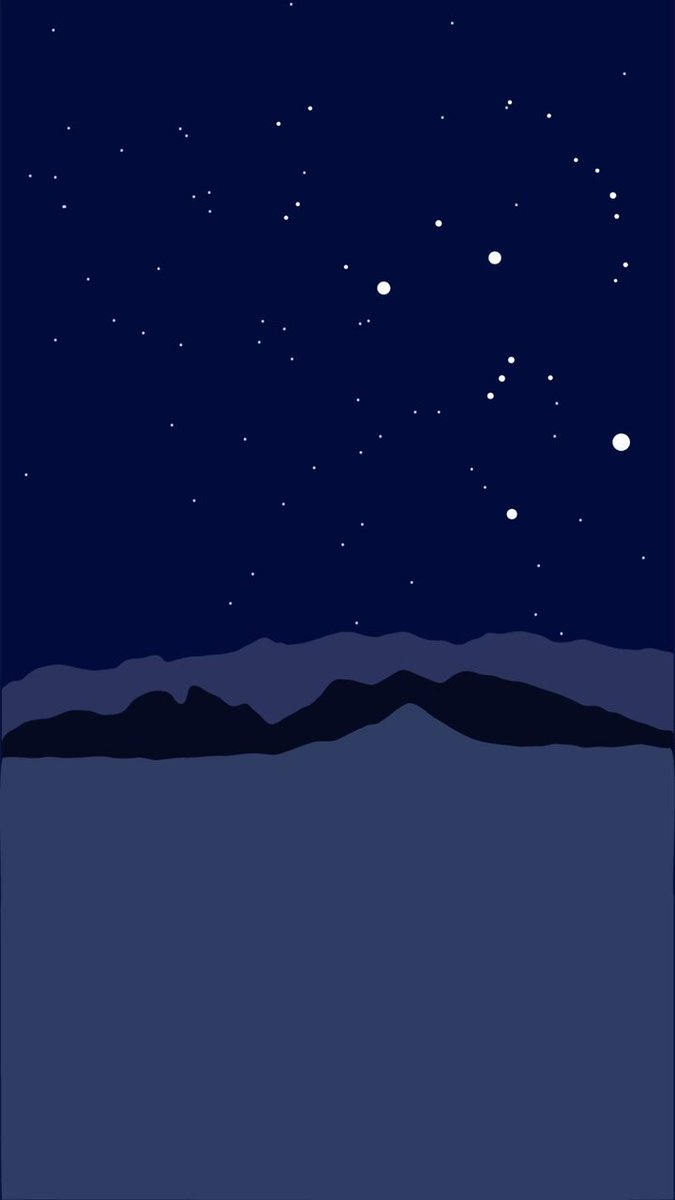

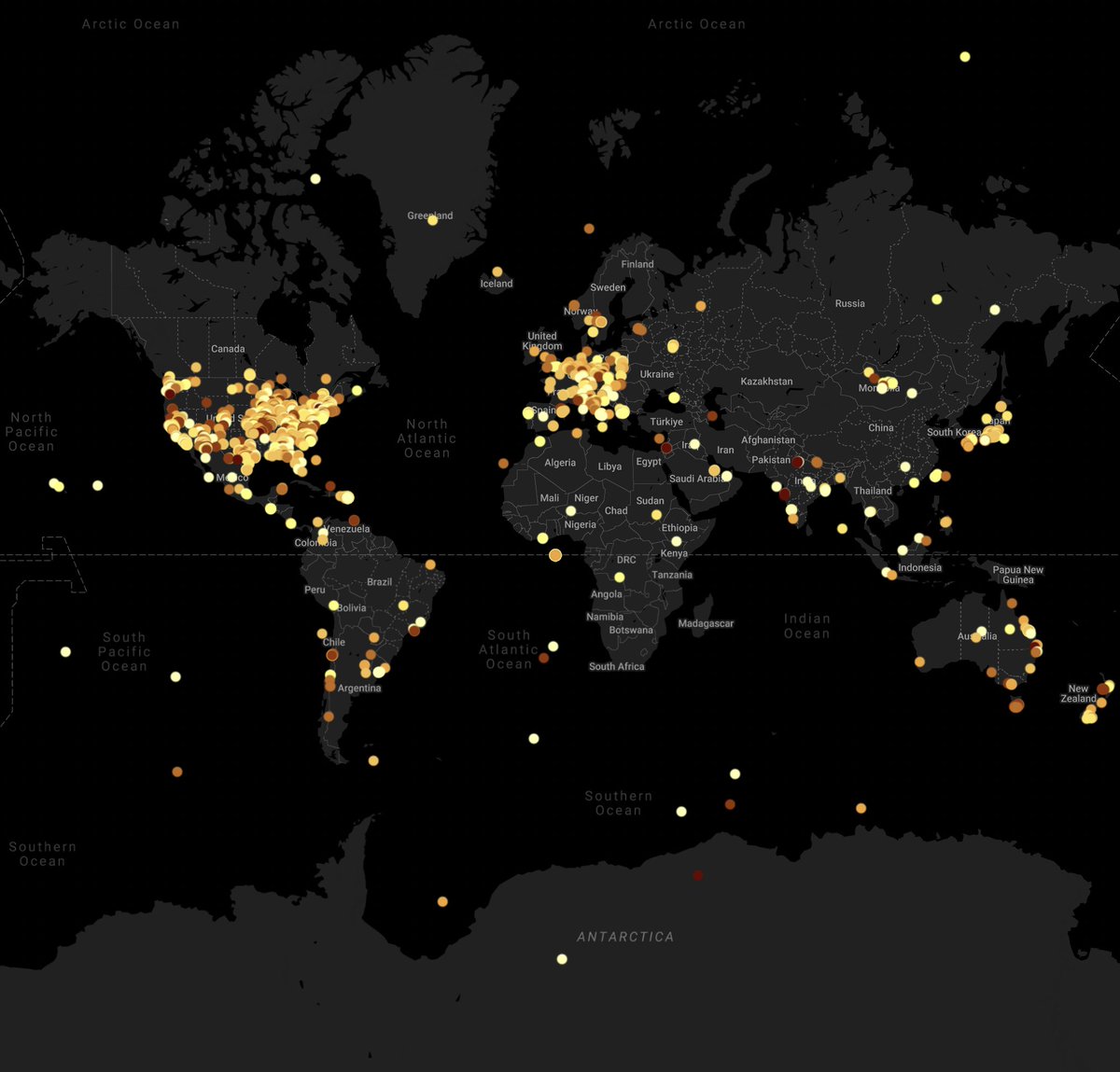
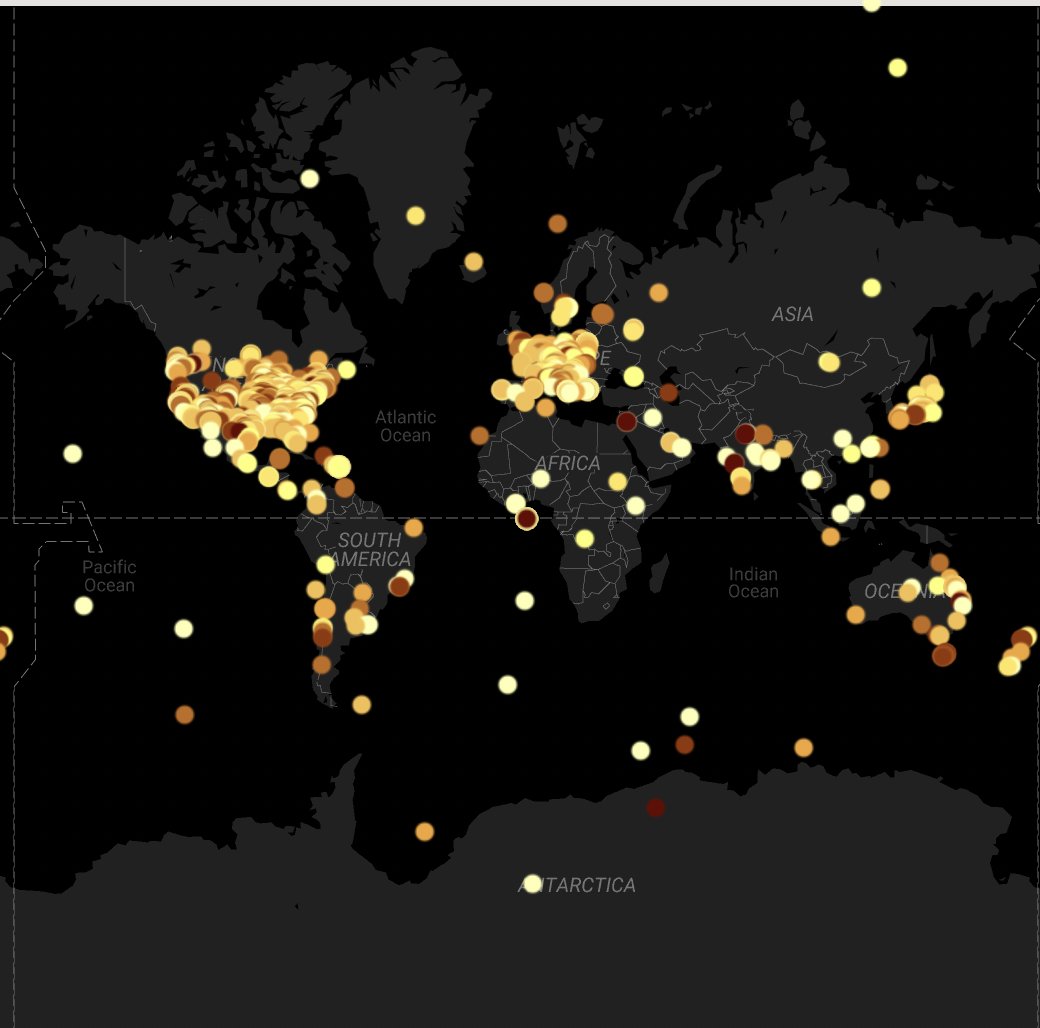
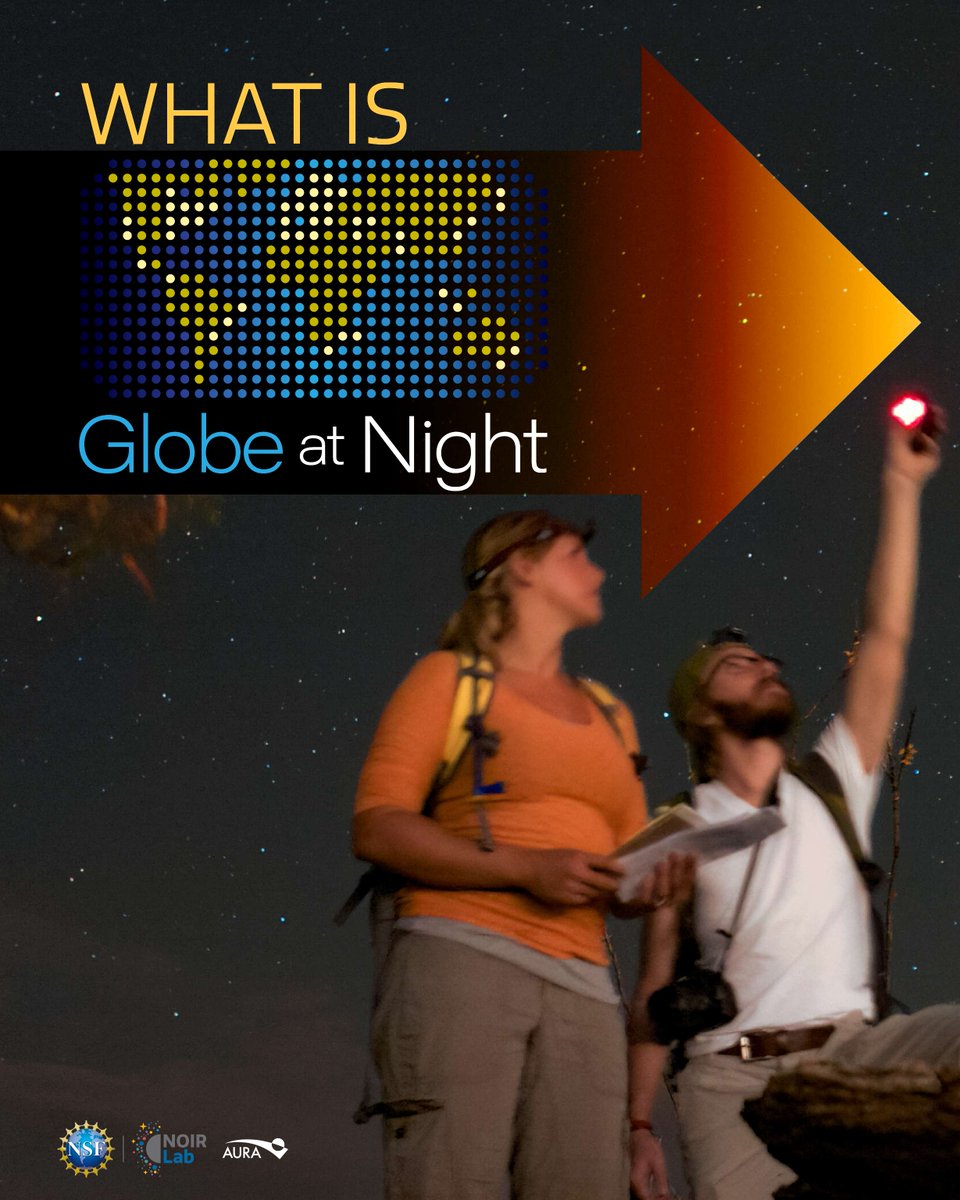
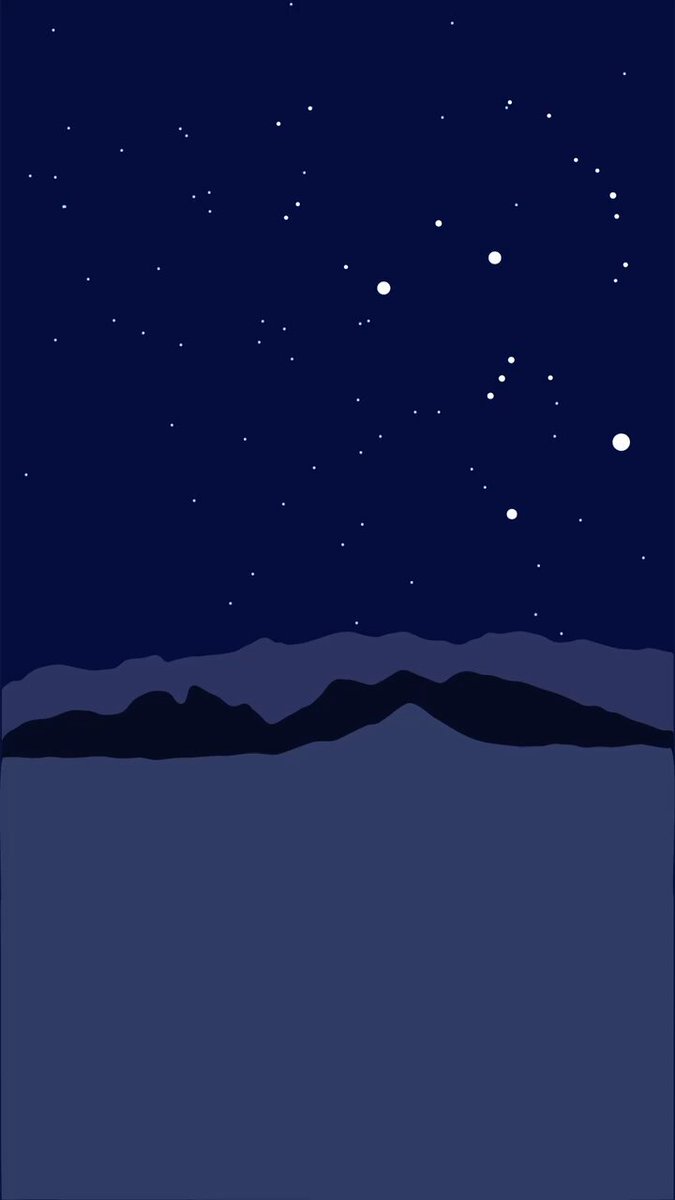
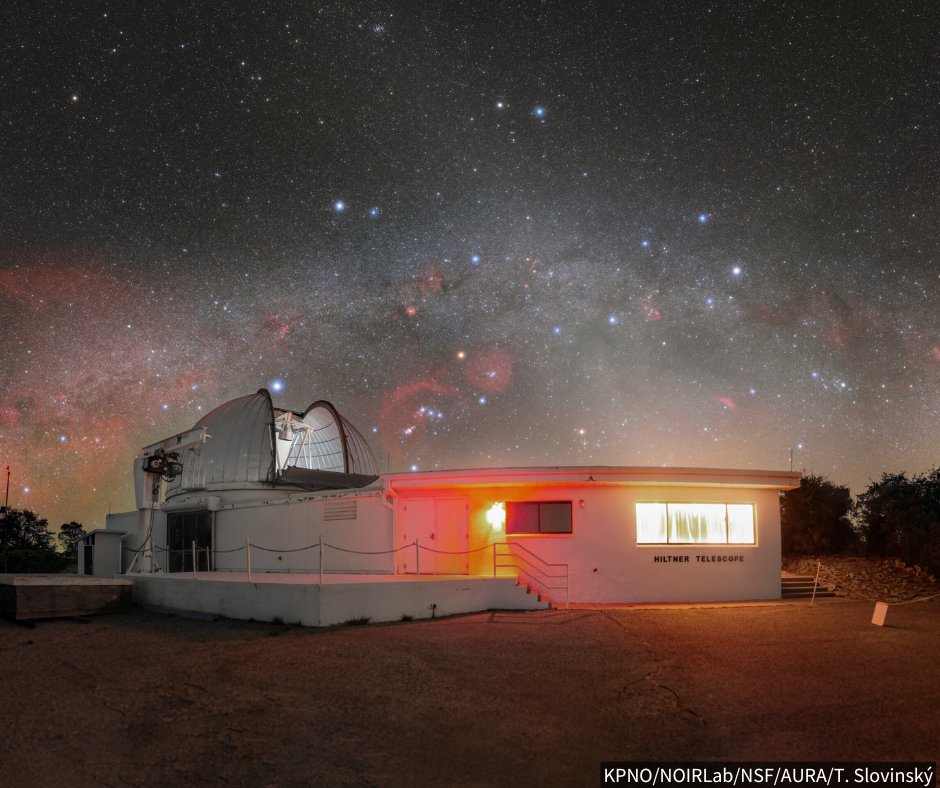
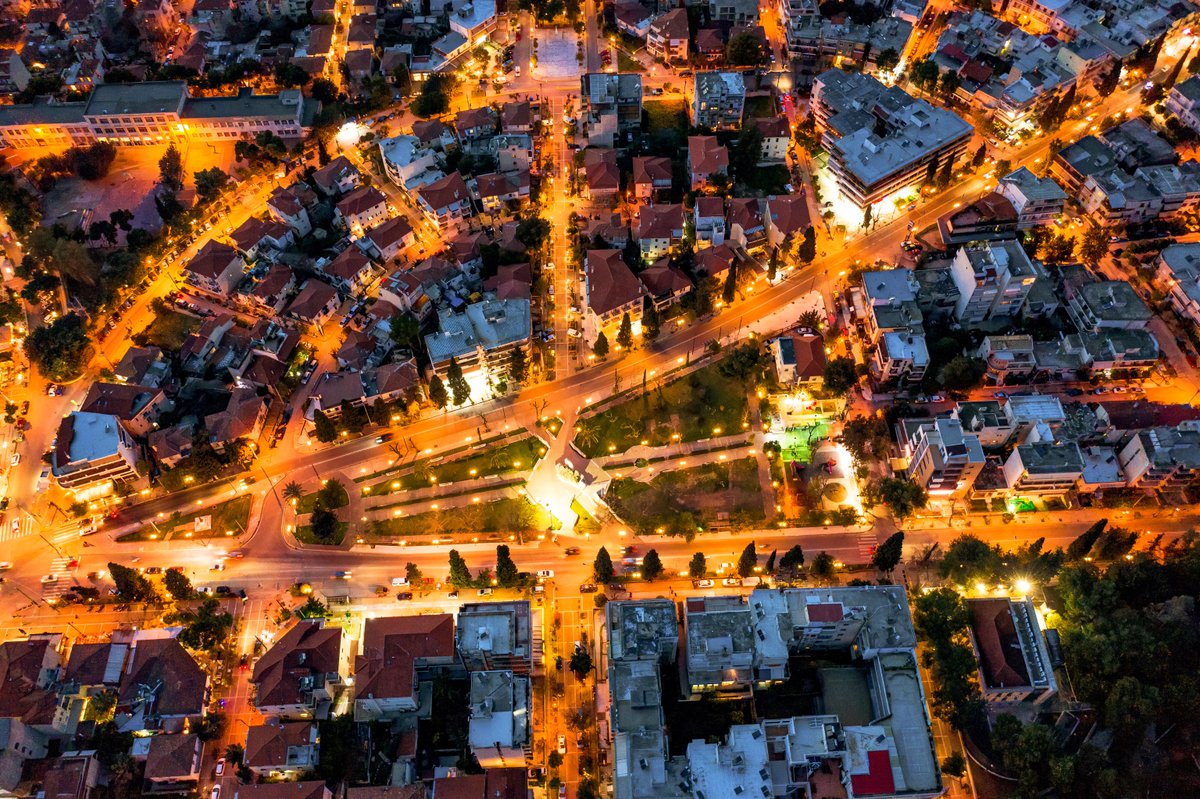
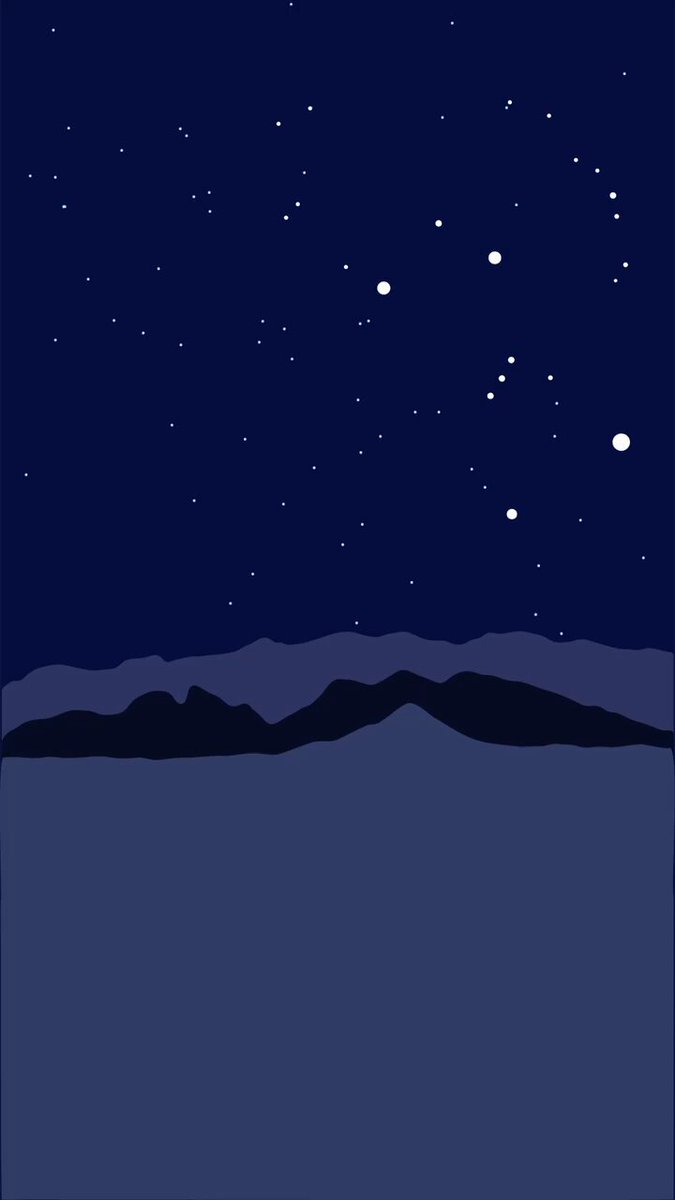
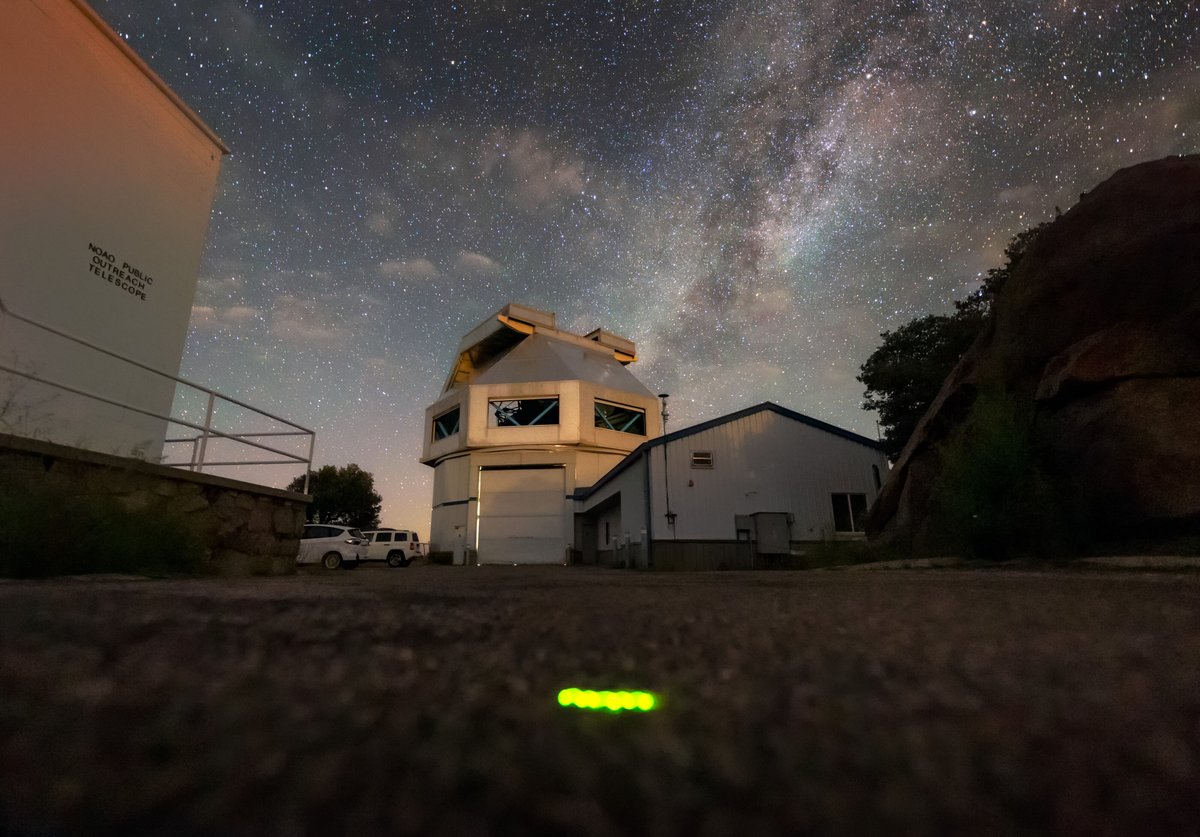
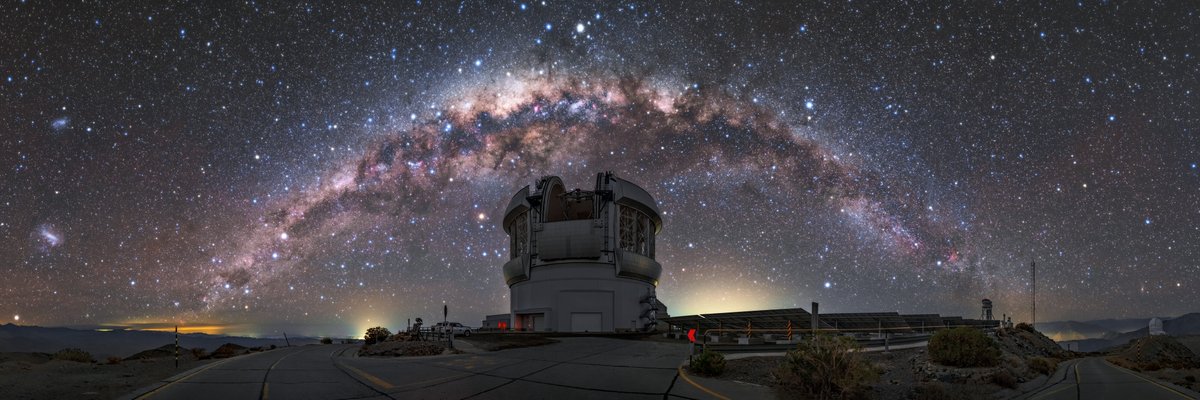
It’s time for the June Globe at Night campaign! 🌙✨ Go outside after sunset and find this month’s constellations. Then compare what you see with the star charts and submit your observation 🌍📲 bit.ly/3RY24fz
📷NOIRLab/NSF/AURA
1
3
107
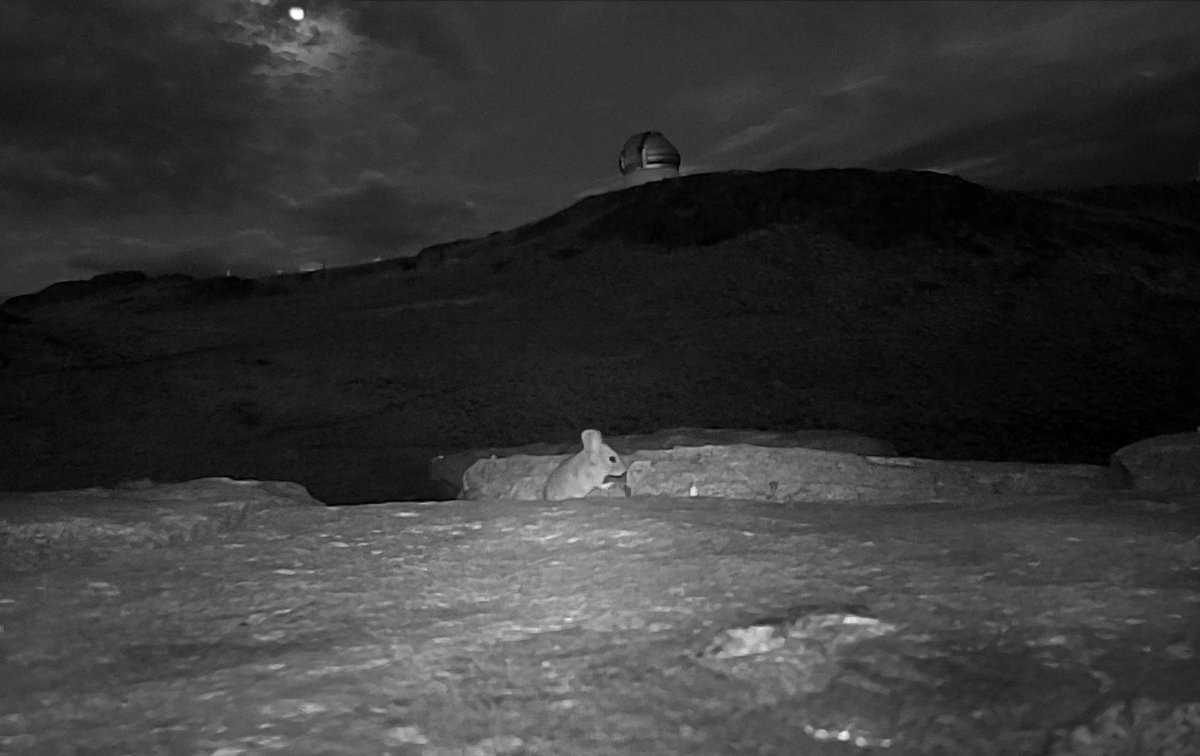
When the night gets brighter, wildlife pays the price.
Light pollution can:
🧭 Confuse migration
🦊 Shift predator–prey relationships
🌱 Affect plant and animal physiology
⏰ Disrupt natural rhythms that guide life on Earth
📷International Gemini Observatory/NOIRLab/NSF/AURA
1
2
110

May 18
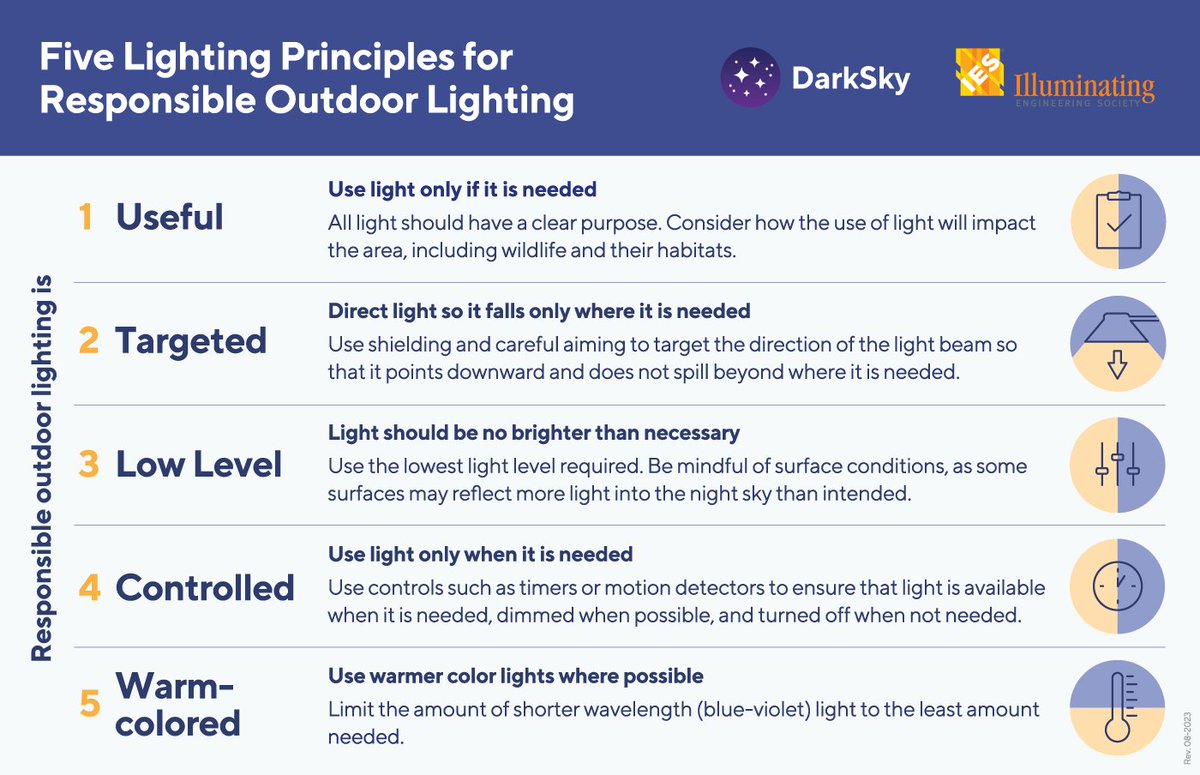
💡 We’re highlighting the 5 Principles for Responsible Lighting:
• Use light only when needed
• Target it
• Keep it low
• Control it (timers)
• Choose warm-colored lights
Small changes can reduce light pollution and protect the night sky. 🌙
📷Dark Sky International
1
1
53
Apr 23
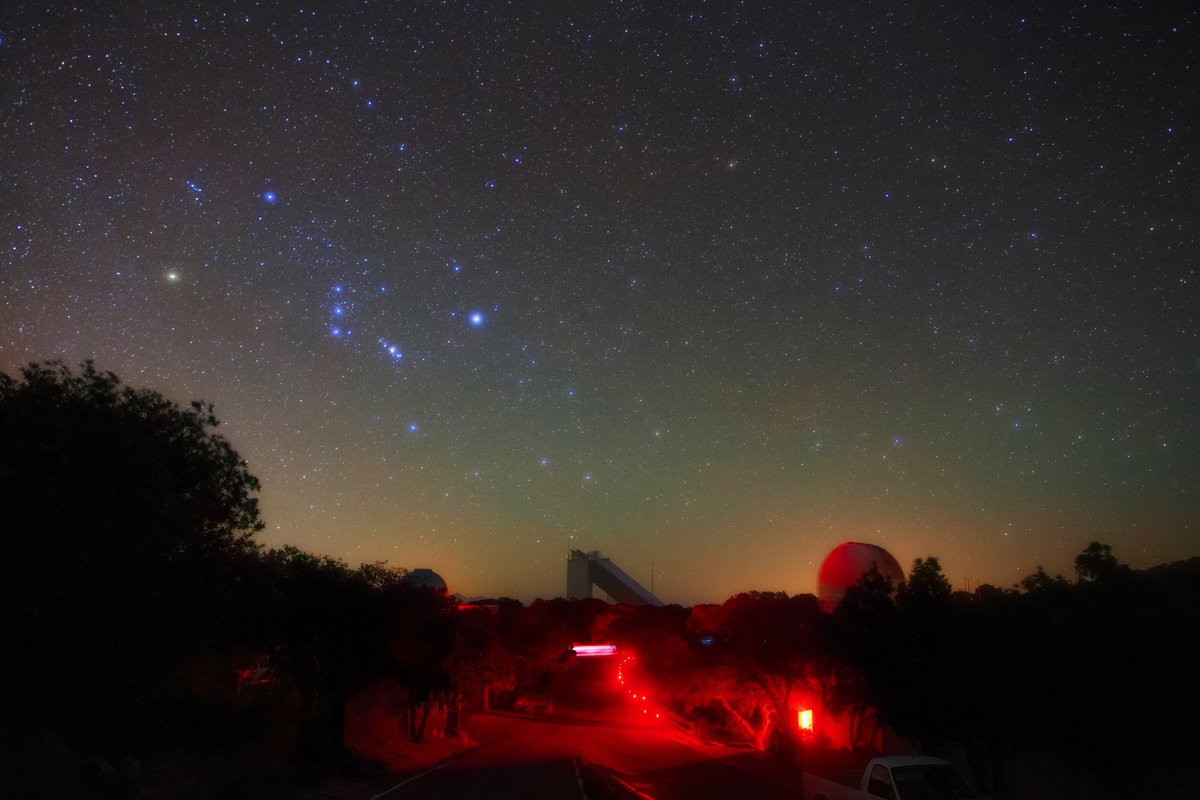
For 20 years, we’ve invited people worldwide to measure light pollution 🌌 This month: learn your constellations ✨ What you can (and can’t) see in the night sky helps track how light pollution is changing it.
🔗globeatnight.org/constellati…
📷KPNO/NOIRLab/NSF/AURA/B. Tafreshi
1
6
170
GLOBE at Night retweeted

Apr 21
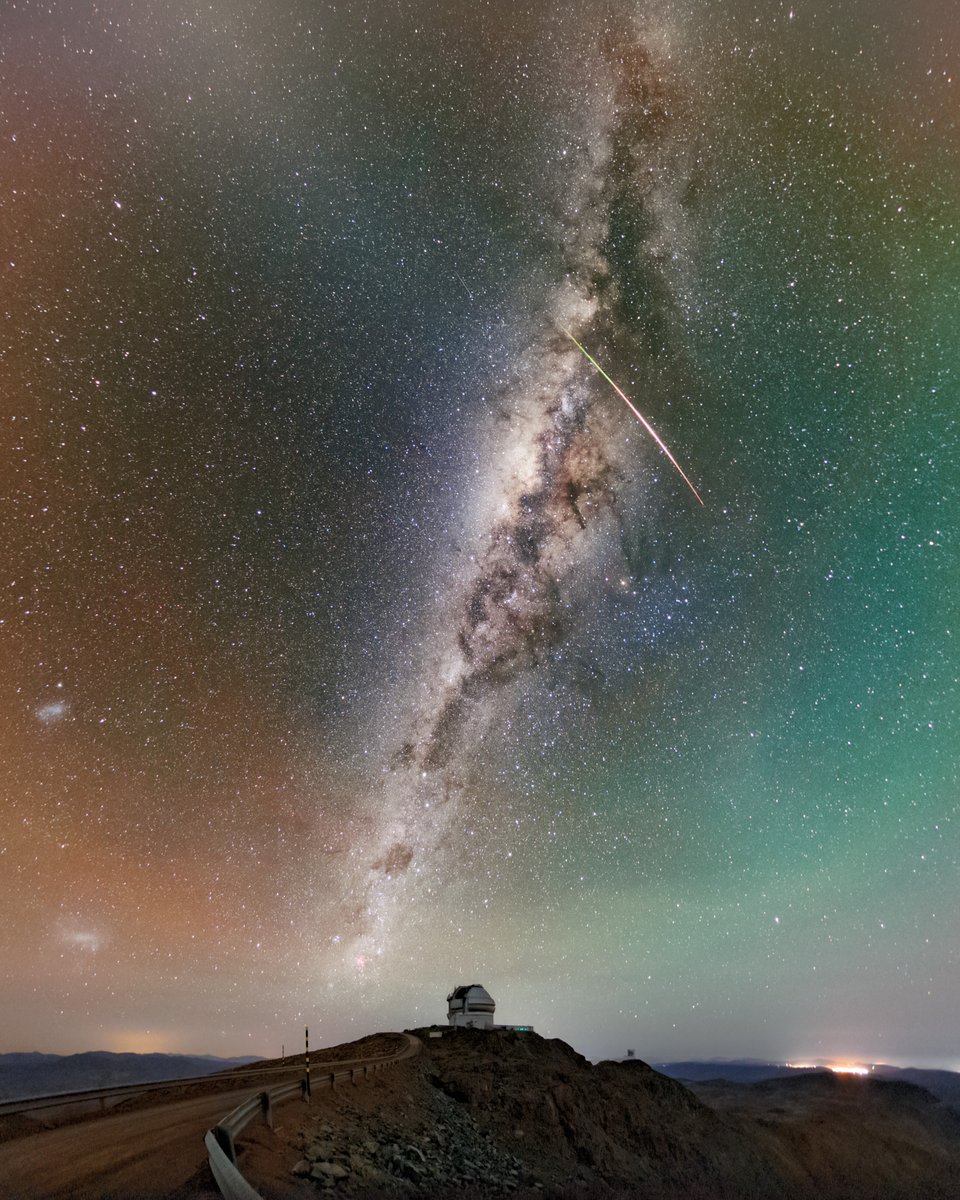
This isn’t a cloud in the sky. It’s the Milky Way, seen from Cerro Pachón in Chile (with a meteor passing through!).
Behind the @Geminiobs South telescope, you can see NSF–DOE @VRubinObs.
📸International Gemini Observatory/NOIRLab/NSF/AURA/P. Horálek
25
52
1,176
Apr 22
Happy 20th birthday to @GlobeatNight!✨
To celebrate, people across the globe are sharing the important message of protecting and restoring our starry night skies. Join our fight against light pollution by submitting observations to globeatnight.org. 🌎
5
10
526
Apr 17
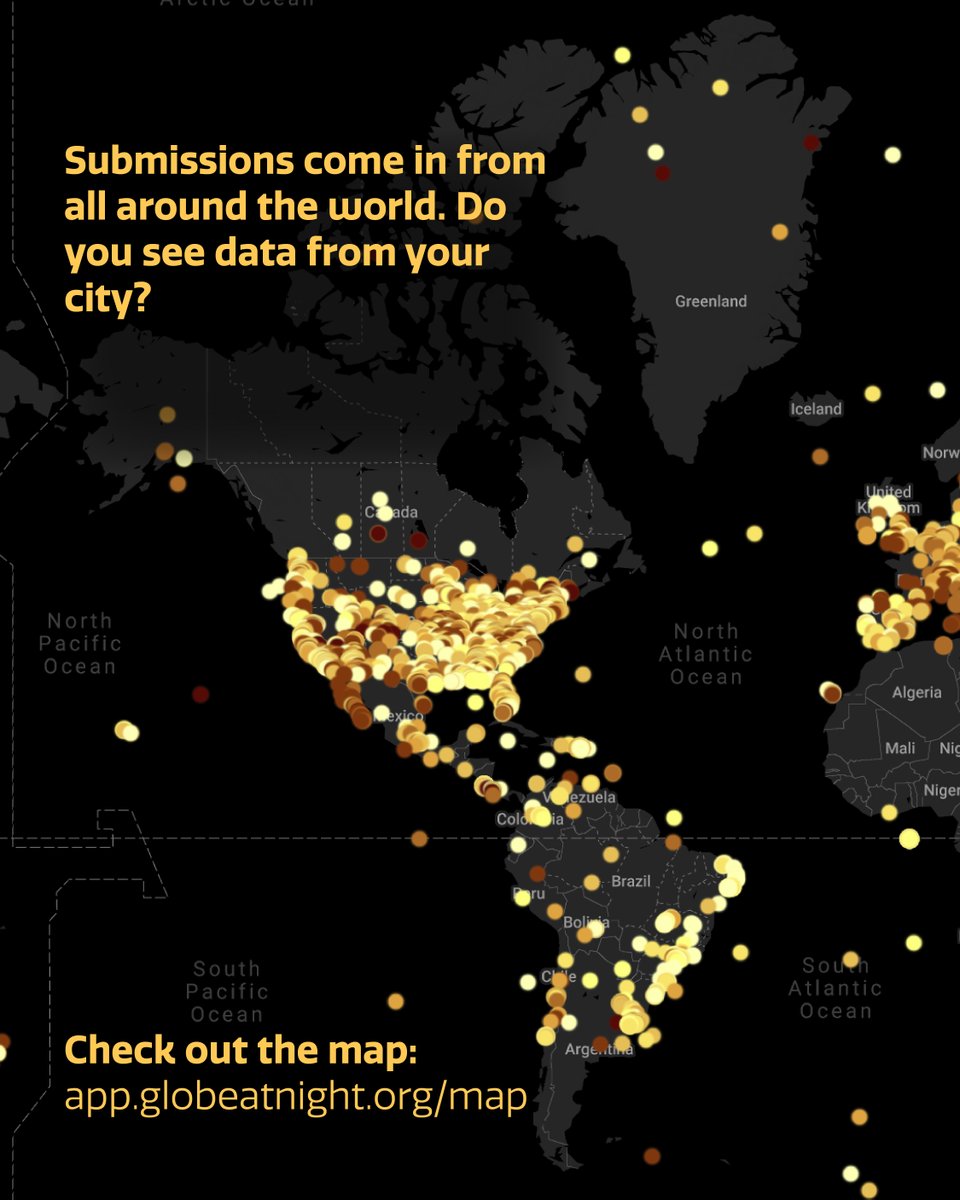
Where do our Globe at Night data points come from?
Literally everywhere 🌍✨
Even Antarctica! ❄️
Yes, this year we’ve received observations not only from Antarctica, but also from remote and far-reaching places like North Macedonia and Iceland… and we love seeing it!
1
8
196
GLOBE at Night retweeted
Apr 15
BREAKING: The largest 3D map of the Universe is now complete 🌌
Last night @desisurvey, mounted on the Nicholas U/ Mayall 4 meter telescope at @KittPeakNatObs, finished its 5-year survey of the cosmos, mapping 47M galaxies and quasars.
🔗noirlab.edu/public/news/noir…
17
281
929
40,701
Apr 14
Want to know our top-performing country for @GlobeatNight for 2026?
So far in 2026, our biggest contributors are...
🥇 United States 🇺🇸
🥈Japan 🇯🇵
🥉Australia 🇦🇺
#DarkSkiesWeek
3
72
Apr 13
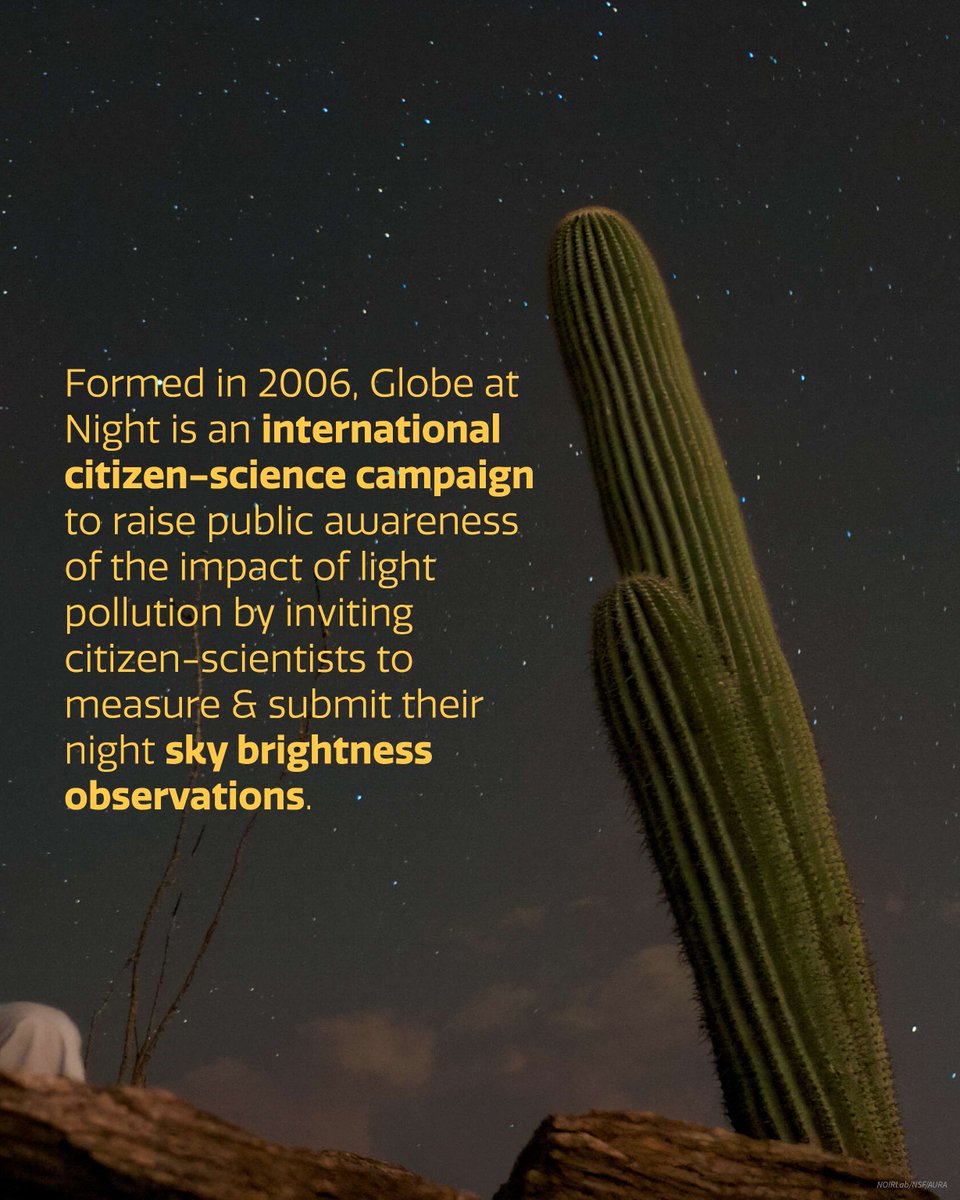
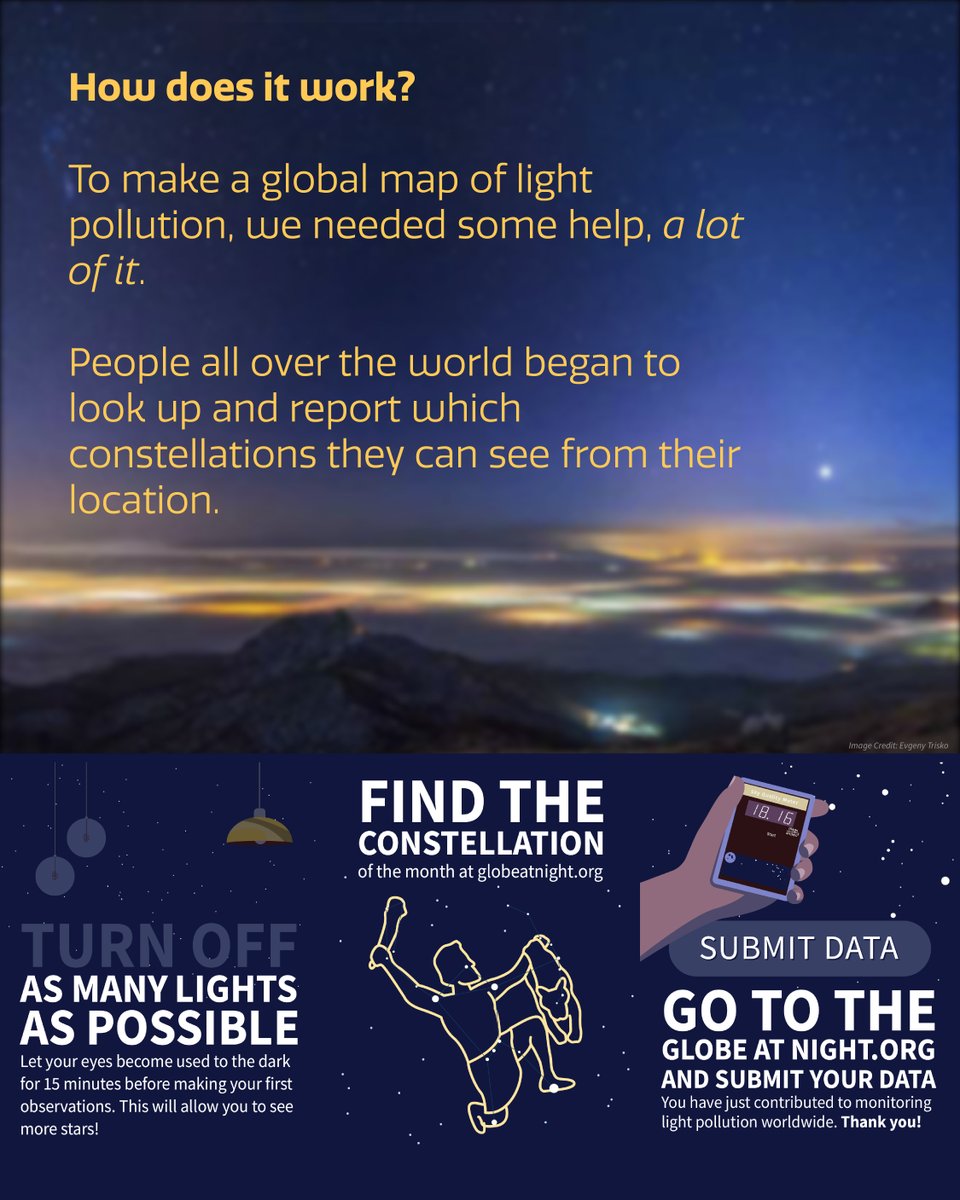
20 years of dark sky data didn’t come out of nowhere, it came from you! (Thank you, by the way) Globe at Night couldn’t exist without you. 🥰 If you’re wondering, “what exactly is Globe at Night?” then swipe to learn!
#DarkSkyWeek
3
5
122
Apr 10
🌙✨ It’s time for the April Globe at Night campaign!
Head outside after sunset and find this month’s constellation, Leo (you can learn how to spot it at globeatnight.org).
📲 Get started: globeatnight.org
2
5
81
Mar 31
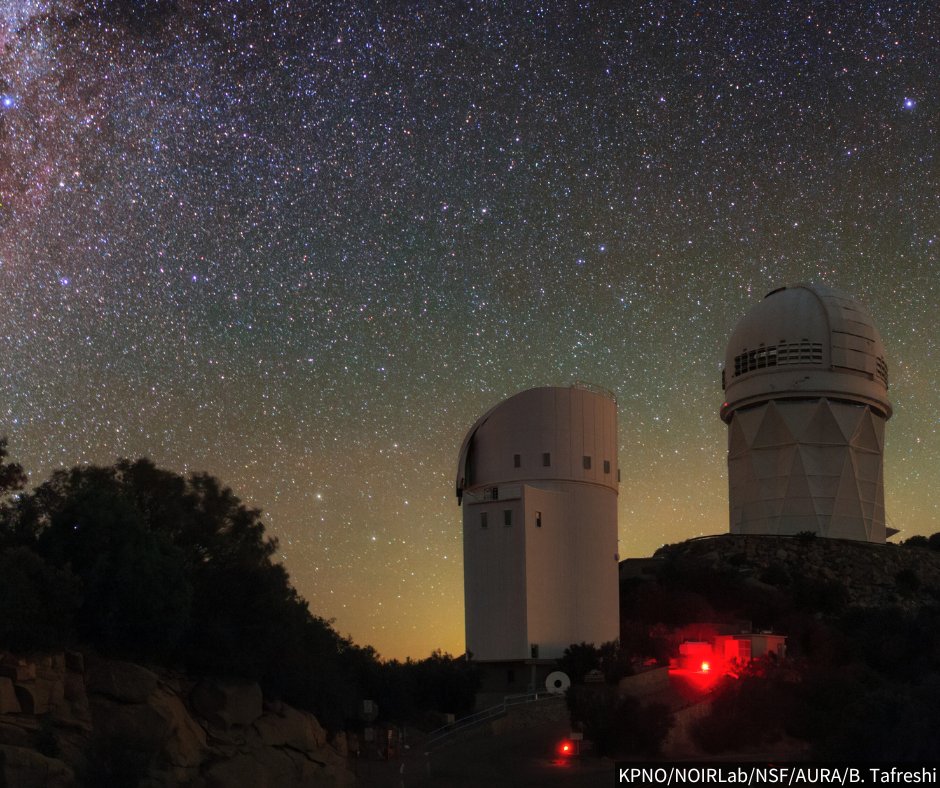
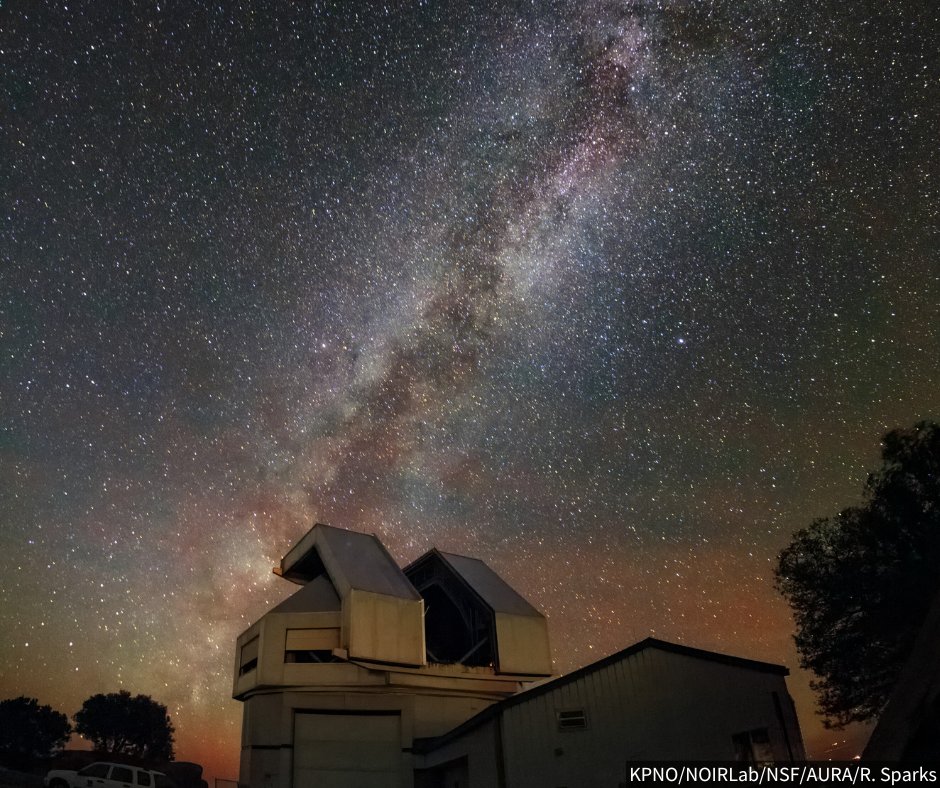
Why is the Milky Way so vibrant over NSF @KittPeakNatObs, but not over your backyard? Light pollution.
Submit a 5 sec video by 10 April sharing your love for dark skies to be included in a compilation debuting during International Dark Sky Week. 🔗 bit.ly/4djVJE0
2
7
83
Mar 25
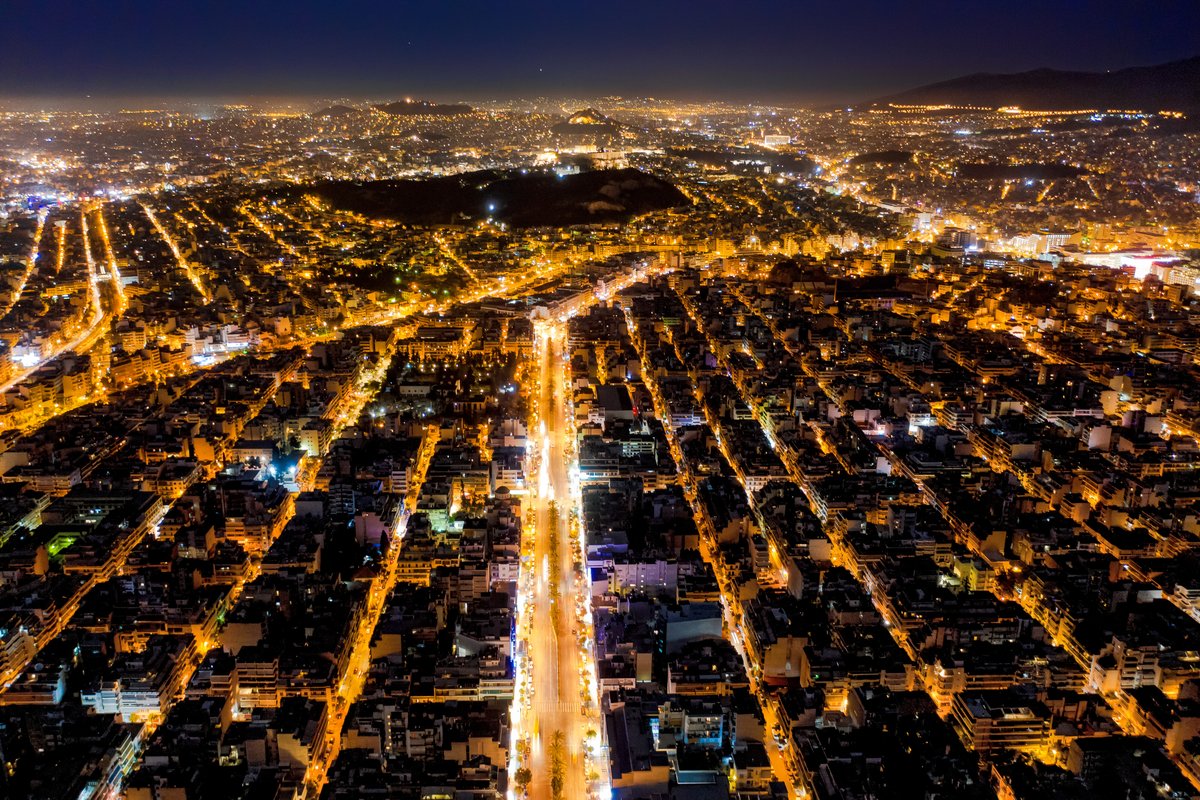
I’ll see the veins of my city like they do in space… 🎤
@Lorde said it best, one of the telltale signs of light pollution is a luminous orange haze from city lights pointing to the sky, where they are not needed.
💡 See more at globeatnight.org
📷 C. Bouroussis
2
66
Mar 10
🌙✨ How dark is your night sky?
This March, join the global @GlobeatNight campaign and help measure light pollution around the world.
🌍 It only takes a few minutes, but your observation can make a real difference!
Get started:
globatnight.org
3
8
241
GLOBE at Night retweeted
Mar 3
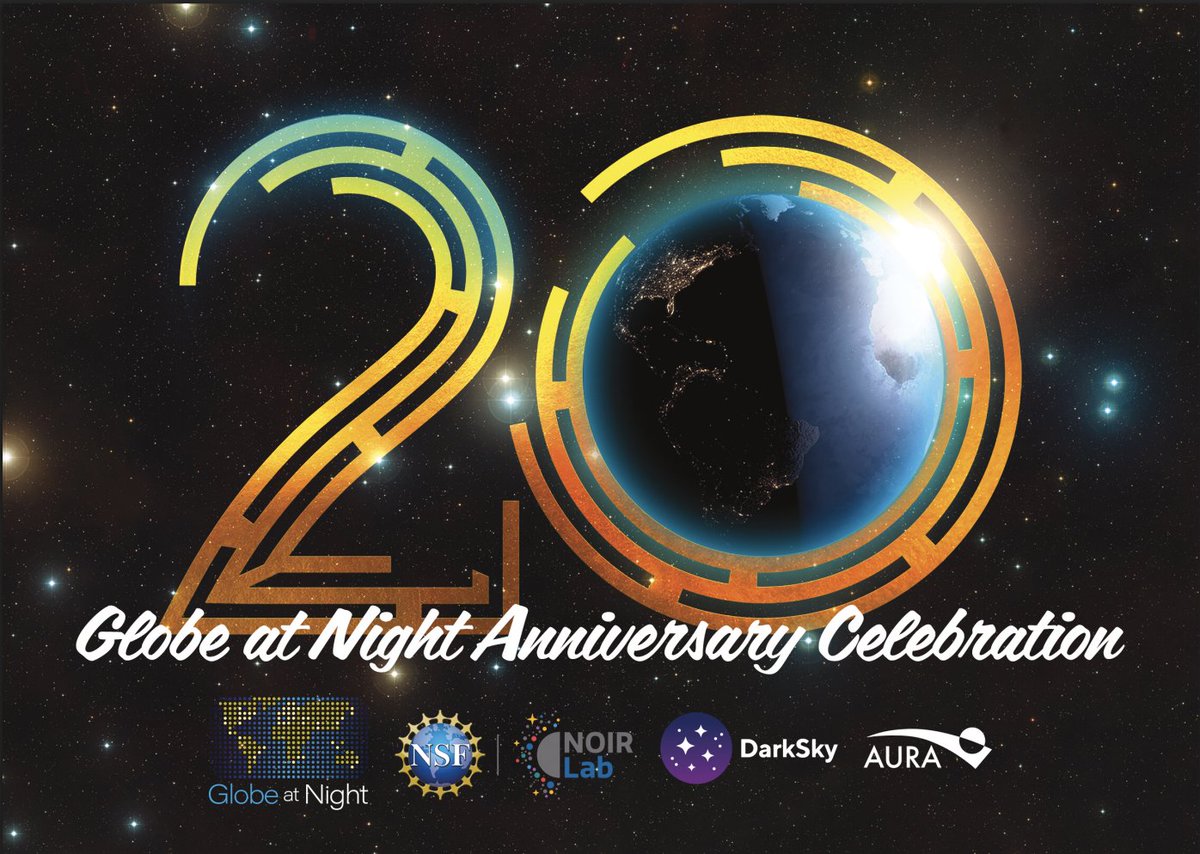
@GlobeatNight turns 20 years! 🌌🎉
And what better gift than a short video showing your love for dark skies?
To celebrate, we’re inviting you to send us a short video sharing why dark skies matter to you 🌍✨
🎥 How to participate: globeatnight.org/love-your-s…
3
14
267
GLOBE at Night retweeted

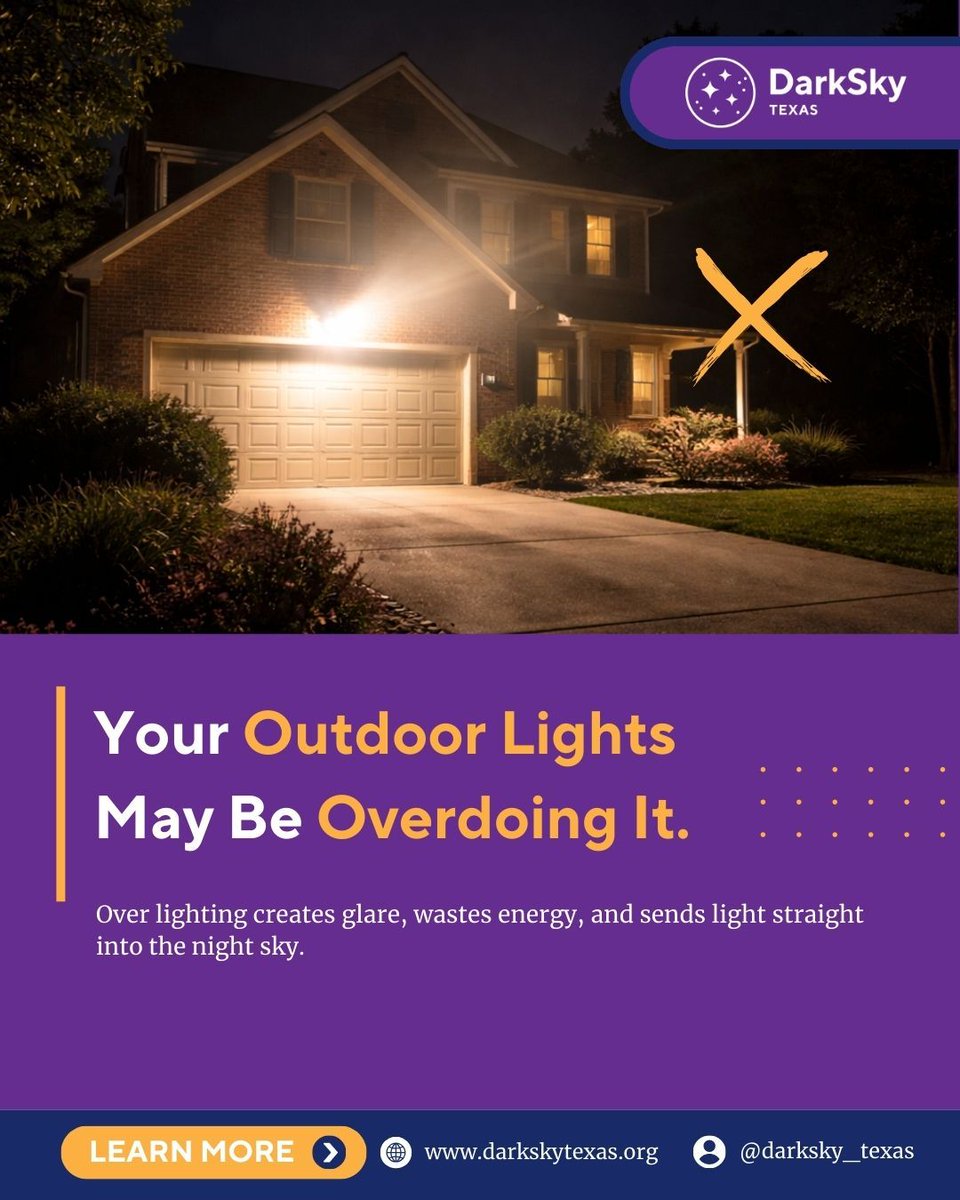
More light does not always mean more safety.
Excessively bright bulbs often reduce visibility by creating glare and shadows.
Lower-wattage bulbs aimed properly can improve visibility while saving money and protecting the night sky.
#DarkSkyTexas #ResponsibleLighting
2
3
68
Globe at Night turns 20 years! 🌌🎉
And what better gift than a short video showing your love for dark skies?
To celebrate, we’re inviting YOU to send us a short video sharing why dark skies matter to you 🌍✨
🎥 How to participate: globeatnight.org/love-your-s…
1
7
72
GLOBE at Night retweeted

El @VRubinObs de NSF–DOE ha publicado sus 1eras alertas sobre cambios detectados en el cielo. ¡Es el inicio de un sistema que podría generar hasta 7 millones de alertas por noche! 🚨
🔗 ow.ly/uXIn50Ym26j
📹NSF–DOE @VRubinObs/NOIRLab/SLAC/AURA
9
24
791
GLOBE at Night retweeted
Feb 25
The NSF–DOE @VRubinObs has released its 1st alerts of detected changes in the night sky, including new asteroids & exploding stars! This is the start of a system expected to generate up to 7M alerts per night🚨
🔗 ow.ly/EFxH50Ym1I7
📹 NSF–DOE @VRubinObs/NOIRLab/SLAC/AURA
3
18
58
2,546