@NSF NOIRLab is the preeminent US national center for ground-based, nighttime optical and infrared astronomy. Para español siga a @NOIRLabAstroES
Joined September 2019
- Tweets 4,839
- Following 875
- Followers 7,916
- Likes 5,337
2,814 Photos and videos
Pinned Tweet

Apr 15
BREAKING: The largest 3D map of the Universe is now complete 🌌
Last night @desisurvey, mounted on the Nicholas U/ Mayall 4 meter telescope at @KittPeakNatObs, finished its 5-year survey of the cosmos, mapping 47M galaxies and quasars.
🔗noirlab.edu/public/news/noir…
17
281
929
40,692
We're excited to see all of you at #AAS248! For the latest scoop on our science talks, open house, iposters, demos, swag & more - stay tuned with us on @NOIRLabScience! Daily updates coming your way! 🌟 #Astronomy
3
8
409
Jun 12
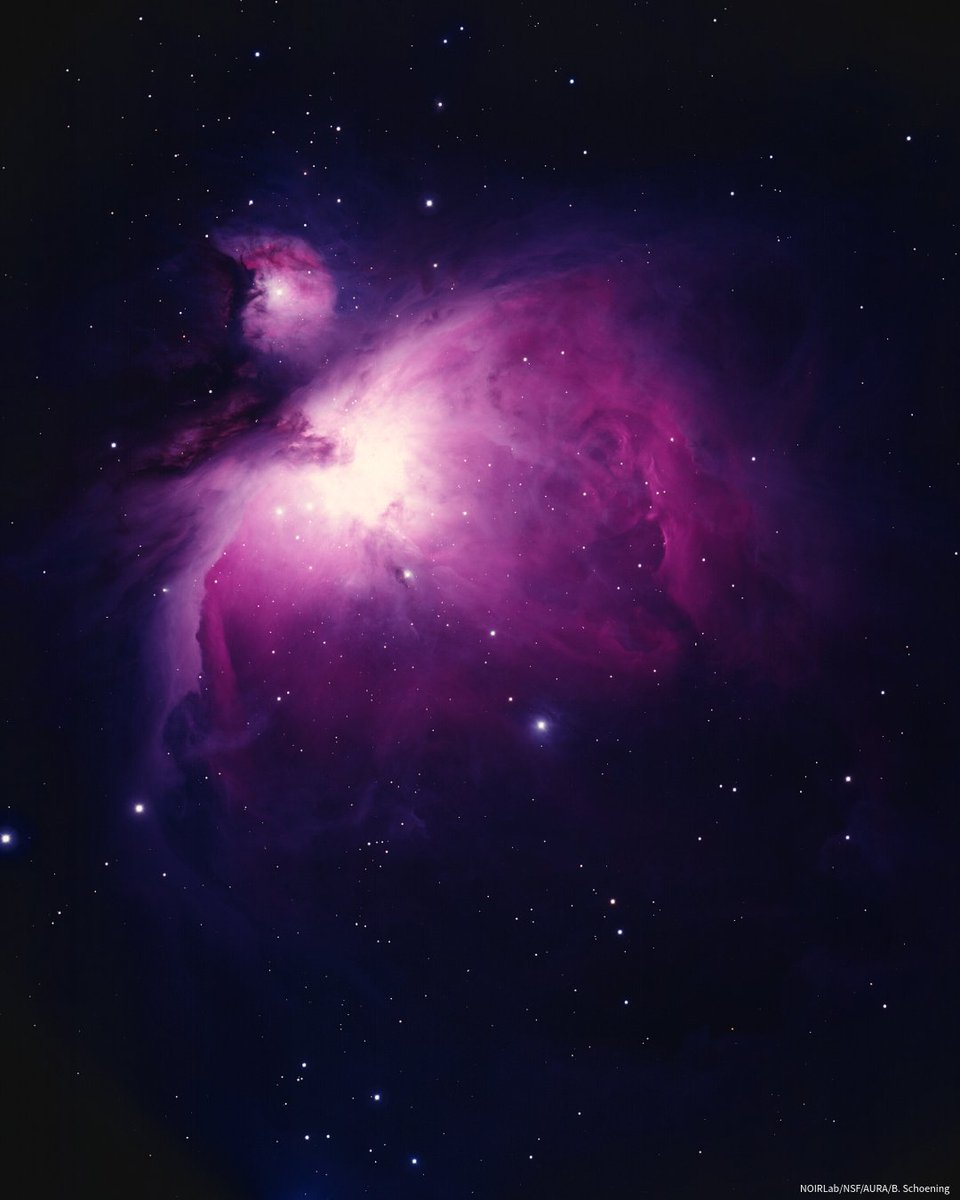
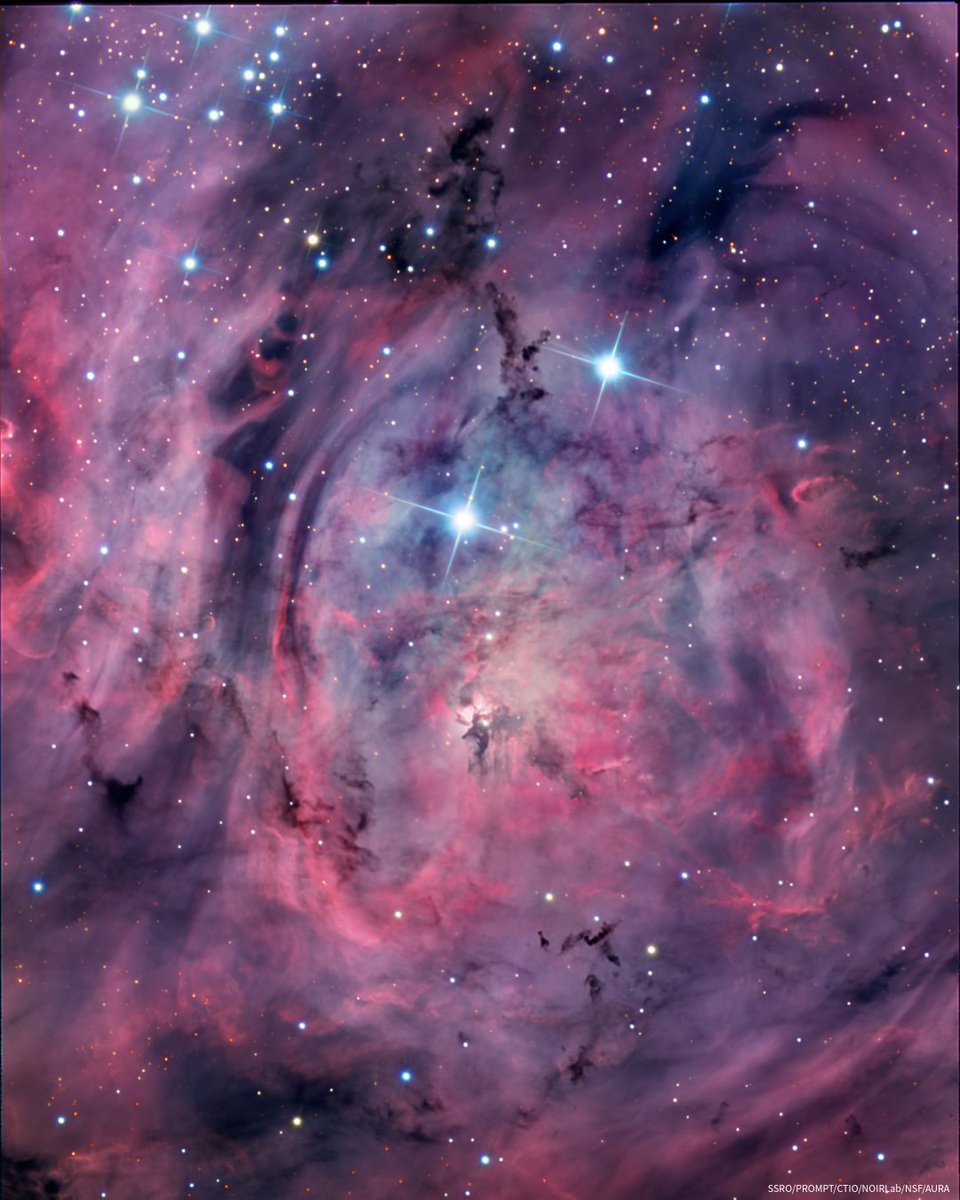
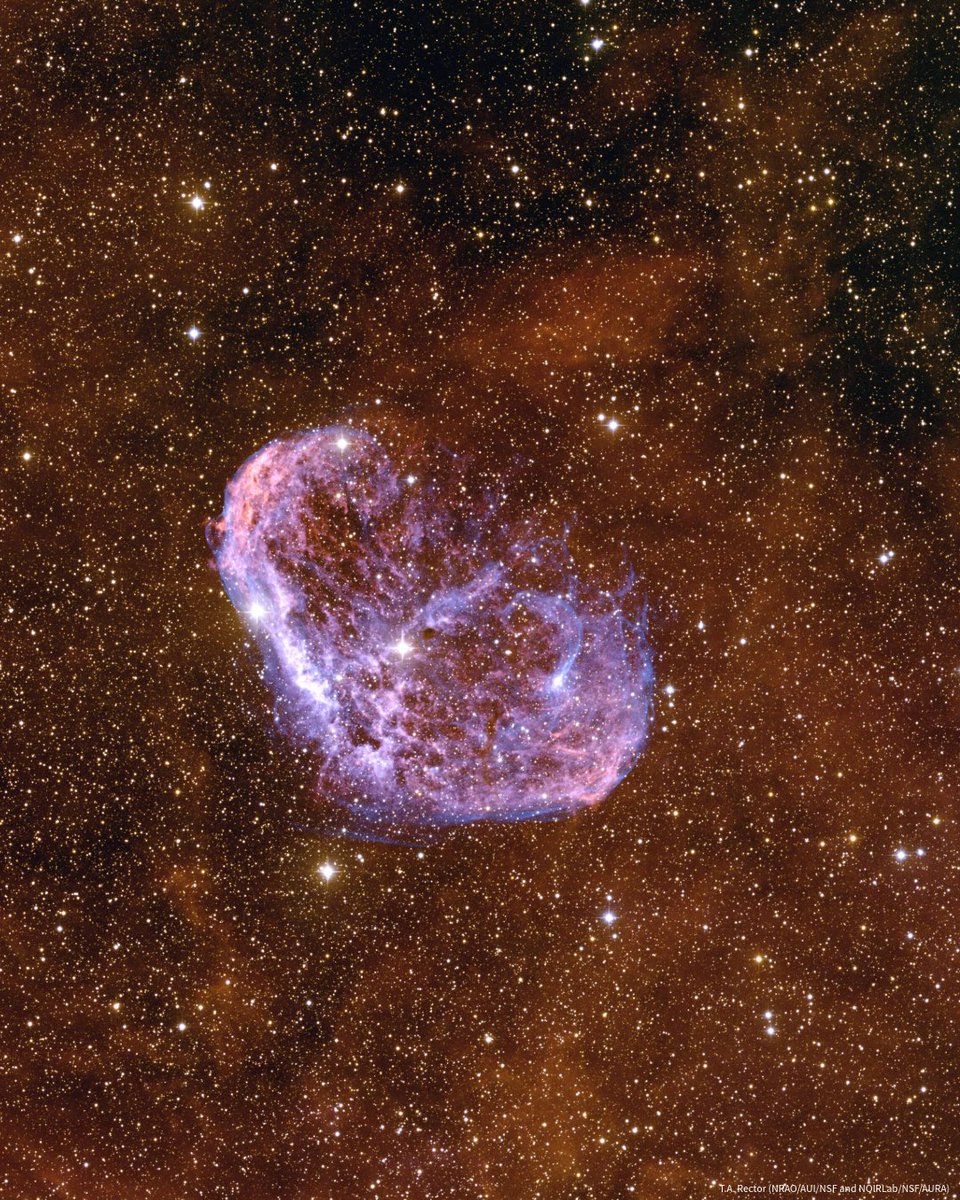
Need more whimsy in your day? Here’s some purple space clouds. 🦄
Today, we’re sharing our favorite purple nebulae in our collection. Check out NSF NOIRLab’s free-to-use image collection at bit.ly/4xhjUKK
16
50
620
Jun 11
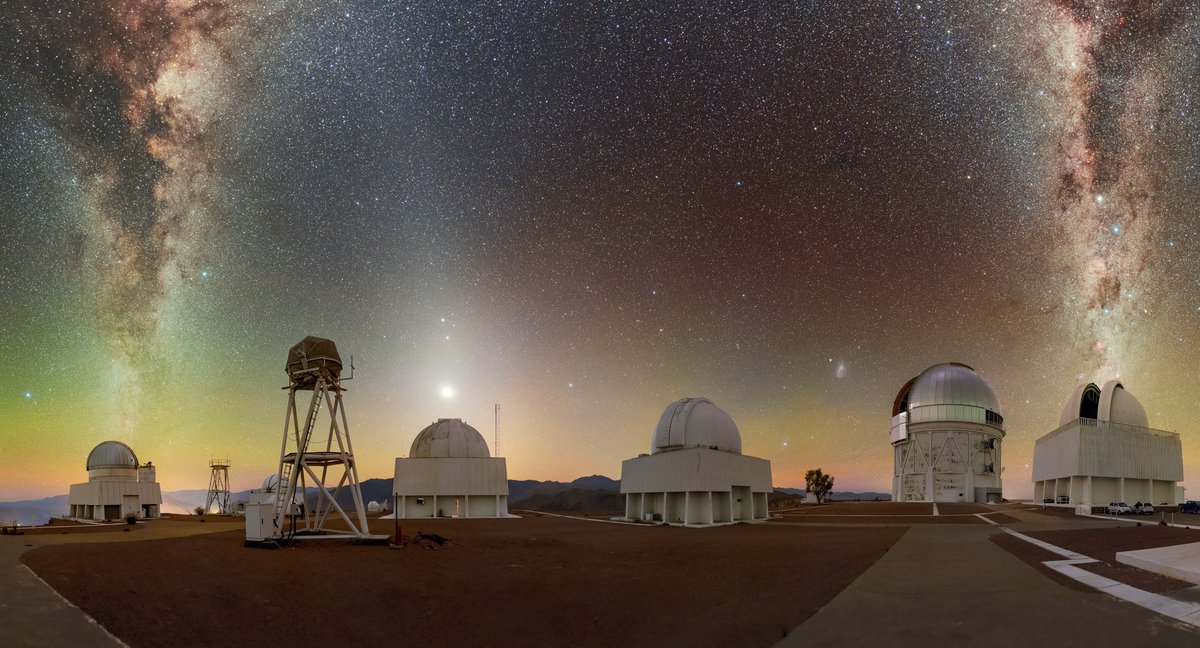
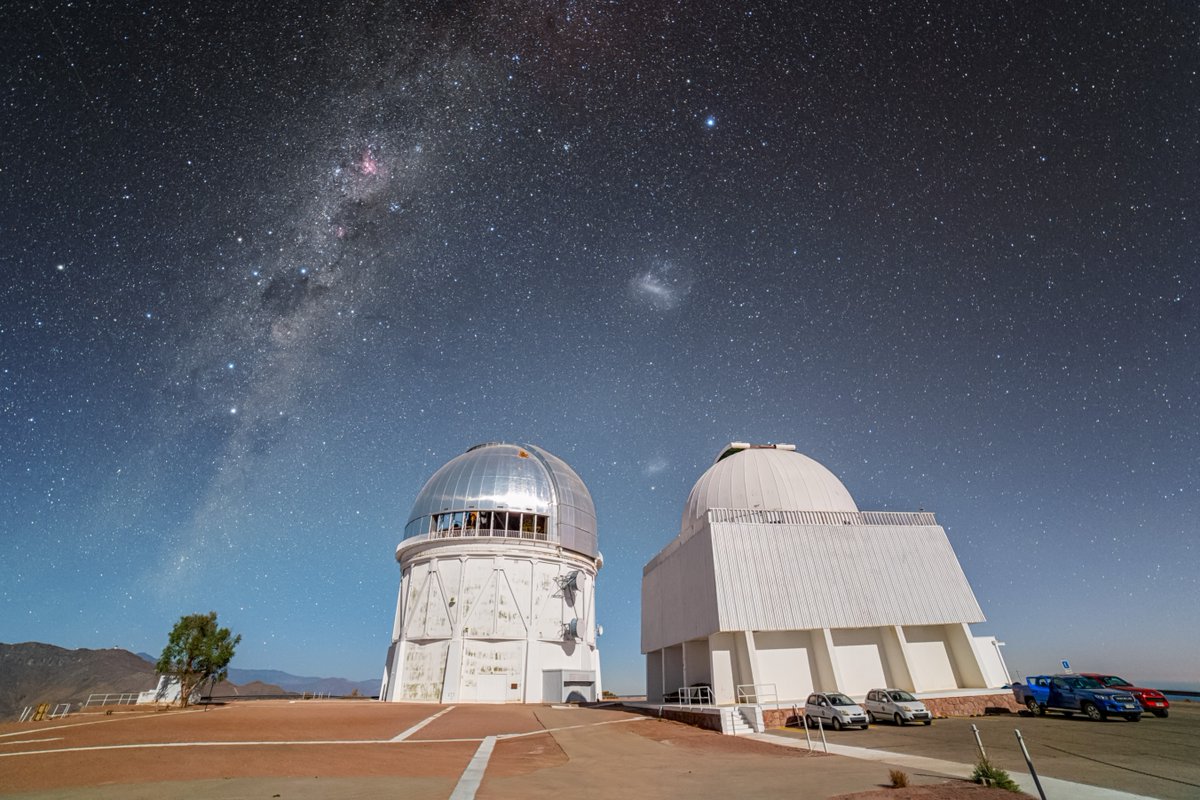
This is just part of what’s on this mountain ✨🔭
For 61 years, NSF @CerroTololo in Chile has been observing the night sky. This panoramic view captures several of its telescopes under a sky split by the Milky Way.
Credit: CTIO/NOIRLab/NSF/AURA/P. Horálek
1
16
39
1,056
Jun 10
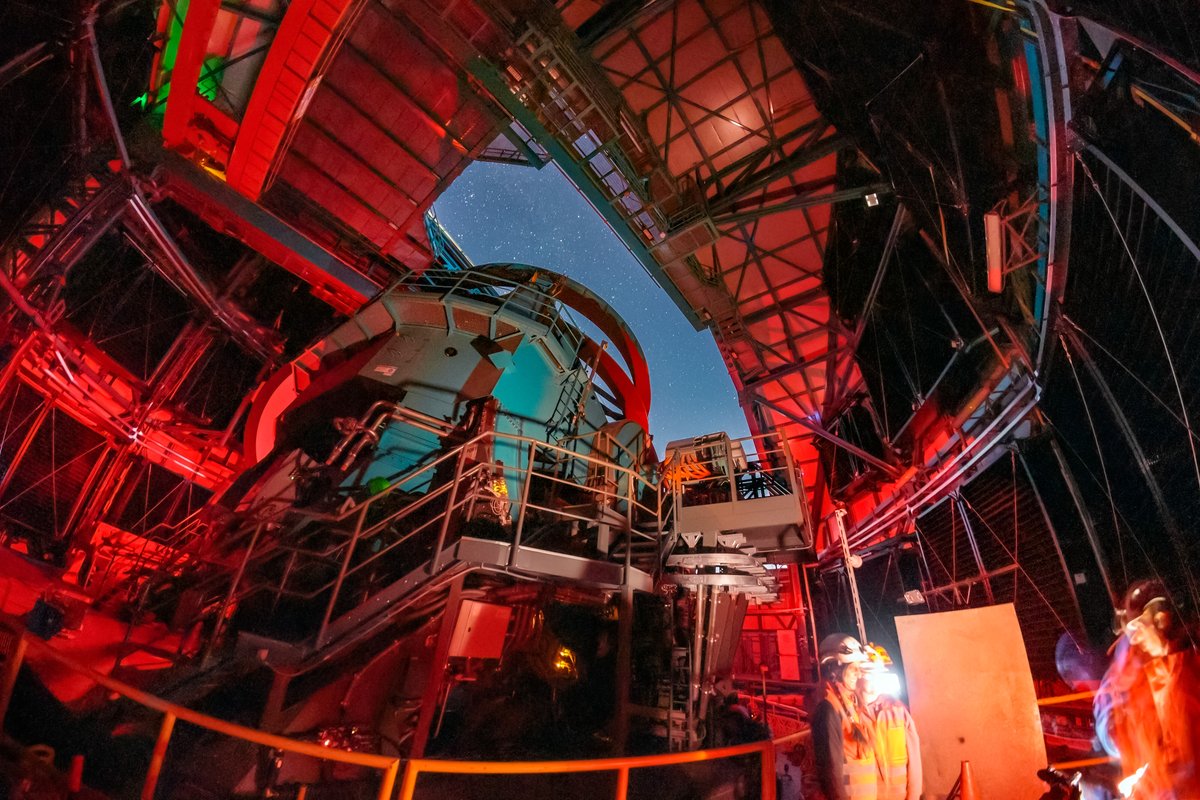
Talk about strength & speed! 🤯 NSF–DOE @VRubinObs’s telescope mount incorporates a unique 3 mirror design, which shortens the telescope and lowers its center of gravity so the mount can move the LSST Camera and mirrors quickly.
📷 NSF–DOE @VRubinObs/NOIRLab/SLAC/AURA/P. Horálek
ALT The view from inside NSF–DOE Vera C. Rubin Observatory. The Simonyi Survey Telescope points upwards towards the opening in the observatory's dome through which the night sky is visible.
5
18
551
Jun 9
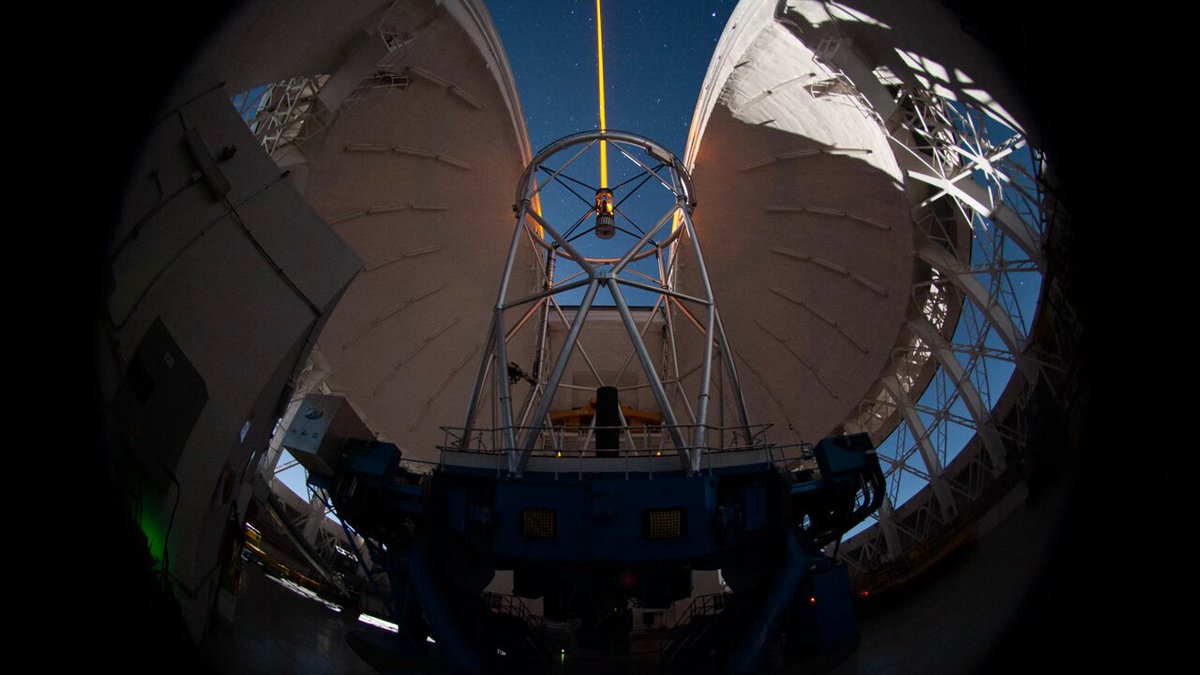
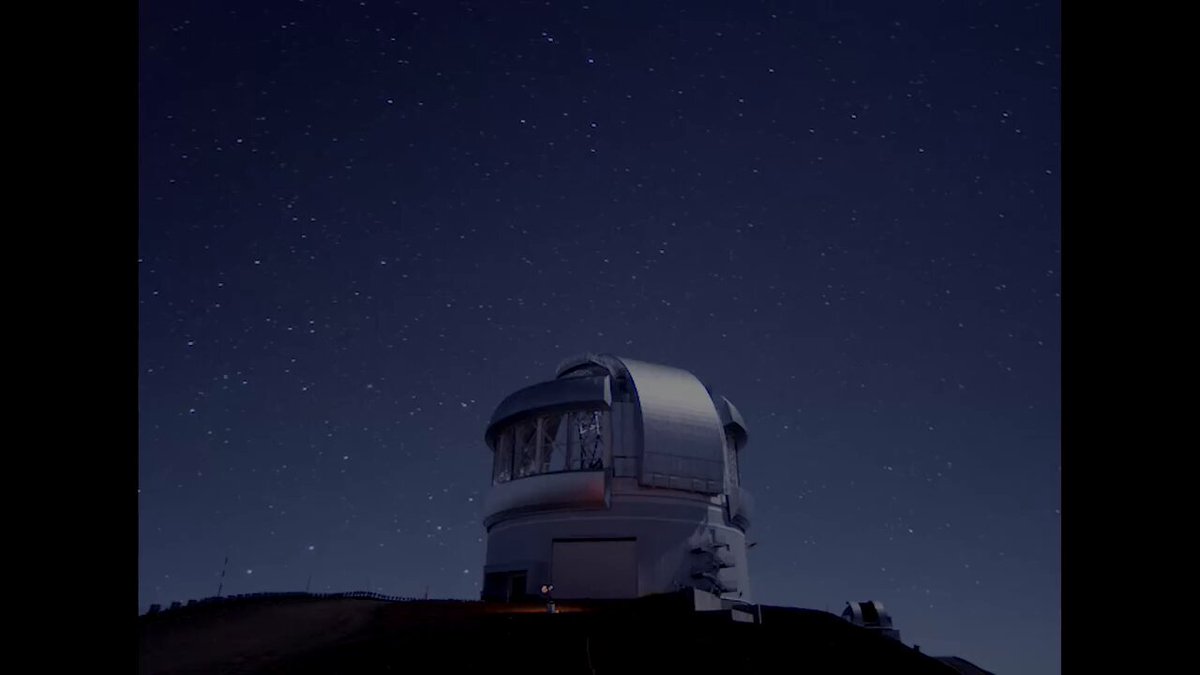
🌌 What’s it like to be a telescope working the night shift?
This timelapse from the @Geminiobs South telescope in Chile follows several hours of observations as the GMOS System sends its laser into the sky.
📹: @Geminiobs /NOIRLab/NSF/AURA/M. Paredes
1
9
33
1,112
Jun 8
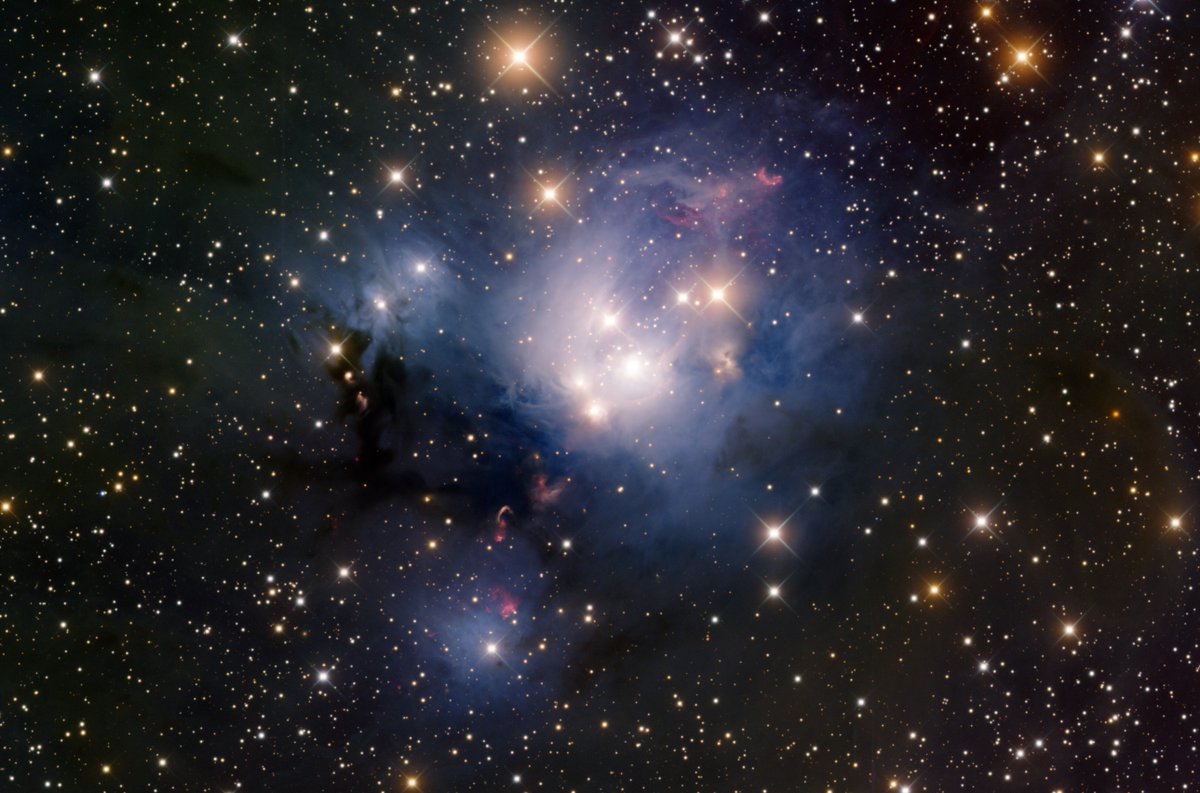
Baby stars ✨🍼
NGC 7129 is a star-forming region and reflection nebula in the constellation of Cepheus. The stars in this nebula are only about a million years old, which is extremely young on astronomical timescales.
📸 WIYN/NOIRLab/NSF/AURA/T. A. Rector & H. Schweiker
1
8
37
861
Jun 8
It’s time for the June Globe at Night campaign! 🌙✨ Go outside after sunset and find this month’s constellations. Then compare what you see with the star charts and submit your observation 🌍📲 bit.ly/3RY24fz
📷NOIRLab/NSF/AURA
1
2
10
417
Jun 5
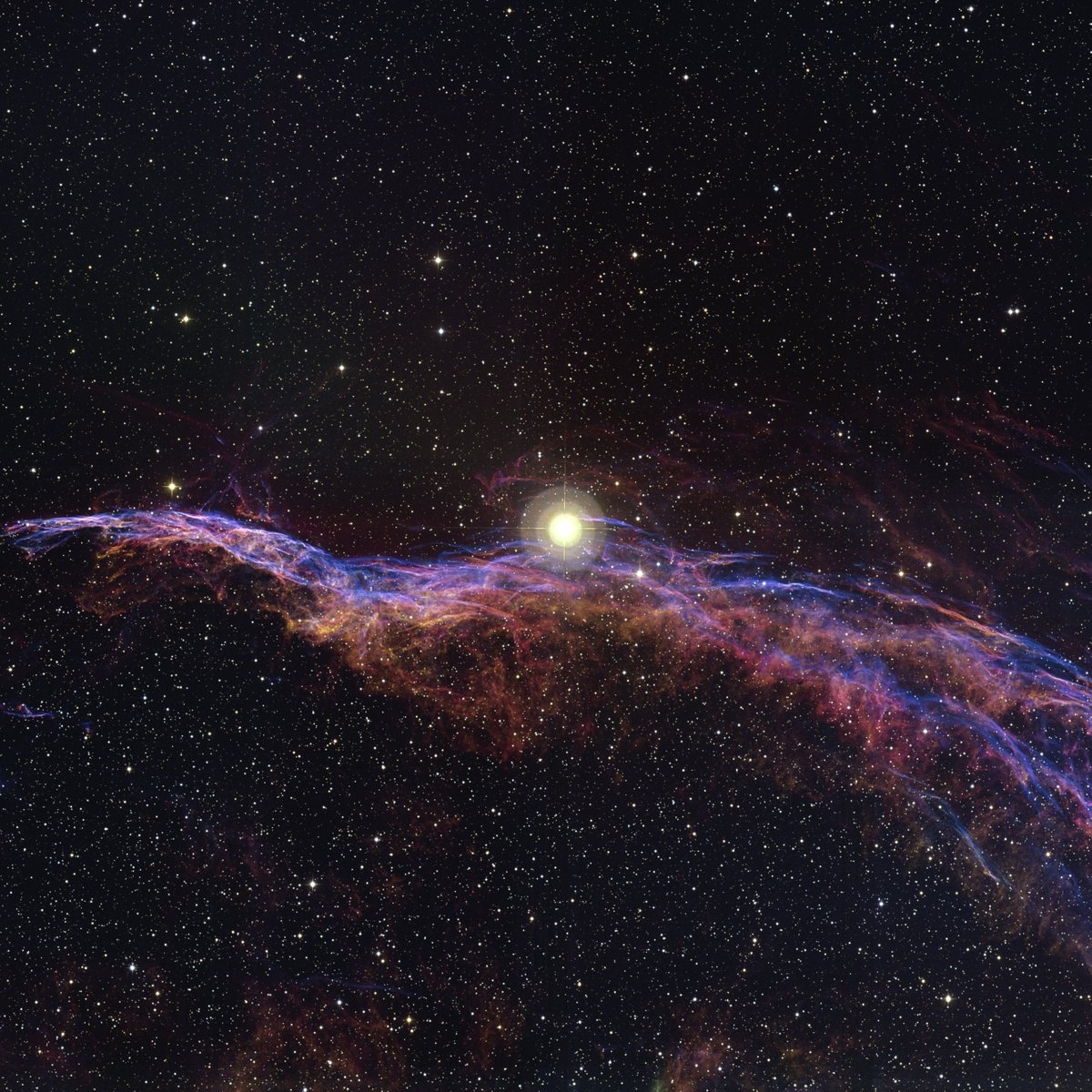
What’s behind the veil? ✨
This image was taken with the Mosaic camera on the WIYN telescope at NSF @KittPeakNatObs. The Veil Nebula (NGC 6960) is part of a supernova remnant known as the Cygnus Loop.
Credit: T. A. Rector/Univ. of Alaska Anchorage and WIYN/NOIRLab/NSF/AURA
4
15
66
1,101
Jun 4
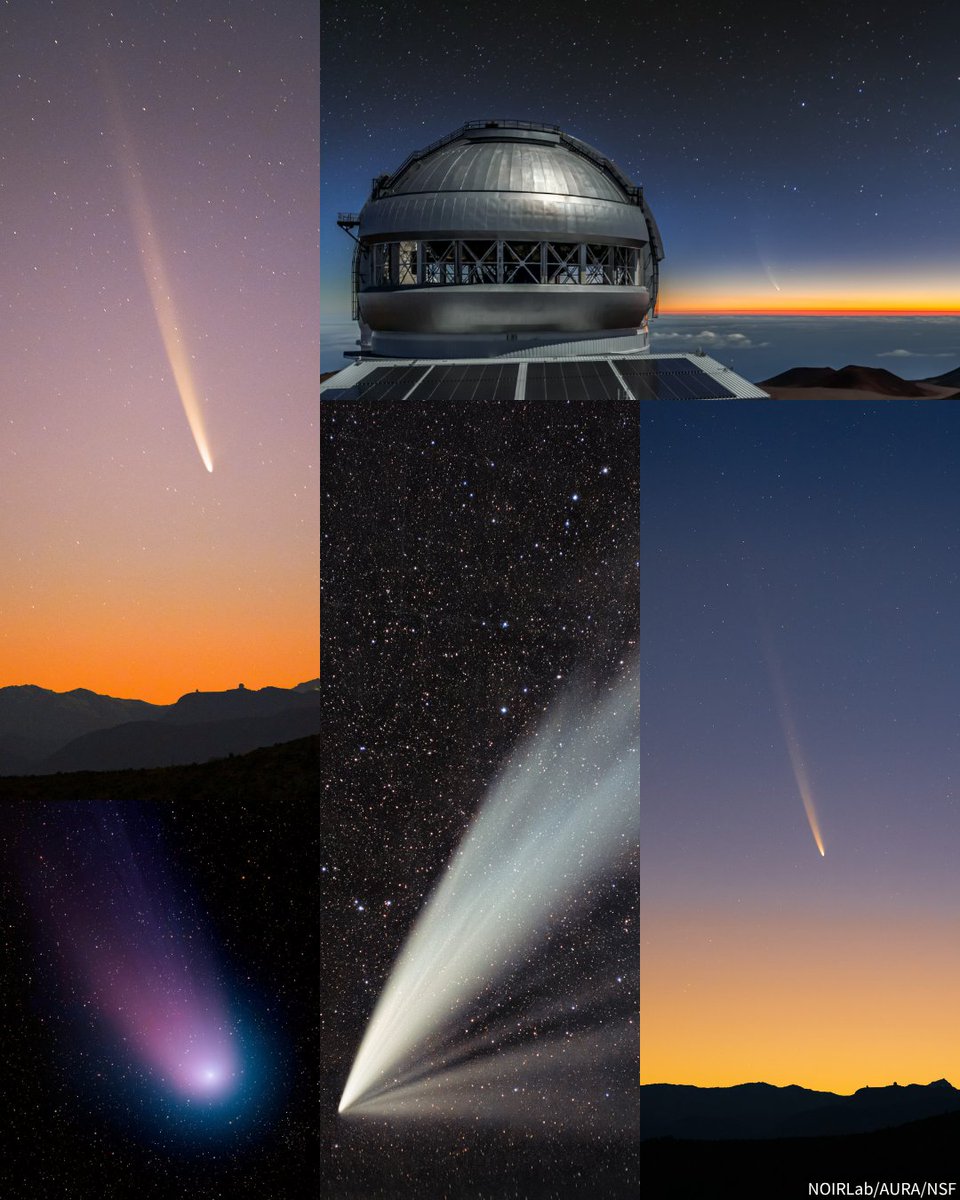
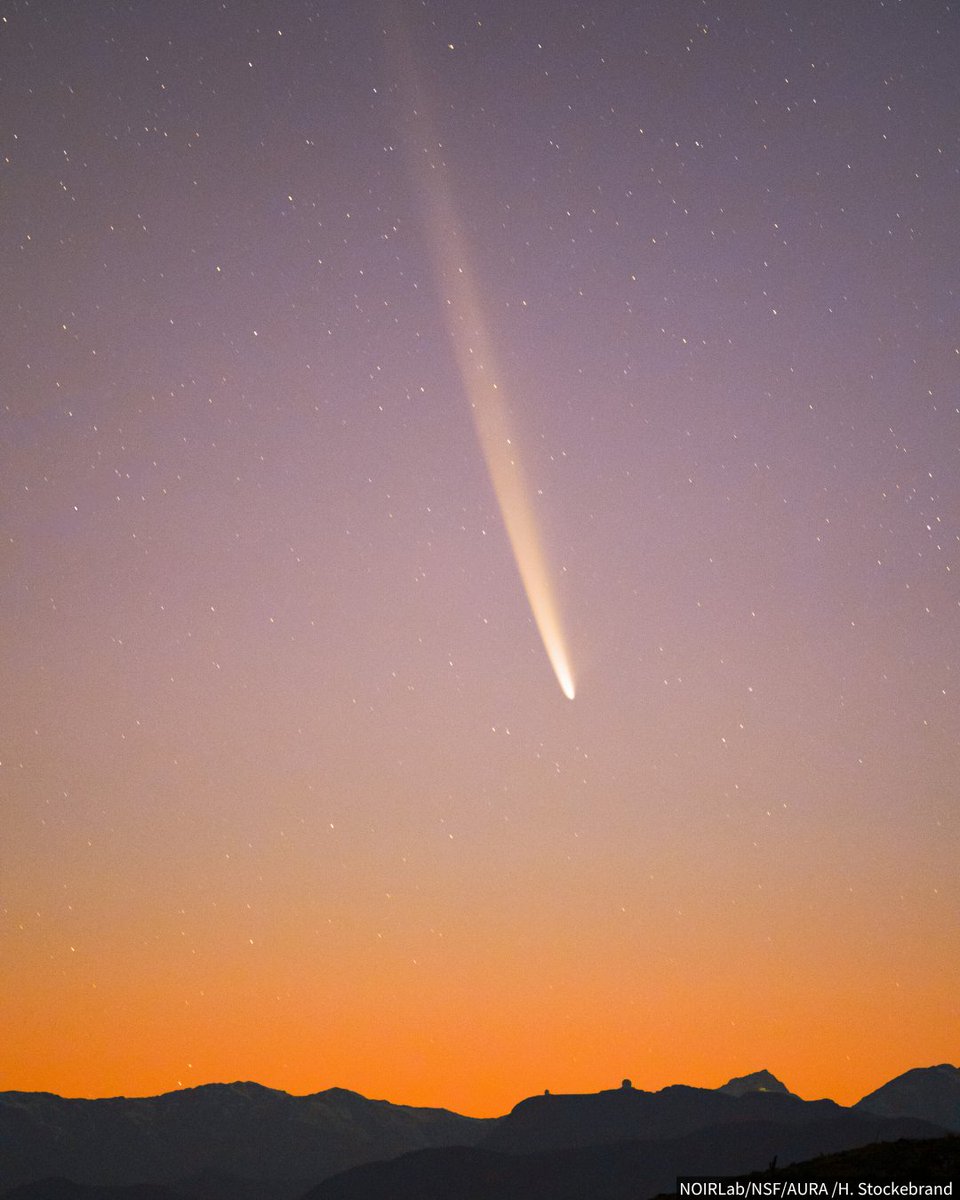
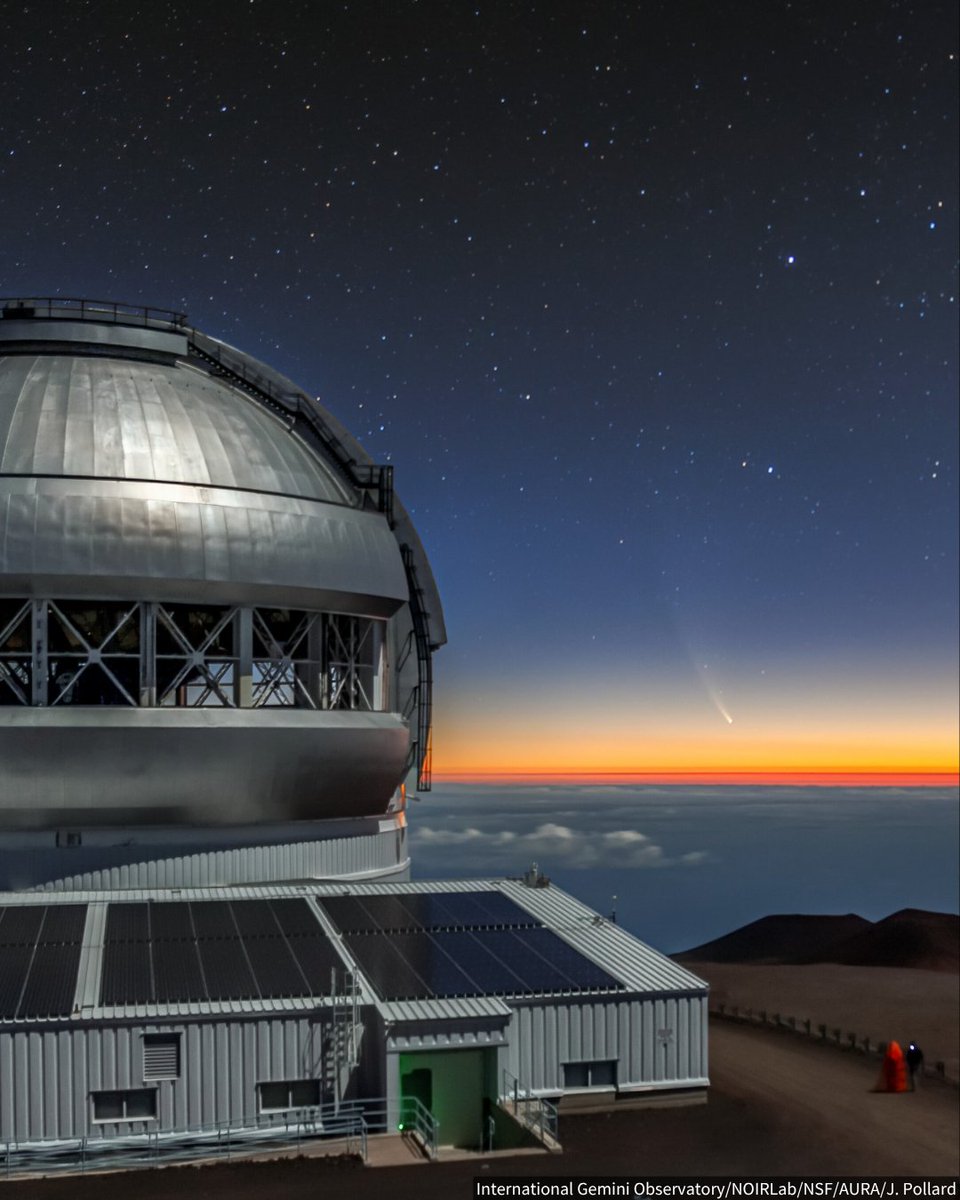
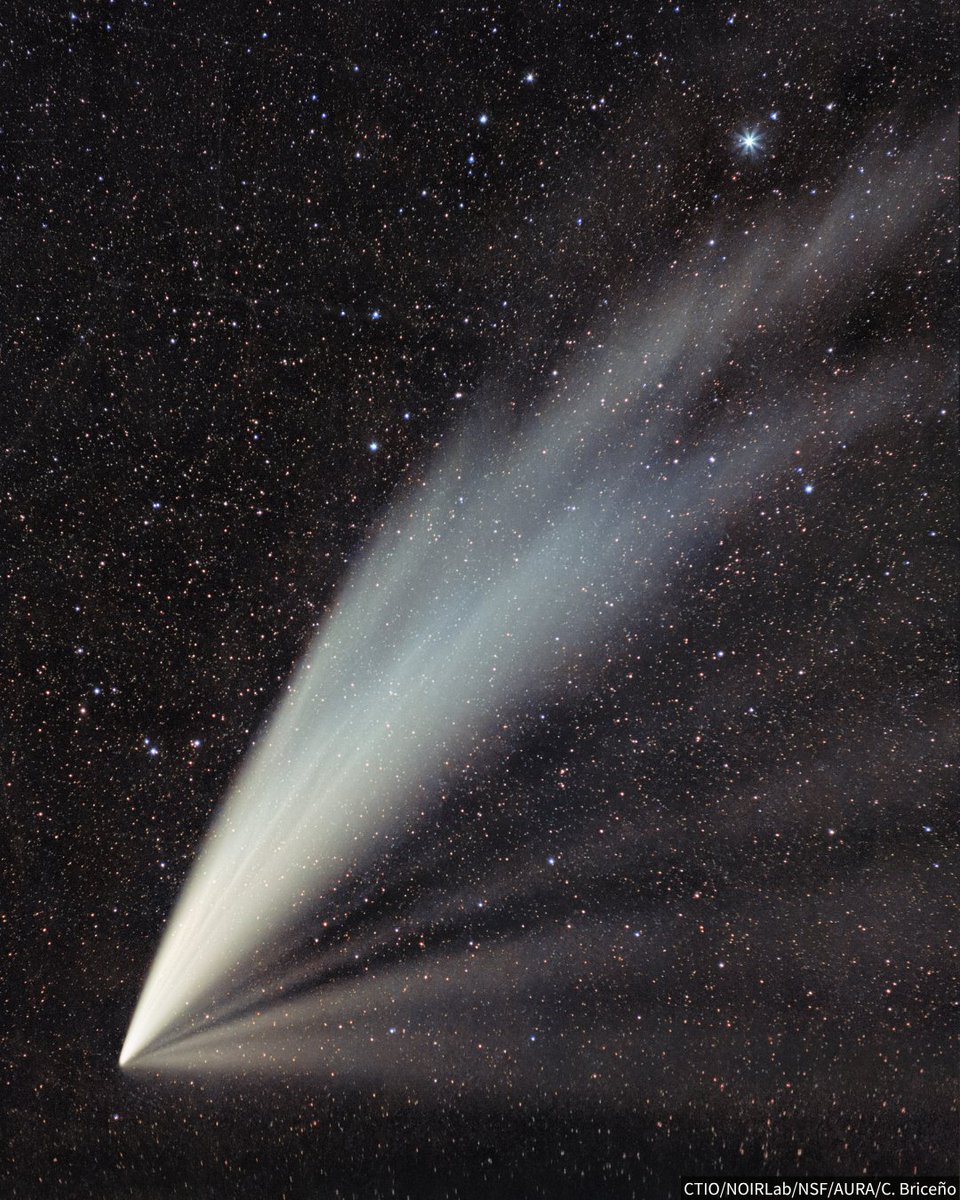
Not everything in the night sky disappears in a second ☄️✨
This collage brings together comets captured at our sites in Chile, Hawai‘i, and Arizona.
1
11
33
879
Jun 3
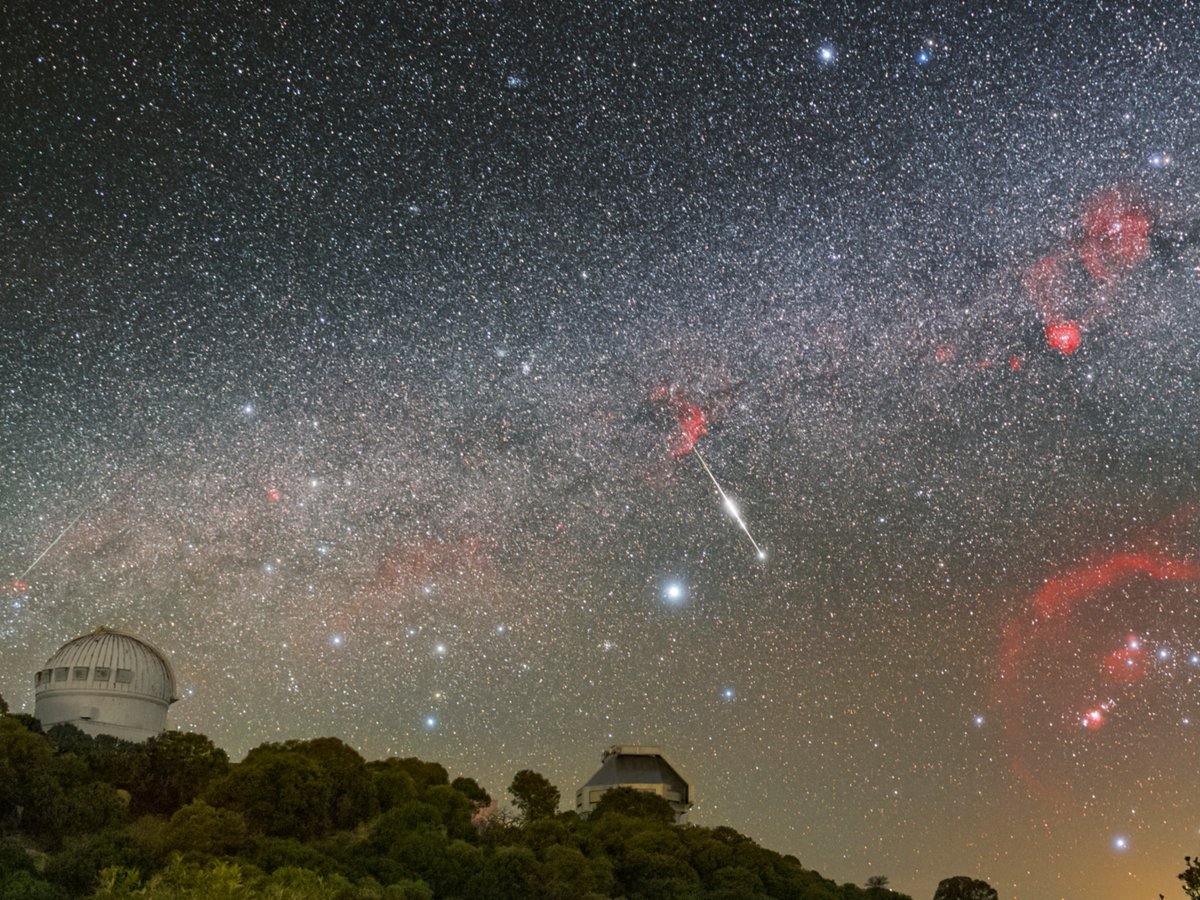
A blazing meteor pops into the sky above NSF @KittPeakNatObs, a Program of NOIRLab. Meteors are visible in the sky for just a few seconds, so they take skill and a bit of luck to capture on camera.
📸: KPNO/NOIRLab/NSF/AURA/P. Horálek
9
44
915
Jun 2
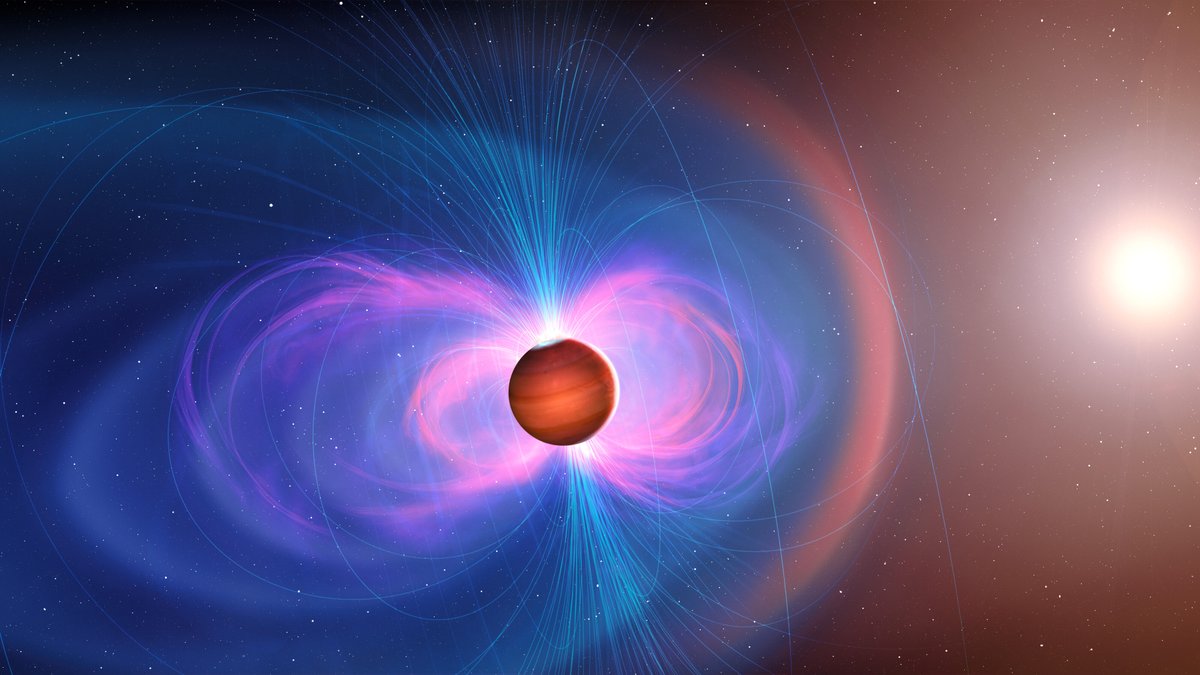
🪐 Astronomers found the strongest evidence yet that some exoplanets may have magnetic fields.
Using @Geminiobs North and ESO’s Very Large Telescope, researchers measured winds on 7 ultra-hot giant exoplanets 🔭
🔗ow.ly/kIWI50Z6FX7
📷: @GeminiObs/NOIRLab/NSF/AURA
7
31
1,122
Jun 1
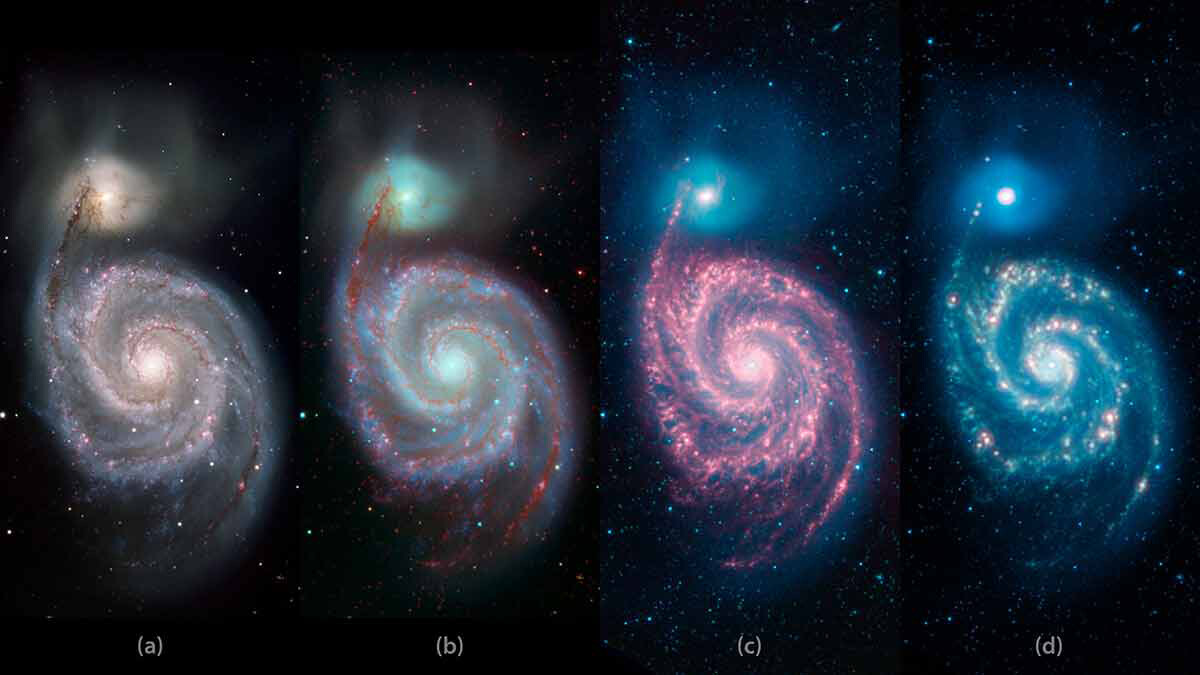
🌌 The Whirlpool Galaxy looks very different depending on how you observe it.
Observations in visible light from the KPNO 2.1-meter Telescope reveal dark dust lanes. Observations in infrared light make that dust glow ✨
📷 NASA/JPL-Caltech and NOAO/AURA/NSF
1
11
35
661
May 28
The constellation Gemini shares its name with the International @GeminiObs telescopes in Hawai‘i and Chile. These twin 8.1-meter observatories give astronomers access to the entire sky. ✨ #GeminiSeason
📷: Gemini Observatory/NOIRLab/AURA/NSF/A. Hara
1
3
26
554
May 27
🌕 This nighttime view from NSF @CerroTololo only looks like daytime because of long-exposure photography ✨
Also visible: the Milky Way, the Magellanic Clouds, and Canopus above the telescopes.
📷: CTIO/NOIRLab/NSF/AURA/P. Horálek
8
21
386
May 26
🌌👀 Spot the moving lights
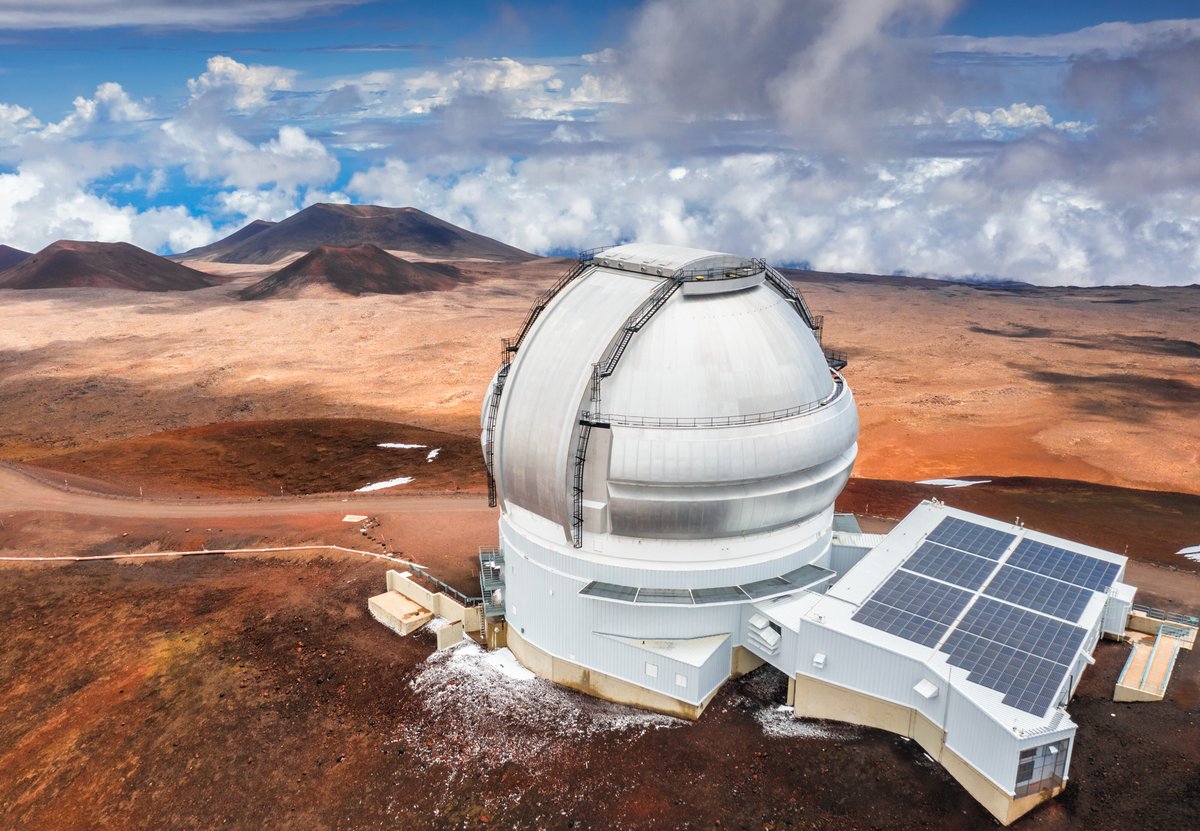
Perched on Maunakea, Hawaiʻi, the Gemini North telescope—one half of the International Gemini Observatory—uses its 8.1-meter mirror to explore everything from nearby planets to distant galaxies 🔭
📹: International Gemini Observatory/NSF/AURA
11
28
697
May 26
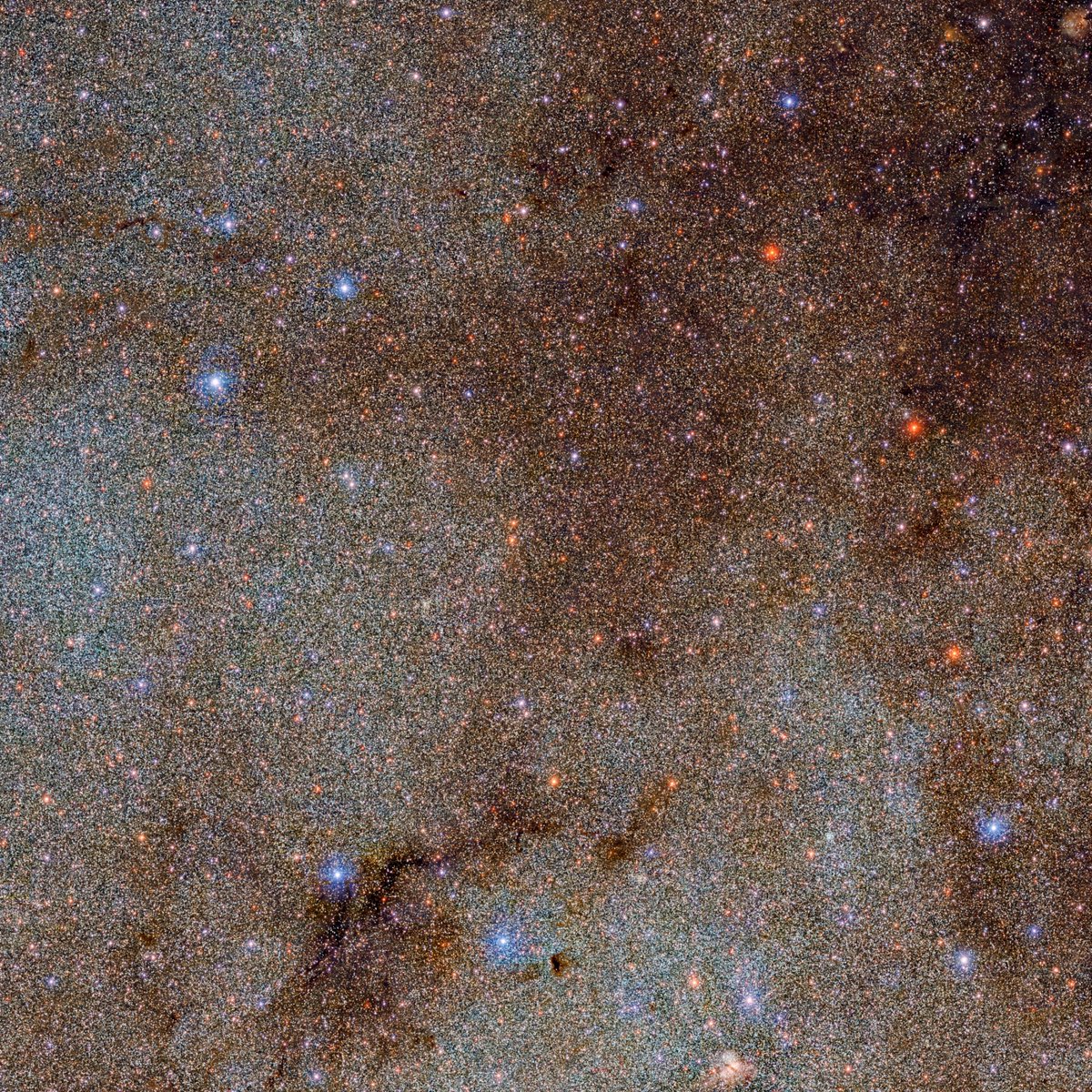
This patch of sky is packed with stars and dust, but it’s only a small slice of the Dark Energy Camera Plane Survey 2, which catalogued 3.32 billion celestial objects.
📷: DECaPS2/DOE/FNAL/DECam/CTIO/NOIRLab/NSF/AURA
Image processing: M. Zamani & D. de Martin (NSF NOIRLab)
1
10
19
567
May 25
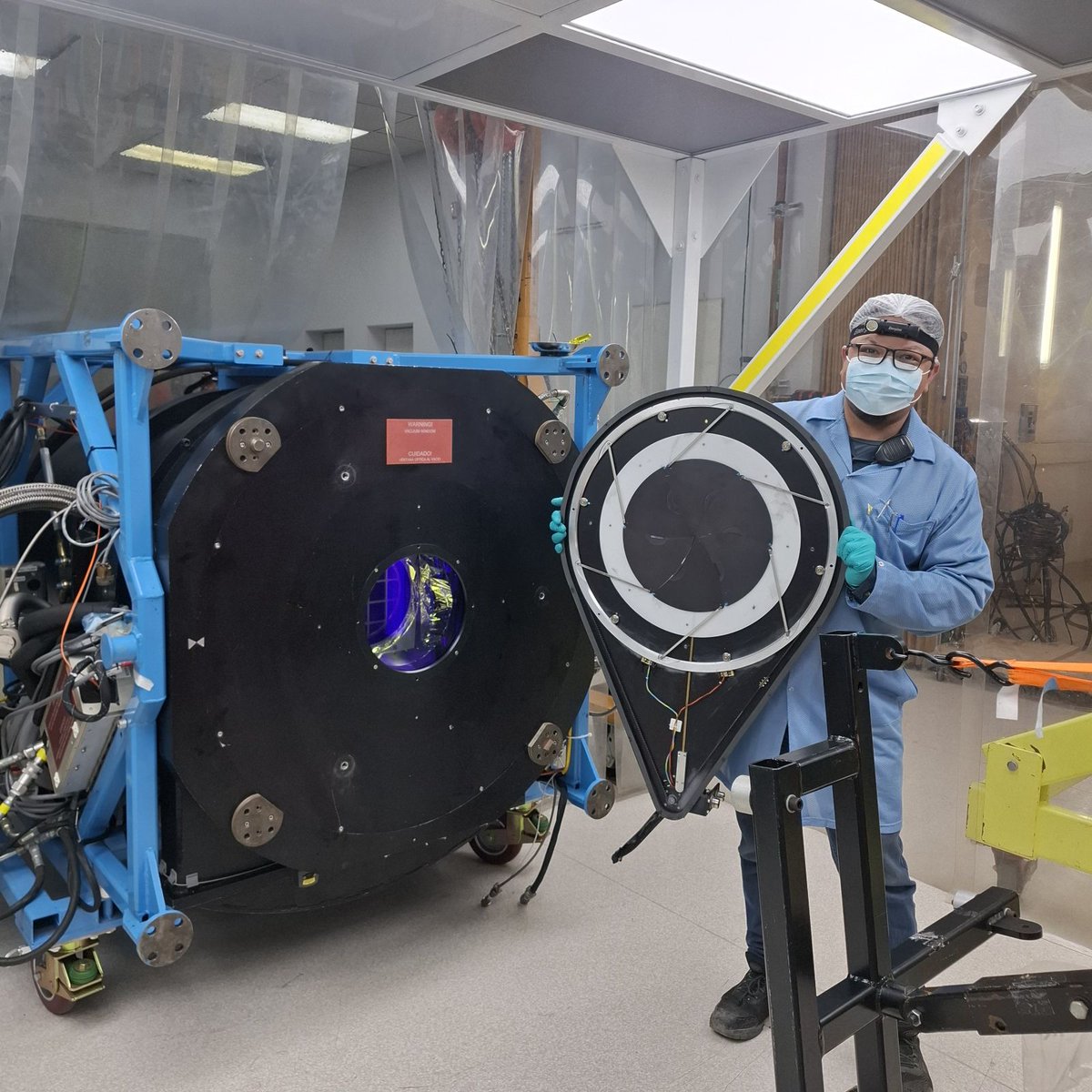
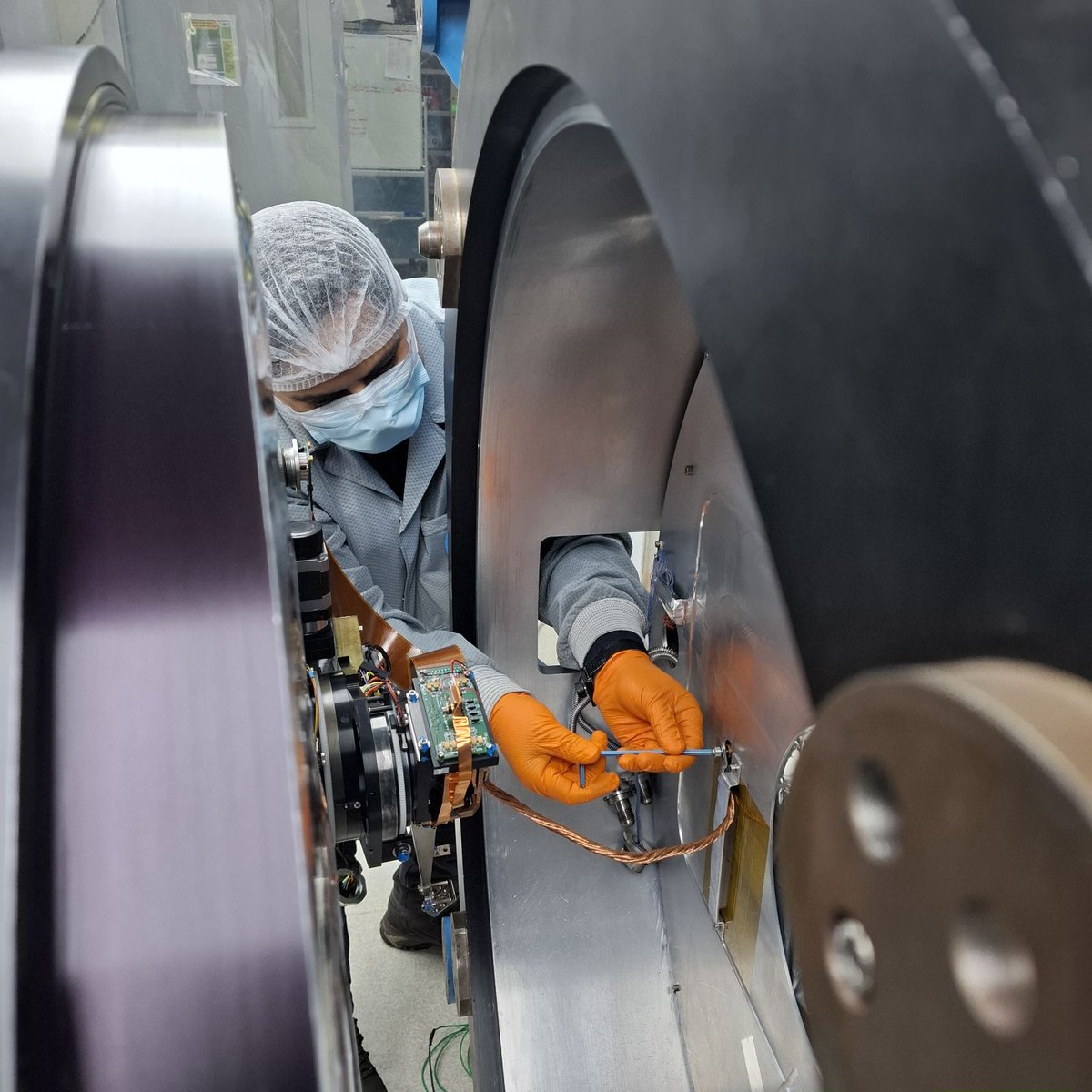
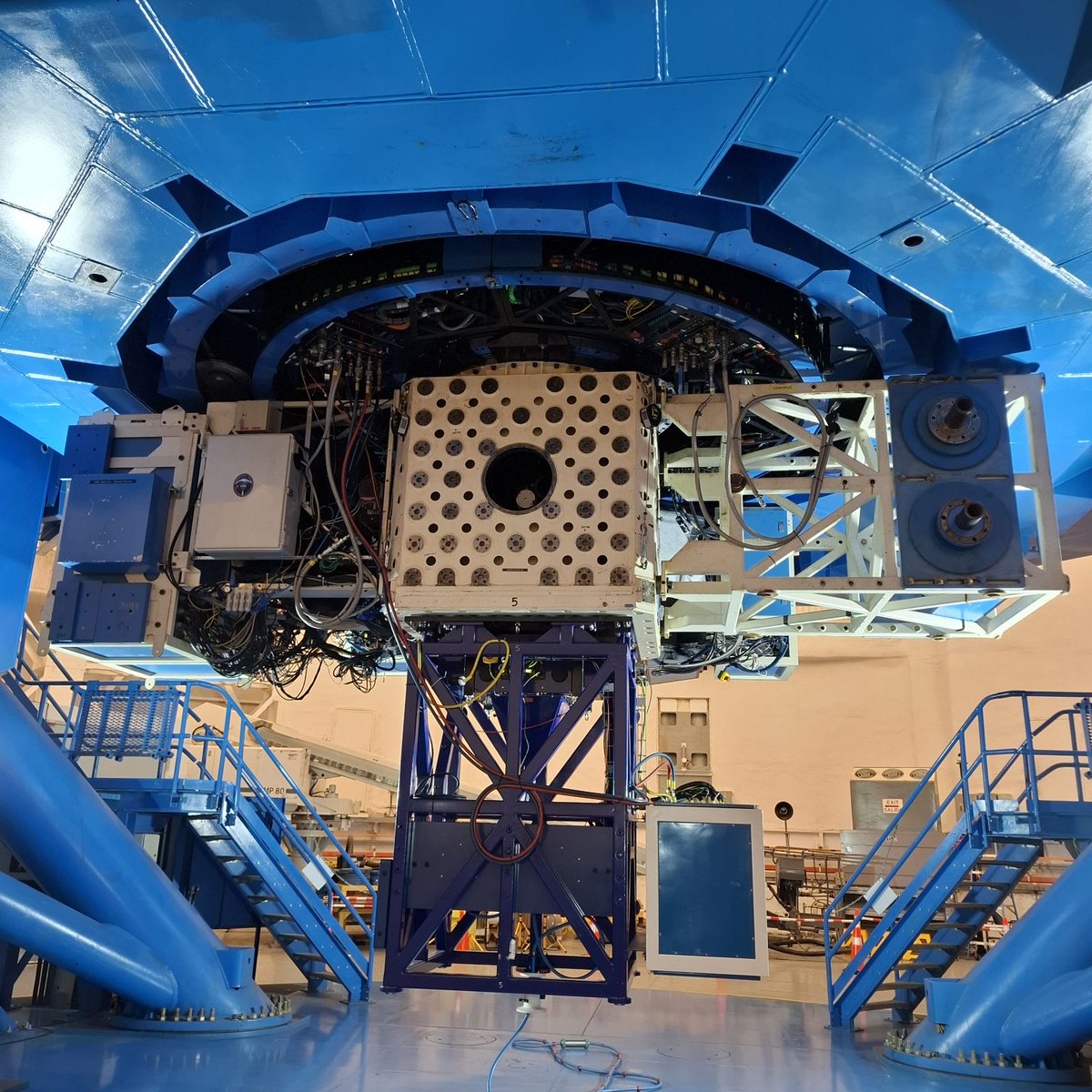
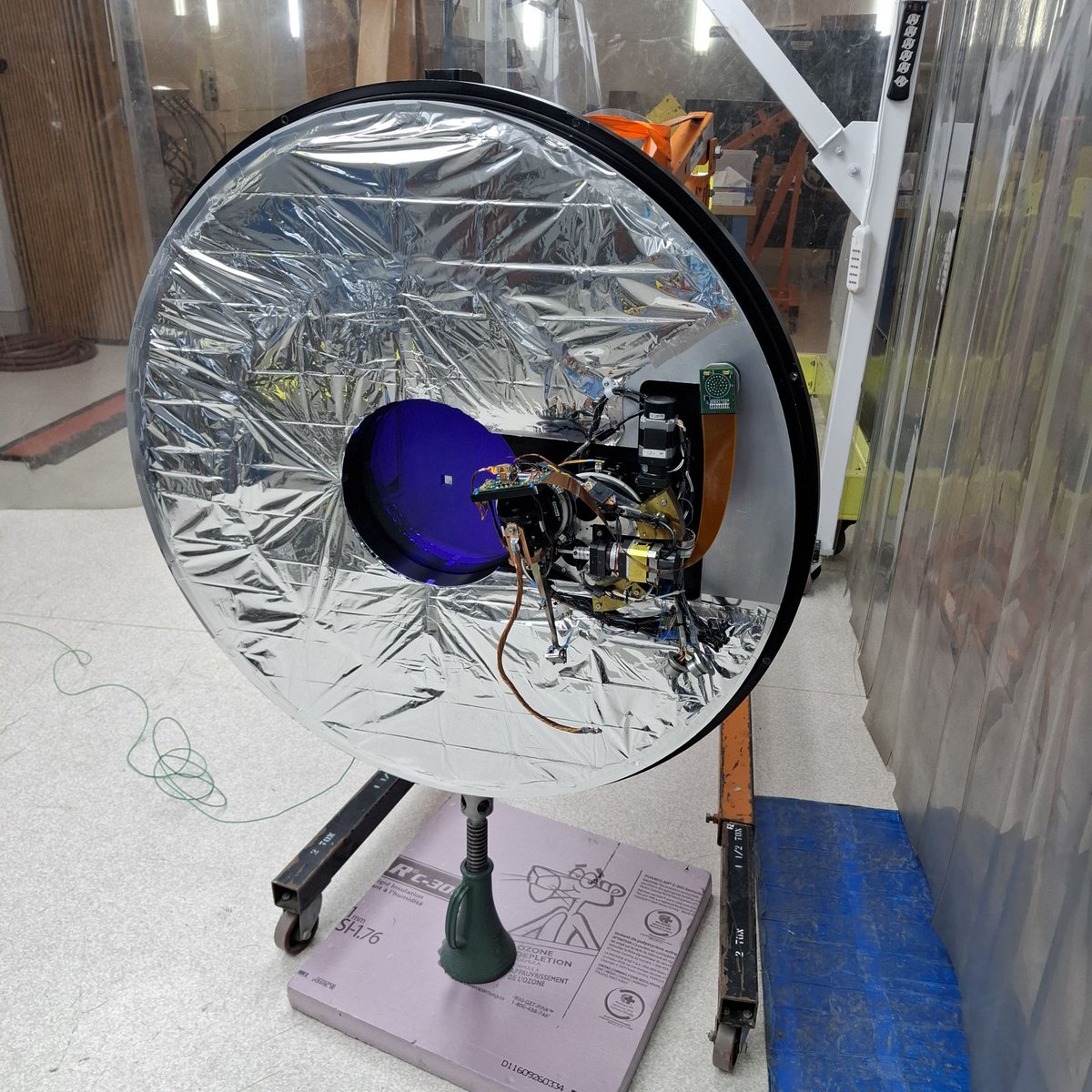
🛠️❄️ Every couple of years, Flamingos-2 comes down for a little maintenance break.
This instrument at the Gemini South telescope is spending a few weeks in the lab for the replacement of its cryocoolers and checks on components.
📷 @GeminiObs/NOIRLab/NSF/AURA/S. Olivares
1
4
14
484
May 22
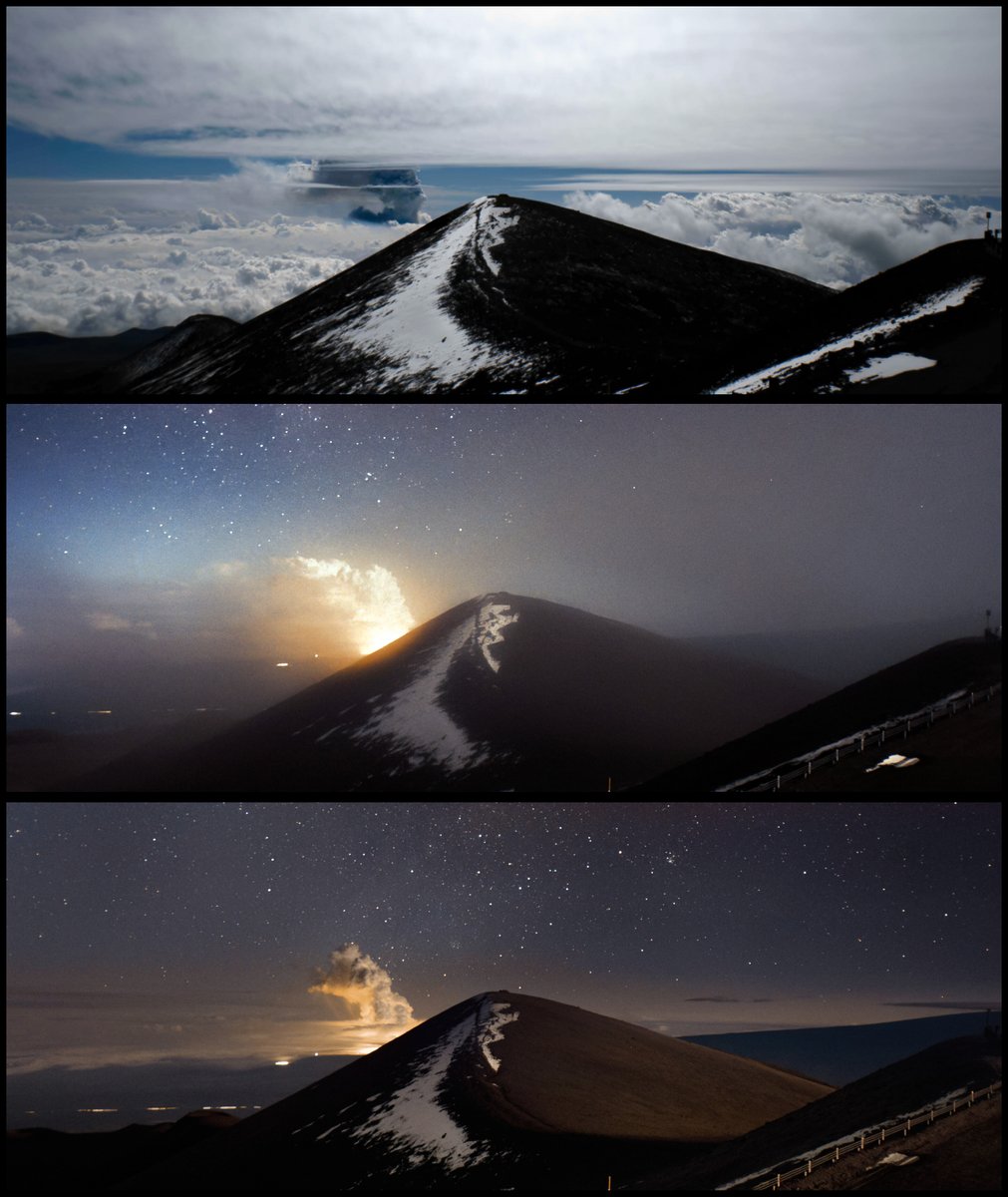
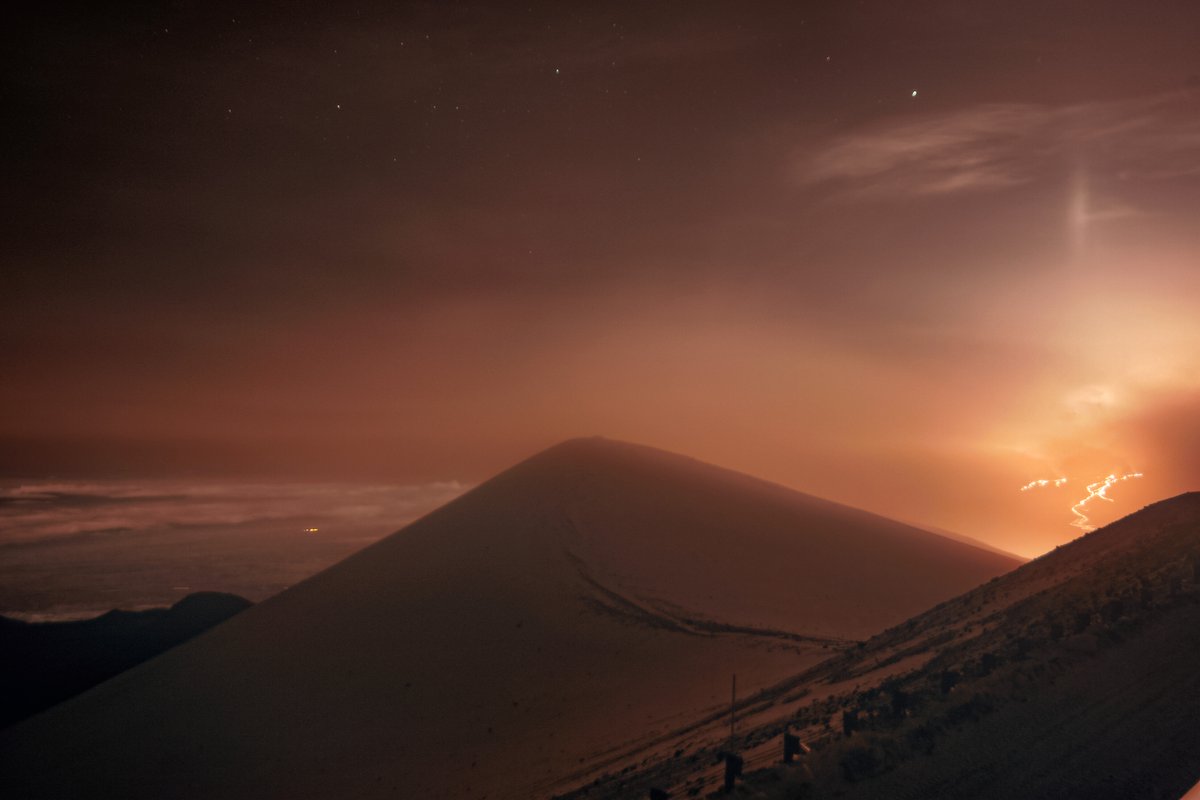
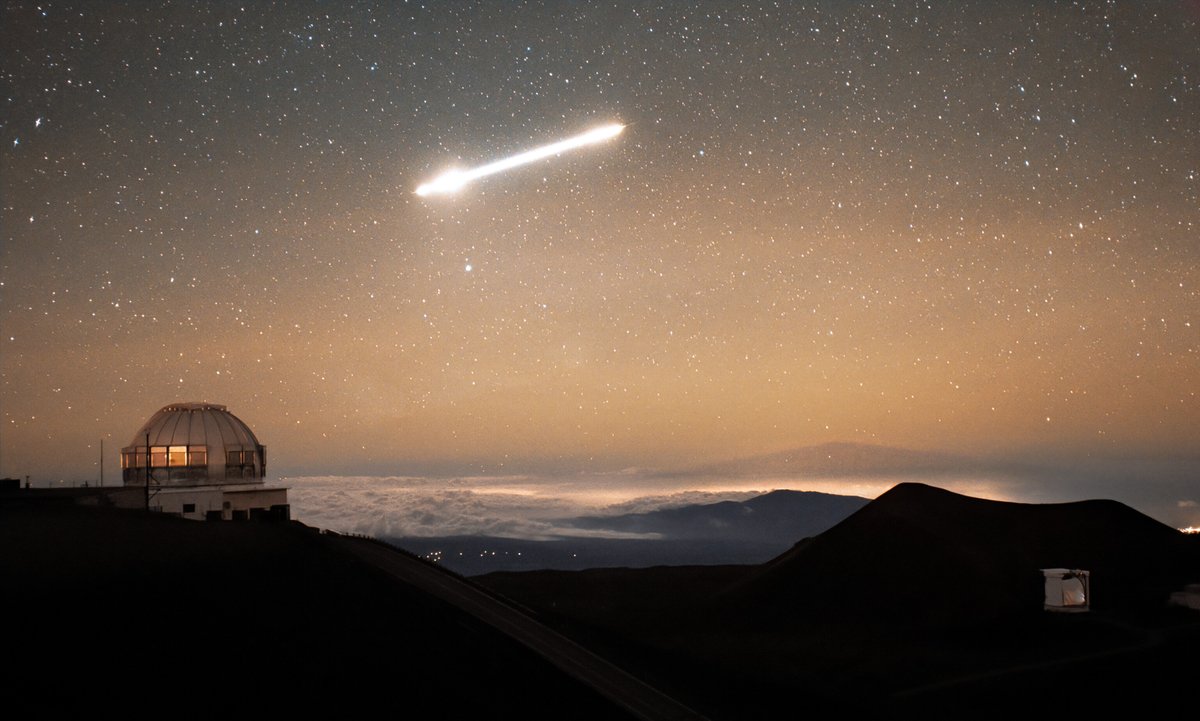
Gemini North, ½ of @geminiobs, has cameras set up to monitor the sky conditions 24/7. Sometimes the Gemini North CloudCam catches rare sights like:
Kīlauea Erupting 🌋
Light pillars from lava at Mauna Loa 🤯
Fireballs ☄️
With CloudCam, we never miss a photo opportunity!
1
5
17
455
May 21
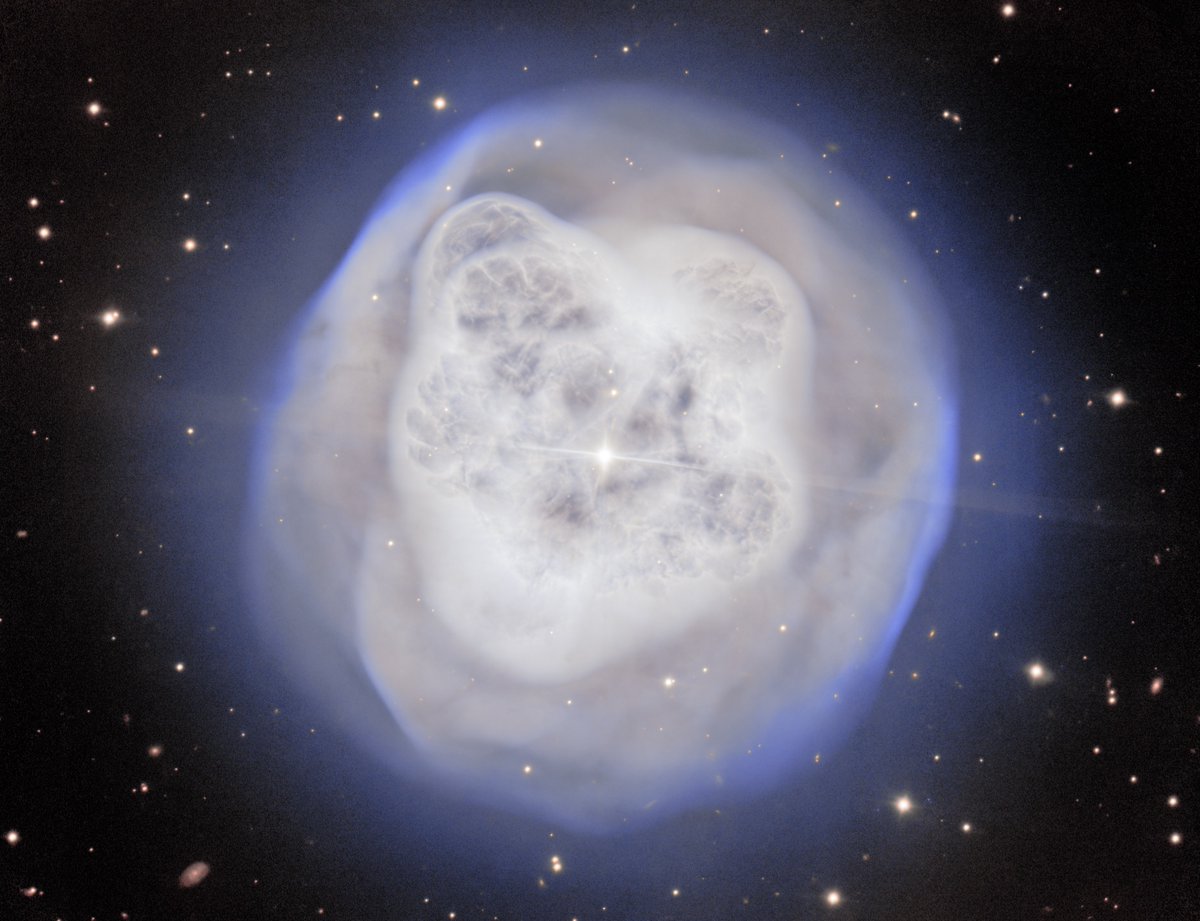
🔮 The Crystal Ball Nebula is not predicting your future, but it is revealing the final stages of a star’s life. This view of NGC 1514 was captured by Gemini North on Maunakea in Hawai’i.
📸@GeminiObs/NOIRLab/NSF/AURA
11
21
586
May 21
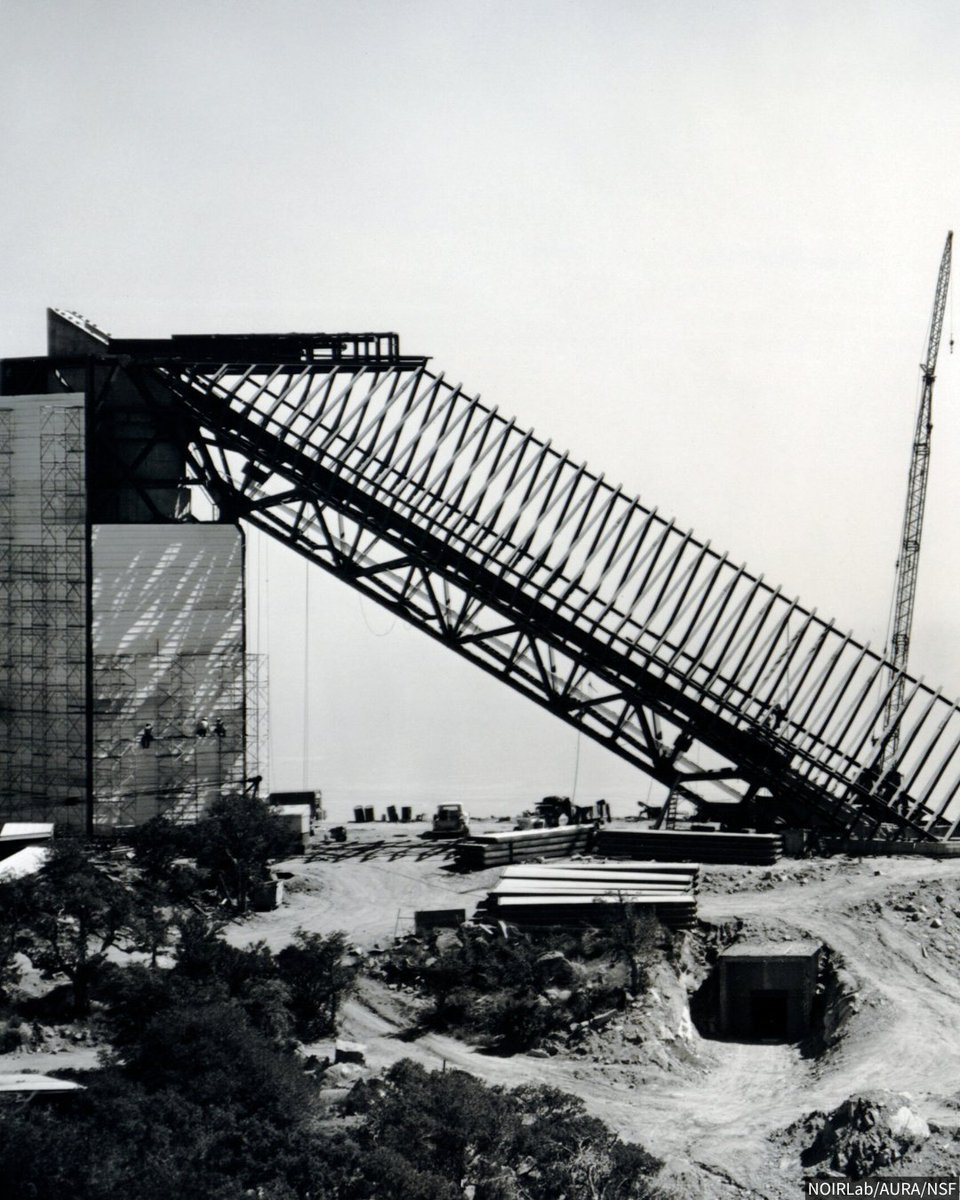
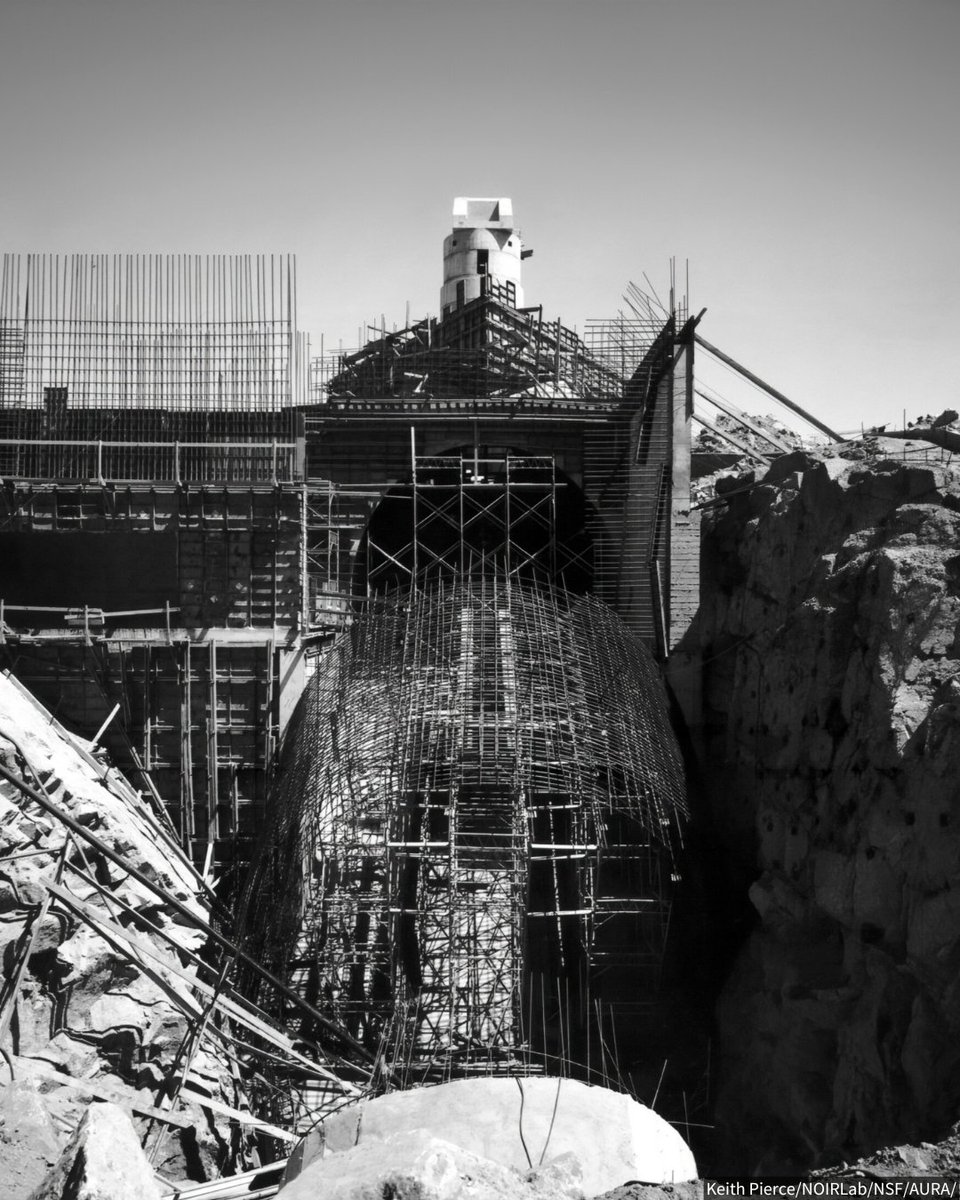
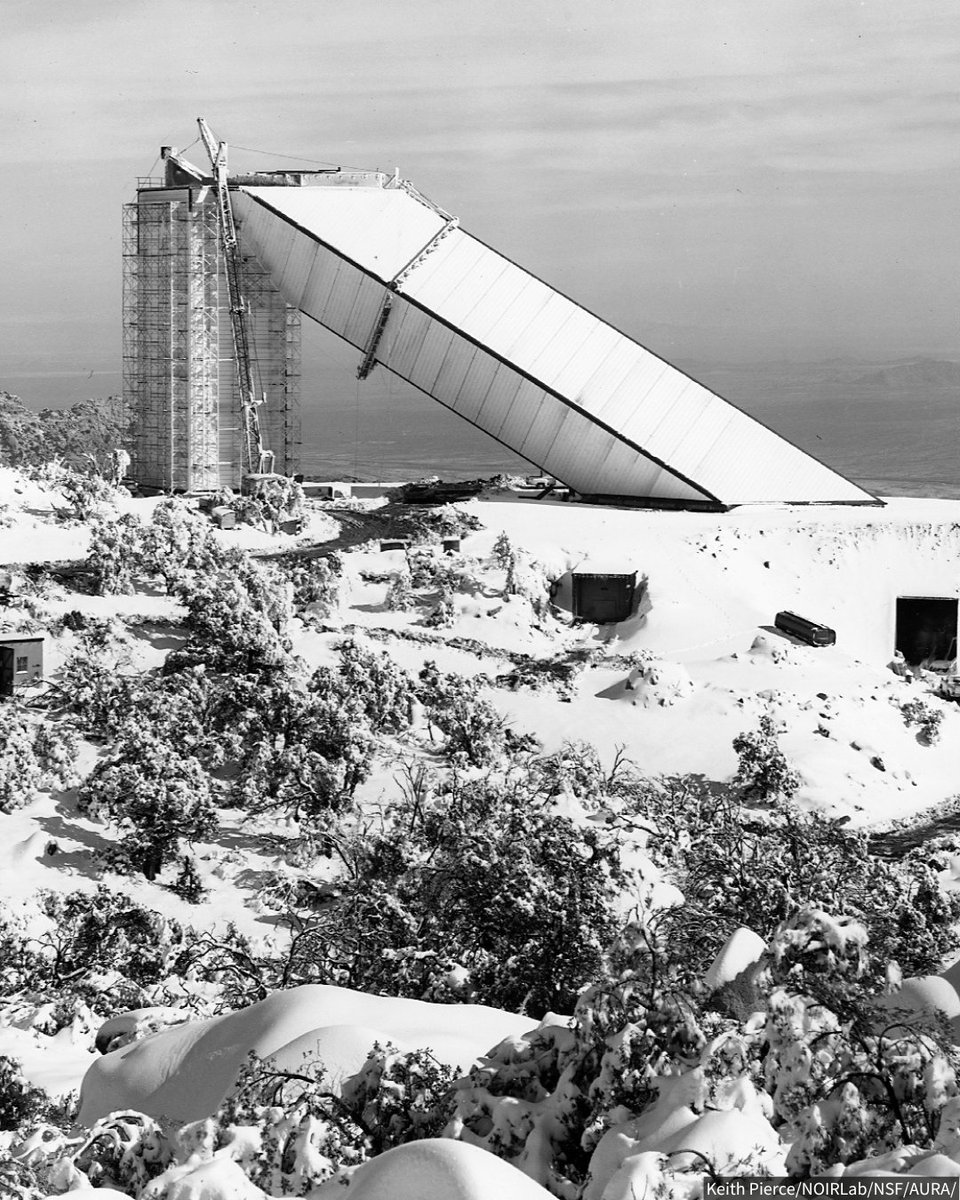
We’re throwing it back to the 60s! These pics are from the construction of the NSF McMath-Pierce Solar Telescope, from 1960 through 1962. Today, it’s the 1st science center inside a working telescope: Taṣogida Ki: Center for Astronomy Outreach.

7
10
371