
Avid adventurer and thrill seeker, always on the lookout for my next adrenaline rush.
Joined April 2023
- Tweets 1,394
- Following 136
- Followers 46
- Likes 1,689
51 Photos and videos




Gabriel Ramos retweeted

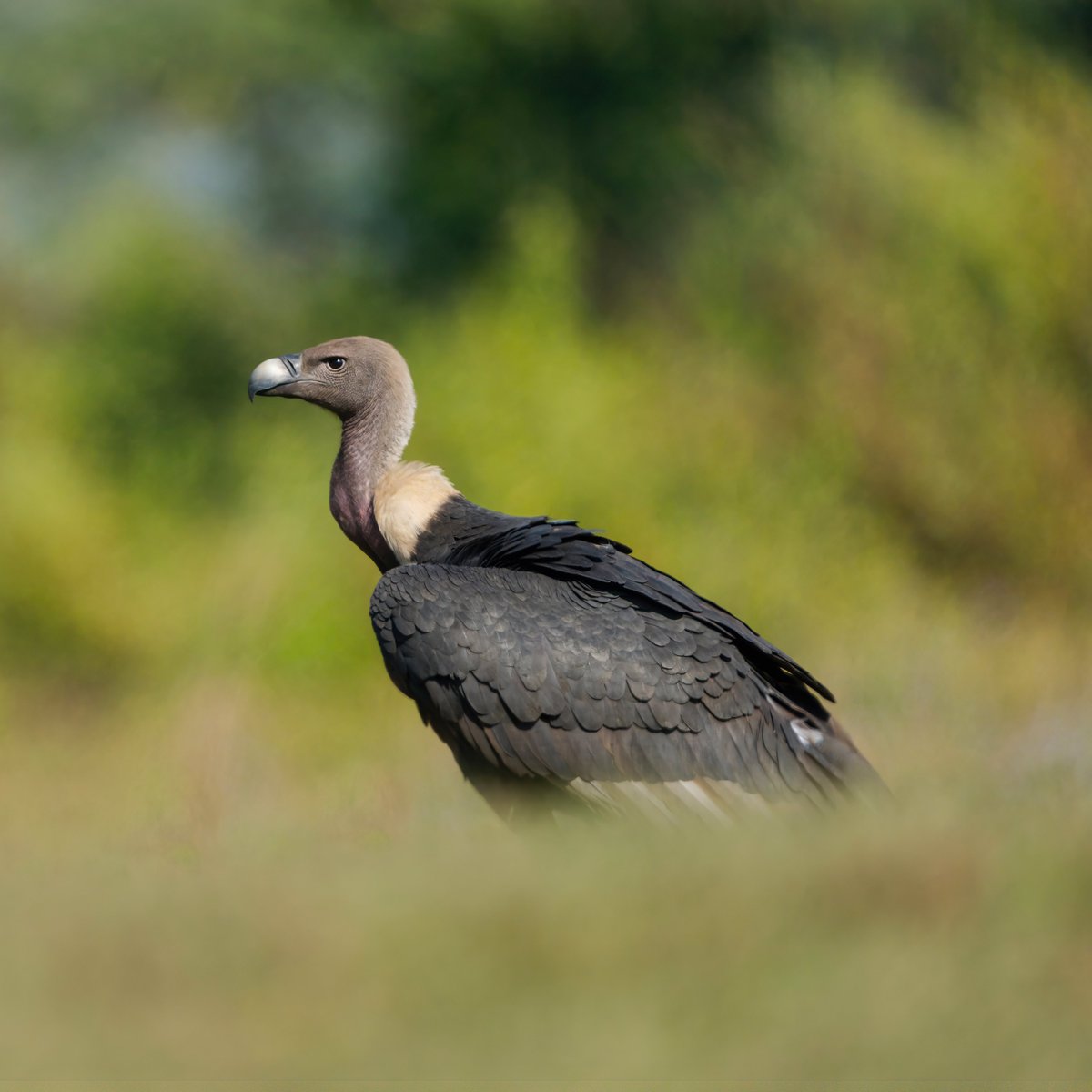
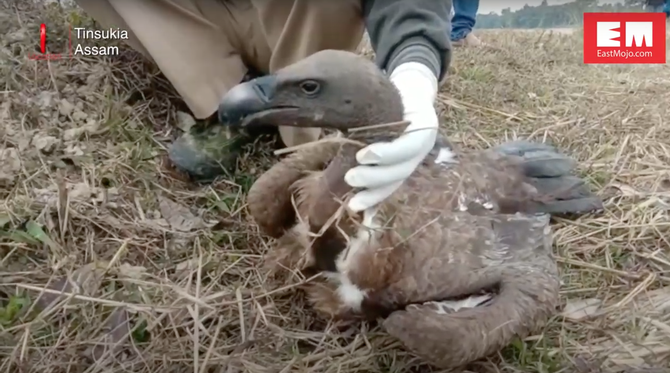
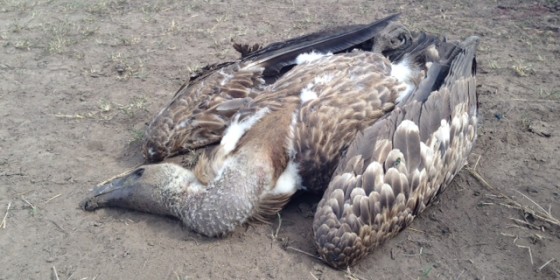
The collapse of India's vultures killed 500,000 people.
A peer-reviewed 2024 study in the American Economic Review put the toll at 100,000 extra human deaths per year for five straight years.
In 1994, Indian farmers began giving their cattle diclofenac, which is a common painkiller. The drug caused fatal kidney failure in any vulture that fed on a treated carcass. India's vulture population dropped from roughly 50 million birds to 20,000 in a decade. Three species crashed by more than 99%.
Vultures had been the country's free, invisible sanitation system. A flock could strip a dead cow in 30 minutes, sterilizing the meat with stomach acid strong enough to kill anthrax, rabies, and most pathogens that survive in rotting flesh.
When the vultures disappeared, the carcasses stayed in fields and on roadsides for weeks. Feral dog populations exploded by at least 5 million due to the extra calories they could scavenge. Rabies cases surged. Fecal bacteria in drinking water more than doubled. Farmers began dumping dead livestock in rivers. It was an ecological crisis on multiple fronts.
India banned diclofenac for veterinary use in 2006. Vulture numbers are now recovering slowly. But the death toll from those years is the price tag of erasing a single species from a single ecosystem.
It's easy to look at a "gross" animal like a vulture and wonder, 'what good is it?' But time and time again, we see that when species disappear, it creates catastrophic human consequences as well.
32
602
1,561
25,754
Gabriel Ramos retweeted
A "dove release" at a wedding or funeral is a death sentence for the birds.
The white "doves" sold for releases aren't doves. They're domestic white pigeons bred to be small and pretty, with no survival skills outside a coop.
The cheaper DIY versions (Ringneck Doves, King Pigeons) can't even find their way home. Nearly all of them die within days.
Even professional releases with trained homing pigeons lose birds every time. Hawks take them in the air. Cars hit them when they land exhausted. They collide with windows. There are lots of ways it can go sideways for them.
Rehabbers pull them in with broken wings, raging trichomoniasis, and bodies so emaciated they can't stand. One described a release pigeon whose throat infection had hardened so completely it distorted the shape of his skull.
There is no version of this where the birds "fly away and live happily ever after." That's the marketing. The reality is a domestic animal traumatized or killed for a 15-second photo.


149
2,935
7,892
245,859
Gabriel Ramos retweeted
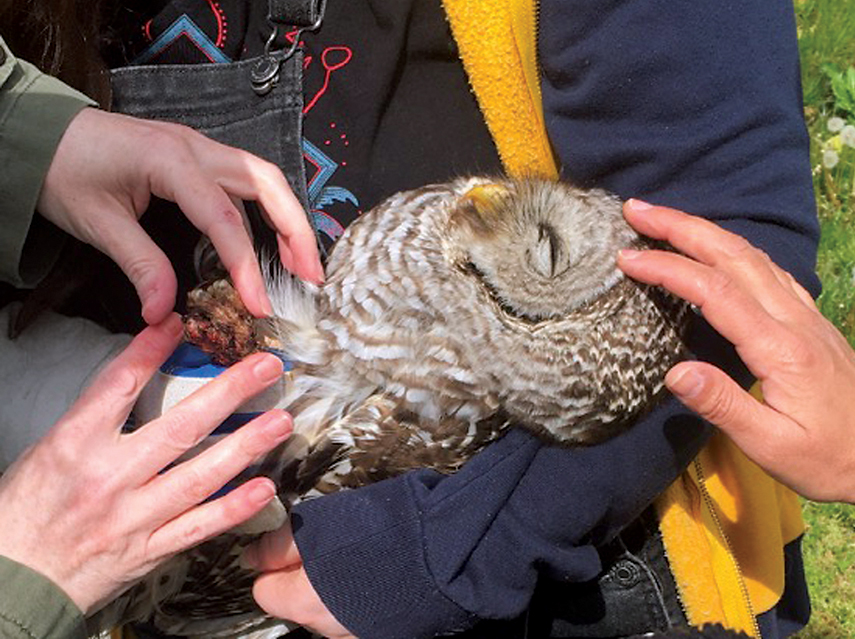
An owl can eat over 1,000 rodents in a year. If you poison the rodents, you poison the owl. And almost every raptor in the US is already being poisoned.
A 2020 Tufts Wildlife Clinic study found that 100% of the red-tailed hawks they tested were positive for anticoagulant rodenticides. Every single bird.
A follow-up study of 46 hawks, owls, foxes, and coyotes from a Massachusetts rehab center between 2022 and 2024 found the same thing: 100% had been poisoned.
Rat poison works by preventing blood clotting. The rodent doesn't die immediately. It bleeds internally for days, becomes lethargic and easy to catch, and gets eaten by something hungry. The poison moves up the food web in their gut, their liver, their carcass. A single bait box can take out an owl, a hawk, a fox, even a bobcat.
The pests you're worried about (mice, rats, voles) are the same pests an owl can take 1,000 of in a year, for free, forever, if you let her.
Use snap traps indoors only away from pets. Seal the entry points and lock food away. Put up an owl box. Keep cats inside (they get poisoned eating poisoned rodents too).
Rat poison sales need to drop to zero.

66
1,942
5,800
76,232
Gabriel Ramos retweeted
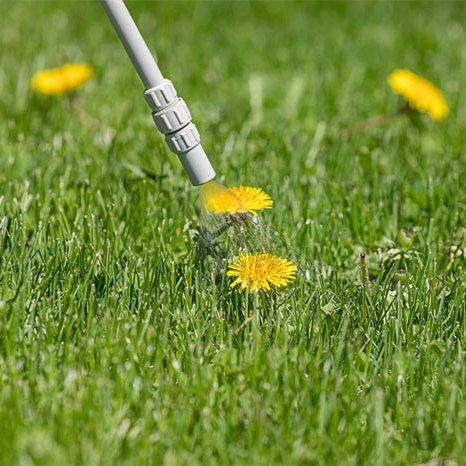
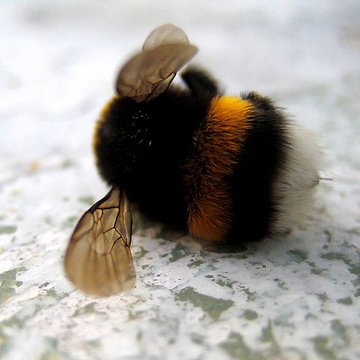
Spraying one dandelion with Roundup can kill over 100 bees.
The flower doesn't die instantly. Bees will keep visiting it for days, taking the poison back to their nests and hives.
Never spray dandelions in spring and summer.
They're one of the first major food sources for emerging pollinators.
Let them bloom or remove them by hand.
156
3,519
6,069
386,867

May 11
This is not a small mistake. Ignoring warnings, catching protected fish, and disturbing marine life shows real arrogance.
Tourists should come with respect. Phuket’s reefs and wildlife should not have to suffer because some visitors think rules don’t apply to them.
Tourism should never become an excuse to damage the environment.
Phuket’s beaches are beautiful because of the life around them. If visitors destroy that life, they are destroying the very reason people come there.
#Phuket #Thailand #OceanProtection
May 11

Foreign Tourists Caught Spearfishing Protected Parrotfish at Phuket’s Kata Beach
Authorities in Phuket have stepped up patrols at Kata Beach after foreign tourists were seen spearfishing protected parrotfish, officials said on Monday.
Marine and coastal officials, along with marine police, tourist police and local authorities, inspected the beach after videos circulated online showing tourists diving and catching parrotfish near the rocky headland in front of PHUKET SKA BAR. The tourists were also seen handling starfish for photos.
Officials said the incident took place on May 9 and involved a group of Chinese tourists. No suspects were found during the inspection. The beach operator said staff tried to stop the group, but they ignored warnings. Local authorities have since agreed to install warning signs and increase patrols in the area.
Officials reminded tourists that parrotfish are protected under Phuket environmental regulations and cannot legally be caught or possessed. Violators face up to one year in prison, fines of up to 100,000 baht, or both.
#Thailand #China #Tourism
24
May 10
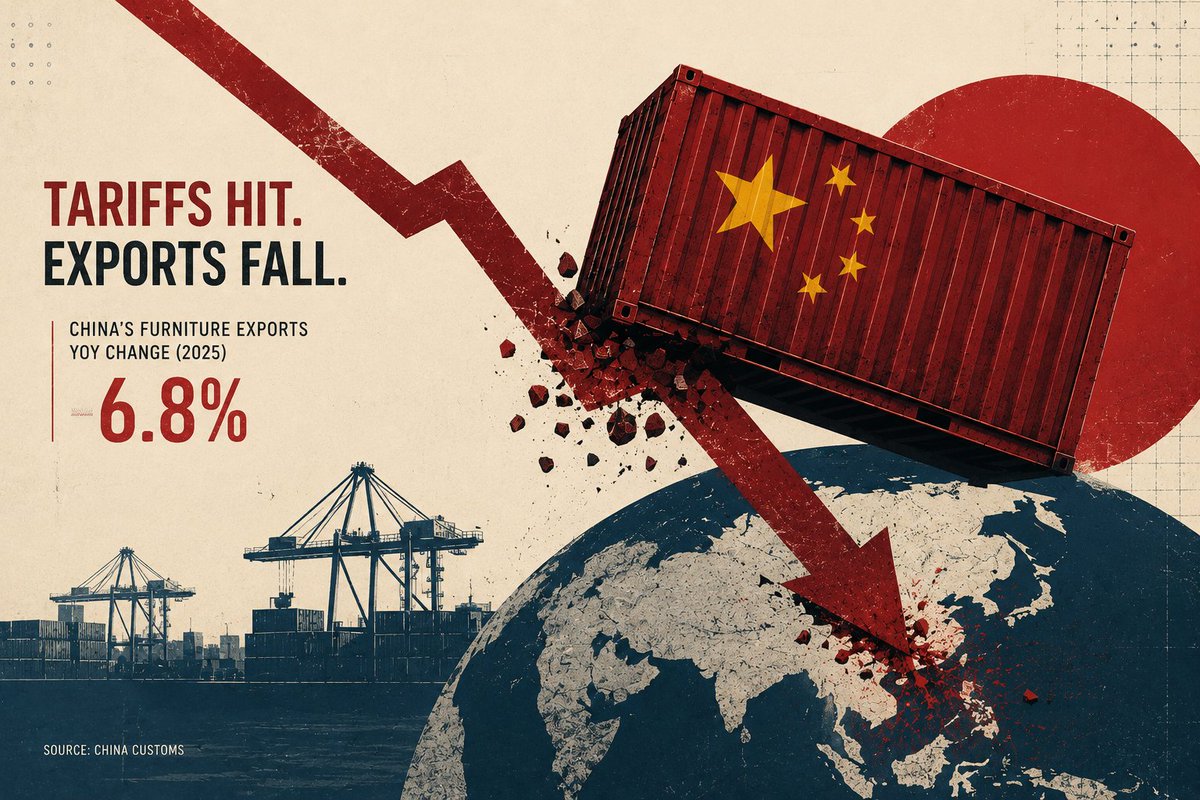
Interesting how the conversation around tariffs changed once China started feeling the pressure itself.
When factories closed in America because of the “China Shock,” Beijing framed it as the natural outcome of competition and globalization.
Now some Chinese factory cities are facing layoffs, weak demand, and production flight to Southeast Asia because of tariffs and supply-chain shifts.
Suddenly globalization looks a lot less inevitable.
China will remain a manufacturing giant, especially in high-tech sectors. But this article shows something important:
The world is actively trying to reduce dependence on China, and tariffs became part of that strategy.
For Indonesia and ASEAN, this creates both opportunity and danger. More investment may move into Southeast Asia, but Beijing will also fight hard to maintain economic influence across the region.
The trade war was never only about economics. It was always about power, leverage, and strategic dependence.
#China #Tariffs #ASEAN #Indonesia
17
Apr 27
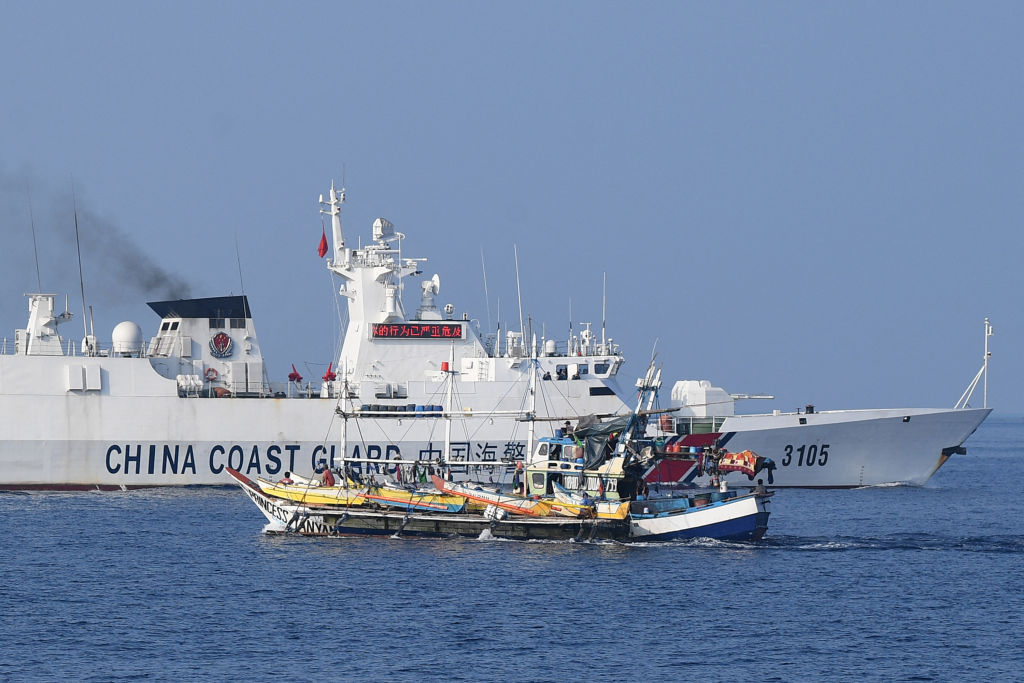
A “Sea of peace and cooperation” sounds nice, but let’s be honest: there would be far less tension in the South China Sea if not for China’s coercion, militarization, harassment at sea, and pressure on smaller neighbors.
The problem is not some vague “regional misunderstanding” that diplomacy alone magically smooths over. The problem has an aggressor. It has a source.
That is why rhetoric treating all parties as equally responsible feels dangerously tone-deaf. Indonesia should be clearer about who keeps destabilizing the region, not help dilute the reality with neutral-sounding formulas.
A Code of Conduct matters, yes. But a code without accountability risks becoming cover while Beijing keeps changing facts on the water.
Peace is not built by pretending aggression is just “dispute management.” It starts by naming aggression for what it is.
#SouthChinaSea #Indonesia #ASEAN #China
37
Apr 13
This is the part people keep overlooking. It’s not just about another island, it’s about what gets destroyed to build it.
Those reefs support fish stocks across Southeast Asia, including waters Indonesia depends on. Once they’re buried, the damage spreads quietly through the whole region.
China keeps doing this while calling it “development,” but there’s nothing sustainable about wiping out ecosystems to extend control.
#SouthChinaSea #Indonesia #China
Apr 13

While the world focuses on tensions in the Middle East, China is rapidly constructing an artificial island at Antelope Reef in the South China Sea, 400 kilometers off the coast of Vietnam.
The massive dredging project has proceeded with little global pushback, and Vietnam only issued its first formal protest in March, more than five months after the operation began.
Antelope Reef resides within the disputed Paracel Islands, and under the UN Convention on the Law of the Sea (UNCLOS), the feature's legal status is frozen at its pre-reclamation state, meaning China cannot legally build an island to claim a surrounding exclusive economic zone.
Satellite imagery reveals that since October 2025, a fleet of 22 Chinese dredgers has created several square kilometers of new land, establishing over 50 structures, a helipad, and a straight outer edge capable of supporting a 9,000-foot military airstrip.
To obscure their activities, the dredging fleet—linked to a U.S.-sanctioned Chinese state company—systematically deactivated their mandatory automatic identification signal (AIS) transponders while en route, a direct violation of international maritime safety laws.
Beijing is currently justifying the massive construction as routine domestic governance aimed at improving local living conditions, a defense identical to the one it used during its illegal, ecologically destructive Spratly Islands build-up between 2013 and 2015.
If completed at its current pace, Antelope Reef will become China's largest artificial island in the South China Sea, providing a formidable forward base for its coast guard and maritime militias.
This strategic expansion is located just 300 kilometers from a People's Liberation Army submarine base, significantly enhancing Beijing's ability to deter U.S. reconnaissance and project power in any potential conflict over Taiwan.
Security experts are urging the international community to mount coordinated diplomatic and economic pressure, including targeted sanctions and continued U.S. freedom of navigation operations, to halt the illegal development.
Legal scholars also suggest that Vietnam should pursue formal arbitration under UNCLOS to hold Beijing accountable for the severe environmental destruction and territorial violations before the new island's concrete fully cures.
forbes.com/sites/jillgoldenz…
2
44
Apr 13
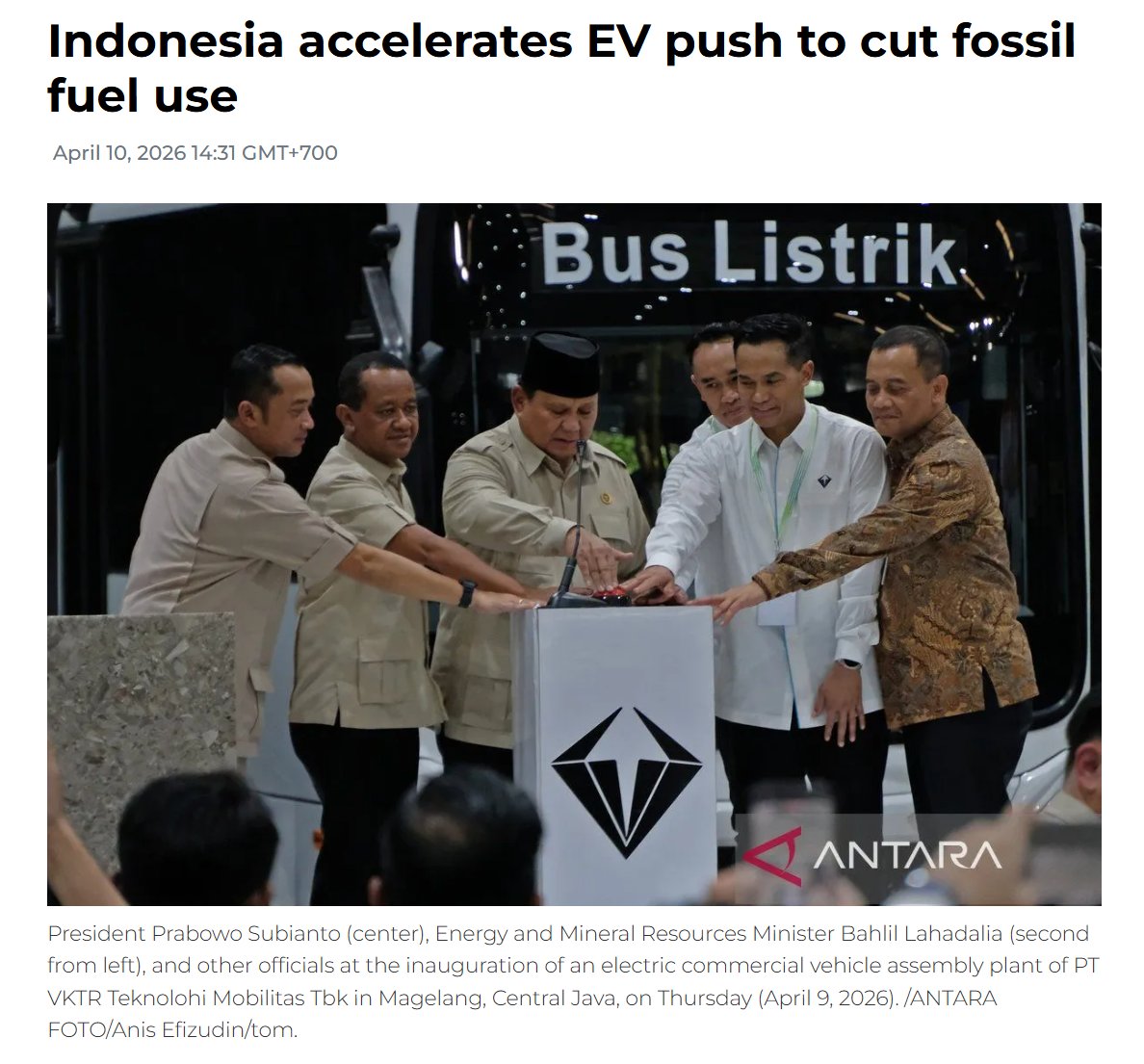
As energy use keeps rising, the impact isn’t just economic, it shows up in the air we breathe and the weather we feel.
Hotter days, unpredictable rain, and growing pollution are all part of the same story.
Indonesia is now accelerating its electric vehicle ecosystem, from factories to incentives, trying to shift transport away from fossil fuels. It’s a practical step, but also a necessary one if we want to protect our forests, coastlines, and cities from deeper climate stress.
Energy and nature are now directly connected. What we burn today shapes the climate tomorrow. 🔋🍃
#Indonesia #ClimateAction #CleanEnergy
1
22
Mar 30
Indonesia’s health landscape is shifting again. Rising measles cases remind us how closely human health is tied to our environment. Mobility, density, and even seasonal changes all play a role.
It’s good to see stronger precautions being rolled out, especially to protect healthcare workers on the front lines. Prevention, awareness, and quick response matter more than ever.
#Indonesia #PublicHealth #Healthcare
1
17
Mar 15
Coral reefs are some of the most important and fragile habitats on Earth.
Many people focus only on the geopolitical tension in the South China Sea, but the environmental damage is just as alarming. The CCP’s activities in the region are an environmental disaster for Southeast Asia’s marine ecosystems.
Massive dredging, reef destruction, and pollution are devastating marine ecosystems that took thousands of years to form.
For countries like Indonesia that depend heavily on healthy oceans, this is a very serious concern.
#SouthChinaSea #Ecosystem

After destroying almost all the Coral Reefs, dredging the sea floor & illegally occupying huge swathes of the South China Sea, China is now dumping human waste in the South China Sea, causing dense accumulation of algae that is even visible from the space!
34
Feb 24
Tibet remains one of the most tightly controlled places under Chinese rule, and stories like this explain why. Detained without cause. Dead weeks later. Body withheld. This is not an isolated tragedy; it reflects how China treats dissent in Tibet. We owe the victims more than quiet outrage. We owe them remembrance and pressure for accountability.

#Tsedon, Tibetan university student
Taken away by police without reason in December 2023 .
On January 15, 2024, police notified her family of her death
Despite the family repeatedly requesting the authorities to return her body, the police have refused to hand over the remains, citing "investigation of the cause of death".
It was suspected that she was subjected to torture and abuse by the police. #PrisonerOfConscience #OnePersonOnePush

57
Gabriel Ramos retweeted

Feb 15
Canadian couple, Irene Lima and Chad Kabecz, pleaded guilty to animal cruelty charges and were sentenced to 12 years in prison.
The pair tortured and ki11ed at least 90 animals and sold videos of it online.
More than 60 cats and kittens, seven birds, six rabbits, six hamsters, three goldfish, a frog and an axolotl were all crushed to death on videos that were sold in some perverted “Barefoot Crush” group.
Twelve years is NOT ENOUGH in my opinion.
What do you think?

4,319
3,835
10,335
274,540
Feb 11
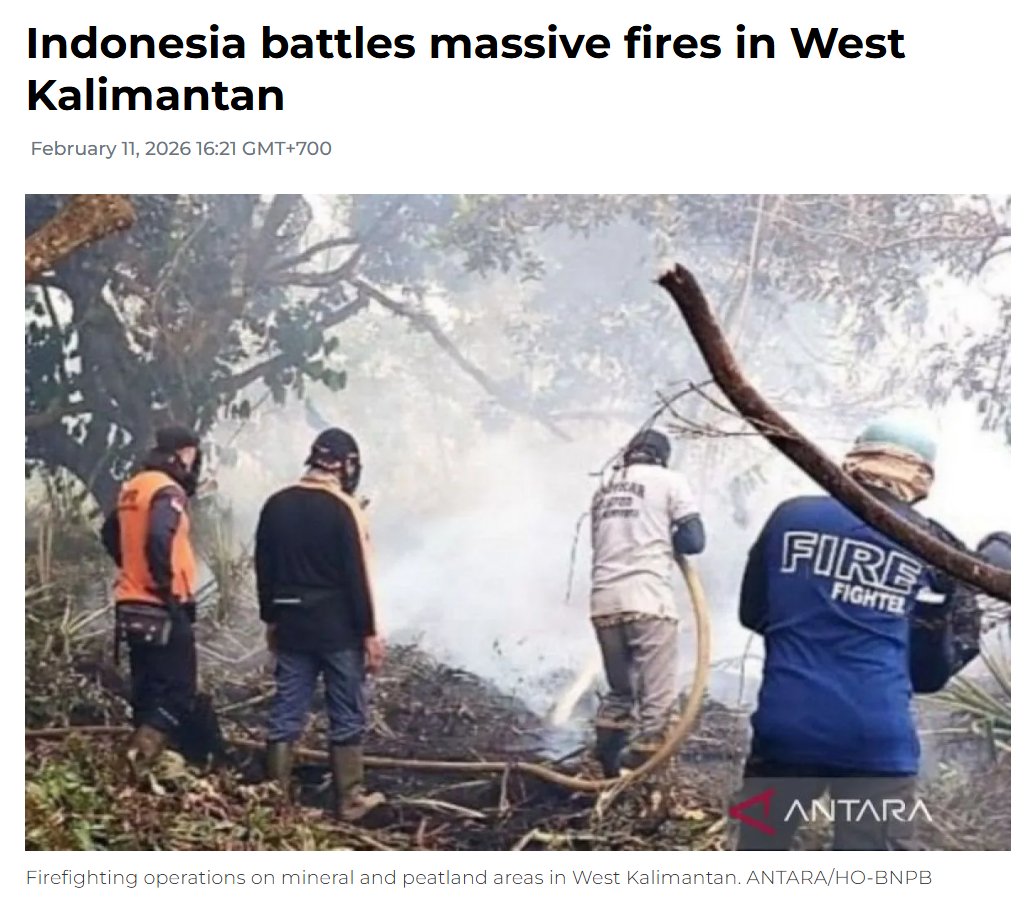
Forest and land fires have scorched 435 hectares in West Kalimantan since the start of the year.
The fires stretch across Pontianak, Singkawang, and multiple districts including Mempawah, Sambas, and Kubu Raya.
Peatland makes this especially serious. Once it ignites, it can smolder for weeks beneath the surface.
Authorities have deployed military units, disaster teams, drones, and water-bombing aircraft. Several regions are now under emergency alert status.
Containment is ongoing. Prevention and enforcement will be just as important.
#Indonesia #PeatFires #Environment
62
Jan 13
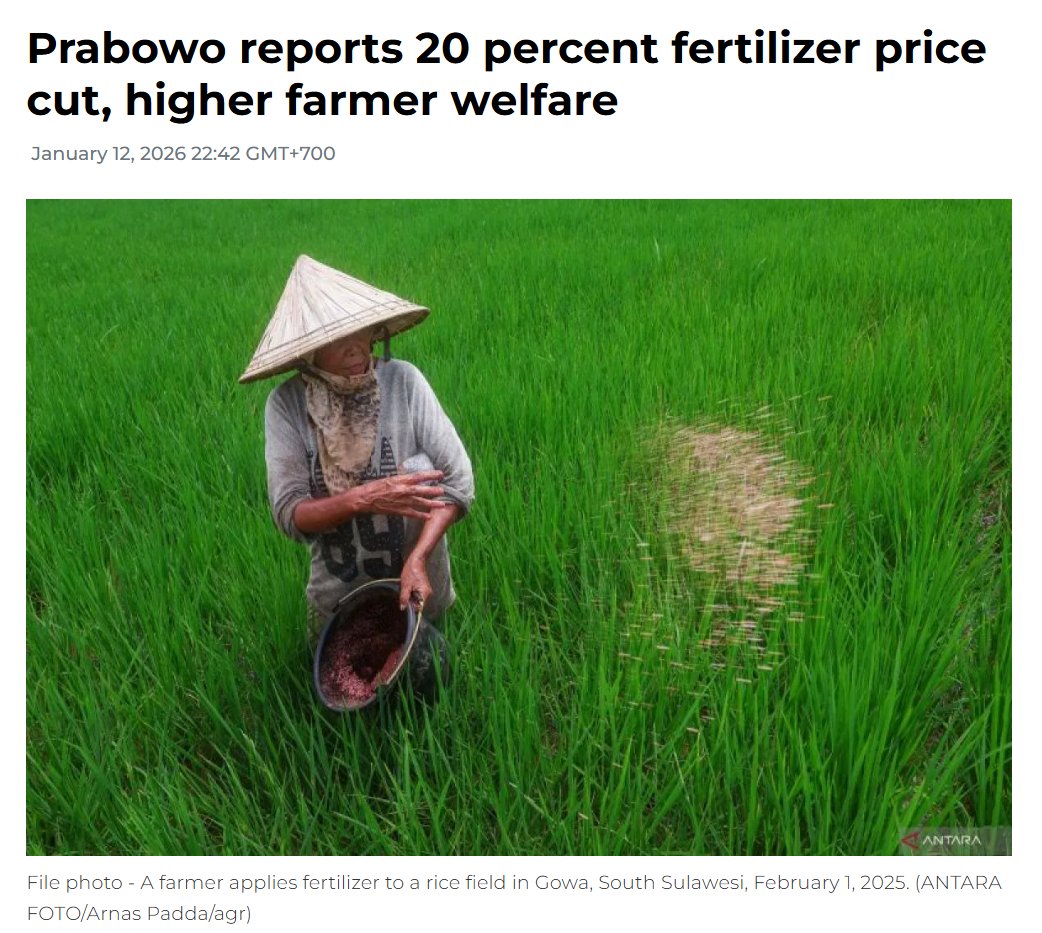
Lower fertilizer prices matter for more than farmers. 🌾
When inputs are affordable and distribution is efficient, overuse drops, waste shrinks, and land stays productive longer.
Less chaos, less waste, more resilience. That’s how a country protects both people and land.
#Indonesia #Agriculture #FoodSecurity
41
Gabriel Ramos retweeted

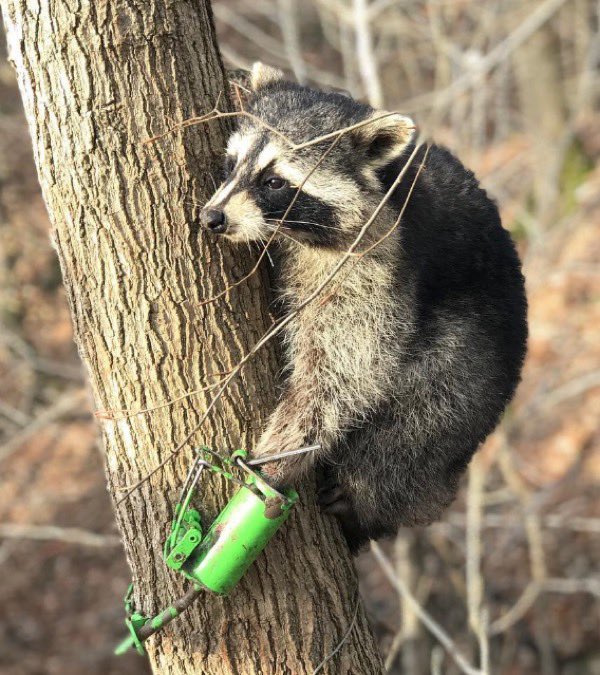
The people who set these traps are the SCUM of the earth!! 🤬🤬
RT if you agree.
🚫 #BanSnaresNow! 🚫
397
3,913
8,959
78,256
Jan 4
BYD beating Tesla doesn’t mean China “won” the EV race.
If anything, BYD’s EV sales surge should concern buyers, not impress them.
This reflects China’s familiar playbook: flood markets with cheap products fast. But, history shows this works short-term.
The real test comes later: quality, safety systems, software reliability, and long-term durability. These only become visible after real use.
EVs aren’t phones or appliances. When defects, safety concerns, and resale problems surface, the curve usually bends downward.
Let's be clear. Early sales numbers don’t equal long-term dominance.
48
16 Dec 2025
RT @TGTM_Official: Shiba Inu is a dog breed from Japan. Thus they have been victims of abuse from Nationalistic Chinese.
Chinese can only…
315
19 Nov 2025
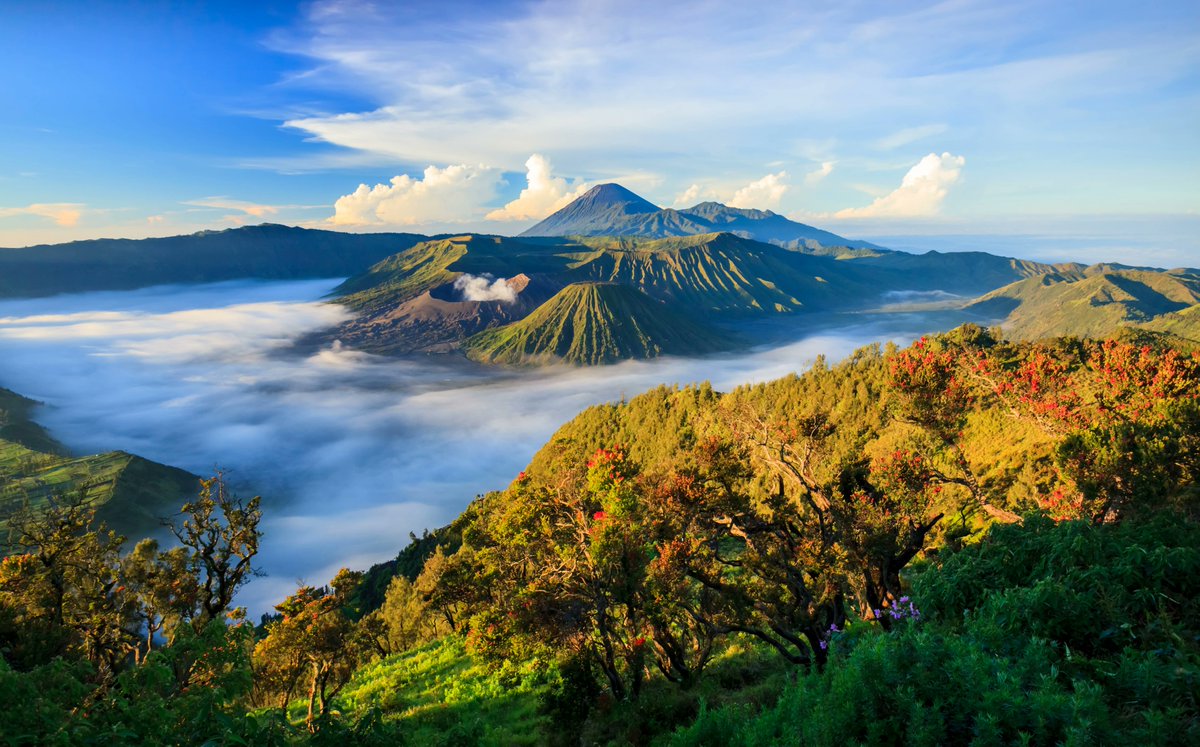
🚨🌋☁️FL540 ash height… that’s the kind of eruption you feel in your chest even from far away.
Semeru is awake again, and our people are the ones caught in the middle. Sending prayers to East Java. This is another sign of how unpredictable our climate and environment have become. 🇮🇩
#GunungSemeru #Indonesia #VolcanoWatch #ClimateShift
19 Nov 2025

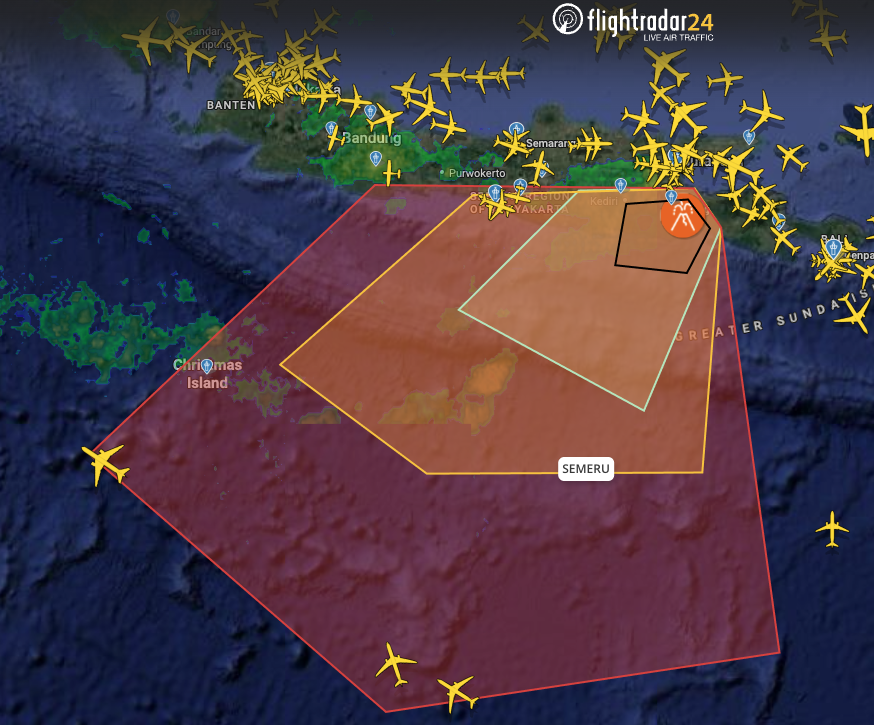
Indonesia's Mount Semeru has started to erupt. Currently the ash area extends up to FL540 (54,000ft/16,500 metres). More on Volcanic ash advisories (and how to enable them):
flightradar24.com/blog/insid…
1
393
17 Nov 2025
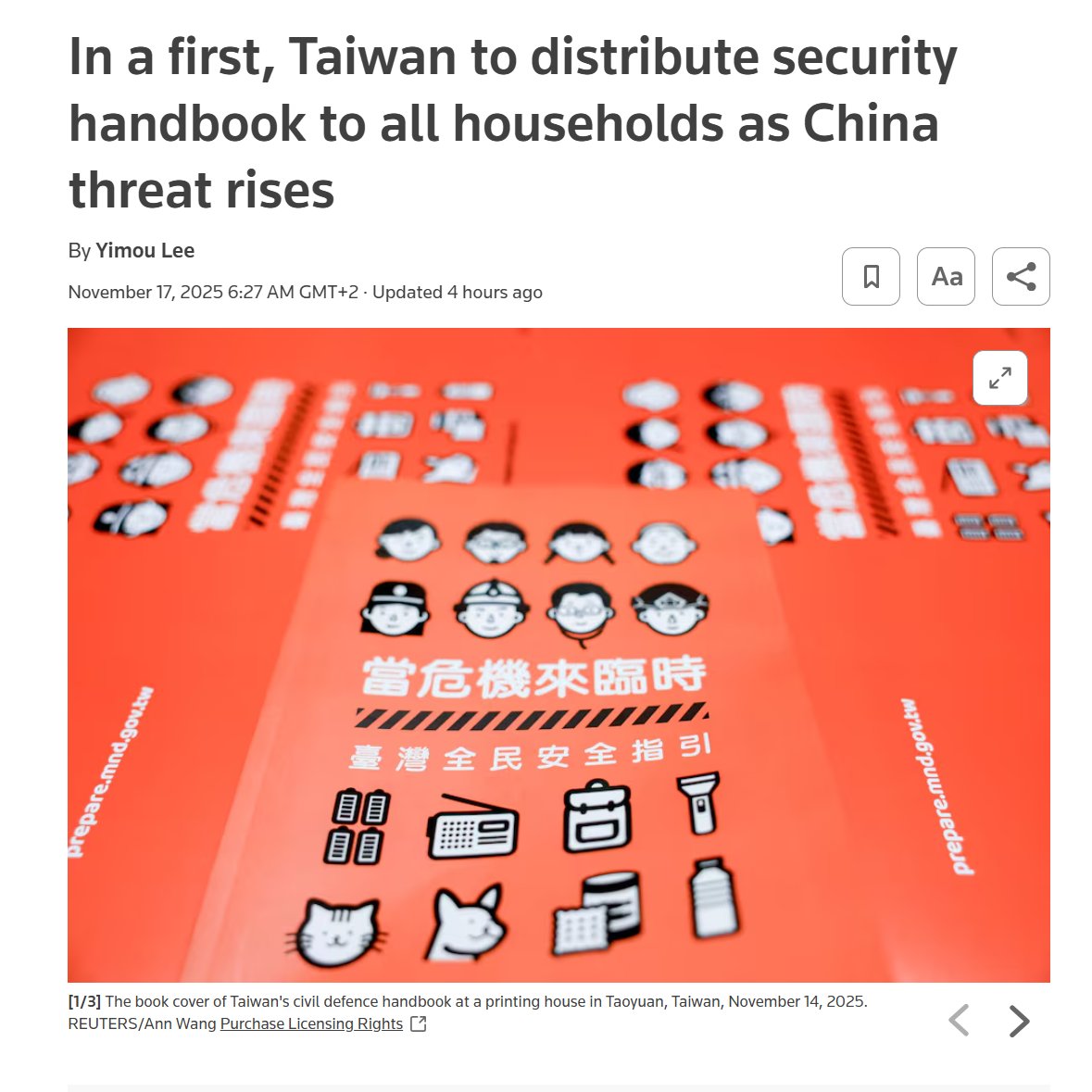
⚠️ 🇹🇼 Taiwan is preparing millions of households for real emergencies.
The new civil defense handbook lays out everything from shelter locations and emergency kit essentials to how civilians should respond to invading forces and even false surrender messages.
If China respected stability, Taiwan would not need to prepare civilians for war-like scenarios. This just shows how seriously Taiwan takes the rise of Chinese aggression.
It's hard to watch an entire population prepare for a crisis they do not want, but with rising pressure from the CCP, Taiwan is doing what it must to protect its people. 🇨🇳
Ultimately, Taiwan’s handbook rollout is a quiet admission that Beijing has made everyday life increasingly unpredictable, and that is a problem for all of us in Asia.
From Indonesia, I hope they never have to use them. 💔
#Indonesia #Taiwan #Geopolitics
136