
🌊 Local partnerships are becoming powerful forces for environmental protection. This marine initiative is making waves for the right reasons.
tinyurl.com/fk2t2zxc
#MarineEnvironment #OceanProtection #CommunityImpact #Shincheonji #Sustainability
1

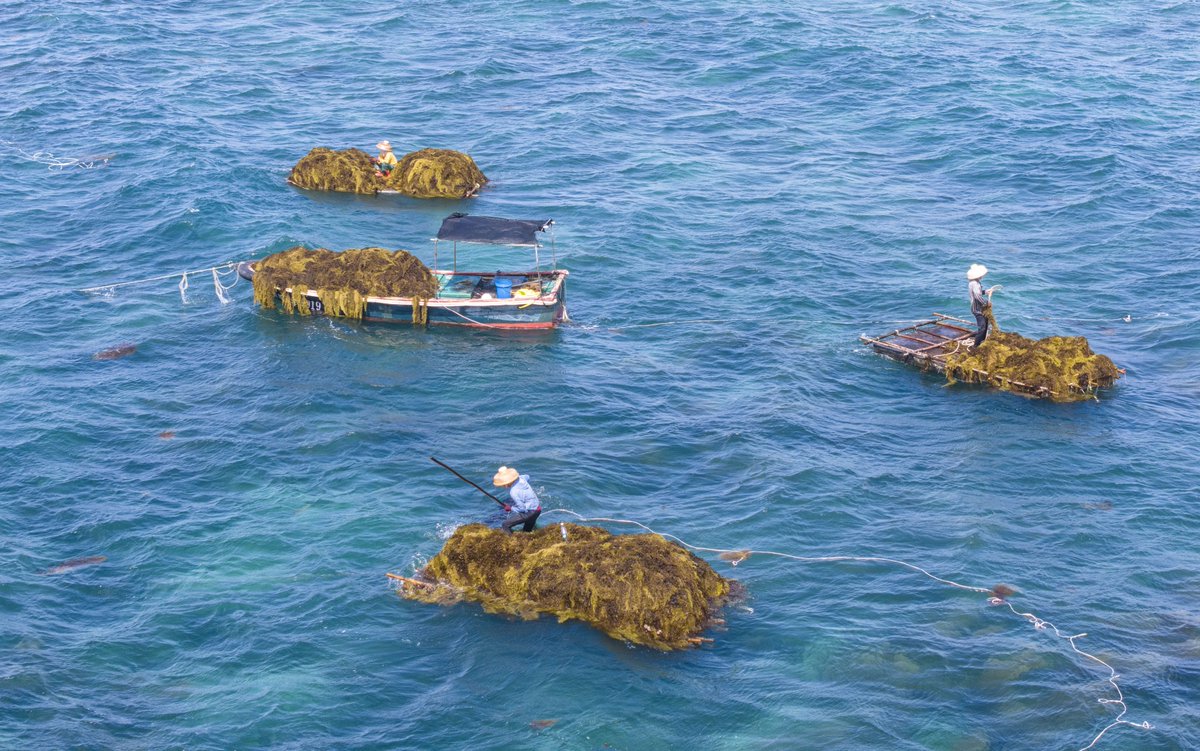
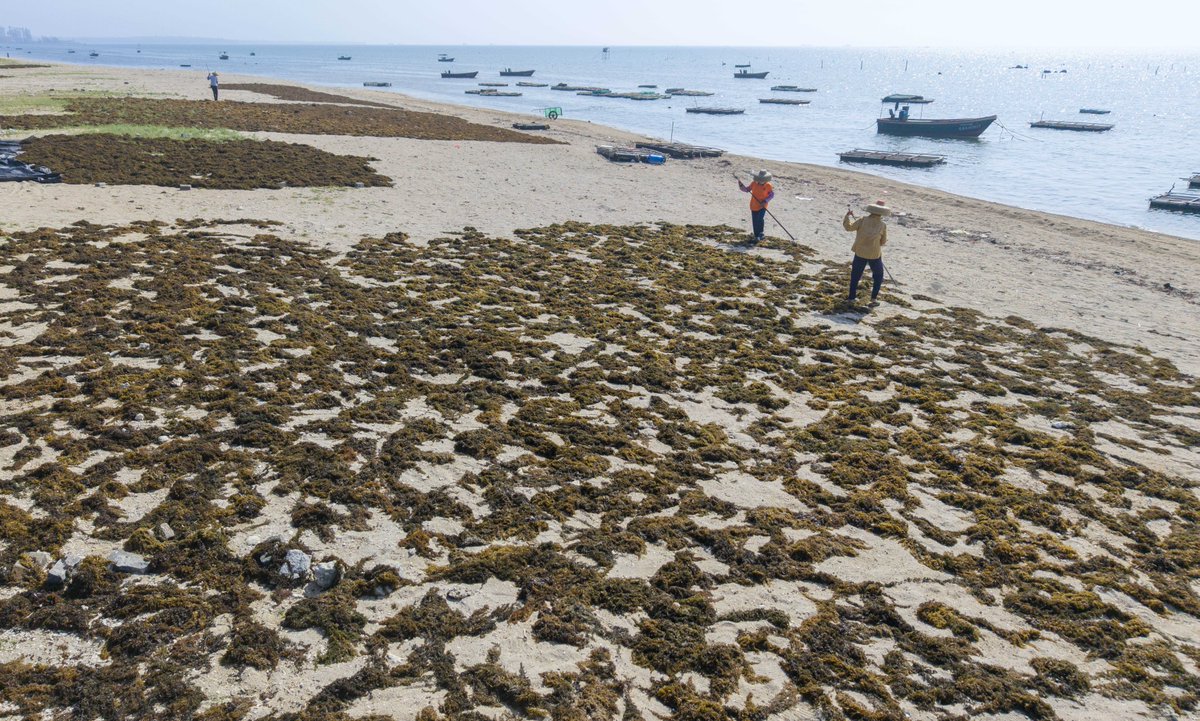
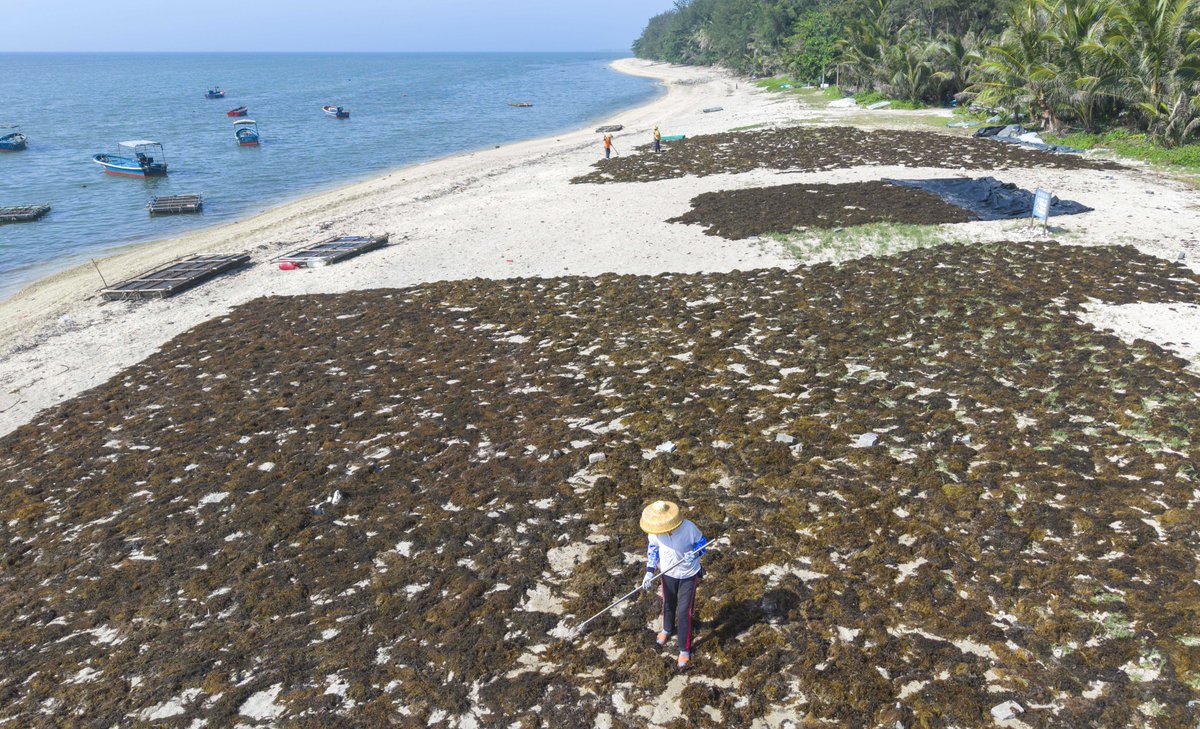
♻️In Tanmen, Qionghai, fishermen harvest seaweed by boat, dry it on the beach, and process it into feed for sea cucumbers and urchins. This simple cycle reduces ocean nutrient overload while creating new income. Protecting the sea while earning a living — that's Qionghai's way! (Photo: Meng Zhongde / Xinhua News)
#MarineConservation #CircularEconomy #SustainableFishing #OceanProtection #Tanmen #Qionghai #Hainan
3

20h
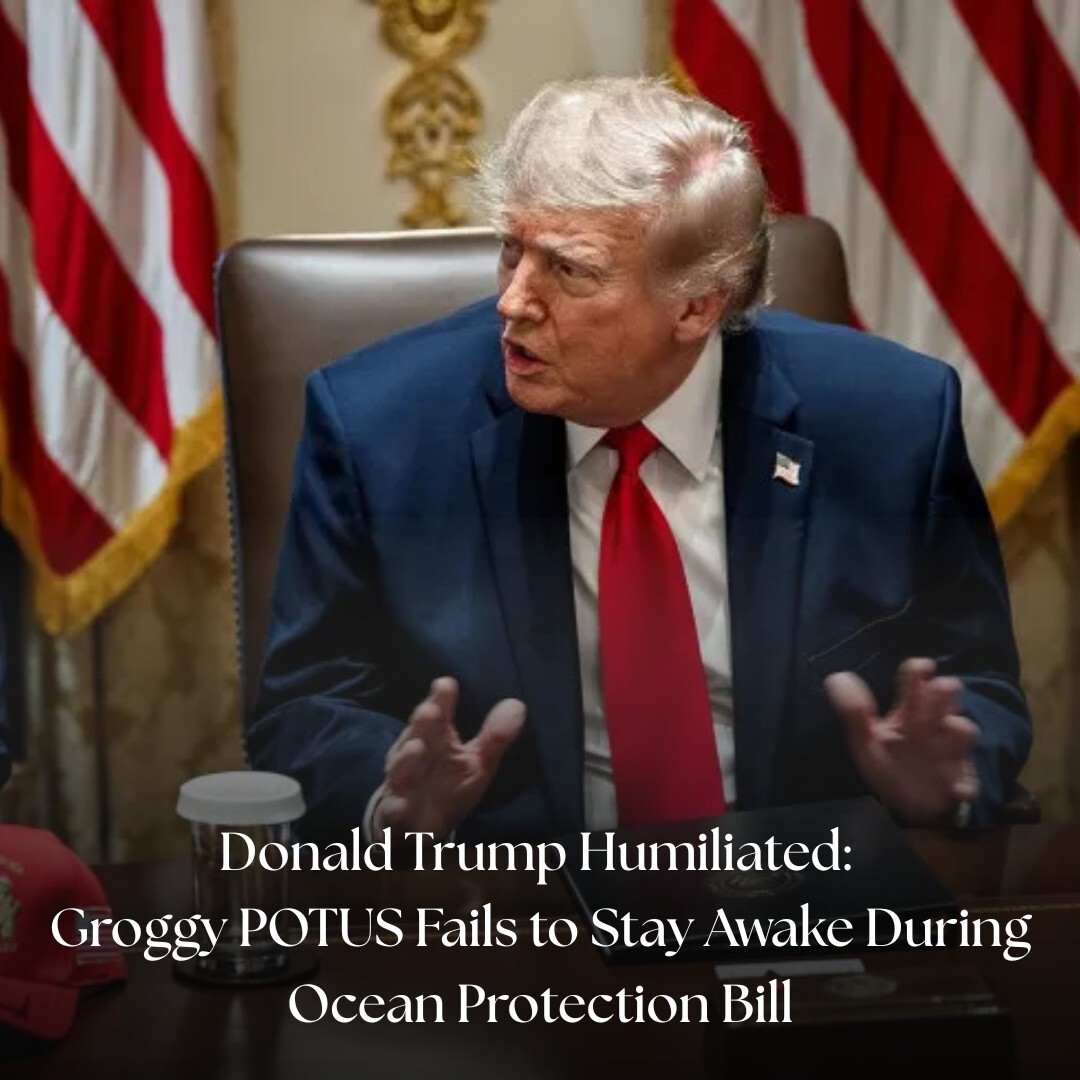
As Trump rolled back ocean protections, the moment everyone remembered was a president struggling to keep his eyes open.
#Trump #POTUS #oceanprotection #controversy #USPolitics
Read More: ift.tt/kmaz1TD
32

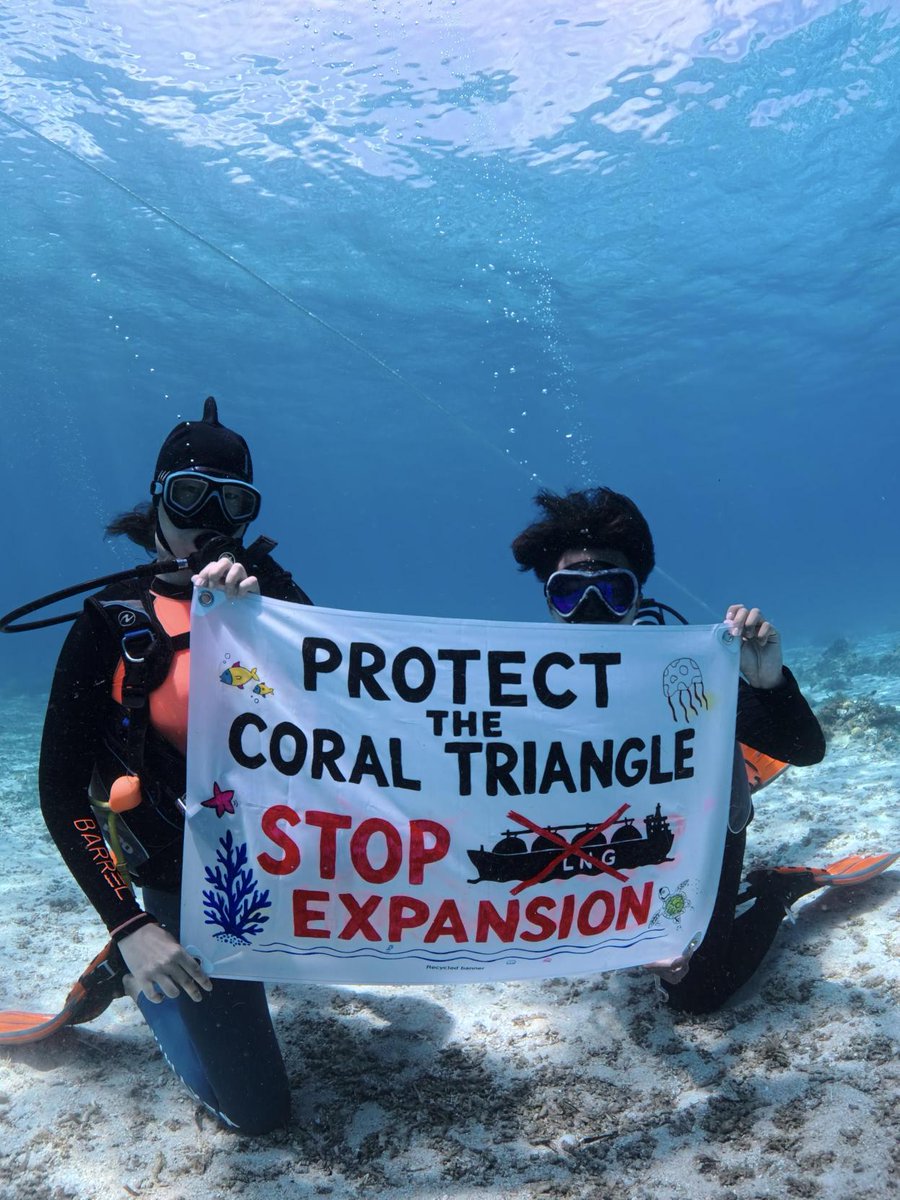
🪸 🐠 ‼️ Below the ocean's surface, the Coral Triangle holds the world’s richest marine life. LNG carrier traffic happening above is putting it at risk.
Not every part of the Coral Triangle is covered in coral. But every part is connected.
To mark Coral Triangle Day, SFOC dove into Philippine waters off the coast in Bohol to see what is at stake from LNG shipping traffic in the region.
As LNG expansion accelerates, the ships enabling it are slipping through the cracks. LNG carriers are often excluded from environmental impact assessments, treated as “mobile” and outside project boundaries.
In reality, these vessels follow fixed routes, returning again and again. Each journey adds underwater noise, emissions, and cumulative stress to marine ecosystems.
🇯🇵🇰🇷Japanese shipowners, backed by Japanese private financiers, Korean financiers and shipbuilders, are scaling up this fleet without sufficient safeguards.
The time to act is now:
🔹Include LNG shipping across the full project lifecycle in environmental impact assessments, in line with OECD and international standards
🔹Assess cumulative impacts along LNG shipping routes, including ports, marine protected areas, and coastal communities
🔹Strengthen protections in biodiversity hotspots through routing measures, speed limits, and exclusion zones
🔹Require financiers to integrate marine biodiversity risks into due diligence and investment decisions
🪸 🐠 The Coral Triangle holds 76% of the world’s coral species and supports millions of lives. What we cannot see is still being impacted.
Protecting the Coral Triangle means acting across the entire LNG value chain.
🔗 Read SFOC’s blog on the industry players behind LNGC expansion: forourclimate.org/insights/1…
🔗 Explore SFOC's report on LNG carrier impacts: forourclimate.org/research/6…
#TogetherForTheCoralTriangle #CoralTriangle #CoralTriangleDay #OceanProtection #Biodiversity #EnergyFinance #SFOC @Stand.earth @SkyTruth
2
26

Jun 12
Just finished 3 days of beach cleanup with local volunteers! Picked up 12k plastic items and made our coast a little cleaner. Every small act counts for our blue planet. #Volunteer #OceanProtection,

1
1
6

Jun 12
🌊 Protecting the ocean starts on the shore. A new partnership between Shincheonji Busan Branch and Cheonseong Fishing Village highlights the power of local marine conservation efforts.
tinyurl.com/fk2t2zxc
#MarineConservation #OceanProtection #CommunityPartnership #Busan
7

Jun 10
German Ocean Foundation President: The ocean is the all of our combining element
#OceanProtection #EcologicalEnvironment #Xiamen #TheySay
19

Jun 10
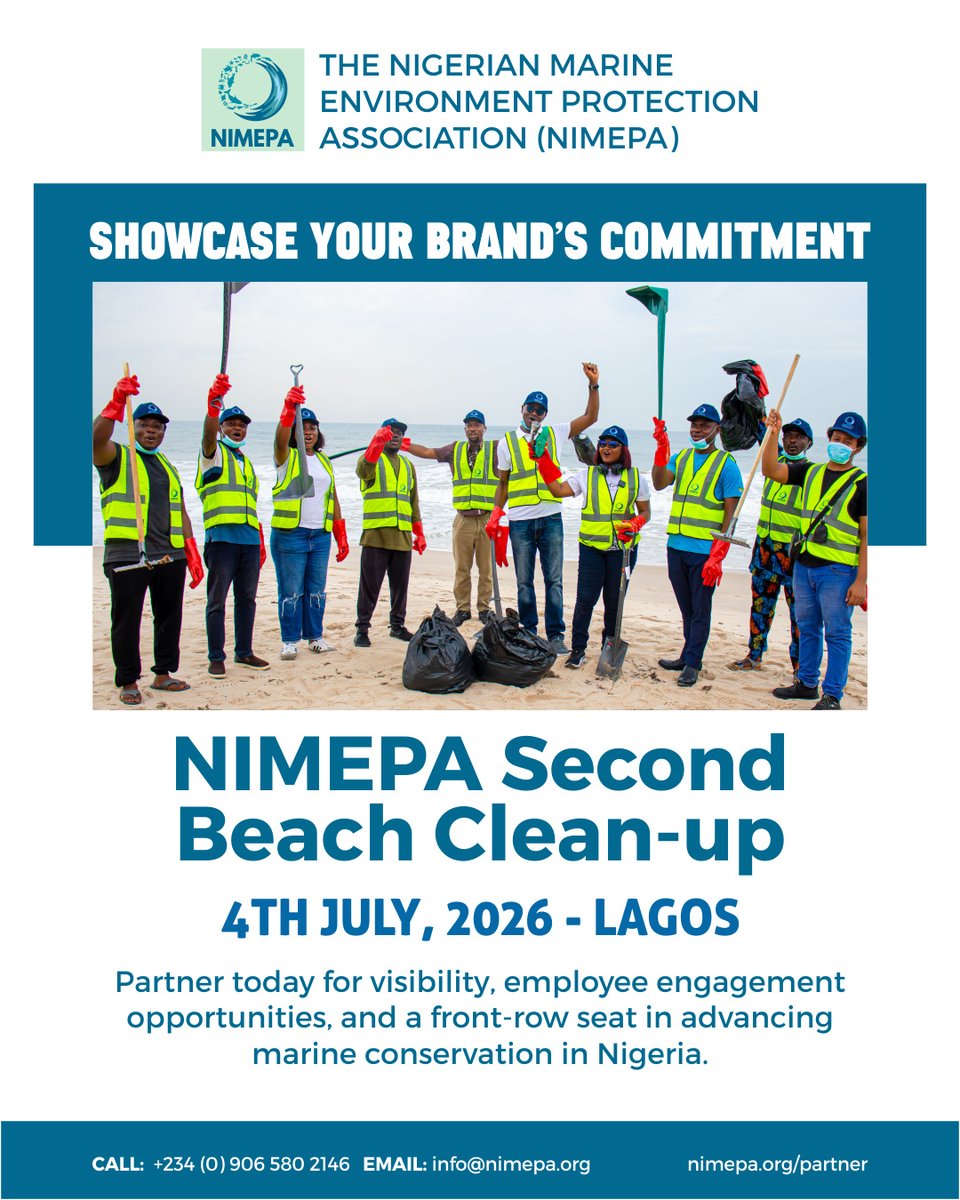
Showcase your brand's commitment. Be a NIMEPA Second Beach Clean-up partner on 4th July. Get brand visibility, engage your staff, and support marine conservation.
Apply: zurl.co/wAw1h
#NIMEPA #BeachCleanup #Lagos #MarineConservation #CSR #ESG #OceanProtection
1
1
11

Jun 10
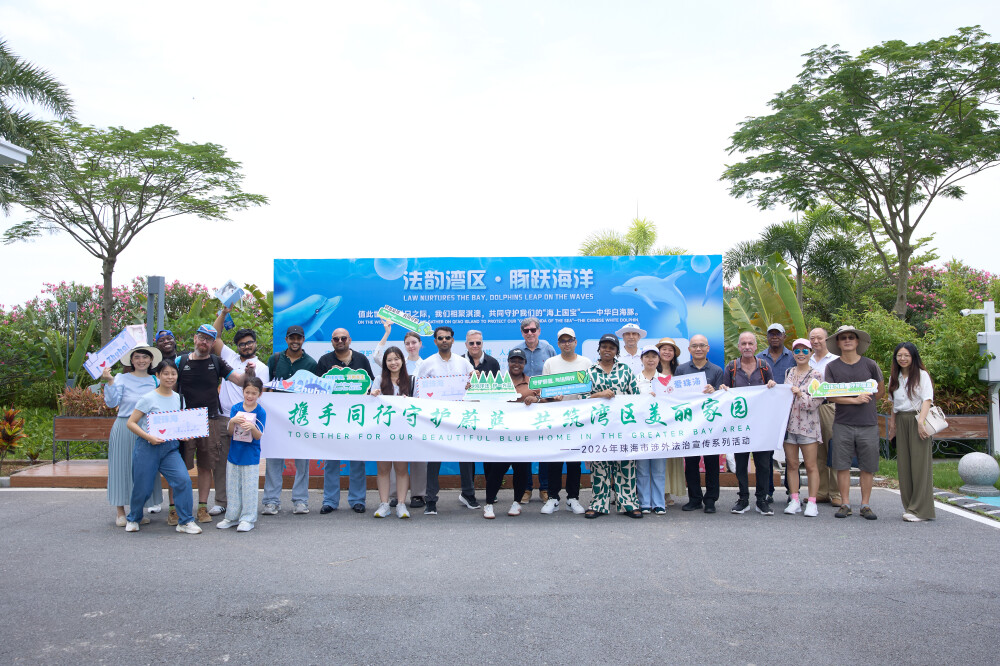
#Ecology | 🌊🐋 World Oceans Day in #Zhuhai hit different this year! 🎉
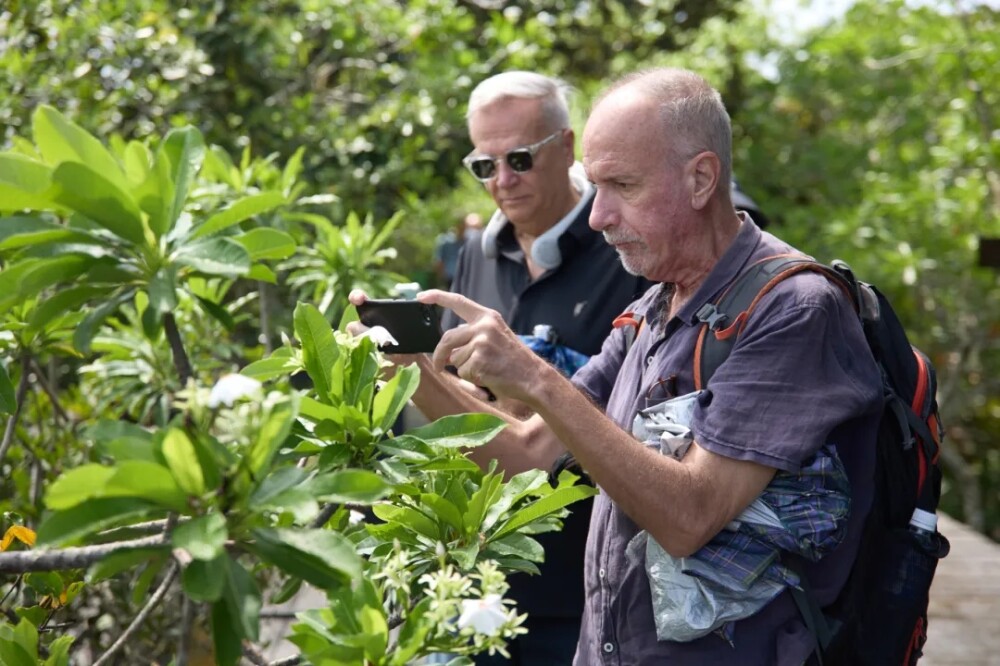
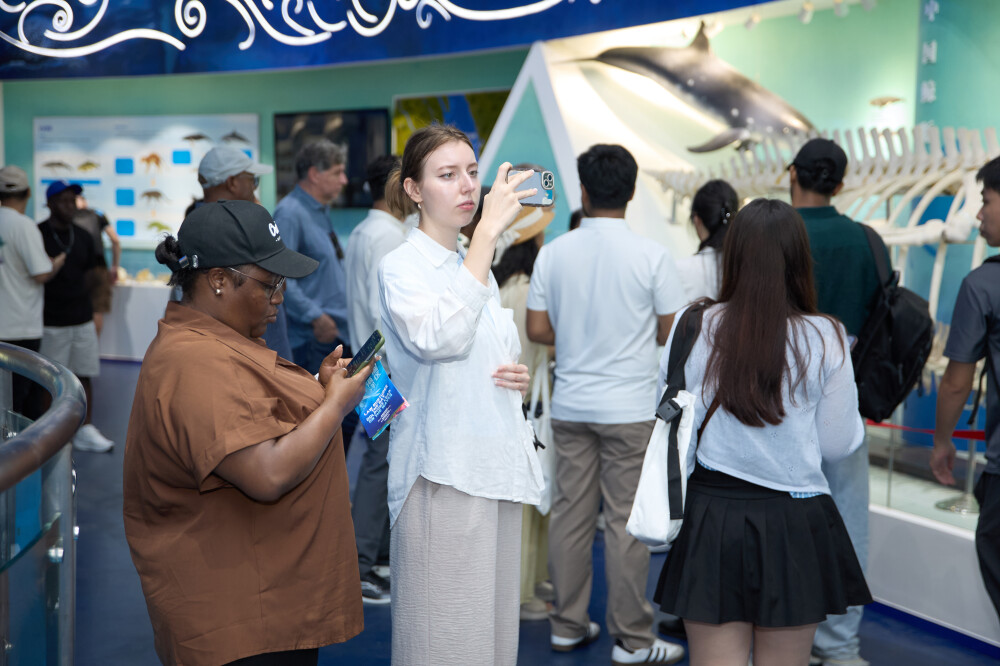
20 international residents dove into marine-themed activities on June 7, exploring Zhuhai's ocean conservation, tech & legal frameworks 🧭
Highlights 👇
🌿 Qi'ao Mangrove Wetland — learned about #China's wetland protection laws & mangrove restoration
🐬 Chinese White Dolphin Science Museum — met the "panda of the sea" 🇨🇳 (first-class national protection!)
🔬 Southern Marine Science Lab — saw "Zhu Hai Yun," the world's first intelligent unmanned research vessel 🤖🚢
Jointly organized by Zhuhai Foreign Affairs & Justice Bureau, the event showed how seriously Zhuhai takes marine ecology, science & legislation 💪
Ocean lovers, this city is doing it right 🌏
newsgd.com/node_99363c4f3b/7…
#Guangdong #WorldOceansDay #Nature #MarineConservation #ChineseWhiteDolphin #OceanProtection #MarineTech 🇨🇳🌊🐬
3
132

Most of us know our oceans are struggling.
What we don’t realise is where the real damage comes from.
Plastic bags and bottles matter of course they do.
Yet the largest source of plastic pollution in our seas is often ghost gear:
lost or abandoned fishing nets, ropes and lines that keep drifting for years.
They trap turtles, dolphins, seals and seabirds.
They scrape coral.
They break down into micro-plastics that enter the entire food chain - including ours.
And here’s the part worth knowing:
The ocean can recover. It’s done it for millions of years.
It simply can’t recover while we keep feeding it materials that outlast entire generations.
Every organic cotton purchase avoids synthetic fibres entering the water.
Every reuse choice stops another piece of plastic from starting that 400-year journey.
Every conversation spreads awareness most people never hear.
Cleaner oceans don’t start at the shore.
They start with the habits we repeat.
#OceanProtection
#CleanSeas
#StopOceanPlastic
#ProtectOurOceans
#SustainableLiving
35
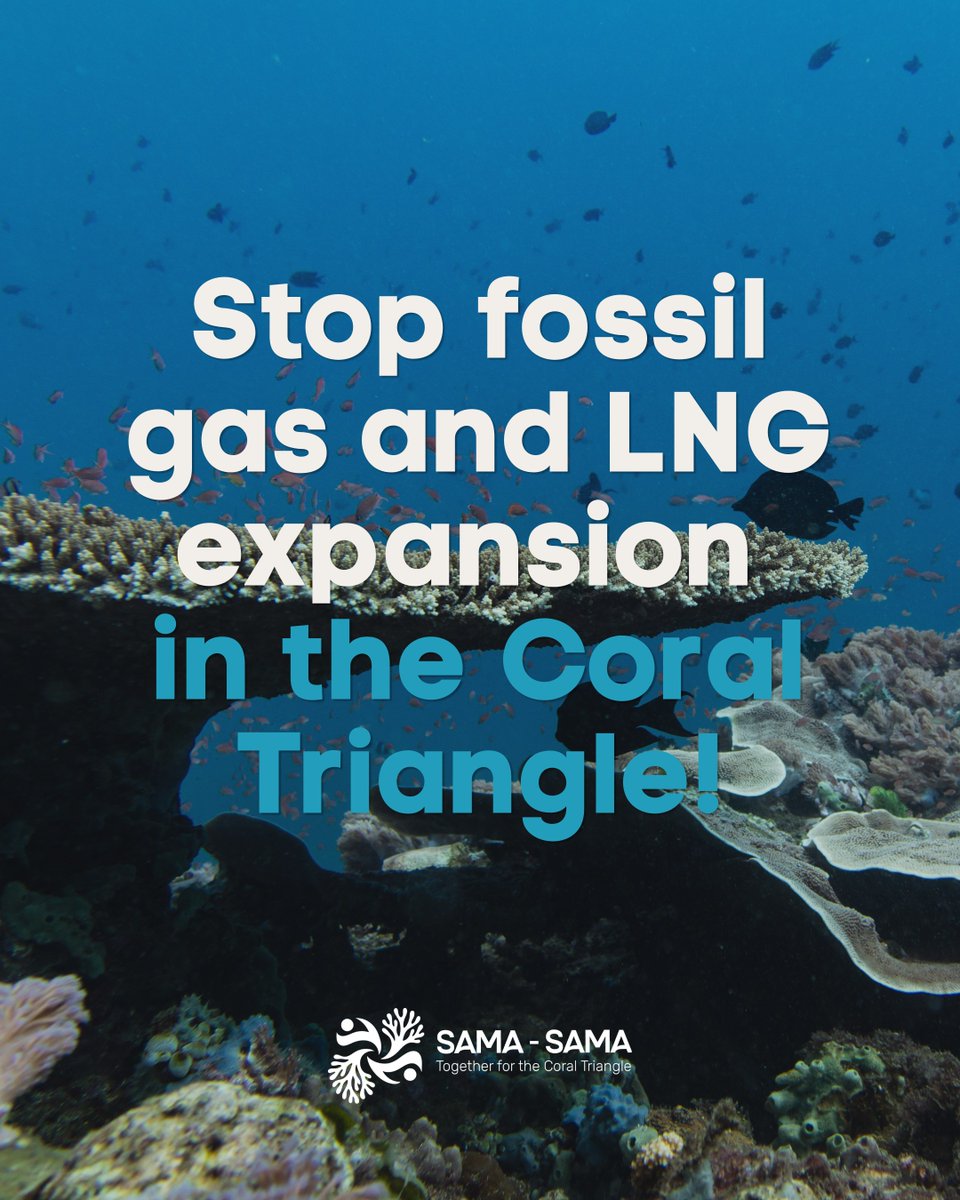
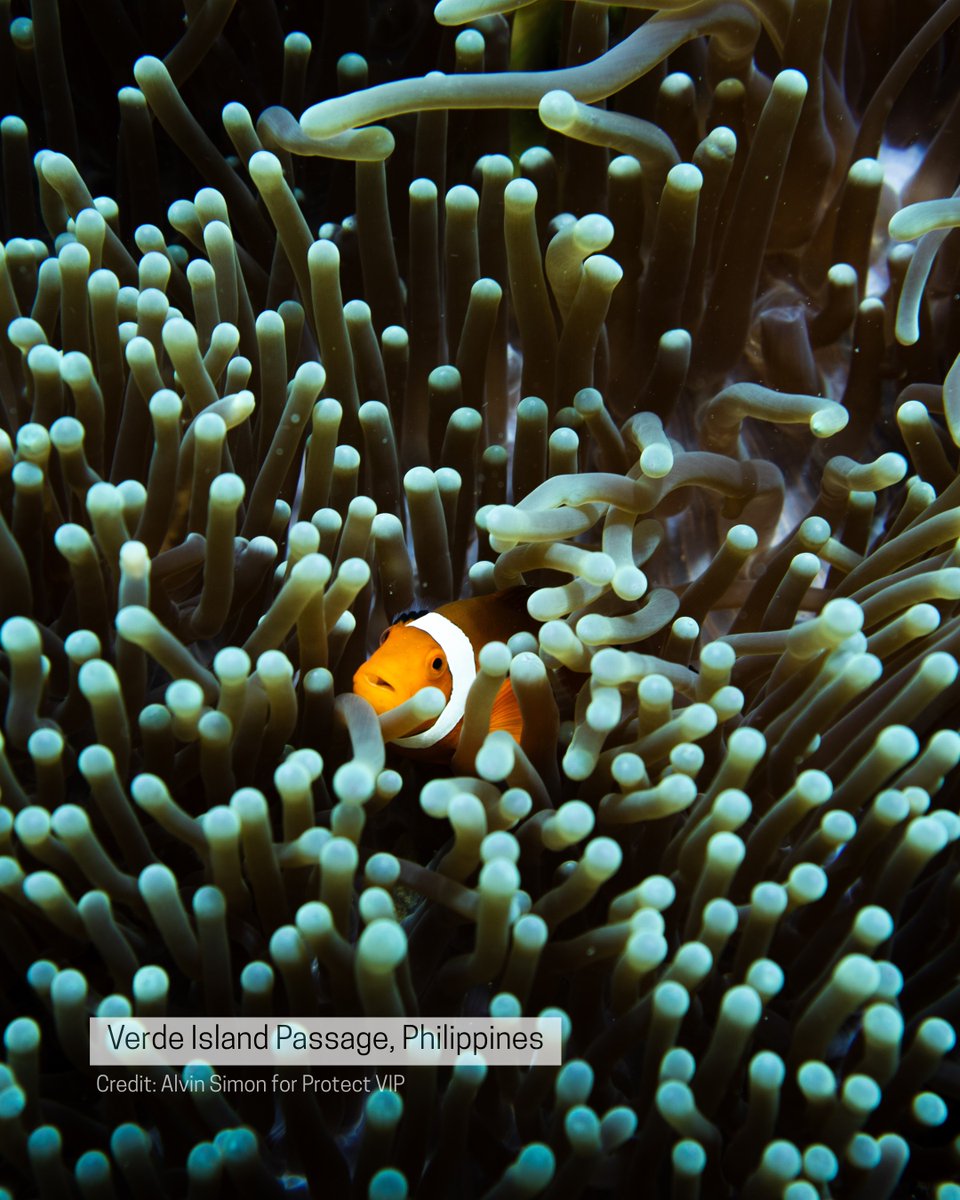
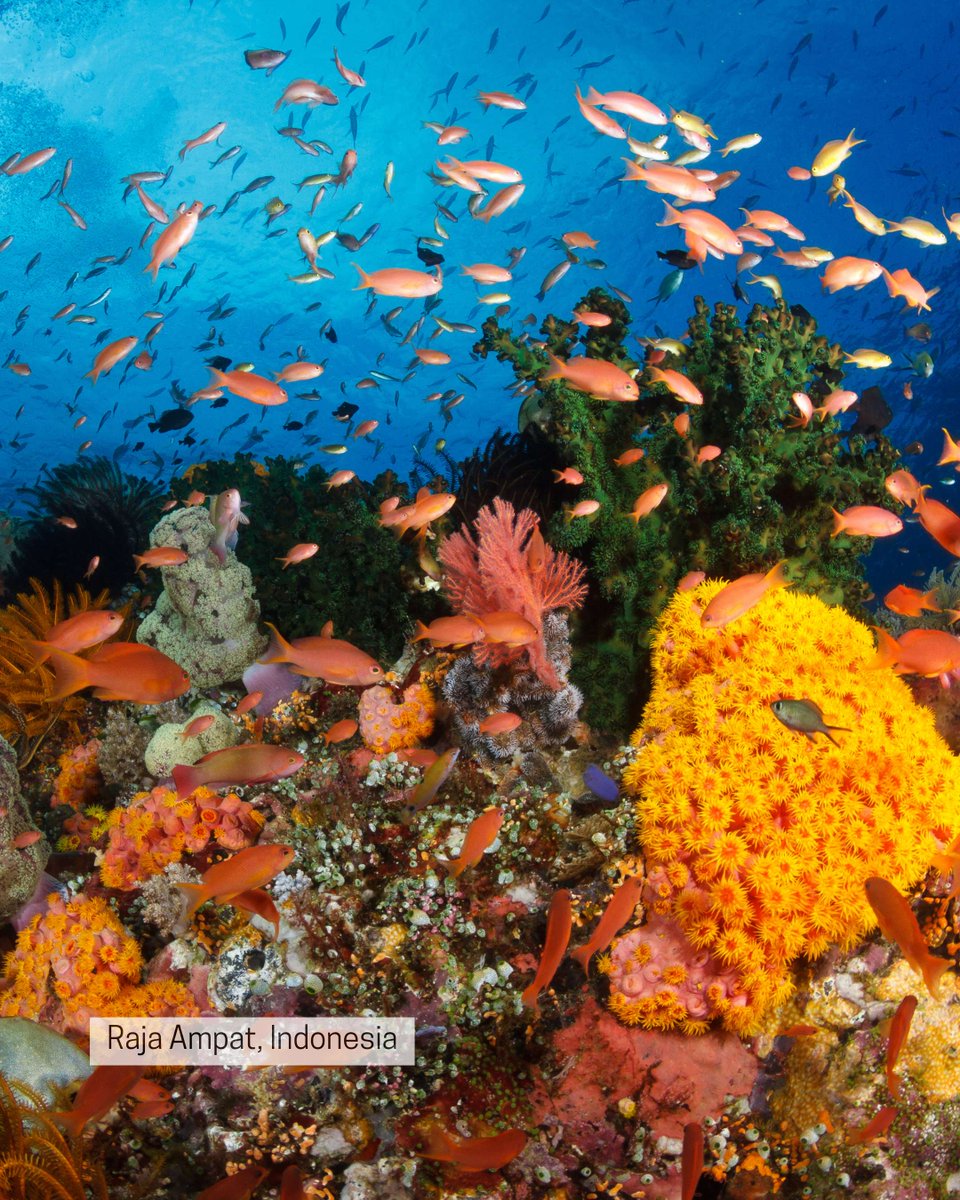
🌊 On Coral Triangle Day, we celebrate ocean life. But LNG shipping is putting it at risk.
The Coral Triangle holds 76% of the world’s coral species and supports 360 million people. But fossil gas expansion is accelerating across the region, with dozens of new LNG terminals planned.
🇰🇷🇯🇵 financiers and industry players are key drivers behind the expanding global LNG carrier fleet. As was raised in a recent OECD complaint to Korean public financiers, this growth comes with insufficient assessment of biodiversity, climate, and community impacts.
Thousands of LNGC journeys mean more underwater noise, more emissions, and more stress on fragile marine ecosystems far from where decisions are made.
SFOC research shows how this system drives harm across borders while accountability lags behind.
🪸Protecting the Coral Triangle means holding the entire LNG value chain responsible.
🔗 Read SFOC's blog: forourclimate.org/insights/1…
🔗 Delve deeper into the impacts of LNG Carriers in our report: forourclimate.org/research/6…
🔗 Follow 'Sama-Sama: Together for the Coral Triangle' to stay in the loop: linkedin.com/company/samasam…
#TogetherForTheCoralTriangle #CoralTriangle #CoralTriangleDay #OceanProtection #Biodiversity #EnergyFinance #SFOC @standearth @SkyTruth
1
2
68

Jun 9
Fully autonomous beach cleaning robot with zero emissions and smart sensors. Protecting our coasts intelligently.
#TechInnovation #OceanProtection #GreenTech
#WorldOceansDay
5

Jun 9
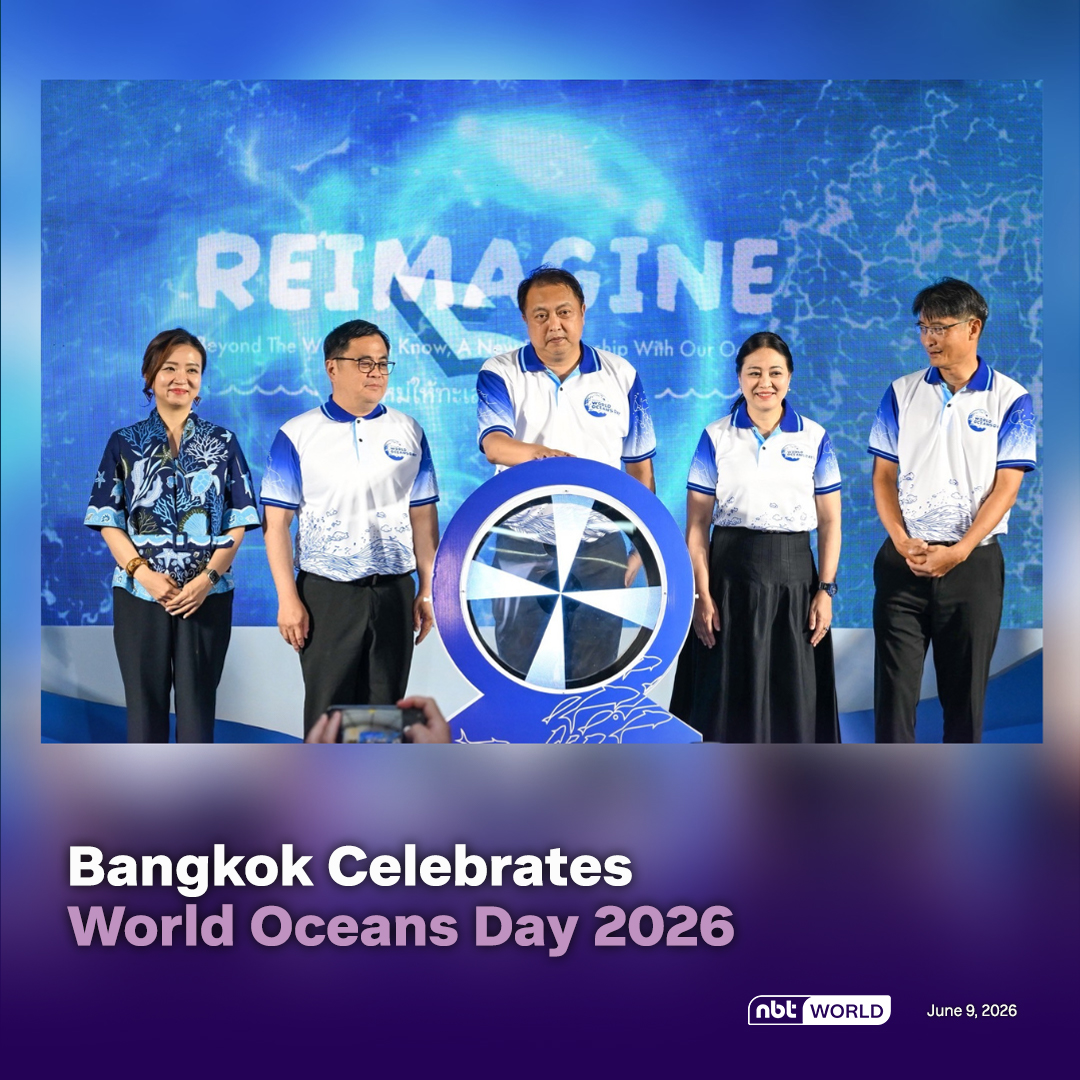
Minister Suchart Chomklin opened World Oceans Day 2026 in Bangkok, calling for stronger cooperation to protect marine and coastal resources.
See more: Facebook.com/nbtworld
#NBTWorld #WorldOceansDay #MarineConservation #ClimateAction #OceanProtection
1
1
104

🦉பூமியின் மிக அரிய கடல் பல்லுயிர் பெருக்கத்தின் உறைவிடமாகத் திகழும் பவள முக்கோணப் பகுதியின் சுற்றுச்சூழல் முக்கியத்துவத்தை உலகிற்கு எடுத்துரைக்கவும், கடல் வாழ் உயிரினங்களைப் பாதுகாக்கவும் ஆண்டுதோறும் ஜூன் 9 ஆம் தேதி 'பவள முக்கோண நாள்' (Coral Triangle Day) உலகளாவிய விழிப்புணர்வு நாளாகக் கொண்டாடப்படுகிறது.
இந்த ஆண்டிற்கான பவள முக்கோண நாளின் கருப்பொருள், நாம் அறிந்த உலகிற்கு அப்பால் கடலுடனான ஒரு புதிய உறவை மறுவடிவமைப்பு செய்வதை (Reimagine: Beyond the World We Know, a New Relationship With Our Ocean) மையமாகக் கொண்டு பிராந்திய அளவில் வடிவமைக்கப்பட்டுள்ளது.
இது உலகப் பெருங்கடல்கள் தினத்தின் முக்கிய நோக்கங்களோடு கச்சிதமாக ஒத்துப்போவதோடு, நிலையான கடல்சார் பாதுகாப்பு மற்றும் சர்வதேச கடல் எல்லைகளுக்கு அப்பாற்பட்ட பல்லுயிர் பாதுகாப்பிற்கான பி.பி.என்.ஜெ (BBNJ - High Seas Treaty) ஒப்பந்தத்தின் அவசியத்தையும் வலுவாக வலியுறுத்துகிறது.
பவளப்பாறைகள் மற்றும் கடல் வளங்களை அழியாமல் காத்து, வரும் தலைமுறைகளுக்கும் இந்த நீலக் கோளத்தின் இயற்கைச் செல்வத்தை அப்படியே கடத்துவதற்கான புதிய உத்திகளையும் விழிப்புணர்வையும் உலக நாடுகளிடையே விதைப்பதே இந்த உன்னதமான நாளின் முதன்மை நோக்கமாகும்.
#பவளமுக்கோணநாள் #காலைசிந்தனை #மலர்ச்சி #ஆந்தைரிப்போர்ட்டர் #கடல்பாதுகாப்பு #சுற்றுச்சூழல் #CoralTriangleDay #OceanProtection #SaveOurOceans #NatureAwareness #AanthaiReporter #MarineLife

12

Jun 8
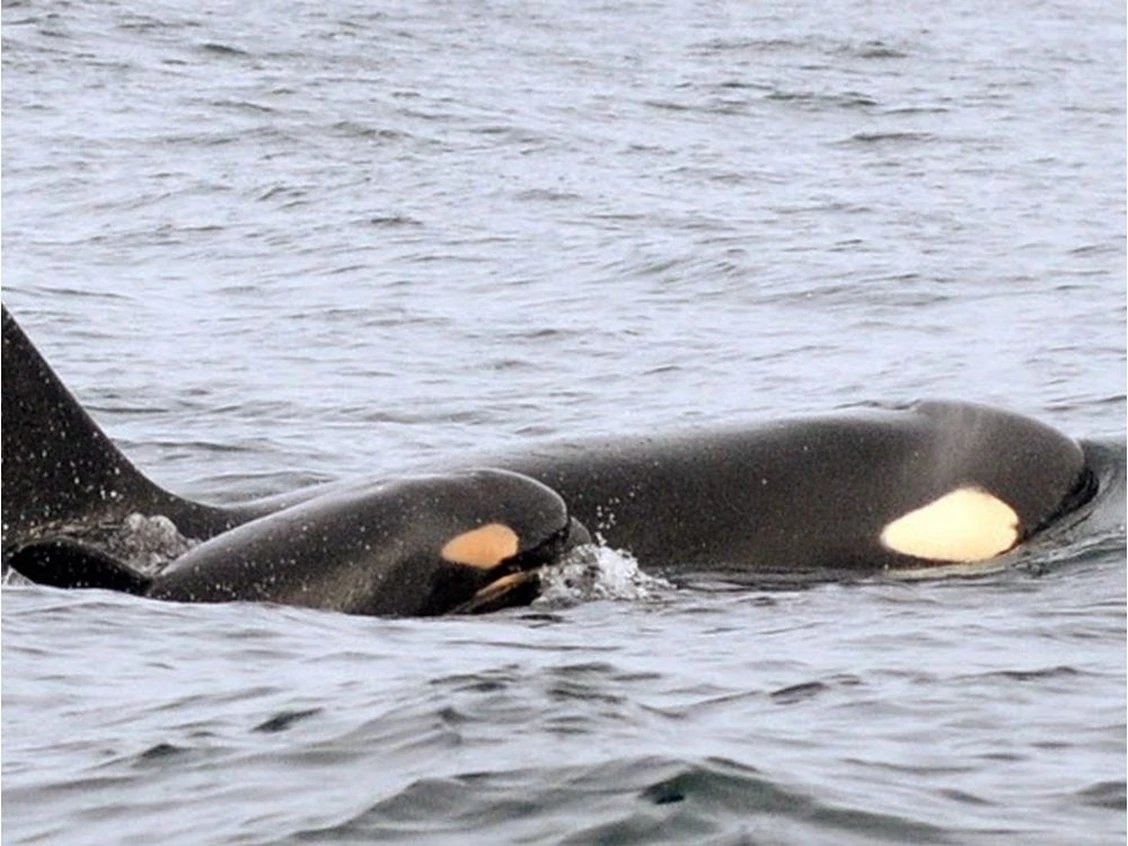
🇨🇦VICTORIA — Ships off the West Coast of Canada could be forced to yield the right of way to #killerwhales as part of a federal #oceanprotection plan.
The $1.5-billion plan to improve 🇨🇦#Canada’s ability to respond to oil spills and take measures to #protect its oceans includes moves to reduce shipping noise and vessel traffic in sensitive zones in an effort to protect #endangered southern resident #Orca. Today's 🌍 #WorldOceansDay 🌎 .. mom and baby ..
2
3
35

To mark World Ocean Day on 8 June, the IMO is calling on its 176 Member States and the global shipping industry to step up implementation of measures to protect… dlvr.it/TSxYNW #WorldOceansDay #MarineConservation #OceanProtection #SustainableShipping #ProtectOurOceans
1
9

Did you know the ocean produces over half the oxygen we breathe? 🌊Let’s celebrate and safeguard it this World Oceans Day 💙 #OceanProtection
23

Jun 8
"Il problema non è la plastica. È progettare materiali ignorando dove finiranno."
8 giugno 2026, nella Giornata Mondiale degli Oceani, penso che il modo migliore per celebrare questa ricorrenza sia continuare a lavorare sulle soluzioni.
Oggi tutti celebrano gli oceani. Domani molti torneranno a parlare di sostenibilità mentre continuano a immettere nell'ambiente milioni di tonnellate di materiali progettati per durare secoli.
Io continuo a credere che l'innovazione debba servire a risolvere problemi reali.
Per questo, dopo tanti anni, resto impegnato sul fronte dei PHA: materiali ottenuti da fonti rinnovabili e biodegradabili anche in ambiente marino, una tecnologia sulla quale abbiamo investito ricerca, capitale e visione quando quasi nessuno ne parlava.
La storia di Bio-on è stata raccontata in molti modi. Ma i fatti restano: l'inquinamento da plastica negli oceani è ancora qui, e la necessità di alternative sostenibili è oggi più evidente di allora.
Gli oceani non hanno bisogno di slogan. Hanno bisogno di scienza, industria e coraggio.
E su questo continuerò a lavorare. astorri.eu
#WorldOceansDay #PHA #BioOn #BlueEconomy #OceanProtection #Bioplastics
Video ONU World Oceans Day 2026: unworldoceansday.org/?utm_so…
World Ocean Day Official Site: worldoceanday.org/?utm_sourc…
1
56

Great white shark captured on underwater footage during a Mediterranean clean-up. A powerful reminder of wildlife conservation needs. Protect oceans, protect species. Read more: globalbankingandfinance.com/ #Conservation #OceanProtection #Sharks #Mediterranea… globalbankingandfinance.com/…
15

Jun 8
#WorldOceanDay
Oceans cover 70% of the world surface
They produce 50% of our oxygen
The largest of Earth's habitats
Your protein & your medicine come from the ocean
How can you help save our oceans & life on Earth:
Quit using plastics or recycle to a repeatable firm
Stop mining & digging in our oceans
Limit seafood farming & fishing
Reduce water usage, less runoff of chemicals
Force governments to stop dumping waste & trash
#OceanProtection
2
16
12
188