
Multi-award winning screenplay writer. Pursuing my dreams, one script & MS at a time #WritingCommunity #screenwriting Coverfly top 29%
Joined June 2012
- Tweets 15,595
- Following 4,616
- Followers 3,951
- Likes 58,921
1,593 Photos and videos






Pinned Tweet

1 Jan 2024
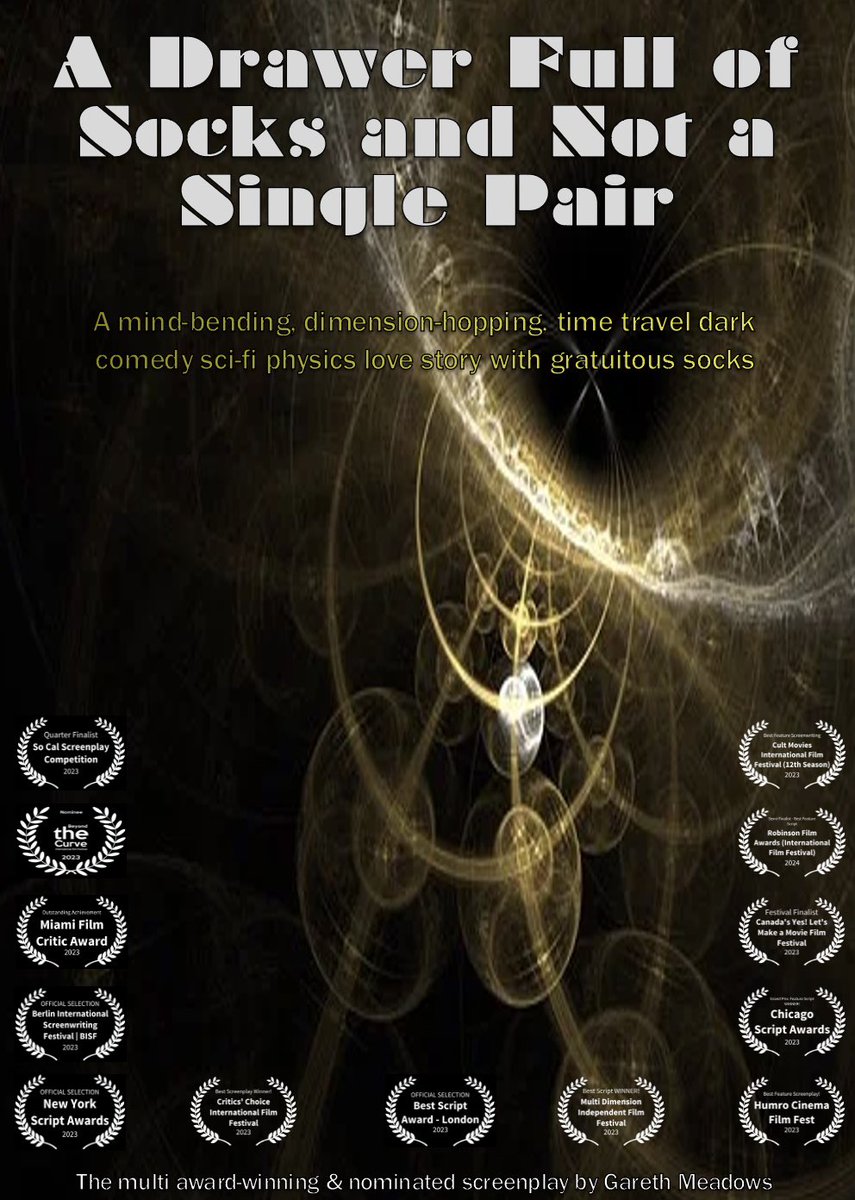
I’m quite gratified, taken aback & humbled by the response my feature script has received in 2023.
Here’s looking forward to an exciting 2024.
Now, if there’s an enterprising exec producer out there who fancies bring this piece to life on the screen, I wouldn’t object.
1
4
42
1,736
Jan 16
Thrilled to announce that my feature script ‘Leave A Light On’ has been named a shortlisted finalist in the inaugural Mediterranean Screen Arts Academy screenwriting competition.
Top 21 from over 1,100 entries!
Huge congrats to all, but especially to winner, Mary Craven Adams.
1
49
Gareth Meadows retweeted

15 Dec 2025
Your screenplay makes a promise, both in the logline and by the end of Act 1.
Tomorrow, I'll share with 10,000 subscribers why keeping that promise is so important.
Interested? Subscribe to the Weekly Email below. 👇
3
3
56
1,903
10 Nov 2025
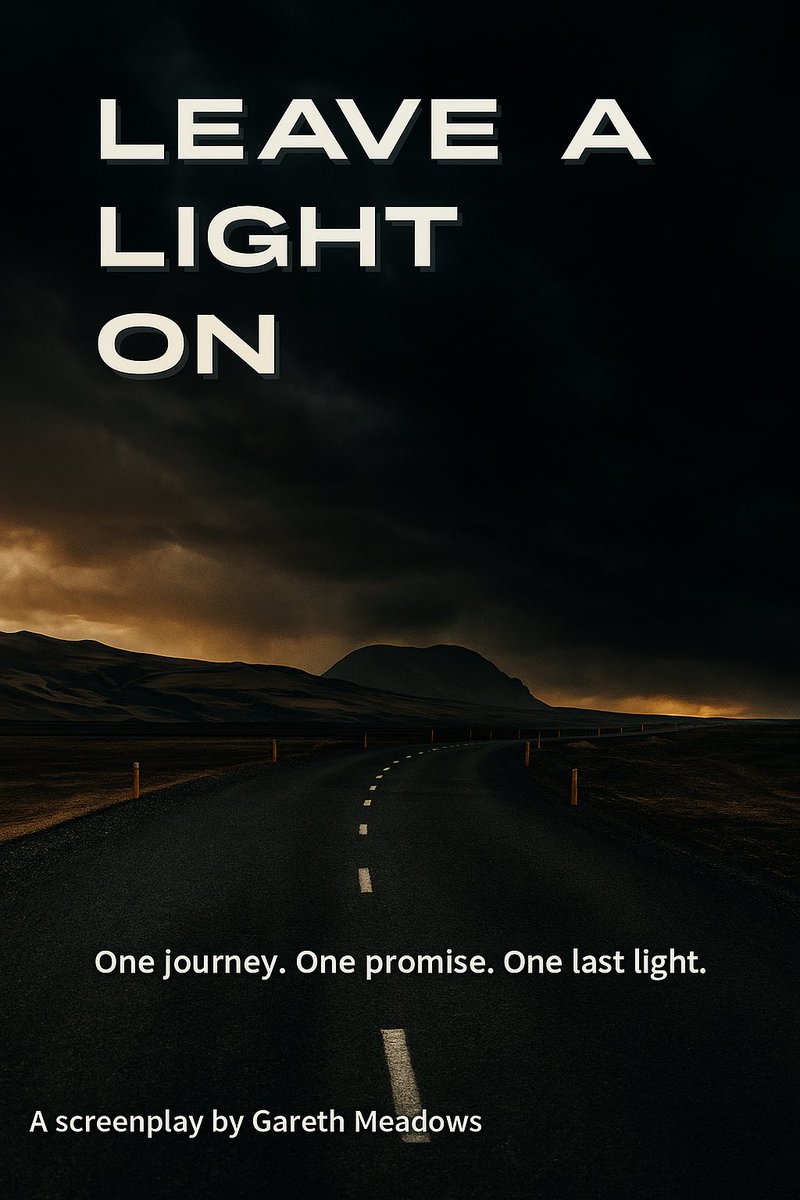
Developing a new feature script: Leave a Light On – a psychological road-movie through a ravaged Britain. Strong early feedback. Open to producer chats re: BFI Early Development Fund. Poster below. DMs open.
#Screenwriting #IndieFilm #BFI
1
4
128
Gareth Meadows retweeted
28 Oct 2025
Our schooling did us few favors when it taught us how to write. And less so for screenwriting.
Tomorrow, I'll share with 10,000 subscribers why simple, clear, and specific isn't just good enough, it's better.
Interested? The link to subscribe is in the replies. 👇
1
1
20
929
28 Oct 2025
Sunday morning, I had a feature idea. It just walked into my head, almost fully formed.
In hours, I’d entirely framed the story & characters.
Yesterday, I crafted the script beats and outline.
I’ve drafted half the script. I think it might be the best stuff I’ve ever written.
23
14 Oct 2025
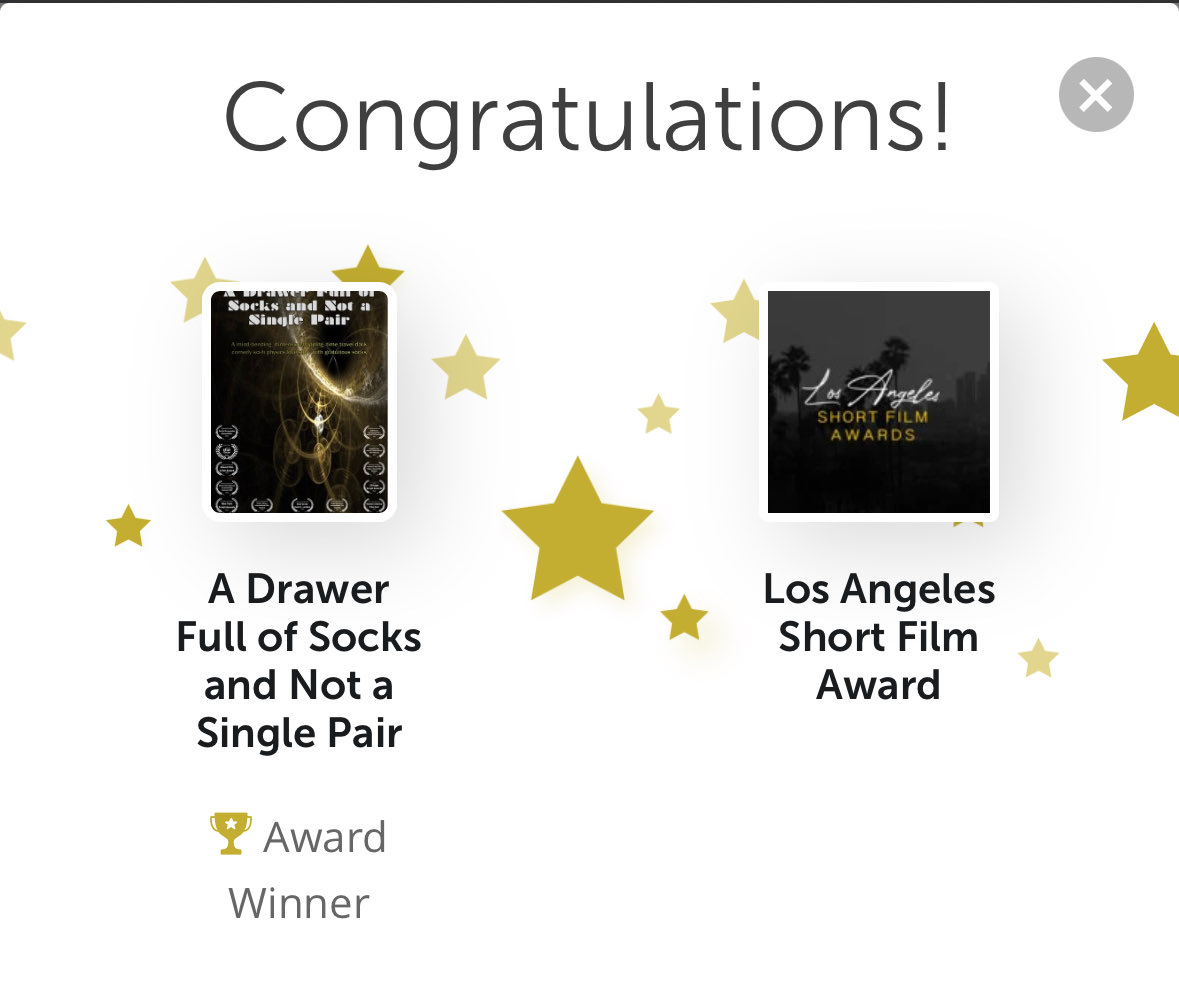
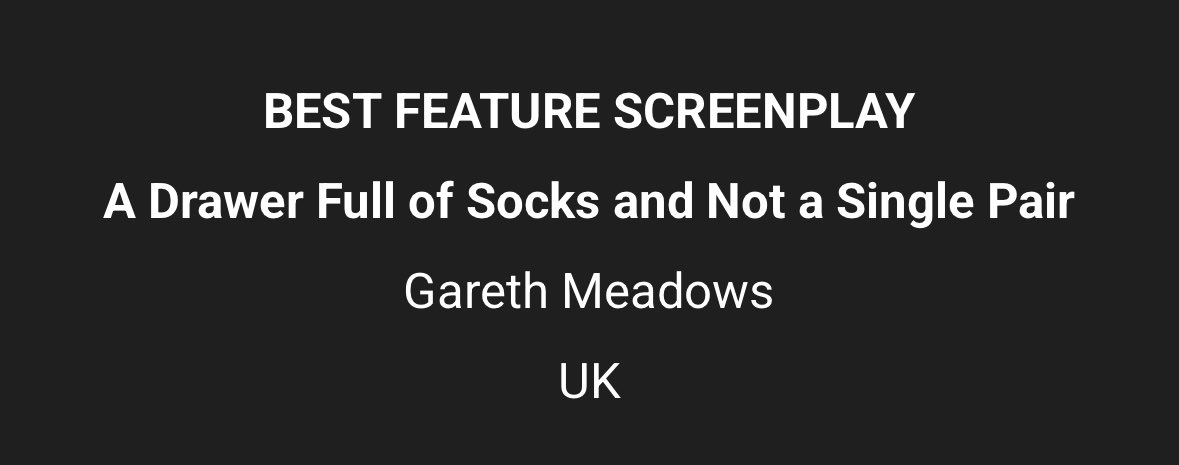
Delighted to pick up another award for this script. It’s one that’s close to my heart and certainly one of my strongest stories. I love it, so it’s deeply gratifying that others seem to love it too.
5
37
23 Aug 2025
Some great gotchas to watch out for here.
22 Aug 2025

I'm not an expert, but having done line edits on some manuscripts recently, here are some things we're all guilty of and you might want to consider when editing.
(Disclaimer: Other people may approach in different ways)
#amwriting
1
83
22 Aug 2025
Beautifully put by Tim. Something we all need to remind ourselves from time to time.
22 Aug 2025

CRITICISM
If you do anything in public—especially on the interwebs—you're going to get criticism.
I've been doing this for a couple of decades now, so I thought I'd share a few things that have helped me.
🧵 This is a thread, so keep reading 👇
2
2,118
12 Aug 2025
Wonderful advice from the ever brilliant, Tom.
12 Aug 2025

Old screenwriting maxim: "In the 1st act, get your character up a tree; in the 2nd act, throw stones at him; in the 3rd, get him down."
Better way: Get a character up a tree. Throw stones at them. The stones change the character.
That CHANGE gives them the ability to get down.
2
93
Gareth Meadows retweeted

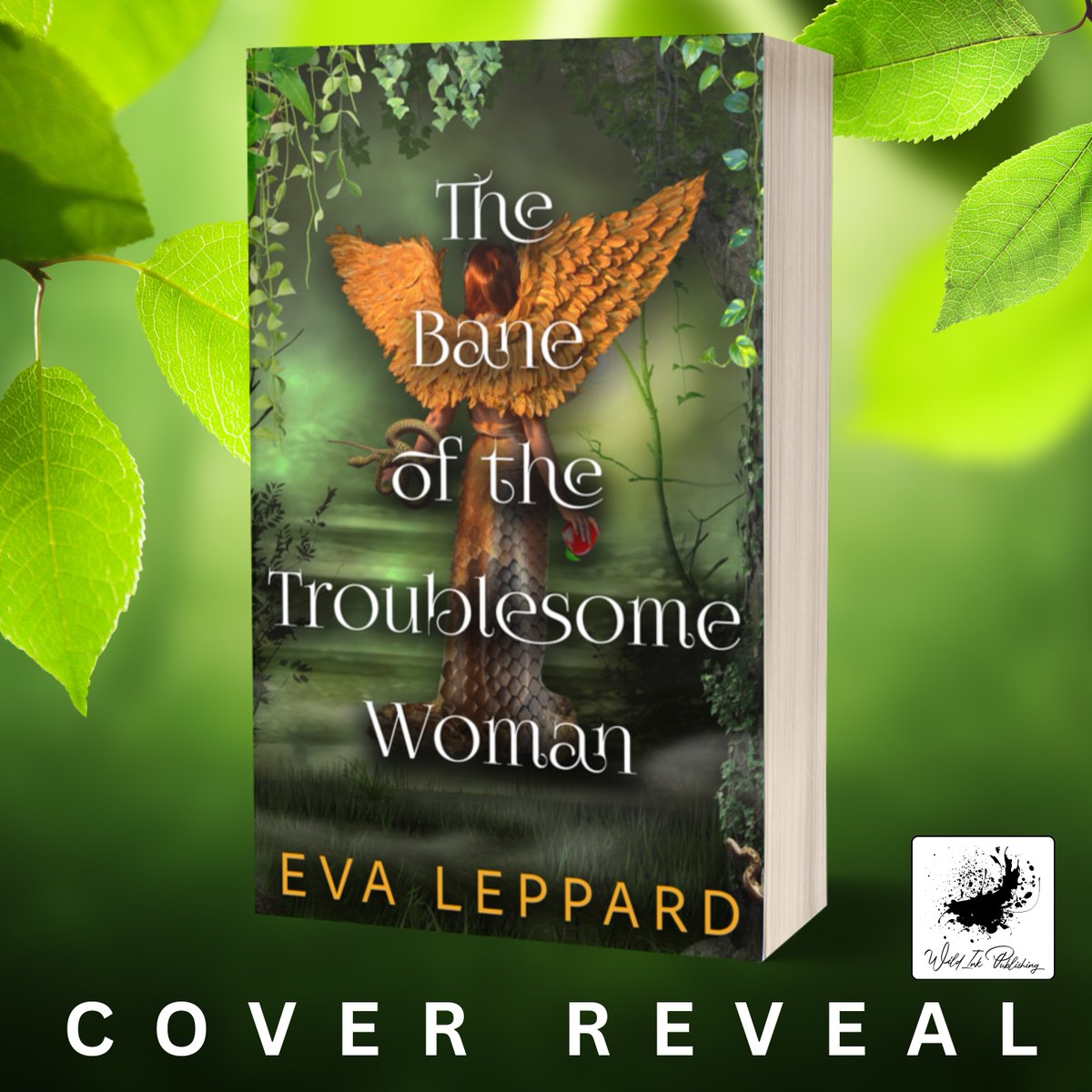
This cover is perfection and the book is pretty good too 😂😘
10 Aug 2025

Coming in February. If you love the lore surrounding Lilith and diving into books with themes of empowerment, myth, and defiance, you'll want this. And if you have a sharp, irreverent sense of humor... GET READY, this will blow you away.
wild-ink-publishing.com/eva-…
18
26
94
13,307
Gareth Meadows retweeted

30 Jul 2025
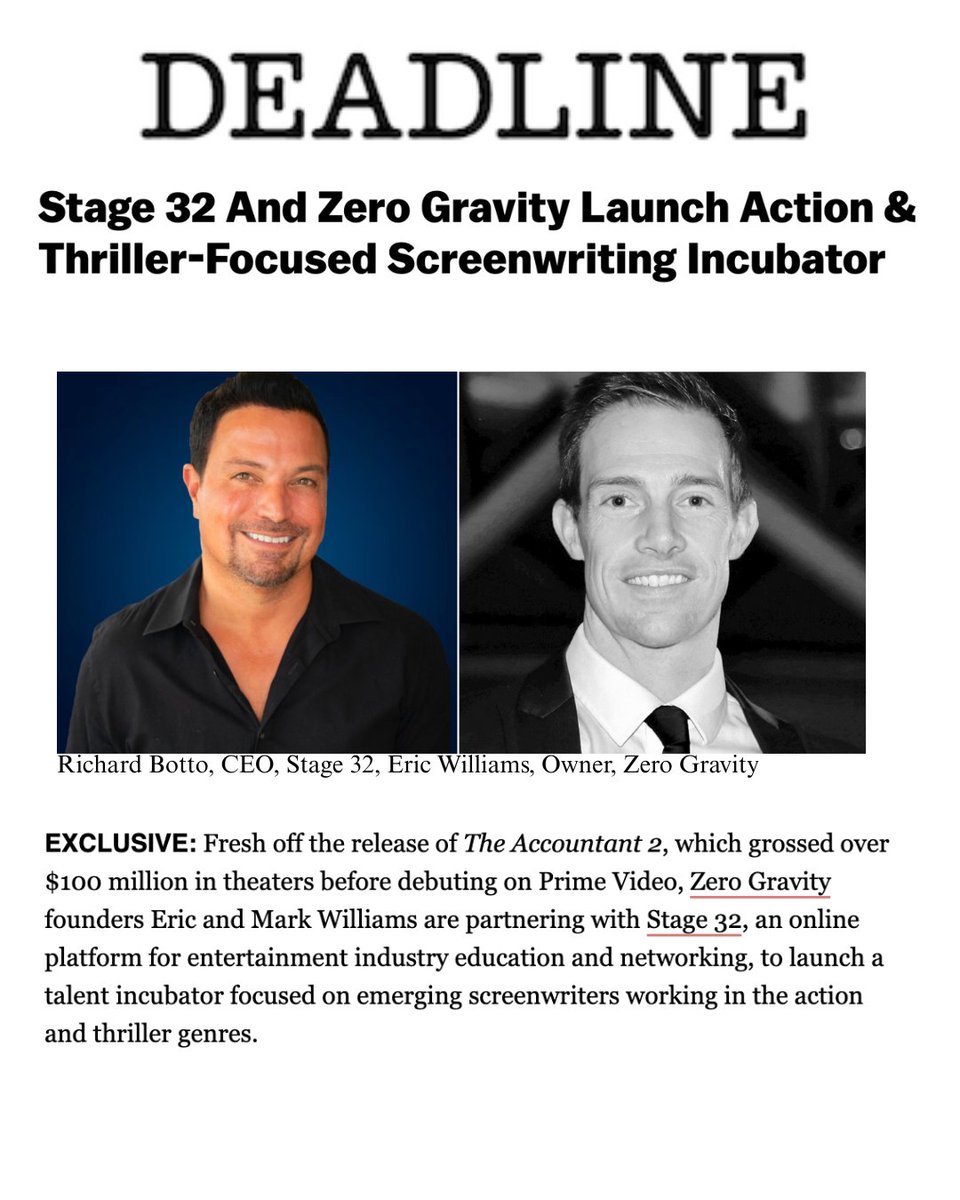
Excited to launch this new opportunity with my good friends, Eric and Mark Williams, founders of Zero Gravity.
15
27
173
10,376
Gareth Meadows retweeted
21 Jul 2025
You've written a script full of great scenes, yet the screenplay falls flat.
Why? You forgot to tell a story.
Tomorrow, I'll share with 8,800 subscribers how to get out of the weeds and see the big picture.
Interested? The link is below in the replies. 👇
1
2
47
1,701
Gareth Meadows retweeted
10 Jul 2025
Like most writers, my early screenwriting was structured mostly around plot.
It didn't work.
It wasn't until I started structuring around the character's emotional journey that things changed.
This is one way I do that. 👇
I always want to simplify the process whenever possible.
The more we simplify, the more confident and decisive our decision-making.
So, with that in mind --
I try to identify the character's emotional and spiritual state of mind through each act and find the simplest way to describe that line of action.
A favorite example is DIE HARD, where John McClane spends Act 2A just trying to call the cops. That's it. Everything follows that line of action. There are action scenes, plot twists, and executions, but that is the basic throughline of that act.
John MacClane tries to contact the police.
That character's external want should track with the character's emotional journey.
Why? Because all character is:
1. What they want.
2. What they're willing to do to get it.
Which is illustrated through their CHOICES.
John McClane is still at the point where he wants, expects, and would rather rely on help.
When he finally does alert law enforcement, we hit the midpoint and the famous line, "Welcome to the party, pal!"
This is why the midpoint is so important. Not because it changes the stakes or the situation but because those changes change the character's direction.
Die Hard in the simplest of terms:
Act 1: He wants his wife to repent.
Act 2A: He wants to find help.
Act 2B: He needs to figure this out himself.
Act 3: He is the only one who can save his wife.
The character's emotional throughline drives the next action.
Another example is from a project I sold. Even though it's an action comedy, I modeled the basic structure after a revenge film.
Act 1: Orginal Sin.
Act 2A: On the Hunt.
Act 2B: Loss of Humanity
Act 3: Regains Humanity
The plot is underneath, of course, but this is the character's journey through the acts. An event at the end of each act forces a choice, and that choice initiates the shift to a new driving action.
The Avengers is ultimately a buddy movie with the "team" at the center.
Act 1: Assemble the team.
Act 2A: Fight amongst themselves.
Act 2B: Defeated because they are not unified.
Act 3: Victorious because they are.
Inside the throughlines are plot mechanics, tension, and great scenes, but the goal is to have the emotional journey dictate the driving action and describe it in the simplest of terms so you can let it guide your decisions as the storyteller.
Note: while four throughlines are the most common, you're not limited to four. GROUNDHOG DAY has eight shifts in the character; one with each sequence.
Sequence 1. He's a jerk.
Sequence 2. Confusion
Sequence 3. Fear and desperation.
Sequence 4. Exploits his power.
Sequence 5. Depressed and suicidal.
Sequence 6. Uses his power for good.
Sequence 7. Finds true humility.
Sequence 8. Lives the perfect day.
My writing grew exponentially when I stopped seeing stories as plot mechanics and more as character journeys with simple driving actions that carry great scenes and sequences.
Like anything, this tactic works better for some projects and less for others, but if it works, I embrace it.
I am always looking for big choices that narrow my later choices.
This may sound counter-productive, but it's infinite choices that freeze you up!
The more you can shrink the pool of possible choices that help your story, the better.
Simplify, simplify, simplify.
12
32
272
19,569
27 Jun 2025
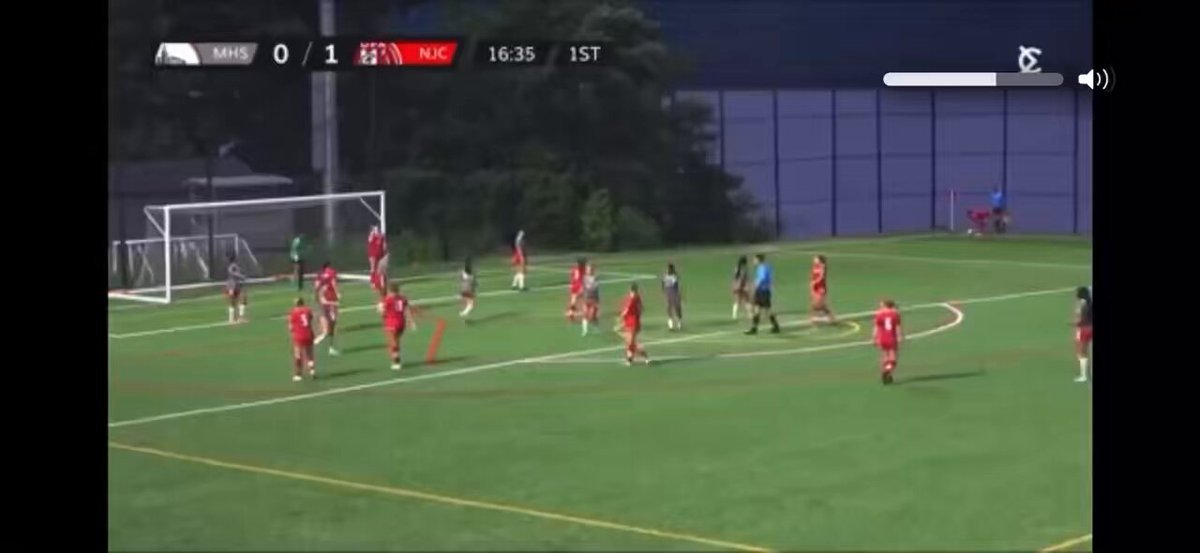
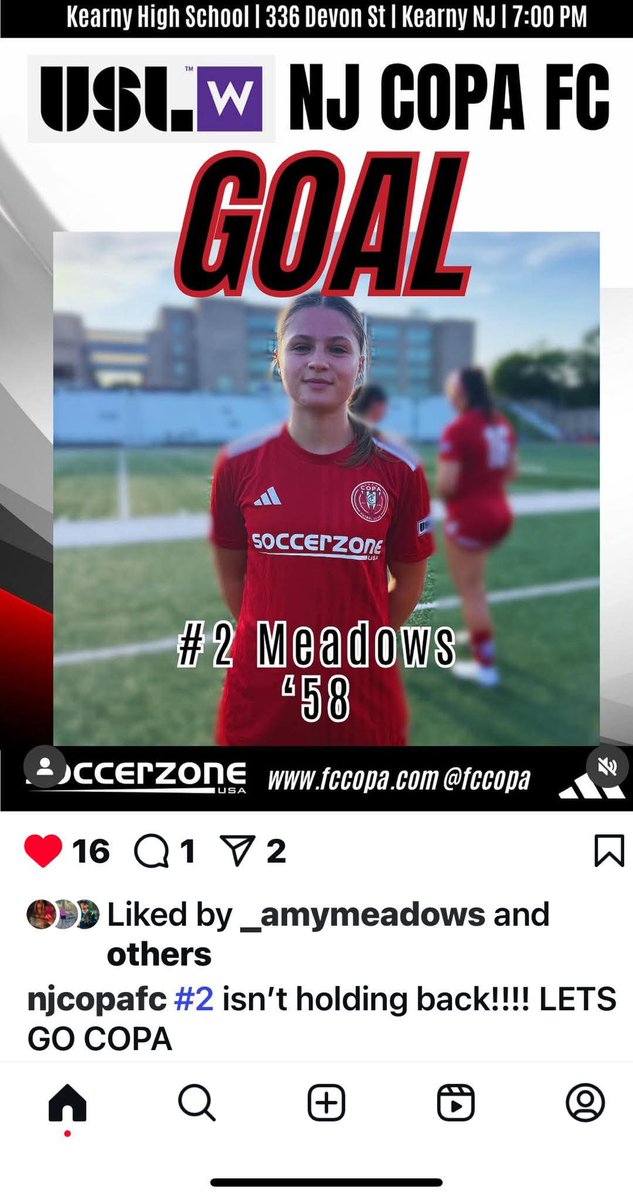
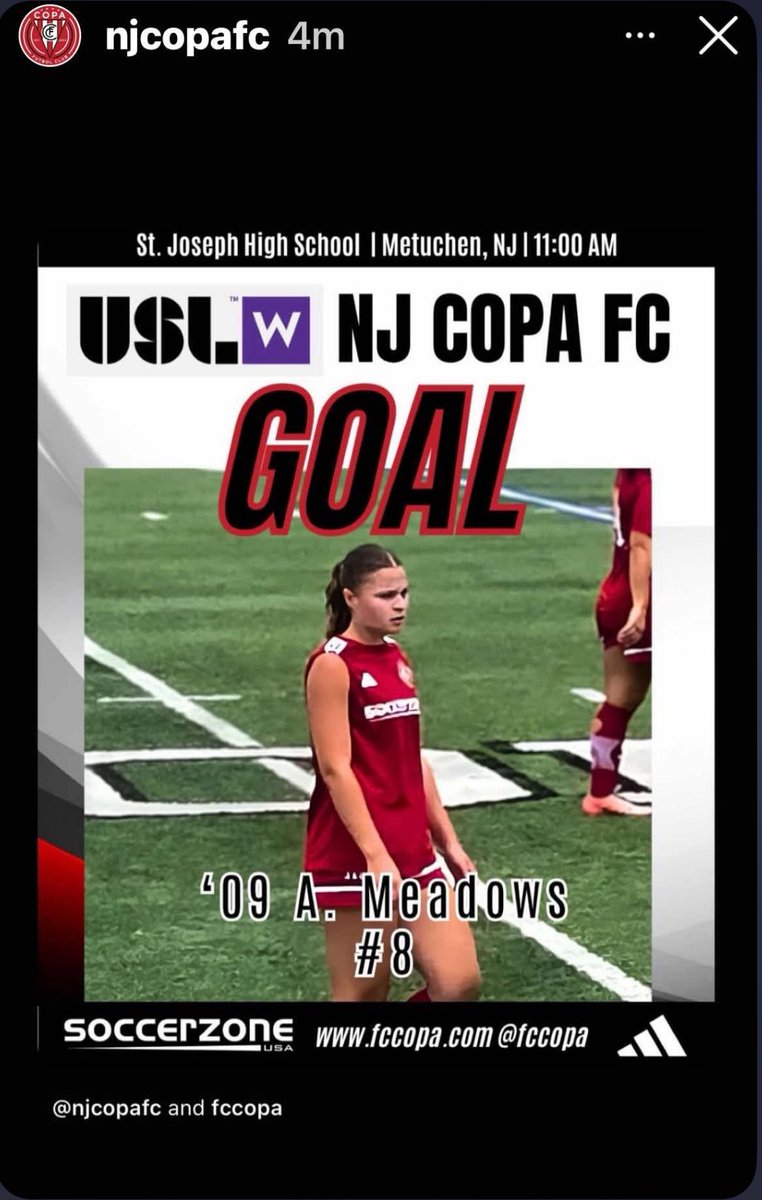
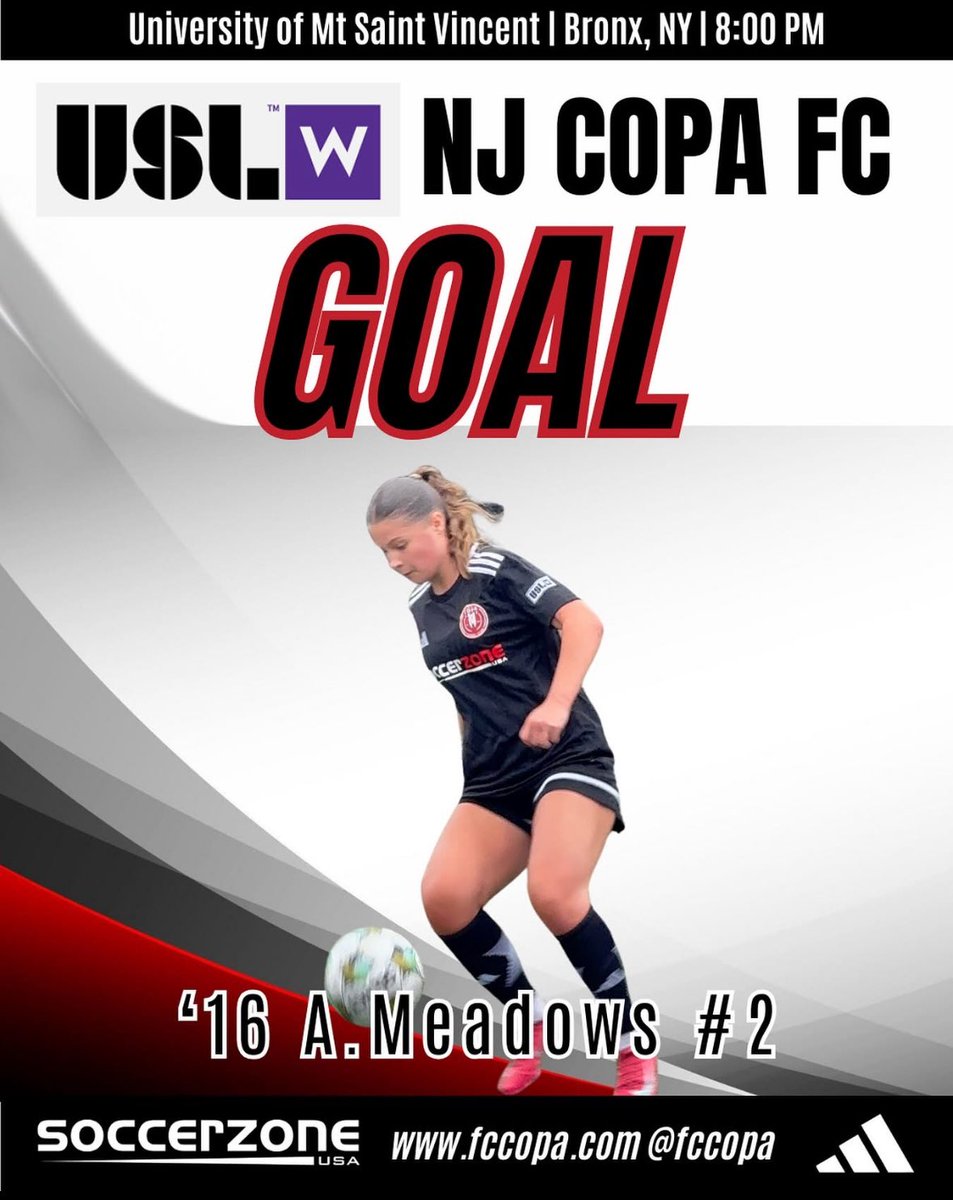
Four goals in six NJ Copa FC appearances for @_amymeadows.
Last night’s was a screamer!
1
6
64
Gareth Meadows retweeted

23 Jun 2025
Two days to SCREENPIT! Are your loglines ready?
You never know who might drop in
Screenpit emails a large list of producers/execs to alert them
You can help by tagging an exec with one of our tweets about the event
Wednesday 8–8 PST
Rules found here: screenpit.org
1
3
20
1,223
19 Jun 2025
TV show title sequences that you never tire of and will never skip through?
For me it’s this (amongst others):
1
4
77
11 Jun 2025
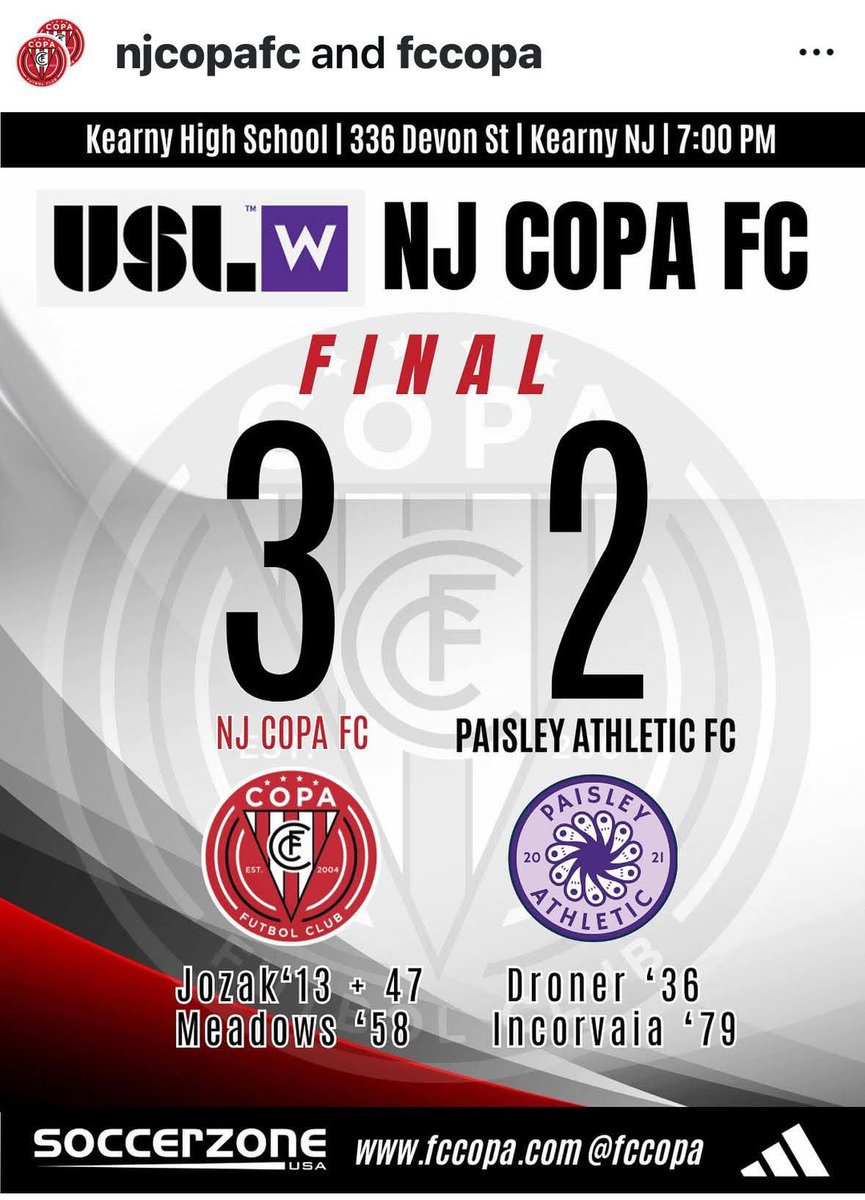
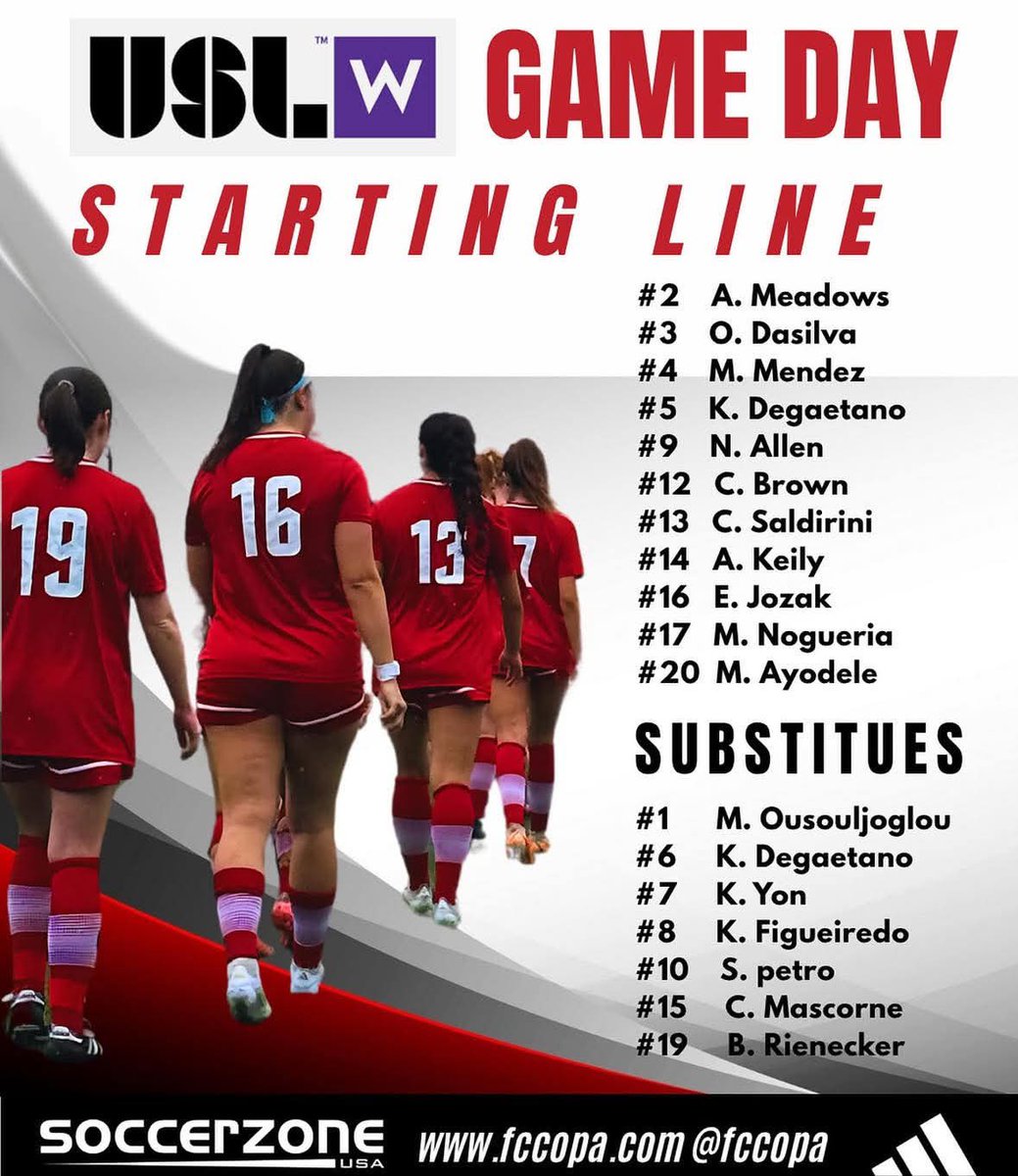
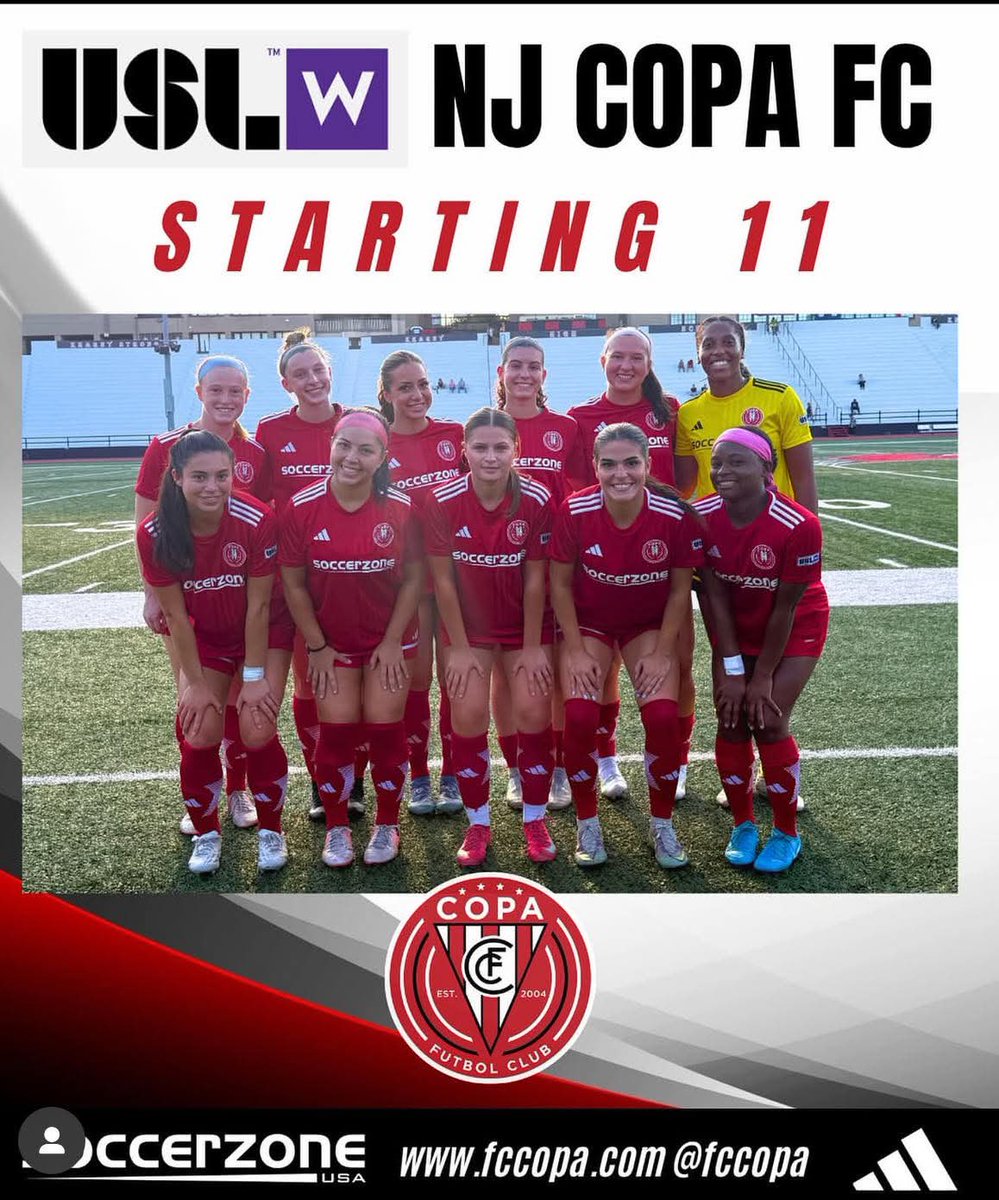
Hugely proud of @_amymeadows. 2nd appearance for NJ Copa FC - complete with an assist & a classy winning goal - in a 3-2 victory over table toppers Paisley Athletic.
Great to see her using her creativity & dynamism to give some of the top players in her conference a torrid time.
5
98
7 Jun 2025
So proud of my daughter @_amymeadows today.
Made her USLW debut in New Jersey Copa FC’s starting lineup v AC Connecticut, and scored the opening goal in a 1-1 draw.
1
6
204
27 May 2025
Received the amazing news last night that one of my scripts is still in consideration for Birdie Pictures/Matriarch Productions’ Grass Routes comp. In the top 5% of almost 2k entries. Chuffed with that!
Best of luck to everyone who’s still in the mix going to the final stages.
2
84