
Joined October 2009
- Tweets 1,378
- Following 508
- Followers 827
- Likes 1,060
89 Photos and videos








Gareth Phoenix retweeted

12 Aug 2024
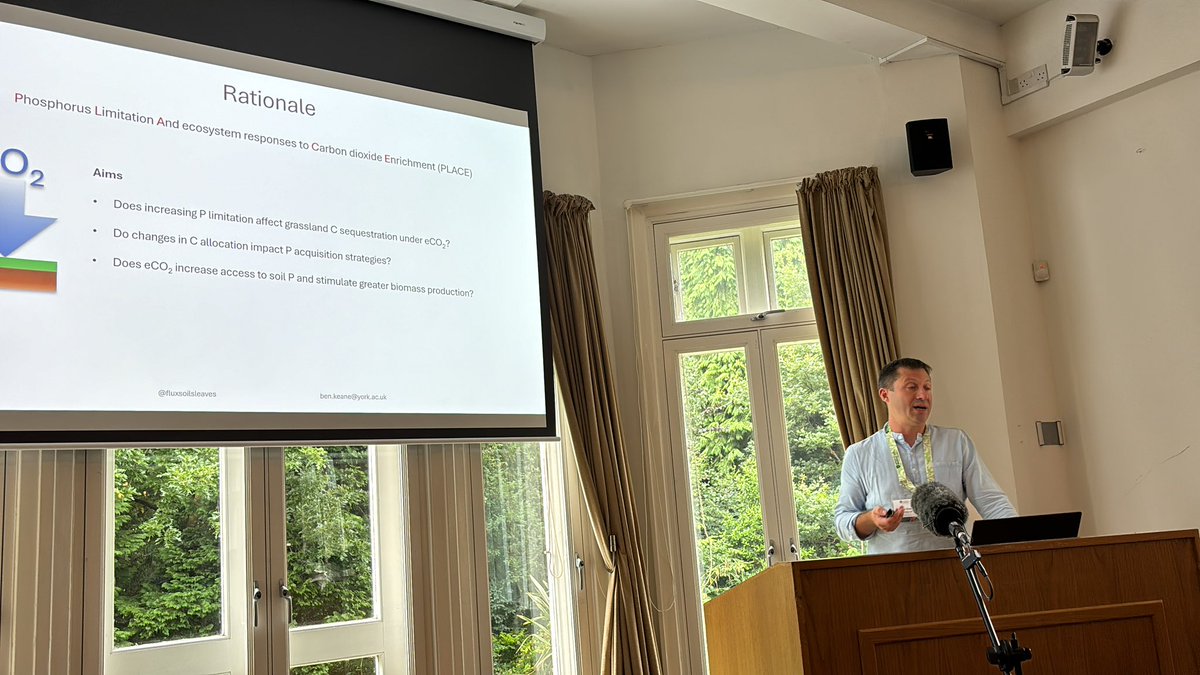
Now we’re looking at how microbial competition for P determines the responses in grasslands to elevated CO2 with @fluxsoilsleaves - focusing on acidic vs calcareous grassland responses to changing atmospheric CO2 @GarethPhoenix @PPS_UoS @BiologyatYork
1
5
390
Gareth Phoenix retweeted

18 Jun 2024
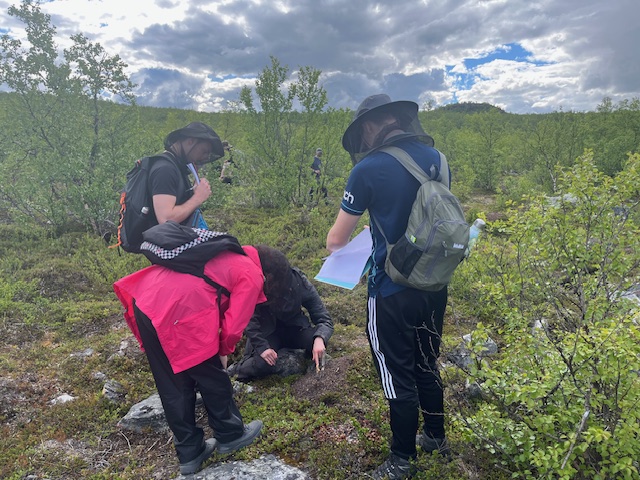
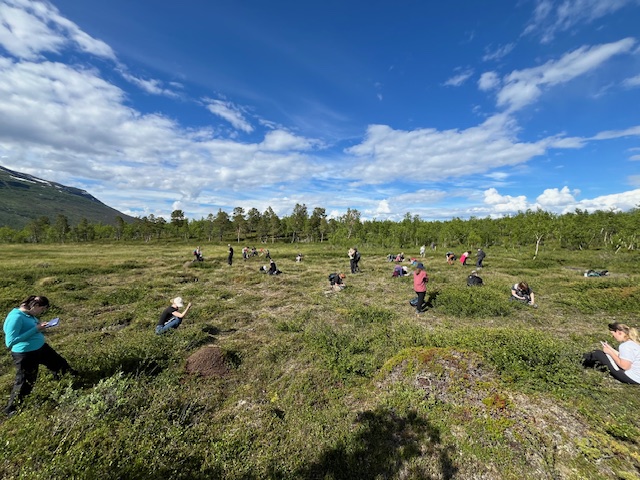
Another day at the @sheffielduni Arctic field course. Group projects and data collection, from wood ant behaviour to structure in arctic ecosystems. @GarethPhoenix @DrHollyCroft @sheffieldplants @PPS_UoS
3
8
580
Gareth Phoenix retweeted

4 Apr 2024
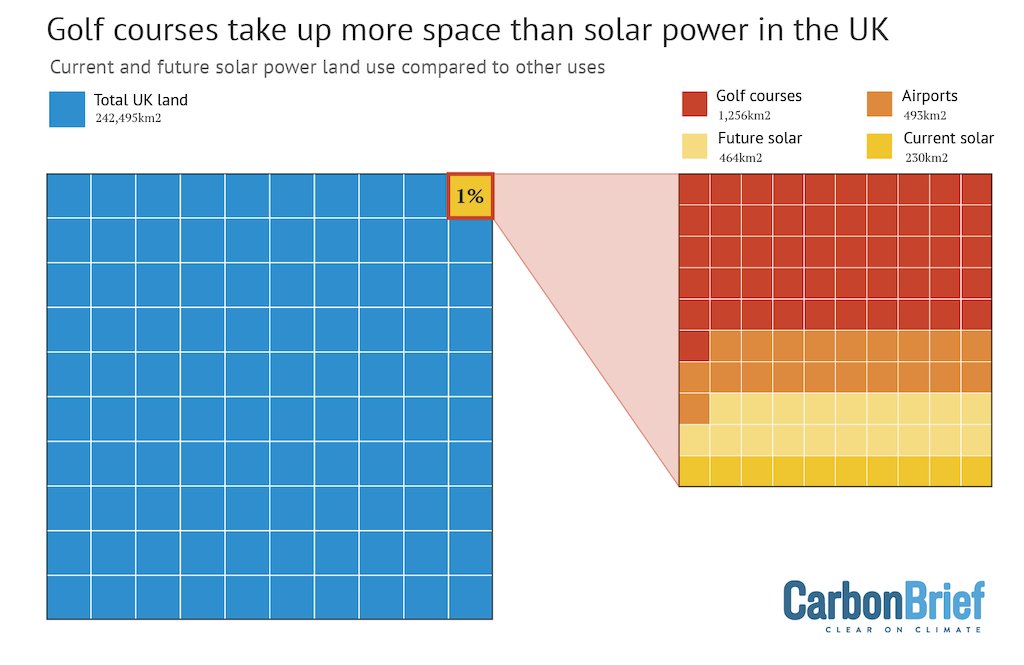
Your regular reminder that solar farms take up less of the UK than golf courses - even on a pathway to net-zero
carbonbrief.org/factcheck-is…
66
543
1,723
149,647
Gareth Phoenix retweeted
11 Mar 2024
🚨BREAKING🚨
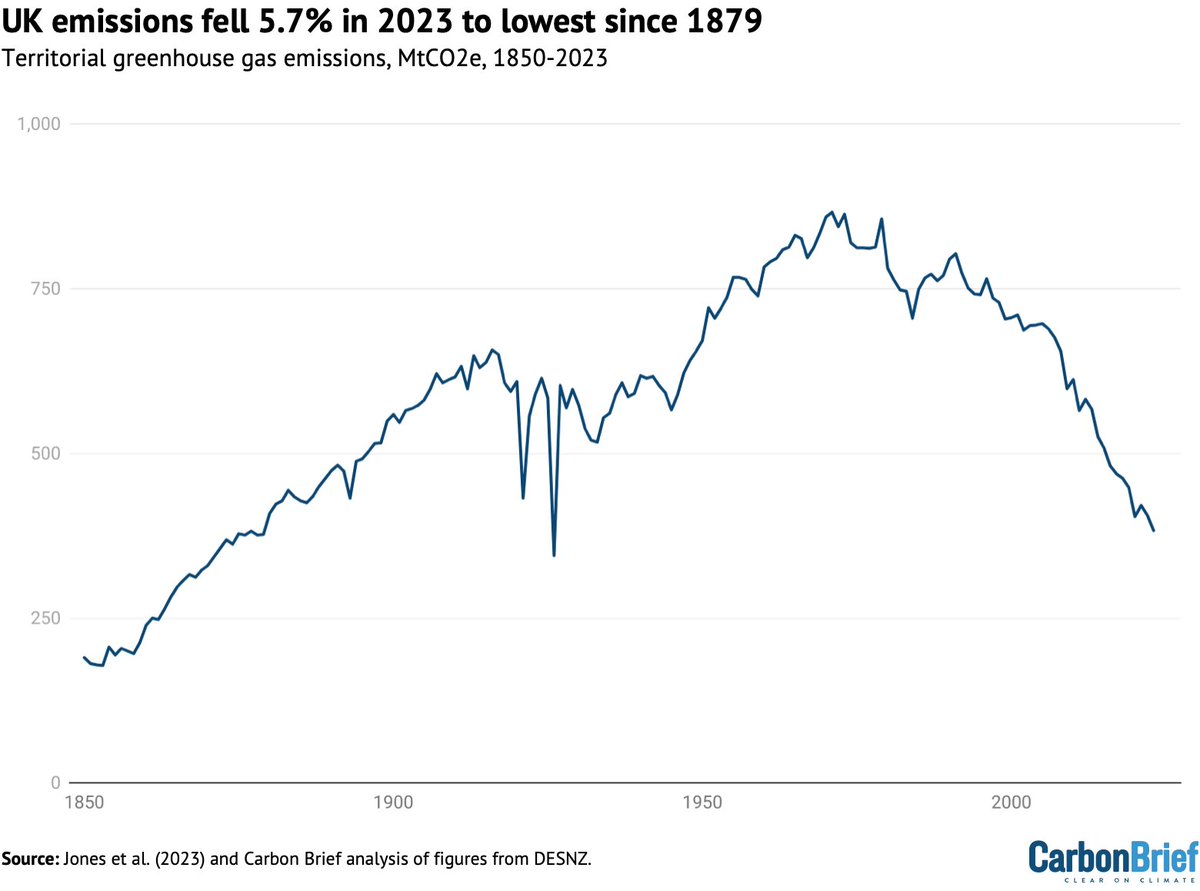
UK emissions in 2023 fell to lowest since 1879, new @CarbonBrief reveals
💷Emissions now 53% below 1990, as GDP up 82%
❤️🔥Drop in 2023 largely unrelated to policy
⛰️Coal now lowest since 1730s (!)
🚗Transport is largest sector, then buildings
⚡️Power now likely emits less than farms🐄
1/
carbonbrief.org/analysis-uk-…
109
726
2,381
822,992

23 Feb 2024
4
1
26
3,686
Gareth Phoenix retweeted

20 Jan 2024
NEW RESEARCH
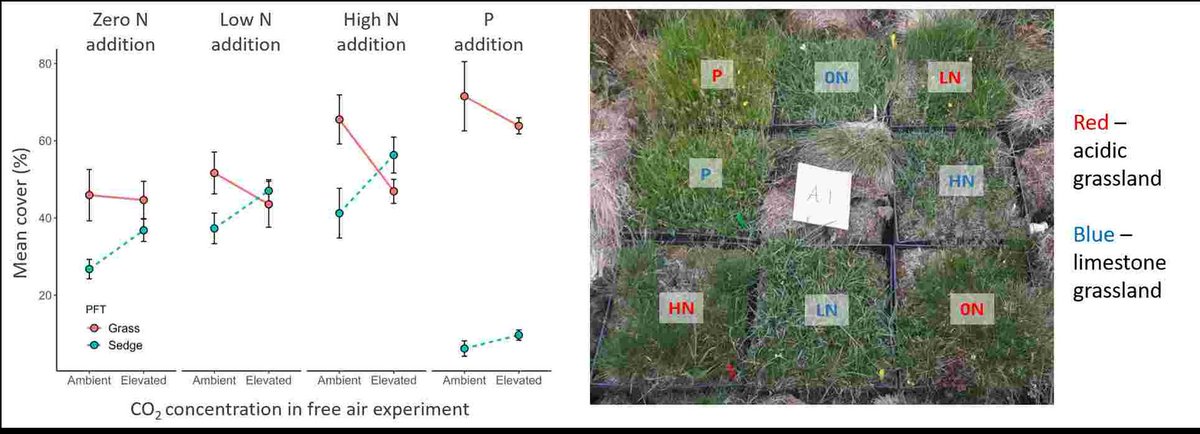
Elevated CO2 interacts with nutrient inputs to restructure plant communities in phosphorus-limited grasslands
📄 onlinelibrary.wiley.com/doi/… @Carbon_Chris95 @GarethPhoenix @fluxsoilsleaves @PPS_UoS @SoilEcolUoM @ECT_UK
7
11
1,794
Gareth Phoenix retweeted

8 Jan 2024
*NEW RESEARCH*
‘Elevated CO2 interacts with nutrient inputs to restructure plant communities in phosphorus-limited grasslands’
With @LukeEngland98 @GarethPhoenix @fluxsoilsleaves @torijanes @ProfJessDavies, Iain Hartley, Simon Smart, Jonathan Leake
onlinelibrary.wiley.com/doi/…
1/16
1
9
20
2,187
Gareth Phoenix retweeted

27 Nov 2023
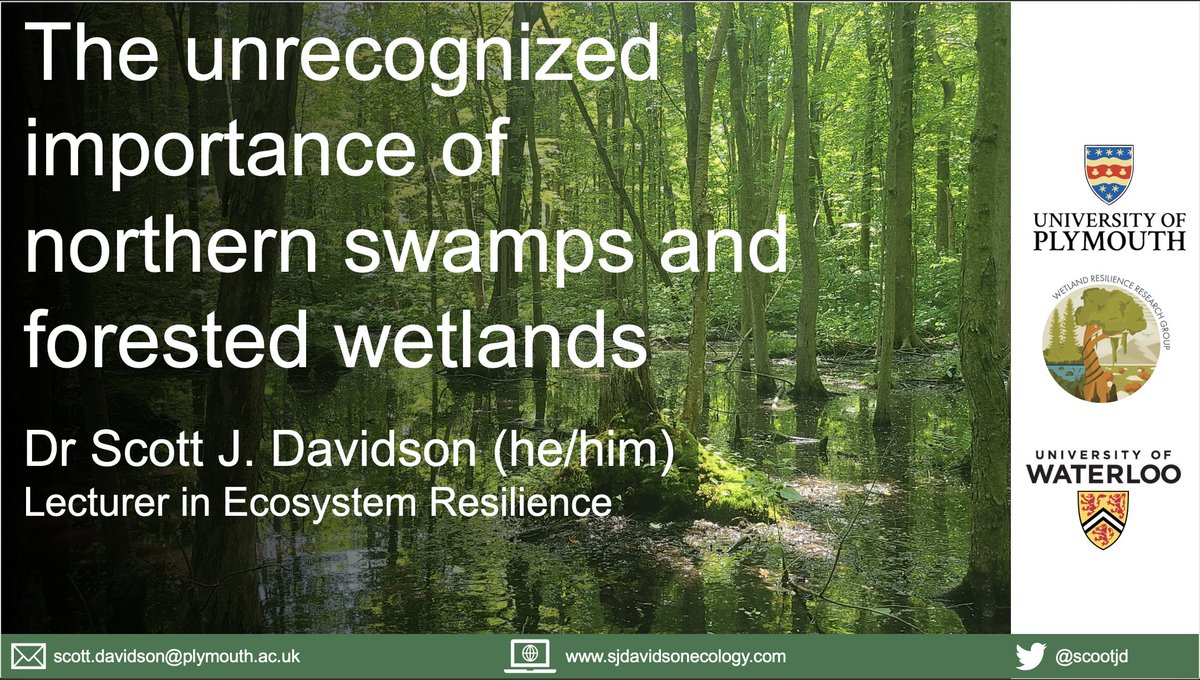
Really great day back in Sheffield to give a seminar for @PPS_UoS. Big thanks to @GarethPhoenix for the invite to speak about my favourite subject - swamps!
1
2
29
1,238
Gareth Phoenix retweeted
19 Oct 2023
NERC @ACCE_DTP #PhD: Changing arctic ecosystems: consequences of plant community change for ecosystem function. Supervisors @GarethPhoenix, @DrHollyCroft, Rob Mills (York), Jarle Bjerke (Norwegian Institute for Nature Research). findaphd.com/phds/project/ac…
1
1
2
274
Gareth Phoenix retweeted

10 Oct 2023
𝗔𝘁 𝘁𝗶𝗺𝗲𝘀, 𝗶𝘁 𝗰𝗮𝗻 𝗯𝗲 𝗼𝗯𝘃𝗶𝗼𝘂𝘀 𝘄𝗵𝗲𝗻 𝘀𝗼𝗺𝗲𝗼𝗻𝗲 𝗶𝘀 𝘀𝘁𝗿𝘂𝗴𝗴𝗹𝗶𝗻𝗴 𝘁𝗼 𝗰𝗼𝗽𝗲, 𝗯𝘂𝘁 𝘀𝗼𝗺𝗲𝘁𝗶𝗺𝗲𝘀 𝘁𝗵𝗲 𝘀𝗶𝗴𝗻𝘀 𝗮𝗿𝗲 𝗵𝗮𝗿𝗱𝗲𝗿 𝘁𝗼 𝘀𝗽𝗼𝘁.
Check in on those around you.
#WorldMentalHealthDay | #YouAreNotAlone | @samaritans
4,941
111,930
296,760
64,900,215
Gareth Phoenix retweeted

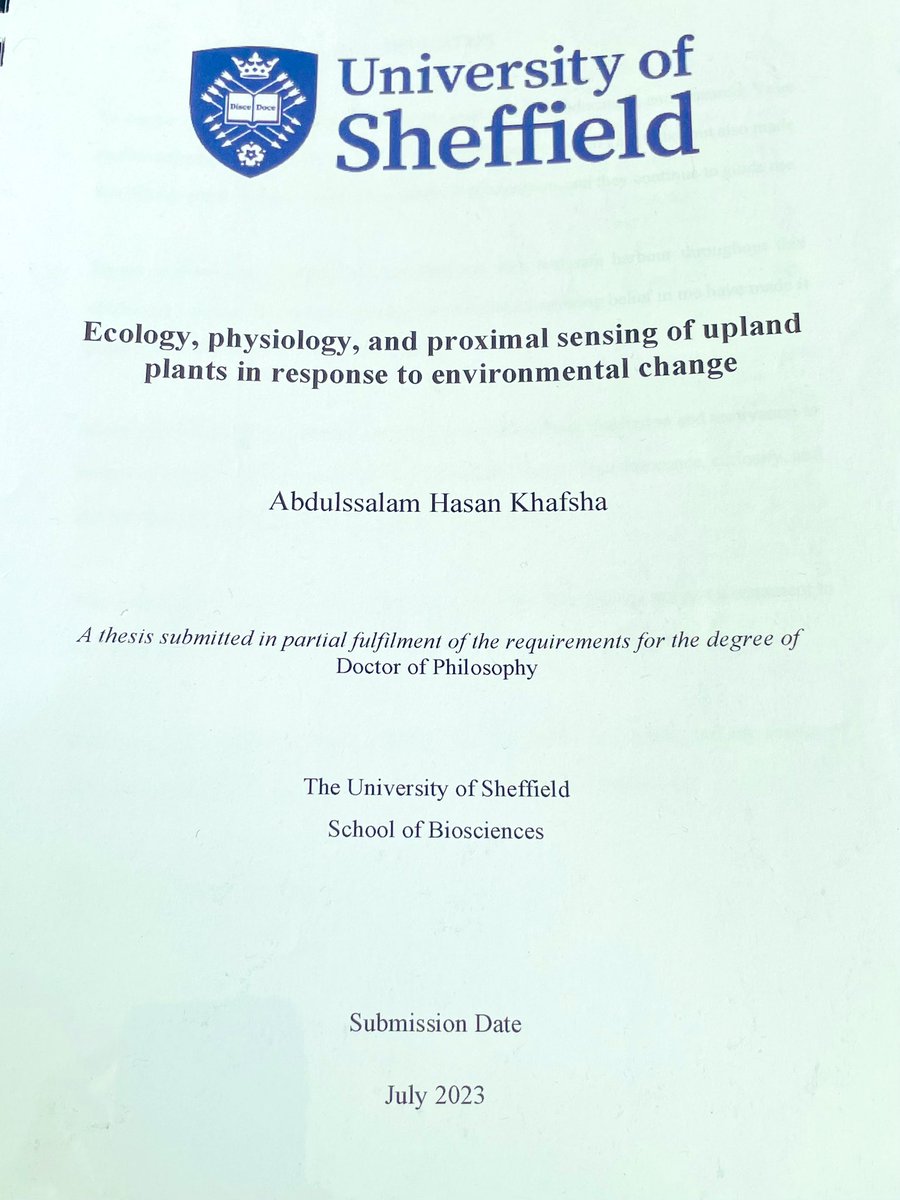
I am thrilled to announce that I successfully passed my PhD viva at @sheffielduni.
Huge thanks to my examiners, professors @sheffieldplants & @kmaseyk for an incredible experience.
Special thanks to my supervisors, professor @GarethPhoenix & Dr @DrHollyCroft .


7
4
26
3,684
Gareth Phoenix retweeted

11 Jul 2023
Mega fun recording The Magic of #Mushrooms🍄 for this week's @themonkeycage @BBCRadio4 🍄- Catch @robinince @ProfBrianCox @PhilNWang @MerlinSheldrake and myself chatting all things #Fungi 🍄, online now: bbc.co.uk/programmes/p0fwww6… @ScienceShef @PPS_UoS @field_lab_UoS
11
29
83
179,777
12 Jul 2023
Grassland responses to elevated CO2 determined by plant–microbe competition for phosphorus.
with @fluxsoilsleaves, Iain Hartley,
@Carbon_Chris95, Jonathan Leake, @MarcelHoosbeek, Franco Miglietta @PPS_UoS
rdcu.be/dgu66
⬇️
2
7
18
4,033
12 Jul 2023
Therefore, any C allocated below ground by plants simply serves to increase the soil microbial biomass, increasing competition for P between plants and microbes, and reducing acidic grassland plant growth.
1
1
194
12 Jul 2023
These findings may have further global implications, not just for understanding P-limited ecosystem responses to CO2, but also because the contrasting soil chemistries of the two grasslands are representative of ecosystem at contrasting stages of pedogenesis.
1
2
187