
#FBPE #Socialist #BrexitShambles #BrexitRuinedBritain #SaveOurNHS Never voted Tory. Labour have turned Blue. Turned Green from Red. I follow back good people.
Joined August 2022
- Tweets 33,532
- Following 4,401
- Followers 3,241
- Likes 31,465
293 Photos and videos


Gary L #GreenParty #SaveOurNHS #BrexitShambles retweeted

We live in a broken system which exploits the working classes, and that’s capitalism.
It’s even harder for working class people with protected characteristics.
It’s time to united and fight the real enemy, the elite.
30
9
28
1,426
Gary L #GreenParty #SaveOurNHS #BrexitShambles retweeted

Worst World Cup ever and it is down to these two corrupt assholes.

35
355
1,599
10,834
Gary L #GreenParty #SaveOurNHS #BrexitShambles retweeted

The Labour government do not have your best interests at heart.
15
92
609
6,905
Gary L #GreenParty #SaveOurNHS #BrexitShambles retweeted
Almost every great cuisine on earth was built on meat that had started to rot.
Take the Romans. They seasoned nearly every dish in the empire with the liquid from fish guts packed in salt and left in the sun for three months. The sauce was called garum, and they could not get enough of it.
It went on every table, from the cheapest kitchen to the emperor's own, the finest grades fetching more per jar than perfume. By any modern reading of the label, it was spoiled fish. The whole Mediterranean adored it, and its descendants are in your cupboard right now, in the fish sauce and the Worcestershire.
Garum was no freak exception. Look at almost any traditional culture and you find a prized staple that a modern food-safety officer would condemn on sight.
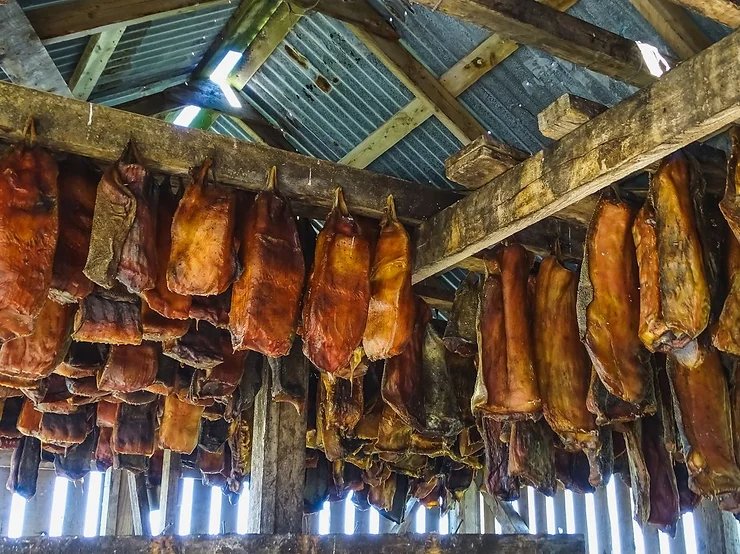
In Iceland they make hákarl, Greenland shark buried in gravel and fermented for months. The fresh shark is genuinely poisonous, so loaded with urea that eating it raw leaves you staggering as if drunk. The fermentation breaks the toxins down and turns a flesh that would harm you into a food that keeps for years.
In Greenland the Inuit pack whole seabirds into a sealskin and bury it under stones to ferment. The Swedes tin fermented herring so pungent it has to be opened outdoors.
And it is not only the far north. The British gentry hung their pheasant until the bird was frankly high, right on the edge of rot, because that was when the flavour was best. A dry-aged steak is beef left for weeks until a crust of mould forms, scraped off before the butcher charges you a small fortune. Controlled decomposition, and the connoisseurs queue up for the funk.
None of this means your ancestors had iron stomachs you have somehow lost. You have the same stomach. You are simply frightened to use it.
We entered the meat business as scavengers, long before we were good hunters, working over the carcasses other predators left and cracking the bones for marrow. The body still carries the receipt. The human stomach runs at a pH of around one and a half, as savagely acidic as a vulture's, sitting right down among the dedicated eaters of carrion.
That acid is a weapon. It evolved to destroy what breeds in a dead body before it ever reaches your gut. You are built to handle meat well past fresh.
Which puts that little date on the packet in its place. The sell-by date is a recent commercial convenience, not a cliff edge beyond which food turns to poison at the stroke of midnight.
The honest part, because it matters. Fermentation and ageing are controlled transformations, a world away from mince forgotten in a warm car. Some spoilage is genuinely dangerous, and a few of these traditions can kill if done carelessly. The skill was always in knowing the difference.
But a species that built rotted-fish sauce and fermented shark into its proudest cuisines was never going to be felled by a steak two days past its date. This is what you are for.
They were scavengers with the gut to match. And so, under all the shrink-wrap, are you.
22
103
408
8,019
Gary L #GreenParty #SaveOurNHS #BrexitShambles retweeted

Welcome to Starmerism. Turning the UK into digital ID totalitarianism.
Jun 15

Under the pretext of banning under-16s from social media to “protect the children,” Keir Starmer has snuck in some small print that should make Americans really glad that all the tea was dumped into the Boston harbour back in 1773.
Adults will still be “allowed” to use the platforms… once they’ve handed over facial recognition, digital ID, passport, or credit card details to prove they’re not a child.
So it was never really about the kids. It was about making sure every single person who wants to speak online has to first tell the government exactly who they are.
Step 1: Link your real identity to your speech
Step 2: police have a lovely searchable database of every spicy take, meme, or complaint you’ve ever posted
Step 3: bring in the consequences - arrests, travel ban, debunking, for out-of-bounds speech
The UK is in a free fall.
16
70
272
9,161
Gary L #GreenParty #SaveOurNHS #BrexitShambles retweeted

It was never about the kids.
It was always universal Digital ID.
Jun 15

JUST IN: UK Government clarifies adults will still be able to use social media by verifying their identities with digital IDs, facial recognition, passports and credit cards.
7
112
304
2,908
Gary L #GreenParty #SaveOurNHS #BrexitShambles retweeted

Believing that billionaires and trillionaires are fighting for the working class requires an almost comical level of delusion.
237
1,235
6,866
74,334
Gary L #GreenParty #SaveOurNHS #BrexitShambles retweeted
As an old school liberal, I fundamentally believe in individual and community freedom. I am completely opposed to big government trying to enforce their often nefarious rules upon society. Governments should serve, not rule. They should fix the genuine problems in the country rather than tying everyone up with controlling, surveillance, restrictions and punishments. And sadly, this is the Labour government in a nutshell.
10
36
118
2,718
Gary L #GreenParty #SaveOurNHS #BrexitShambles retweeted

Well, well, well.
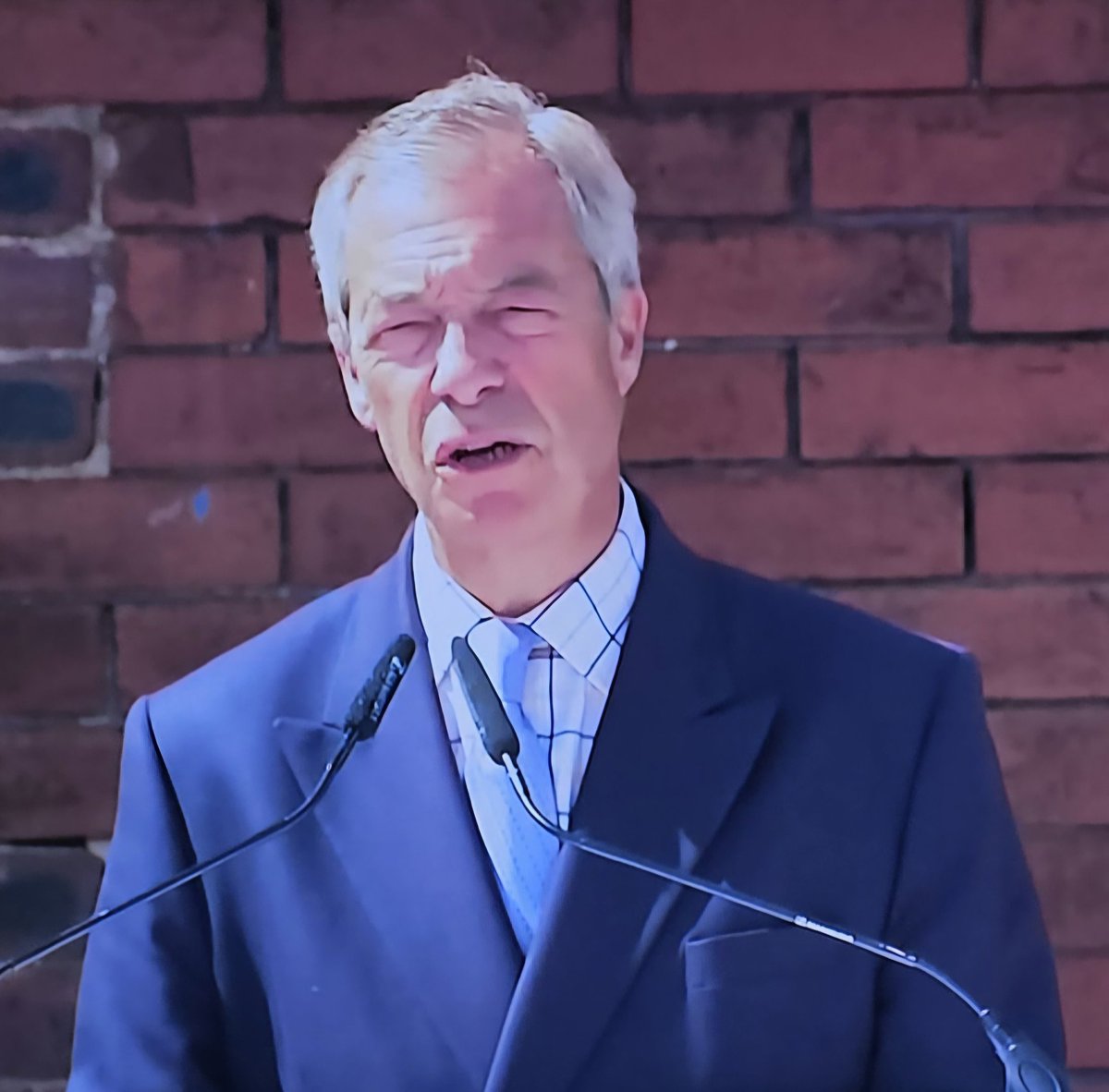
Farage now plans to "cap the recruitment of foreign doctors to ensure that British patients are not being put at risk".
So foreign doctors are a danger to patients?
Stupid fucking racist twat!
Foreign doctors save lives every day in the NHS.
@Nigel_Farage
618
1,918
5,105
52,953
Gary L #GreenParty #SaveOurNHS #BrexitShambles retweeted

Jun 15
Today’s ruling to uphold the UK government's proscription of Palestine Action is a travesty of justice.
One by one, the very foundations of our democracy are being destroyed — all to oil the wheels of British complicity in genocide.
Our government has participated in the mass murder of Palestinians. That is the real crime, and we must bring about justice.
782
4,002
12,537
185,975

Environment Secretary Emma Reynolds has just blocked a deal letting Thames Water dump sewage illegally until 2030.
We were on BBC News this morning to explain what this means.
We don't want US hedge funds and Trump mega-donors playing fast and loose with the water supply for 16 million people.
107 MPs have signed our MPs’ letter asking Ofwat to drop the deal and take Thames Water into Special Administration.
Has your MP signed the letter? vist.ly/57wgf
14
215
385
4,856
Gary L #GreenParty #SaveOurNHS #BrexitShambles retweeted

13h
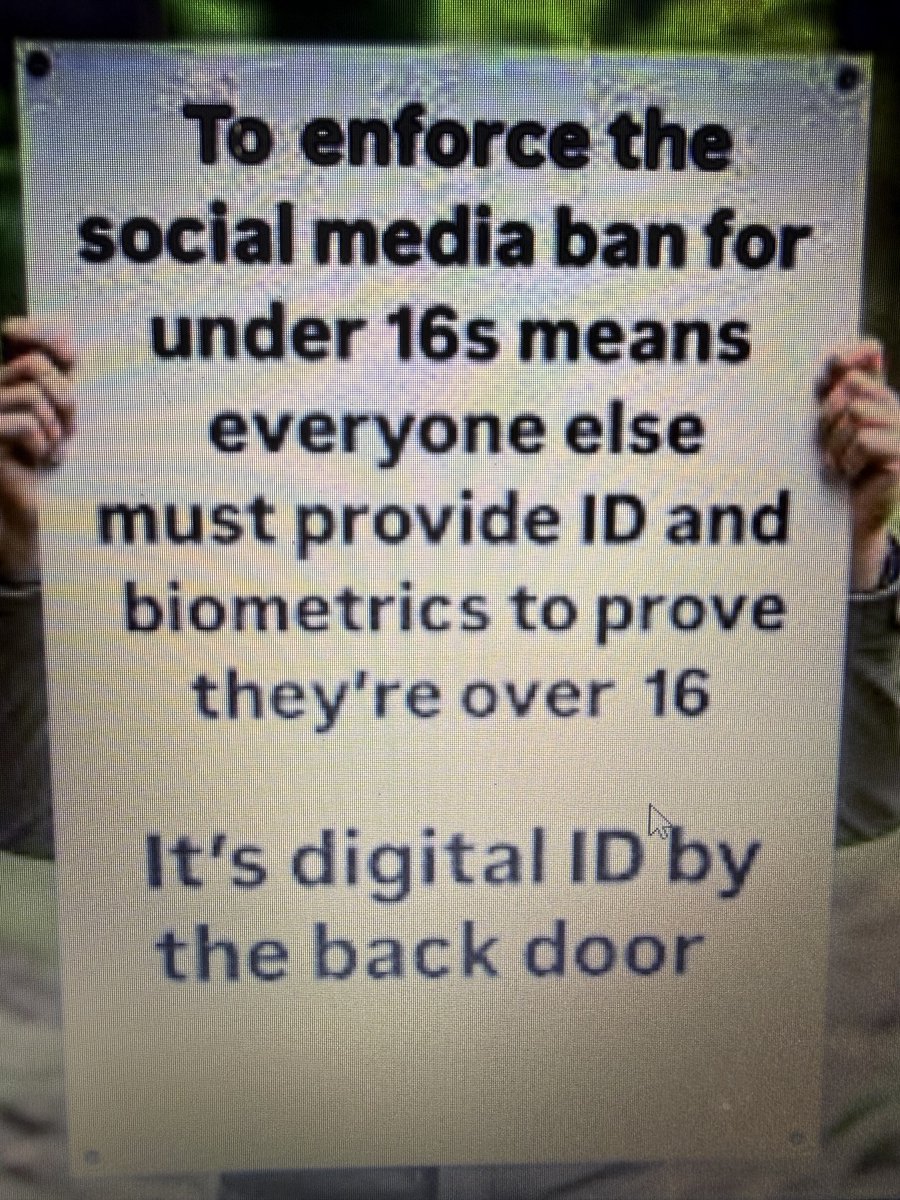
Building your digital prison around you . #
Starting with the children
32
379
812
8,220
Gary L #GreenParty #SaveOurNHS #BrexitShambles retweeted

17h
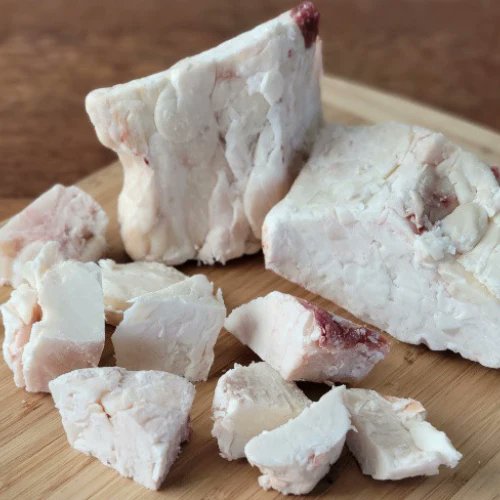
Ask anyone under forty what suet is, and enjoy the silence.
It is the hard, crumbly fat from around the kidneys of beef, and for centuries it was the backbone of British cooking. Shredded into flour it made the steamed crust of a steak and kidney pudding, the dumplings on a stew, the jam roly-poly and spotted dick that sent children to bed warm on the coldest nights of a wet island. Cheap, filling, and the obvious use for a fat the butcher could barely give away.
Then steaming fell out of fashion, suet was recast as something faintly horrifying, and the puddings slid off the nation's tables. Now try finding the real thing. Many supermarkets stock only vegetable suet, a tub of palm oil doing an impression of the article. Ask a butcher for raw beef suet to render down yourself and you will get a pause and a trip out the back. The genuine steamed, suet-crusted pudding has all but vanished from British kitchens.
What sits on the shelf in its place is an abomination. A pallid factory pudding in a tin or a plastic dome, the crust gone to glue, a few cubes of reconstituted something afloat in brown sludge, ready to be microwaved into a grey, steaming apology in minutes. They kept the name and binned everything the name ever meant.
The real thing still asks for next to nothing. Beef suet from a butcher who will fetch it, a basin, a cloth and a couple of hours. The cold and the wet have not gone anywhere. We just stopped answering them, and let a factory sell us a parody instead.
46
191
1,090
15,331
Gary L #GreenParty #SaveOurNHS #BrexitShambles retweeted

Ten years ago today Farage unveiled his racist "Breaking Point" poster.
Within hours a far-right sympathiser murdered the MP Jo Cox.
Instead of apologising, Farage went on to verbally attack her husband.
Farage has always been scum.
Never Vote Reform.

152
2,101
5,497
50,647
Gary L #GreenParty #SaveOurNHS #BrexitShambles retweeted

#Brexit #BrexitBlackHole #BrexitDisaster #BrexitChaos #BrexitHasFailed #BrexitBrokeBritain #BrexitReality #Rejoin #RejoinEU @borisjohnson @michaelgove @nigel_farage

Ten years after the vote, we have some new slogans for the #Brexit bus
“The infamous bus should be sent out again, bearing the slogan “Brexit is costing us £3,460m a week”
#BrexitBreaksBritain theguardian.com/politics/202…
14
18
305
Gary L #GreenParty #SaveOurNHS #BrexitShambles retweeted

We have the most authoritarian government in history.
They didn't tell you that in the manifesto.
7
72
232
1,748
Gary L #GreenParty #SaveOurNHS #BrexitShambles retweeted

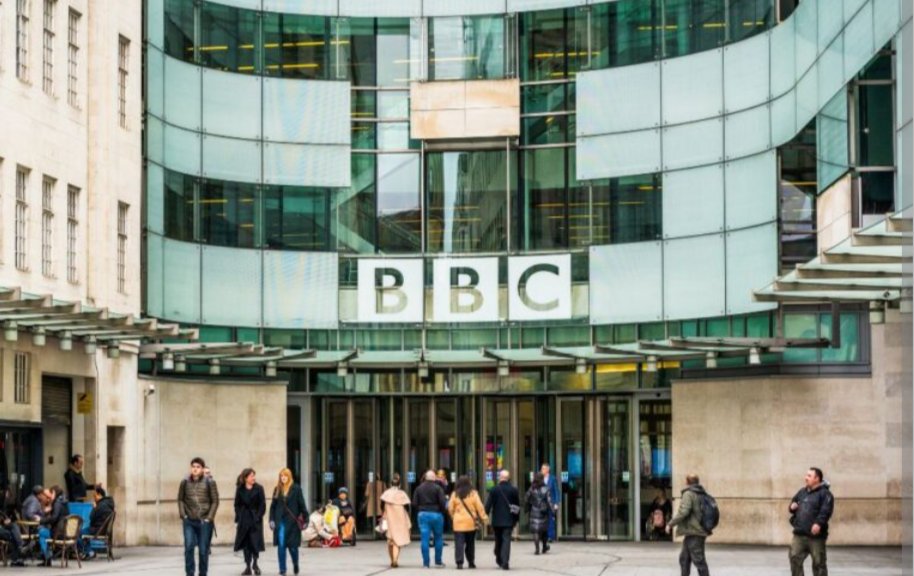
Defund the BBC.
Licence payers should not be forced to fund a state propaganda service.
31
291
551
4,228
Gary L #GreenParty #SaveOurNHS #BrexitShambles retweeted

Jun 15
670
17,796
104,072
749,128
Gary L #GreenParty #SaveOurNHS #BrexitShambles retweeted

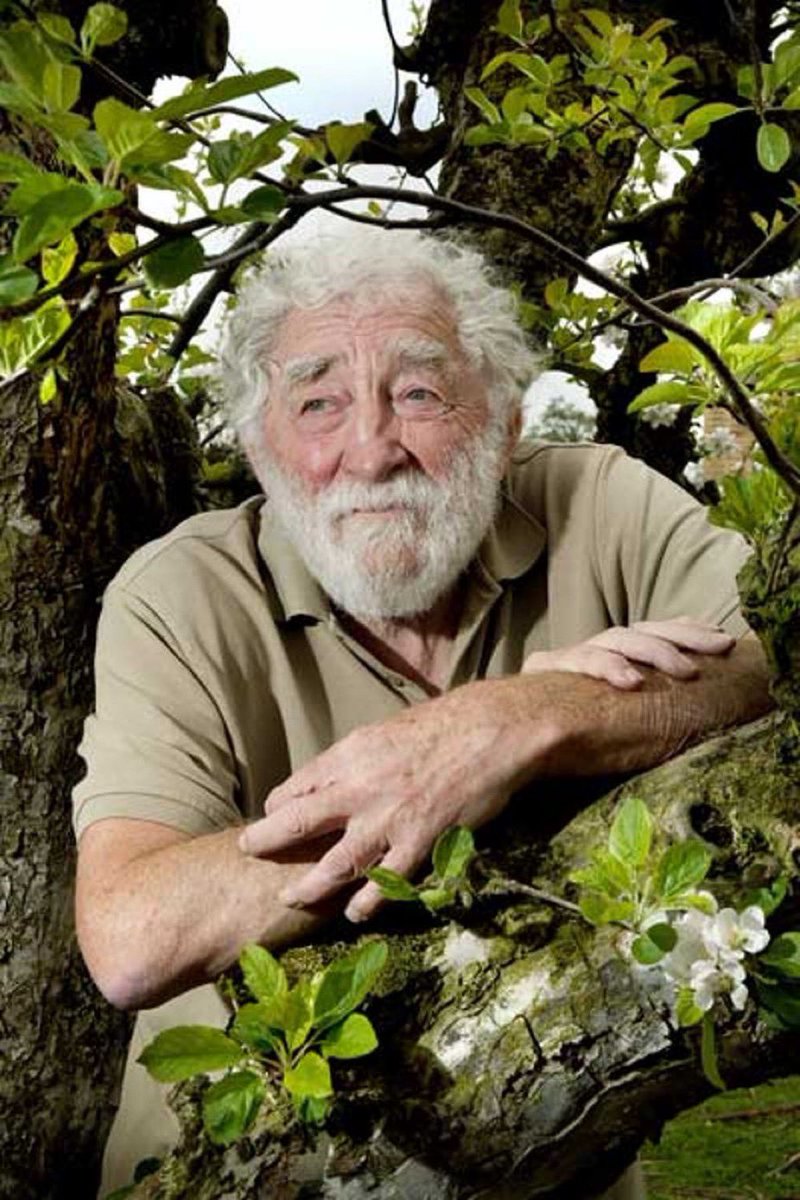
"Global warming is part of natural cycle and there's nothing we can actually do to stop these cycles. The world is now facing spending a vast amount of money in tax to try to solve a problem that doesn't actually exist."
Dr David Bellamy was 100% correct.
23
263
593
3,571
Gary L #GreenParty #SaveOurNHS #BrexitShambles retweeted

Children have been abandoned by Labour 🥀
The Tories started it, Labour are continuing it.
Reform will finish off vital public services that young people depend on:
- Youth Clubs
- NHS
- Welfare
- Libraries
- Leisure facilities
Greens will protect these vital third spaces 🟩
Jun 15

BBC: “What was your screen time?”
Student: “Nine hours.”
BBC: “You’re gong to have a lot more time to fill. What will you do?”
Student: “Stare at a wall.”
17
66
218
3,491