
CONTENT CREATOR • PROJECT RESEARCHER • BUSINESS DEVELOPMENT MANAGER. HIRE ME
Joined October 2020
- Tweets 4,427
- Following 492
- Followers 373
- Likes 11,218
299 Photos and videos











Pinned Tweet

16 Oct 2025
Building Verifiable Reputation for On-Chain Professionals with @0xIntuition
@0xIntuition use cases are far more than this. It generally a way of life.
but I picked the verifiable reputation as my non negotiable use case.
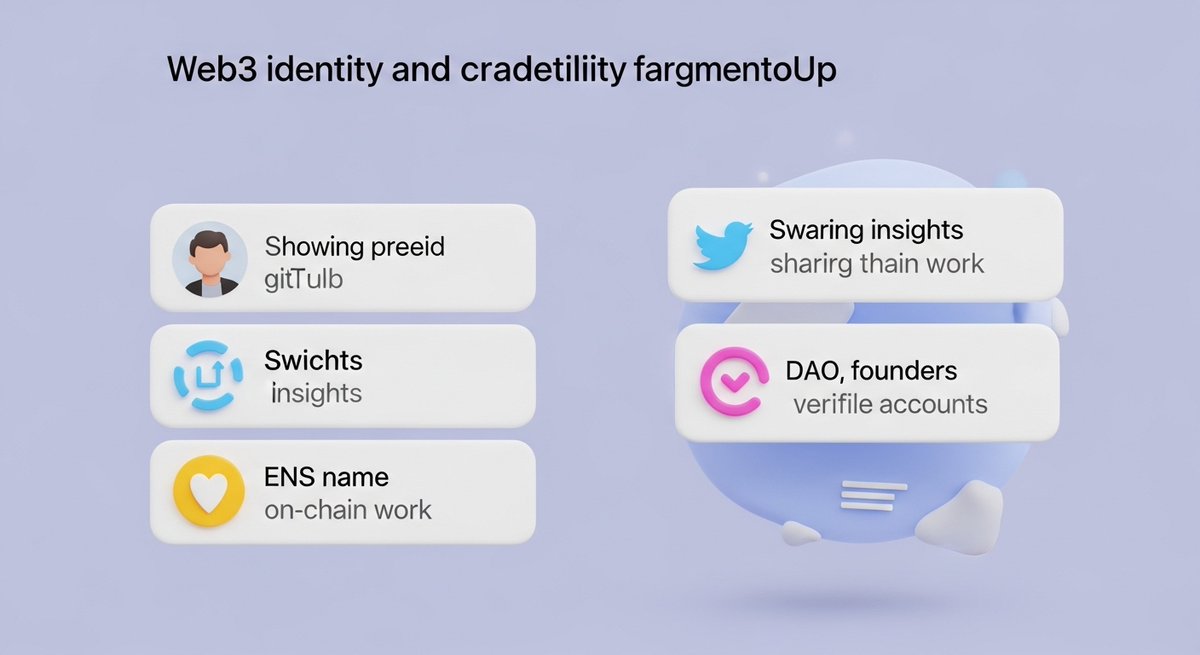
We all faces the same problem like this in Web3 where identity and credibility are fragmented.
A developer might have:
A GitHub profile showing code.
A Twitter account sharing insights.
An ENS name for on-chain work.
But there’s no single place to verify all these are connected to the same person.
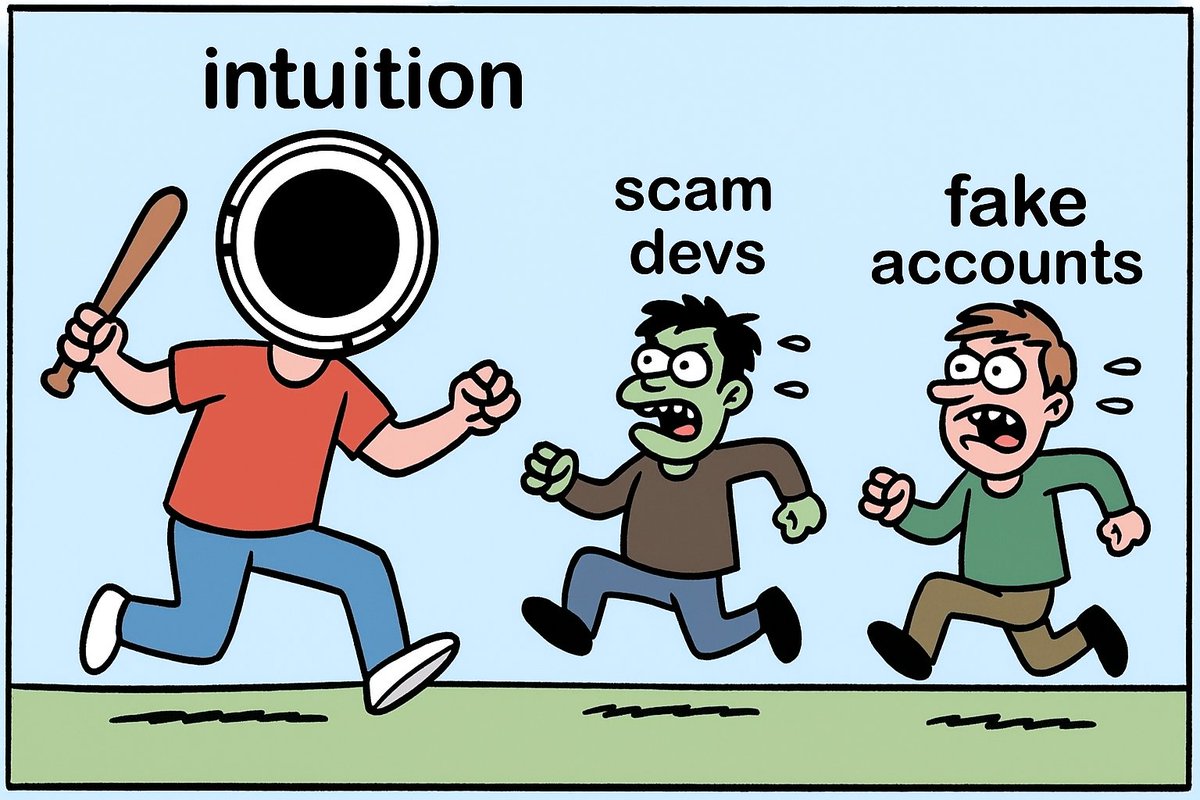
As a result, DAOs, founders, and investors waste time verifying people. Scams and fake accounts rise. And this causes abstinence and chase people away from investing.
Then intuition comes in as the solution. How? Here it is 🤸
Intuition makes trust a data layer.
Each claim about a person or project can be represented, connected, and verified on-chain.
A professional can create a $TRUST Graph that links:
GitHub account - Code contributions
ENS name - On-chain addresses
X account - Community interactions
DAO roles - Verified projects
Each link is a verifiable statement, backed by other trusted users.
When others interact with you, they see your trust footprint instead of only your words.
This make me remember @0xbilly words that says
{You see things that others don't.
So, trust what you know to be true.
Leverage the information asymmetry.
Make decisions based on that - not based on the consensus of the herd.
Become an outlier, or suffer the inevitable fate of mediocrity.
By definition, you cannot become 'great' by being just another sheep}. I think you are getting it now?
Let's go by this example here:
Alice, a Reliable developer, creates her Intuition profile.
She links her GitHub and ENS.
Her DAO teammates confirm her contributions on-chain.
Recruiters or collaborators can now check Intuition to see a trust-backed reputation map of Alice.
This eliminates fake devs, builds accountability, and speeds up trust in hiring or collaboration. You can now see the brainstorming chess intuition is playing.

7
1
26
788
General Salome retweeted

Jun 10
I’ve been exploring @gamerboyw lately, and I can honestly say it’s more fun than I expected.
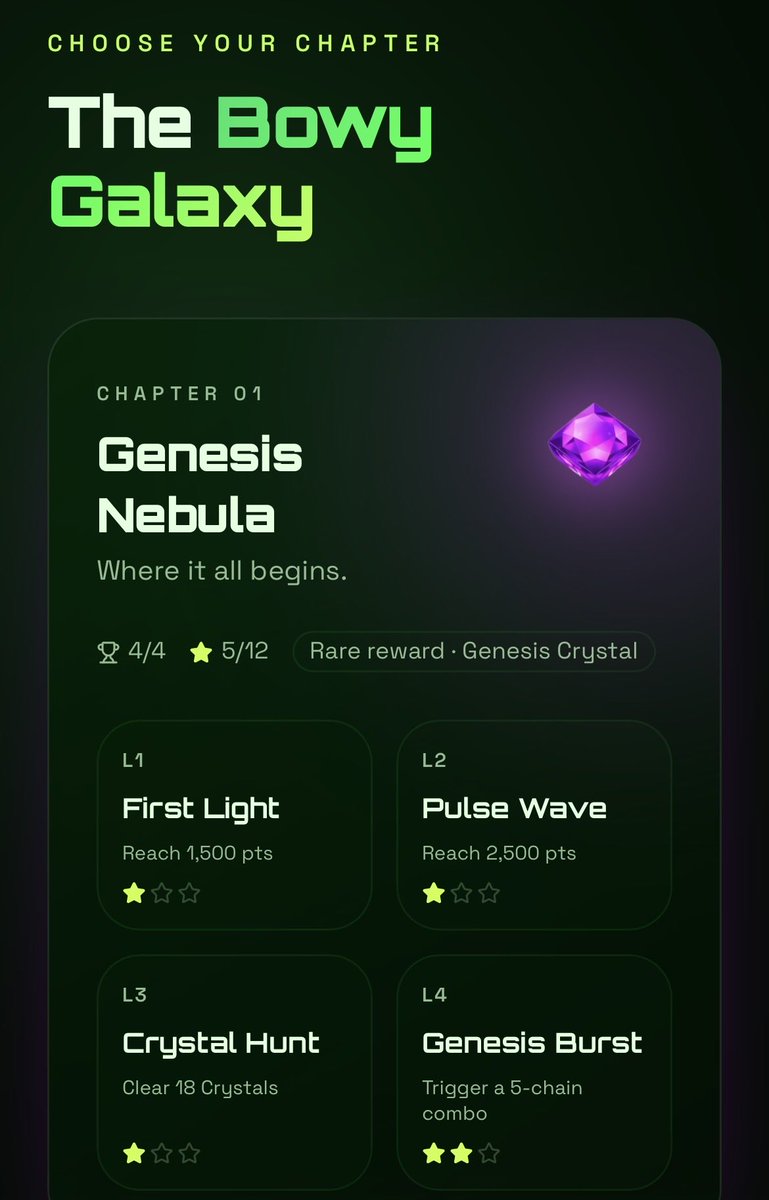
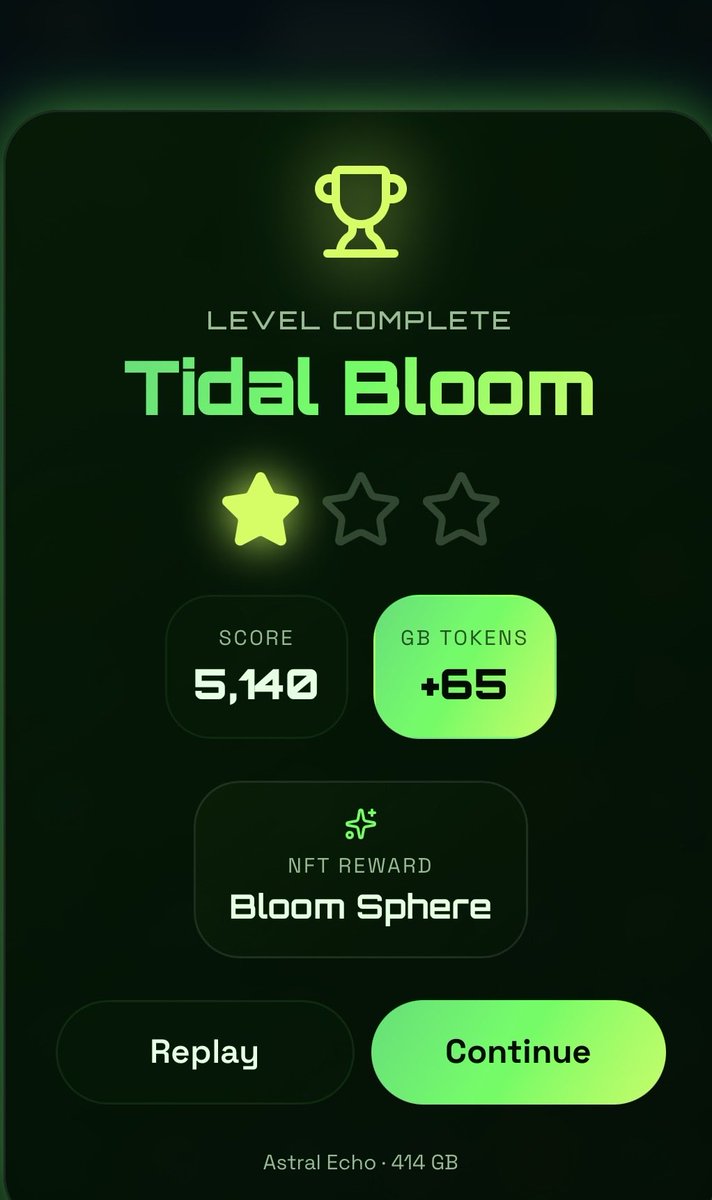
The game is structured into chapters, and each chapter contains 4 levels that must be completed before you can move on to the next stage of the adventure.
What’s interesting is that every level has a maximum of ⭐⭐⭐ 3 stars to earn. You don’t need a perfect score every time, but you must earn at least 1 star in each level to unlock the next one and continue your journey.
As you progress, the challenges become more interesting, requiring better strategy, smarter moves, and a little patience to master.
It’s simple enough for anyone to pick up, yet engaging enough to keep you coming back for “just one more level.”
Built on the Abey blockchain, GameBowy is creating a fun way for players to explore gaming and Web3 in one experience.
So, who’s currently playing?
What chapter are you on?
Have you managed to get 3 stars on every level?
What’s been your favorite challenge so far?
If you haven’t tried it yet, head over to gamebowy.xyz, connect your wallet, and start your adventure today.
Let’s see how far you can go!
Join us on telegram 🔗t.me/cherrys?start=invite_yL… to connect with other players, stay updated, and be part of the journey.
@gamerboyw @AbeyFoundation
33
8
46
1,298
General Salome retweeted
Jun 12
I was supposed to play @gamerboyw for just a few minutes.
That was the plan.
But Chapter 2, Level 4 had other ideas.
I kept telling myself, “One more try and I’m done.”
Then another try and another.
Before I knew it, I was fully focused on clearing the level and moving on to the next chapter. I just couldn’t leave without beating it.
That’s what I’ve enjoyed most about GameBowy so far. It’s the kind of game that’s easy to pick up, but once you’re in, you genuinely want to keep going.
Every chapter comes with 4 levels to complete, and each level offers up to ⭐⭐⭐. To move forward, you need to earn at least 1 star in every level. Sounds simple, but some levels will definitely test your patience and strategy.
What I like is that it doesn’t feel complicated. You’re just playing, challenging yourself, and having fun while progressing through the game.
Have you ever started a level thinking it would take a minute, only to realize you’ve been trying to beat it for much longer?
That’s been my GameBowy experience.
If you’re already playing, what chapter are you on right now?
If you haven’t tried it yet, maybe give it a shot and see if you can get past the level that had me stuck.
Join the GameBowy Telegram community 🔗t.me/cherrys?start=invite_yL… and let’s compare progress, share strategies, and celebrate those hard-earned wins together.
@gamerboyw @AbeyFoundation
49
8
59
1,416
General Salome retweeted
I never planned to become a crypto trader 👀
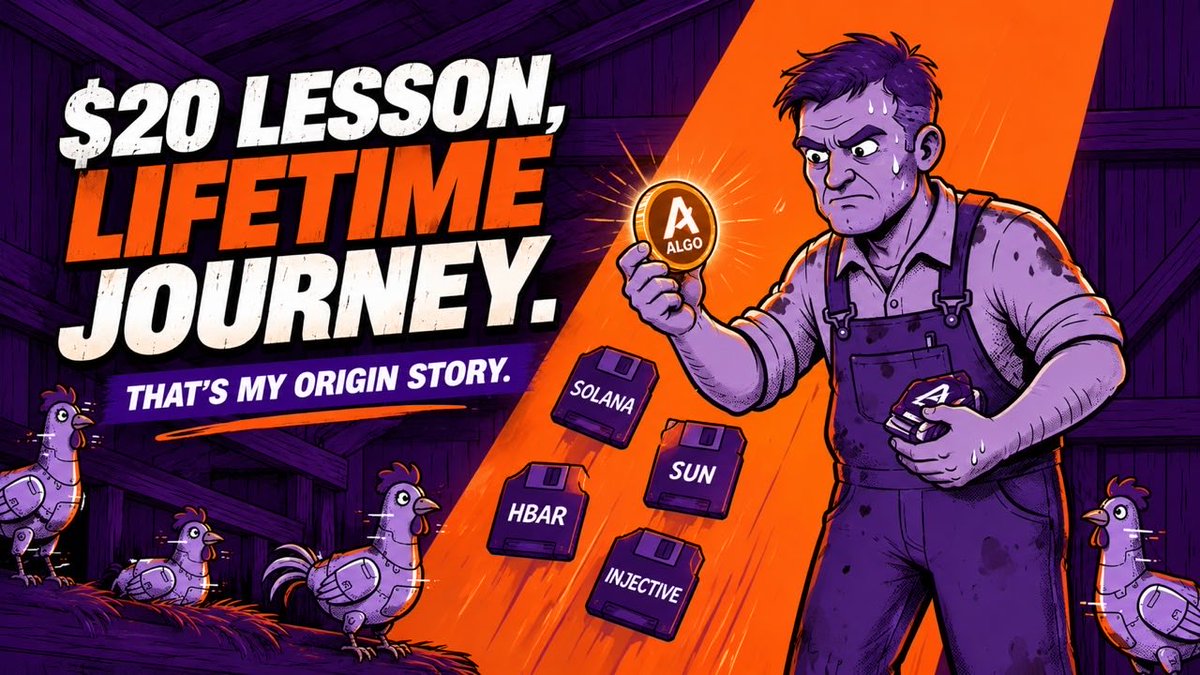
I was running a POS business and doing well enough to take care of myself. Then my brother, who traded crypto full-time, kept encouraging me to learn. One day, he gave me $20 worth of ALGO token and showed me how to research projects and trade on Algorand blockchain.
At first, crypto was just a side hustle. But when Nigeria’s cashless policy hit and my POS business slowed down, the skills I had learned became my lifeline.
What started as a conversation with my brother turned into a journey across Algorand, Solana, HBAR, Sui, TON, Injective, and beyond.
My origin story?
A $20 lesson, a curious mind, and the willingness to adapt when life changed.
Thanks to @RallyOnChain for giving me the opportunity to share the story of how my crypto journey began. Sometimes, a single conversation can change the course of your life 💯
What sparked your crypto journey? Share your story below 👇
33
9
95
2,839
General Salome retweeted
May 22
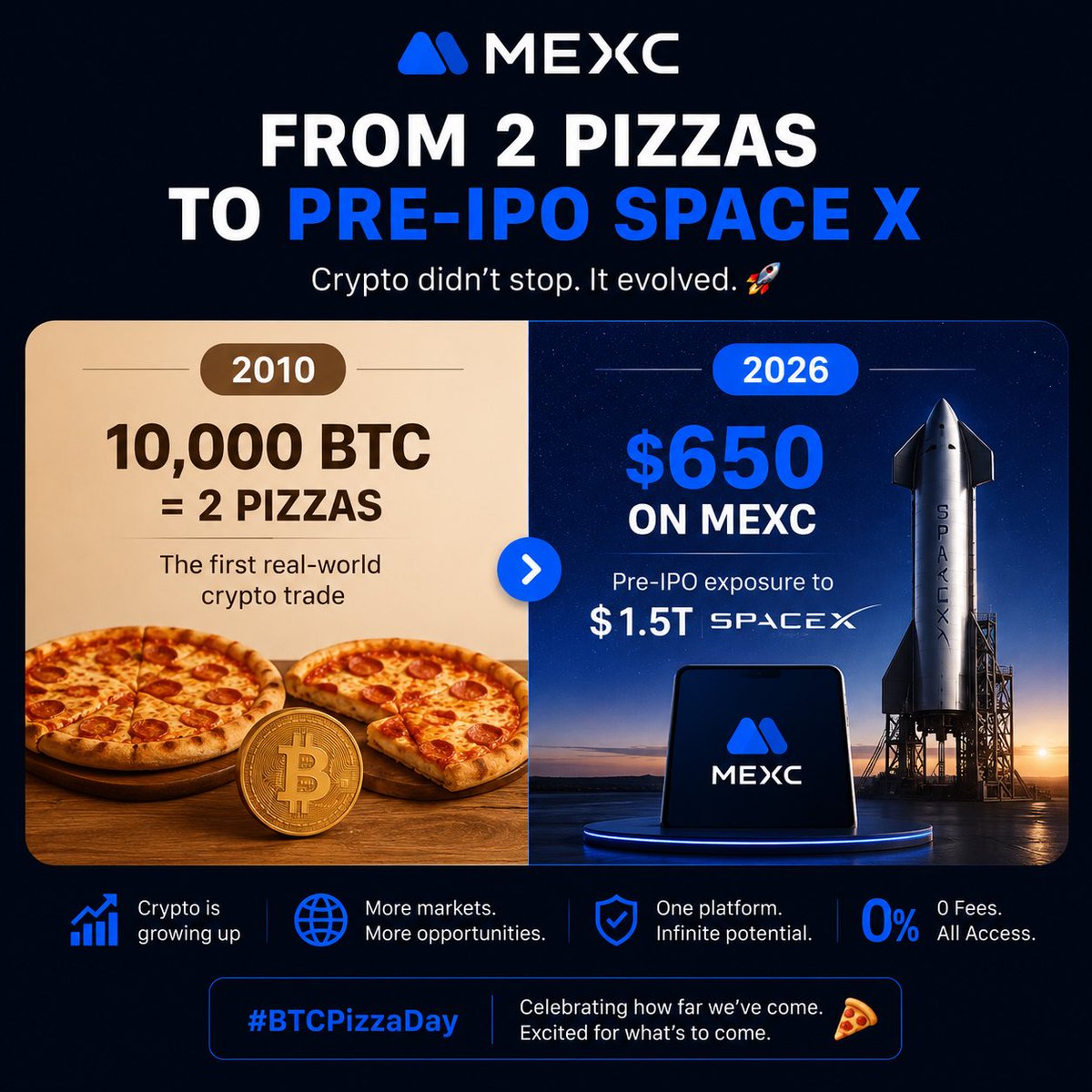
10,000 BTC bought 2 pizzas in 2010 👀
Today, $650 on @MEXC gives users pre IPO exposure to SPACEX(PRE). That contrast alone shows how much crypto has evolved💯
People still talk about the guy who spent 10,000 BTC on pizza but I think Pizza Day means something different now.
The opportunities never disappeared.
They just evolved.
Back then, 10,000 crypto bought 2 pizzas. Today, $650 on MEXC gives people exposure to things retail users normally never get close to, like SPACEX(PRE).
And the crazy part?
SPACEX(PRE) subscribers on MEXC are already up 20% before listing.
That says a lot about where this space is heading.
Crypto is no longer just about buying coins and hoping. Now you’ve got stock futures, commodities, precious metals, pre IPO markets, all entering the same ecosystem.
MEXC’s TradFi volume growing 246% in Q1 shows people are already moving in that direction.
Pizza Day isn’t really about regretting the past anymore. It’s about recognizing what’s being built right now before everyone else catches on.
#MEXC #BitcoinPizzaDay

🍕One pizza. Infinite opportunities.
#BTCPizzaDay reminds us: the right vision at the right time creates legends. 👀
Don’t just watch history. Position for the next opportunity. ♾️
🧵👇
47
11
67
2,598
General Salome retweeted
May 23
Just submitted my application.
Excited about what @gamerboyw is building and looking forward to contributing, creating, and growing alongside the team.
Let’s build, play, and push the culture forward. 🚀

May 22

GameBowy Creators Program is officially LIVE 🎮
We’re looking for creators, gamers, editors, streamers, meme lords & community builders ready to grow with us and push the culture forward.
💰 $1,000 Reward Pool
⚡ Early access opportunities
📈 Exposure & growth
🎯 Limited spots only
We care more about creativity, consistency, and energy than follower count.
If you know how to create engaging content and build hype, this is for you.
Applications won’t stay open for long 👀

19
7
23
844
General Salome retweeted
May 19
Only 7,700 $SPACEX(PRE) tokens available 👌
That’s the smallest supply among the major CEX launchpads.
While other markets are already pricing similar access around $790 to $838, @MEXC Launchpad is still offering entry at $650.
✔️Lowest entry.
✔️Limited supply.
✔️Fixed deadline.
And once May 21 passes, that $650 floor disappears.
The simple economics is “when demand stays high and supply stays small, price usually reacts faster on listing day”
That’s why the 7,700 supply matters more than most people think💯
Most people focus on price first but the real pressure is the supply because when only 7,700 tokens exist in a launchpad tied to a pre IPO narrative around a company many believe could become a $1.5T giant, access gets competitive very fast.
That’s why people move early on launches like this.
Explore it on MEXC before the window closes.
Take note👇
Lowest entry on MEXC, only 7,700 tokens available, and a May 21 deadline removing the $650 floor access.
🔗mexc.com/launchpad/spacex-pr…
Late entries usually pay the premium, so act fast.
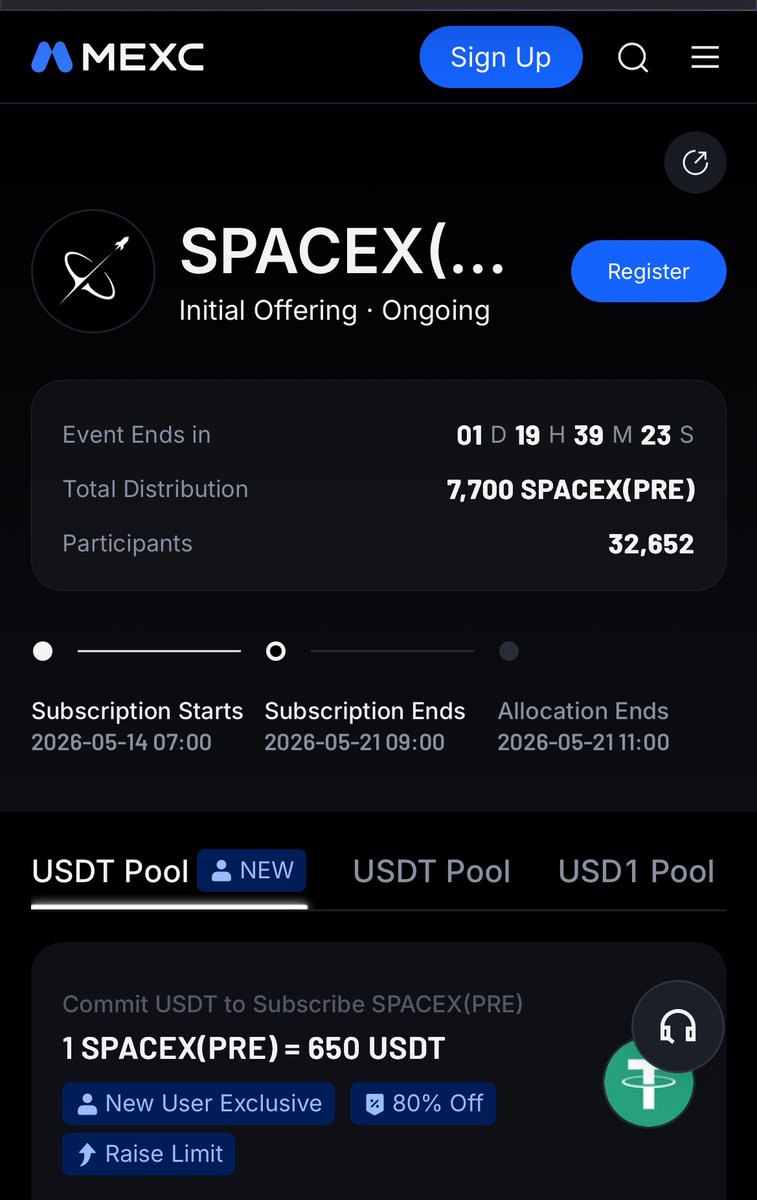
$SPACEX (PRE) Launchpad is still available: 22% below market price. 👀
Extra 500 $USDT for grabs:
1⃣Join the Launchpad: mexc.com/launchpad/spacex-pr…
2⃣Share your subscription screenshot with your UID
3⃣Tag a friend who should join too
25 lucky winners. Ends on May 21.

52
14
68
3,207
General Salome retweeted
May 20
A lot of Web3 games still feel like reward systems disguised as games.
You log in, click a few buttons, farm tokens, then leave.
That’s why many players stop playing once the rewards slow down.
@RuyuiStudios (Roots of Embervault ) feels different because it actually tries to keep the game fun first.
Instead of building everything around token farming, the focus is more on exploration, combat, crafting, progression, and competition.
You gather resources, manage inventory weight, craft items, learn enemy patterns, improve your build, and compete on leaderboards. Small details like that make the world feel more alive and less automated.
Compared to many Web3 games where gameplay becomes repetitive after a few days, ROE feels closer to a real RPG experience.
The pixel art style also helps it stand out.
A lot of blockchain games chase ultra-realistic graphics but forget depth. Others copy the same anime style without identity.
Roots of Embervault keeps things simple visually, but puts more attention into gameplay systems and long-term progression.
Another thing that stands out is how Web3 is being used.
Some blockchain games force wallets, NFTs, and tokens into every part of the experience.
ROE feels more balanced💯
The blockchain side supports ownership and transparency, but the game itself still feels like the main product.
That matters because most players just want a good game first.
Roots of Embervault looks more focused on building something people will actually keep playing over time.
Follow @RuyuiStudios and check it out
🔗 embervault.ruyui.com/

31
11
55
1,942
General Salome retweeted
May 12
I still remember the first time someone told me:
“If you want your money to grow, you have to leave it in someone else’s hands.”
At the time, that sounded normal.
Banks held custody.
Fund managers made decisions.
Platforms controlled access.
People learned to trust systems they could not fully see.
Then crypto arrived with a different promise and that is “OWNERSHIP”
But even in crypto, many users still end up depending on platforms the same way they always have.
That’s why @blok_cap stood out to me.
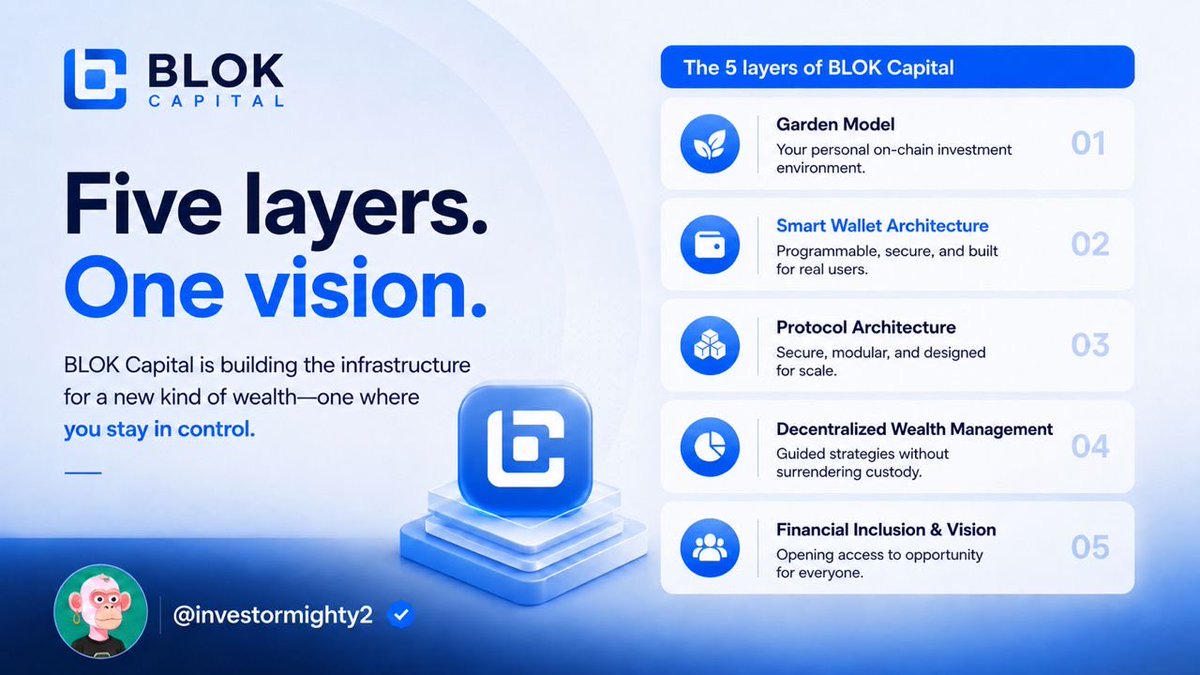
There are five important layers behind what they’re building:
➤ Garden model
➤ Smart wallet architecture
➤ Protocol architecture
➤ Decentralized wealth management
➤ Financial inclusion & vision
Today, I want to focus on the smart wallet architecture because I think that’s where the real story begins.
A 🧵, let’s dive in.
@blok_cap #BLOKCapital
40
13
53
2,808
General Salome retweeted
A lot of projects are talking about AI agents but very few are thinking about the infrastructure those agents actually need to survive at scale.
Payments alone won’t solve it.
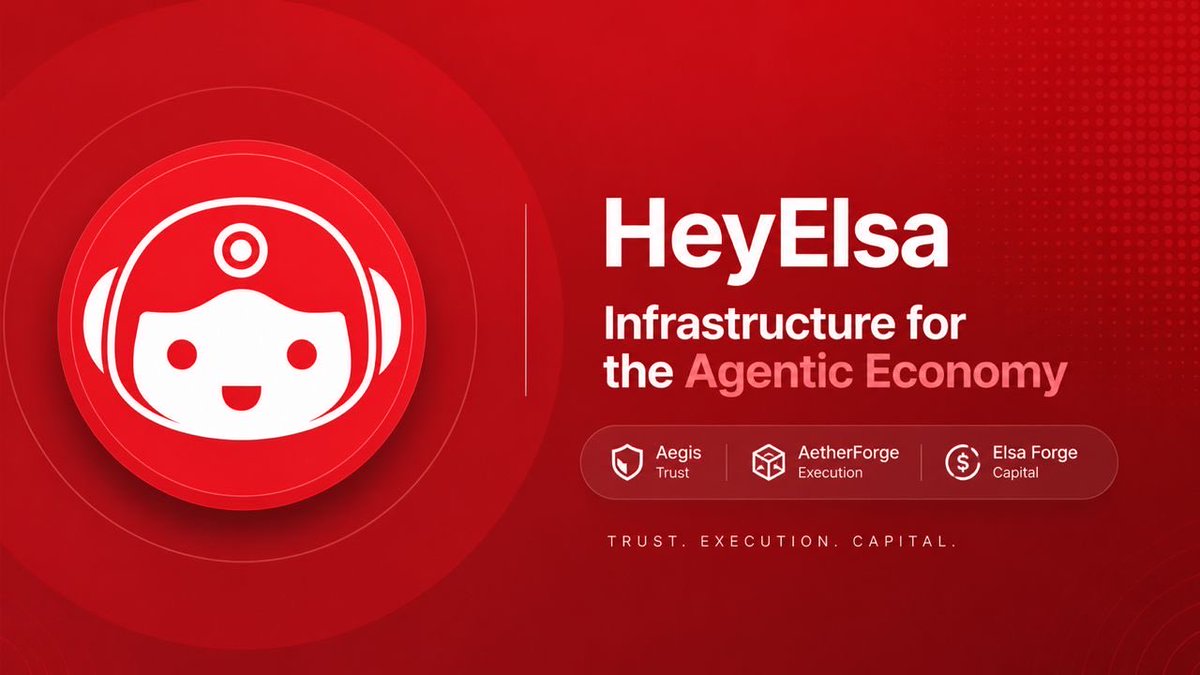
Agents need identity, reputation, execution rails and capital.
That’s what makes the @HeyElsaAI approach interesting to me. The stack feels connected instead of patched together from separate narratives.
⇛ Aegis for trust.
⇛ AetherForge for deployment.
⇛ Elsa Forge for value capture.
Feels like infrastructure built for where the market is heading, not just for what’s trending this month.

33
8
44
1,133
General Salome retweeted
May 10
When I first started seeing people talk about AI agents in Web3, I honestly thought it was just another trend the space would push for a few months and move on from.
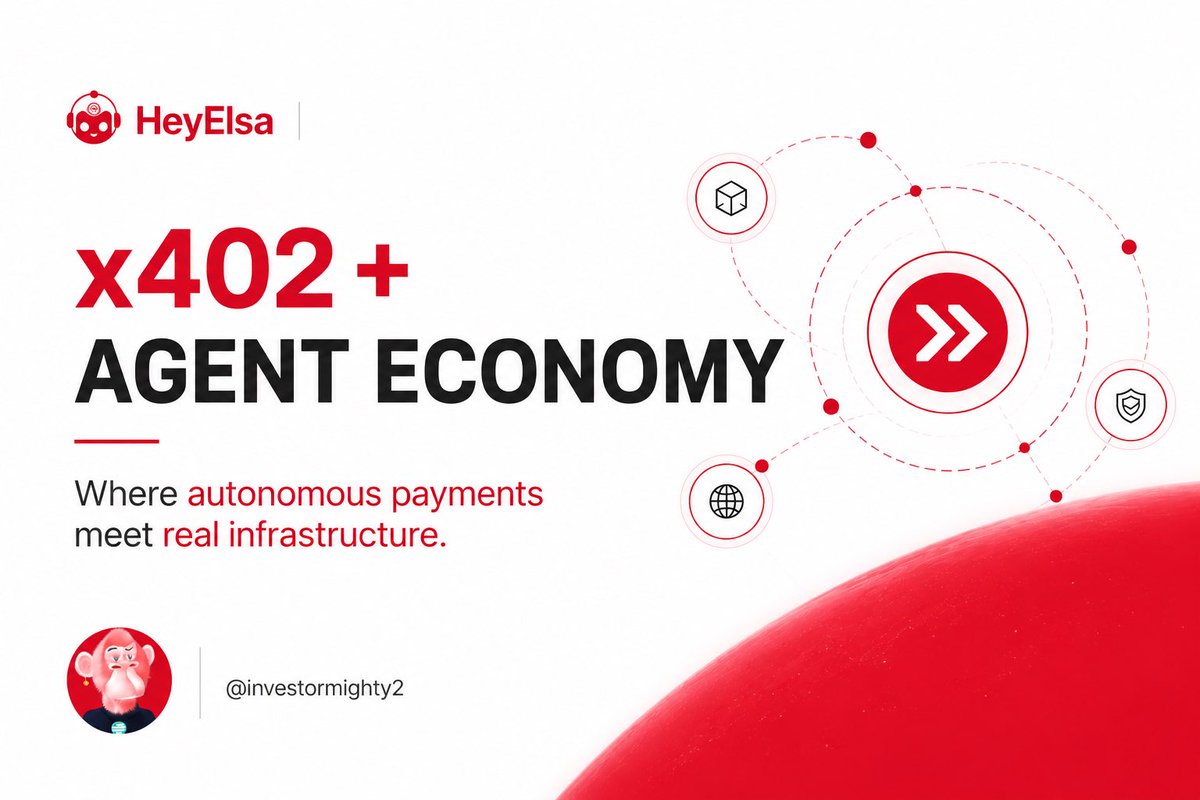
But after spending time reading about x402 and how agents are starting to transact online, my perspective changed.
A 🧵, let’s dive in 👇
@HeyElsaAI
30
14
51
1,586
General Salome retweeted
May 11
A few years ago, AI felt like something distant.
You typed a prompt.
It gave an answer.
Then the interaction ended there.
But things are changing very fast.
We are slowly moving into a world where AI is no longer just a tool people occasionally use, but systems that can continuously work, collaborate, learn from data, and support real workflows behind the scenes.
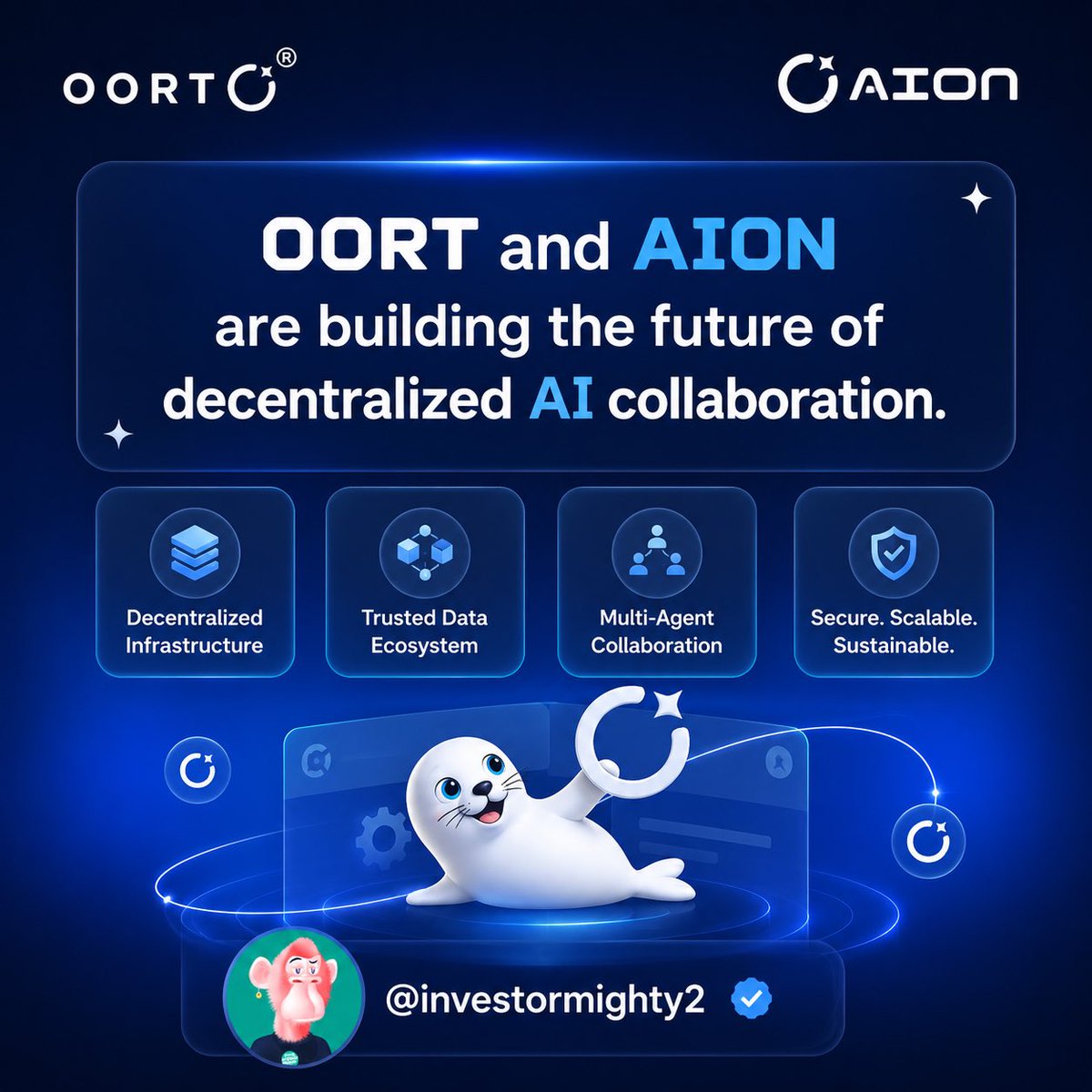
That shift is what caught my attention about OORT and AION.
What @oortech is building goes deeper than the usual “AI platform” narrative.
At its core, OORT is focused on the infrastructure layer powering AI and that matters more than people think.
Every AI system depends on data, storage, computing power, and coordination.
The problem is that much of today’s AI infrastructure is heavily centralized.
A few companies control the servers, the data flow, and the systems powering most AI applications.
@oortech is taking a different direction by building decentralized infrastructure for AI.
Through OORT Edge, distributed computing and storage resources can support AI operations across a wider network instead of relying entirely on centralized systems.
Then there is DataHub, which focuses on collecting, validating, labeling, and managing data for AI training and development.
That part is important because AI is only as good as the data behind it.
Reliable data creates better AI systems.
Poor data creates unreliable outputs.
OORT understands that the future of AI is not only about smarter models, but also about building stronger foundations underneath them and that is where AION becomes interesting.
AION moves the conversation beyond single AI assistants into multi-agent systems.
Instead of one AI trying to handle everything alone, multiple agents can work together inside connected workflows.
One agent can research.
Another can analyze information.
Another can execute tasks.
Another can manage context and memory.
That structure feels closer to how real teams operate and honestly, that is probably where AI is heading.
Because real-world work is not linear.
Businesses, creators, developers, and organizations deal with multiple moving parts at the same time.
AI systems will eventually need to collaborate, coordinate, and operate continuously across different environments.
AION is building toward that reality.
What I personally like about the broader OORT and AION direction is that the focus is not only on flashy AI experiences.
There is clear attention being paid to:
✔️Infrastructure.
✔️Privacy.
✔️Scalability.
✔️Secure deployment.
✔️Decentralized coordination.
✔️Long-term usability.
That gives the ecosystem more depth.
It feels less like short-term hype and more like preparation for how AI systems may actually function in the future.
Another thing worth noting is the practical side of it.
The tools being built are not only for experimentation.
They can support:
✔️Enterprise AI deployment.
✔️Custom knowledge systems.
✔️AI-powered workflows.
✔️Secure environments.
✔️Collaborative agent ecosystems.
That makes the vision easier to connect with because it goes beyond theory.
The more I look at OORT and AION, the more it feels like they are preparing for a future where AI is not just something people chat with, but infrastructure that quietly operates in the background of everyday systems, businesses, and digital experiences.
And if that future is coming, then decentralized infrastructure, trusted data, and coordinated AI agents will become far more important than people realize today.
@oortech #AION
46
11
60
1,698
General Salome retweeted
Everyone is watching charts, but very few are paying attention to how money is actually moving.
Crypto isn’t just going up again.
The structure of this market is changing in a quiet way.
If you’ve been through past cycles, you’ll notice this isn’t as chaotic.
Things now feel more controlled, more intentional.
That matters more than price.
A 🧵, follow me 👇
@CryptoThreadsX
55
9
73
1,972
General Salome retweeted
Cosmic Signature Mainnet drops May 7, 9PM ET ⏳
In less than 30 hours, @CosmicSignature goes live and it’s not just one way to win.
There’s the big prize if you outlast everyone
Chrono Warrior if you stay consistent.
Endurance if you hold the longest.
Last bid if you time it right.
and raffle if luck shows up.
Plus Round 1 has a $3,000 boost for real players.
Just place at least 5 bids → you’re guaranteed $50.
More bids = bigger share (capped at $300).
It’s simple: show up, play smart, stay in.
Round 1 is where everything starts💯
Get your wallet ready.
🔗cosmicsignature.com/

21
13
44
2,090
General Salome retweeted
I just checked mine… 😳
It’s unbelievable I’m losing $300/year to trading fees.
At first it didn’t sound like much, then I broke it down.
That’s:
⇛ 4 proper hotel nights.
⇛ a full weekend getaway.
⇛ or even an espresso machine.
The crazy part? I didn’t spend it. I leaked it quietly just by trading 💔
Let’s be real with the math:
Most CEXs charge ~0.1% per trade
If you’re active (say ~100 trades/month), that adds up fast.
DEX users? Not better off.
Most DEX swaps sit around ~0.3% per trade.
So every $1,000 trade = $3 gone
Run that consistently and you’re easily in the hundreds yearly.
Now compare that to @MEXC :
$BTC & $ETH spot = 0% fees
it doesn’t stop there, they’ve already been running 0-fee trading on hundreds of assets across futures, crypto, commodities, even stocks.
Instead of losing $300 a year, I keep it.
That’s not “small savings”
That’s literally changing how I live.
The wild part is most traders don’t even realize how much they’re losing.
Check yours 👇
🔗better-life.apcollective.sit…
And see for yourself what those fees could actually turn into.
#MEXC0fee #MEXC
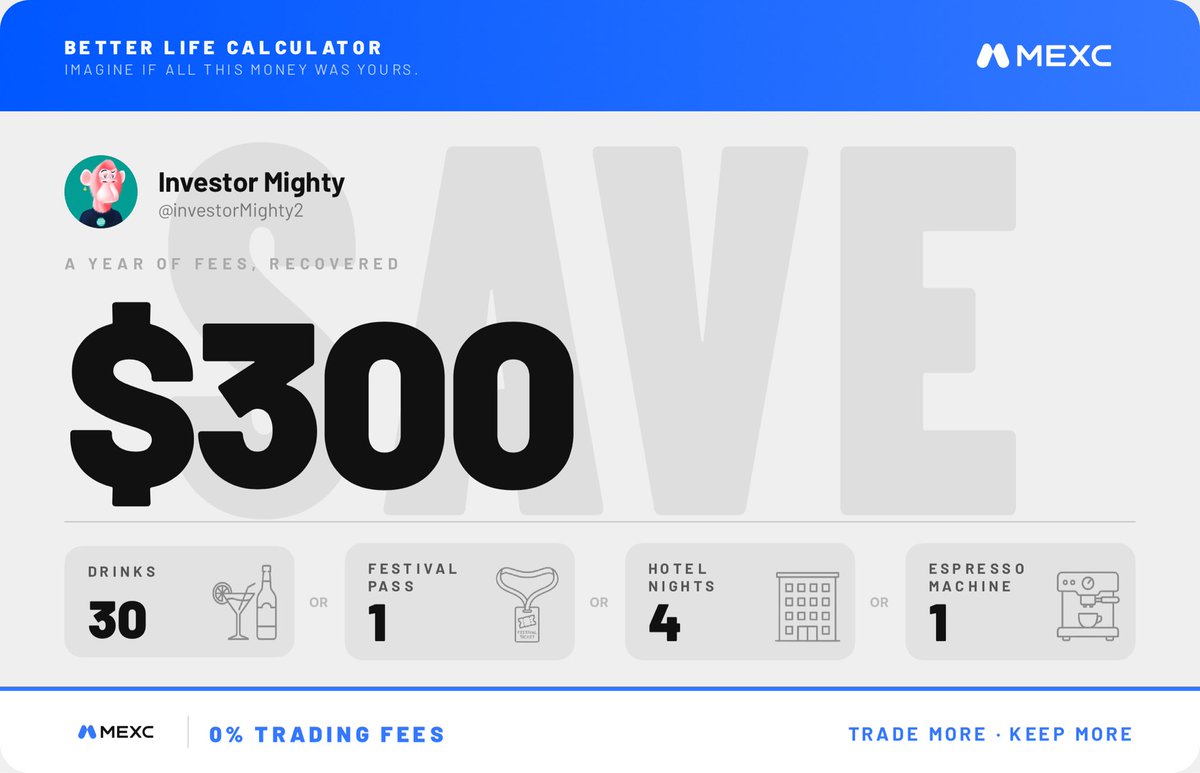
Shoutout to @0xAbhiP for the Better Life Calculator, making 0-fee real.
MEXC is putting up $2,000 to spread the word. 3 steps to win:
1️⃣Follow @MEXC
2️⃣Calculate your trading fees: better-life.apcollective.sit…
3️⃣Save the pic, RT with the template in thread with #MEXC0fee & tag 2 frens
46
18
66
3,461
General Salome retweeted
Thought it was bad luck…
turns out I was just playing @CosmicSignature the wrong way.
#CosmicSignatureMemeTakeover


5 fatal mistakes you can make while playing Cosmic Signature.
✨ Spending all your money too soon in a round.
✨ Arriving late to the party.
✨ Not having a gameplan or strategy.
✨ Not using Random Walk NFTs when ETH prices get out of hand.
✨ Disappearing when things start getting slow.
Avoid these five, and you’ll be ahead of 90% players.
11
4
16
823
General Salome retweeted
You almost had it…
then @CosmicSignature reminded you it’s never over till it’s over 💯
gCosmic everyone
#CosmicSignatureMemeTakeover

17
4
22
634
General Salome retweeted
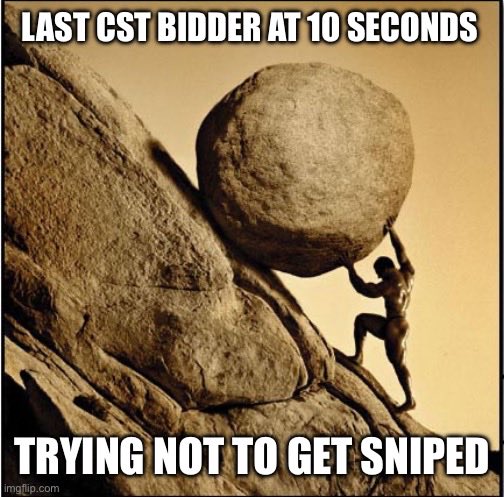
in @CosmicSignature , every second feels heavier when you’re the last CST bidder, everyone’s just waiting for you to slip.
#CosmicSignatureMemeTakeover
18
5
20
839
General Salome retweeted
You might hate it in the moment but that last-second bid at 00:01 is exactly how @CosmicSignature is won, timing beats everything 💯💯
#CosmicSignatureMemeTakeover

11
4
16
618
General Salome retweeted
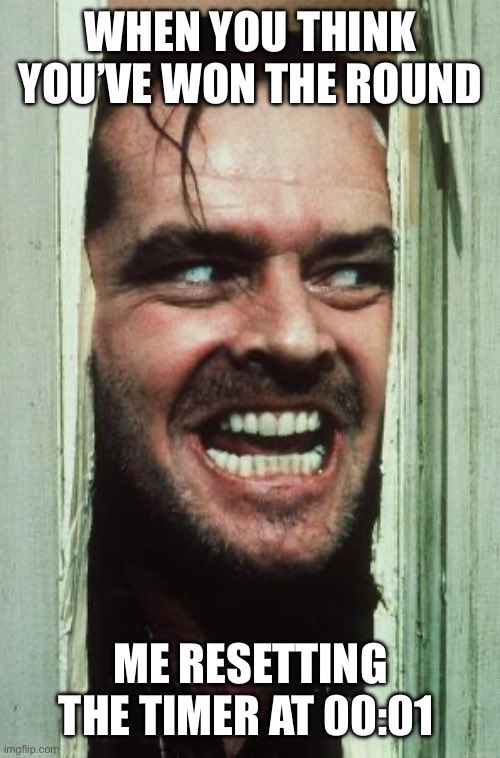
Victory in @CosmicSignature is only real at 00:00… until then, it’s all temporary
#CosmicSignatureMemeTakeover
11
4
15
583