
Community volunteer. Interests: Medieval history, genealogy & DNA. Former university researcher and professor. Website developer. Retired.
Joined January 2009
- Tweets 15,502
- Following 872
- Followers 636
- Likes 50,452
261 Photos and videos








May 28
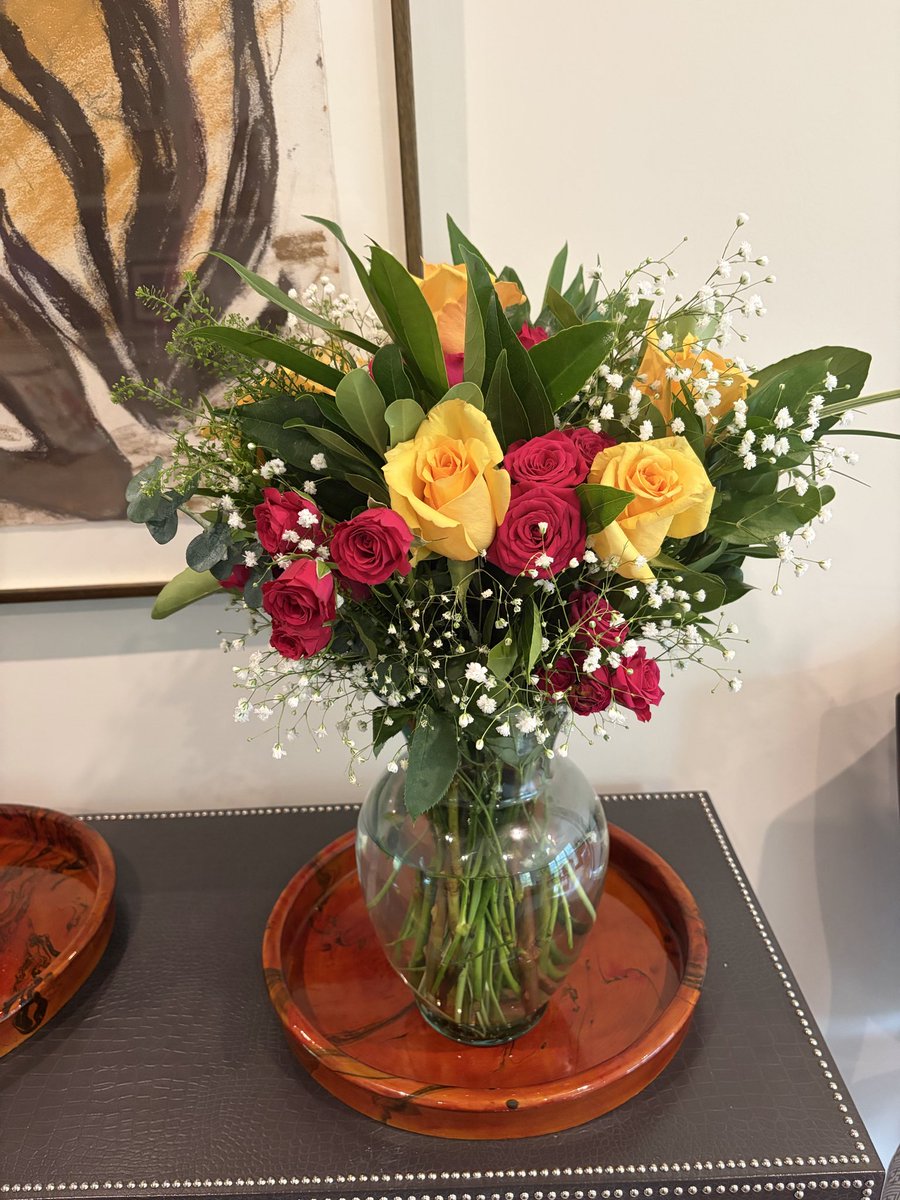
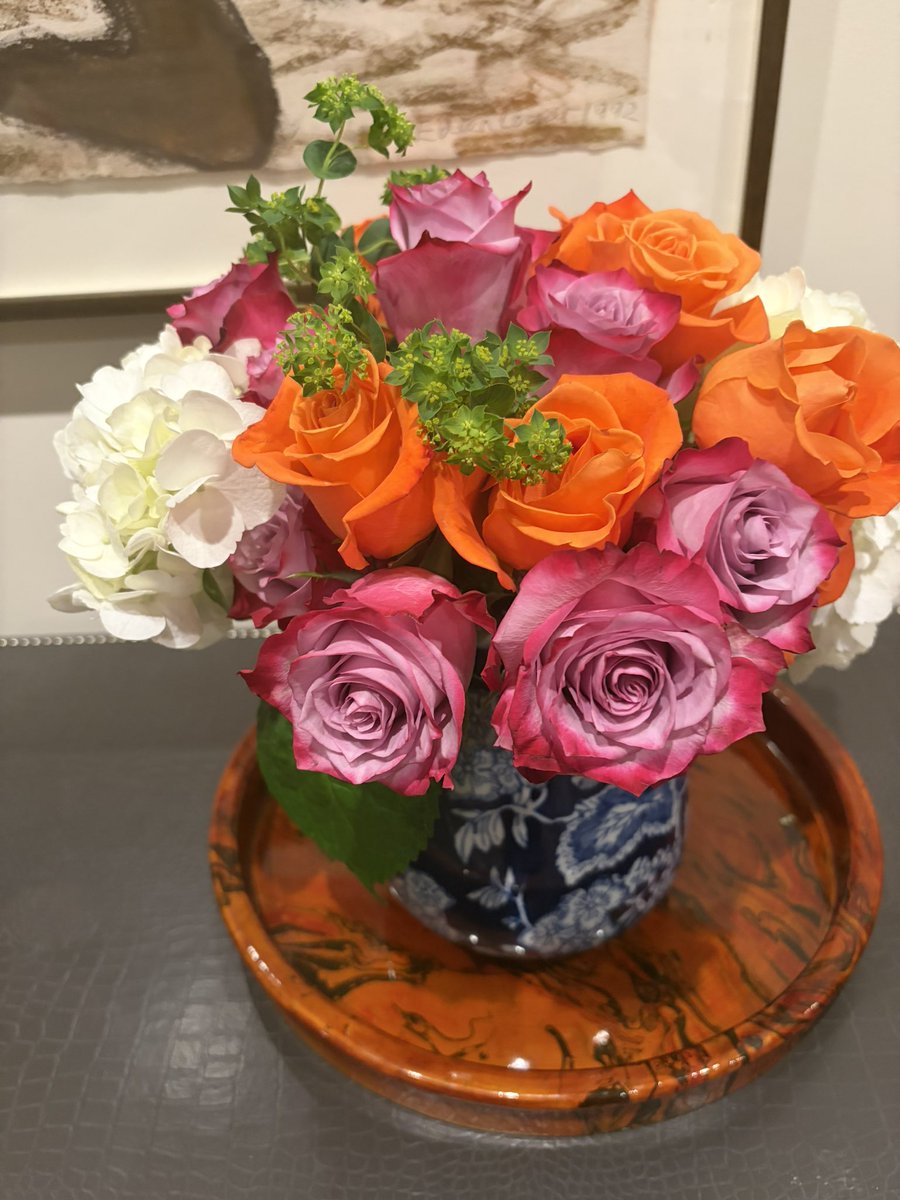
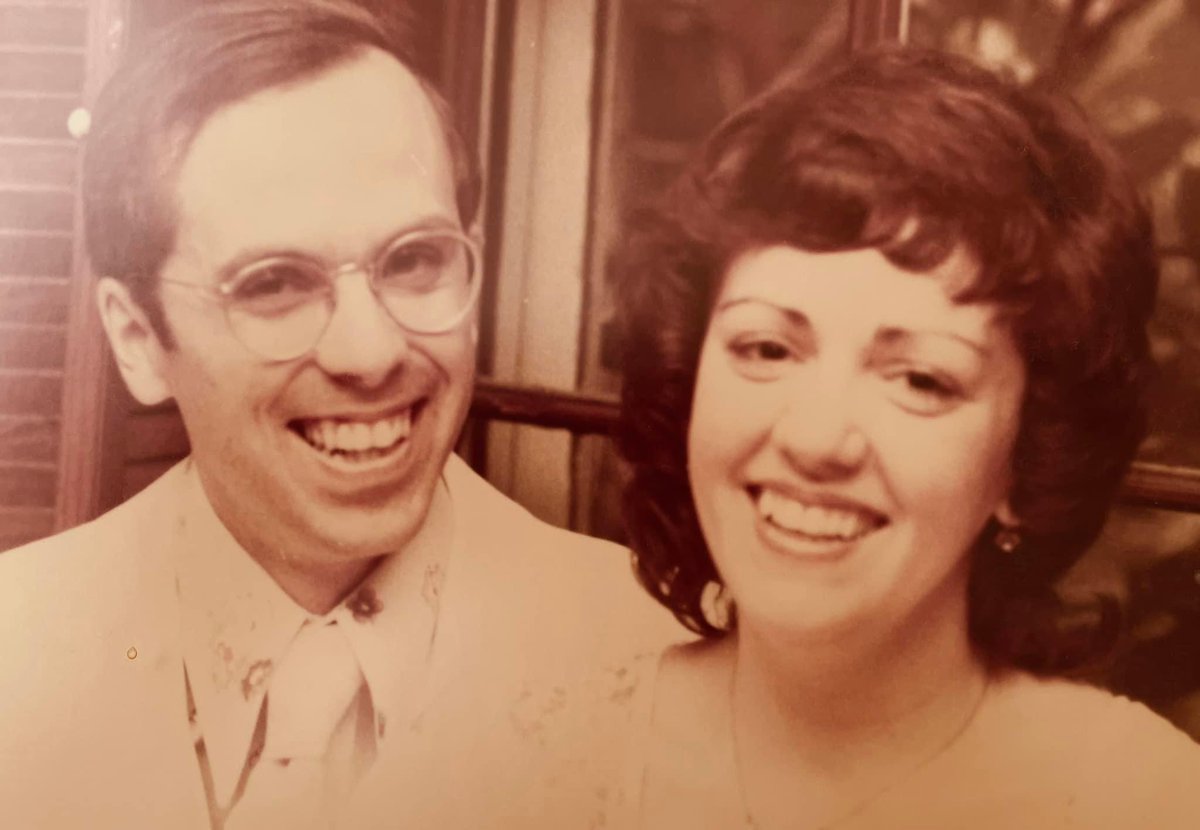
Aren’t these beautiful flowers?They are a gift to us as we celebrate our 52 years of marriage.
1
2
38
PA West🌳 retweeted

May 25
Today is our nations Memorial Day. Enjoy your day and take a moment to remember the true meaning of this day. A day to pay our respects to all those who have given their lives in our country's defense. God bless these brave heroes and their families.

611
7,521
35,613
477,866
May 24
May 25 is our 52nd wedding anniversary. 🎂🎂🎂🎂🎂
Our small wedding took place in a close friend’s spacious home. Families and close friends celebrated with us. Now we have children, their spouses, and grandchildren all living within 5 miles of us. We’re truly blessed.
1
2
76

This morning @scratchyjohnson tweeted an important factoid. Squanto, the Indian who spoke English and helped the pilgrims survive, was sold by John Smith to a Spaniards and the deed exists in the city we're in for Excursion.
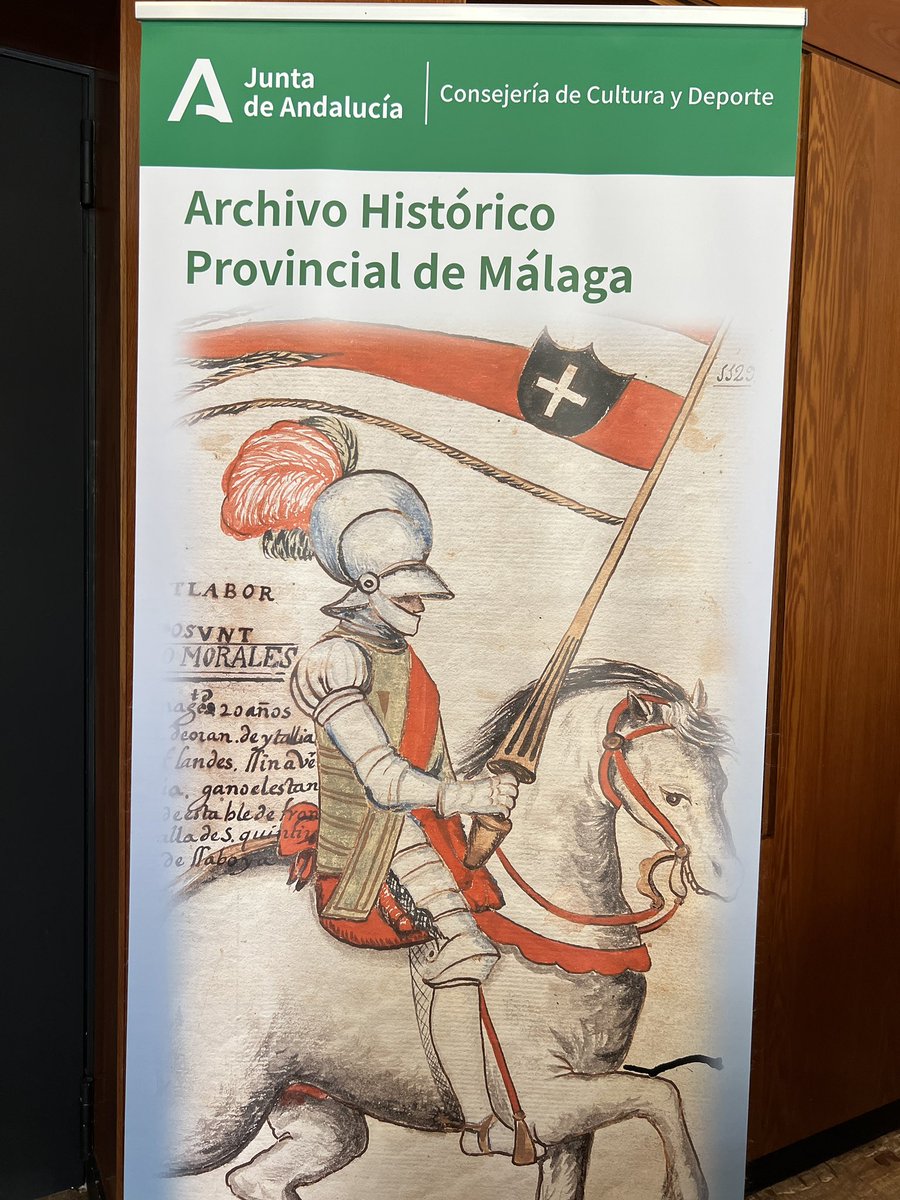
Rather than rolling our eyes, Alan, Gavin & I went to the state archives in Málaga to see if we can find said recorded deed of 20 Indians sold by John Smith to Juan Bautista Reales.
We get to the Archives (see Alan's picture below), and a small genial white lab coat wearing gentleman who speaks no English says this is impossible to find. His new boss, the head archivist, Carmen, comes in and says it certainly exists but may be difficult to find. If you only had the year. We tell her it was 1614. She pulls up a list of the books from 29 notaries whose work they have from 1614. She asks who the notary was. We have no idea. They say they can't go through 29 archives to look for it. Also it's all in old Spanish which nobody speaks and it'll be hard to locate even if they know the Notary.
So Alan and Gavin get to work. Gavin finds an article in the internet archive that seems to have a partial picture of the document. Carmen and the other archivist decipher the name after 15 min. They find that name in their cross reference. Carmen goes to the vault to look while the lab coat gentleman asks for my life history, driver's licence number and a lien on my grandchildren. Totally worth it.
Carmen comes back to say she found the volume. It is tremendously delicate. Opening it may break some pages. Does it have to be today because if so the answer will be no. We ask her if this is interesting to them. Both very seriously nod their heads. We tell them this is very important to the United States and many of our friends. Carmen tells us she will find it but that it takes time. White linen gloves and patience. We tell her to take her time. She says she will take a picture and email it to me.
So here's why all this is important: after Squanto was sold by an Englishman to a Spaniard names Reales, said Spaniard brought Squanto and 19 other "inios" to Málaga. He recorded the deed in the state archives. Then a Franciscan priest ransomed Squanto. Squanto became Catholic. Was baptized and confirmed in Málaga. He then made his way to England where he worked and learned English. He paid his passage back across the ocean and found his Wampanoag tribesmen. Then when the Pilgrims landed they found a Catholic English-speaking native who helped them survive their first winter.
It is entirely possible that but for a Franciscan priest who ransomed Squanto, the Pilgrims may not have survived their first winter in New England. That's history. American history. And the record of it is in Málaga. In a book. One of 29 books kept by notaries in Málaga in 1614. That are still searchable.
This image, when it comes, belongs in the US National Archive.
This is Cultural Debris.
x.com/i/status/2034931960146…
cc: @alancornett @gwbled @Gonnassaurius_ @wrathofgnon

1
9
44
2,190
PA West🌳 retweeted

WATCH EPISODE 26 : How Meghan Markle’s Jealousy of Future Queen Catherine Drove Her to Weaponize Harry’s Insecurities and Flee the Firm – Insider Claims She Couldn’t Stomach Curtseying to ‘Lesser’ Kate!...full clip & d£tails👇👇👇
royalfamilyinsider.com/watch…
4
73
430
7,310
PA West🌳 retweeted

Feb 10
I have recovered my account after a phishing scam. The hackers sent a link to my DMs via a compromised account asking me to vote in a podcast competition. While they had control of my account, they sent this link on in DMs to *many* people. DON'T OPEN ANY LINK. Pls retweet.
42
77
317
25,304
PA West🌳 retweeted

Jan 27
A new kind of cancer vaccine is in human trials.
Researchers at the University of Florida have created a new kind of mRNA cancer vaccine—one that can be mass-produced and stored ready-to-use, rather than laboriously customized for each patient.
Speed is the game-changer: traditional personalized cancer vaccines often take months to design and manufacture, during which time a tumor can mutate and slip away. This off-the-shelf version instead delivers a powerful, broad-spectrum wake-up call to the immune system by dramatically increasing type-I interferons—signaling molecules that put the body’s earliest defenses on high alert against any cancer cells.
In mouse studies, the vaccine sharply slowed or completely halted melanoma, aggressive brain tumors (gliomas), and lung-metastasized bone cancer. When paired with checkpoint-inhibitor immunotherapy, it achieved even stronger results, turning “cold,” treatment-resistant tumors hot and responsive.
Unlike most cancer vaccines that zero in on a single tumor-specific antigen, this one activates the innate immune system—the fast-acting, non-specialized branch that doesn’t need to “learn” the enemy first. That makes it especially promising for hard-to-treat, immunologically silent cancers such as pancreatic and ovarian tumors.
Clinical trials are already underway in patients with recurrent brain and bone cancers. If the approach proves successful in humans, it could transform how we prevent cancer from coming back after initial treatment—and provide a vital new weapon when standard therapies have run out of road.
["Sensitization of tumours to immunotherapy by boosting early type-I interferon responses enables epitope spreading." Nature Biomedical Engineering, 18 July 2025]
53
217
1,005
60,195
PA West🌳 retweeted
28 Dec 2025
Fix your forward head posture
19
1,015
6,655
699,813
30 Nov 2025
Beautiful roses from my family to celebrate my 80th birthday. Aren’t the flowers beautiful, especially on a snowy day?
1
2
38
PA West🌳 retweeted

28 Nov 2025
A hero has been taken from us. Army Specialist Sarah Beckstrom personified everything one could pray for in a daughter, a soldier, and an American citizen. She offered to give her fellow Guardsmen relief to enjoy Thanksgiving. Her generosity cost her life. Heartbreaking. 💔 RIP.

3,497
13,523
77,932
1,187,766
PA West🌳 retweeted

11 Jul 2025
The Brain Tumor Center at Siteman is the largest multidisciplinary center in the region.
4
9
36
141,737
PA West🌳 retweeted

6 Oct 2025
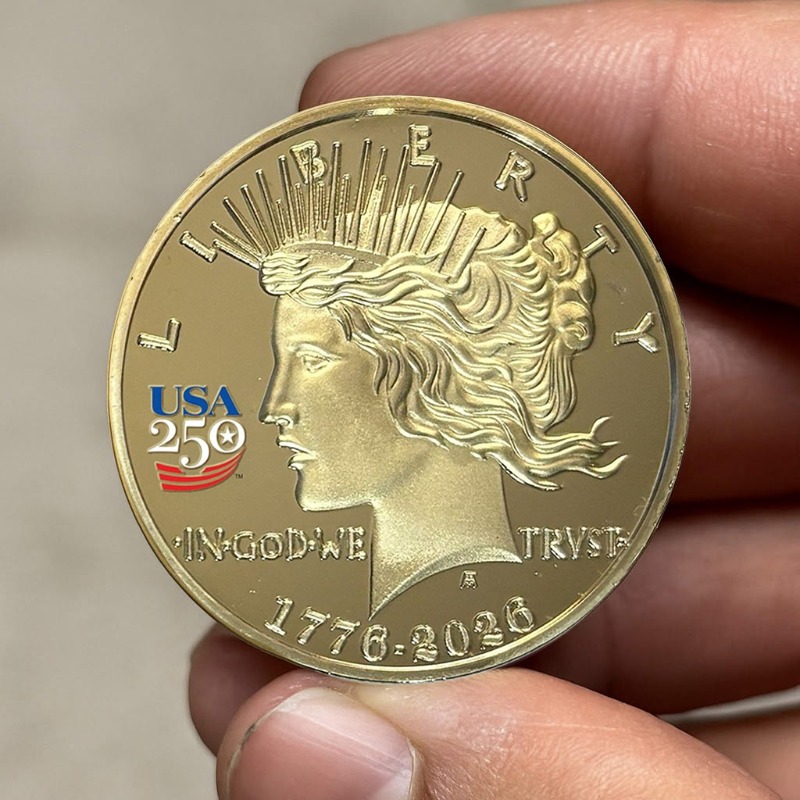
This new Peace Dollar Golden Proof Coin was released by the mint to commemorate the 250th Anniversary of the United States!
50
117
1,007
470,600
10 Sep 2025
Saddest day. Condolences to Charlie Kirk’s wife and little children, other family, and friends.
2
196
27 Aug 2025
Yippee. I love the old logo.
26 Aug 2025

We thank our guests for sharing your voices and love for Cracker Barrel. We said we would listen, and we have. Our new logo is going away and our “Old Timer” will remain.
At Cracker Barrel, it’s always been – and always will be – about serving up delicious food, warm welcomes, and the kind of country hospitality that feels like family. As a proud American institution, our 70,000 hardworking employees look forward to welcoming you to our table soon.
1
71
PA West🌳 retweeted

1 Aug 2025
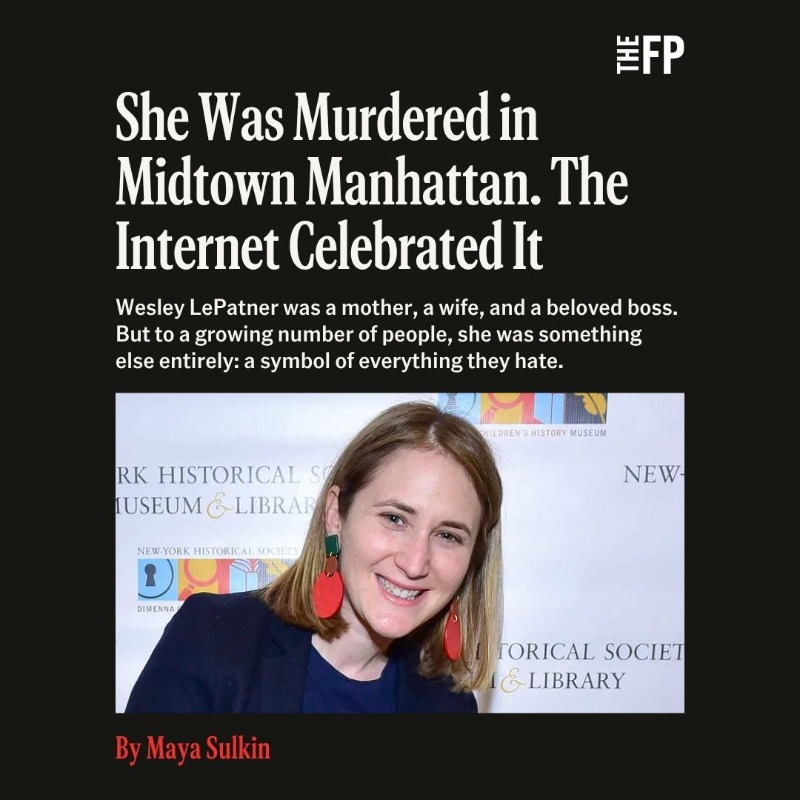
“My initial reaction was relief.” That’s what one online poster told Maya Sulkin about the murder of a mother of two. Her crime? Working at Blackstone.
@SulkinMaya reports on the online frenzy celebrating the death of Wesley LePatner.
302
527
1,770
714,404
28 Jul 2025
Hey @grok who is the most famous person to visit my profile? It doesn’t have to be a mutual and don’t tag them. Just say it. Thank you
1
1
65