Molecular cell biology lab exploring the role of mechanical forces in epithelial homeostasis and cancer @UMCU_CMM
Joined March 2021
- Tweets 86
- Following 269
- Followers 688
- Likes 204
29 Photos and videos

16 Dec 2025
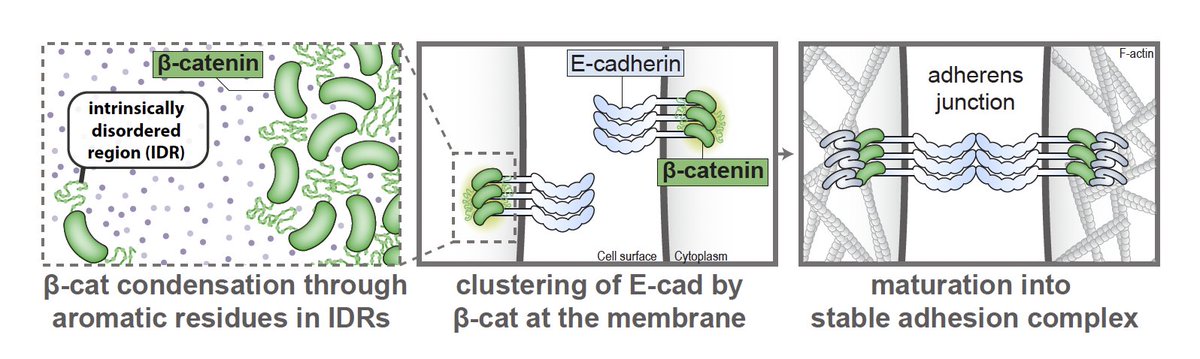
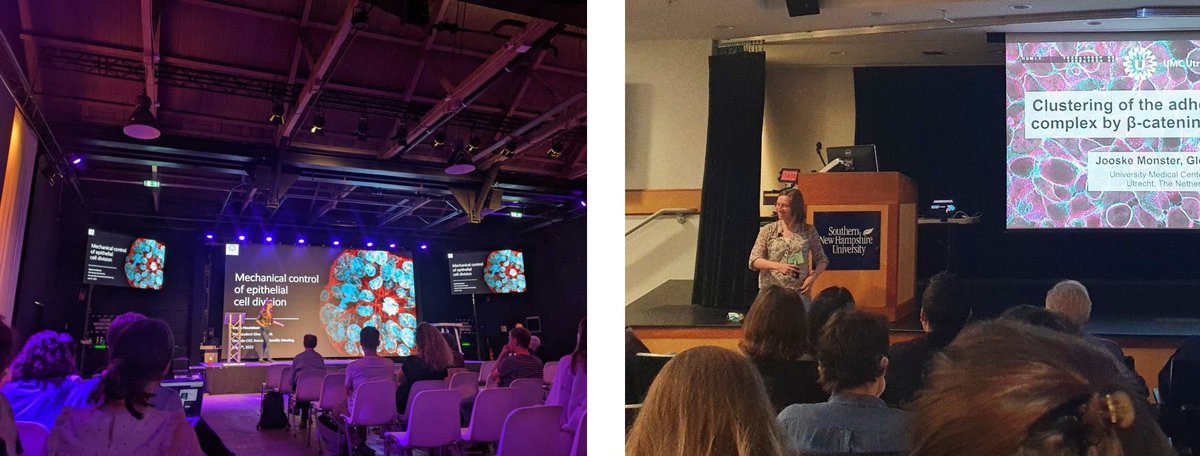
Paper alert! β-catenin forms condensates that help build cell–cell adhesions - showing its role goes beyond simply linking E-cadherin to α-cat/actin.
Great collaboration with the @Jschuije lab. Congrats to 1st authors @JooskeMonster & @ManzatoCaterina!
nature.com/articles/s41467-0…
3
9
763
7 Nov 2025
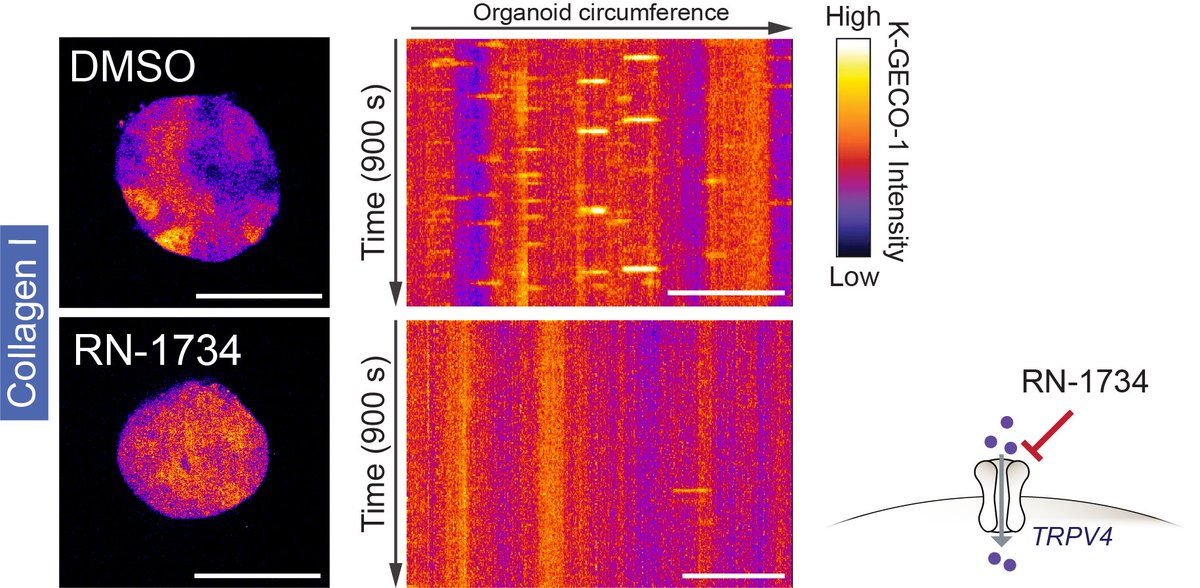
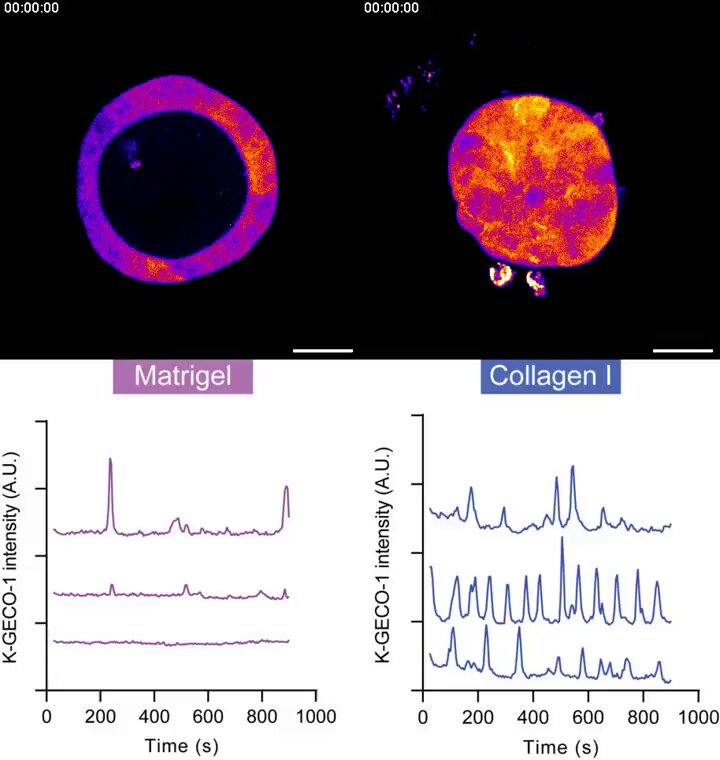
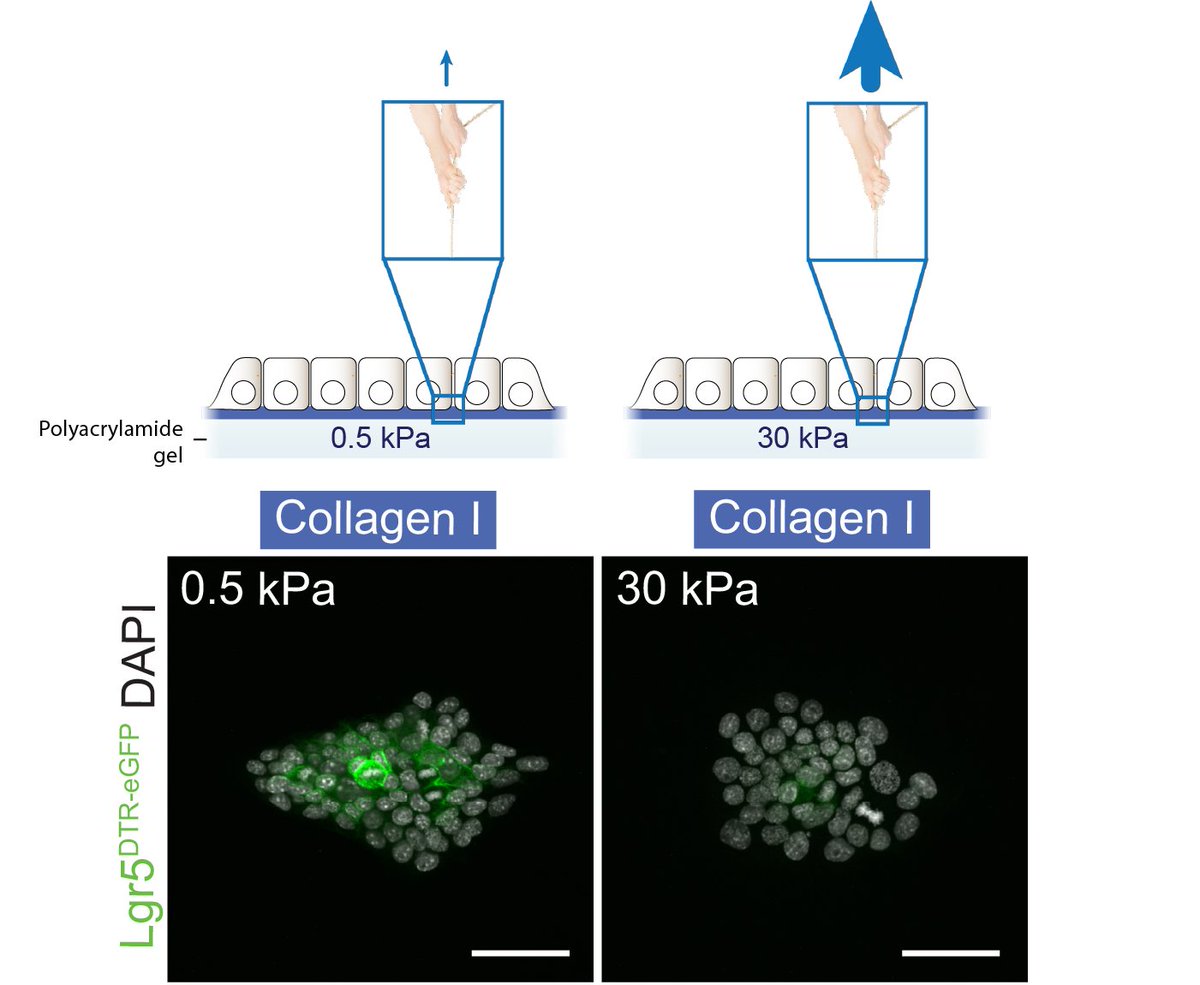
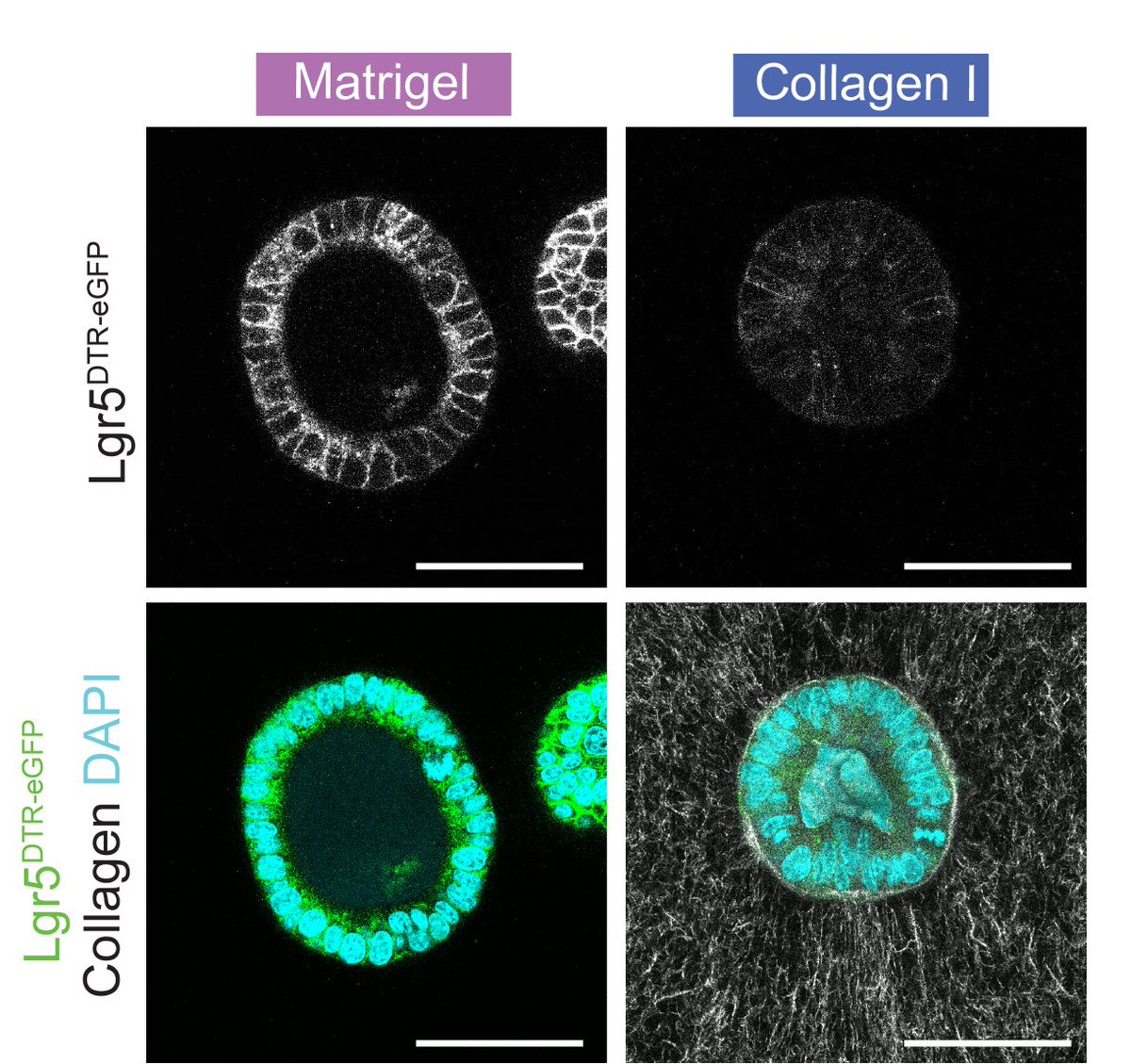
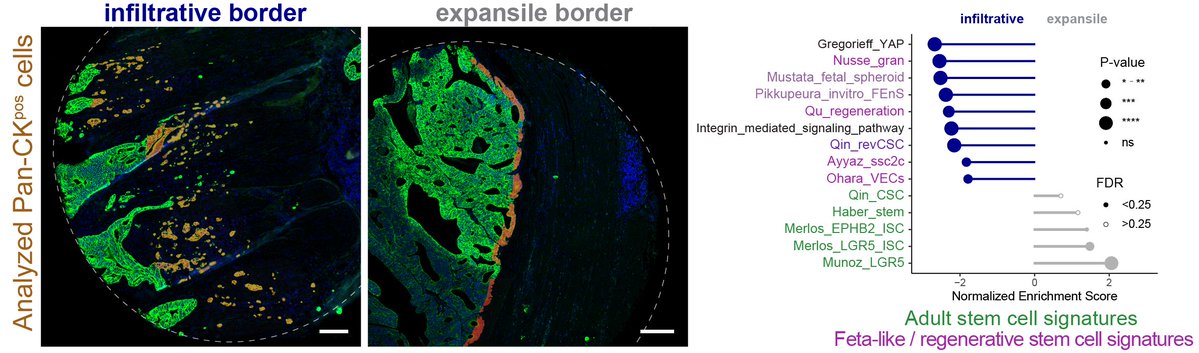
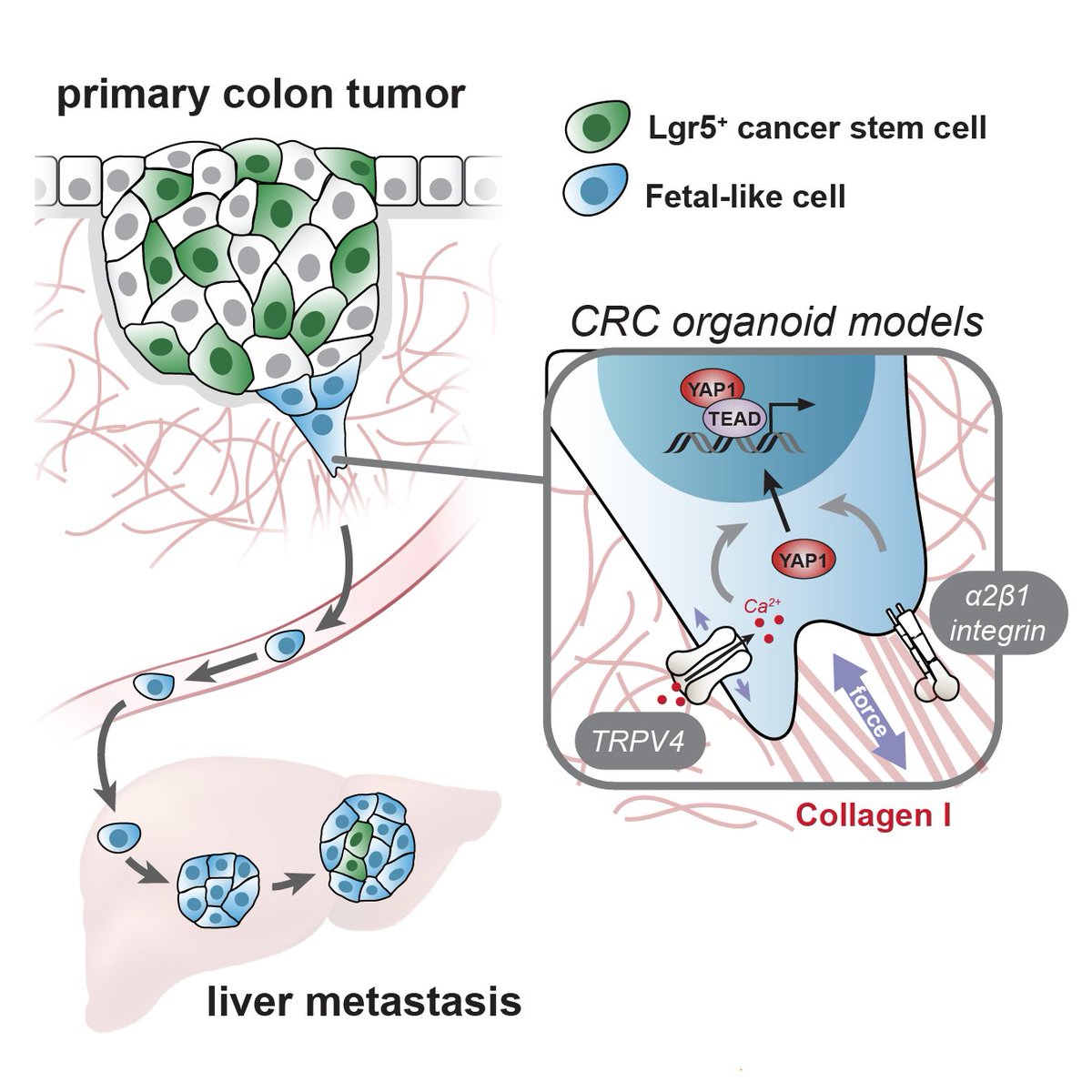
Excited to share our new paper on mechanical forces regulating stem cell plasticity in colorectal cancer, involving force transduction via mechanosensitive calcium channels! cell.com/cell-reports/fullte…
1
2
346
7 Nov 2025
In future work we hope to unravel how TRPV4 and integrins cooperate to control YAP signaling in CRC cells, and how mechanical forces intersect with other cues controlling CRC cell plasticity
1
1
114
7 Nov 2025
Many thanks to all collaborators (including
@cperezgonzalez, @DMVlab, @vanRheenen_Lab,
@Snippertlab) and the Dutch Cancer Foundation @kwf_nl for making this work possible!
2
96
GloerichLab retweeted

14 Feb 2023
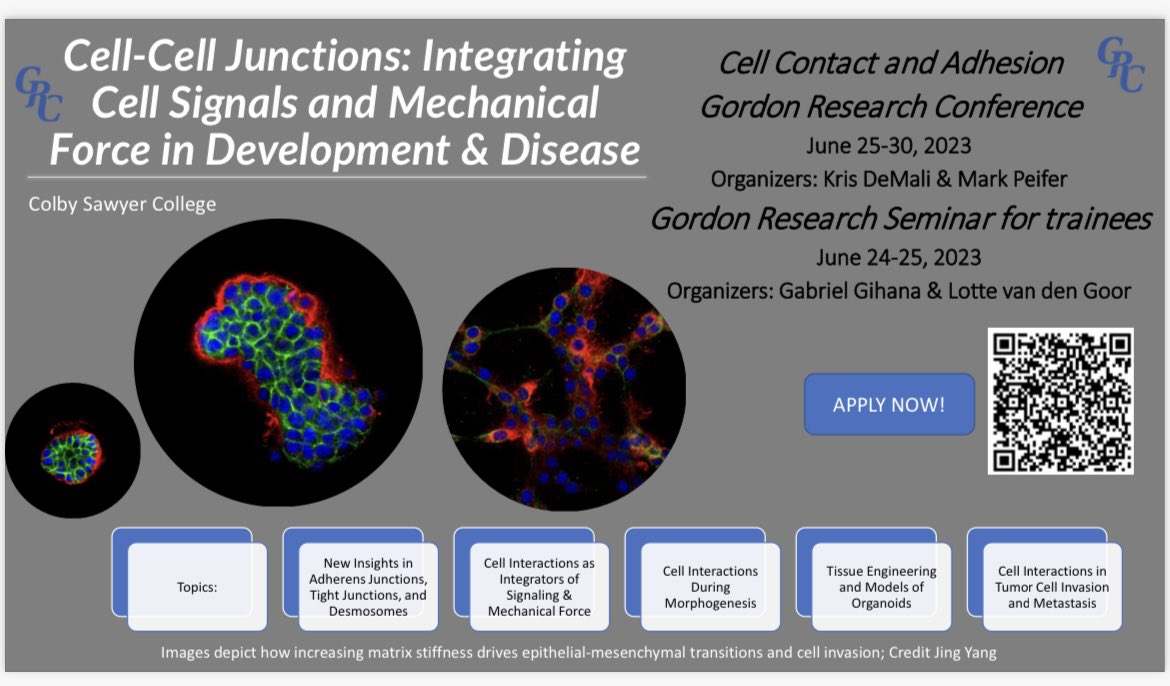
The 2023 Cell Contact and Adhesion Gordon Research Conference (GRC) is coming up next June. This has been the premier meeting at the intersection of cell adhesion, mechanobiology, cell signaling, and their relevance to development and disease.
8
20
3,647
GloerichLab retweeted

10 Nov 2022
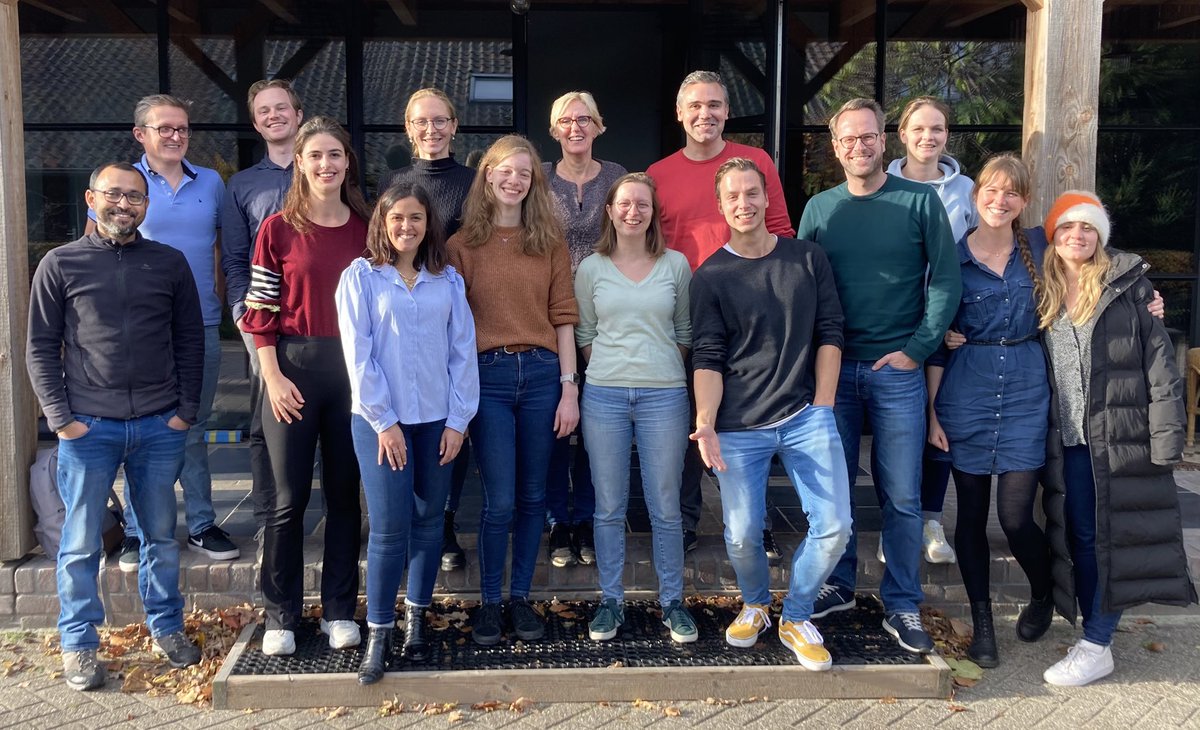
Gloerich/Huveneers labs retreat
Having fun and discussing new epithelial and endothelial mechano-science!
1
4
22

Are you curious? Do you want to explore the unknown? Do you want to delve into our origins? Are you an extremophile-phile? Do you want to work in the fabulous LMB? Do you BioRXIV? Do you like scones & ride a bike? If your answers to some of these are yes, come join us @lab_baum
1
91
147
14 Oct 2022
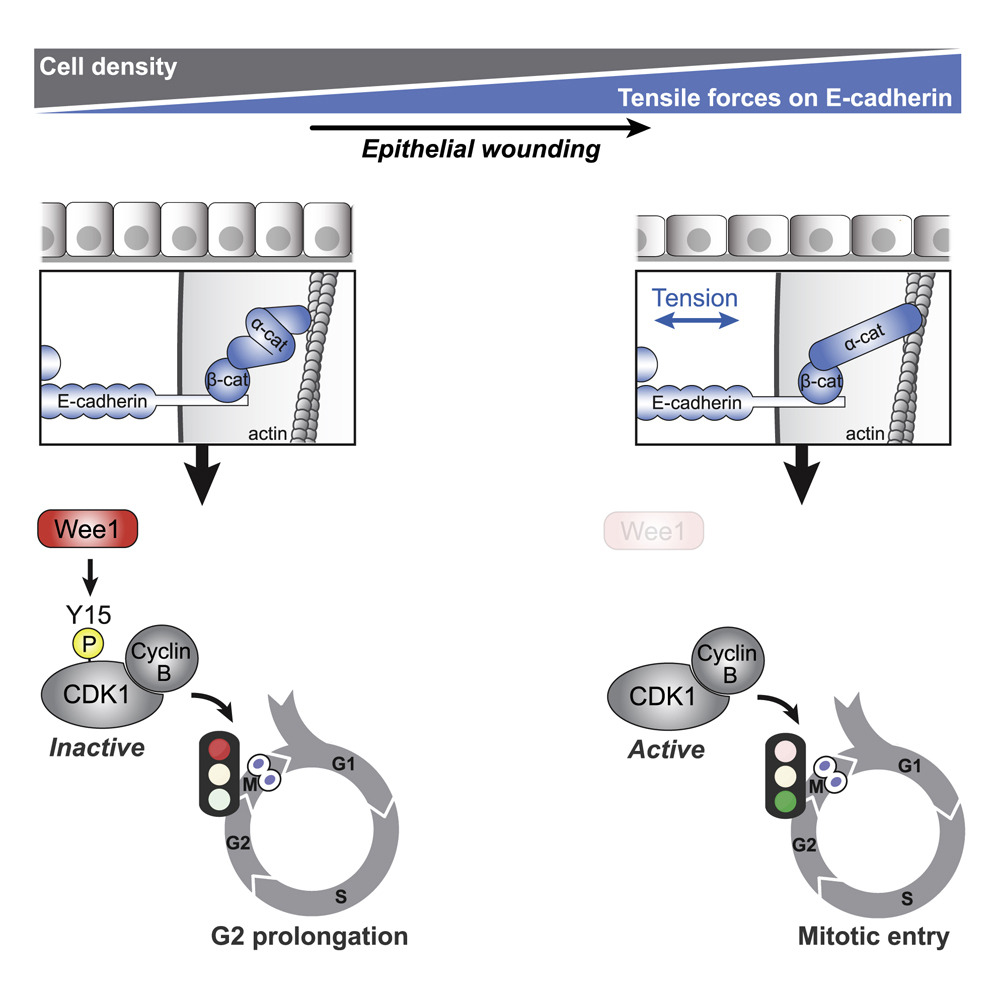
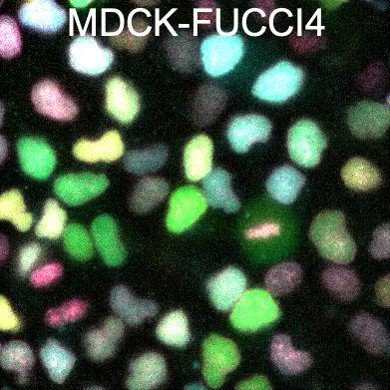
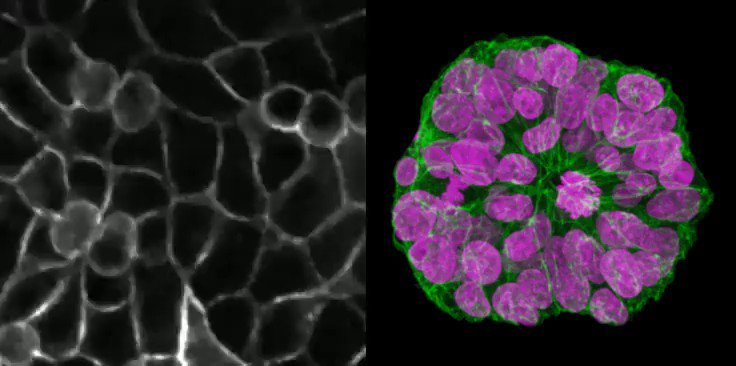
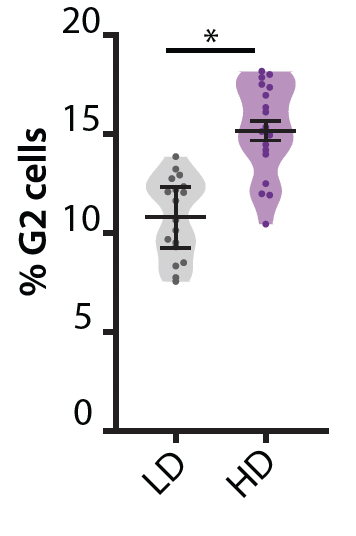
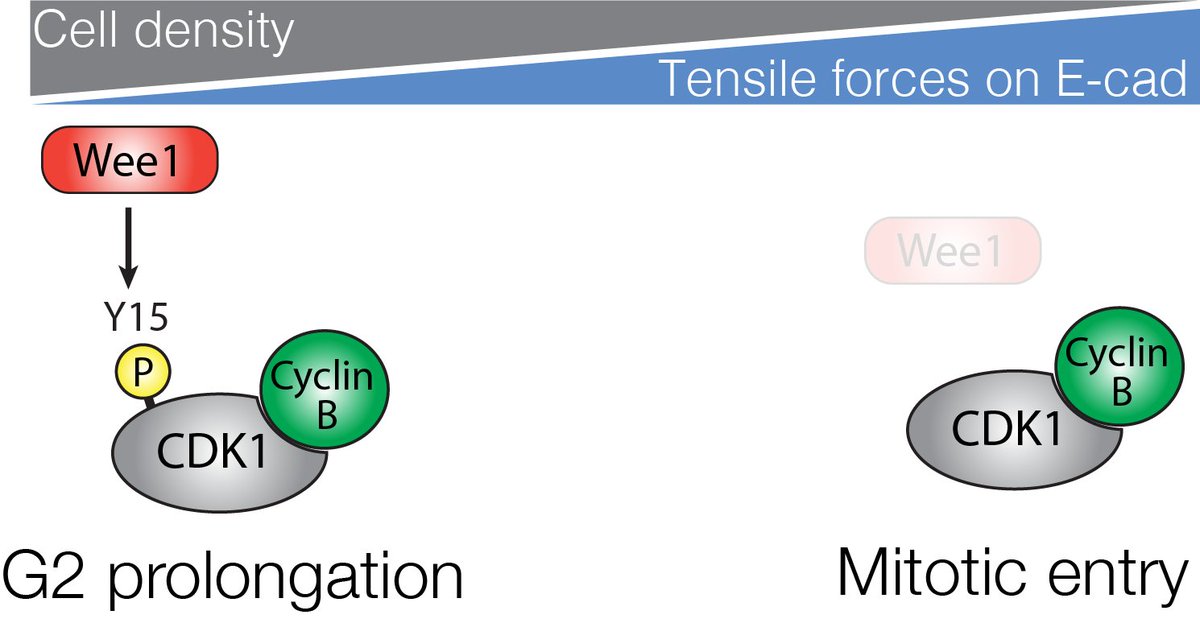
Our paper on a mechanical G2 checkpoint is out now @CellReports, in which we describe how epithelial cells sense when to divide
cell.com/cell-reports/fullte…
Great work from @_LisaDonker and everyone that contributed from our lab @umcu_cmm and @XavierTrepat and Borghi labs!
6
59
303
14 Oct 2022
These cell density-dependent forces are transduced to the cell cycle by mechanosensitive E-cadherin adhesions via regulation of Wee1 and downstream Cdk1, thereby controlling G2 length and timing of mitotic entry
1
1
11
14 Oct 2022
This mechanical checkpoint establishes a pool G2-halted cells in dense epithelia, which are readily triggered to divide when intercellular forces increase, for instance upon wounding - and thus coordinates cell divisions with cell loss
1
7
8 Sep 2022
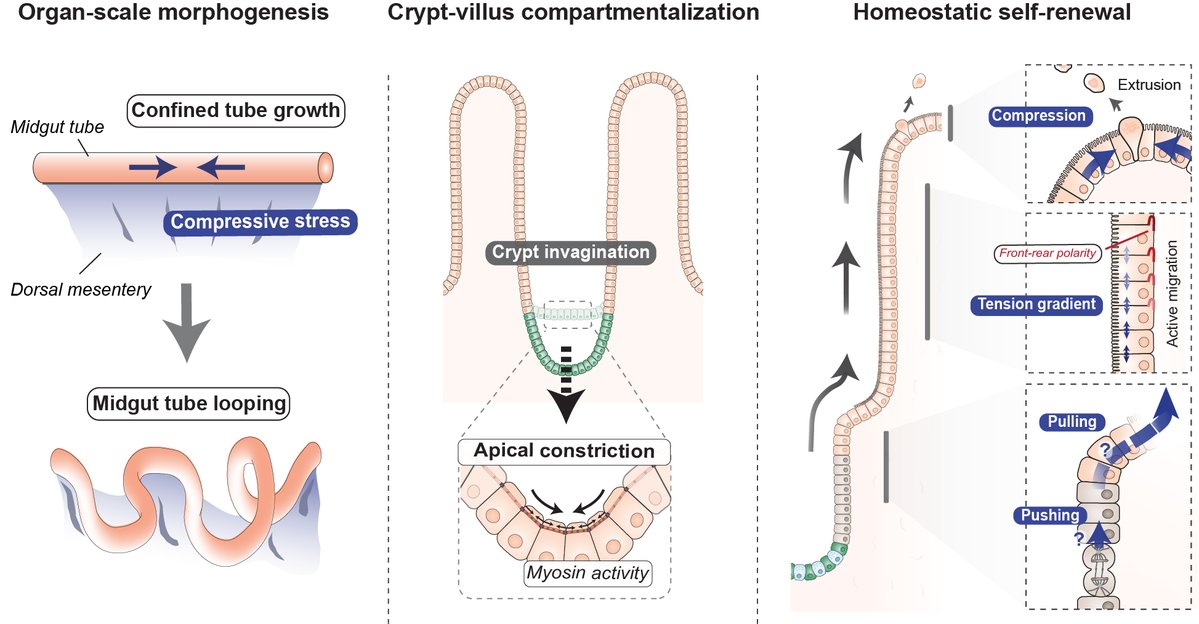
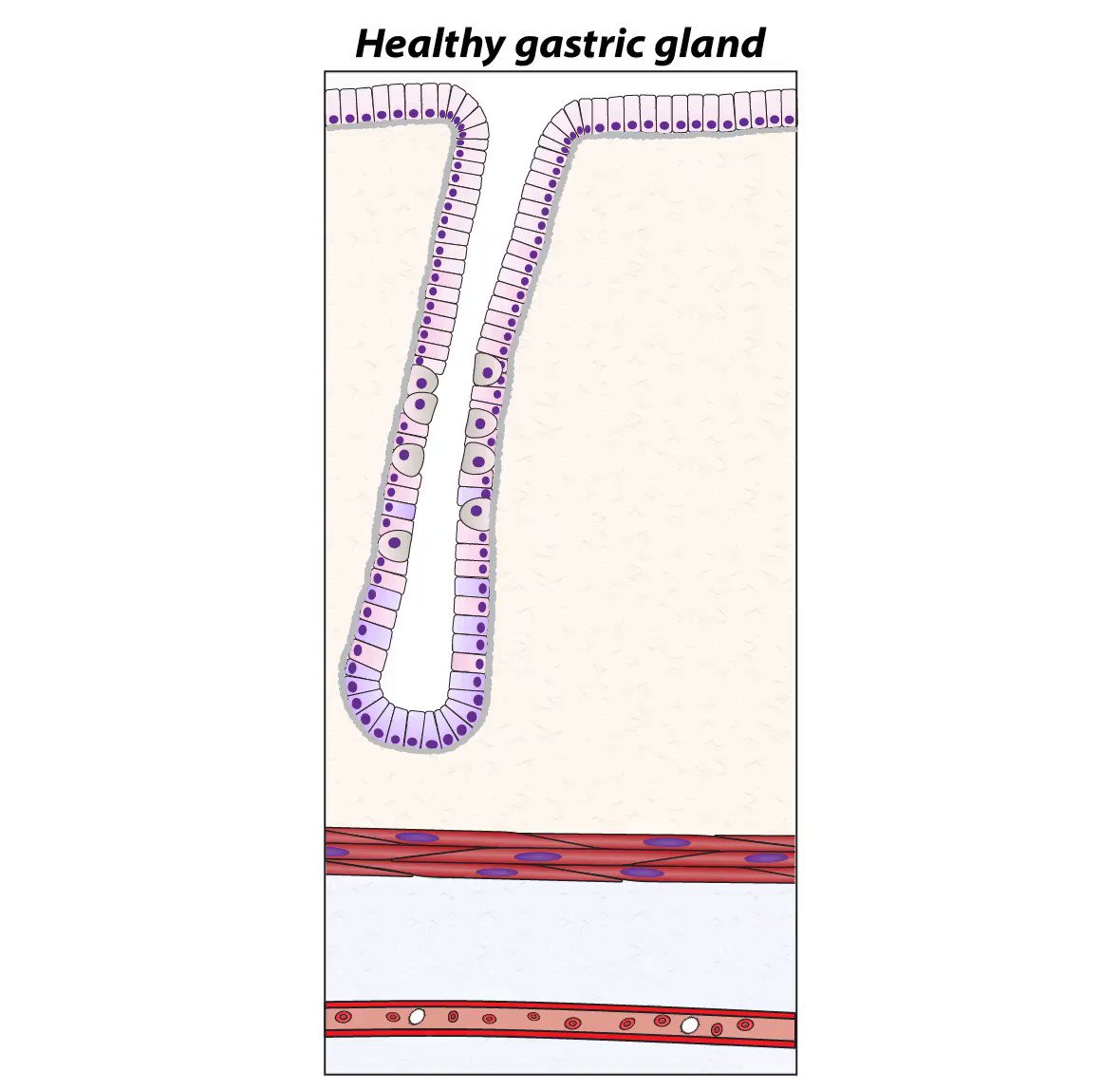
Our review is out @CurrentBiology, in which we discuss how mechanical forces regulate the #intestine - from establishing its shape during development to maintaining its self-renewal throughout life.
sciencedirect.com/science/ar…
Great effort from @RonjaHoutekamer …
2
10
58