
Democratic candidate, CA Senate District 24. CV: @DemMaj4Israel, Scriber, #TeamPete, @YahooNews, @Seedrs US, @TheAtlantic, @CBSNews, @CNN.
Joined January 2012
- Tweets 828
- Following 344
- Followers 4,974
- Likes 12,636
57 Photos and videos




Brian Goldsmith retweeted

Jun 12
Today marks 10 years since a gunman took 49 lives at Pulse Nightclub in Orlando, FL.
We honor those lost while continuing to strive for a country where LGBTQ people can safely be themselves.
185
747
5,118
94,943

Jun 11
Grateful to advance to the general election after more than 300,000 voters participated in our primary election. I salute my fellow candidates for the campaigns they ran.
Over the coming months, I’ll continue meeting with people across the district—residents, working families, business owners, elected officials, and community leaders—to hear their ideas and share my vision for SD24.
This is the community where I grew up, where Claire and I are raising our kids—so this is personal, not just political. We have work to do to change the way this state is governed: to make it easier and more affordable for families and small businesses; to confront crime and homelessness; to address the big challenges of our future like AI and climate change and insurance; and to fix our toxic and divisive politics.
I look forward to a campaign that focuses on issues and solutions, and I am confident that—with your help—we will win in November.
2
5
34
1,567
Jun 10
Time for all CA Democrats to unite behind our nominee @XavierBecerra and defeat Donald Trump’s handpicked candidate.

BREAKING: @SteveHiltonx is in, @TomSteyer is out
A week after California's election, we have our November matchup: Democrat @XavierBecerra will be a heavy favorite v Republican Hilton.
And $215 mil later, Steyer will remain a private citizen
politico.com/news/2026/06/09…
3
1
13
1,013
Brian Goldsmith retweeted

Spencer Pratt was a Republican running for mayor of a city that voted for Harris 70-26, at a time when Republicans are much less popular than they were in 2024. Pratt is going to end up with 25-27% of the vote, just like Trump did. That's a completely unsurprising result.
Jun 8

Five days after the LA election, Spencer Pratt falls to third place and a woman who hardly anyone voted for in person, Nithya Raman, totally dominated in mail voting to come in second. No one with a functional brain believes these results.
71
219
2,183
88,439
Brian Goldsmith retweeted

Jun 8
This is like if AOC ran for Governor of Alabama and lost and we tried to argue it was fraud.
232
2,193
37,560
1,077,630
Brian Goldsmith retweeted

For everyone debating L.A.'s voting here, I encourage you to get offline, get outside & talk to people:
-Visit MULTIPLE neighborhoods with a variety of socioeconomic & cultural perspectives.
-Request a free tour of L.A. County's vote counting center & see for yourself how the system operates.
641
119
886
149,190
Jun 5
This is a national embarrassment and we need to fix it.
Jun 5

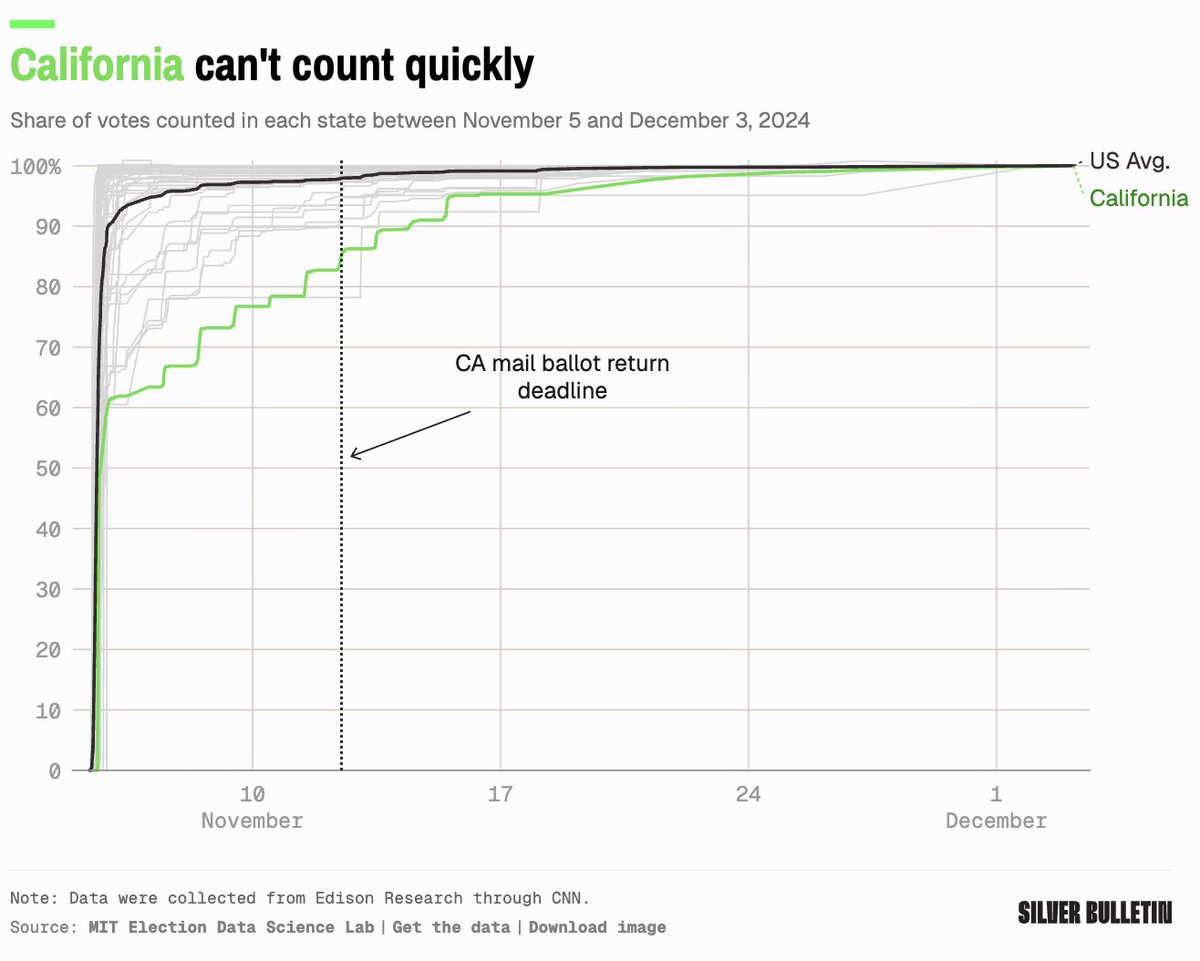
It's hard to overstate how much of an outlier California is for its slow vote-counting relative to literally any other state or almost any other industrialized democracy.
44
15
135
68,201
Jun 4
To my friends and supporters: you don’t need to check the LA County Registrar’s website every 10 minutes 🙃
There’s a ballot “dump” every day around 4 or 5pm.
We’ll know a lot more in a few days—but our campaign is very confident we’re in the top two.
1
22
2,204
Jun 4
Good explainer 👇

Why does California take so long to count ballots?
In short, the state’s leaders have prioritized expanding last minute options to vote by mail over a quick count.
3
4
1,148
Jun 3
Early returns are very encouraging and we will keep you updated. Grateful for all our supporters across SD24.
1
25
976
Jun 2
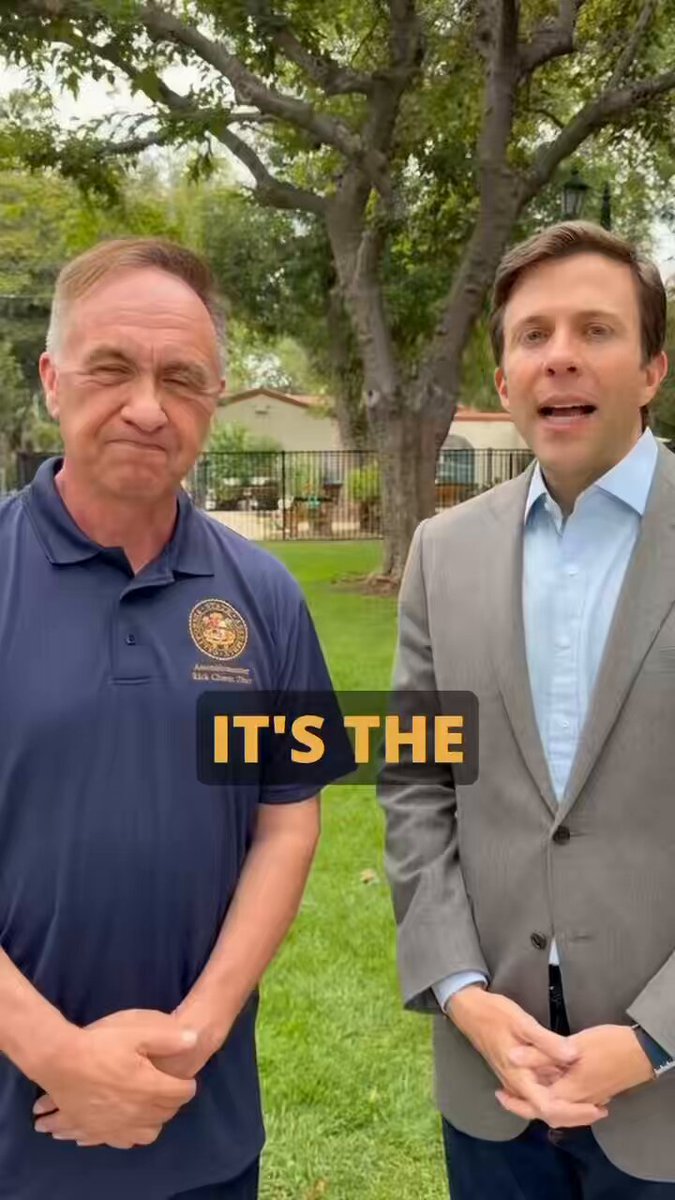
Honored to be supported by our great Assemblymember @RickChavezZbur.
Now let’s get out the vote and win!
1
8
657
Brian Goldsmith retweeted

As polls close in California, here’s a briefing on what to expect tonight:
First and foremost: be patient.
California is one of the slowest-counting states in the country. We expect only about half of all votes cast in this election to be counted by 7:00 a.m. ET on Wednesday morning. Under California law, mail ballots postmarked by Election Day can arrive up to seven days later and still be counted. Accordingly, we may not know tonight which candidates have advanced to the runoff in either the California gubernatorial race or the Los Angeles mayoral race tonight.
California is unusual because it uses a top-two primary system. All candidates, regardless of party, compete on the same ballot, and the two highest vote-getters advance to the general election.
The most important dynamic to be aware of tonight is the difference between the votes reported on Election Night and the votes counted afterward.
The partisan composition of returned mail ballots is substantially more Republican than it was at this point in 2022. But ballot return data tells us who has voted so far, not who will ultimately vote. There is a meaningful possibility that ballots counted after Wednesday morning, what we often call "the trail," will be considerably more Democratic than the votes reported on Election Night.
Why? California generally counts ballots in the order they are received. Republicans appear to be returning ballots earlier than Democrats this cycle. (1) When controlling for past voting behavior, there are still disproportionately more high-propensity Democratic primary and midterm voters who have not yet returned ballots than high-propensity Republican voters. (2) At the same time, Democrats have generally performed well in turnout across primaries held elsewhere this year, making a dramatic statewide Democratic turnout collapse within the realm of possibility but unlikely. (3) We also know that ballot returns have become progressively more Democratic as Election Day has approached. These three factors indicate the remaining uncounted ballot pool could look quite different from the voters represented in tonight's early returns.
The key question is how large that shift could be.
For example, if Wednesday morning Steve Hilton is at 25% and Tom Steyer is at 21%, can Steyer still catch him? Maybe, maybe not. We need to wait. The race would remain highly uncertain and likely uncallable.
In Merced County, the final pre-Election Day report I received showed roughly 22,000 returned ballots from an electorate that was only R 1 by registration, despite the county itself being approximately D 10 by registration. In 2026 across the country, Democratic turnout in primaries has often exceeded what raw registration figures alone would suggest. Even if Dems fall slightly short here, that would still be a 10 point shift towards Democrats after late-mail ballots.
This would not be unprecedented. In CA-27 in 2024, Republican Mike Garcia led Democrat George Whitesides by 2.4 percentage points on Wednesday morning. By the time all ballots were counted, Whitesides had won by 2.7 points. So, a 5.1 point shift towards Dems in the trail. This year we could see swings of comparable, or even greater, magnitude.
Bottom line: exercise caution when interpreting California results tonight. Early returns may provide valuable information, but they are unlikely to represent the final electorate and the "trail" is hard to predict.
We likely won’t know very much by midnight ET, and the picture may still be unclear by 7:00 a.m. ET on Wednesday. We'll know more Wednesday evening, when counties begin reporting batches of votes from the trail. By around 10:00 p.m. ET, we should have a much better sense of how “the trail” is shaping up.
88
126
773
152,386
Brian Goldsmith retweeted

Jun 2
If you’re in CA; vote for @GoldsmithB and @MattMahanSJ tomorrow
1
3
424
Brian Goldsmith retweeted

Jun 1
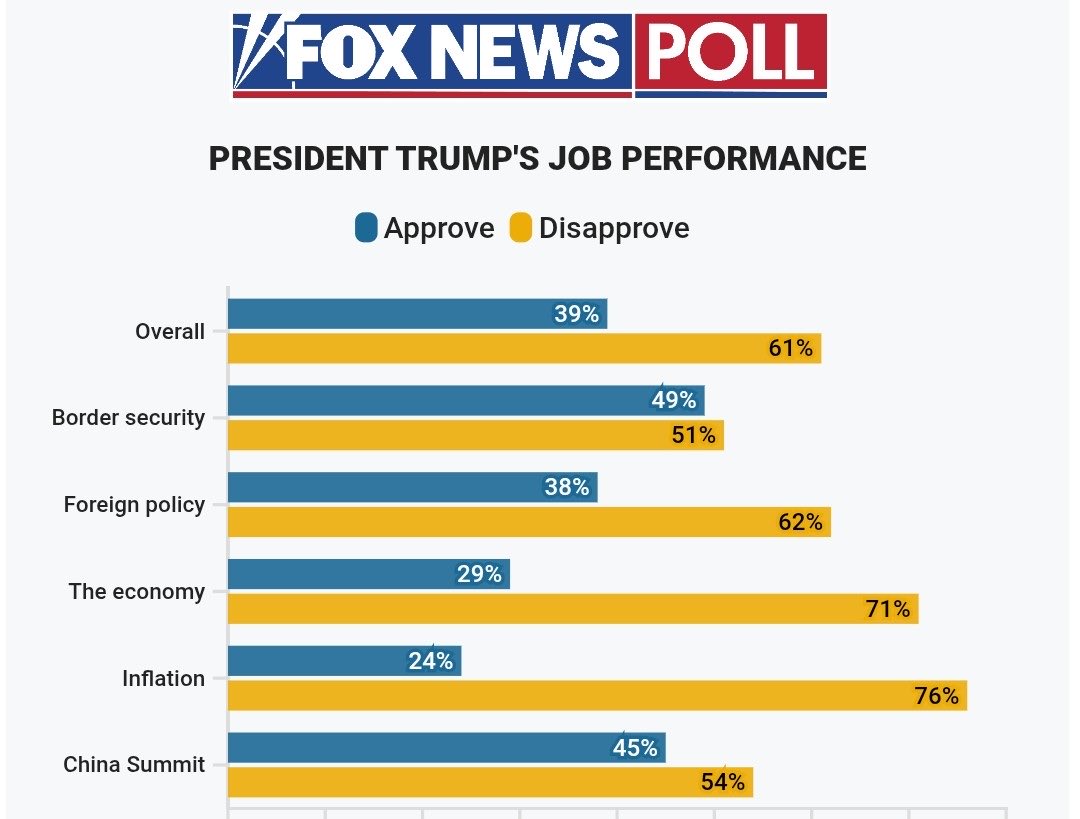
Tariffs even more unpopular than the Jan. 6 fund.
Jun 1

Trump's approval among Pennsylvania voters sunk to 34%, with 71% saying his tariffs were hurting them and 59% disapproving of his plan to pay those prosecuted for the Jan. 6 attack. pennlive.com/news/2026/06/pa…
2
6
29
8,032
Brian Goldsmith retweeted

May 28
In a new report by @The_Budget_Lab, we show that this administration's restrictive immigration policies--even if undone after 2028--will make America less dynamic and productive for decades to come. (1/4) budgetlab.yale.edu/research/…
2
7
12
6,204
May 30
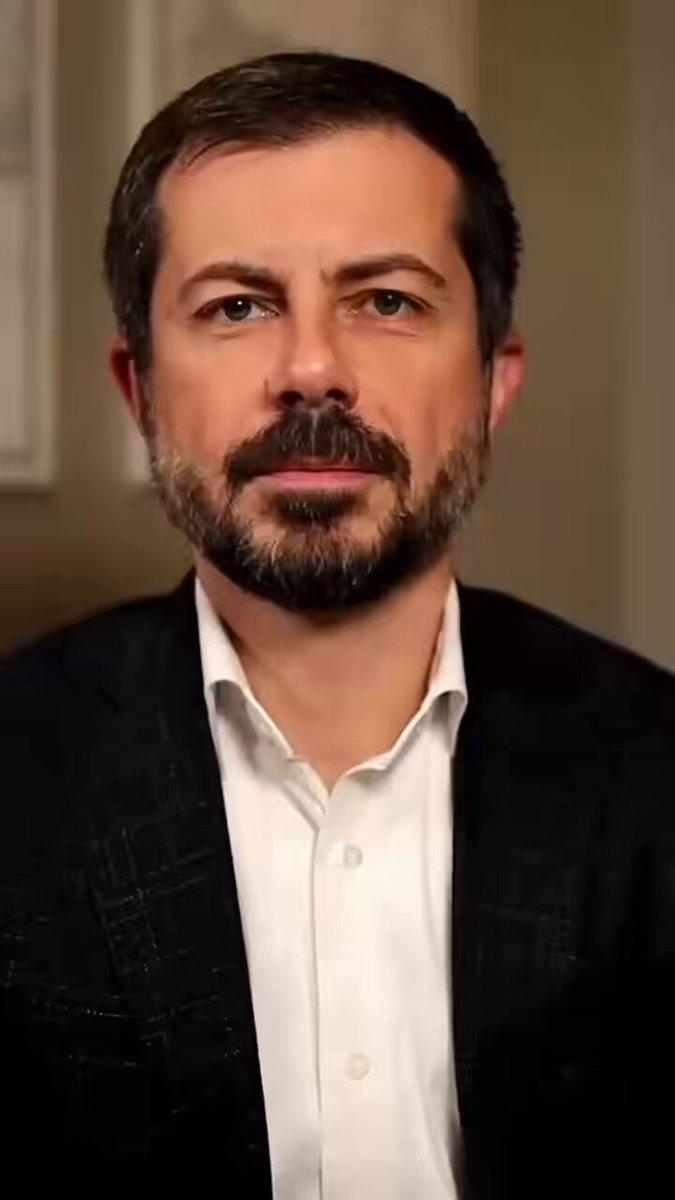
Honored to have the support of my pal @PeteButtigieg. Please post and share…and vote by June 2!
10
32
83
11,119
May 29
RT @HillaryClinton: This is what Trump's done to the people's house:
A third of it is rubble.
Another third is a cage match.
What a m…
17,930
1
May 27
We CAN make California more affordable. Here are specific steps I’d take: westsidecurrent.com/election…
1
5
391
Brian Goldsmith retweeted

May 27
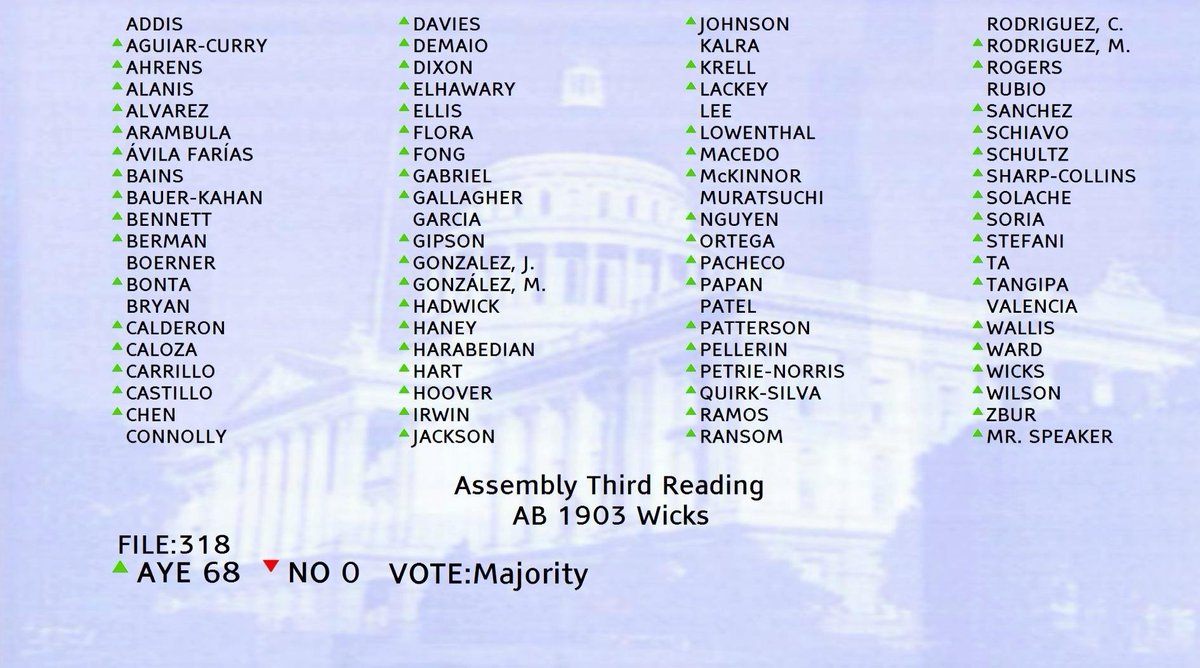
Wow! Unanimous support for AB 1903, which aims to end the onslaught of frivolous litigation that makes it impossible to build condos in California—key to reviving homeownership. Still a ways to go, but @BuffyWicks has a way of making the impossible seem inevitable.
9
47
550
32,498