
Non-profit making organization, working towards sustainable development through environmental conservation and climate change mitigation. SDG1.2.3.6.12.13.15.17
Joined December 2019
- Tweets 1,419
- Following 4,976
- Followers 3,549
- Likes 4,246
303 Photos and videos

Pinned Tweet

14 Nov 2024
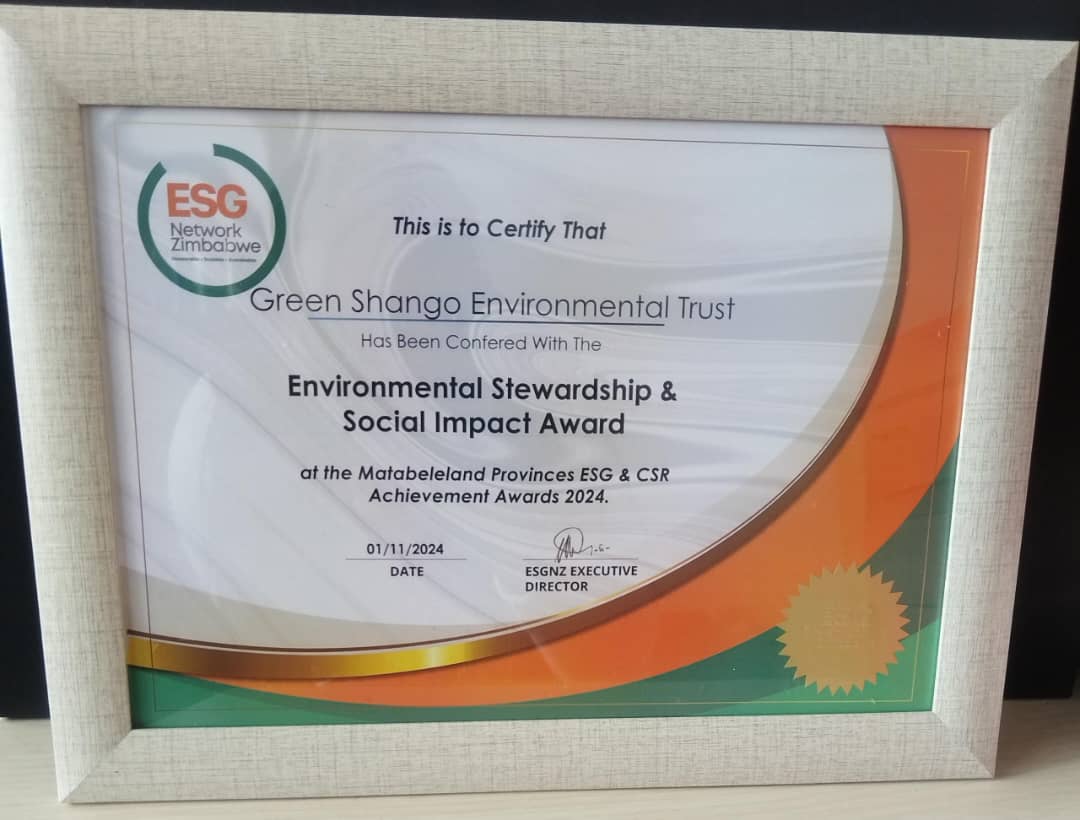
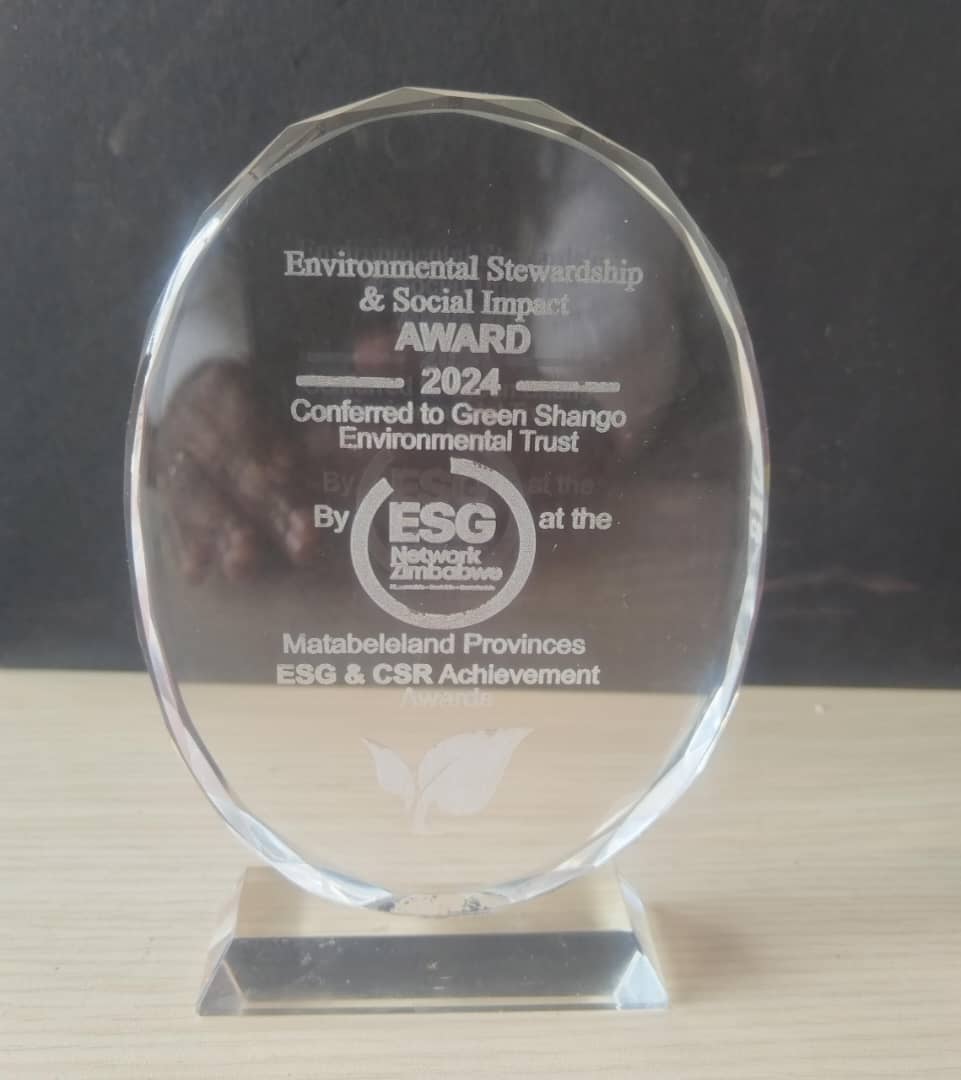
We are deeply humbled and honoured to receive the prestigious Environmental Stewardship and Social Impact Award conferred upon Green Shango Environmental Trust from @esgnetworkzw. This esteemed recognition serves as a testament to our unwavering commitment to environmental conservation and community empowerment. We extend our sincerest gratitude to the organizers and stakeholders for acknowledging our efforts. This award not only validates our work but also inspires us to continue striving for a sustainable future, where environmental responsibility and social justice thrive. We dedicate this achievement to our dedicated team, partners and the communities we serve, whose collective passion and resilience drive our mission forward.
@hwangetown @Eng_Nkosi
@AdelaideMoyo
@ChronicleZim @EMAeep @elia_ntali @tatenda__mutasa @lizgulaz @hut_green @baba_cael @Shabba004 @TawandaMukora @ncubeleon @RueMapfumo @ruenyoni @ShanganoT @molokele @AyiccZim @
2
7
18
1,348
8 Mar 2025
8 Mar 2025

1
5
112
3 Jan 2025
🌿 #HappyNewYear2025 from Green Shango Environmental Trust!🌿
To all our friends, volunteers, and stakeholders, we wish you a prosperous and green 2025! 🌍
Join us this first Friday of the month for our Clean-Up Campaign. Let's make the most of the current rains by planting trees and nurturing our environment. Together, we can make this another great year for our planet! 🌱
@AdelaideMoyo
@Eng_Nkosi @bchiketo @hwangetown @Mhlozbc @Yollandayollie1 @Shabba004 @TawandaMukora @tatenda__mutasa @ManicaYouth @GreenInstitute2 @hut_green @AyiccZim @MatopeNigell @ZELA_Infor @HwangeResidents @Vic_Falls_Live @EMAeep @forestrycom1
2
10
249
29 Dec 2024
🌍🎶 **Feel the Beat of Change!** 🎶🌍
Dive into the heart of Africa with our COP29 climate change anthem! Let's unite for a greener future.
youtu.be/uwfIT8HHG_w?si=qQEv…
Watch now and be part of the movement before 2025! 🌱💚
1
2
100
Green Shango Environment Trust retweeted

17 Dec 2024
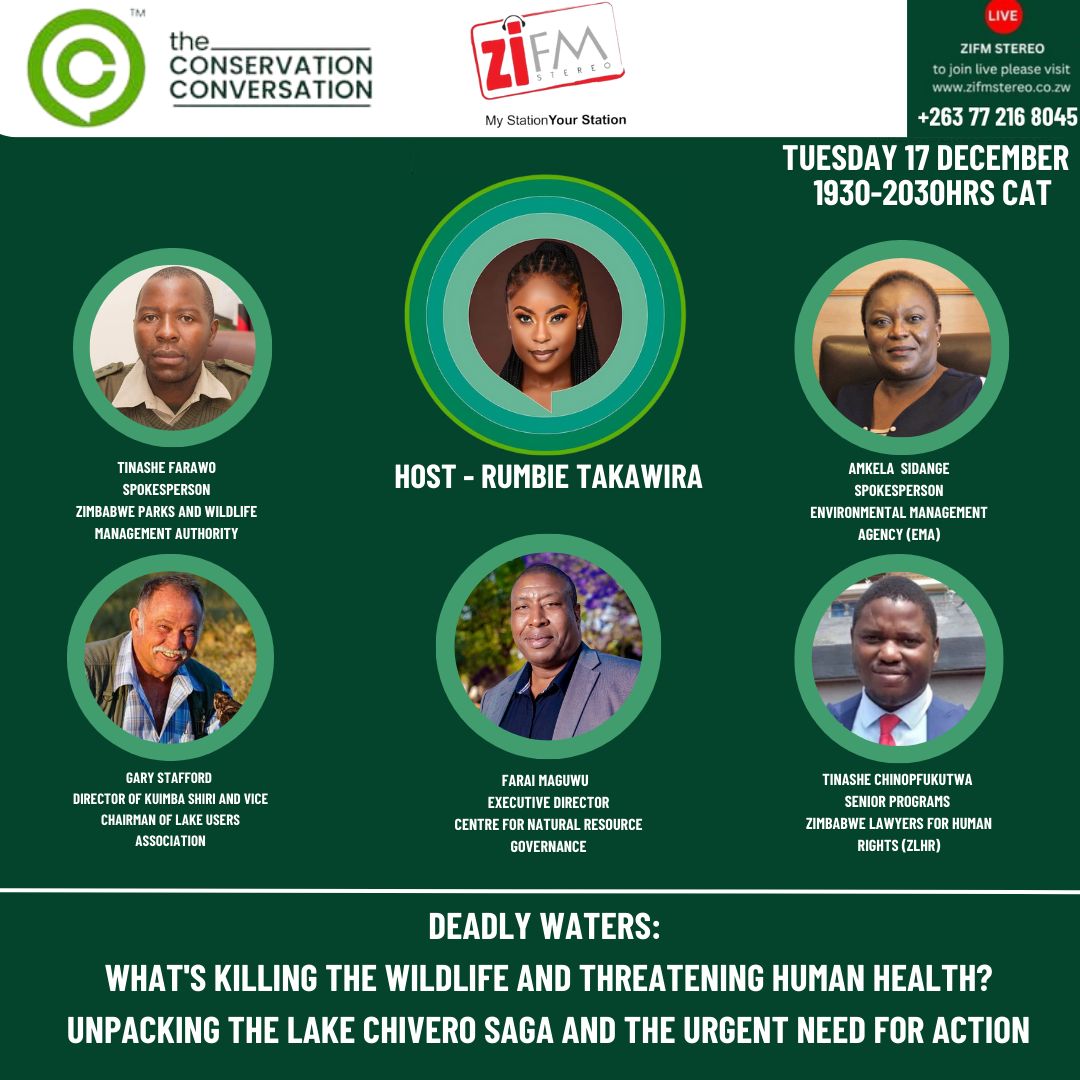
Join us tonight.....
1
4
9
570
Green Shango Environment Trust retweeted

15 Dec 2024
Environmental Crisis at Lake Chivero: A Call to Action
In a distressing turn of events, Lake Chivero, one of Zimbabwe's vital Ramsar sites, is facing an ecological disaster. Reports have confirmed the death of thousands of fish due to cyanobacteria poisoning, a direct consequence of raw sewage discharge by the City of Harare into the lake. This environmental catastrophe has escalated, claiming not only aquatic life but also affecting terrestrial wildlife, including zebras, wildebeests, fish eagles, goats, and cattle from nearby farms. The incident, now termed an "Aquatic Massacre," on social media by environmental activists, underscores a severe breach in environmental stewardship and public health.
The Root of the Problem
The contamination stems from the City of Harare's sewage management failures, leading to untreated waste being dumped into Lake Chivero. This has fostered the growth of cyanobacteria, which thrives in nutrient-rich, polluted waters. The bacteria produce toxins that are lethal to both aquatic and terrestrial animals, disrupting the food chain and biodiversity of the area.
Efforts and Shortcomings
In response, the Parks and Wildlife Management Authority, alongside veterinarians from the University of Zimbabwe, attempted to mitigate the damage by providing alternative water sources and deterrents to keep animals away from the contaminated lake. However, these efforts have fallen short, as wildlife continues to access the lake, unable to distinguish safe from toxic water sources.
A Broader Call for Action
This incident highlights a critical need for a comprehensive approach to pollution control in Zimbabwe. The pollution of Lake Chivero is not an isolated event but a symptom of larger systemic issues in waste management and environmental protection. As Zimbabwe prepares to host the Ramsar Convention's 15th Conference of the Parties (CoP15) in July 2025, this event could not have come at a more pivotal time, prompting an urgent review of environmental policies and practices.
Community and Global Engagement
The environmental crisis at Lake Chivero requires not just governmental intervention but a whole-of-society approach. Local communities, environmental activists, and international bodies like the Ramsar Convention must unite to advocate for and implement better environmental practices. The international community's eyes will be on Zimbabwe as it hosts CoP15, the Conference of the Contracting Parties to the Ramsar Convention on Wetlands (COP15). The event will take place in Victoria Falls from July 23 to July 31, 2025. This global conference focuses on the conservation and sustainable use of wetlands, bringing together contracting parties to discuss strategies and share progress on wetland preservation, making it the perfect platform to showcase a commitment to environmental conservation or highlight the urgent need for global support in tackling such crises.
Looking Forward
As Humwe Eden's, Villaedg-E-Report team continues to monitor this situation, we urge our readers, environmental stakeholders, and policymakers to engage in dialogue and action. The health of Lake Chivero is a mirror reflecting the state of environmental health in Zimbabwe. It's a call to not only address immediate crises but to overhaul the approach towards ecological preservation, ensuring that such incidents do not recur.
For further information or to get involved, contact Tinashe Faraiwo, the spokesperson for ZimParks, at 263772433901 or tfaraiwo@zimparks.org.zw (mailto:tfaraiwo@zimparks.org.zw). Together, we can turn this environmental disaster into a stepping stone towards a more sustainable future for Zimbabwe's natural resources.
#SaveLakeChivero #EnvironmentalCrisis #ZimbabweWildlife #Ramsar2025 #TogetherWeCan
3
8
1,041
28 Oct 2024
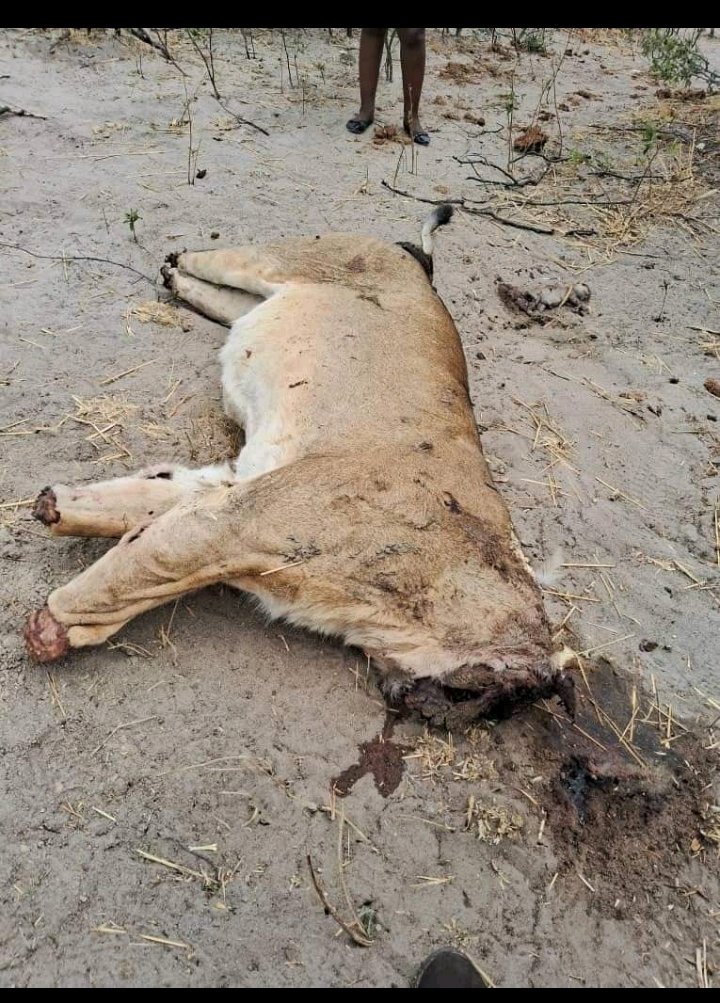
🌍 Green Shango Environmental Trust applauds the swift action of law enforcement in arresting Hali Mabuya, a game ranger who betrayed his duty by killing three lions in Hwange Game Park. This heinous act stands in stark contrast to the principles of wildlife protection and conservation that we hold dear. We commend the authorities for their commitment to justice and urge continued vigilance to safeguard our precious wildlife. Together, we can ensure that those entrusted with protecting our natural heritage are held accountable. 🦁 #WildlifeConservation #JusticeForLions #Hwange
@AdelaideMoyo @Zimparks @hwangetown @ChronicleZim @elia_ntali @Eng_Nkosi @FarawoTinashe @EMAeep @ruenyoni @RutendoMapfumo @NcubePeterson @Mhlozbc @ncubeleon
1
3
8
690
Green Shango Environment Trust retweeted

17 Oct 2024
Climate change has led to severe environmental degradation in Ward 9. In response, villagers are actively working to rehabilitate the environment through various initiatives aimed at restoring its productivity and sustainability. - Video by Judis Ngwenya and Dorcas Mugande
2
2
1
174
Green Shango Environment Trust retweeted
17 Oct 2024
Due to the El Niño-induced drought, a result of climate change, villagers in Mashala are increasingly relying on unsafe water sources. These water points are shared with wildlife and livestock, raising health and safety concerns for the community. - Video by Marvellous Mhlanga
1
3
1
217
2 Oct 2024
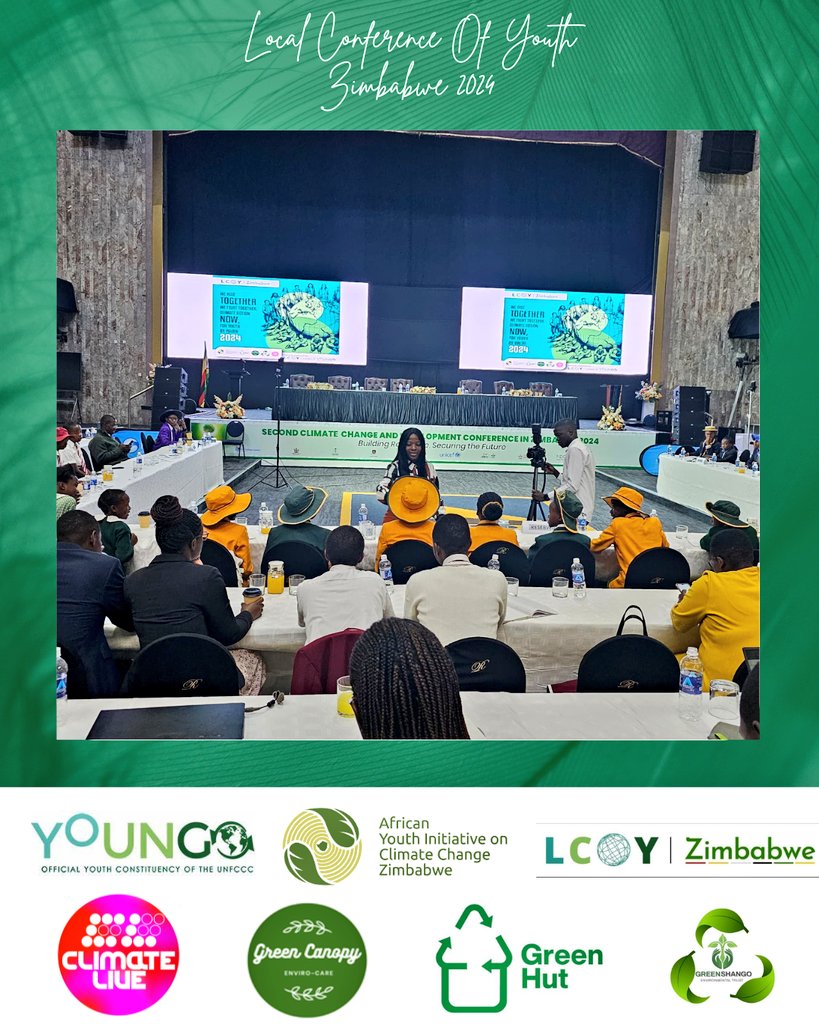
🌍 @GreenShango is thrilled to host the 3rd Local Conference of Youth (LCOY) at Rainbow Towers, Harare! 🎉 This event amplifies the powerful voices of our youth, driving crucial conversations and actions towards COP29. Together, we are shaping a sustainable future for our planet. Join us in empowering the next generation of climate leaders! 🌱 #LCOY2024 #YouthForClimate #COP29 #SustainableFuture

1
11
236

Currently happening the Local Conference Of Youth 2024 #LCOYZim2024 happening live in #Harare at the Harare International Conference Center. A big shout out to all organisations who have supported the event @UNICEFZIMBABWE @ClimateZimDept @ndcpartnership @UNDPZimbabwe



7
18
710
Green Shango Environment Trust retweeted

13 Sep 2024
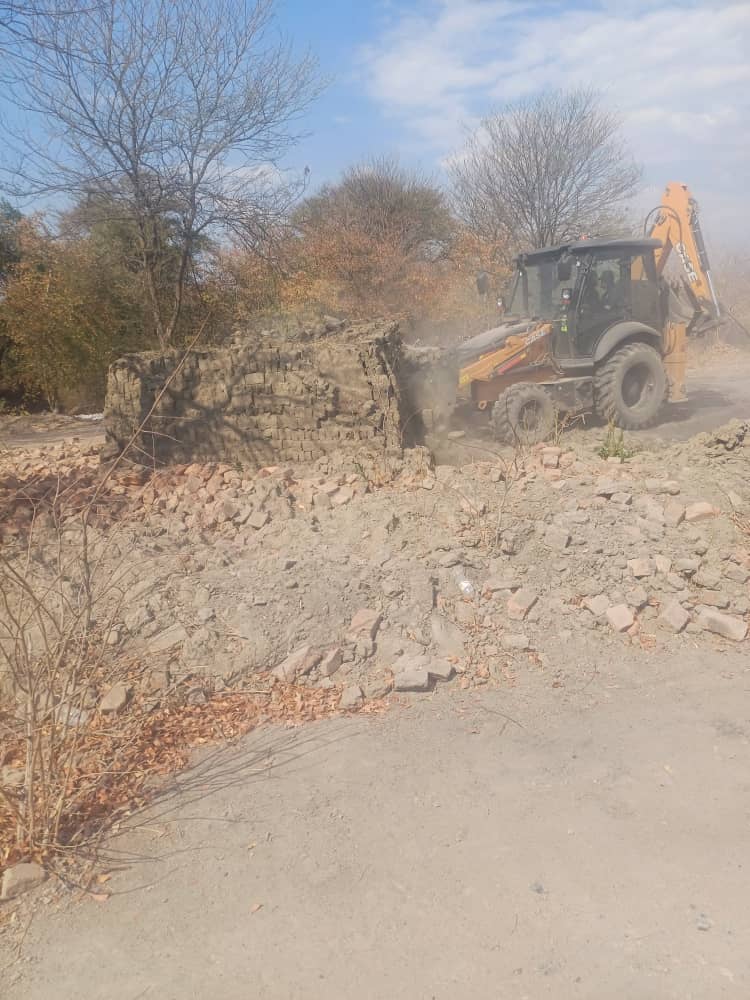
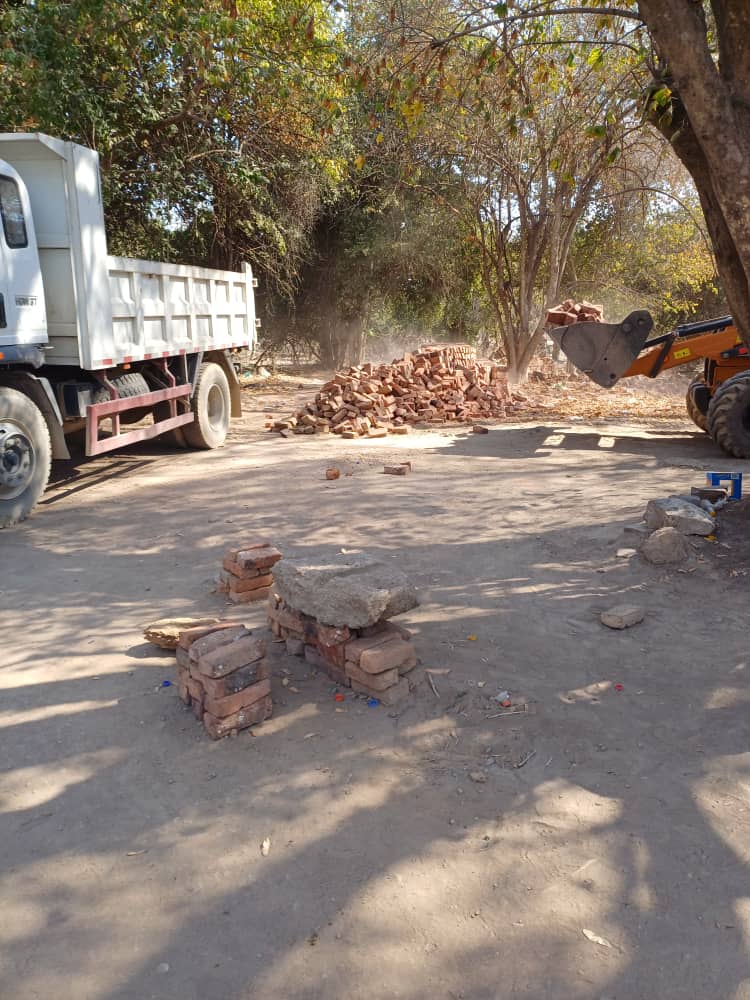
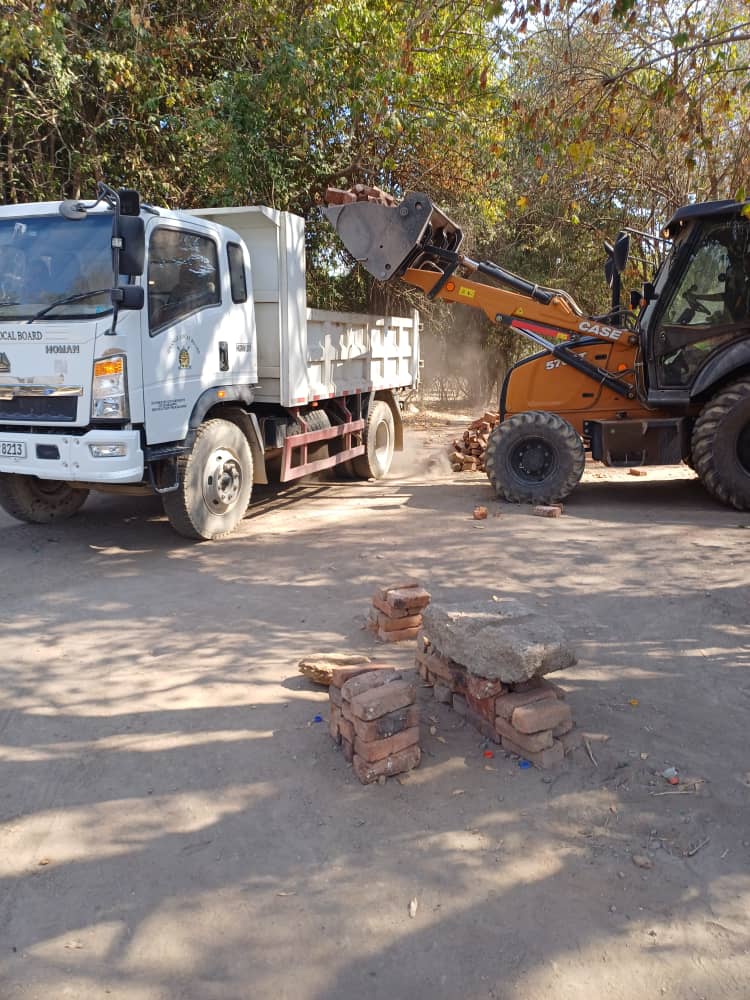
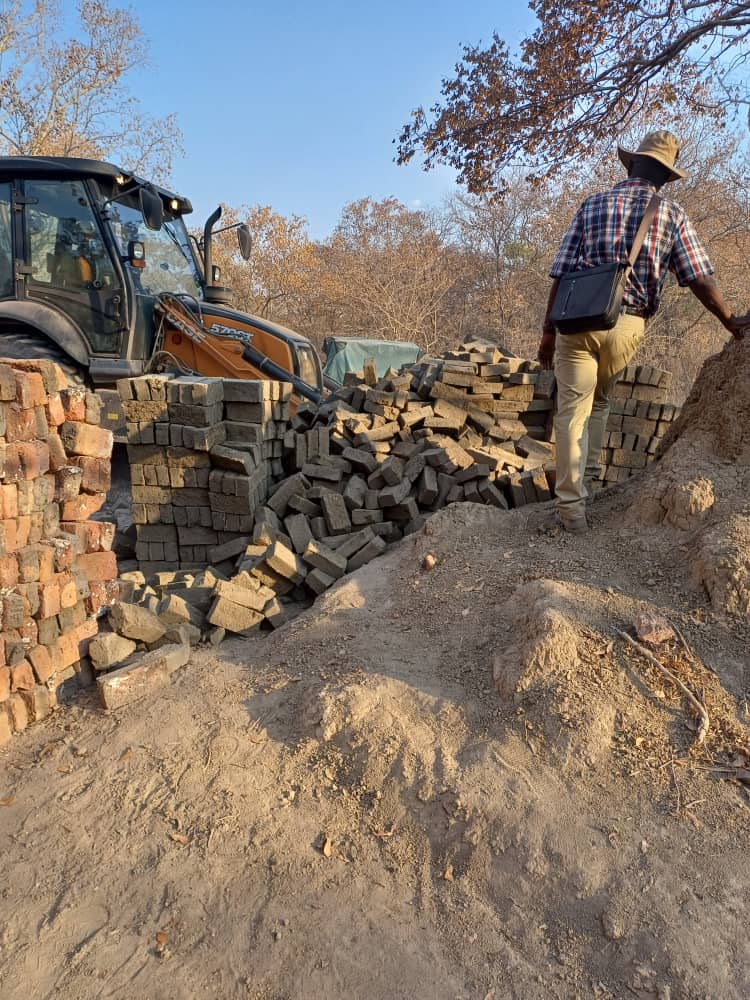
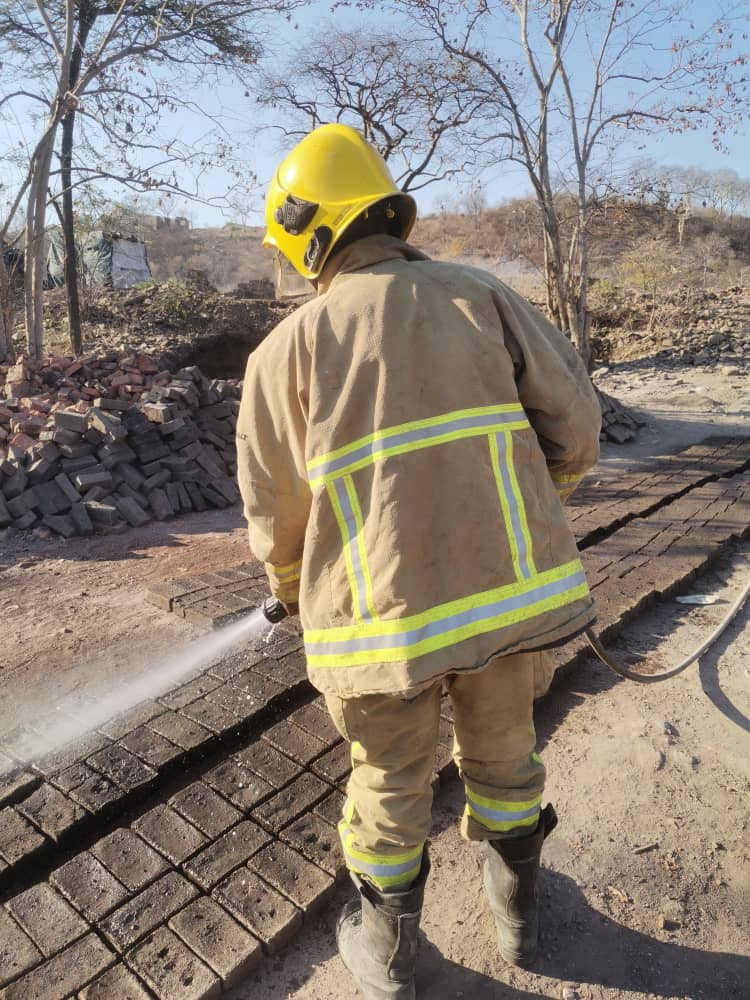
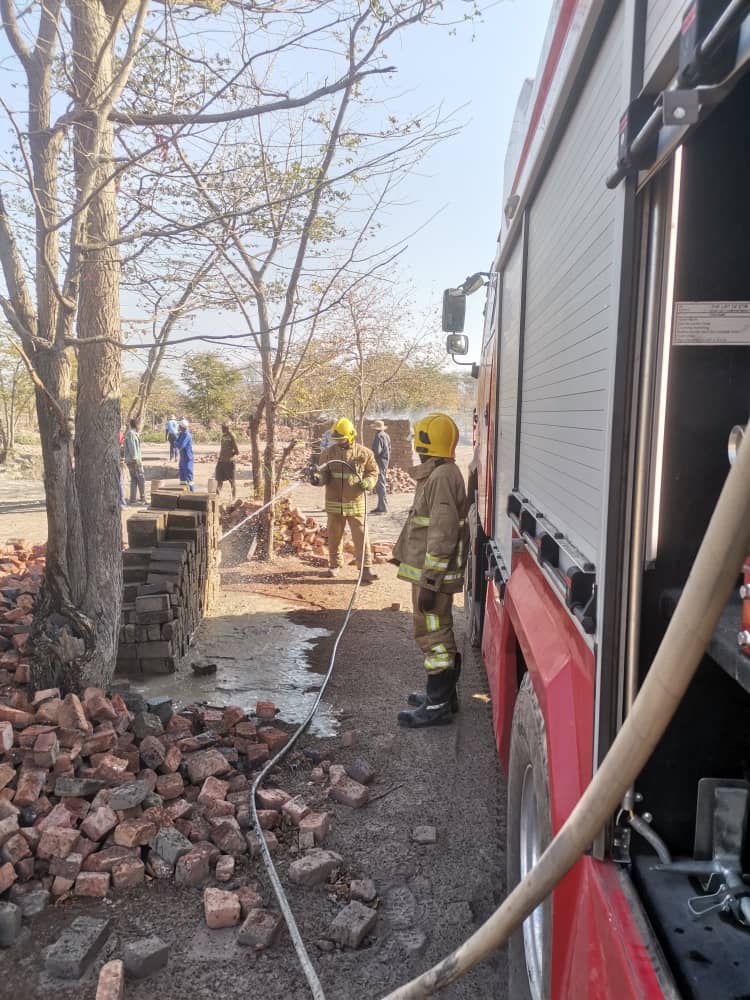
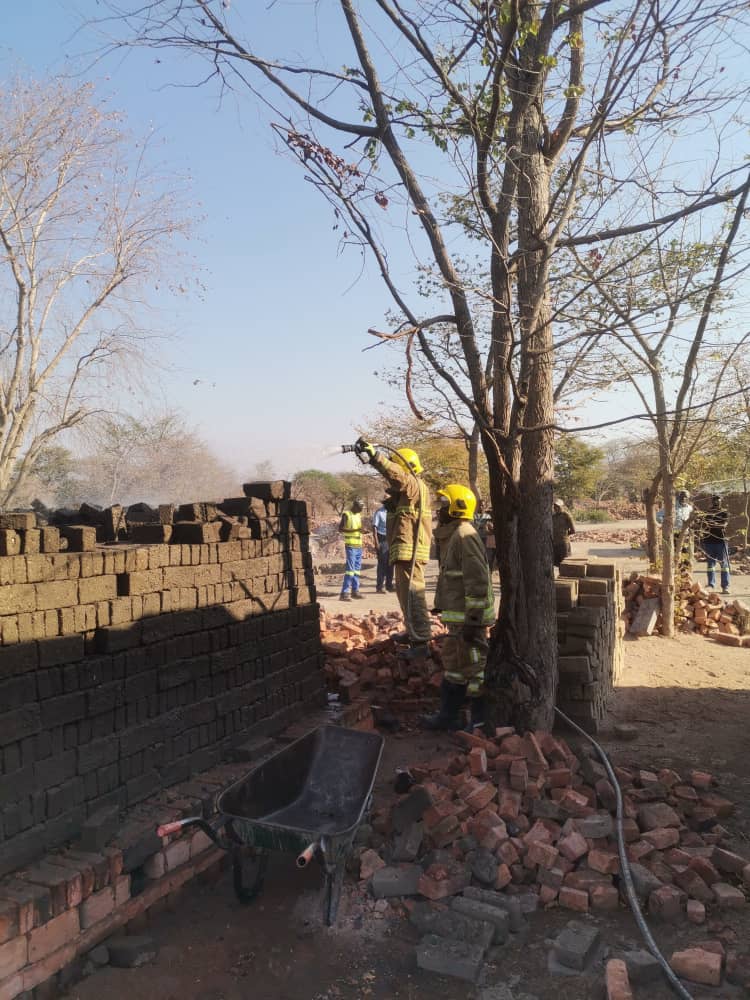
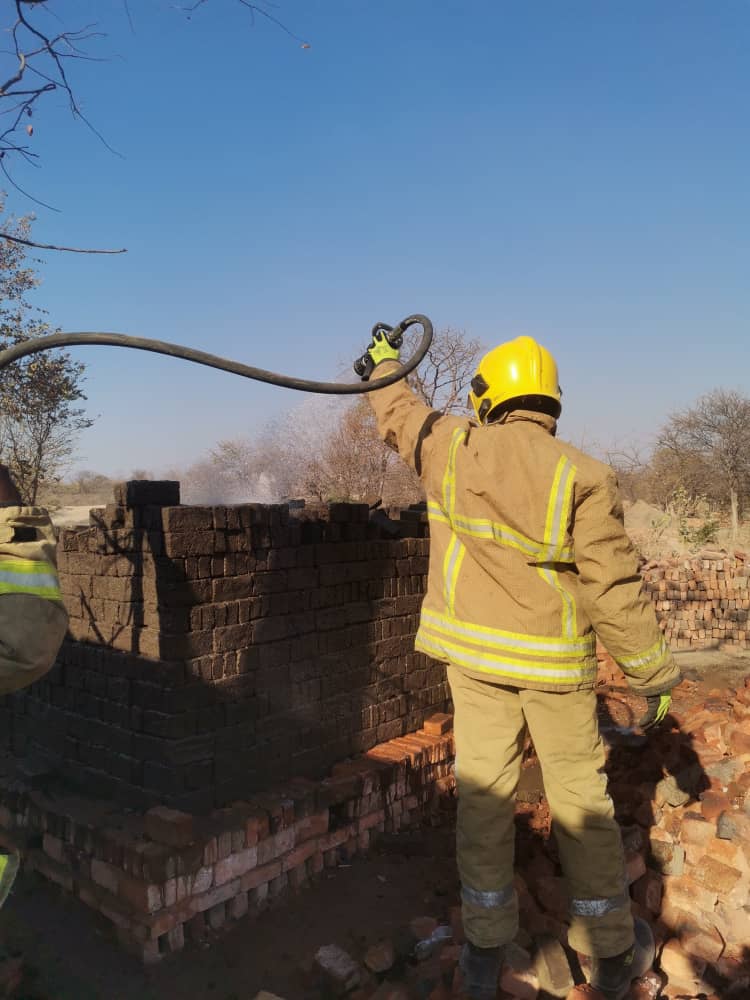
NO TO LAND DEGRADATION...Hwange Local Board has embarked on an exercise to rehabilitate land damaged by illegal brick moulders in its area of jurisdiction @HwangeResidents @molokele @EMAeep @UcazOfficial @MoLGPWZim @Vostile1 @real_Godfatha @RutendoMapfumo @LyejaFM @GreenShango
3
3
323
Green Shango Environment Trust retweeted
14 Sep 2024
FIGHT AGAINST LAND DEGRADATION...Hwange Local Board continues to thwart activities by illegal brick moulders destroying the environment in its area @HwangeResidents @molokele @EMAeep @MOECW_ZIMBABWE @ChronicleZim @RutendoMapfumo @InfoMinZW @GreenShango @Vostile1 @hwangefm
1
3
3
392
10 Sep 2024
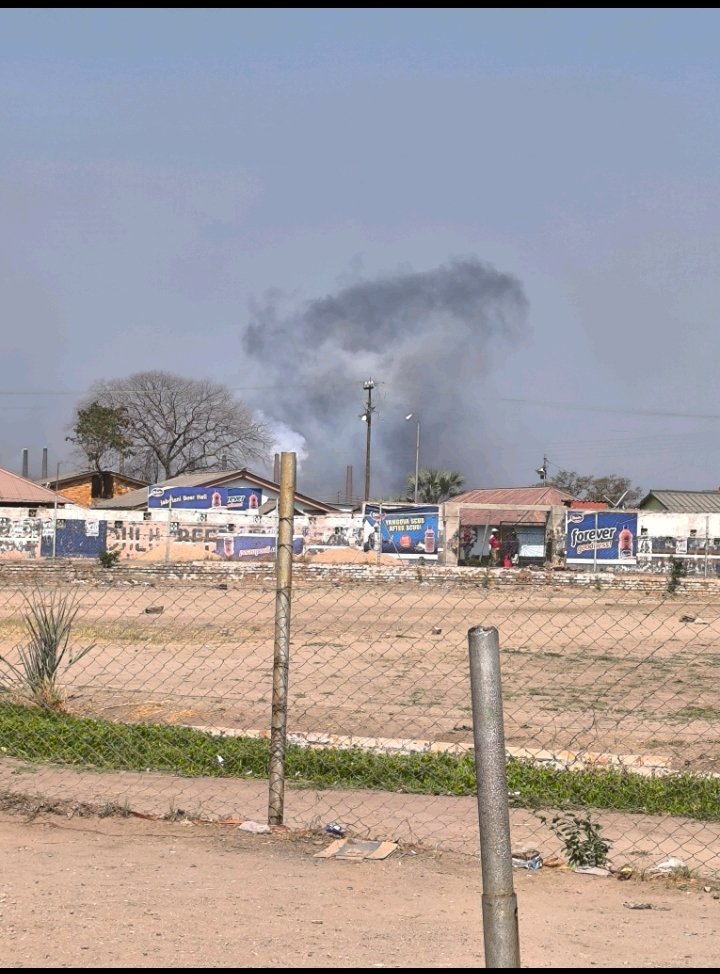
Despite the significant contributions of the coke business to energy, foreign currency, and employment in Hwange, it is crucial for local coal and coke mines to take responsibility and adhere to standards. The rampant dust pollution from plant machinery and roads shows a clear disregard for the environment and the well-being of the Hwange people. It’s time for these industries to prioritize dust pollution mitigation and respect for humankind.
#EnvironmentalJustice #SustainableDevelopment #Hwange #PollutionControl
@AdelaideMoyo
@BinelogeNhembo
@EMAeep @elia_ntali @hwangetown @Eng_Nkosi @Sdg13Un @hut_green @Mhlozbc @LeninChisaira @YollandaLilly @ncubeleon @lizgulaz @tatenda__mutasa @Shabba004 @RutendoMapfumo @FairnessMoyana @kudzai_ndidzano
2
4
215
7 Sep 2024
🚨 Urgent:
All coal mining players in Hwange must allocate funds to combat underground coal fires! 🔥 Today, a significant fire was spotted at M Block area, highlighting the critical need for proactive measures to protect our environment and communities. @GreenShango We discourage hwange citizens to walk in bush concessions areas.
#Hwange #CoalMining #EnvironmentalProtection #SafetyFirst
@Eng_Nkosi @hwangetown @ShanganoT @AdelaideMoyo @elia_ntali @EMAeep @ministrymineszw @hut_green @AyiccZim @DubeButholezwe @baba_cael
3
8
202
30 Aug 2024
Thank you for working as a team to develop the community in your area. Please continue.
9 Aug 2024

I was very excited to be part and parcel of the initiative with fellow climate change advocates. #ClimateActionNow #climateEducation #climateResilience #YouthEmpowerment #Growth
2
72
29 Aug 2024
*DID YOU KNOW?*
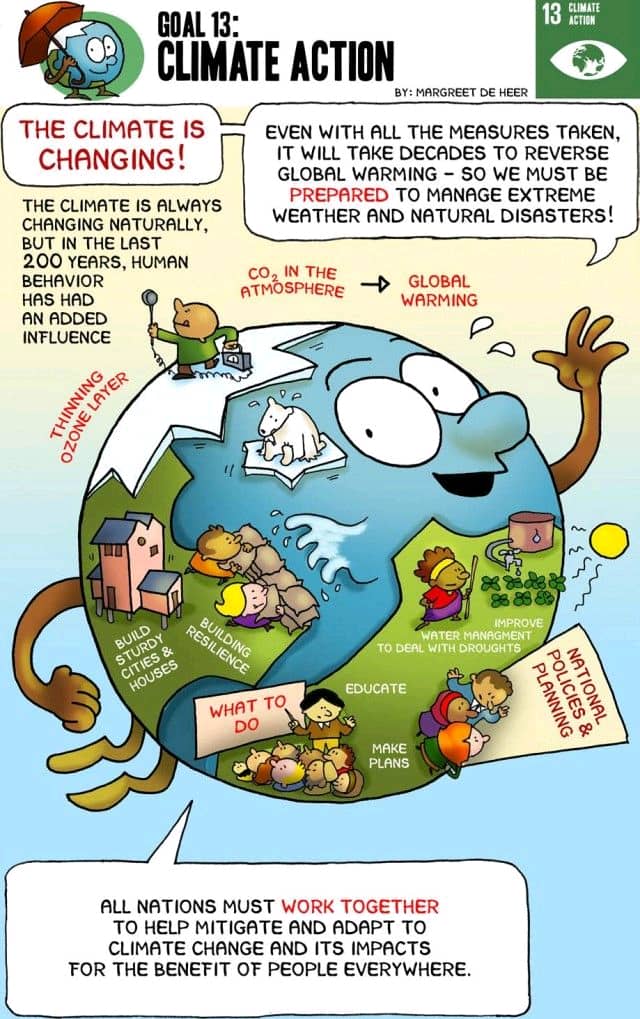
Climate change is one of the most pressing issues of our time, with far-reaching consequences for our planet and its inhabitants. Rising temperatures are expected to displace 143 million people by 2050, with vulnerable communities in Sub-Saharan Africa, South Asia, and Latin America bearing the brunt. However, this stark reality also presents an opportunity for collective action and transformative change.
By working together to reduce greenhouse gas emissions, transition to renewable energy, and protect natural carbon sinks, we can mitigate the effects of climate change and create a more sustainable future. Every small action counts, and collective efforts can lead to significant positive change. Let's rise to the challenge and embrace this moment as a chance to unite, innovate, and ensure a livable world for generations to come. Together, we can make a difference and create a brighter, more resilient future for all.
@AyiccZim @ManicaYouth @hut_green @ShanganoT @lizgulaz @tatenda__mutasa @TateMavetera
2
8
194