
Sunday School Teacher | Chess player | Husband | Ever learning and growing in the knowledge of Christ Jesus.
Joined October 2023
- Tweets 1,289
- Following 236
- Followers 82
- Likes 578
46 Photos and videos








Pinned Tweet

Feb 20
I write about Church history, the Reformation, and Reformed theology.
To understand how the Church developed, what the Reformers actually taught, and why it still matters today, follow along.
First thread dropping soon.
2
591
Greg Tafri retweeted

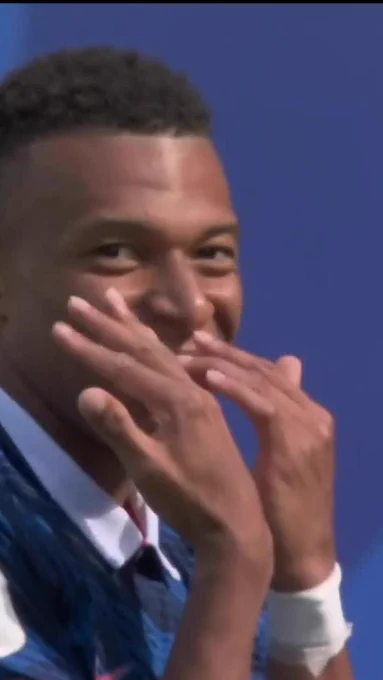
Michael Olise was made in a lab 🤯
He picks Senegal's lock to find Kylian Mbappé 🇫🇷💥
📺 Stream #FIFAWorldCup2026 on DStv: tinyurl.com/4wrtdwtb
@Absa
43
440
7,291
230,400
Greg Tafri retweeted

Jun 14
#WorldCup
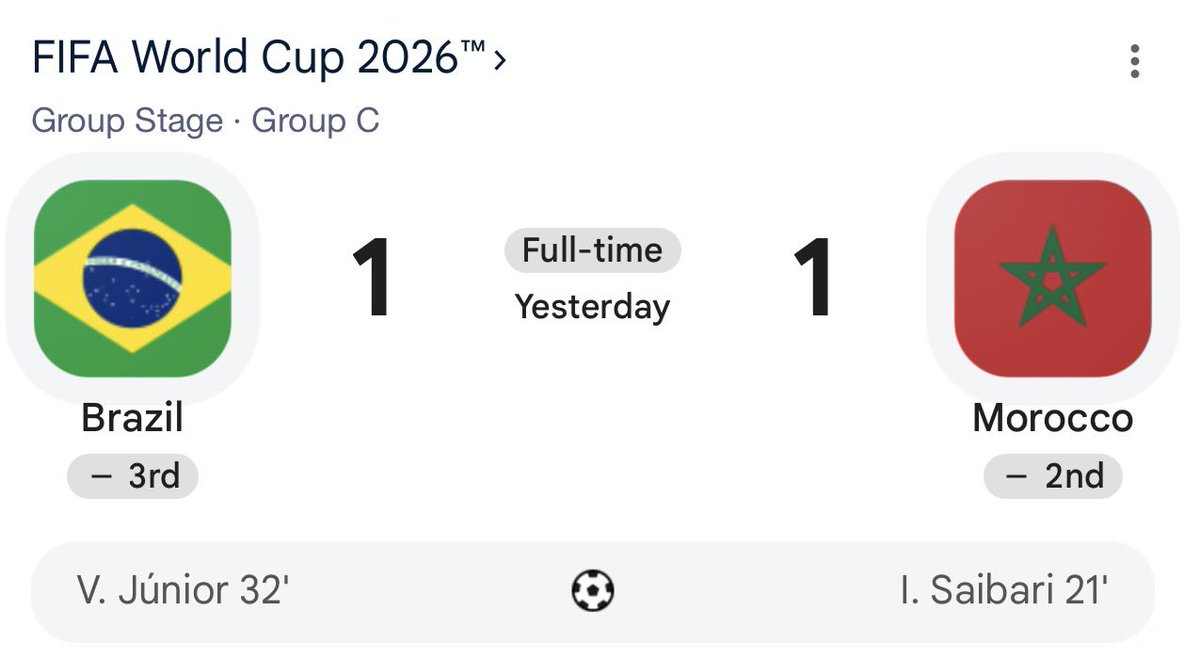
As a young boy growing up in the 1980s and a teenager in the early 90s, one of the things I looked forward to most during every FIFA World Cup was watching Brazil play.
They were the Samba Boys. It was a spectacle. Their football was joyful and artistic. It was played with flair, imagination, and confidence. Every touch seemed to carry a touch of magic.
The names still bring back memories: Socrates in midfield, Zico with the vision. Later came Romário and Bebeto. Then arrived Ronaldo and Rivaldo, carrying the Brazilian tradition into a new era while still preserving the essence of what made Brazil special.
Today, that excitement is gone.
Modern Brazilian football appears to have surrendered much of its identity. The influence of European football has transformed the way Brazilian players are developed and how the national team plays. There is now a greater emphasis on physical conditioning, tactical discipline, defensive structure, and systems. While these elements are important, they seem to have come at the expense of creativity and spontaneity.
The modern winger, once the symbol of Brazilian football, rarely excites in the same way. Gone are the days when a wide player would repeatedly beat his full-back, race to the byline and “square play” to a teammate.
We miss the Brazil that danced with the ball. We miss the Brazil that made us count down the days to the World Cup.
Somehow, Brazil is no longer Brazil.
Hon Akin Alabi is a football fan from Ibadan.
42
38
189
15,763
Greg Tafri retweeted

Jun 14
Rev'd Odoma in his first session at IEC clearly stated that John the Baptist fulfilled his assignment.
No buts, no ifs...
But it's worrying that every time I've seen his friend talk on the subject, there's always something that made John unfulfilled.
4
18
1,264
Greg Tafri retweeted

Jun 14
Biblical orthodoxy without compassion is surely the ugliest thing in the world.
-- Francis Schaeffer
3
6
144
Jun 14
What Germany is doing to this new comers is not nice at all 😂😂😂
Germany 7 - 1 Curaçao
This is so humiliating oh
83
Greg Tafri retweeted

Jun 13
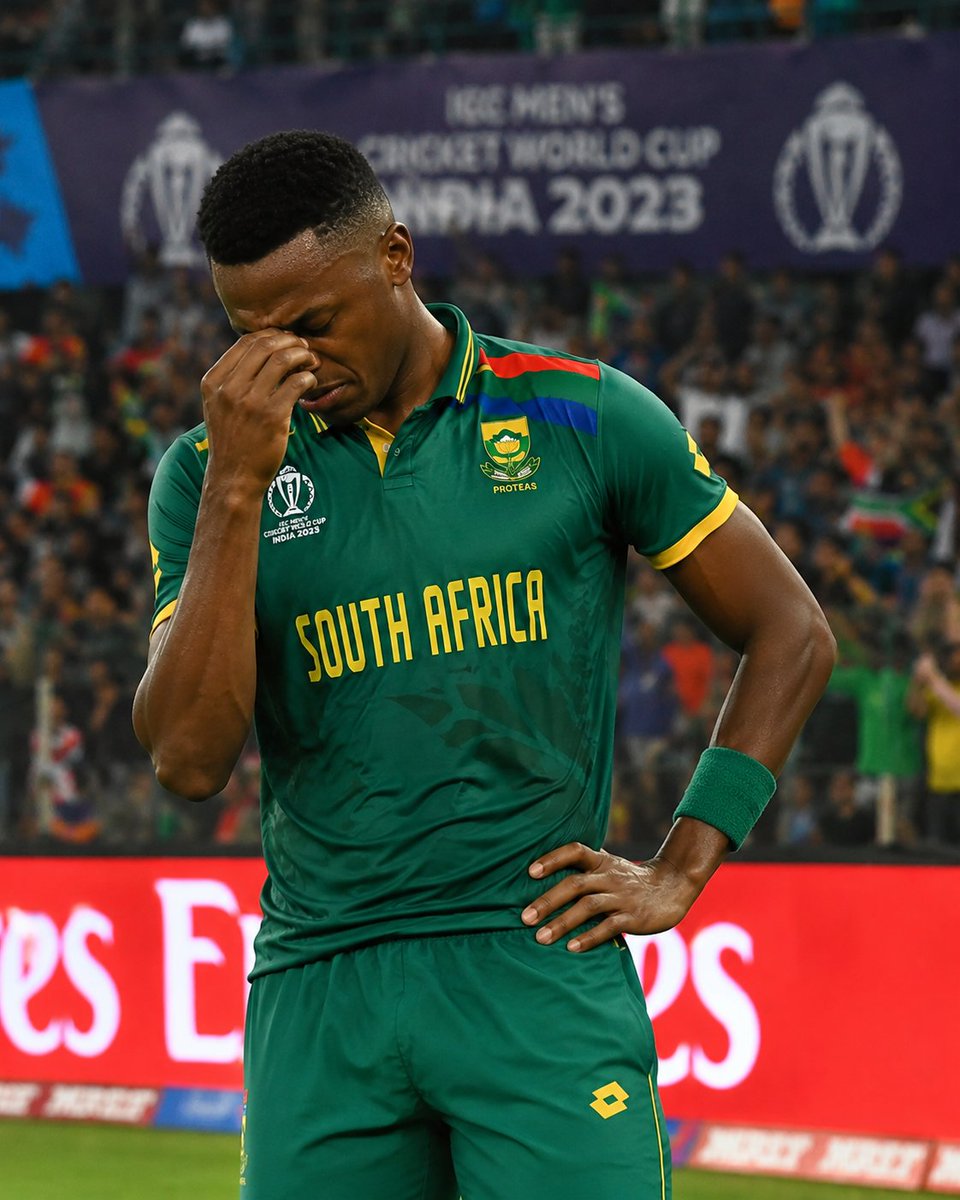
The simple lesson for South Africa is that actions have indirect consequences. It's a lesson for all of us.
8
33
971
Jun 13
Anxiety in the heart of a man causes depression, But a good word makes it glad. Proverb 12:25 NKJV
76
Greg Tafri retweeted

Jun 11
Apostle of Wisdom.
Apostle of the Marketplace
Apostle of the Seven Mountains
Apostle of Wealth
Apostle of Systems
Apostle of Crypto Kingdompreneur
The simple message was "Lovest thou me more than these?... Feed my sheep"
Souls are hungry
Unbeliever on the pews
Abeg
🆘 🆘 🆘
5
14
57
2,252
Greg Tafri retweeted
Jun 12
Can a Christian work in the "vice" industry - alcohol, betting, and tobacco corporations?
facebook.com/share/p/1BLHba5…
4
9
28
4,849
Jun 12
We will talk about how this entitlement culture has crept into our churches in the guise of giving to the LORD through funding of church programmes and project.
31
Jun 12
Habits are the invisible architecture of daily life. They quietly govern nearly half of our waking behaviors, shaping character, health, relationships, and destiny.
Charles Duhigg popularized the idea that habits drive much of human action, but this insight is far older. Scripture has long addressed patterns of behavior as matters of the heart and mind, while neuroscience and psychology now illuminate the mechanisms.
From a Reformed theological viewpoint (drawing on Augustine and John Calvin) habits are not neutral. They emerge from our fallen nature (total depravity) and can be exploited by spiritual forces. Yet the gospel offers genuine hope of transformation through the renewing work of the Holy Spirit.
In this tweet, I am going to try to integrates biblical theology, neuroscience, and psychological research to examine how habits form, how they can become weaponized in spiritual conflict, and how Christ provides deliverance.
Section 1: The Science and Psychology of Habit Formation.
Modern research confirms habits arise through repetition in stable contexts, shifting from deliberate to automatic behavior.
The Habit Loop
Charles Duhigg’s model—cue, routine, reward—has become foundational. A cue (trigger) prompts a routine (behavior), which delivers a reward that reinforces the loop. Over time, cravings strengthen it.
Neuroscience reveals the brain’s role. Habits involve the basal ganglia, particularly the dorsolateral striatum, which automates actions as they repeat. Early on, goal-directed behavior (using the associative striatum and prefrontal cortex for decision-making) shifts to habitual control. Studies with rats (e.g., Ann Graybiel’s MIT work) show neural activity moving from flexible to rigid circuits with repetition.
Neuroplasticity and Timeframe
The brain rewires through neuroplasticity. A 2010 study by Lally et al. found it takes an average of 66 days for a new behavior to become automatic, with a wide range (18–254 days) depending on complexity and individual differences. Simpler habits form faster; complex ones require more consistency.
Psychological factors matter: stable environments, clear cues, and immediate rewards accelerate formation. Stress impairs habit change, while implementation intentions (“if-then” planning) double success rates.
In short, science shows habits are efficient neural shortcuts. But efficiency cuts both ways—good habits build flourishing; bad ones enslave.
Section 2:
Biblical and Reformed Views on Habits, Sin, and the Fallen Nature
Reformed theology roots habitual sin in original sin and total depravity. Augustine viewed sin as a corruption passed to all humanity, creating a bent toward self-love over God. Calvin echoed this: original sin is “a hereditary depravity and corruption of our nature… diffused into all parts of the soul,” making us “inclined to all evil” and incapable of true spiritual good without grace.
Romans 7 vividly describes this internal conflict: “For I do not do the good I want, but the evil I do not want is what I keep on doing” (v. 19, ESV). Sinful patterns become ingrained, aligning with psychological habit loops but originating in the heart’s idolatry (Jeremiah 17:9).Reformed thinkers distinguish between the flesh (remaining corruption), the world (external pressures), and the devil (active spiritual opposition). Habits of sin—anger, lust, greed, anxiety—are not mere neurological glitches but expressions of a heart curved inward, as Augustine put it. Yet believers are no longer slaves to sin (Romans 6:6-7); union with Christ initiates a new trajectory.
Section 3: How Spiritual Forces Weaponize Habits
Ephesians 6:12 declares our struggle is “not against flesh and blood, but against the rulers, against the authorities, against the cosmic powers over this present darkness, against the spiritual forces of evil in the heavenly places.” These forces exploit natural habit mechanisms.
Strongholds
2 Corinthians 10:4-5 describes spiritual weapons with “divine power to destroy strongholds,” casting down “arguments and every lofty opinion raised against the knowledge of God” and taking “every thought captive to obey Christ.” Strongholds are fortified patterns of thinking and behaving—deeply ingrained lies, idols, and habits that resist truth.
Calvin taught that Satan stirs and amplifies sinful desires, especially in areas of weakness. What begins as a repeated temptation (cue) becomes a routine, then a compulsive chain. Demons do not always need dramatic possession; they work through deception, accusation, and exploitation of fleshly inclinations.Psychological parallels exist: cognitive distortions (e.g., all-or-nothing thinking in addiction) mirror “lofty opinions” against God’s truth. Studies on rumination and negative habit loops in depression show how unchecked thoughts reinforce neural pathways—spiritual forces can intensify these.Examples abound: pornography addiction (cue: boredom/stress → routine: viewing → reward: dopamine escape) fortified into bondage; chronic worry turning into anxiety disorders. Science shows repetition reward wires the brain; theology adds that unseen powers prey on these vulnerabilities under God’s sovereign permission.
Section 4: The Hope of Deliverance – Renewed Habits in Christ
Reformed theology is relentlessly hopeful because victory rests in Christ’s finished work. Colossians 2:15 states He “disarmed the rulers and authorities and put them to open shame, by triumphing over them.” Deliverance is not primarily about exorcism but progressive sanctification.Practical Means of Grace Renewing the Mind (Romans 12:2): Scripture confronts lies. Cognitive-behavioral parallels (restructuring thoughts) find theological grounding here. Taking thoughts captive is daily repentance and belief in truth.
Mortification by the Spirit (Romans 8:13): Believers actively put sin to death, not by willpower alone but by the indwelling Spirit.
Armor of God (Ephesians 6): Truth, righteousness, faith, the Word, and prayer equip the fight.
Community and Means of Grace: Accountability, preaching, sacraments, and fellowship break isolation that habits exploit.
Research supports faith-based change. Studies link religious practices (prayer, meditation on Scripture, community) to better habit outcomes, lower substance use, higher well-being, and resilience. Spirituality fosters positive emotions and purpose, aiding neuroplastic rewiring toward godliness.
Augustine’s Confessions models this: habitual sin yielded to grace through tearful repentance and Scripture. Calvin urged believers to fight while resting in sovereign grace—effort empowered, not earned.
No habit is too entrenched. Neuroplasticity persists into old age; the Spirit is omnipotent. Small, repeated obedience (new cues gospel rewards) rebuilds pathways for holiness.
Conclusion
Habits reveal both the brilliance of God’s design (efficient learning) and the tragedy of the fall (enslavement to sin). Science and psychology map the “how”; Reformed theology reveals the “why” and offers the “who”—Jesus Christ.
In an age of self-help loops and quick fixes, the Christian hope stands unique: transformation is not mere behavior modification but heart renovation by the Triune God. As habits once colonized by darkness are reclaimed, believers increasingly reflect the image of Christ.
Start today: identify one pattern, bring it before Scripture, replace the lie with truth, and step out in Spirit-empowered obedience. Christ is stronger than every chain. The same power that raised Him raises us daily from habitual death to newness of life.
References
(selected) Biblical texts (ESV).
Augustine, City of God and Confessions.
Calvin, Institutes of the Christian Religion.
Duhigg, C. (2012). The Power of Habit.
Graybiel & others on basal ganglia (various neuroscience papers).
Lally et al. (2010) on habit formation timeframe.
Studies on religion/spirituality and well-being (Harvard, PMC articles).
This framework equips believers for thoughtful engagement in a world where habits quietly rule.
May it stir deeper reliance on grace.
143
Jun 11
This ref like red card sha 😂 World Cup just dey start, 3 red card in a game?
54
Jun 11
¿Qué pedo, güey? ¿Ya le estás echando porras a Sudáfrica 🇿🇦 o qué? 😂
Nel, yo estoy con México hasta las chanclas, carnal. ¡Que el Tri les dé una pela y nos lleve el pedo completo! No mames, ¡Viva México cabrones! 🇲🇽🔥🍺
Jun 11

Are you supporting South Africa 🇿🇦?
106
Greg Tafri retweeted

Jun 11
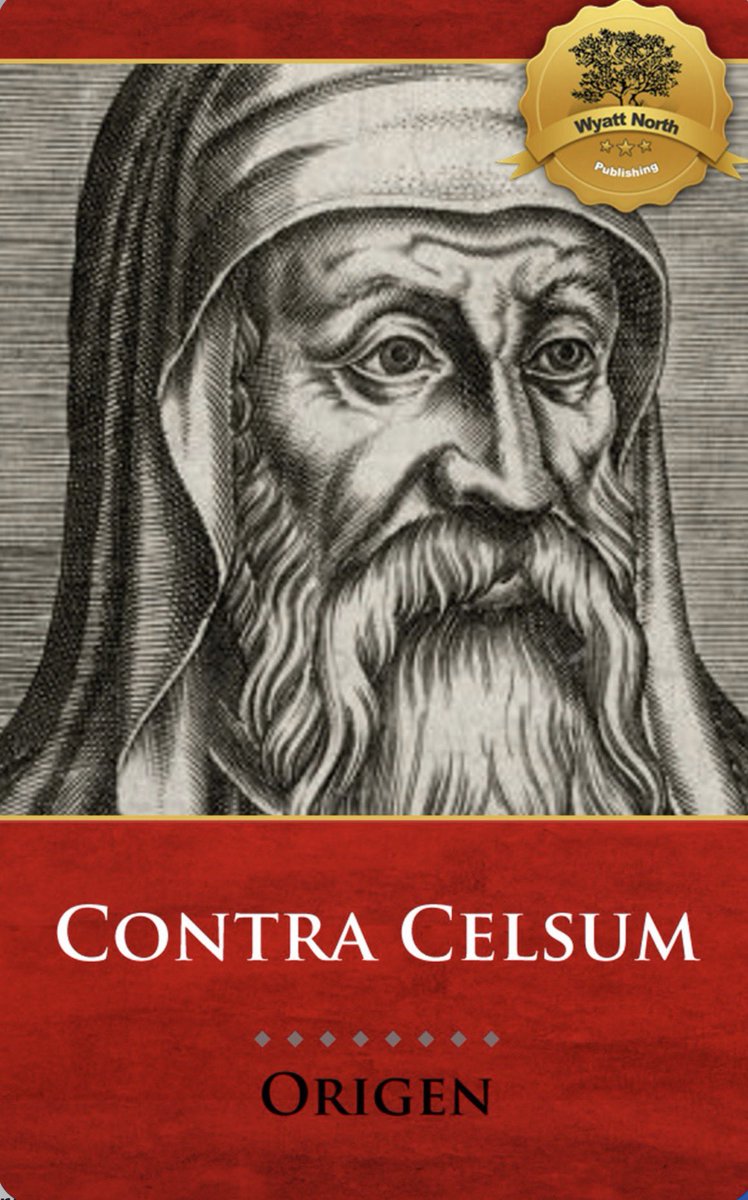
If you’re a serious Christian,
I recommend that you look for this material and study.
Against Celsus (A major pagan critic of Christianity in the 2nd century) by Origen.
I see some Christians carelessly hold some of his positions today 😅
8
30
232
14,283
Jun 10
Honour is not a myth but the twisted “law of honour” that cloaks evil and wickedness; absolutely must die a quick, sharp death.
The Scripture is clear, “Honour all men. Love the brotherhood. Fear God. Honour the king” (1 Peter 2:17). The command is not reserved for pastors or “men of God”; it is for every believer. When that honour is weaponised to manipulate the systems of God for “filthy lucre” and self-gain, it becomes outright evil, exactly what the Bible forbids (1 Timothy 3:3; 1 Peter 5:2).
In the body of Christ we stand equal before the Lord “neither bond nor free… for ye are all one in Christ Jesus” (Galatians 3:28). Leadership is never a ladder of privilege; it is a privilege of service with heavier demands, not lighter ones. The “double honour” due to elders who labour in word and doctrine (1 Timothy 5:17) was never meant to come at the expense of the flock. Jesus settled this once and for all; “He that is greatest among you shall be your servant” (Matthew 23:11).
Historically, the Church has faced this same battle before. In the medieval period, clerical hierarchy and the sale of indulgences turned “honour” into a tool of exploitation. The Protestant Reformation thundered against it precisely because the gospel restores the priesthood of all believers and rejects every form of spiritual gatekeeping for personal profit.
True honour flows from Christ-like humility, not from titles, seeds, or “dimensions” unlocked by cash.
Let the abuse die. Let biblical honour live.

That the “law of honour” myth needs to die. A quick sharp death.
84
Jun 5
I only have one book;
When GOD does not make sense - Dr James Dobson

What are 3 books every Christian should read?
1
30
Greg Tafri retweeted

That's the best you can do and I'm particular about the women seeing this post. Go and register for PVC. We all need to participate.
Vote your conscience, choice and future.

1
5
5
1,421
Jun 5
PORTUGAL 🇵🇹
Jun 4

Which country are you supporting to lift the trophy? 🏆
17