
Joined June 2009
- Tweets 2,615
- Following 718
- Followers 6,947
- Likes 699
443 Photos and videos

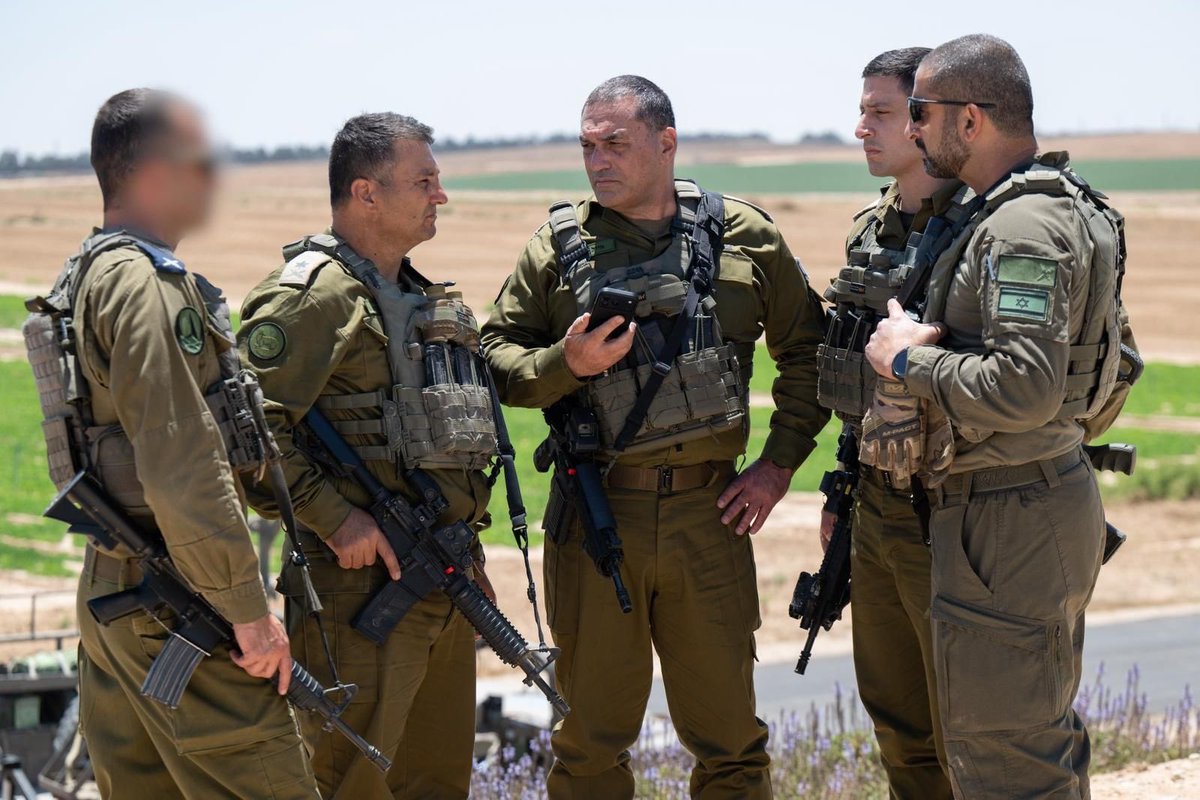

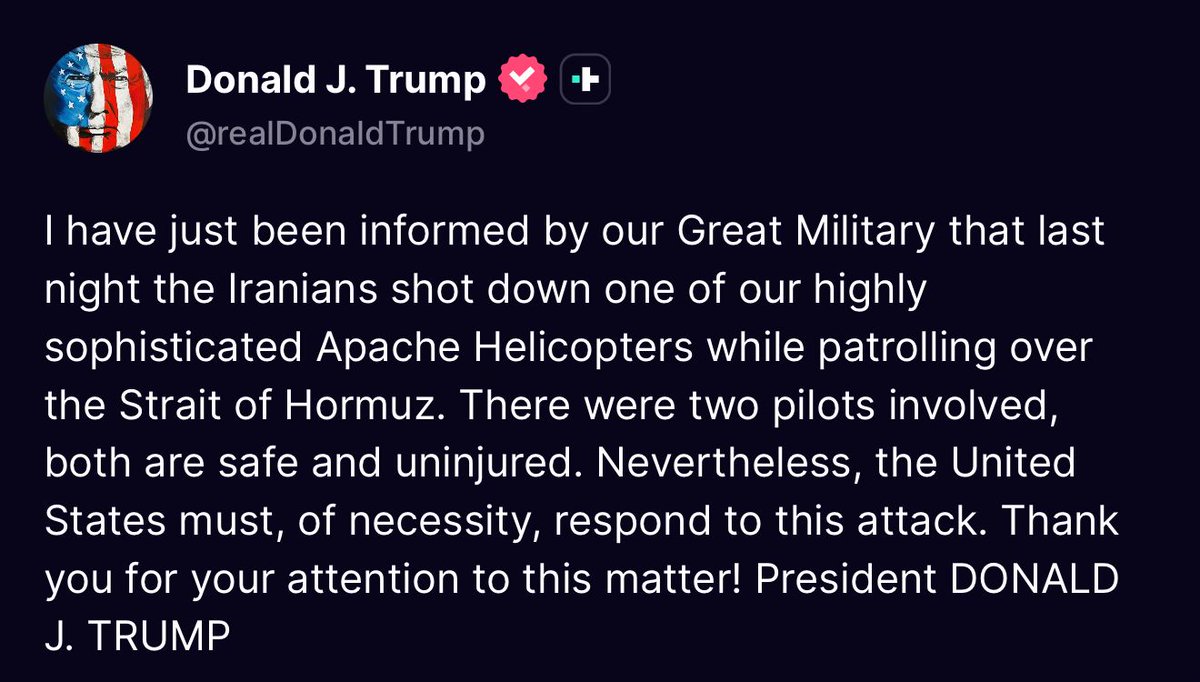
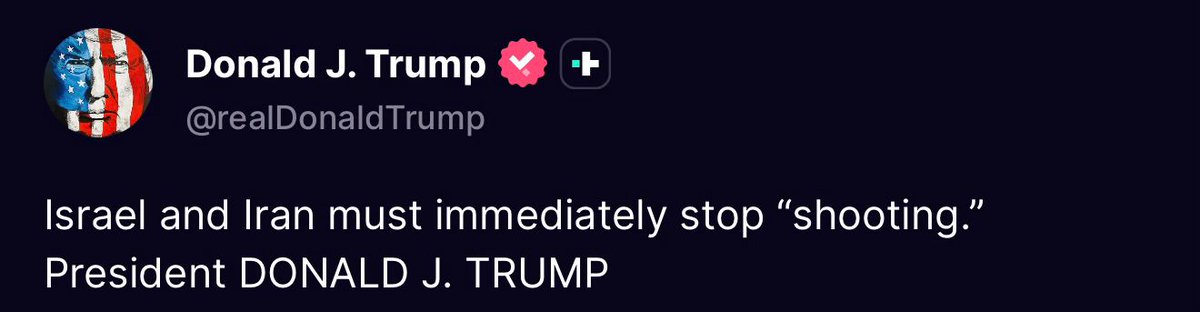
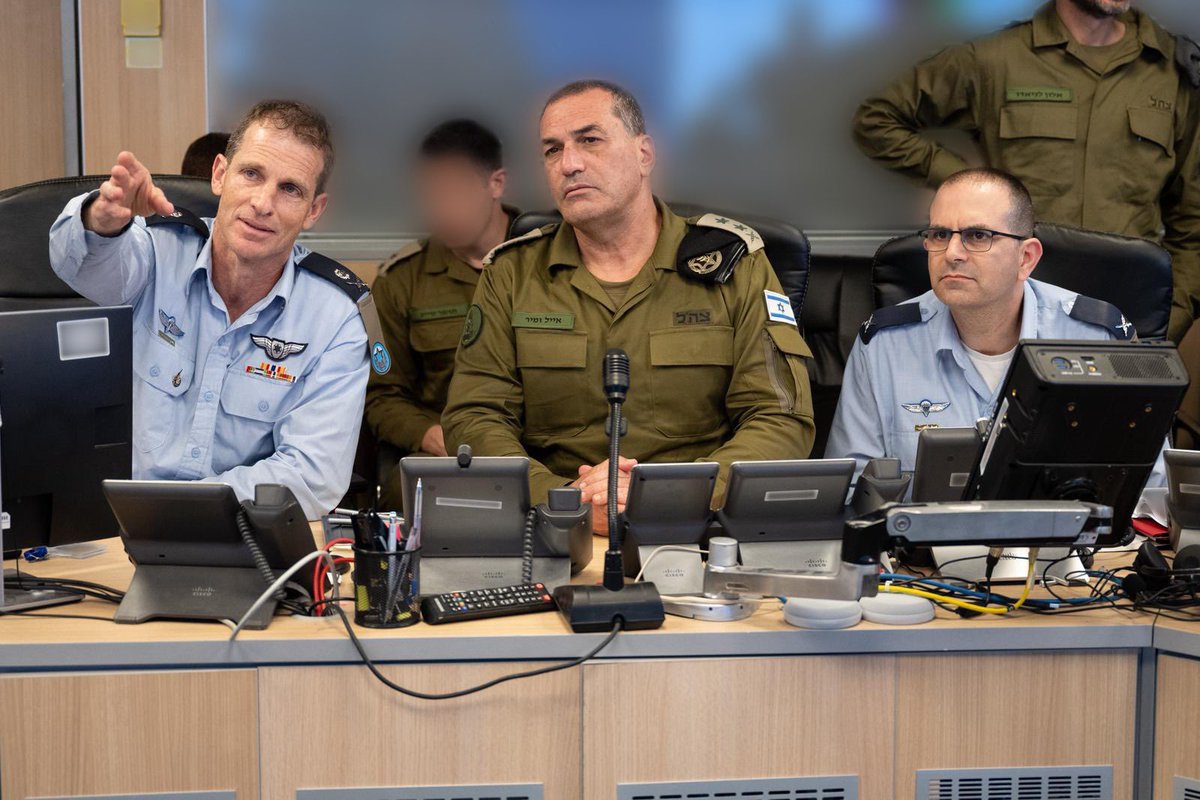
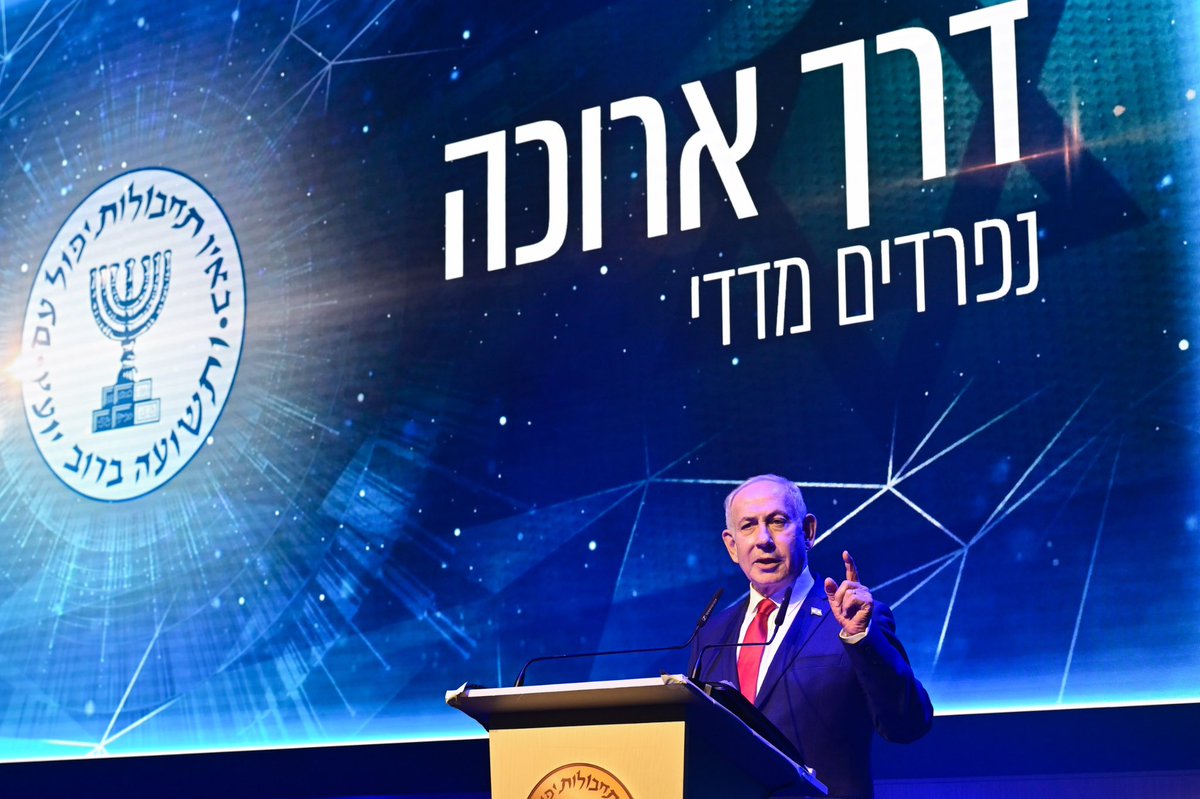
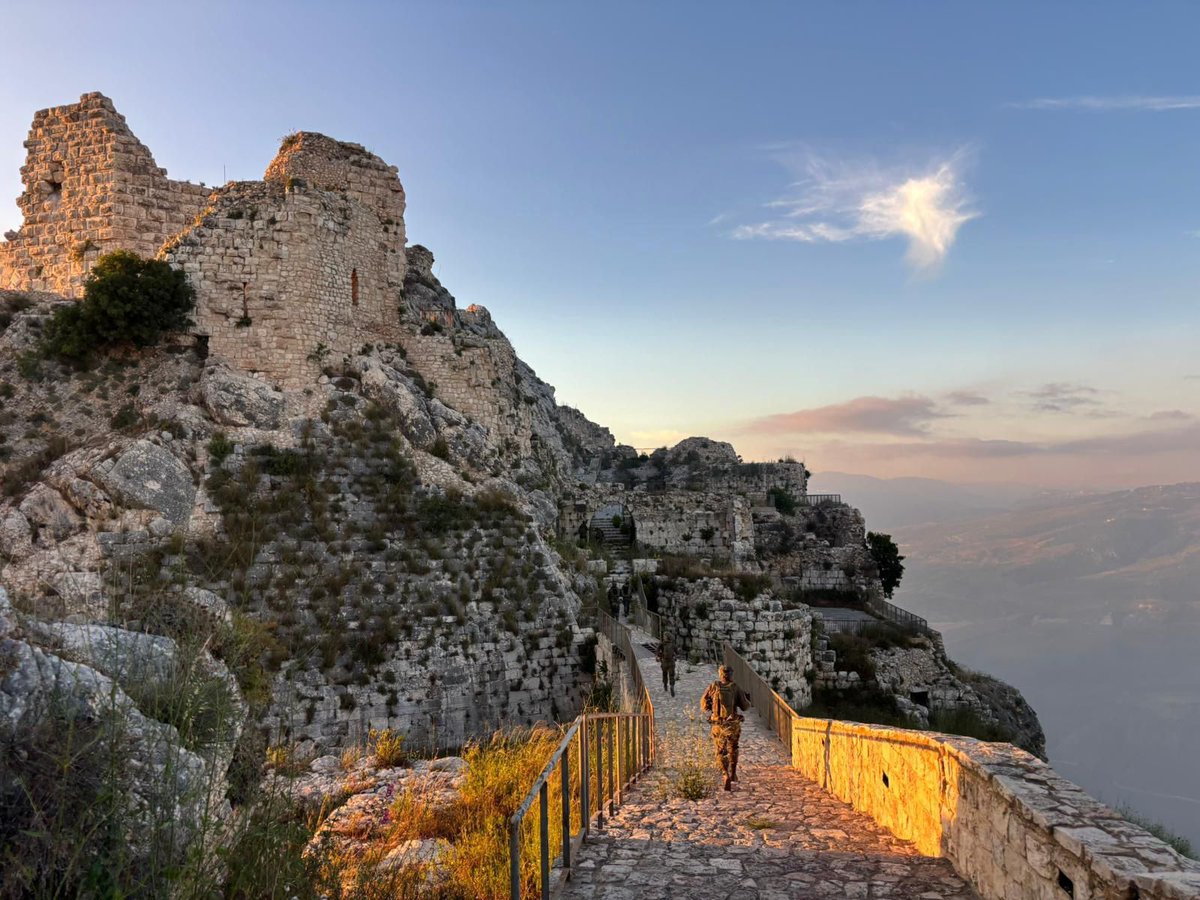
A senior member of Netanyahu’s cabinet demands action against the restrictions clearly imposed by Washington against the security interest of Israeli citizens.
Finance Minister Bezalel Smotrich, a member of Israel’s Security Cabinet, following this morning’s fire toward northern Israeli communities:
“The fire directed at northern communities is a test of the ‘Dahiya equation’ that the Prime Minister has declared.
I call on him to implement it decisively and forcefully, and to bring down buildings in Dahiya today.
We are in critical days that will shape the region for many years to come.
We promised security to the residents of the north, and we must deliver.”

This is the reality in Northern Israel this morning, yet another explosive drone shot by Hezbollah into Israeli communities. This is the crippling effect of the deal said to be signed with Iran today. Israel has vowed to strike at at the stronghold of the Iranian proxy in Beirut in retaliation for any such strike on its citizens but is banned from doing so under the Trump administration, not jeopardise the disgraceful deal. Beyond that, the deal also ensures that Iran continues to maintain its power over its proxies limiting Israel’s right to self defence. This is what the Iranian axis looks like and this is the lifeline that this deal offers to it.
12
15
1,539
This is the reality in Northern Israel this morning, yet another explosive drone shot by Hezbollah into Israeli communities. This is the crippling effect of the deal said to be signed with Iran today. Israel has vowed to strike at at the stronghold of the Iranian proxy in Beirut in retaliation for any such strike on its citizens but is banned from doing so under the Trump administration, not jeopardise the disgraceful deal. Beyond that, the deal also ensures that Iran continues to maintain its power over its proxies limiting Israel’s right to self defence. This is what the Iranian axis looks like and this is the lifeline that this deal offers to it.
1
18
25
2,472
Former Prime Minister Yair Lapid:
“The emerging agreement fails to achieve any of Israel’s war objectives. The regime survives, the missile program remains intact, and Iran can rebuild its nuclear program.
This is a complete failure by Netanyahu, and in the process he is turning us into a client state that takes instructions regarding its national security.
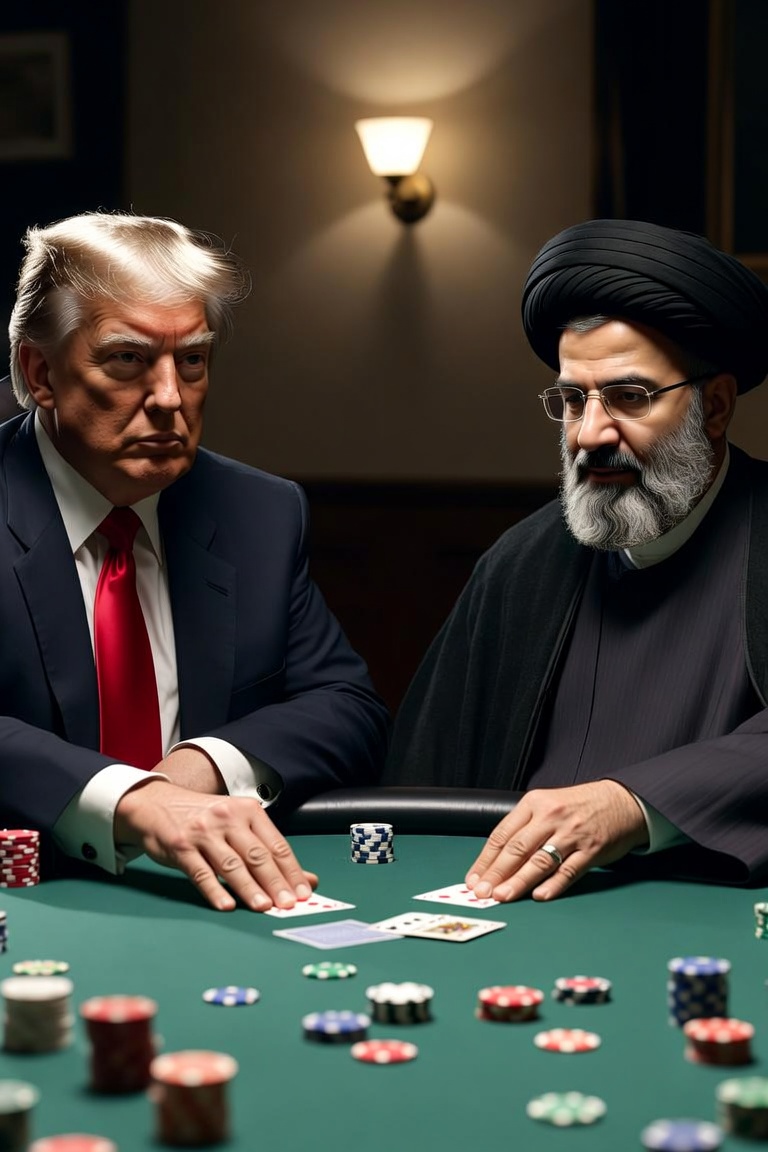
No press conference, media spin, or AI-generated video will be able to hide this failure.
The next government will have a historic mission: to repair the damage caused by Netanyahu’s inability to translate military achievements into strategic successes.”
7
6
22
1,993
On top of all of those concerns, the situation itself is surreal: tomorrow, the parties are expected to sign an agreement whose exact contents remain unclear to Israel, while Washington and Tehran continue to describe what appears to be two very different deals.
Israel is being asked to accept understandings that could directly affect its national security, despite having been a full partner of the United States throughout the war.
A deal with such profound implications for the future of the Middle East being finalized over a video call is something you have to see to believe.
Three Israeli political and security officials I spoke with over the weekend described deep concern in Israel over the details of the emerging agreement with Iran.
Their concerns center on a series of major weaknesses and unanswered questions, including the billions of dollars expected to flow into the regime’s coffers. Rather than laying the groundwork for its eventual collapse, they fear the agreement could allow the regime not only to survive but to emerge stronger.
Additional concerns focus on reported understandings regarding Lebanon’s inclusion in the framework and the likelihood of significant restrictions on Israel’s freedom of action against Hezbollah.
13
31
93
13,621
Three Israeli political and security officials I spoke with over the weekend described deep concern in Israel over the details of the emerging agreement with Iran.
Their concerns center on a series of major weaknesses and unanswered questions, including the billions of dollars expected to flow into the regime’s coffers. Rather than laying the groundwork for its eventual collapse, they fear the agreement could allow the regime not only to survive but to emerge stronger.
Additional concerns focus on reported understandings regarding Lebanon’s inclusion in the framework and the likelihood of significant restrictions on Israel’s freedom of action against Hezbollah.
18
51
145
20,995
Even after last night’s briefing by a senior Trump administration official, it is difficult to ignore the major weaknesses in the emerging deal with Iran:
• The agreement could unlock up to $200 billion in sanctions relief and Gulf investment, providing the regime with a massive economic lifeline at precisely the moment it is under pressure.
• The deal appears to rely on the assumption that Iran will fundamentally change its behavior and stop sponsoring terrorism, despite decades of evidence to the contrary.
• No clear enforcement mechanism has been presented to prevent covert funding of Hezbollah, the Houthis, Iraqi Shiite militias, and other Iranian proxies.
• The ceasefire in Lebanon risks freezing the campaign against Hezbollah before its disarmament has been achieved.
• Israel may retain the right to respond to attacks, but it remains unclear whether Hezbollah will be allowed to rebuild infrastructure, rearm, recruit, and restore its capabilities as long as it avoids direct fire.
• There is a significant difference between the right to retaliate after an attack and the freedom to prevent military buildup before it becomes a threat.
• Even the nuclear verification and inspection mechanisms are still not fully defined.
• The administration’s own official placed the chances of success at only 75%, acknowledging the uncertainty inherent in dealing with Iran.
• Iran could begin benefiting from economic normalization and international legitimacy long before any long-term behavioral change is proven.
54
91
230
81,634
IDF says it struck more than 70 Hezbollah terrorist infrastructure sites in southern Lebanon over the past 24 hours. These are important but they do not signal willingness to confront the Iran backed terror group in its hub in the suburbs of Beirut, particularly under US pressure not to act in a way that would jeopardise their talks with Tehran.
Jun 13
The creeping impact of the emerging Iran deal is already being felt by residents of northern Israel.
In the past hour alone, Hezbollah has launched three separate attacks toward communities in northern Israel. The equation Israel presented in recent weeks was simple: every Hezbollah violation of the ceasefire would be met with strikes on Beirut.
In practice, however, Hezbollah’s fire continues, while there is not even a symbolic response against the organization’s stronghold. Instead, the equation favored by Tehran appears to be the one Washington is increasingly embracing: absorb the attacks, preserve a façade of calm, and buy time for Iran’s proxy to rebuild its strength for the next round.
The missing out is twofold. First, toward Israeli citizens, who have every right to expect the removal of this threat once and for all. Second, toward the people of Lebanon, who deserve the opportunity to finally live in a sovereign state free from Iranian interference—interference that will only drag Lebanon into another devastating war if Hezbollah is not dismantled.
At a moment when Hezbollah is arguably at its weakest point in decades, choosing containment over resolution risks squandering a rare strategic opportunity.
1
10
27
3,490

Jun 13
The creeping impact of the emerging Iran deal is already being felt by residents of northern Israel.
In the past hour alone, Hezbollah has launched three separate attacks toward communities in northern Israel. The equation Israel presented in recent weeks was simple: every Hezbollah violation of the ceasefire would be met with strikes on Beirut.
In practice, however, Hezbollah’s fire continues, while there is not even a symbolic response against the organization’s stronghold. Instead, the equation favored by Tehran appears to be the one Washington is increasingly embracing: absorb the attacks, preserve a façade of calm, and buy time for Iran’s proxy to rebuild its strength for the next round.
The missing out is twofold. First, toward Israeli citizens, who have every right to expect the removal of this threat once and for all. Second, toward the people of Lebanon, who deserve the opportunity to finally live in a sovereign state free from Iranian interference—interference that will only drag Lebanon into another devastating war if Hezbollah is not dismantled.
At a moment when Hezbollah is arguably at its weakest point in decades, choosing containment over resolution risks squandering a rare strategic opportunity.
24
49
149
14,476
גיא עזריאל Guy Azriel retweeted

Jun 12
I’m pretty sure the Iranian people in general feel betrayed by the US for this looming deal with their oppressors.
They’re not alone: Israelis, Emiratis , Lebanese and Bahrainis, to name a few, probably share the sentiment.
Not a good look for the leader of the free world.
634
1,065
5,060
110,293
Jun 12
More statements from Iranian Foreign Minister Araghchi that suggest one of two things: either Washington and Tehran are living in parallel realities, or the emerging agreement amounts to an American surrender.
According to Araghchi:
• The issues of uranium enrichment and Iran’s stockpile of enriched material will be decided in the final agreement. Iran’s position remains that any 60% enriched uranium should be diluted inside Iran, not removed from the country.
• Frozen Iranian assets will be released, and a massive reconstruction program—reportedly worth $300 billion—will help rebuild Iran. He added that lifting the maritime blockade was the first item included in the memorandum of understanding.
• Control over the Strait of Hormuz “will not return to what it was before the war.” According to Araghchi, the strait will be under Iranian and Omani control, and passage through Hormuz “will no longer be free.”
• The memorandum of understanding will lead to an end to the war in Lebanon and to an Israeli withdrawal from southern Lebanon.
If these statements accurately reflect the contents of the emerging deal, then the gap between what Washington is signaling and what Tehran believes it has secured is nothing short of extraordinary.
Jun 12
The administration's own vagueness fuels speculation and lets Iran test boundaries. Without full public details on verification, timelines, or sanctions relief, it invites the regime to pocket concessions while dragging its feet. Another thing is clear - Israel was not in the loop about the developments and based on Netanyahu and Katz' statements it recieved no guarantees that the MOU will address the most pressing issues, therefore both speaking about "hope" that the president will keep to his promises.
24
73
213
31,510
Jun 12
The administration's own vagueness fuels speculation and lets Iran test boundaries. Without full public details on verification, timelines, or sanctions relief, it invites the regime to pocket concessions while dragging its feet. Another thing is clear - Israel was not in the loop about the developments and based on Netanyahu and Katz' statements it recieved no guarantees that the MOU will address the most pressing issues, therefore both speaking about "hope" that the president will keep to his promises.

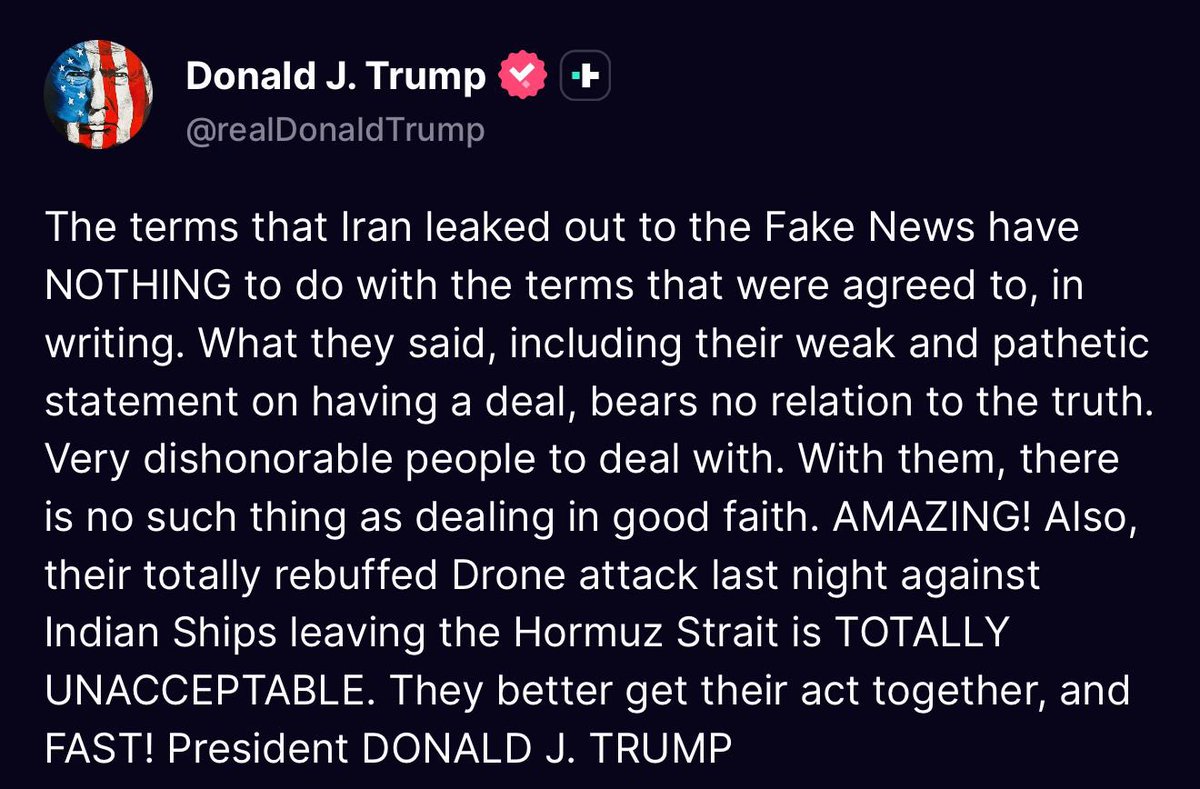
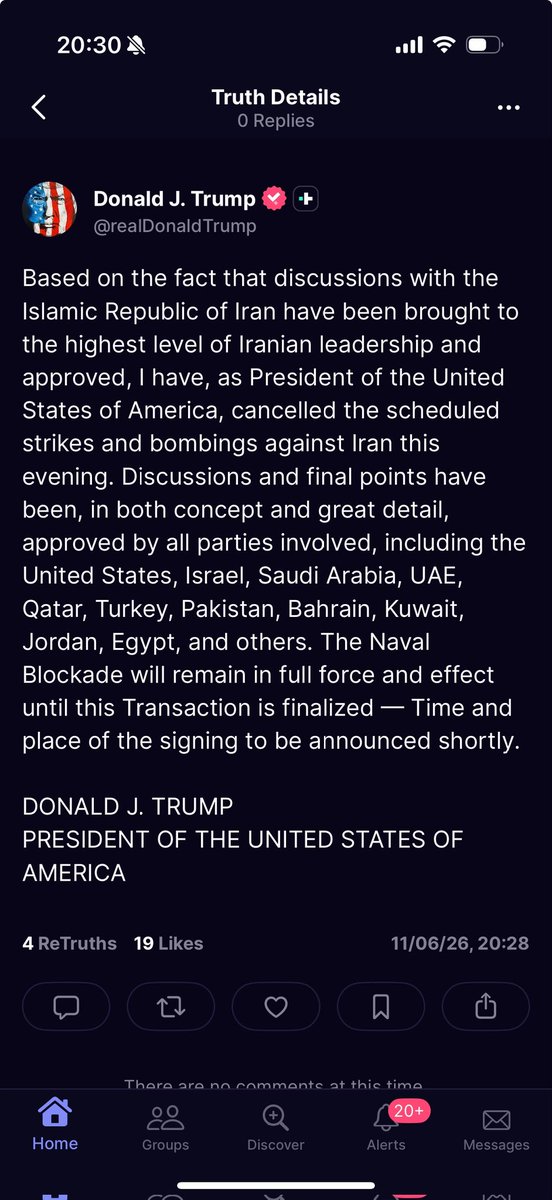
I'm seeing a lot of fake information about a potential deal to reopen the Strait and end Iran's nuclear weapons program. First, the Iranians are not receiving any cash, and no funds are being released for simply signing a deal or attending a meeting. The deal is structured to ensure that the US and its allies concerns are prioritized, and that if the Islamic Republic of Iran meets its obligations, then economic benefits will flow to them and to the entire region. This deal has the potential to remake the region and lead to lasting peace.
I've noticed a couple of bizarre things in the reporting over the last few hours. First, people who (rightly) said Donald Trump was a historic president a month ago now criticizing a deal based on unconfirmed media reports. Second, people who say you can't trust a word said by the IRGC who apparently believe anonymously sourced social media posts.
The president is going to get us a good outcome, one way or the other.
1
12
36
30,533
Jun 12
Iranian foreign minister says the Islamabad MOU has never been closer
1
3
1
563
Jun 12
The following statements by Defense Minister Katz are also very telling:
“President Trump is currently pursuing an agreement with Iran based on American interests”
He further says “we **expect** him to uphold the principle” of preventing Iran from obtaining nuclear weapons, as well as additional principles regarding missiles and terrorist proxies.
Katz also says Israel must ensure that, in the future as well, it retains the ability to act independently to prevent Iran from obtaining nuclear weapons. And that Netanyahu and him have instructed the IDF to prepare accordingly.
He also adds the following: “Israel will not withdraw from the security zones in Lebanon, Syria, and Gaza. The IDF will continue to defend our borders and citizens from Mount Hermon, the mountains of Lebanon, the regions of our homeland in Samaria, and most of Gaza, against the threats posed by jihadist forces and organizations — a central lesson of October 7.
The IDF will not withdraw from the terrorist camps in northern Samaria that have been evacuated of residents, and, if necessary, the operation will be expanded to additional terrorist camps.
Our security doctrine is sharp and clear: we act against both near and distant threats, and we strive for decisive outcomes, not compromises and concessions.
A great deal is at stake during this period, and we are determined to continue leading a firm security policy that will safeguard our achievements and preserve our ability to confront the Shiite axis of evil led by Iran and the Sunni axis of evil led by the Muslim Brotherhood.”
Jun 12
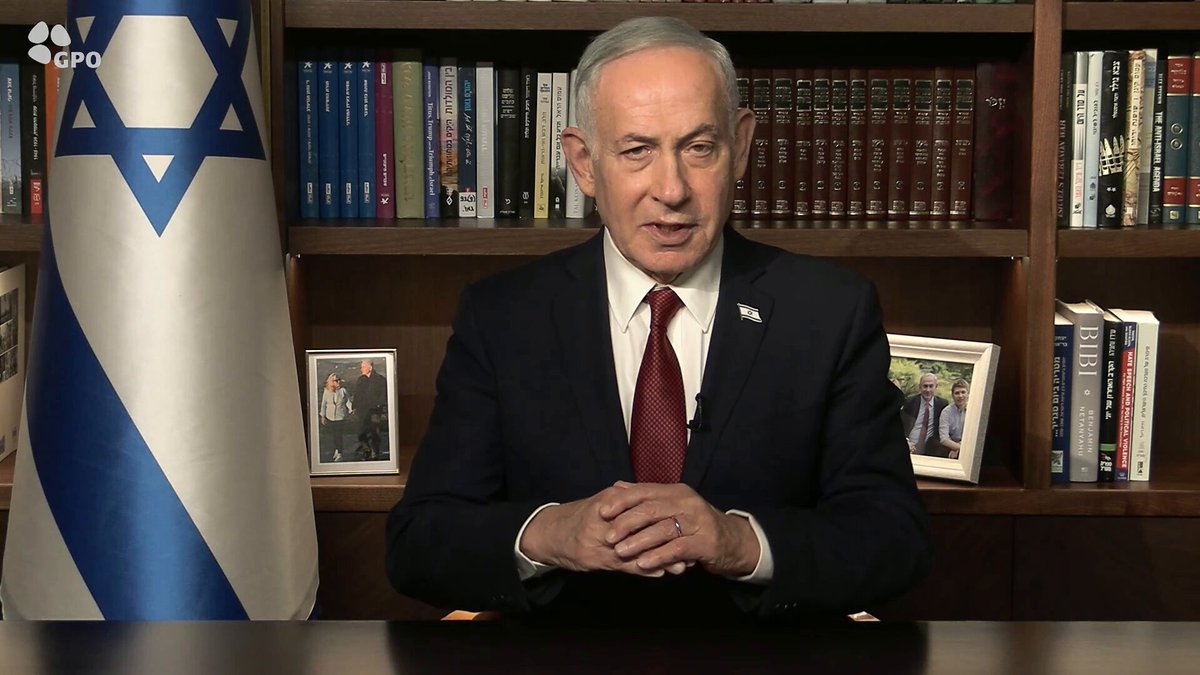
Netanyahu’s latest statement does little to ease concerns about the emerging MOU. If anything, it reinforces them.
The statement offers no concrete guarantees beyond the Prime Minister’s personal commitment to preventing Iran from acquiring nuclear weapons for as long as he remains in office. That commitment is genuine and deserves recognition. But personal resolve is not a strategic guarantee.
There is no certainty Netanyahu will remain in power after the next election, just as there is no certainty beyond the remaining 2.5 years of President Trump’s term. The decisions being made this week could shape the Middle East for years, if not decades.
If this agreement ultimately secures the survival of a destabilizing and murderous regime while allowing it to generate billions through sanctions relief and oil exports, the long-term outlook is deeply troubling.
And the nuclear issue is only part of the threat. Israel faces dangers not only from Iran’s nuclear ambitions, but also from its network of terror proxies, regional militias, and ballistic missile arsenal. Any agreement that fails to address those threats risks buying temporary calm at the expense of future instability.
1
16
30
2,622
Jun 12
An endless loop. Not shocking
According to a U.S. official Iran's nuclear material would be destroyed and removed, its nuclear program dismantled, and none of its money released until it fulfills its commitments.
4
4
10
508
Jun 12
Shared goals with a regime that aligns itself Hamas and Hezbollah

Productive meeting with FM @HakanFidan ahead of the NATO summit in Ankara. As strong allies with many shared goals, the U.S.-Türkiye partnership is delivering results. 🇺🇸 🤝 🇹🇷
2
1
7
660
Jun 12
Netanyahu’s latest statement does little to ease concerns about the emerging MOU. If anything, it reinforces them.
The statement offers no concrete guarantees beyond the Prime Minister’s personal commitment to preventing Iran from acquiring nuclear weapons for as long as he remains in office. That commitment is genuine and deserves recognition. But personal resolve is not a strategic guarantee.
There is no certainty Netanyahu will remain in power after the next election, just as there is no certainty beyond the remaining 2.5 years of President Trump’s term. The decisions being made this week could shape the Middle East for years, if not decades.
If this agreement ultimately secures the survival of a destabilizing and murderous regime while allowing it to generate billions through sanctions relief and oil exports, the long-term outlook is deeply troubling.
And the nuclear issue is only part of the threat. Israel faces dangers not only from Iran’s nuclear ambitions, but also from its network of terror proxies, regional militias, and ballistic missile arsenal. Any agreement that fails to address those threats risks buying temporary calm at the expense of future instability.

Prime Minister Benjamin Netanyahu:
"As long as I am the Prime Minister of Israel – Iran will not have nuclear weapons.
President Trump and I are in full agreement on this issue.
For over 30 years, I have been at the forefront of the international struggle against Iran's nuclear program.
Were it not for this struggle, Iran would have long ago possessed atomic bombs to destroy Israel.
Iran is working to destroy the Jewish state, and I am dedicating my life to preventing them from doing so.
As long as I am the Prime Minister of Israel, this will not happen."
6
10
25
4,972
Jun 12
Netanyahu’s latest statement does little to ease concerns about the emerging MOU. If anything, it reinforces them.
The statement offers no concrete guarantees beyond the Prime Minister’s personal commitment to preventing Iran from acquiring nuclear weapons for as long as he remains in office. That commitment is genuine and deserves recognition. But personal resolve is not a strategic guarantee.
There is no certainty Netanyahu will remain in power after the next election, just as there is no certainty beyond the remaining 2.5 years of President Trump’s term. The decisions being made this week could shape the Middle East for years, if not decades.
If this agreement ultimately secures the survival of a destabilizing and murderous regime while allowing it to generate billions through sanctions relief and oil exports, the long-term outlook is deeply troubling.
And the nuclear issue is only part of the threat. Israel faces dangers not only from Iran’s nuclear ambitions, but also from its network of terror proxies, regional militias, and ballistic missile arsenal. Any agreement that fails to address those threats risks buying temporary calm at the expense of future instability.
Prime Minister Benjamin Netanyahu:
“As long as I am Prime Minister of Israel, Iran will not have nuclear weapons.
President Trump and I are in full agreement on this issue.
For more than 30 years, I have been at the forefront of the international campaign against Iran’s nuclear program.
Without this struggle, Iran would have long ago obtained nuclear bombs to destroy Israel.
Iran is working to destroy the Jewish state, and I have dedicated my life to preventing them from doing so.
As long as I am Prime Minister of Israel, that will not happen.”
18
34
75
4,628
Jun 12
According to reports from Iran, the proposed deal may be even more scandalous than what was reported last night.
Iran’s Mehr News Agency, citing a source close to the Iranian negotiating team, claims the draft Memorandum of Understanding (MOU) between the United States and Iran includes:
• An immediate and permanent ceasefire on all fronts, including Lebanon
• A U.S. commitment not to interfere in Iran’s internal affairs
• Removal of the naval blockade within 30 days
• Withdrawal of U.S. forces from areas near Iran
• Reopening of the Strait of Hormuz within 30 days under Iranian arrangements
• Suspension of sanctions on Iran’s oil and petrochemical exports
• Full access to Iran’s financial assets
• 60 days of negotiations toward a final nuclear agreement
• Release of $24 billion in frozen Iranian funds, with half of the amount released before talks even begin
• Iran’s missile program and support for proxy groups would not be part of the negotiations
• The final agreement would be endorsed by the UN Security Council
• The draft is still awaiting review and approval by Iranian authorities
If accurate, this would amount to massive upfront concessions to Tehran in exchange for promises and future negotiations.
Jun 12
More than once in recent history, critics accused Israel of using major sporting events as cover for military operations, assuming the world’s attention would be elsewhere.
Last night may have offered a different kind of diversion: the push for a surrender-style agreement with Iran.
One of the biggest flaws in the reported framework is that Iran appears to be paid upfront while offering little more than promises in return.
Reopening the Strait of Hormuz means billions for the Ayatollah regime. Iran gets a ceasefire, sanctions relief, and restored oil exports. In exchange, it offers mostly vague commitments that will be difficult to verify and even harder to enforce.
While President Trump has repeatedly expressed deep skepticism about Iran’s credibility and willingness to make meaningful compromises, the emerging understandings appear to contain zero commitment from Iran to prove that match has changed.
195
139
546
282,461