Medieval and Early Modern History of Croats & Croatia
Joined April 2020
- Tweets 7,376
- Following 435
- Followers 4,810
- Likes 5,194
2,038 Photos and videos
Pinned Tweet

24 Jan 2025
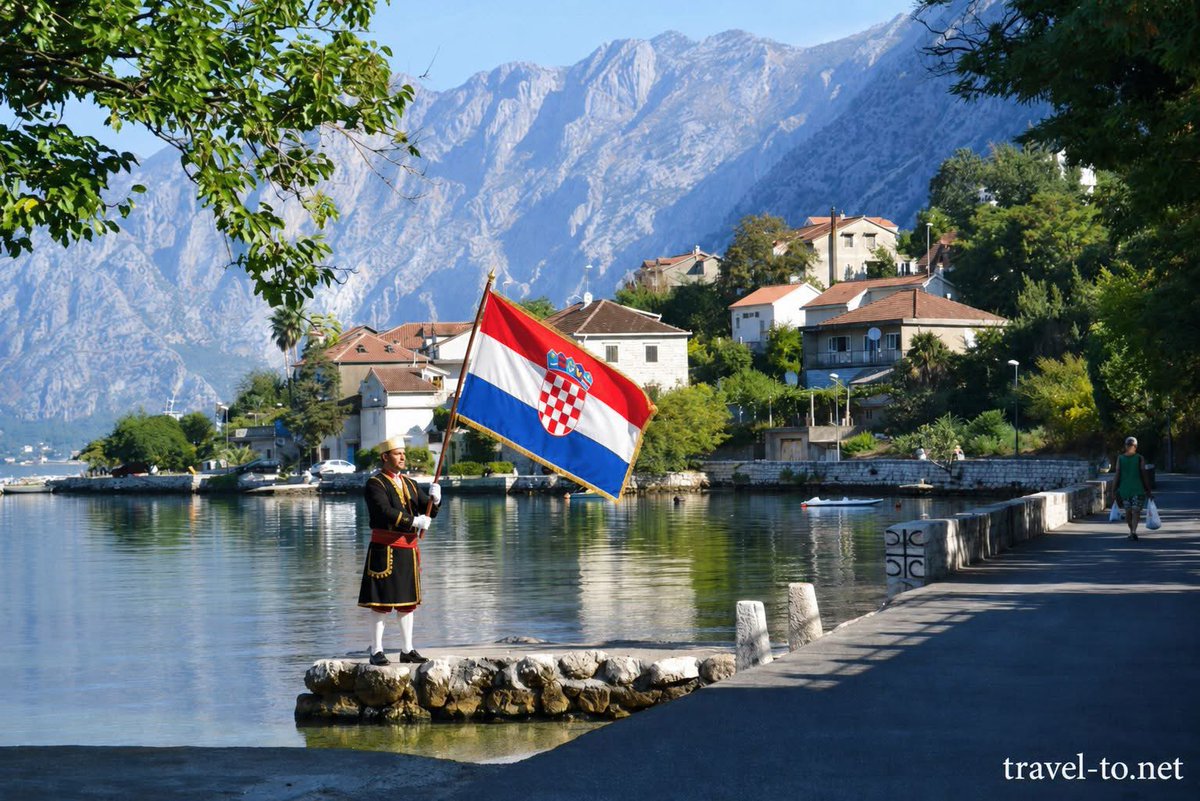
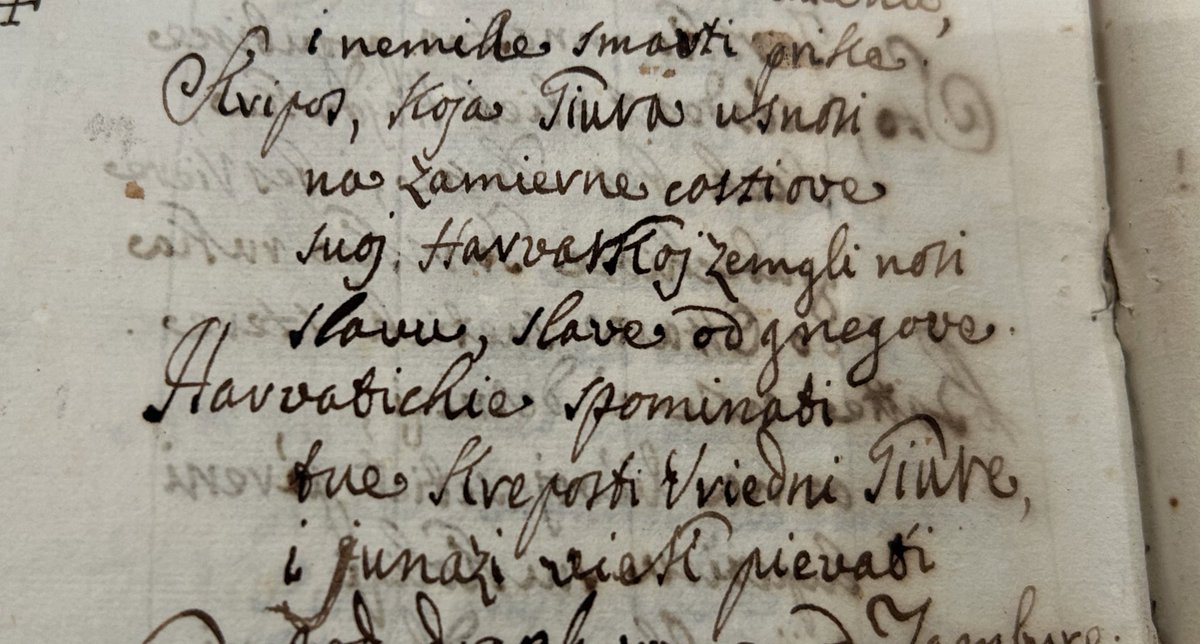
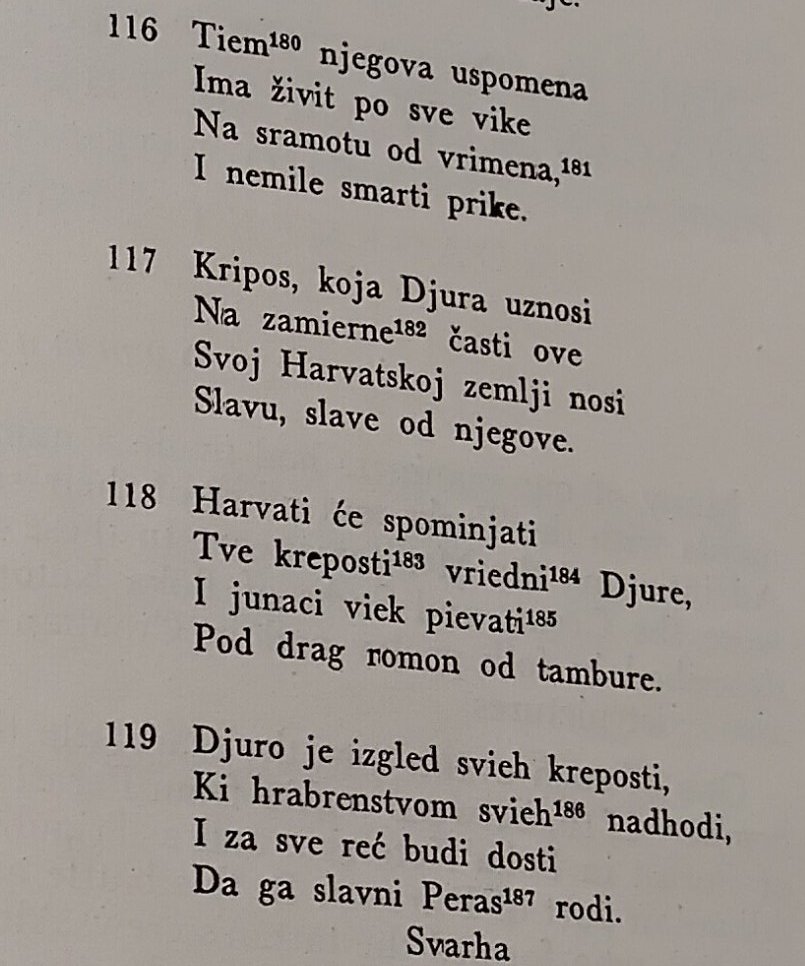
Timskim radom došli smo i do ove potvrde (iz 1717.) hrvatskoga imena kao imena (dijela) puka Boke kotorske. U pjesmi se slavi hrvatski protuosmanaki ratnik iz Perasta, Peraštani poimani kao Hrvati koje slavi hrvatska zemlja. Više se puta spominje i "mač hrvatski". Uskoro video.
13 Jan 2025

Pjesma Korčulanina fra Augustina Draganića Šaške u slavu pobjede kapetana Peraštanina Đura Bane nad Turcima, Albancima i tripolitanskim Berberima kod Drača 1716. (napisana 1717.)
9
24
172
22,844

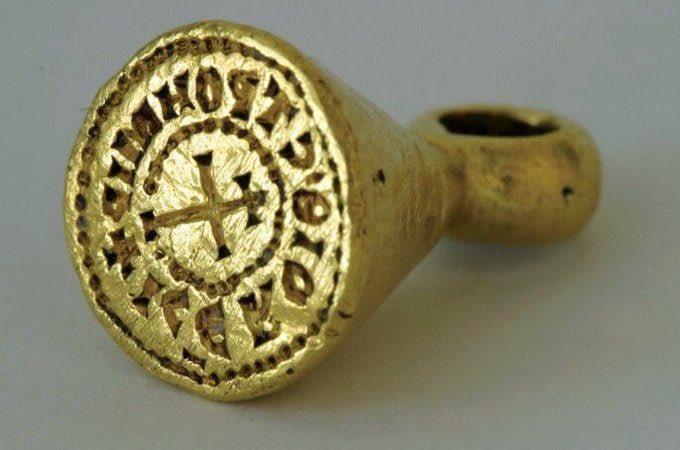
Pečat je kupljen na aukciji u Münchenu 2006. godine. Njegovo podrijetlo nije poznato, na njemu se ne spominje nikakva vladarska titula niti Srbija, a natpis je na grčkom jeziku. Unatoč tome, oni to često bez zadrške predstavljaju kao najstariji dokaz postojanja srpske države.
Jun 11

~ Фотографија:
"Печат кнеза Стројимира"
Златни печатни прстен српског кнеза, који је највероватније владао територијом Рашке. На њему је на грчком исписано:
"KE BOIΘ CTPOHMIP - Боже помози Стројимира"
- Око 850. године, печат је најстарији материјални доказ постојања српске државе.
33
6
205
13,897
History of Croats retweeted

Jun 14
#Curaçao begins its #WorldCup vs. 🇩🇪. 🇨🇼 is a constituent part of 🇳🇱 Kingdom with a high degree of autonomy (parliament gov PM). 🇨🇼 is not a 🇺🇳 member.
Fun fact: 🇳🇱 is seen as supporting limits on regional and group autonomy in other places, including in 🇧🇦. A paradox?

ALT Source: https://www.mid-day.com/sports/football/article/how-tiny-curacao-made-history-by-qualifying-for-the-fifa-world-cup-2026-23604054
2
5
35
3,828
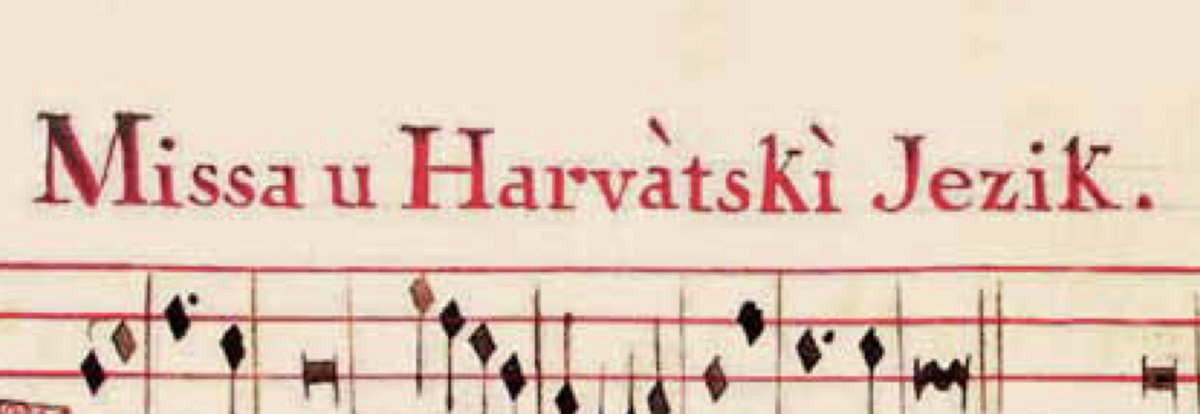
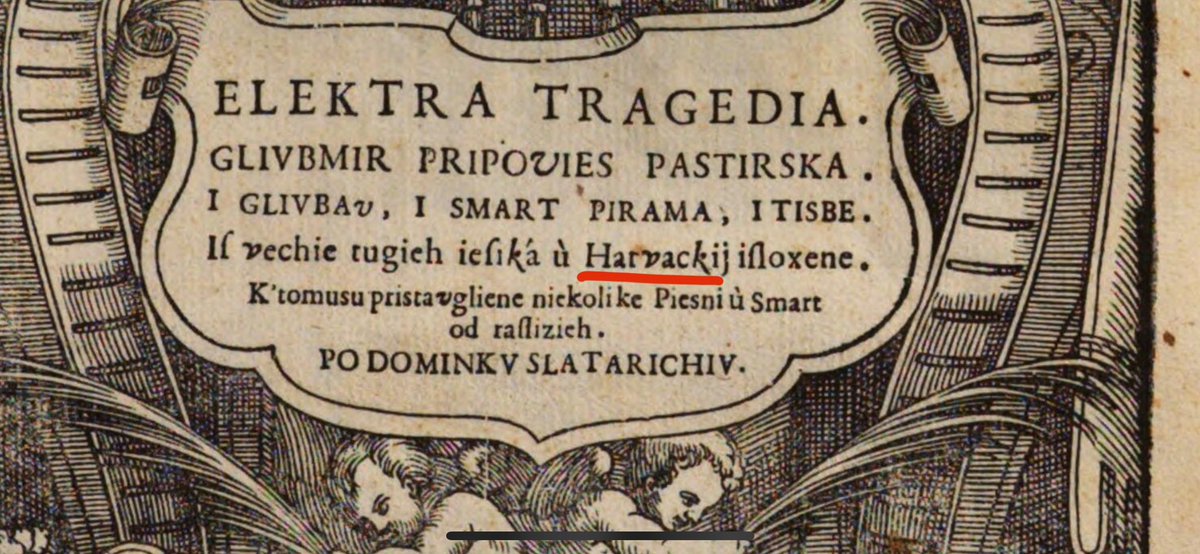
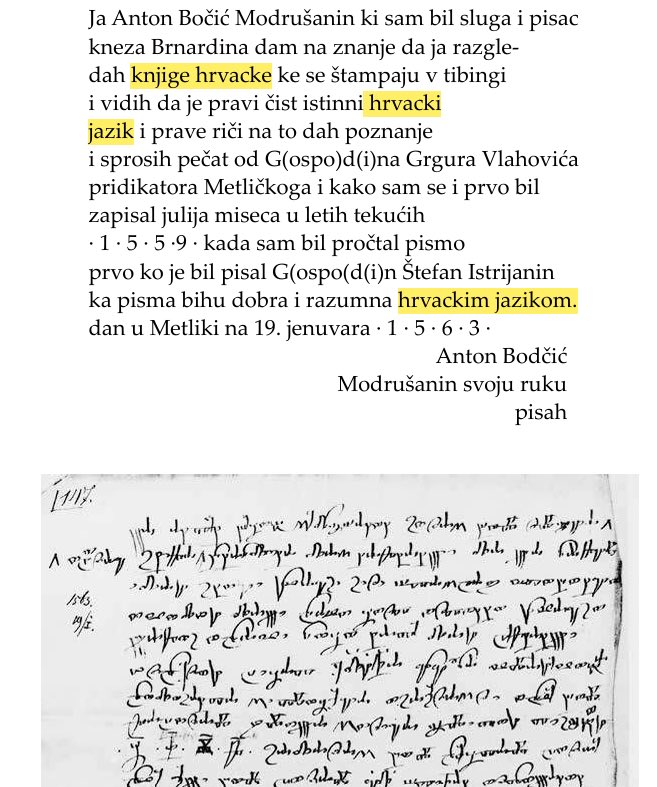
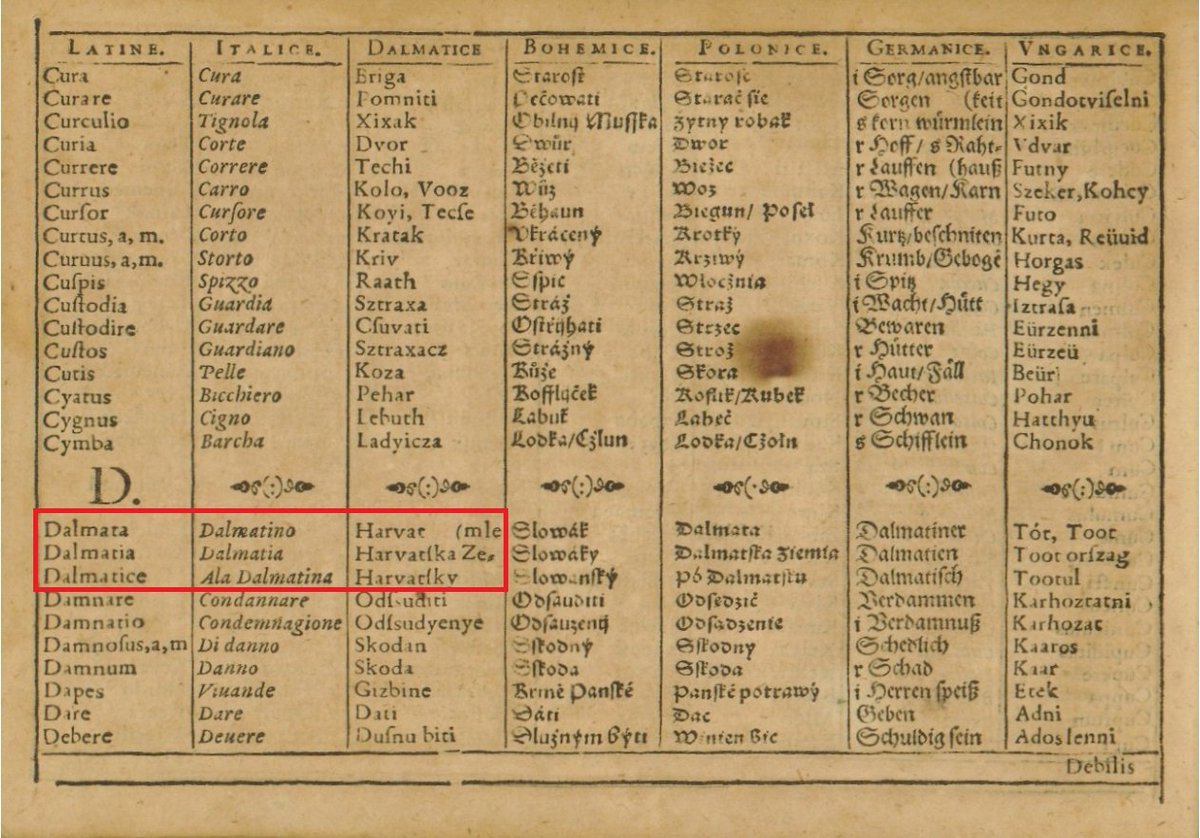
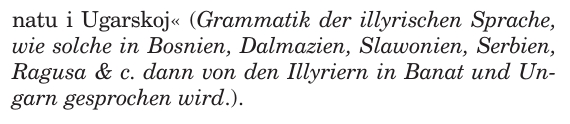
„Dalmat – Hrvat”
„Dalmatia – hrvatska zemlja”
„Dalmatice – hrvatski”
Izdanje sedmojezičnog rječnika Dictionarium septem diversarum linguarum iz 1605., koje je nastalo na temelju Vrančićeva rječnika.

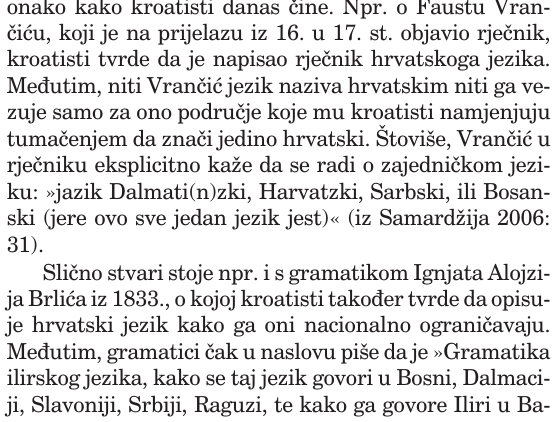
Сњежана Кордић о присвајању Вранчићевог рјечника и Брлићеве граматике од стране кроатиста.
Извор: znaci.org/00002/420.htm
10
10
117
5,648
Jun 10
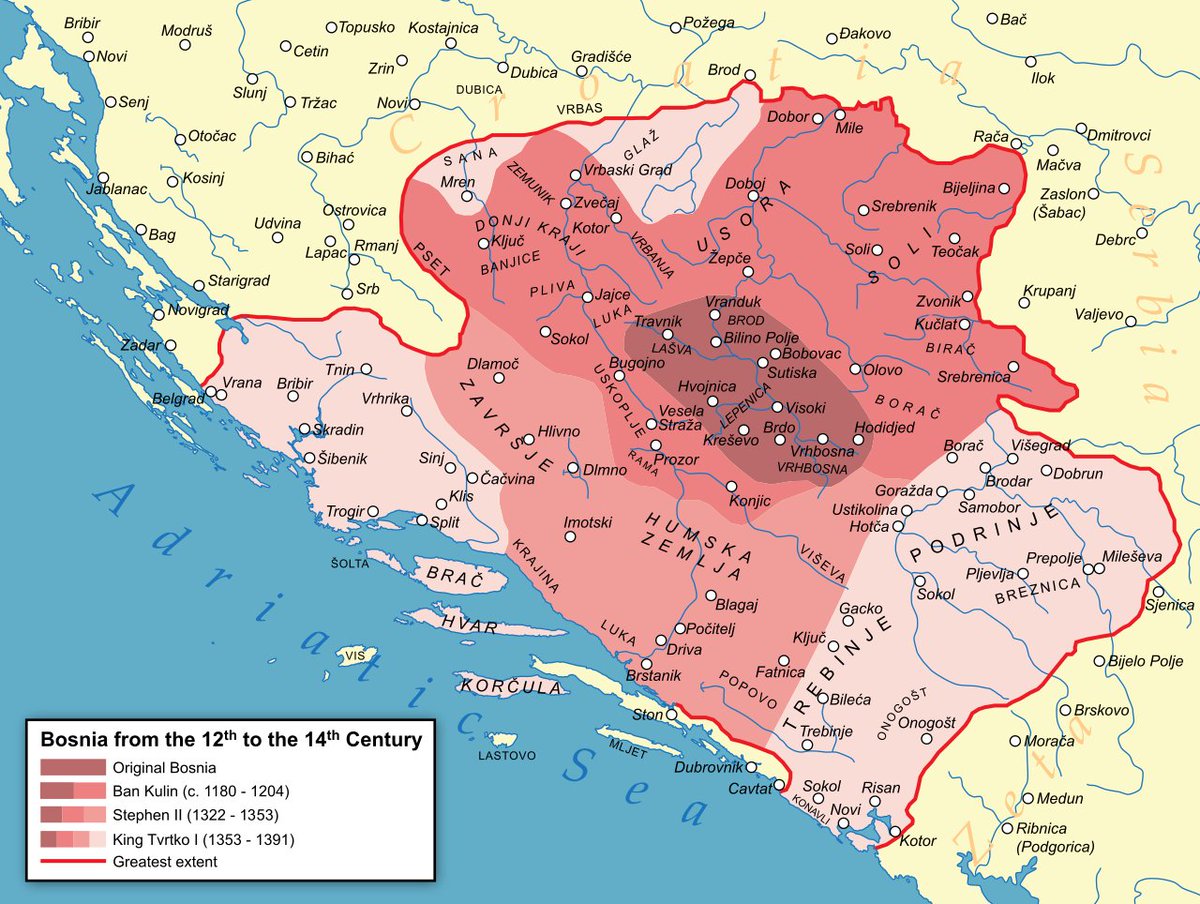
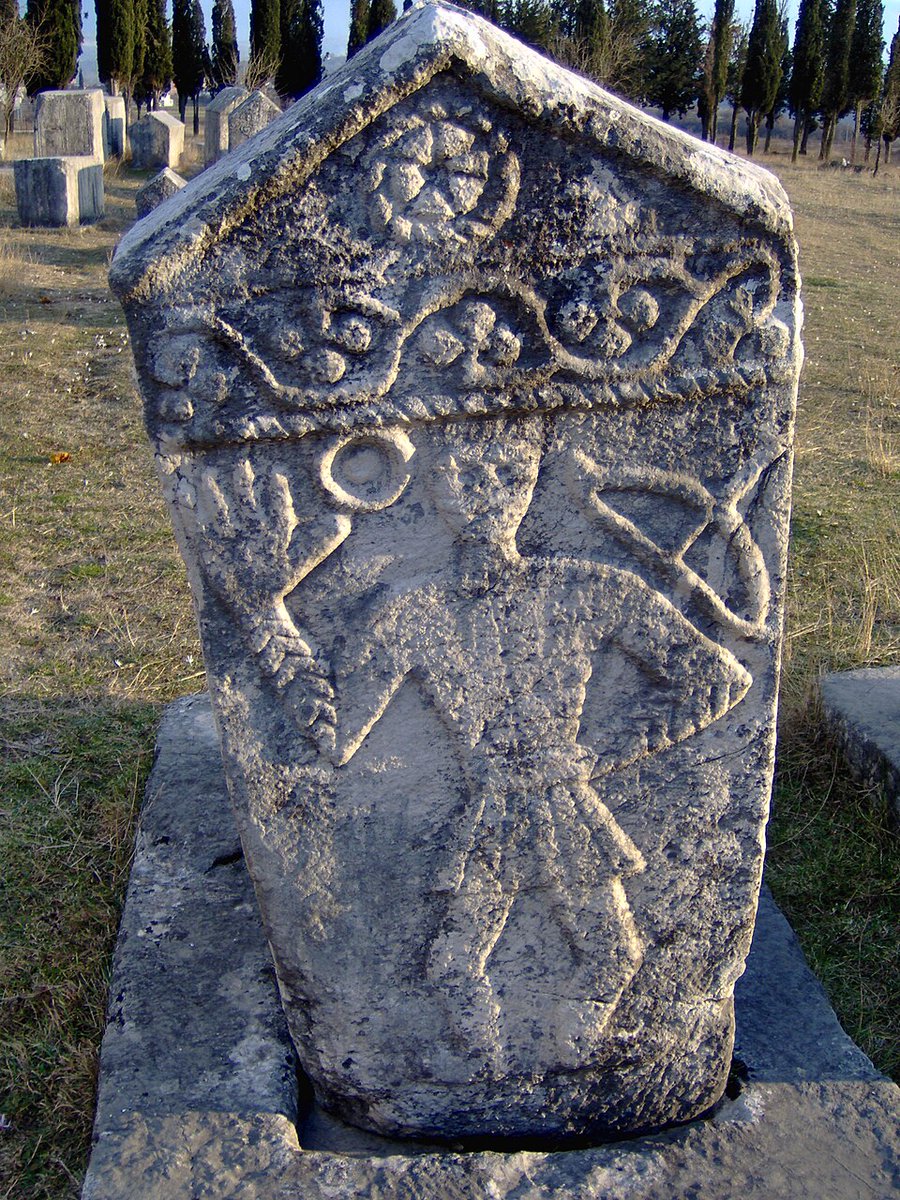
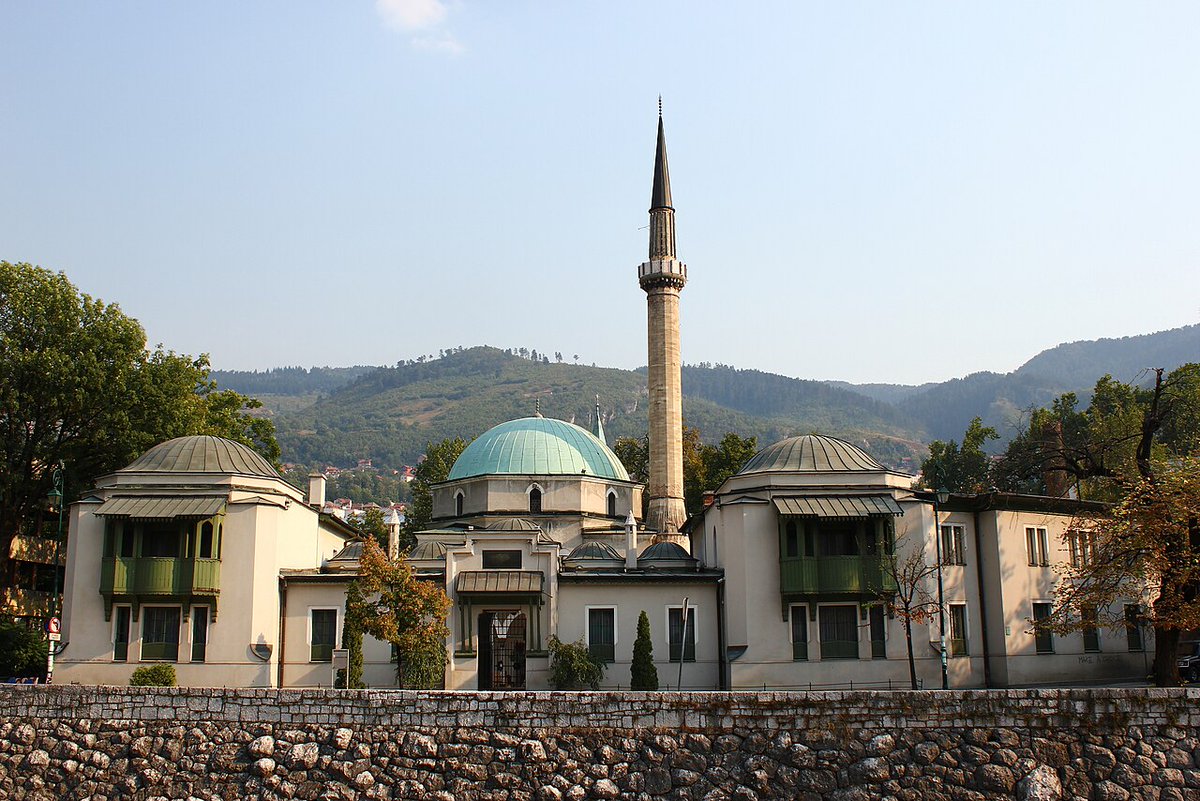
Krstjani (meaning Christians) were actually not heretics. The Inquisition never delt with them nor did the Pope ever ban them. Their most widspreadly used ornament/symbol was a cross. Their Christian beliefs were nor compatible with Islam.

I wonder if the Bosnian conversion to Islam was less a matter of continuity between Krstjani heretics and their Muslim descendants, and more a matter of a populace that had only shallowly/cynically converted to Catholicism under duress (leaving little reason *not* to apostatize).
7
1
48
2,882
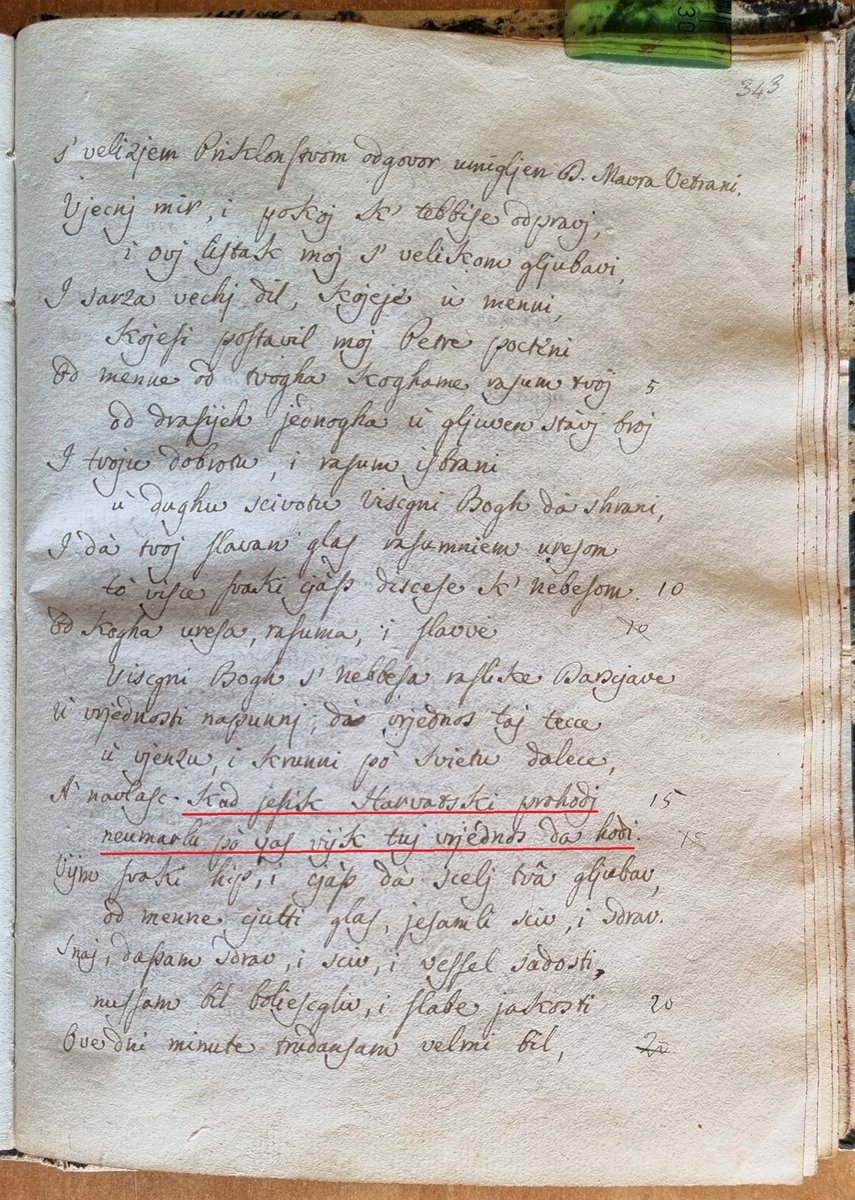
U poslanici Mavro Vetranović 1539. hvarskom pjesniku i vlastelinu Petru Hektoroviću piše:
„A navlaš kud jezik hrvatski prohodi
neumrla po vas vik tuj vrijednos da hodi“
Hektorovićeva pjesnička slava poznata je svuda gdje se proteže hrvatski jezik, pa tako i u Dubrovniku.
2
11
111
1,540
History of Croats retweeted
Jun 4
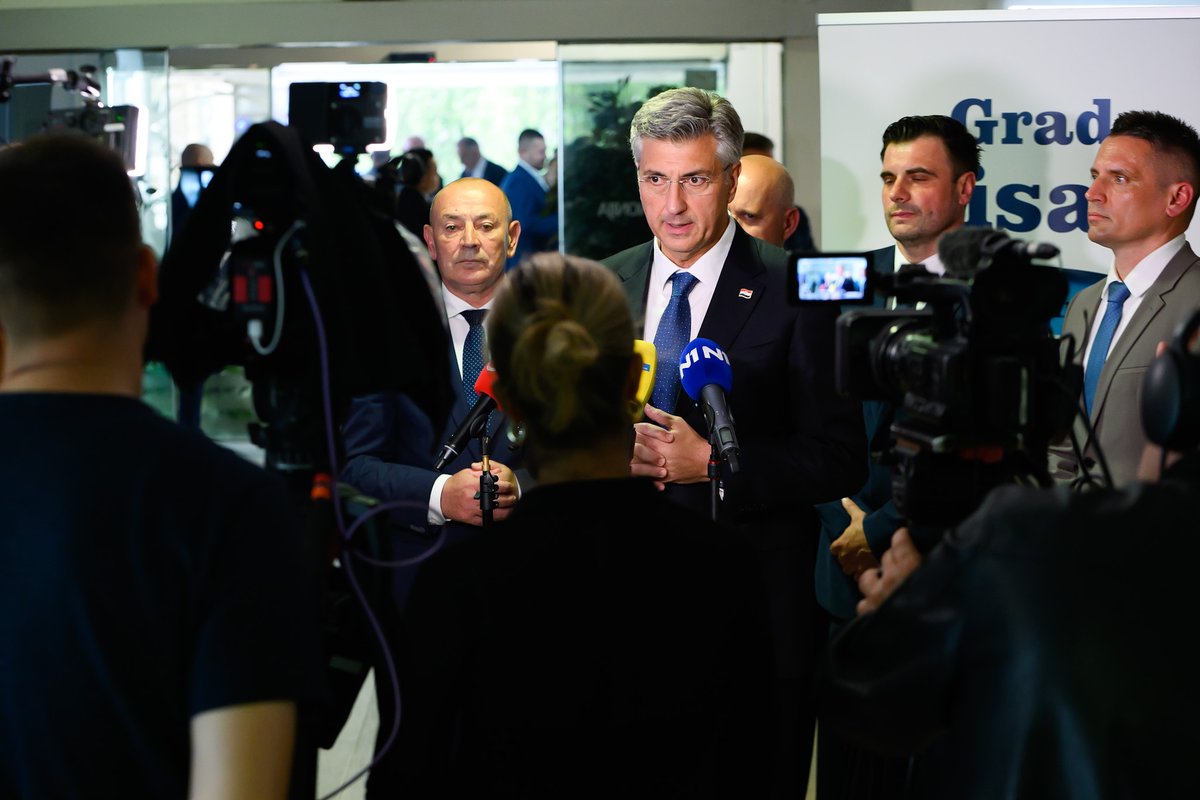
Idemo demistificirati ove tri rečenice nakon #HRTOtvoreno. Prvo, “pitanje izbora u BiH je na dnevnom redu već godinama.” Točno. No kakvi su rezultati, nakon Barryjevog (2000.) i Petritschevog (2002.) nametanja te Komšića I (2006.)? Nema ih. Možda su metode jednostavno zastarjele?

PVRH @AndrejPlenkovic: Pitanje izbora u Bosni i Hercegovini je na dnevnom redu već godinama. Kako bi se izborni sustav, tj. Ustav BiH promijenio potreban je konsenzus političkih stranaka i institucija. Na sastanku parlamentarne većine zaključili smo da se inicijative koje imaju vanjsko-političke reperkusije trebaju bolje koordinirati.
8
7
63
4,738
History of Croats retweeted

Jun 9
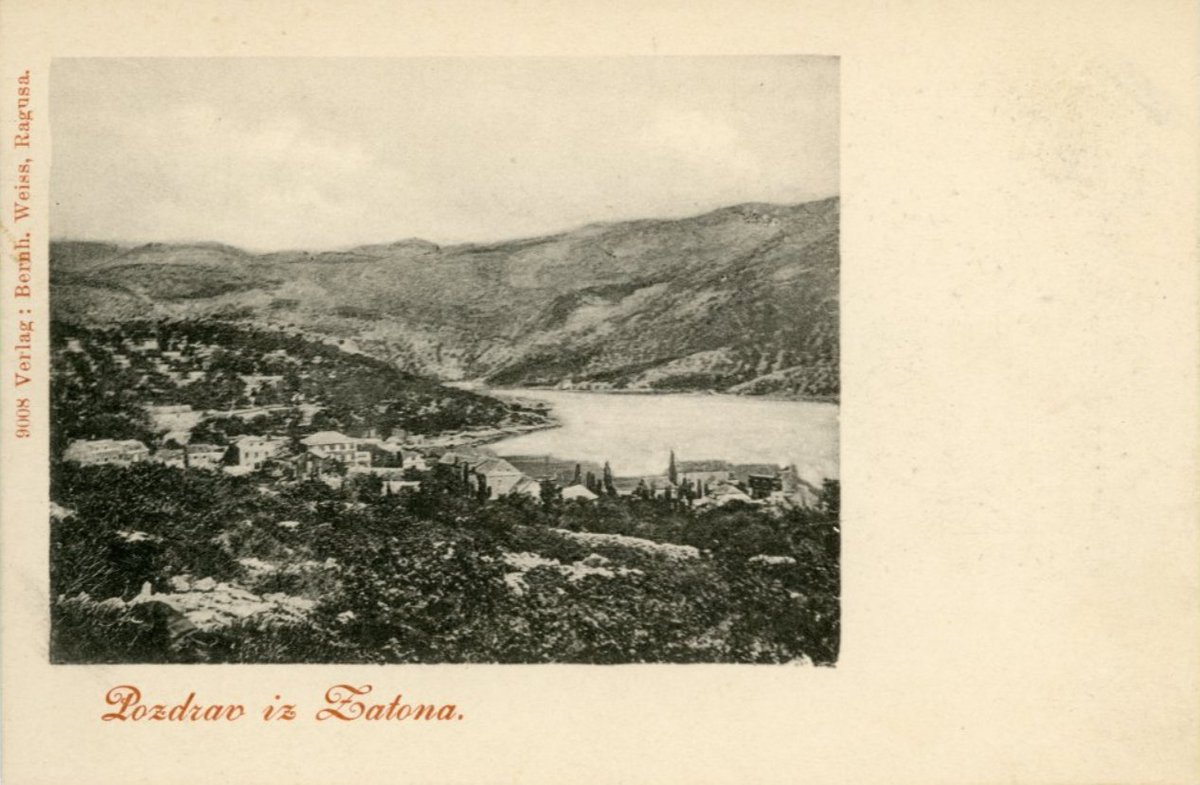
U Općini Zaton kod Dubrovnika 1892. godine došlo je do zanimljivog incidenta.
Na blagdan Male Gospe u rujnu 1892. (Općina u hrvatskim rukama) Hrvati (učenici srednjih škola) su u Zatonu i Postranju u Župi dubrovačkoj napadnuti od strane Srba jer im nije bilo dopušteno izvođenje srpskih koračnica.
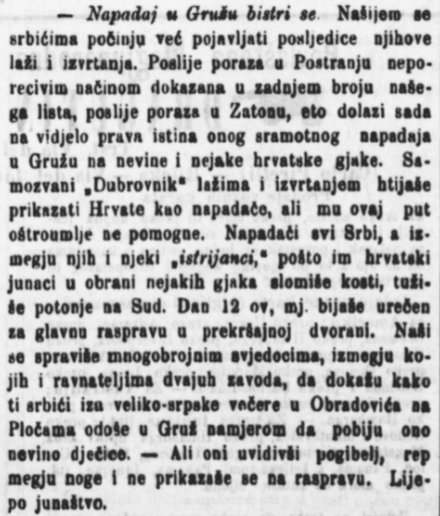
Nakon toga, poraženi su Srbi napali hrvatske učenike u Gružu, a koji se nisu mogli braniti. Pomogli su im ,,hrvatski junaci koji im u obrani nejakih gjaka slomiše kosti.“ Međutim, u listu Dubrovnik to je prikazano kao napad Hrvata na Srbe. Pokrenut je sudski proces u kojemu su za svjedoke uzeti politički neutralni akteri. Potvrđeno je da su skupine srpskih agitatora prije odlaska u Gruž boravili na večeri kod nekih Obradovića na Pločama gdje su izradili planove napada. Okrivljenici su privedeni i kažnjeni zatvorom u trajanju od 10 do 20 dana.
Dokumenti - HR-DADU,83 - Kotarsko poglavarstvo Dubrovnik, Spisi Kotarskog suda (rujan, 1892.)
Crvena Hrvatska, 35/36 (1892.)
3
7
68
2,321
History of Croats retweeted

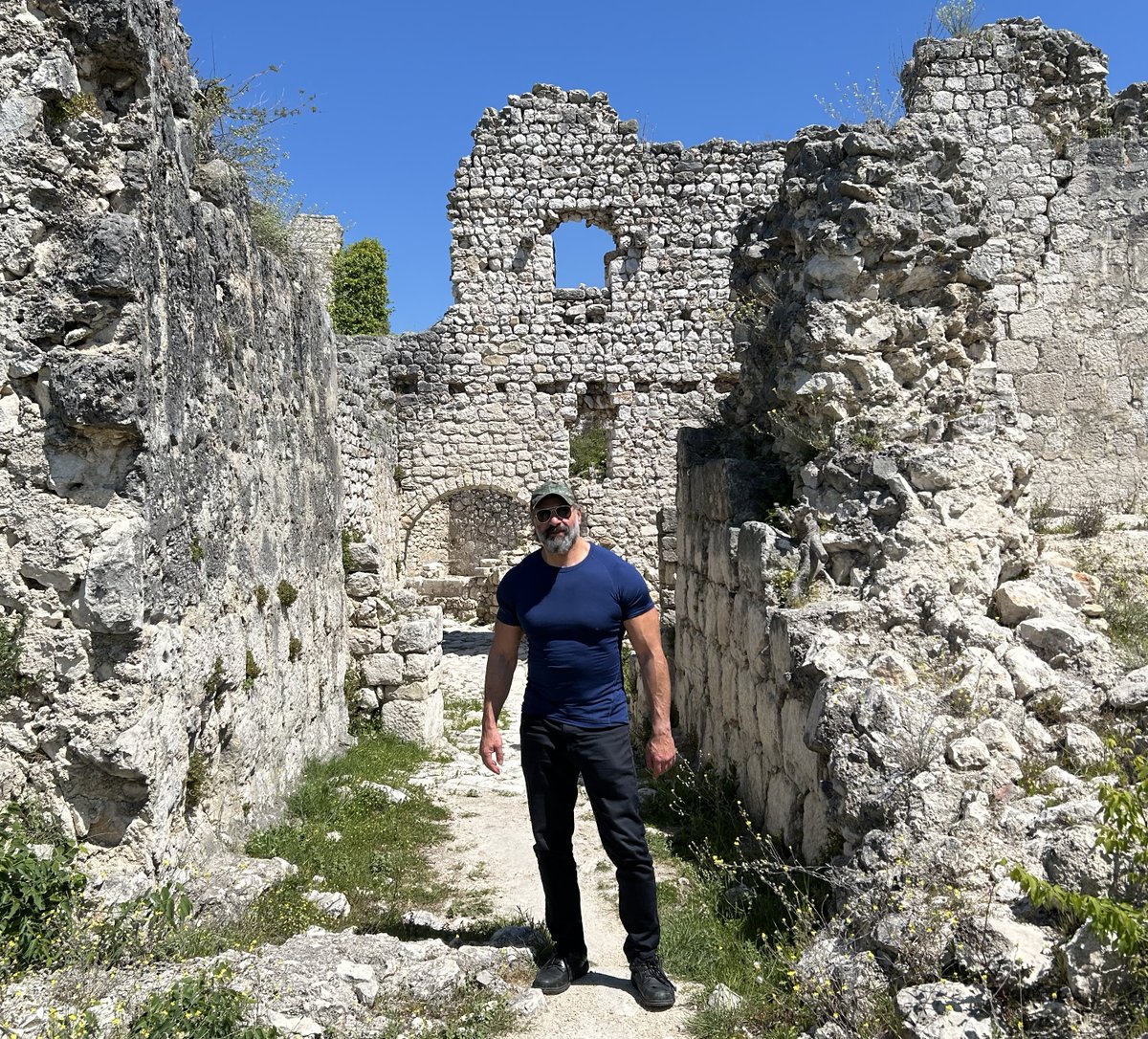
Check out this Templar fortress I encountered while in Croatia:
youtu.be/3HPgXHt1juM
33
74
962
17,318
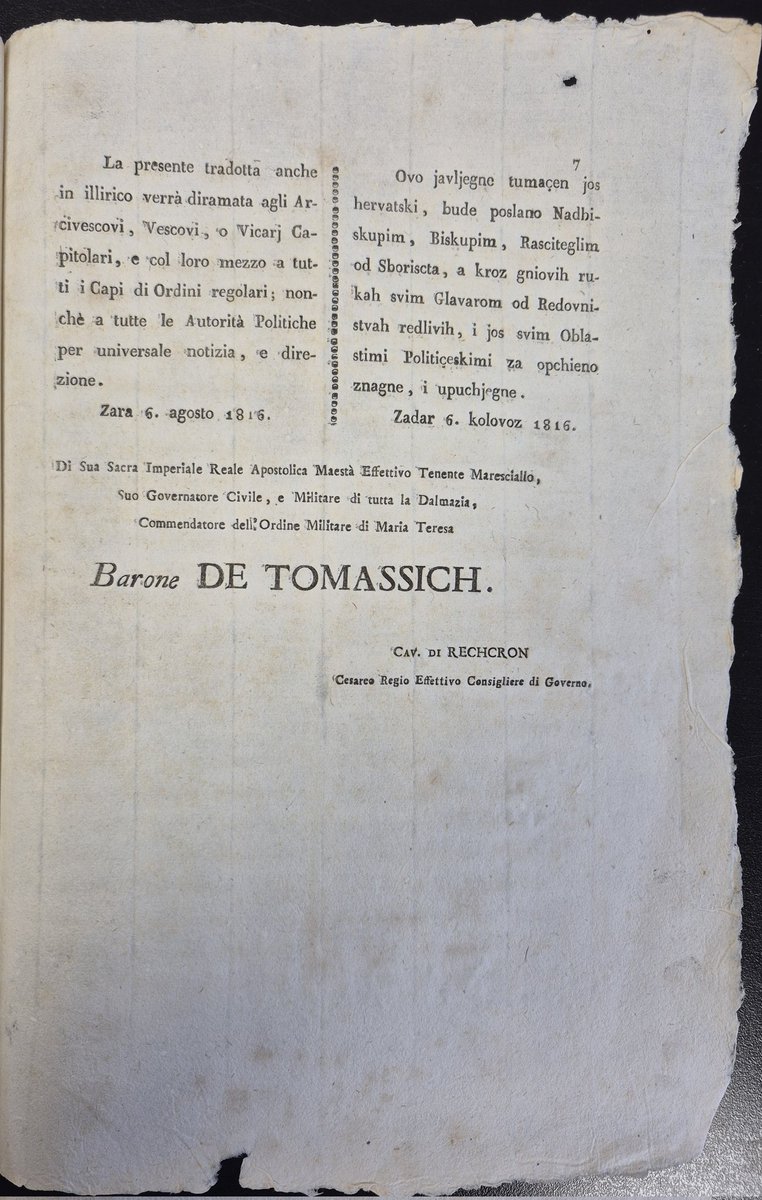
Zadar, 6. kolovoza 1816.
Okružnica C. K. Vlade za Dalmaciju kojom se naređuje samostanima i drugim vjerskim ustanovama da prekinu veze sa srodnim ustanovama u inozemstvu.
„La presente tradotta anche in Illirico”
„Ovo javljegne tumaçen jos hervatski”
1
1
53
853
History of Croats retweeted
Jun 5
In other words, 🇪🇺 and 🇬🇧 want to preserve the status quo: a strong @OHR_BiH mandate and Bonn colonial-like powers. All of this runs contrary to 🇧🇦’s EU path, EU and even Council of Europe values, which Europeans claim to uphold. Europeans seem lost in 🇧🇦.

It was publicly and widely expected that at the June 3-4 meeting, the Peace Implementation Council (PIC) would select a new High Representative to provide stability for Bosnia and Hercegovina (BiH).
The U.S. delegation strove to achieve a consensus around a commonly shared vision and Italy’s well-qualified candidate, the experienced diplomat Ambassador Antonio Zanardi Landi.
Secretary Rubio described Italy’s candidate to Congress as a “gentleman that we think would do a good job of helping provide some stability to that position.”
The United States takes note of the European failure to reach consensus around a European candidate and is disappointed these divisions prevented the PIC from fulfilling its task to elect a new High Representative.
European indecisiveness, and the PIC’s abdication of its own duty toward BiH, is forcing the United States to reconsider our role in the current international presence in Bosnia and Herzegovina.
***
U javnosti se uveliko očekivalo da će na sastanku održanom 3. i 4. juna Vijeće za implementaciju mira (PIC) izabrati novog visokog predstavnika kako bi osigurao stabilnost za Bosnu i Hercegovinu (BiH).
Delegacija SAD-a nastojala je postići konsenzus oko zajednički prihvaćene vizije i visoko kvalificiranog italijanskog kandidata, iskusnog diplomate ambasadora Antonija Zanardija Landija.
Sekretar Rubio opisao je italijanskog kandidata pred Kongresom kao „gospodina za kojeg mislimo da bi dobro obavio posao pomažući da se osigura određena stabilnost toj poziciji“.
Sjedinjene Američke Države primaju k znanju evropski neuspjeh da se postigne konsenzus oko evropskog kandidata i razočarane su što su te podjele spriječile PIC da ispuni svoj zadatak i izabere novog visokog predstavnika.
Evropska neodlučnost i odustajanje PIC-a od vlastite dužnosti prema BiH prisiljavaju Sjedinjene Američke Države da preispitaju svoju ulogu u trenutnom međunarodnom prisustvu u Bosni i Hercegovini.
8
9
54
3,818
History of Croats retweeted

Jun 3
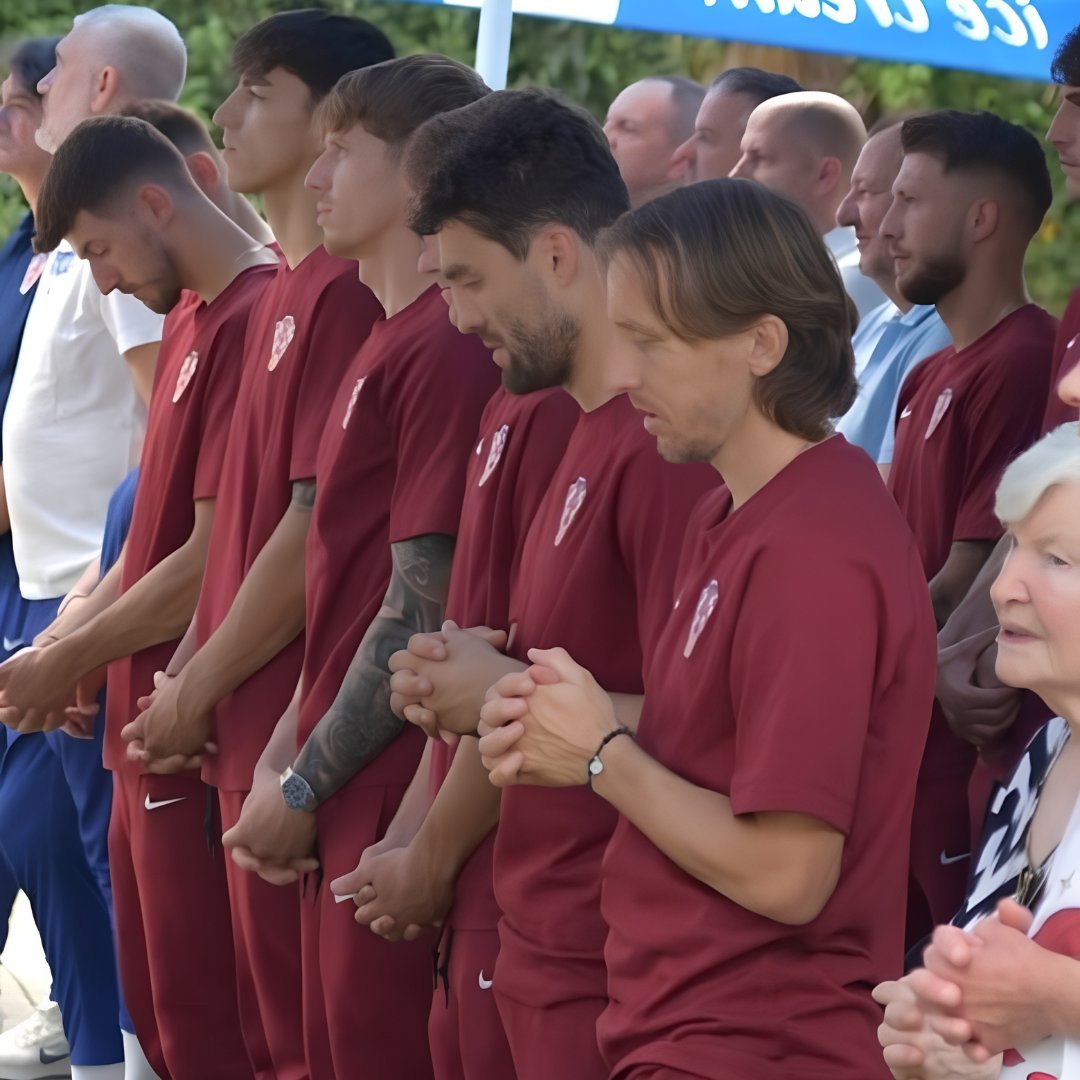
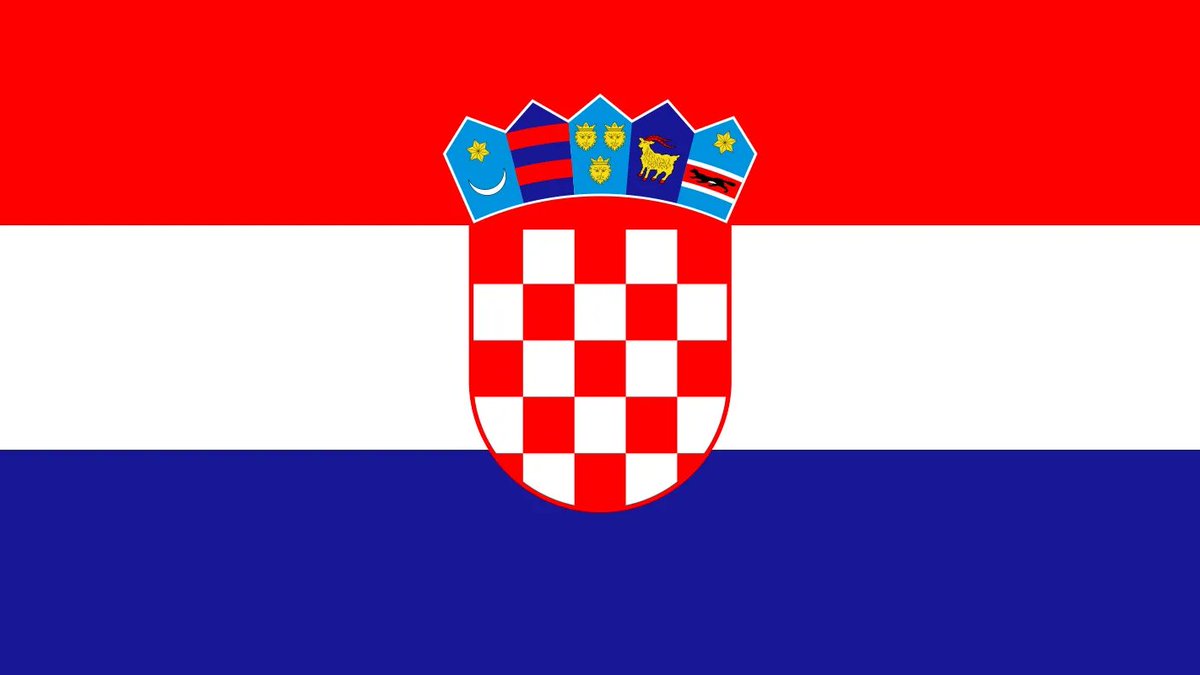
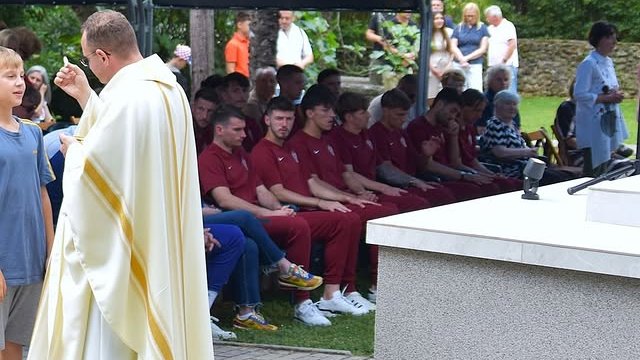
Croatian national team attending Holy Mass in preparation for the FIFA World Cup.
84
1,289
21,001
694,852
History of Croats retweeted

Jun 3
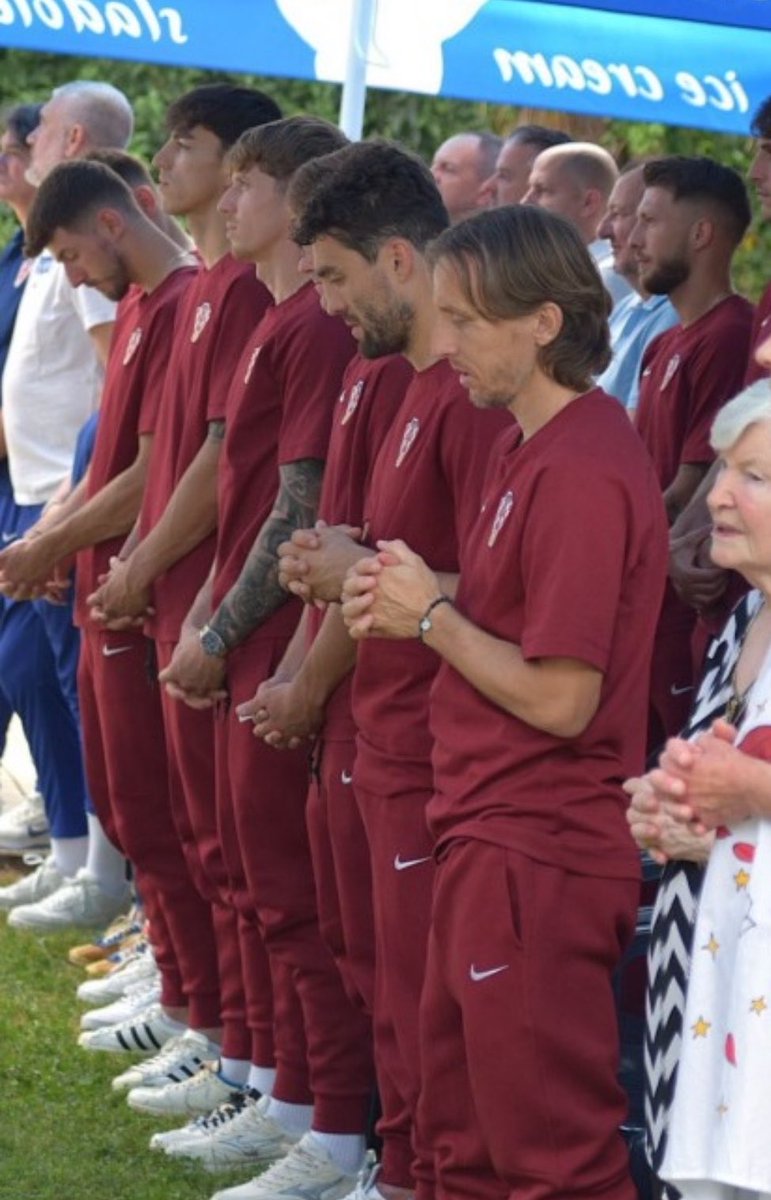
The Croatia national football team, including captain Luka Modrić, attend Mass in their homeland ahead of the 2026 FIFA World Cup
Image: Riječka nadbiskupija
64
1,064
15,381
202,553
Podržati Pepića, mlade snage. Plenky i Čova koče, odgovara im status quo i "stabilnost", ergo stabilno propadanje Hrvata u BiH. Sad je vakat za III. te ispravljanje goleme nepravde prema Hrvatima BiH. Zadovoljiti se "Izbornim zakonom" u ovom je povijesnom momentu - veleizdaja!
Jun 4

Idemo demistificirati ove tri rečenice nakon #HRTOtvoreno. Prvo, “pitanje izbora u BiH je na dnevnom redu već godinama.” Točno. No kakvi su rezultati, nakon Barryjevog (2000.) i Petritschevog (2002.) nametanja te Komšića I (2006.)? Nema ih. Možda su metode jednostavno zastarjele?
2
24
1,396
History of Croats retweeted
Jun 1
Fully support this. The key issue is that the nomination of the previous HR without UNSC endorsement (or at least formal discussion and communication to the UN Secretary-General, as with Schwarz-Schilling) set a precedent. The boomerang effect is now evident, especially for 🇪🇺.
Jun 1

On the eve of the most consequential Peace Implementation Council since Bonn in 1997, the diplomats gathering in Sarajevo need to remember that whatever they decide about the next High Representative, his (or her - it's never been a woman and none are being mooted now) mandate and powers, will be without legal effect unless they can get the UN Security Council to approve.
The intuitive way to grasp this is simply that the Security Council is the ONLY body in international law that can pierce a nation's sovereignty - and this is clearly what the Bonn PIC did in empowering the High Rep - and that therefore, the Council's ongoing participation is essential.
This is so important, because with the Security Council divided, some may be tempted to appoint another High Representative without its approval (as the PIC already did with Christian Schmidt in 2021). That would be to take a terrible risk that could threaten Bosnia and Herzegovina's survival.
If the next High Rep tries to act without the consent of the Security Council and against the wishes of three of its five permanent members - leaning essentially on the larger European states alone - he will be accepted by half the country and rejected by the other half, injecting enormous strains into an already fragile state system.
The right course is to find the best available consensus candidate and agree on a limited mandate, to be endorsed by the Security Council, and to use the next few years to work to place Bosnia and Herzegovina on the firmest possible footing.
@adicerimagic @Ivan_Pepic @slatal @sturcalo @seadnum @troccazrene @CrisisGroup @BalkansGroup @Andric1961
1
3
13
1,934
History of Croats retweeted
May 29
Mr. Ambassador, I share your assessment: faith that EU accession process will overcome internal political ethno-national problems and stabilize the country is unrealistic. Evidence is clear: Northern Ireland perhaps clearest example. Despite EU accession, troubles persisted. 1/9
May 28

Next week, the PIC Steering Board will meet to consider the future of OHR and possibly name a new High Representative. The key questions PIC member states must ask themselves as they make these decisions are: First, what is their core strategic interest in BiH? Second, can the OHR with the Bonn Powers advance that interest? Third, if so, who is best suited to serve as a High Representative?
For 30 years, the U.S. identified BiH territorial integrity as its core strategic interest in BiH. This reflected not just the United States’ values but its hard security interests. That’s because, again for 30 years, the U.S. understood that challenges to BiH’s territorial integrity risked violence inside BiH and the Western Balkans. The signals coming from the current administration suggest this 30-year bipartisan policy has come to an end. In its place, the administration has embraced “local ownership” along with Mr. Dodik – a man who over the past several days has suggested the RS requires its own armed forces, called into question BiH’s territorial integrity, and underscored his goal is to dissolve BiH. Separately, calls for the creation of a third entity are spiking and a leading Bosniak ethnonationalist has proposed the creation of mega-cantons within the Federation (FWIW, this sounds an awful lot like an endorsement of a third entity). This is critical context for next week’s PIC discussions.
For everyone else around the PIC table, there does not seem to be any ambiguity in their support for BiH’s territorial integrity. That said, there may be some misplaced faith in the power of EU accession to drive a reform process that overcomes BiH’s internal political problems and stabilizes it for the long-term. In my judgment, the evidence for this faith is limited. Regardless, right now in BiH one ethnonationalist leader is threatening to walk away from the EU accession process if does not take place on his terms, while another is providing the first with de facto political support, belying claims he and his party embrace the EU 100 percent. In this environment, it may be a risky bet to place all your chips on the EU accession process as the best means of safeguarding BiH’s territorial integrity.
The OHR is not about “nation building” or constructing someone’s ideal of a “civic state” at the expense of BiH’s constituent peoples. It is about implementation and defense of the DPA. Among other things, this means protecting BiH and its institutions, including those agreed upon by post-war governments, from attempts to undermine them. The OHR cannot do this with a supine High Representative who lacks PIC support to use his authorities when necessary. If the PIC’s judgment is that this is no longer necessary or desired, then the OHR is longer necessary. In that case, the countries around the PIC table will need to come up with another credible strategy for protecting BiH from those seeking to destroy it.
1
11
44
2,524
History of Croats retweeted
May 29
Now, a realistic option is either a three-federal-unit BiH or two mega-cantons within the FBiH. You labeled this “awful” without any justification. Yet your predecessors, Zimmermann, Montgomery, and Petritsch, also rejected it, but later reconsidered. Why? 7/9
2
7
37
1,271
History of Croats retweeted
May 29
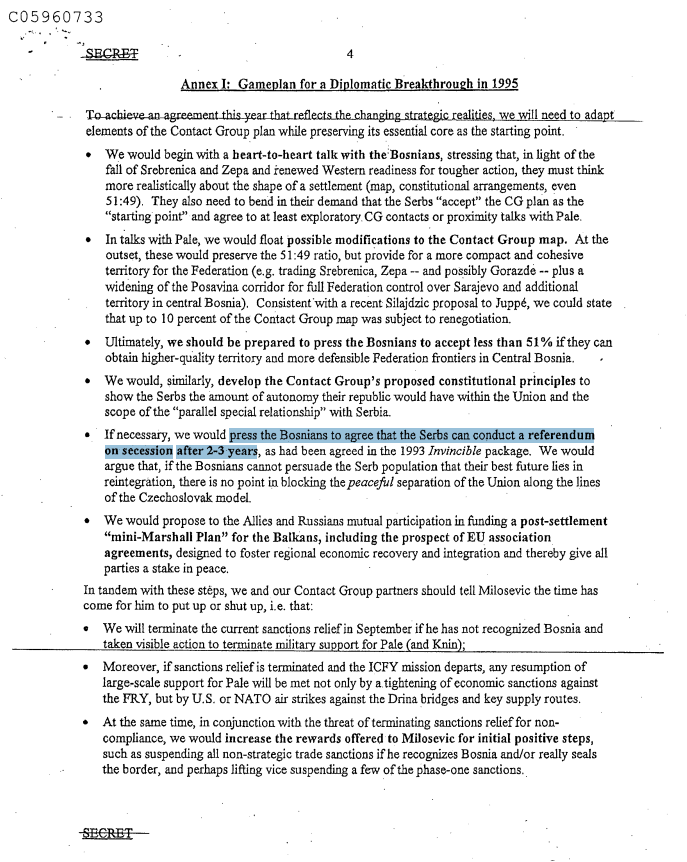
(1) Partition. Amb. Zimmermann blocked the 1992 Cutileiro Plan, though he later admitted it was a good proposal. In 1993 and 1995, U.S. officials saw no solution and proposed “that the Serbs could hold a referendum on secession.” But Croatia’s Operation Storm saved BiH. 5/9
1
6
35
2,156