
Christian, fiction writer and gamer. Looking for a wife/gf. Isaiah 5:20, Joshua 1:9, and "I disagree vehemently with you, but I don't hate you for it."
Joined October 2013
- Tweets 239,705
- Following 5,339
- Followers 4,776
- Likes 176,844
18,591 Photos and videos














Pinned Tweet

May 20
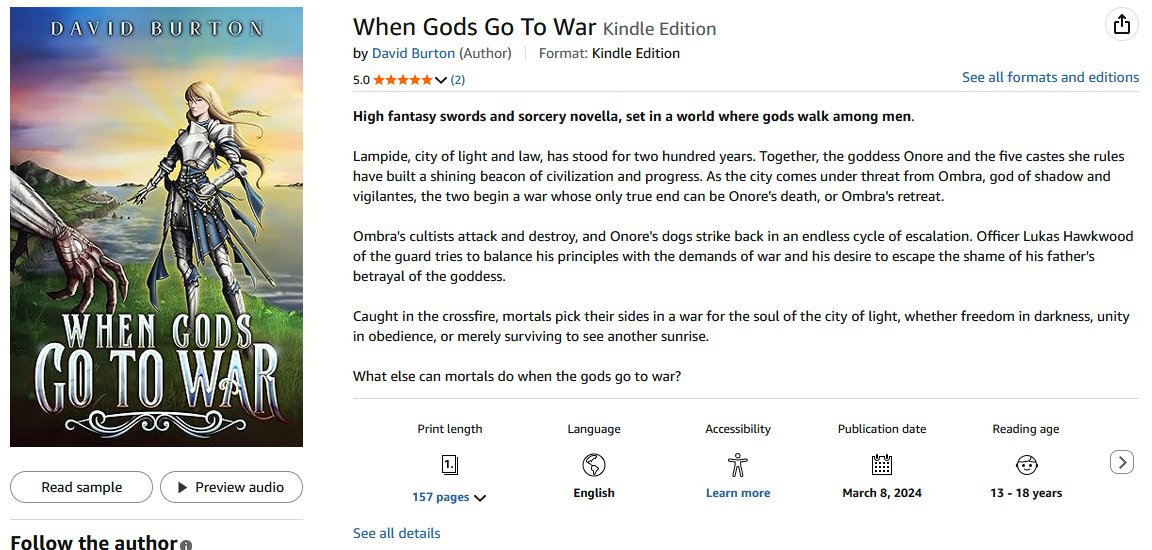
Audiobook version now available!
Also available in Kindle and hardcover!
Synopsis and link below!
amazon.com/dp/B0CT27JMPD
7
1
3
1,917
HalfTangible retweeted

This is so precious what

Saw a post that said: “Love isn’t fireworks. Love is the front porch light”. 😭🤌
5
5
65
676
HalfTangible retweeted

Jun 13
Civilians will have difficulty understanding what I’m about to say.
But all we ever wanted in GWOT was to be as far away from the “flagpole” as possible.
To be off on our own in the hinterlands.
Getting shot at every day was preferable to the insufferable helicopter parenting the large bases were famous for.
So yes. We would rather be placed in a higher risk situation for our personal safety than suffer through some idiot yelling at us for not wearing a PT belt on a FOB.
It was these same people who would turn us away from the chow hall because we were too dirty after battle.
We would rather risk death on our own than be ruled by risk averse midwits.
Jun 12

The more I look at this lighthearted monument idea. the more I think it accidentally captured the entire story of the Global War on Terror.
Not the war itself, but what it became.
A giant restraint stretched across open ground, another buckle fastened by people convinced that every problem can be solved by tightening the strap one more notch.
Those of us who fought that war were not fragile. We crossed oceans, climbed mountains, walked through cities filled with bombs, and carried burdens that would break most people. Yet somewhere along the way an entire generation of leaders became convinced that the greatest threat to those men was not the enemy, but risk itself.
What followed was twenty years of wrapping warriors in procedures, approvals, permissions, reviews, assessments, oversight mechanisms, and legal opinions until the institution slowly forgot the difference between protecting a force and restraining it.
Every buckle arrived with good intentions. Every layer was justified. Every restriction was sold to us as profound wisdom. Nobody noticed that the accumulation of caution was producing its own form of recklessness. We became so obsessed with preventing small failures that we lost the ability to achieve great successes.
That is the lesson staring back at me from this seemingly funny image.
Civilizations are not preserved by eliminating danger. They are preserved by producing men capable of confronting it. A people that spends enough time worshipping safety eventually begins treating courage like a pathology and initiative like a threat. The instinct for survival remains, but it becomes detached from the willingness to act.
History has never been kind to societies that make that trade.
What makes this monument joke so powerful is that it unintentionally captures the hangover of an entire era. An era spent tightening straps while the muscles beneath them slowly atrophied. An era spent managing risk while forgetting that the greatest risks are often the ones created by excessive caution.
If the Global War on Terror means anything, it should be this: never again confuse bureaucracy for strategy, process for progress, or restraint for strength.
The buckle is perfect.
Not because it honors what we were.
Because it reminds us what we became.
And it reminds us what we should never be again.
Cautious to the point of calamity.
250
399
3,528
178,866
HalfTangible retweeted

A church service video is moving viewers around the world after going viral online.
In the clip, a young boy stands before the congregation in tears, asking for prayer for his mother. Holding a Bible close, he says he wants his mother to turn from sin and be saved so they can be together in heaven.
Church members surround him and pray earnestly for his family in an emotional moment marked by childlike faith and sincerity. The video has deeply touched many viewers and continues to spread widely across social media, drawing thousands of emotional reactions and shares.
Image captured from that clip

6
51
310
2,475
HalfTangible retweeted

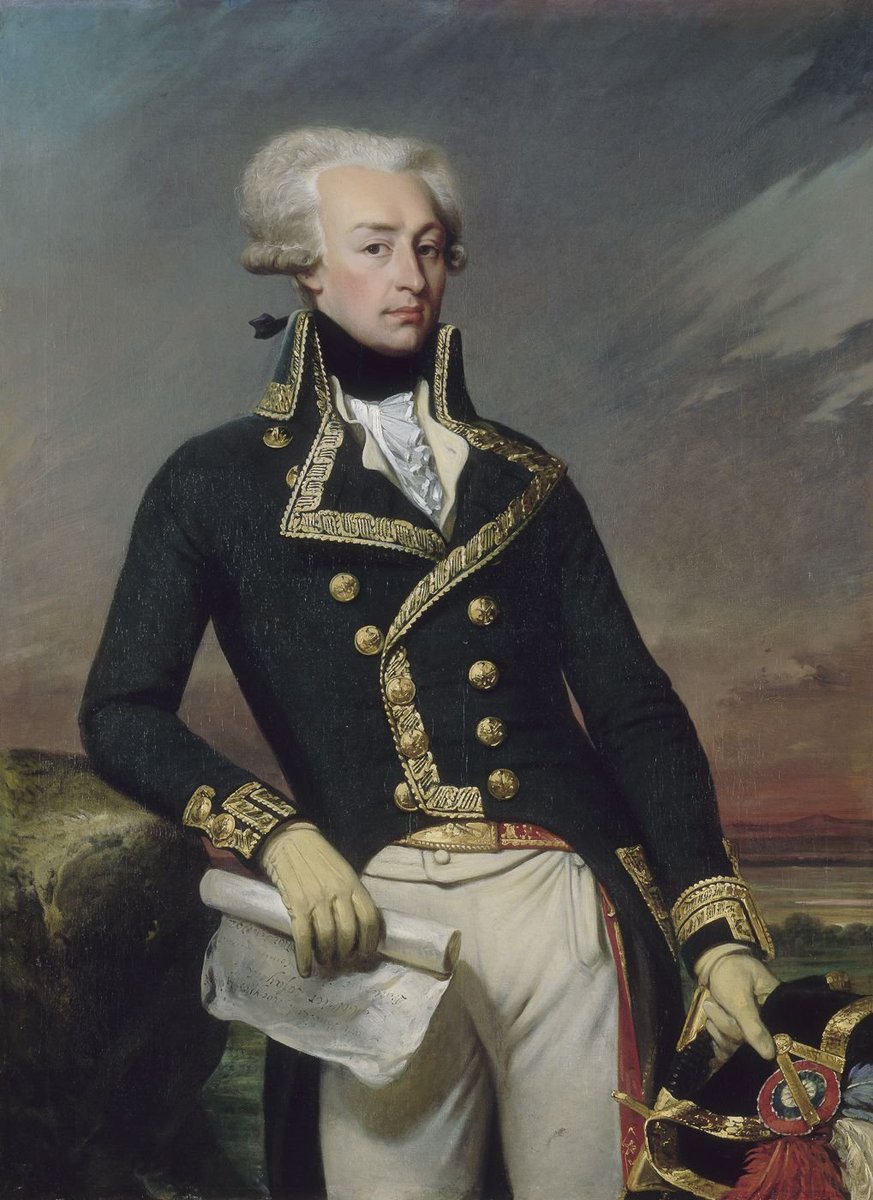
On June 13, 1777, a 19-year-old French teenager landed on a beach in South Carolina, uninvited, to fight in someone else's war. He would become one of the most important men in American history.
The Marquis de Lafayette was one of the richest young aristocrats in France. He had a beautiful wife, a fortune, and zero reason to risk any of it. But he believed in the American cause so fiercely that when the French king forbade him from going, Lafayette bought his own ship and sailed anyway. He literally went AWOL from a life of luxury to bleed for a country that didn't exist yet.
Congress was annoyed at first. Another foreign officer looking for a paycheck? Then Lafayette offered to serve for free and pay his own way. That got their attention.
He met Washington and the two formed one of the great father-son bonds in American history. Washington had no biological children. Lafayette named his only son George Washington Lafayette.
He took a bullet in the leg at Brandywine and kept rallying the retreat. He was instrumental at Yorktown, the battle that won the war. He went home a hero on two continents.
A foreign teenager believed in America before America did. 249 years ago today.
117
1,789
7,876
105,164
HalfTangible retweeted

I am in total shock. President Trump surprises fans by bringing an actual BALD EAGLE to Freedom 250 UFC’s Historic Weigh in
FEELS SO GOOD TO BE BACK
Liberals can’t stand this 🔥
426
2,116
13,468
151,669
HalfTangible retweeted

NASA found a cross in the heart of a galaxy.
In 1992, the Hubble Space Telescope captured an image of the Whirlpool Galaxy, 31 million light-years from Earth. At its very center, there is a dark cross-shaped structure of dust silhouetted against the galactic core.
Christ is not only King of the Earth. He is King of the Universe.


1
3
32
390

HalfTangible retweeted

I don’t know who needs to hear this, but…
The poorest Americans today enjoy a standard of living that the richest people on earth couldn’t buy a century ago.
Why?
Free-market capitalism is the only system in history to lift entire societies out of mass poverty.
24
146
706
11,018
HalfTangible retweeted

Things that have Triggered the left.

7
110
413
3,517
HalfTangible retweeted

The fact that Americans don't want certain jobs isn't evidence of capitalist failure.
It's often evidence of capitalist success.
When people have better options, they take them.
The question isn't why Americans don't want those jobs. The question is why workers in poorer countries often do.
The answer is usually that those jobs pay more than the alternatives available to them.


4
8
97
2,412
HalfTangible retweeted

Apparently the only way atheists can recognize design is if they physically observed something being designed.
According to them - there is no way to recognize alien life.
Archaeology definitely can't be reliable.
If humans weren't observed creating it - there's no possible way we can know if something is designed.
And yet they're fine accepting the unobserved storylines of evolutionary theory.
Anyone else see the glaring inconsistencies?

How can we scientifically determine if something was intelligently designed?
What features would it have?

15
4
51
2,091


HalfTangible retweeted

Jun 13
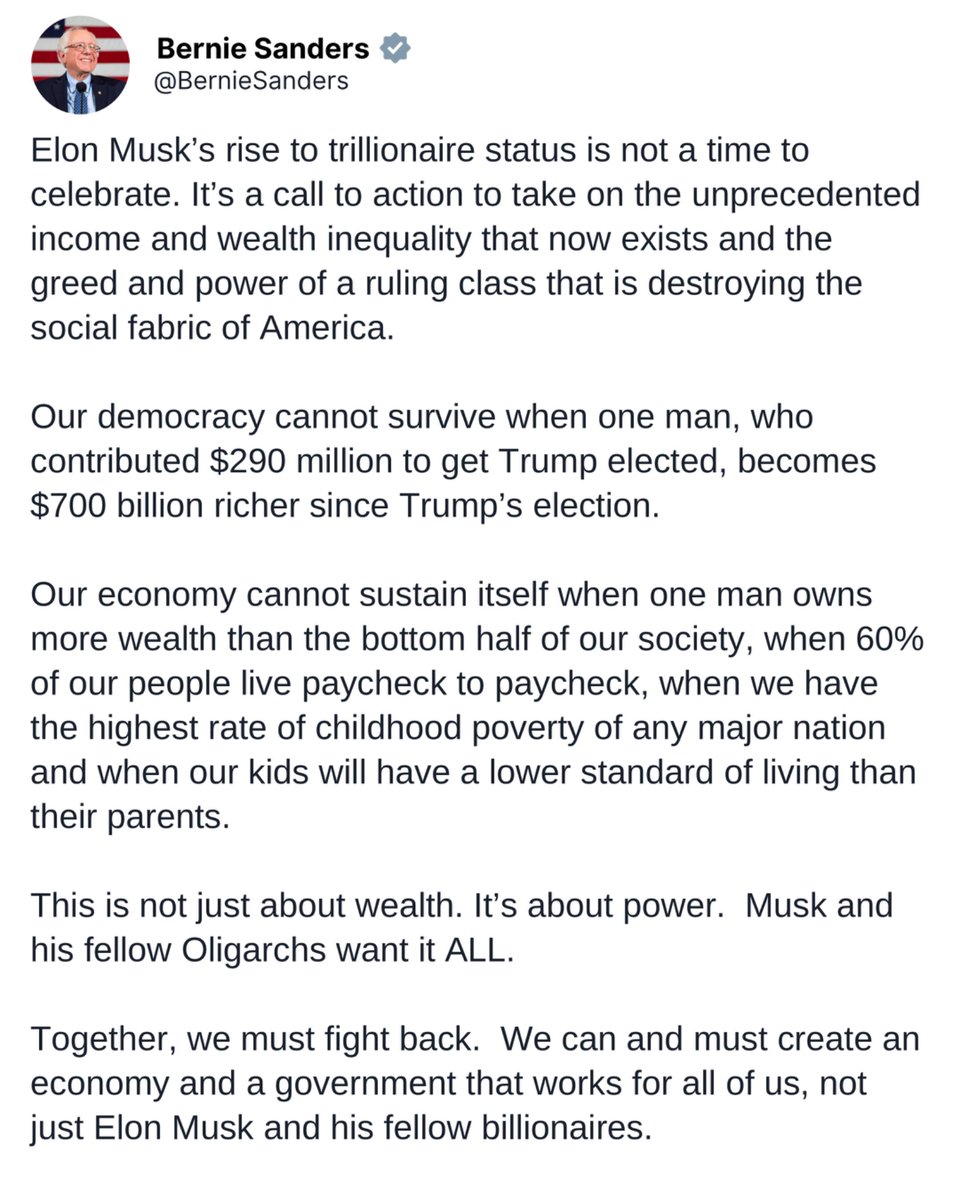
They never mention how there wouldn’t be a trillion dollars to take if it wasn’t for the USA, and our great ability to enable generational people like Elon and the people who build with him.
They don’t want you to understand money and how any of it works. That money is just information about something someone did somewhere at some point in time. That it doesn’t appear out of thin air. That when his friends print it, it just becomes worthless if it isn’t backed by someone doing something useful somewhere.
We all want to reduce income and wealth inequality, but singling out one individual who is building incredible things, and attacking him as if he’s done something wrong by creating what him and his companies have created? Instead of celebrating their accomplishments? Feels traitorous tbh
Why not celebrate their accomplishments and also work with them to help make things work better for everyone? Imagine if Bernie taught people how to invest instead of demonizing builders?
Can you imagine seeing everything Tesla and SpaceX are building, and being upset about it? How much of a sad loser you’d have to be? How can a person like this possibly be right? They can’t. Because it isn’t right.
You’re a lowlife, Bernie. And you will lose. Because losers always lose in the long run.
Jun 12

16
7
87
3,951
HalfTangible retweeted

Atheists have never built anything this beautiful.
And they never will.
Because they CAN'T.
It's not possible without God.

14
103
564
4,014
HalfTangible retweeted

Jun 13
Next week I wanna do a just chatting stream where I interview some friends who are open to talk about their struggles in faith.
I would love to hear about some of your testimonies! I wanna learn your story! If your interested leave a comment! All are welcomed!

8
7
85
1,055
HalfTangible retweeted

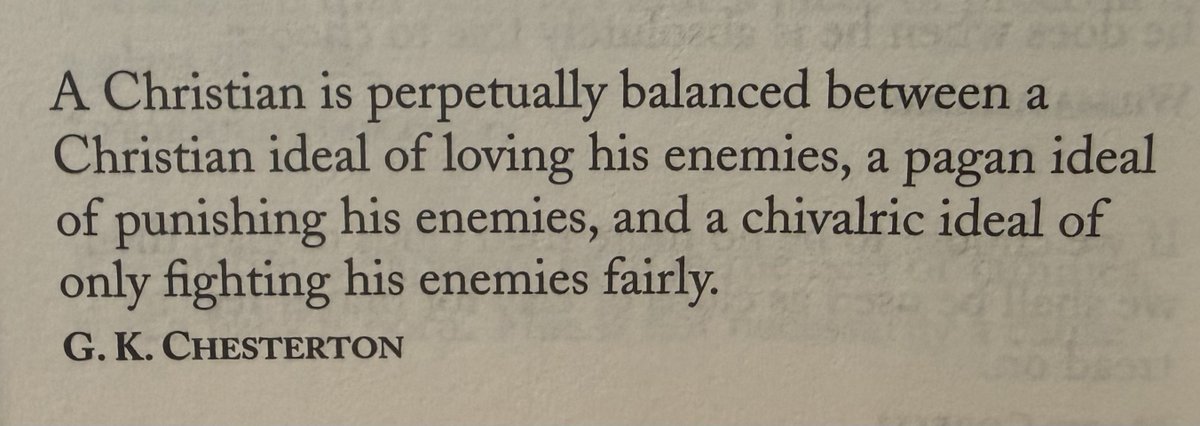
I think about this line a lot
47
522
5,966
107,275
HalfTangible retweeted

The thing about Trump is that he likes America and his entire political project is trying to convince half of the country that doesn’t that they should like it too

One day I hope MAGA supporters can ADMIT if Barack Hussien Obama had done anything remotely close to this, we’d still be hearing about it today
1
1
8
152


HalfTangible retweeted

Simpletons really do believe that rich people have pools full of currency just laying about.
This ain't latinum we're taking about, you putz.

I am not entitled to his money.
Accumulating more wealth than you can ever spend in a single lifetime (which he has done millions of times over) is bad for society. Money that could be moving through the economy and local communities to help improve lives is now removed.
7
10
131
1,083
HalfTangible retweeted

The offer on the all forgiving, all loving Jesus has nearly expired, unless you want the vengeance with a flaming sword and judgement version of Jesus, I recommend you believe the gospel.

6
21
200
1,944