
PhD | A little bit obsessed with science | Postdoc @ImperialCollege researching regulatory genomics and metabolic disease | 👩🏼🔬🧬📚🍫 Host of @DNAandPod 🎙
Joined September 2013
- Tweets 961
- Following 735
- Followers 457
- Likes 2,403
114 Photos and videos
Pinned Tweet

27 May 2023
🚨 We're live on Spotify 😍🧬!!! @angelos_mas thanks for being the best co-host 👌🏻 we'll be discussing DNA and healthcare for the foreseeable future, so please do follow us @DNAandPod and join in the conversation 🤓👨🏻🔬👩🏼🔬
27 May 2023

The first episode of DNA& is now live! Tune in now to hear us discuss DNA and the UK's Genomic Healthcare Service 🧬🎙👩🏼🔬👨🏻🔬
Thank you to @GenSocUK for supporting DNA& 🙏🏻
open.spotify.com/episode/48C…
1
5
9
5,855
Hannah Maude retweeted

Applications are open for 5 fully funded collaborative #MultiSci (iCASE) #PhD projects @imperial_mrcdtp in #interdisciplinary health science.
findaphd.com/phds/program/mu…
2
152
Hannah Maude retweeted

Apr 14
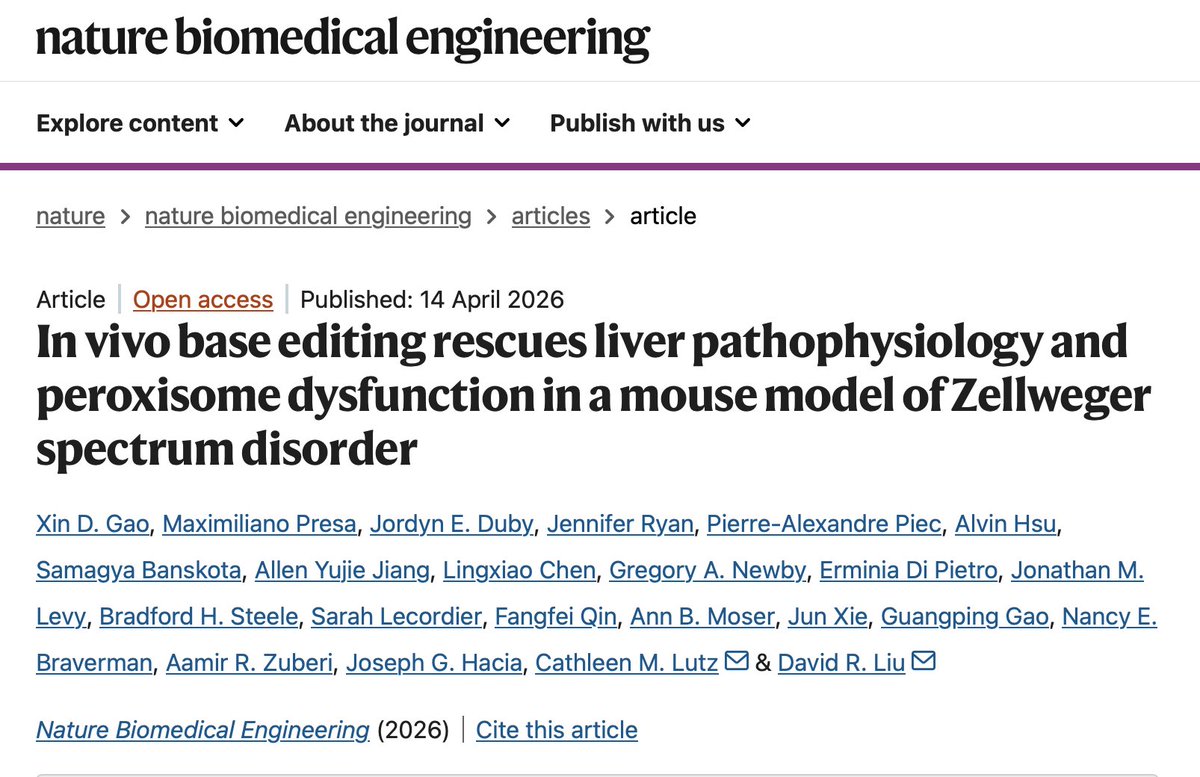
Today in @natBME we report an in vivo base editing strategy that corrects a common disease-causing mutation and rescues pathology in a mouse model of Zellweger spectrum disorder (ZSD) and restore peroxisomal function in patient derived cells. This work highlights the promise of precision genome editing for treating peroxisomal biogenesis disorders.
1/13
13
72
388
45,376
Mar 24
RT @Zhang_Suyang: 📣 Fully funded PhD position available!
Join our group at MRC-LMB in Cambridge to uncover how human cells coordinate RNA t…
30
Hannah Maude retweeted

Mar 19
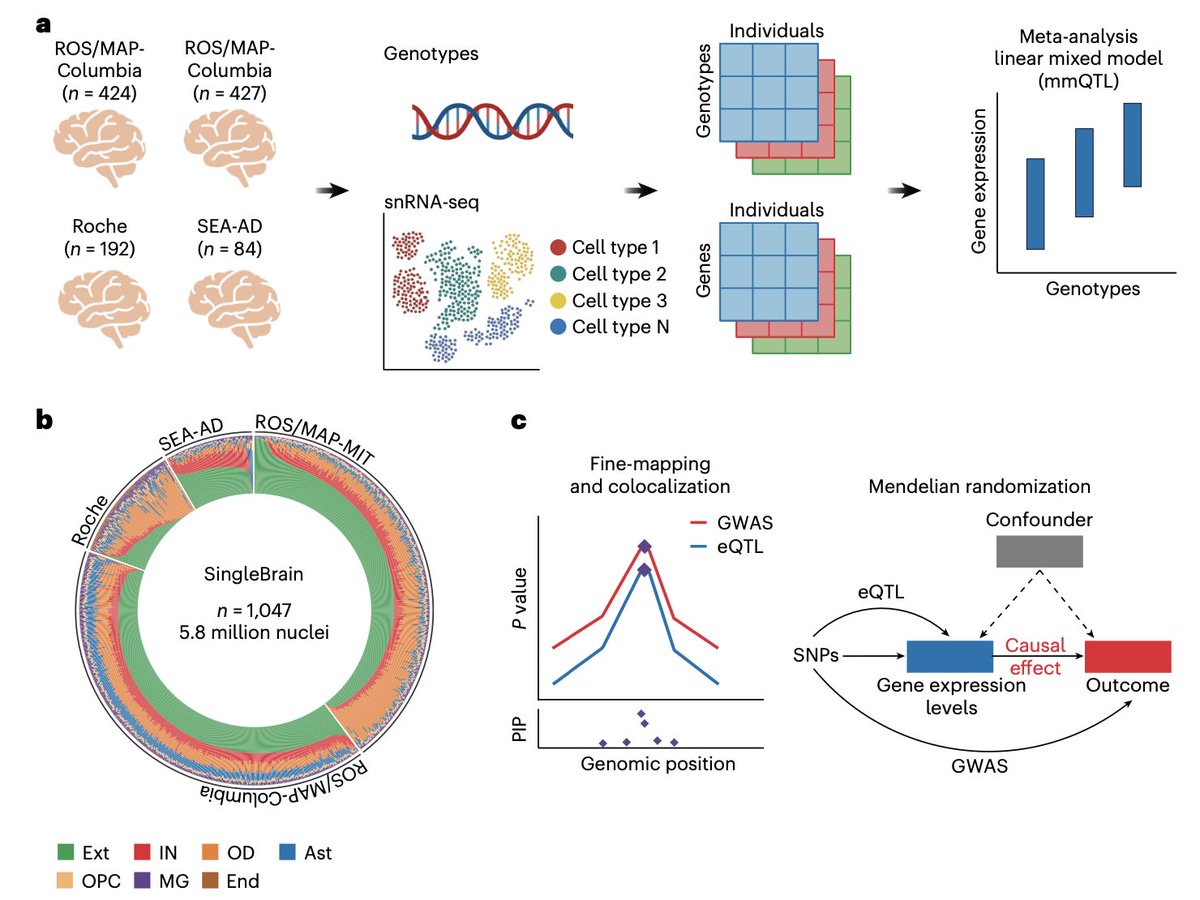
To understand most genetic signals for human disease that are located in non-coding regions, we will need to explore their effects on gene expression at the single-cell level.
Two new valuable resources apply this in brain tissue and neurological disease👇
1
15
59
5,126
Hannah Maude retweeted

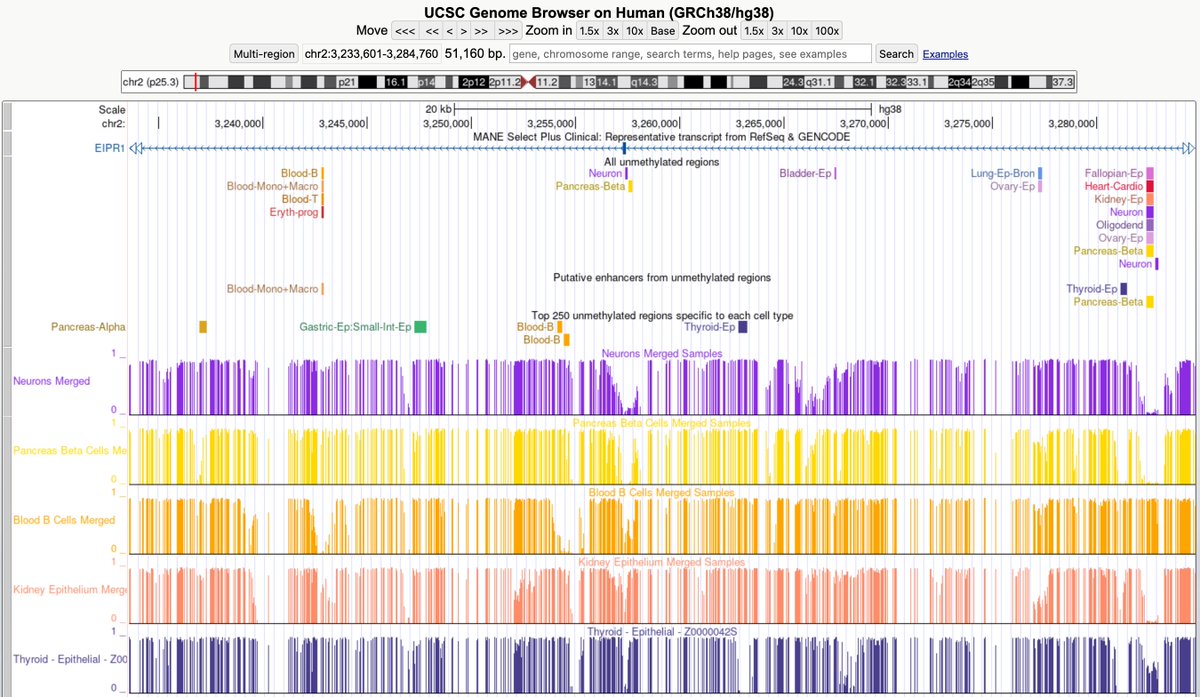
We are excited to announce the release of the Human Methylation Atlas Summary and Signals tracks for hg38 and hg19. The tracks display genome-wide DNA methylation profiles across 39 primary human cell types from 205 healthy tissue samples.
Learn more at bit.ly/humanMethylationAtlas…
2
91
358
23,112
Hannah Maude retweeted

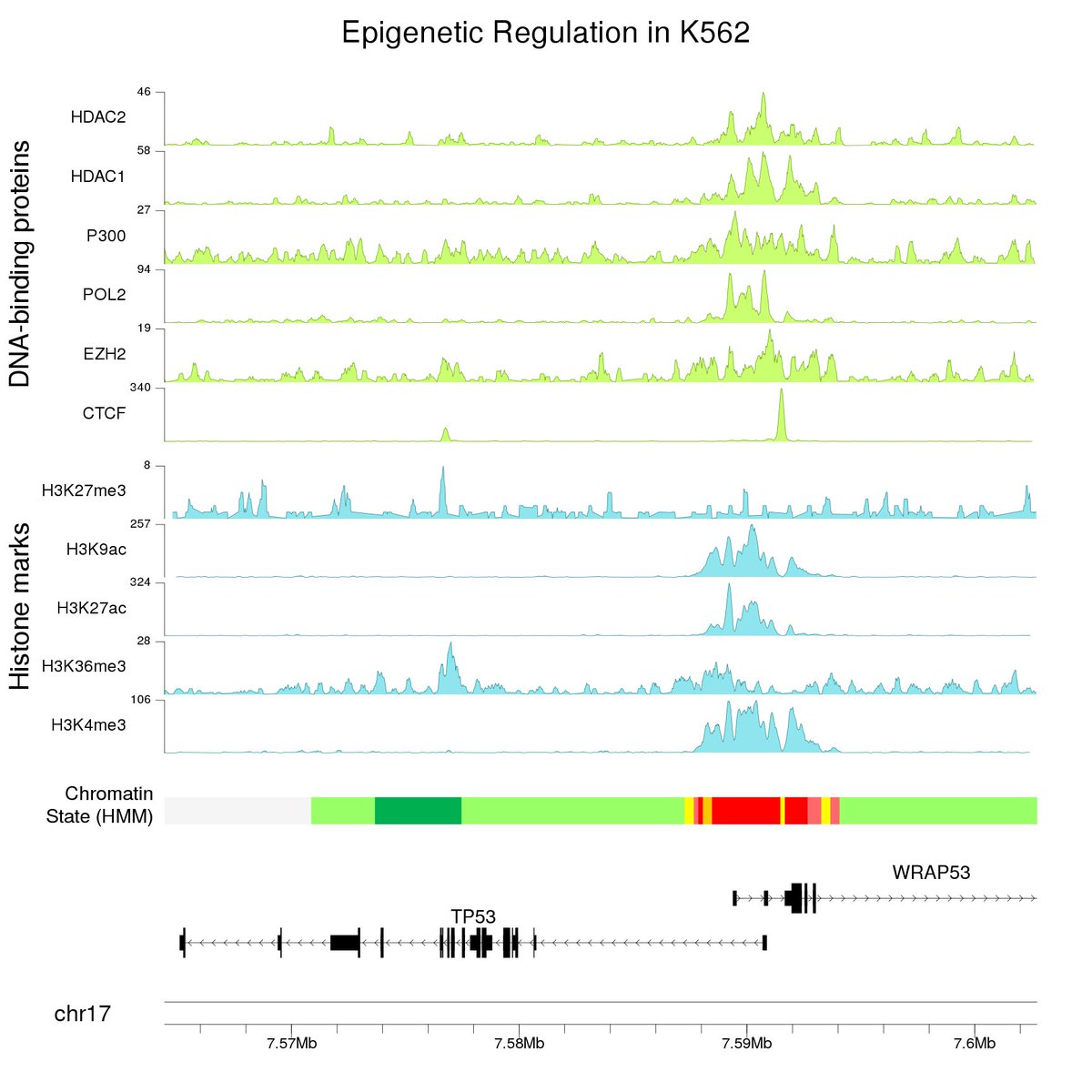
5 tools to visualize genomic datasets 🧵
1. Karyoploter bernatgel.github.io/karyoplo…
2
62
279
20,803
Hannah Maude retweeted

Jan 22
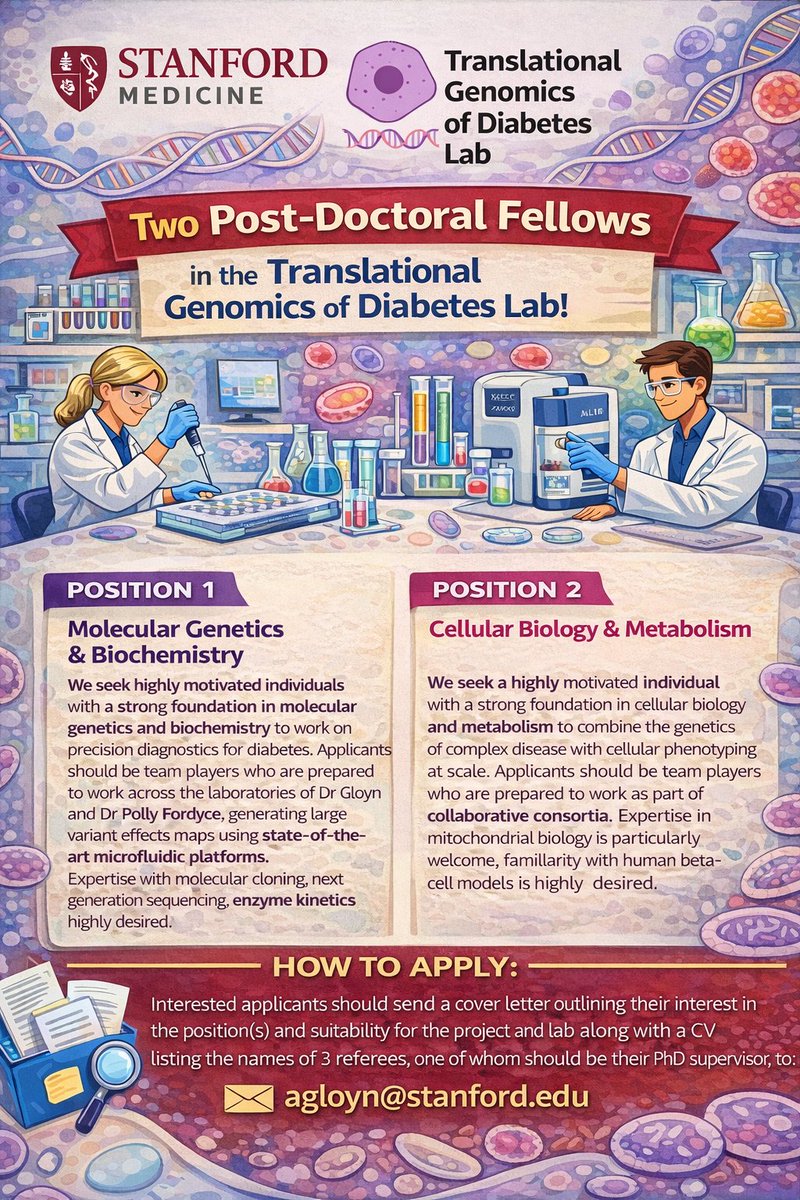
** OPPORTUNITIES FOR HIGHLY MOTIVATED POST-DOCS TO JOIN THE TEAM **
==> Find out more about life at stanford in the department of Peds as a pos-doc med.stanford.edu/pediatrics/…
==> Find out more about the Lab and PI - med.stanford.edu/genomics-of…
2
40
123
11,494

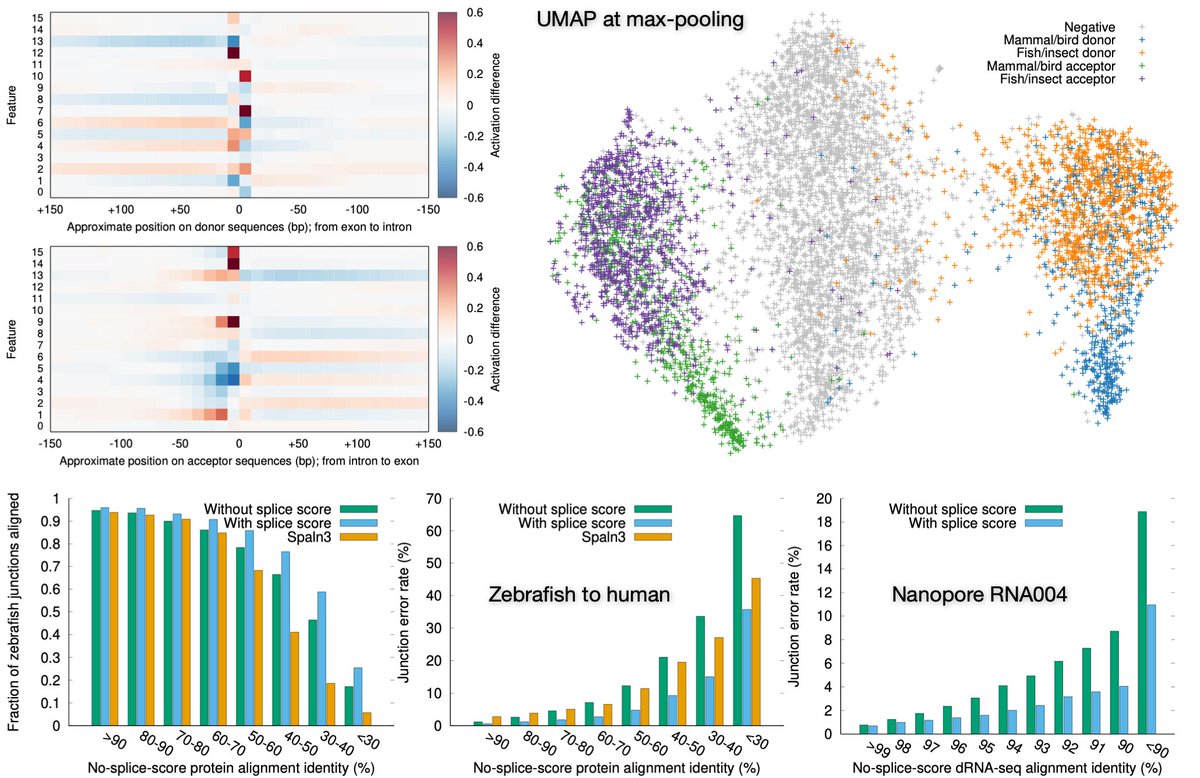
Now published in Algorithms for Molecular Biology: link.springer.com/article/10…. Key message: a tiny CNN model with 7k parameters can capture main splice signals across vertebrates insect and halves the minimap2 & miniprot junction error rate. I always use this new feature now.

Preprint on "Improving spliced alignment by modeling splice sites with deep learning". It describes minisplice for modeling splice signals. Minimap2 and miniprot now optionally use the predicted scores to improve spliced alignment.
arxiv.org/abs/2506.12986
9
39
149
14,015
Hannah Maude retweeted

Jan 10
Come work with me as a Postdoc in Statistical/Computational Genetics/Bioinformatics at University of Copenhagen. See employment.ku.dk/all-vacanci…
2
31
87
12,753
Hannah Maude retweeted

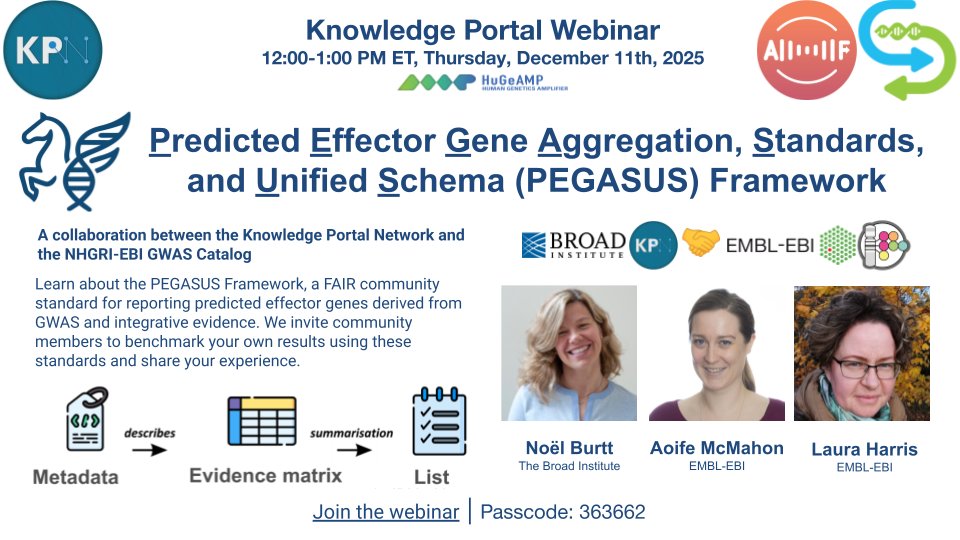
🚀 Unlock better effector-gene reporting!
🧬The PEGASUS Framework introduces FAIR, unified standards for predictions from GWAS & integrative evidence.
📣 Join us & @GWASCatalog Dec 11 | 12–1 PM ET to learn more!
🔎Explore the framework: ebispot.github.io/PEGASUS/
2
2
124
Hannah Maude retweeted

13 Nov 2025
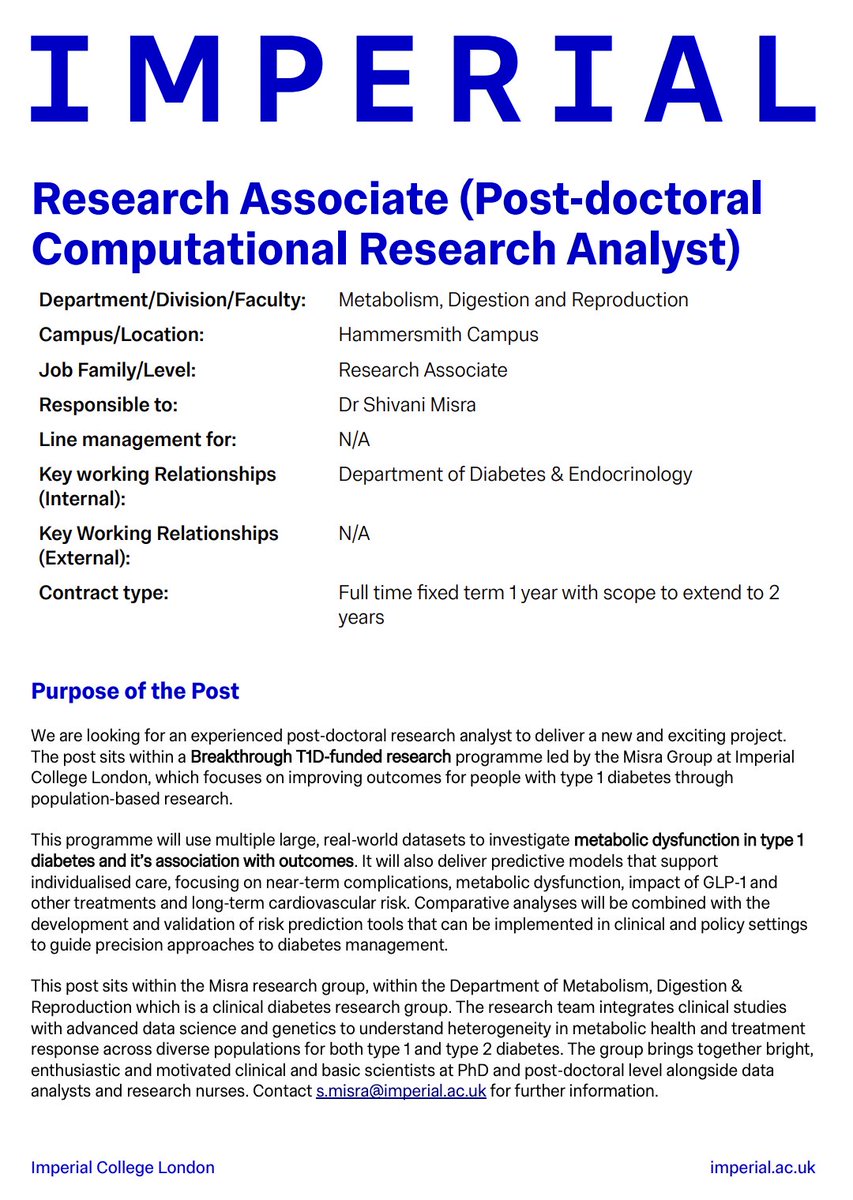
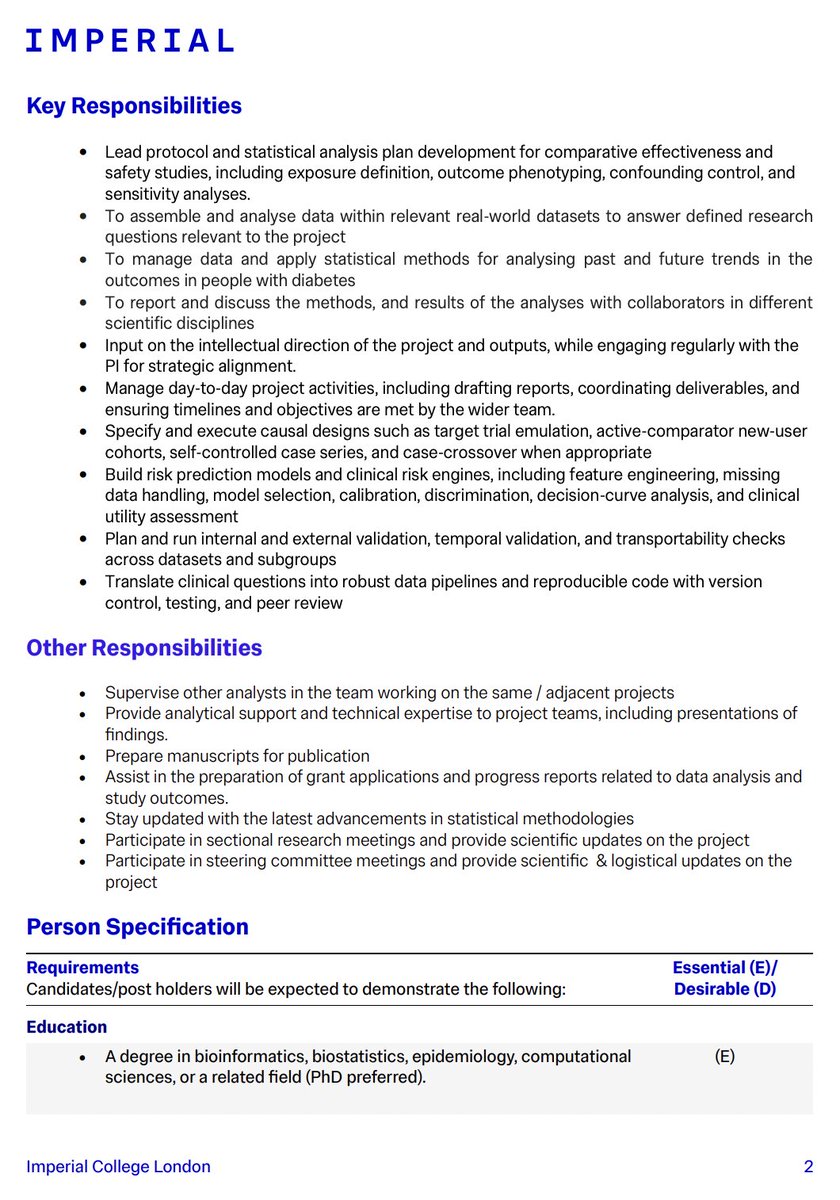
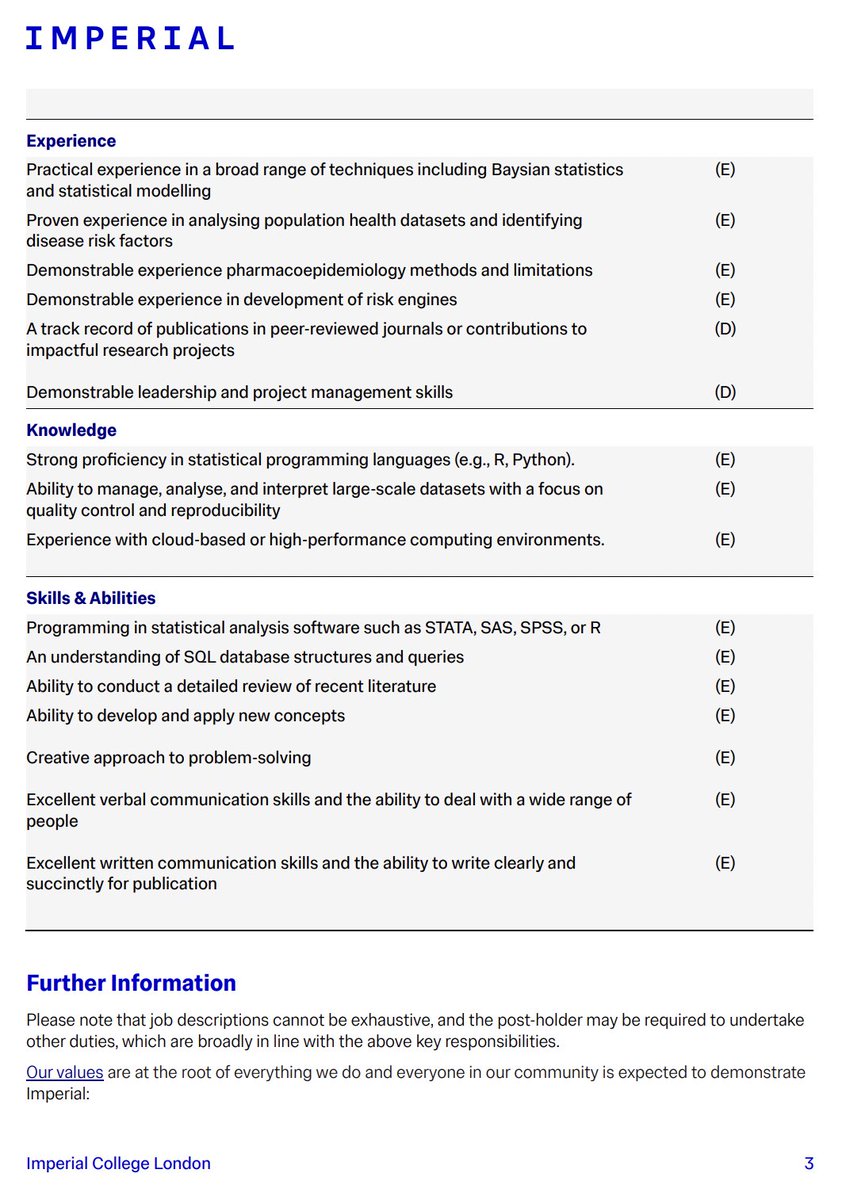
❗I’m hiring a post-doc computational data analyst to join my group at Imperial College London 🎉
You’ll help deliver hashtag#MetricT1D, a real-world data project on type 1 diabetes that we’ve just had generously funded by Breakthrough T1D.
🏁 What we’re offering:
- 12-month post, likely to extend to 24 months
- Remote working possible
- Chance to shape analyses from day one, take a leadership role and publish
- Supporting another post-doc and data manager on the project team
What you bring:
* PhD in bioinformatics, biostatistics, epidemiology, computational sciences
* Experience in pharmaco-epidemiology
* Years of experience analysing healthcare datasets
* Statistical knowledge
* Energy, curiosity, and the desire to work closely with me and a fun team
✅ Job spec: lnkd.in/ef6u_knU
✅ Apply here:
lnkd.in/eDixm9GN
Feel free to share or tag someone who should see this.
#Type1Diabetes #DataScience #Epidemiology #RWD #Jobs #Hiring
11
20
3,257
11 Sep 2025
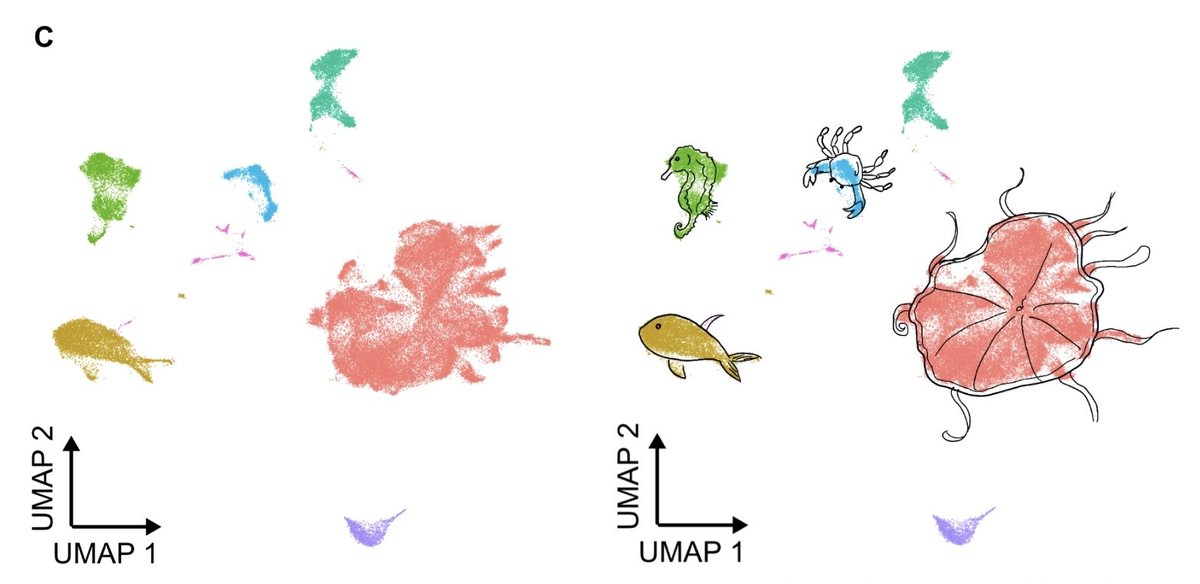
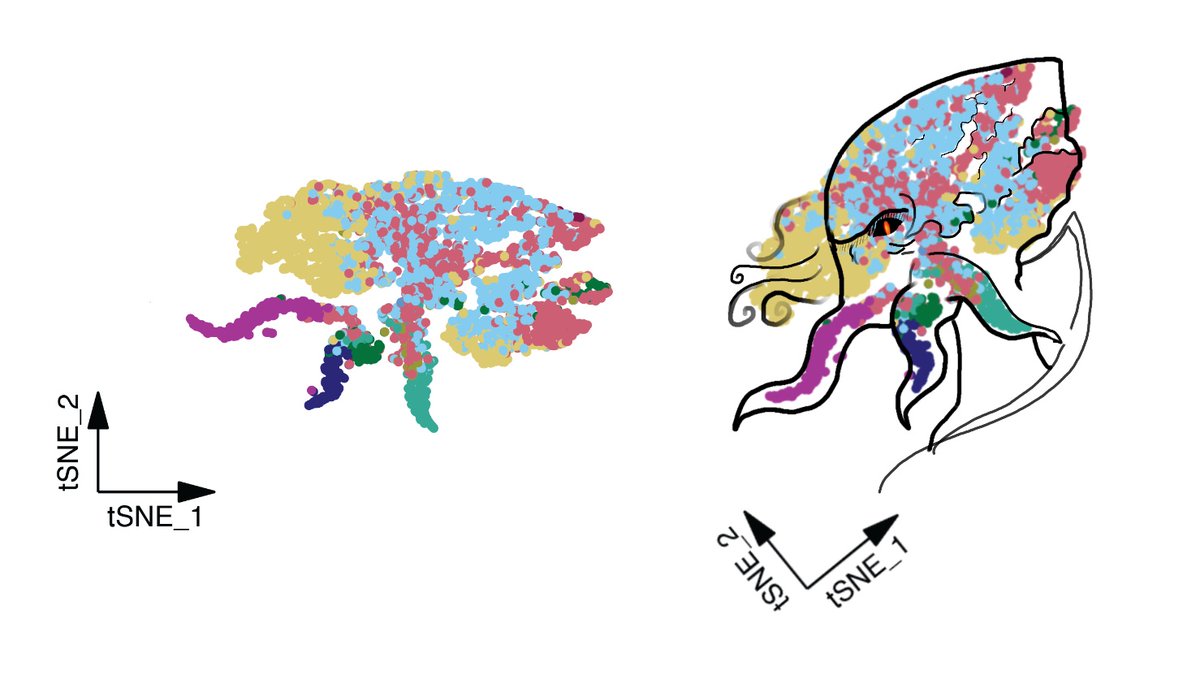
Sea creatures spotted in liver multiome data 🐟🪼🦀biorxiv.org/content/10.1101/… #AcademicTwitter
2
82
Hannah Maude retweeted

28 Mar 2025
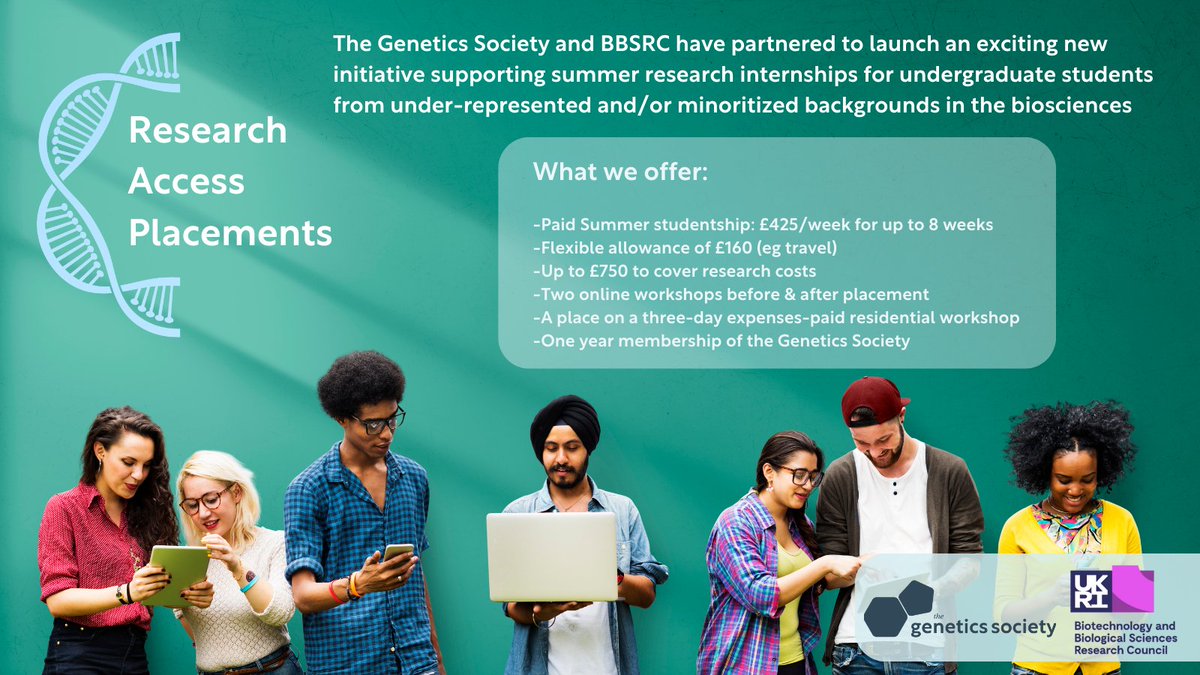
Exciting news! The Genetics Society & @BBSRC are teaming up to launch Research Access Placements (RAPs), offering fully paid summer research internships for undergrad students from underrepresented backgrounds.
Deadline for applications: 14 April.
genetics.org.uk/grants/resea…
1
4
5
936
Hannah Maude retweeted

16 Mar 2025
Loss of ERG function causes lymphatic vessel malformations and primary lymphoedema medrxiv.org/cgi/content/shor… #medRxiv
1
1
372
27 Mar 2025
📣 Excited to share our preprint!! Despite ERG being present in all endothelial cell types, its loss causes Primary Lymphoedema? In a huge team effort, we characterise how - spoiler - ERG is essential for the lymphatics @birdseylab @CebolaLab @PirriDaniela
medrxiv.org/content/10.1101/…
1
6
320
Hannah Maude retweeted

27 Mar 2025
So happy to share this milestone with @Hammaude from @CebolaLab !
2
1
2
179
Hannah Maude retweeted

21 Feb 2025
New online! Tracking protein binding to cis-regulatory elements with PRINT bit.ly/3D2A7ft
1
18
84
7,578
Hannah Maude retweeted
24 Feb 2025
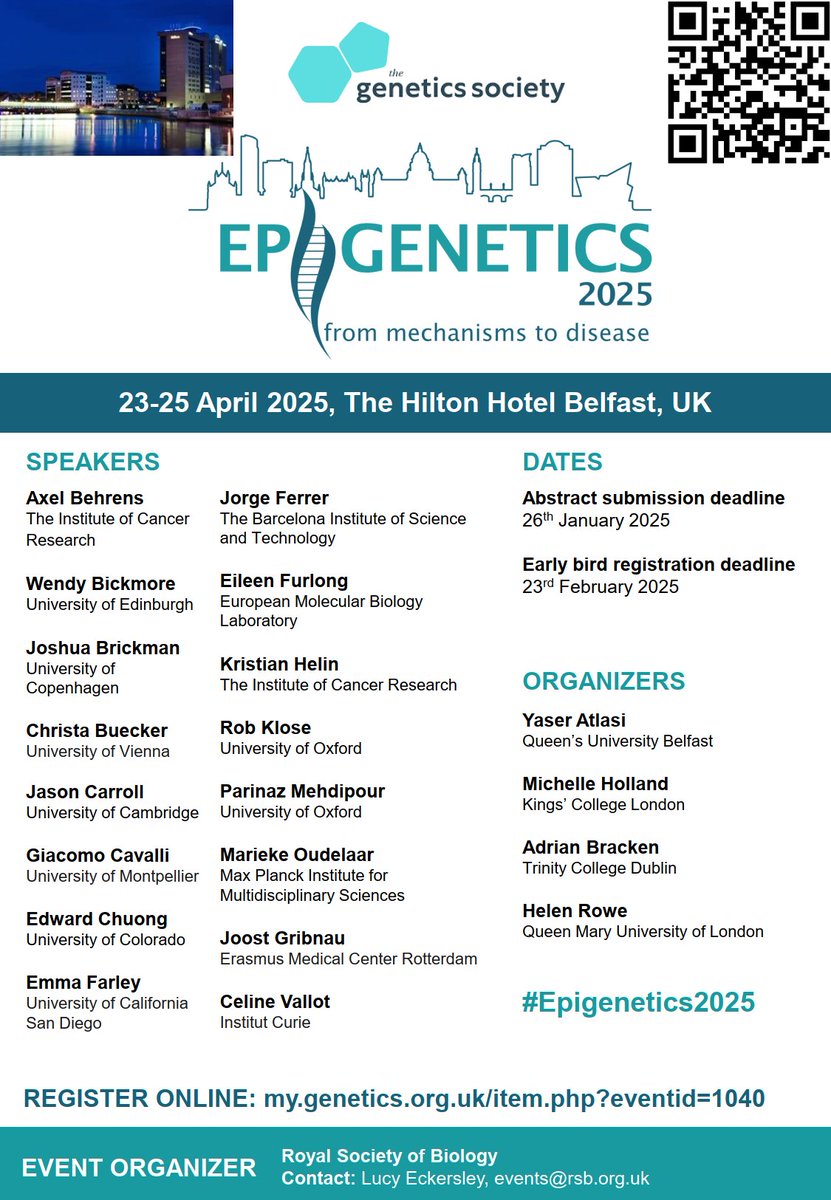
Register for #Epigenetics2025!
We've fantastic speakers: @chribue @wendy_bickmore @RobKlose @giacomo_cavalli @MariekeOudelaar @Eileen_Furlong @josh_brickman @GribnauLab @Mehdipour_lab @edchuong @1jorgeferrer @EKFarley @helin_kristian @JCarrollLab @VallotCeline @behrens_lab
9
14
1,489
Hannah Maude retweeted

20 Feb 2025
I wrote up an FAQ about the recent federal grant cuts. A few key points 🧵:

2
73
211
39,295
Hannah Maude retweeted

12 Feb 2025
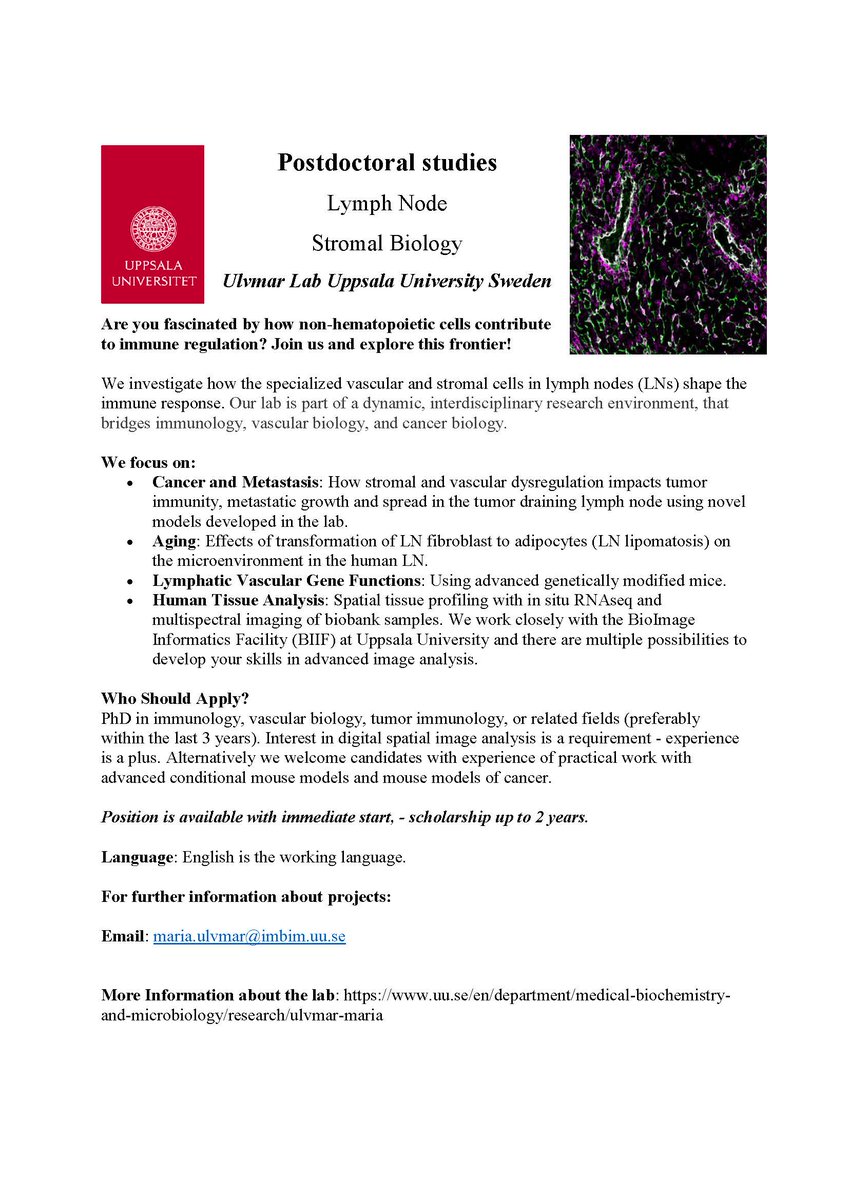
Postdoctoral position! 🖐️don't hesitate to contact me if you are interested in studying the vasculature and microenvironment of the lymph node 🧐 and love advanced image analysis 🔬 #UppsalaUniversity #stroma #cancer #tumorimmunology #lymphnode #LN #lympahticvessels
6
14
1,912