
Joined July 2018
- Tweets 3,620
- Following 233
- Followers 282
- Likes 14,073
473 Photos and videos











Pinned Tweet

Hi my dear friends and readers!
Today I’d like to ask you to stay with me and not skip this post, because not everyone has fully grasped the scale of the latest news around @CBOE and @RialoHQ and just how significant it is that a true innovation giant, one many of us have been waiting to see enter this space for the last decade, is stepping into the market.
I want to start a short thread explaining how this works and why it matters. I’m sure most people in #Web3 already know what #CBOE is and how big this partnership really is, but I suggest we break everything down step by step.
Let’s begin with Part 1.
Now let’s pause for a moment and explain in simple terms what @CBOE actually is.
If we remove the financial jargon, think of a company whose infrastructure processes massive amounts of global capital every single day. Not a startup, not a fund but one of the core “engines” of global markets.
The simplest real-world analogy:
it’s like #Apple or #Google suddenly saying:
“We are integrating our infrastructure directly into the Web3 ecosystem so developers can use it inside their apps.”
CBOE is that level of infrastructure but for global capital markets.
Billions of options contracts move through their systems every year, alongside tens of billions of dollars in daily #FX volume.
Their data is what banks, funds, market makers and institutional traders rely on.
And now this infrastructure is starting to appear directly inside #Rialo.
That’s why this news is much bigger than it may seem at first glance.
Part 2 Example
A quick real-world example to make this even clearer.
Imagine a travel app where you buy a ticket to another country.
At the moment of payment, the app automatically uses official FX pricing, calculates currency risk, and instantly locks the price so it won’t change a minute later.
Normally this is powered by banks, brokers and massive financial systems the user never sees.
Now imagine that this kind of infrastructure becomes available to developers directly inside blockchain apps like a normal building block.
That’s the level of “financial engine under the hood” #CBOE brings.
Part 3. Rialo 3rd big player in #Web3
The core limitation of the last 10 years of blockchains
First-generation blockchains can do three things well:
• store state
• execute code
• verify signatures
But they cannot natively interact with the external world.
This is the famous industry challenge known as the:
oracle problem / middleware problem
Whenever a blockchain needs real-world data - FX rates, stocks, options, macro signals it has always required intermediaries:
-oracles
-bots
-keepers
-off-chain servers
-custom data pipelines
This created an entire layer of “glue infrastructure” between #Web2 and #Web3.
And that’s exactly why, after 10 years, we still haven’t seen true institutional-grade onchain finance.
What Rialo Changes Fundamentally
@RialoHQ introduces a new execution model that adds three capabilities that never existed as native protocol primitives before.
1️⃣ Native Web & API Calls
Onchain programs can now:
• call external APIs
• fetch real-world data
• do this during transaction execution
No middleware, oracle networks, external services.
For the first time, blockchains can read the real world directly.
This is why data from CBOE can now live natively inside onchain applications, instead of being routed through fragile workarounds.
2️⃣ REX Private Computation Inside Execution
There has always been a major dilemma:
If a smart contract calls an API where do the credentials live?
How do you prevent leaks?
How do you keep institutional data secure?
There was no real answer.
That’s why institutional integrations rarely went fully onchain.
REX solves this:
• API keys are encrypted
• decrypted inside a protected execution environment
• used
• destroyed
No one can see them not even validators.
This is a critical requirement for institutional integrations.
3️⃣ Conditional Transactions Native Automation
Blockchains can now execute actions when!
• an event happens
• a price changes
• a condition is met
• time passes
No bots and keepers.
This turns blockchains from passive ledgers into automated financial infrastructure.
Why This Is Compared to the Arrival of Ethereum
Ethereum introduced:
👉 programmable money.
Rialo introduces the next step:
👉 programmable interaction with the real world.
This is the shift from:
onchain finance → real-world finance onchain
Which is why the #CBOE integration isn’t just a partnership announcement.
It’s an early signal that institutional financial infrastructure is beginning to move onchain.
Why This Is a Win for Web2, Web3, and the Entire Industry
For Web3
• access to real financial data
• ability to build serious financial products
• reduced dependence on middleware
For Web2
• a new distribution layer
• new developers
• new financial products
For the Industry
• the gap between TradFi and DeFi starts closing
• a unified financial stack becomes possible
• the era of neofinance begins
rialo.io/

20
52
610
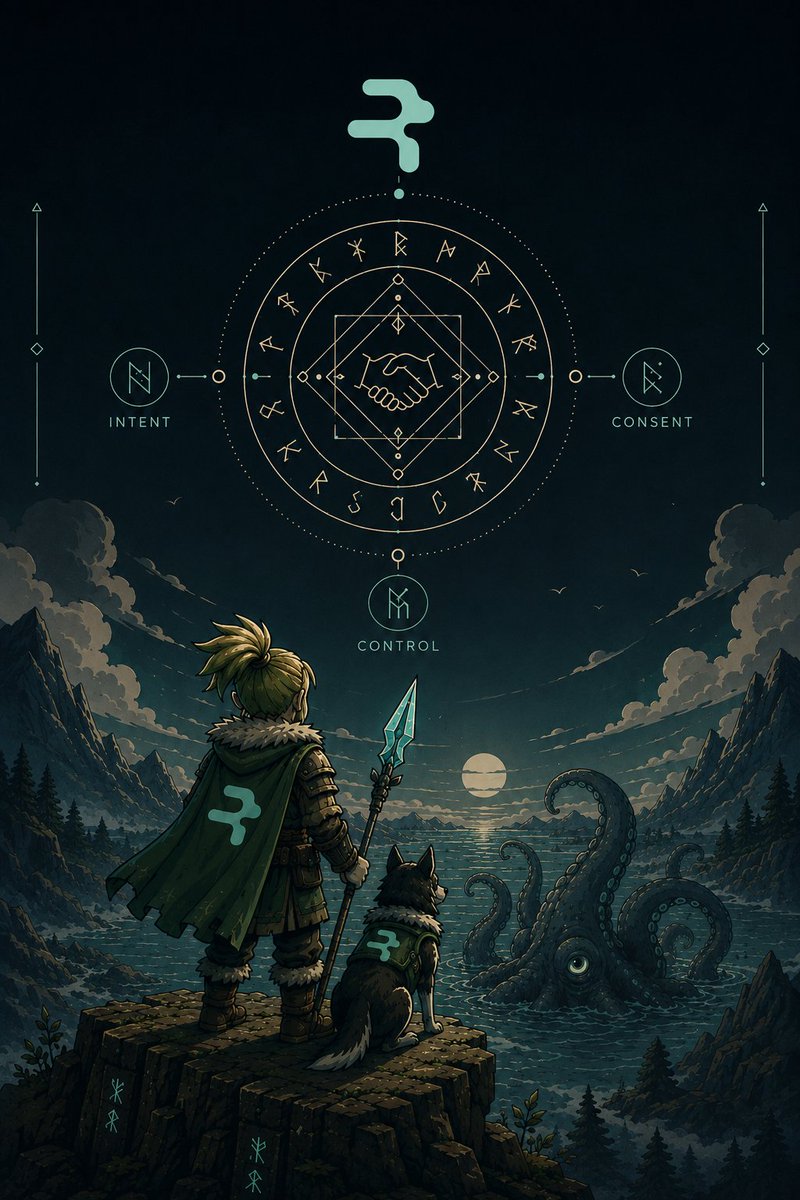
The missing layer of trust: Explicit Consent
Most digital systems ask for permission only once.
You connect a wallet, approve an application, accept a set of terms, and from that moment onward an entire chain of actions can happen behind the scenes.
In many cases this works well but @RialoHQ can Improve all.
But as systems become more automated, interconnected, and increasingly driven by AI, a simple question becomes more important:
Who decides what is allowed to happen next?
This is where the idea of explicit consent becomes interesting.
Instead of assuming permission, systems can require clear authorization before sensitive actions occur. Not just at the beginning of a process, but at the moments that actually matter.
Think of it like giving someone access to your house.
Handing over the key doesn't necessarily mean they should be allowed to enter every room, open every drawer, or make decisions on your behalf forever.
Permission is most meaningful when it is specific, transparent, and tied to a particular action.
The same principle applies to digital infrastructure.
As @RialoHQ explores concepts such as encrypted routing, confidential computation, and programmable automation through #REX, explicit consent becomes an important building block. It creates a framework where users, applications, and intelligent agents can coordinate without sacrificing control.
The goal isn't to slow systems down with more approvals.
It's to ensure that automation remains aligned with the intentions of the people who initiated it.
As technology becomes increasingly autonomous, trust may depend less on who performs an action and more on whether that action was explicitly authorized in the first place.
Perhaps the next evolution of infrastructure isn't just making systems smarter.
It's making sure they always remember who is in charge.
8
16
138
Yeeeppsss I was here 💪
Jun 11

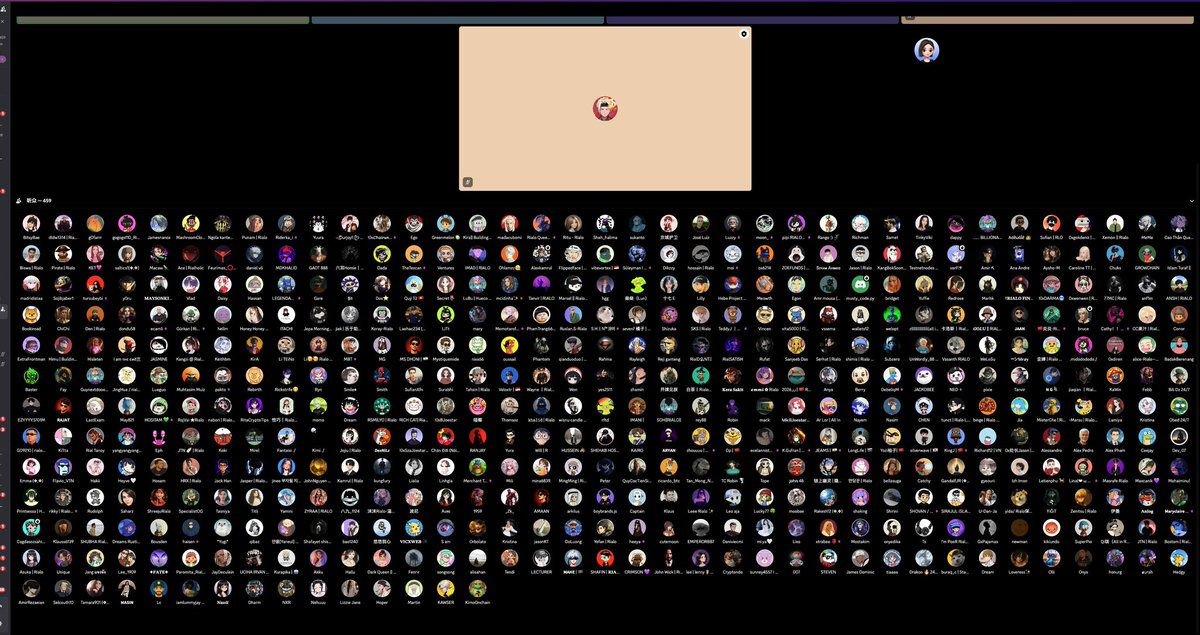
🦈One more Builder Hub successfully completed ❤️
Over 500 community members joined to witness bold ideas exciting pitches and future builders stepping into the spotlight.
A big shoutout to CM @ericargent31113 for continuously creating opportunities that bring builders, creators and innovators together. ❤️
The energy was incredible the competition was intense and the innovation was inspiring.
🔥 500 attendees. 🔥 Amazing projects. 🔥 Endless opportunities.
Builder Hub keeps growing stronger See you at the next Builder's hub session
This version is shorter more hype driven and still professional with a human touch
1
18
107
Guys, @craftsdev you did everything right. You could have increased the time, but you did everything as it should be, according to the rules, according to protocol.
Everything's great, this week was really tough! It's all over from here!

4
19
300
I feel like I'm completely different from myself, hehe)
Very cool approach, bro @chekanboy ! I love your idea!
Every time I'm amazed at how cool the guys in our community @RialoHQ , and how many fresh ideas they have!
Jun 10

your Discord stats were a character sheet this whole time
I built Hero Forge for the @RialoHQ community.
It reads your server history, join date, message count and roles, and forges it into a full MMORPG character:
> level
> rarity
> stats
> class
> gear grade
your roles become your aura, more roles means a stronger glow
day one members with 40k messages pull mythics with overwhelming auras
lurkers get starter armor
everything is earned
How to forge yours:
1. Open the forge, link in the first reply
2. Enter your username, join date and message count
3. Tick your server roles
4. Hit Forge, get your stats and a ready prompt
5. Paste the prompt into ChatGPT with your current PFP attached
6. Post your hero with QRT and tag @RialoHQ
The grind already happened. Time to see what it built.
Forge is in the first reply 👇

5
12
73
Builders Hub @RialoHQ just wrapped up.
Our builders came prepared solid research, sharp presentations, and real conviction behind every project.
As always, the energy was electric. Plenty of laughs along the way but never at the expense of the people on stage. Mad respect to everyone who stepped up and presented. That takes courage.
And to my friend @maysonkiller23 building his project wishing you nothing but the best. Keep going my broski!
1
1
13
77
Ventures(ARX☂️ MODE) retweeted

There is no stopping this flash mob! Each participant adds himself to the new picture in turn, and that's what happened!
I love these flash mobs.
I love Rialo.

Rialo is one of the more interesting infrastructure projects I've come across recently.
While most chains are still competing on speed and scalability, @RialoHQ is focusing on something bigger: connecting blockchain with real-world finance, AI agents, identity, automation, and privacy.
If the team can execute on its vision, Rialo could become a key player at the intersection of AI, RWAs, and Web3.
Definitely a project worth watching.👀

9
1
18
156
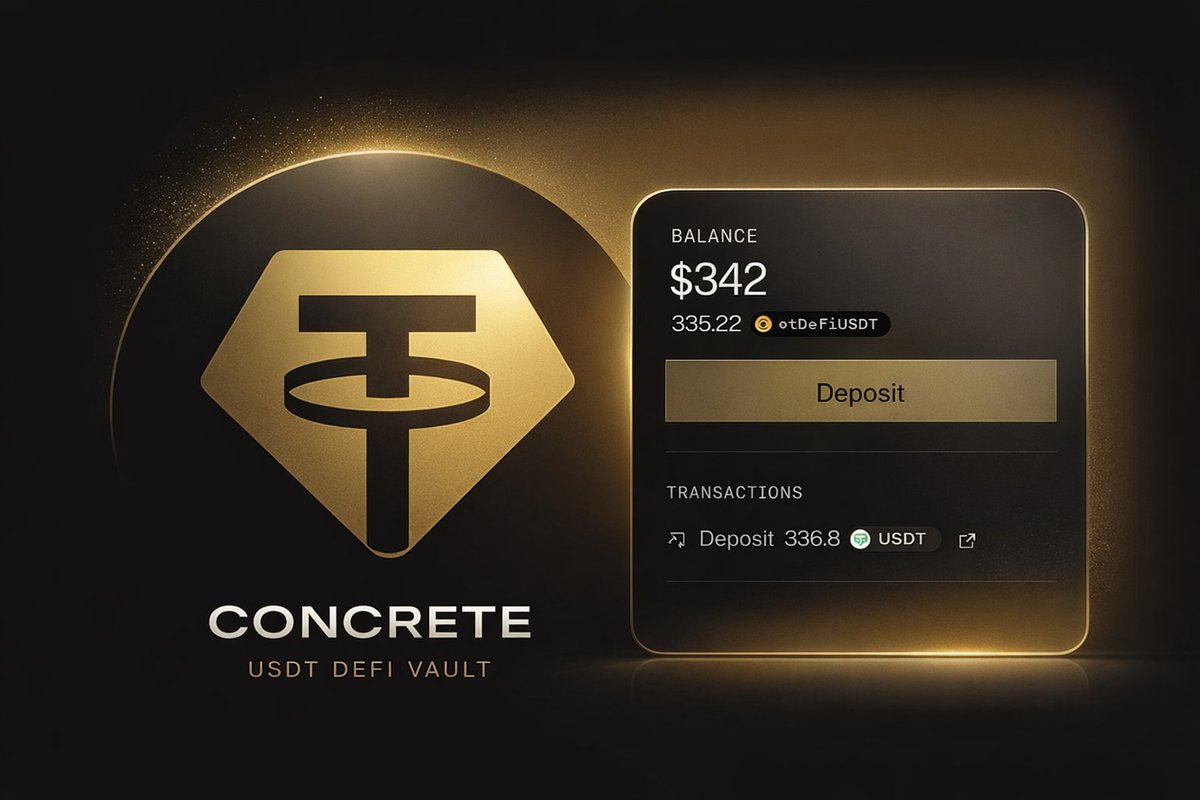
One of the things I appreciate about @ConcreteXYZ is that the team focuses on building infrastructure rather than chasing short-term trends. Instead of asking users to constantly monitor markets, move liquidity, and manage multiple positions, Concrete Vaults are designed to simplify onchain capital deployment through structured strategies and automated compounding.
The goal isn't simply to generate yield, but to create a more efficient and sustainable way for capital to work in #DeFi. The platform combines active strategy management, risk controls, and continuous optimization while keeping the user experience straightforward.
Security is also a major focus. Concrete's smart contracts have undergone independent audits, and the protocol uses layered risk management practices designed to support institutional-grade participation.
What stands out to me most is the long-term approach. As DeFi becomes more complex, infrastructure that helps users access opportunities without managing every detail themselves may become increasingly important. Concrete is building toward that future one where capital can be deployed more efficiently, transparently, and responsibly onchain. 🧱
app.concrete.xyz/earn
1
17
135
To be honest, the #Arcium ecosystem is extremely undervalued. I think we used to get 10x or 20x returns simply from open-source projects that had nothing behind them. It's a shame that @Arcium can be undervalued at this stage of the market. Although it's the very unicorn that should exit at 50x its price. But the market is chaotic. @yrschrade is a super person, and @Arcium is a super team.💜
Jun 6

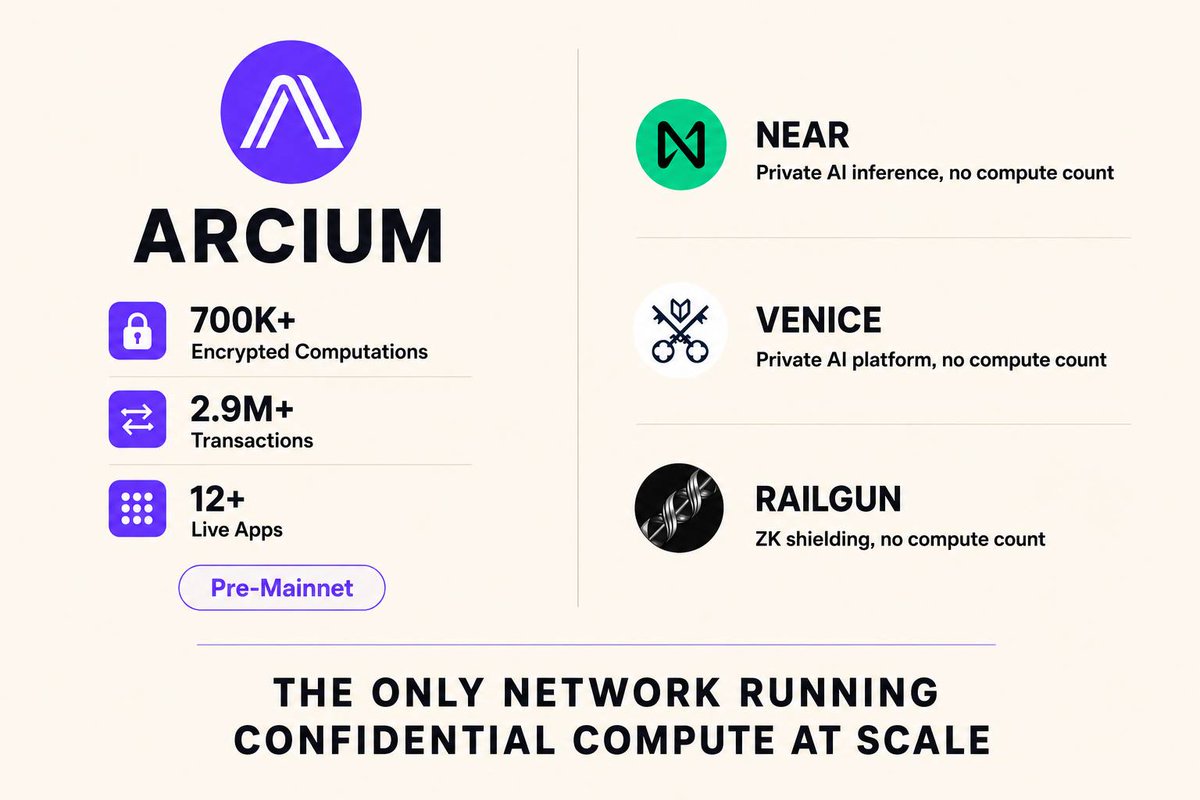
Why $ARX could 10x every other AI / Privacy coin
Before full mainnet even launches:
- 2.9M transactions
- 700K computations
- 12 apps already building
$ZINC is already a top 7 revenue app on Solana (24h)
$UMBRA already has private swaps, payments, payroll & vesting live and more
All powered by Arcium
Backed by JP Morgan, Amazon, Coinbase, Jump & Anatoly
4
42
2,813
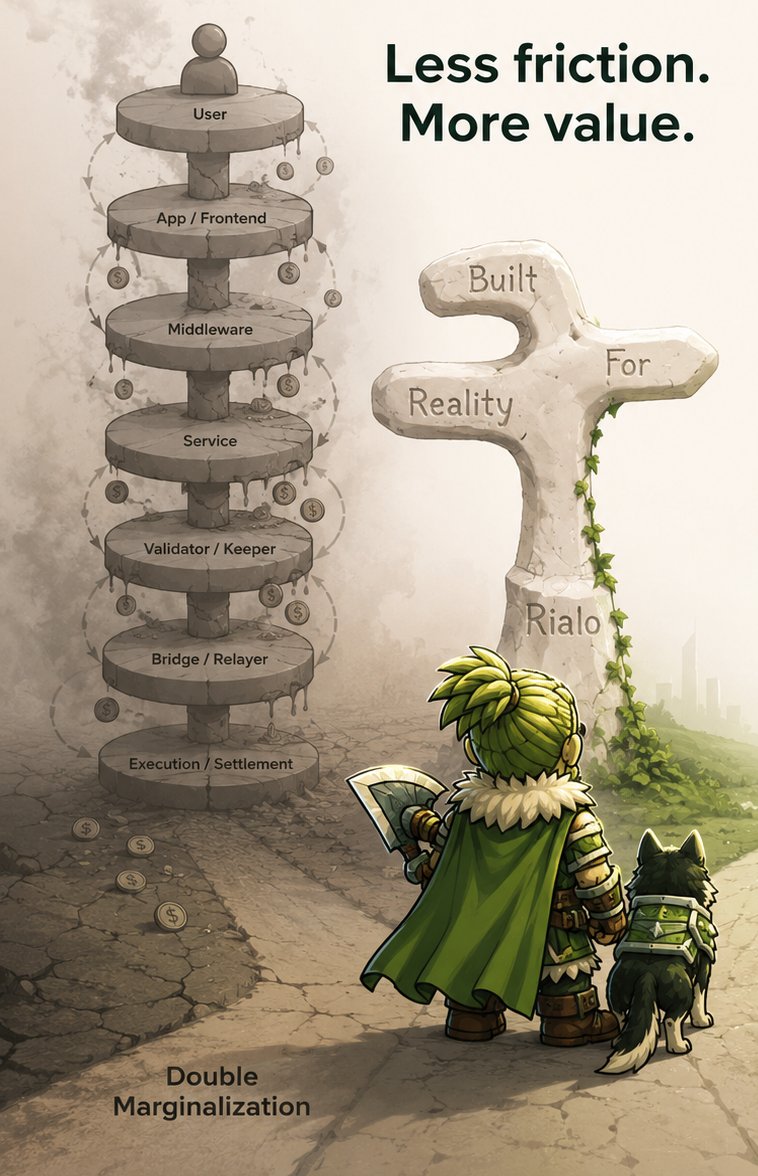
Does everything get more expensive as you grow? @RialoHQ is changing that.
One of the strangest problems in technology isn't technical at all.
It appears when too many layers emerge between intent and outcome.
A simple user request often travels through multiple services, providers, operators, middleware layers, APIs, validators, and external networks before anything actually happens.
Each layer adds value.
But each layer also takes a cut.
Over time, the system becomes slower, more expensive, and less efficient—not because anyone is doing something wrong, but because too many intermediaries stand between a decision and its execution.
Economists call this phenomenon double marginalization.
The idea is simple: every additional participant extracts value from the same process, reducing overall efficiency for everyone involved.
This is one of the reasons I find @RialoHQ approach so interesting.
Many of the project's architectural decisions seem to move in the opposite direction.
Reactive transactions, native orchestration, proof-based verification, and integrated execution flows all aim to reduce unnecessary coordination costs between systems.
The less friction that exists between a decision and its execution, the more value remains inside the network itself.
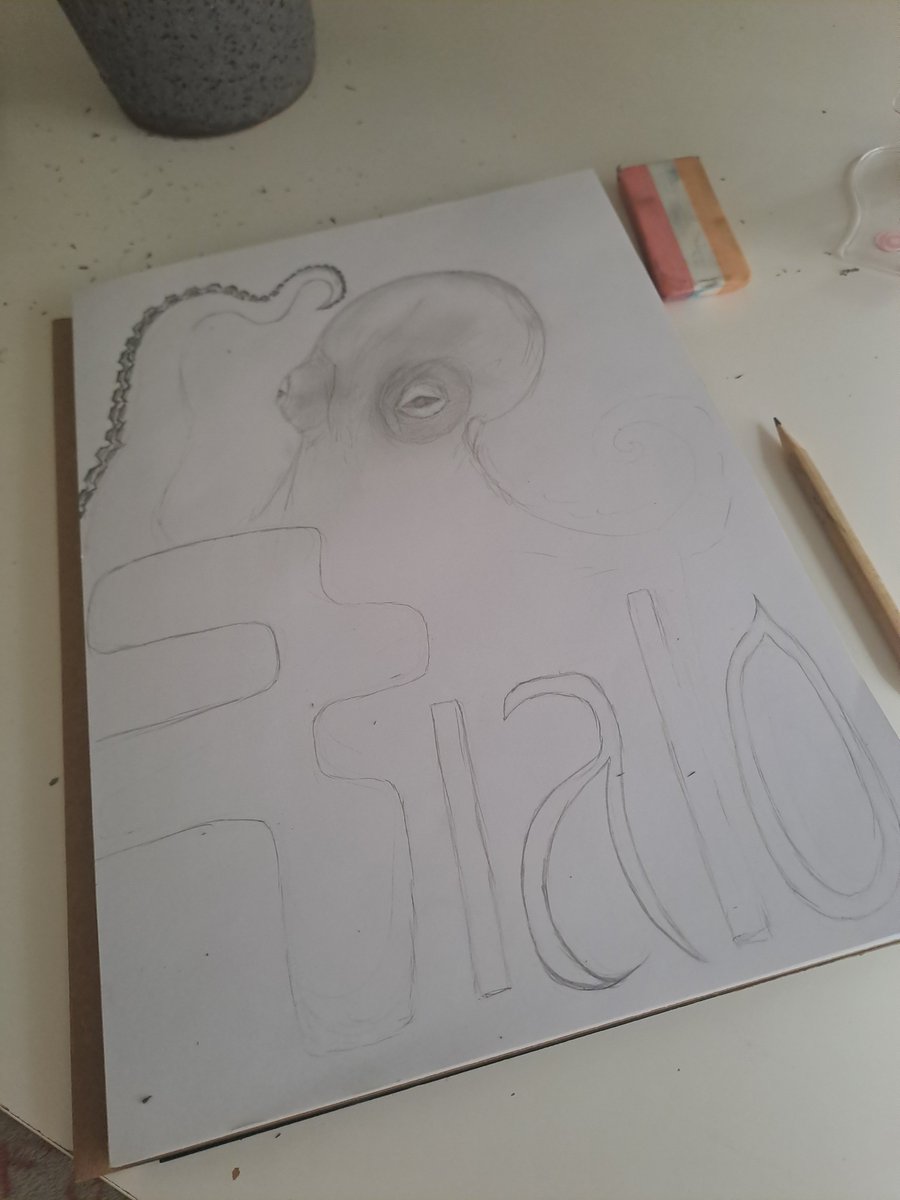
I often think about a small #Rialo sculpture I once made from clay.
At first, it was simply an art piece. But over time, it started to represent something deeper. Not a tower of disconnected layers and intermediaries, but a single structure where different components work together as part of one system. That's what the most effective infrastructure often looks like—not endless additions, but thoughtful simplification.
And this goes far beyond blockchain.
It's an infrastructure problem.
The history of technology shows an interesting pattern: the systems that win are rarely the ones with the most layers. More often, they are the ones that remove unnecessary steps between users and outcomes.
That may be why the idea of eliminating double marginalization is one of the most underrated concepts in modern #Web3 infrastructure.
In the end, the future often belongs not to the systems that build more layers, but to the ones that make those layers unnecessary.
14
29
200
Over the last two years, I've had the chance to watch @Arcium grow from an ambitious vision into a real ecosystem built by people who genuinely care about what they're creating.
What impresses me most isn't only the technology. It's the people.
I've been fortunate enough to join the @craftsdev community , and the atmosphere there is something special. The level of communication, mutual respect @abo_crafts , and willingness to help each other is rare in today's crypto space. It feels like a community built by builders, for builders.
I also believe that many of the people who participated in the #EncryptedICO are not just investors looking for a quick opportunity. They are believers in the long-term vision of encrypted computation, privacy, and a future where users regain control over their data.
Being among the early supporters of @Arcium has been an incredible experience. I've watched Yannik continue pushing forward through challenges, consistently advocating for privacy and confidential computing when it wasn't always the easiest path to take.
I'm grateful to have received a strong tier in @craftsdev , grateful to be one of the first members of @refihub , and grateful to be part of a community that values contribution, curiosity, and long-term thinking.
Of course, things don't always unfold exactly as we expect. That's true for every ambitious project. But the reason many of us are still here after years is because we're not building for a single event or a single moment. We're building for a story that takes years to unfold.
And I truly believe the best chapters are still ahead of us.
Thank you to the entire Arcium team for showing up every day and continuing to build.
Thank you to @yrschrade for having the conviction to pursue such a bold vision and stand behind it.
And thank you to this incredible community for sharing the journey together.
Proud to be an early supporter. Proud to be here.
gMPC 💜
@ArciumHQ
1
1
35
546

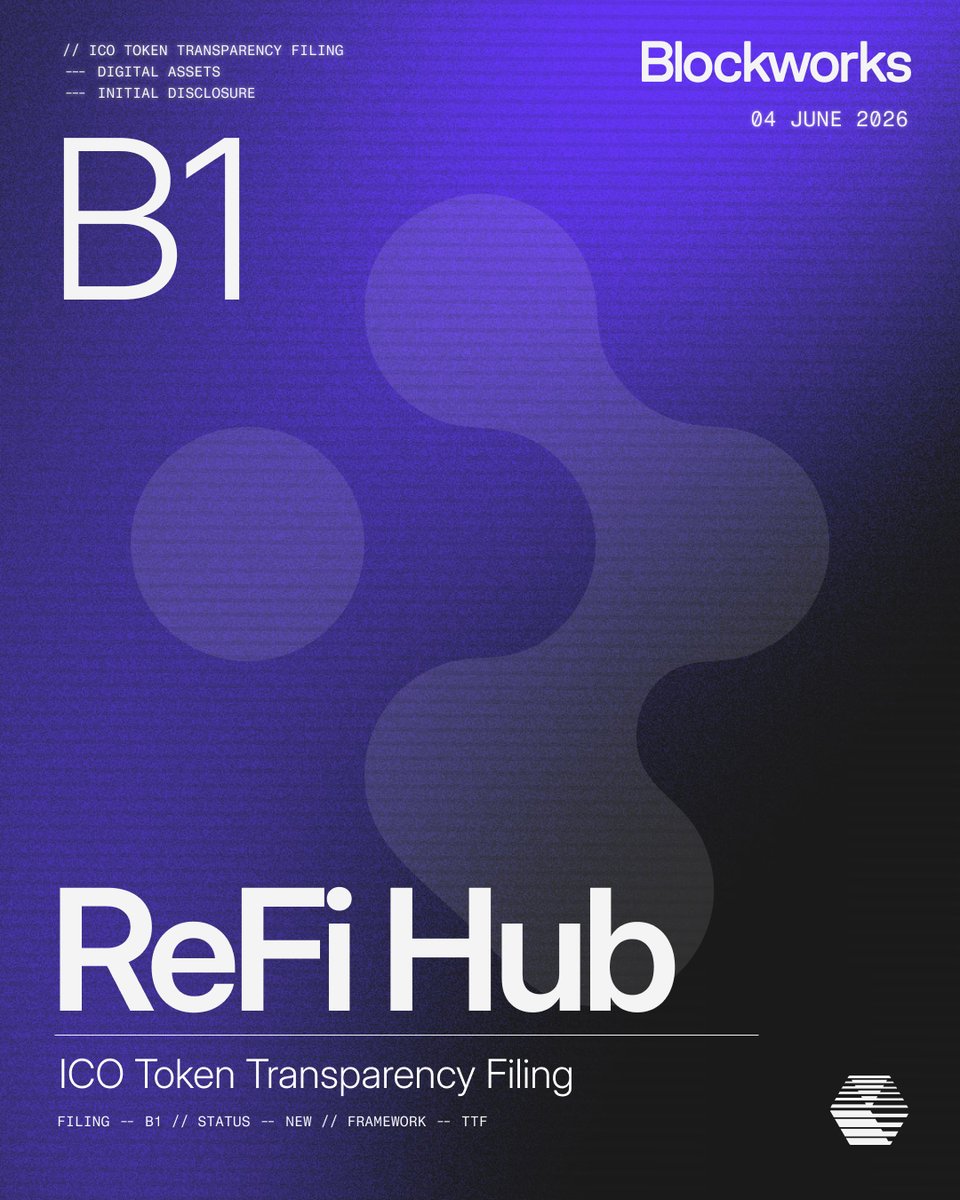
Our B1 Token filling is out.
100% unlocked at TGE. Live on Raydium from day one.
Backed by the transparency standard set by Coinbase, Kraken and 40 firms.
Jun 4

ReFi Hub is bringing real world clean energy cashflows onchain.
They just dropped a fully complete B1 Token Transparency Filing.
Launching through Crafts now!
Presale ending 06/05/2026 08:00 EST (13:00 UTC).
15
21
79
4,035

Today on MCG: @yrschrade |Co-Founder CEO @Arcium | $ARX (Not Live Yet)
Arcium is the confidential computing network built on @solana that lets any blockchain or AI application add encrypted privacy
Highlights from our conversation include:
01:48 - Yannik's background
03:12 - The privacy thesis
08:02 - The shift from "privacy = hide data" to "privacy = compute over data without seeing it"
09:04 - The big pivot
15:58 - Web 2 enterprise customers already using Arcium for confidential AI
16:59 - The acquisition
21:04 - Why $ARX will be required for the network
22:30 - Multi-trillion $ TAM
24:33 - US regulators in favor of privacy
37:32 - Mainnet Alpha metrics
40:37 - Revenue breakdown
43:08 - TGE confirmed coupled with mainnet launch
8
6
74
43,876



This is huge!
What started as an internal tool for managing agents, now it will enable you & everyone unleash agents securely!
Sign up 👉 onlatch.com
Jun 3

Bad access control has already cost companies billions. Now everyone's deploying agents as their newest employees and handing them all-access master keys on day one.
We're building a better more secure way, powered by @RialoHQ 🧵
👉 onlatch.com
162
90
414
28,698

Going live with @zama and @arc on @OKX_Ventures Space in 30 min.
Topic for today: confidentiality for institutions, retail, and AI. ↓
Jun 1

Privacy Unlocked: Crypto's Next Frontier for Institutions, Retail & AI
In this institution led cycle, privacy is emerging as one of the real catalysts for mass adoption of onchain finance. For retail, it's quickly becoming the default feature. Meanwhile, the AI & privacy wave hints at an entirely new class of use cases just ahead.
🎯 Why privacy is the driver of the next wave of onchain apps
🏛️ Compliant privacy & institutional use cases
🤖 Where AI × privacy intersect
🔧 The real bottlenecks of embedding privacy across different product layers
🗓️ Date: June 3, 9 PM HKT / 9 AM ET
🎙️ Featuring:
@sergey_nog (@arc)
@yrschrade (@Arcium)
@randhindi (@zama)
hosted by @_RayXiao
Set your reminder below! 👇 twitter.com/i/spaces/1PKqrrP…

32
19
128
7,247
The Future of Privacy Is About Hiding Intent
Most people think privacy is about protecting information.
But in many cases, information isn't the most valuable thing to hide.
Lets talk about @RialoHQ guys!
Intent is.
Imagine standing in the middle of a city square.
Nobody can hear your conversations. Nobody can see what's on your phone. Nobody can read your messages.
Yet they can still watch where you go.
They see which building you enter, which people you meet, how often you return, and how long you stay.
Eventually, they can reconstruct a surprisingly accurate picture of your life without ever accessing a single private message.
Digital systems work the same way.
Even when data is encrypted, the flow of information often remains visible. Observers can learn who is interacting with whom, which services are being used, and what actions are likely about to happen.
In many cases, that's enough to reveal the intent behind the activity.
This is why concepts like Encrypted Routing are so interesting.
The @RialoHQ goal is not only to protect the data itself, but also to reduce the visibility of the paths information takes through a system.
Because in the next generation of AI, finance, and autonomous applications, intent may be more valuable than the data being exchanged.
Sometimes the biggest secret isn't the message.
It's knowing what happens next.
9
13
80

.@refihub brings energy infrastructure RWAs onto Solana
ReFi Hub is also the first blind auction from the @craftsdev platform, powered by @Arcium

Energy demand has never been higher.
A new capital market is opening on Solana.
Let's keep the world running.
101
82
436
52,767
Ventures(ARX☂️ MODE) retweeted

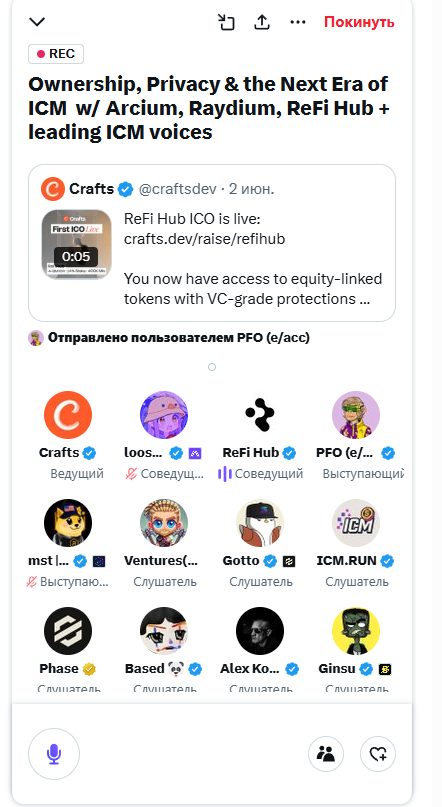
Jun 2

ReFi Hub ICO is live: crafts.dev/raise/refihub
You now have access to equity-linked tokens with VC-grade protections and fair valuations through Crafts.
Token holders control unreleased treasury and vote on key decisions like exits, raises and governance changes.
11
5
84
2,517
The One-Click DeFi Economy and new paradigm of DeFi @ConcreteXYZ
One of the biggest surprises in DeFi is that it became both more powerful and more complicated at the same time.
A few years ago, the vision seemed simple: open financial systems, global access, and better opportunities for anyone with an internet connection. The tools arrived. The opportunities arrived. But so did an endless list of decisions.
Today, earning yield often feels less like investing and more like managing a small fund.
You compare protocols. You monitor changing incentives. You move assets between chains. You track rewards, evaluate risk, and decide when to rebalance. Every opportunity comes with another dashboard, another position, another decision to make.
For experienced users, this is manageable.
For everyone else, it quickly becomes exhausting.
The irony is that most people never came to DeFi because they wanted to spend their evenings optimizing positions. They came because they wanted better outcomes for their capital.
Yet somewhere along the way, users became the execution layer.
The complexity isn't accidental. Modern DeFi is built from thousands of moving parts spread across different chains, protocols, and markets. Accessing opportunities often requires constant participation and active management. The more opportunities the ecosystem creates, the more work falls on the user.
And that's where the next phase of DeFi begins.
Instead of asking users to manage every detail themselves, infrastructure can absorb the complexity.
This is the idea behind Concrete Vaults.
Rather than manually chasing opportunities across the ecosystem, users allocate capital into structured systems designed to coordinate it efficiently. Operations happen in the background while the user focuses on the bigger decision: where capital should be deployed.
This shift may sound subtle, but it changes the entire experience.
@ConcreteXYZ Vaults combine automated compounding, onchain execution, quantitative allocation, and structured vault systems into a framework that continuously manages capital. Through ctAssets, users gain exposure to professionally coordinated strategies without constantly repositioning themselves.
The goal is not simply automation for the sake of convenience.
The goal is better outcomes.
Good infrastructure improves capital efficiency. It reduces operational burden. It enables more consistent execution and creates a path toward more reliable, risk-adjusted yield. Most importantly, it allows users to participate in structured DeFi without needing to become full-time portfolio managers.
This is also why institutional DeFi continues to move in this direction. Large allocators are not looking for more buttons to click. They are looking for systems that can coordinate onchain capital deployment at scale.
And that may be the most important shift happening in DeFi today.
The future probably doesn't belong to users jumping between protocols every few hours. It belongs to infrastructure that can make thousands of decisions efficiently behind the scenes.
In that world, one-click DeFi doesn't mean fewer opportunities.
It means users finally get what they wanted from the beginning: access to those opportunities without carrying the operational burden themselves.
Explore Concrete at concrete.xyz/
2
6
78