
There was a dream that was The United States of America. It must be realized.
Joined July 2025
- Tweets 2,798
- Following 334
- Followers 1,249
- Likes 24,432
456 Photos and videos









Pinned Tweet

Jun 12
3 States of Logic
Logic exists in three states, Current State, Ideal State, and Nominal State.
Current State Logic (CSL) pertains to what we are dealing with in the here and now. Because of it's real cost implications, it is the most important state of logic. CSL argues reason from the current state of things. "Given the way things are now, it's a good idea to own a firearm."
Ideal State Logic (ISL) pertains to the ideal state of things. Because it is largely a theoretical ideal with less immediate implications, it has a lesser weight to it than CSL does. "In a perfect world, we wouldn't need firearms."
Nominal State Logic (NSL) is a theoretical state of logic where CSL and ISL have become one and the same. CSL takes precedent over ISL, but ISL always sets the destination. If NSL is achieved, it resolves both CSL and ISL simultaneously. "Nobody needs firearms anymore, but there is also no point in taking them away, because nobody is getting hurt by them."
If we understand this, we will see that humanity is gridlocked in scenarios where CSL is butting heads with ISL, and this should never be the case, because CSL always takes precedent.
4
4
12
490
It's that time of year again. Time to watch a bunch of shit get smashed up.
6
32
468


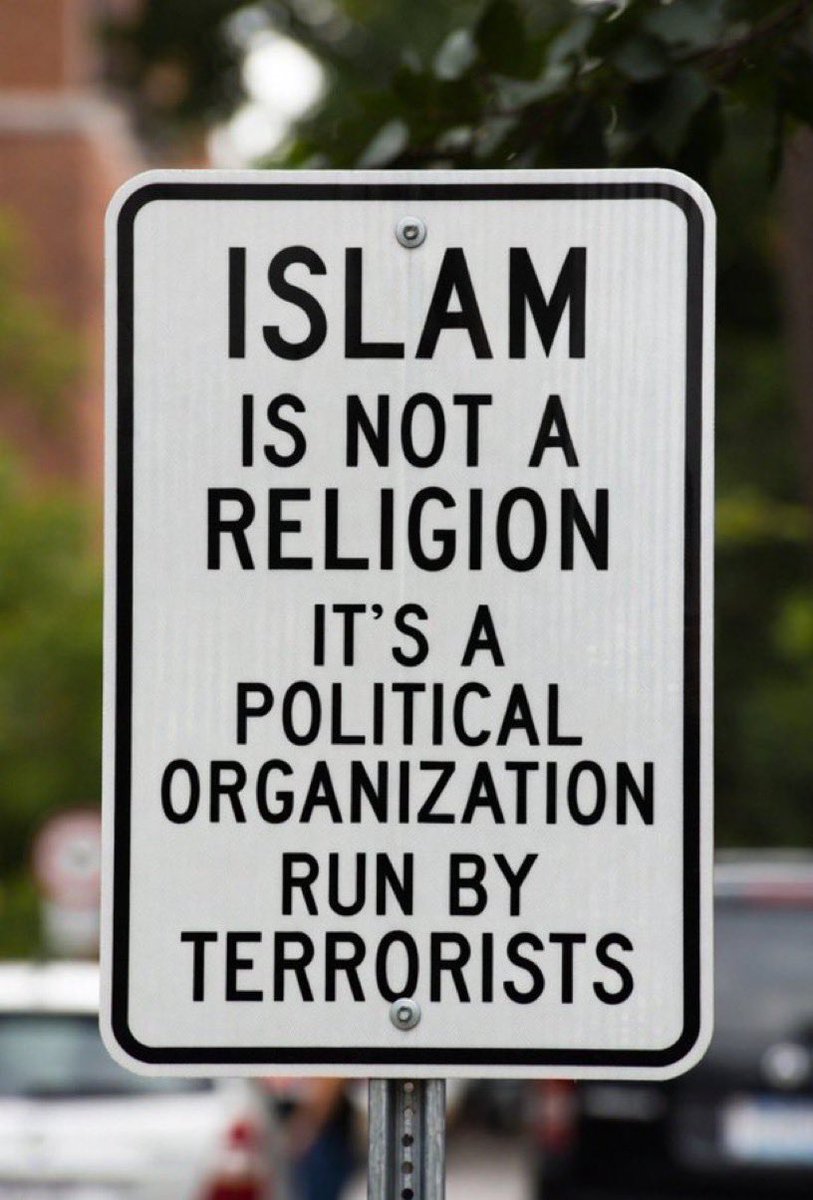
And your leaders have been forcefeeding them to you.

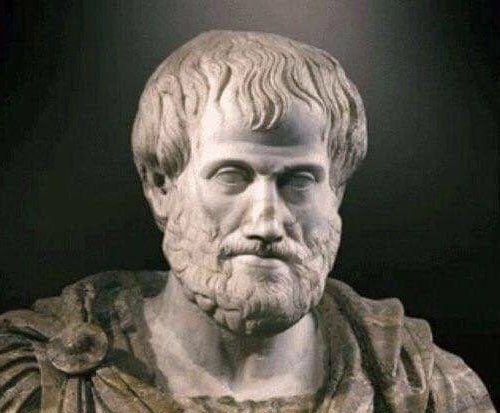
‘Tolerance and apathy are the last virtues of a dying society’
- Aristotle
6
18
379
Phaethon retweeted

Today in Rome, Italian patriots attacked Islam: "Muslims are pieces of shit!"
213
1,951
10,854
113,395
11h
Can you see the way I see now?
That second paragraph. Where did they go wrong?
13h

The EA crowd spent so long optimizing for humanity that they forgot how to be human.
They convinced themselves that hypothetical future people are more important than actual people.
That statistical ghosts deserve more moral consideration than the guy standing in front of them.
That if their model says it, reality should comply.
The result is a generation of self-appointed philosopher-kings who think a spreadsheet is a substitute for wisdom.
They call it Effective Altruism.
Half the time it looks like intellectual narcissism wrapped in math.
The most dangerous part isn’t that they’re evil.
It’s that they’re so convinced they’re the smartest people in the room that they’ve become incapable of noticing when they’ve disappeared up their own asses.
That’s how worldview lock-in works.
The model becomes the religion.
The probability distribution becomes the god.
And everyone outside the cult starts looking irrational for refusing to worship at the altar.
1
1
7
308
11h
❤️
Jun 12

I am in tears. British Patriots are grabbing crosses as they march to take back their country. AMEN
UK has fallen. UK Patriots want it back
Jesus Christ is KING 🙏
7
24
86
1,189
11h
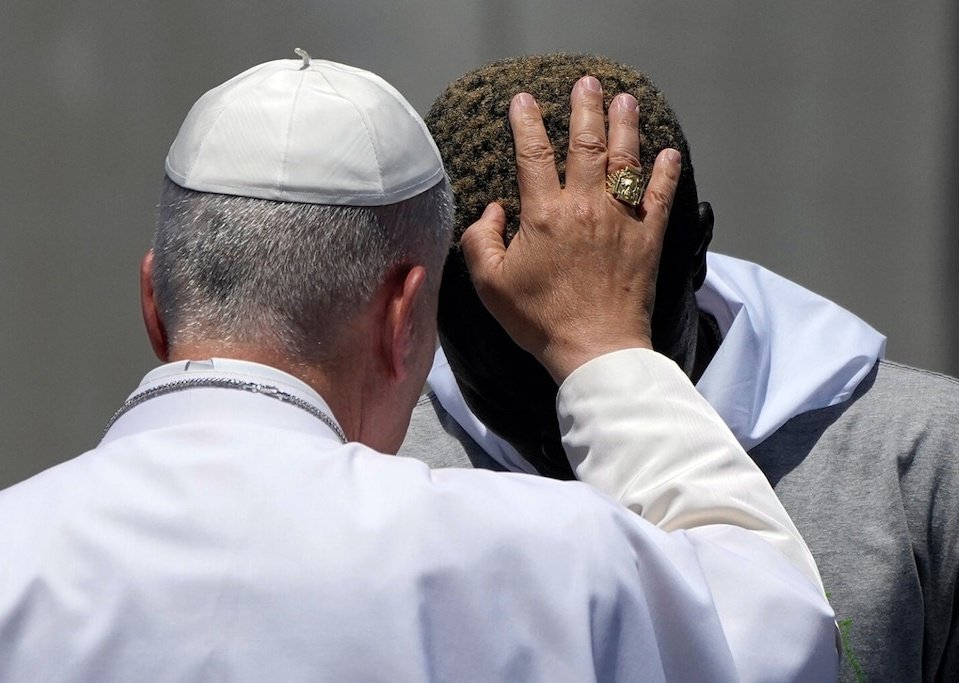
A shepherd feeding his flock to the wolves.

2
5
14
411
Phaethon retweeted

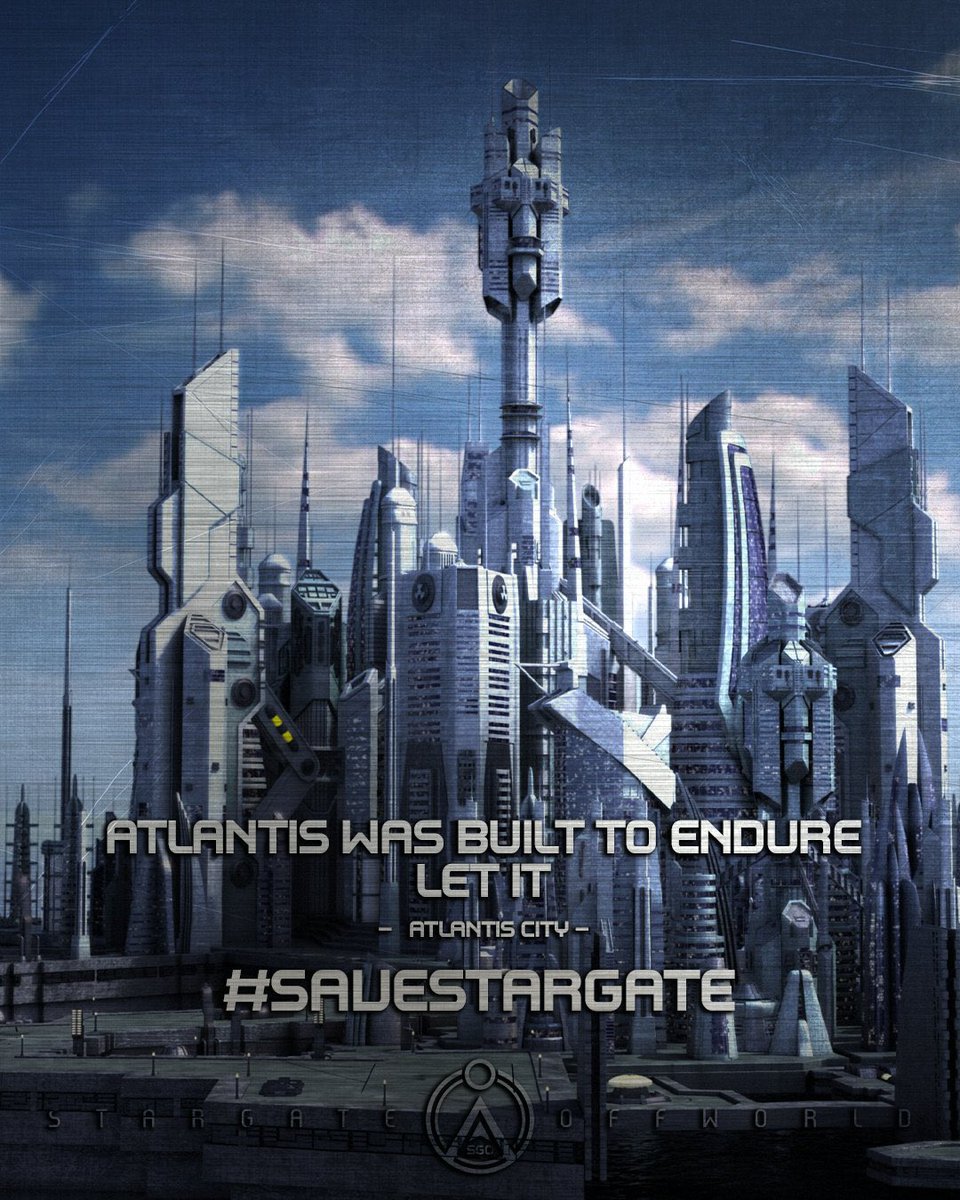
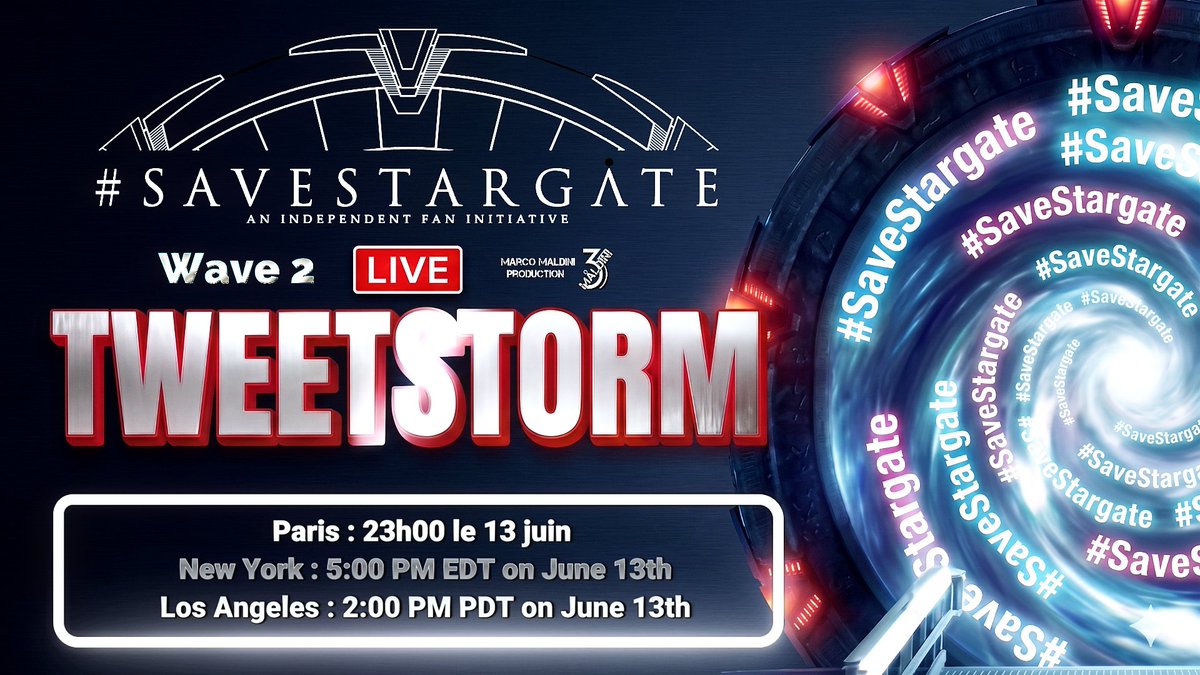
#SaveStargate tweetstorm today!
Jun 13

🚨 Get ready for Wave 2 of the LIVE TWEETSTORM on June 13th! 🌌
Join the worldwide mobilization and let's make some noise. We need everyone!
🕒 Paris : 23h00 🕒 New York : 5:00 PM EDT 🕒 Los Angeles : 2:00 PM PDT
#SaveStargate
youtube.com/live/XaPWvu_ig5A
97
497
1,434
21,339
Phaethon retweeted

Jun 12
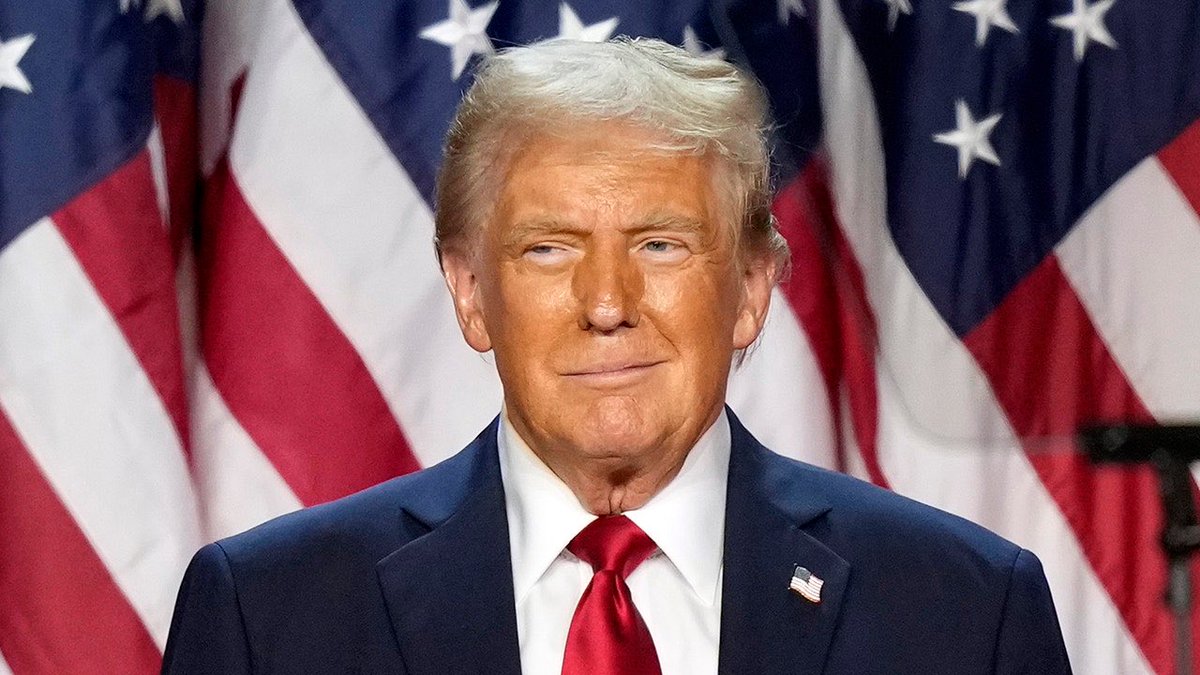
President Trump calls to end birthright citizenship.
181
414
9,072
314,426
Phaethon retweeted

Conor McGregor has:
- Donated millions over his career to Hospitals, First Responders, seriously ill children, and charities.
- Built hundreds of houses for Irish people.
- Saved an Irish gym from closing during the first COVID Lockdown.
Conor is the People’s President! 🇮🇪

137
620
4,360
95,966
17h
@elonmusk can you please save the Stargate franchise. It's the only one left that hasn't yet been desecrated. You could make appearances in the show. SpaceX could be in the show. You guys could be the ones building the Daedalus-class cruisers and such. What a wonderful way to get PR and win over fans.
You always wanted X to be the everything app. What better way to break into show business than to use Stargate as your flagship show in the beginning?
Please consider,
Phae
2
3
13
282
15h
45
17h
Not going to lie, I always liked the accents of the people of the British isles.
youtu.be/6nc2HoQmf84?is=zqwb…
2
3
11
602
16h
1
2
146
16h
I think people might be more receptive to you now Mr. @goddersbloom.
Have you ever tried appealing to all the anons of the world?
2
100
Phaethon retweeted

Jun 12
Until you wake up, we will fight for you.

Jun 11

"wHy dO yOu cARe?"
Because I have a high enough IQ to look into the future and see that my children won't have anything to inherent if this is allowed to continue
1
6
97

Congratulations @elonmusk. Now that you're a trillionaire, how about helping us out saving the most inspirational and aspirational science fiction show out there: Stargate.
#SaveStargate
Jun 12

NEW: Elon Musk declares SpaceX will "take the fiction out of science fiction"
24
116
834
8,734