
Senior Lecturer @RTRU_OtagoUni | Pain Physio @TeWhatuOraCCHV| #selfmanagement #persistentpain #storytelling #socioculturalfactors #telehealth | Views are my own
Joined February 2010
- Tweets 2,362
- Following 1,561
- Followers 1,031
- Likes 11,715
240 Photos and videos



Pinned Tweet

20 Dec 2022
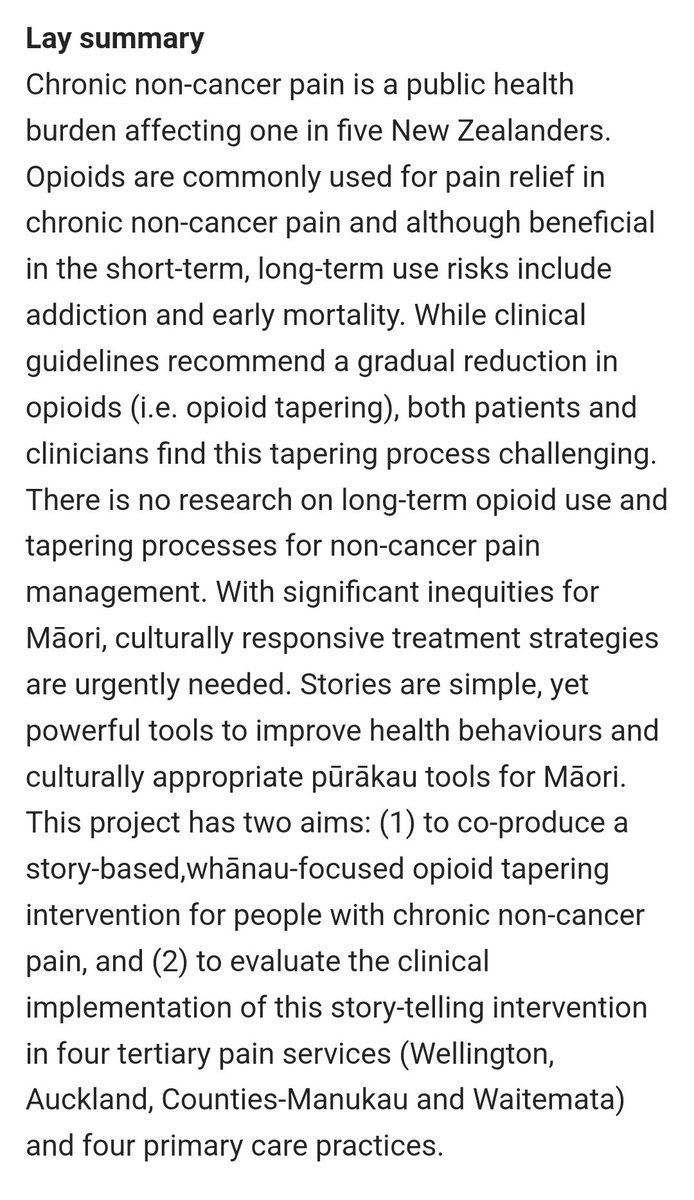
With #equity & #livedexperience at the centre, very humbled to embark on this mahi funded by @HRCNewZealand to support opioid tapering for #chronicpain in #Aotearoa using whanau stories 🙏
#healthdelivery #storytelling
hrc.govt.nz/news-and-events/…

20
9
89
12,906
Hemakumar Devan retweeted

Apr 2
Great to see my PhD work featured in APA InMotion article!
australian.physio/inmotion/o…
Our RETREAT trial shows online Tai Chi can improve pain and function for people with knee osteoarthritis.
Publication: jamanetwork.com/journals/jam…
My Joint Tai Chi website: myjoint-taichi.org/
3
3
171
Hemakumar Devan retweeted

Mar 15
Scientists put people on a 12-week exercise program and measured how old their bodies looked at the cellular level. After 12 weeks, their cells tested 10 months younger. That's from a 2026 study of over 45,000 people. Not slower aging. Younger.
Sinclair's four words each trigger a completely different chain reaction in the body. I dug through the research on all four.
Walking has the deepest evidence base. A 2025 review of 57 studies found that 7,000 steps per day reduced the risk of early death by roughly 47%. Every extra 1,000 steps lowered it by another 15%, based on data from 227,000 people. How you walk matters too. A study of 33,560 adults found that people who walked in uninterrupted 15-minute sessions had a death risk of 0.80% over 9.5 years. People who took the same number of steps in scattered bursts under 5 minutes? 4.36%. Same steps, five times the risk.
Running hits the brain hardest. The part of your brain responsible for memory (the hippocampus) shrinks 1 to 2% per year after age 50. That's one reason memory fades. But a trial at the University of Pittsburgh put 120 older adults on a one-year running program, and their hippocampus actually grew by 2%, reversing 1 to 2 years of brain shrinkage. How it works: when you run, your muscles release a chemical that travels into the brain and triggers the production of BDNF, a protein that acts like fertilizer for brain cells. It literally causes new neurons to grow. Mice that had this chemical genetically removed got zero brain benefits from running, even with the same mileage.
Lifting carries its own death-risk data. A review of 10 studies found that any amount of weight training lowered death risk by 15%, heart disease death by 19%, and cancer death by 14%. The sweet spot was about 60 minutes per week, at which the risk dropped by 27%. What caught my attention: combining lifting with cardio dropped death risk by 40% in a separate review of 370,000 people. Lifting alone, with zero cardio, showed no survival benefit in one large study of 216,000 older adults. The two need each other.
Stretching is the one nobody takes seriously. A 2024 study followed 3,139 people aged 46 to 65 for nearly 13 years, measuring flexibility across seven joints. Men with the stiffest bodies were 1.87x more likely to die during the study. For women, 4.78x. The likely reason is that flexible joints share the same structural materials as your arteries. Stiff joints often mean stiff blood vessels. Flexibility also predicts fall risk, which is one of the top causes of death in older adults.
Underneath all four, one shared mechanism keeps showing up. Exercise activates your cells' built-in recycling system (scientists call it autophagy). When you move hard, your cells start breaking down damaged parts, worn-out power generators, and accumulated junk, then reuse the raw materials to build fresh components. A 2016 Nobel Prize was awarded for discovering how this system works. People who live past 100 show significantly higher levels of this cellular cleanup than people the same age who die earlier. And in animal studies, when researchers silenced the genes responsible for this recycling, exercise no longer extended lifespan. The longevity benefit of movement runs through this one cleanup process.
Four words in the tweet. Four distinct biological pathways, each doing something the others can't.
Mar 15

Movement is non-negotiable: walk, run, lift, stretch
11
342
2,607
241,106
Hemakumar Devan retweeted

Mar 9
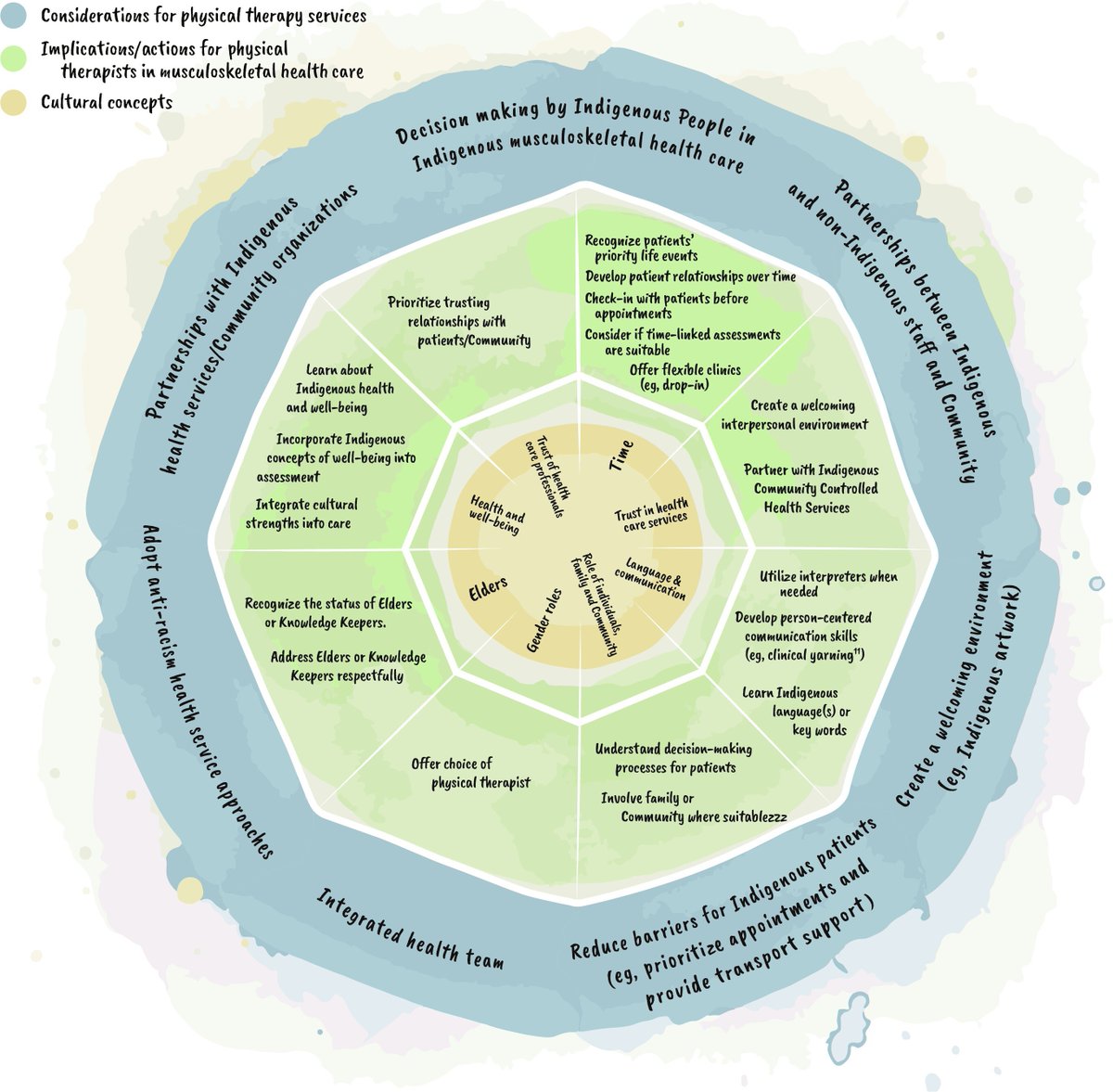
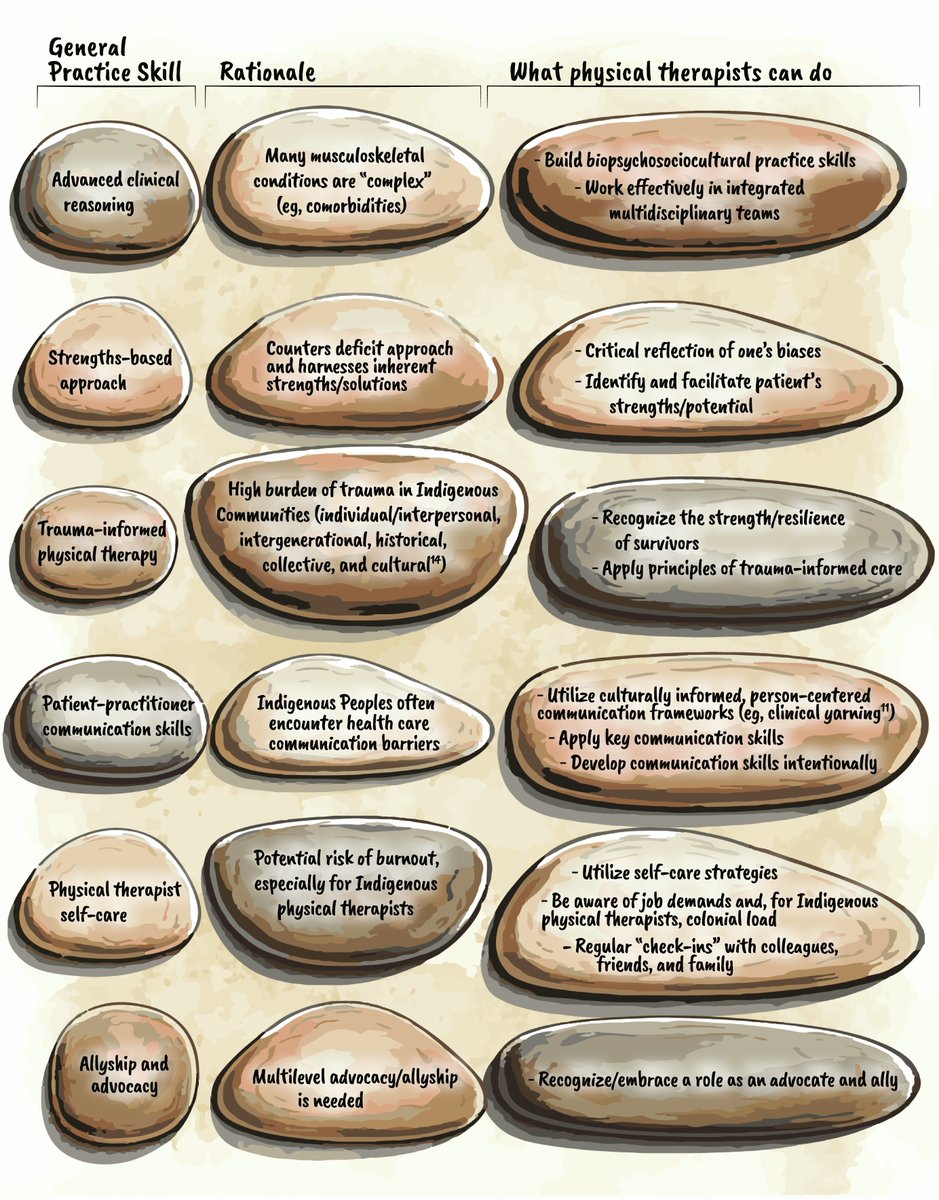
Physical therapists help reduce the burden of musculoskeletal conditions by delivering person-centered, culturally safe care & developing strong, trusting relationships w/ Indigenous Peoples & Communities
Part 2 of "Moving forwards together"➡️ ow.ly/Kc5v50YqqWC
#yourJOSPT
6
20
1,253
Hemakumar Devan retweeted

Migraine affects many Kiwis, impacting work, family life, and wellbeing. New data shows that 628,000 adults experience migraine symptoms. Learn more: health.govt.nz/publications... #NZHealthSurvey #Migraine
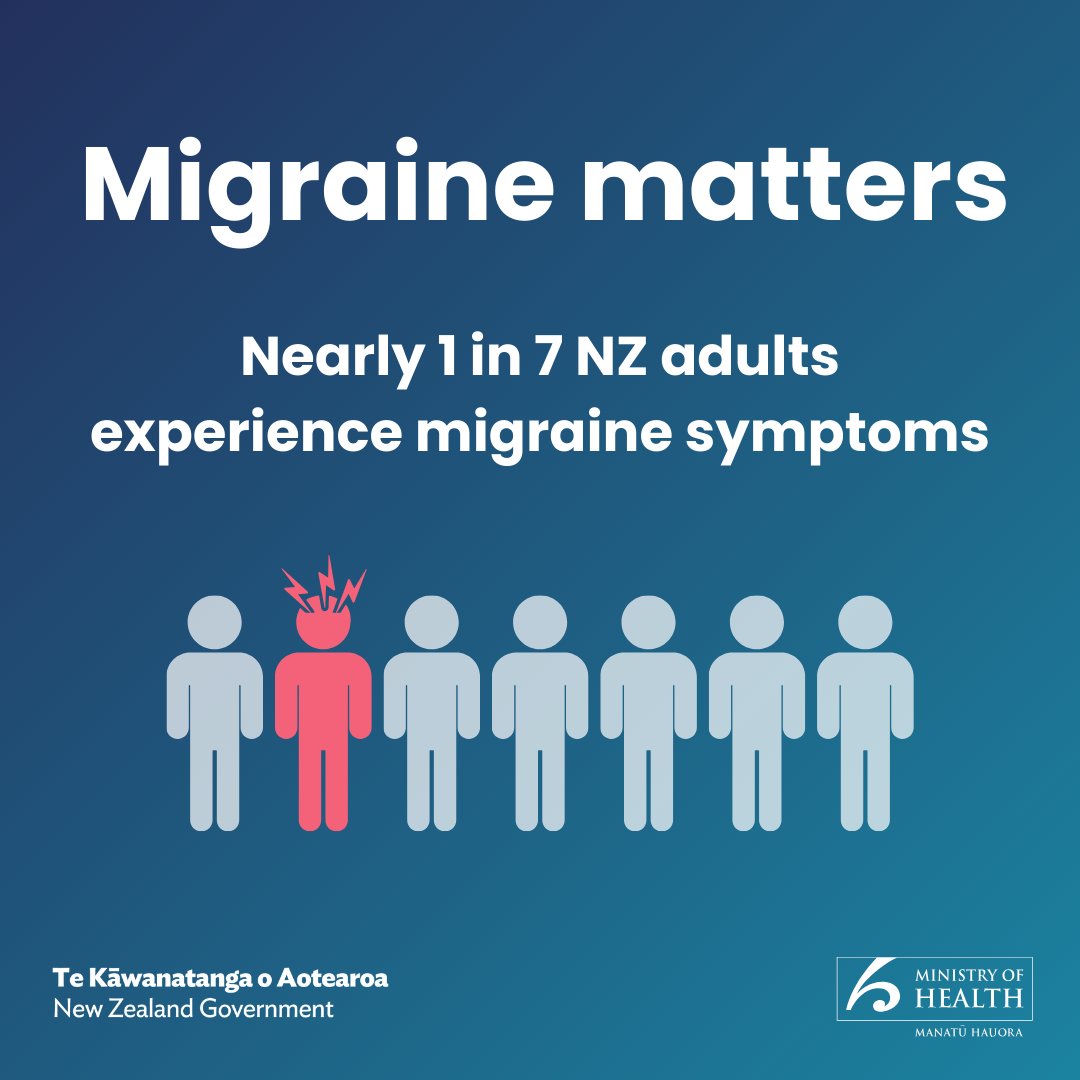
ALT Blue square that reads: migraine matters. nearly 1 in 7 NZ adults experience migraine symptoms. An image shows 7 people, with one person coloured red to represent the statistics. The new zealand government and ministry of health logos are at the bottom of the square.
1
1
6
748
Hemakumar Devan retweeted

30 Dec 2025
Featured: Dr. Davies, @LisaTeMorenga, & col. (@Otago) described a “by Māori, for Māori” pain management programme with care focusing on the wellbeing of the individual and their significant others as a collective.
Full: jpain.org/article/S1526-5900…
1
1
167
Hemakumar Devan retweeted
18 Dec 2025
Original: Dr. @KatelynnBoerner, Oberlander et al. found that autistic children and young people are largely absent from reviews of chronic pain treatments
—Existing studies are highly variable, limiting clear conclusions
FREE: jpain.org/article/S1526-5900…
1
1
169
Hemakumar Devan retweeted
10 Oct 2025
Original: Drs. Tamang, @link_physio et al. found that in Bhutanese patients with
musculoskeletal pain, the Faces Pain Scale–Revised was most valid, reliable, and
preferred compared to others clinical used scales.
Full: jpain.org/article/S1526-5900…
3
3
237
Hemakumar Devan retweeted

31 Aug 2025
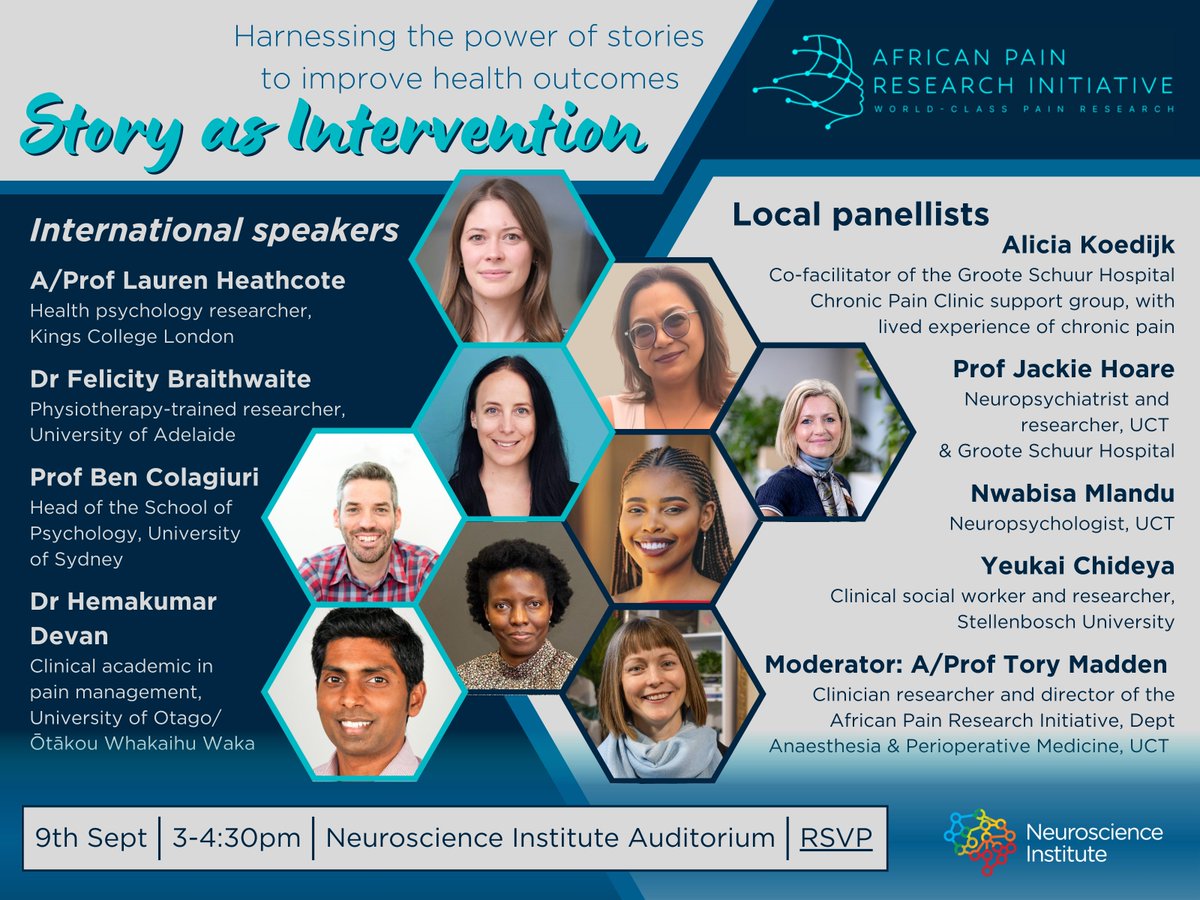
An African Pain Research Initiative event focusing on patient narratives for research and practice featuring talks by distinguished visiting academics followed by a panel discussion with local experts.
9 Sept 3-4:30pm In-Person NI Auditorium
more info: neuroscience.uct.ac.za/event…
1
5
5
211
Hemakumar Devan retweeted

24 Aug 2025
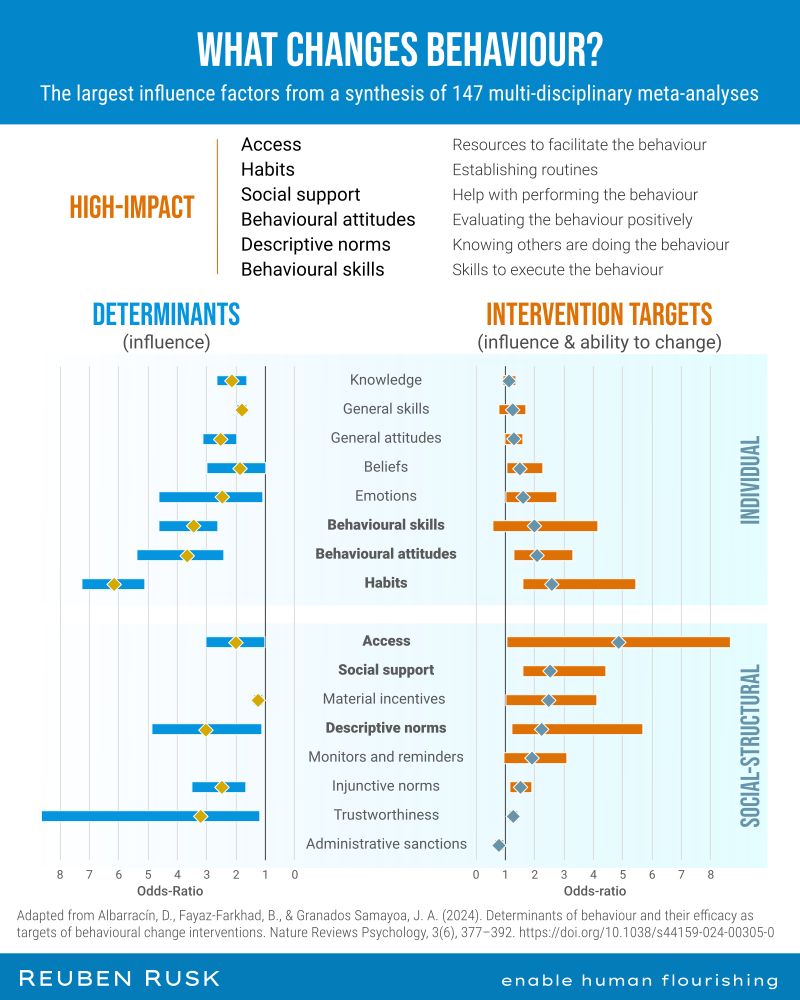
How do we enable behaviour change? These authors synthesised findings from 147 meta-analyses to identify which determinants of behaviour are most impactful & which should be targeted for change interventions. Many of the studies focus on large-scale, health-related, environmental or consumer behaviours but the conclusions are also worth reflecting on for organisational change.
What leaders of change should do:
1) Remove barriers & make desired behaviour easy: Focus on changing the environment & systems so that the desirable behaviour is simple, convenient, & supported; e.g, provide direct access to resources, streamline processes & foster social support.
2) Build social structure: Facilitate a culture where positive behaviours are the norm. Engage peers & create opportunities for team encouragement & collective participation.
3) Enable habits & provide ongoing support: Support repeated practice & help people make the new behaviour part of their routine. Reinforce changes with reminders, prompts, & positive reinforcement.
4) Prioritise practical changes over persuasion: Rather than trying to shift attitudes or beliefs, invest in changes that directly enable & reinforce the desired actions.
What leaders of change should NOT do:
1) Don’t rely solely on information or education: Simply telling people what to do, increasing knowledge or launching awareness campaigns has limited impact on actual behaviour.
2) Avoid focusing mainly on changing attitudes or beliefs: Programmes that target broad mindset change, general skills or even trustworthiness are less effective than those that address practical barriers.
3) Don’t overlook structural support: Failing to provide the physical, social, or material support needed for people to act makes adoption less likely, even if people know it’s important.
The article reinforces the importance of creating the conditions for change: making the “right thing to do” the easy, supported, default option, across multiple dimensions: nature.com/articles/s44159-0…
Original manuscript version: marketing.wharton.upenn.edu/…. By Dolores Albarracin (@socialactionlab) & colleagues.
I accessed this article via @ReubenRusk who also created the graphic.
8
89
247
28,028
Hemakumar Devan retweeted

24 Aug 2025
Join @NZPainSoc member @HemDevan for a free Online Masterclass - "Hot topics in Rehabilitation" hosted by Uni of @otago
🗓 Wednesday 3 Sept 2025
🕖 7:00–8:00pm (NZST)
💻 Online via Zoom | FREE
🔗events.otago.ac.nz/rehabhott…
6
4
283
Hemakumar Devan retweeted

18 Aug 2025
Out today 🚨 Our Cochrane review of 67 RCTs finds no clear evidence of benefit for ketamine or other NMDA antagonists for chronic pain. IV ketamine associated with risk of psychotomimetic effects, nausea, and vomiting. doi.org/10.1002/14651858.CD0…
2
13
36
2,990
Hemakumar Devan retweeted
13 Aug 2025
Original: Drs. Hale, @HemDevan et al. found that an online group pain program (iSelf-help), culturally adapted for Māori, was non-inferior to in-person care for reducing disability
— iSelf-help may broaden the reach of pain services
FREE: jpain.org/article/S1526-5900…
1
2
152
Hemakumar Devan retweeted

12 Aug 2025
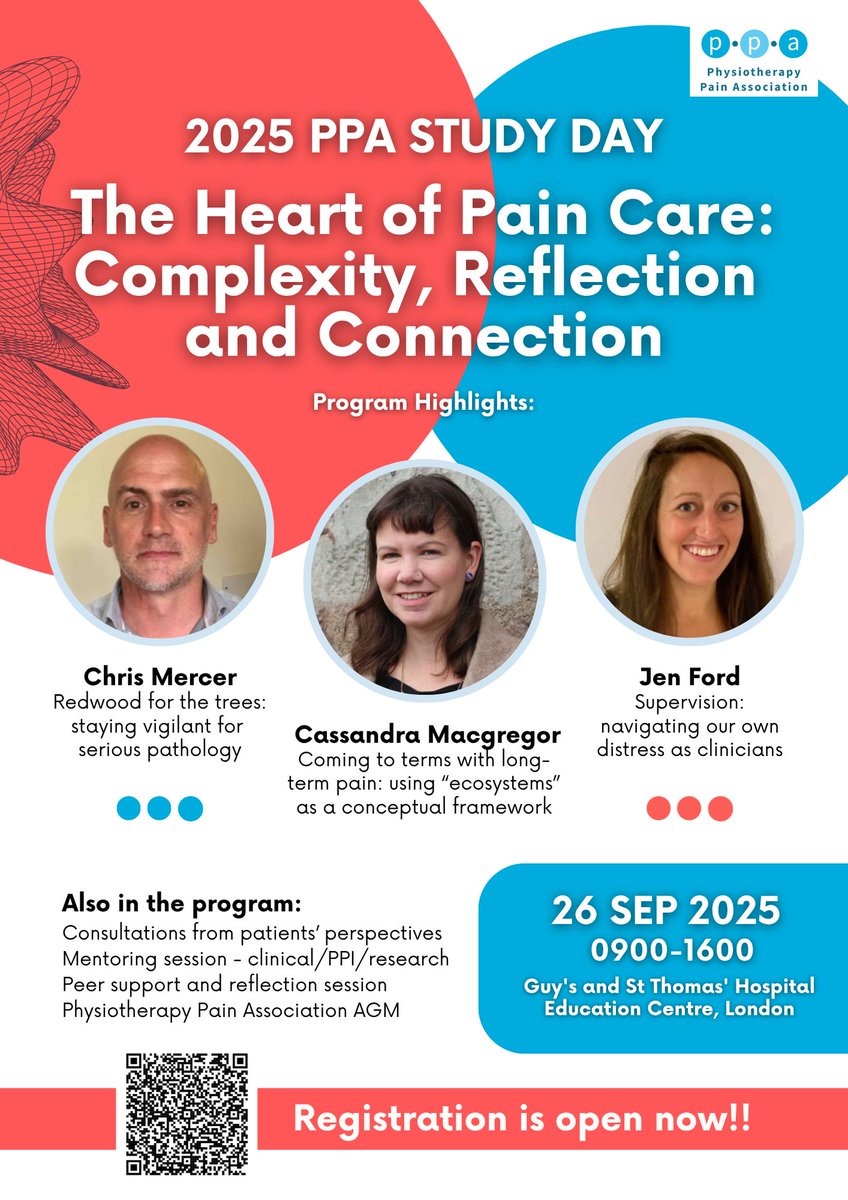
ONLY 6 weeks to go for our study day! Hoping to see many of you there to join the conversation on complexity, reflection and connection!
More info and booking formation here: ppa.csp.org.uk/courses/ppa-s…
1
3
5
613
Hemakumar Devan retweeted
10 Aug 2025
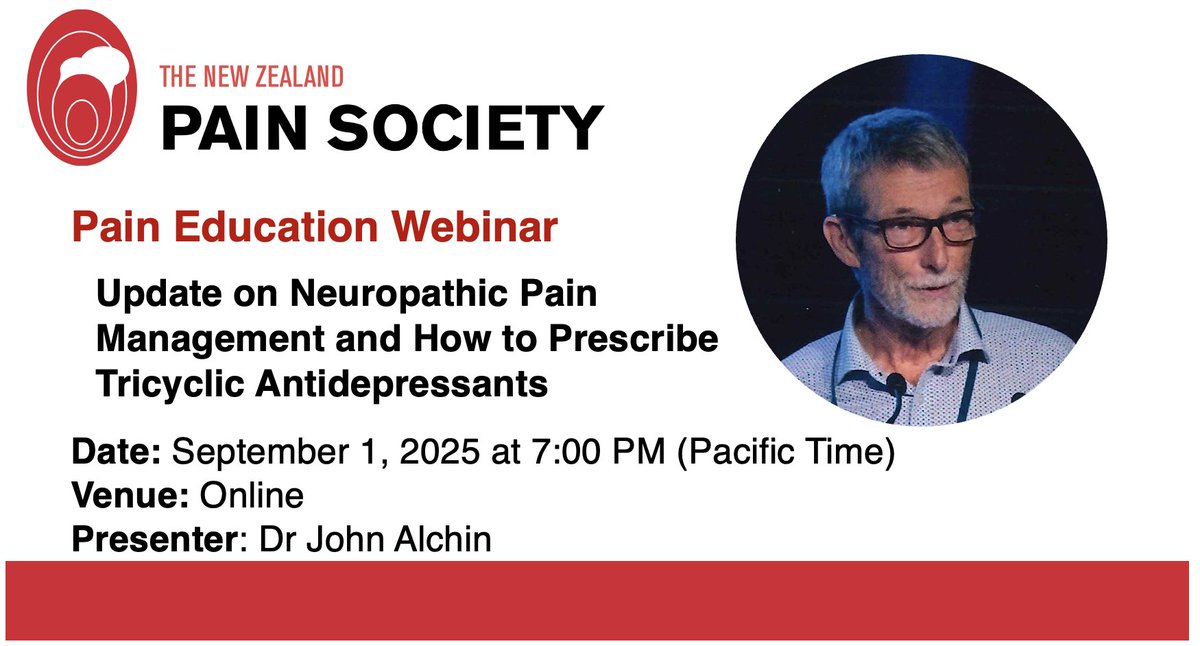
@NZPainSoc 2025 Webinar Series
📅 1 Sept | 🕖 7 PM NZST | 💻 Online
Dr John Alchin on the latest Lancet guidelines for neuropathic pain & TCAD prescribing.
✅ Evidence-based strategies
✅ Practical tips
✅ Live Q&A
🔗 eventbrite.co.nz/e/update-on…
2
2
690
Hemakumar Devan retweeted

9 Aug 2025
11
28
2,478
Hemakumar Devan retweeted
10 Aug 2025
Dear NZPS members 🗣️📢
The NZPS Paediatric Pain SIG is seeking your input!
Take 2 minutes to share your thoughts. Help Shape the Future of Paediatric Pain Care in NZ
🔗 Link: forms.gle/HgnGiG86KqjHtdpN7

1
2
90
Hemakumar Devan retweeted

4 Aug 2025
They call it the longest format, played over five days but the fact that all that drama all that tension can be bottled in the space of 45-60 minutes where everything is on the line is what makes Test cricket so brilliant, so fascinating. It’s a day to gush & romanticise #EngvInd
20
298
5,501
110,395
Hemakumar Devan retweeted

25 Jul 2025
📢 New publication alert!
Excited to share our paper, now published in Disability & Rehabilitation:
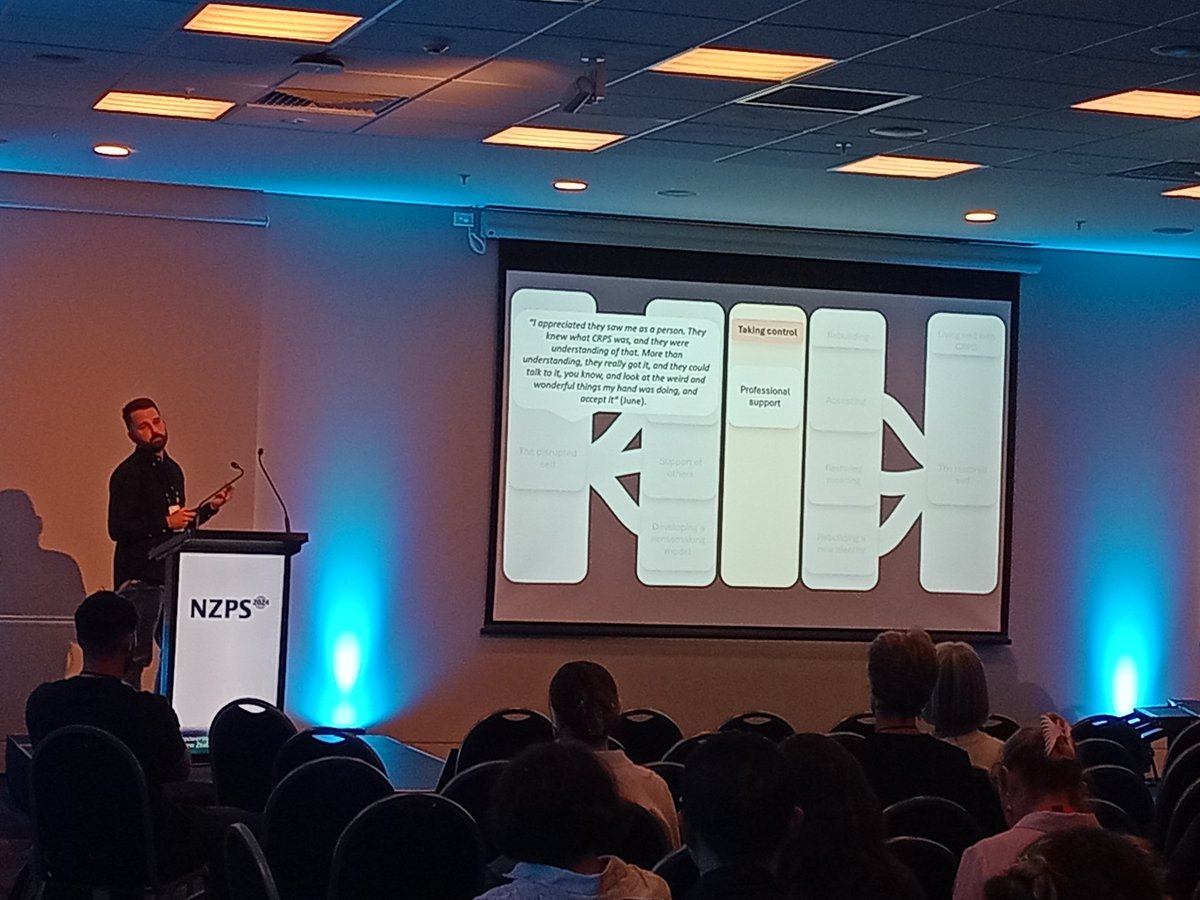
“Living well with complex regional pain syndrome: a qualitative exploration of lived experiences”
👏🏽Thanks to @DebbieJB79 & @adiemusfree
#CRPS tandfonline.com/doi/10.1080/…
2
4
6
216
Hemakumar Devan retweeted

7 Jul 2025
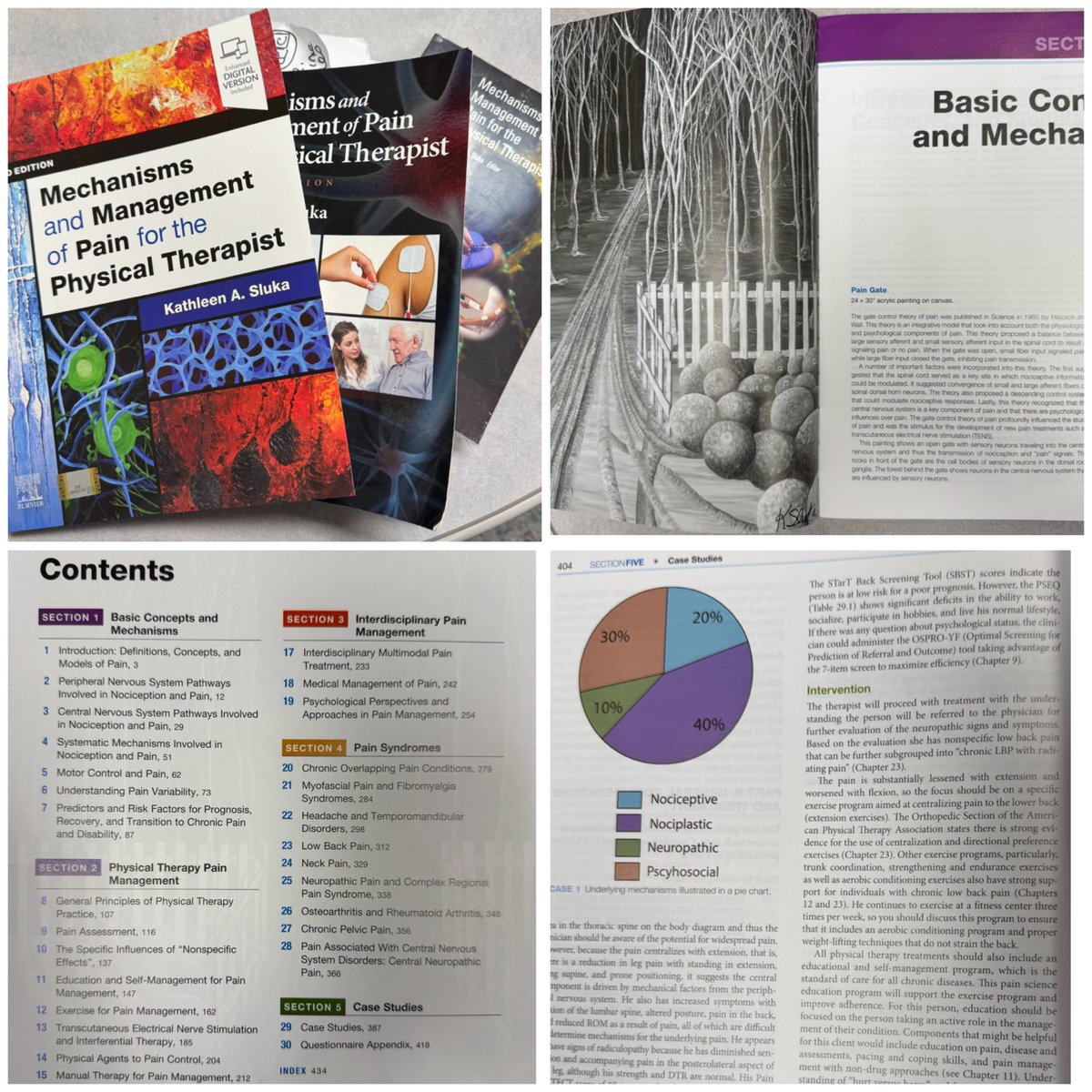
Just arrived in my office-3rd edition of my book. New chapters, my original art, patient stories, and case studies. Available in September....#kathleensluka #slukaart #painscience @UIowaPTRS
@uihealthcare @IowaMed @UIowaNeuro
5
14
73
3,758
Hemakumar Devan retweeted
4 Jul 2025
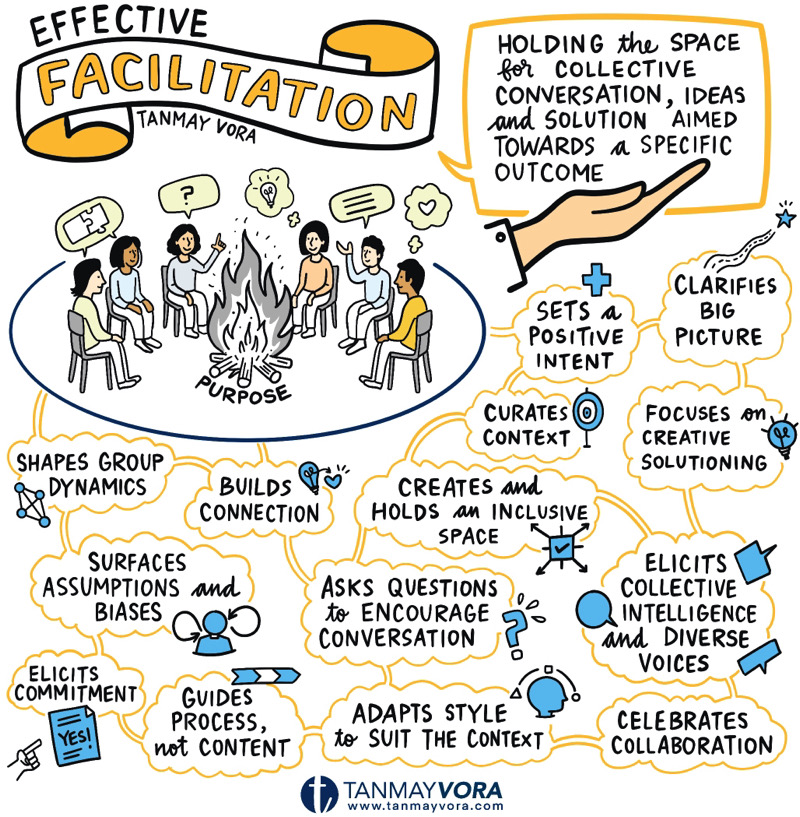
Facilitation skills are not just for change & improvement "experts". Every leader should have them.
Organisations that integrate facilitation into their leadership approach report more productive & engaged teams, improved innovation & better decision-making.
Facilitative leadership is even more important in the era of AI. AI can analyse trends, detect patterns & generate content, but it can't replicate the trust built through dialogue, or the remarkable outcomes that can emerge when people collaborate to make sense of complex issues together.
How we might go about making facilitative leadership the norm:
1) Integrate facilitation into leadership development activities, providing training, coaching, resources & safe spaces to practice.
2) Have senior leaders role model facilitative approaches.
3) Build understanding of situations where we should limit the number/style of decisionmakers & those where we should be facilitative.
4) Make facilitative approaches the leadership norm/expectation & build them into organisational processes.
5) Encourage peer learning so leaders can share experiences, discuss challenges & learn from one another.
Inspired by a very good new blog & sketchnote from @tnvora: tanmayvora.com/what-effectiv….
3
63
213
21,350