
We promote high-quality social studies instruction and highlight the vital role of historical content knowledge to literacy and reading comprehension.
Joined July 2024
- Tweets 1,055
- Following 254
- Followers 508
- Likes 1,620
211 Photos and videos

May 26
The new @educationweek piece highlights our #HistoryMatters Review Tool and how it helps schools evaluate whether history curriculum actually builds coherent knowledge across grades instead of disconnected activities and worksheets.
edweek.org/teaching-learning…
3
3
336
History Matters retweeted

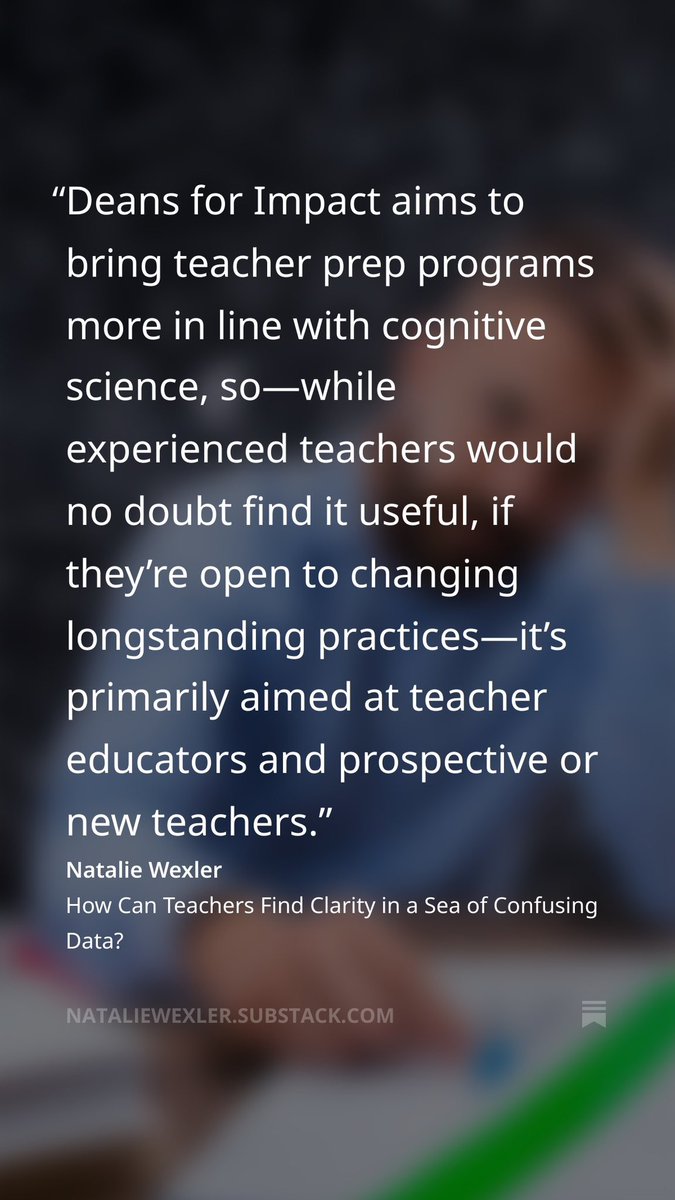
@natwexler latest edition of Minding the Gap is all about clarity for educators!
Learn about the new AI Evidence Checker and the second edition of @deansforimpact Science of Learning Report!
open.substack.com/pub/natali…
May 24

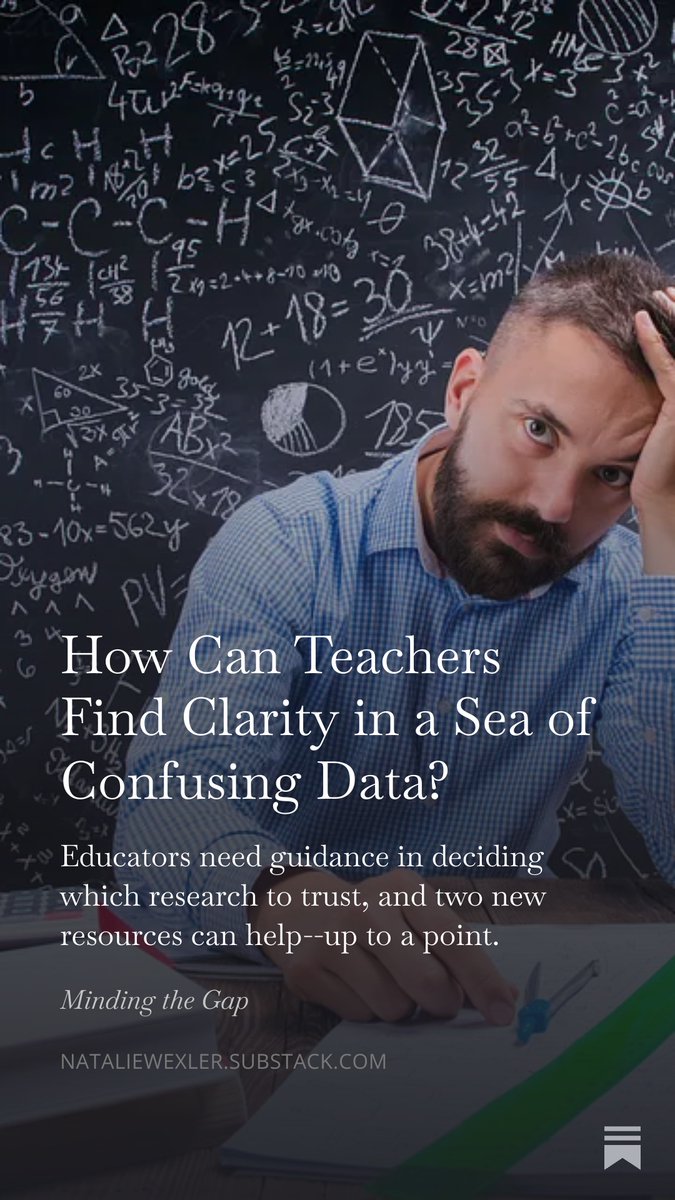
Two new resources can help educators navigate the confusing world of education research. @deansforimpact @nsachdeva2019
That's important. But to make real progress, we also need to take a systemic, curriculum-focused approach.
More in my new post:
nataliewexler.substack.com/p…
4
4
967
History Matters retweeted
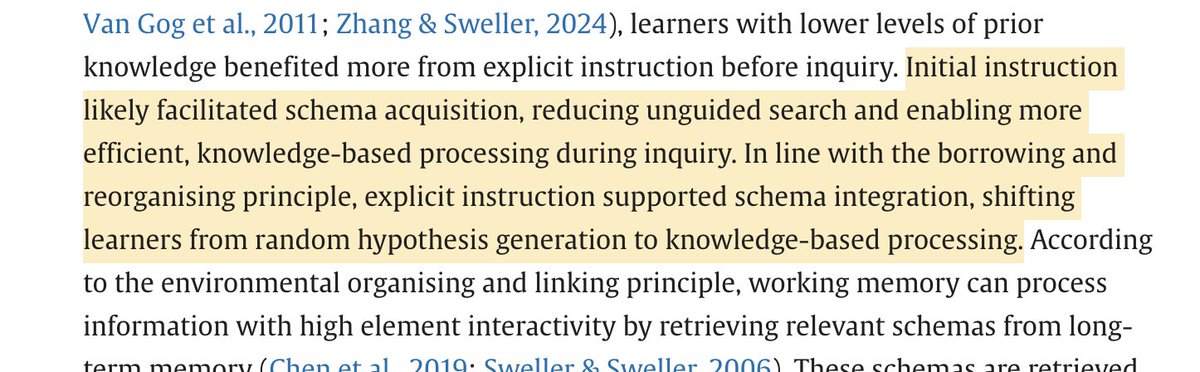
“For learners w/ lower prior knowledge, explicit instruction should precede inquiry to support schema acquisition, whereas for more knowledgeable learners, inquiry can activate existing schemas…”
This was discussed in S3 of the #knowledgematters podcast!
knowledgematters.org/podcast…
May 23

Inquiry works best when students have enough knowledge to inquire with. sciencedirect.com/science/ar…
9
19
1,340
History Matters retweeted

May 24
Two new resources can help educators navigate the confusing world of education research. @deansforimpact @nsachdeva2019
That's important. But to make real progress, we also need to take a systemic, curriculum-focused approach.
More in my new post:
nataliewexler.substack.com/p…
7
18
2,629
History Matters retweeted
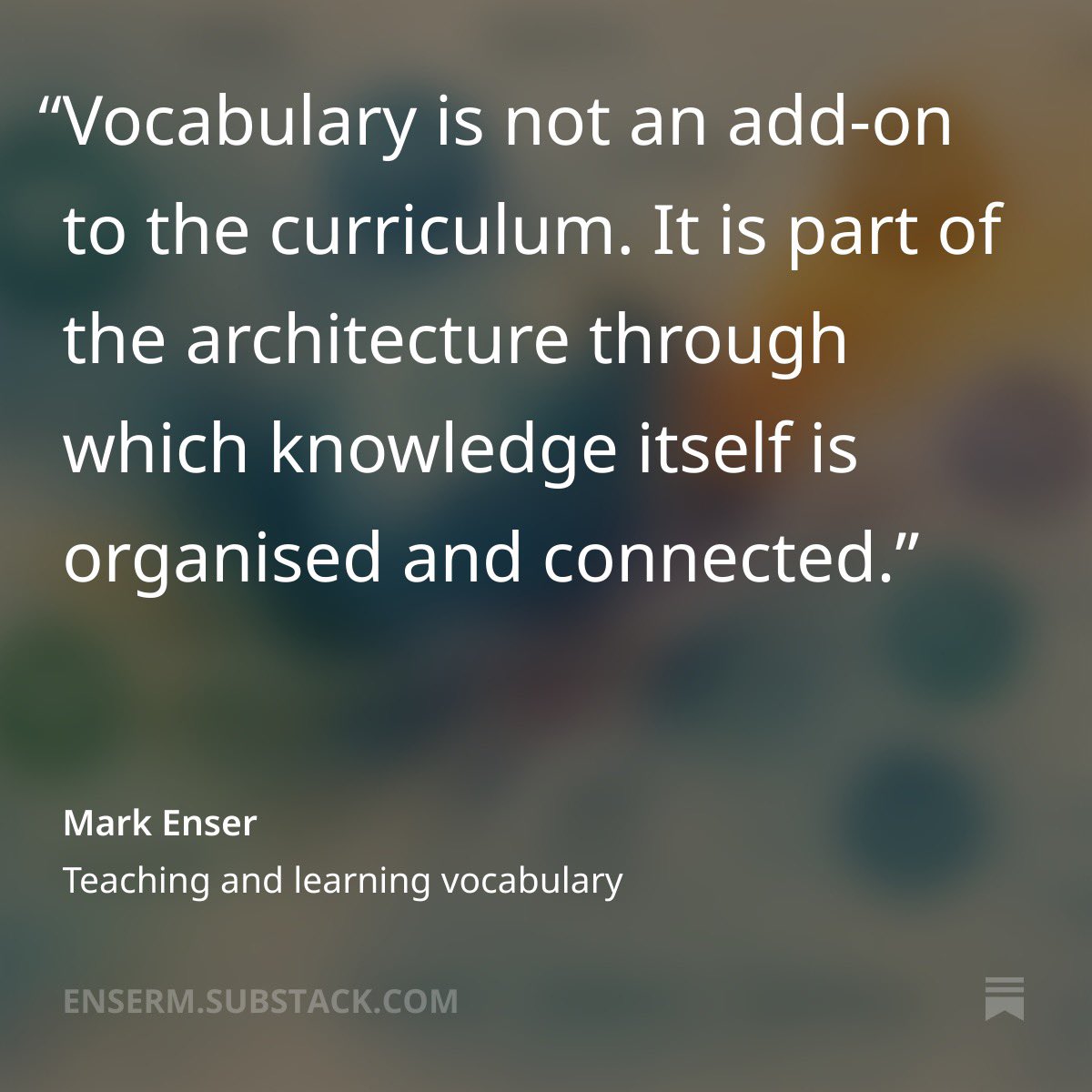
Knowledge-building and vocabulary-building are not separate goals. The words students learn are tied directly to the content, concepts, and ideas they encounter.
Knowledge matters because language grows through it.
🔗open.substack.com/pub/enserm…
1
9
20
916
History Matters retweeted

May 22
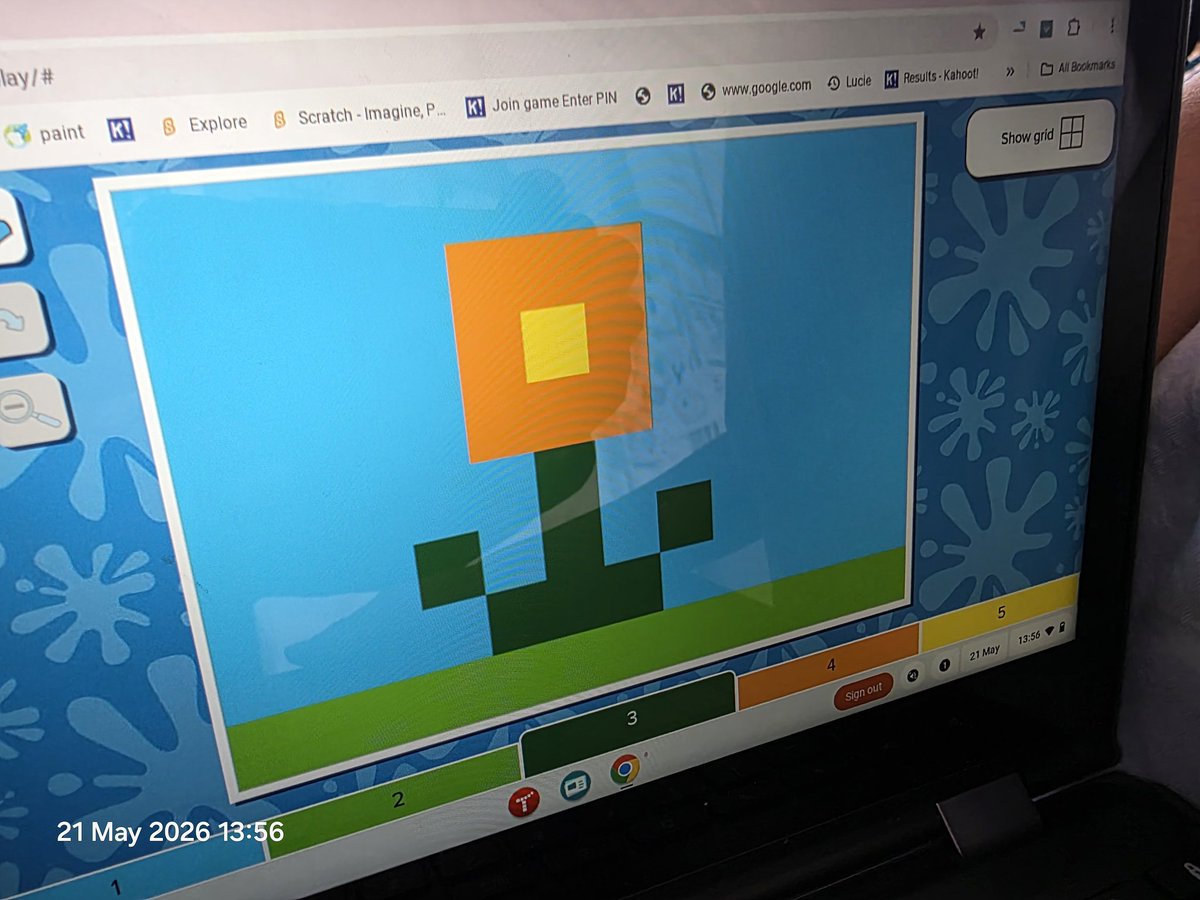
Thank you @HistoryMatrs for RP this from @KnowledgeMatrs Think I'm going to have to join you with your #ComputingMatrs moniker because as you both highlight #VocabularyMatrs to enable the learning to go deeper...


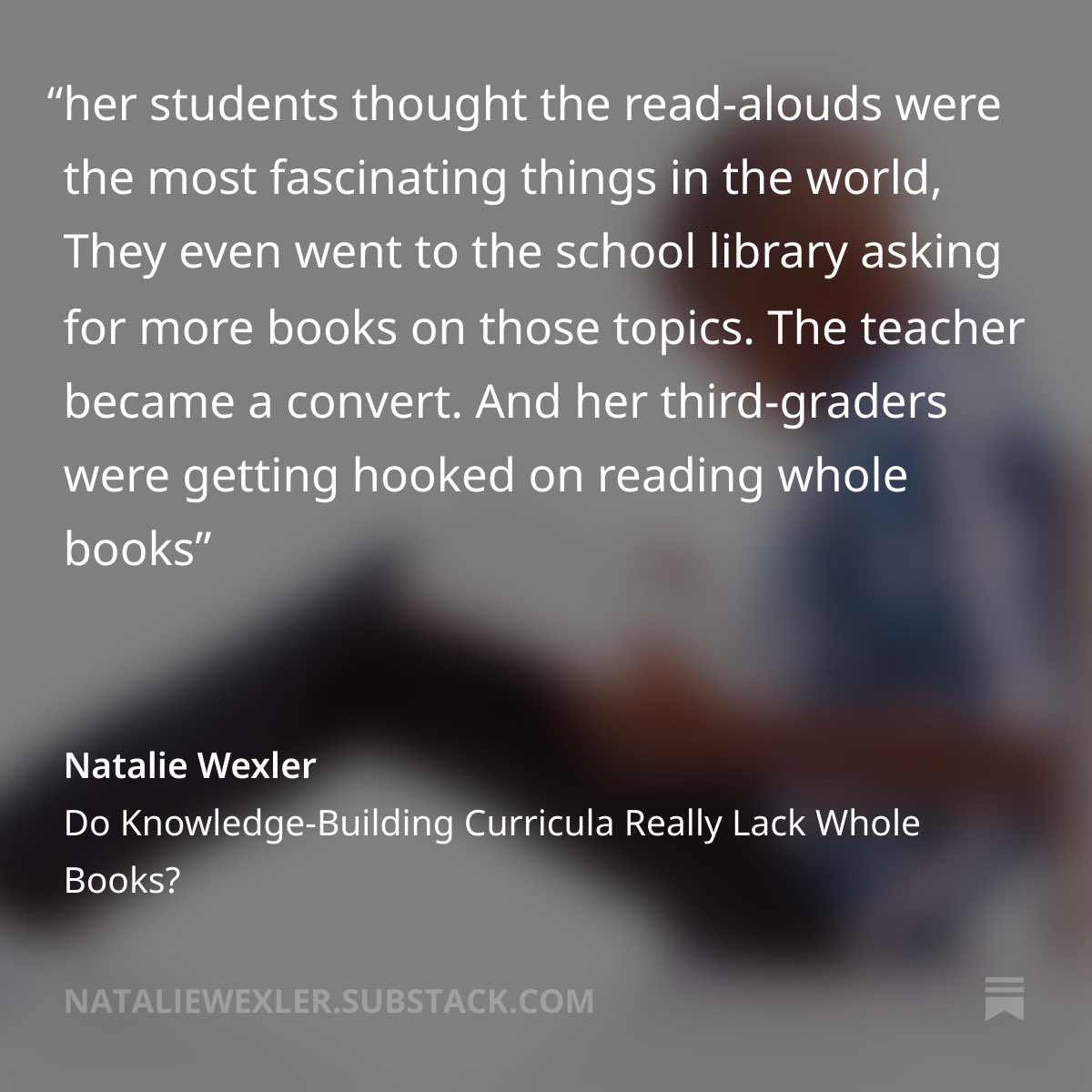
As @natwexler recently shared, one of the biggest myths in education is that young kids aren’t interested in “big” topics.
Knowledge-building curriculum keeps proving the opposite.
🔗 open.substack.com/pub/natali…
1
2
113
History Matters retweeted
As @natwexler recently shared, one of the biggest myths in education is that young kids aren’t interested in “big” topics.
Knowledge-building curriculum keeps proving the opposite.
🔗 open.substack.com/pub/natali…
1
6
17
825
History Matters retweeted
Our colleagues at @deansforimpact just released The Science of Learning, 2nd ed!
#TheScienceOfLearning2 includes updated research, pitfalls to avoid, and more, grounded in our best scientific understanding of how students learn. deansforimpact.org/thescienc…
6
7
544
History Matters retweeted
“Change can be difficult, especially if the reasons for it haven’t been communicated clearly.”
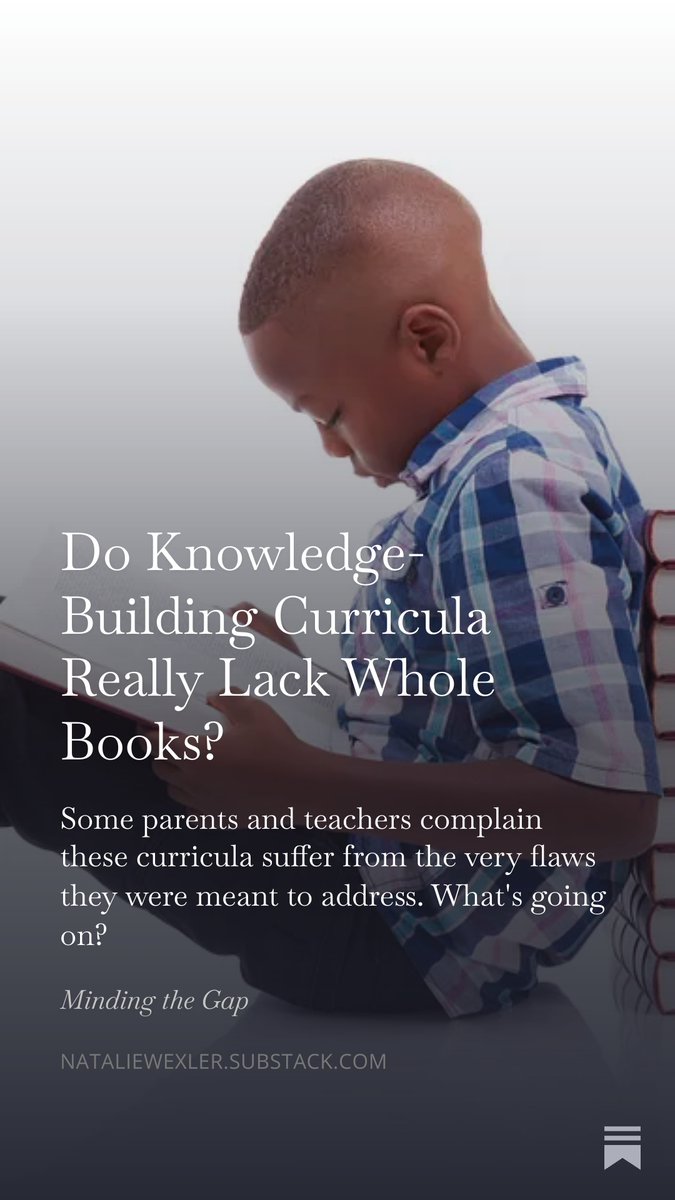
The convo around whole books is an important one. But, there’s more to it than simply counting texts. @natwexler latest Substack weighs in on considerations when looking at programs.
May 18
What's behind the complaints that knowledge-building curricula don't include whole books--when they actually do?
I try to unpack that in my new post on Minding the Gap:
nataliewexler.substack.com/p…
4
13
1,745
History Matters retweeted
The @nytimes reminded us what happens when kids increase screen time and decrease ACTUAL reading:
“In turn, schools expect less from students, assigning fewer whole books and simplifying the curriculum…” @CarolJago
📚Volume Quality of texts matters📚
nytimes.com/2026/05/13/upsho…
2
14
34
2,726
History Matters retweeted

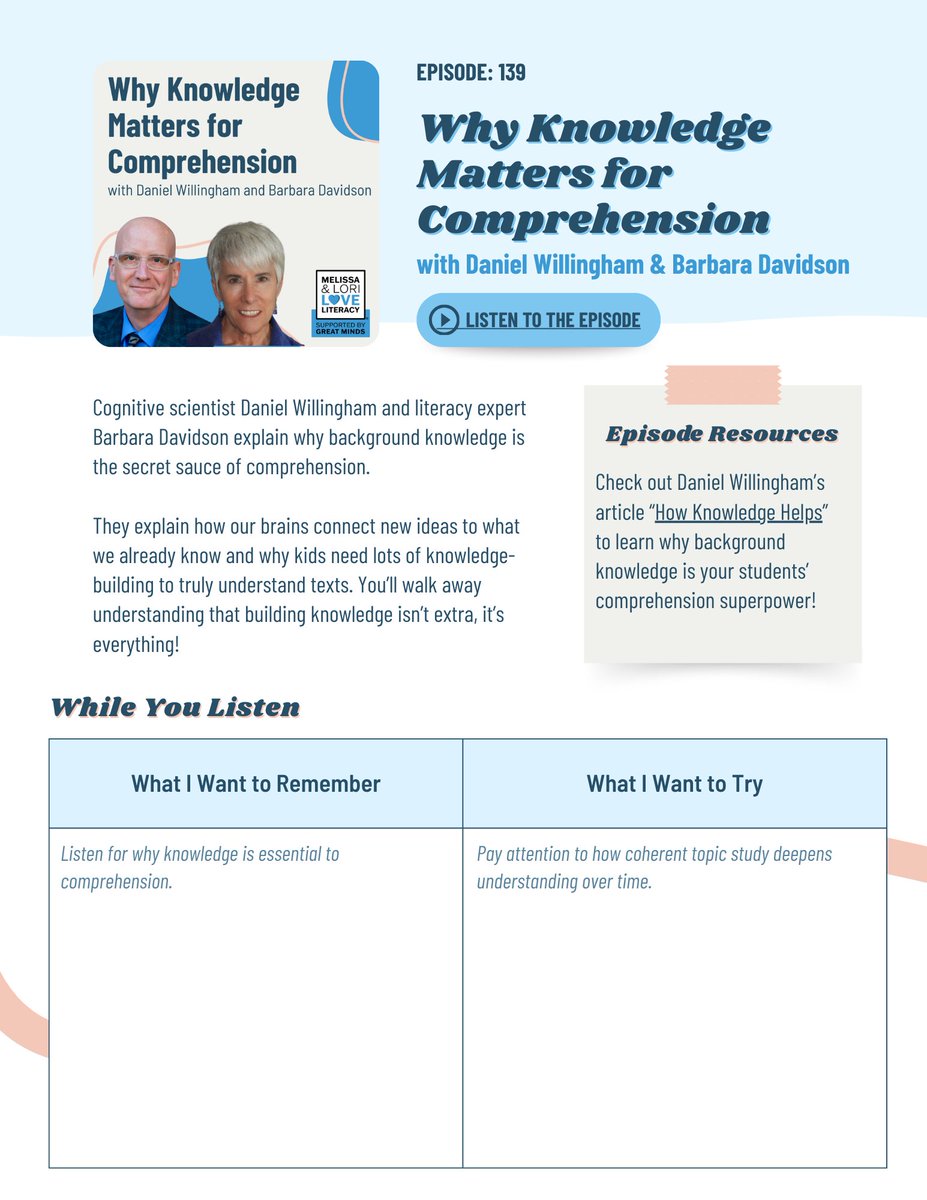
Daniel Willingham and Barbara Davidson explain why background knowledge is essential for comprehension.
We’re rereleasing this episode along with a listening guide you can use while you tune in.
Podcast Episode: ow.ly/93su50YtXFv
Listening Guide: ow.ly/s4q650YtXFG
16
43
1,909
History Matters retweeted

📣“Students need coherent opportunities to build knowledge and vocabulary, discuss meaningful ideas, write about complex texts, and engage in sustained reading that deepens understanding over time…teachers deserve curriculum…intentionally designed to support that work.”📣
May 16

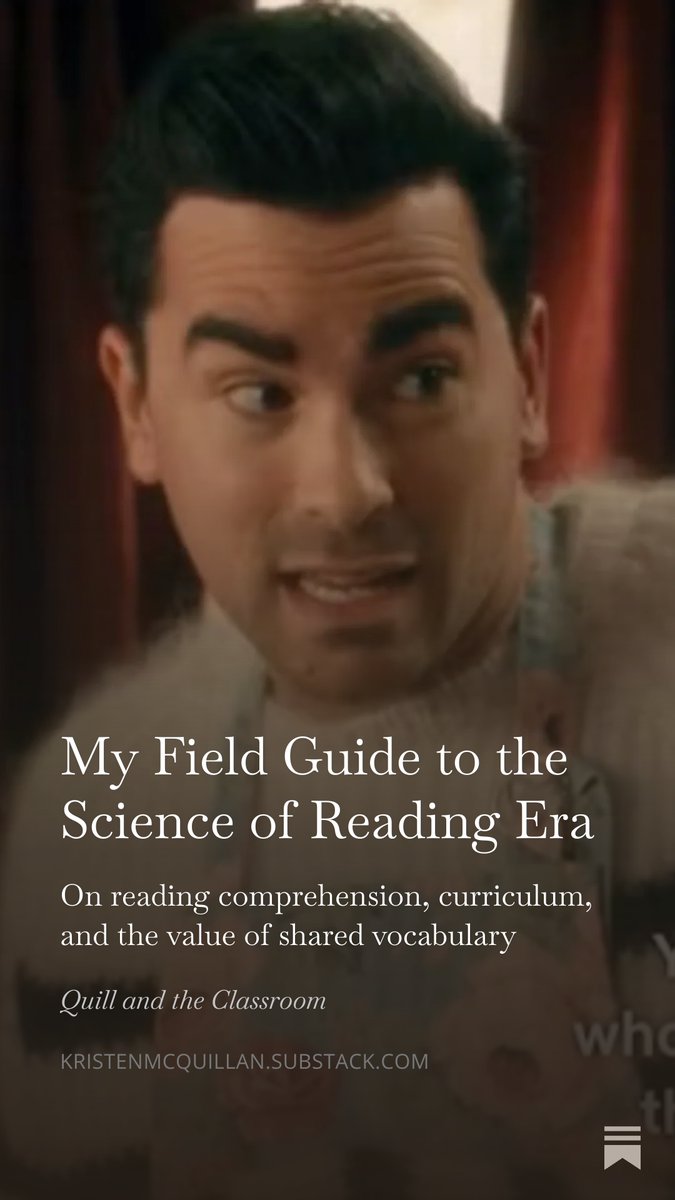
“We have a phonics system, but then everyone just kind of grabs texts they like to teach standards.”
A comment from @researchED_US that stuck with me. My latest on: curriculum vs intervention, shared language, and “fold in cheese” implementation🫠
open.substack.com/pub/kriste…
1
4
11
1,009
History Matters retweeted
When @mcglynn3 presented at @researchED_US NYC, she heard many educators concerned about the lack of coherence in comprehension instruction. Our teachers and students deserve clarity and quality.
🔗Read her “Unofficial Field Guide” to the SoR Era here:
knowledgematters.org/post/my…
6
15
1,048
History Matters retweeted
Don’t miss this! #KnowledgeMatters
May 11
I'm doing a webinar on "The Knowledge Gap" tomorrow (May 12) at 4-5:30 pm EST, sponsored by @readingwithtlc. Participants can watch live or get a recording & will earn 1.5 continuing ed hours.
Click here for more info & to register:
shop-readingwithtlc.com/coll…
2
6
752
History Matters retweeted
“We now have a systematic program… but one of the things we may be neglecting is time spent reading.”
Important reminder from @SusanBneuman: strong literacy instruction should include BOTH knowledge-building and time with whole books. gothamist.com/news/is-learni…
5
13
2,670
History Matters retweeted
@natwexler gets into @educationgadfly and @RANDCorporation survey results re: The Science of Reading.
This Substack is full of edusphere reactions to the results and commentators’ observations!!!
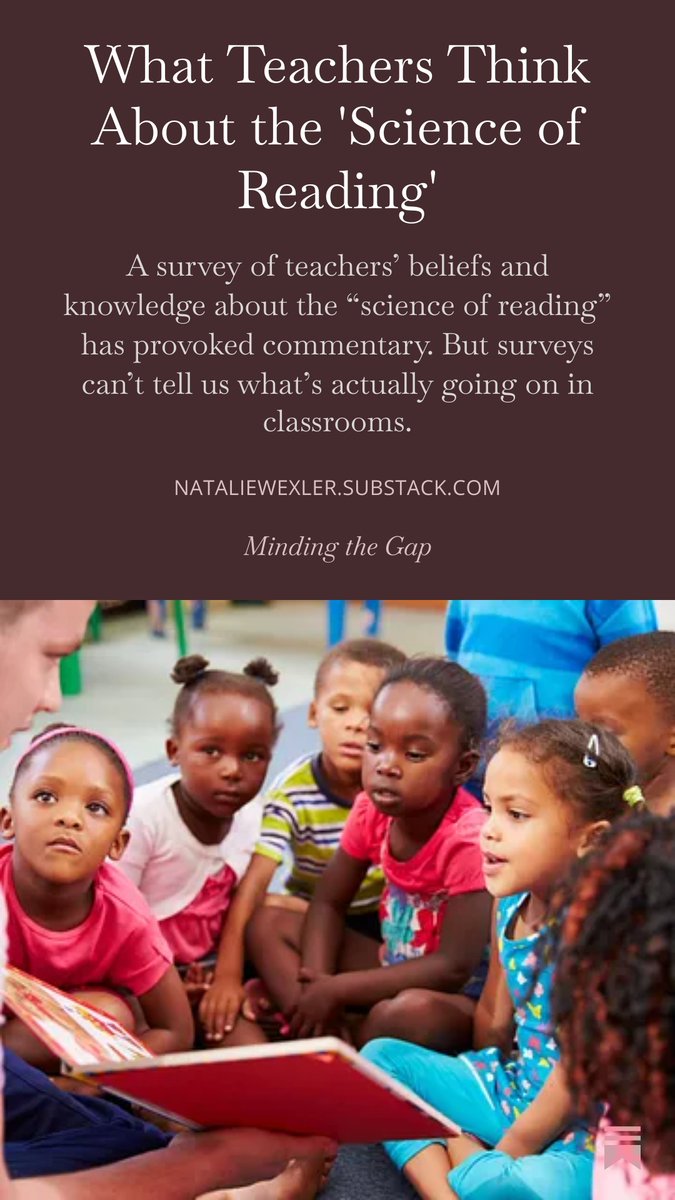
May 5
A new study shows many teachers are on board with the "science of reading," but we still have a long way to go.
Plus, there's more buy-in for phonics than for building knowledge. You need both to be a proficient reader.
More in my new post:
nataliewexler.substack.com/p…
6
5
1,160
History Matters retweeted
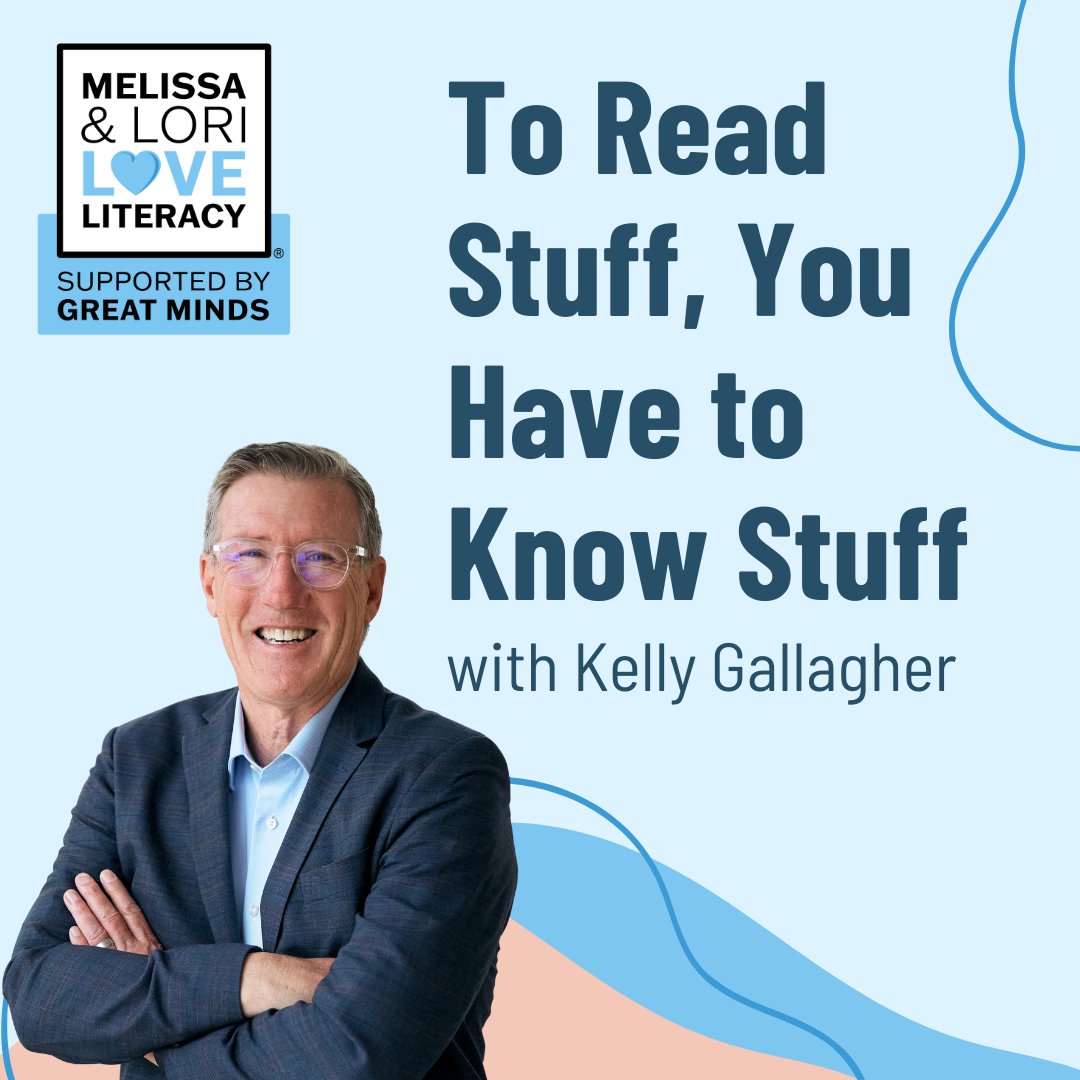
“To read stuff, you have to know stuff.”
In this episode, Kelly Gallagher joins us to talk about the powerful connection between knowledge and comprehension.
ow.ly/8XMw50YtBzv
1
8
20
784
History Matters retweeted
May 5
A new study shows many teachers are on board with the "science of reading," but we still have a long way to go.
Plus, there's more buy-in for phonics than for building knowledge. You need both to be a proficient reader.
More in my new post:
nataliewexler.substack.com/p…
4
15
38
4,232
History Matters retweeted
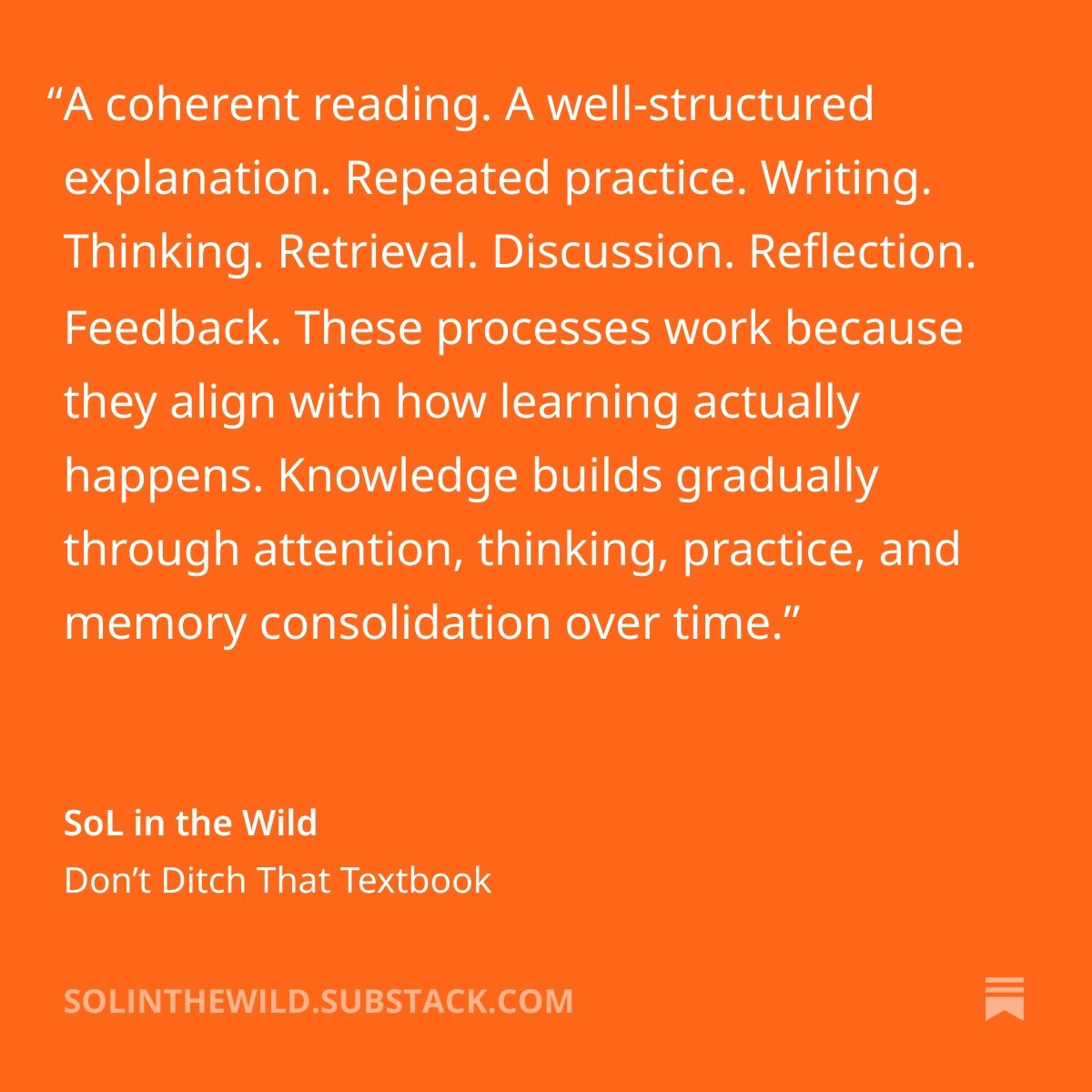
Knowledge doesn’t build itself.
Behind strong readers are coherent texts, vocabulary, history, science, discussion, and the intentional systems that build background knowledge over time.
Don’t ditch the textbook.
Read: open.substack.com/pub/solint…
1
8
14
621
History Matters retweeted
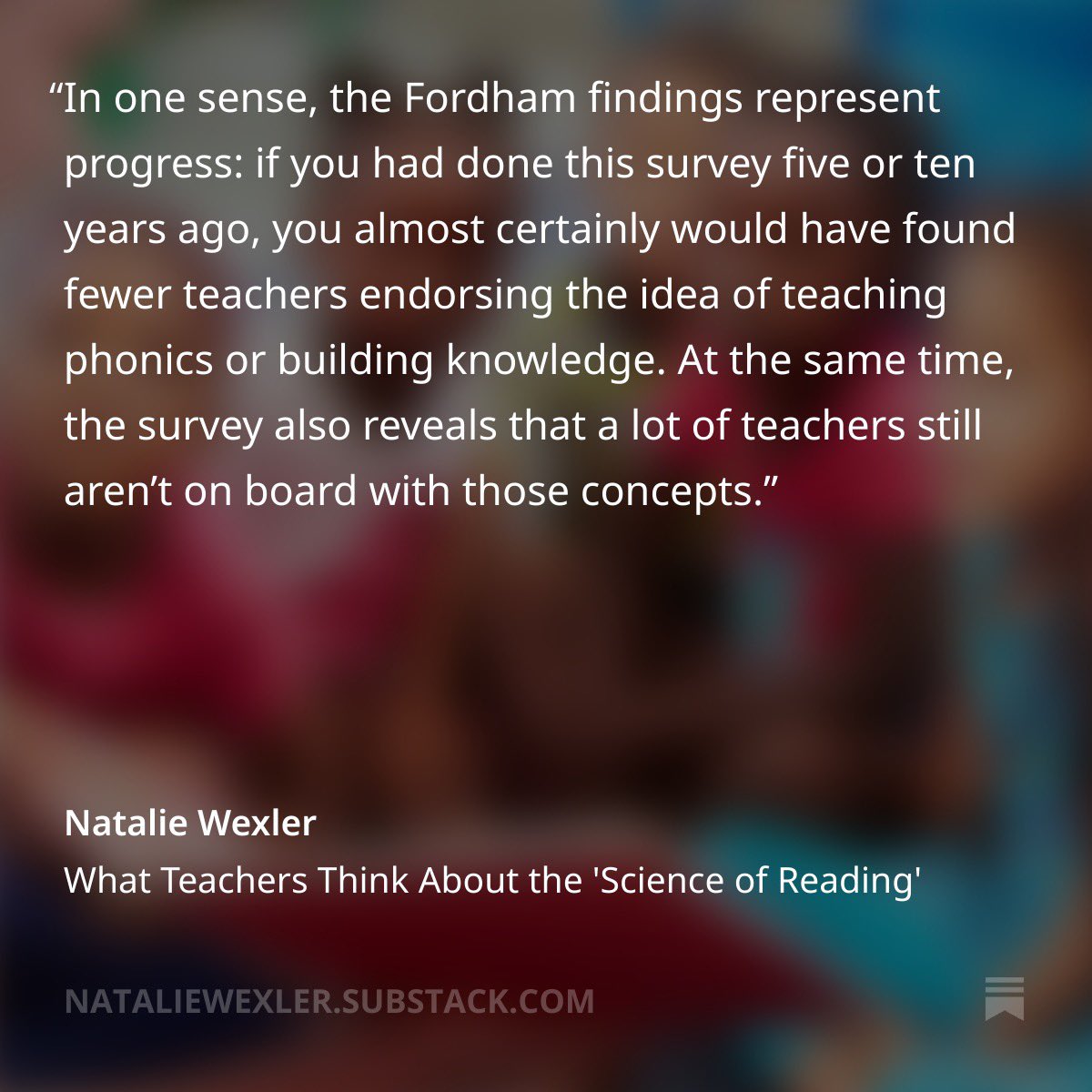
@natwexler’s reflection on the new Fordham survey is worth the read.
Encouraging takeaway: more teachers recognize the importance of phonics & knowledge-building than they did 5–10 years ago.
We still have work to do, but the conversation is changing.
open.substack.com/pub/natali…
7
12
731