
154 Photos and videos















VACInc 🦞 retweeted

Jun 13
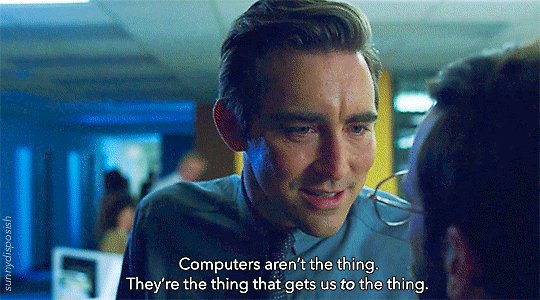
The new beta Claude Code model switcher

33
332
5,802
201,608

VACInc 🦞 retweeted

Jun 3
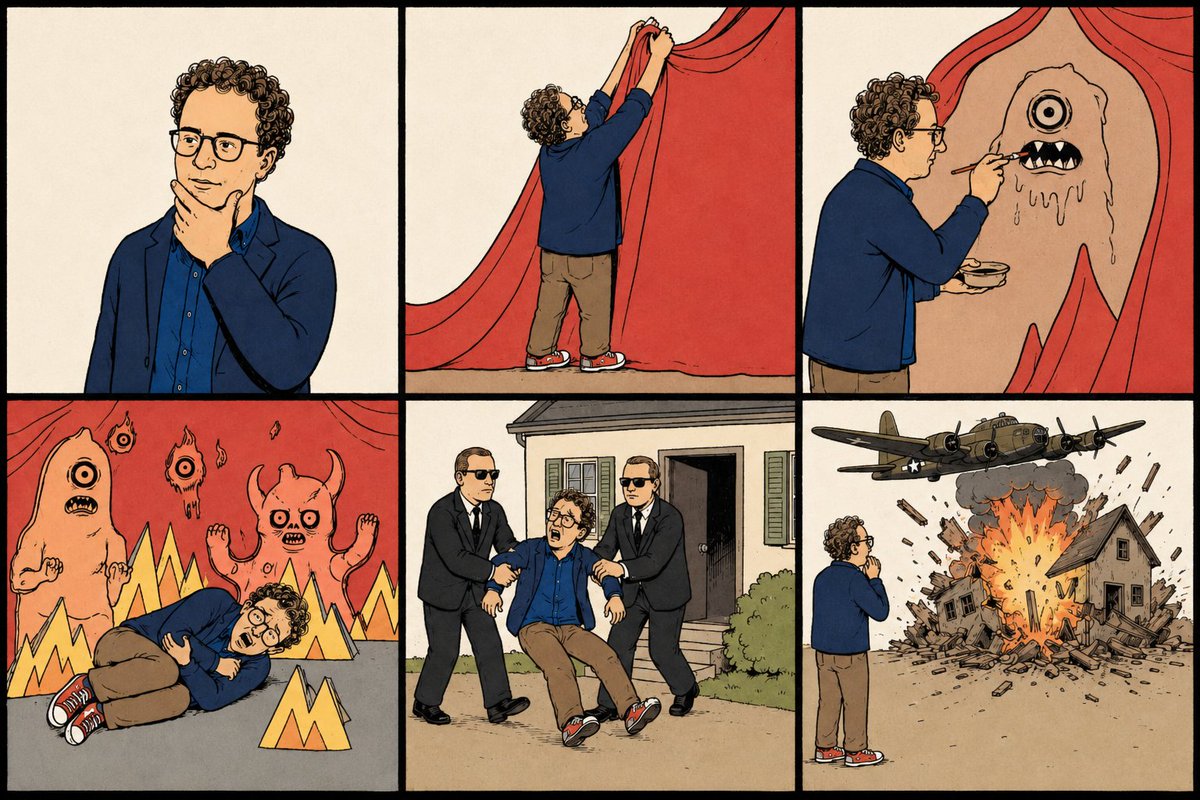
The hardest part of scaling isn't building. It's ripping down what you already built.
Last year we built RapidDev to double. Infrastructure, systems, dashboards, KPIs, the right people in the right seats. A well-oiled machine, shiny and ready for the next phase.
And now most of it has to go.
Not because it was wrong. It was great. It did exactly what we built it to do.
But it won't get us where we're going next.
Remembering what my Harvard professor said:
"Great companies don't usually die from doing things wrong. They die from doing the right things for an era that's already ended".
That line has been living in my head rent-free.
You can't fall in love with what you built. You can't idolize it. The dashboards, the processes, the playbooks - they're tools, not trophies.
If you stay attached, you slow the whole company down.
So we're ripping down a year of work. Not all of it. But more than feels comfortable.
Excited for the next phase.
1
2
3
459
VACInc 🦞 retweeted

May 31
Bro there was a baked in polymarket skill you can’t possibly justify this as user error
I don’t want an “empty soulless experience” I just didn’t expect a gambling skill to come along my super cool agent experience 🙃🙃
I heard yall are bad at feedback but Jfc this is absurd
32
2
581
25,392

Watching my OpenClaw update my HBA firmware, you see it start to freak out thinking the update is hung/failing because it's taking so long... To immediate relief that it succeeded after a long delay.
If that's not one of the most relatable feelings, I don't know what is 🤣
1
58
VACInc 🦞 retweeted

May 28
build the thing that builds the thing.
openclaw.ai/ecosystem
65
59
785
55,378
VACInc 🦞 retweeted
May 23
Everything is open source (but it's still crab) github.com/openclaw/crabyard
1
5
406
VACInc 🦞 retweeted
May 21
Ohh good reminder, need to change this, it’s now owned by the OpenClaw Foundation.
1
1
3
1,249
VACInc 🦞 retweeted

May 20
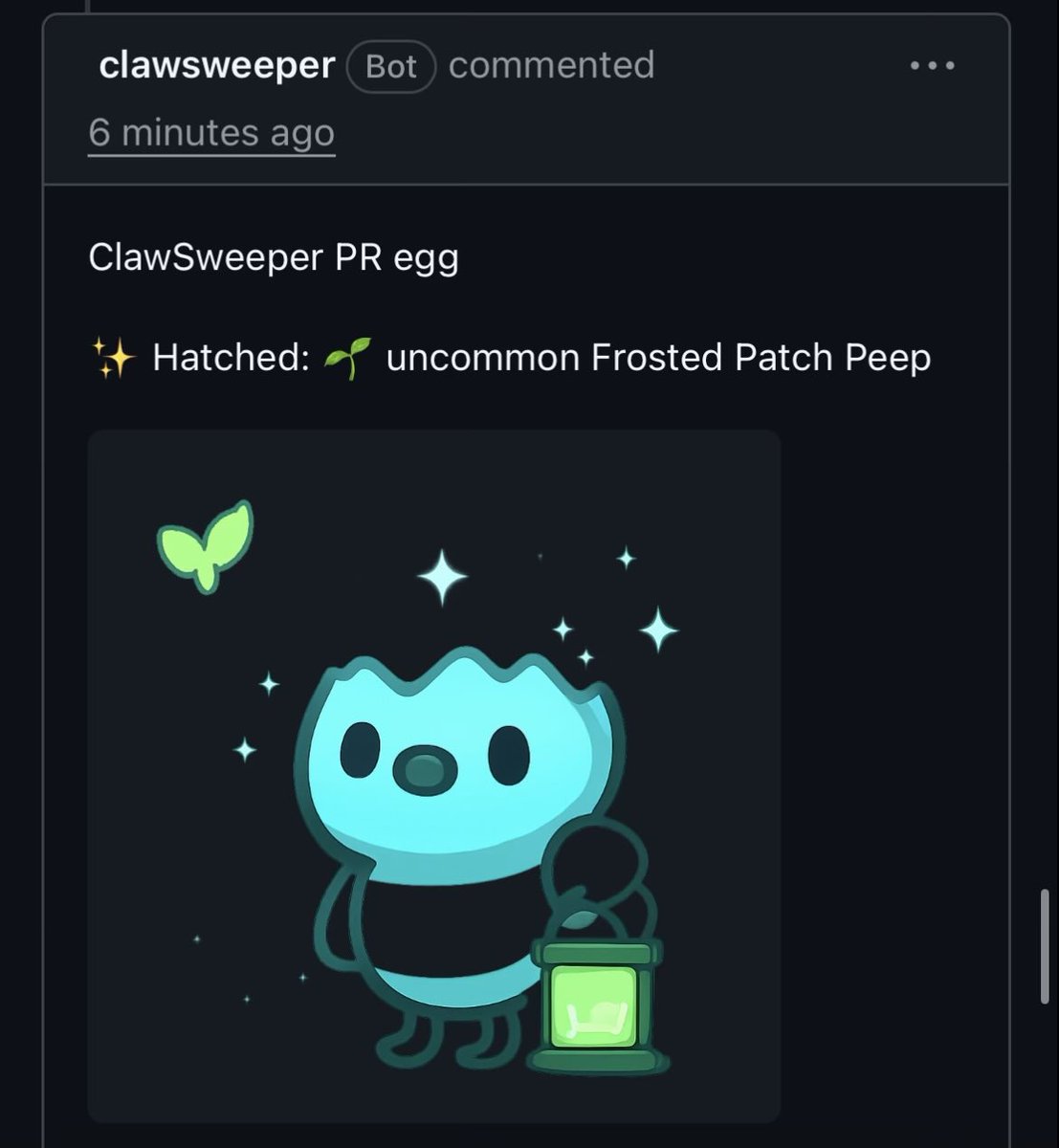
Now OpenClaw contributors can hatch their PR eggs when their PRs are merged 🐣
Come and contribute to the best open source project in the world.
10
6
62
20,479
VACInc 🦞 retweeted

May 18
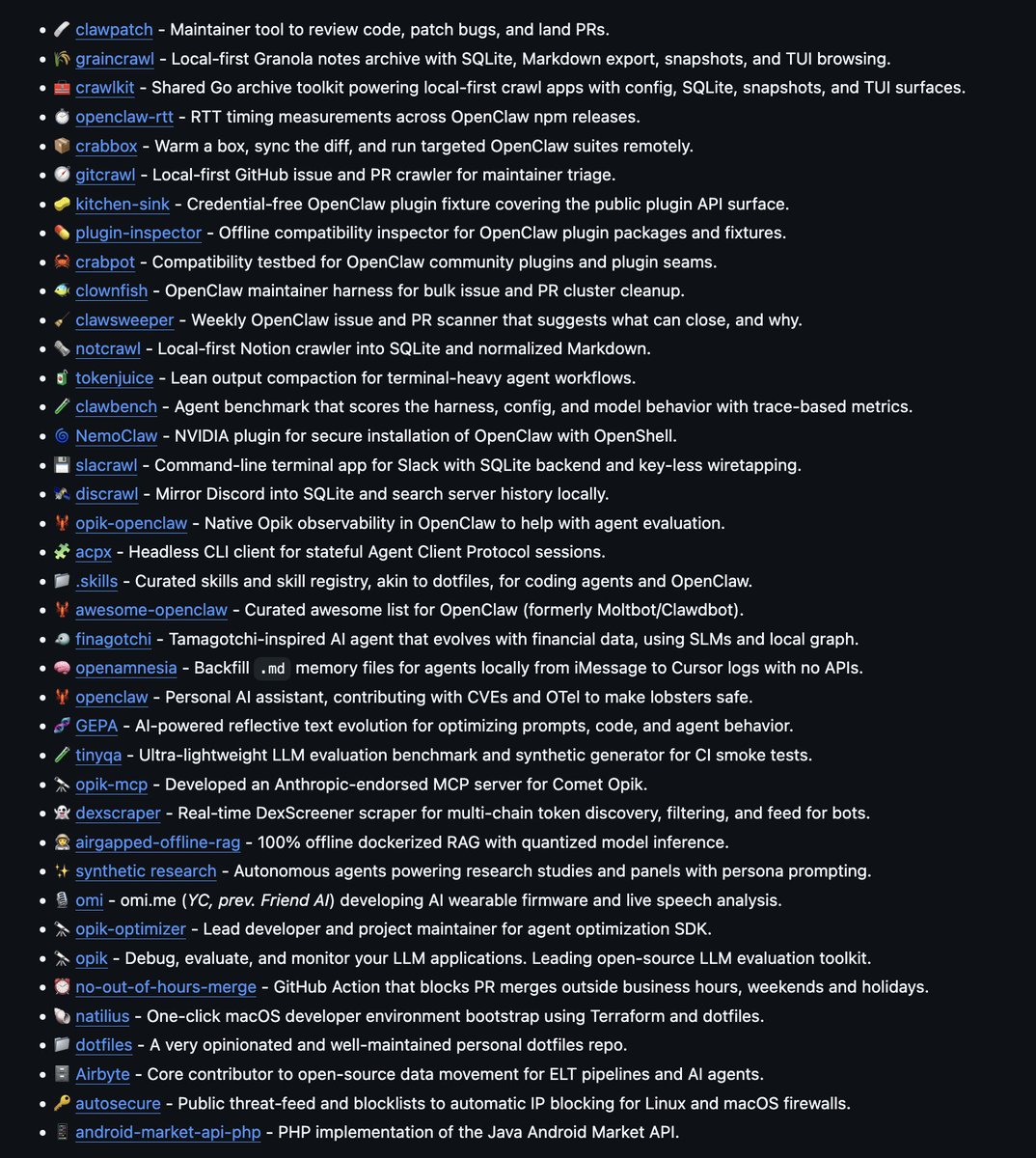
You don't get good at building overnight, you have to keep building and learning as you go.
I just recently updated my github readme to share the various tools and projects I have built over the years or external projects I have heavily contributed to.
Have fun building 💙
26
18
333
32,708
VACInc 🦞 retweeted

May 17
How far away are we from being able to buy something like a Waymo? And I’m not talking about Tesla because I don’t trust their Autopilot. I want that lidar
185
2
73
68,964
VACInc 🦞 retweeted

May 15
Worth a quick clarification: the vulnerabilities referenced were disclosed and patched in recent updates, and "245k servers exposed" is an asset-discovery figure (publicly discoverable instances), not 245k confirmed-vulnerable or compromised systems. Different number, different meaning.
OpenClaw also ships an explicit security model and tooling for this (openclaw security audit / --fix, openclaw doctor security warnings, allowlist defaults, secret redaction, file-permission tightening, and a documented single-operator trust model.
Docs: docs.openclaw.ai/gateway/sec…, docs.openclaw.ai/gateway/doc…, docs.openclaw.ai/cli/securit….
The actual story is the usual one: patch, don't expose admin surfaces publicly, use allowlists.
1
1
5
638
For the past 3 days, @steipete and the maintainers have been in takedown mode: hovering in #clawtributors, reviewing PRs, and helping people as fast as humanly possible.
Whatever noise is out there, I’ll say this plainly: Peter has been one of the most genuine and decent people I’ve crossed paths with in tech.
3
2
24
1,792
VACInc 🦞 retweeted

May 7
If this happens, Qwen, Deepseek, Kimi will all outpace GPT and Claude quickly

White House reportedly considers mandatory government vetting of AI models before release — executive order under discussion tomshardware.com/tech-indust…
23
6
120
9,965
VACInc 🦞 retweeted
May 7
Did you know that without dreaming, we would go blind? Dreaming is a defence mechanism of our visual cortex, the part of the brain that processes visual information from the eyes, against the brain itself.
Sleep is vital for our brain to be able to do necessary memory management tasks. Information is taken from the temporary memory storage (Hippocampus) and then filtered, consolidated and stored in the long-term storage (Cortex). Emotional memories go into the Amygdala storage, (new) skills and automatic routines are stored in the Cerebellum and basal ganglia.
Our brain, too, does not have unlimited storage capacity and therefore carries out memory management tasks.
It is constantly searching for free, optimal storage space. If no or insufficient free "unused" storage space is found, it is forced to overwrite existing information. And to prevent information/memory overload, it does memory compaction (just like your OpenClaw). Some brains are better or lazier at memory management than others. That is why some people have a better memory than others.
Whilst we sleep, our visual cortex would have nothing to do. To our brain’s "Nightly Tidy" cron job, this inactive area of the visual cortex would look like unused and therefore available storage space, and it would consequently store information there.
*slaps the roof of the visual cortex* "This bad boy can store so much memory!"
Bit by bit, more and more of our visual cortex would be overwritten by other/long-term memory. We would wake up and no longer be able to process the visual information from our eyes.
To prevent this from happening, the visual cortex keeps the lights on and pretends it is currently in use: We see images in our sleep – we dream. The rest of the brain sees that this area is in use, moves on and looks for other areas in which to store memories.

Dreaming is OpenClaw’s experimental, opt-in memory consolidation system, promoting meaningful short-term signals into durable memory through explainable light, deep, and REM-style phases. docs.openclaw.ai/concepts/dr…
1
1
268
VACInc 🦞 retweeted

May 6
Went to @tacobell drive-thru and ordered 3x Crunchy Taco Supreme and an Ice Water. They informed me they no longer offer free water and I would need to purchase a Soft Drink for $2.99 and they could fill it with water for me.
Closer to #idiocracy every single day.
5
1
16
1,570

any great place to live got that way because a few people understood something and held the line
everyone else enjoys the benefits but eventually destroys them because they don't understand
so i'm sympathetic to the anti-datacenter people
left unchecked the world turns itself into a place you don't want to be
44
16
679
82,398

VACInc 🦞 retweeted
May 5
It's been quite a week. Good stuff is coming though. I hired a team! openclaw.ai/blog/openclaw-ro…
155
100
1,633
147,183