
Harry J. Holzer is the John LaFarge SJ Professor of Public Policy at the McCourt School, Georgetown University and former Chief Economist, US Dept. of Labor.
Joined November 2019
- Tweets 1,314
- Following 223
- Followers 851
- Likes 700
24 Photos and videos
Harry J. Holzer retweeted

Jun 12
Two McCourt professors, @HolzerHarry and @MichaelRStrain, have been named to @AEI and @urbaninstitute's new bipartisan Commission on AI and the American Workforce to study AI’s impact on the workforce and craft policy recommendations. mccourt.georgetown.edu/news/…
1
4
470
How can we improve labor market outcomes for community college students in workforce programs (i.e., not liberal arts)? See my new @BrookingsInst brief with Amy Feygin:
brookings.edu/articles/how-c…
1
77
BLS jobs report shows big gain in payrolls of 172K:
bls.gov/news.release/empsit.…
March and April revised up to 214 and 179 resp. Labor market has shaken off the doldrums of 2025, for now.
1
2
159
My new Forbes article on payroll growth in May:
forbes.com/sites/harryholzer…
Will stronger payrolls be sustained despite higher oil prices and interest rates, esp. if Iran War is not settled soon?
115
Remembering Bobby on the 58th anniversary of his assassination:
google.com/search?q=rfk spee…
1
78
Harry J. Holzer retweeted

Jun 2
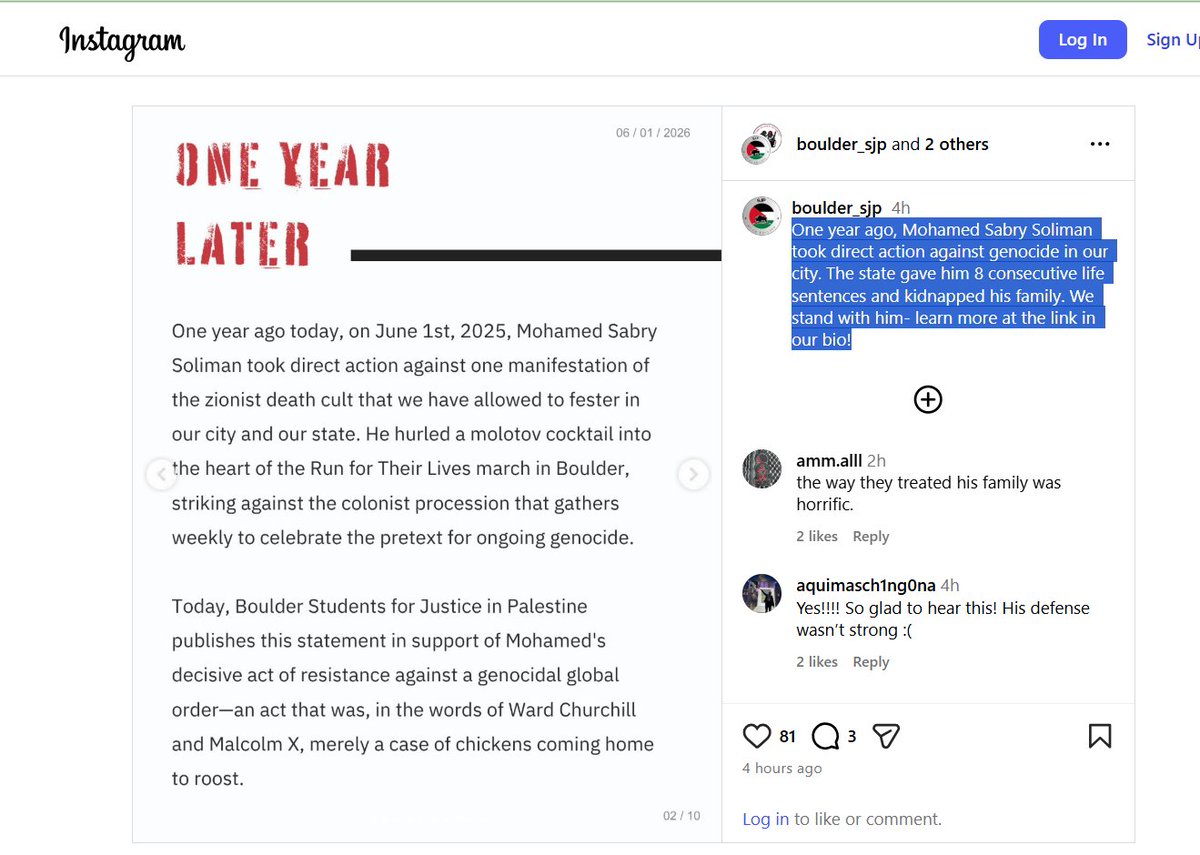
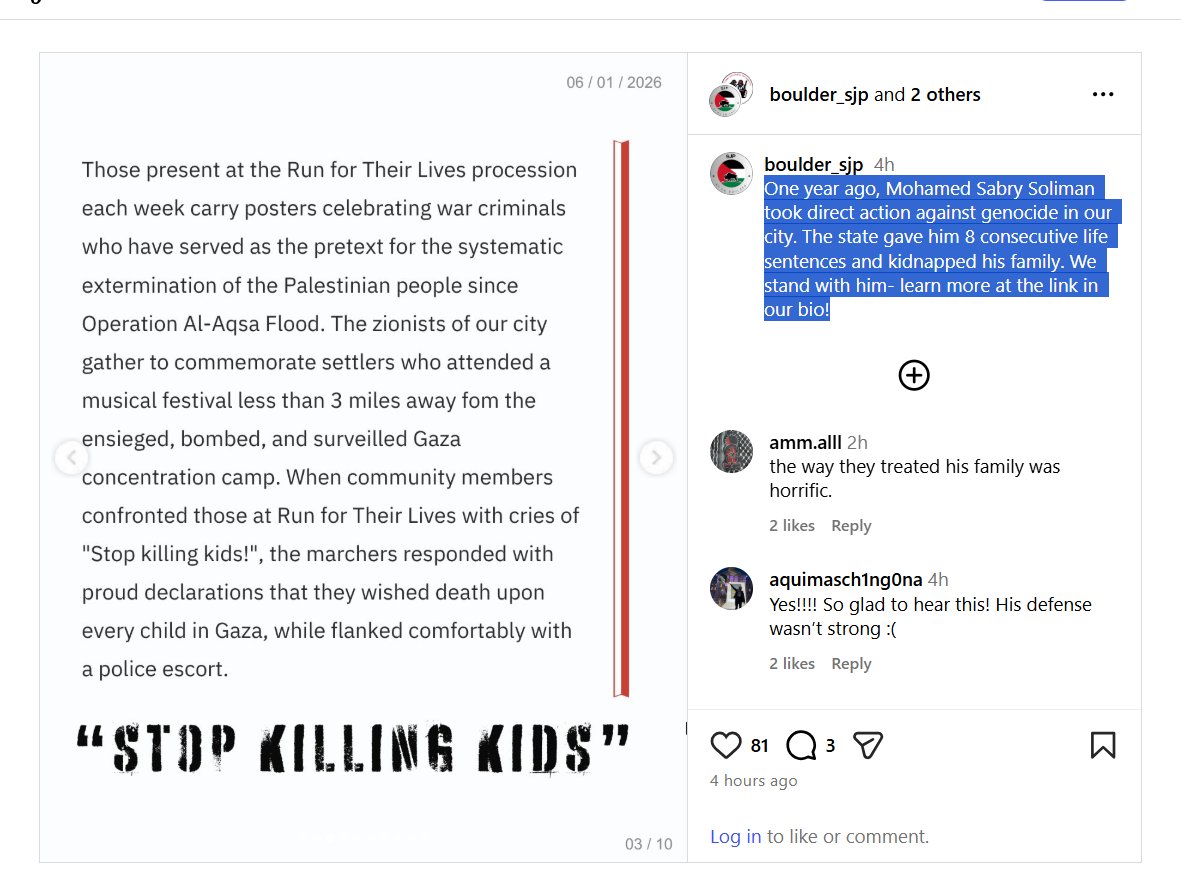
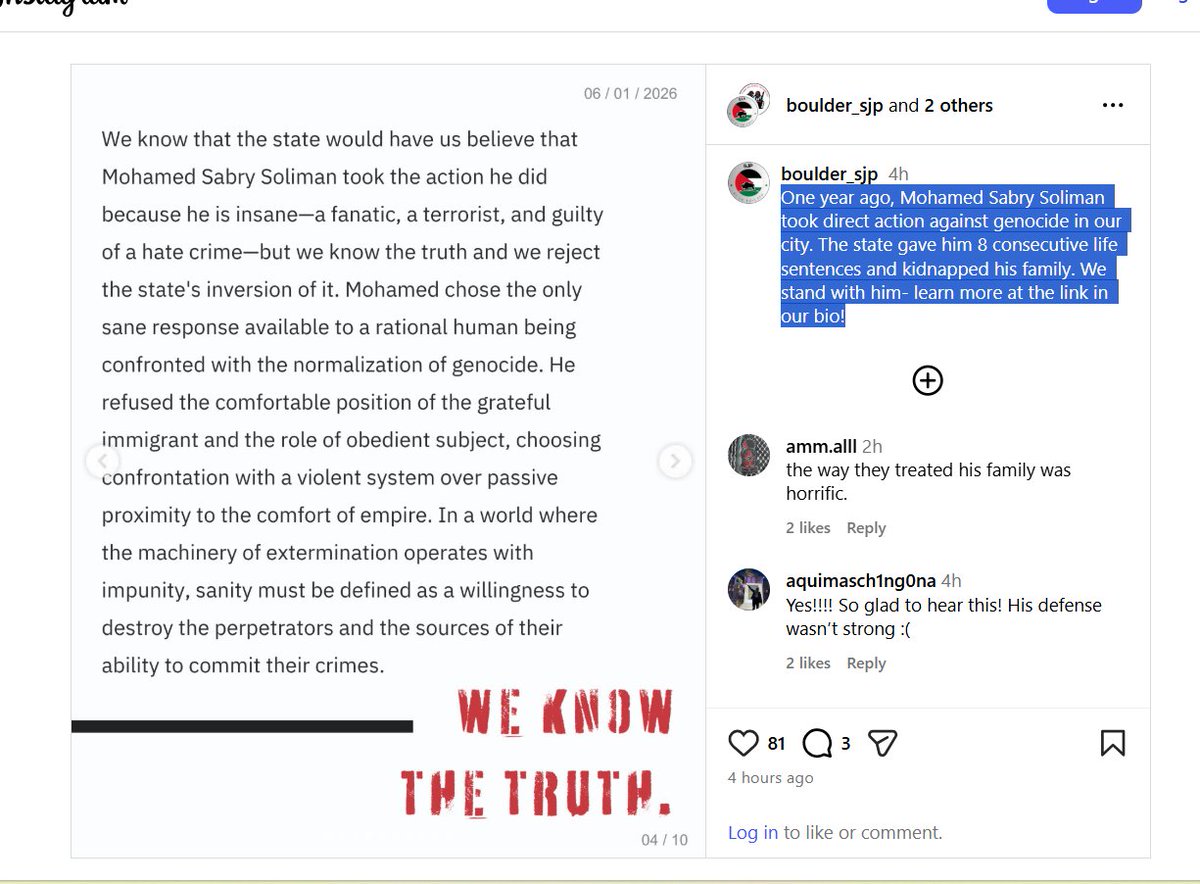
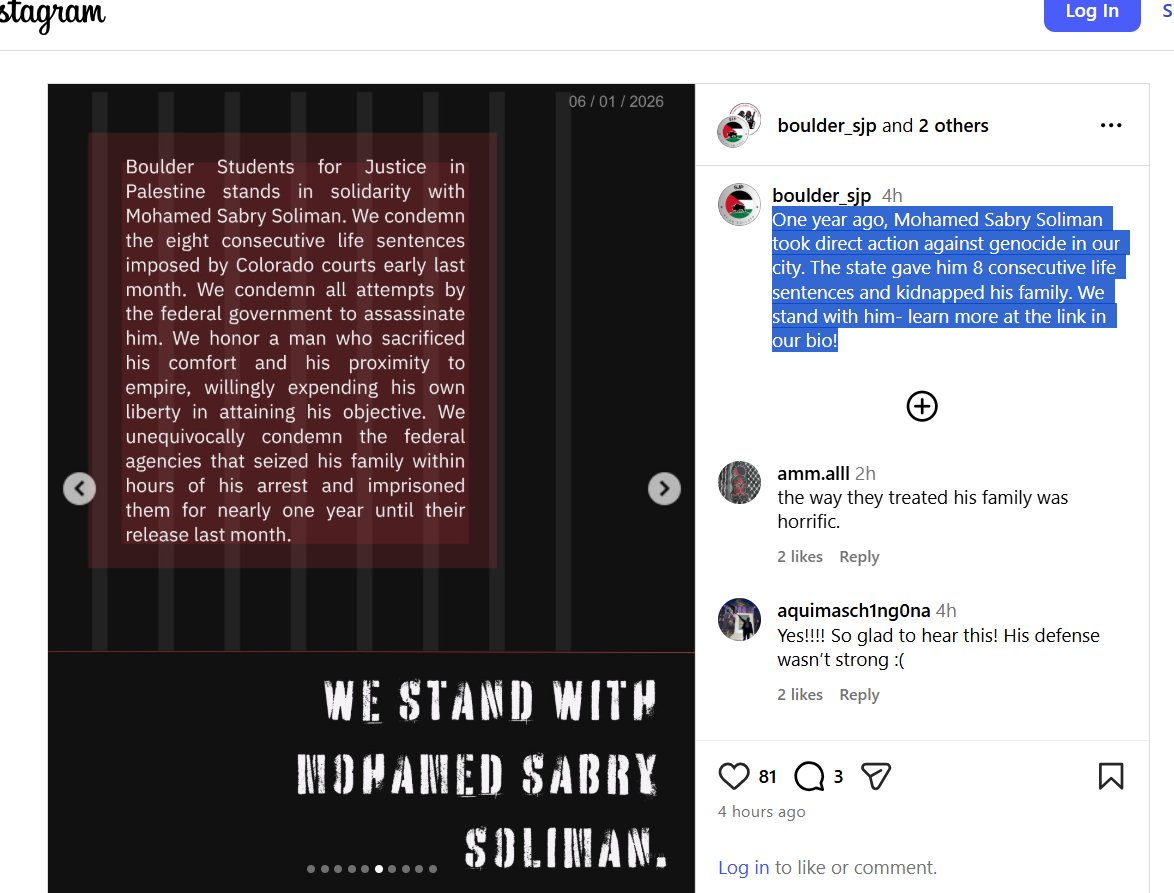
One year ago, a deadly antisemitic firebombing attack in Boulder targeted a peaceful gathering of Jewish community members mourning those murdered and taken hostage by Hamas on October 7th.
Yesterday, the local SJP chapter celebrated the attack– praising the assailant for ‘direct action against genocide’ and describing the victims as ‘perpetrators’ and a ‘manifestation of the Zionist death cult’ that needed to be destroyed.
When violence against Jews is openly celebrated, it is not activism. It is antisemitic incitement.

Yesterday, on the one-year anniversary of the antisemitic firebombing attack in Boulder, the local SJP chapter chose to share a lengthy social media post glorifying the attack, lauding the terrorist for his actions, and calling for his release.
While we and others around the country remembered and mourned Karen Diamond z''l, who died from her injuries, and honored the other victims who were badly burned, the local SJP chapter chose to condone the violent attack that claimed an innocent life and left others with devastating injuries.
The content of the post is beyond reprehensible. It is so detached from basic facts, human decency and reality that it would be difficult to take seriously if its message were not so dangerous.
This is unacceptable and simply horrific.
42
49
229
38,594

May 30
New oped with @david_socolow in @thehill on income share agreeements and loans with outcome-based repayments for job training: thehill.com/opinion/educatio…
2
1
2
81
Harry J. Holzer retweeted

A commitment to academic excellence and objective metrics is making a comeback! 👏
Neither obscuring academic preparedness nor eliminating metrics that reveal socioeconomic gaps was ever going to be the right way to expand access to highly selective universities.
My bet: The backlash against test optional and grade inflation is going to make things harder for admissions officers and varsity coaches, and easier for teaching faculty.
May 28

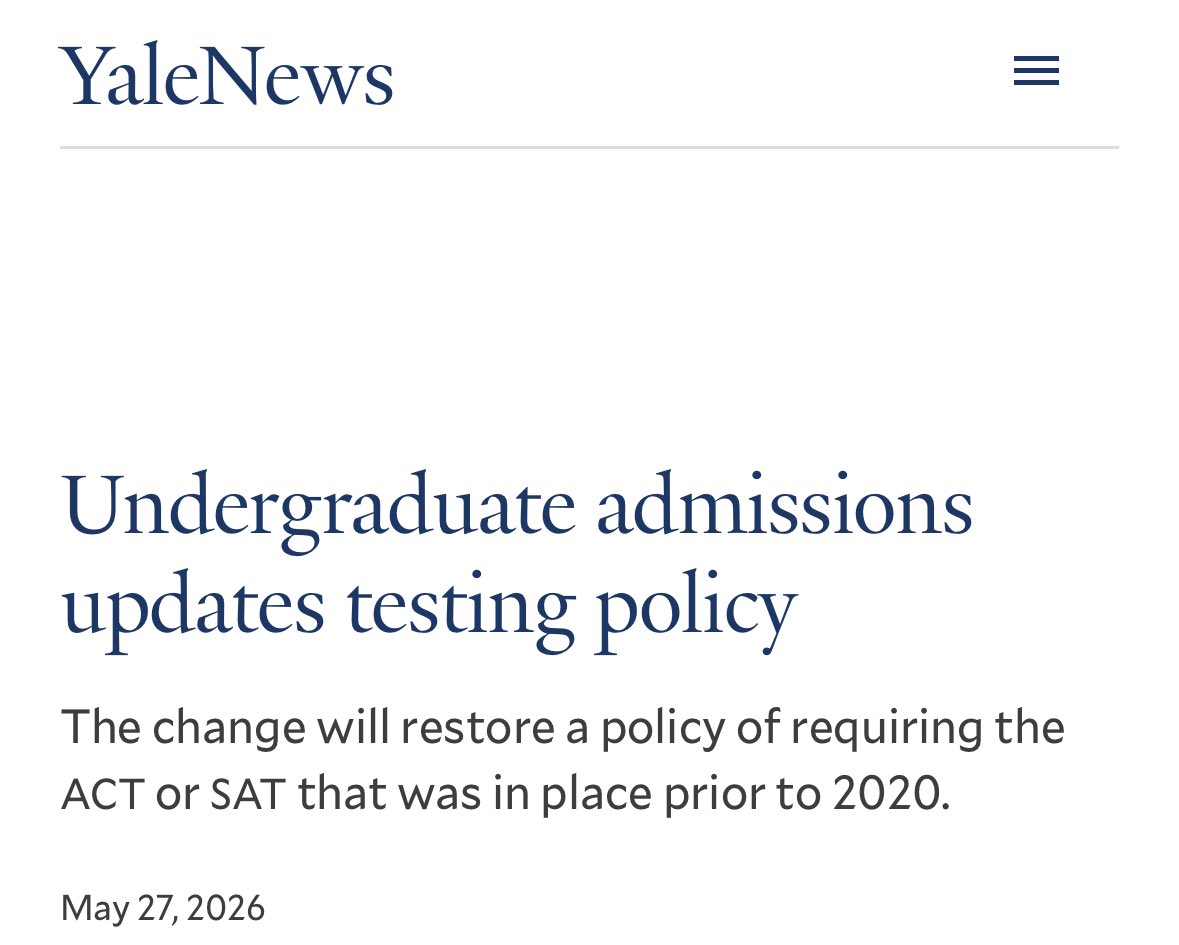
Yale fully reinstates its pre-pandemic SAT/ACT requirement in admissions.
“These test scores are strong predictors of a student’s future Yale academic performance, and there is evidence that they are less subject to bias than other elements of an application.”
7
9
96
13,533
May 29
This issue contains my review article on recent trends and evidence in workforce development policy:
May 29

The June 2026 issue of the Journal of Economic Literature (64, 2) is now available. aeaweb.org/issues/850
62
May 23
Awesome book, How to be a Dissident, by @galbeckerman:
amazon.com/How-Be-Dissident-…
Insights by Solzhenitsyn, Camus, Spinoza and other thinkers on dissent in response to tyranny
2
3
277
Harry J. Holzer retweeted

Ben Gvir is far more than an embarrassment. He is a gift to the antizionists, antisemites, and Jew haters. He is true threat to Israeli democracy and fundamental values.

עד עכשיו הצליחו לוחמי שייטת 13, צה"ל חיל הים ומשרד החוץ, להשתלט על המשט לעזה בלי פרובוקציות מיותרות- ואז הגיע בן גביר.
בתיעוד שהפיץ בעצמו נראה בן גביר מסתובב בין פעילי משט כפותים, נדרשים לשכב על הרצפה, כשהשר "לביטחון לאומי" קורא לעברם "אנחנו בעלי הבית".
כמה נזק האיש הזה מייצא בשביל פרובוקציה בשקל ותשומת לב.
673
202
979
214,980
Harry J. Holzer retweeted

May 16
People say the left and the right can’t agree on anything these days. But there is this one thing:
3,763
4,567
22,852
3,065,456
May 17
See @TimothyDSnyder on how US under Trump is committing "superpower suicide" with its war on science, immigration, allies and stable institutions:
project-syndicate.org/commen…
46
Harry J. Holzer retweeted

Fuck Israel and fuck you too @billmaher
May 16

Bill Maher criticizes Democrats for failing to condemn antisemitism: 'Where are you?' trib.al/cXDiCWT

493
2,191
24,579
280,686
Harry J. Holzer retweeted

May 16
I’m pro-freedom, pro-law and order, pro-limited government, and pro-the Declaration and the Constitution.
And so today I’m a Democrat.
12,329
3,540
21,730
1,848,272
May 15
We already knew he is delusioinal, but piece by @AshleyRParker and @MichaelcScherer shows just how much: theatlantic.com/politics/202…
Explains his recent global moves, esp. Iran, where he doesn't mind upsetting a chunk of his base
50
Harry J. Holzer retweeted

May 14
.@jasonfurman: "Mr. Powell had something more valuable than academic credentials, though. He had a demonstrated record of integrity and courage. Little did any of us realize how important these qualities would prove to be." nytimes.com/2026/05/14/opini…
2
6
26
5,233
May 12
Consumer Price Index report for April:
bls.gov/news.release/cpi.nr0…
Key number is .4% increase in core inflation - excluding energy - which is nearly 5% on an annualized basis.
42
Harry J. Holzer retweeted

May 8
Why is Israel preparing again for war against Hamas in the Gaza Strip?
Part of the answer lies in a truth many Israelis continue to struggle to accept: military force cannot alone solve our problems. While military force is essential, and there was never a more legitimate war than the one after October 7, wars are not won only by force. They also require a political strategy.
Here is just one small example: Early in the war, Israeli forces seized Shifa Hospital, uncovering tunnels, command centers, and evidence that hostages had been held beneath and inside the facility. Hamas fighters were eliminated, and the area was cleared.
Then, months later, we awoke one morning to the news that Israeli forces had surrounded Shifa, where about 1,000 terrorists had taken refuge. It didn’t make sense. Just a few months ago, it was empty. How did it suddenly return to being a terrorist refuge?
The answer was that while Israel cleared the area militarily, it left a vacuum, refusing consistently throughout the war to work with any alternative entity that could control Gaza. And in the Middle East, vacuums do not remain empty for long. Hamas filled it again.
That pattern repeated itself throughout the war - Israel would enter an area, dismantle terror infrastructure, withdraw, and then watch Hamas slowly return.
To some extent, the same thing happened in Lebanon. Israel fought Hezbollah, agreed to a ceasefire in November 2024, and assumed deterrence would hold. But there was no broader political architecture established afterward. No alternative mechanism. Then, after the war with Iran broke out at the end of February, Hezbollah resumed firing rockets into Israel once again.
Even with Iran, when the recent war was over, the Israeli public largely felt like the country had failed, despite most of the defense establishment viewing the operation as a significant military success
The reason was that the moment the fighting transitioned into diplomacy and ceasefire negotiations, the Israelis lost confidence. If force did not get the Iranian regime to give up its uranium, then why would negotiations?
And that may be one of the deepest strategic problems Israel faces today: there is no belief in political processes.
There are a number of factors behind this, but one of them is that Israelis are deeply traumatized by the failure of what was the last political process to try and end our longest conflict – the Oslo Accords.
While peace with Jordan was reached after the Oslo Accords were signed in 1993, this agreement with the Palestinians is remembered as such a failure that it impacts Israelis’ ability to consider political agreements as pathways to stability.
That disenchantment is what shapes the nation’s approach to war and is why Israeli discourse revolves almost exclusively around phrases like “total victory,” “crushing the enemy,” and “victory for generations.” The language is always military, and the solutions are always military.
But if October 7 taught Israel anything, it should be that military force alone cannot sustainably solve these conflicts.
Yes, Israel must remain powerful, must act preemptively against emerging threats, and must be prepared all the time to deploy military force, but after so many years of war, it should be obvious that military power by itself does not create political reality.
And unless Israel begins to think seriously about what follows the fighting – in Gaza, Lebanon, Syria, and beyond – it may continue winning battles while repeatedly finding itself dragged back into the same wars.
jpost.com/opinion/article-89…
16
16
57
6,635
Here is new research with Amy Feygin at @AIRInforms on why some community colleges are better than others at workforce outcomes and what that implies for policy and practice: air.org/PROPEL/identifying-b…
1
3
455