“Short Putter Guy” and Nick Faldo’s favorite PGA Pro, Colorado native, SJSU Spartan, @MGMResortsIntl @LOCALiQSports @hubspeanuts @TRUElinkswear @incentadviseinc
Joined December 2013
- Tweets 1,206
- Following 563
- Followers 13,656
- Likes 2,470
115 Photos and videos



Mark Hubbard retweeted

Jun 7
LAST 6 NBA SEASONS (including playoffs):
POINTS
1. Nikola Jokić
2. Luka Dončić
REBOUNDS
1. Nikola Jokić
2. Rudy Gobert
ASSTISTS
1. Nikola Jokić
2. James Harden
STEALS
1. Nikola Jokić
2. Shai Gilgeous-Alexander
PLUS-MINUS
1. Nikola Jokić
2. Jayson Tatum
41
329
2,666
141,485
Mark Hubbard retweeted

Ryan Gerard- Earned his PGA Tour status through a Monday Q.
JT Poston- with no status Monday Q’d into a KFT event in 2016. Finished 23rd to get into the following week. Finished 3rd. Earned status.
They are tied for the lead at the memorial.
7
3
216
23,870
Mark Hubbard retweeted

May 27
Take me back man. Adam Silver has ruined the game I loved

When Kobe and Carmelo Anthony met in the NBA playoffs 🔥
168
2,780
29,061
1,343,087
Mark Hubbard retweeted

May 27
This is not basketball
May 27

Jared McCain elbowed Dylan Harper in the throat, backed it up on him and fell down 😂🤣
95
489
6,457
432,974
Mark Hubbard retweeted

May 25
Hey, Colorado sport fan. If I told you the Avs would easily win the Presidents trophy, make it to the WCF, the Nuggets would get the best season ever from Jamal Murray and and another MVP level season from Jokic, AND the Broncos would have the best record the NFL and make the AFC championship, you would take it right? WELL FUCK YOU ITS A TRICK.
27
67
1,441
111,979
Mark Hubbard retweeted

May 25
SGA just fell down on the shot completely UNTOUCHED
This is the most SHAMELESS basketball player I've ever seen and the refs keep letting him get away with it
1,916
7,480
98,648
3,316,617
Mark Hubbard retweeted

May 22
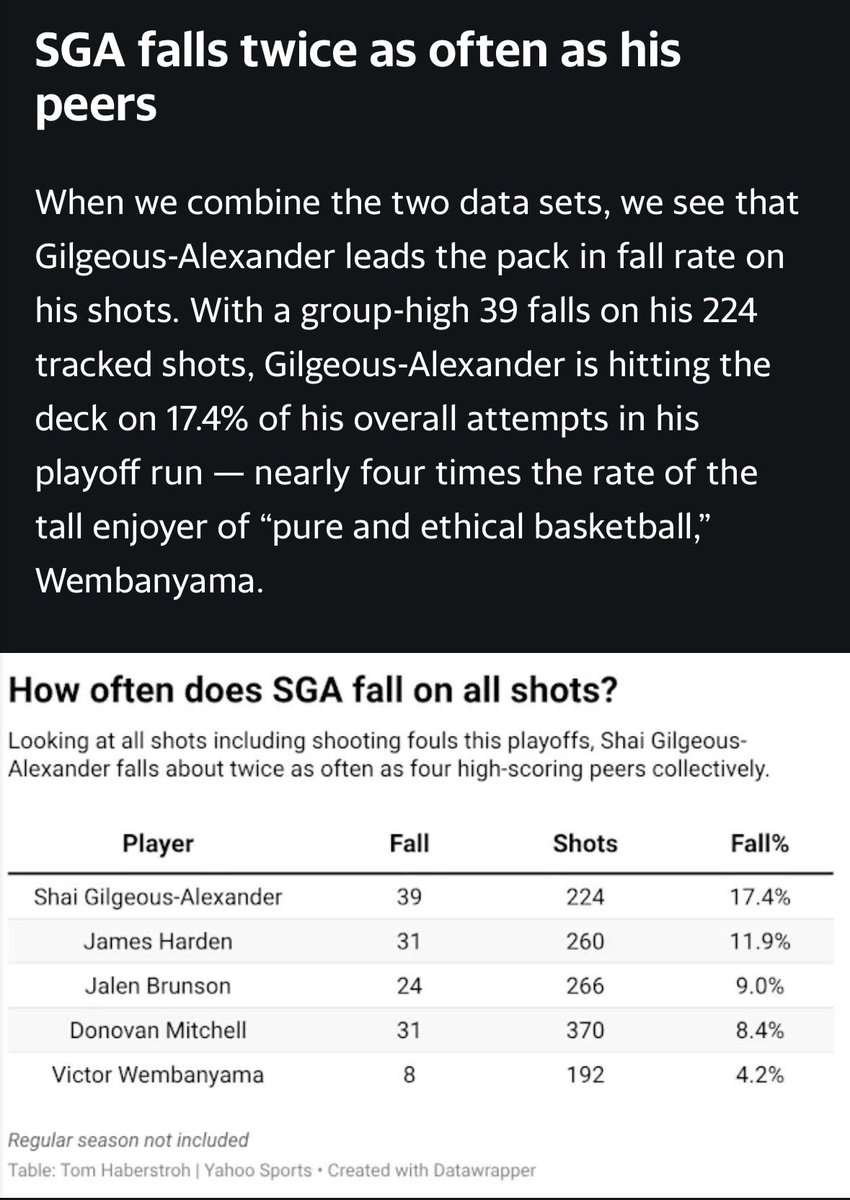
Tom doing the lord’s work here. No more OKC fan excuses. Your dude is a mathematically confirmed flopper…
May 22

OK I did it. I tracked over 1,000 shots for SGA, Brunson, Harden, Spida and Wemby in the playoffs. Here's how often they fell: sports.yahoo.com/nba/article…
162
1,917
18,284
1,050,925
Mark Hubbard retweeted

May 21
Single-handedly ruining the game of basketball. Truly a disgrace to the sport.

679
3,707
61,365
4,571,428
Mark Hubbard retweeted
May 21
Stuff like this is an integral part of OKC’s identity.
May 21

Hartenstein flops after GRABBING AND HOOKING Wemby... Foul on Wemby.
Spurs had to use a challenge for this 💀
192
3,507
48,350
1,367,483
Mark Hubbard retweeted

May 21
this is just SHAMELESS 😭
1,072
7,341
69,432
7,855,178
Mark Hubbard retweeted

Pour moi c'est bien plus grave que le coup de coude de Wemby contre les Wolves. C'est 100% intentionnel et tu peux le blesser pour tout le reste de la saison comme ça.
May 20

Chet mira el tobillo de Wemby y va directo a pisarlo.
Pero bueno, viniendo de ELLOS, la verdad que no sorprende.
262
2,261
30,428
3,509,612
Mark Hubbard retweeted

May 19
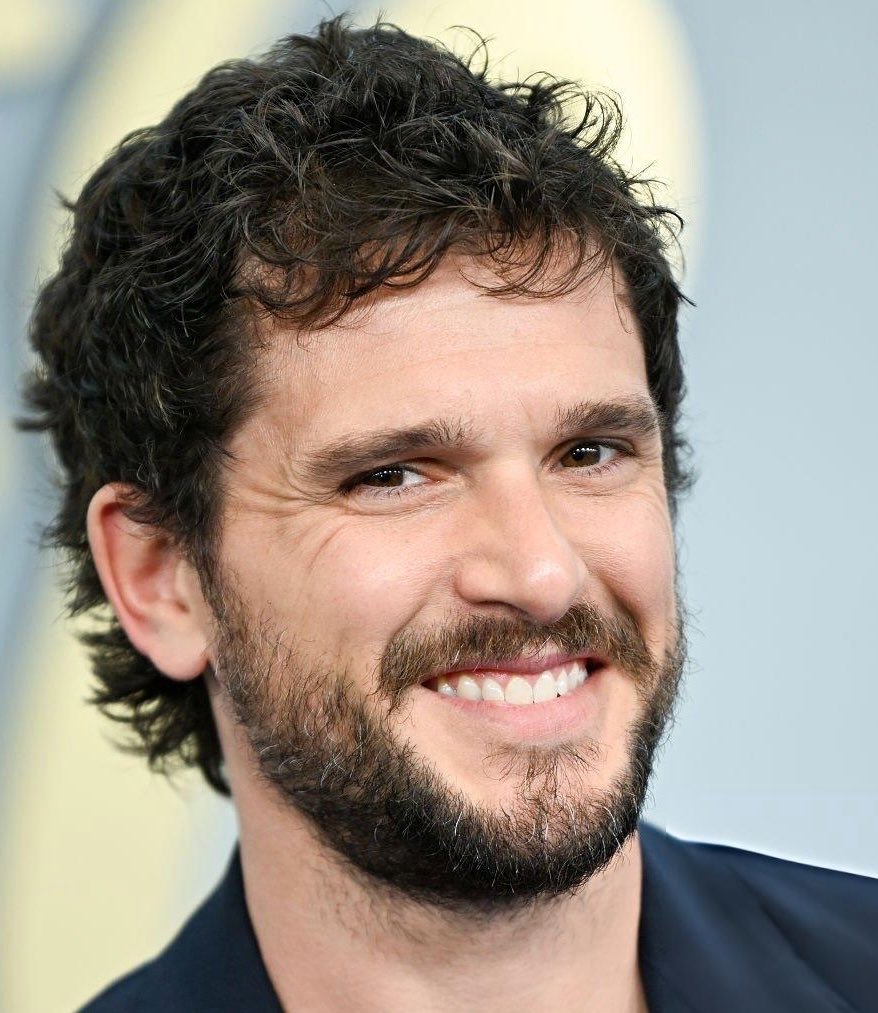
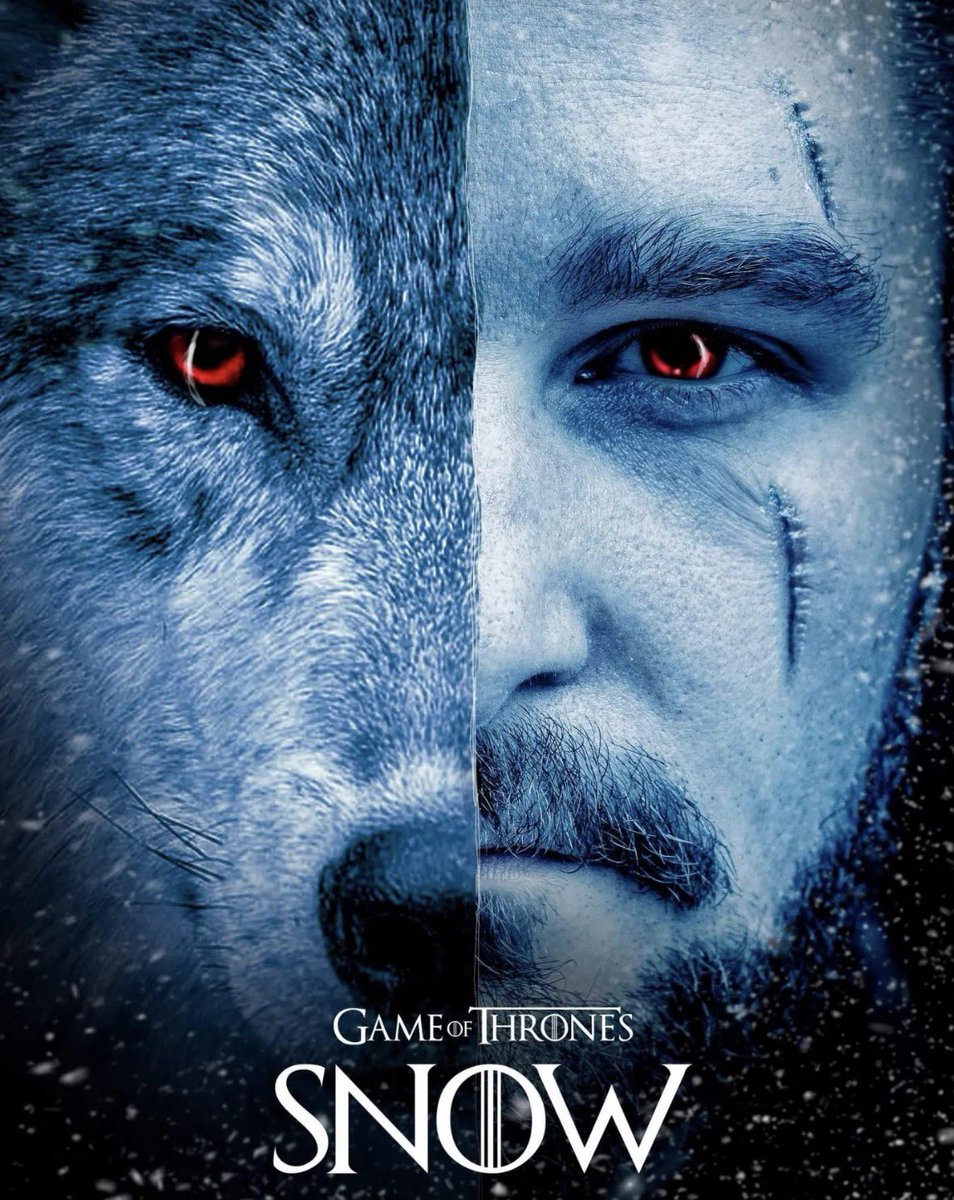
Kit Harington just confirmed that the most expensive character in TV history is now narratively worthless. And nobody's connecting the math.
Jon Snow generated an estimated $501 million in HBO subscription revenue based on screen time alone across eight seasons. He appeared in all 73 episodes. He was the emotional center of a franchise that produced $3.1 billion in subscription revenue and $6 billion in profit for Warner between 2015 and 2018. HBO came to Harington and said: build a show around this character. They spent two years trying. Two years of scripts and development on the single most bankable name in prestige television. And the guy who played him for a decade walked away and said "nothing excited us enough."
Think about what that means. HBO could not find one story worth telling about the character who carried the most profitable drama in cable history. The reason is sitting right there in the Season 8 finale. Benioff and Weiss wrote Jon into exile beyond the Wall with no political ties, no conflict, no relationships, no unresolved tension, and no source material to pull from. They gave him the narrative equivalent of a closed bank account. Every possible sequel has to start from: man stands in snow with no motivation, no antagonist, and no connection to the world that made people care about him.
Now look at what's actually working. House of the Dragon: set 200 years before the finale. A Knight of the Seven Kingdoms: 100 years before. The Aegon the Conqueror series: even further back. Sea Snake, 10,000 Ships, same direction. Every single surviving Westeros project runs away from Season 8's ending. The one attempt to go forward died in development.
1.7 million people signed a petition to remake that finale. HBO lost over half its 18-49 audience within a year of the show ending. And Benioff and Weiss rushed those final six episodes reportedly because they had a Star Wars deal waiting. They lost the Star Wars deal too.
Kit said he looked at photos from Season 8 and saw himself exhausted. He was. Everyone was. The show that averaged 43 million viewers per episode in its final season was running on fumes creatively while setting viewership records, which is the most dangerous combination in entertainment. Record audience, collapsing craft. The gap between those two lines is where franchise value goes to die.
HBO made the right call killing SNOW. But the reason they had to kill it is the actual story. Season 8 didn't just end Game of Thrones. It locked the entire franchise in reverse gear. The only safe direction for Westeros is backward, because two showrunners turned the forward timeline radioactive on their way out the door.
May 18

La serie secuela de Game of Thrones llamada: ‘SNOW’ ha sido definitivamente cancelada gracias, en gran parte, a Kit Harington, el cual no ha tenido pelos en la lengua a la hora de dar su opinión sobre por qué decidió abandonar el proyecto.
Y es que no ha sido por falta de presupuesto, ni porque HBO perdiera interés de repente. Fue una decisión consciente después de años de desarrollo. Ni él ni el equipo de guionistas conseguían encontrar una historia que realmente les emocionara y que justificara volver a Poniente.
Aquí te cuento el proceso de desarrollo y las declaraciones de Kit en la entrevista:
- HBO fue quien le propuso la idea primero. Su reacción inicial fue “no”, pero luego vio potencial en explorar a Jon como “un soldado después de la guerra”: un hombre roto, con estrés postraumático, viviendo entre los salvajes al norte del Muro. Una historia más oscura y personal.
- Pasaron un par de años desarrollando guiones y conceptos… pero nada terminaba de encajar. “Nada nos emocionaba lo suficiente. Si seguíamos empujando, íbamos a acabar con algo que no era bueno. Y eso es lo último que queríamos”, dijo Kit.
- También habló de su propio agotamiento: después de la Temporada 8 se sentía destruido. “Me miro en fotos de esa última temporada y me veo agotado. No tenía energías para otra temporada”.
Al final, con House of the Dragon funcionando tan bien y otros proyectos basados en el lore de Martin (como Dunk & Egg), HBO prefirió no arriesgarse a forzar una continuación que pudiera dividir aún más a los fans o manchar el legado.
¿Ha sido un acierto enterrar el proyecto antes de meter la pata, o os habéis quedado con las ganas de ver qué pasaba con Jon Snow al norte del Muro?
124
212
2,616
4,121,824

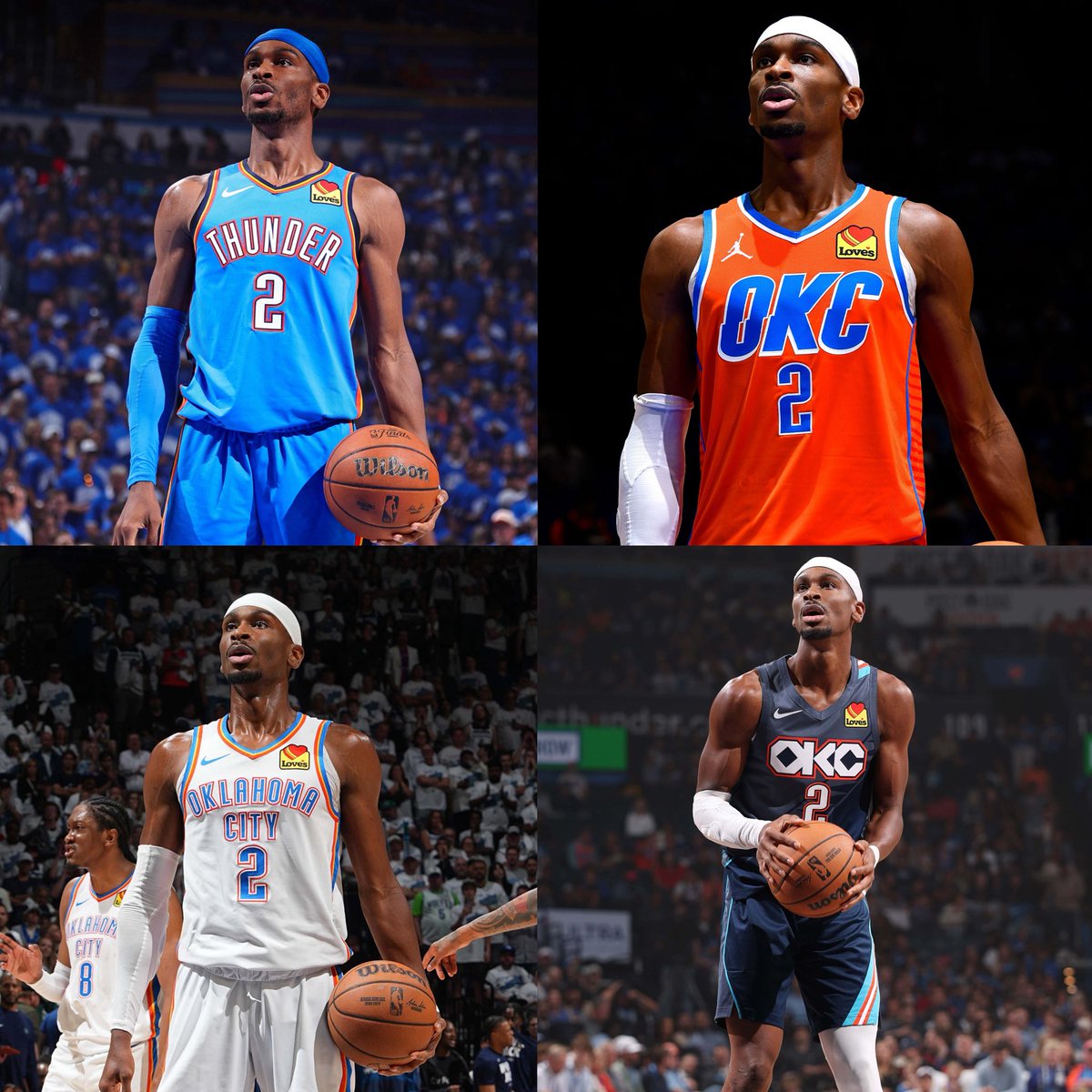
son are the four pics... at the freethrow line?💀😭

220
7,712
132,527
3,130,500
Mark Hubbard retweeted

May 18
Alright, I’m not a fan of Rai’s aesthetic either. But what is up with golf being the sport where performance doesn’t matter, only names do.
No other fanbase in sports hates underdogs more than this current crop of golf “fans.” No other fanbase is as quick to wrongly jump on the “This does nothing for x sport” train either.
If that back 9 didn’t get you interested, I highly recommend you stop wasting your time trying to be a golf fan, because you’re not a golf fan.
Rai played an amazing tournament, and closed it off with a flawless back 9. No one else came close to doing that. If you were a golf fan you’d realize watching an underdog close it out without breaking a sweat on the back 9 is awesome, aesthetics be damned.

Castle tees. Iron covers. Rain gloves
Aaron Rai winning does nothing for golf
Should have been Rahm or JT
Never liked Rai, & I never will
98
42
1,497
189,357
Mark Hubbard retweeted

To go further: Sneds sought out Mark’s number and texted a long, wise, lovely note of encouragement later that night that started “I wanted to say so much to you but the parking lot was not the right time”. It’s helped Mark process, reflect and learn. Team 🇺🇸 is in great hands.

All class.
@MyrtleBeachCl champion Brandt Snedeker provides words of encouragement to Mark Hubbard after his runner-up finish.
8
11
234
102,374
Mark Hubbard retweeted

May 7
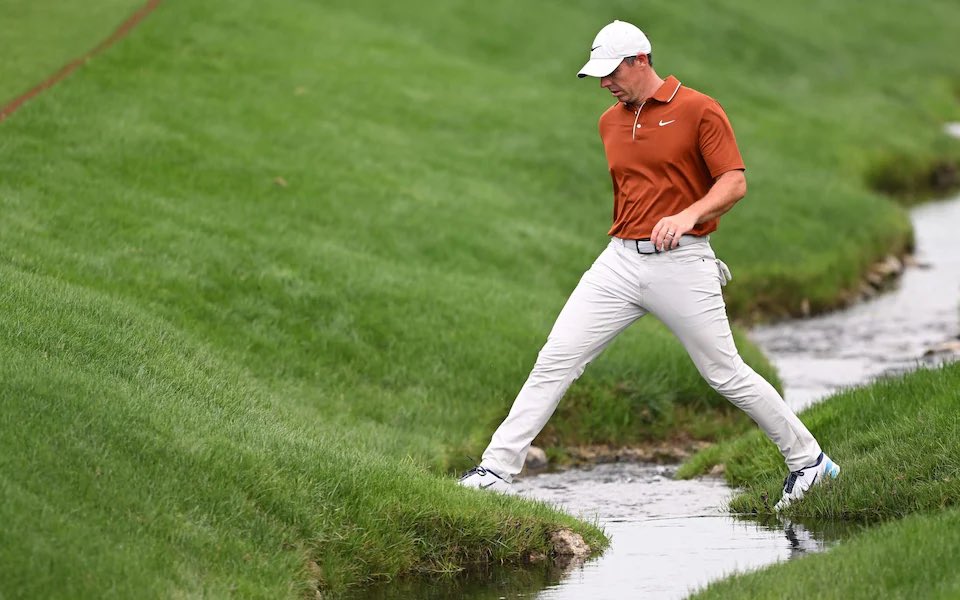
Craziest *course* stat in golf:
Since 2003, the Green Mile at Quail Hollow is the toughest 3-hole finish on the PGA TOUR.
Here’s how it’s played vs. the rest of the course…
Holes 1-15: -473
Holes 16-18: 8,690
That’s not a typo. 😳
(📸: Getty Images/Ross Kinnaird)
11
132
4,200
333,407
Mark Hubbard retweeted

Apr 23
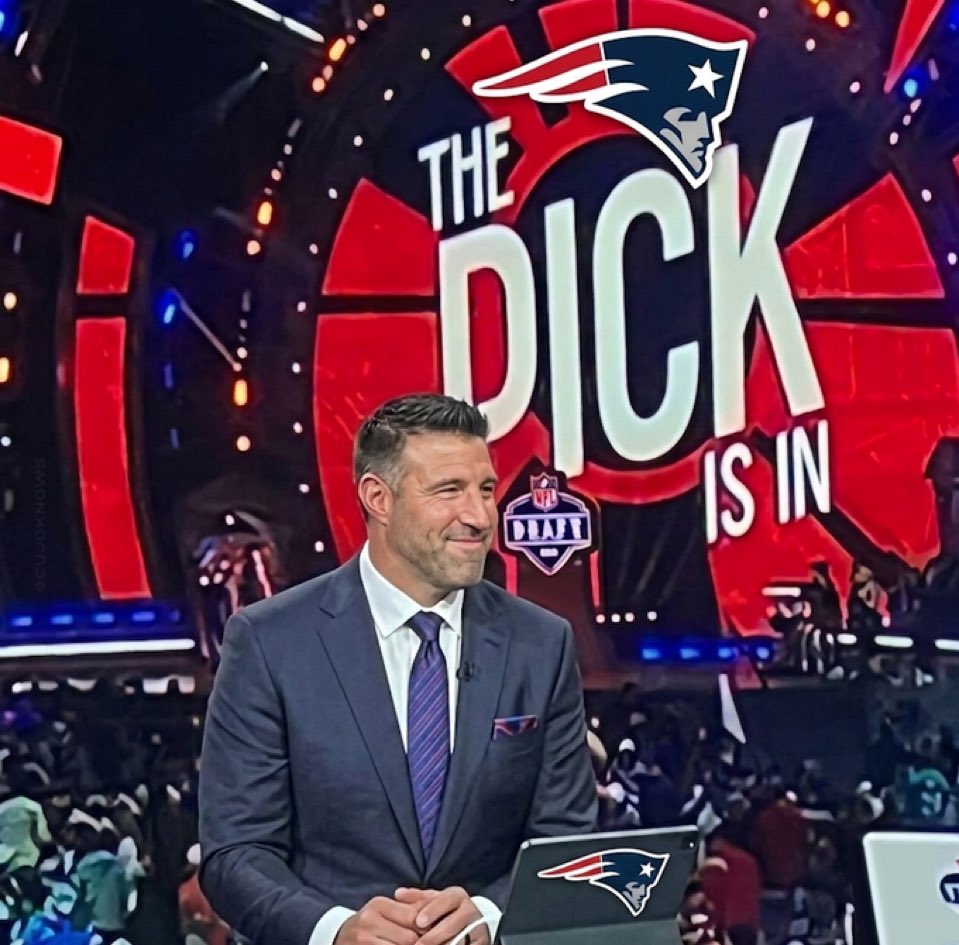
This picture now retroactively goes in the hall of fame
899
6,797
108,661
9,424,127
Mark Hubbard retweeted

Apr 16
Like Kevin Kisner, I too would like to apologize for criticizing the Masters broadcast. As just a fan, I clearly failed to appreciate the extraordinary complexity of producing a live golf telecast and the tireless work of the incredibly talented professionals behind the scenes.
It was unreasonable of me to expect that a golf broadcast might consistently show live golf shots, or that we might occasionally see players near the top of the leaderboard before the round was over.
I also regret checking the Masters app and learning what happened several minutes before the broadcast got around to showing it.
Most importantly, the advertisers received the exposure they paid for, which is what truly matters.
Moving forward, I will do my best to simply enjoy whatever golf footage eventually appears between commercials.
Apr 16

NBC's Kevin Kisner apologizes to CBS for his Masters criticism: "I crossed the line."
42
47
1,182
188,021
Mark Hubbard retweeted

Apr 11
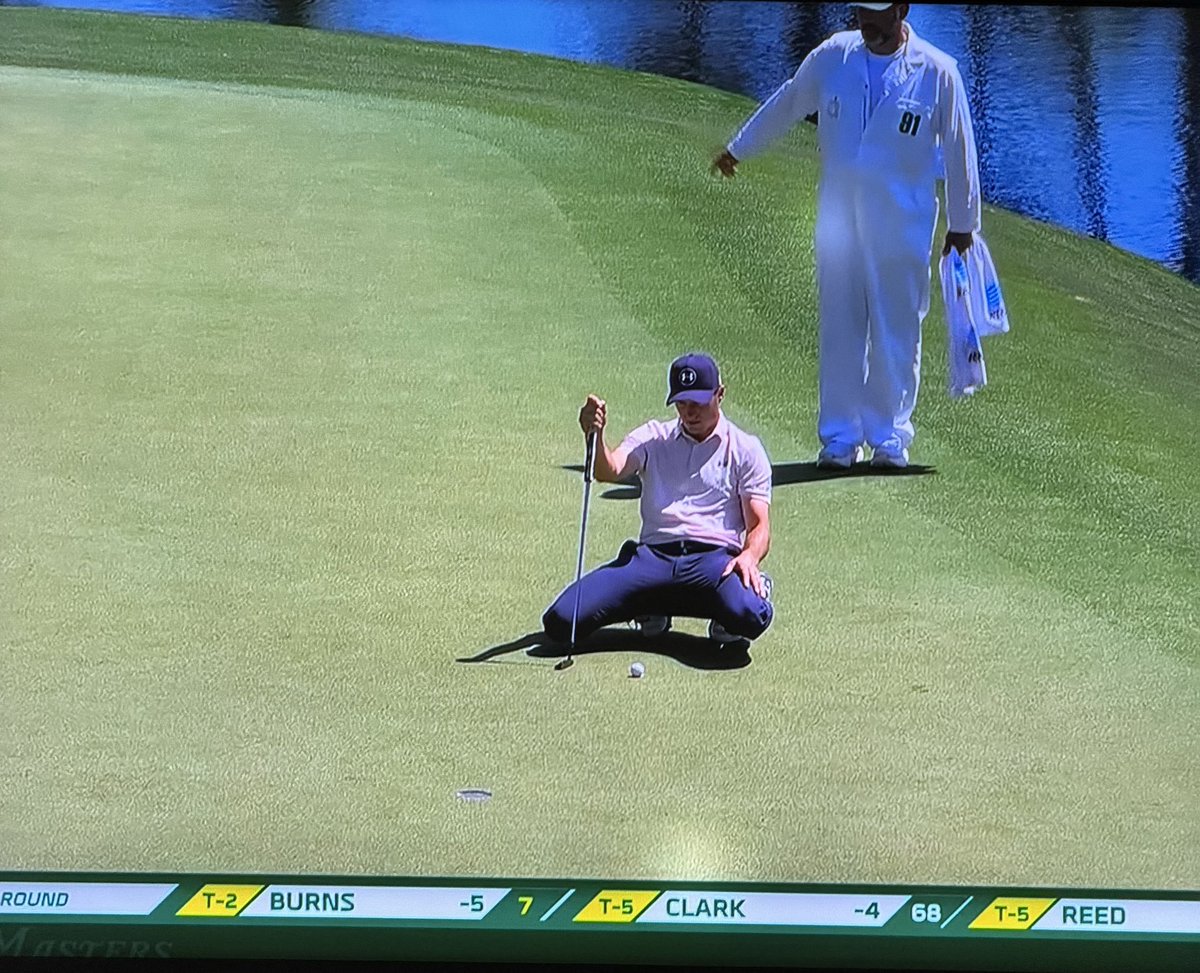
Letting your penis point you to the nearest hole makes plenty of sense to me

Never seen anyone read a putt like this in my life. Spieth made it though
42
328
17,743
992,589
Mark Hubbard retweeted

Apr 10
A whole civilization will die

27
122
4,899
374,781