Joined May 2012
- Tweets 11,978
- Following 270
- Followers 453
- Likes 16,276
1,445 Photos and videos


Jun 9
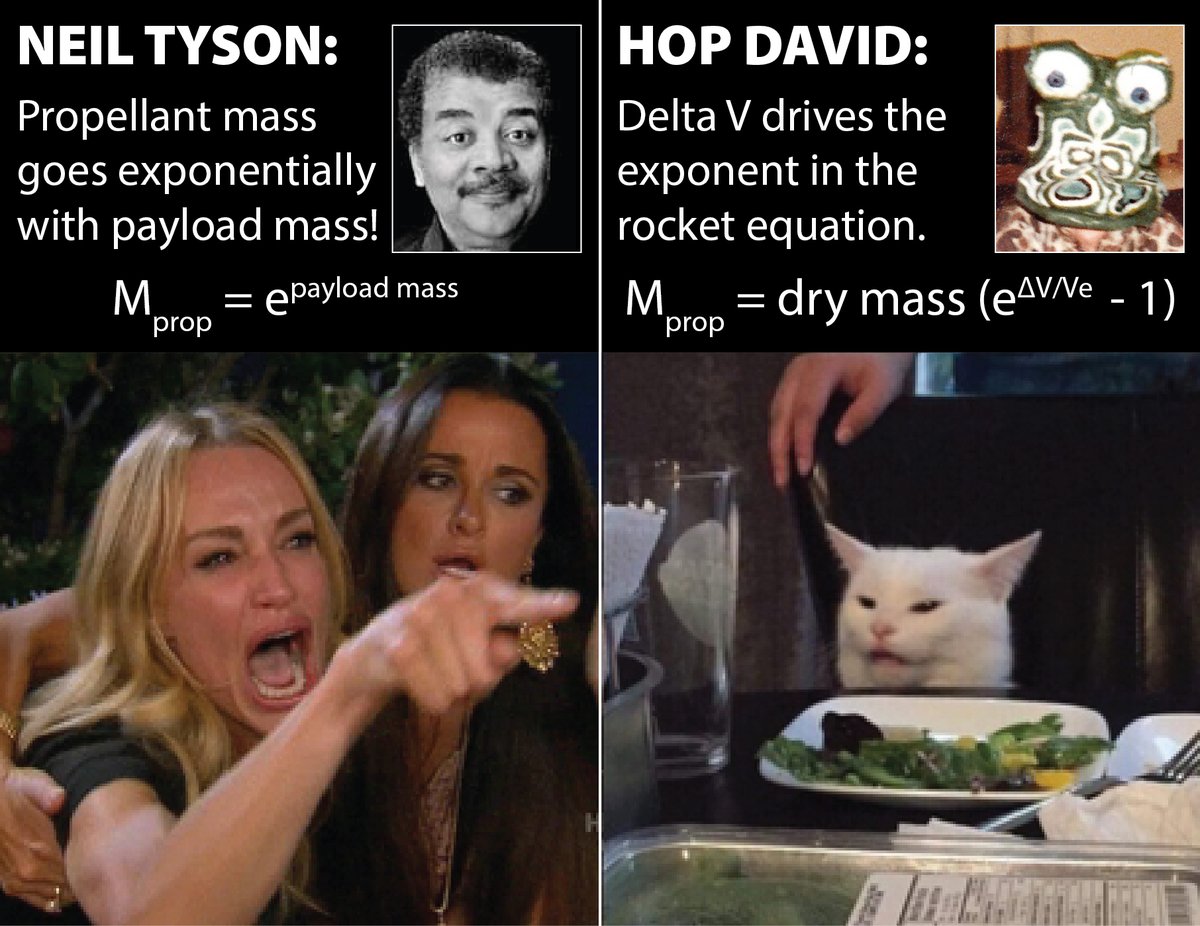
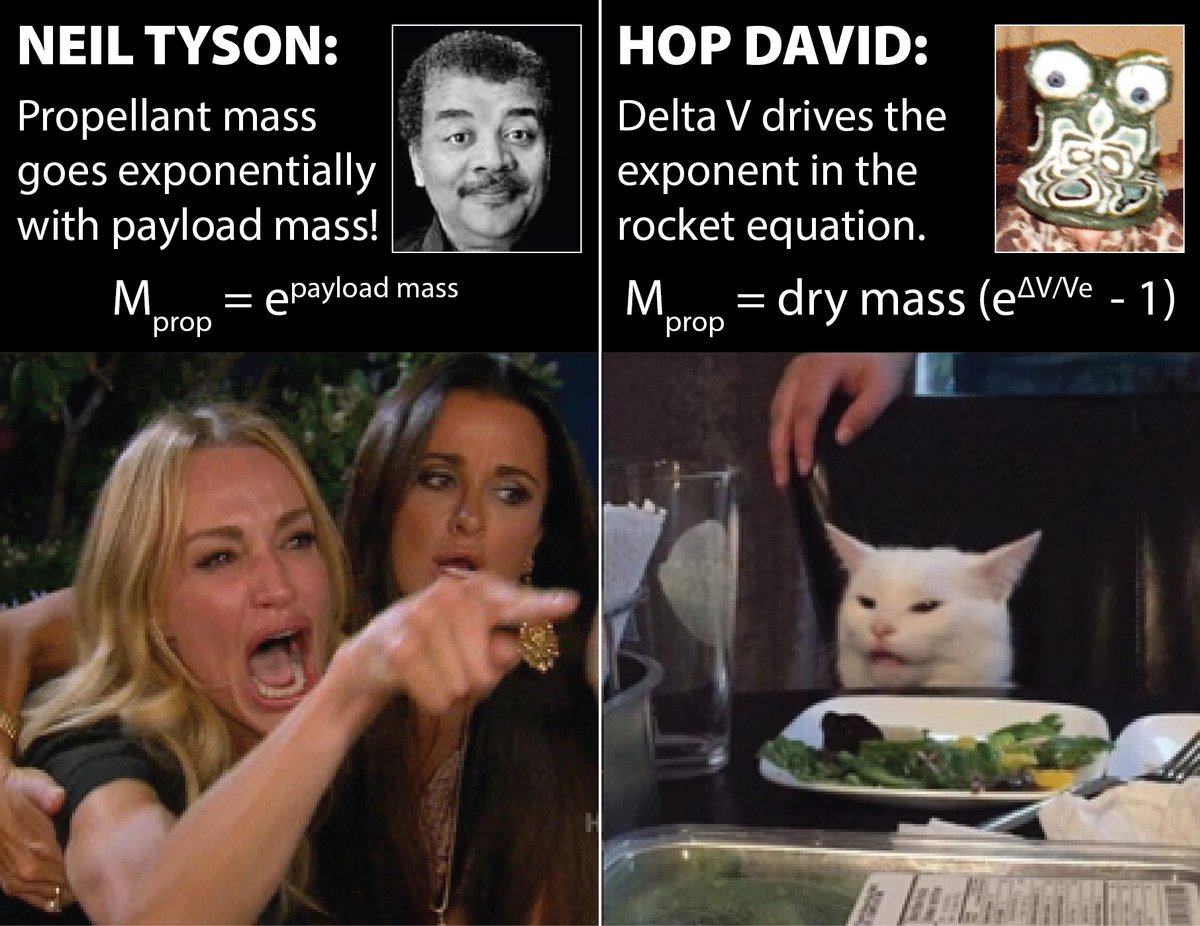
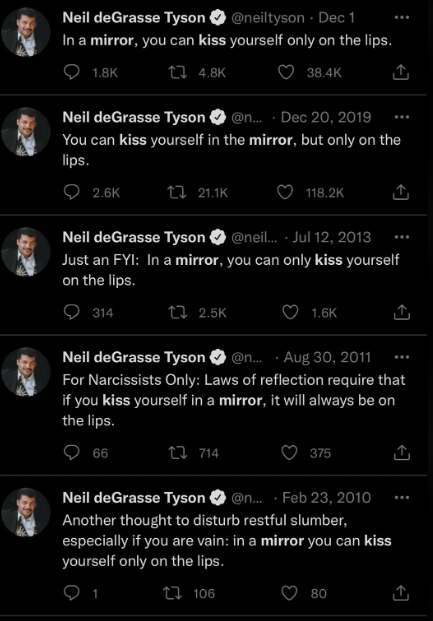
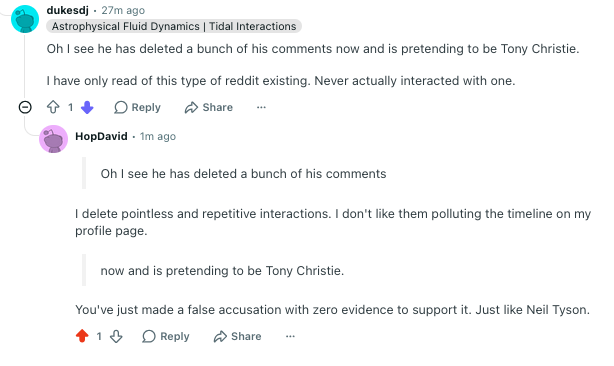
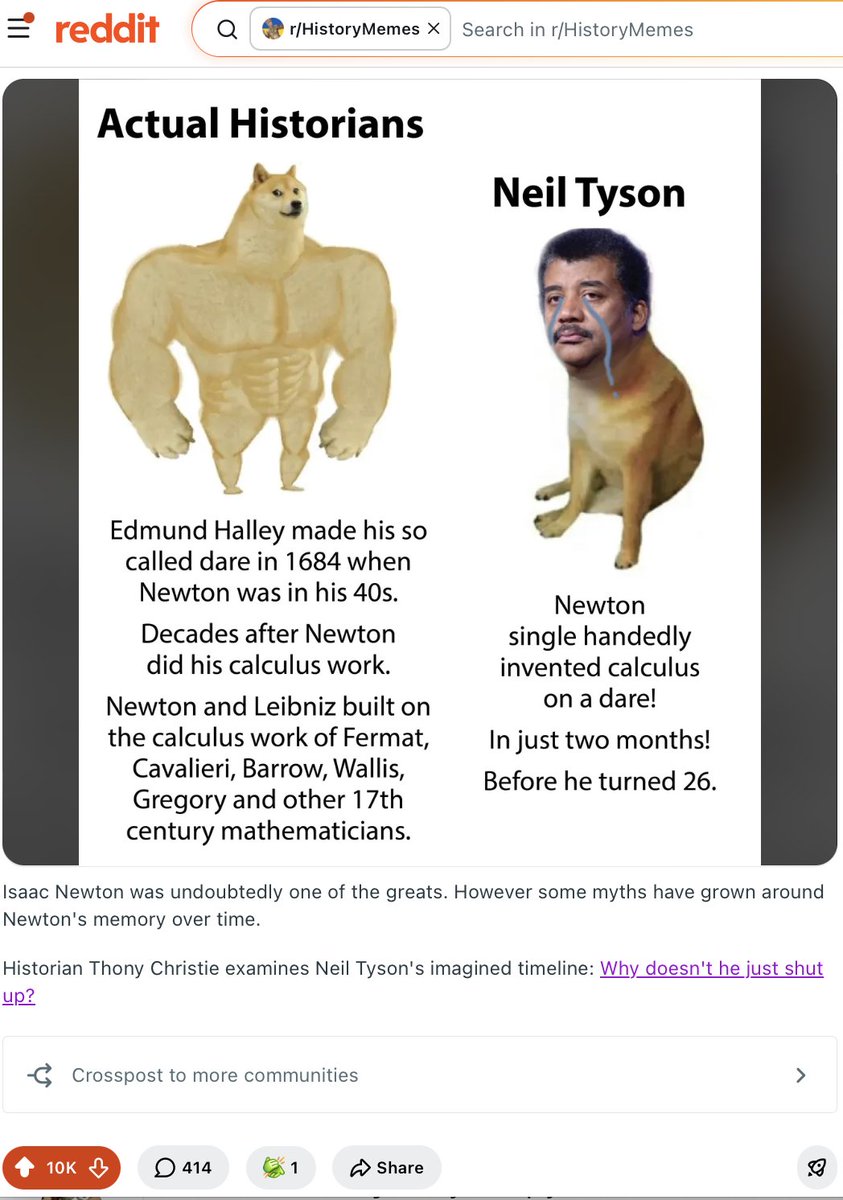
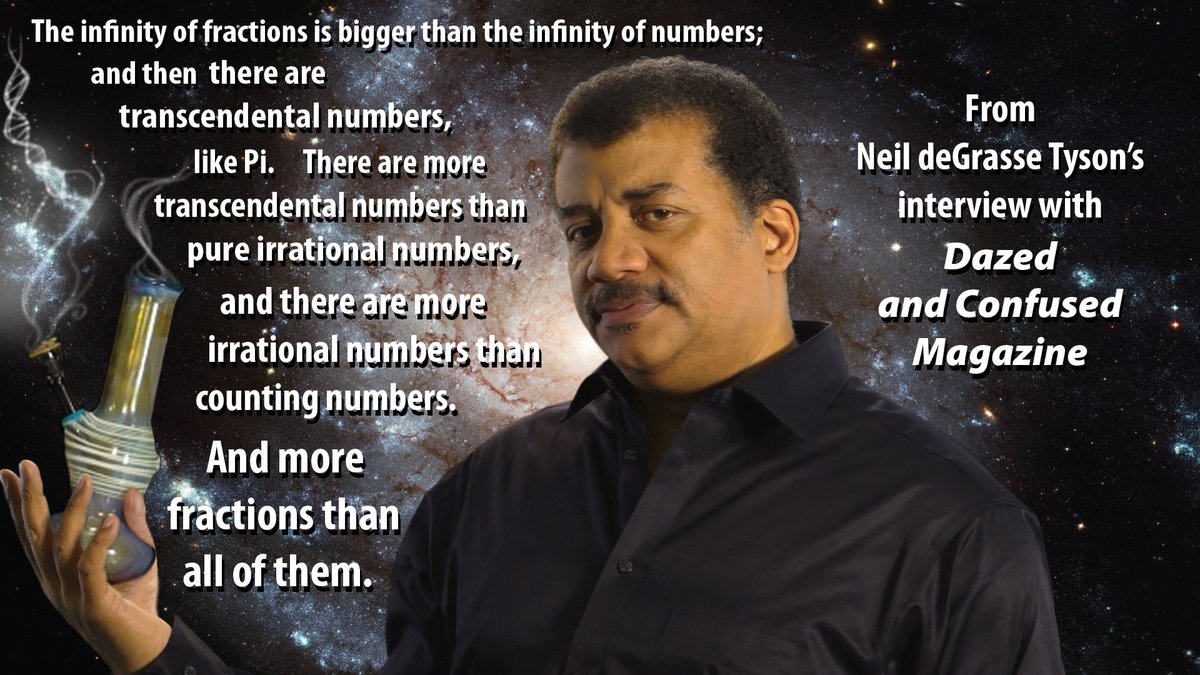
On Reddit I point out @neiltyson is a source of misinformation.
One guy was saying I misinform because I'm Mormon and MAGA.
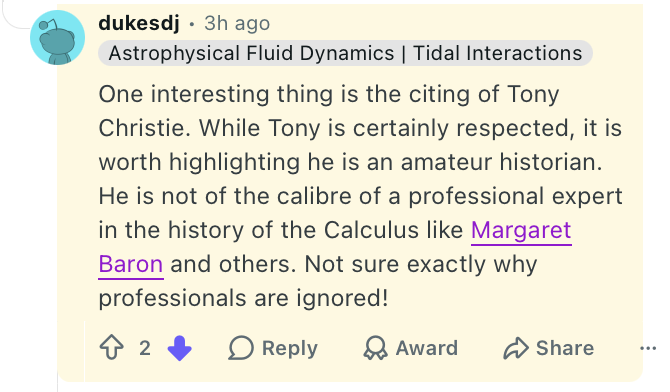
Another was saying @rmathematicus is an amateur historian.
reddit.com/r/AskScienceDiscu…
I also mentioned @TimONeill007 and @MichalYouDoing
3
2
5
593
Hop David retweeted

The Inquisition's consultant Theologians in 1616 thought heliocentrism was a heresy, as it lacked evidence and so shouldn't be used to reinterpret scripture.
The Roman Inquisition cited the Theologians, but themselves never called it a heresy, using the words "false, and contrary to scripture".
If they had ruled it to be an actual heresy, Galileo would have been made to abjure in 1616, and heliocentrism could not have been held as a hypothesis, De Revolutionibus would have been banned instead of censored, Galileo and Kepler's works would have been banned in 1616 and the Dialogue would have never been commissioned or published in 1632.
Cdl Hohenzollern was also given an assurance in 1624 that heliocentrism would never be condemned as a heresy by the Pope.
Galileo's charge "vehement suspicion of heresy" was just one particular charge that the Roman Inquisition issued. Obviously Galileo had argued for something that their consultants thought was a Heresy. But even worse - he had disobeyed a court order of the high ecclesiastical court.
The Inquisition sent out notes to the Papal Nuncios after 1633 to make it clear that Galileo wasn't a heretic. Mostly in order to make it clear that he had broken and abjured. A kind of gloating.
4
16
1,791

Hop David retweeted

May 5
I've been looking for some basis to estimate trade flows between Earth and offworld settlements for some modeling I'm doing.
I was today years old when I found out that the model for that in international trade is called the "Gravity Model"
You can't make this stuff up.
en.wikipedia.org/wiki/Gravit…
4
1
15
328
Hop David retweeted

Al-Khwarizmi did not in anyway originate, invent, or create the algorithm
Link in first comment
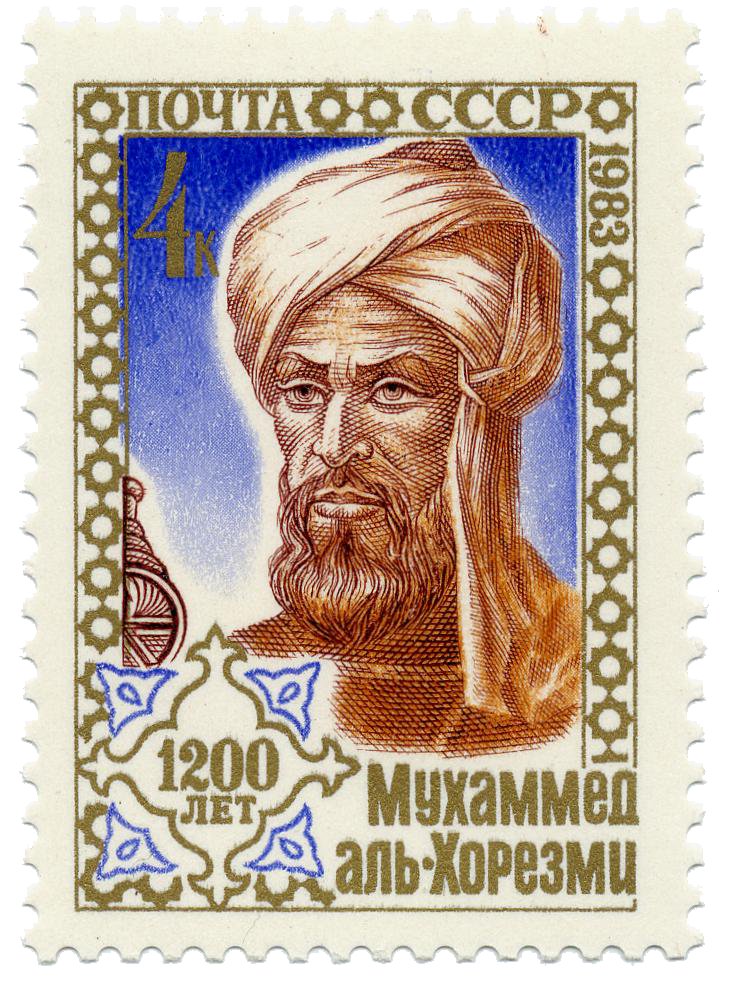
ALT A Russian postal stamp with a portrait of al-Khwarizmi
5
17
81
6,100
May 6
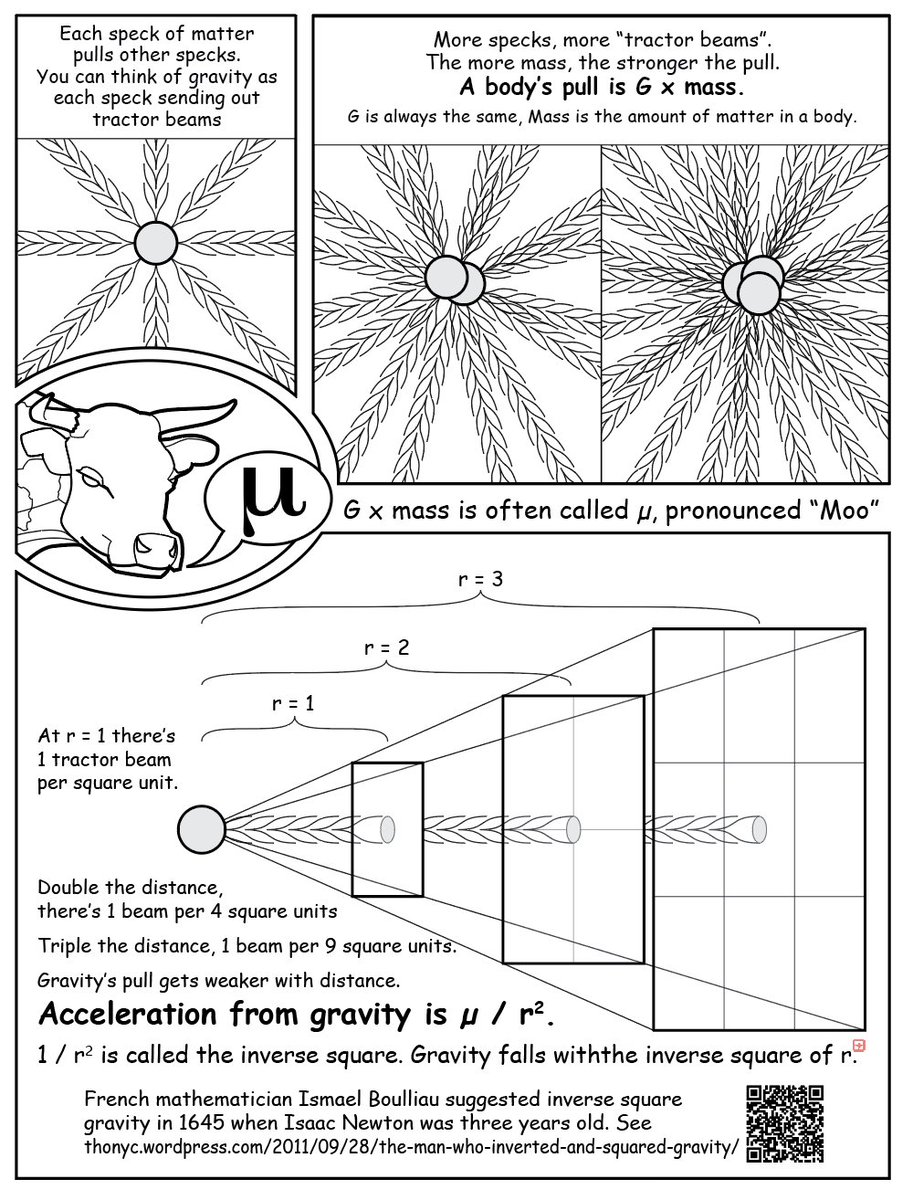
Paths to and from the EML1 and EML2 necks are more dramatic with a large mass parameter.
A few mass parameters:
Earth/Moon 1.216E-02
Sun/Earth 3.039E-06
Sun/Venus 2.448E-06
Sun/Mars 3.229E-07
I believe Ross' work will be very useful when we start using the Lunar Hill Sphere.
May 5

22 years ago today, as a new PhD, I stood at a @Caltech podium and explained how gravity carves invisible paths through the solar system, an Interplanetary Superhighway spacecraft can ride for almost free.
Pre-YouTube, this talk lived quietly on Caltech's servers. Now it's on X:
2
75
Hop David retweeted

Apr 22
Mathematics, physics, astronomy, science fiction.
Three-Body Problem. Newly discovered stable periodic orbits.
By Xiaoming LI and Shijun LIAO, Source: web.archive.org/web/20250321…, Used with permission.
24
138
652
59,104
Hop David retweeted

Feb 23
This is why mini-moons matter.
Objects like 10-meter asteroid 2022 RD₂ are already skimming Earth capture. A small Δv could shift them into long-lived capture near Sun–Earth L2 or perhaps even a lunar orbit.
Great visualization by @tony873004
26 Nov 2025

Asteroid 2022 RD₂ will become a mini-moon not once, but three times in 2043–2044. This may not exactly look like an orbit, But during each capture, if the Sun suddenly vanished, RD₂ would remain gravitationally bound to Earth indefinitely. iopscience.iop.org/article/1…
6
32
9,394
Hop David retweeted

Apr 21
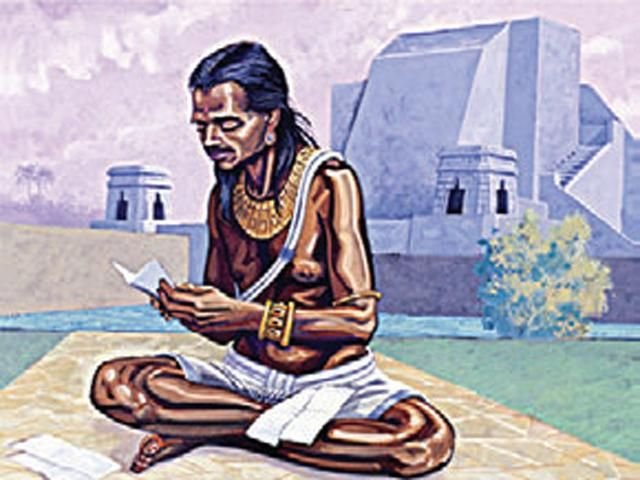
Brahmagupta was a renowned Indian mathematician and astronomer who lived during the 7th century CE.
He made significant contributions to many areas of mathematics, including number theory, algebra, geometry, and trigonometry.
One of his most important achievements was giving a clear understanding of zero as a number.
He explained how zero behaves in calculations and described rules for working with it.
Brahmagupta introduced a multiplication technique known as “gomutrika,” which resembles the lattice method used today.
He developed practical methods to find square roots and cube roots, and he provided solutions for linear and quadratic equations.
He also worked on more complex equations, such as what is now called Pell’s equation (x² − ny² = 1), and gave systematic ways to solve them.
In addition, he found integer solutions for equations of the form ax by = c.
In geometry and trigonometry, he discovered important results, including a formula to find the area of a cyclic quadrilateral, an identity related to sums of squares, and properties connected to cyclic figures.
He also calculated approximate values of pi and worked with trigonometric functions like sine.
He wrote two major works, the Brāhmasphuṭasiddhānta and the Khandakhadyaka. These texts contain many original ideas that influenced later scholars in India and other parts of the world.
Brahmagupta is considered one of the greatest mathematicians of ancient India, and his ideas continue to play an important role in modern mathematics.
10
116
440
12,931
Hop David retweeted

Apr 22
Lunar ISRU has been stuck in an architectural cul-de-sac for thirty years. Hydrogen reduction of ilmenite: 4% oxygen yield, 25 tons regolith per ton O₂, mare-only feedstock. Fluorination of anorthite: 80% yield, 2.8 tons regolith per ton O₂, highlands anywhere — plus Al and Si as byproducts. The way out was published in 1988, validated experimentally in 1993, and nobody read it. Very analogous to MSR technology, which I love about it.
selenianboondocks.com/2026/0…
3
13
64
4,102
Hop David retweeted
Apr 18
Earth-Moon L2 has compelling advantages in a versatile, reliable, expandable lunar transportation architecture. I've been an advocate for over 20 years of this approach.
selenianboondocks.com/2026/0…
3
7
14
1,011
Apr 17
Wikipedia presently lists 37 Earth Co-Orbital Asteroids: en.wikipedia.org/wiki/Catego…
Some of these occasionally fall into the earth's realm and become temporary mini-moons.
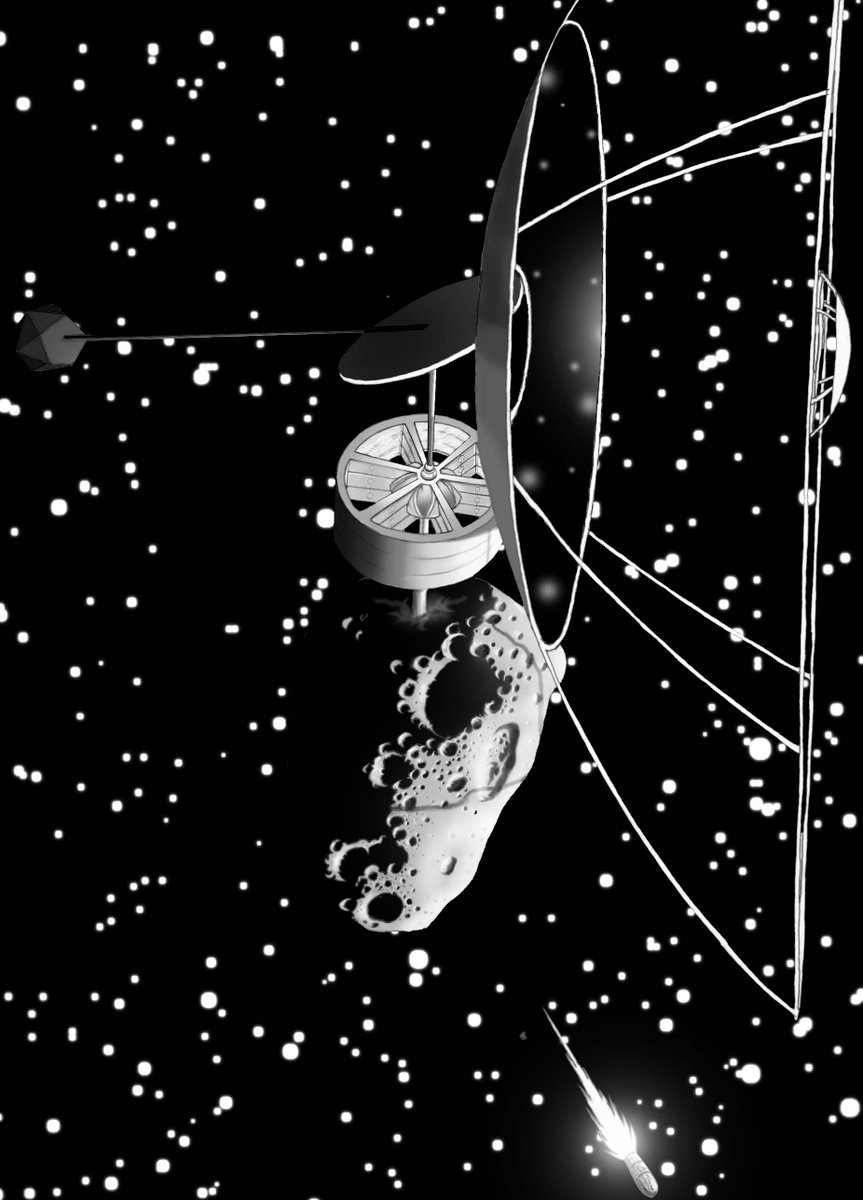
@RossDynamicsLab would it be possible to park one of these at SEL1, SEL2, EML1 or EML2?
1
1
72
Hop David retweeted
Apr 9
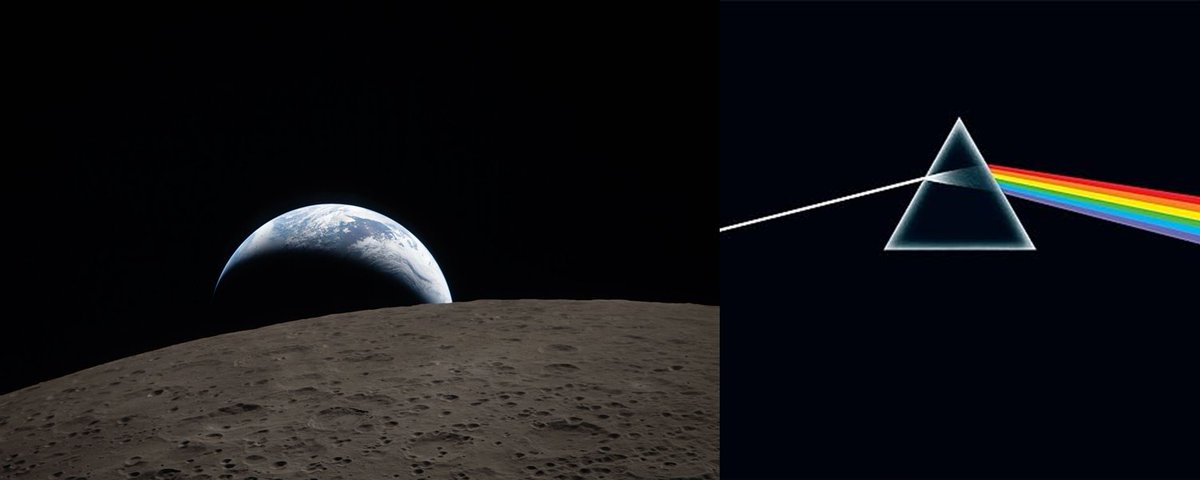
See you on the Dark Side of the Moon
Apr 8

Un dato curioso:
Orión tardó 42:50 minutos en cruzar el lado oculto de la luna.
The Dark Side of the Moon dura exactamente 42:50 minutos.
Guiños involuntarios de la historia 😉
#ArtemisII
7
1
9
581
Apr 5
Excellent graphics! And accurate so far as I can tell.
Apr 5
Really good video about the Earth-Moon system and comparing the orbits of Apollo 8, Artemis 1, & Artemis 2
nebula.tv/videos/overvieweff…
1
66
Hop David retweeted

The Moon is the perfect proving ground for everything America needs to explore the solar system.
Our astronauts will work with lunar soil to extract water and ice and produce propellant, a critical step toward one day manufacturing fuel on Mars.
The goal is not flags and footprints, the goal is to stay.
573
1,219
7,293
754,316
Mar 24
"Frequent robotic landings..." So this might be more than Apollo 2.0.

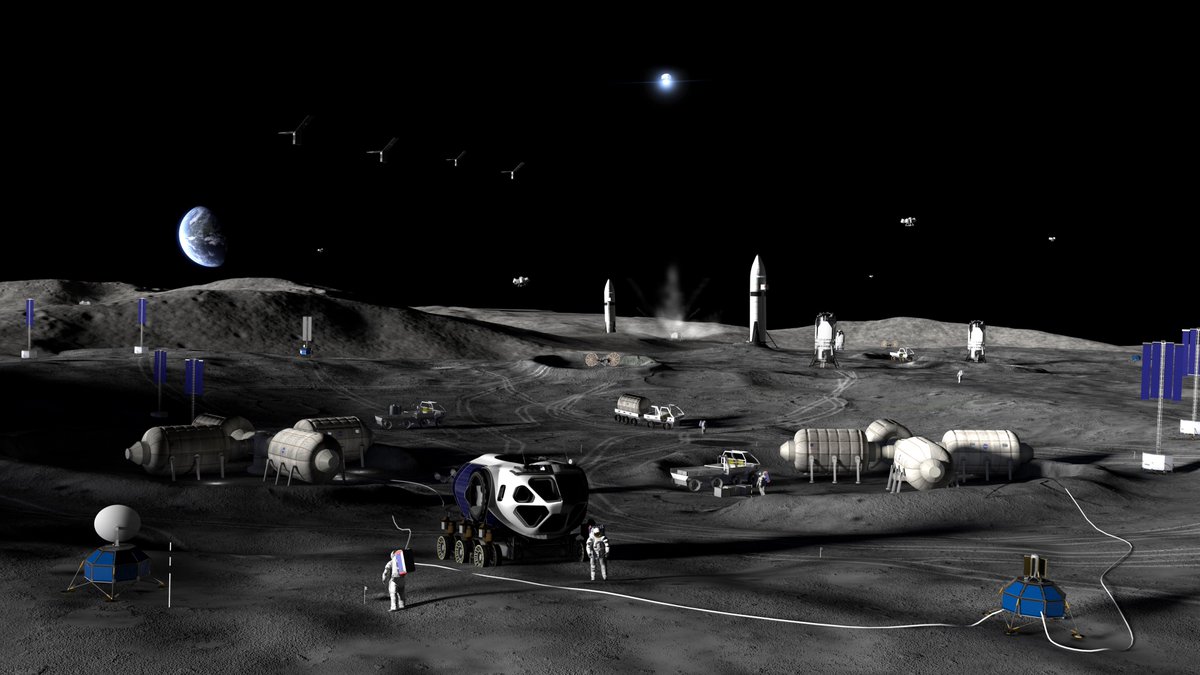
To build a sustained human presence on the Moon, we are building @NASAMoonBase, prioritizing surface operations and scalable infrastructure.
- Frequent robotic landings and mobility testing including MoonFall drones
- Starting in 2027 nearly monthly cadence of equipment and rovers with scientific payloads landing on the Moon.
- Investments in power, communications, and surface mobility
- Scalable infrastructure to support long-term human presence
The objective is clear: build the foundation for an enduring lunar base and take the next step toward Mars.
1
77
Mar 23
I did not anticipate a Klein bottle until about the middle. I try to do stuff like this but this guy leaves me in the dust.
Mar 23

Amon Designer is known for his incredible hand control while he draws.
[📹 designed .by.amon]
1
51
Hop David retweeted
Rodney Stark is addressing a problem - namely the Enlightenment/Conflict thesis propaganda claim that somehow the scientifically method magically appeared in the works of Galileo or Newton and that this was in opposition to religion.
Stark definitely shows that this was happening before, and the significant value of Christian built Universities, academic networks and vast science funding. All true. But his conclusion that the scientific method was created by the Church just lacks in following through on the kind of research he did to defeat the claims he was addressing. You can, in the same way, trace its usage further back.
I think it's important to be consistent and accurate here - the Church DID fund and support the vast majority of *the world's* science for over half a millenium. It did actively preserve ancient knowledge, at great cost. It brought education to the public regardless of class. It built the universities, it built a pedantic mental framework that allowed for the level of detail required for progress. It was a key reason we advanced to where we are now. But it didn't create science, or the scientific method, which would have seemed obvious to any ancient academic.
Or put another way - Christianity wasn't necessary for science, but it certainly helped!
Here's a longer article from historian of science Thony Christie on the subject:
thonyc.wordpress.com/2026/03…
4
9
214
Hop David retweeted

"Not to provoke Putin is to show weakness, which will 100% provoke Putin...A developing and democratic Ukraine is a threat to Putin's power..[Putin] will try to cut more Ukraine and then Baltics."
- Senator John McCain (R-AZ)
16
404
1,460
31,453
Hop David retweeted

Mar 16
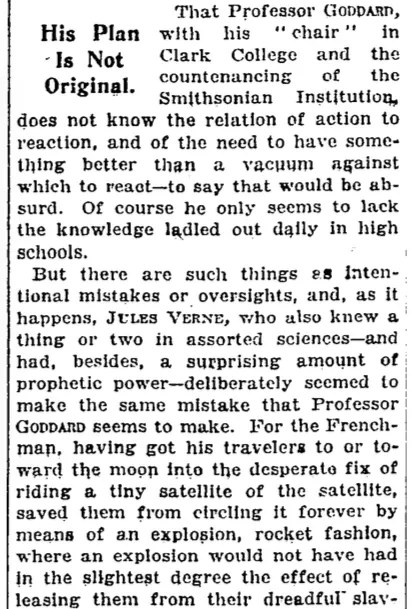
Goddard was ridiculed in the New York Times, by a snarky journalist who did not have a good grasp of physics (glad we don't have those types anymore!)
8
17
142
3,532