
Aging freak who fell in love with the history of science and now resides mostly in the 16th century.
Joined April 2011
- Tweets 314,028
- Following 1,365
- Followers 8,603
- Likes 26,793
6,363 Photos and videos
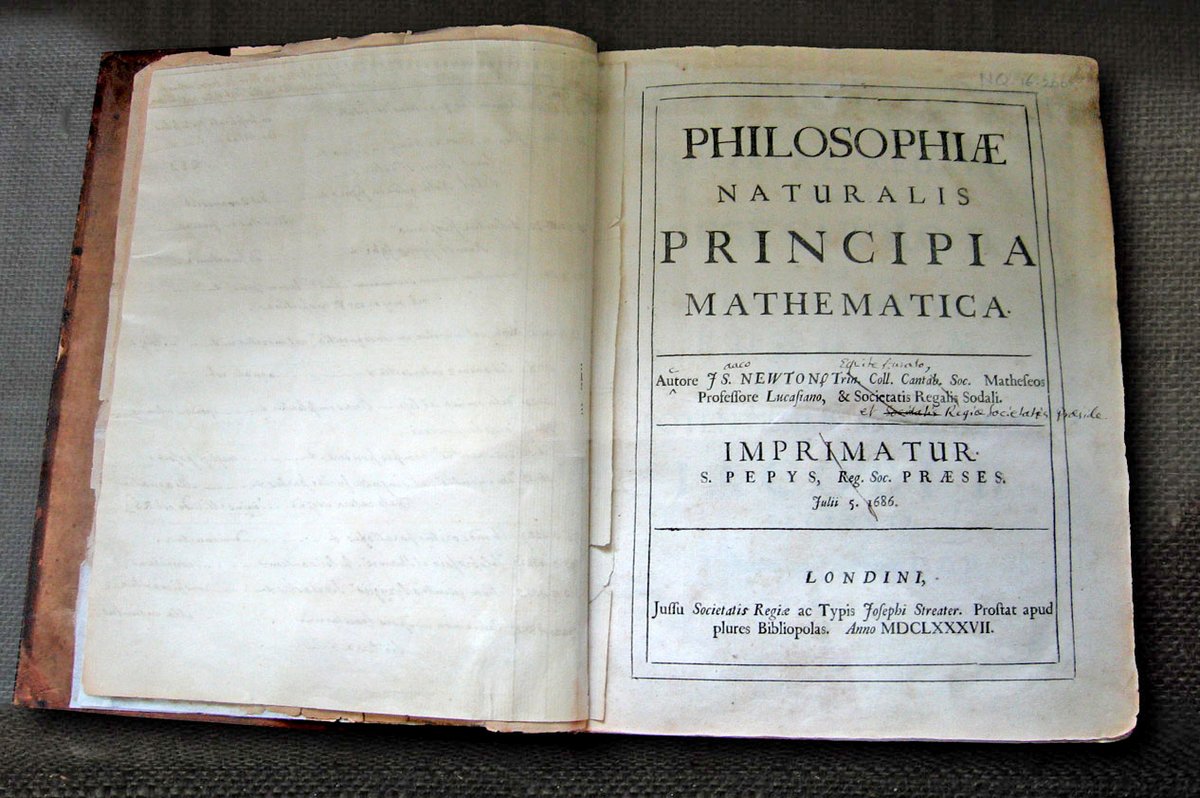

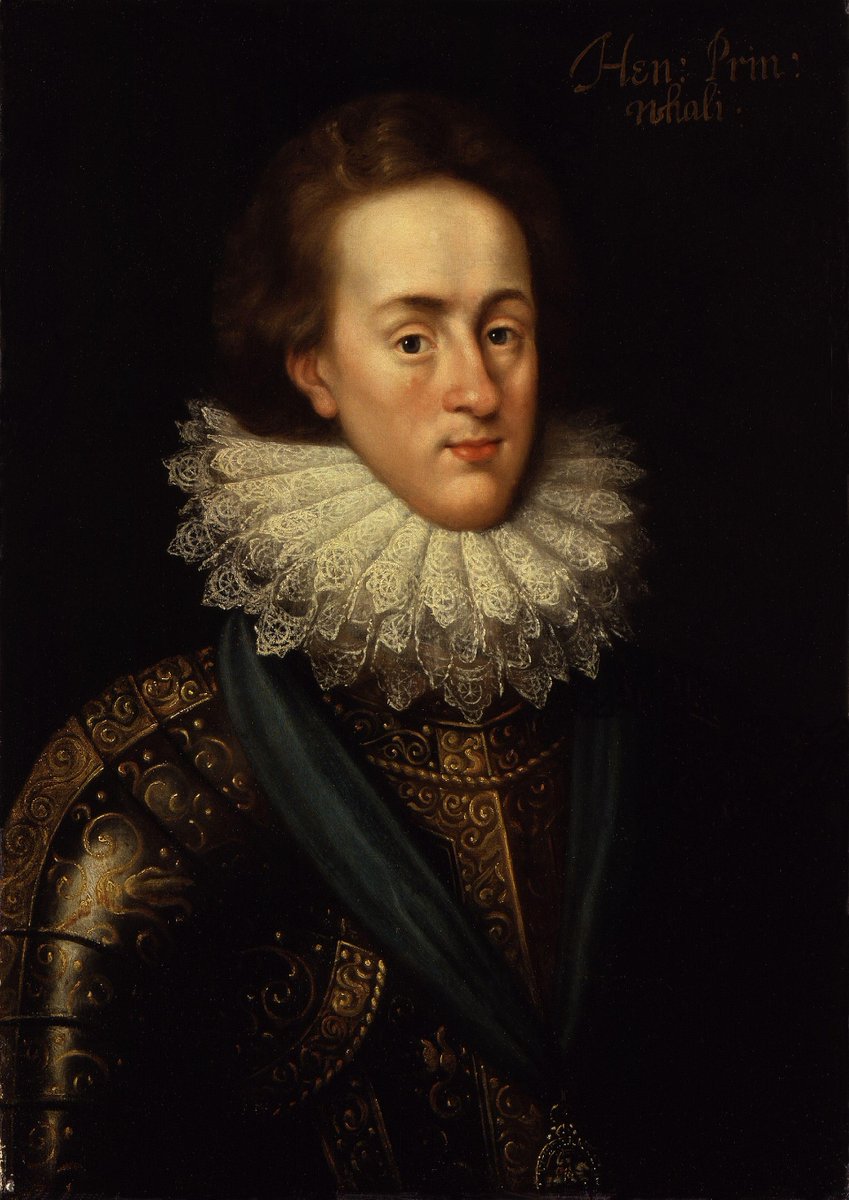
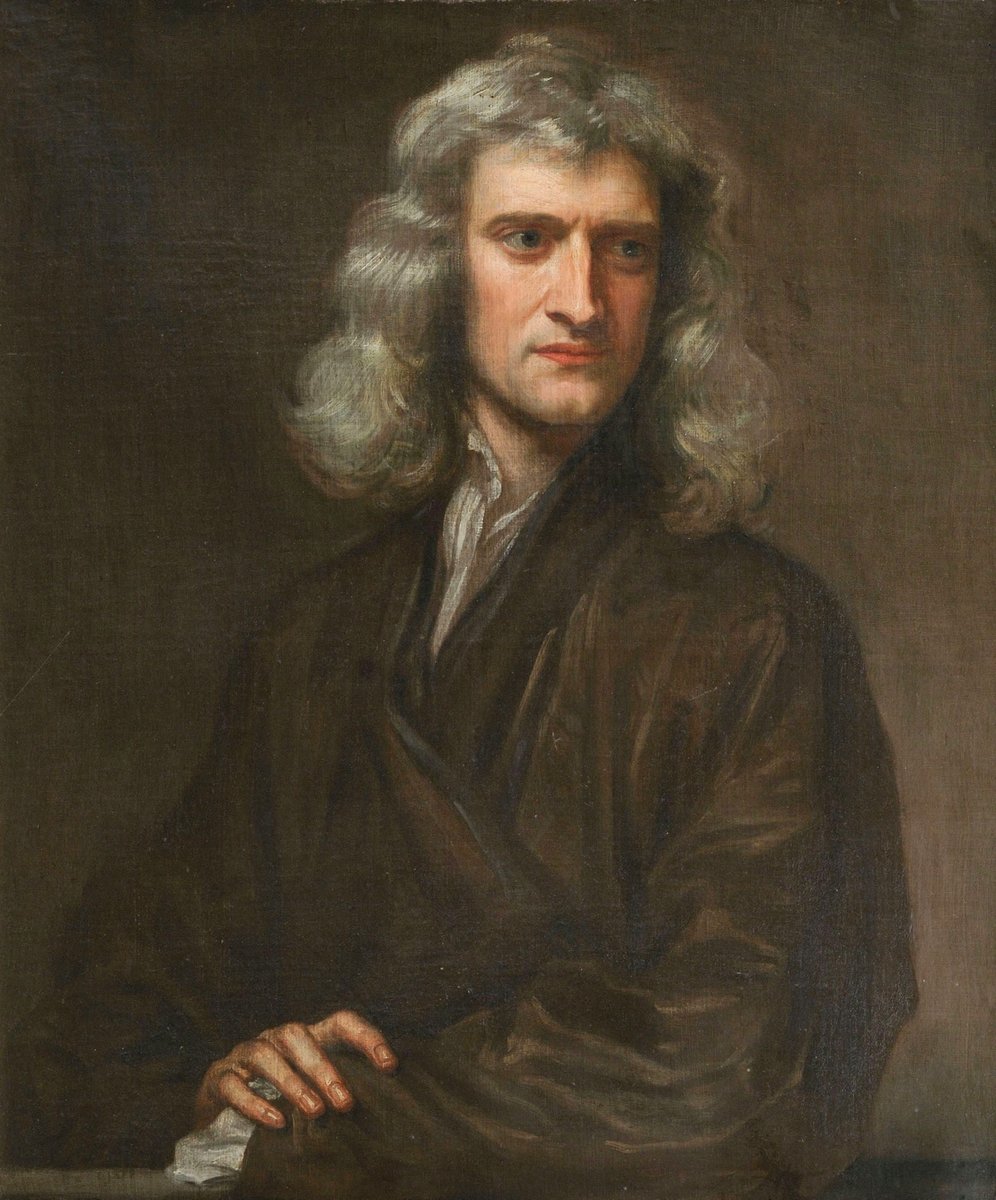
Pinned Tweet

7 Apr 2018
Culture is part of the unholy trinity—culture, chaos, and cock-up—which roam through our versions of history, substituting for traditional theories of causation. – Filipe Fernández–Armesto "Pathfinders: A Global History of Exploration"
11
66
138

"As by his claw, we know the lion."

One of the first problems solved using calculus was the Brachistochrone problem, which led to one of the most interesting stories in the history of mathematics. galileo-unbound.blog/2020/06…
1
1
1
981
Thony Christie (he/his/him) retweeted
Gottlob Frege (1848-1925) was a German mathematician who didn't invent mathematics, but did invent modern predicate logic and quantified variables -- the language of mathematics in his 1879 book, Begriffsschrift. -> wikiwand.com/en/Gottlob_Freg…
4
23
1,022
Thony Christie (he/his/him) retweeted
100 years ago, Tait et al argued for quaternions and Gibbs argued for vectors, vectors won out. --> fexpr.blogspot.com/2014/03/t…
6
33
2,808
Thony Christie (he/his/him) retweeted

The volume on medicinal alchemy that I have coedited with Lawrence M. Principe is finally heading to press.
⚗️Medicinal Alchemy, 1250-1700: Origins, Theories, Practices
or
⚗️Making Medicines: Aspects of Alchemy and Healing, 1250-1700? Which is your favorite title? 🔥🦎🙏

1
1
1
87
Thony Christie (he/his/him) retweeted

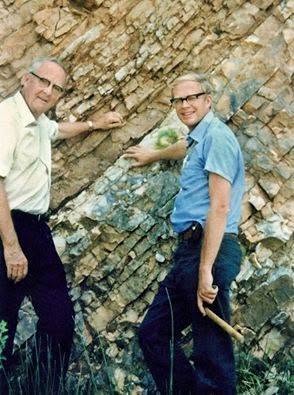
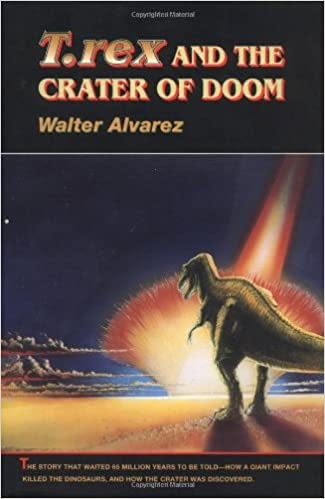
June 13, 1911, birthday of physicist Luis Walter Alvarez (1911-1988). He worked on the first A-bomb. In more peaceful times he developed - together with his son Walter Alvarez - the end-Cretaceous "impact-theory" to explain the mass extinction 65 million years ago 🦖☄️
2
8
43
1,861
Thony Christie (he/his/him) retweeted

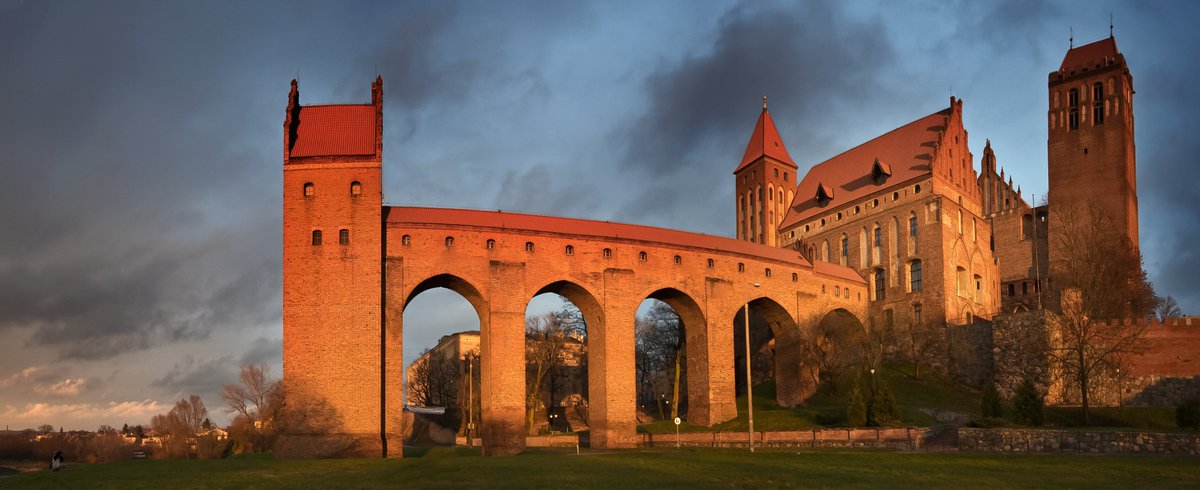
Internet: Medieval people didn't care about filth & bad smells and their castle latrines dumped human waste where people walked.
The Kwidzyn Castle architect: Yeah but no, let's build a special tower with a bridge for the toilets over the river!
16
40
527
16,609
Vance displaying his ignorance as per usual
Jun 12

Hitler killed himself and Germany surrendered. Japan got nuked. Do they teach history in Ohio?
4
186

Thony Christie (he/his/him) retweeted
Johann Fabricius published the first book on the telescopic observation of sun spots on 13 June 1611 #histsci
thonyc.wordpress.com/2011/01…
6
13
690
Thony Christie (he/his/him) retweeted

Jun 12
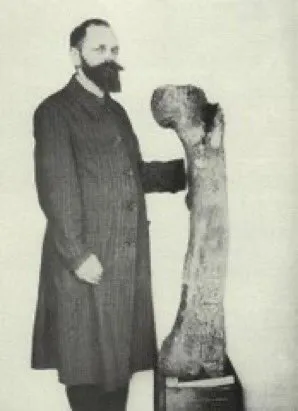
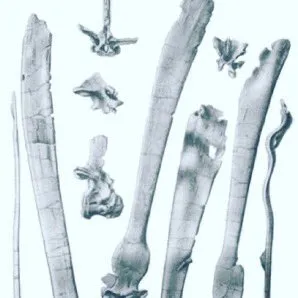
#FossilFriday E. Stromer von Reichenbach, German palaeontologist who discovered #Spinosaurus, was born on June 12, 1870 wp.me/p3ihHu-vk #histsci ⚒️🧪
1
1
89
Thony Christie (he/his/him) retweeted

“Andrea Wulf’s magnificent book … George’s efforts to adapt to life and work at sea, as laid out in “The Traveler,” are as exciting as anything in the pages of Robert Louis Stevenson” – John Banville in the Wall Street Journal
wsj.com/arts-culture/books/t…
1
3
11
446
Thony Christie (he/his/him) retweeted
“Wulf’s biography is filled with marvellous details …this is a fascinating book about a fascinating life” – Financial Times
ft.com/content/e902b6d2-f7f5…
3
10
949
Thony Christie (he/his/him) retweeted

Jun 12
🚨EXCLUSIVE: A commercial airline pilot tells MeidasTouch they filed FAA and NASA safety reports after lighting from Trump’s UFC event at the White House allegedly flooded their cockpit on approach to Reagan National. The pilot called it “10 times worse than any laser illumination event” they’d ever experienced. meidasnews.com/news/white-ho…
269
5,482
13,810
308,565
Thony Christie (he/his/him) retweeted

Jun 11
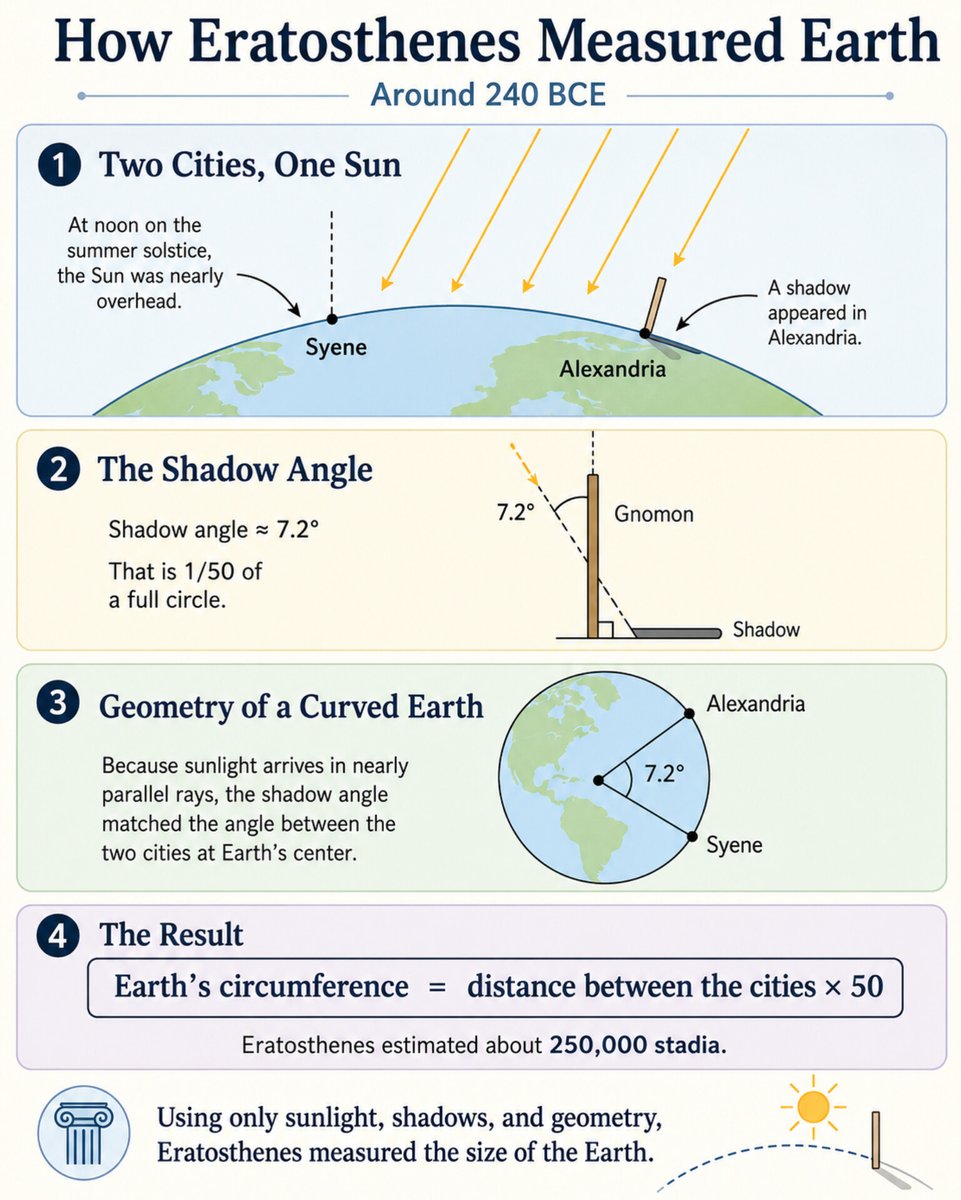
Around 240 BCE, Eratosthenes of Cyrene produced one of the most remarkable measurements in the history of science: he estimated the circumference of the Earth using sunlight, shadows, geometry, and the known distance between two Egyptian cities.
He had heard that in Syene, near modern Aswan, the Sun shone almost directly overhead at noon on the summer solstice, illuminating the bottoms of deep wells and leaving little or no shadow.
At the same moment in Alexandria, farther north, a vertical stick, or gnomon, did cast a shadow.
That difference was the key.
In Alexandria, Eratosthenes measured the relation between the height of the gnomon and the length of its shadow. From that right triangle, he deduced that the Sun’s rays there made an angle of about 7.2 degrees from the vertical, equivalent to one fiftieth of a full circle.
Since sunlight reaches Earth from such a great distance that its rays are effectively parallel, the angle measured in Alexandria could be interpreted as the angle between Syene and Alexandria at Earth’s centre.
If the distance between the two cities represented one fiftieth of a full circle, then Earth’s total circumference had to be fifty times that distance.
Eratosthenes multiplied the estimated distance from Syene to Alexandria by 50 and obtained a value of about 250,000 stadia.
The exact modern equivalent remains debated because the ancient stadion was not a single fixed unit, but his result was still remarkably close to the true circumference of Earth.
The importance of the calculation lies not only in the numerical result, but in the reasoning behind it.
Eratosthenes transformed a local observation, the length of a shadow in one city and the reported absence of one in another, into a measurement of the entire planet. Without telescopes, satellites, or modern instruments, he showed that the size of Earth could be inferred through careful observation and geometry.
It remains one of the clearest examples of how science can reveal a global truth from simple, ordinary evidence.
22
134
531
14,530
Thony Christie (he/his/him) retweeted

Jun 12
Yup

1,707
47,392
284,047
1,826,851
Thony Christie (he/his/him) retweeted

Jun 12
"This Sunday night’s UFC spectacle on the South Lawn...captures something about this moment in our history.
It's vulgar, violent, commercial, grandiose, tacky, and it dishonors a place once thought worthy of care and respect. In other words, it’s Donald Trump."
open.substack.com/pub/thebul…
4,628
7,583
22,269
413,963
Thony Christie (he/his/him) retweeted

Jun 12
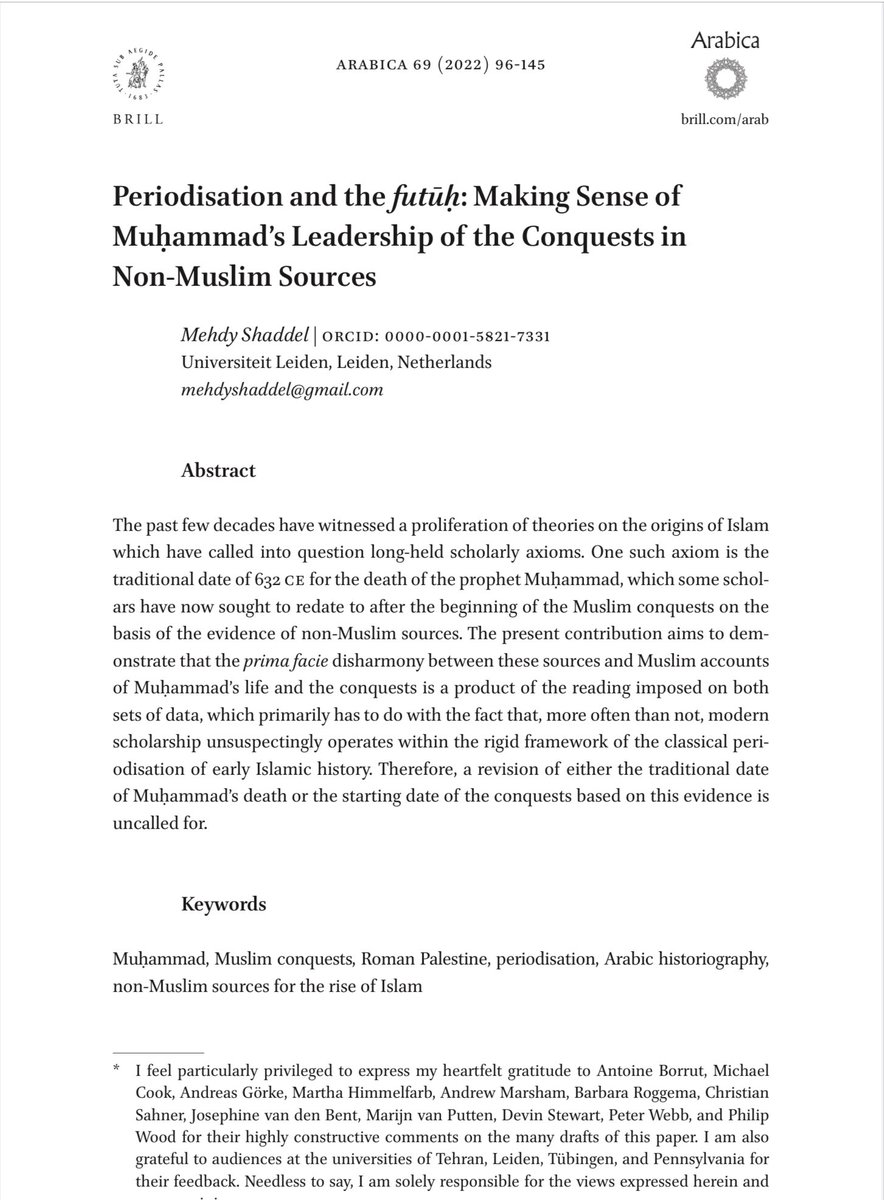
I really recommend reading this excellent paper by Dr Mehdy Shaddel, which puts this old canard to bed and demonstrates that non Muslim sources do not in fact contradict the traditional death date for the Prophet.
Its central argument also has much wider implications for how scholars should approach the periodisation of early Islamic history, in order to prevent such misinterpretation of sources from arising in the first place.

Those Christian sources say your Prophet was still alive in 634 CE leading troops in the Levant. Your Hadith says he died in 632 CE in Medina. You just used secular historical sources that literally falsify the standard Islamic narrative!
4
13
66
7,168
All the sensible people on Earth would beg the aliens to keep you
Jun 12

If I were ever abducted by Aliens, the first thing I’d ask is whether they came from a planet where people also deny science.
1
13
335
Thony Christie (he/his/him) retweeted

Jun 12
Have you ever wondered what major discoveries were made in mathematics exactly 100 years ago? This webpage answers. mathshistory.st-andrews.ac.u…
1
5
14
1,136