HornsteinLab @WeizmannScience | Mechanisms of Neurodegeneration | #ALS | #noncodingRNA | #phaseseparation | #neurogenetics | #biomarkers | computational biomed
Joined September 2018
- Tweets 188
- Following 339
- Followers 596
- Likes 366
61 Photos and videos
Pinned Tweet

1 Feb 2024
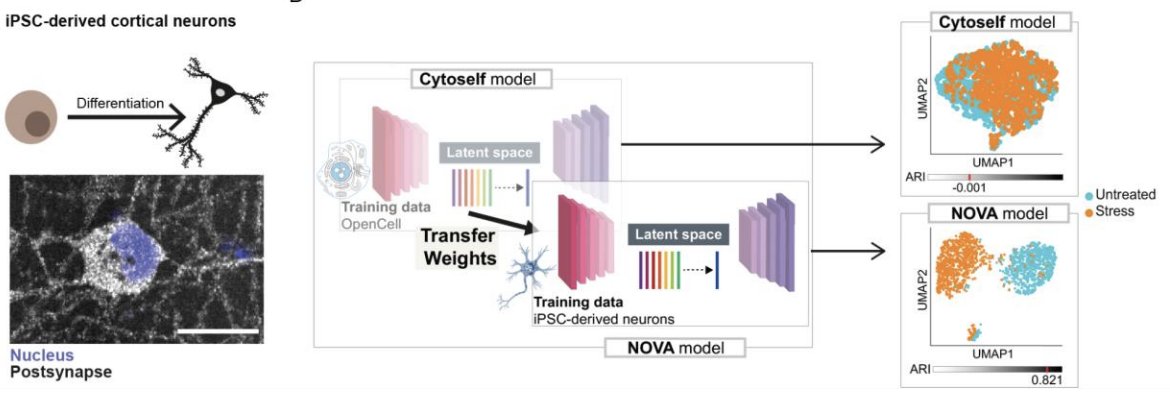
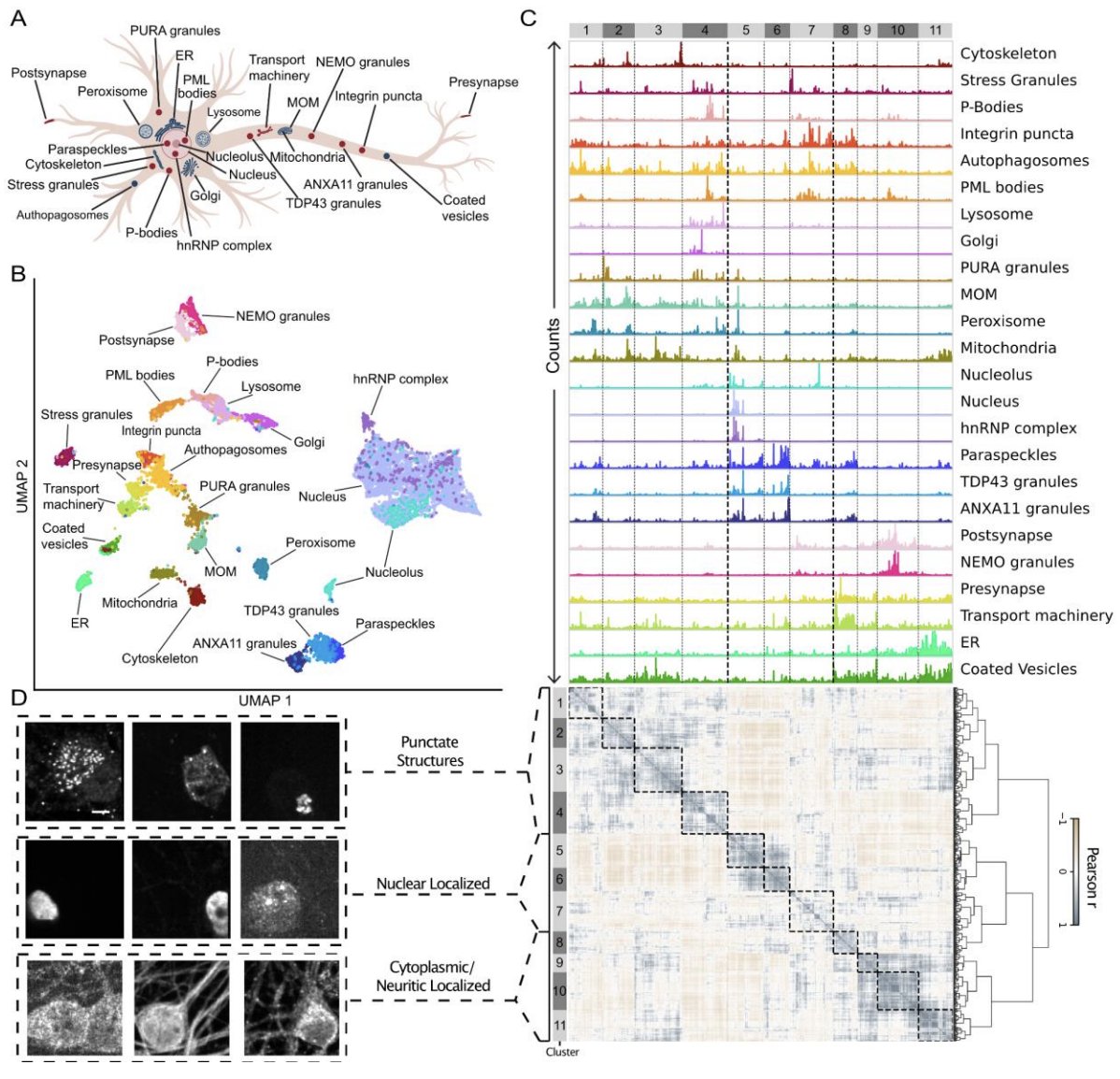
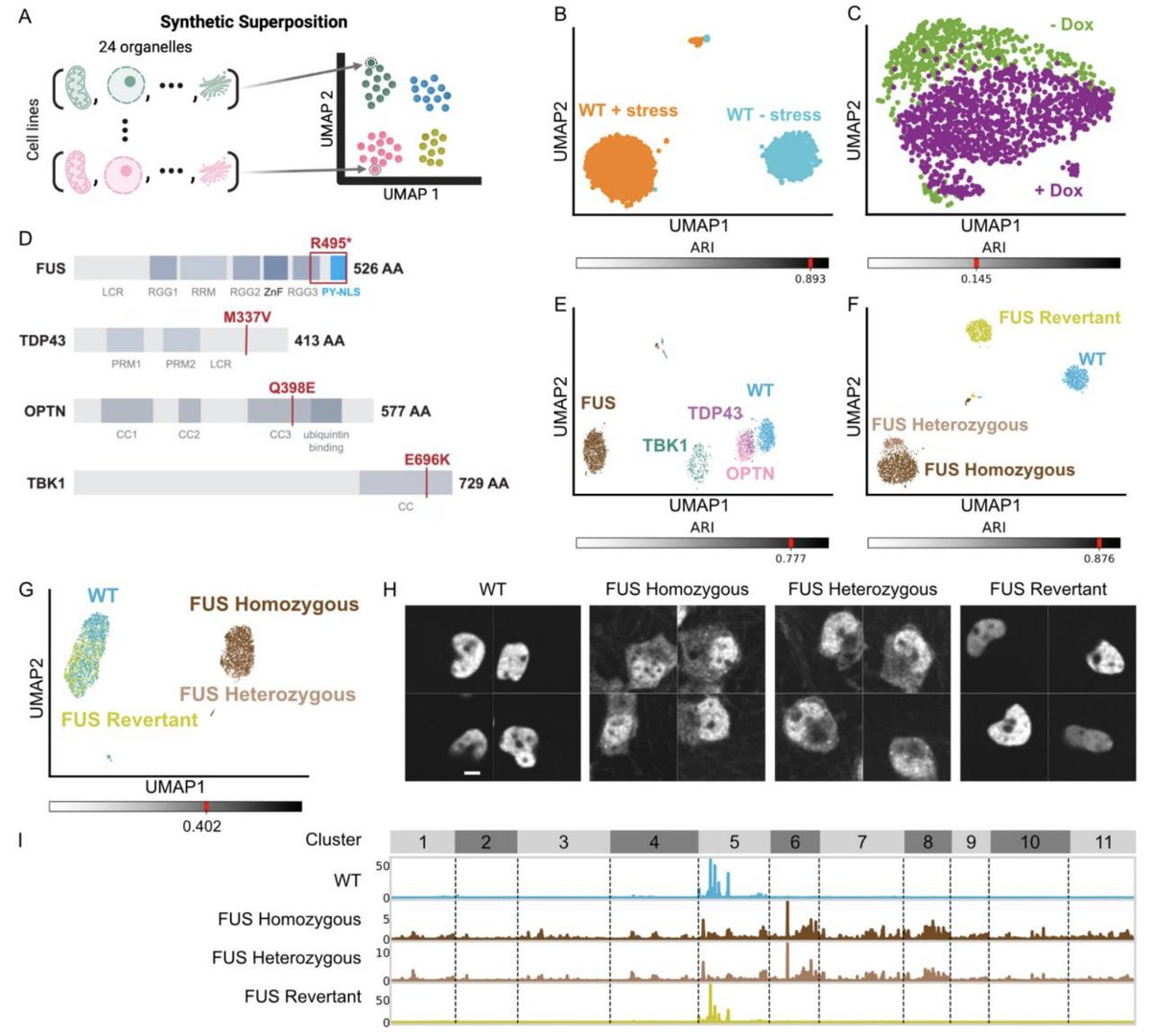
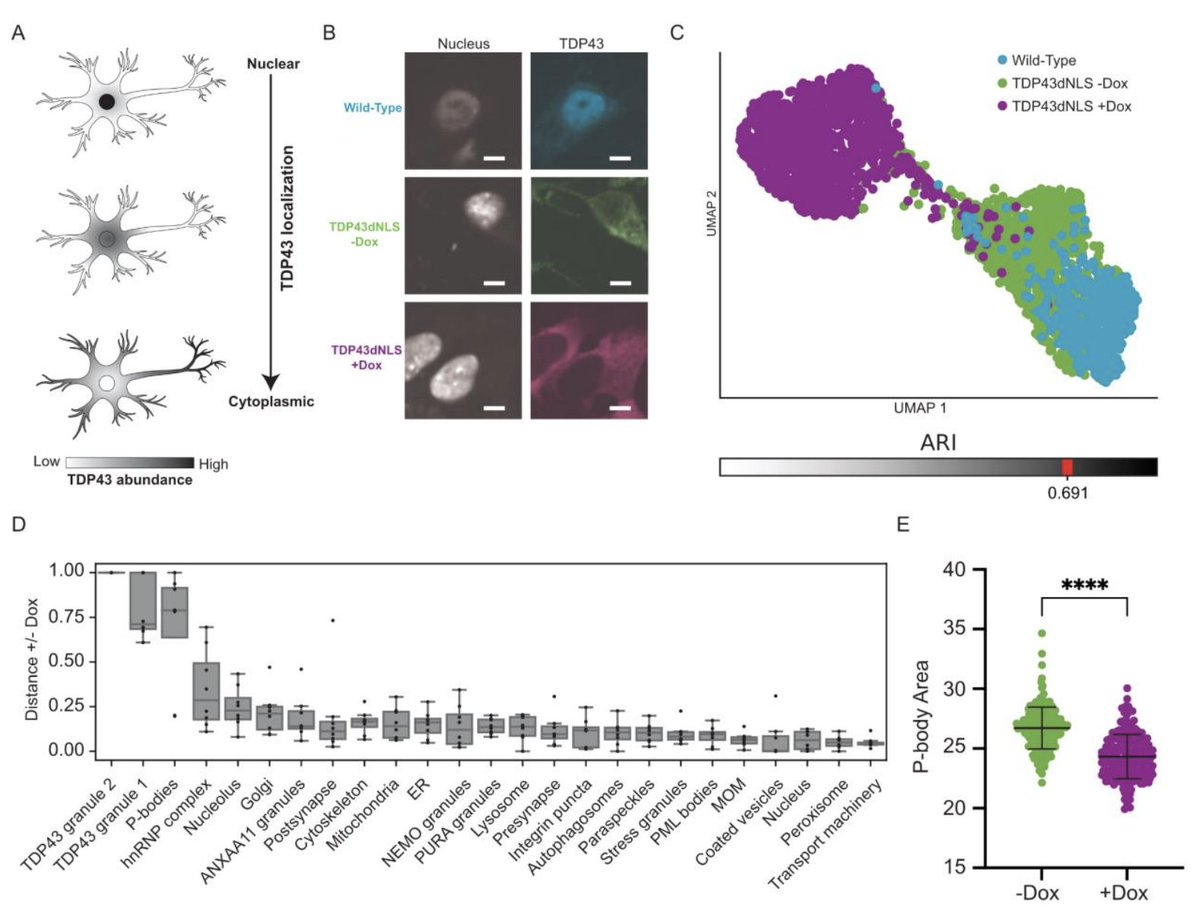
Introducing organellomics - a systems-level view of human cell architecture with 24 organelles. AI-driven 𝗡𝗢𝗩𝗔 (𝗡euronal 𝗢rganellomics 𝗩ision 𝗔tlas) encodes organelle patterns in 1.5M neuron images, enabling holistic insights in cellular biology
biorxiv.org/content/10.1101/…
9
22
77
11,813

TDP-43 may play a role in neurodegenerative disorders such as #alzheimersdisease and #parkinsonsdisease, even in the absence of detectable aggregates. @UKDRI @Cambridge_Uni @WeizmannScience @EmoryMedicine ow.ly/thRc50X1sgM
6
15
1,195
Hornstein Lab retweeted

12 Aug 2025
Wearable robot gives ALS patients a hand buff.ly/BTxGLnp
#ALS #AmyotrophicLateralSclerosis #ALSDisease #ALSTreatment #ALSResearch
1
3
4
386
Hornstein Lab retweeted

12 May 2025
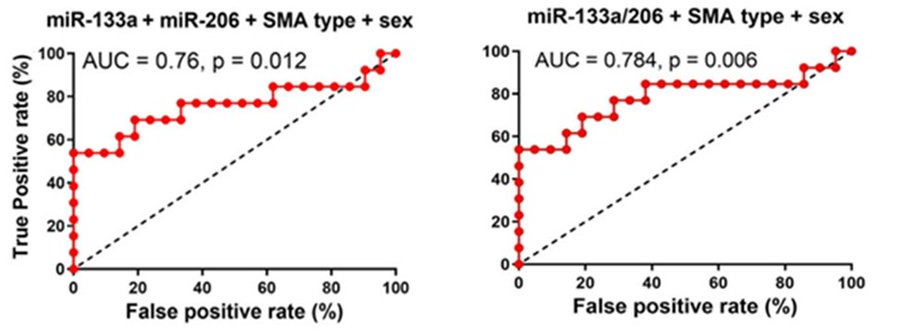
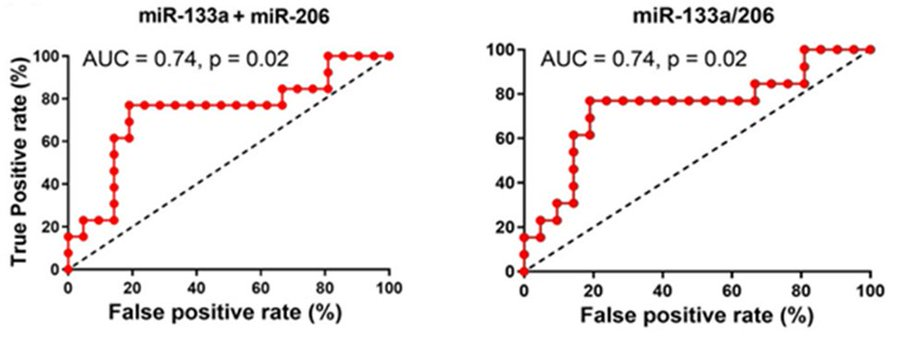
IsomiR Utility in ALS Prognostication medrxiv.org/cgi/content/shor… #medRxiv
1
1
389
Hornstein Lab retweeted

25 Mar 2025
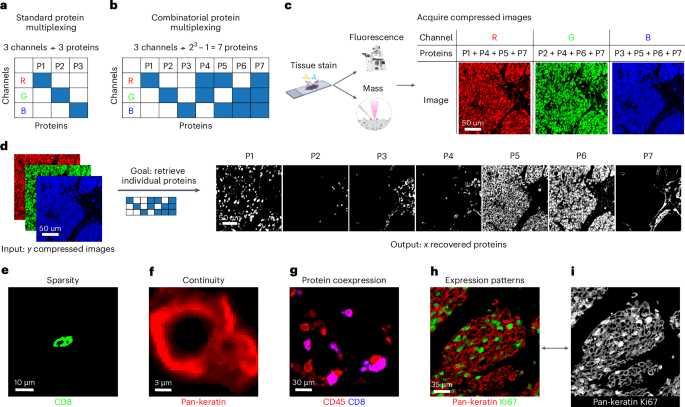
Super excited to finally see this published! Our new method to use combinatorial staining and deep learning to push the multiplexing boundaries of spatial proteomics!
25 Mar 2025

High-dimensional imaging using combinatorial channel multiplexing and deep learning go.nature.com/4hGPfO0
15
38
171
19,182
Hornstein Lab retweeted

11 Mar 2025
Big news: we are setting up a new non-profit organization to run bioRxiv and medRxiv. It's called openRxiv [no it's not a new preprint server; it's a dedicated organization to oversee the servers] openrxiv.org 1/n
11
176
503
67,885
10 Mar 2025
Excited to share our preprint: "𝐎𝐫𝐠𝐚𝐧𝐞𝐥𝐥𝐨𝐦𝐢𝐜𝐬: 𝐀𝐈-𝐝𝐫𝐢𝐯𝐞𝐧 𝐝𝐞𝐞𝐩 𝐨𝐫𝐠𝐚𝐧𝐞𝐥𝐥𝐚𝐫 𝐩𝐡𝐞𝐧𝐨𝐭𝐲𝐩𝐢𝐧𝐠 𝐫𝐞𝐯𝐞𝐚𝐥𝐬 𝐧𝐨𝐯𝐞𝐥 𝐀𝐋𝐒 𝐦𝐞𝐜𝐡𝐚𝐧𝐢𝐬𝐦𝐬 𝐢𝐧 𝐡𝐮𝐦𝐚𝐧 𝐧𝐞𝐮𝐫𝐨𝐧𝐬"
10 Mar 2025

🚀𝐕𝐢𝐬𝐢𝐨𝐧-𝐭𝐫𝐚𝐧𝐬𝐟𝐨𝐫𝐦𝐬-𝐛𝐚𝐬𝐞𝐝 𝐨𝐫𝐠𝐚𝐧𝐞𝐥𝐥𝐚𝐫 𝐩𝐡𝐞𝐧𝐨𝐭𝐲𝐩𝐢𝐧𝐠 𝐮𝐧𝐯𝐞𝐢𝐥𝐬 𝐡𝐢𝐝𝐝𝐞𝐧 𝐀𝐋𝐒 𝐦𝐞𝐜𝐡𝐚𝐧𝐢𝐬𝐦𝐬!
🧵 Thread on 𝘕𝘖𝘝𝘈 (𝘕𝘦𝘶𝘳𝘰𝘯𝘢𝘭 𝘖𝘳𝘨𝘢𝘯𝘦𝘭𝘭𝘰𝘮𝘪𝘤𝘴 𝘝𝘪𝘴𝘪𝘰𝘯 𝘈𝘵𝘭𝘢𝘴)🎗️ our deep-learning model trained with ~3M images of human-derived neurons, and newly discovered insights into ALS disease. We used AI to map cellular dysfunction at un unprecedented resolution, comprehensively studying all sub-cellular organelles.
Preprint: "𝐎𝐫𝐠𝐚𝐧𝐞𝐥𝐥𝐨𝐦𝐢𝐜𝐬: 𝐀𝐈-𝐝𝐫𝐢𝐯𝐞𝐧 𝐝𝐞𝐞𝐩 𝐨𝐫𝐠𝐚𝐧𝐞𝐥𝐥𝐚𝐫 𝐩𝐡𝐞𝐧𝐨𝐭𝐲𝐩𝐢𝐧𝐠 𝐫𝐞𝐯𝐞𝐚𝐥𝐬 𝐧𝐨𝐯𝐞𝐥 𝐀𝐋𝐒 𝐦𝐞𝐜𝐡𝐚𝐧𝐢𝐬𝐦𝐬 𝐢𝐧 𝐡𝐮𝐦𝐚𝐧 𝐧𝐞𝐮𝐫𝐨𝐧𝐬"
biorxiv.org/content/10.1101/…
Check out our code and data: github.com/Sagykri/NOVA
1/n
1
6
29
1,974
Hornstein Lab retweeted

26 Nov 2024
Delighted to share new work from our lab:
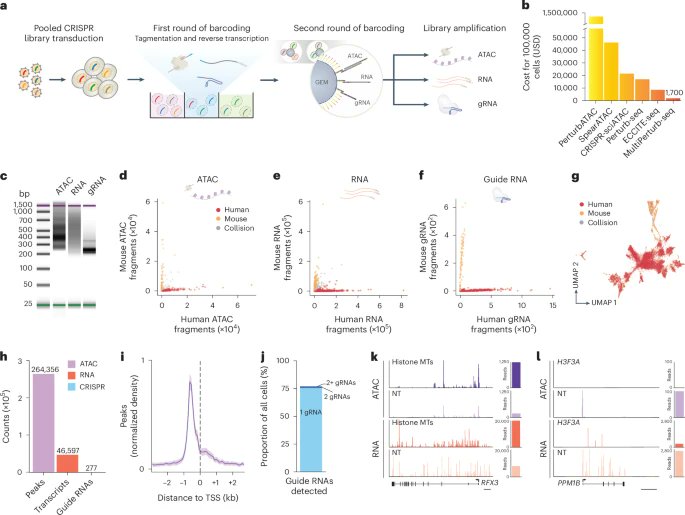
MultiPerturb-seq 🎛️❌📥📤
Over the last few years, we've been combining CRISPR screens with multimodal readouts of gene expression (RNA) and chromatin accessibility (DNA). In this study, we bring those together within the same cells.
21 Nov 2024
Pooled CRISPR screens with joint single-nucleus chromatin accessibility and transcriptome profiling go.nature.com/4hXER5O
5
58
288
54,267
Hornstein Lab retweeted

1 Oct 2024
The pure joy in Gaza as Iranian missiles cover the sky above Tel Aviv.
1,657
11,212
78,967
5,675,799
At AAIC 2024, phospho-tau assays look ready for primary and secondary care. @lunduniversity @wustl @BannerAlzheimer ow.ly/QPzg50SV3Tp
1
3
13
2,029
Hornstein Lab retweeted
1 Aug 2024
A phase Ib/IIa study of Enoxacin in patients with ALS medrxiv.org/cgi/content/shor… #medRxiv
1
1
6
435
Hornstein Lab retweeted

25 Jun 2024
Interested in 3' UTR changes in scRNA-seq? Check out our:
* CPA-Perturb-seq paper
* UCSC Perturb-seq tracks (see who regulates your favorite 3’ UTR!)
* Seurat extension for polyA site analysis (PASTA)
* Deep neural perturbation network (APARENT-Perturb)
cell.com/cell/fulltext/S0092…
6
90
318
61,544
Hornstein Lab retweeted

27 Mar 2024
Birth of a neuron. Stem cell transforming into a brain cell:
#neuroscience
25
516
1,886
93,148
Hornstein Lab retweeted

18 Mar 2024
My team is working with a substantial arsenal of ML algorithms, analyzing diverse human molecular data. The most intriguing work imaginable. We do science and study human brain diseases, but like a small startup.
Come join us!
18 Mar 2024

We're hiring! Biomedical Data Science Researcher to develop ML/AI tools and investigate molecular mechanisms underlying neurodegeneration.
Position details and requirements: machinelearning.co.il/job/bi…
CV to Eran.hornstein@weizmann.ac.il / Nancyy@weizmann.ac.il
#jobopportunity
3
9
805
18 Mar 2024
We're hiring! Biomedical Data Science Researcher to develop ML/AI tools and investigate molecular mechanisms underlying neurodegeneration.
Position details and requirements: machinelearning.co.il/job/bi…
CV to Eran.hornstein@weizmann.ac.il / Nancyy@weizmann.ac.il
#jobopportunity
7
18
2,307
Hornstein Lab retweeted

20 Feb 2024
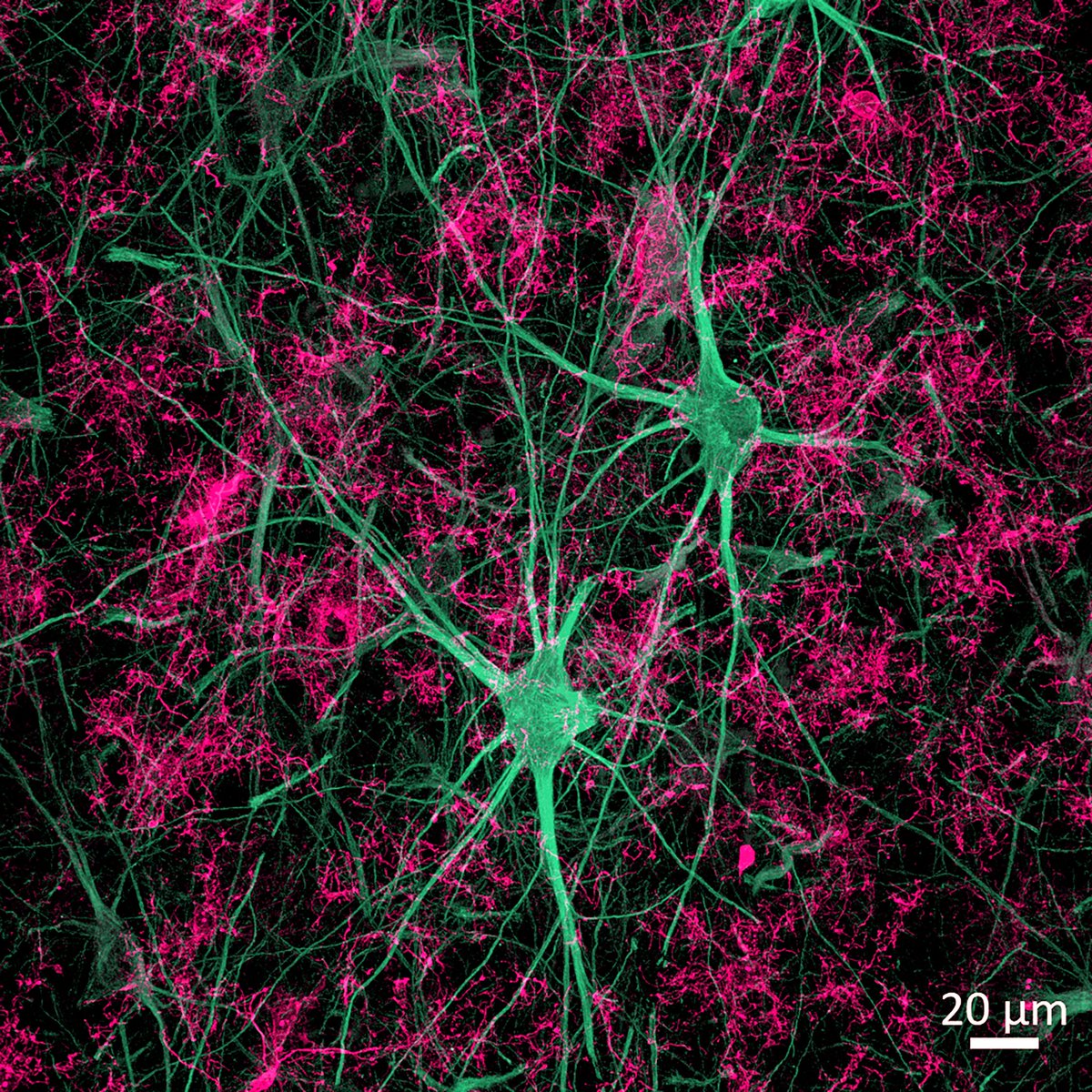
Two neurons having a conversation, surrounded by some busy microglia doing their job: maintaining neuronal networks and helping with injury, repair, and pruning! The brain is beautiful! 🧠🔬#neuroscience #Microscopy
35
306
1,704
78,157
Hornstein Lab retweeted
26 Feb 2024
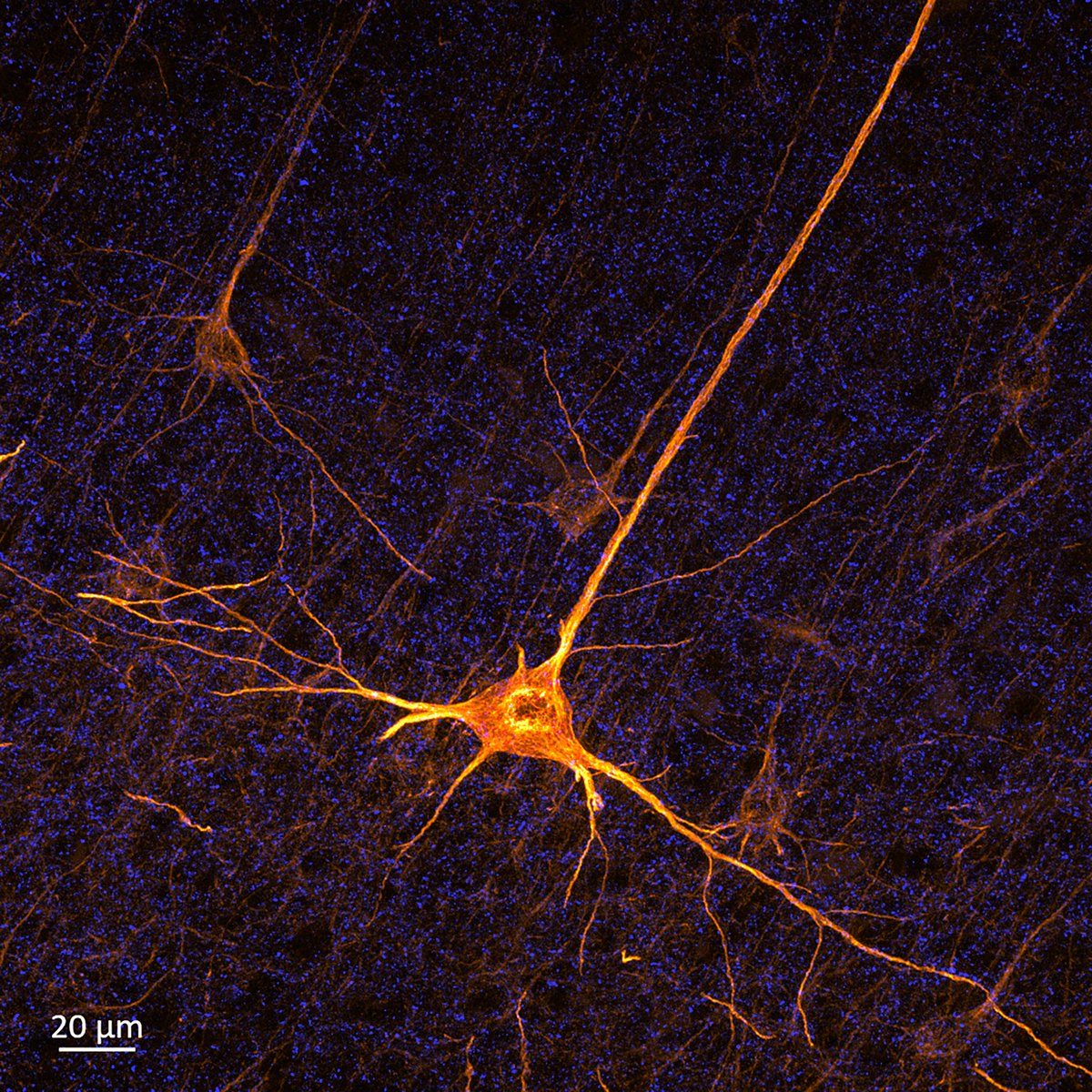
A confocal microscopy image of Your Majesty, the neuron, the king of the brain jungle 🧠🔬! This one is the classical pyramidal cell, the most common neuronal type in the mammalian cerebral cortex. In blue, staining for PSD95, a major protein in excitatory synapses that helps concentrate and organize neurotransmitter receptors in the synaptic cleft. Each little dark blue puncta shows an excitatory synapse happening between two neurons!
Reduction or dysfunction in the PSD95 expression is related to impaired learning and working memory and is observed in diseases such as Alzheimer's and Parkinson's. Staining: 🟠SMI32🔵PSD95 #SynapticSunday @zeiss_micro
44
251
1,624
135,591
Hornstein Lab retweeted
1 Feb 2024
Our preprint of 𝑵𝑶𝑽𝑨 is out!
A deep representation learning of 24 organelles in 1.5M 🔬 images of human iPSC-dervied cortical neurons. We tested stress, #ALS genetic perturbations, and more.
What a fascinating road it was with this one.. 🎢🧠🧪🧫
1 Feb 2024
Introducing organellomics - a systems-level view of human cell architecture with 24 organelles. AI-driven 𝗡𝗢𝗩𝗔 (𝗡euronal 𝗢rganellomics 𝗩ision 𝗔tlas) encodes organelle patterns in 1.5M neuron images, enabling holistic insights in cellular biology
biorxiv.org/content/10.1101/…
4
22
1,704
Hornstein Lab retweeted

1 Feb 2024
A new bioRxive from our lab showing a new concept: #Organellomics in #Neurons that distinguishes between cell states and conditions. A huge imaging data set of neurons and an edvanced computational work come together! It was my pleasure to be part of this fantastic work!
1 Feb 2024
Introducing organellomics - a systems-level view of human cell architecture with 24 organelles. AI-driven 𝗡𝗢𝗩𝗔 (𝗡euronal 𝗢rganellomics 𝗩ision 𝗔tlas) encodes organelle patterns in 1.5M neuron images, enabling holistic insights in cellular biology
biorxiv.org/content/10.1101/…
3
12
1,734
Hornstein Lab retweeted

1 Feb 2024
Check out our latest preprint about AI-driven 🤖 deep organellar phenotyping of human 🧠 neurons.
biorxiv.org/content/10.1101/…
1 Feb 2024
Introducing organellomics - a systems-level view of human cell architecture with 24 organelles. AI-driven 𝗡𝗢𝗩𝗔 (𝗡euronal 𝗢rganellomics 𝗩ision 𝗔tlas) encodes organelle patterns in 1.5M neuron images, enabling holistic insights in cellular biology
biorxiv.org/content/10.1101/…
1
3
13
662