
Joined August 2012
- Tweets 65,277
- Following 772
- Followers 176,585
- Likes 7,235
19,153 Photos and videos






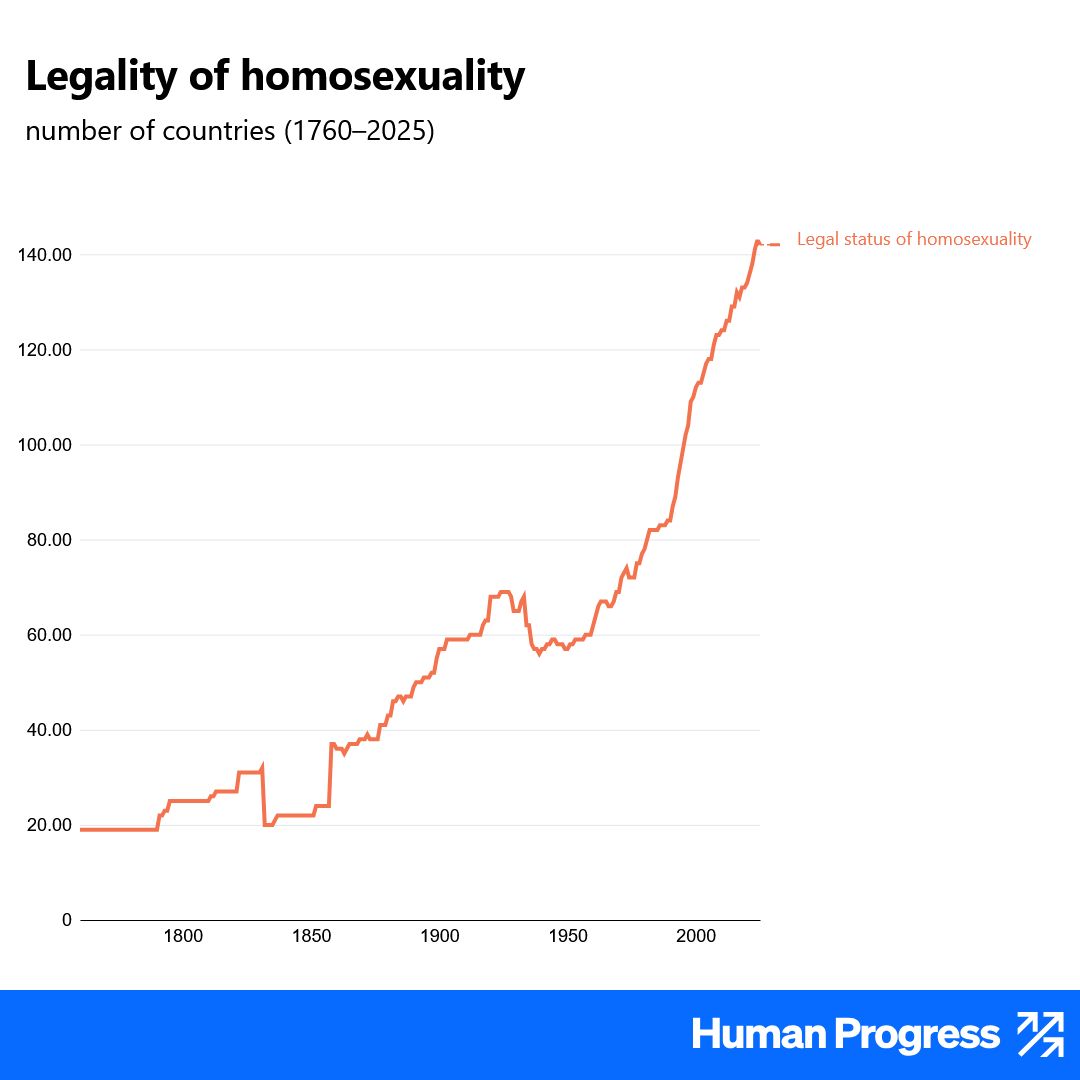

"The number of tourists visiting African countries grew by almost 8% last year—the fastest growth in the world...
It’s being driven in large part, experts say, by a growing African middle class."
humanprogress.org/a-growing-…
1
1
16
2,759
Human Progress retweeted

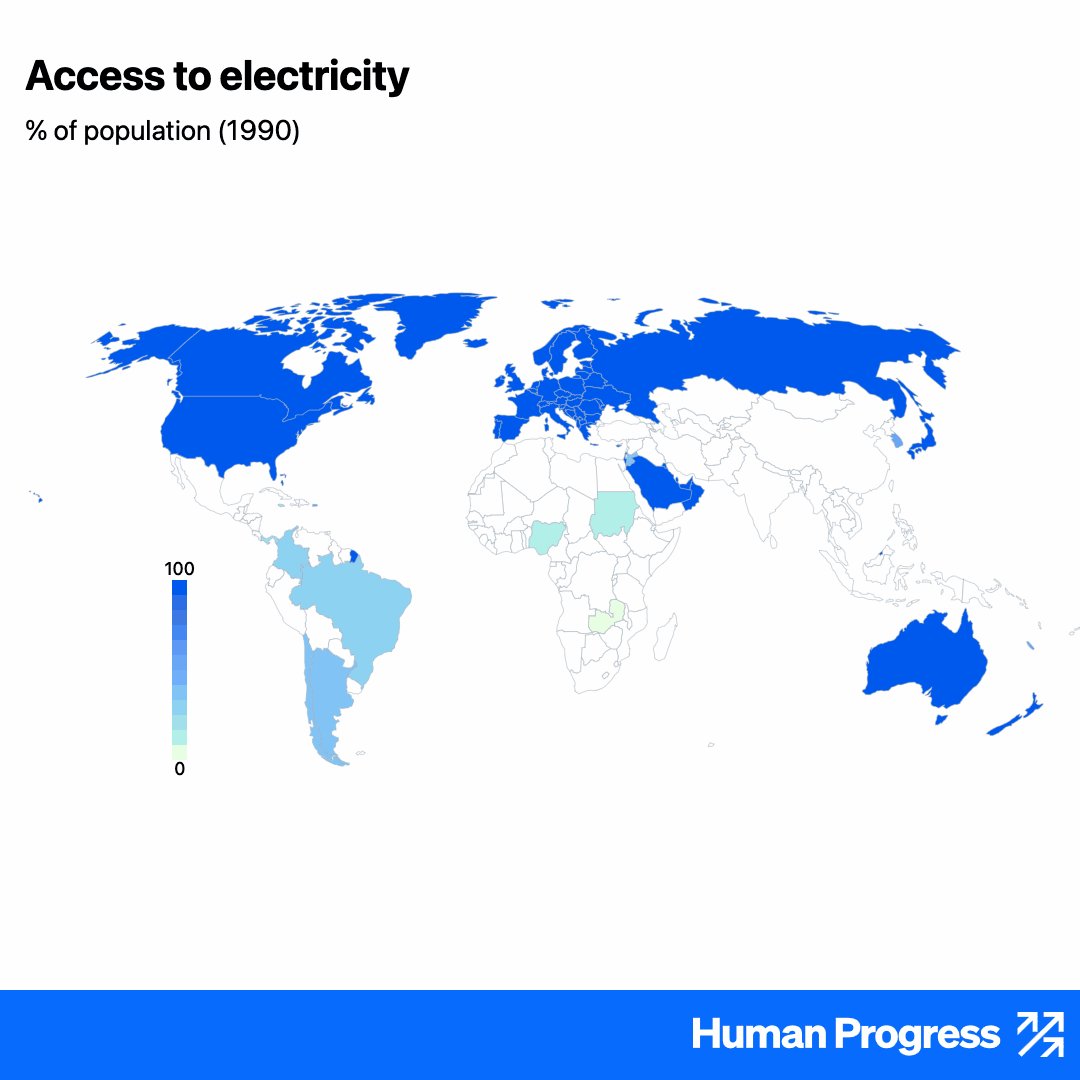
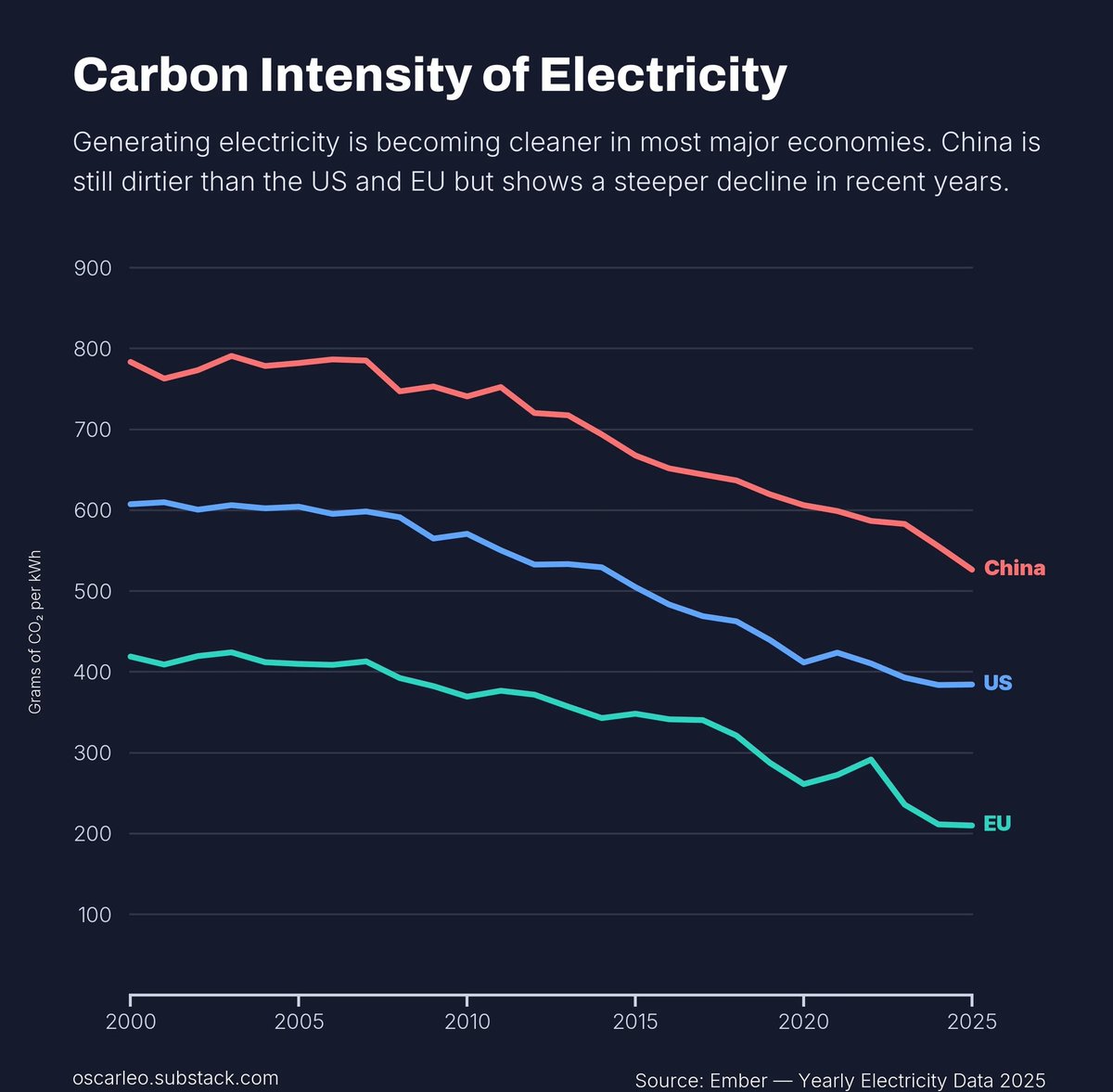
Making electricity is becoming cleaner across the U.S., China, and the EU.
17
47
504
25,957
RT @sapinker: Mental Health Crisis—or Crisis of Overdiagnosis? By @AdamOmaryPhD profectusmag.com/mental-heal… via @Profectus Magazine
25
RT @sapinker: What If AI Chatbots Are Saving Lives? Don't ban them based on anecotes, say @adamomaryphd and Jennifer Huddleston https://…
11
Human Progress retweeted

Jun 12

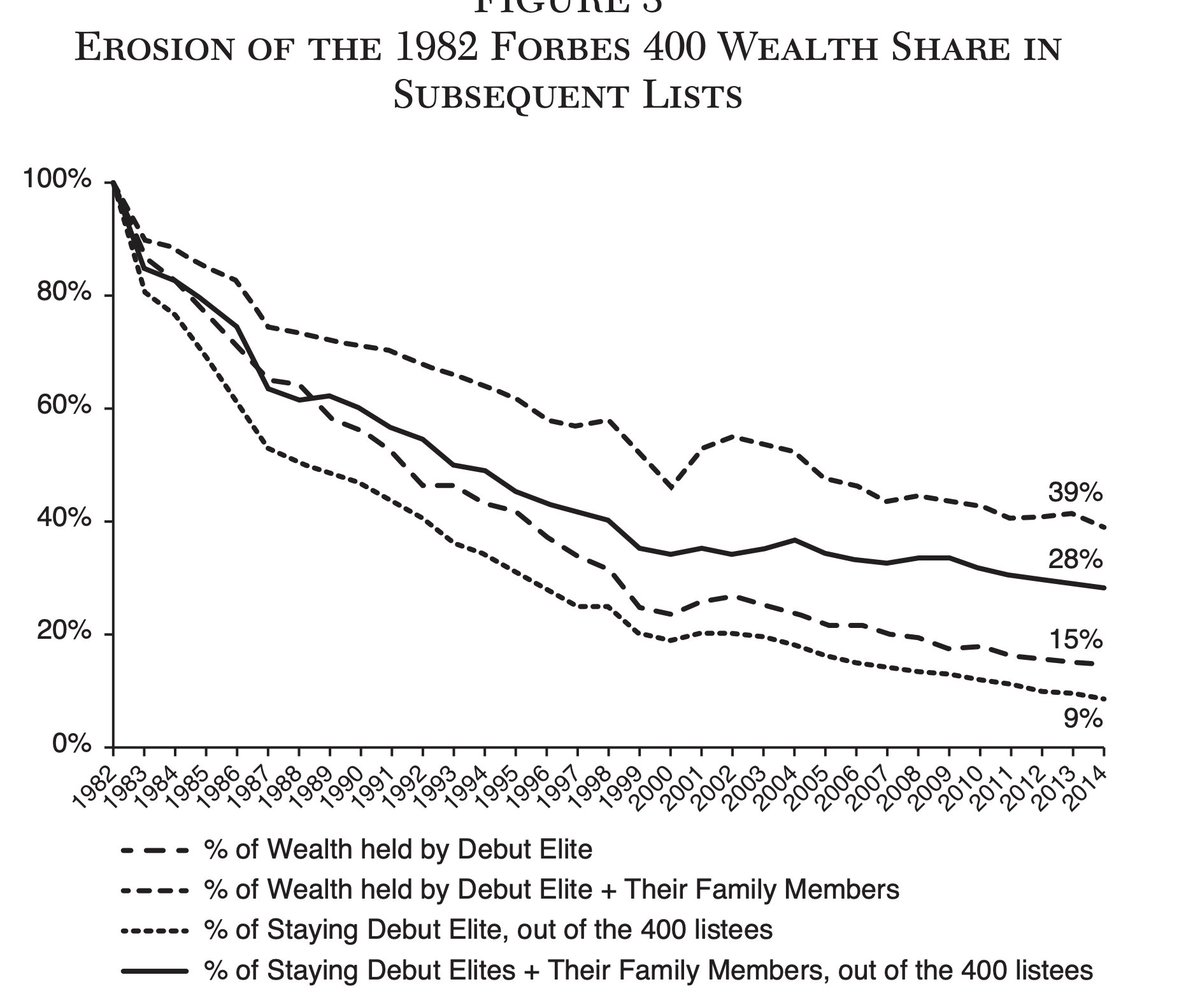
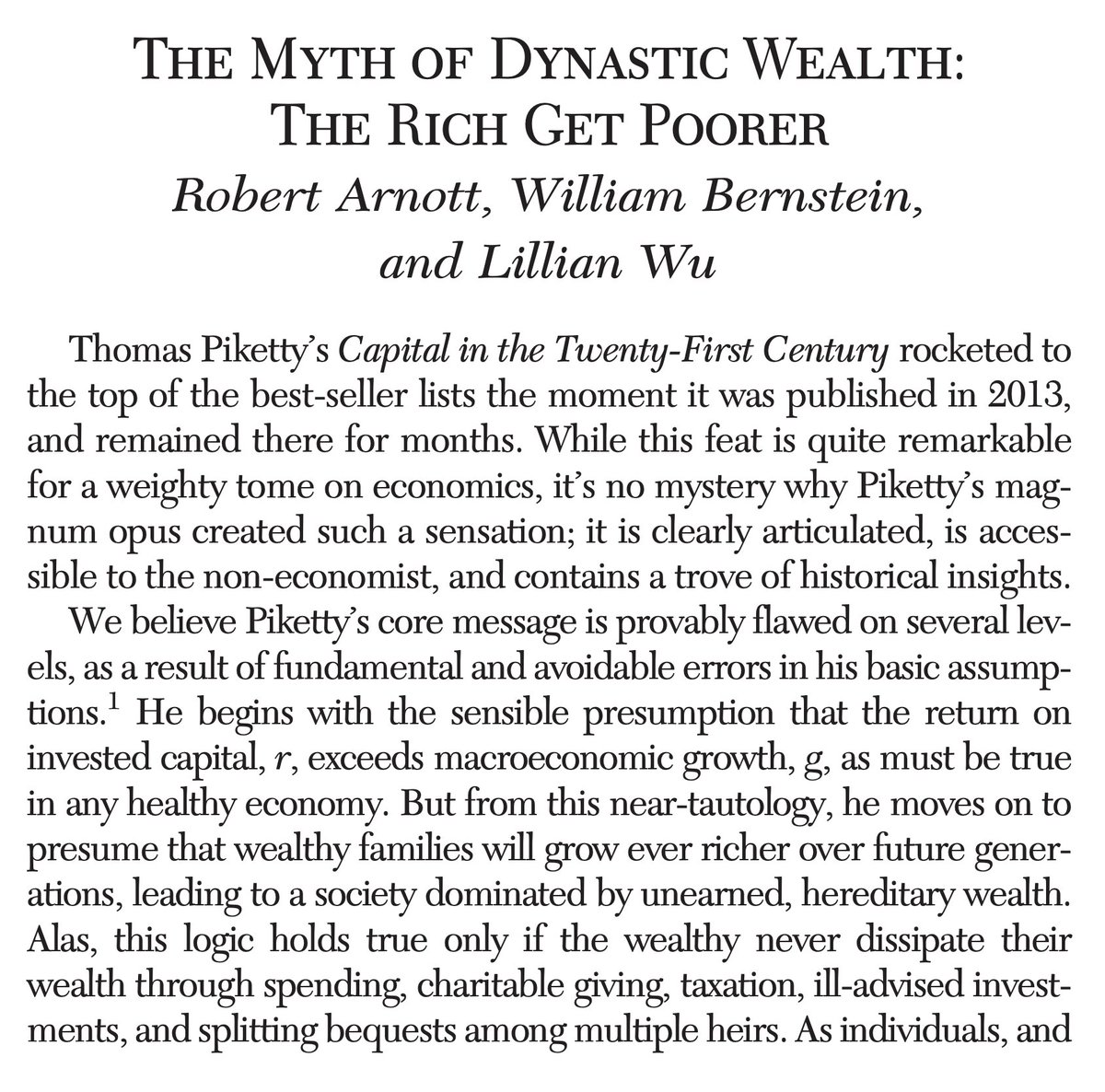
What happened to the Rockefeller, Carnegie and Astor by the way?
According to the “law of capitalism” (r>g) their wealth should have grown ineluctably faster than GDP unless there is a wealth tax.
By now, assuming a 4% spread between r and g, these families fortunes should represent roughly 200% of GDP. Is that actually true?
Or maybe somehow the wealth of these families got ultimately diluted in other ways? Maybe we should wonder in what ways
3
34
162
29,726
In a study of over 1,000 users of Replika, a popular AI chatbot, 30 reported without solicitation that their artificial companion saved them from suicide.
humanprogress.org/what-if-ai…
11
2,558
In Europe, until the late seventeenth century, the ordinary home might have had a table, some benches, a chair, a cupboard, fireplace tools, and cooking implements—and that was about it.
1
5
25
2,942
Read more about the Grim Old Days: humanprogress.org/grim-old-d…
3
2,322
Scientists and engineers are finding new ways to turn pollution and waste into valuable resources.
humanprogress.org/from-waste…
2
10
15
2,784

Jun 13
"Amazon is constantly innovating to reduce the amount of water we use in our data centers, resulting in a 52% improvement in water efficiency since 2021."
humanprogress.org/amazons-da…
1
11
52
3,448
Jun 13
Roughly half of Americans with a diagnosable mental health condition never seek professional help; stigma, cost, and fear of involuntary intervention keep them silent.
For some of them, a chatbot is their most reliable form of emotional support.
humanprogress.org/what-if-ai…
2
3
17
3,585
Jun 12
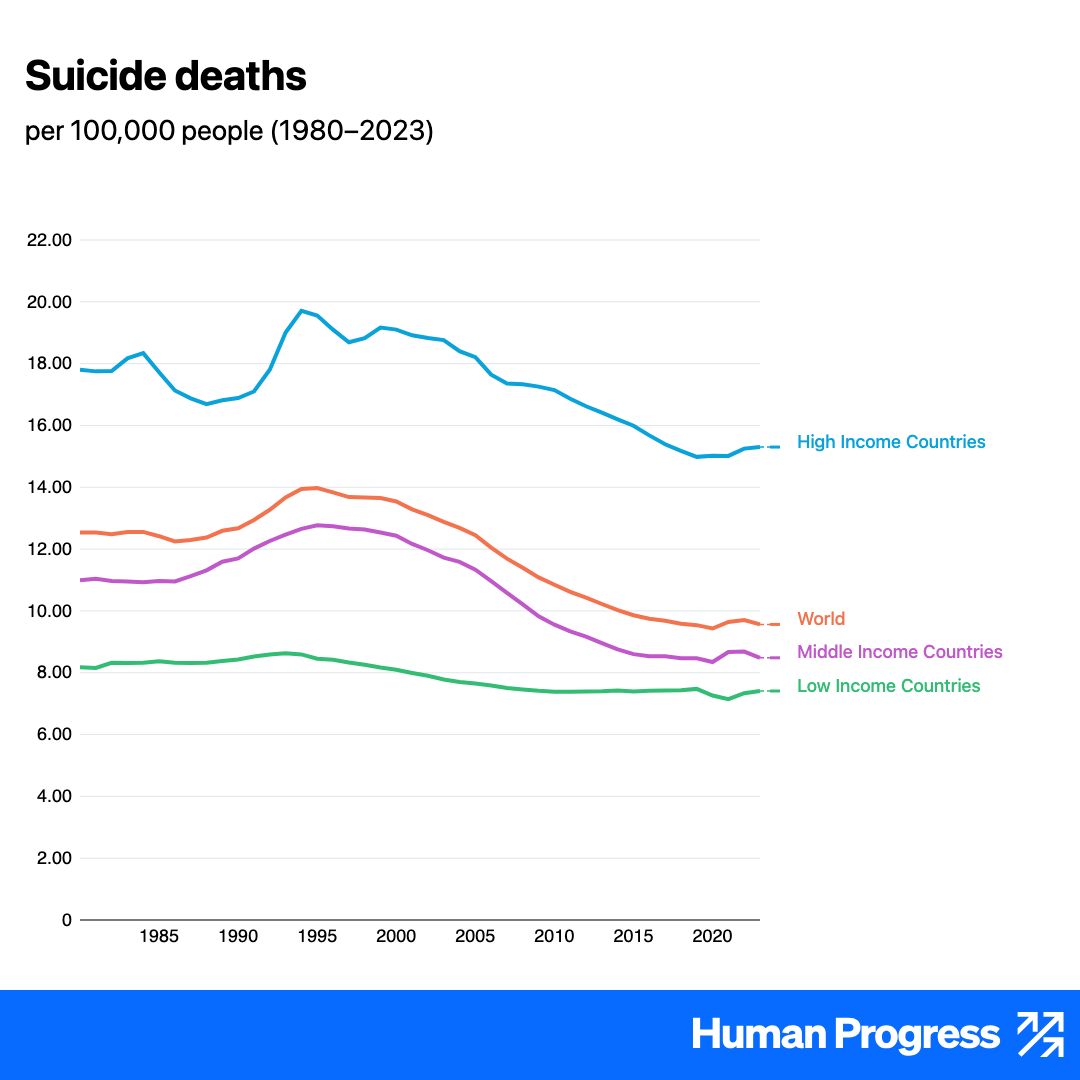
The global suicide rate has fallen substantially since its peak in the 1990s.
3
11
44
3,628
Human Progress retweeted

Jun 12
"When each revision expands the boundaries of mental illness further into the range of normal human experience, rising diagnosis rates may tell us more about incentives for overdiagnosis than about mental health itself." - Adam Omary, @HumanProgress profectusmag.com/mental-heal…
2
5
16
2,242
Jun 12
Trade has been a driving force behind rising living standards across the globe.
Far from harming the poor, open markets have helped lift billions out of extreme poverty while improving health, education, and life expectancy.
humanprogress.org/the-triump…
7
19
2,732
Jun 12
"Mangroves declined globally before 2010, but have mostly recovered since then, with both forest loss and degradation (declining canopy cover) rates slowing over time."
humanprogress.org/earths-man…
2
2
28
2,710
Jun 12
Americans have enjoyed extraordinary gains in material abundance, yet housing stands out as a stubborn exception.
The problem is not an inevitable market failure but the predictable result of artificial constraints on supply.
humanprogress.org/the-end-of…
5
21
3,038
Jun 11
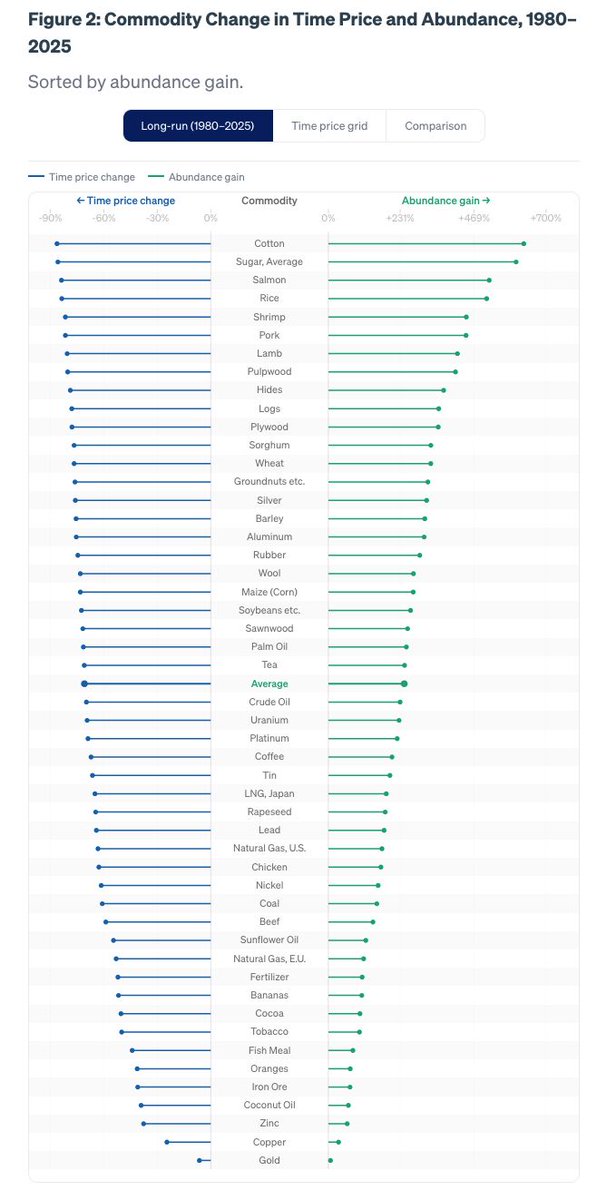
Within the context of a market economy, human beings not only use resources, but replenish and enlarge them.
3
5
25
4,866
Jun 11
Growing concern over smartphones and social media has fueled claims that screens are driving an epidemic of youth mental illness.
But the evidence for this narrative is often mixed or overstated, with many studies failing to account for underlying social and psychological factors.
humanprogress.org/screens-ar…
6
24
3,080