
Joined February 2026
- Tweets 1,705
- Following 100
- Followers 174
- Likes 1,002
Photos and videos
Pinned Tweet

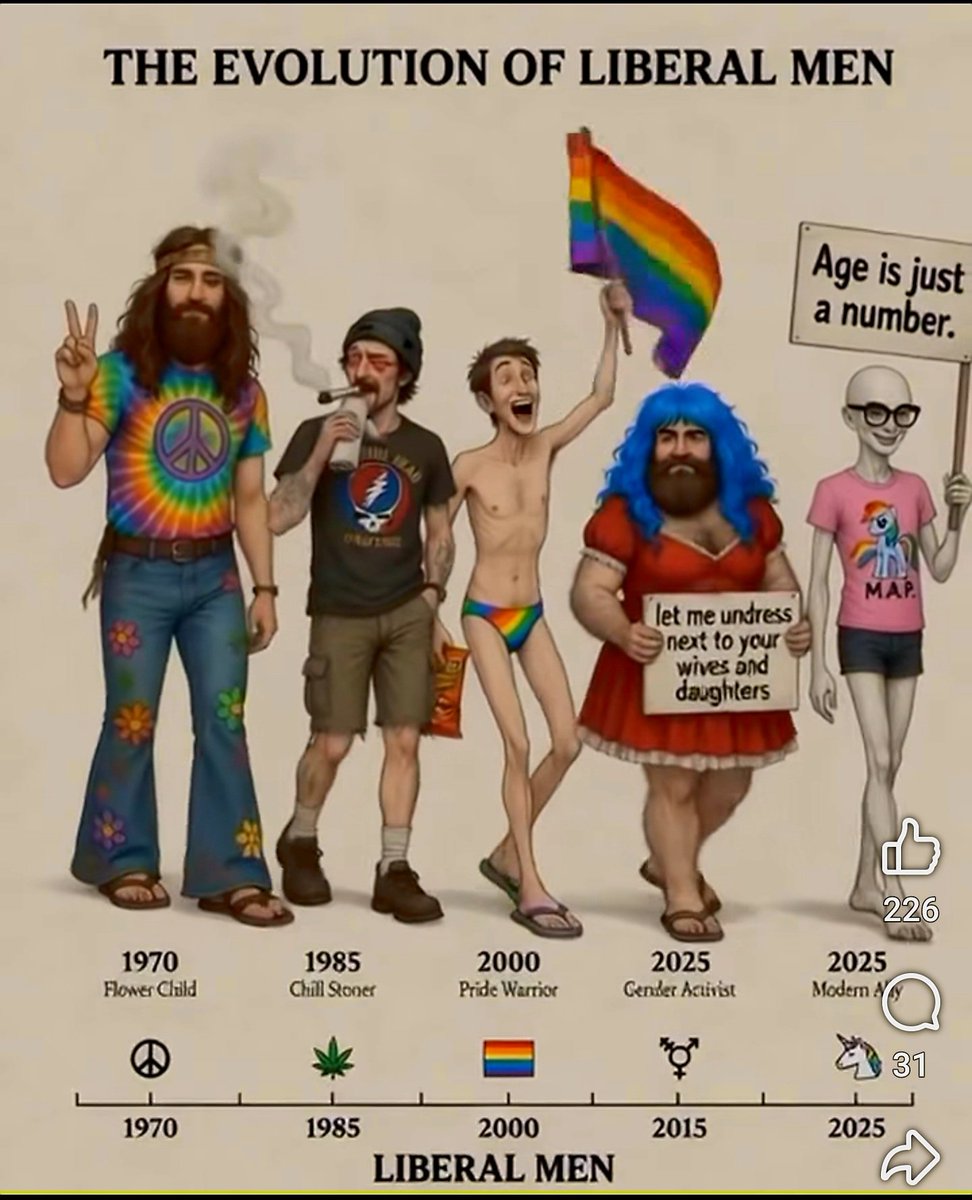
Perversion shouldn't be your defining characteristic.
18
10
121
14,771

▪︎ ℍ𝕪𝕡𝕖𝕣 | 𝔸𝕨𝕒𝕣𝕖 ▪︎ retweeted

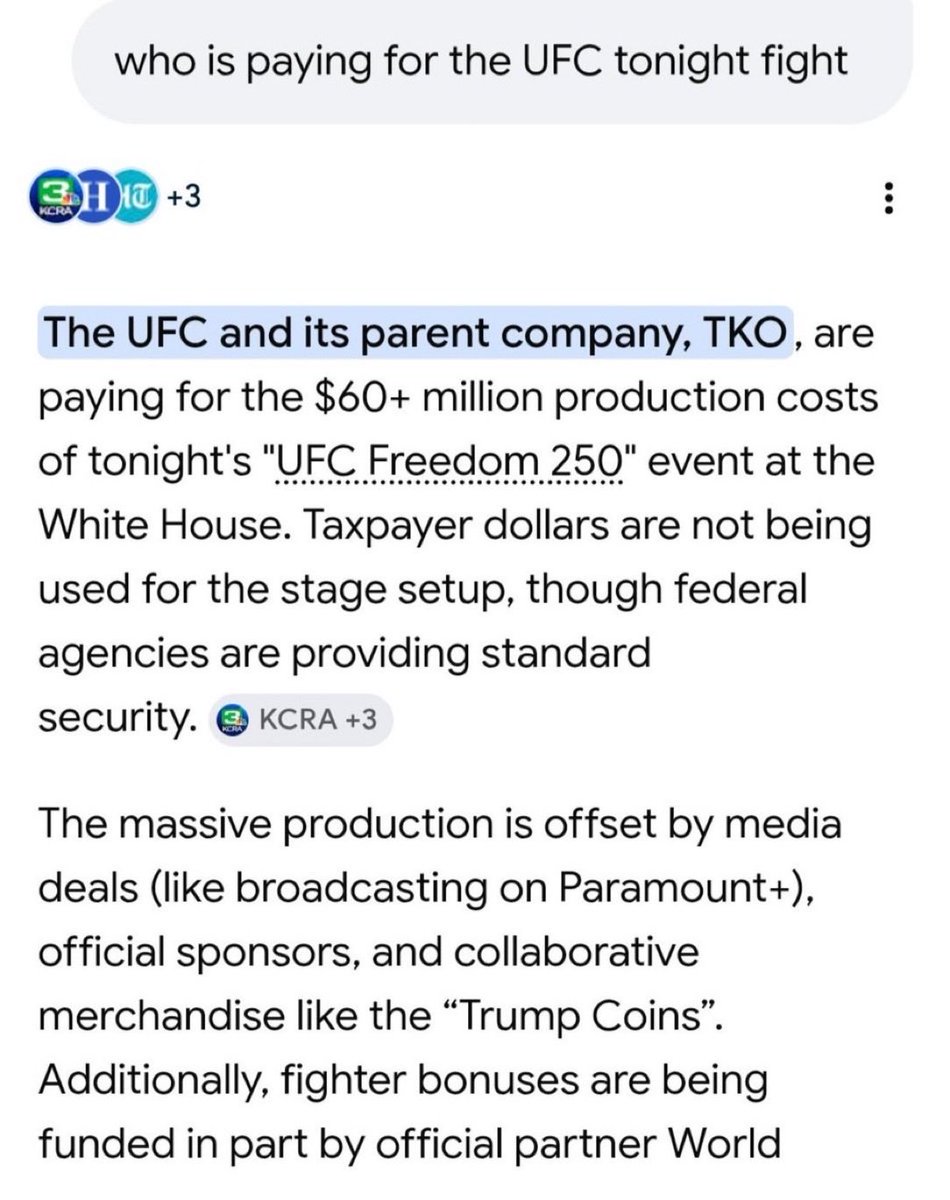
What’s better than a rare Super Delta formation featuring the Thunderbirds and the @USNavy Blue Angels over Washington, D.C.?
Watching it from four different views for #UFCWhiteHouse as part of #Freedom250. 🇺🇸
1,217
12,202
66,856
1,488,320
▪︎ ℍ𝕪𝕡𝕖𝕣 | 𝔸𝕨𝕒𝕣𝕖 ▪︎ retweeted
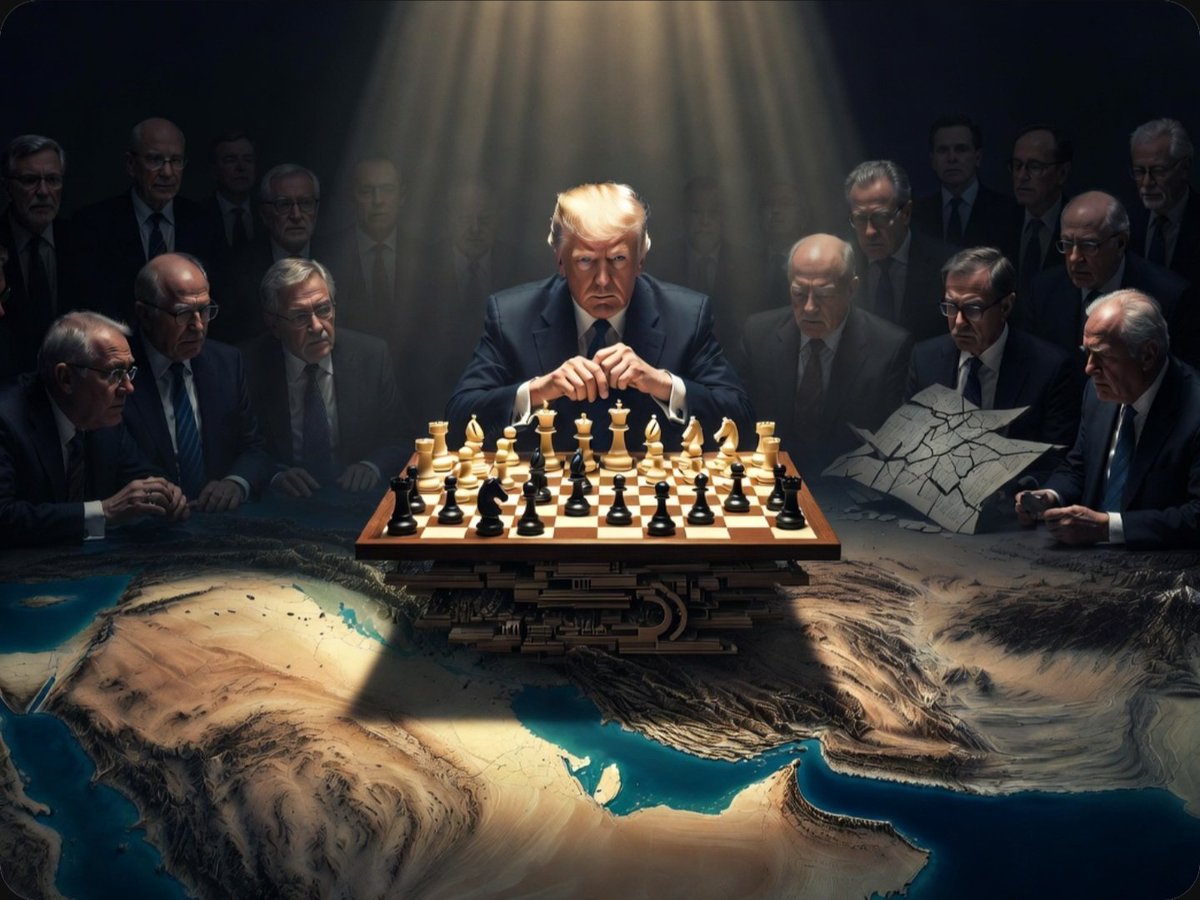
While the liberal commentariat and their credentialed echo chamber of strategic illiterates continue deploying the heuristic of “Trumpian irrationality” to rationalize their own catastrophic failure of deterrence modeling . .
For the benefit of the cognitively impaired and the morally hazard-prone, here is the
Iran War/Peace Deal technical autopsy:
1. The Obama-era JCPOA was a textbook demonstration of time-inconsistent bargaining under incomplete information: massive upfront rent transfers to a revisionist theocracy, coupled with sunset clauses that structurally incentivized future nuclear breakout. The current framework inverts this by first imposing negative externalities through sustained sanctions and targeted degradation of critical infrastructure, then conditioning any relief on observable, monitorable restraint; thereby solving the commitment problem these fucking naifs never even modeled.
2. Kinetic and maritime pressure operations were not “escalation” in the simplistic liberal ontology; they were a calibrated application of compellence that shifted the payoff matrix, raising the cost of continued defiance while lowering the perceived probability of successful nuclear latency. Result: the adversary arrives at the table with degraded capabilities and eroded proxy bandwidth, rather than the enriched breakout posture enabled by prior appeasement equilibria.
3. Securing toll-free maritime access through the Hormuz chokepoint under U.S.-dictated terms is not concession; it is extraction of the single highest-value asymmetric leverage point Iran possessed. Global energy price stabilization and the denial of Iranian rent-seeking constitute direct negative externalities imposed on the revisionist actor while generating positive externalities for the liberal international order these same critics claim to defend.
4. This was never “Trump’s war.” It was the predictable equilibrium outcome of the previous administration’s signaling of restraint and accommodation, which lowered the expected costs of proxy aggression and nuclear hedging across the Axis of Resistance. The current operator inherited a deteriorated deterrence posture and restored it through demonstrated willingness to absorb short-term audience costs for long-term strategic gain.
5. Sanctions relief is now structured as a repeated game with observable actions and verifiable milestones, not the one-shot transfer of fungible resources that characterized the prior deal. Nuclear enrichment ceilings, stockpile disposition, and inspection regimes are to be negotiated from a position where the adversary’s outside option has already been materially worsened; classic leverage maximization that the goddamn sunset-clause architects never contemplated.
6. The regional realignment effect operates through updated beliefs: Gulf actors, having observed credible U.S. willingness to degrade Iranian power projection, rationally update their alignment strategies toward the stronger node in the network. This further isolates the revisionist actor in a manner that pure diplomatic engagement under information asymmetry could never achieve.
7. The liberal preference for “dialogue” absent credible threats is a classic moral hazard problem: it subsidizes continued revisionism by signaling that the costs of defiance will remain low. The current approach prices defiance correctly by maintaining the shadow of future kinetic action, thereby inducing concession without requiring perpetual occupation or nation-building externalities.
8. Termination of active hostilities on terms that restore global public goods (energy transit) while avoiding open-ended commitment of ground forces represents efficient termination of conflict rather than the open-ended quagmire equilibria favored by both neoconservative overreach and progressive restraint signaling. The technical term is “victory with minimal sunk costs.”
(Next Post 👇)
1
1
1
45
While the liberal commentariat and their credentialed echo chamber of strategic illiterates continue deploying the heuristic of “Trumpian irrationality” to rationalize their own catastrophic failure of deterrence modeling . .
For the benefit of the cognitively impaired and the morally hazard-prone, here is the
Iran War/Peace Deal technical autopsy:
1. The Obama-era JCPOA was a textbook demonstration of time-inconsistent bargaining under incomplete information: massive upfront rent transfers to a revisionist theocracy, coupled with sunset clauses that structurally incentivized future nuclear breakout. The current framework inverts this by first imposing negative externalities through sustained sanctions and targeted degradation of critical infrastructure, then conditioning any relief on observable, monitorable restraint; thereby solving the commitment problem these fucking naifs never even modeled.
2. Kinetic and maritime pressure operations were not “escalation” in the simplistic liberal ontology; they were a calibrated application of compellence that shifted the payoff matrix, raising the cost of continued defiance while lowering the perceived probability of successful nuclear latency. Result: the adversary arrives at the table with degraded capabilities and eroded proxy bandwidth, rather than the enriched breakout posture enabled by prior appeasement equilibria.
3. Securing toll-free maritime access through the Hormuz chokepoint under U.S.-dictated terms is not concession; it is extraction of the single highest-value asymmetric leverage point Iran possessed. Global energy price stabilization and the denial of Iranian rent-seeking constitute direct negative externalities imposed on the revisionist actor while generating positive externalities for the liberal international order these same critics claim to defend.
4. This was never “Trump’s war.” It was the predictable equilibrium outcome of the previous administration’s signaling of restraint and accommodation, which lowered the expected costs of proxy aggression and nuclear hedging across the Axis of Resistance. The current operator inherited a deteriorated deterrence posture and restored it through demonstrated willingness to absorb short-term audience costs for long-term strategic gain.
5. Sanctions relief is now structured as a repeated game with observable actions and verifiable milestones, not the one-shot transfer of fungible resources that characterized the prior deal. Nuclear enrichment ceilings, stockpile disposition, and inspection regimes are to be negotiated from a position where the adversary’s outside option has already been materially worsened; classic leverage maximization that the goddamn sunset-clause architects never contemplated.
6. The regional realignment effect operates through updated beliefs: Gulf actors, having observed credible U.S. willingness to degrade Iranian power projection, rationally update their alignment strategies toward the stronger node in the network. This further isolates the revisionist actor in a manner that pure diplomatic engagement under information asymmetry could never achieve.
7. The liberal preference for “dialogue” absent credible threats is a classic moral hazard problem: it subsidizes continued revisionism by signaling that the costs of defiance will remain low. The current approach prices defiance correctly by maintaining the shadow of future kinetic action, thereby inducing concession without requiring perpetual occupation or nation-building externalities.
8. Termination of active hostilities on terms that restore global public goods (energy transit) while avoiding open-ended commitment of ground forces represents efficient termination of conflict rather than the open-ended quagmire equilibria favored by both neoconservative overreach and progressive restraint signaling. The technical term is “victory with minimal sunk costs.”
(Next Post 👇)
1
1
1
45
9. Iranian domestic propaganda framing the outcome as “victory” is face-saving noise that does not alter the material shift in bargaining power. The regime accepts conditional sanctions modulation and maritime de-control precisely because continued resistance now carries higher expected costs than compliance; textbook asymmetric information resolution through demonstrated resolve.
10. This is the operational definition of superior strategic rationality: generate leverage through credible threats, extract concessions that improve the status quo ante, and do so while the opposing coalition’s modelers remain trapped in their outdated liberal institutionalist priors. The critics who spent years predicting systemic collapse are now confronted with an observable improvement in the strategic position of the United States.
▪︎ Checkmate, you fucking amateurs.
8

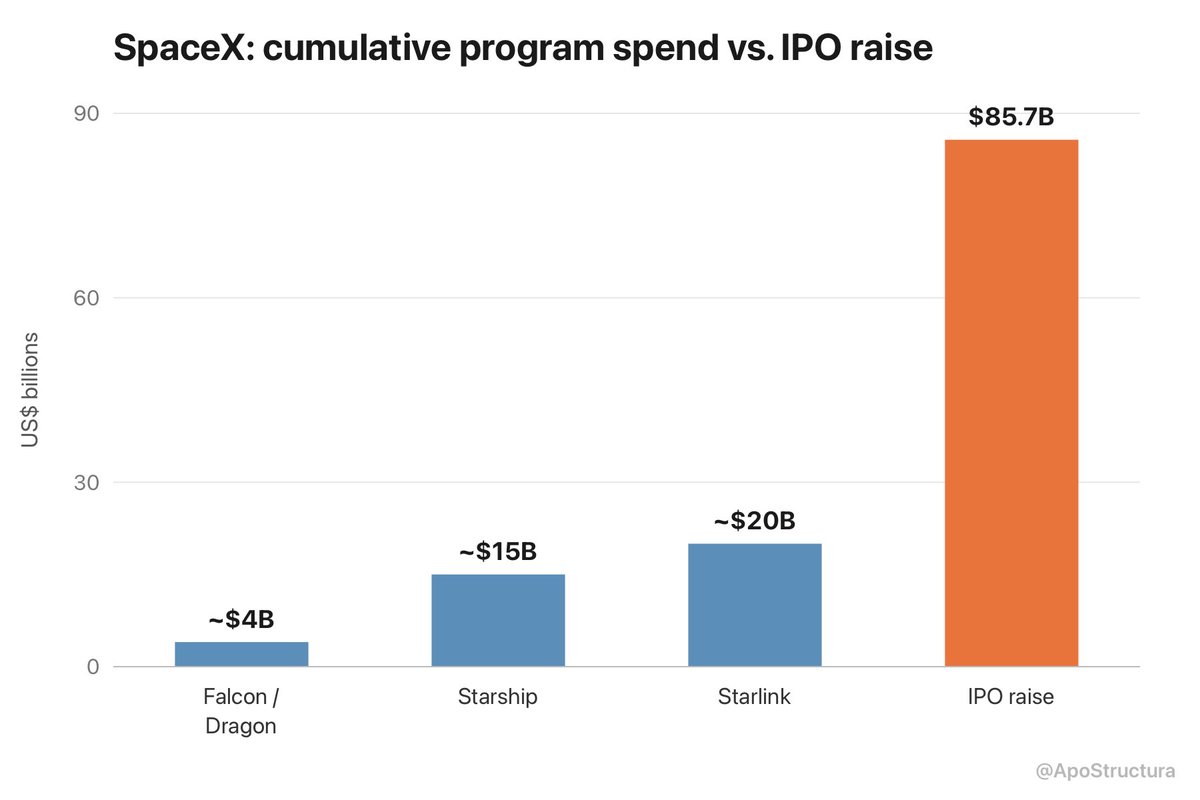
The scale of what is to come has no precedent

To get a sense of scale, here’s how the $85.7b SpaceX just raised compares to what they’ve historically spent on different programs.
People aren’t ready for the magnitude of things to come
2,316
5,651
50,558
5,796,340
▪︎ ℍ𝕪𝕡𝕖𝕣 | 𝔸𝕨𝕒𝕣𝕖 ▪︎ retweeted

IMAGINE HAVING SO MUCH TRUMP DERANGEMENT SYNDROME YOU CANT ADMIT THAT THIS IS TOTALLY BADASS!!!!
4,838
11,336
94,497
3,636,621
▪︎ ℍ𝕪𝕡𝕖𝕣 | 𝔸𝕨𝕒𝕣𝕖 ▪︎ retweeted

Jun 13
After so many artists backed out, God has stepped in as the great dramatist, architect, musician, painter, and dedicator of the 250th.
689
8,797
54,588
460,602
▪︎ ℍ𝕪𝕡𝕖𝕣 | 𝔸𝕨𝕒𝕣𝕖 ▪︎ retweeted

20h
JUSTIN GAETHJE WALKS OUT OF THE OVAL OFFICE #UFCFreedom250
121
1,021
17,508
3,664,029

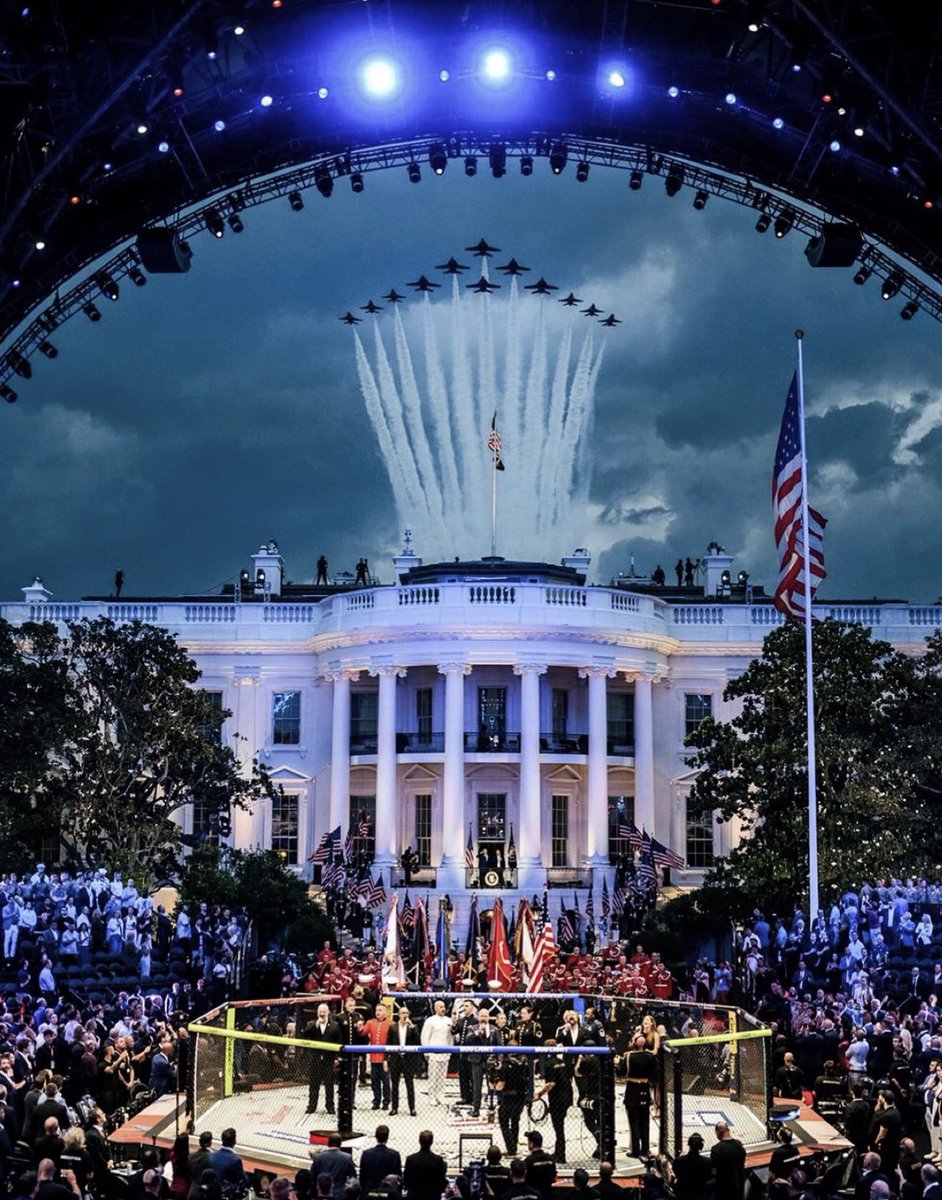
Is this the greatest image in sports event history?
#UFCWhiteHouse
#UFCFreedom250
43
201
1,369
21,450
▪︎ ℍ𝕪𝕡𝕖𝕣 | 𝔸𝕨𝕒𝕣𝕖 ▪︎ retweeted

Jun 14
Hard to rank these finals because lowkey they're usually the worst series of the postseason
Warriors-Celtics and Pacers-Thunder probably the only good ones of the 2020s aside from the Jimmy-LeBron duel game
1
1
45
▪︎ ℍ𝕪𝕡𝕖𝕣 | 𝔸𝕨𝕒𝕣𝕖 ▪︎ retweeted

Jun 11
Pacers fans had to experience:
- 2026 Finals Game 7
- Thunder ring
- Knicks ring
- Celtics ring
- Bucks ring
- PG breaking his ankle
- Oladipo tearing his ACL
- Malice at the Palace
- Losing our 1st round pick this year
- Get owned by LeBron x3
- Watch LeBron beat us on a goaltend
- Owned by MJ in his prime
- Owned by Kobe & Shaq in their prime
- Myles Turner
- Nate Bjorken
The basketball gods have a soft spot for hating the Indiana Pacers….
69
202
2,475
158,260
▪︎ ℍ𝕪𝕡𝕖𝕣 | 𝔸𝕨𝕒𝕣𝕖 ▪︎ retweeted
1
2
635
▪︎ ℍ𝕪𝕡𝕖𝕣 | 𝔸𝕨𝕒𝕣𝕖 ▪︎ retweeted

238
2,059
12,921
451,481
▪︎ ℍ𝕪𝕡𝕖𝕣 | 𝔸𝕨𝕒𝕣𝕖 ▪︎ retweeted

22h
Tyson Fury says he’ll leave the announcement to Dana White…
Looks like the rumours were true. 👀
Something big is coming.
#UFC #MMA #WhiteHouse #TRUMP #TysonFury
1
3
1,138


