Joined September 2024
- Tweets 10,409
- Following 2,190
- Followers 372
- Likes 36,173
351 Photos and videos

The Form I9 Company retweeted

15 Aug 2025
Team Of MIT Physicists Says They Are Close To Figuring Out If This Is One Paper Plate Or Two shorturl.at/kFEdN

85
478
5,184
174,884
The Form I9 Company retweeted

15 Aug 2025
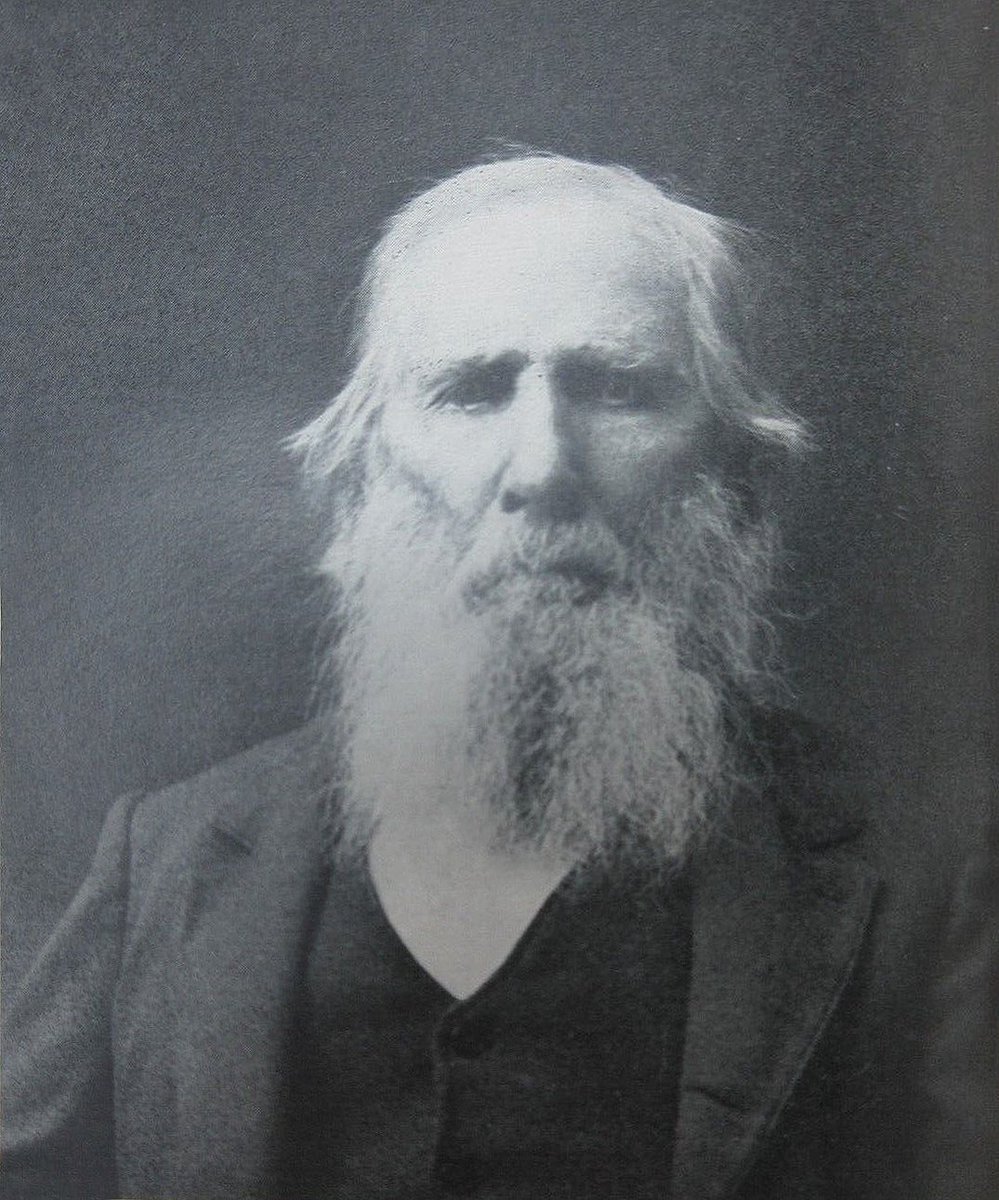
The Texas Quote of the Day is a DANDY description of life in Texas in 1827 by the man who lived it, Noah Smithwick. As we pick up Smithwick's narrative, he's just arrived in Bell's Crossing, now West Columbia.
The social life was as simple as the daily routine. There were no churches or schools yet, but the settlers gathered for dances, barbecues, and weddings, which were the great events. A wedding was a community affair; everybody came from miles around, bringing what they could—venison, wild turkey, or a jug of corn whiskey. The women cooked for days, and the feast was spread on puncheon tables under the trees. The bride usually wore a homespun dress, maybe dyed with walnut hulls or indigo, and the groom sported his best hunting shirt. There was no preacher nearer than San Felipe, so the ceremony was often performed by the alcalde, or, in a pinch, by any respectable citizen who could read the service from a prayer book.
I recall one wedding at Bell’s Landing where Aylett Buckner acted as master of ceremonies. The groom was a young fellow named Tompkins, who had come from Tennessee, and the bride was a McNeal girl. The couple stood under an oak tree, with the crowd gathered round, and Buckner read the service with as much solemnity as if he’d been a bishop. After the “I do’s,” the fiddles struck up—there was always a fiddler or two in the settlement—and we danced till midnight. The women had baked cornbread and bear meat, and there was a barrel of whiskey that kept things lively. One old fellow got so full of “tanglefoot” that he fell into the river, and we had to fish him out, but he was none the worse and danced till morning.
There was no regular amusement, like theaters or such, but the settlers made their own fun. The men hunted and fished, and the women had their quilting bees and sewing circles. Sometimes we’d have a shooting match, with a beef or a turkey for a prize. Everybody turned out, and the women cheered the shooters as heartily as the men. The young folks courted openly; there was no hiding about it, for the cabins were too small for secrets. If a fellow wanted to spark a girl, he’d ride ten or twenty miles to her father’s place, and, if she liked him, they’d sit on the porch or walk down to the creek, with the whole family knowing it.
The Indians were a constant worry in those days. The Karankawas, who lived along the coast, were the worst. They were tall, strong fellows, and they’d steal anything they could lay hands on—horses, cattle, or provisions. We had to keep a sharp lookout, and every man slept with his rifle loaded. The Comanches were farther west, but they raided now and then, and a settler’s wife had to be as ready to shoot as her husband. I remember one woman, Mrs. Hibbins, who drove off a Karankawa with a skillet when he tried to steal her chickens. She chased him half a mile, swinging that skillet and yelling like a wildcat.
Life was hard, but it was free. There was no law but what the settlers made themselves, and no taxes to speak of. A man could take up land, build a cabin, and call it home, with no one to tell him nay. The women were as stout-hearted as the men, and many a time I’ve seen a woman chop wood, milk a cow, or ride to warn neighbors of Indians, with a baby tied to her back. Texas was a young man’s country, but it was the women who made it a home."
---- Noah Smithwick, "Evolution of a State: Or Recollections of Old Texas Days," 1900
Shown here: the intense face of Noah Smithwick in old age. He knew William Travis, Sam Houston, and Stephen F. Austin personally, in Texas.
38
87
455
46,551
The Form I9 Company retweeted

15 Aug 2025
NO MAN IS CRUSHED BY MISFORTUNE UNLESS HE HAS FIRST BEEN DECEIVED BY PROSPERITY.
10
11
106
4,666
The Form I9 Company retweeted

15 Aug 2025
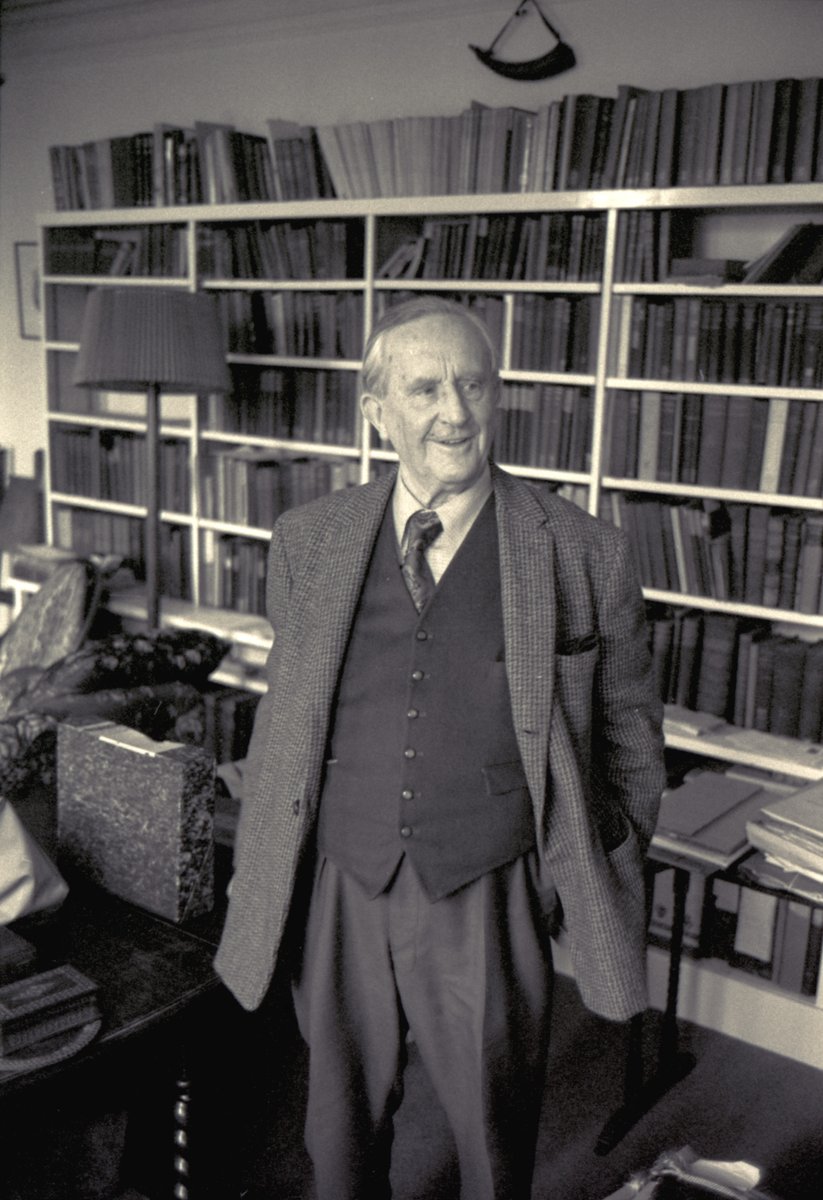
"I have..devoted myself mainly to those things that I personally like... I have tried to awake liking, to communicate delight in those things that I find enjoyable."
- Tolkien, Valedictory Address to Oxford
6
112
783
18,322
The Form I9 Company retweeted
14 Aug 2025
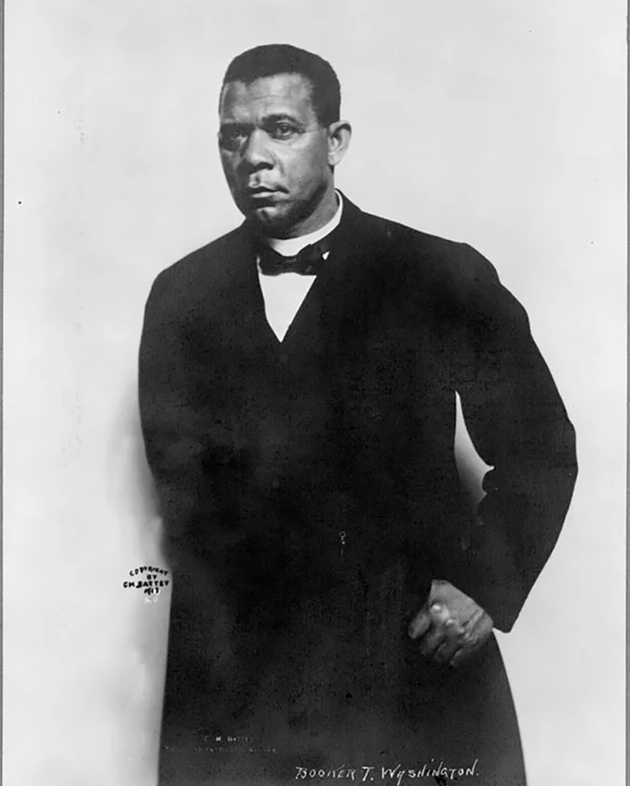
"Not long ago I was making a journey between Dallas and Houston. In some way it became known in advance that I was on the train. At nearly every station at which the train stopped, numbers of white people, including in most cases the officials of the town, came aboard and introduced themselves and thanked me heartily for the work that I was trying to do for the South."
----- Booker T. Washington, American educator, author, and orator. He was referring to a trip he made in June, 1897 to deliver the commencement address at Texas Southern University. This is the Texas Quote of the Day!
7
63
324
8,595
The Form I9 Company retweeted

15 Aug 2025
What a big shift toward Ukraine among the GOP from 6 months ago.
% who think we give Ukraine too much support has dropped dramatically from 47% to 30%.
% who say we should give more arms to Ukraine has jumped from 30% to 51%.
Oh & Putin: GOP hates him with 84% unfavorable.
345
2,258
9,916
1,524,203
The Form I9 Company retweeted

13 Aug 2025
This is Winnie. She is what you might call a… submaween. 13/10
149
1,567
25,040
422,985
The Form I9 Company retweeted
14 Aug 2025
Re: DC... Americans have liked Trump's approach on crime. He's Air Jordan ( 1 pts net approval) compared to Biden last year (-26 pts net approval).
The GOP leads by 16 pts on crime over Dems. The country is a lot more hawkish on crime than many Dems would like to admit.
324
787
3,602
580,574
The Form I9 Company retweeted

13 Aug 2025
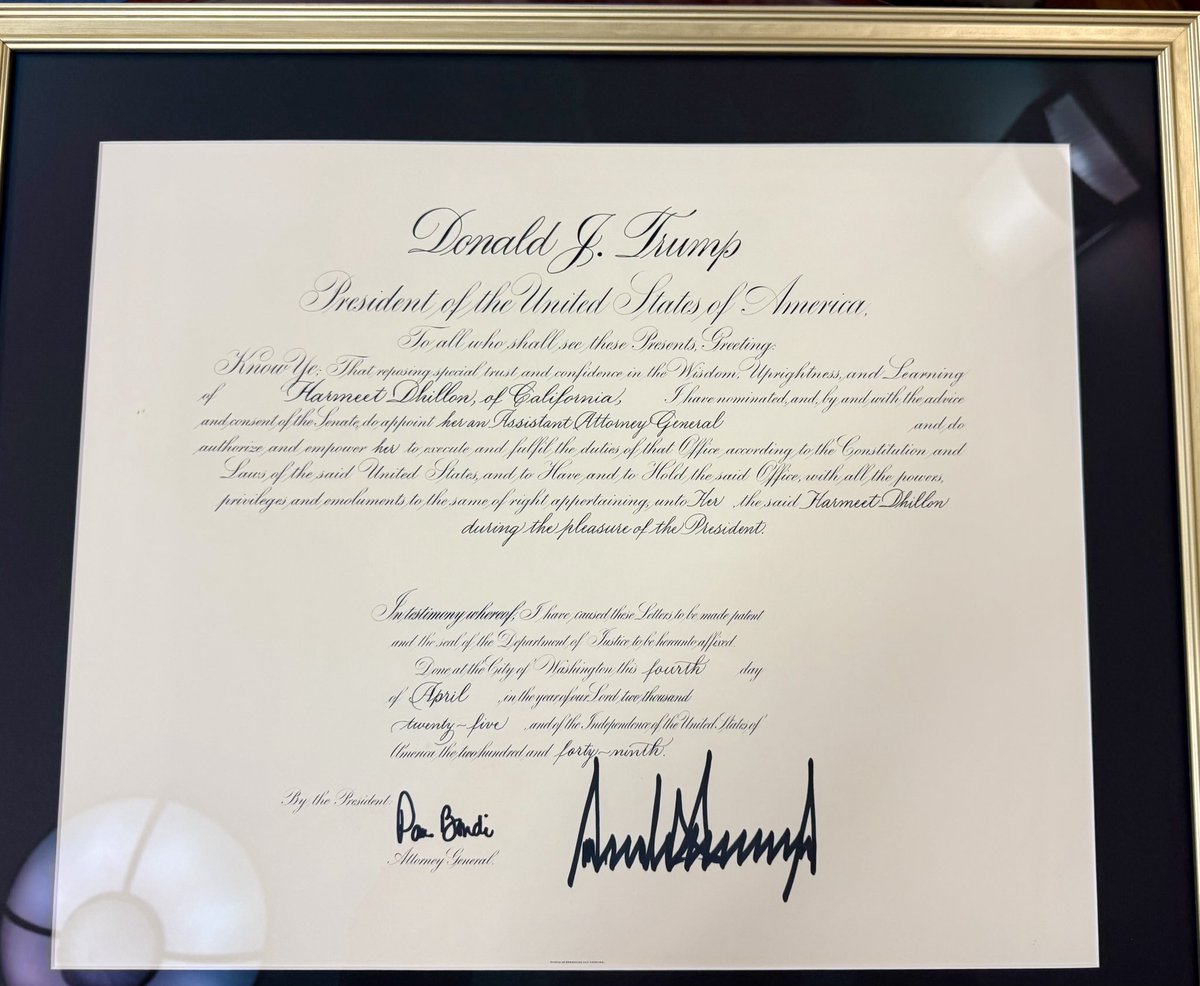
This one’s for you, Dad. Guess that Ancient Greek/Latin and Classical Studies major wasn’t a complete waste of your money after all! ☺️
1,073
2,221
17,135
211,910
The Form I9 Company retweeted

12 Aug 2025
Shohei Ohtani is awesome because he’s one of the greatest athletes of all time and is also always getting into bizarre real world Kramer B-plots from Seinfeld
12 Aug 2025

Shohei Ohtani and his agent Nez Balelo are being sued by a Hawaii real estate investor for allegedly sabotaging a $240 million real estate project, per @The_Japan_News

230
5,061
98,526
6,768,135
The Form I9 Company retweeted
12 Aug 2025
This is Haha. He had to socialize multiple times today. Gonna need a couple days to recover. 14/10

166
1,571
26,931
525,545
The Form I9 Company retweeted

11 Aug 2025
What’s your favorite year of your baseball team? Not when they were best, but when you loved them most. I’m going 93 Phillies. I was 18 and wild, they were lunatics. It was just perfect. Almost.
110
4
90
15,903
The Form I9 Company retweeted
12 Aug 2025
Hilarious, Fun, Loving Dad Who Knows Everything Turns Into Lame, Boring Moron The Moment Boy Turns 14 buff.ly/YdIGeeN

42
210
2,890
141,300
The Form I9 Company retweeted
12 Aug 2025
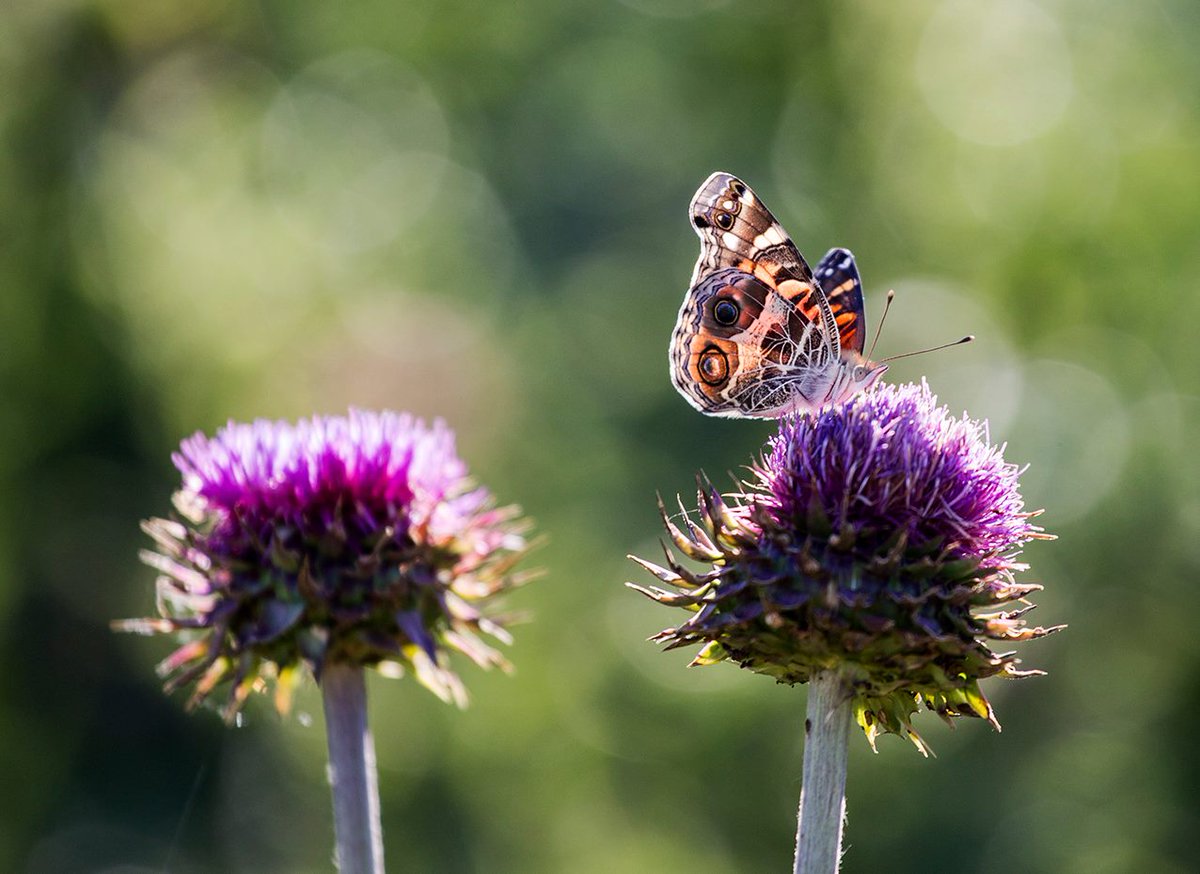
An American Painted Lady butterfly (I think that's what it is) on a thistle just after daybreak near Johnson City a few years ago. This is one of my own photos and I like it because I really nailed the focus: if you look real close, you can see the pupil in the butterfly's eye. These are supremely beautiful butterflies, I think. I like them just as much as monarchs.
10
15
176
5,946
The Form I9 Company retweeted
12 Aug 2025
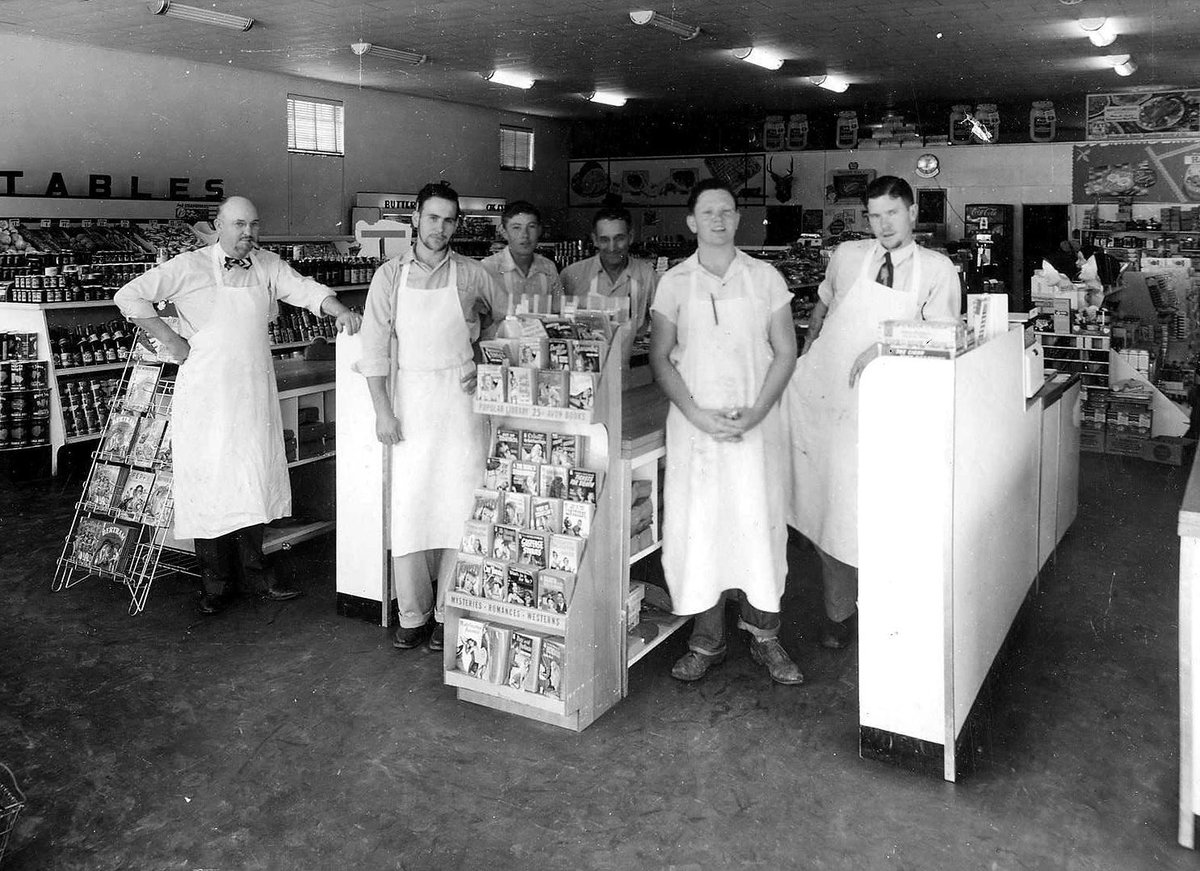
Workers at the Red and White Grocery Store in Slaton, Texas, 1946. So clear, so crisp, that I feel like almost smell the ink in those magazines in the rack! There are still a few Red and Whites around and --- I can't explain this ---- but my heart gladdens a little bit when I spot one.
16
30
263
8,737
The Form I9 Company retweeted

12 Aug 2025
Your book, The Case for Christ, was a deciding factor when I was opening up to the idea of converting to Christianity. I was already compelled by the figure of Jesus Christ in the New Testament, but I needed to know that actually believing in Him and letting Him into my life was rational and reasonable. You fully convinced me of that – thank you.
12 Aug 2025

I thank God for you, Sarah!
9
37
578
17,553
The Form I9 Company retweeted

11 Aug 2025
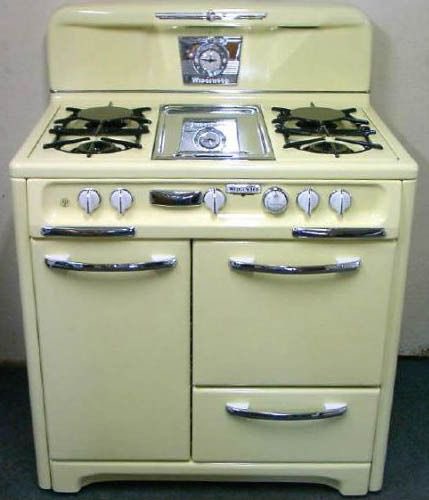
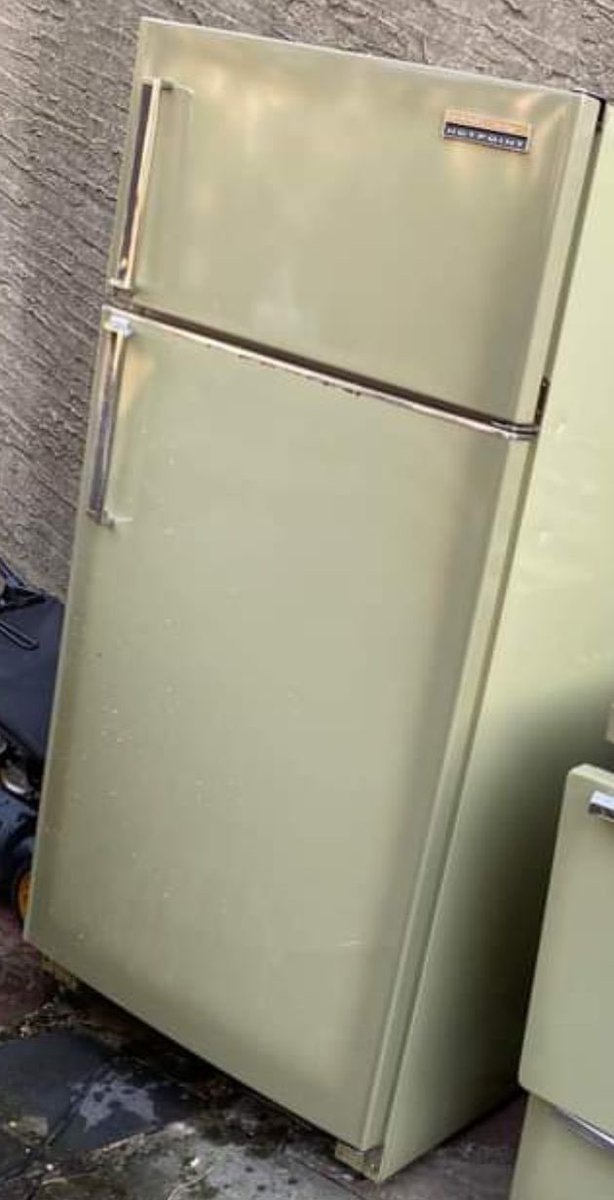
Hear me out…
We build a company.. call it: Vintage Americana
Manufacture machines without any computer components
Slogan: “Built to work. Built to last. Built to pass down to your grandchildren” 100%🇺🇸
Appliances, yard tractors, trucks & sedans, washers, dryers & gas stoves
11 Aug 2025

What we need is just a total retrofit of America
No more computer chips in every day machines
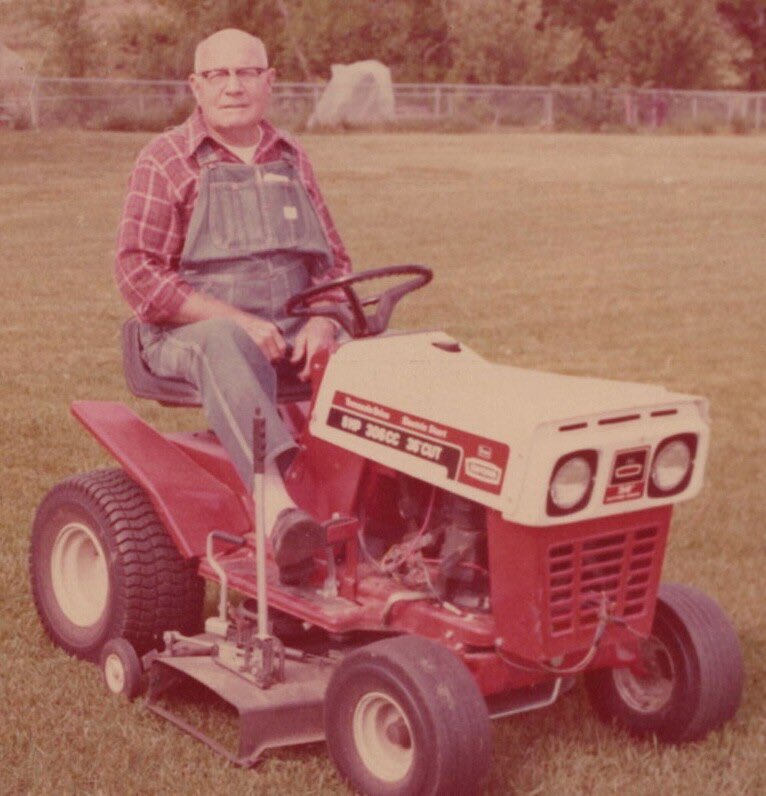
Remember your grandpas mower? I bet it still cranks on the first go
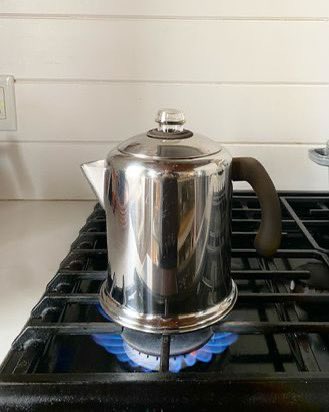
Or grandmas coffe percolator on a gas burner & gas stoves & locker fridge/freezers that still run today?
Return
5,284
8,834
65,680
3,474,340
The Form I9 Company retweeted

12 Aug 2025
(I have a cold)
10
2
143
5,860
The Form I9 Company retweeted

11 Aug 2025
The Correas are here!!!

58
187
6,911
117,236