
Joined June 2012
- Tweets 41,734
- Following 654
- Followers 293
- Likes 75,313
1,555 Photos and videos












Pinned Tweet

24 Oct 2019
Those sneaky motherfuckers...
6
5
46
Maybe St. Basil's Cathedral burning is the wake up call Russians need that their war isn't going so well.

When Notre-Dame burned in 2019, the world stopped.
Today, Russia damages Kyiv Pechersk Lavra, a monastery nearly 1,000 years old and older than Notre-Dame itself.
A thousand years of history deserves the same attention, the same sympathy, and the same protection.


12
Bluegoose (@ibmninja.bsky.social) retweeted

Jun 14
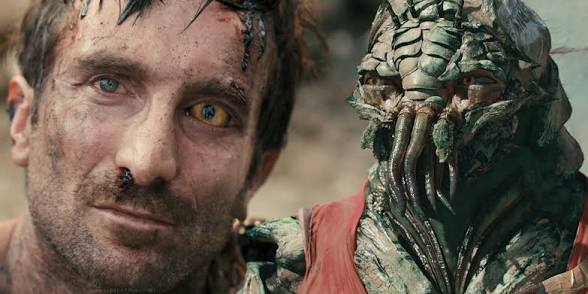
I seriously would give up the entire Fast and the Furious franchise for a sequel to this.
948
1,609
29,498
1,852,961
It's pretty awesome having Danish and Scottish parents. Until the sun comes out.
#WheresMyMelanin?
6
Bluegoose (@ibmninja.bsky.social) retweeted

Jun 13
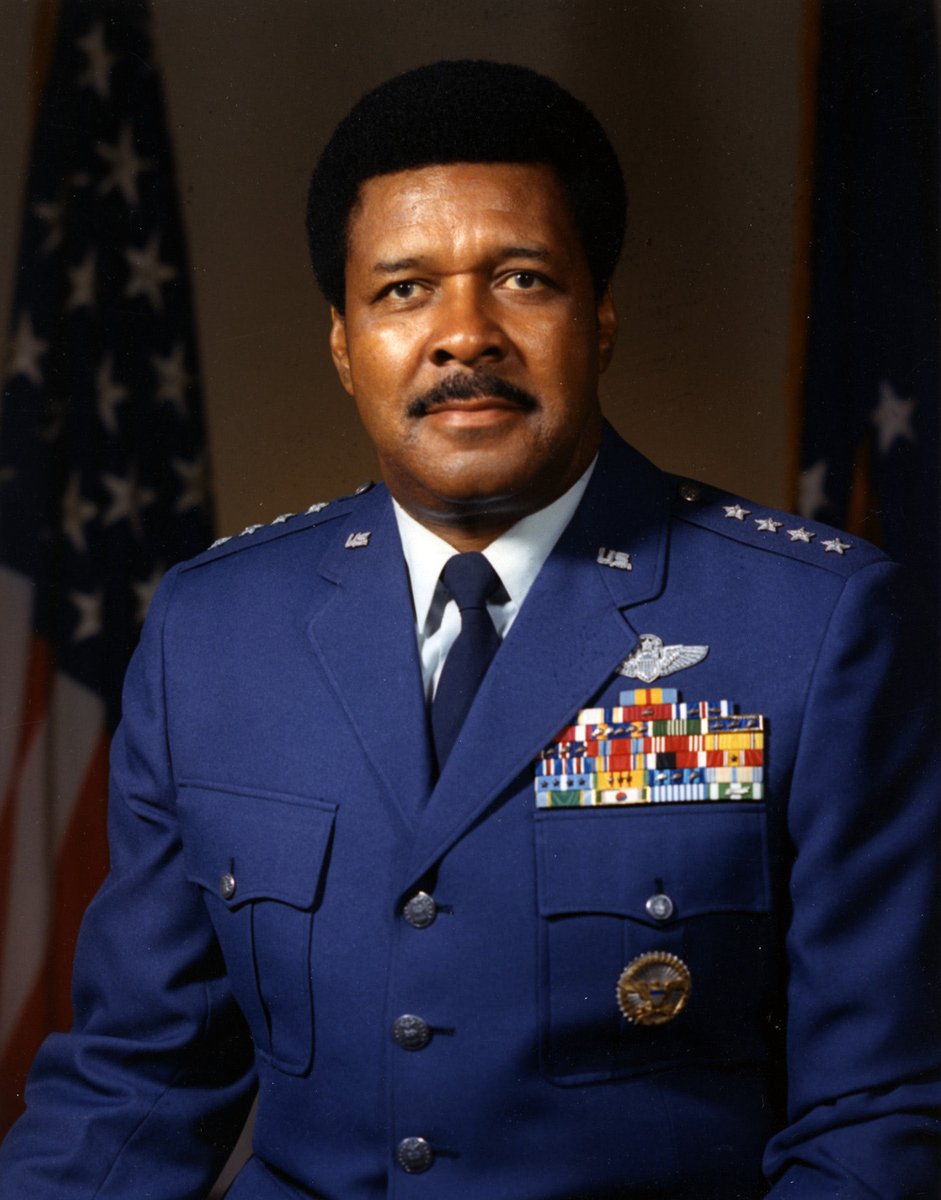
I want to give you guys some facts about General Chappie James. He wasn’t a “DEI” hire—he was a complete badass that had to overcome MORE than any white pilot. Did 178 combat missions—that’s like 7 bomber tours on a B-17 in WWII.
His medal count? Impeccable. 3 Distinguished Flying Crosses, 14 Air Medals, Two Legions of Merit, and a Defense Distinguished Service Medal. One of the original Tuskegee Airmen, the first four-star African American General.
Hegseth couldn’t sniff the level of soldiering and warrior that was in Chappie’s DNA. God bless him. And Hegseth took down his picture from a hallway like a racist little child, which is what he is.
893
11,185
30,456
678,786
🎤👇
Jun 11

Military historian Phillips O’Brien: There have been no U.S. peace efforts in Ukraine.
There have been efforts to get Putin a very good deal, forcing Ukrainians to give up more territory and people. That is not peace. That is Washington trying to deliver Putin a success. 1/
4
Gift article. Couldn't have said it better myself.
theglobeandmail.com/gift/589…
14
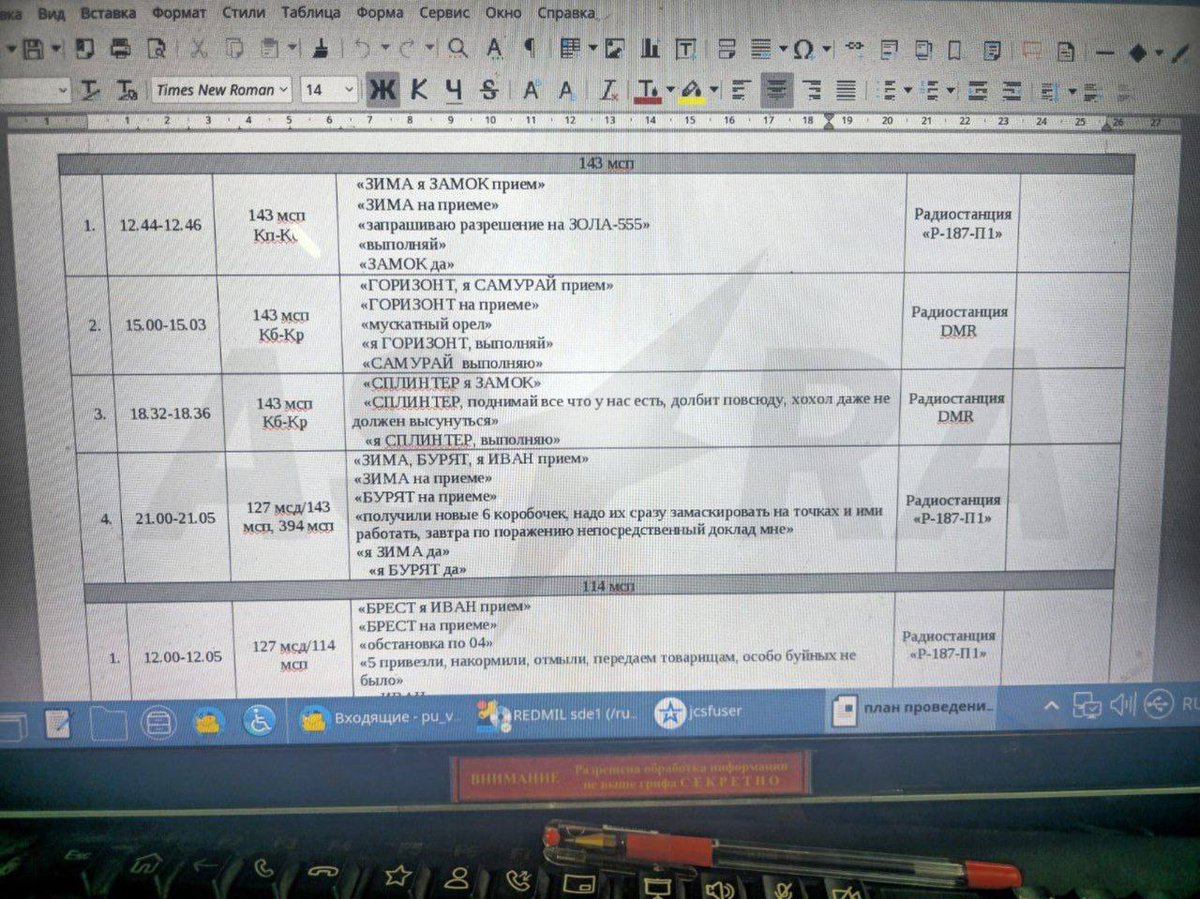
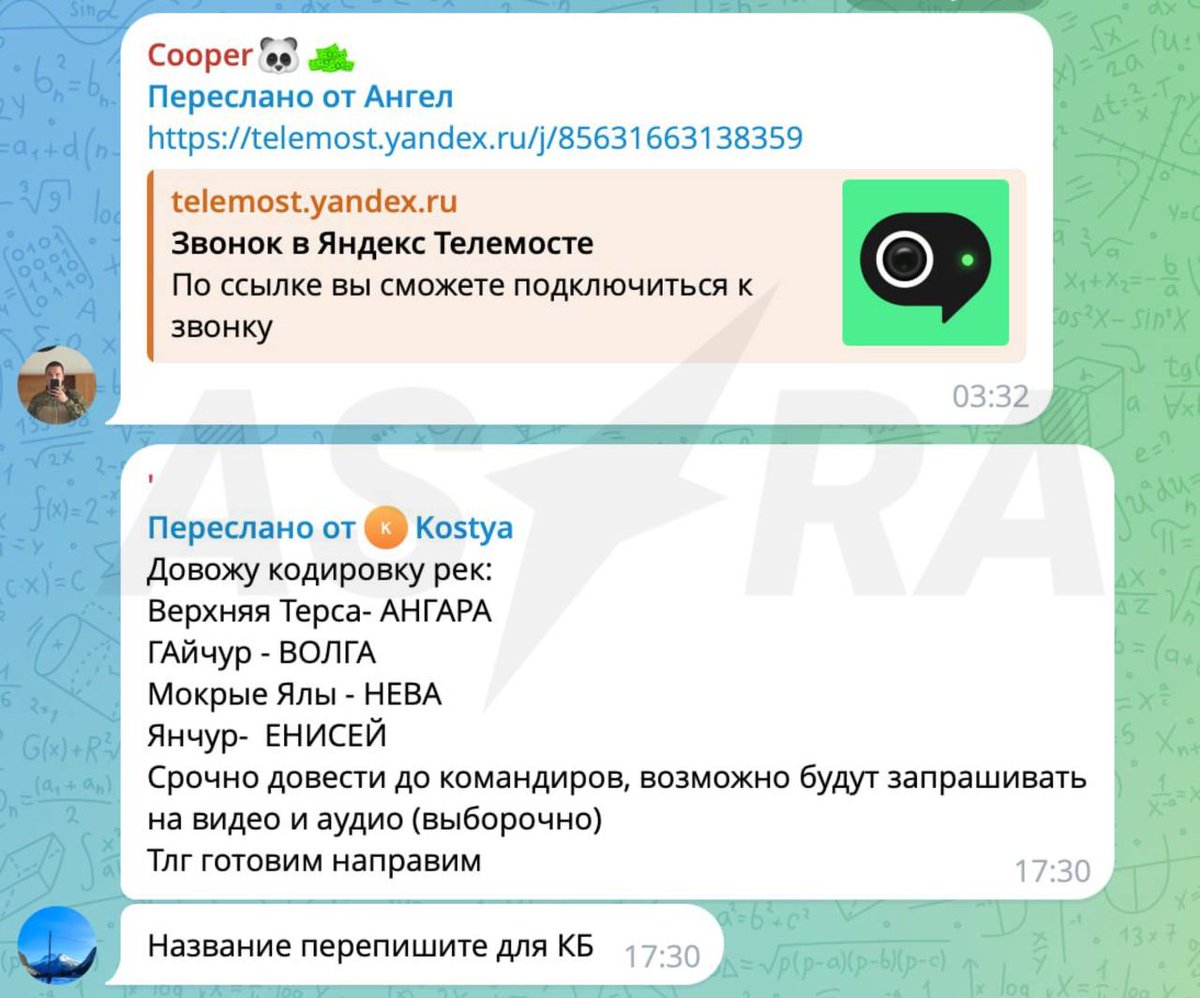
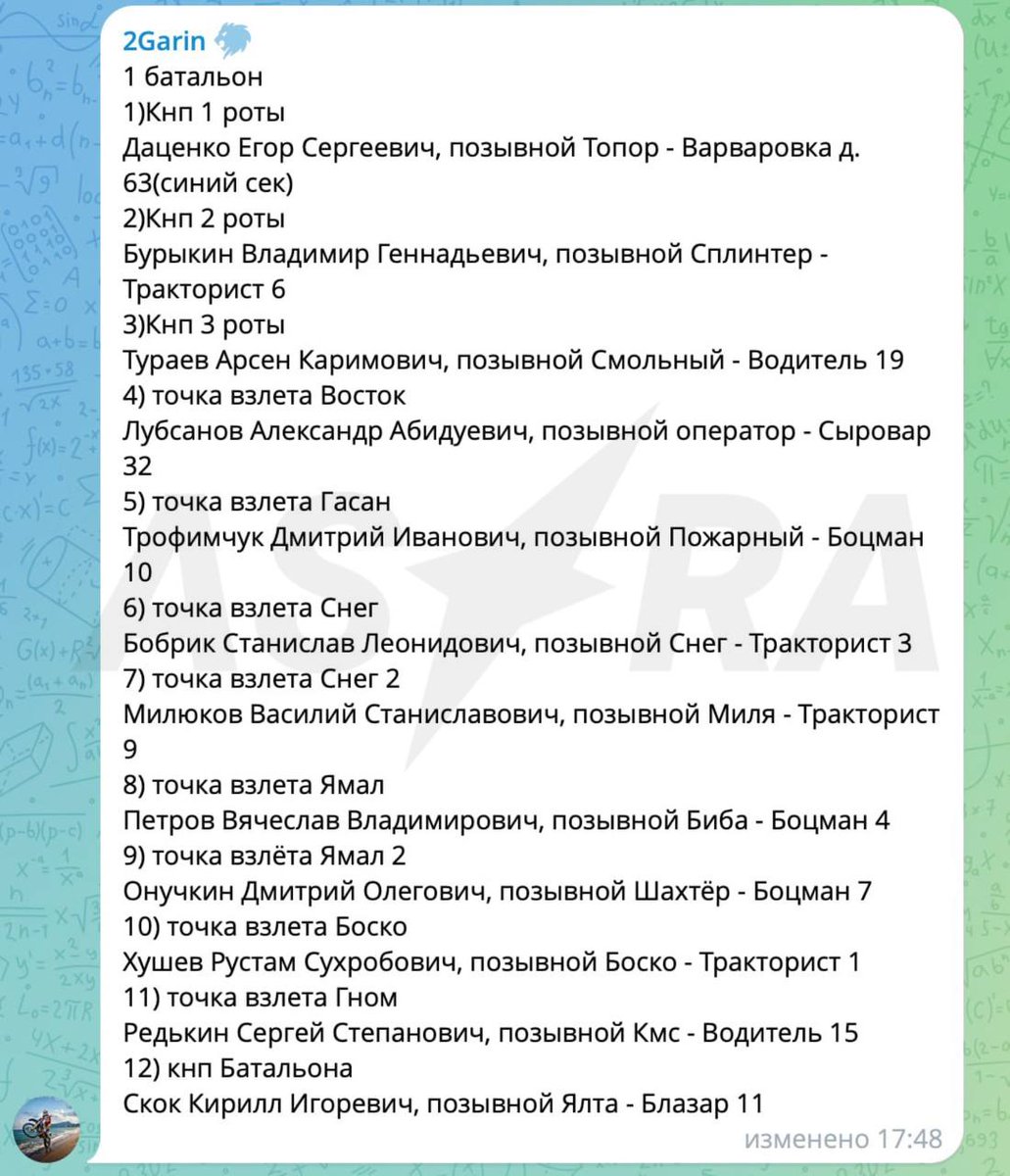
This is fantastic. I'm sure the GUR had a field day with this and other Russian opsec snafus.

For nearly a year, a Russian motor rifle regiment used an open Telegram group to share classified army directives, drone login credentials, front-line coordinates, & personnel lists. The records acknowledge losses from poor supply, plus Starlink terminal use. ↓
10


This a fantastically detailed walkthrough of the construction of the Hoover Dam and some of the engineering problems/solutions. Start to finish.
Highly recommend.
How Hoover Dam Works youtu.be/4EdMImlZE2s?si=Je7k… via @YouTube
15
This is a welcomed effort. My only question is why did it take so long? It's been 4* years and punches are still being pulled.
Jun 9

Brick by brick, we are collapsing the foundations of Russia's war economy.
Today, we are presenting our proposals for a 21st sanctions package against Russia.
This includes a temporary freeze of the Russian oil price cap and designations of institutions used by Moscow to generate revenues and circumvent EU sanctions.
It will target banks, weapons manufacturers, oil traders, refineries, and crypto operators in third countries.
3
Another day another reminder of what absolute fucking monsters the Russians are. 🤬
Jun 9

🔴 Russian soldier confesses to rape and murder of Ukrainian children.
Captured Russian soldier Rustam Gareyev from the 15th Motorized Rifle Brigade confessed to executing 20 civilians in Avdiivka, including an elderly woman and a teenager.
1
Bluegoose (@ibmninja.bsky.social) retweeted

Jun 9
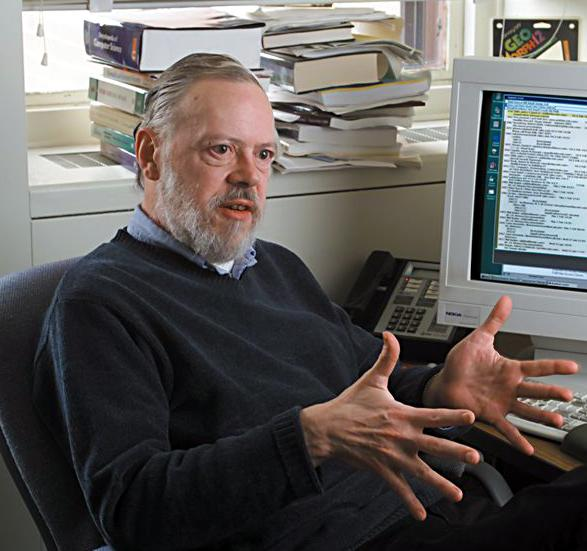
Dennis Ritchie invented C in 1972, co-built Unix in 1969, and his code is running inside every device you are reading this on right now and the colleague who announced his death had to do it through a Google post because no journalist thought to check.
He worked at Bell Labs in New Jersey for 44 years. He never gave a keynote. He never ran a company. He never appeared on a magazine cover. He just wrote code that became the invisible foundation everything else is built on.
Here is what he actually built, and why it matters more than almost anything that happened in tech.
In 1969, Bell Labs had just walked away from one of the most ambitious computing projects in history. The Multics project, a joint effort between MIT, Bell Labs, and General Electric, had collapsed under its own weight. Too complex. Too expensive. Too slow. Bell Labs pulled out.
Ken Thompson and Dennis Ritchie refused to let the ideas die.
Working in a small office in Murray Hill, New Jersey, Thompson wrote the first version of Unix in three weeks during the summer of 1969. One week for the file system. One week for the process management. One week for the command shell. Ritchie was working alongside him, and when the system needed a language that could express what they were building, he built one.
In 1972 he completed C.
C was not just another programming language. It was a different philosophy about what a programming language should be. Before C, most systems code was written in assembly, which meant every program was tied to the specific hardware it ran on. You could not move code between machines. You rewrote it from scratch every time.
C changed that. It sat close enough to the hardware to be fast, but abstract enough to run on anything. When Thompson rewrote the Unix kernel in C in 1973, it became the first operating system that could be picked up and moved to a completely different machine without starting over. Portability was a new idea. Ritchie made it real.
The branching that followed is almost impossible to overstate.
Unix spread from Bell Labs to universities. At Berkeley, it became BSD. BSD became the foundation of macOS and iOS. Unix influenced Linus Torvalds, who built Linux in 1991. Linux now runs every Android phone, every major web server, every supercomputer on the Top500 list, and the overwhelming majority of cloud infrastructure at AWS, Google, and Microsoft.
C became the parent language of C , Java, JavaScript, Python, and Objective-C. Rob Pike, who worked across the hall from Ritchie at Bell Labs for 20 years, said it plainly: "The browsers are written in C. The Unix kernel that the entire internet runs on is written in C. Web servers are written in C, and if they're not, they're written in Java or C , which are C derivatives, or Python or Ruby, which are implemented in C."
Ritchie won the Turing Award in 1983. He won the National Medal of Technology in 1998, presented by President Clinton. He was head of System Software Research at Bell Labs for decades.
He answered emails from strangers with technical questions until the end of his life. His home address stayed listed in the phone book. His colleague Brian Kernighan, who co-authored the definitive C textbook with him, said Ritchie was a private person who did no self-salesmanship. That was not false modesty. It was just who he was.
He died on October 12, 2011, at his home in Berkeley Heights, New Jersey. He was 70. He had been ill for some time. The world did not notice until Rob Pike posted a quiet announcement on Google , and the news spread through the programming community in hushed tones.
No front pages. No tributes from heads of state. No candlelight vigils outside corporate campuses.
The device you are reading this on runs code that traces directly back to what he built. So does the server that delivered it to you. So does the browser or app you opened to get here.
Most people will never know his name.
The ones who built everything you use every day do.
77
844
2,587
82,767
Bluegoose (@ibmninja.bsky.social) retweeted

Jun 9
Ukrainian FPV operators could do the funniest thing.

22
122
1,292
36,250
Bluegoose (@ibmninja.bsky.social) retweeted

Jun 7
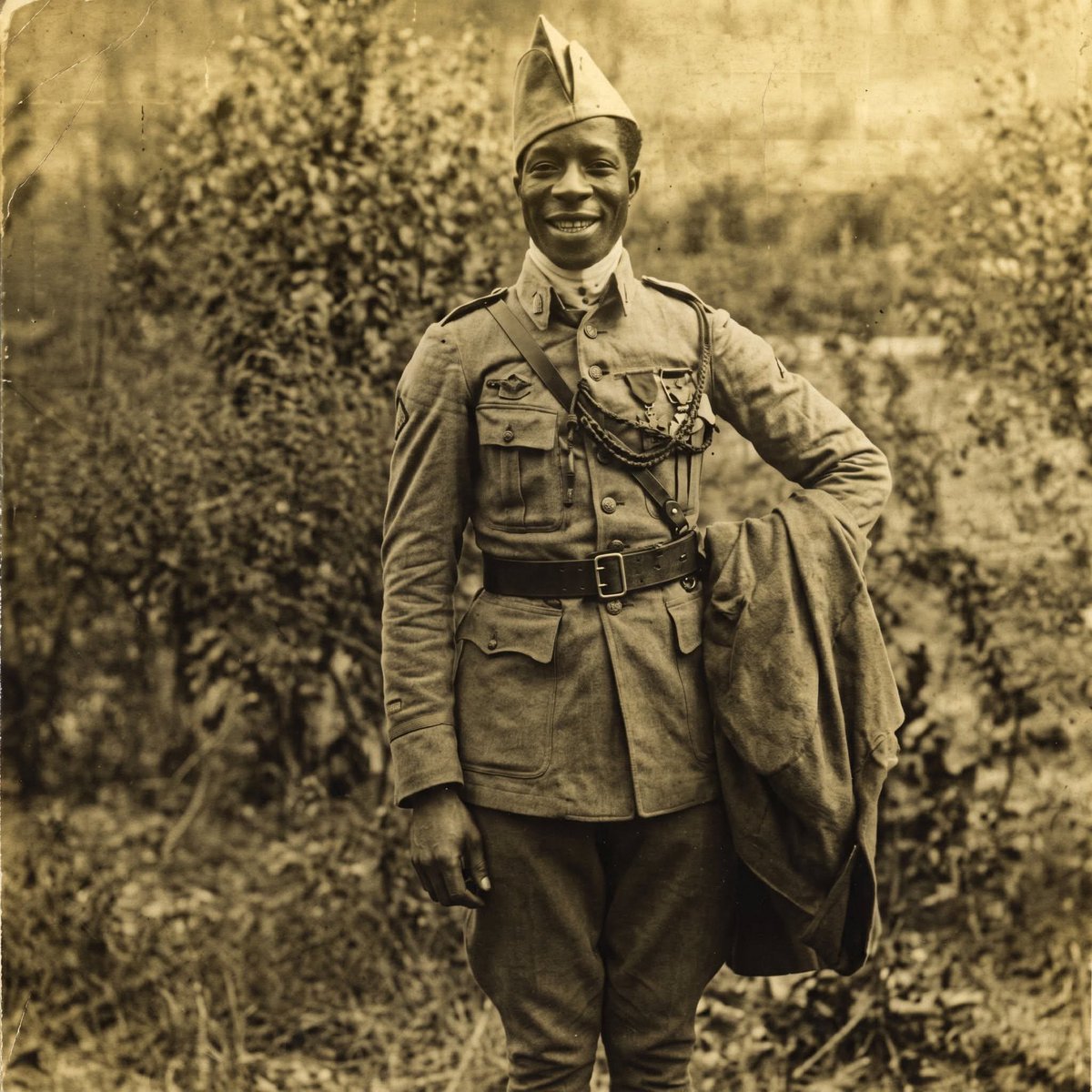
When the President of France visited the United States in April 1960, he asked the FBI to help him find a man.
The man he was looking for was an American citizen. He was sixty-four years old. He had been awarded fifteen French military decorations and — six months earlier, in a ceremony in Paris — had been made a Knight of the Légion d'honneur, the highest civilian honor France can give. The medal had been pinned to his chest by the President himself, who had publicly called him un véritable héros français. A true French hero.
The FBI located the man within a few days.
He was operating an elevator at Rockefeller Center in New York City.
The elevator operator's name was Eugene Bullard. He had been born in Columbus, Georgia, in 1895, the son of a man whose own father had been a slave.
He had run away from Columbus at the age of eleven, after watching a white mob nearly lynch his father.
He spent the next several years drifting through the American South. At sixteen, he stowed away on a German freighter at Norfolk, Virginia. He landed in Aberdeen, Scotland. From there he made his way to London, where he learned to box. By 1913, at eighteen, he was prizefighting in Paris.
When Germany invaded France in August 1914, Bullard was nineteen years old. He had no legal obligation to fight. He had no French citizenship.
He went to the recruiting office on October 19, 1914, and signed up for the French Foreign Legion.
He spent the next eighteen months as an infantryman in some of the worst fighting of the war — at the Somme, at Champagne, at Verdun. He was wounded three times. The third wound, on March 5, 1916, tore open his thigh and left him with permanent damage to his leg.
He was twenty years old. The doctors told him he would not return to the infantry.
He decided he wanted to fly.
In a Paris café in the spring of 1916, while he was recovering, Bullard mentioned to three white American friends that he was thinking of joining the French air service. A Mississippian named Jeff Dickson laughed.
Gene, Dickson said, you know damn well there aren't any Negroes in aviation.
Bullard answered: Sure do. That's why I want to get into it. There has to be a first to everything, and I'm going to be the first.
Dickson bet him two thousand dollars he would not make it.
Bullard took the bet. He earned his pilot's license on May 5, 1917. He won the bet.
He reported to the front in August 1917 and flew approximately twenty combat missions over the next three months in a SPAD VII. The fuselage was painted with a bleeding heart pierced by a knife and the French phrase Tout le Sang qui Coule est Rouge — All Blood that Flows is Red.
He carried, on every combat flight, a small capuchin monkey named Jimmy in the front of his flight jacket.
The French press began calling him L'Hirondelle Noire — the Black Swallow.
When the United States entered the war in 1917, Bullard immediately applied to transfer to the U.S. Army Air Service.
His application was rejected.
The U.S. Army Air Service had a policy, in 1917, of not accepting Black pilots. The other American pilots flying for France in his unit, all of them white, were transferred to the U.S. Air Service.
He was the only one who was not.
For the next twenty years, he was one of the most familiar faces in the Montmartre nightlife of Paris between the wars. He owned a nightclub called L'Escadrille. He spoke fluent French, English, and German. Hemingway drank there. Fitzgerald drank there. Langston Hughes drank there. Josephine Baker performed there. Louis Armstrong was a personal friend.
When Germany invaded Poland in 1939, Bullard was forty-four. His fluent German and his ownership of a nightclub frequented by German officers made him useful to the French Resistance. He became an intelligence agent — eavesdropping in his own bar on conversations between German officers who did not know he understood every word.
When France fell in June 1940, friends in the Resistance smuggled him across the Spanish border before the Gestapo could arrest him.
He came back to the United States for the first time in twenty-eight years.
He arrived in New York with thirty dollars in his pocket and a permanent limp.
He did not return to a hero's welcome. He returned to a country that had no idea who he was.
He worked at a perfume counter. He worked as a security guard. He worked at the Staten Island shipyards. By the late 1940s, he had taken the job that he would hold for most of the rest of his life.
He operated the elevator at Rockefeller Center.
He was wearing the elevator uniform on the day a producer from NBC came down from the studios upstairs to ask if he was the man Charles de Gaulle had been looking for.
A few weeks later, NBC sent a film crew to interview him in the lobby. The studios where NBC produced The Today Show were on the floors above. He had operated the elevator that took the network executives up to those studios every morning for nearly ten years. He had not been recognized as he did it.
He went back to operating the elevator the following Monday.
He died of stomach cancer on October 12, 1961, three days after his sixty-sixth birthday.
He was buried in the French War Veterans' section of Flushing Cemetery, in Queens, in the uniform of the French Foreign Legion. The casket was draped with the French flag.
In 1994 — thirty-three years after his death — the United States Air Force formally commissioned Eugene Jacques Bullard as a Second Lieutenant, posthumously.
It was the first commission the U.S. military had ever offered him.
He had been the first Black combat pilot in American history.
The French had been calling him a hero since 1917.
The Americans got around to it in 1994.
397
5,224
18,344
604,609
🧑🍳🤌
Jun 6

We wanted to understand what’s happening with the Strait of Hormuz. So we talked to five raw milk drinkers at an emergency room in Idaho.
10
Bluegoose (@ibmninja.bsky.social) retweeted

Jun 7
In case anyone needs to hear this, even a used Block IV VA-Class SSN is the most capable submarine on the planet.
Also, the electronics (sonar, fire control, etc.) get regularly refreshed via the ARCI Program, so in many cases older boats have better gear than newer ones.
Jun 6

The collective flip out about “second hand” submarines this week is so embarrassing for Australia.
Like a bunch a children throwing a tantrum over not getting something in the colour they want. The behaviour this week has been a national embarrassment
5
24
217
25,282
Bluegoose (@ibmninja.bsky.social) retweeted

Jun 6
This is really stupid, and it’s not getting enough attention.
The Trump administration is pulling a working $368 million ocean monitoring system out of the water, equipment taxpayers already bought, built, and sank into the deep ocean.
And they are doing it right when the oceans are behaving in ways that alarm the scientists who study them.
Record-breaking temperatures.
A system of Atlantic currents that may be lurching toward collapse.
The response?
Yank out the instruments and walk away.
That is not budgeting. That is smashing the gauges while the engine is on fire and calling it efficiency.
For what? The Trump administration dressed it up as a “nimbler approach” and “smart lifecycle management,” which is fancy nonsense for “we shut it off and hoped nobody would ask why.” There is no return-on-investment analysis. They cannot show taxpayers save a dime, because the gear is already paid for and the science it produces protects real money and real lives.
The kicker: the same people killing the monitors want to mine the deep sea for minerals. So they are destroying the only tools that could measure what that mining does. That is not an accident.
That is the point. You cannot see the damage if you break the instruments first.
cnn.com/2026/06/03/climate/o…
1,167
15,154
30,245
1,010,792
Lots of long range strikes of late. I'd like to point out to the former Biden admin (lookin' at you Jake) that Russia's nukes are still tucked away and sleeping.
Jun 6

Incredible night for Ukraine, taking out Russian oil infrastructure and military targets from St Petersburg to the Urals.
2000km from Ukraine, in Tyumen, the Antipinsky Oil Refinery, capacity 9 million tons/year burns after early morning strikes.
10
Bluegoose (@ibmninja.bsky.social) retweeted

Jun 6
Absolute clownery. We are at war. He’s not in the Middle East assuring allies, coordinating operations, or overseeing operations. No. He’s cosplaying as a real warrior. An Infantry officer who didn’t graduate Ranger School so he has to dress up like the actual qualified soldiers that did.

Hegseth is out playing dipshit 2nd Lt again for another photo shoot.

498
3,817
19,280
755,200